
MSKMag OutLoud
Physio Matters
0
MSKMag OutLoud blends cutting-edge clinical opinion with light-hearted relief from the daily grind. It features insights from leading minds in the musculoskeletal industry and aims to keep listeners up to date with best-practice evidence. The show also covers topical memes and practical discussion for MSK professionals. It is associated with Physio Matters and the MSKMag Substack.
Episodios
-
 Healthcare's best-kept secret - the pelvic floor (and why every therapist needs to know about it) 01.10.2026 9mIt always struck me as bizarre that sports medicine and musculoskeletal specialties deal with pain and dysfunction from head to toe in the human body, yet offer little health literacy or inclusion of the pelvic floor. Traditionally considered taboo and someone else’s remit, men and women with issues affecting the pelvic floor have largely suffered in silence. Thankfully, change is afoot, and healthcare is finally evolving. There is much more awareness, inclusion, and understanding of this unique body area and the role that it plays.For anyone playing catch up, the pelvic floor is a group of muscles spanning the base of the pelvic outlet in layers. While both men and women have a pelvic floor, the pelvic outlet is wider in females than in males and it also contains an extra orifice – the vagina [1]. That’s right, we went there. We said the ‘V’ word. Because just like vulva, or vestibule, the vagina is simply an anatomical term. It needn’t be embarrassing or taboo. Some of you will be long enough in the tooth to remember when the word ‘breast’ was taboo. However, with healthcare campaigns for breast cancer and breastfeeding, this term became an anatomical norm. We need to do the same for the pelvic floor and its related anatomy and physiology.What does the pelvic floor do?In both men and women, the pelvic floor serves to control the bladder and bowel (maintain continence), empty the bladder and bowel (voiding and defecation) and support sexual function (arousal and climax). In women, the pelvic floor also plays an important role in pelvic organ support. Remember that extra orifice I mentioned earlier…well this area is high risk for connective tissue laxity and defects meaning that the pelvic organs (bladder, uterus, rectum) can descend into the vaginal cavity causing symptoms of heaviness, pressure and a sensation of ‘something in the vagina’.What are the signs and symptoms of pelvic floor dysfunction?If the pelvic floor is not doing its job, any of its roles can become compromised. This may manifest in leaking from the bladder or bowel, inability to fully empty the bladder or bowel, pain ‘down there’, sexual dysfunction (compromised erection, dyspareunia, pain with climax) or heaviness and pressure in the vaginal region (for women) [2]. A full list of sex-specific signs and symptoms of pelvic floor dysfunction can be seen in Table 1.Table 1 - signs and symptoms of pelvic floor dysfunction in men and womenWho gets pelvic floor dysfunction?Pelvic floor dysfunction can affect any man, woman or child, however it is particularly problematic for women, especially during transitional life events, such as pregnancy/childbirth and the menopause [1]. One in three women will experience pelvic floor dysfunction [3] and for those that engage in sport, the prevalence of symptoms varies according to the load demands of the activity. For example 61% of netballers leak urine [4], up to 43% of female rugby players leak [5], and 32% of gymnasts experience incontinence [6]. Structural changes associated with vaginal childbirth and aging, as well as lower levels of oestrogen to lubricate and bulk out the tissues can increase the odds of experiencing pelvic floor dysfunction. However, even young adolescent females can leak urine due to the load demands of their sport. For example, in athletics and gymnastics, stress urinary incontinence (the involuntary leakage of urine during activities involving high levels of intra-abdominal pressure) is commonly experienced. Yet no-one is doing anything about it. No one is screening. No one is signposting. No one is educating these younger athletes that pelvic floor symptoms are not to be expected and normalised. Or that they simply indicate that the sporting demands exceed the load capacity at the pelvic floor. If this was any other area of sports or MSK practice, would we settle for a load capacity that does not meet the demands of the sport?!Why is this relevant to every therapist, no matter their discipline?If a patient/client you are supporting has pelvic floor dysfunction, it will undoubtedly impact their engagement and progression with your rehabilitation, no matter the bodily region or complaint that you are treating. It is like a silent assassin working in the background, unbeknownst to you. For example, the 50-year-old woman with knee pain that you are trying to progress through weighted squats or progressive impact activities who is stalling or apprehensive and not making the expected headway may be stalled due to fear of heaviness, pressure or leaking and not necessarily capped by their knee pain or function. The competitive 15-year-old sprinter with hamstring tendinopathy may be inhibited more by the fear of leaking than the ability to push into their sprint. Layer that with the environmental considerations of access to toilet facilities (or lack thereof) where the athlete is training or engaging in rehabilitation, and you open a complex domain of biopsychosocial and environmental considerations that impact your patient’s presenting complaint.Further to this is the overlap between pelvic floor dysfunction and low energy availability. The latest IOC Consensus statement on relative energy deficiency in sport (REDs) [7] recognised that urinary incontinence as a potential indicator of REDs. That is, where an athlete is expending more energy than they are consuming, non-necessary bodily processes will be de-prioritised, which is why females with REDs experience alterations or complete loss of their menstrual cycle as well as compromised bone health that carries an increased risk of bony stress injury. But did you know that the musculoskeletal and neuromuscular integrity of the continence mechanism may also be impacted? If you support female athletes and are screening them for REDs, recognising urinary incontinence as a potential sign is essential. Moreover, differentially diagnosing and clinically reasoning whether this leakage is related to REDs or caused by a dysfunctional pelvic floor should be part of our role.One of the most important reasons I believe that all therapists should be aware of and screening for pelvic floor symptoms, is because you may be that individual’s only chance to get these taboo symptoms recognised and addressed. As rehabilitation professionals, we have the opportunity to build therapeutic alliances with our clients. We get to spend time with them, build trust and engage in rapport. Therefore you may be the first person to introduce the topic of pelvic floor dysfunction and create a safe place for them to disclose symptoms.Screening is easy!Similar to screening for red flag, neurological, rheumatological or even psychosocial determinants of symptoms, we can easily screen for pelvic floor dysfunction. This carries no pressure or weight for therapists to know how to manage pelvic floor dysfunction if it is identified. Like red flags, neurological signs and the like, we screen to identify and signpost to the appropriately qualified professional (e.g., pelvic health physiotherapist, urogynaecologist or GP). Before you think this will create an extra need or more work, all you need to do is ask five simple questions. The PFD-SENTINEL [8] is a sports-specific screening tool that is simple and user-friendly. For the faint-hearted therapist who doesn’t want to venture into using the ‘V’ words just yet, you can even hand the tool to your patient and have them tick what symptoms are present. Easy![Figure 1 - Section of PFD-SENTINEL screening tool. From: Giagio S, Salvioli S, Innocenti T, et al. PFD-SENTINEL: Development of a screening tool for pelvic floor dysfunction in female athletes through an international Delphi consensus, British Journal of Sports Medicine.]Differential diagnosis – is it the pelvic floor, the hip or the groin?Anyone assessing hip and groin pain should be aware of the pelvic floor in their differential diagnosis. The hip, groin and pelvic floor are anatomically linked. For example, the shared muscle represented by obturator internus as a lateral hip rotator AND as a lateral intrapelvic muscle of the greater pelvic floor) or the common bony insertion that the adductor muscles and pelvic floor connect to - the pubic bone. Frustrated by siloed thinking and practice, we put out a call to action in 2025 in the British Journal of Sports Medicine called ‘Hiding in plain sight: the pelvic floor in hip and groin pain’ [9]. Further to this, my esteemed colleague Dr Helen McKeever presented a detailed overview of differentially diagnosing the source of hip and groin pain in a new scientific book chapter [10].Individual reflectionAs you read this I want you to consider whether you have ever screened for symptoms of pelvic floor dysfunction in the populations you serve? Did you already know that this was a potential issue that could be interfering with your rehabilitation success? Would you settle for reduced load capacity at any other bodily region if it was impacting your patient’s progression and quality of life? Did you ever consider that you may be the first or only person they disclose these intimate symptoms to? I call on you to be the difference that makes the difference and include the consideration of pelvic floor function in your clinical reasoning and practice. It is sure to elevate your game.Want to learn more?If you can’t tell by now, this topic is a huge passion area of mine. So, I edited an entire scientific textbook on it. Sports Medicine and the Pelvic Floor – Science to Practice was published in May 2026 and it has already achieved bestseller status in the Elsevier Life Sciences category and across multiple Amazon categories. Pitched to the non-pelvic health or fitness professional, it includes everything you need to know to include the pelvic floor within your sports medicine practice. Jack Chew even sat down to discuss this book with me on Chewing it Over if you want to find out more and even better…MSK Mag readers can access 30% off using discount code BIOMED30 at Elsevier checkout if they purchase the paperback option only.[Grainne’s new scientific textbook - Sports Medicine and the Pelvic Floor - Science to Practice. Elsevier. 2026]References1. LaCross JA, Ashton-Miller JA, DeLancey J. Chapter 2 - The female pelvic floor—anatomy, function, and the lifespan model. In: Donnelly GM, editor. Sports Medicine and the Pelvic Floor: Academic Press; 2026. p. 7-44.2. Donnelly GM, Moore IS. Sports Medicine and the Pelvic Floor. Current Sports Medicine Reports. 2023;22(3):82-90.3. NICE_Guideline. Pelvic floor dysfunction: prevention and non-surgical management. National Institute of Clinical Guidelines. 2021;NG210.4. Gill N, Lin K-Y, Whitford E, Jeffrey S, Frawley H. The prevalence of urinary incontinence in nulliparous and parous adult netball players. Continence. 2025;13:101753.5. McCarthy-Ryan M PJ, Donnelly GM, Leahy K, Yeomans C, Liston M, et al. Urinary incontinence prevalence and risk factors in female Rugby Union players: A common health problem across four nations. . Under review6. Gram MCD, Bø K. High level rhythmic gymnasts and urinary incontinence: Prevalence, risk factors, and influence on performance. Scandinavian Journal of Medicine & Science in Sports. 2020;30(1):159-65.7. Mountjoy M, Ackerman KE, Bailey DM, Burke LM, Constantini N, Hackney AC, et al. 2023 International Olympic Committee’s (IOC) consensus statement on Relative Energy Deficiency in Sport (REDs). Br J Sports Med. 2023;57(17):1073-97.8. Giagio S, Salvioli S, Innocenti T, Gava G, Vecchiato M, Pillastrini P, et al. PFD-SENTINEL: Development of a screening tool for pelvic floor dysfunction in female athletes through an international Delphi consensus. British Journal of Sports Medicine. 2023;57(14):899.9. Cooke R, Papadopoulou T, Weir A, Donnelly GM. Hiding in plain sight: the pelvic floor in hip and groin pain. British Journal of Sports Medicine. 2026;60(2):88.10. McKeever H. Chapter 9 - Differential diagnosis—Is it the pelvic floor, the hip, or the groin? In: Donnelly GM, editor. Sports Medicine and the Pelvic Floor: Academic Press; 2026. p. 221-40. This is a public episode. If you'd like to discuss this with other subscribers or get access to bonus episodes, visit mskmag.substack.com/subscribe
 -
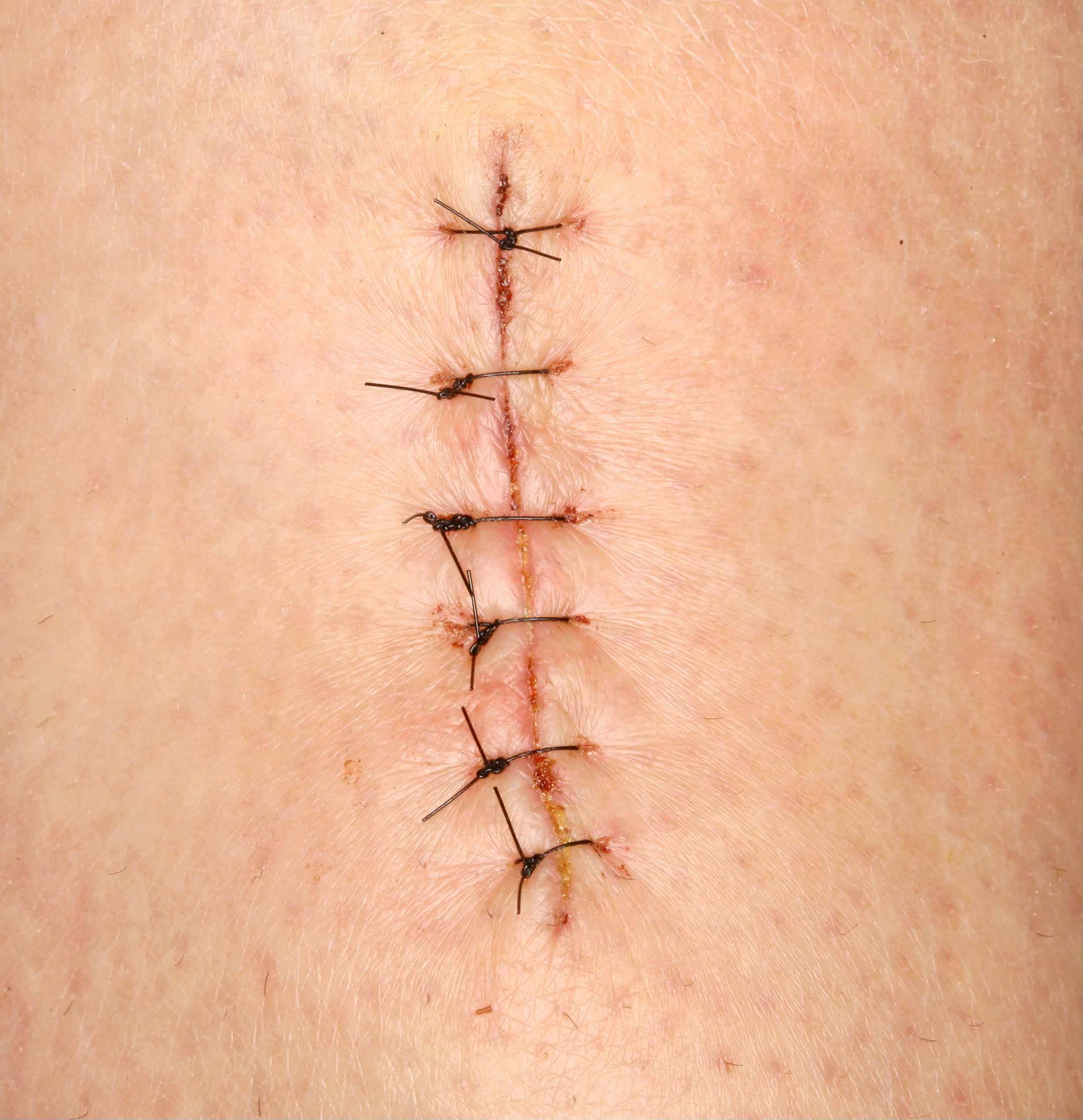 Scar Scepticism: what’s the big deal with scarring? 01.10.2026 2mThis is a free preview of a paid episode. To hear more, visit mskmag.substack.comYou may already be treating scars. You may not. You may have no idea that treating scars is even a treatment. You could have been in your profession for decades and have no reason to believe that assessing or ‘treating’ a scar is required. You may have built your business on the treatment and scarring. You may think scar massage is just ‘the emperor’s new clothes treatment’; another hands-on treatment fad, which will pass in time.You may be scar sceptical. You may not.So let’s have a look at scarring; through a clinical reasoning lens, by reviewing the evidence, understanding anatomy and piecing together what we already know, to see if scar therapy intervention has a place in our treatment tool box… or not.I’m sure we can all agree that scars exist. They are the body’s natural healing response when the skin and surrounding and/or deeper tissues are cut, damaged or traumatised in some way. [1,2] This has been happening since the dawn of time. We can’t stop the body forming a scar, but can we influence what happens to the scar once it is formed? Before we investigate this question, we need to understand if scars have any impact at all.A scar is not simply a line on the skinOne reason scar scepticism persists may be the tendency to view the scar as a superficial structure.The visible scar is only one manifestation of tissue injury and repair.Following surgery, the healing response involves inflammation, fibroblast activity, extracellular matrix deposition and remodelling. Tissue properties can change during this process, including pliability, thickness and mechanical behaviour.[3]The ‘superficial’ scar may also extend beyond the skin and cause adhesionsIn abdominal and pelvic surgery (for example), healing occurs across multiple tissue planes, and postoperative adhesions may develop. Importantly, an adhesion is not synonymous with pain. The existence of adhesions does not establish that they are clinically relevant to an individual’s symptoms.This is where precision in language becomes essential.Instead of saying:“The scar has caused adhesions and the adhesions are causing the patient’s pain”we should distinguish the different hypotheses:
 -
 Running Injury Rehab: The Diagnosis Is Only Part of the Story 01.10.2026 2mThis is a free preview of a paid episode. To hear more, visit mskmag.substack.comWhen I first started writing this article, I found myself writing a more traditional piece on running injury rehab. The importance of a good subjective history, accurate diagnosis, load management and progressive rehab. All of that is key and I will touch on those things throughout this article. But I also wanted to write something that felt a little more reflective and practical, based on what working with runners has taught me.Over the past 7-8 years of solely working with runners, I feel like I have gained some great insights into different training habits, running cultures, beliefs and what it means to be a healthy runner. I have been lucky enough to work with Olympic-level runners from 800m runners all the way up to the marathon. I also work with competitive club runners to those who are just starting out and looking to run their local park run. I wanted to share some insights that I have learned from working with all these runners and experiencing different running cultures and I hope you find it useful.The more runners I work with, the more I come back to a similar point: running injury rehab is rarely just about treating the painful area. Of course, we know the diagnosis matters, the tissue involved matters. Is it bone? Tendon? Muscle or neural? If we only focus on where the pain is, we often miss the bigger picture.What has this runner been prepared for? What training have they been exposed to over time? What has changed in the last few weeks or months? How do they interpret their training plan? Can they adapt when training is not going to plan or do they feel like they must complete whatever is written in their training program? What is their belief around why they got injured? These questions help us create the bigger picture.What has this runner been prepared for?One of the biggest things I have learned is that a runner’s background matters. It starts with the younger athlete. We have a huge influence on young athlete development and I feel it is something we need to take seriously and create more awareness on. I feel fortunate but also slightly uncomfortable at times to have treated hundreds of young athletes who have done well in the sport but also many who have had significant running related injuries (RRIs).Some of these injuries come with potential long-term consequences, particularly when relative energy deficiency in sport (REDs) is part of the picture [1]. Bone health is a good example. We know bone mineral density continues to develop into early adulthood, so adolescence and early twenties are a significantly important window [2].
 -
 Every Day I’m Hustlin' 01.10.2026 1mThis is a free preview of a paid episode. To hear more, visit mskmag.substack.comIt is 2am on a Tuesday and my girlfriend (now wife) isn’t necessarily grumpy but she certainly isn’t smiling… We have been writing names and addresses on envelopes for four hours to send my Rheumatology At A Glance booklets to people who have ordered them. We are working our way through a pile of printed out orders that I have been stacking on top of my printer so they are in time order. We run out of the 100 books that got delivered that day and more aren’t arriving for another two days from the printers.If I was some weirdo on LinkedIn this would be a piece entitled “What I learned about business from annoying my wife” but instead I am a weirdo in MSKMag and it is “What I learned about side hustles and pricing”.I Didn’t Plan To Be SuccessfulLet me indulge my own ego for a few lines.When I launched Rheumatology At A Glance 1.0 (RAG1) I did a week of pre-orders which did ok, about 35 of them sold (at £5 + £1P&P) in the first three days so I ordered 50 and decided to send some to pals because I sort of broke even on it.Then two things happened at essentially the same time.* I went away for the weekend without a computer* Seemingly EVERYONE who received a book tweeted about it (yeah it was the golden days of Twitter 🙁)
 -
 First-Rate Second Opinions 01.10.2026 1mThis is a free preview of a paid episode. To hear more, visit mskmag.substack.comWhat actually is a second opinion?Many will think that a second opinion is another specialist looking at the patient and deciding whether the first specialist was right.Whilst this occasionally may happen, it usually isn’t. There are four types of second opinion.• Diagnostic second opinion: What is actually wrong?• Treatment second opinion: We agree what is wrong, but what should we do about it?• Prognostic second opinion: What happens if we treat it — or don’t?• Failure-analysis second opinion: Why hasn’t the treatment/operation/rehabilitation worked?A patient six months after ACL reconstruction with persistent pain or stiffness doesn’t necessarily need someone to critique the surgery. They need someone to reconstruct the entire history and work out where the recovery departed from the expected trajectory.Second opinions aren’t necessarily about disagreement, in fact a helpful second opinion could be, “I have reviewed everything, and I agree with the diagnosis and proposed treatment.”We know that confirmation can:• increase patient confidence• resolve uncertainty• improve adherence to rehabilitation• help someone proceed with surgery or non-operative care without lingering doubtThis fits naturally with modern shared decision-making: the clinician contributes evidence, diagnosis, prognosis and treatment options, while the patient contributes goals, preferences and attitude to riskWhen should the physiotherapist think: ‘This needs another opinion’?
 -
 The Zebra Farm: When Anterior Knee Pain Isn’t Patellofemoral Pain 01.10.2026 10mWith cases from James NoakeIn musculoskeletal medicine, we are trained to recognise patterns. Most of the time, the answer sits comfortably within the familiar: overload, strain, tendinopathy. But every so often, something doesn’t quite fit. The story is slightly off, the response to treatment unexpected, or the clinical picture just a little too inconsistent.This is where the ‘Zebra Farm’ comes in.Each time, we explore a trio of real-world cases as written up by Dr James Noake (Consultant in Musculoskeletal, Sport and Exercise Medicine) in his upcoming book ‘Real World Sports Medicine and Musculoskeletal Case Studies : Knee and Lower Leg’. The cases challenge diagnostic instinct; presentations that look routine on the surface but reveal something far less obvious underneath. These are not just rare conditions for rarity’s sake; they are reminders of the cognitive traps we all fall into: anchoring, pattern recognition bias, and premature closure.Because sometimes, when you hear hoofbeats, it isn’t a horse.This is the Zebra Farm.In musculoskeletal medicine, few diagnoses are more common than patellofemoral pain syndrome (PFPS). Anterior knee pain, stairs, squatting, sitting, running, jumping pain all form a pattern to clinicians. Most of the time, the diagnosis is correct.But, every so often, patients present with what appears to be classic PFPS, only for the real diagnosis to sit somewhere entirely different. Perhaps in connective tissue, instability, or an embryological remnant hidden within the joint itself.This is where the Zebra Farm comes in.Each time, we explore a trio of real-world cases as written up by Dr James Noake (Consultant in Musculoskeletal, Sport and Exercise Medicine) in his upcoming book Real World Sports Medicine and Musculoskeletal Case Studies: Knee and Lower Leg. These cases remind us that not all anterior knee pain is created equal, and that pattern recognition can sometimes become pattern misrecognition.Because sometimes when you hear hoofbeats, it isn’t a horse.This is the Zebra Farm.Case 1: The Patellofemoral Pain That Was Actually hEDS and POTSAn ex-ice skater, now into weight training, presented with:* Bilateral anterior knee pain* Generalised fatigue* Postural dizziness* Occasional palpitationsAt first glance, the knee symptoms looked like entirely plausible patellofemoral pain syndrome in a young athletic individual.However, the clue wasn’t in the knees - it was in everything else.The patient described:* Light-headedness on standing* Fatigue disproportionate to activity* Palpitations* Generalised hypermobilityIncreasing the chance that this is a systems issue, rather than an isolated knee injury.Diagnosis: Hypermobile Ehlers-Danlos Syndrome (hEDS) with Postural Orthostatic Tachycardia Syndrome (POTS)The anterior knee pain was merely one manifestation of a broader connective tissue disorder. The patient required multidisciplinary assessment including cardiac evaluation and investigation for POTS, which is strongly associated with hypermobility and Ehlers-Danlos Syndrome.Why It Fooled Clinicians* The presenting complaint was knee pain* Many patients with hypermobility are highly active athletes or dancers* The autonomic symptoms may be volunteered only when specifically askedKey Sign➡️ Anterior knee pain accompanied by fatigue, dizziness, palpitations or widespread musculoskeletal complaints should prompt consideration of a systemic cause.Clinical PearlAs performing arts Physiotherapist Liz Bayley notes in her accompanying reflection:“Dancers, gymnasts, circus artists, divers, and skaters occupy a space where artistry and athleticism are inseparable, and where hypermobility is not only common, but actively celebrated.In these populations, hypermobility spectrum disorders (HSDs) and Ehlers-Danlos Syndrome (EDS) appear with notable frequency. It is not difficult to understand why.Children who are naturally “bendy” find themselves in environments where those qualities are rewarded - praised for party tricks, admired for high kicks and deep backbends, selected for their aesthetically pleasing lines, their pliable feet, their effortless turnout. What begins as a biological variation becomes, over time, a professional asset.And yet, the demands placed on these bodies have evolved. Dance in 2026 is no longer defined solely by artistry; it is increasingly virtuosic and relentlessly athletic. Choreography now requires strength, power, stamina, coordination, and precision at the highest level.Hypermobility challenges the traditional biomedical model - for those working with dancers and aesthetic athletes, it also requires navigating the tension between performance demands and physiological reality.Ultimately, while hypermobility may complicate clinical pathways, it also offers an opportunity to practice with greater curiosity, compassion, and depth.Being flexible goes both ways.”Sometimes the Problem Isn’t Pain... It’s InstabilityThe first case reminds us that anterior knee pain can be part of a multisystem disorder. The next case appears far more mechanical.But what looks like patellofemoral pain is actually the aftermath of a major instability event.Case 2: The Patellofemoral Pain That Was Actually a Patellar Dislocation [pg 144 - inc MRI and USS images]A tall, hypermobile woman in her twenties landed awkwardly from a jump for a ball.The mechanism:* Single-leg landing* Dynamic valgus collapse* Immediate severe pain* Inability to weight bearInitial ThoughtsMany clinicians seeing the patient later in her recovery might simply encounter:* Anterior knee pain* Retropatellar discomfort* Effusion* Quadriceps inhibition* Apprehension during loadingWhich can be features of patellofemoral pain.The Role of ImagingMRI demonstrated:* Patellofemoral dislocation* Medial patellofemoral ligament (MPFL) tear* Large haemarthrosis* Relatively shallow trochlear grooveUltrasound additionally demonstrated acute MPFL avulsion injury at the medial patellar border.Diagnosis: Acute Patellofemoral Dislocation with MPFL TearThe patella had physically escaped the trochlear groove, damaging the primary soft-tissue restraint that prevents lateral translation and resulting in structural instability.Why It Fooled Clinicians* Patients may not appreciate that a dislocation actually occurred* The patella often spontaneously relocates* Later presentations may resemble standard anterior knee pain* Quadriceps inhibition is frequently attributed to PFPSKey Sign➡️ A valgus landing mechanism with immediate swelling, severe pain and inability to weight bear should trigger suspicion of transient patellar dislocation.Extra Zebra?One particularly important pearl from this case:Approximately 50% of acute patellar dislocations may have an associated MCL injury - make sure to assess this too.Could it be the cartilage?The first case was systemic, the second, instability.The third teaches an equally important lesson: sometimes the patellofemoral joint hurts despite the cartilage being completely normal.Case 3: The ‘Chondral Injury’ That Was Actually Medial Plica SyndromeA female weightlifter presented with:* Functionally disabling anterior and medial knee pain* Both retro and suprapatellar pain* Heat and redness (no rheumatology risk factors)* Clicking and catching sensations* Difficulty squatting even with low load* Symptoms during deep snatch positionsMany clinicians would immediately think:* Patellofemoral pain syndrome* Chondral injury* Early patellofemoral osteoarthritis…and the history certainly seemed to support it.Clinical FindingsExamination demonstrated:* Positive ‘stutter’ test* Positive Clarke’s test* Medial parapatellar pouch tenderness* Low-grade effusion* Mechanical clicking symptomsSo far, so cartilaginous.The ImagingMRI showed:* Pristine patellofemoral cartilage surfacesA combination of MRI and ultrasound demonstrated:* A large inflamed serpiginous medial plica* Mechanical impingement during knee movement* Dynamic reproduction of the patient’s clicking symptomsDiagnosis: Medial Plica SyndromeThe culprit wasn’t damaged cartilage at all, it was an inflamed embryological remnant mechanically impinging inside an otherwise healthy joint.Why It Fooled Clinicians* Symptoms closely mimicked patellofemoral chondral pain* Clicking reinforced assumptions about cartilage injury* The location of pain was classically retropatellar* Many clinicians are unfamiliar with dynamic ultrasound assessment of the plicaKey Sign➡️ Mechanical anterior knee pain with a normal patellofemoral joint on imaging should prompt consideration of symptomatic plica syndrome.Reality CheckJames writes that:‘Plicae are normal anatomical variants and are often overdiagnosed, but occasionally become genuine pain sources, capable of mimicking mechanical patellofemoral pathology.’Closing Reflection: Patellofemoral Pain Is a Symptom, Not a DiagnosisThese three cases look completely different.One is systemic, one instability-related, the other intra-articular soft tissue impingement, yet all three could easily be labelled ‘patellofemoral pain’.Patellofemoral pain syndrome should often be viewed as a working hypothesis rather than a final diagnosis.Across all three cases:* The pain was anterior* The symptoms worsened with loading* The initial pattern appeared familiar* The real diagnosis only emerged after deeper questioning or better imagingThe challenge is not necessarily spotting zebras, but in recognising when the horse no longer behaves like a horse.Practical TakeawaysWhen anterior knee pain deserves a second thought* Bilateral symptoms with systemic complaints* Palpitations, dizziness or excessive fatigue - or multiple body systems appear involved* Significant hypermobility* Recurrent instability episodes* Sudden traumatic valgus landing mechanism* Mechanical clicking despite normal cartilage imaging* Failure of otherwise appropriate rehabilitation* Standard treatment repeatedly failsAlternative diagnoses worth considering* Systemic → hEDS, hypermobility spectrum disorder, POTS* Instability → patellar dislocation, MPFL injury* Intra-articular soft tissue → symptomatic medial plica* Structural → osteochondral injury, dysplasia, malalignmentIn musculoskeletal medicine, anterior knee pain is usually just patellofemoral pain.But every so often...it’s a zebra. This is a public episode. If you'd like to discuss this with other subscribers or get access to bonus episodes, visit mskmag.substack.com/subscribe
 -
 The Great North Logistical Headache - Editorial - MSKMag Issue 34 01.10.2026 4mThis is a free preview of a paid episode. To hear more, visit mskmag.substack.comHere in the North East of England, we are emerging from Great North Run season. Hosting the biggest half marathon in the world on our doorstep naturally creates a few more new patient appointments and a little less space on the path of your regular running route.I have done the Great North Run once, two years ago. This was also my final time doing the Great North Run, mostly because of the associated Great North Logistical Headache. Do not let me put you off - it is a fantastic event with a great atmosphere and tens of thousands of runners in turn raising hundreds of thousands of pounds for charity.However, in my experience, the Great North Run is one (very demanding) thing. The Great North Portaloo Queue is quite another. Same too the Great North Return Bus Journey, or, if unlike me, you haven’t seriously pissed off your IT band and fancy it, the Great North Walk to South Shields Metro Station, followed by the Great North Standing Room Only Trip Back to Newcastle in the shadow of a fellow runner’s Great North Armpit.Now I understand that an A to B half marathon route is naturally going to place you 13.1 miles away from where you started but unfortunately what I didn’t reckon with was standing for an hour in the pouring rain in the 2024 starting pen, then an arduous 21 kilometres, THEN boarding what turned out to be Harry Potter’s Knight Bus, realised namely when we were practically scaling the walls of tunnels at speed and then hammered home when I threw up some electrolytes I would rather have kept to myself into my hastily-emptied goodie bag. Despite the best efforts of Ernie Prang and Stan Shunpike, this journey took the same 2 hour 22 minute duration that it took me to go the opposite direction on foot.I mention the half marathon only briefly on purpose because it was eclipsed by the logistics of the day. You deserve a medal for braving the whole day start to finish. You deserve a new technical T-shirt for making it back home, plus or minus some bodily fluids.In this month’s MSKMag, our articles talk about the smallness of a singular appointment and the patient’s label such as ‘runner’ or ‘tight scar’, the pelvic floor that has placed you back at the end of the aforementioned Great North Portaloo Queue, but that no one taught you about, how we can run small business hustles alongside our full time jobs and family lives, and the breadth and depth of how to seek or provide a good second opinion when that singular appointment isn’t going to plan.‘It always struck me as bizarre that sports medicine and musculoskeletal specialties deal with pain and dysfunction from head to toe in the human body’ opens Grainne Donnelly, ‘yet offer little health literacy or inclusion of the pelvic floor.’ In her piece ‘Healthcare’s best-kept secret - the pelvic floor’, Grainne addresses the much-neglected anatomy that feels forgotten in the big event.Jonathan Bell and Claire Robertson team up to write ‘First-Rate Second Opinions’ and share how to both ask for and provide a good one. Can we follow the thread far enough back to tell why a race isn’t going to plan?In ‘Scar Scepticism’, Hannah Poulton takes on the evidence to address whether there is merit in soft tissue therapy for the treatment of scars. In an area where clinicians tend to be firmly based on one side of the argument or the other, Hannah will stretch your brain wider than the Felling Bypass to see the bigger picture.In an article that fits my metaphor better than most, Aidan O’Flaherty shares what he has learned from treating runners and teaching other clinicians in his running injuries course. It’s not just about the ITB or the Achilles but getting into the runner psyche of the human being wedged into the trainers. Read more in ‘Running Injury Rehab: The Diagnosis Is Only Part of the Story’.And finally, our very own Jack March is well known for his main events - Ops Lead at Physio Matters and organiser of Therapy Live and our Masterclasses - but what about the working parts in the background that contribute to his additional business, Rheumatology.Physio. Incorporating some relationship as well as business advice, check it out in ‘Every Day I’m Hustlin’’.And so as medals are hung up and training cycles are wound down, it’s clear that the finish line was never the full story - it was about the training, the effort and the getting home again. It’s the same in the clinic room and this month’s authors are all asking the same question in different postcodes: what’s going on beyond the small picture: the singular appointment, the singular label and the singular diagnosis?Medals are brilliant but the bigger picture is where the good stories lie.
 -
 AI solved our notes - but can it improve care? 01.09.2026 12mA few years ago, if you asked most clinicians what they wanted AI to do, ‘write my notes’ would have been pretty high on the list. Which is fair enough; nobody became a physiotherapist because they had a deep passion for clinical documentation.AI scribes have become remarkably good at solving that problem. They listen to our consultations, turn conversations into structured notes and draft letters before we’ve finished our coffee.But after more than a decade treating patients and running clinics, I’ve come to think we’ve aimed AI at the easiest part of the problem. Whilst notes are frustrating, the bigger admin problem is everything required to deliver good care between appointments.The invisible workload of good careThink about what happens after a fairly normal MSK consultation. You might need to update the patient’s exercise program, film a new exercise, find the right video, and write down the sets, reps and loading parameters.You might want to send the patient a summary of what you think is going on, remind them of their goals and explain what progress should look like over the next few weeks.Perhaps there’s an insurer form that needs completing before another block of treatment is approved. Then there’s the patient you haven’t seen for three weeks, who you were supposed to book again in seven days.Should you message them? Has reception already tried? What were their goals again? Did they stop coming because they were better? Because they weren’t improving? Because life got busy? Or because they forgot why the next appointment mattered?None of these jobs are particularly difficult, but multiply them by twelve patients a day, five days a week, and suddenly ‘good patient care’ has generated a second job. That’s the opportunity in AI that interests me most. Not simply making the documentation of care faster, but making the delivery of good care easier.We started with clinician-centred AIThe first wave of healthcare AI has understandably been clinician-centred. Documentation is repetitive, expensive and unpopular. So we built machines that could do more of it for us. Whilst that’s a win, faster notes don’t necessarily mean better care.If an AI scribe saves me 30 minutes at the end of the day, I’ve improved my working life. If AI helps my patient understand their diagnosis, remember their exercises, see their progress and stay engaged with their rehabilitation, we may have also improved their life too.All practitioners want to deliver optimal patient care, but we’re often limited in what’s achievable by the number of hours in the day. This is where AI for physiotherapy starts to become much more interesting.Exercise adherence in MSK care is hardly a solved problem. Recent reviews continue to describe uptake and adherence to exercise-based rehabilitation as suboptimal [1]. We also know that adherence isn’t simply a matter of telling someone to ‘do their exercises’. Self-efficacy, social support, goal setting, instruction and demonstration are all relevant [2].Digital interventions aren’t a magic wand either. A systematic review and meta-analysis found that digital rehabilitation improved therapeutic exercise adherence at intermediate follow-up, but not consistently at short- or long-term follow-up [3].So the lesson clearly isn’t to throw more technology at patients, but rather to make the care we’re already trying to provide more individualised, consistent and easier to act on.The gap between knowing and doingMost clinicians already know what good care looks like. We know patients need clarity about their condition, we understand the importance of regular goal setting, and we know progress should be measured and visible.We’re also clear on the benefits of inter-appointment check-ins and the importance of following up with patients who have dropped out of care prematurely.But there is often a gap between knowledge and execution. A busy clinician can genuinely believe in all of those things and still finish a Tuesday afternoon with three exercise programs to update, two insurer forms to complete and a patient from last week they meant to follow up.What does patient-centred AI actually look like?Imagine finishing a consultation and, before your patient has walked out of the clinic, they receive a message with an up-to-date treatment plan.Not a generic post-appointment email, but their plan in a living portal. It explains the working diagnosis in understandable language. Their goals and objective measures are there. Progress since their initial assessment is visible. Their exercise program reflects what you discussed five minutes earlier and their recommended appointment schedule is clear.Then you see them again next week and rather than recreating the document, the new consultation updates it.Their shoulder flexion has moved from 120 to 150 degrees? Progress measure automatically updates. They’re back to swimming twice a week? The goal updates.You’ve progressed their external rotation exercise? The rehab program automatically progresses with their newly prescribed exercise.The treatment plan becomes a living representation of their rehabilitation rather than a PDF that was accurate for approximately seven minutes after their initial assessment.Another example is exercise prescription. Historically, creating a genuinely individualised program has been surprisingly fiddly. Search a library, find something close enough, add instructions, change dosage and maybe even film the patient on their phone if you can’t find what you’re looking for (with no record of the video for the practitioner).Now imagine the exercise content being created from what the practitioner actually says during the appointment. A suitable video can be automatically matched. An AI-generated image can demonstrate an unusual exercise that doesn’t exist in the library. Or, better still, you can film the patient performing their own exercise correctly and add it to their program in real time.The clinician still makes the clinical decisions, but AI removes the effort required to turn that decision into something useful and accessible for the patient.What about when the patient disappears?This might be the part I’m most interested in and excited by. We talk a lot about exercise adherence in physiotherapy, but we talk less about treatment-plan adherence.Imagine a patient presents with a problem that we reasonably expect will require a period of rehabilitation. Together we establish some goals and start treatment.Then, somewhere between ‘feeling a bit better’ and actually rebuilding the capacity required for their goal, they disappear. Historically, our systems haven’t been particularly sophisticated at handling this. Maybe reception runs a recall list, or the practitioner notices an empty space in the diary and remembers them. Maybe nobody does.What if the software already understood the plan?It knows the patient was recommended to return in seven days and it knows they haven’t booked. It knows their goal was to get back to running 10 kilometres, but only progressed to three kilometres at their last review.That creates the possibility of a very different automated message to patients:Not, “Hi John, you’re due for an appointment.“But something closer to, “Hi John. At your last appointment you’d built your running back to 3km and we’re working towards your goal of 10km. Your next review was planned for this week so we can reassess your progress and adjust your loading. Tom has a free spot tomorrow at 3pm, would you like to book that?“Add a one-click booking option based on their usual clinic, practitioner and appointment preferences, and suddenly following up patients doesn’t require the clinician to spend their lunch break trawling through a recall list.And importantly, the purpose isn’t to squeeze another appointment out of someone who doesn’t need one. If the patient has reached their goal, brilliant. The purpose is to reduce the number who accidentally fall off a plan they haven’t finished.Horizontal AI versus vertical AIThis is where I believe healthcare AI will increasingly diverge. A general medical scribe has an extraordinarily broad job, such as understanding conversations across different professions, specialties, conditions and workflows.But an MSK clinician doesn’t just need software that understands general medicine. We need software that specifically understands MSK care, both in terms of content and practitioner workflow.That’s the difference between horizontal and vertical AI. A horizontal AI system might understand that I said “three sets of eight split squats” and document it correctly. Whereas AI built for the vertical of physiotherapy would automatically convert that into rehab videos or images and deliver it to a patient’s phone and track daily progress.It would understand that today’s objective measures may represent progress against measures taken four weeks ago, and track those improvements over time in a way that’s visible for both the practitioner and the patient.And it understands that the patient’s goals, treatment plan, exercises, outcome measures, appointment recommendations and clinical record are a continuum or relevant context across appointments rather than six unrelated pieces of information.This has been a major lesson for me while building Preve. Full disclosure: my interest in this isn’t entirely academic. I’m a physiotherapist and clinic owner, and these frustrations were a large part of why we built Preve in the first place.From day one, it was about building a tool that was centred around better patient care, whilst also doing the heavy lifting for the practitioner.What happens in the real world?We’re now starting to see what happens when AI is applied to the patient journey rather than just the clinical record.In an internal study, across hundreds of practitioners using Preve, we’ve seen uplifts of more than 95% in patient visitation rates due to those patients having an updated treatment plan.That’s obviously not the same as evidence from a randomised controlled trial, and visitation shouldn’t be treated as a clinical outcome in itself, but it is exciting. Particularly because adherence to physiotherapy and exercise remains challenging, and interventions including goal setting, written instructions, feedback and communication have all been investigated as ways of improving engagement [2,4].We’ve also seen clinics report around a 50% increase in monthly five-star Google reviews after implementing AI that focuses on a more patient-centric model of care. Again, Google reviews aren’t an outcome measure, but they are a useful window into something we probably don’t measure enough: the patient’s perception of the care surrounding the treatment.Do they understand what’s happening? Can they see their progress? Do they know what they’re working towards? Do they feel looked after during the other 167 hours of the week when they’re not standing in our treatment room?And then there’s the clinician. In our clinic data, practitioners using this broader workflow are saving around an additional hour per day of administration compared with practitioners already using an AI scribe for notes and letters. The additional saving comes from the other work: plans, exercises, forms, communication and follow-up. The stuff surrounding good care.Perhaps we asked AI the wrong questionThe conversation around AI in healthcare has understandably started with, ‘How much time can this save the clinician?’ It’s a good question, because clinician burnout and administrative burden matter. Nobody benefits when skilled healthcare professionals spend their evenings writing notes.But perhaps there’s a better question: ‘What could I do for every patient if time was no longer the constraint?’ Could every patient leave with a clear plan? Could every exercise program actually reflect what happened in the room? Could progress always be visible? Could insurer paperwork be completed before it delays care?Could every patient who unexpectedly drops off receive a personalised message reminding them what they’re working towards? Could we provide a level of communication and continuity that currently requires an impossibly organised clinician with unlimited time?That’s where AI gets exciting for me. Not because I want less clinician involvement, but because I want the clinician’s limited time spent on the things that actually require a clinician. Things like listening, reasoning, reassuring, educating, motivating, connecting and using their physical skills.The first generation of clinical AI gave many practitioners some hours of their evenings back, but the next generation has a bigger opportunity. Perhaps the best measure of AI in physiotherapy won’t be how many minutes it saves us after an appointment, but rather how much better we become at looking after the patient before the next one.References[1] Ingram R, et al. (2025) ‘Barriers and facilitators to exercise-based rehabilitation in people with musculoskeletal conditions: A systematic review’ - https://pubmed.ncbi.nlm.nih.gov/40088807/[2] Willett M, Duda J, Gautrey C, Fenton S, Greig C, Rushton A. (2019) ‘Effectiveness of behavioural change techniques in physiotherapy interventions to promote physical activity adherence in patients with hip and knee osteoarthritis: a systematic review’ - https://pubmed.ncbi.nlm.nih.gov/29911311/[3] Zhang ZY, Tian L, He K, Xu L, Wang XQ, Huang L, Yi J, Liu ZL. (2022) ‘Digital Rehabilitation Programs Improve Therapeutic Exercise Adherence for Patients With Musculoskeletal Conditions: A Systematic Review With Meta-Analysis’ - https://pubmed.ncbi.nlm.nih.gov/35960507/[4] Peek K, Sanson-Fisher R, Mackenzie L, Carey M. (2016) ‘Interventions to aid patient adherence to physiotherapist prescribed self-management strategies: a systematic review’ - https://pubmed.ncbi.nlm.nih.gov/26821954/ This is a public episode. If you'd like to discuss this with other subscribers or get access to bonus episodes, visit mskmag.substack.com/subscribe
 -
 MSKMag goes to... Neko Health 01.09.2026 3mThis is a free preview of a paid episode. To hear more, visit mskmag.substack.comIn case you haven’t heard of Neko Health, let me enlighten you.Neko Health is the brainchild of Spotify founder Daniel Ek and Swedish Engineer Hjalmar Nilsonne, whose stated goal is to move healthcare from the reactive (treating illness) to the proactive / preventative (early detection). Their website describes the Neko scan as ‘a completely new healthcare experience, engineered from the ground up. Data captured across your skin, heart, blood, and metabolic health. Then a clinician to help you understand what it all means – and what to do next. All in one hour.’Reaction to Neko Health has - to put it mildly - been mixed. Some have been concerned about the increasing health anxiety of our metric-obsessed age. Some have been concerned by the creeping medicalisation and Americanisation of the UK health space leading to overtreatment (there’s a pill for that!). Others still have been concerned that anomalous findings will result in increased pressure on the NHS, as overworked GPs swamped with already ill patients struggle to meet the demands of the worried well. On the other side there have been many gushing editorials in glossy and business magazines, lauding the founders of Neko as visionaries and this type of screening as the healthcare of the future.I was inclined to dislike it. I’m generally of the view that genuinely well individuals adopt healthy behaviours to be able to enjoy their lives to the full, not to improve markers that apparently dictate their biological age, whatever that is. I am also of the opinion that prevention of illness is best achieved by living as healthy a life as possible, and medical interventions in those without symptoms should only be undertaken if there is known high risk.That said, when you meet the sniper alley of your 40s and 50s, screening regularly identifies issues before they become symptomatic and develop into serious, life limiting illness. I am regularly invited to participate in NHS screening programmes (now I’m in my mid 50s) because my risks of the most commonly occurring serious illnesses are much higher. On balance I am for screening, but only when there is a common increased risk.My prediction was that certain aspects could be helpful but other markers may send people anxiously down a cascade of unnecessary interventions to satisfy arbitrary findings, with iatrogenic harms and no net benefit. I wondered whether the veneer of respectability of standard tests (bloods, ECG, mole mapping) would be outweighed by the AI interpretation of information gleaned by more innovative (AKA untested and unproven) sensors.At least I would have a comparator. Whilst I was honest on my pre-scan questionnaire, Neko didn’t know I’d seen a cardiologist and had a battery of cardiovascular tests (due to high cholesterol and a strong family history of cardiovascular disease). Would their results be the same? I was interested to find out.
 -
 MSK’s Lost Carrots & Sticks 17.09.2026 8mRewards for quality, consequences for a lack of. It’s not a big ask, is it?!Yet to my eye we have neither and it risks stagnating the MSK industry. In any healthy environment the incentives are well balanced. An excess of rewards, especially for those undeserving when it comes to effort and ability, creates a cringeworthy, self-important and sycophantic atmosphere [1]. The technical literature in this direction names it ‘Distributive Injustice’. As a deeply untechnical person I’m going with ‘too many carrots’. Disproportionate consequences decrease healthy risk taking, innovation and creativity whilst inadvertently promoting deception at best and bullying at worst [2]. The modern lingo refers to ‘Psychological Safety’ and its absence. Again, I am reaching for the accessible term ‘too many sticks’.The Missing Town SquareThe reason I’ve immediately gone to describe an excess of both is because I think by temperament, we clinicians tend towards carrots and have a healthy concern for sticks. We witness the upside of positively praising a patient’s participation in their rehab and recognise the difficulty recovering a relationship when a patient feels dismissed or threatened. But we are in the behaviour change business. We need to balance incentives and recognise that good rapport gives you scope to discuss both the positive outcomes of treatment AND the negative consequences of functional disability. But we’re nice [3]. It’s a care thing. It’s a therapist thing. It’s the selection pressures that make certain people work in pain and injury rather than civil engineering and finance. But I think that this disposition leaves us ill-equipped when it comes to the necessary work we need to do to improve industry standards, practices and policies. It feels uncomfortable for some to even witness someone asking “Why do you do it like that?” or “Might there be a better way of doing this?”; especially if said challenge is across a perceived authority line! This discomfort made the professional debates on podcasts such as Physio Matters, and public social media such as Twitter, a surprising and rare phenomenon. We listened and watched because some of the friction sparked positive engines of change. We listened and watched because some of the friction sparked destructive wildfires of shame. Between 2013 and 2023, Twitter was the MSK town square and while Facebook, Instagram and LinkedIn had their artisanal monthly craft markets, Twitter was always open and had stalls for all arguments. A crucial difference between Twitter and the other platforms was that you couldn’t delete other people’s replies when they were inconvenient. Now I don’t want to romanticise this time and I’ll absolutely be coming back to the ample issues of it, but when I look out over the current MSK landscape, I am very concerned that we are missing a town square. Very rarely is the answer to an imperfect forum to instead not have any at all. We’ve regressed into siloed, closed shops where special interests, style specific and professionally exclusive clinical discussions are left under-scrutinised and under-exposed. We lack sticks, have forgotten how to make them and I fear that our next generation have developed the stick allergy of the 1990s and 2000s.Bring back the square, not the stocksPublic MSK debate back then was a bit aggro. The injustices in how patients were being mismanaged and how authorities and institutions were gatekeeping knowledge were so obvious and blatant that tensions ran high much of the time. It disrupted stale and lazy thinking but also disrupted a polite agreeableness that was seen as the ‘professionalism’ of the time. To my taste, it was often overstated how hostile the atmosphere was and the vast majority of the time, people shared opinions and literature in defence of their styles of practice. But any opposition to the norms of the time felt uncomfortable in the same way that democracy is uncomfortable. That said, the fact that Twitter and iTunes were public, unconstrained platforms, where snippets of text and long form podcasts were on show for our patients as well as our colleagues, should have been accounted for more carefully. We were discussing professional matters in a public forum and whilst I’m relieved that we don’t have much evidence of such debates escaping very far into the public consciousness, the inherent vulnerability to such an open platform is clear to me now. There were moments where debates became fights and the town square was used to host floggings. Those more averse to confrontation lurked rather than engaged for fear of being put into the digital stocks.Sounds icky… Do we have to?So to my taste we need some delicious carrots to reward our finest clinicians, projects and services whilst wielding some sticks of consequence that are appropriate and proportional when clinicians, projects and services fall below par. Easier said than done of course but I’m certainly more comfortable with a world in which we’re trying to refine our incentive structures than one in which we give up on them. I’m well aware that some of you will bristle at the thought of ANY metaphorical stick-wielding in our industry, since it is famous for its lack of credible, authoritative organisations. But my plea is not to let the fear of imprecision cloud the fact that you probably agree with the principle.Should quality care be rewarded, celebrated, championed and elevated in order to further the chance of it being replicated across sectors, postcodes and borders?Should poor quality care be scrutinised, questioned, challenged and refined in order to lessen the chance of it being replicated across sectors, postcodes and borders?I’m perhaps now being too generous handing you the strongest arguments against me but for thoroughness: OF COURSE the key issue is WHO gets to define what is considered ‘quality’ to be lauded and ‘poor quality’ to be poked at? An absolutely fair challenge that I admit has a deeply unsatisfying answer. We do. The community of practice made up of those of us who work in the pain and injury field we broadly call MSK. It would be lovely if we had a central authority and a mechanism of democratic accountability but believe me, that dream is for the birds and I can tell you no one is working on that because I’ve been asking [4]. So instead we must create fresh channels, bravely air fresh arguments, persuade fresh audiences and farm fresh carrots… aaand there’s the upper limit to my metaphor for this piece… I knew it was coming.The New SolutionsEven I’m not arrogant enough to pitch you a comprehensive solution. I grew out of that in 2020. A rare side effect of Covid [4]. But I do have some suggestions and, as remains my instinct, I’ve built some things that I think will help. Much like in clinical practice, if my diagnosis is off, then my treatments will fail. But if I’m even in the right ballpark then maybe we can come together and positively redefine the MSK incentive structures.The MSK Awards is the ultimate celebration of excellence in our industry with the inaugural event on the 27th November 2026 at the incredible Sky Gallery in Birmingham [5]. Henceforth to be known as MSK Carrot Fest after the inevitable viral success of this article’s metaphor.Then on the 23rd and 24th April 2027, Therapy Live is back as a hybrid event. An event where we will grapple with the key MSK issues of our time and define the direction of travel for the industry together. With Therapy Live, we are deliberately creating a forum in which contested ideas are exposed to scrutiny rather than merely presented from a stage. Ideas supported by evidence and open to challenge, rather than thinly developed abstracts from Masters’ theses with an N of 8. More on this next month!Most importantly for now, nominate the colleagues, projects and services who deserve recognition, knowing that it’s those humble giants who are so unlikely to nominate themselves or their own work! [6] Then get your tickets whilst you still can for the first annual MSK Awards Ceremony, the ultimate networking opportunity and perhaps the coolest place ever to have your work Christmas do. Huge thanks to Physio Matters’ co-hosts Physio First for being brave and recognising that organisations need to step up and do more for the industry at this time of flux. What an incredible opportunity we have to centre MSK rehabilitation and its multiple overlapping fields in UK healthcare.References[1] Colquitt, JA et al (2001) Justice at the millennium: a meta-analytic review of 25 years of organisational justice research. J Appl Psychol.[2] Mehraein, V et al (2023) The dark side of leadership: a systematic review and meta-analysis of destructive leadership research. Int J Manag Rev.[3] Horner, J (2026) Physios are nice. And it’s killing our profession. MSKMag.[4] Thow, F (2024) The rise and fall of MSKReform. MSKMag.[5] The MSK Awards website (2026) MSKAwards.com[6] TMA Nomination Process (2026) https://zealous.co/mskawards/creative-opportunities/ This is a public episode. If you'd like to discuss this with other subscribers or get access to bonus episodes, visit mskmag.substack.com/subscribe
 -
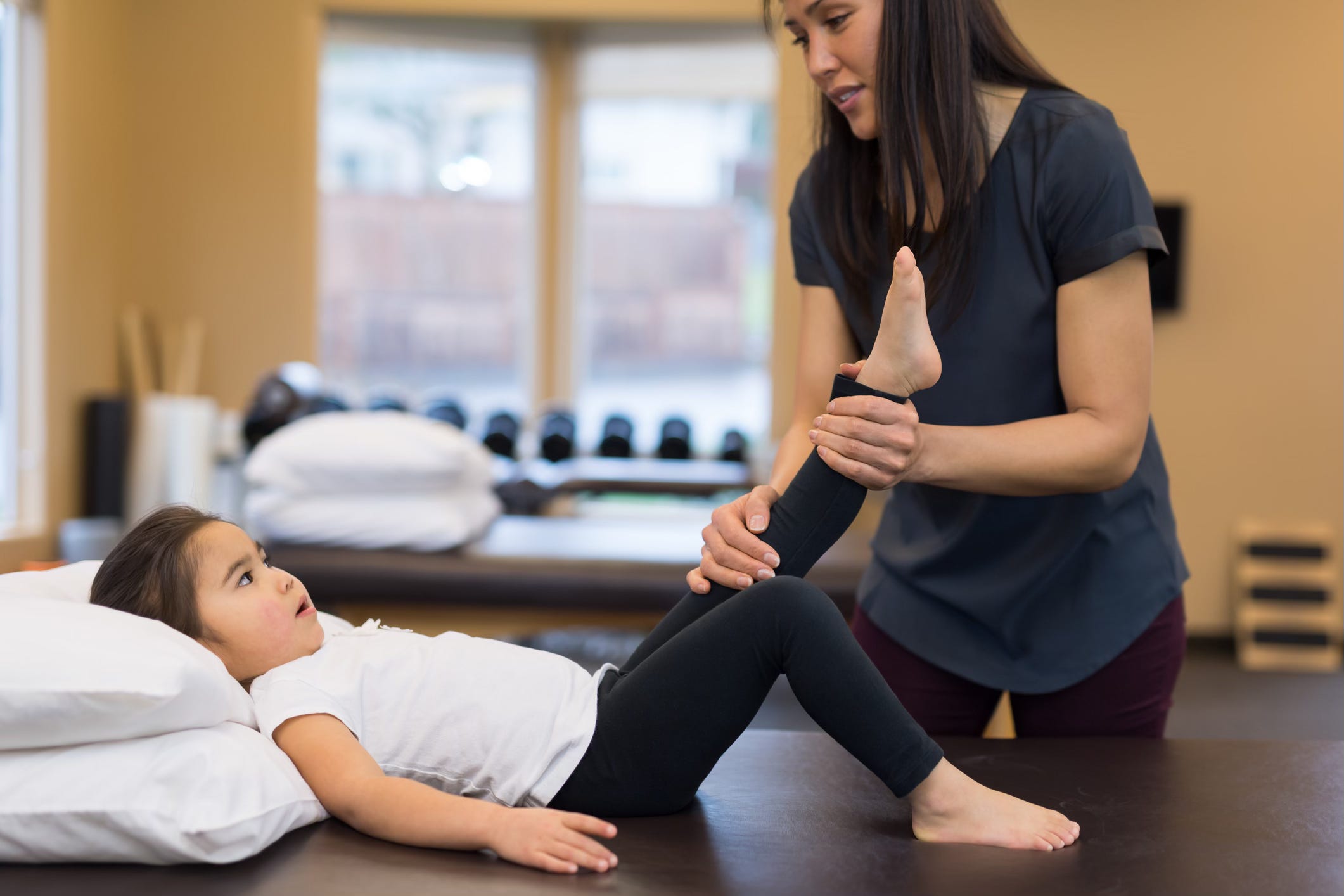 Children Are Not Mini Adults: Rethinking Sudden Anterior Knee Pain in the Skeletally Immature Athlete 01.09.2026 2mThis is a free preview of a paid episode. To hear more, visit mskmag.substack.comA 12-year-old soccer player lands in knee flexion from a jump and develops sudden left-sided anterior knee pain. He cannot continue playing, is reluctant to flex the knee, and describes giving way on weight-bearing. He cannot perform a straight leg raise (SLR) or adequately contract quadriceps because of pain and has an effusion. Plain radiographs in the emergency department are reported normal, and he is discharged without walking aids or follow-up.He presented for physiotherapy assessment. A story like this in a growing child should set alarm bells ringing. A normal X-ray does not mean ‘nothing to worry about’. Unless you know your paediatric anatomy and pathology, you may not appreciate that the tissue that fails under load depends entirely on skeletal maturity.Why adult reasoning isn’t enough hereAdult MSK expertise remains highly relevant to paediatric practice; clinical reasoning, exercise prescription, and progressive loading principles still apply. But applying adult diagnoses and management without considering paediatric skeletal anatomy, growth, and pathology can lead to incorrect diagnosis and inappropriate loading. Same location, same mechanism, same sporting load - but a growing skeleton can fail completely differently to a mature one.The growing knee isn’t just a scaled-down adult kneeIt’s tempting to think of paediatric anatomy as ‘adult anatomy, scaled down’. It isn’t. A growing knee has structural features not present in the adult, and each changes how load, injury, and imaging must be interpreted. Every bone has its own ossification timeline, opening a ‘window’ for paediatric-specific pathologies that varies by site, sex, and individual.Depending on his maturation status, our athlete likely has a partially cartilaginous, still-ossifying patella with an active distal patella apophysis. In an adult, the patellar tendon attaches directly to cortical bone; in a child, it attaches to the apophysis which is structurally weaker than mature bone, and most vulnerable during rapid growth [1]. The patella and its distal apophysis don’t fully fuse until late adolescence. Once the physis closes, injury patterns revert to adult ones. Knowing where a child sits on this timeline is central to getting the diagnosis right.Are all 12-year-olds the same?
 -
 Core Memories: The Physio Matters Podcast Session 3 - The Rugby Shoulder with Ian Horsley, 2014 01.09.2026 3mThis is a free preview of a paid episode. To hear more, visit mskmag.substack.comIn 2014, Dr Ian Horsley joined Jack Chew on the Physio Matters Podcast to discuss the ‘rugby shoulder’, challenging prevailing orthopaedic thinking and advocating for a more functional, systems-based approach to shoulder rehabilitation. His perspectives, shaped by elite sport and emerging research, questioned diagnostic certainty, emphasised movement quality, and highlighted the role of proprioception, load, and the wider kinetic chain.Over a decade later, the shoulder literature has evolved significantly. Concepts such as regional interdependence, load management, and uncertainty in structural diagnosis are now more prominent within contemporary musculoskeletal and sports rehabilitation literature, although debate remains around their interpretation and application. In this month’s Core Memories feature, we revisit Ian’s key themes and explore how they align with current evidence and contemporary rehabilitation frameworks in 2026 [10,11,12].Diagnosis, Uncertainty, and the Limits of Orthopaedic Testing2014Ian was openly critical of orthopaedic shoulder testing, noting the sheer number of available tests (over 100) and their limited diagnostic utility. He argued that:* Test accuracy is heavily clinician-dependent* Diagnostic accuracy is generally low to moderate and highly variable across tests and pathologies* Most athletes present with multiple coexisting pathologies, reducing test validity* Clinicians should move away from rigid diagnostic labels toward clinical reasoning and response to treatment2026This position is broadly supported - and expanded - by contemporary research.Systematic reviews continue to demonstrate limited standalone diagnostic accuracy for most orthopaedic shoulder tests, particularly for labral pathology and instability [1,2]. Clusters of tests may improve diagnostic confidence, but overall certainty remains limited.Importantly, inter-rater reliability remains inconsistent, reinforcing Ian’s point that test performance is clinician-dependent [1].More broadly, some contemporary shoulder rehabilitation frameworks emphasise clinical reasoning, symptom behaviour, irritability, and functional limitation alongside structural considerations, particularly in non-traumatic shoulder pain [10,11,12]. Contemporary clinical frameworks increasingly prioritise:* Symptom behaviour* Load tolerance* Movement quality* Functional limitationrather than strict structural identification.In elite sport, however, tension remains. As Ian described, coaches and stakeholders still seek clear timelines and labels, especially in high-performance environments. While shared decision-making models have improved communication, the demand for certainty has not disappeared.Current nuance
 -
 Tendons: What’s Load Got to Do With It? 01.09.2026 3mThis is a free preview of a paid episode. To hear more, visit mskmag.substack.comTendons are frequently discussed as though loading is either therapeutic or harmful. That distinction is too simple. Mechanical loading is essential for tendon homeostasis, adaptation and performance, yet the same load may be tolerated by one athlete and provocative for another. The relevant question is therefore not whether a tendon should be loaded, but whether the magnitude, rate, volume and frequency of loading are appropriate for its present capacity and are followed by sufficient recovery.This distinction is particularly important for the Achilles tendon. During locomotion, the Achilles transmits force from the gastrocnemius–soleus complex and stores and returns elastic energy. Running, jumping, accelerating and changing direction expose it to substantial forces delivered over short time periods.[1,2] Long-term preparation must develop the capacity to tolerate these demands. Acute preparation immediately before activity has a different purpose: it progressively exposes the muscle–tendon unit to force, rehearses relevant movement strategies and provides a practical check of readiness. It cannot produce structural adaptation within minutes, nor should it be presented as an isolated method of preventing injury.Tendon structure, function and adaptationTendon is a hierarchical, collagen-rich tissue rather than an inert cable. Collagen molecules form fibrils, fibres and fascicles, while the interfascicular matrix permits relative movement between these structures. Tenocytes and tendon-derived cells respond to mechanical deformation through mechanotransduction: mechanical signals are converted into cellular responses influencing collagen synthesis, extracellular-matrix turnover and tendon mechanical properties.[3,4] Adaptation is therefore load-dependent, but it is not determined by external weight alone. Joint position, muscle recruitment, moment arm, contraction type, movement velocity and individual anatomy all influence the force and strain experienced by the tendon.The Achilles is an energy-storing tendon. Its length and compliance allow energy to be stored during loading and returned during propulsion, enabling the calf complex’s muscle fibres to operate over smaller length changes and at slower shortening velocities.[1] This contributes to economic locomotion and repeated force production. Consequently, Achilles capacity cannot be described by calf strength alone. The athlete not only requires sufficient plantar flexion force but also, sufficient rate of force development, tendon stiffness, elastic energy storage and tolerance of repeated contacts.The foot beneath the Achilles is part of the same energy-storing system and deserves attention in its own right. The foot core model reframes the small intrinsic muscles of the plantar arch as active local stabilisers, comparable to the deep stabilisers of the trunk, yet they are still frequently neglected in lower limb rehabilitation.[20] These muscles do more than hold up a static arch. During locomotion the foot behaves as a spring that stores and returns elastic energy across the stretch-shortening cycle, and the intrinsic muscles actively assist this process. Contraction of muscles such as flexor digitorum brevis facilitates tendon stretch and recoil within the arch, contributing to energy storage and return rather than merely supporting a fixed structure.[21]Their more decisive contribution appears to be in stiffening the forefoot into an effective lever for propulsion. When the intrinsic muscles are experimentally inhibited via a tibial nerve block, the positive, propulsive work generated falls substantially at the foot and, importantly, also at the ankle, even though passive structures continue to support the arch itself.[22] The clinical inference is reasonable, although not yet proven. A foot that cannot adequately stiffen and return energy offers a less effective lever and spring, so a greater share of the propulsive work is likely transferred proximally to the triceps surae and the Achilles, which must then generate more force and elastic work at push-off. To my knowledge, no study has yet shown that intrinsic foot weakness causes Achilles tendinopathy, and the chain should be presented as mechanistically coherent rather than directly established. Even so, it provides a defensible rationale for treating the foot as part of the kinetic picture in the reactive, spring-reliant athlete, and for introducing low-level stretch-shortening tasks, including dedicated foot and ankle work, within both preparation and rehabilitation.Tendons adapt to resistance exercise, with systematic reviews demonstrating increases in stiffness, elastic modulus and, in some programmes, cross-sectional area.[3,5] Higher loading intensities generally appear to produce greater adaptation than low-intensity loading in healthy tendons. However, findings from healthy participants cannot be transferred uncritically to symptomatic tendons. Frequently cited strain ranges, such as 4.5–6.5%, are not universal clinical thresholds, and a percentage of maximal voluntary contraction is not a reliable substitute for measuring local tendon strain. Individual tendon geometry, neuromuscular strategy and pain can all alter the internal dose.[4]Adaptation must also be considered across the entire muscle–tendon unit. Strength and hypertrophy can develop more rapidly than tendon material properties, particularly following a rapid increase in resistance training. The athlete may consequently become capable of producing forces that the tendon has not yet been conditioned to transmit repeatedly. This does not mean that muscular strength is undesirable; it means that progression should allow the tendon sufficient time and should eventually include the rates and movement patterns through which that force will be expressed. Conversely, a tendon may possess adequate structural stiffness while the plantarflexors remain weak or poorly coordinated. Assessment should therefore combine symptoms with measures of force, endurance, heel-raise quality and, where appropriate, hopping or running performance rather than relying on a single structural or strength measure.Tendinopathy: capacity, symptoms and pathologyTendinopathy is characterised clinically by localised, load-related pain and impaired function. Structural abnormalities may be present on ultrasound or magnetic resonance imaging, but imaging and symptoms are incompletely coupled. Abnormal morphology can exist without pain, while substantial symptoms may occur without a proportionate change on imaging.[6] Pain should therefore not be treated as a direct readout of tissue damage.
 -
 Recalibrating the Scales - Editorial - MSKMag Issue 33 01.09.2026 4mThis is a free preview of a paid episode. To hear more, visit mskmag.substack.comHappy New Football Season to all who celebrate!And godspeed to all my fellow Newcastle United fans. For those of you fortunate enough to not have endured the comings and goings and goings and goings of the Newcastle squad this summer, let me give you a brief overview.Following a few seasons of success featuring our first domestic trophy since 1955 and two qualifications to the Champions’ League, we had a pretty terrible season ending in May 2026. I’m not even going to relive it; just know that sleep, points and a certain amount of pride were lost.With the appointment of a new manager, a handful of new players and the designation of a new captain, this has been a summer described by many as one of transition. Let me report to you live from deep inside the cocoon on the eve of the Premier League season that it feels more like a summer of metamorphosis. We just don’t know if what will emerge is a stunning butterfly or a terrifying, lopsided moth, destined to fly in chaotic circles until it dies.My fear as a Newcastle fan of 25 years is not that we will be bad this season. Even last season pales into insignificance when compared to the time I moved back to the city from university only to find us relegated, or the time I got up in the middle of the night in New Zealand to watch games a few years later, only to watch us be relegated again. My dad will tell you these in turn are small fry compared to the torrid pre-Keegan years.Time, anxiety disorders and Newcastle United have each taught me a great deal about accepting the things I cannot control, and the performance of eleven men and the decisions made about those eleven men by other men in a boardroom fall firmly in that camp. No, what worries me is that my fellow Toon fans and I, fuelled by bruised egos, clickbait, and the usual culprits, sorry, pundits, judge this season based on past successes. What might be even more important than points this season, is resetting our expectations for a new team, not the old one, and to recalibrate our brains to hold not just what’s happening on the pitch in front of us, but the bigger picture too.Our authors are showing us the bigger picture and reaching for new scales in this month’s MSKMag.First up, our latest staff writer Angie Jackson cautions against using the embedded reasoning we use for adult patients when it comes to paediatric cases in her article ‘Children Are Not Mini Adults: Rethinking Sudden Anterior Knee Pain in the Skeletally Immature Athlete’.Caelum Trott of Preve shares his experience creating better AI solutions in healthcare, widening the net from just note-writing to ways in which it can improve both the clinician and patient experience in ‘AI Solved Our Notes - But Can it Improve Care?’Is your slow, heavy loading getting your tendons to nowhere but a plateau? Daniel Morgan will stretch your thinking more effectively than collagen in ‘Tendons: What’s Load Got to Do With It?’Sue Julians has been in the field on investigative journalism duty, putting her biases and cardiovascular system to the test as she checks out a private preventative medicine screening clinic in ‘MSKMag goes to... Neko Health’.And Jack Chew wants to readdress how we reward good practice and how we manage consequences for bad in ‘MSK’s Lost Carrots & Sticks’, which features less donkeys than you are picturing right now.We’ve also stepped back in time in this month’s Core Memories feature to see how well Ian Horsley’s 2014 podcast episode on the Rugby Shoulder holds up against contemporary evidence.So as we - clinicians and football fans alike - head into a new season of the unknown, September’s MSKMag encourages us to treat what’s in front of us, rather than measuring it against past iterations of the same line up.
 -
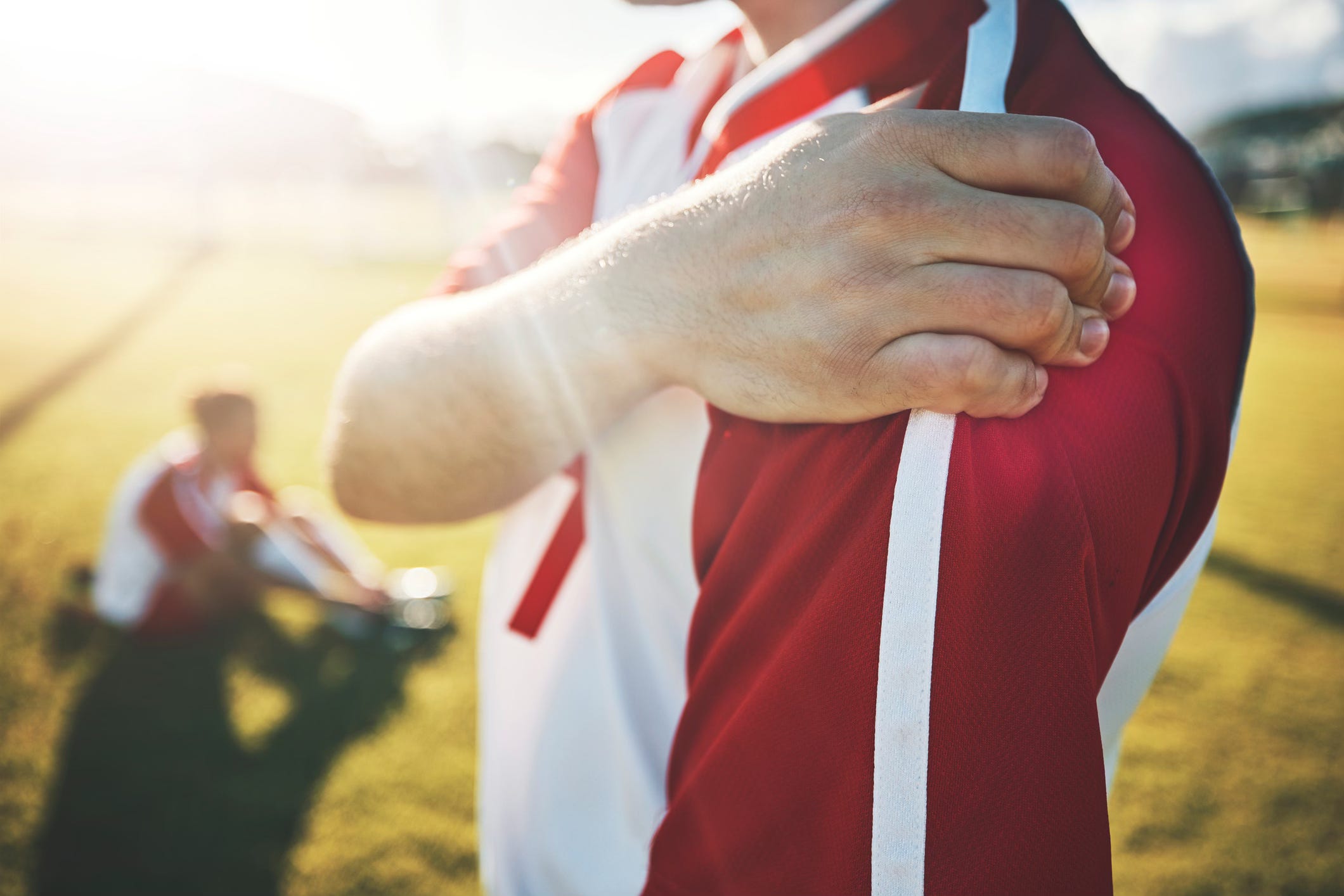 Beyond the Bump: Reframing High-Grade AC Joint Injury 01.08.2026 1mThis is a free preview of a paid episode. To hear more, visit mskmag.substack.comA rugby player lands heavily on the point of his shoulder. He’s ‘done’ his AC joint. Strap it up. Add some padding. Get him through the season. If the x-ray says it is a Grade V, perhaps he gets referred to a surgeon. Everyone else carries on, often wearing their new bump like a badge of honour around the changing room. After all, it’s only a little joint at the top of the shoulder, right? Sound familiar?I’ve been there and done that. It was last century, but I’m not sure our thinking has evolved as much as it should have. Did it work? Sometimes. It often got the player back onto the field. But what happened to those people several years later?I now work as a Specialist Shoulder Physiotherapist, and chronic AC joint instability is one of the more common conditions I see. These injuries may continue to grumble or become more troublesome years later, affecting heavy work, gym training, sport and sustained use of the arm. Many have already completed several rounds of typical shoulder rehabilitation (rotator cuff exercises, low rows, push-up plus etc) without much success. Often, the problem is not the AC joint itself, but the ongoing secondary scapular dysfunction caused by the original injury.The unstable scapula: a clinical re-framePart of the problem is that we continue to view these injuries as a localised joint disruption. We call them AC joint injuries. We grade them according to an x-ray of the AC joint. We then tend to direct our treatment towards the painful area at the top of the shoulder. Guilty (there may even have been an ultrasound unit involved many years ago).
 -
 The Forgotten Child of MSK: Why Paediatric Services Deserve a Bigger Voice 01.08.2026 2mThis is a free preview of a paid episode. To hear more, visit mskmag.substack.com“Children aren’t mini adults” is a phrase we hear a lot to highlight the differences in Paediatric physiotherapy to remind clinicians that children and young people have different needs and require different care. Yet Paediatric musculoskeletal (MSK) services around the country continue to be left in the shadows of adult MSK. Despite 1 in 3 adolescents experiencing MSK pain [2] and 1 in 10 seeking healthcare annually for MSK symptoms [6], Paediatric physiotherapy services remain significantly under-resourced. Unlike in adult MSK services, those who work in paediatric clinics are often expected to see patients with not only musculoskeletal complaints but also stay skilled in neurological and developmental assessments. Most Paediatric physiotherapy teams do not have their own department but share spaces with adult teams which can be unsuitable for a younger population. Teams can also sit under many care groups in NHS services such as family health or adult physiotherapy, showing inconsistency between services.I am a Paediatric physiotherapist in the North East of England and remember starting my exciting new career path with limited knowledge and awareness of Paediatric MSK. With no teaching provided at university and just a 5-week placement to go on, I took the plunge into Paeds. What I didn’t expect to find was a love and passion for MSK and Orthopaedic Paediatric care. And what I really didn’t expect was being one of only three clinicians who saw MSK patients in a team that covered a large geographical area. Other staff members could cover here and there as required but not by choice. They felt they lacked confidence in MSK caseloads and their area of interest lay more with the neurodisability caseload. As time has passed, and the more opportunities that have come up to network with neighbouring teams, I have found this is a very common theme and is impacting children’s services around the country.Many Paediatric physiotherapists are comfortable treating neurodisability and developmental caseloads but can lack the confidence to see MSK caseloads. Sometimes this may be due to personal interest but otherwise can be down to lack of training and opportunities to work with these patients. Within Paediatric physiotherapy teams you may have a staff member working with a neurodevelopmental caseload one day and an MSK caseload the next. Would we see this happening in adult physio? Would you ask your Stroke Rehab colleague to cover your MSK clinic if you were short staffed?
 -
 Auntie Version - MSKMag's Agony Aunt - August 2026 01.08.2026 5mHello! I’m Auntie Version (aka Jo Turner) and I am unbelievably excited to be MSKMag’s very own agony aunt.Oh the arrogance in my assumption that I have any wisdom to impart about your life, and the irony that much of my advice will implore you to resist that clinician’s urge to fix and advise! Nevertheless, I do hope you’ll find this column informative, thought-provoking, occasionally amusing and that you’ll find some helpful tips amongst my best guesses and opinions.Dear Auntie Version,It’s bloody hot!! Where I work, in a clinic in southern England, it has been sweltering this past week. Other than the odd minute to stand in front of a fan between patients, there is not much relief. My employer seems to be of the opinion that as there is no legal temperature limit when it comes to safe working, that we need to just get on with it. Is there anything I can do??Sweaty BettyHi Sweaty Betty,Whilst I’m no expert, a quick search on gov.uk confirms there is no guidance for a maximum temperature limit, just the following (not very helpful) statement:'During working hours, the temperature in all indoor workplaces must be reasonable.’It’s fair to say that last week’s heatwave was especially challenging with the added effect of extreme humidity – to me it felt like a reality check.You say your employer seems to be of the opinion that, as there is no legal temperature limit, ‘we need to just get on with it’. Giving them the benefit of the doubt, I think a lot of businesses felt caught out last week. Many came to the realisation that this is no longer a once-in-a-summer event to just get through, but something we are going to have to find longer term solutions for. Without knowing your boss (in which case feel free to disregard), is it possible they are not yet sure of the correct course of action and it’s making them a bit defensive?I wonder if it would be helpful for you and your colleagues to sit down and chat through with them what constitutes a reasonable level of comfort and what the options might be to achieve that. We’re all in new territory here - I’m not sure anyone has the answers yet. Surely the more ideas that can be brought into the mix, the better.Auntie VersionDear Auntie Version,I’m a sole practitioner in my own physio clinic and getting very tired of working for underpaying private insurance providers. However, I’m finding it hard to bite the bullet and quit them as surely a filled slot is better than nothing right??To Leave or Not to Leave?Dear TLONTL,Sounds like the real question isn’t the one in your sign off, but whether or not a filled slot is better than nothing. There are different factors at play here. From a purely financial perspective, it’s true that a smaller amount of money coming in from an insurance company is more than no money. That presumes however that you’re not currently at capacity and that if you didn’t take that insurance patient, you’d be sitting twiddling your thumbs.You could argue that the insurance patient is blocking a space that could be taken by a higher paying independent client. Could you use the marketing for more of your ideal clients? Or developing a new service? Or maybe an exciting new side hustle?It also depends on how you feel about working for a lower fee than your advertised rates. It might not bother you at all, money is money after all. But it might feel like it’s trampling on a boundary around what constitutes fair pay for your work. It might feel like you’re working for an organisation who doesn’t value your skills or profession. There are no right answers to these questions, but they will probably inform your decision.Auntie VersionDear Auntie Version,I started up a World Cup sweepstake at the start of the tournament for my team where everyone predicts results and you get points for predicting the right outcome and more points for guessing the exact score. Top 3 win a cash prize.The only problem is, I’m faring miserably and my reactions to my colleagues’ success suggest I may have become over invested in the competition.Said colleagues include one who knows nothing about football and just inserted a random allocation of 0s and 1s as scorelines, one who stopped participating at the end of the group stage, and, most annoyingly, Jack March.How can I claw back some pride??Jack ChewAnonHello Anon.Firstly, commiserations on your miserable performance.You’re clearly a dedicated fan and I can hear how annoying it is that your colleagues seem to be doing so much better, despite being completely uninformed about the sport you hold dear.Or are they? (uninformed)Perhaps this is a clear sign of the random nature of human beings playing sport, with all their nerves, their overconfidence, unfamiliar environments and climates, not to mention bodies trying to perform within ridiculously tiny tolerances.I don’t think you’re over-invested. I just think you’re a fairly typical physio – whilst not wanting to generalise, we’re a competitive bunch, aren’t we? (ask any member of our admin team who’s attended a clinic quiz night, or anything involving sport!)Enjoy the game, enjoy some pantomime disdain for your colleague’s undeserved success – and then maybe you can be happy for them.I am reminded of something a friend once said “If you’re not feeling like you can be overjoyed for your friend who is enjoying a wonderful sunny two-week holiday, then maybe stay off Facebook today!”Auntie Version This is a public episode. If you'd like to discuss this with other subscribers or get access to bonus episodes, visit mskmag.substack.com/subscribe
 -
 Off the Treadmill, Into the Field How might nature shape the future of MSK care? 01.08.2026 2mThis is a free preview of a paid episode. To hear more, visit mskmag.substack.comObserving clinicians across the landscape of musculoskeletal care, I see the relentless effort poured into every consultation. Everyone is doing their best in the healthcare system, be that public or private, but as we know, the workload and complexity have increased. The total number of people living with an MSK disorder globally sits at approximately 1.68 billion representing a 95% increase in total cases since 1990 [1] and are on a trajectory to expand by more than half by 2050 [2]. While physiotherapists have significantly increased their scope of practice over the last 40 years, in particular into areas of practice that were historically occupied by medicine, how are we managing this continuing and increasingly challenging future? Recent research suggests that physiotherapists in the UK are struggling with burnout [3–6], work related stress [7] impacting on wellbeing resulting in moral distress and injury [8,9]. It appears that the profession is stretched holding the professional duties, roles, responsibilities and obligations in one hand and trying to adapt to growing and multiple patient, societal and system related influences in the other. This can make clinicians feel trapped, stagnant, and stuck in a healthcare system that itself is struggling to adapt.In a way, we feel like we are on a treadmill, walking, running, even sprinting, but never getting anywhere.Dave Nicholls captured our current predicament beautifully in his 2024 IFOMPT presentation in Basel, titled ‘The post-professional futures for the physical therapies’ [10]. He articulated the profound global and specific challenges facing our profession, pointing to three forces that are actively accelerating them: late-stage capitalism, the unbundling of expertise, and digital disruption. Dave asked penetrating questions about what comes next, concluding that we must uncover what truly lies beneath the surface of physical therapy. Only by doing so can we open up opportunities to adapt to this rapidly unravelling landscape.Before we attempt to answer this question let’s briefly take a history of the present of MSK physiotherapy.
 -
 The Diagnosis That Keeps Getting Missed: Adult Hip Dysplasia 01.08.2026 2mThis is a free preview of a paid episode. To hear more, visit mskmag.substack.comShe was 25 and needed a hip replacement — how can we stop this happening?Not the start to the week that I wanted.One of my patients on Monday morning was just 25 years old. Chronic hip pain for over four years. Seen by multiple clinicians. Not picked up.Hip dysplasia. Missed. Now progressed to severe osteoarthritis.She’s missed the window for periacetabular osteotomy (PAO) surgery. Now she’s waiting for a hip replacement.Twenty-five.This case isn’t unique. And that’s precisely the problem. Kennedy et al. [1] found that the mean time from a patient presenting to their GP to finally being seen at a specialist young adult hip clinic was over 40 months. Those with delayed referrals had worse functional scores, higher radiological osteoarthritis grades, and were significantly more likely to require total hip arthroplasty rather than the joint-preserving periacetabular osteotomy that could have changed the trajectory of their condition entirely.Gambling and Long [2] explored the psychosocial impact of this diagnostic delay in a study of 97 young adults with hip dysplasia. Seventy-five of them experienced a delayed diagnosis, with an average delay of eight years. Eight years of being told it’s muscular, it’s postural, it’ll settle with exercises. These patients became progressively more debilitated, experienced chronic pain, and reported a profound impact on their quality of life and psychological wellbeing.As frontline MSK clinicians, we are often the first point of contact for these patients. We have the opportunity to change this. But only if we know what we’re looking for.Here are five clinical pointers that should raise your index of suspicion for hip dysplasia, and the reasoning behind each one.
 -
 The Biggest Wins in the NHS are Cheap 01.08.2026 7mA community pilot reduced musculoskeletal waiting lists by 20%, and its reward was a national budget smaller than the pilot itself. The announcement, stripped of its press-release gloss, identifies an initiative that reduced community musculoskeletal waiting lists by a fifth that is now going national. The reward for that success is a grand total of £3.225m, which I had to read twice as I was expecting more zeros [1]. The pilot that proved the model in the first place cost £3.5m [2], so the reward it has earned, namely the budget to do exactly the same across every health system in England, is somehow smaller than the pilot that produced it.A bit of backdrop before we get to the outrage - because the scale of it really does matter. Ill health now costs the UK economy somewhere in the region of £212bn a year, a figure published in last autumn’s Keep Britain Working Review and worth roughly seven per cent of GDP [3], and my dear old friend MSK sits second only to mental health among the drivers of that bill. MSKMag readers will know that musculoskeletal conditions affect nearly 18 million people in England [4] and account for somewhere between a fifth and a third of GP appointments, depending on whose figures you happen to trust [5]. They also make up the third largest area of NHS spend at around £5bn a year [6], so when you set the national rollout against that £212bn you land at roughly 0.0015 per cent of the problem, which is a rounding error for the Treasury.Let’s be clear, none of this is a criticism of the work itself, which is genuinely very good. GIRFT’s MSK Community Delivery Programme cut eighteen-week community waits by twenty per cent across seventeen integrated care boards between December 2024 and March 2025 [7]. It did so with deeply unglamorous ingredients, namely community clinics, local clinical leadership and one-stop appointment days that bundle assessment, treatment, mental health support and physical activity into a single visit rather than scattering them across four separate letters and four separate days off. There is no miracle buried in any of this, just a sensible, joined up pathway run by the right people, close to where patients actually live.I have a bit of skin in this game because I spent years involved in one-stop initiatives in orthopaedics and rheumatology, the very kind that GIRFT now references. Their simplicity was a key ingredient in why they worked, with patients seen, assessed, imaged and started on a plan inside a day instead of bouncing around the system for the better part of a year. The point worth holding onto is that the model is genuinely repeatable and translatable, which is to say it is not a clever local fluke that happened to work because of one brilliant clinical lead, it is a method and methods can be copied and scaled.Which is exactly where it grates, because the seventeen-area pilot cost £3.5m and a second cohort of six more areas took another £2.2m [1]. In effect, the model has now been proved twice, across twenty-three systems and rewarded with a national budget of £3.225m to cover the entire country. England has forty-two Integrated Care Boards (ICBs) where the pilot areas received up to £300,000 each. The national rollout funding works out closer to £77,000 per area, which is roughly a third of what the trailblazers got to do precisely the same job [1]. The unspoken brief reads something like, “erm guys, can you do the same again, at scale, for less money than you spent the first time?” Anyone who has ever run a service will recognise both the request and the quiet despair this ignorance tends to produce.The deeper problem sits underneath the budget line; in the workforce, and I talk about this a lot on my various channels because the gap is real and it is widening. Becoming a physiotherapist today means obtaining near-perfect grades, no meaningful tuition concession of the sort we used to offer, a brutal job market the moment you qualify and a salary that flattens inside a decade. Being good is no longer enough and there is constant pressure to specialise, or to extend scope, simply to stay relevant and employable. We have quietly turned (in my opinion) the single most cost-effective profession in healthcare into one of the least attractive to enter and then we act faintly surprised when the workforce pipeline starts to thin.The opportunity here is enormous and it is worth being specific about why. The twenty per cent reduction was on the community list - the smaller and earlier queue, which is precisely what makes it exciting rather than marginal. Treat and mobilise people earlier in the community and you take pressure off the trauma and orthopaedics list further downstream, which remains the single largest elective queue in the country [8]. Keeping patients moving, at work, and off surgical waiting lists will reduce expensive problems in years to come. And those who do still need surgery will arrive in better physical and mental shape, which is a precursor for faster recovery, less time spent in hospital, and less cost to the system on the way through.The model also does something rather neat which deserves more credit. By pulling movement and mental health into the same visit, it chips away at the two biggest contributors to that £212bn bill at the same time and movement (psst, it is rather good for the brain as well as the body). The link has been known for years but we simply do not commission or broadcast it as though we believe it.If the system were serious - and by system I mean something rather more durable than a revolving door of health secretaries - it would do four fairly obvious things:* It would fund the workforce in the tens of millions rather than the low single figures* It would treat compliant hybrid digital MSK pathways as a genuine clinical priority, where the whole population can access at the front door.* It would build in-house rather than reflexively buying off-the-shelf products to fill the gap. This is not complex tech and return on investment multiples when there are no licence fees going to external developers.* It would actually scrutinise what it has already bought, because a surprising amount of tech has never been shown, independently, to do very much at all. Don’t get me started on a medical device’s defined intended use versus how it is being deployed in the system.So here is where I keep landing as this issue travels a long way beyond MSK. We consistently mistake cost and complexity for value. The expensive, complicated, heavily branded intervention feels serious, so it gets the money and the contract. Meanwhile the cheap, simple, effective solutions are overlooked as if it cannot possibly be the answer. Pilots happen, credit ensues, yet the budget to achieve impact at scale never materialises. For me simple, good physiotherapy is affordable, effective and scalable. Its only real crime is that it is not shiny.So I will leave you with the same question I opened with, because I’m yet to see a satisfying answer - if a pilot scheme can knock a fifth off the waiting list on a shoestring and proven its effectiveness across twenty-three areas, why on earth are we not throwing cash at it?References* GIRFT (2026) National rollout of GIRFT’s musculoskeletal (MSK) Community Delivery Programme, thanks to £3.2m government funding. gettingitrightfirsttime.co.uk* GIRFT (2025) GIRFT starts work on £3.5m government programme to reduce waiting times for elective community MSK services. gettingitrightfirsttime.co.uk* Keep Britain Working Review (2025) summary of the £212bn annual cost of ill-health economic inactivity, approximately 7% of GDP. economicsbydesign.com* GOV.UK (2026) MSK patients to get faster care and help returning to work (MSK affects nearly 18 million people in England). gov.uk* NHS England Musculoskeletal health (over 20 million people in the UK; up to 30% of GP consultations; over 30 million working days lost annually). england.nhs.uk* Hansard, UK Parliament (2024), citing the Office for Health Improvement and Disparities: MSK conditions are the third largest area of NHS spend at around £5bn a year. hansard.parliament.uk* GIRFT (2026) Evaluation shows MSK waiting lists reduced by 20% during GIRFT pilot. gettingitrightfirsttime.co.uk* The King’s Fund (2025) Waiting Times for Elective (Non-Urgent) Treatment: Referral to Treatment (RTT) (trauma and orthopaedics has the largest specialty waiting list). kingsfund.org.uk This is a public episode. If you'd like to discuss this with other subscribers or get access to bonus episodes, visit mskmag.substack.com/subscribe
Podcasts similares


Popular en
Este podcast también aparece en las listas de podcasts de estos países.
