
Stacked, The Hospitality Tech Podcast
Chris Fletcher
0
Stacked, The Hospitality Tech Podcast is hosted by Chris Fletcher and explores where hospitality meets technology. It features conversations with operators, founders and tech leaders across restaurants, cloud kitchens, hotels and pubs. Episodes focus on practical topics like digital transformation, operational efficiency, guest experience, automation and AI. The show offers honest discussions about what is working, what is not, and what may come next in the industry.
Episodios
-
 Hotels Need to Sell the Whole Stay, Not Just the Room | Louise Ryan & Joe Watkins, Journey 07.10.2026 32mGuests don't just book a room anymore. They book the spa, the dinner, the round of golf, the whole weekend. Most hotel tech still hasn't caught up.This week Chris Fletcher is joined by Louise Ryan (CMO) and Joe Watkins (Head of Data and AI) from Journey, the Cheltenham-based hotel tech company helping luxury hotels drive total revenue per guest.They cover why hotels need to think more like retailers, why RevPAR is giving way to TRevPAR, and how one hotel partner moved from 50/50 OTA-to-direct to 80/20 direct. They also discuss where AI is creating real commercial value right now and why trust is still the biggest barrier to adoption.Chapters00:00 Intro01:30 Meet Louise and Joe02:08 What Journey does02:33 From digital agency to all-in-one booking engine04:06 The pressure on luxury hotels right now05:08 Thinking like a retailer: monetising every square inch07:35 Where guest data actually lives (and who just resigned with it)08:42 Hotels as multiple businesses under one roof09:22 From RevPAR to TRevPAR11:44 380 nights at The Other House and still not understood12:37 The Cotswolds spa booking that went wrong14:24 Taking back control from the OTAs16:05 Personalisation and the data flywheel17:26 AI chatbots and the adoption problem19:27 Convincing luxury operators to change20:30 Why experiences are still so hard to book online21:41 One basket, one transaction22:32 Where AI is showing real ROI today24:52 MCPs and booking hotel experiences through AI assistants25:30 Is trust the barrier to AI adoption?27:00 Grantley Hall: building an events programme from guest data28:08 Best-in-breed vs all-in-one29:28 Data consolidation and the future of hotel tech31:29 What's next for luxury hotels32:53 Where to find JourneyKey takeawaysSome properties pay 23–25% commission to OTAs. Driving direct saves margin and gives hotels ownership of their guest data.Around 66% of accommodation is booked online globally, compared with just over 30% of experiences. That gap is a revenue opportunity.The quickest AI win is often learning from the questions guests ask, like "can I charge my EV?", that your site never answered.Guests now search for an experience first, then a destination, then a flight, then a hotel.Find JourneyWebsite: journey.travelLouise Ryan and Joe Watkins are both on LinkedIn.The Stacked PodcastWhere hospitality meets technology. New episodes every week.wearestacked.io
 -
We changed nearly every platform and our staff turnover has never been lower, Tyrone Delaney, Camino 30.09.2026 26mCamino did something most operators would never dream of: it changed nearly every platform in its stack in a single year, while doubling its estate. The result? Staff turnover has never been lower.This week, Chris Fletcher sits down with Tyrone Delaney, Finance Director at Camino, the Basque-inspired restaurant and bar group behind Camino and Pinchito, and Jackson Versatano, Senior Director UK & Europe at Lightspeed.Tyrone explains how an acquisition became the moment to overhaul the whole stack, and why he wonders why they didn't do it sooner. Automated sales syncing into Xero removed manual weekly business sheets that used to take around 20% of the finance team's time. Card tipping added roughly 10% to tronc pots across every site, meaning better pay and people staying longer. The group also uses Tenzo to plot dishes by profitability and popularity, which turned their executive head chef into a tech enthusiast.Jackson explains why "we have an integration" isn't the same as a good integration. He covers how Lightspeed decides what to build itself and what to leave to best-in-class partners, and where AI is taking multi-site reporting. Tyrone also shares a very sensible take on using Claude: how do you mandate something when you don't yet know where its ceiling is?In this episode:00:00 Intro01:06 Meet Tyrone and Jackson01:23 Camino, Pinchito and authentic Basque cuisine02:17 A finance director who ends up owning payroll, people and tech04:25 The state of hospitality: tough, but resilient and optimistic06:54 Giving operators the freedom to choose their tools07:42 Tracking campaign ROI and menu engineering with Tenzo10:38 Integration vs good integration11:04 Why an acquisition was the moment to switch everything12:28 Fear of change, and the lowest staff turnover yet14:24 Adoption, training and the Sunday app15:51 The biggest ROI: 20% of finance time back and 10% more in the tronc17:56 AI in Lightspeed and asking questions of your data20:00 Using Claude, and how to mandate something you're still learning21:35 Operators building their own tools22:27 What's next for Camino23:09 Industry outlook and alternative funding with Shuffle24:36 Lightspeed's roadmap: Tempo, Tasks and AI25:18 Where to find Tyrone and Jackson🎧 New episodes every week. Subscribe so you don't miss one.wearestacked.io
-
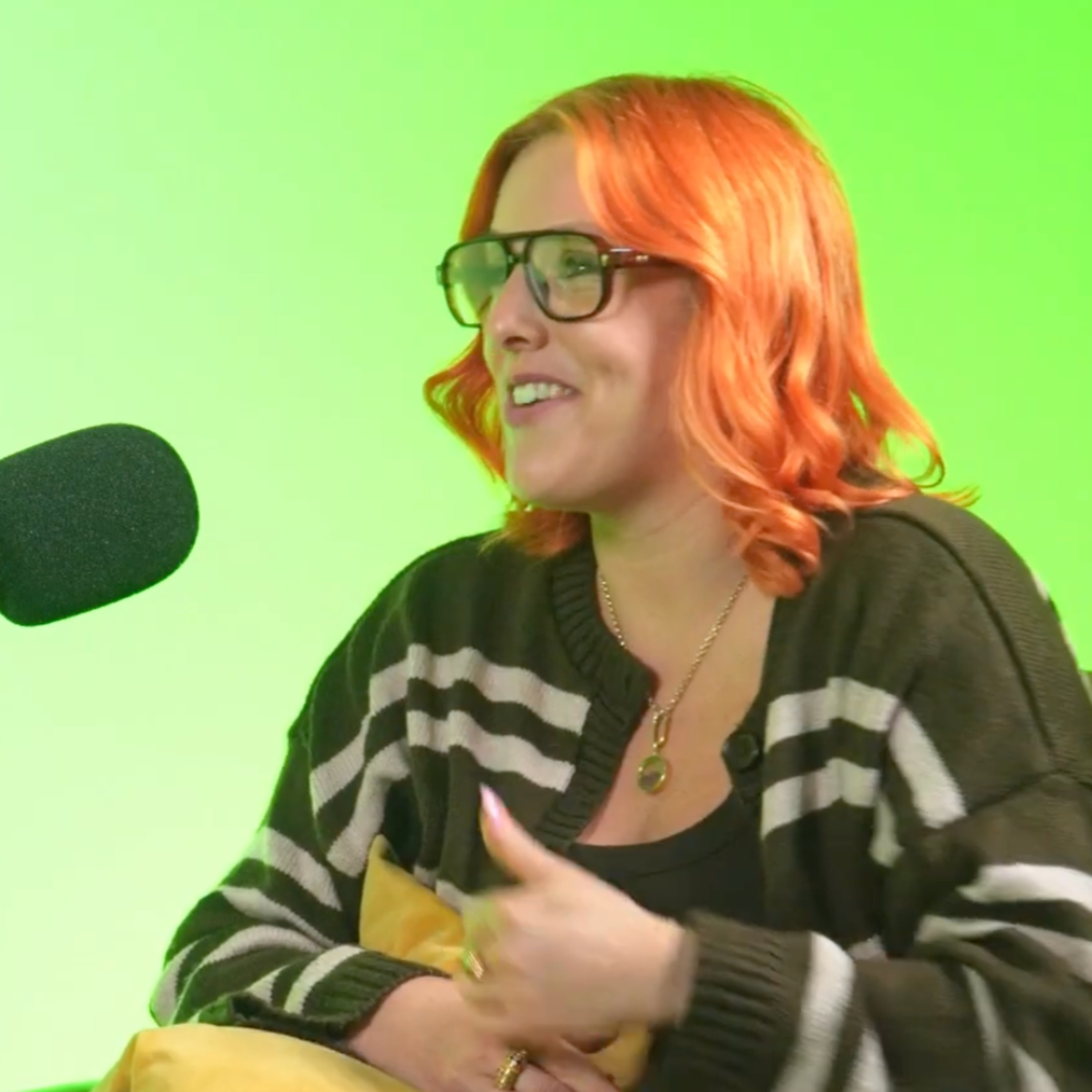
 Why itsu's app customers keep coming back with Katie Grundy, CRM & Loyalty Manager at itsu 23.09.2026 26mWhat does loyalty really mean when you've got 80 shops, a lean team and customers who visit day in, day out?Chris Fletcher sits down with Katie Grundy, CRM & Loyalty Manager at itsu, to unpack how the brand rebuilt its loyalty programme into itsu rewards, and why its app customers now visit three times more often than non-members.Katie joined hospitality from L'Oréal and explains why loyalty feels more human in a shop than in e-commerce. She talks through the 2025 review that led to a more generous rewards structure. She shares the free gyoza campaign that sent itsu to number one in the App Store's Food & Drink chart. She also covers how the brand works with Pepper to push its own roadmap, rather than waiting for the tech to lead.In this episode:🍣 Transactional vs emotional loyalty, and why itsu aims for the second📱 How a simple rename ("itsu rewards") and tagline gave shop teams something to sell🥟 The no-catch free gyoza download campaign that drove queues and chart-topping downloads📊 Personalisation, customer personas and the city vs suburb customer🔁 Balancing rewards for super-regulars and occasional visitors🤝 Why operators should bring suppliers into their roadmap early🤖 How AI and MCP are changing day-to-day CRM work for lean teamsChapters0:00 Highlights1:14 Meet Katie Grundy2:35 From L'Oréal to hospitality4:33 What loyalty means at itsu6:17 How itsu rewards works7:46 The free gyoza campaign that hit No.110:23 Why itsu revamped its rewards12:41 Naming the app and giving shop teams a tool14:08 Personalisation and data16:22 Building customer personas17:16 Rewarding regulars vs less frequent guests19:32 Working with tech partners22:30 Operator-led roadmaps23:15 The future of loyalty24:49 AI in CRM26:07 Wrap-upLinks🍣 itsu: https://www.itsu.com🎧 More from Stacked: https://wearestacked.io🔔 Subscribe for new episodes every week#hospitalitytech #loyalty #CRM #restaurants #QSR #itsu #StackedPodcast
 -
What changing systems actually takes with Mike Statham, Finance Director at Tonkotsu 16.09.2026 37mThe Stacked Podcast — where hospitality meets technology. Powered by Lightspeed. Tonkotsu has gone from six sites to nineteen, with a twentieth opening in Bath, opposite the Roman Baths. Mike, the brand's finance director, has been there since 2017 — and along the way he picked up the systems too, because in a business this size somebody has to. Chris sits down with him for an unusually honest conversation about what changing technology actually looks like when there's no CTO, no big central team, and no appetite for being sold a dream. Mike talks through the POS move to Lightspeed — one site, then four, then all of them — and what having live sales on every phone changed for his area managers and GMs. He explains how weekly stocktakes went from counting for counting's sake to a variance managed inside the week, how wastage got below 0.9%, and why his team still builds the rotas themselves rather than buying a platform that can't match what they've got. There's a straight answer on AI too. Mike's seen invoice automation get rebranded as AI, likes what it might do for rotas, and has one warning worth the price of admission: be careful that AI doesn't become the accountant everyone used to blame for running the business off a spreadsheet. Plus: the £1m electricity quote, the NI threshold, 20% EBITDA a decade ago versus fighting to stay flat, vibe-coded tools built by operators, and why if someone actually phones your restaurant you probably want to speak to them. IN THIS EPISODE (01:49) Six sites to nineteen, and Bath makes twenty(02:39) The Tonkotsu story: Ken, Emma and the first ramen in Soho(04:11) The systems they've never needed to replace(05:13) AI, or automation with better branding?(06:28) What Covid actually fixed(08:33) Utilities, Ukraine and a £1m electricity quote(10:12) Live sales on every phone(11:23) The weekly estimate that checks the monthly accounts(12:32) Stock: from month-end surprises to managed variance(14:14) Wastage below 0.9% — and ops fixing a blip in-week(15:50) From reporting last week to forecasting next week(17:04) Build it yourself: the rota tool that out-featured the vendors(19:36) And when to buy instead: handing ordering over(21:09) The POS journey: one site, then four, then all of them(26:14) Rolling out nineteen sites without drama(27:39) When to pilot — and when not to touch anything(28:47) Delivery after the peak(29:44) AI: self-building rotas and the accountant problem(32:02) Advice to a finance director about to change systems(34:31) The AI wave in guest comms — and why phone orders are different(36:27) Bath, opposite the Roman Baths POWERED BY LIGHTSPEED This episode is powered by Lightspeed, the platform behind the POS rollout Mike talks through. https://www.lightspeedhq.com/uk/ ABOUT THE SHOW The Stacked Podcast sits down with the operators, founders and tech leaders shaping how hospitality actually runs — restaurants, cloud kitchens, hotels, pubs and everything in between. No hype. No sales pitch. Just honest conversations about what's working, what isn't, and what's coming next. New episodes every week. Follow so you don't miss one. https://wearestacked.io
-
Why your best site and your worst site are 11% apart with Alison Fraser, SVP & GM Fourth 09.09.2026 34mChris is joined by Ally Fraser, SVP and GM for EMEA at Fourth, a business that has been building back of house systems for hospitality for over 25 years. Ally spent 15 years on the frontline before joining Fourth, where she started out implementing purchase to pay and inventory at operators like YO! Sushi and now runs the region.The conversation lands on one uncomfortable number. Research Fourth ran with Peter Martin and the team at Peach found an average 11% margin gap between the top performing and bottom performing site inside the same brand. Same brand. Same systems. Same menu. Ally's argument is that the gap is behavioural, not technical, and that adoption data is the thing that closes it.They also get into the UK legislation squeeze, including operators seeing sick pay costs rise 40 to 50% off the back of the day one change, why forecasting took hospitality 20 years longer than it took the supermarkets, how automated scheduling actually works, and why nobody wants a machine placing their food order just yet.Chapters01:10 Intro and Ally's route from frontline to Fourth02:54 Fifteen years, six roles, one company03:34 What Fourth actually does, and why the demand forecast sits at the centre04:55 Why hospitality trailed retail on forecasting by two decades06:21 QSR forecasting at SKU level in 15 minute increments07:36 The UK legislation squeeze: day one sick pay, VAT, the Fair Work Agency09:09 Why compliance failure gets blamed on the tech supplier11:38 Where AI actually shows up in the product12:50 How automated scheduling works, step by step14:20 The bit nobody talks about: humans have to trust the schedule15:26 Sweat your tech, before you sign another contract17:15 What best in class operators do differently18:04 Adoption by sector: QSR strong, pubs and casual dining around half, hotels lowest20:24 Benchmarking every click, and what good actually looks like21:47 The 11% margin gap between top and bottom site in the same brand23:12 Vibe coded dashboards, and why operators should not become developers26:08 Suggested ordering, safety stock, and keeping a human in the loop28:08 Quickfire: competitive socialising, the reMarkable, and the one thing she'd fix overnightKey takeaways1. The gap is inside the brand, not between brands. An 11% average margin gap between best and worst site in the same estate means the playbook already exists somewhere in the business. It just isn't travelling.2. Adoption is measurable now. Fourth is capturing every click and benchmarking behaviours. If shift swaps at one site run at 20 a week and another runs at five, that variance can be correlated to site performance and flagged before it shows up in the P&L, not after.3. Legislation is the cost story of 2026. Day one sick pay has pushed some operators' sick pay costs up 40 to 50%. Ally's view is that operators should not have to become legislation experts. That is the supplier's job.4. Rollout of automation stalls on trust, not capability. Fourth could auto send the order. Operators don't want it sent. Same with the schedule that says a 10 to 3 rather than a 10 to 4. The tech is ahead of the confidence.5. Adoption maturity varies by sector. QSR is strongest because the model is repeatable. Pubs and casual dining are sitting around half of what they could be using. Hotels and complex operations are furthest back.6. The best operators resource adoption properly. Change managers, productivity managers, whatever the title. Someone owns it, gathers feedback and iterates.
-
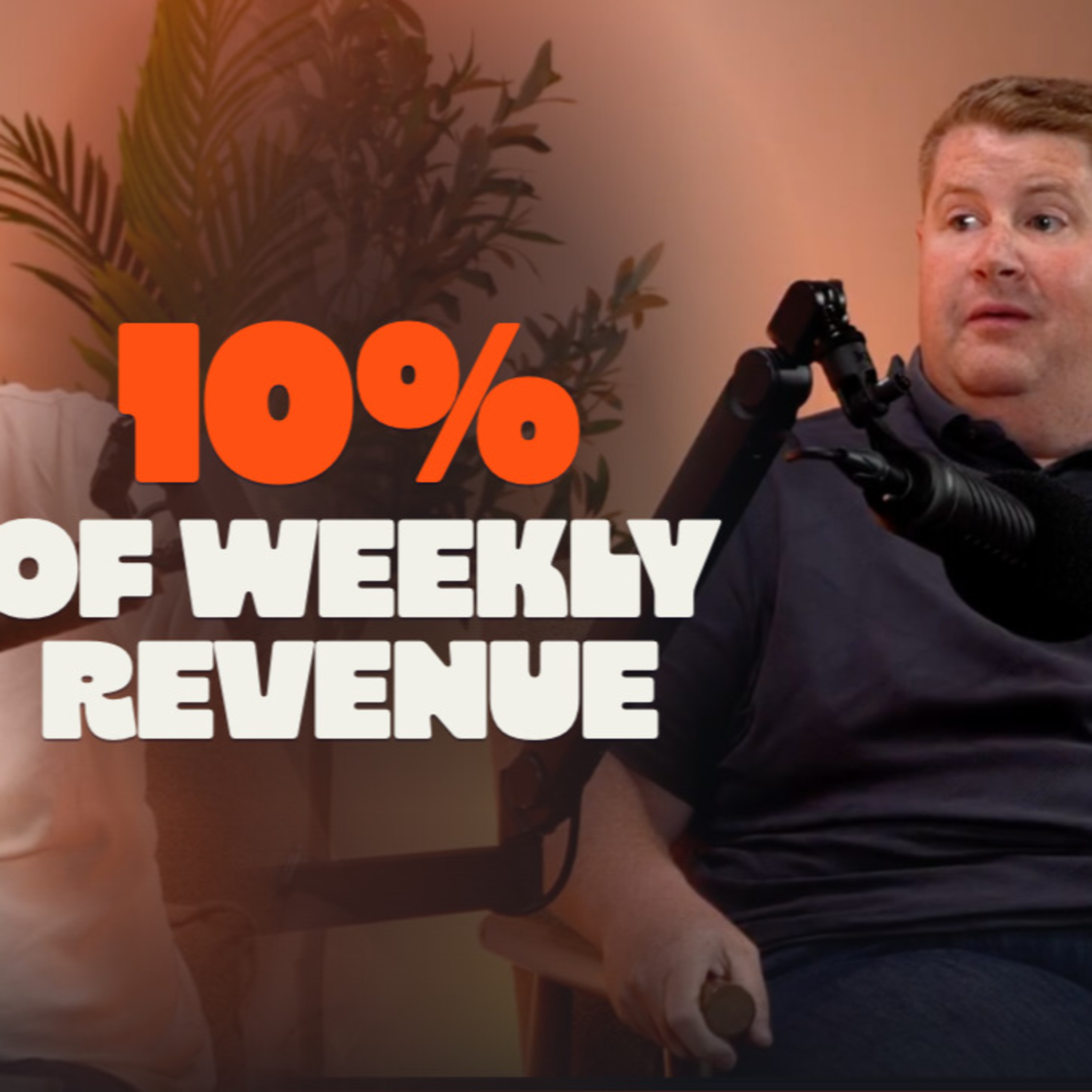 10% of Weekly Revenue From Loyalty: Inside Prezzo's App, with Brava CIO David Broom 02.09.2026 25mBrava Hospitality just hit 103 sites, posted its record sales week, and acquired Riding House Café. Underneath it sits a loyalty and subscription engine most operators are still arguing about internally.David Broom, CIO at Brava Hospitality (Prezzo Italian, Jamie's Italian UK, Pronto Pasta), joins Chris Fletcher to open the numbers up.What we cover:• Over 500,000 app members in 14 months, growing 5,000 to 10,000 a week• 8 to 10% of weekly revenue now driven by a loyalty offer, and still climbing• Why app customers convert on a shallower discount than any other channel, and what that does to margin• The kids subscription at £1.99 a month, 7,500 subscribers, and why it drives three to four times the visit frequency• Order and pay stuck at 5% of covers, and why David is relaxed about it• Running all of this on an ageing till estate without saying no to marketing once• Gifting subscriptions, Father's Day prepaid pints, and treating hospitality like proper commerce• Ship a good first version, operationalise it, then build it bigReach out to David on LinkedIn if you want to dig into how they did it.The Stacked Podcast. Operator first, vendor agnostic, no commissions.
 -
 People Buy People: Ruth Carpenter on Tech, Trust and the £55 to £11 Ad Story 08.07.2026 38mThis week Chris sits down with Ruth Carpenter, Sales and Marketing Director at Black Rock Restaurants, the Brighton based collection behind Burnt Orange, The Salt Room, Coal Shed, Tutto and new pub concept The Crazy Goose. Ruth rejoins the show (she was number 32 in the harem, now back at 210) fresh from three and a half years at Pizza Pilgrims, where she helped grow the business from 16 to 31 sites.They get into what it actually takes to market six premium brands at once, why the Pizza Pilgrims one big campaign model does not translate, and how Ruth has gone properly old school by building a network of the 100 most loyal customers per site and getting under the skin of what they want.The tech chat is a good one. Ruth talks through inheriting the stack, why Airship does the CRM job, and how bringing in EDGEY took cost per customer from £55 down to £11 in three months, all trackable and wired into SevenRooms so there is no arguing about ROI at board level. Plus why she picked Glu for gifting and loyalty, and the recurring theme of the episode: you are buying into people, not just tech.Elsewhere they cover the £2 million Salt Room refurb (driven by data showing the audience had aged with the brand), making premium dining accessible without a race to the bottom on price, merging sales and marketing into one team, and a proper honest take on AI. ChatGPT as the hardest working colleague on the team, but everything gets a human lens on top, and stay curious.Closes on the best sign off this podcast has ever had. Chill out, follow the plan, stay true to who you are.TopicsMarketing six premium brands with a small teamThe 100 loyal customers strategy and guest segmentationPaid social done right and proving ROI (£55 to £11)The tech stack: Airship, EDGEY, GlewMerging sales and marketingThe Salt Room £2m refurb and repositioning for a younger audienceAccessibility versus priceUsing AI without losing the human lensGuestRuth Carpenter, Sales and Marketing Director, Black Rock Restaurants. Say hi on LinkedIn (Ruth Carpenter) and check out Black Rock Restaurants.
 -
 The Hospitality Front Door: Gregers Knudsen on Comms, Culture and Killing App Fatigue 30.06.2026 39mYour team doesn't think about ops, people and culture as separate problems. They just want to know when they're working and where to find stuff. So why do most hospitality businesses still run their workforce across six or seven different apps?This week Chris sits down with Gregers Knudsen, founder of Monotree, the employee "front door" app that pulls comms, learning and operations into one place for multi-site hospitality. Gregers came up through Planday and built Monotree off the back of watching businesses with 1,000+ employees run their entire company on Facebook groups and WhatsApp.They get into why that's a problem, how you actually move a workforce off WhatsApp, and what changes when your engagement data finally lives in one place. Plus the open API, customers building reports straight into Claude, and a smart idea on capturing what people know before they walk out the door for good.Honest, operator-first chat about the bit of the stack everyone has and almost nobody has properly fixed.A few lines that stuck:"Good tech is just when you don't really think about it.""We want to be the heavy use guys.""If your providers don't have an open API, switch them now. Your data is your precious thing."Find Gregers and Monotree at monree.com, on LinkedIn, or just at dinner. He eats out a lot.This episode is supported by Lightspeed. EPOS and payments built to keep service flowing when the patio's packed and the game's on every screen.
 -
 CrunchTime: Why the World Cup Is a Back Office Problem with Shamik Mojaria. 26.06.2026 25mChris sits down with Shamik Mojaria, who marks his first year at Crunchtime, to dig into what it really takes to run consistent, efficient operations across a hospitality estate. They get into why years of grabbing the best available tech has left many operators with fragmented, disconnected systems that create more problems than they solve, and why the conversation is shifting firmly toward unified back office solutions.With the World Cup as a backdrop, they talk through what unpredictable demand actually looks like on the ground, why that 15 minute halftime window can make or break a venue, and how good forecasting changes everything. They also get into what practical AI means in a hospitality context, why ROI is still the hardest question in the room, and how brands like Cafe Nero have used Crunchtime for nearly a decade to digitise and scale their operations.If you're running multiple sites and still logging into six different systems to get a picture of your business, this one's for you.
 -
 Confidence, Courage, Clarity: What Actually Holds People Back with Lorraine Copes 17.06.2026 35mLorraine Copes, Founder of Be Inclusive HospitalityChris sits down with Lorraine Copes, founder of Be Inclusive Hospitality, for a proper chat about the people side of the industry. From bringing Shake Shack to the UK to procurement boards at Gordon Ramsay Group and Corbin & King, Lorraine has built a 24-year career, then walked away from the "proper job" to build something with purpose. Six years on, BIH has trained 2,000+ leaders. We get into the data on who makes it up the chain, why confidence beats everything, and the gap between what boards say about people and what they actually do.From logistics to leadership. The "safe" degree, falling into hospitality supply chain, and pushing into procurement for the wins and the impact.The Shake Shack effect. Danny Meyer, "Setting the Table" as her ops bible, and the lesson that stuck: take care of your people and they take care of your guests.Why she pivoted. Not away from procurement, but towards purpose. She never once said "I want to be an entrepreneur." She wrote the plan in her garden, took redundancy, and went for it.Be Inclusive Hospitality, six years in. Launched June 2020 into a sector finally ready to listen. Two halves: training leaders on inclusion and belonging, and an upward social mobility arm running mentorship, scholarships and education.The Better Hospitality Campaign. An industry-wide survey looking at the consequences of what's happening, plus a leadership committee building a set of standards. Report drops end of September.The numbers. Entry level is the most diverse part of the industry, the boardroom rarely reflects it. Hospitality has the ingredients to be the best, if it builds real career pathways.Confidence, courage, clarity. The three things that show up when Lorraine coaches leaders, with confidence at the top. Why she refuses to call it "imposter syndrome."The board-level gap. It always comes back to people. Investing in them costs little and lifts every KPI you sweat over.Restaurant: Akoko on Berners StreetTech that earned its place: Fixr (the expense tool Chris put her onto)Best advice: Find your tribebihospitality.co.uklorrainecopes.co.ukLinkedIn, Instagram, TikTok: Lorraine Copes and Be InclusiveThis episode is powered by Lightspeed. The EPOS and payments platform built to keep service flowing when summer gets busy. Don't just keep up with the rush, own it with Lightspeed.What we coverQuickfireFind Lorraine
 -
 Como's Rubén Recio Nogales on loyalty that actually works, frictionless data and why WhatsApp is coming for UK hospitality 10.06.2026 34mLoyalty used to mean a stamp card and a prayer. Not anymore. This week Chris sits down with Rubén Recio Nogales, VP of Business Development at Como (now Como Sense), to unpack what modern customer engagement really looks like, and why most operators are sitting on a goldmine of data they're not using.Como describes itself as a data company that specialises in customer engagement. It sits between your operational side and your CRM, pulls in every transaction (identified or not) and surfaces the insights that actually move the needle. Think 3,000 lapsed members targeted in two clicks, or spotting the customers one stamp away from a reward who'll react to almost anything you send them.Rubén and Chris get into penetration rates (why 15 to 30 percent is normal and how one client hit 80), why loyalty members consistently outspend everyone else, and the frontline staff who quietly make or break the whole thing. They also look ahead at WhatsApp marketing, automated segmentation, AI driven reporting, and the holy grail Live Nation are chasing: card tokenisation that identifies the guest with zero friction at the till.Honest, practical and refreshingly free of hype. If you're an operator with data you don't know what to do with, this one's for you.Key talking points:Why "loyalty" got a bad name, and what's changedPenetration rate explained, and why 80 percent is wildThe two click campaign and reading customer behaviourWhatsApp marketing: massive in the Middle East, heading to the UKCard tokenisation and frictionless loyalty (the Live Nation play)Where AI fits: segmentation, reporting and machine learningWhy your GM matters more than your softwareWhen to change systems, and when to leave a good thing aloneGuest: Rubén Recio Nogales, VP of Business Development, ComoFind Rubén: LinkedIn (Rubén Recio Nogales). Como are also on the Stacked marketplace.Chapters:00:00 Intro and Lightspeed01:05 Meet Rubén, single parenting and 19 year old cucumber dramas02:18 Spain to the UK, an ice cream stall in Westfield03:01 What Como actually does04:25 Acquired by Global Payments, what the name means05:09 The state of hospitality tech08:06 Why the old loyalty schemes failed09:24 The value exchange and the Starbucks lesson11:00 Penetration rate and business insights in two clicks12:29 The Nando's chilli effect15:31 AI and machine learning in the product16:11 Como across 50+ countries17:26 WhatsApp marketing and cultural differences21:02 Loyalty members spend more, and why23:07 Penetration rate explained, and the 80 percent client24:52 The frontline staff who make loyalty work27:20 Should you switch systems? An honest answer30:47 Live Nation, tokenisation and the frictionless holy grail32:47 How to get hold of Rubén33:41 Chris leaves his daughter at the vets
 -
Authentic Marketing in a World of AI Noise, with Visha Kudhail 03.06.2026 42mVisha Kudhail has spent nearly two decades in marketing across Channel 4, Thinkbox, Google, Pinterest and Square, where she and Chris first crossed paths on the hospitality side of the business. Now she has written a book on authentic marketing, and this episode digs into what authenticity actually means once you strip away the buzzword.We get into the difference between being truthful and being authentic, why trust is the connecting thread through everything, and how operators can stand out in a climate of rising misinformation, AI fatigue and a cost of living squeeze. Visha makes the case that brand is not just the marketing team's job, that you have to earn the right to be in the room with a customer, and that AI should be your sparring partner, not your content machine. Plenty here for marketers, founders and tech vendors alike.What we cover02:01 Visha's career path from TV and Thinkbox to Google, Pinterest and Square06:20 The book reveal and why she wrote it08:11 Why authenticity matters now: misinformation, political noise, cost of living and only 38% of people eating out10:17 What authentic really means: your words matching your beliefs as an operating principle11:38 Truthful vs authentic, and why even honest brands can feel fake13:32 Keeping authenticity intact as you scale a business14:03 The rise of content creators like Topjaw and why operators lean on them16:37 AI as a sparring partner, and why critical thinking cannot be outsourced18:47 The three tests of a great insight: brand truth, relatability, actionability19:50 Why none of it works if your data is not clean20:51 Building trust, with real examples from Google and Pinterest23:48 Why brand belongs to the whole business, not just the marketing room27:58 Earning the right to be in the room with the customer29:34 The Bread Ahead story and the power of one great piece of customer-led content31:26 Will AI make fake authenticity easier? The Coca-Cola Christmas ad cautionary tale32:47 AI rejection, dumb phones and the cultural shift back to analog and craft34:29 What Visha would build first if starting a brand from zero35:16 Profitable authenticity, with Patagonia, Nike, e.l.f. and Pieminister37:30 Book launch plans and what she hopes it changes40:30 Where to find VishaA few takeawaysTruth is being factually accurate. Authenticity is the feeling you create. Brands can be honest and still come across as fake.A strong insight passes three tests: is it baked into your brand truth, does it relate to your product, and can it actually shift behaviour.Use AI for productivity and efficiency, not as a cost cutting exercise that strips out the people doing great work.You always have to earn the right to be in the room with a customer, no matter how big you are.Authentic brands that stay true to their values can still drive profit. Patagonia, Nike and e.l.f. are the proof.About the bookVisha's book on authentic marketing is out 3 June in the UK and the US. It is built as a reusable, practical guide drawn from real strategies and frameworks she has applied day to day, with several chapters on data and a deep dive on how to think about AI.LinksPre-order and find the book via Visha's websiteConnect with Visha on LinkedIn
-
From AI implementation to impact with John Raguin from CrunchTime, Tim Cross from Caffè Nero UK, and Andrew Winter from SSP Group plc 27.05.2026 40mIn this episode, we're joined by Tim from Caffè Nero, Andy from SSP, and John from CrunchTime for a no-nonsense conversation about AI in hospitality. What's actually delivering ROI, what's failed, and what the future looks like for operators on the ground. Less LinkedIn hype, more real talk.What's Actually WorkingAI forecasting is the clearest ROI win — CrunchTime saw adoption jump from ~1% to 50% of locations in 12 monthsCaffè Nero is piloting AI-driven stock availability and assisted orderingSSP is using AI for labor forecasting, trading hour optimization, and upsell recommendationsThe Data ProblemBad data kills AI results — CrunchTime's own support AI was 3% accurate until they cleaned up their data sourcesThe sweet spot for forecasting data: 400 days (more doesn't meaningfully improve accuracy)82% of UK operators use tech forecasting, but average accuracy is only 62%Change Management is the Hard PartJohn: The #1 reason implementations fail isn't the tech — it's change management in operationsAndy: SSP is shifting from technology-led to business transformation-led changeKeep humans in the loop — let GMs enrich AI forecasts, not just override themWhat's ComingVoice-based AI for managers: ask your phone for stats or tomorrow's forecast, no back-office report neededManagers move from the back office to the floor — John's timeline: 5–7 years for widespread adoptionOne Piece of Advice EachJohn: Pick a small pilot with engaged managers and start thereAndy: Understand the business problem first — don't implement tech for tech's sakeTim: Find an internal AI subject matter expert; you don't need a Head of AI
-
Why "Just Get Some AI" Is the Worst Brief You Can Write, Rod Schneider, Workforce.com 19.05.2026 24mRod returns to the podcast after two years to discuss what has genuinely changed in workforce management, and what is simply being repackaged.A familiar pattern is playing out across the industry: leadership sees AI-branded software, decides it looks promising, and tasks an operations manager with finding it. One layer deeper, the desired outcome is rarely defined. The brief drives the purchase, rather than the problem.In this episode:The Workforce.com origin story, from a university bar with questionable timesheet accountability and 30,000 pound punch-card scanners to a cloud-based product built around that problemWhy multi-region European payroll is so difficult, and how being built in Australia, home to some of the most complex earnings rules in the world, became a genuine competitive advantageThe decline of the detailed RFP, and why discovery conversations uncover the real requirement that documents cannotThe cost of poor alignment: mis-bought and mis-sold software, and how the sale gets celebrated while the operator's problem remains unsolvedA measured view on AI: bullish on accessibility, sceptical of "world first" claims for capability that has existed for yearsThe open question for the category: customisation in the operator's hands, or hardcoded into the systemA practical, operator-first conversation for anyone evaluating workforce technology or trying to translate a vague AI mandate into a real outcome.
-
Diego Vega & Rory at Rye Energy, The Hidden Cost That's Eating Your Margins 13.05.2026 32mEnergy is the line on the P&L that nobody owns and everybody pays for. In this episode, Chris sits down with Diego Vega, Founder and CEO of Rye Energy, and is later joined by Rory, Head of Operations and ex-chef, to crack open a category most operators have been forced to ignore.Why this conversation mattersHospitality consumes three to four times more electricity per square foot than the average business. A coffee shop, per square foot, burns more energy than a petrol station. And yet, energy procurement remains one of the most opaque, broker-led, deliberately complex purchases an operator makes. Diego compares it to where payments sat five years ago, before Dojo and the new wave of providers pulled back the curtain. Rye is doing the same for multi-utilities.What Rye actually doesRye is a platform that unifies data and contract terms across electricity, gas, water (and soon waste) for multi-site operators. Three core jobs: procurement, real-time monitoring via meter data, and bill validation. It benchmarks your sites against each other (Manchester vs Leeds vs London) and against sector peers, so you finally know what good looks like.The 40% problemOnly 40% of your energy bill is the actual commodity. The rest is non-commodity transmission costs, levies and fees financing the renewable transition. Lock in the best unit rate you like; the hidden cost stack is where margins quietly disappear. The cheapest kilowatt hour is the one you don't use, and reducing usage compounds savings because it pulls down the non-commodity charges too.The surprise finding from 100+ live sitesDiego went in expecting efficiency to be the headline win. It wasn't. The bigger unlock has been growth. Operators trying to open 5, 10, 17 sites a year keep getting stuck on single-phase to three-phase upgrades, undersized meters, and MEP plans that don't match the kitchen they're trying to run. Nobody on the team owns this, and a £50k landlord capex contribution rarely covers it. Rye is quietly removing that drag on growth pipelines.Rory on what operators get wrongAfter eight years in energy and a previous life in kitchens, Rory has seen the patterns. The biggest culprits:HVAC and extraction systems left running on poorly configured timers, sucking money overnight. Defrost cycles spiking load profiles at 3am for no operational reason. Sites moving in and forgetting to sort utilities until the supplier starts chasing debt.The fix is process, not heroics. Rye builds an average load profile per site (half-hourly), overlays what good looks like, and quantifies the gap in pounds. Same shape, different scale. The well-run site becomes the playbook for the rest of the estate.The macro picture nobody's planning forThree major shocks in six years: Covid (demand-side), Ukraine, and now Iran (supply-side). Jet fuel reserves reportedly down to three weeks of supply heading into summer. Energy crises become food crises through fertiliser and transport costs. Wheat, rice and coffee feel it next. Diego's point: in the next 18 months, regulatory changes around half-hourly data access could cut costs by 40-50% for operators who know how to act on it. Most won't, because nobody on the team is watching.When to actIf you're 6-12 months out from contract end, that's the window. Rye tracks the wholesale market up to a year ahead of your renewal and moves when the dip is right, rather than letting brokers run the clock down on you.The commercial bitRye only charges once it starts saving you money. Book a call, get a demo, see where the gaps are before committing anything.Find RyeWebsite: https://rye.energy
-
 Roger Wade: The Man Behind Box Park on Building Brands That Actually Last 15.04.2026 54mChris sits down with serial entrepreneur Roger Wade, the man behind one of the UK’s original streetwear brands and the creator of the world’s first pop-up mall.From getting fired three times before the age of 22 to building Box Fresh, launching Box Park, and now reshaping hospitality real estate with Box Kitchen, Roger shares the lessons, mistakes, and mindset that have shaped his journey.This is a conversation about brand, resilience, physical retail, and why most businesses are solving the wrong problems.Why getting fired early might be the best thing that ever happens to youThe real reason Box Fresh worked — and why Roger sold too cheapHow a simple idea turned into Box Park, the world’s first pop-up mallWhy food became the hero and retail fell awayThe three reasons people go into business — and which one actually mattersWhy physical retail still beats online (and it’s not even close)How Box Kitchen is changing the economics of hospitality developmentThe truth about raising money and why it’s often overratedHow AI is levelling the playing field for creative entrepreneursEarly Life & MindsetFired from three jobs before 22Realisation: “If I don’t employ myself, no one else will”A near-death experience at 16 that shaped his outlookBuilding Box FreshStarted in Greenwich and Camden marketsOne of the UK’s original streetwear brandsLearned the hard way: brand is everythingCreating Box ParkBuilt from shipping containers with no blueprintFood operators became the unexpected winnersCommunity-first approach in Shoreditch and CroydonScaled to millions of loyal customers via the Black CardThe Business Frameworks3 reasons to be in business: Ego, Money, Legacy3 pillars of a brand: Product, Traffic, DeliveryRetail Reality CheckOnline conversion: 1–2%Physical retail: closer to 10%Why the high street still matters more than people thinkBox Kitchen & What’s NextModular kitchens, bars, and hospitality infrastructureBuilt for developers and operatorsFar stronger returns than traditional real estateLessons from FailureThe eBay keynote disasterWhy raising money isn’t success“Profit is sanity, turnover is vanity”“You make money by seeing something that’s growing and growing with it.”“Raising loads of money means nothing. You’ve got debt.”“If you’re not special to your customer, you won’t exist.”“Profit is sanity, turnover is vanity.”“I learned my best lessons from my biggest mistakes.”This episode is powered by Lightspeed Commerce — the POS and payments platform built for modern hospitality.From tableside ordering to fully integrated front and back of house, Lightspeed helps operators deliver faster, smarter service when it matters most.If you want, I can tighten this into a more punchy, SEO-led version or a YouTube cut as well.
 -
 Connectivity, Data & the Future of Hospitality Tech 08.04.2026 40mHost: Chris FletcherGuests:Liz McKinnon – Strategic Accounts, Sky Business (13+ years at Sky)Jatin Chandwani – Chief Product & Growth Officer, Byte by Yum (overseeing KFC, Taco Bell, Habit Burger & Pizza Hut's SaaS platform)Recorded live on stage, this episode dives deep into how reliable connectivity has become the backbone of modern hospitality operations — from QSR chains to stadia. The conversation covers how real-time data, AI-driven automation, and seamless guest experiences are all dependent on getting the fundamentals of connectivity right.1. The Three C's of Connectivity (Liz McKinnon)Coverage – ensuring your restaurant has signal everywhere it needsCapacity – handling the growing volume of data trafficConnectivity – making it fit for purpose and reviewing it continuously, not just at install2. Connectivity as a Data Continuity Engine (Jatin Chandwani)Connectivity has evolved from a utility (like water or electricity) to a mission-critical data pipelineWithout it, team members work blind and guest experience suffers immediatelyDigital orders (mobile app, aggregators, kiosks) can make up 30–60% of revenue — all dependent on connectivity3. Speed, Taste & Experience in QSRThe challenge of serving fresh food (e.g. KFC's 15-min cook time) to customers who expect it in 2 minutesTechnology and data forecasting are key to managing this tensionAI forecasting for inventory and labor scheduling has delivered measurable improvements4. Real-Time Data & Agentic AIMoving from "dashboard era" (acting on yesterday's data) to agentic workflows (acting within the shift)Fryer data, hot-hold systems, sales data and customer data combined = next best action in real timeProperly connected stores can improve performance by 10–20%Kill switches and guardrails are essential — AI governance must be built in from day one, not added later5. Guest WiFi as a Business Channel"Snacking data" — QSR customers connect briefly; stadia customers stay for hours; both need seamless WiFiGuest connectivity supports app check-ins, order status, and acquisition/retentionWiFi splash pages can drive promotions, loyalty sign-ups, and personalized messaging6. GDPR & Consent> "Bad consent kills good data. Good consent builds long-term customer relationships." — Jatin ChandwaniGDPR is not a constraint — it's a trust engineSky supports customers with a robust framework to handle data collection properlyTargeted, meaningful consent leads to better, more relevant customer conversations7. The Future: Unified EcosystemsOperators must move away from point solutions toward unified, connected ecosystemsAI + connectivity together will automate mundane tasks, reduce team cognitive load, and elevate the customer experience"We're moving from the age of dashboards to the age of agent workflows for specific business outcomes." — Jatin Chandwani"You cannot function without connectivity." — Jatin Chandwani"It's not install and forget — you put it in and you re-look at it." — Liz McKinnon"We were dropping money on the floor because of poor connectivity." — Chris Fletcher"Humans are craving more human connection — tech should free up your team to provide that." — Jatin ChandwaniTreat connectivity like labour and food cost — it belongs at the boardroom tableReview and right-size your connectivity estate regularly as your tech stack evolvesBuild redundancy and failover into your solution — downtime is immediately visible in salesPartner with your connectivity provider; it's an evolving relationship, not a one-time installStart collecting consented, structured data now — it's the foundation for everything AI will enablePowered by Sky Business.
 -
 From War to Woking: How Yaro Tsyhanenko is Reinventing the Restaurant Pickup Experience with Pickpad 25.03.2026 30mStacked Podcast – Episode: Yaro Tsyhanenko, Founder of PickpadIn this episode, Chris Fletcher sits down with Yaro Tsyhanenko, Ukrainian-born entrepreneur and founder of Pickpad, a smart hardware startup solving one of hospitality's most overlooked problems: the pickup area.What we cover:Yaro's journey from building a delivery marketplace across 15 Ukrainian cities to relocating after the outbreak of warHow he went from Ukraine to Ireland to Chicago to Arizona State's entrepreneurship program to the UKWhy he spent hours sitting in QSRs with a stopwatch to understand the real pain in restaurant operationsThe Pickpad concept: a modular system of smart pads using weight sensors and machine learning to automate order management at the pickup areaHow Pickpad integrates with existing POS, KDS, and online ordering systems. No capital investment, live in under an hour, from £9/monthThe "ARC" framework: Accurate, Ready, Completed. The three order states restaurants are currently flying blind onWhy 15% of fast food/QSR orders are inaccurate, and how Pickpad tackles thisCoverage from TechCrunch and Forbes, and winning a CES National Award in the AI categoryIntegrations already in place with Square, Olo, Toast, and Oracle, with UK EPOS partnerships in progressYaro's vision for zero-friction ordering: AI, smart glasses, robots, and a universal interface between local businesses and their customersAdvice for founders: get out of your head and talk to your customersFind Pickpad:🌐 pickpad.com💼 Yaro on LinkedInhttps://www.wearestacked.io/ – Hospitality technology, straight talking.
 -
Let the Managers Manage with Conor Shaw and Emily Kane from Bizimply 18.03.2026 53mChris sits down with the team behind Bizimply, the Dublin-based workforce management and HR platform serving over 1,300 hospitality businesses and 100,000+ shift workers across the UK and Ireland. Emily and Conor share how they're marrying workforce scheduling with smarter HR tools, and what AI really means for the people powering the hospitality industry.Key Topics Covered🍺 Bizimply's StoryFrom a startup two doors down from the Guinness Brewery, Bizimply has grown into a 50/50 UK-Ireland business with a fully regional sales force. Founder Gerard's passion for hospitality people management sparked a product built for the 70% of the world's workforce on shift-based contracts, underserved by traditional HR software.👥 Workforce Management Meets HRWhy "stick to your knitting" is their product philosophy. Bizimply doesn't do payroll natively. They do workforce management and HR really well, and integrate with the best payroll providers. The mission: let managers manage, not fill in spreadsheets.📊 The Data Problem in HospitalityClean, trustworthy data is the foundation of everything. Without it, AI is just noise. Bizimply is investing heavily in data quality so that what surfaces to operators is accurate, actionable, and meaningful.🤖 AI: The Smart Intern on Your ShoulderConor's take: AI is like a brilliant intern, fast but always looking at the past. Emily's view: the goal is to answer questions before they're even asked, removing noise and showing each persona exactly what they need to know.⚡ What Bizimply Is Building NextIntelligent demand planning and automated scheduling, performance management tools tied to revenue and retention, a new UI designed around simplicity, and an operations hub connecting POS, payroll, inventory, and people.🔮 The Illusion of ControlMulti-site operators often believe technology gives them control. Conor's argument: it doesn't. Technology gives your people the tools to do their jobs well. That's what creates a great operation.📱 The TikTok TestIf your rota app isn't as intuitive as Uber Eats, you'll lose your workforce's attention. Emily and Conor discuss the generational shift in product expectations.🎸 Bono BonusYes, Bono was an early investor in Bizimply through a connection to the founder. He's still a shareholder, but Conor admits they haven't spoken to his office in years.SponsorLightspeed is the EPOS and payments platform trusted by 165,000+ businesses including Big Mamma, Mildreds, and Qubit House. Fast funding, no hidden fees, real-time insights.Quotable Moments"Technology should allow people to do what they're really good at." - Conor Shaw"AI is like a really smart intern sitting on your shoulder who answers questions very quickly, but isn't always right." - Emily Kane"The illusion of control: technology won't give you that. But it'll give your people the tools to do their jobs well." - Conor Shaw"Remove the noise. What are the top three things you need to know right now?" - Emily KaneFind Bizimply: bizimply.com
-
 People Service: The Human Piece vs. Headcount in Hospitality with Mollies Motel, Bills and Little Houses Group 11.03.2026 49mA powerful live panel discussion from the Service event at BrewDog Waterloo exploring the critical balance between treating people as assets versus headcount in hospitality businesses. Industry leaders from Bill's, Little Houses Group, and hospitality veterans share honest insights on retention, leadership development, workforce design, and the future of people management in hospitality.Host:Trudi ParrGuests:Karen BosherHayley ConnorLucy CraigSponsor: Lightspeed EPOSKEY TOPICS & TIMESTAMPS[0:00 - 1:47] IntroductionWelcome from Chris Fletcher and Trudi ParrPanel introductionsSetting the stage: Human capital vs. headcount metrics[1:47 - 6:00] The Retention ChallengeWhy hospitality struggles with retention despite valuing peopleThe critical importance of the first 90 days building trust and safetyReframing retention as a workforce design problem[6:00 - 10:00] Workforce Design InnovationMoving beyond the "fully flexed unicorn" hiring modelDesigning roles for modern workers: 3-hour shifts, peak periods, flexible schedulesSetting and meeting hour expectations from day one[10:00 - 15:00] Employee Wellbeing & SchedulingThe surety of income challenge in hospitalityTech adoption struggles with scheduling toolsThe instant messaging problem: Real-time labor cuts eroding trust[15:00 - 20:00] Leadership DevelopmentBill's investment: Taking 200 leaders through mindset training over 18 monthsThe "Wingman at Work" concept - who talks about you beautifully when you're not in the room?Shifting from task-focused to emotionally safe leadership[20:00 - 25:00] The Crisis Management TrapLeaders stuck in crisis mode rather than growth modeHow infrastructure and tech can free leaders to be customer-facingWorking on growth, not just crisis[25:00 - 35:00] Training That SticksTechnical skill training vs. behavioral leadership developmentThe TikTok generation: 3-minute attention spans requiring modular trainingSeasonal training updates mirroring menu changesFinding in-house mentors and craft experts[35:00 - 42:00] The AI RevolutionPersonalized AI training detecting performance gapsAI as personal performance coachThree key AI applications: automating processes, self-serve knowledge, retention testing[42:00 - 48:00] Building Teams That StayTrust as the #1 retention toolClose GM/Head Chef relationships = top performing businessesDifferentiating investment: career-committed vs. experience-led workersBill's bold move: cutting recruitment budget to invest in development[48:00 - 49:35] Looking ForwardThe competitive edge in 5 years: your teamThe pivot point: Never been more expensive to hire, never been cheaper to access techOne thing to change: Remove GMs from productivity metrics, give time back to leadKEY TAKEAWAYSFirst 90 Days Are EverythingWorkforce Design > Retention ProblemReal-Time Data Can Harm WellbeingInvest in Leadership, Not Just RecruitmentThe Wingman TestAI as Personal CoachYour Team Is Your Competitive EdgeQUOTABLE MOMENTS"We promote technically great leaders, but they're not actually good leaders." - Hayley Connor"Your general manager is responding by the minute... and a team member is seeing their pay go down by the day." - Hayley Connor on real-time labor management"If you think about a time in your career where you achieved things you never thought were possible... you had wingmen around you, you had best friends." - Lucy Craig"It's never been more expensive to hire people and it's never been so cheap to access tech." - Karen BosherRESOURCES & LINKSBill's RestaurantsLittle Houses GroupLightspeed EPOS - Book your free demoWomen on Taps movementMonoTree AI training platform
Podcasts similares


Popular en
Este podcast también aparece en las listas de podcasts de estos países.
