
See See by Ceci
Dr. Cecilia Ponce Rivera
0
See See is a podcast that explores a new theme each season through multiple dimensions. Episodes blend scientific, intellectual, and spiritual perspectives as journeys of exploration and discovery. Through conversations with guests such as artists, scholars, scientists, psychologists, philosophers, entrepreneurs, activists, and dancers, listeners are invited to see through their eyes. The show encourages people to rethink, relearn, and deepen their own perspectives.
Episodios
-
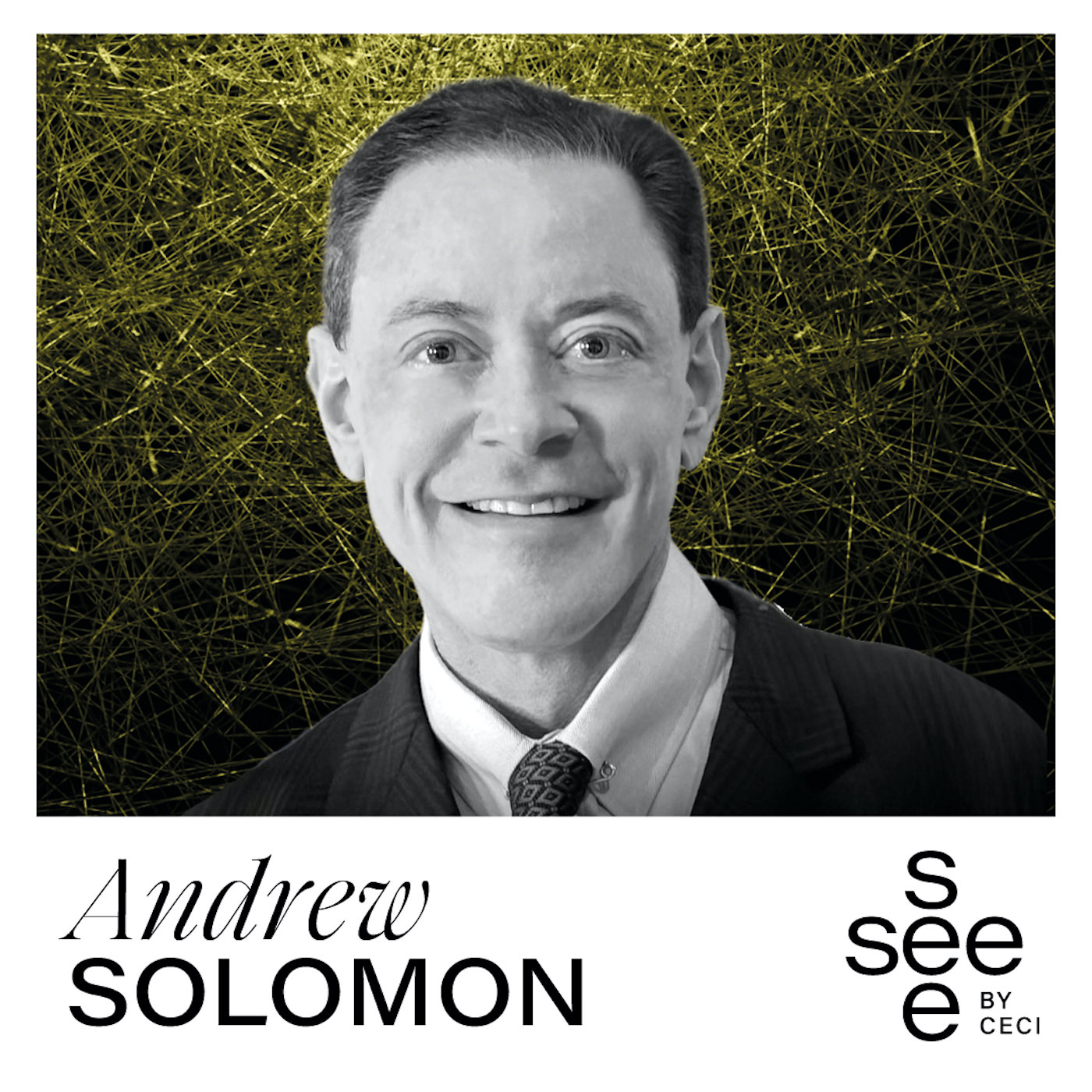 Beyond Diversity: Shadows Upon the Light of the Mind with Andrew Solomon 06.10.2026 3h 32mAn exceptional episode that explores the imperfections and shadows of the human mind, its decay, suffering and redemption, featuring none other than National Book Critics Circle and National Book Award winner, and Pulitzer finalist, Andrew Solomon. This episode takes us on a three-hour journey carried by the hand of Solomon’s captivating, direct and powerful voice, one that leads the mind down its more concealed pathways with empathy and compassion on topics such as violence, identity, depression, suicide, and the discovery of how the stories of others reveal both our own, and the fragility of the narratives we tell ourselves about otherness. A man whose literacy and cultivated background converge with his sensitivity and humane sense of life, in this conversation Solomon generously draws on his own life experiences and on the rich and meticulous research that, more than a study, portrays a courageous and humane immersion into the worlds of others. From Far and Away: How Travel Can Change the World through Far from the Tree: Parents, Children, and the Search for Identity, and The Noonday Demon: An Atlas of Depression, to his upcoming and keenly awaited book Gone Tomorrow on youth suicide, based on his celebrated New Yorker essays, his work permeates the exchanges, elegantly interwoven with selected passages from Kundera, Tolstoy, Thomas Mann, Victoria Woolf and other titans of the world of letters in an episode designed to be savored and experienced to the full. An interview turned into an inward dialogue that poses unwelcome, yet deep and thoughtful, questions about the human experience and the quest for significance in an age of disbelief, with the genuine conviction that there is still hope awaiting in the unchanging antidotes we hold in common: love, and the surrendering to our shared dependence. *Andrew Solomon is a Professor of Clinical Medical Psychology in Psychiatry at Columbia University Medical Center, an Adjunct Clinical Professor of Psychology at Weill Cornell Medical College, a Lecturer in Psychiatry at Yale Medical School, a Distinguished Associate of the Centre for Family Research at Cambridge University, and the former President of PEN America.
 -
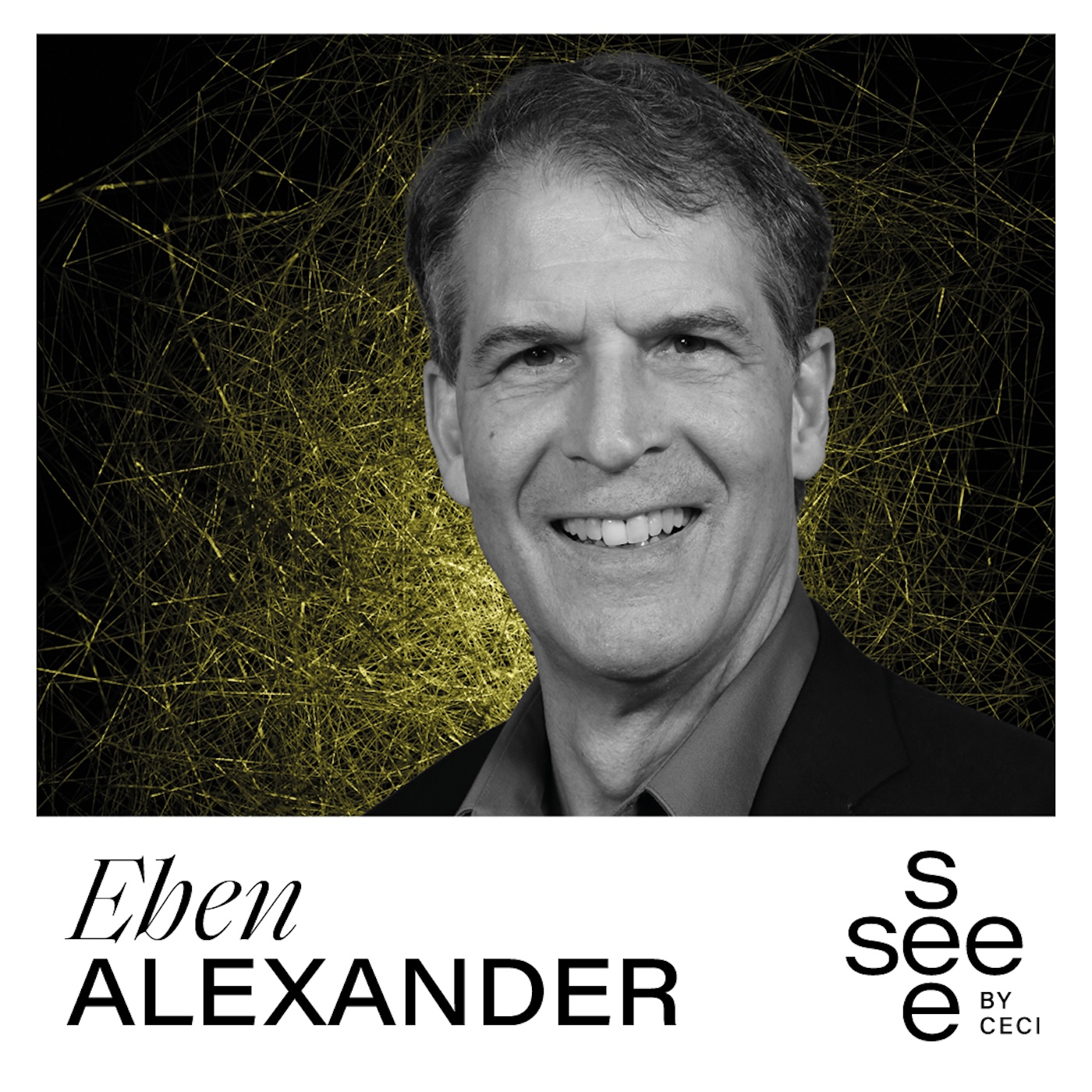 NDE: Mind Unbound with Eben Alexander 03.09.2026 1h 47mIn this episode of See See by Ceci, we're joined by Eben Alexander, an academic neurosurgeon for over twenty-five years, who shares one of the world's most documented near-death experiences: his own. For decades he operated on the living brain at Brigham and Women's Hospital, Children's Hospital, and Harvard Medical School in Boston. Born into a lineage of neurosurgeons and physicians (his father, himself, and now his eldest son), he was, like most in his field, a materialist: he believed the brain was both the beginning and the end of consciousness. In the autumn of 2008, that belief was undone completely. An aggressive bacterial meningitis (E. coli meningoencephalitis) drove him into a week-long coma, his odds of survival falling to two percent with no chance of recovery. Yet with the neocortex, the seat, neuroscience insists, of all awareness, essentially offline, he experienced not nothingness but a journey of extraordinary vividness and detail. After seven days he woke, and over the following two months made a complete and inexplicable recovery: a case so unprecedented that three physicians outside his care documented it in the peer-reviewed Journal of Nervous and Mental Disease. In this intimate conversation, he walks us through that journey and the framework he has spent seventeen years building to make sense of it: the brain not as the producer of consciousness but as its filter; consciousness as primary and fundamental to the universe; memory not stored in the brain at all; and a love so vast it holds everyone and everything. Guardian angels, past lives, quantum entanglement, prayer: he asks how such things might be reconciled with science. With reflections from Rabbi Rami Shapiro, Reverend Barbara Holmes, parapsychology researcher Dean Radin, and Jesuit theologian Felix Körner, woven together with excerpts from Dr. Alexander's Proof of Heaven. *He is a graduate of the University of North Carolina at Chapel Hill and Duke University School of Medicine, trained and taught as an academic neurosurgeon for more than twenty-five years, including fifteen on the faculty of Harvard Medical School, with appointments at Brigham and Women's Hospital, Boston Children's Hospital, Duke, the University of Massachusetts, and the University of Virginia. A specialist in cerebrovascular neurosurgery, he authored more than 150 chapters and papers in peer-reviewed journals and presented at over 230 conferences worldwide. Brief Excerpts from Proof of Heaven read by the author and used in this episode with permission and as courtesy of Dr. Eben Alexander. Sacred Acoustic Tones used in this episode with permission and as a courtesy of Karen Newell.
 -
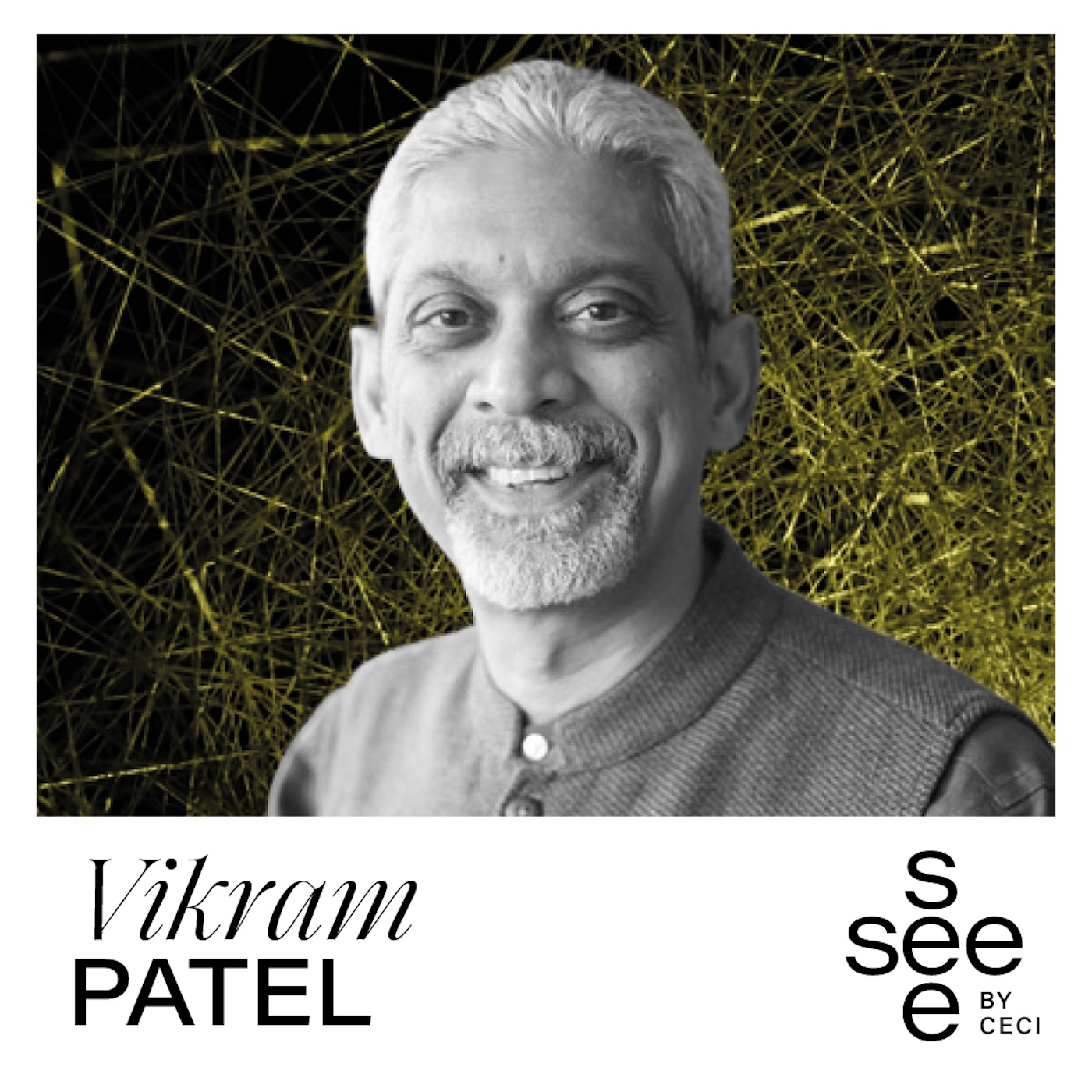 Minding Global Mental Health: Empowering the (Extra)Ordinary with Vikram Patel 13.08.2026 1h 51mIn this episode of See See by Ceci, we're joined by Vikram Patel, global mental health leader, psychiatrist, and the Paul Farmer Professor and Chair of the Department of Global Health and Social Medicine at Harvard Medical School. He confronts a contradiction at the heart of the twenty-first-century mind: why mental health is declining in the wealthiest nations, with record resources at hand, while some of the most effective solutions are emerging from communities that have almost none. In this wide-ranging conversation, Professor Patel walks us through what he calls the great mental health paradox and its two roots: a reductionist system that answers suffering with a prescription, and an individualism in which "disconnection is like a virus." He traces the asylum and the diagnostic manual; fifty years and tens of billions of dollars that have yielded no biomarker and no new drugs; the loneliness epidemic; the grip of poverty and inequality; and India's rise in youth suicide. Then comes his own answer: the community health worker, most often a woman, most often unpaid, trained to deliver a six-session treatment that cured two-thirds of people with severe depression and kept well years on. With reflections from criminologist Stephen Schoenthaler, neuroscientists Rudolph Tanzi and John Cryan, jazz drummer Terri Lyne Carrington, writer Andrew Solomon, psychiatrist Richard Mollica, philosophers Paul Thagard and Stephen Cave, choreographer Alexander Whitley, sixteen-year-old activist Alexander Schmitz of Young Minds for Global Health, and three-Michelin-starred chef Eric Vildgaard, the episode gathers voices you would rarely find in one room. How minds this different meet on common ground is what we leave for the listening to reveal. This episode is about a scientist fluent in the resources of both the biomedical clinic and the community's own healing knowledge, and about the richness of a simple truth he keeps returning to, that what makes a life well is connection, and who reminds us that when it comes to mental health, we are all developing nations. Above all, this conversation is about the most quietly radical proposition medicine can make: that the cure for much of our suffering is not somewhere out of reach, but near at hand, in the bonds we build between us. *Vikram Patel is the Paul Farmer Professor and Chair of Global Health and Social Medicine at Harvard Medical School. He co-founded Sangath, the Indian NGO honored with WHO and MacArthur awards, has co-led two Lancet Commissions on global mental health, and is a member of the US National Academy of Medicine. His honors include the Pardes Humanitarian Prize, an Honorary OBE, the Canada Gairdner Global Health Award, and a place on Time's 100 most influential people (2015).
 -
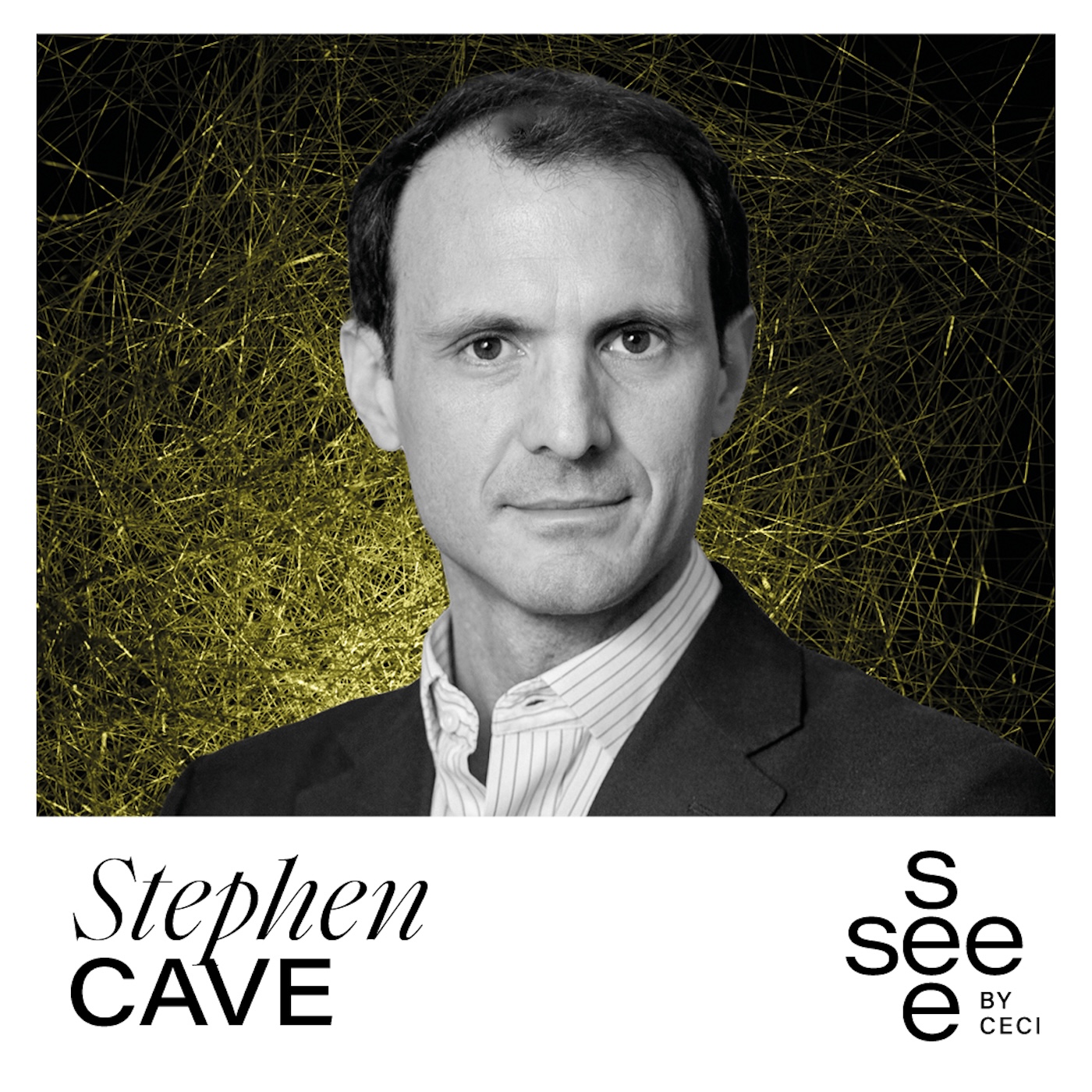 Intelligence, Immortality and AI with Stephen J. Cave 15.07.2026 1h 43mIn this episode of See See by Ceci, Dr Stephen Cave, philosopher of technology, intelligence and the human quest to outlive death, joins us in our Berlin studio. At heart, this episode turns on two questions most of us would sooner leave undisturbed: why do human beings insist on ranking one another, and why can we not make our peace with the fact that we die? Academic Director of the Leverhulme Centre for the Future of Intelligence and Co-Director of the Institute for Technology and Humanity, both at the University of Cambridge, Dr Cave took his PhD in philosophy at Cambridge before spending the better part of a decade as a British Foreign Office diplomat. He is the author of Immortality: The Quest to Live Forever and How It Drives Civilization, a New Scientist Book of the Year, and, with the philosopher John Martin Fischer, Should You Choose to Live Forever?: A Debate. He is also co-editor of AI Narratives, Imagining AI and Feminist AI, all published by Oxford University Press. In this wide-ranging conversation, Dr Cave traces the idea of "intelligence" across two and a half thousand years, from Aristotle's "natural slaves" to Francis Galton's invention of both eugenics and the IQ test, showing how so slender a concept came to serve as the perfect instrument for justifying patriarchy, colonialism and scientific racism. It is precisely this buried history, he argues, that explains the dread super-intelligent machines now inspire in us. The real peril, he suggests, lies not in what artificial intelligence might do to us, but in the deep-seated biases and failings already entrenched our societies, that is, in what we might be tempted to do to one another with it: in surveillance, in the automation of labour, and, above all, in the quiet erosion of the human relationships that hold a society together and lend our lives their meaning. He then turns to mortality: the four stories every civilisation tells itself to outwit death, why a genuine immortality would prove a curse rather than a gift, and how our very finitude is the thing that makes a life worth living. From the Epic of Gilgamesh to Borges's deathless troglodytes, from Dorian Gray to the laboratories where great fortunes are now spent in pursuit of longer life, he asks what such a life is truly worth if it is not also a life of meaning, and warns that "work, scroll, repeat" is no less hollow at two hundred than at eighty. He arrives, in the end, at something disarmingly simple: an answer that has rather less to do with intelligence than we might expect, and everything to do with finitude, and with what, and whom, a life is spent upon. With reflections from the philosopher and cognitive scientist Paul Thagard on whether a machine can ever truly care; from the posthumanist scholar N. Katherine Hayles on the human aura in the age of the deep fake and the promised revision of the Enlightenment; from the drummer, composer and Berklee professor Terri Lyne Carrington on music and the eternal present; from the historian Philip Matyszak on the Roman afterlife and the building of "moral muscles"; and from the cognitive neuropsychologist Alfonso Caramazza on the remarkable flexibility of the human mind. This is an episode about power and the stories it tells to justify itself; about the older stories we tell to cheat death; and about a quiet, radical proposition: that to be human is not to be the cleverest thing in the room, but to know that our days are numbered, and to spend them building and delighting in our bonds with one another.
 -
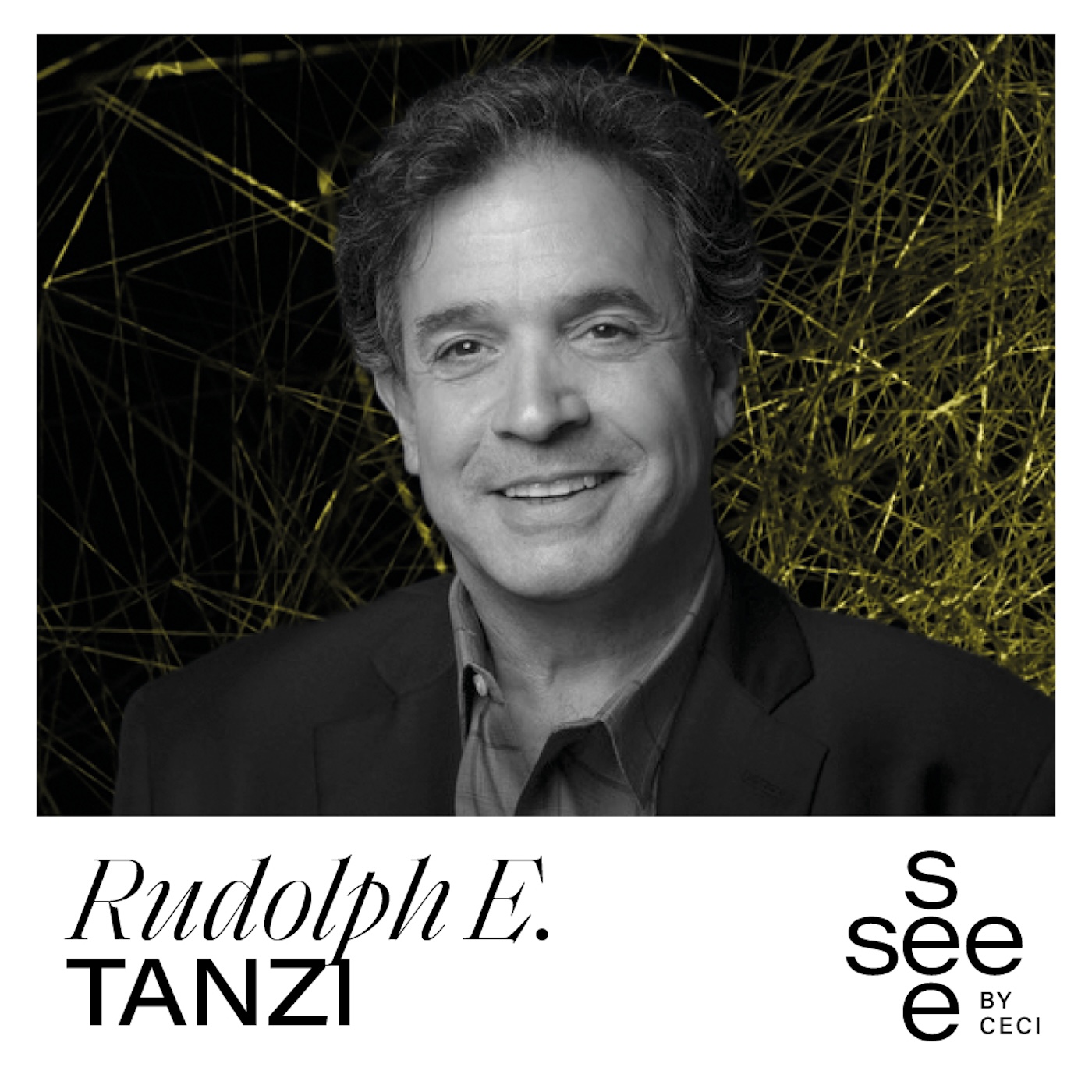 The Tapestry of Consciousness and the Self: Winning Over Alzheimer’s with Rudolph E. Tanzi 24.06.2026 1h 41mIn this episode of See See by Ceci, Rudolph Tanzi, one of the world’s most influential neuroscientists, takes us inside the mind as it builds, and as it begins to come undone. Joseph P. and Rose F. Kennedy Professor of Neurology at Harvard Medical School, director of the Genetics and Aging Research Unit and co-director of the McCance Center for Brain Health at Massachusetts General Hospital, co-founder of the Cure Alzheimer’s Fund, and named by TIME one of the 100 most influential people in the world, Tanzi co-discovered the very first Alzheimer’s genes and helped create the groundbreaking “Alzheimer’s in a Dish” model that has transformed the search for a cure. In this luminous and deeply human conversation, Tanzi traces the disease from its first description by Alois Alzheimer in 1906 (the strange plaques and tangles no one believed could cause a mind to slip away), to the golden age of treatment now within reach. He walks us through the three pathologies of plaques, tangles and inflammation; the genes he discovered and the blood test that can now see the disease coming; the brain’s housekeeper cells, the microglia, and their Macbeth-like turn from caretakers to killers; and the kitchen-sink logic of the drugs his lab is racing to trials: turn off the tap, unclog the drain, stop the overflow. He shares SHIELD, his lifestyle plan for brain health, and the gut–brain axis that lets food become medicine for the mind. And then the conversation goes deep. Tanzi reflects on memory as a tapestry woven from a hundred billion neurons; on the hippocampus, the little seahorse that gives the world its context; on why music memory survives when almost everything else is gone. He speaks, with rare openness, about awareness and the self, about lucid dreaming and terminal lucidity, about the feelings of beauty, awe and love that he believes AI may mimic but never be, and finally about his conviction that everything is, ultimately, consciousness. Along the way we hear neuroscientist John Cryan on the gut microbiome and the food that feeds the brain; Cognitive neuropsychologist and Harvard Professor Alfonso Caramazza on prosopagnosia and the emotion that endures when recognition fails; four-time Grammy winner Terri Lyne Carrington and the documentary Alive Inside; photographer Domingo Milella on water, minerals and the camera obscura; parapsychology researcher Dean Radin on the taboo edges of mind; and a chorus of artists, Gregory Halpern, Marina Viotti, Andrei Ioniță, Cecilia Rivera and Kerem Hassan, on creativity, flow, and the blurring of time and space, a current that runs through Tanzi himself, a prolific musician who has recorded and performed with the likes of Aerosmith, Joe Perry and Johnny Depp. This is an episode about a terrifying disease, and about the relentless creativity, courage and compassion working to defeat it. About what memory is, what the self is, and what remains when both are taken. And about a scientist who insists, against one of the cruellest diseases of our time, now assures us: "I'm seeing the light at the end of the tunnel."
 -
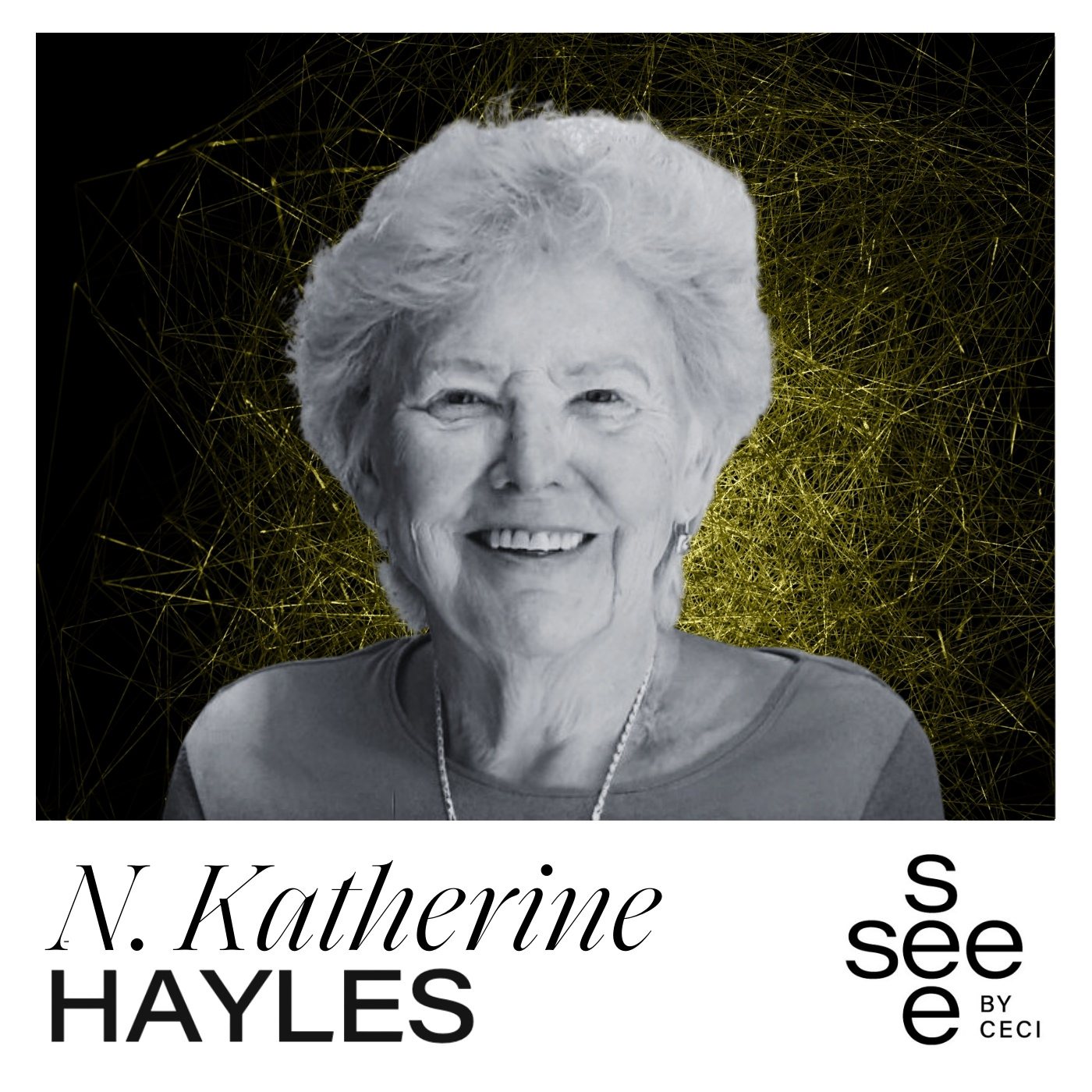 The Posthuman Mind Uncoupled: From Bacteria to AI with N. Katherine Hayles 10.06.2026 1h 26mIn this episode of See See by Ceci, N. Katherine Hayles, Distinguished Research Professor at UCLA, James B. Duke Professor Emerita at Duke, Guggenheim Fellow and member of the American Academy of Arts and Sciences, joins us from the rare crossroads at which she has worked for forty years: literature, science, technology and, now, artificial intelligence. Trained as a chemist at Rochester and Caltech before crossing into literary scholarship, she is a foremost authority on the relations between literature and computational media, and the author of How We Became Posthuman (1999) and, most recently, Bacteria to AI: Human Futures with our Nonhuman Symbionts (University of Chicago Press, 2025). In this rich and demanding conversation, Hayles redefines cognition as the interpretation of information in contexts that connect with meaning, a capacity she ascribes to bacteria, plants, fungi, animals and, increasingly, AI. She walks us through her integrated cognitive framework and the SIRAL criteria (sensing, interpreting, responding adaptively, anticipating, learning); through von Uexküll's umwelt, the world each species spins for itself; through cognitive assemblages in which humans, microbes and machines decide together; and through her sharp distinction between actors and agents. As a literary critic, she also turns her gaze on AI-produced literature, on hallucinations as imagination, and on Walter Benjamin's aura in the age of the deep fake. With reflections from neuroscientist John Cryan on the gut microbiome, historian Richard Bourke on the Kantian self, classicist Richard P. Martin on AI and imagination, and choreographer Alexander Whitley on embodiment. This is an episode about the uncoupling of cognition from consciousness, Hayles' most crucial move. About a posthuman in which the human itself is being rewritten. And about the very determined optimism of a thinker who insists that hope is not the reward at the end of the work, but the precondition for it. N. Katherine Hayles is the author of twelve influential books, including the landmark How We Became Posthuman, widely regarded as a seminal foundation for posthumanism, My Mother Was a Computer: Digital Subjects and Literary Texts (2005), Unthought: The Power of the Cognitive Nonconscious (2017), and her latest, Bacteria to AI: Human Futures with our Nonhuman Symbionts (University of Chicago Press, 2025). A member of the American Academy of Arts and Sciences and recipient of fellowships from the Guggenheim Foundation, the National Endowment for the Humanities, and the Rockefeller Foundation, Hayles has transformed our understanding of the digital age.
 -
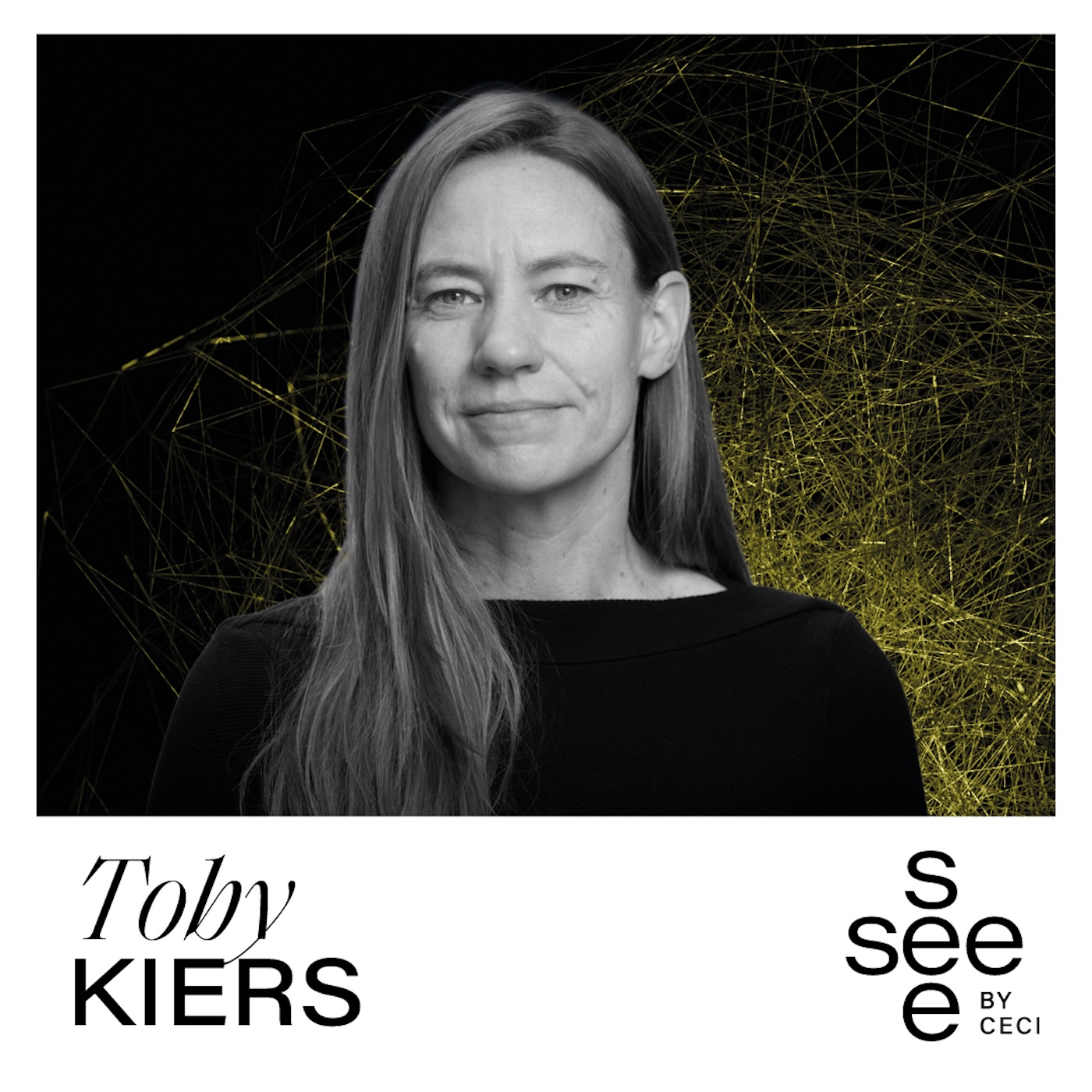 Intelligence Without Brains with Toby Kiers 27.05.2026 1h 40mIn this episode of See See by Ceci, Toby Kiers, one of the world's most daring thinkers at the intersection of evolutionary biology, economics and ecology, takes us into the living web beneath our feet. University Research Chair and Professor of Evolutionary Biology at Vrije Universiteit Amsterdam, Tyler Prize laureate, MacArthur "genius" Fellow, Spinoza Prize winner and co-founder of SPUN, the Society for the Protection of Underground Networks, Kiers has spent more than two decades asking the questions most of us never think to pose: How does a brainless organism make decisions? and, What is it like to be a fungus? In this rich and revelatory conversation, Kiers reflects on symbiosis as the hidden driver of evolution, from the first algae crawling onto land 450 million years ago to a soybean root in a Dutch laboratory today; on cheating as a force of innovation rather than a moral failure; on the exquisite sensitivity of fungal networks that respond to vibration, breath and light; on sanctions that are swift, severe and ingenious; on what she calls "punk science", research that crosses disciplines and refuses to accept the world as given; and on the humbling moment in Ecuador when members of the Sarayaku community listened to her describe her findings and replied: Of course this is happening. We knew this! This is part of our belief! She tells us about her team, the "underground astronauts" mapping the world beneath our feet, and about fungi as a "library of solutions" for a planet in crisis: a circulatory system that processes some 13 billion tons of carbon each year, roughly a third of all fossil fuel emissions. Along the way, we hear former Harvard neurosurgeon Dr. Eben Alexander pose a question on the Cambrian explosion and evolutionary partnerships; we hear from Professor Katherine Hayles on the Umwelt, on actors and agents, and the uncoupling of consciousness from cognition; from ecologist Carl Safina on the cooperation between dolphins and fishermen and the worm's first aesthetic judgement; and from choreographer Alexander Whitley on the flow states that technology can both disrupt and reveal, each voice opening a new dimension of what it means to sense, to decide, and to belong on a living planet. This is an episode about the wonder beneath the soil: biological, strategic and ancient, namely the circulatory system that connects all life on earth. About the courageous shift in mindset to acknowledge the ground we walk on not as inert matter but as intelligent beings, capable of supporting universes above their own.
 -
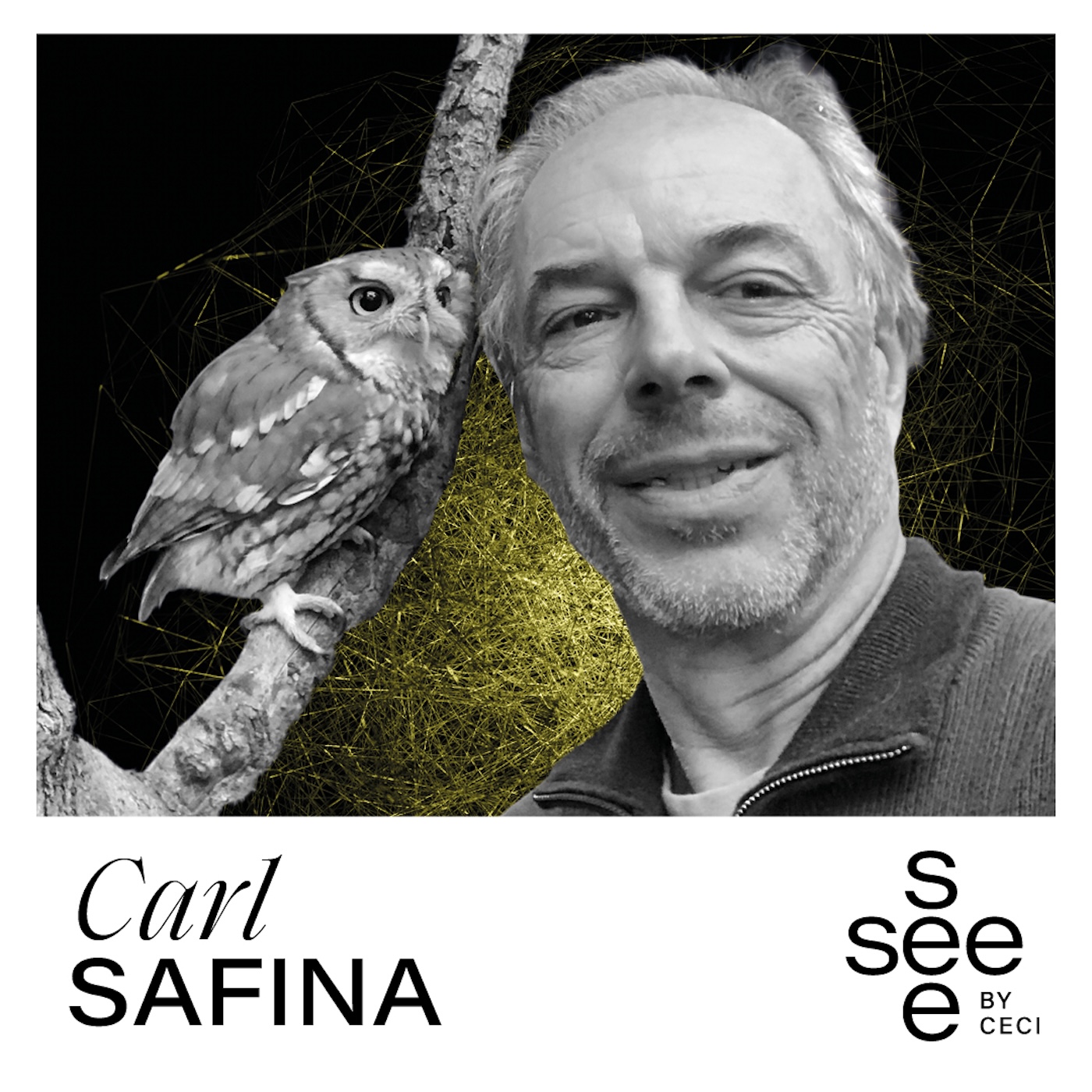 Beautiful Wild Minds with Carl Safina 13.05.2026 1h 38mIn this episode of See See by Ceci, Carl Safina, one of the world's most eloquent and mindful voices for the living Earth, MacArthur Fellowship laureate, and author of environmental classics including Beyond Words, Becoming Wild, and Alfie and Me, takes us on a journey across species and into the very nature of mind itself. Travel with us into the open ocean, the deep forest, and beyond, in the company of whales, wolves, elephants, and owls, and discover what consciousness looks like when we stop assuming it belongs only to us. Safina is the inaugural Endowed Professor for Nature and Humanity at Stony Brook University and founder of the Safina Center. As a scientist, he helped ban high-seas drift nets and reform U.S. fishing policy. For decades, he has been asking the questions most of us never think to pose: What is it like to be an elephant mourning a lost companion? How do sperm whale clans announce who they are in patterns of clicks as precise as Morse code? And what does a seven-year-old screech owl named Alfie, who still calls to the man who raised her, teach us about trust, love, and identity? In this wide-ranging and deeply moving conversation, Safina reflects on culture and de-extinction; on cognition that thinks in echolocation, intelligence that lives in a pod's shared memory, awareness that grieves, plans, plays, and recognizes itself in another. He considers why the most astonishing thing about animals is not what we discover about them but how estranged we have become from our own world, and dwells on beauty as a fundamental force in evolution, not an ornament added once the basics are in place, but the very thing that makes the basics worth having. This is an episode about kinship: biological, emotional, moral, and cognitive. About the courage to see the world not as ours to dominate but as a big family we all belong to.
 -
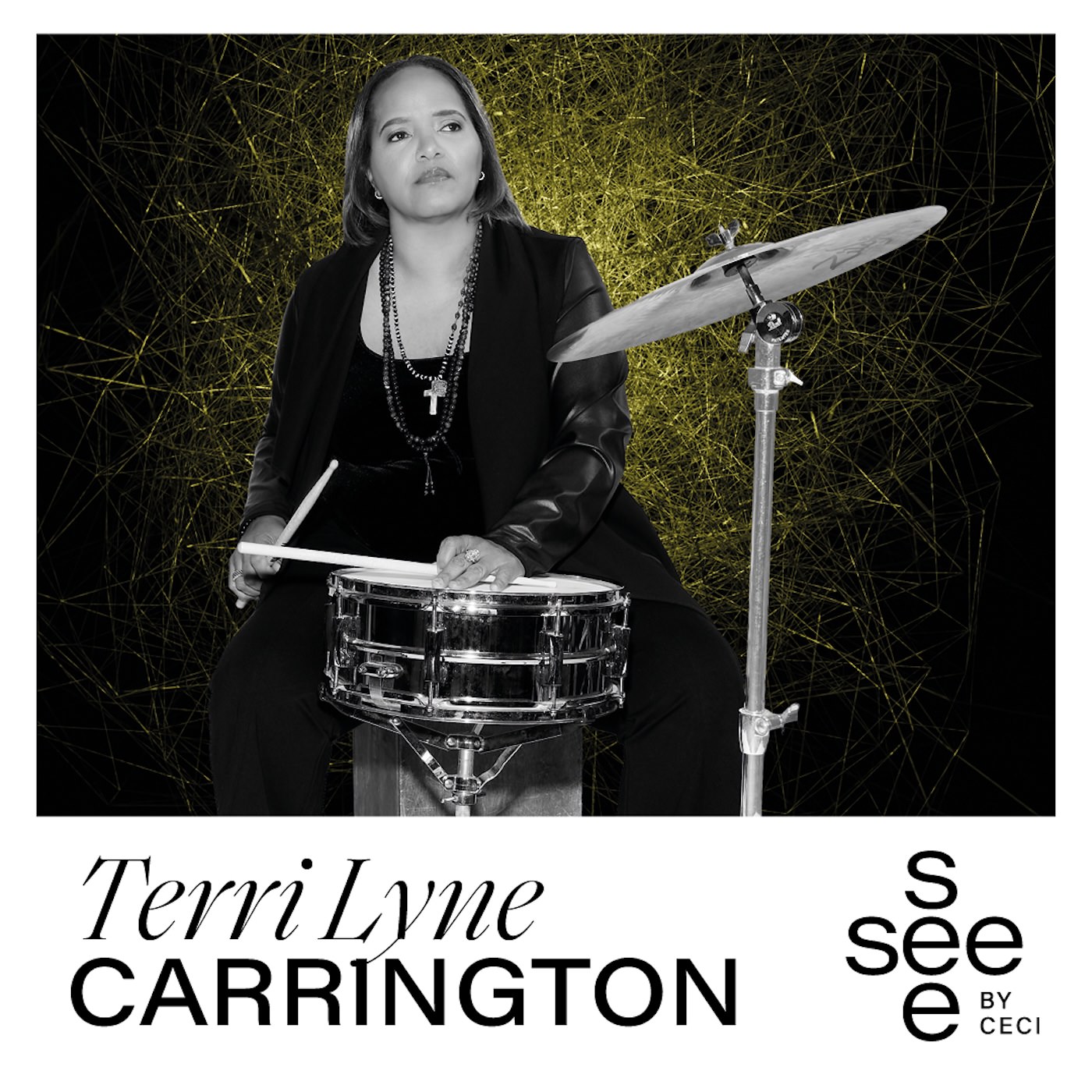 Mind’s Ancestral Gatekeepers with Terri Lyne Carrington 29.04.2026 1h 28mWhat is it about rhythm that dissolves separation and draws us into a shared pulse? At the heart of this episode lies a quiet but unshakable conviction: that every life, every struggle, every creative breakthrough, is a quest for freedom. Few voices today carry that conviction with more authority than Terri Lyne Carrington, four-time Grammy winner, NEA Jazz Master, and one of the most vital figures in music of our time. In this conversation, she traces the search for freedom from its deepest roots to its most urgent expressions in the present. It begins with a child at a drum kit, and a family sensing something uncanny, a story that reaches back across generations, and across oceans, to a lineage in which rhythm was never only sound, but memory, identity, and a spiritual code passed through the hands of those entrusted to keep it alive. From there, Terri takes us into what jazz truly is at its core: a kind of liberation theology. Born of displacement and oppression, it became a communal act of survival, intellectual, radically creative, radically free. And it is in that freedom, expressed through improvisation, that something remarkable happens: boundaries begin to stretch, time itself begins to bend, and the music reaches far beyond those who first gave it voice. But as you'll discover, Terri is not only conscious of history, she is making it. Through the Berklee Institute of Jazz and Gender Justice, she is carrying that same liberating impulse into new territory, challenging the hyper-masculine structures that have shaped jazz for decades and opening doors for voices that might otherwise have gone unheard. With this, she brings music into some of the most urgent conversations of our time: gender equality, and the building of a truly universal legacy. A vibrant episode, infused with Terri's ancestral rhythm and potent intellect, in which she returns us to the essential elements of rhythm itself: its flow, its healing power, and its quiet, seductive pull into that spiritual place which is eternal: the present. Why drummers are the mind's gatekeepers, and what they are guarding that is so much greater than music itself, is what this episode invites you to discover.
 -
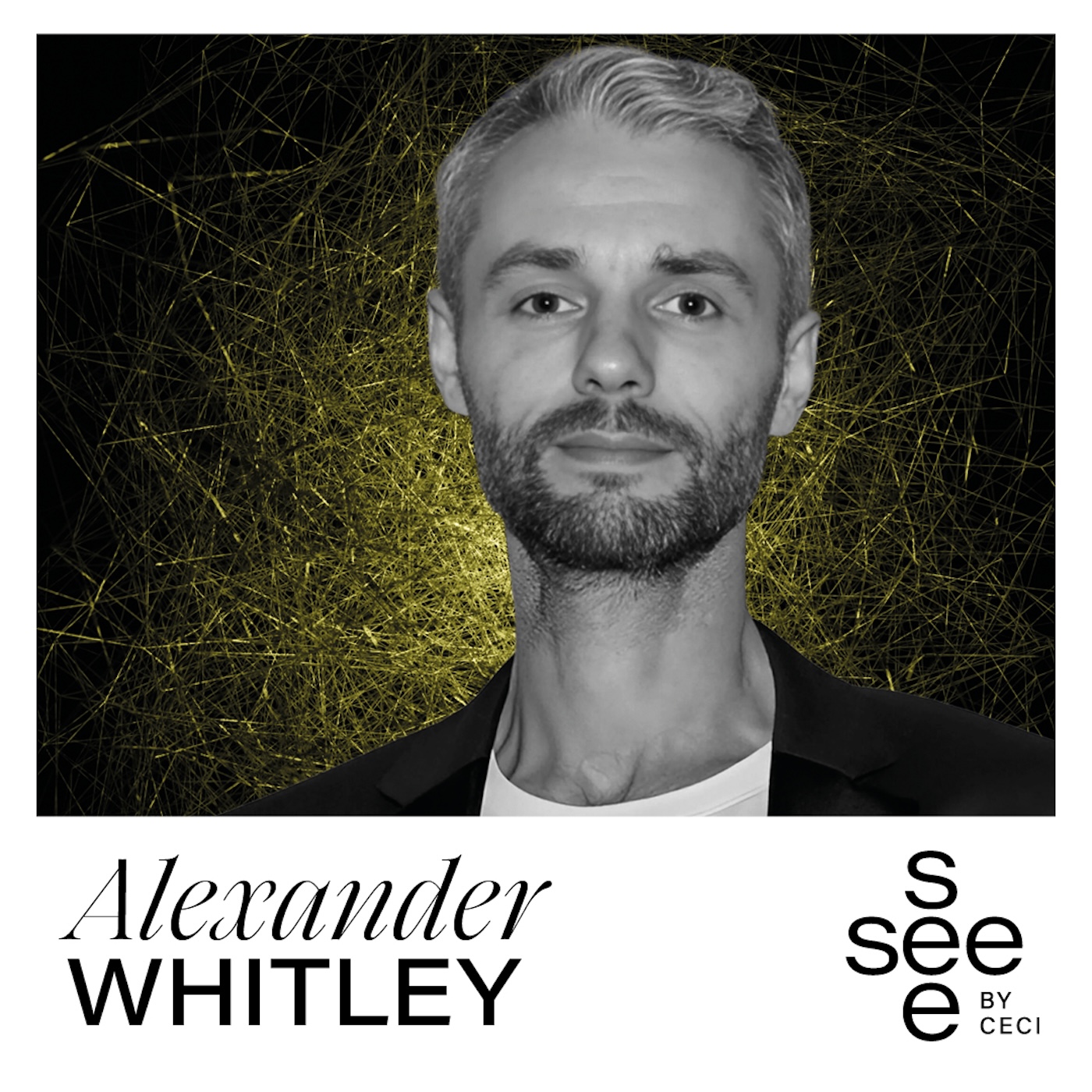 Digital Body: Mind, Tension, and Perception with Alexander Whitley 14.04.2026 1h 25mJoin us for a fascinating conversation with choreographer Alexander Whitley about how movement shapes consciousness and how technology transforms our perception of the world and of ourselves. In this episode, Alexander shares his vision of the body as a site of knowing and self-making. He calls it “auto-fabrication”, meaning we are continually creating ourselves through moving, sensing, perceiving, a process, he asserts, where there is creativity. As Artistic Director of the Alexander Whitley Dance Company, Alexander places live bodies in dialogue with digital systems, staging the tension between our physical, embodied existence and the disembodied way of experiencing the world that modern technologies introduce. He explores how our experience becomes fractured, distributed spatially and temporally, and how social media creates what he calls “jittery, schizoid intervals,” a constant interruption that breaks the flow of attention into fragmented, arrhythmic patterns. In this episode, he walks us through his productions: Antibody, on the transhumanist desire to transcend the body; Overflow, on the emotional impact of social media; Future Rites, a VR reimagining of The Rite of Spring; and his new work Mirror, inspired by Shannon Vallor’s The AI Mirror, which asks how much we absorb from what technology reflects back to us. Alex invites us to question the narratives that frame technology as either savior or destroyer, setting us into the grey area, where the real inquiry is. Be prepared to sit with a striking profound reflection: What becomes of the sensitive attunement between humans when screens mediate our bonds? Alexander reminds us that the mind is embodied, shaped by movement, rhythm, and connection. And that dance may be one of our most powerful tools for sensing what it means to be human.
 -
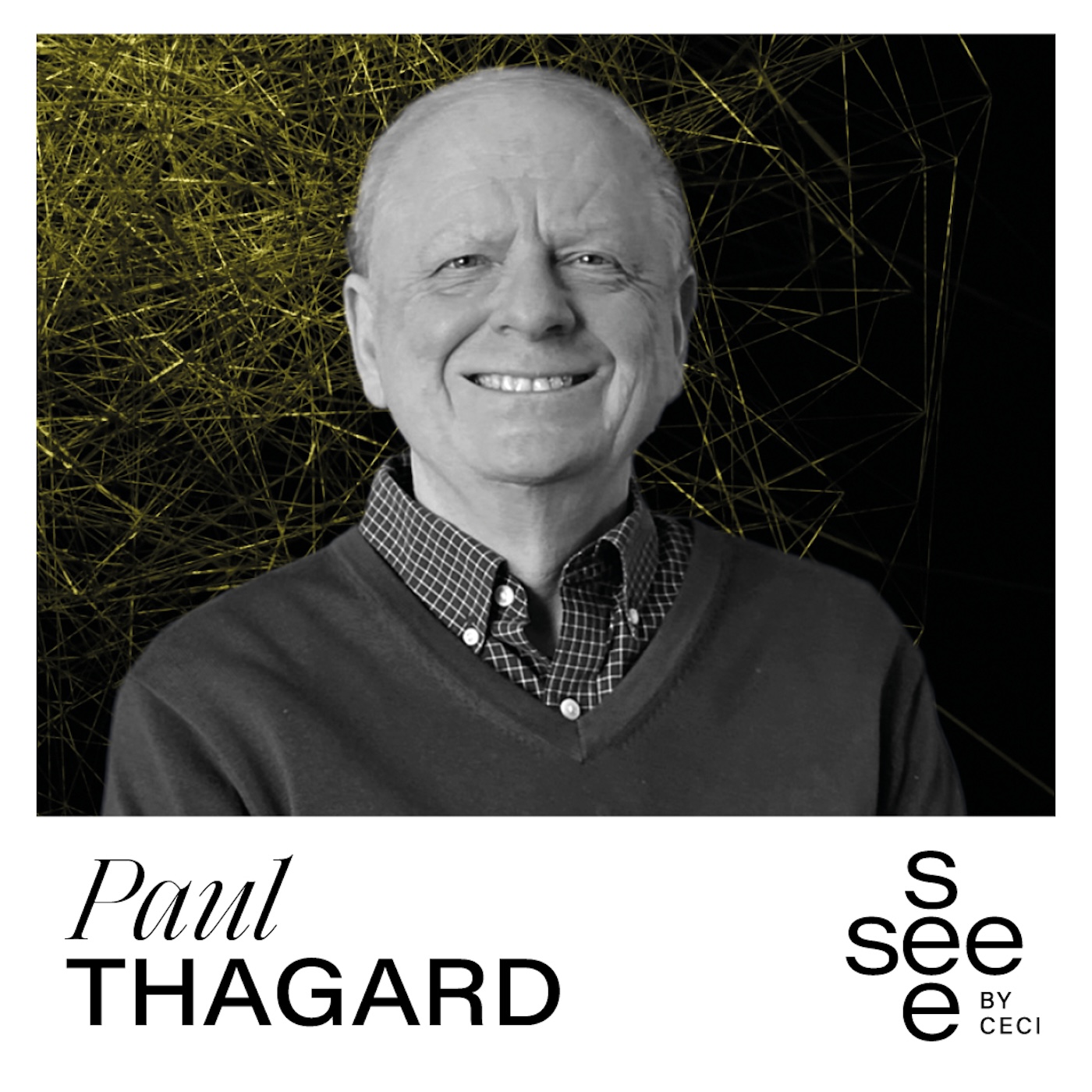 Mind is Matter: Function and Emotion with Paul Thagard 25.03.2026 1h 44mIn this episode of See See by Ceci, Paul Thagard, one of the most influential thinkers at the crossroads of philosophy, psychology, and artificial intelligence, takes us on a journey through the architecture of thought, emotion, and coherence that defines the human mind. A distinguished professor emeritus at the University of Waterloo, Fellow of the Royal Society of Canada, recipient of the Killam and Molson Prizes, and author of eighteen books, Thagard has spent decades asking the hardest questions about intelligence: what it is, where it comes from, and whether machines will ever truly share it with us. His pioneering theory of explanatory coherence reimagines the brain not as a logic machine but as a coherence engine, a system that makes sense of the world by satisfying countless constraints simultaneously, weaving perception, reasoning, and emotion into a single fabric. In this wide-ranging conversation, Thagard reflects on the difference between intelligence and consciousness; on the devastating role of social media in the spread of misinformation; on the power of analogy as a tool of creativity, from Darwin's theory of natural selection to the everyday act of reading a stranger's gesture. And on why computers, despite their cognitive capacities, remain fundamentally psychopathic. "They are highly intelligent," he says, "but they lack empathy and are therefore incapable of caring." That incapacity sits at the heart of the episode's most urgent theme: the alarming rise of human-AI relationships, and what we risk losing when we mistake imitation for intimacy. Drawing on his recent book Dreams, Jokes, and Songs: How Brains Build Consciousness and the forthcoming AI Boom or Doom?, Thagard offers a remarkably clear-eyed view of minds both human and artificial, one that is at once scientifically rigorous and deeply humane. This is an episode about the mind as a coherence engine: hot and cold, rational and emotional, individual and social. About how neurons firing together can produce something as extraordinary as humor, as mysterious as dreams, and as dangerous as political delusion. And about the light, and the peril, that lies ahead as human and artificial intelligence continue to converge.
 -
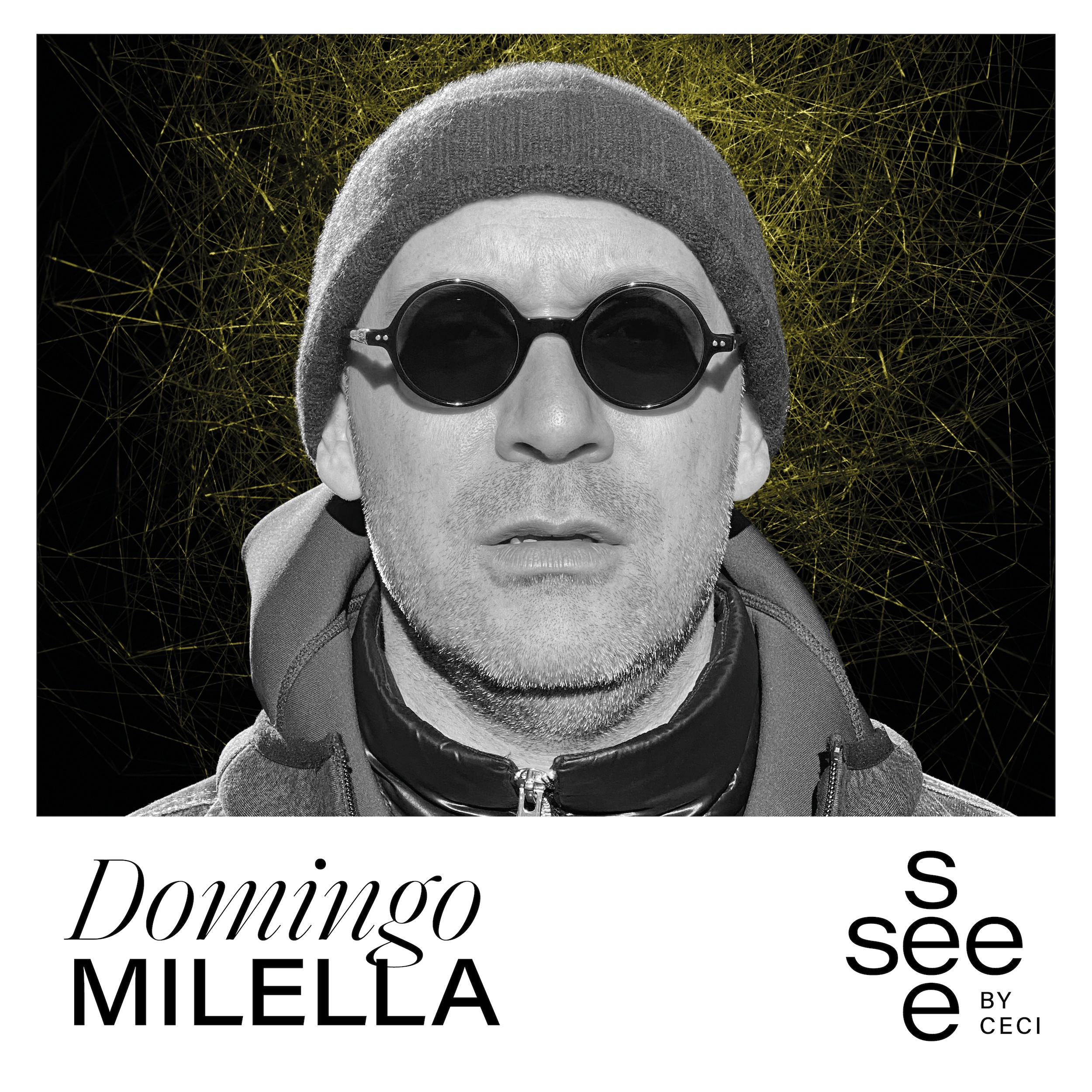 Timeless Mind Space with Domingo Milella 04.03.2026 1h 40mWhat happens when a photographer trades the vast clarity of Mediterranean ruins for the darkness of a prehistoric cave? In this episode of See See by Ceci, visionary Italian artist Domingo Milella takes us on a journey that spans forty thousand years and the full depth of the human spirit. Milella first made his name with luminous large-format photographs of ancient landscapes, the coast of Puglia, the ruins of Petra, the pyramids of Egypt, images of extraordinary stillness that invited the viewer to slow down and breathe. Yet beneath the surface of that early success, a quiet crisis was gathering. In the summer of 2014, at the age of thirty-three, his carefully constructed world collapsed. He retreated to a forgotten village on the Ionian Sea, carrying only two things: his large-format camera and a copy of Moby Dick. Both remained untouched, the camera locked in a cupboard, the book unopened on the nightstand. What followed was a passage through despair and into transformation. Through therapy and the slow archaeology of the self, Milella found his way to the prehistoric caves. There, in total darkness, surrounded by ochre symbols and handprints inscribed tens of thousands of years ago, something shifted. The camera obscura he carried into those narrow tunnels became a mirror of the cave itself: both dark chambers in which images are born from minerals, water and light. In this rich and deeply personal conversation, Milella reflects on darkness as a space of safety and revelation rather than fear; on the intimate connection between memory, the body and the imagination; on the silent pressure of the digital age and its relentless flood of images; and on the nameless, collective authorship that links a teenager’s graffiti in a city alleyway to a Paleolithic painter working by torchlight four hours from the sun. What emerges is a meditation on time that refuses to move in one direction, where a feverish child navigating the folds of a bedsheet, an artist kneeling with a mammoth-format camera in a narrow tunnel, and an unknown hand pressing ochre against stone forty thousand years ago are all part of the same gesture. This is an episode about caves: geological, photographic and interior. About the courage it takes to descend into one’s own depths. And about the treasure that waits there: not answers, but the oldest and most enduring questions of what it means to be human.
 -
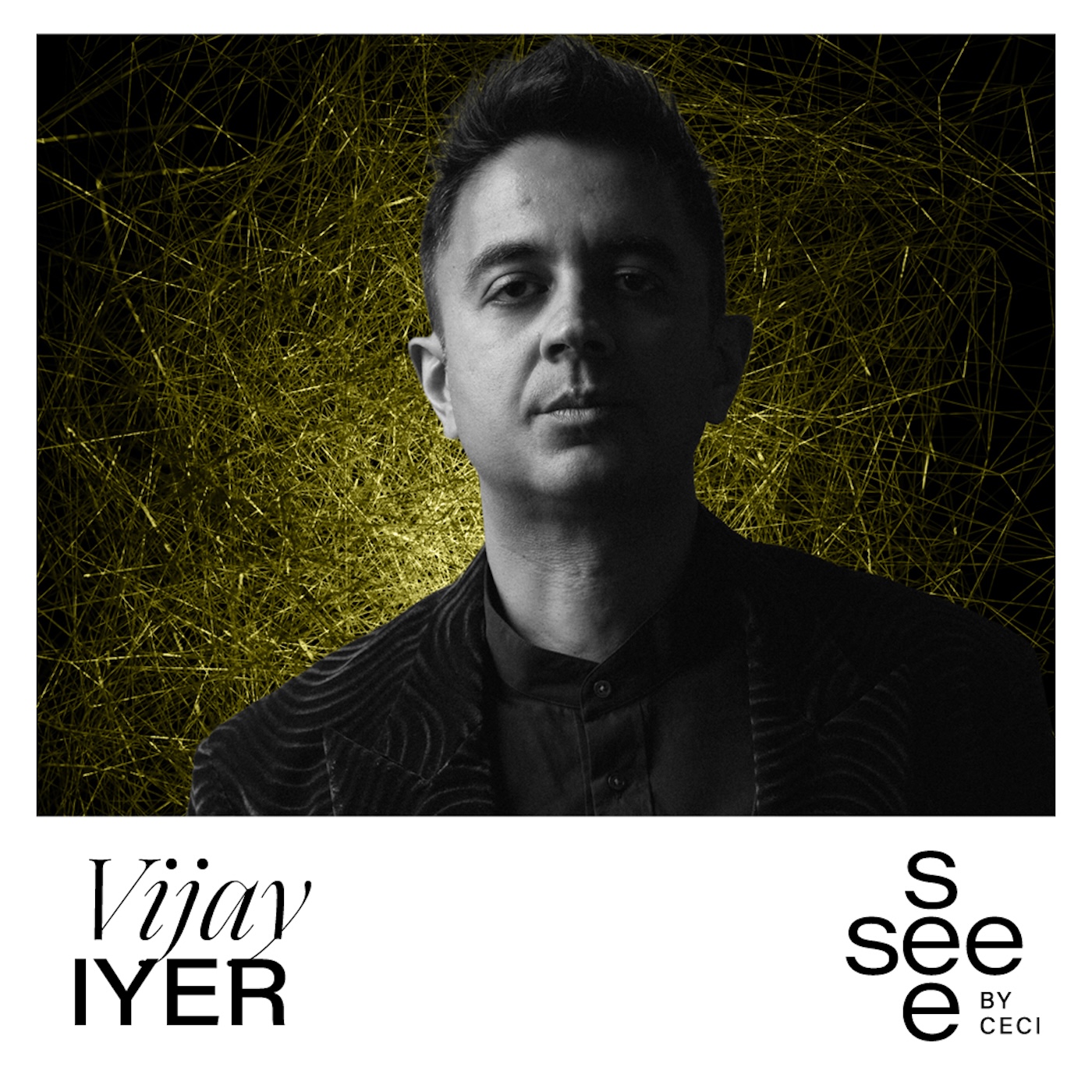 Embodied Cognition: The Music Within with Vijay Iyer 18.02.2026 1h 37mLet yourself be drawn into the world of one of the most prolific, shape- shifting presences in 21st century music. Vijay Iyer is a Grammy-nominated composer, pianist, bandleader, and the Franklin D. and Florence Rosenblatt Professor of the Arts at Harvard University. He is a MacArthur Fellow, described by The New York Times as “a social conscience, multimedia collaborator, system builder, rhapsodist, historical thinker and multicultural gateway.” In a profound conversation, Vijay Iyer takes us on a journey of discovery, into what embodied cognition truly means and where music begins. He invites us to explore the extraordinary phenomenon of synchrony: how musicians lock into pulse together, and how an entire audience can exhale as one at the close of a performance. Iyer speaks of live music as a form of ritual, a collective agreement to step out of everyday life and into something else, together. He also reflects with great warmth on his collaborations with artists such as the drummer Tyshawn Sorey and the legendary trumpeter Wadada Leo Smith, describing the deep listening, humility, and compassion that make their music possible. He opens our eyes to think deeply about jazz, “not as style of music but an act of freedom.” Music, he insists, should truly be listened to as a human action, asking ourselves who made it, where they were, and how they found each other. This episode is a powerful and loving reminder that music is, first and foremost, a live, shared, visceral, mutually embodied experience, and that within it lies the recognition of a deep longing we carry always: to come back to the experience of that timeless space where two souls meet in the act of listening.
 -
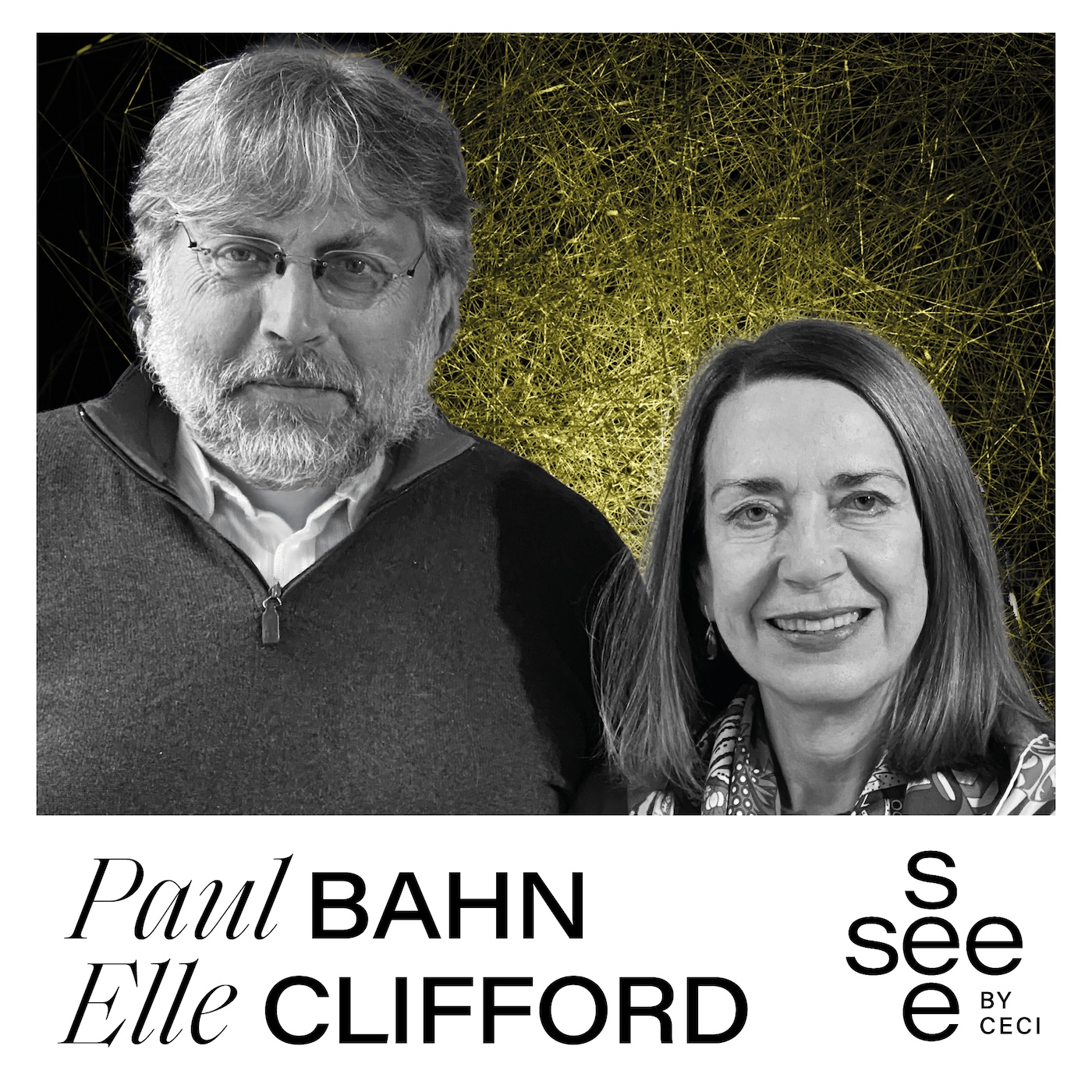 The First Leap to Consciousness with Paul Bahn & Elle Clifford 04.02.2026 1h 56mIn this episode of See See by Ceci, we journey hundreds of thousands of years into the past, to the flickering firelight and painted depths of Ice Age caves. What did it mean to live embedded in the landscape, wearing it “like a big cape”? How did the mastery of fire reshape not only our bodies but our minds? And what can we learn from the haunting images left deep within caves—some meant to be seen, others engraved in darkness, never intended for any eye but the spirit world? From the earliest trace of aesthetic awareness, a pebble that looked like a face, carried home, to dots, stencils, animals, geometric forms and so much more, we explore how symbolic culture emerged not from necessity but from play, imagination, and the suspension of ordinary reality. We consider how caves themselves became spaces of meditation and transformation, how music and birdsong may have shaped early consciousness, and what these first leaps into abstraction reveal about the origins of art, religion, and the human mind itself. In conversation with Paul Bahn one of the world’s leading authorities on prehistoric rock art, Fellow of the Society of Antiquaries, and author of over one hundred publications including the award-winning Images of the Ice Age, and Elle Clifford, psychologist and researcher specializing in Ice Age life whose work on cave art and mythological worlds illuminates the social and psychological dimensions of our earliest ancestors. Co-hosted by acclaimed Italian landscape photographer Domingo Milella, this episode invites us to stand face to face with those who came before, and to see ourselves reflected in the first marks they left behind.
 -
 Trailer Season 4 (Mind) 21.01.2026 3mWhat is the mind? Where does it begin, and where does it end? Season IV of See See by Ceci takes you on a 16-episode journey through the mysteries of consciousness: from the first spark of awareness in prehistoric caves to the frontiers of AI and the future of human identity. Featuring Harvard neuroscientist Rudolph Tanzi on Alzheimer’s and the self, psychiatrist Iain McGilchrist on the divided brain, Pulitzer finalist Andrew Solomon on the shadows of the mind, global mental health pioneer Vikram Patel, and trauma specialist Richard Mollica on invisible wounds and healing. We explore intelligence beyond the human: Toby Kiers reveals the hidden networks of fungal intelligence, Carl Safina takes us into the beautiful wild minds of animals. Jazz visionary Vijay Iyer shows us the music within embodied cognition, while four-time Grammy winning drummer, producer and conceptualist Terri Lyne Carrington explores rhythm as the mind’s ancestral gatekeeper. Philosopher Katherine Hayles traces the posthuman mind from bacteria to AI, Stephen Cave examines intelligence and immortality, and neurosurgeon Eben Alexander shares what lies beyond, when the mind becomes unbound. From choreographer Alexander Whitley on digital bodies to photographer Domingo Milella on caves as timeless mind spaces, and archaeologists Paul Bahn and Elle Clifford on humanity’s first leap to consciousness. At a moment when technology is reshaping who we are, when mental health has become a global reckoning, and when the boundaries between human and artificial intelligence blur, we ask: what awaits our species? And what kind of mind will carry us forward?
 -
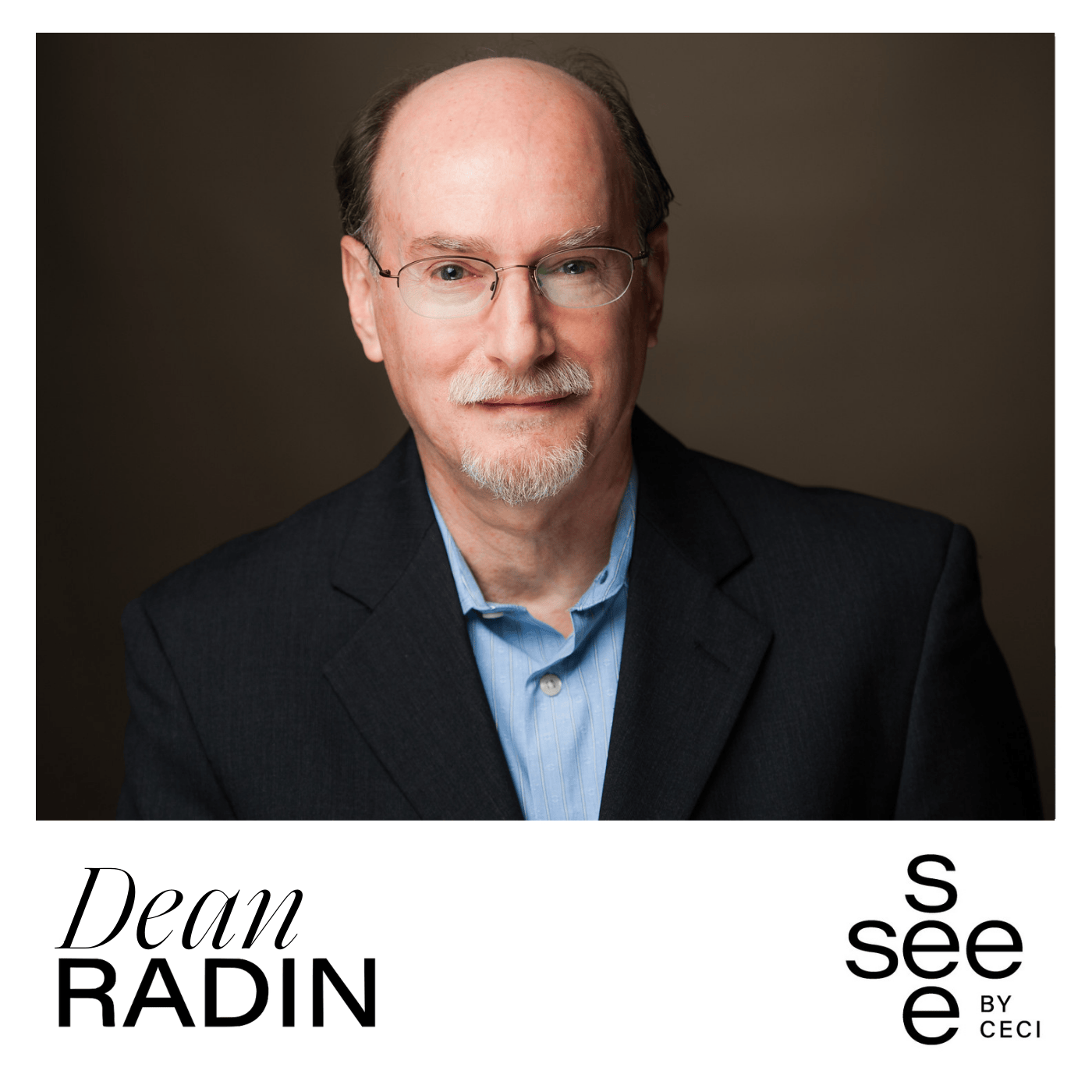 Beyond Matter: Science, Awareness and Real Magic with Dean Radin 09.05.2025 1h 46mIn this final episode of our third season GUTS, we dive deep into the mysterious world of parapsychology with one of the field’s foremost experts, Dean Radin, Chief Scientist at the Institute of Noetic Sciences (IONS) and Associated Distinguished Professor of Integral and Transpersonal Psychology at the California Institute of Integral Studies. Known for his pioneering work on real magic and mind-matter interactions, Dr. Radin explains what real magic truly is and why psi phenomena—like telepathy, clairvoyance, and precognition—continue to occur in our everyday lives, yet remain taboo subjects in modern science. He shares how his fascination with these phenomena developed and how he’s approached them through rigorous scientific study. Also in this episode, Dr. Dean brilliantly explains the idea of a multi-dimensional reality within the framework of quantum mechanics, shedding light on how parapsychological phenomena fit into a new understanding of the universe. Dr. Radin also gives us an inside look into the StarGate Program—a classified program by the U.S. Defense Intelligence Agency that took place during and after the Cold War- while letting us glance an eye into the exploration of real psychic abilities and the delving into the issue of whether psi skills are inherited or can be cultivated through training. During a fascinating conversation, Dr. Radin also discusses his lab’s groundbreaking experiments, like the intriguing gut feelings experiment dubbed “Telly-Belly”, or those exploring psi genetic characteristics, including those performed through CRISPR and RNA technology for gene editing. Join us in this fantastic closing episode in a mind-expanding conversation with Dean Radin through which he helps us uncover the science behind the seemingly impossible and challenge our understanding of reality and ourselves. *Dr Dean Radin is a leading expert in the field of parapsychology. His research has included studies of individual and collective mind-matter interactions, precognition, clairvoyance, distant healing, and telepathy. He served five times as President of the Parapsychological Association, an elected affiliate of the American Association for the Advancement of Science (AAAS) and was co-editor-in-chief for the Elsevier journal Explore, from 2009 to 2022.
 -
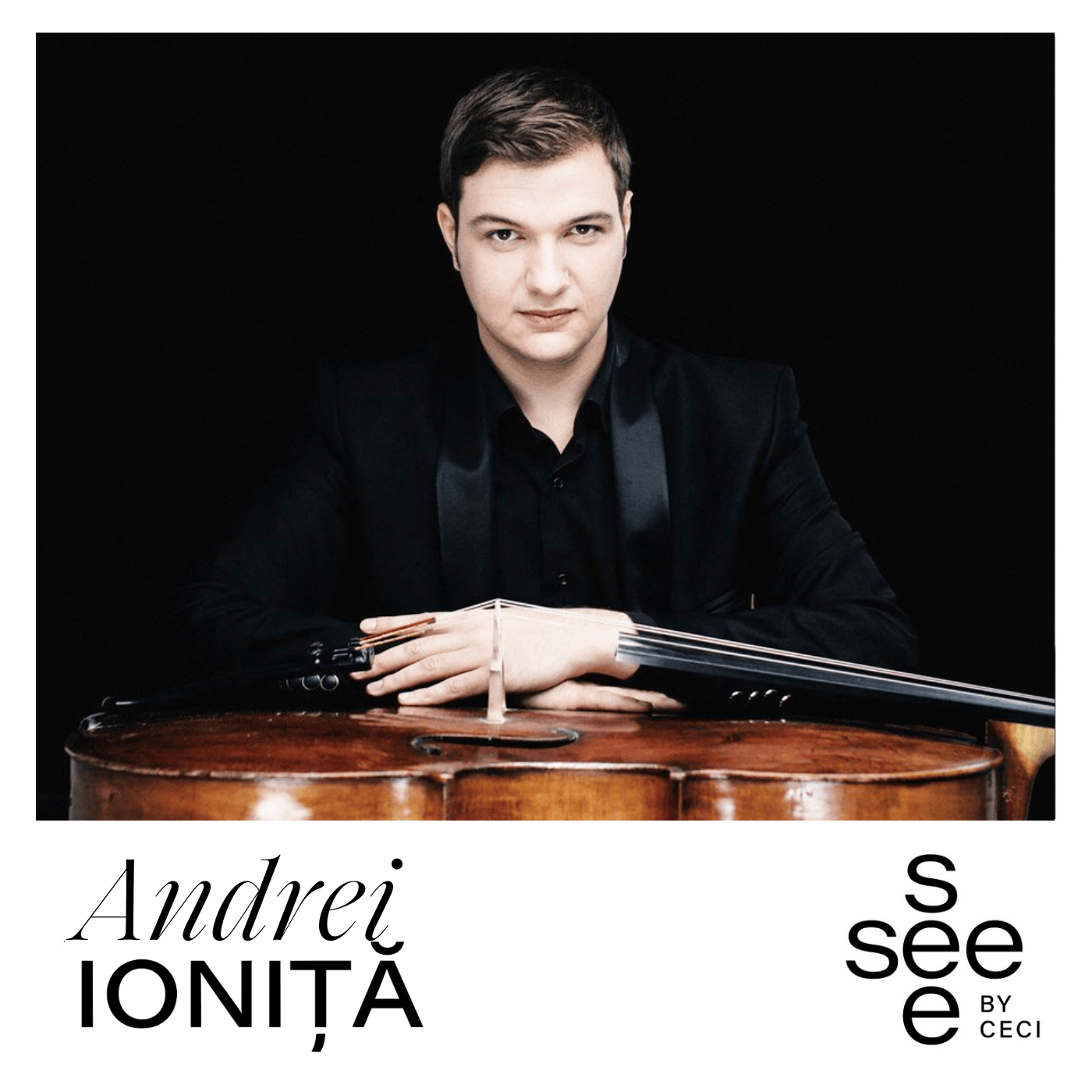 Music Played from the Core with Andrei Ioniță 17.04.2025 1h 8mIn this episode, we have an in-depth conversation with Andrei Ioniță, the prodigious Romanian cellist and winner of the 2015 International Tchaikovsky Competition. We explore the emotional profundities and rich spectrum of colors that the cello can evoke, and how it reflects the subtleties of human emotion. Andrei shares his thoughts on playing Bach, discussing the personal connection he has with his instrument and his journey as a musician. He also reflects on the nuances of gut strings, the importance of good posture for a cellist, the physical sensation of the cello resting against his body, and how this intimate embrace influences emotional expression and depth of sound, particularly in the intense, low register passages. In this episode dedicated to music, Andrei also discusses his Romanian heritage and how the voice of Romania speaks through his bow, offering a personal insight into his cultural identity. In this episode, he takes us inside his experience during the 15th Tchaikovsky Competition and talks about his most difficult decisions as a musician. Most powerfully, Andrei opens up about how he conveys his whole soul through his music, sharing the courage it takes to be vulnerable and break through at the highest emotional peaks, only to let go and invite the listener into a shared human experience through his playing. This episode is a real treat for the ears and the heart! Andrei Ioniță's carrier it's a journey of emotional reflection and artistic courage – You’ll understand what it is meant to “play from the gut”.
 -
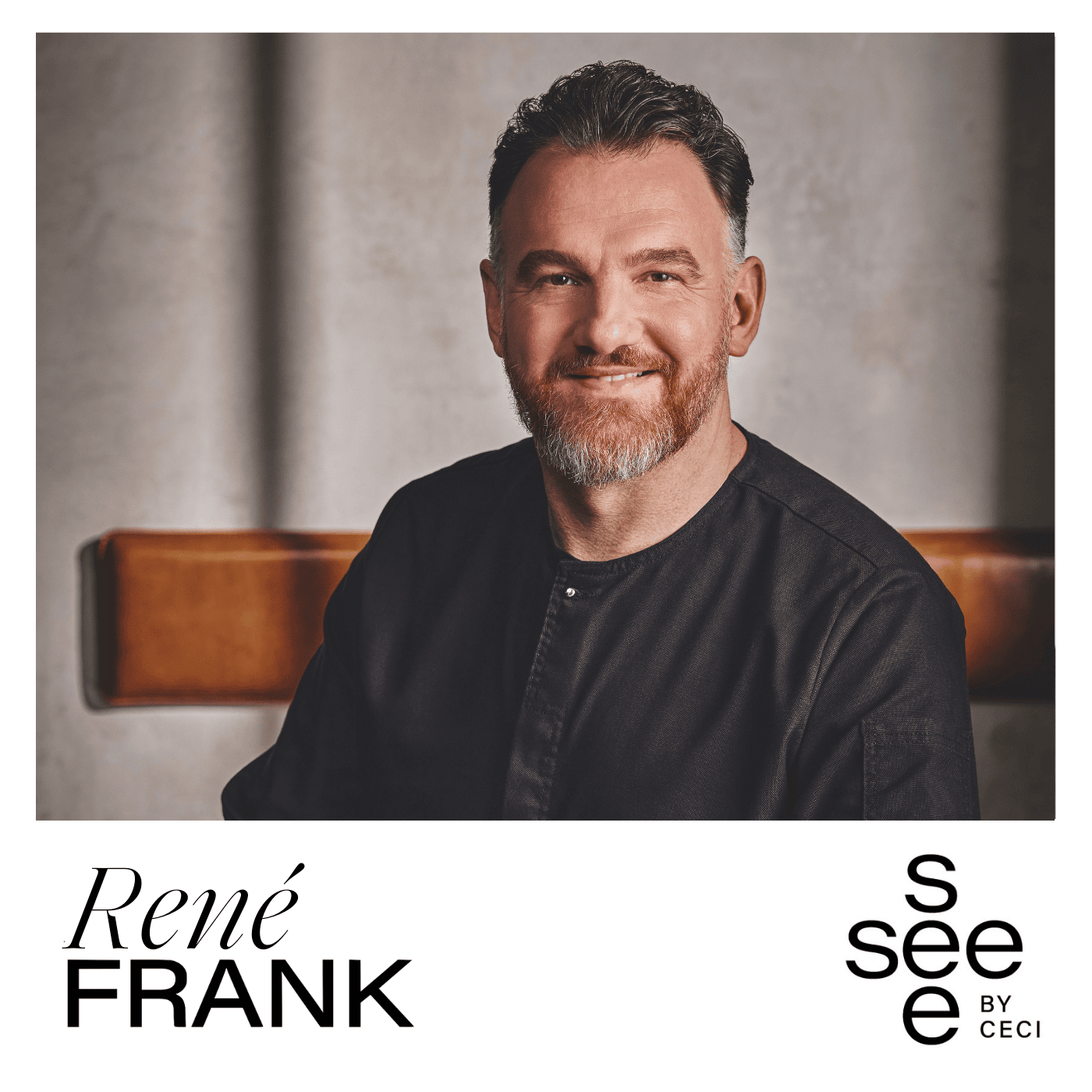 Sweet Revolution with René Frank 03.04.2025 1h 3mJoin us for a cool, bold and inspiring episode for food lovers, where fine dining meets fearless creativity. Our guest, Chef René Frank, takes us back to the heart of his childhood kitchen, where aromas, flavors and memories first ignited his passion for food. Amid the clatter of pots and the warmth of home-cooked meals, his journey is one that would take courage, vision, and relentless curiosity to transform him into one of the world's most groundbreaking pastry chefs. Named Pastry Chef of the Year four times by Gault & Millau and Rolling Pin, René shares the moments that shaped him and his kitchen at CODA, his two Michelin-starred restaurant in Berlin, a cutting-edge food laboratory where indulgence is redefined, and dessert takes center stage. CODA is not just a place to cook and eat, but a place to nourish, where the World's Best Pastry Chef of 2022 creates dishes that defy convention. In a city known for its freedom, creativity, and rule-breaking spirit, René is rewriting the language of desserts, eliminating refined sugar, butter, and flour to create something entirely new. This episode is about more than food-it's about having the courage to challenge convention, believing in wild ideas, and following through even when the world might call those ideas crazy!
 -
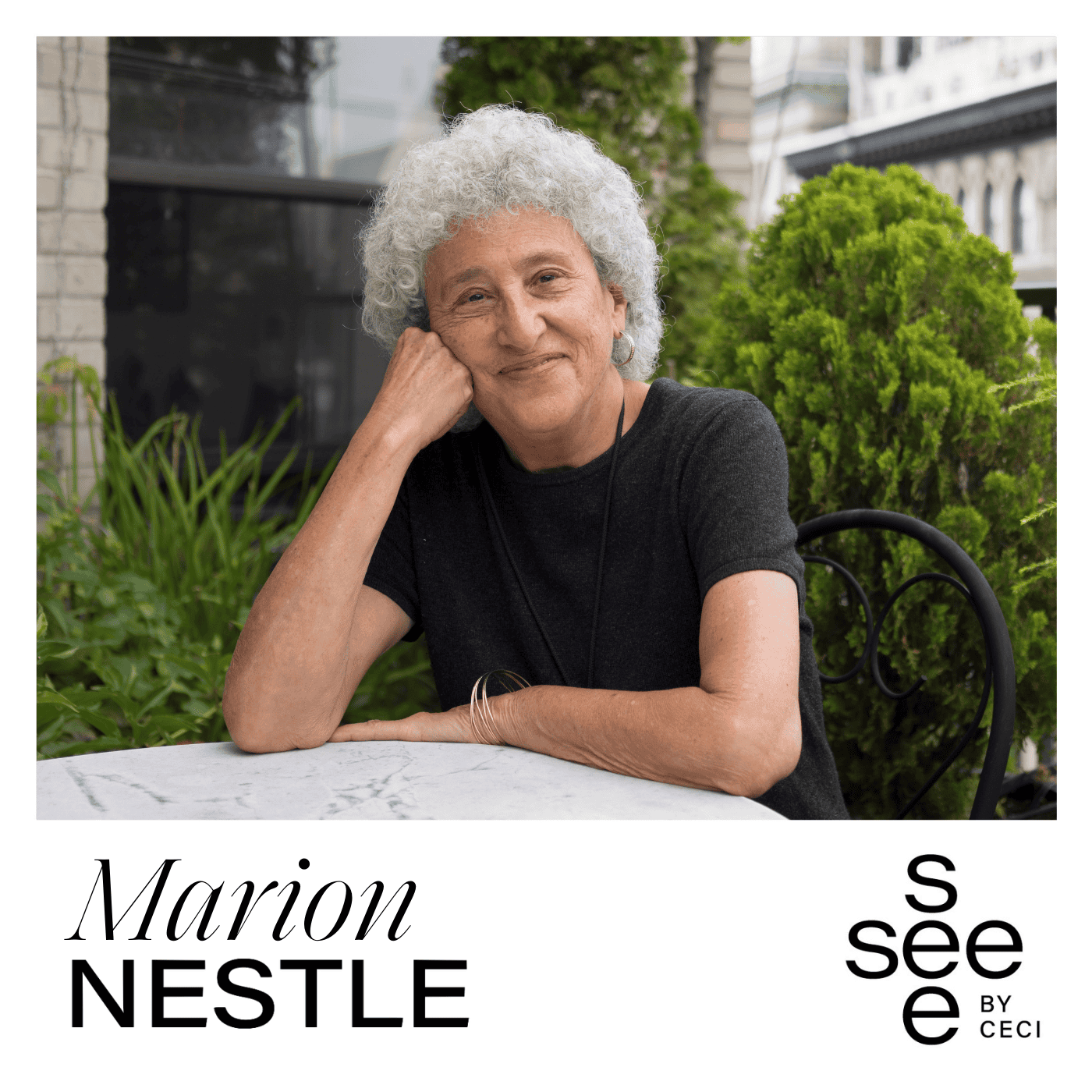 Food Politics & Social Justice with Marion Nestle 21.03.2025 59mWhy is the fight for better food, at its heart, a fight for social justice? This episode will challenge the way you think about food, from what's on your plate to the powerful forces behind it. Before you take your next bite, listen to this eye-opening conversation with one of the world's most influential voices on food and health policy, Marion Nestle, renowned nutritionist, scientist, activist and award-winning author. Marion Nestle is the Paulette Goddard Professor Emerita of Nutrition, Food Studies and Public Health at New York University and a visiting professor of nutritional sciences at Cornell University. Her groundbreaking work has changed public health policy worldwide and opened our eyes to how food industry marketing uses manipulative and subtle tactics to influence our dietary choices long before we ever set foot in a supermarket. It also exposes the dangers of ultra-processed foods and the major public health problems they cause, such as obesity and diabetes - diseases fuelled not just by what we eat, but how much we eat. In this episode, the bestselling author of Food Politics: How the Food Industry Influences Nutrition and Health" and "What to Eat", shares her personal journey into food policy advocacy and the social justice victories she has fought for, leading to public awareness and healthier food systems through public policy not only in the US but around the globe. *Marion Nestle is also author of other bestsellers such as Safe Food: The Politics of Food Safety (2003); Soda Politics: Taking on Big Soda (and Winning) (2015); and her latest book Slow Cooked: An Unexpected Life in Food Politics (October 2022)
 -
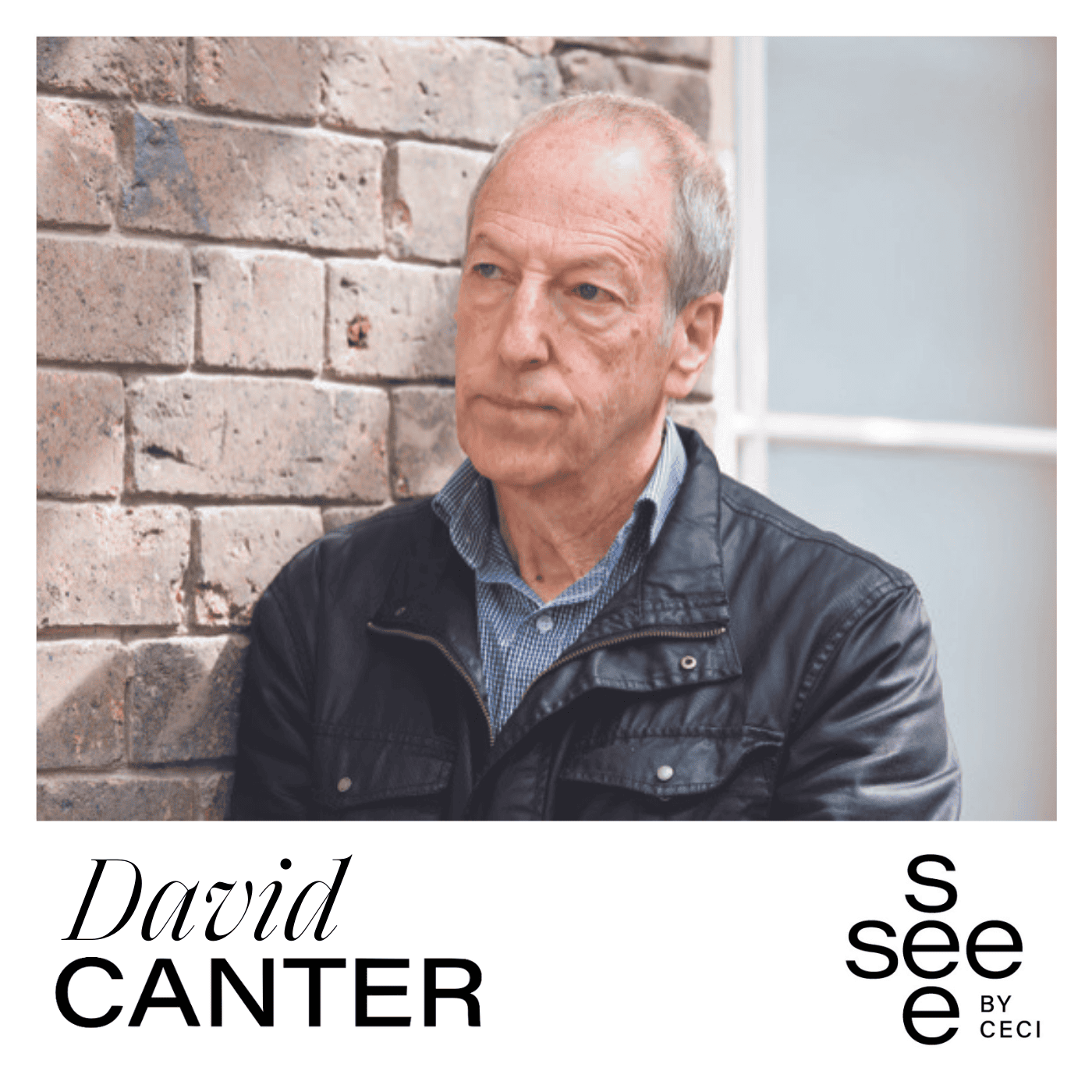 Into the Guts of Criminal Behavior with David Canter 07.03.2025 1h 20mHave you ever pondered the potential of psychology to facilitate the apprehension of serial killers and rapists? Or the manner in which behavioral patterns exhibited by criminals can serve as crucial evidence that leads investigators to the perpetrator's doorstep? In today's episode, we are delighted to have the privilege of hosting Professor David Canter, a globally renowned applied social psychologist and the pioneering figure behind the field of investigative psychology. This episode promises a deep dive into the mind of a criminal, the psychology behind some of the world's most notorious cases. So, grab a pen, your notebook and follow Professor David Canter through the dark alleys of the minds of serial offenders as he sheds light on how their behavior is mapped and tracked. We'll go back in time to the streets of London as we examine famous cases such as Jack the Ripper, and travel back to the 1980s to learn about Operation Hart, the Metropolitan Police's investigation into the infamous 'Railway Rapist', which Professor Canter played a key role in solving. We will delve into the heart of criminal behavior as we learn about Quantico and the FBI's Behavioral Science Unit, and the truth about criminal profiling. We'll also talk about his revolutionary development of geographical profiling, the study of criminal behavior patterns across locations, the importance of information classification and investigative methods that lead to an arrest, and how these pieces of the puzzle led to the creation of his software, DRAGNETK. But that's not all - Prof Canter will also share his thoughts on why the United States has such a high incidence of brutal shootings and serial killings compared to other nations, and what happens when crime goes unpunished. A pioneer and creator of investigative psychology, Professor Canter is Emeritus Professor at the University of Liverpool and a visiting professor at Liverpool Hope University and Bucks New University. He's also the man responsible for introducing environmental psychology to the UK and Europe in the 1960s, studying how spaces such as offices, schools and hospitals affect our behavior. Professor Canter recently completed a PhD in Music composition.
Podcasts similares


Popular en
Este podcast también aparece en las listas de podcasts de estos países.
