
Retirement Answer Man
Roger Whitney, CFP®, CIMA®, RMA, CPWA®
0
A top retirement podcast hosted by Roger Whitney, a certified financial planner. It covers both financial and personal aspects of retirement, including creating a paycheck, Medicare, Social Security, tax management, and non-financial topics like travel. The podcast aims to help listeners retire with confidence and find balance between living well today and feeling secure about the future.
Osad
-
 Your Social Security Playbook: Building Your Strategy- Single Filers 23.09.2026 50minRoger Whitney explains how solo filers can make a confident Social Security claiming decision without getting overwhelmed by complexity. He covers the biggest mistakes to avoid, introduces a practical decision-making framework, answers listener questions about survivor benefits, and closes with a simple action step for deciding when to revisit the issue.OUTLINE OF THIS EPISODE OF THE RETIREMENT ANSWER MAN PODCAST(00:00) Intro: Why Social Security decisions get complicatedPRACTICAL PLANNING SEGMENT(02:55) Social Security claiming framework for solo filers: avoiding common mistakes, knowing when to begin, using the OODA framework, evaluating your plan and personal circumstances, checking survivor or divorced-spouse benefits, identifying your priorities, and testing your options against your retirement plan. LISTENER QUESTIONS(36:24) Karen asks how to switch from her own Social Security benefit to survivor benefits later.(39:06) Julie asks whether she should claim survivor benefits first while letting her own benefit grow.(40:54) Drew asks how retiring at 60 and claiming at 64 would affect his Social Security benefits.SMART SPRINT(46:50) If Social Security is still a green banana, use your full retirement age in your plan and set a date to revisit it; if it’s ripe, follow the protocol and make your claiming decision. ON THE BOOKSHELF(47:30) Roger recommends The Violin Maker, while Natalia gives Wild Dark Shore five out of five for its emotional depth and thrilling twists. REFERENCESSocial Security AdministrationLive Year-End Planning Session Sign up for the Noodle! The Violin Maker: Finding a Centuries-Old Tradition in a Brooklyn Workshop by John Marchese Wild Dark Shore by Charlotte McConaghyRock Retirement with Roger Whitney — YouTube channelSubmit a Question for RogerYouTube video: When Should a Single Person Claim Social Security?
 -
 Your Social Security Playbook: The Levers You Control 16.09.2026 52minRoger Whitney explains six levers that can influence Social Security benefits: reviewing your earnings record, choosing when to claim, managing retirement income, reconsidering an early claim, considering where you live, and coordinating spousal or survivor benefits. The episode emphasizes that the best claiming strategy depends on each person’s priorities, resources, and desired outcome.OUTLINE OF THIS EPISODE OF THE RETIREMENT ANSWER MAN PODCAST(00:00) Roger introduces the Social Security series and explains that this episode focuses on the factors individuals can control.PRACTICAL PLANNING SEGMENT(02:52) Roger walks through the six Social Security levers, including earnings history, claiming age, retirement income, application withdrawal, state taxation, and spousal coordination.LISTENER QUESTIONS(31:08) Planning for Social Security uncertainty: Roger responds to Turner, who asks how to model future benefits given uncertainty about possible changes to Social Security.(36:25) Coordinating benefits for spouses with different earnings: Roger examines whether a higher earner should delay benefits while the lower earner claims earlier.(45:27) Claiming benefits when retirement assets are growing: Roger discusses a listener’s decision to claim Social Security before age 70 because withdrawals from pre-tax accounts would otherwise be needed and how a spouse’s early claiming decision could affect future spousal and survivor benefits.SMART SPRINT(49:14) Review your retirement plan, identify the Social Security levers you control, and compare alternative claiming strategies with a “what-if” scenario.CLOSING THOUGHTS(50:15) Roger shares a personal story about his daughter and a listener’s positive experience with her work.REFERENCESSocial Security Administration — Social Security Statement and earnings recordSocial Security Administration — Social Security Benefits CalculatorsDinkytown — Social Security Benefits Taxation CalculatorAARP — State Taxation Of Social Security BenefitsRock Retirement with Roger Whitney — YouTube channelSubmit a Question for RogerSign up for The Noodle
 -
 Your Social Security Playbook: How Your Benefit is Calculated 09.09.2026 37minHow is your Social Security benefit actually calculated? In this episode, Roger explains how you qualify for retirement benefits, how your earnings history determines your benefit, and why the age you claim matters. Understanding these basics will help you recognize the areas where you have agency as you build your Social Security claiming strategy.Roger also answers listener questions about survivor benefits, estimating taxes in retirement, and coordinating spousal benefits.OUTLINE OF THIS EPISODE OF THE RETIREMENT ANSWER MAN[00:00] Understanding the context behind your Social Security benefitPRACTICAL PLANNING: SOCIAL SECURITY PLAYBOOK[01:33] How you qualify for Social Security and how benefits are calculated[11:08] Reviewing your Social Security statement and understanding cost-of-living adjustments[15:30] Understanding your Social Security claiming age options LISTENER QUESTIONS[22:11] What Social Security resources are available for widows and widowers? [24:18] How to categorize income and expenses for tax planning[30:43] Can my husband switch from his own benefit to a spousal benefit?SMART SPRINT[33:39] Review your Social Security statementCLOSING THOUGHTS[34:40] Reconsidering the words “should,” “must,” and “need to”REFERENCESSocial Security AdministrationOpen Social SecurityMaximize My Social SecurityDinkytown 1040 Tax CalculatorSubmit a Question for RogerSign up for The NoodleRock Retirement with Roger Whitney on YouTube: How to Read Your Social Security Statement
 -
 Your Social Security Playbook: How the System Works 02.09.2026 54minSocial Security is one of the most important pieces of a retirement plan, but how does the system work, and will it remain financially viable for future retirees? Roger begins a five-week series on building your Social Security playbook by exploring the program’s history, funding structure, and current financial outlook. He also discusses potential paths to solvency, how he accounts for Social Security in retirement planning, and why building a resilient plan remains essential.OUTLINE OF THIS EPISODE OF THE RETIREMENT ANSWER MAN[00:00] Roger introduces a new five-week series designed to help you build your Social Security playbook.[01:37] The Retirement Answer Man YouTube channel is relaunching with weekly videos that complement the podcast.PRACTICAL PLANNING SEGMENT[02:35] Roger outlines the five-week Social Security series and explains what you need to understand to build your own playbook.[05:02] A brief history of Social Security provides context for how the program and its purpose have evolved.[08:18] Roger explains how today’s workers fund benefits for today’s retirees through payroll taxes.[11:58] Demographic changes and longer lifespans have caused benefit payments to exceed incoming payroll-tax revenue.[15:45] The 2026 Trustees Report projects what could happen in 2032 if Congress does not address Social Security’s funding shortfall.[21:50] Roger explores possible paths to solvency and explains how he accounts for Social Security when building a resilient retirement plan.LISTENER QUESTIONS[37:40] Will claiming a reduced benefit at age 62 also reduce a spouse’s future survivor benefit?[39:08] Should the decision to claim Social Security early account for the assets that can remain invested?[43:17] Is OpenSocialSecurity.com a useful tool for choosing a claiming strategy, and how can you respond to someone who wants to claim early because they fear Social Security will run out of money? SMART SPRINT[46:42] Claim your personal Social Security account at SSA.gov and consider contacting your federal representatives about addressing the program’s solvency.CLOSING THOUGHTS[48:28] A listener demonstrates how small, consistent efforts can compound into meaningful progress over time.[52:50] Allison reviews The Calamity Club by Kathryn Stockett, and Roger shares his current book recommendation.REFERENCESSocial Security AdministrationOpen Social SecuritySubmit a Question for RogerSign up for The NoodleRetirement Answer Man on YouTubeThe Calamity Club by Kathryn StockettThe Way of Excellence by Brad Stulberg
 -
 Summer Reruns: Learn What to Ignore with Dr. Daniel Crosby 26.08.2026 32minIn this summer replay, Roger talks with Dr. Daniel Crosby about learning what to ignore in an age of information overload. They explore how to filter financial advice, align decisions with your values, and focus your attention on what truly matters to your finances and your life. OUTLINE OF THIS EPISODE OF THE RETIREMENT ANSWER MAN[00:00] Roger introduces this summer replay with Dr. Daniel Crosby and talks about his upcoming Social Security series. SUMMER REPLAY WITH DR DANIEL CROSBY[02:21] Roger revisits his conversation with Dr. Daniel Crosby about filtering out the noise competing for our attention.[09:18] Daniel explains how our spending can reveal whether our choices truly align with our stated values.[14:03] Roger and Daniel share four questions that can help determine whether information deserves our attention.CLOSING THOUGHTS[31:46] Roger looks ahead to the upcoming five-week Social Security series. REFERENCESThe Soul of Wealth by Dr. Daniel CrosbyDeep Work by Cal NewportThe Rational Optimist by Matt RidleySubmit a Question for RogerSign up for The Noodle
 -
 Summer Reruns: Gabbing with Gretchen Rubin- Your Personality and How it Plays into Your Retirement Planning 19.08.2026 21minThis Summer Replay revisits Roger’s 2018 conversation with Gretchen Rubin about the Four Tendencies and how understanding your personality can help you create a retirement plan and daily life that truly fit who you are.OUTLINE OF THIS EPISODE OF THE RETIREMENT ANSWER MAN(00:00) Roger introduces this Summer Replay conversation with Gretchen Rubin about creating a retirement plan that fits your personality. SUMMER REPLAY: CONVERSATION WITH GRETCHEN RUBIN(01:32) Gretchen explains the Four Tendencies and how each responds to expectations.(08:25) Learn how working with your natural tendency can help you achieve your goals.(09:39) Discover how the Four Tendencies can shape your transition into retirement.(16:53) Understanding the tendencies of your spouse, family members, and coworkers can improve communication and reduce conflict.CLOSING THOUGHTS (19:40) Roger shares his thoughts on relaunching YouTube in a way that fits him and the show. REFERENCESTake Gretchen Rubin’s Four Tendencies QuizThe Four Tendencies by Gretchen RubinSubmit a Question for RogerSign up for The Noodle
 -
 Summer Reruns: Keep Investments Simple with Peter Lazaroff 12.08.2026 41minAs part of Roger’s summer replay series, he revisits a conversation with Peter Lazaroff about the value of elegant simplicity in retirement investing. They discuss why more sophisticated strategies are not necessarily better, how added complexity can create unexpected risks, and why the money supporting your retirement should remain separate from any “play money” used to explore alternative investments. OUTLINE OF THIS EPISODE OF THE RETIREMENT ANSWER MAN(00:01) Roger introduces the benefits of simplifying your investments rather than continually adding new strategies.RERUN: KEEPING INVESTMENTS SIMPLE WITH PETER LAZAROFF(01:56) Roger and Peter discuss elegant simplicity, private investments, and why adding complexity to your portfolio may create more risk and work without meaningfully improving your retirement.(20:18) As private investments become more widely available, Peter shares a framework for deciding whether an investment truly belongs in your portfolio.(32:02) Roger and Peter discuss when added complexity may serve a purpose and why private investments should not be a core part of the strategy securing your retirement.CLOSING THOUGHTS(40:05) Roger connects elegant simplicity with the 80/20 rule and the theme of the upcoming Rock Retirement Club Roundup.REFERENCESLearn more about Peter LazaroffPre-Order Peter’s New Book: The Perfect Portfolio Submit a Question for RogerSign up for The NoodleNote: The opinions expressed are for informational purposes only and should not replace personalized advice from licensed professionals.
 -
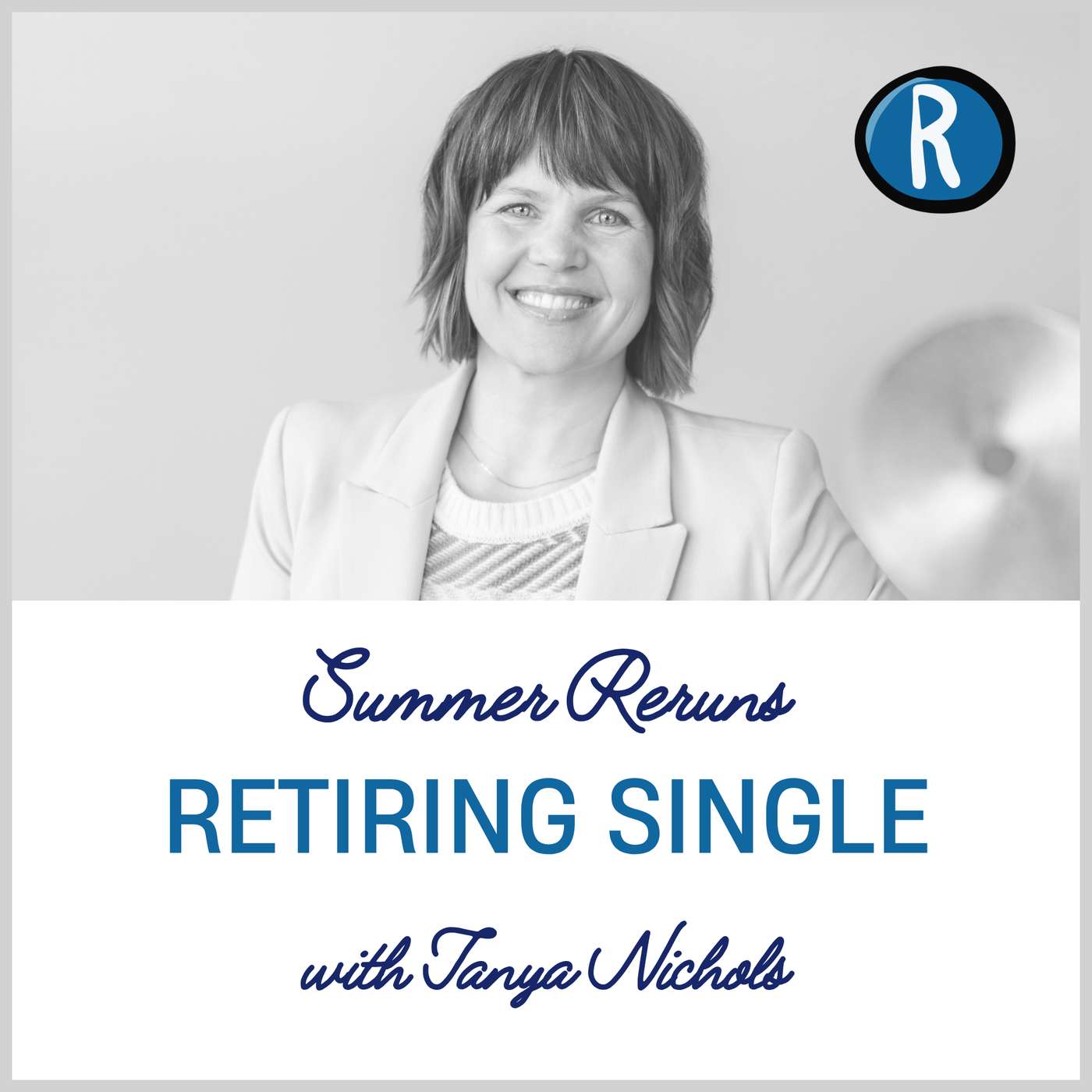 Summer Reruns: Retiring Single with Tanya Nichols 05.08.2026 24minAugust is encore month on the Retirement Answer Man podcast, giving Roger an opportunity to step back, reflect, and revisit some of the show's most impactful conversations. This week, he replays his discussion with Tanya Nichols on retiring single—a topic that remains just as relevant today. Together, they explore the unique planning considerations for single retirees, including building a trusted support network, preparing for future care, creating a personal board of directors, balancing flexibility with financial security, and thinking intentionally about legacy. Roger closes the episode by sharing why he's spending August slowing down, revisiting favorite books, and using writing to gain greater clarity and conviction.OUTLINE OF THIS EPISODE OF THE RETIREMENT ANSWER MAN(00:00) Roger explains why August will feature encore episodes, shares his desire to slow down and reflect, and introduces this week's replay with Tanya Nichols on retiring single.RETIREMENT TOOLKIT FEATURING TANYA NICHOLS(02:18) Roger and Tanya discuss the unique planning considerations for single retirees, including future care planning, building a trusted support network, creating a personal board of directors, managing a household alone, balancing flexibility with financial security, and rethinking legacy.CLOSING THOUGHTs(22:47) Roger reflects on why he's spending August revisiting favorite books and encourages listeners to embrace writing and reflection as tools for reconnecting with their own convictions.REFERENCESRetire AgileThe Gospel of Wealth by Andrew Carnegie Mark Troutman's Money Mind Podcast Submit a Question for RogerSign up for The NoodleNote: The opinions expressed are for informational purposes only and should not replace personalized advice from licensed professionals.
 -
 Retirement Toolkit: Never Worry About Money Again with Jesse Mecham 29.07.2026 1t 5minWhat if budgeting wasn't about restriction, but about giving every dollar a purpose? This week, Roger sits down with Jesse Mecham, founder of YNAB (You Need A Budget), to discuss the power of intentionality with money. Together, they explore how asking one simple question, "What is this money for?" can reduce financial stress, improve decision-making, and help align your spending with the life you want to create. Roger also answers listener questions on rebalancing retirement portfolios, qualified dividends, supporting adult children, calculating net worth, and whether financial planners have financial planners of their own.OUTLINE OF THIS EPISODE OF THE RETIREMENT ANSWER MAN(00:00) Roger introduces this week's conversation on intentionality with money, previews his interview with Jesse Mecham, and shares updates on the August replay schedule and upcoming Social Security series.RETIREMENT TOOLKIT FEATURING JESSE MECHAM(03:06) Roger sits down with Jesse Mecham, founder of YNAB, to discuss how approaching money with intention instead of restriction can reduce financial worry and help you align your spending with what matters most. LISTENER QUESTIONS(38:47) Christine asks about rebalancing her retirement portfolio.(43:00) Peter asks about qualified and ordinary dividends.(47:28) Paul asks about supporting adult children financially.(56:05) Ron asks whether future taxes should be considered when calculating net worth (58:38) Lisa wonders whether financial planners have financial planners of their own.SMART SPRINT(01:01:55) Reflect on how intentional you are with your money and consider reading Jesse Mecham's book, Never Worry About Money Again, to help align your spending with the life you want to create.CLOSING THOUGHT(01:03:23) Roger reflects on the summer goals he set earlier in the year and encourages you to revisit your own intentions before the season ends. REFERENCESNever Worry About Money Again by Jesse MechamYNAB (You Need A Budget)Submit a Question for RogerSign up for The NoodleNote: The opinions expressed are for informational purposes only and should not replace personalized advice from licensed professionals.
 -
 Retirement Toolkit: How do you Balance Optimization with Simplification 22.07.2026 53minHow do you know when it's worth optimizing your retirement plan and when it's better to keep things simple? This week, Roger answers a listener question by exploring Aristotle's concept of the "golden mean," arguing that the best retirement decisions are rarely found at either extreme. He explains why financial optimization should be measured by the life it enables rather than the dollars it saves and introduces the OODA Loop (Observe, Orient, Decide, Act) as a practical framework for evaluating trade-offs. Roger also answers listener questions about stepped-up cost basis after the death of a spouse, whether dividends can be used to fund an income floor, and when bonds versus CDs make sense in today's interest rate environment.OUTLINE OF THIS EPISODE OF THE RETIREMENT ANSWER MAN(00:00) Roger introduces today's discussion on balancing financial optimization with simplicity, previews upcoming episodes, and shares updates on the August replay schedule and September Social Security series.RETIREMENT TOOLKIT(02:31) Finding your "golden mean" between optimizing your retirement plan and keeping it simpleWhy retirement planning often overemphasizes financial optimizationThe difference between optimizing for money and optimizing for lifeHow Aristotle's concept of the golden mean applies to retirement decisionsUsing the OODA Loop (Observe, Orient, Decide, Act) to make better decisionsRecognizing personal biases before making financial decisionsEvaluating trade-offs and second-order consequences before pursuing tax strategies, Roth conversions, and other optimization opportunitiesLISTENER QUESTIONS(36:35) Roger answers a listener's question about home cost basis. (41:02) Can dividend income be used to fill the gap in my retirement income floor?(44:55) Are bonds still a good conservative investment, or should I use CDs instead?SMART SPRINT(49:55) Practice using the OODA framework on a small, everyday decision this week to determine whether optimizing is truly worth the extra time and effort.CLOSING THOUGHTS(51:24) Roger reflects on how building a resilient retirement plan isn't just about protecting against uncertainty—it also gives you the confidence to lean into life and enjoy retirement more fullyREFERENCESSubmit a Question for RogerSign up for The NoodleNote: The opinions expressed are for informational purposes only and should not replace personalized advice from licensed professionals.
 -
 Retirement Toolkit: How to Rebalance a Retirement Portfolio 15.07.2026 55minThis week Roger explains why rebalancing is one of the most important disciplines in retirement planning. In the Retirement Toolkit, he explores the difference between a traditional investment allocation and a retirement allocation, explaining how to organize your assets to support both your current lifestyle and your future needs. Along the way, he answers listener questions about speculative investments, the retirement red zone, the Rule of 55, and managing retirement cash reserves.OUTLINE OF THIS EPISODE OF THE RETIREMENT ANSWER MAN(00:00) Roger explains why portfolios naturally drift over time and why rebalancing helps keep your retirement plan aligned with your long-term goals.RETIREMENT TOOLKIT(02:45) Roger explains how to rebalance a retirement portfolio, introduces his retirement allocation strategy, and shares practical tips for keeping your investments aligned with the life you want to live.LISTENER QUESTIONS(34:50) BB asks whether a high-risk AI cryptocurrency investment belongs in a retirement portfolio. Roger discusses separating speculative investments from retirement assets and investing with intention.(39:30) Jim asks how the retirement red zone changes for people who retire early. Roger explains sequence of returns risk and why its impact depends on factors like retirement age and overall funding.(44:16) Jamie asks how the Rule of 55 applies to her 401(k). Roger explains why eligibility depends on the employer's retirement plan and recommends checking with the plan administrator.(46:53) Pat asks how to replenish a retirement money market account each year. Roger discusses coordinating withdrawals with tax planning and maintaining flexibility in retirement income.SMART SPRINT(50:10) Roger encourages listeners to identify their target retirement allocation by defining how much they want in their contingency fund, income reserve, and long-term growth portfolio.ON THE BOOKSHELF (51:28) Nicole recommends Undistracted by Bob Goff, and Mark recommends Living Life in Crescendo by Stephen R. Covey and Cynthia Covey Haller. Roger shares his thoughts on lifelong growth and purpose in retirement. REFERENCESSubmit a Question for RogerSign up for The NoodleUndistracted: Capture Your Purpose. Rediscover Your Joy. by Bob GoffLiving Life In Crescendo by Stephen R. CoveyNote: The opinions expressed are for informational purposes only and should not replace personalized advice from licensed professionals.
 -
 Retirement Toolkit: How Does Step Up in Cost Basis Work 08.07.2026 49minThis week Roger talks about one of the biggest challenges retirees face today: information overload. He explains why more information doesn't always lead to better decisions and why building a great retirement starts with focusing on what matters most to you. In the Retirement Toolkit, Roger unpacks stepped-up cost basis, covering how it works, when it matters, and how it can become a valuable estate planning tool. Along the way, he answers listener questions on retirement income strategies, cash reserves, government retirement accounts, and how to create a retirement plan that's both practical and personal. OUTLINE OF THIS EPISODE OF THE RETIREMENT ANSWER MAN(00:00) Roger discusses how information overload can make retirement planning feel overwhelming and explains why simplifying your focus leads to better decisions.RETIREMENT TOOLKIT(08:20) Roger breaks down stepped-up cost basis, explaining how inherited assets receive a new tax basis at death, which assets qualify, how the rules differ for spouses, and how this strategy fits into estate and retirement planning.LISTENER QUESTIONS(21:20) Mike asks whether adding a whole life insurance policy is an effective retirement income strategy. Roger explains why it's important to build a retirement plan first before evaluating insurance products and discusses situations where whole life may or may not make sense.(32:00) Allison asks about the federal TSP's pro-rata withdrawal rules and whether rolling funds to an IRA would make a bucket strategy easier to implement.(34:13) Steven asks how much cash to have available before retirement. Roger shares his approach for building a five-year spending reserve while balancing flexibility and sequence-of-returns risk.(39:56) Tom asks whether to model retirement spending using flat nominal dollars or adjust for inflation and the retirement spending smile. Roger explains why retirement plans should reflect personal spending goals rather than population averages.SMART SPRINT(47:00) Roger encourages listeners to filter information through their own priorities, remembering that general advice is only valuable if it applies to their unique situation.REFERENCESSubmit a Question for RogerSign up for The NoodleNote: The opinions expressed are for informational purposes only and should not replace personalized advice from licensed professionals.
 -
 Retirement Toolkit: How Required Minimum Distributions (RMDs) Work 01.07.2026 45minThis week Roger explores the idea of "digging where your feet are" and how focusing on what you can do today can reduce anxiety about the future and regret about the past. In the Retirement Toolkit, he explains the basics of Required Minimum Distributions (RMDs), including when they begin, which accounts they affect, how they're calculated, and strategies for managing them through retirement. Listener questions cover Roth conversions, 401(k) rollovers, donor-advised funds versus direct charitable giving, and healthcare costs before Medicare. Roger closes the episode with a Fourth of July story about unexpected kindness from strangers in rural Texas.OUTLINE OF THIS EPISODE OF THE RETIREMENT ANSWER MAN(00:00) Roger introduces the idea of "dig where your feet are" and explains why focusing on today's actions leads to better retirement planning than living in the future or the past.RETIREMENT TOOLKIT(04:06) Roger breaks down Required Minimum Distributions (RMDs), explaining what they are, when they begin, which retirement accounts are affected, how they're calculated, and strategies for minimizing their long-term tax impact.LISTENER QUESTIONS(17:10) Michael asks whether Roth conversions are worthwhile with only a short window between retirement and the start of Required Minimum Distributions.(23:10) Lynn asks how to minimize market risk when rolling a 401(k) into an IRA and worries about being out of the market during the transfer.(28:19) Sandy shares concerns about donor-advised funds and encourages earlier conversations around charitable giving. Roger discusses both the advantages and criticisms of donor-advised funds.(32:52) John shares concerns about healthcare costs before Medicare. Roger discusses replacing vague fears with concrete planning and evaluating the trade-offs of retiring early.SMART SPRINT(38:01) Roger's challenge this week: estimate your future Required Minimum Distribution using an online calculator to better understand how RMDs may affect your retirement income and taxes.CLOSING THOUGHTS (38:54) Roger shares a Fourth of July story about his daughter receiving help from several strangers after experiencing car trouble in rural West Texas, reflecting on kindness, generosity, and the spirit of America.REFERENCESSubmit a Question for RogerSign up for The NoodleCharles Schwab Required Minimum Distribution CalculatorNote: The opinions expressed are for informational purposes only and should not replace personalized advice from licensed professionals.
 -
 IRMAA: The Medicare Premium Surprise and How to Avoid It 24.06.2026 49minThis week Roger breaks down IRMAA Medicare surcharges and why retirees should understand them without letting them dominate retirement planning decisions. He explains how the income thresholds work, common planning mistakes to avoid, and what happens if you cross into a higher premium bracket. Listener questions cover gifting strategies with adult children, Social Security claiming options for spouses, health insurance before Medicare, long-term care planning, combining finances later in life, and the tax treatment of gifts. OUTLINE OF THIS EPISODE OF THE RETIREMENT ANSWER MAN(00:00) Roger introduces IRMAA Medicare surcharges and explains why understanding them can help avoid surprises and unforced planning mistakes.RETIREMENT TOOLKIT(01:28) Roger breaks down IRMAA Medicare surcharges, explaining when they apply, why they matter, and how retirees can avoid being caught off guard by higher Medicare premiums. LISTENER QUESTIONS(15:11) John asks whether purpose-driven gifts to adult children impose the giver's values and how to balance generosity with expectations.(26:50) Joe asks how Social Security spousal benefits work when one spouse delays claiming until age 70.(31:50) Paul asks whether it's possible to wait until getting sick before enrolling in Affordable Care Act coverage.(33:41) Paul asks about using a Roth IRA as a self-funded long-term care reserve instead of purchasing long-term care insurance.(38:53) Suzanne asks for advice on combining finances in a later-life marriage between two retired widows.(45:43) Dave asks whether recipients of financial gifts owe taxes on the money they receive.SMART SPRINT(47:21) Roger's challenge this week: take a break from planning and simply enjoy life.ON THE BOOKSHELF(47:46) Kevin Lyles reviews The Stimulated Mind: Future-Proof Your Brain from Dementia and Stay Sharp at Any Age by Dr. Tommy Wood.REFERENCESSubmit a Question for RogerSign up for The NoodleON THE BOOKSHELFThe Stimulated Mind: Future-Proof Your Brain from Dementia and Stay Sharp at Any Age by Tommy WoodNote: The opinions expressed are for informational purposes only and should not replace personalized advice from licensed professionals.
 -
 Mutual Funds vs. ETFs- Which is Better for Retirement? 17.06.2026 1t 4minThis week, a simple quote about wasting time sparks a deeper conversation about why retirement isn't meant to be endlessly optimized. In the Retirement Toolbox, we compare mutual funds and ETFs, exploring their differences in costs, trading, and tax efficiency. Listener questions cover Roth conversion assumptions, choosing between a pension and lump sum, whether the Shiller PE ratio can predict market crashes, and how to think about portfolio risk without falling into the trap of over-optimization.OUTLINE OF THIS EPISODE OF THE RETIREMENT ANSWER MAN(00:00) The episode opens with a reflection on the value of wasting time and why not every moment in retirement needs to be optimized or productive.RETIREMENT TOOLKIT(04:06) In today’s Retirement Toolkit, Roger breaks down the differences between mutual funds and ETFs, focusing on how structure, trading mechanics, costs, and tax efficiency can impact which vehicle is best suited for different types of accounts and investing strategies. LISTENER QUESTIONS(26:08) A listener asks whether future tax brackets should be adjusted when modeling Roth conversions and why long-term tax projections have significant limitations.(32:40) The pros and cons of keeping a pension versus taking a lump sum are examined, along with a framework for comparing guaranteed income to investment alternatives.(44:54) The Shiller PE ratio is put under the microscope as the conversation explores whether market valuations can reliably predict future crashes or returns.(59:58) Portfolio risk, AI, and the dangers of over-optimization are discussed, with an emphasis on building a strategy that aligns with both goals and temperament.SMART SPRINT(1:00:43) This week's challenge is simple: intentionally waste some time and enjoy activities that have no agenda or productivity goal.DECLUTTERING DEBRIEF(1:01:53) A listener shares the reminder that "the thing is not the memory" and why letting go of possessions doesn't mean letting go of meaningful experiences.ON THE BOOKSHELF(1:02:24) A listener recommendation of Snow Crash by Neal Stephenson as well as Roger’s recommendation of The Match, a nonfiction story about a legendary 1956 golf match and the players involved. REFERENCESlivewithroger.com — Register for Noodle Live on June 18!Submit a Question for RogerSign up for The NoodleON THE BOOKSHELFSnow Crash by Neal Stephenson The Match: The Day the Game of Golf Changed Forever by Mark Frost Note: The opinions expressed are for informational purposes only and should not replace personalized advice from licensed professionals.
 -
 Know What You Pay: A Guide to Investment & Advice Costs 10.06.2026 41minRoger Whitney explores the relationship between cost and value in retirement planning, focusing on how to better understand the fees associated with financial advice, investments, and insurance products. Using a listener question about an annuity recommendation as a starting point, he explains why investors need clarity around what they are paying so they can determine whether they are receiving enough value in return. Roger also answers listener questions about transitioning into retirement, creating an income strategy before Social Security begins, and shares more decluttering wins from the community.OUTLINE OF THIS EPISODE OF THE RETIREMENT ANSWER MAN(00:00) Roger introduces the idea that understanding value requires first understanding price, and explains why investment and advisory fees can often feel difficult to identify.RETIREMENT TOOLKIT(02:49) Roger explores the relationship between price and value in financial planning, using a listener question about annuities to explain how advisor fees, investment expenses, and compensation structures work. He encourages listeners to understand what they are paying in dollar terms so they can determine whether the value they receive aligns with the cost. LISTENER QUESTIONS(26:23) A listener asks for guidance on navigating the emotional transition during the final year before retirement and how to "land the plane" well.(33:00) Roger shares listener feedback from his healthcare episode.(33:40) Roger addresses a question about whether paying for family vacations should count toward annual gifting limits. (35:08) Molly asks how to structure retirement withdrawals before claiming Social Security, and Roger shares his approach to creating an income reserve.SMART SPRINT(37:41) Take 20–30 minutes this week to identify the fees associated with your investments or financial advice and convert them into dollar amounts so you can better evaluate the value you receive.DECLUTTERING DEBRIEF(38:55) Roger shares listener success stories inspired by the decluttering series.REFERENCESlivewithroger.com — Register for Noodle Live on June 18!Submit a Question for RogerSign up for The NoodleNote: The opinions expressed are for informational purposes only and should not replace personalized advice from licensed professionals.
 -
 Take the Retirement Leap of Faith with Jordan Grumet 03.06.2026 58minRoger Whitney explores the idea that retirement always involves both excitement and uncertainty. While people spend years gathering information, running projections, and refining plans, there comes a point when no amount of additional analysis can eliminate risk. Through a conversation with Dr. Jordan Grumet, Roger discusses why retirement ultimately requires a leap of faith, how fear of running out of money can overshadow the risk of missing life, and practical ways to build confidence in spending and living intentionally. The episode also features listener reflections on decluttering, strategies for letting go of physical and financial clutter, and a Rockin’ Retirement in the Wild story from Scott, who recently retired and embraced a long-awaited trip to Maui.OUTLINE OF THIS EPISODE OF THE RETIREMENT ANSWER MAN(00:00) Roger reflects on the “sweet and sour” nature of retirement and introduces the concept of taking a leap of faith.(01:56) Roger welcomes listeners, previews his conversation with Dr. Jordan Grumet, and invites listeners to the upcoming Noodle Live event.ROCKIN’ RETIREMENT IN THE WILD(04:01) Scott shares a retirement story from Maui, including a chance encounter with Roger’s realtor and reflections on taking the leap into retirement at age 57.PRACTICAL PLANNING SEGMENT WITH DR. JORDON GRUMET(05:47) Roger and Dr. Jordan Grumet discuss why confidence can be one of the biggest challenges in retirement, even for those who have prepared well financially. (13:00) The conversation explores the tension between protecting financial security and fully embracing life’s opportunities.(22:18) ) A discussion on longevity assumptions, retirement planning conservatism, and why many retirees may overestimate the likelihood of running out of money. (27:04) Practical strategies for building spending confidence, including the “fun bucket” approach. (35:24) Additional tactics for creating confidence, including prefunding near-term spending and focusing on purpose rather than optimization. (42:12) How values-driven planning can help retirees intentionally use money to support the life they want to create. (47:49) Key takeaways on abundance, mindset, and taking meaningful action despite uncertainty.SMART SPRINT(49:55) Identify one decision you've been researching, planning, or delaying. Ask yourself whether additional information will truly change the outcome, or if it's time to take a small leap of faith and move forward.DECLUTTERING DEBRIEF(51:06) Roger reflects on listener feedback from the decluttering series and shares a few practical insights and resources from the community. REFERENCESlivewithroger.com — Register for Noodle Live on June 18!Submit a Question for RogerSign up for The NoodleDr. Jordan Grumet / Earn & Invest PodcastNote: The opinions expressed are for informational purposes only and should not replace personalized advice from licensed professionals.
 -
 Decluttering for Retirement: Your Step-by-Step Plan 27.05.2026 1t 1minIn this episode, retirement expert Roger Whitney and Marie Kondo consultant Dr. Lindsey Hardegree explore the transformative power of decluttering. They discuss how clearing physical and emotional clutter can pave the way for a joyful and intentional retirement. Lindsey shares practical strategies from the Konmari method, focusing on identifying what truly sparks joy and letting go of the rest. This conversation is perfect for anyone looking to simplify their life and embrace a clutter-free future. OUTLINE OF THIS EPISODE OF THE RETIREMENT ANSWER MAN(00:00) Roger previews the episode, announces the June 18 Noodle Live event, and introduces the final installment of the decluttering series.PRACTICAL PLANNING SEGMENT WITH LINDSEY HARDEGREE(03:15) Roger frames retirement as a major life transition and explains how clutter extends beyond possessions into finances, commitments, and relationships.(06:40) Lindsey introduces the KonMari framework and explains why the first step is creating a clear vision for your ideal life before getting rid of anything.(09:14) Lindsey shares common scenarios that prompt people to seek out an organizer.(12:18) Roger and Lindsey discuss practical ways to define what you want your environment and future life to feel like.(15:31) Lindsey explains emotional attachment, sunk costs, and why gratitude can help people let go of possessions tied to previous seasons of life.(18:12) Why decluttering by category—not room—creates better long-term results and why sentimental items should come last.(25:00) Club members discuss challenges involving spouses, differing organizing styles, and when outside help may be more effective than family support.(30:53) Lindsey addresses difficult situations involving aging parents, inherited belongings, and navigating sentimental attachment during life transitions.(33:01) The discussion shifts toward handling deeply personal and sentimental items, including family keepsakes, clothing, photos, and children's memorabilia.(50:41) Lindsey explains why organization systems should fit the person using them and how overly rigid systems can create frustration instead of simplicity.(55:21) Resources and advice for finding professional organizers and deciding when support may be helpful.SMART SPRINT(59:27) Pick one very small category of personal items—pens, office supplies, coffee mugs, hair clips, or something similar—and spend time decluttering only that category. Focus on building momentum and decision-making reps rather than trying to organize everything at once.REFERENCESlivewithroger.com — Register for Noodle Live on June 18!Submit a Question for RogerSign up for The NoodleGet Organized Ya'll- Dr. Lindsey E. HardegreeMarie Kondo's Konmari MethodKonmari Certified OrganizersNational Association of Productivity & Organizing Professionals (NAPO)Book: The Life-Changing Magic of Tidying Up by Marie KondoNote: The opinions expressed are for informational purposes only and should not replace personalized advice from licensed professionals.
 -
 Decluttering for Retirement: Why It's So Hard and How to Push Through 20.05.2026 44minRoger Whitney continues the decluttering series by focusing on the hidden challenges that keep people stuck. Rather than treating decluttering as a massive life overhaul, he explains how perfectionism, emotional attachment, deferred decisions, and fear of change can quietly create friction across our belongings, finances, and relationships. The episode also tackles listener questions on market uncertainty, international investing, gray divorce, healthcare options like MediShare versus ACA plans, and longevity planning. It closes with an inspiring Rockin’ Retirement in the Wild update from Beth, who shares how intentionally redesigning her life after burnout created a simpler and more fulfilling retirement.OUTLINE OF THIS EPISODE OF THE RETIREMENT ANSWER MAN(00:00) Roger previews the episode, shares details about the upcoming Noodle Live event, and outlines the next phase of the decluttering series.PRACTICAL PLANNING SEGMENT(02:18) Roger introduces one of the biggest challenges of decluttering: making the process feel too overwhelming and believing it has to be done perfectly. (04:20) Roger explains why clutter often persists because it lacks urgency and people wait for a triggering event before taking action.(06:57) He explores the emotional and practical obstacles tied to physical possessions, including memories, unfinished projects, family heirlooms, and sunk costs.(10:34) Roger breaks down financial clutter and why accounts, relationships, taxes, and uncertainty can make simplification feel risky.(11:52) He discusses relationship clutter, including obligations, organizations, unhealthy dynamics, and the fear of disappointing others.(14:20) How do we overcome these challenges?LISTENER QUESTIONS(15:17) Roger answers a question about whether global sentiment toward U.S. leadership should impact international versus domestic investment allocation decisions.(24:43) A listener facing gray divorce asks for guidance, leading Roger to discuss grief, rebuilding identity, and creating a new vision for retirement.(29:05) Roger shares his experience using MediShare and discusses important healthcare considerations before choosing alternatives to ACA coverage.(33:13) Roger responds to listener feedback on longevity planning and balancing the risk of overspending versus running out of money.ROCKIN’ RETIREMENT IN THE WILD(35:24) Beth shares an update on her retirement transformation after leaving a stressful healthcare career and intentionally creating a simpler life centered around flexibility, joy, and financial sustainability.SMART SPRINT(42:17) Identify the challenges you may face in decluttering your things, finances, or relationships and jot down one possible strategy to overcome each obstacle.REFERENCESlivewithroger.com — Register for Noodle Live on June 18!Submit a Question for RogerSign up for The NoodleNote: The opinions expressed are for informational purposes only and should not replace personalized advice from licensed professionals.
 -
 Decluttering for Retirement: How a Simpler Life Helps You Rock Retirement 13.05.2026 39minRoger Whitney continues the decluttering series by exploring the opportunities that come from simplifying your life, finances, and relationships. He explains how reducing complexity can create more mental space, clarity, and confidence in retirement while also making it easier to focus on what matters most. Along the way, Roger dives into the origins and limitations of risk tolerance questionnaires, discusses how retirees can structure portfolios around purpose rather than arbitrary scores, and answers listener questions on donor-advised funds and Social Security survivor benefits. The episode wraps with practical reflections on decluttering digital inputs and defining your personal motivation for simplifying your life.OUTLINE OF THIS EPISODE OF THE RETIREMENT ANSWER MAN(00:00) Roger explains how decluttering helps reclaim your attention in a world competing for your focus.(01:37) Roger previews week two of the decluttering series and introduces the themes of opportunity, risk tolerance, and listener questions.ROCKIN’ RETIREMENT IN THE WILD(02:07) Rick shares how he’s enjoyed five years of retirement without feeling pressure to chase a larger “purpose,” instead embracing freedom, reading, and travel after leaving behind a stressful corporate career.RETIREMENT TOOLKIT(03:30) Roger responds to a listener's question about how risk tolerance should fit into a three-bucket retirement strategy. (11:15) He outlines why retirement planning should focus on building allocations from the ground up based on purpose and time horizon.PRACTICAL PLANNING SEGMENT(18:03) Roger explores the opportunities created by decluttering your things, including reducing overwhelm, maintenance, and future burdens on loved ones.(20:53) He discusses how simplifying finances can increase clarity, reduce anxiety, and create greater confidence in retirement.(24:25) Roger explains how decluttering relationships and obligations can create space for more intentional connections.(25:33) He highlights the importance of reducing digital and news clutter to protect your attention and mental bandwidth.LISTENER QUESTIONS(28:28) Roger explains how donor-advised funds can help simplify a cluttered brokerage account while improving tax efficiency for charitable giving.(33:00) He answers a widower’s question about Social Security survivor benefits, timing strategies, and earnings test considerations.SMART SPRINT(36:00) Write down four or five benefits you hope to gain from decluttering your things, finances, relationships, or digital life to help stay motivated through the process.CLOSING THOUGHTS(38:20) Roger congratulates our podcast editor, Graham, on graduating from Baylor University.REFERENCESSubmit a Question for RogerSign up for The NoodleNote: The opinions expressed are for informational purposes only and should not replace personalized advice from licensed professionals.
Sarnased taskuhäälingud


Populaarne riigis
See taskuhääling on ka nende riikide taskuhäälingute edetabelites.

