
On The Beaten Track
On The Beaten Path Pod
0
Join us on "On The Beaten Track Pod," where we delve into the rich tapestry of stories from South Africa and beyond. Born out of a passion for storytelling during the COVID era, this podcast explores the narratives of family, community, and history that have shaped us. Each episode, released every Thursday, offers a deep dive into personal and shared stories, aiming to preserve and celebrate the voices that might otherwise be lost to time.
Osad
-
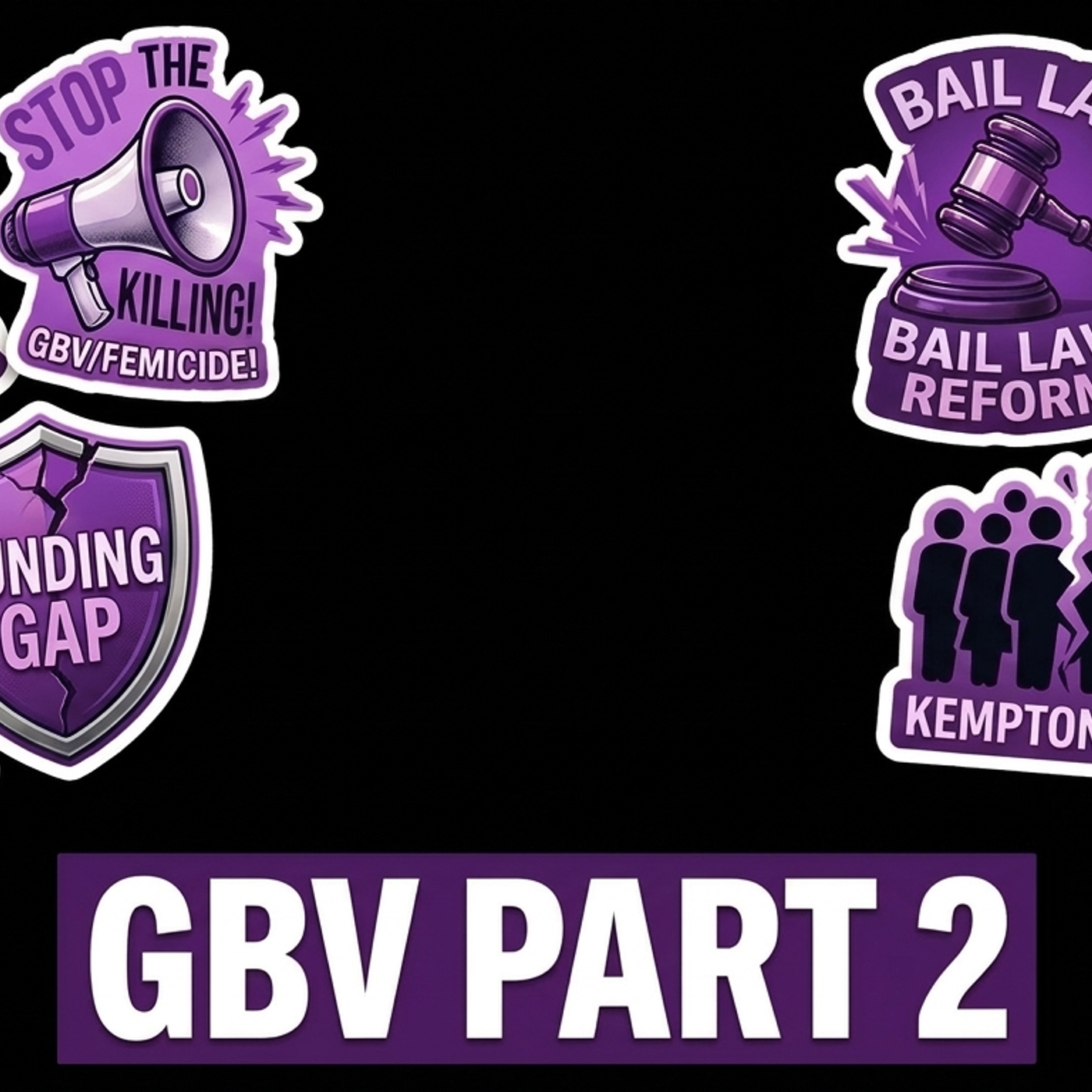 Not One More - GBV Part 2 24.09.2026 34minTen months after South Africa declared gender-based violence and femicide a national disaster, the numbers still do not match the promise. Rehana Levesque breaks down what has changed, what has stalled, and why the most urgent official message to women is still, somehow, “don’t walk alone.” This episode traces the gap between emergency language and emergency action: the Women for Change shutdown that helped force the declaration, the government’s five-part program of action, and the legal powers that have still not been fully used. Rehana unpacks the funding problem, the reporting gap, and why shelters, prosecutions, and public accountability remain the real test of whether the declaration means anything. You’ll hear how the Kempton Park killings became the latest flashpoint, with nine women found dead since July in and around the area, plus roughly 10 additional reported cases involving women allegedly lured through dating platforms. Rehana also examines the public backlash to police safety warnings, the institutional victim-blaming women are pushing back against, and the exhausting pattern of outrage, statement, repeat.Rehana also grounds the episode in hard statistics: 50,511 GBV and femicide cases were reported in the 2025–2026 financial year, with only about 61% leading to arrest or referral for prosecution. She connects those figures to the larger reality campaigners have been warning about for years: strong laws mean little when enforcement is uneven and survivors are still carrying the burden of prevention. Essential listening if you want the full picture behind the headlines, the legal framework behind the headlines, and the uncomfortable truth behind the phrase “national disaster.” If this episode affects you or someone you know, South Africa’s Gender-Based Violence Command Centre is available 24/7 on 0800 428 428.#GBV #GenderBasedViolence #Femicide #SouthAfrica #KemptonPark #JusticeForWomen #EndGBV #WomensSafety #Accountability #OnTheBeatenPathPod KEY TOPICSSouth Africa's declaration of gender-based violence as a national disasterGovernment initiatives and priorities post-declarationLegal and law enforcement responses and gapsFunding shortfalls and resource allocationThe Kempton Park serial murders and investigation updatesPublic and political reactions to GBV crisisLegal standards for bail in GBV cases and recent amendmentsThe gap between policy and practice in GBV responseImpact of societal attitudes and victim-blamingRole of activism and public outrage in driving change CHAPTER00:00 Introduction to South Africa's GBV crisis and episode overview02:10 Government response: progress and ongoing challenges05:18 Legal analysis: benchmarks not triggered, unspent powers07:03 Public and political reactions to the disaster declaration10:10 Current state of shelters and funding gaps11:20 Kempton Park murders: latest developments and concerns14:34 Patterns, online lures, and societal responses17:54 The debate: could the perpetrator be a woman?18:40 Government advice and victim-blaming criticism22:07 Reporting and prosecution: the grim statistics26:50 Bail laws and recent amendments in GBV cases30:46 The gap between legislation and enforcement32:39 Overall crime trends versus GBV-specific murders33:00 The ongoing struggle and societal resilience
 -
 Not One More - Gender Based Violence in South Africa 19.09.2026 48minSouth Africa’s gender-based violence crisis is no longer abstract—it has names, faces, timelines, and a body count that should terrify every listener. Rehana Levesque turns an emergency recording into a hard-hitting, deeply personal account of the Kempton Park killings and the wider pattern of femicide that keeps repeating across the country. What begins as a response to the latest wave of outrage becomes something much bigger: a reckoning with how quickly public panic, police warnings, and victim-blaming can replace real protection. Rehana breaks down the timeline behind the Kempton Park case, explains why the official response enraged so many people, and shows how easy it is for institutions to shift the burden of safety onto women instead of stopping perpetrators.You’ll hear:The sequence of events that turned the Kempton Park case into a national flashpointWhy the SAPS warning to women and girls sparked fury instead of reassuranceThe scale of gender-based violence in South Africa, from murder and rape statistics to reporting gaps and contradictory police numbersThe real-world barriers survivors face when trying to report abuseWhy so many women never get justice, even when their cases make headlinesRehana also walks through a painful line of South African cases that have become symbols of the crisis, including Alison Botha, Lee Matthews, Frances Rasuge, Anene Booysen, Uyinene Mrwetyana, Tshegofatso Pule, Nosicelo Mtebeni, Karabo Mokoena, and others whose stories still shape public grief and outrage. These are not just tragedies from the past—they are evidence of a system that keeps failing the women it is meant to protect. This episode is for anyone who wants to understand why South Africans are exhausted, angry, and demanding action instead of platitudes. It is a necessary listen if you care about justice, public safety, and what happens when a country keeps saying “be vigilant” while women keep dying. KEYWORDSSouth Africa, gender-based violence, femicide, systemic issues, activism, police failure, public safety, social justiceKEY TOPICSSystemic gender-based violence in South AfricaRecent femicide cases and their societal impactPolice and government response failuresBarriers to reporting and justice for survivorsThe role of activism and community effortsData and statistics on violence against womenPersonal stories highlighting systemic issuesThe need for sustained action and accountability CHAPTERS00:00 Introduction: Addressing the Gender Violence Crisis in South Africa02:03 The Kempston Park Killings: A Growing Tragedy04:01 Public Panic and Police Response Failures06:58 The Systemic Nature of Gender-Based Violence10:01 Data and Statistics: The Scale of the Crisis13:03 Barriers to Reporting and Justice16:03 Personal Stories of Victims and Survivors19:54 Names and Faces: Remembering the Victims24:58 The Role of Community and Activism30:06 Calls for Action and Accountability34:54 The Future: What Needs to Change?
 -
 Thamsanqa Robert Zani: The Unsung Organiser 10.09.2026 21minThis episode explores the life and legacy of Thamsanqa Robert Zani, a pivotal yet underrecognized figure in the Black Consciousness Movement and South African liberation history. We delve into his role during critical moments of resistance, his operational leadership, and the gaps in historical records about his life and death.KEYWORDSSouth African history, Black Consciousness Movement, Thamsanqa Zani, SASO, BPC, apartheid resistance, liberation movements, political activism, archival gapsKEY TOPICSThamsanqa Zani's role in SASO and BPC during apartheidThe strategic vision for unifying South African liberation movementsOperational leadership under repression and bansThe gaps in historical records about Zani's life and deathThe importance of operational figures in liberation movementsCHAPTERS00:00 Introduction to Thamsanqa Zani and his significance00:05 Zani's leadership during the banning of BCM leaders in 197300:13 The resilience of SASO and BPC under pressure00:33 Zani's role in maintaining organizational continuity00:43 The strategic vision for unifying liberation movements01:05 The secrecy and trust within the inner circle01:26 The impact of Black Wednesday and Zani's detention01:43 The gaps in historical records about Zani's death01:46 The importance of operational figures in history02:01 Call for information and closing remarks
 -
 Rick Turner: The Eye of the Needle 03.09.2026 34minThe apartheid state called Rick Turner the most dangerous man in South Africa - because he argued that real freedom means power, dignity, and participation, not just a change of government. This episode traces how a white philosophy lecturer from a fruit farm in Stellenbosch became one of the sharpest threats to apartheid, and why his ideas still feel unsettlingly relevant today. Rehana Levesque follows Turner's journey from Cape Town and the University of Cape Town to the Sorbonne in Paris, where French existentialism, Marxism, and the New Left reshaped his politics. She unpacks how Turner returned to South Africa with a radical framework for justice, then found himself in Durban at the canter of Black Consciousness, labour organizing, and some of the most important political upheaval of the era. You'll discover why The Eye of the Needle terrified the government, how Turner redefined participatory democracy, and why he insisted that removing apartheid was only the beginning. The episode breaks down his most confronting ideas about inequality, economic redistribution, and the danger of confusing what is “realistic” with what is merely familiar. Rehana also explores Turner’s close relationship with Steve Biko, his role as a bridge between students and the emerging labour movement, the banning order that tried to erase him, and the assassination that left his case unsolved for decades. Along the way, she connects Turner's arguments to South Africa today, asking what freedom really means when power stays concentrated and inequality survives the political transition. This is essential listening if you care about South African history, Black Consciousness, anti-apartheid resistance, political philosophy, or the unfinished work of democracy. Rick Turner’s life is a reminder that ideas can outlive repression - and that the hardest questions are usually the ones history keeps forcing us to ask.SummaryThis episode explores the life and ideas of Rick Turner, a South African philosopher whose work challenged apartheid and envisioned a participatory democracy. We discuss his influence, the circumstances of his death, and the relevance of his ideas today.KeywordsRick Turner, South Africa, apartheid, philosophy, participatory democracy, black consciousness, labour movement, political philosophy, social justice, historykey topicsRick Turner's early life and educationHis involvement with the anti-apartheid movementThe influence of French existentialism and MarxismHis relationship with Steve Biko and black consciousnessThe publication and impact of The Eye of the NeedleHis activism during banning years and assassinationThe relevance of his ideas in contemporary societyChapters00:00 Introduction to Rick Turner's Life and Impact02:22 Turner's Early Life and Education in South Africa04:12 Turner's Political Awakening and Move to France07:56 Return to South Africa and Engagement with Biko12:00 The Publication of The Eye of the Needle19:30 Turner's Utopian Thinking and Political Philosophy28:36 The Circumstances of Turner's Death30:26 Legacy and Relevance of Turner's Ideas Today
 -
 SASO 9: Part 2 27.08.2026 18minSUMMARYThis episode explores the lives and legacies of key figures in the South African anti-apartheid movement, focusing on their contributions, struggles, and ongoing impact. It highlights the importance of community, resilience, and the enduring spirit of activism.KEYWORDSSouth Africa, anti-apartheid, SASO, Robben Island, activism, black consciousness, political prisoners, community development, history, leadershipKEY TOPICSThe life and activism of Nefolovhodwe and the SASO 9The role of Black Consciousness Movement in anti-apartheid struggleThe significance of Robben Island in shaping political leadersPost-release careers of South African activists in politics, trade unions, and community developmentThe importance of community rebuilding and ongoing activism in post-apartheid South Africa
 -
 SASO 9 – Turning Repression into A Platform 20.08.2026 18minNine names. One trial. And a story the apartheid state hoped would disappear. Rehana Levesque turns the spotlight on the lesser-told members of the SASO Nine, tracing how six Black Consciousness activists were swept into the longest political trial in South African history, sent to Robben Island, and then carried their fight back into communities, unions, parliament, advertising, and global scouting. You’ll discover how the Viva FRELIMO rallies became a turning point, why Steve Biko’s testimony in Pretoria mattered so much, and what happened to men like Aubrey Mokoape, Muntu Myeza, Pandelani Nefolovhodwe, Nkwenkwe Nkomo, Gilbert Kaborone Sedibe, and Zithulele Cindi after prison. Some became doctors, organizers, lawmakers, and public leaders. One life ended in circumstances that still raise questions. One remains frustratingly hard to trace, which tells its own story about how history gets remembered. Rehana breaks down the political stakes behind the trial, the role of black consciousness in shaping resistance, and the stubborn conviction that liberation had to mean more than winning power. It had to mean rebuilding dignity, service, and community from the ground up. If you care about South African history, Black Consciousness, or the people whose names shaped the struggle but never got the full spotlight, this episode is essential listening.KEYWORDSSouth Africa, apartheid, black consciousness, SASO, Steve Biko, Muntu Myeza, activism, history, resistance, democracyKEY TOPICSSouth African anti-apartheid movementKey figures: Steve Biko, Aubrey Mokoape, Muntu MyezaThe SASO trial and political imprisonmentLegacy of resistance and activismHistorical context of apartheid and democracyChapters00:00 Introduction and personal reflections on the journey03:19 Overview of season two and historical themes05:30 The struggle leading to the first democratic elections07:02 The SASO Nine and their stories09:36 Aubrey Mokoape's life and legacy12:16 Muntu Myeza's contributions and mysterious death17:14 Commemoration and ongoing legacy18:22 Conclusion and next steps for the series
 -
 Terror Lekota - The Builder 23.07.2026 26minThe conversation delves into the life and political journey of Mosewa Gerard Patrick Lekota, highlighting his defiance against racial oppression, early activism, transition to the ANC, and the formation of COPE. It explores his legacy and impact on South African politics, emphasizing his unwavering commitment to building a better country for future generations.TakeawaysDefiance against racial oppressionPolitical journey and activismLegacy and impactChapters00:00 Introduction to Patrick Lekota's Life and Impact01:07 Lekota's Early Life and Education in South Africa08:22 Joining SASO and the Black Consciousness Movement09:40 Expulsion from University and Rise in Activism10:40 Arrest and Trial in the SASO BPC Trial14:39 Robben Island and Mandela's Connection16:53 Ideological Journey: BCM to Non-Racialism21:34 Release and Role in the UDF29:23 Post-Apartheid Leadership and Reforms33:29 Departure from ANC and Formation of COPE38:19 Later Life, Legacy, and Death
 -
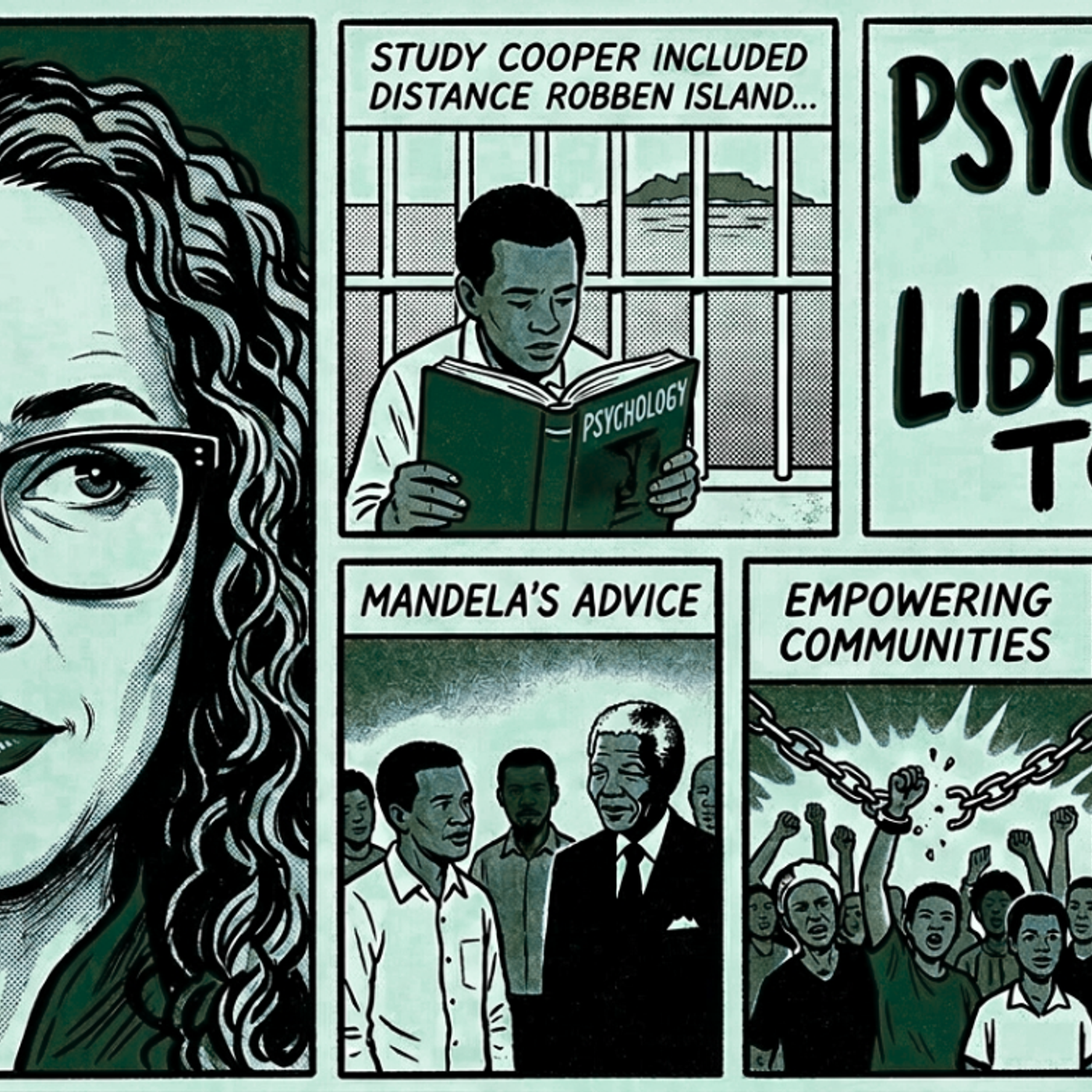 Saths Cooper: Psychology as a Liberation Tool 09.07.2026 23minJoin us as we uncover the remarkable story of Saths Cooper, a key figure in South Africa's liberation struggle. Learn how he transformed psychology from a tool of oppression to one of empowerment, and how his legacy continues to inspire change. #history #legend #activism #Empowerment #ChangeKEYWORDSSaths Cooper, South Africa, Robben Island, psychology, anti-apartheid, social justice, leadership, human rights, African liberation, psychological liberationKEY TOPICSSaths Cooper's early life and imprisonment on Robben IslandThe role of psychology in apartheid South AfricaCooper's transition from prisoner to global leader in psychologyThe intersection of psychology, human rights, and social justiceThe evolution of anti-apartheid activism post-releaseCHAPTERS00:00Introduction to Sathasivan Cooper00:10Robben Island05:06Post incarceration11:21Cooper in the new South Africa15:47Legacy and Continuing work
 -
 Saths Cooper: The Mind That Would Not Yield 02.07.2026 21minSaths Cooper's journey from childhood to imprisonment on Robben Island is a testament to his role in the Black Consciousness Movement and his enduring commitment to the struggle against apartheid. His early life, education, political activism, and imprisonment reflect the resilience and determination of a remarkable leader.TakeawaysMultilingual upbringing shaped Saths Cooper's worldviewSaths Cooper's role in the Black Consciousness Movement and his imprisonment on Robben Island are significant chapters in South African historyChapters00:00 Early Life and Multilingual Upbringing08:25 University and Political Engagement15:10 Cultural and Political Activism24:22 Banning and House Arrest31:03 The SASO Nine Trial37:07 Imprisonment on Robben Island
 -
 Art as Activism: The Legacy of Strini Moodley 11.06.2026 26minJoin us as we uncover Strini Moodley's revolutionary life, from his groundbreaking theatre work to his leadership in the Black Consciousness Movement. His legacy of resilience and creativity continues to inspire. #history #legend #activismKEYWORDSStrini Moodley, South Africa, Black Consciousness, Anti-Apartheid, Robben Island, Nelson Mandela, Political Activism, Art and Politics, Liberation MovementKEY TOPICSStrini Moodley's role in the Black Consciousness MovementHis experiences on Robben Island and relationship with Nelson MandelaThe significance of the hunger strike and international solidarityHis contributions to arts, theatre, and journalism in activismCHAPTERS00:00 Introduction and Acknowledgments01:32 The Life and Legacy of Strini Moodley06:49 Political Awakening and Early Activism11:40 The Black Consciousness Movement and Its Impact17:24 Imprisonment and Resistance on Robben Island22:12 Post-Prison Life and Continued Activism24:49 Reflections on Freedom and LegacyREFERENCESPBS Frontline. 'The Long Walk of Nelson Mandela — Interviews: Strini Moodley.' Interviewed by John Carlin, c.1999. Available at: https://www.pbs.org/wgbh/pages/frontline/shows/mandela/interviews/moodley.htmlBobby Sands Trust (2000). 'Another Brick in the Wall.' Interview with Strini Moodley by Eoin O'Broin. Available at: https://www.bobbysandstrust.com/another-brick-in-the-wall/South African History Online. 'Strinivasa Strini Moodley.' https://sahistory.org.za/people/strinivasa-strini-moodleySouth African History Online. 'The Crackdown on the Black Consciousness Movement in 1973.' https://sahistory.org.za/article/crackdown-black-consciousness-movement-1973Wikipedia. 'SASO/BPC Trial.' https://en.wikipedia.org/wiki/SASO/BPC_trialIOL / The Post (2017). 'My Dad, the Political Icon.' Profile of Strini Moodley by his daughter Camara Moodley. 4 November 2017. https://www.iol.co.za/thepost/my-dad-the-political-icon-11845788Voice of America News (2006). 'South African Activist Strini Moodley Dies.' 27 April 2006. https://www.voanews.com/a/a-13-2006-04-27-voa40/319981.html
 -
 Different Paths, Same Revolutionary Conclusion 04.06.2026 28minThe episode delves into the founding of SASO and the individual paths of five key figures who played pivotal roles in the organization. It explores their diverse backgrounds, experiences, and contributions to the movement, highlighting the unity in their diversity and the impact of their collective efforts.TakeawaysDiverse backgrounds led to a unified visionIndividual paths converged for collective impactChapters00:00 Introduction and Organization08:04 Petrus Machaka's Journey14:12 Aubrey Mokoape's Experience23:20 Winnie Kgware's Role32:08 Goolam 'Gees' Abram Mayet's Perspective38:48 Vuyelwa Mashalaba's Contribution44:16 Unity in DiversityREFERENCES'The Life and Politics of Steve Biko.' Yunus Momoniat, November 2014. https://sahistory.org.za/archive/life-and-politics-steve-biko-yunus-momoniat-november-2014'Winnie Motlalepule Kgware.' https://www.sahistory.org.za/people/winnie-motlalepule-kgware'South African Student Organisation (SASO).' https://sahistory.org.za/article/south-african-student-organisation-saso'The Formation of SASO and the Black People's Convention.' https://sahistory.org.za/article/formation-saso-and-black-peoples-conventionWikipedia. 'Aubrey Mokoape.' https://en.wikipedia.org/wiki/Aubrey_MokoapeWikipedia. 'Winnie Kgware.' https://en.wikipedia.org/wiki/Winnie_KgwareSABC News (2021). 'Dr Mokoape (moh-koh-ah-peh)Will Always Be Remembered as a Powerful Fighter Against Apartheid.' https://www.sabcnews.com/sabcnews/mokaope-will-always-be-remembered-as-a-powerful-fighter-against-apartheid-mkhize/Mail & Guardian (2018). 'BCM Women Led from the Front.' 24 August 2018. https://mg.co.za/article/2018-08-24-00-bcm-women-led-from-the-front/https://www.sowetanlive.co.za/sundayworld/lifestyle/2018-08-30-pioneering-women-paved-the-way/The Presidency of South Africa. 'Winnie Kgware (1917–1998).' https://www.thepresidency.gov.za/winnie-kgware-1917-1998African American Registry. 'Winnie Kgware, Teacher and Activist Born.' https://aaregistry.org/story/winnie-kgware-teacher-and-activist-born/
 -
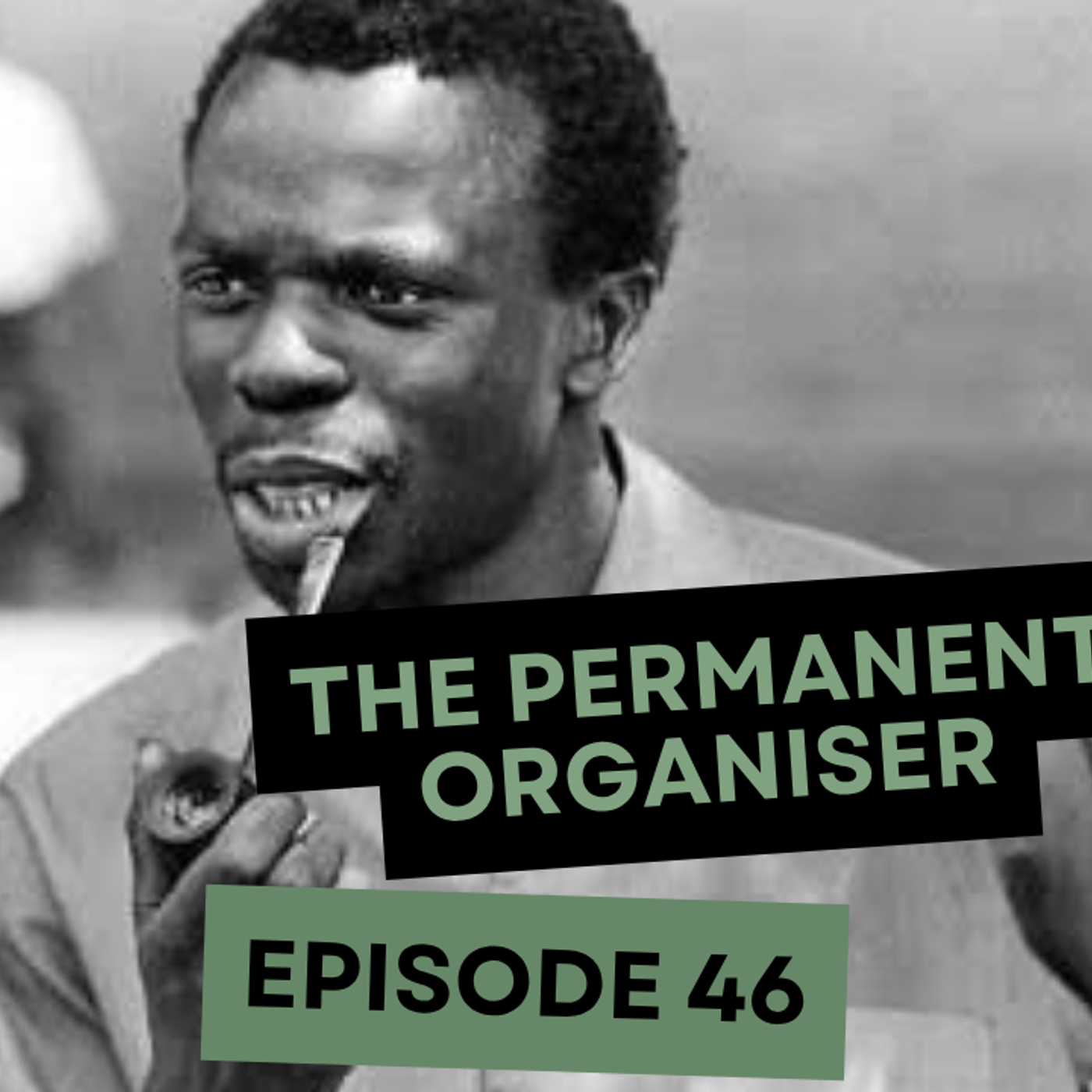 The Permanent Organiser 28.05.2026 34minUncover the legacy of Harry Nengwekhulu, whose work behind the scenes was crucial to South Africa's liberation. From crafting revolutionary ideas to organizing across borders, his story is a testament to the power of structural activism. Tune in for an inspiring tale of courage and integrity. #history #legend #activismKeywordsHarry Nengwekhulu, South African history, Black Consciousness Movement, SASO, exile, activism, apartheid, liberation, South Africa, political leadershipKey TopicsHarry Nengwekhulu's role in SASO and Black ConsciousnessThe impact of apartheid on black South Africans and resistance strategiesNengwekhulu's exile and international advocacy workTheoretical contributions to black consciousness and liberationPost-apartheid public service and ongoing legacyChapters00:00 Introduction and Context of the Conversation03:20 Catching up and recommendations06:16 Introducing Ranwedzi Harry Nengwekhulu11:02 The Student15:02 Building Black Consciousness and Community17:21 Fear and Psychological Reclamation19:48 Exile and International Connections26:10 Post-Apartheid Contributions and Integrity30:08 Recognition and Legacy of ActivismResourcesSouth African History Online - Harry NengwekhuluBlack Consciousness Movement - WikipediaSteve Biko - BiographyOrder of Luthuli - South African GovernmentUnited Nations Center Against Apartheid - DocumentsU.N. Paper by Nengwekhulu (1976)UNISA - Outstanding Educator AwardSouth African Management Development Institutehttps://sahistory.org.za/archive/meaning-black-consciousness-ranwedzi-nengwekhulu· Limpopo Mirror (2024). 'Black Consciousness father dedicates award to others.' 10 May 2024. · SADC Hashim Mbita Project. Southern African Liberation Struggles, Vol. 4. · Nengwekhulu (neng-weh-khoo-loo) interview, Pretoria, 19 October 2011.)
 -
 Barney Pityana: Activism and Theology 21.05.2026 29minThe episode delves into the life and impact of Barney Pityana, a key figure in the Black Consciousness Movement. It explores his role in the movement's birth, his influence on human rights and education, and his ongoing activism. The episode also highlights his international engagement and return to South Africa, showcasing his enduring commitment to social justice and human dignity.TakeawaysBarney Pityana's role in the Black Consciousness MovementThe impact of Barney Pityana's work on human rights and educationCHAPTERS00:00 Introduction to the Episode02:01 The Life and Impact of Barney Pityana03:52 The Black Consciousness Movement05:31 Early Life and Education of Barney Pityana07:16 Political Activism and Expulsions09:28 Formation of SASO and Leadership11:29 The Philosophy of Black Consciousness12:38 The Role of Faith in Activism14:39 Exile and Continued Activism16:05 Return to South Africa and Human Rights Work18:11 Legacy and Ongoing ResponsibilityRESOURCESWikipedia. 'Barney Pityana.' https://en.wikipedia.org/wiki/Barney_PityanaThe Presidency of South Africa. 'Barney Pityana (1945– ).' https://www.thepresidency.gov.za/barney-pityana-1945South African History Online. 'Professor Barney Nyameko Pityana.' https://www.sahistory.org.za/people/professor-barney-nyameko-pityanaSouth African History Online. 'The Formation of SASO and the Black People's Convention.' https://sahistory.org.za/article/formation-saso-and-black-peoples-conventionAfrican American Registry. 'Barney Pityana, African Policy Advocate born.' https://aaregistry.org/story/barney-pityana-african-policy-advocate-born/Nordic Africa Institute. Interview with Barney Pityana by Tor Sellström, Uppsala, 23 January 1997. https://nai.uu.se/library/resources/liberation-africa/interviews/barney-pityana.htmlLSE Africa at LSE Blog (2012). 'Black Consciousness, Black Theology, Student Activism and the Shaping of the New South Africa.' https://blogs.lse.ac.uk/africaatlse/2012/10/03/black-consciousness-black-theology-student-activism-and-the-shaping-of-the-new-south-africa-stevebiko/Prabook / World Biographical Encyclopedia. 'Barney Pityana.' https://prabook.com/web/barney.pityana/1431005
 -
 PETER JONES – THE MAN WHO SURVIVED 14.05.2026 42minExplore the life of Peter Cyril Jones, an unsung hero of the Black Consciousness Movement. His story of survival, activism, and testimony against apartheid's brutality is a testament to the power of resilience. Join us as we delve into his legacy and the ongoing quest for justice in South Africa. Perfect for listeners interested in history, activism, and the pursuit of truth. #history #legend #activism #BlackConsciousness #Justice KEYWORDSSouth Africa, apartheid, Steve Biko, Black Consciousness, activism, human rights, TRC, political imprisonment, community buildingKEY TOPICSPeter Cyril Jones's role in the anti-apartheid movementHis experiences of detention and tortureHis contributions to community activism and black consciousnessTAKEAWAYSPeter Cyril Jones was the last person to see Steve Biko alive.His detailed testimony at the TRC exposed systematic torture.Jones's activism was rooted in community building and self-reliance.His life exemplifies resilience and unwavering commitment to justice.CHAPTERS00:00 Introduction to Peter Cyril Jones00:27 The Life of Peter Cyril Jones02:09 Peter's Early Life and Political Awakening04:42 Involvement in Black Consciousness Movement07:36 Building Community Initiatives10:21 The Journey to Cape Town13:34 The Roadblock Incident17:30 Torture and Testimony18:41 The Specifics of Interrogation and Torture21:58 The Impact of Biko's Death on Jones24:06 The Long Detention and Its Psychological Effects27:24 Post-Detention Life and Continued Activism31:58 Testimony at the TRC and Its Implications36:29 Legacy and Commemoration of Peter JonesTestimony of Peter Cyril Jones. TRC Amnesty Hearings, Amnesty Committee of the Truth and Reconciliation Commission of South Africa. Two appearances: 9 December 1997 and 31 March 1998. Full transcripts published at: www.justice.gov.za/trc/media/1997/9712/s971209e.htm and www.justice.gov.za/trc/media/1998/9803/s980331b.htmJones, Peter Cyril. Oral history interview. Overcoming Apartheid project, Michigan State University, African Studies Center. Available at: overcomingapartheid.msu.edu. [Recorded approximately 30 years after the events described; Jones discusses his induction into Black Consciousness and his BCM activities.]Jones, Peter Cyril. Interview with Cheryl Roberts. 'Peter Jones Reflects on Black Consciousness and Steve Biko.' African Woman Warrior blog. September 2014. Available at: africanwomanwarrior.wordpress.comMasifundise Development Trust. 'Rest in power, comrade Peter.' Memorial tribute. March 2023. Available at: masifundise.orgSA history profile - https://sahistory.org.za/people/peter-jones
 -
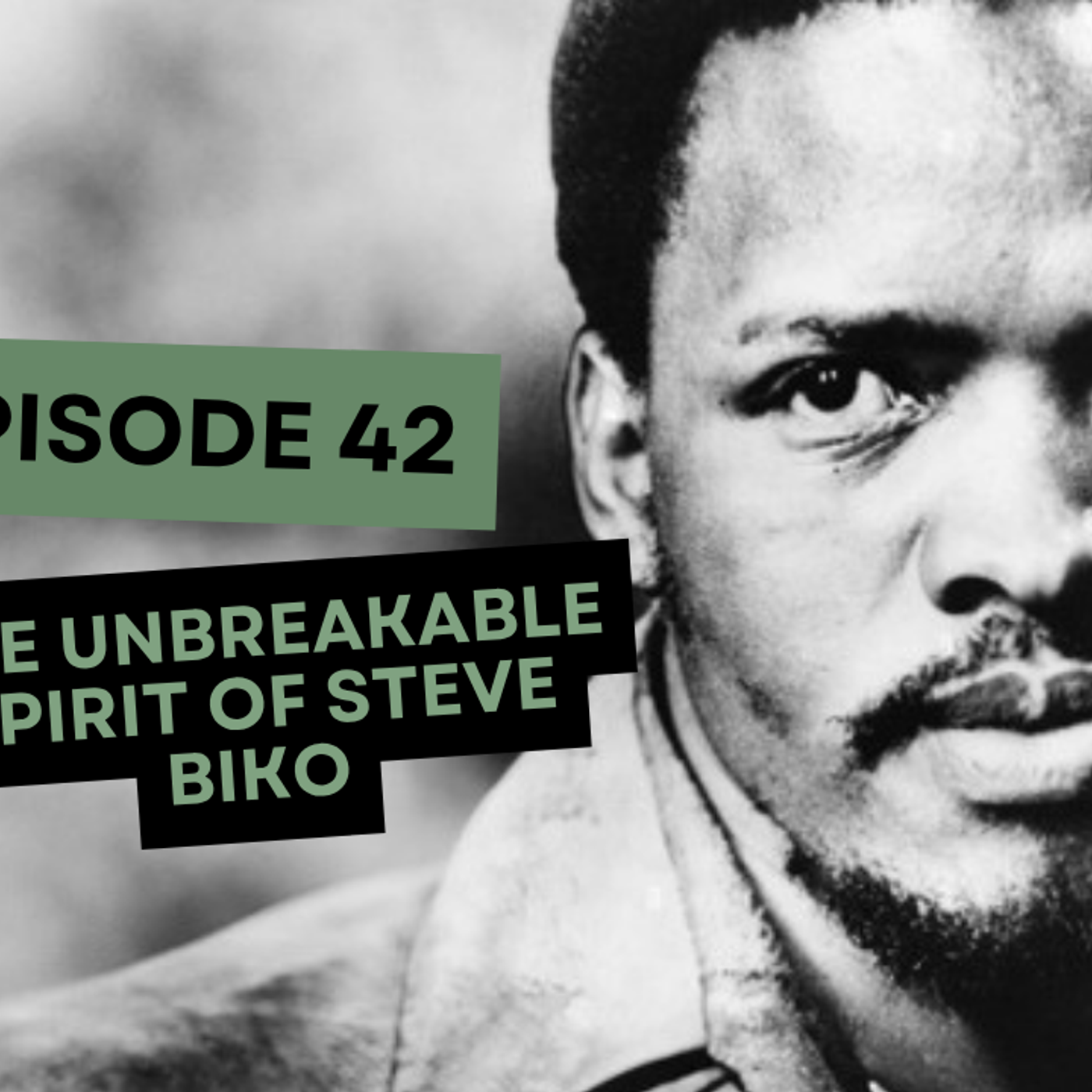 The Unbreakable Spirit of Steve Biko 30.04.2026 46minMost of us know Steve Biko as a symbol of resistance and integrity, but few understand the profound friendship and radical ideas that made him a threat to apartheid—and the legacy that still inspires today. In this episode, explore the extraordinary bond between Biko and Donald Woods, the white South African journalist who dared to defy the system to tell Biko’s story. Their friendship was more than personal; it was a powerful act of cross-divide connection that challenged the very foundations of apartheid-era ideology. Through gripping storytelling, we uncover how Woods and Biko’s honest conversations dismantled paternalistic liberalism, revealing truths about leadership, identity, and the fight for real freedom. You’ll discover the raw, detailed account of Biko’s relentless activism, the brutal injustices he endured—including his tragic death while in police custody—and how these events catapulted his message to global audiences. Woods’ courageous escape from South Africa, and his relentless effort to keep Biko’s voice alive, underscore the human cost of speaking out against tyranny. Key insights include: the groundbreaking friendship that bridged racial and ideological divides; Biko’s unwavering commitment to non-violence and human dignity; the oppressive tools of apartheid like banning orders and detention without trial—and how Biko’s resilience turned his suffering into a catalyst for change. We also break down the medical and political controversy surrounding his death, exposing the cruelty of a regime terrified of his influence. Why does this matter? Because understanding Biko’s life and death reveals the true power of principled leadership—showing that courage and conviction can ignite lasting change, even in the face of death. This episode is perfect for activists, history buffs, and anyone seeking lessons on resilience, justice, and the fight to humanize a broken system. Join us as we honour Steve Biko’s enduring legacy—a reminder that one voice, when rooted in truth and compassion, can change the world. Don’t miss this compelling exploration of a man whose life reminds us that true leadership is about daring to be your authentic self—and standing firm against brutality.KEY TOPICSThe friendship and intellectual exchange between Biko and WoodsBiko's banning, detention, and death under apartheidThe impact of Biko's activism on South African societyThe legacy of non-violent resistance and human rightsCHAPTERS00:00 The Unlikely Friendship of Biko and Woods04:53 Testimony to Steve Biko's Character08:39 The Aftermath of Biko's Death16:38 Biko's Banning and Continued Resistance25:05 Courage and Philosophical Consistency25:34 Steve Biko's Last Public Appearance29:04 The Last Arrest and Detention of Biko33:33 THE INTERROGATION34:54 The medical debacle39:28 The final journey40:53 Reflections on Biko's LegacyApartheid Museum 30th anniversary exhibition of the death of Bantu Stephen Bikohttps://www.apartheidmuseum.org/uploads/files/BIKO-1b.pdfhttps://www.apartheidmuseum.org/uploads/files/BIKO-2b.pdfhttps://www.apartheidmuseum.org/uploads/files/BIKO-3b.pdfCry Freedom (1987 film) - https://www.imdb.com/title/tt0092644/
 -
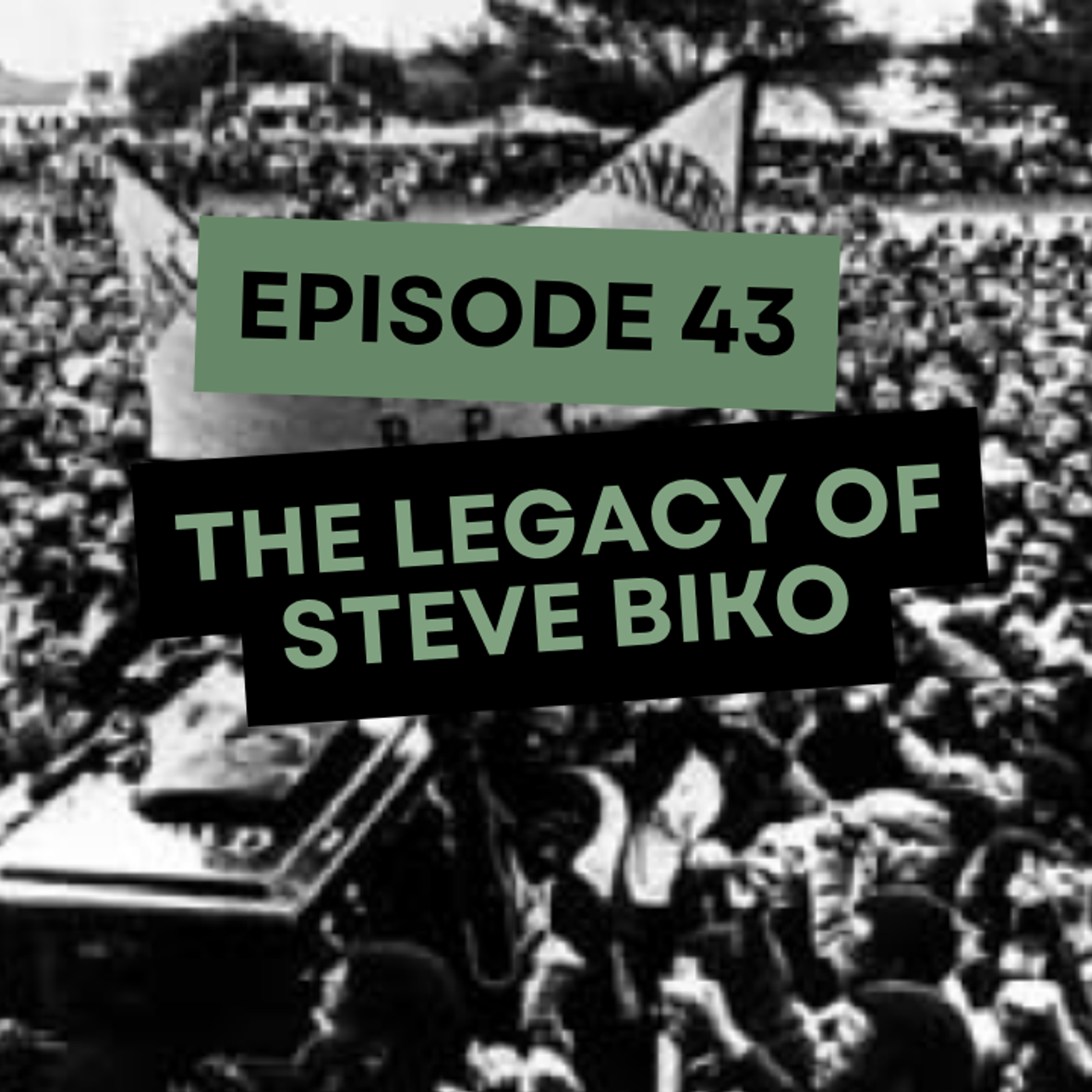 The Legacy of Steve Biko 07.05.2026 37minJoin us as we uncover the powerful story of Steve Biko, whose tragic death became a catalyst for change in South Africa. Through forensic evidence and historical insights, learn how Biko's ideas transcended his lifetime, shaping the ongoing struggle for freedom and justice. A must-listen for anyone committed to understanding the fight against systemic racism. #SteveBiko #Apartheid #Freedom #Justice #RacialEqualityKEY TOPICSSteve Biko's life and activismThe circumstances of Biko's death and the inquestThe legacy of Biko and the anti-apartheid movementCHAPTERS00:00 The Legacy of Steve Biko03:26 The Response to Biko's Death14:20 The Inquest30:05 The LegacyRESOURCESTruth and Reconciliation Commission (South Africa) - https://www.justice.gov.za/trc/I Write What I Like by Steve Biko - https://www.takealot.com/i-write-what-l-like/PLID44756559Biko - https://a.co/d/08kX4PhC or https://www.takealot.com/biko-the-powerful-biography-of-steve-biko-and-the-struggle-of-th/PLID72422188Apartheid Museum 30th anniversary exhibition of the death of Bantu Stephen Bikohttps://www.apartheidmuseum.org/uploads/files/BIKO-1b.pdfhttps://www.apartheidmuseum.org/uploads/files/BIKO-2b.pdfhttps://www.apartheidmuseum.org/uploads/files/BIKO-3b.pdf
 -
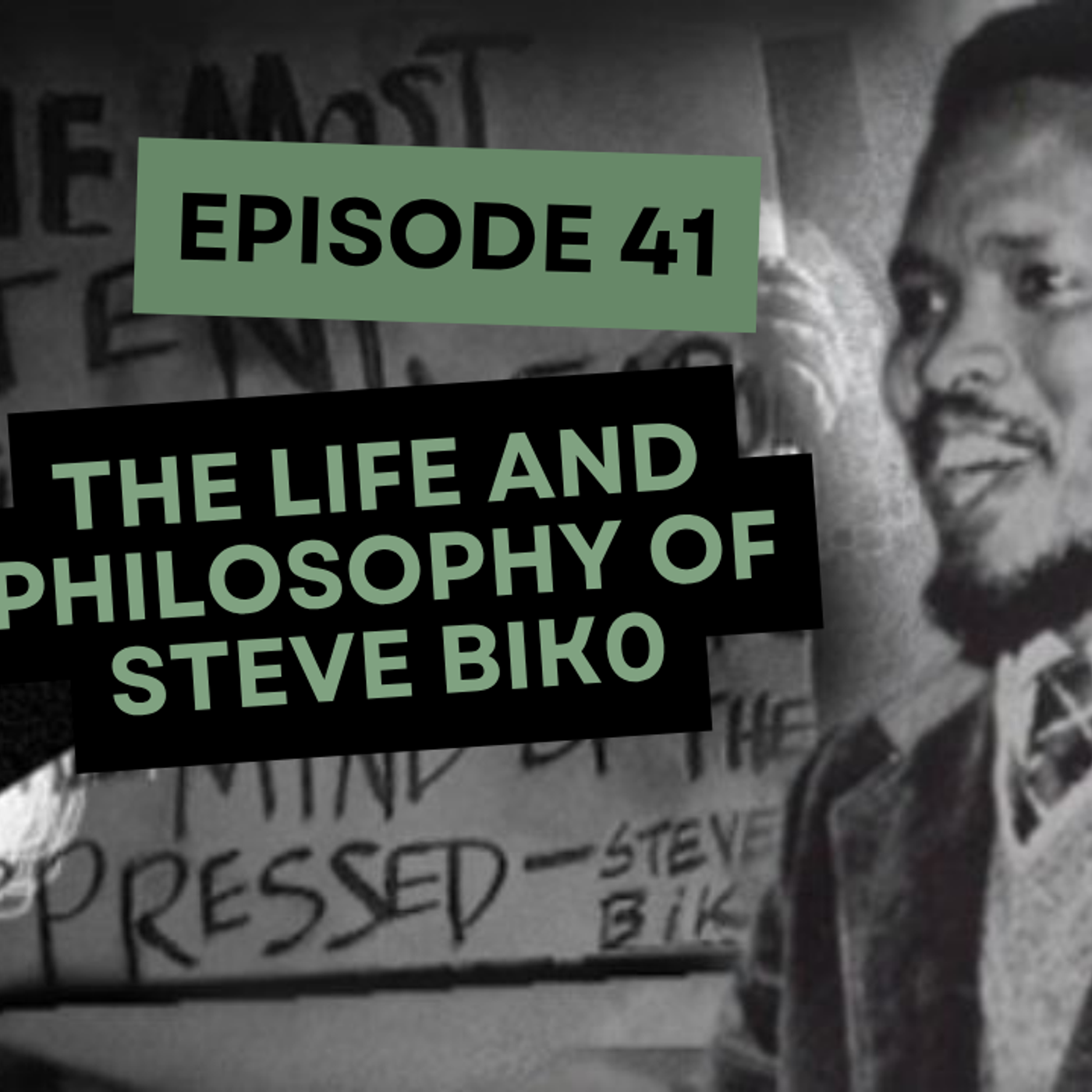 The Life and Philosophy of Steve Biko 23.04.2026 41minJoin us as we explore the life of Steve Biko, a pivotal figure in the fight against apartheid. Discover how his philosophy of Black consciousness became a blueprint for psychological and political change. This episode is a must-listen for anyone inspired by leaders who challenge injustice through the power of ideas. #SteveBiko #ApplePodcasts #BlackConsciousness #Leadership #InspirationKEY TOPICSSteve Biko's early life and educationThe philosophy of Black ConsciousnessCommunity activism and health initiativesThe role of SASO in black empowermentThe psychological impact of apartheid TAKEAWAYSSteve Biko emphasized the importance of psychological liberation as a foundation for political change.Black consciousness is about internal pride and self-reliance, not just political activism.Community programs like Zanempilo demonstrate the power of black-led institutions. CHAPTERS00:00 Introduction to Steve Biko's Legacy01:56 Psychological Liberation and Identity33:59 Community Action and Black Consciousness RESOURCESI Write What I Like by Steve Biko - https://www.takealot.com/i-write-what-l-like/PLID44756559Biko - https://a.co/d/08kX4PhC or https://www.takealot.com/biko-the-powerful-biography-of-steve-biko-and-the-struggle-of-th/PLID72422188Black Community Programs (Zanempilo) - https://en.wikipedia.org/wiki/Zanempilo_Community_Health_CentreSteve Biko - Official Biography - https://www.sahistory.org.za/people/steve-biko or https://en.wikipedia.org/wiki/Steve_BikoSouth African Students Organization (SASO) - https://en.wikipedia.org/wiki/South_African_Students_OrganizationApartheid Museum 30th anniversary exhibition of the death of Bantu Stephen Bikohttps://www.apartheidmuseum.org/uploads/files/BIKO-1b.pdfhttps://www.apartheidmuseum.org/uploads/files/BIKO-2b.pdfhttps://www.apartheidmuseum.org/uploads/files/BIKO-3b.pdf
 -
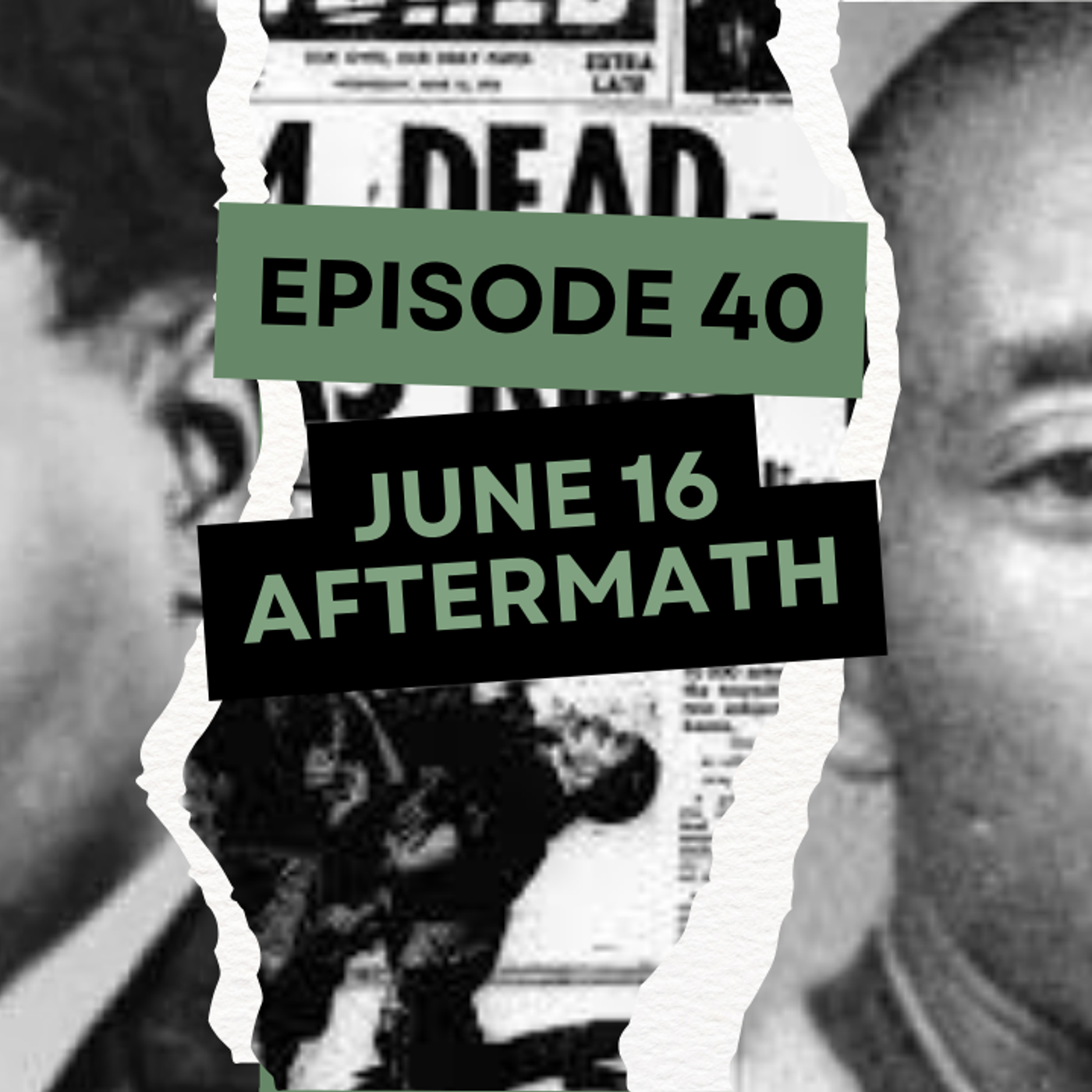 June 16th, Aftermath 09.04.2026 25minMost fights for freedom are won in the shadows—hidden from the headlines and often at the greatest personal risk. In this episode, we uncover the untold stories of South Africa’s underground resistance, featuring the life and legacy of Mapetla Mohapi, a quiet revolutionary whose work laid the groundwork for the end of apartheid. His tragic death in detention wasn’t just a loss—it was a catalyst that galvanized an entire movement, proving that organizational strength and strategic resistance can outlast even the harshest repression. You’ll discover how Mohapi, as a cornerstone of the Black Consciousness movement, built powerful underground networks that kept the spirit of rebellion alive after the crackdown of Black Wednesday. We break down the pivotal role of the black press, exemplified by journalists like Percy Qoboza, whose fearless reporting shattered apartheid’s narrative and kept hope alive amid brutal censorship. Learn how the media became a weapon of resistance, connecting communities, recording abuses, and exposing the truth to the world—despite threats, arrests, and banning orders. This episode also reveals how repression often unintentionally fuels further resistance. Black Wednesday’s silencing tactics didn’t stop the fight; they transformed it—deepening distrust in the system and inspiring radicalized youth to take action underground. By understanding these tactics and stories, you'll see how resilient movements are built not just on visibility but on organized, behind-the-scenes effort and martyrdom that inspire long-term change. Why does it matter? Because history shows us that even when authorities try to drown out voices, the spirit of resistance persists—hidden in codes, underground meetings, and clandestine journalism. Today, the fight for truth, justice, and community resilience continues in new forms, and understanding these stories gives you insight into the power of organized defiance against systemic oppression. Whether you're an activist, a history enthusiast, or simply curious about unseen resistance—this episode will leave you inspired and informed about the quiet heroes who changed South Africa forever. Perfect for students of history, activism, or anyone interested in the mechanics of rebellion—this episode unveils the unseen forces that fuel liberation movements and the lasting impact of courageous journalism and strategic resistance. Tune in to discover how integrity, organization, and sacrifice can shape history—and why their stories remain more relevant than ever. #Freedom #Resistance #MapetlaMohapi #BlackConsciousness #ApartheidCHAPTERS00:00 Ramadan Reflections and Personal Struggles03:08 Mapetla Mohapi — The Student Leader Who Died in Detention07:18 The Mysterious Death of Mapetla MohapI10:43 Black Wednesday: The Crackdown on Dissent17:17 The Legacy of Percy Ngobosa and the Black Press RESOURCESSteve Biko - Black Consciousness Movement - https://en.wikipedia.org/wiki/Steve_BikoPercy Qoboza - Journalist and Editor - https://en.wikipedia.org/wiki/Percy_QobozaSouth African Student Organization (SASO) - https://en.wikipedia.org/wiki/South_African_Student_OrganizationBlack Wednesday - Historical Event - https://en.wikipedia.org/wiki/Black_WednesdayCity Press - Newspaper - https://city-press.news24.com/
 -
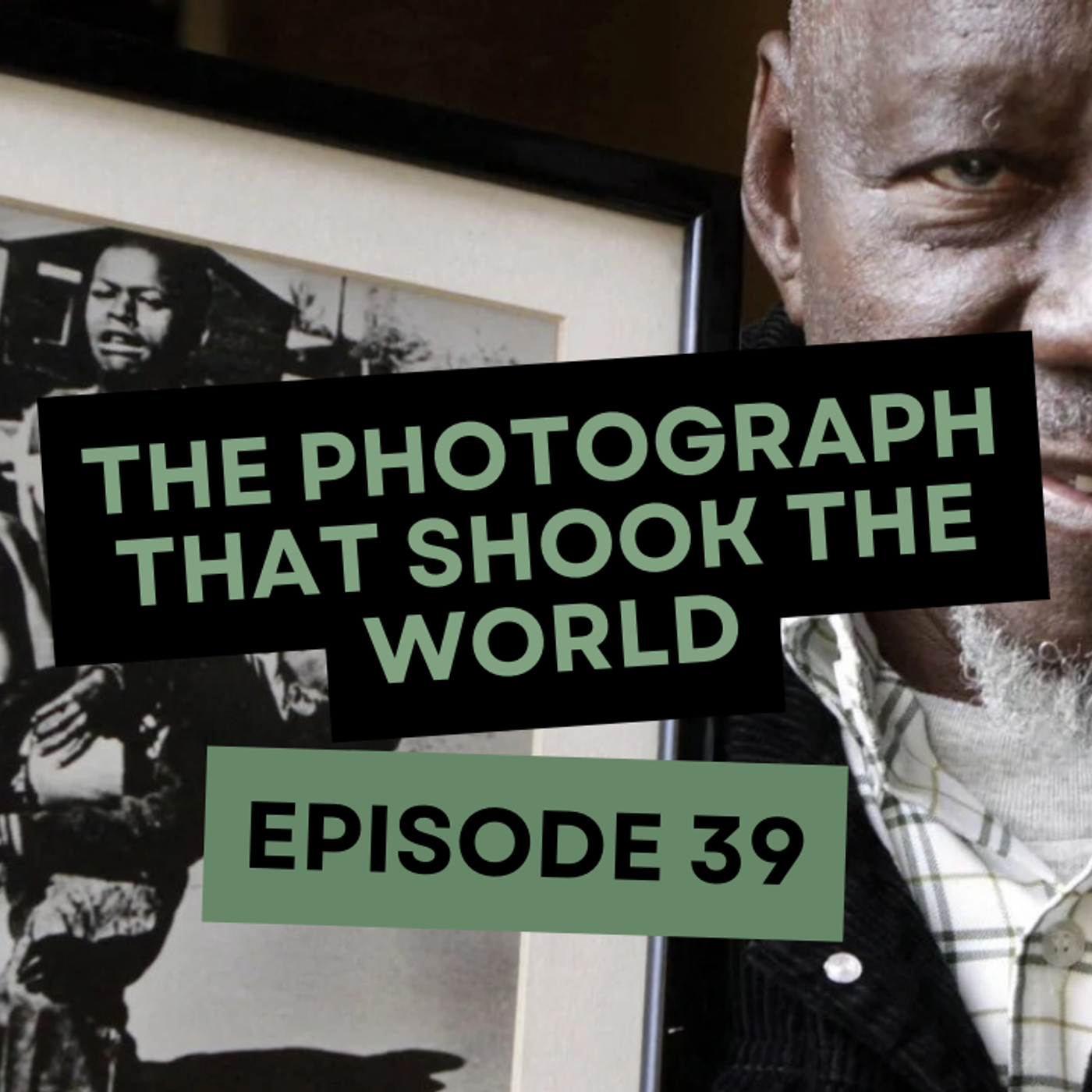 The Photograph that shook the world 02.04.2026 20minUncover the profound stories behind one of history’s most iconic photographs—images that shattered silence and changed South Africa forever.On June 16, 1976, a single photo captured the brutality of apartheid, but beneath it lie lives of ordinary heroes, silent victims, and unspoken resilience. This episode dives deep into the untold stories of Hastings Ndlovu, Hector Pieterson, Mbuyisa Makhubo, and journalist Sam Nzima—each woven into the fabric of history not by chance, but by ordinary human acts of courage.You'll discover:How one young boy’s death became a global symbol of injustice and forced the world to confront apartheid’s brutalityThe crucial role of a self-taught photographer who risked everything to expose truth under censorshipThe often-overlooked stories of the children, siblings, and bystanders whose lives were forever changed by that momentHow a single image can ignite international outrage, influence policy, and reshape a nation's futureThe enduring weight carried by survivors and witnesses long after the cameras stop rollingDive into the human cost behind the headlines and explore why these stories are essential for understanding not just history, but our shared humanity. Perfect for activists, history buffs, or anyone who believes one person’s courage can alter the course of history.This is more than a story; it’s a reminder that history is made in one street, in one moment—between a gunshot and a shutter click. Listen now to learn how these lives, caught in a single frame, continue to remind us of resilience, truth, and the power of ordinary acts in extraordinary times.#IconicImage #ApartheidHistory #CourageInAction #TruthTellers #Resilience KEY TOPICSThe story of Hastings Ndlovu and the significance of his deathHector Pieterson's life and the impact of his deathMbuyisa Makhubo's act of compassion and subsequent disappearanceSam Nzima's role as a photojournalist and the power of imageryThe global response to the Soweto uprising and its legacyTAKEAWAYSPhotographs can serve as powerful catalysts for social change.The stories of individuals in historical events are often overlooked but are crucial to understanding the full narrative.The personal cost of documenting history can be high for journalists and witnesses.Images from Soweto helped galvanize international opposition to apartheid.CHAPTERS00:00 The Power of a Photograph02:48 Hasting Ndlovu: The First to Fall05:30 Hector Pieterson — The Child Who Became a Symbol08:29 Antoinette Sithole — The Sister’s Cry10:15 Mbuyisa Makhubo — The Boy Who Carried the World’s Grief11:48 Sam Nzima — The Witness Behind the Lens17:44 The Human Cost of ApartheidRESOURCESHector Pieterson Memorial - https://hectorpieterson.co.za/Sam Nzima's Photography - https://en.wikipedia.org/wiki/Sam_NzimaSouth African History Online - Soweto Uprising - https://www.sahistory.org.za/article/soweto-uprising-16-june-1976Mbuyisa Makhubo's Story - https://www.sowetanlive.co.za/news/2010-06-16-the-unknown-hero-of-soweto/
 -
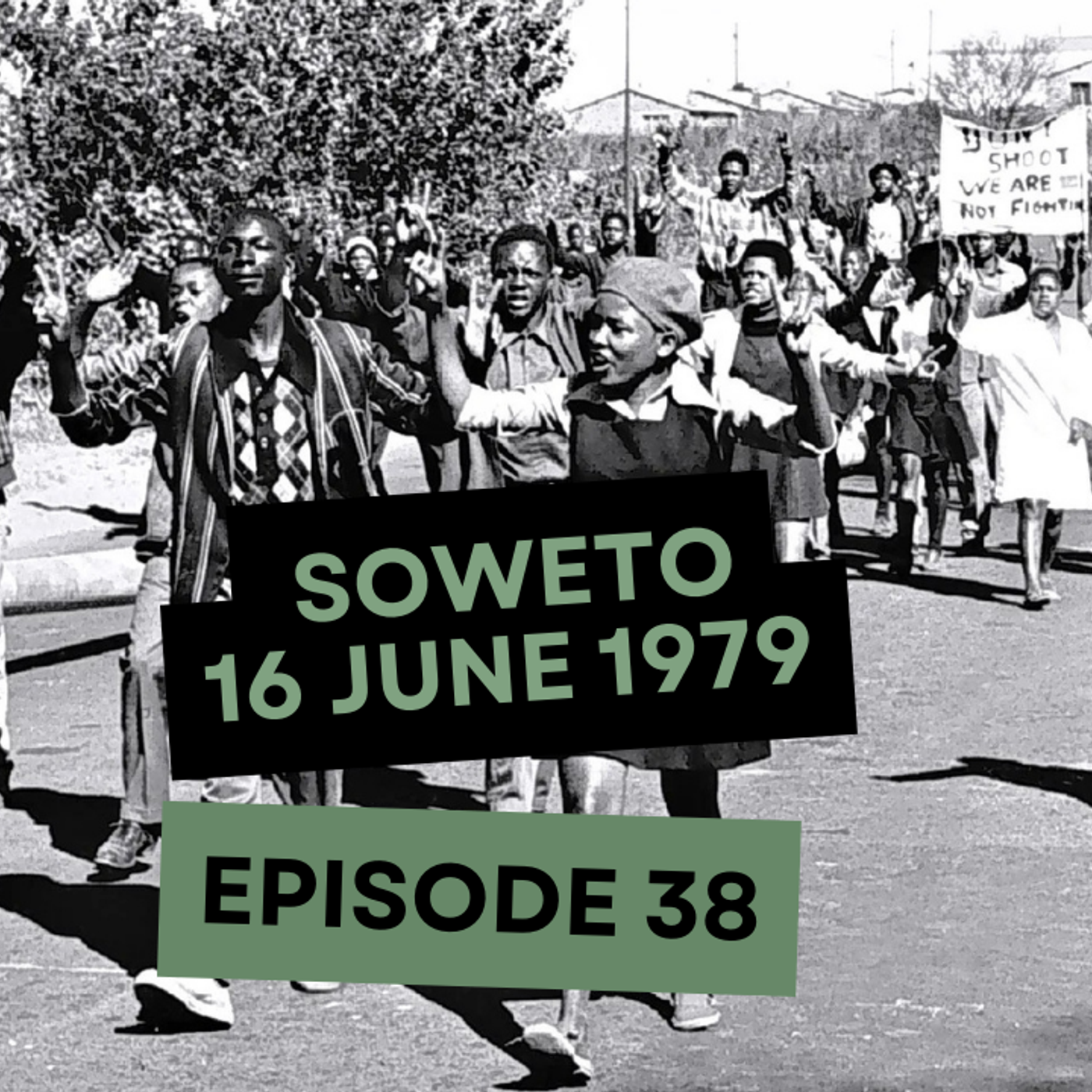 June 16, 1979 26.03.2026 32minThe story of Soweto's uprising on June 16, 1976, is a turning point in history you’ve never heard told quite like this. When thousands of students risked everything to march against apartheid's forced Afrikaans education policies, they ignited a revolution that changed South Africa forever—and proved that young voices can reshape the course of a nation. In this episode, you'll discover how peaceful protests turned into a mass uprising in a matter of hours, exposing the brutal truth behind apartheid’s violence and repression. We break down the strategic planning of students like Tsietsi Mashinini, the shocking moments when police opened fire, and the haunting image of Hector Pieterson that shocked the world. Listen as we reveal the terrifying crackdown that followed—mass detentions, executions, and a generation scarred by violence—and how these events laid the groundwork for South Africa’s eventual liberation. You’ll also learn about the long-term trauma faced by survivors, the brutal laws that helped imprison an entire movement, and the brave efforts of families, activists, and the TRC to uncover the truth. This isn’t just a history lesson — it’s a vital reminder of the costs of freedom, the resilience of youth, and the urgent need to remember and honour those who fought and fell for justice. Perfect for anyone committed to understanding how courage in the face of injustice can spark global change. Whether you're passionate about human rights, political activism, or simply interested in stories that inspire, this episode will leave you questioning what it really takes to rewrite history—and why we #SowetoUprising #FreedomFighters #YouthCourage #SocialJustice #NeverForgetKEY TOPICSThe events of June 16, 1976, in SowetoThe role of students and youth in resisting apartheidThe police response and use of live ammunitionThe international impact and media coverageThe long-term effects on South Africa's political landscapeTAKEWAYSThe Soweto uprising marked a turning point in the fight against apartheid.The use of live ammunition against unarmed students was a moral and political turning point.The images from Soweto, especially Hector Pieterson's photograph, galvanized global support.Many students faced detention, exile, and trauma, which shaped future activism.The uprising exposed the brutality of apartheid and accelerated its eventual collapse. CHAPTERS00:00 Introduction to June 16, 197606:54 Confrontation with Police: The Tensions Rise10:56 The Uprising: From Protest to Insurrection15:23 Aftermath: The Impact of June 1623:01 Exile and Its Consequences26:44 Legacy of the Youth Uprising29:46 Reflections on Sacrifice and Memory
Sarnased taskuhäälingud


Populaarne riigis
See taskuhääling on ka nende riikide taskuhäälingute edetabelites.
