
New Wave.
Hugo Rauch
0
New Wave is a podcast that explores the next wave of climate technology. Hosted by Hugo Rauch, it features discussions on innovations and trends in the climate tech space. The podcast is part of the New Wave newsletter community.
Osad
-
 #107 - Julia Padberg - SET Ventures - "The energy transition is not a technology challenge" 22.09.2026 51minSubscribe to the newsletter:New Wave | Hugo Rauch | Substack****New Wave is supported by:Evertrace: the leading founder detection engine for VCs. It traces signals across the digital landscape to uncover emerging founders earlier than anyone else, so you meet tomorrow’s founders today.I use it myself to source more deals at Climate Club, and I LOVE it. See what Evertrace can do for you here, or ask me for an intro and get a little something from the team ;)***🌊 Orchestrating the Energy TransitionWhy the biggest opportunity in energy may not be inventing new technology, but making the entire system work better.We’re joined by Julia Padberg, Partner at SET Ventures, one of Europe’s longest-standing specialist energytech investors. SET has been investing in the energy transition since 2007 — long before power became one of venture capital’s hottest markets.In this episode, we unpack what nearly two decades of energy investing teaches you about building enduring venture returns — and why Julia believes the energy transition is increasingly an integration challenge, not a technology challenge.As more investors rush into power, SET is taking a different approach: staying disciplined on valuations, backing companies that own critical customer interfaces, and looking for the orchestrators capable of connecting software, hardware, assets and capital.We also dive into one of the most interesting emerging models in climate venture: blended capital. Companies such as Decade Energy and Enrise can use infrastructure financing for physical assets while venture capital funds the technology and operating company — potentially allowing them to scale physical infrastructure without destroying venture-level returns.In our conversation, we covered:→ How do you build a venture firm that lasts? Why SET’s longevity comes down to specialization, network, discipline and becoming a trusted partner to both founders and LPs.→ Why everyone suddenly wants to invest in power. Energy security, electrification and sustainability are converging — but more capital also means higher valuations and more competition.→ Why SET doesn’t chase the hype. Entry valuation still matters in a European energy market where unicorn exits remain relatively rare.→ The real bottleneck in the energy transition. Julia argues that we already know how to make solar panels, batteries and EVs cheaper. The next challenge is coordinating millions of distributed energy assets.→ Why orchestration could create the biggest companies. The winners may be businesses that combine software, hardware, financing and services into one simple customer proposition.→ Can flexibility markets become overcrowded? Julia explains why the absolute volume of flexibility needed could continue increasing as intermittent renewable generation grows.→ The rise of blended capital models. How venture-backed companies can separate their technology stack from their capital stack using SPVs and infrastructure financing.→ Why infrastructure capital can actually increase venture returns. Rather than forcing VCs to fund batteries, solar or charging infrastructure, asset financing can remove one of the biggest constraints on scaling.→ Where AI fits into energy. From biodiversity monitoring around wind farms to infrastructure operations, Julia sees opportunities for AI to replace expensive legacy systems with cheaper, more intelligent solutions.→ Energy security is becoming an investment category. Cybersecurity, physical infrastructure monitoring and decentralised energy systems are moving higher on the agenda.→ Europe’s fragmentation is both a problem and a moat. Different regulations, grids and market structures make expansion harder — but companies that learn to navigate that complexity can build powerful competitive advantages.→ Why European startups don’t always need to internationalise immediately. In enormous energy markets such as Germany, owning a large portion of the value chain can create very large businesses without expanding into ten countries from day one.And Julia leaves us with three lessons from a decade of investing:1. The energy transition is an integration challenge.System integration and great business models can matter more than another silver-bullet technology.2. Value capture matters as much as value creation.Creating value for the energy system isn’t enough — the best businesses position themselves at critical interfaces where they can actually capture it.3. The best founders make complexity feel simple.Customers don’t want to understand every layer of the energy system. They want a solution that saves money, removes friction and makes saying yes obvious.***✨ Leave a review on Apple Podcast and Spotify to support the show. This is a public episode. If you would like to discuss this with other subscribers or get access to bonus episodes, visit newwavenewsletter.substack.com
 -
 #106 - Dinesh Ganesan - Arctern - Climate Investing in the Age of Compute 10.09.2026 54minSubscribe to the newsletter:New Wave | Hugo Rauch | Substack****🌊 Financing the Hardware EraWhy climate founders need to stop treating equity as the default way to pay for CapEx.We’re joined by William Godfrey of Tangible, who has spent the past few years developing a thesis around how climate and hardtech founders should combine equity, debt, equipment finance, asset-backed lending, project finance, and other forms of capital.Because one thing is becoming increasingly clear:We’re not going to solve climate change through software alone.Climate companies need factories. Equipment. Batteries. Robots. Infrastructure. Physical assets.And financing all of that with venture equity can become an extraordinarily expensive mistake.In this episode, we go deep on how founders should actually finance capital-intensive growth — and why the best climate companies may increasingly need to become as sophisticated at financial engineering as they are at technical engineering.One framework from William stuck with me:Equity is for uncertainty. Debt is for repeatability.Equity makes sense when you’re funding something that has never been done before: R&D, prototypes, first-of-a-kind technology, new teams and markets.But once you’re repeatedly deploying an asset with increasingly predictable economics, a different pool of capital becomes available.And learning how to access it can fundamentally change the economics of the company. Listen to this episode to learn more or read this guide by Tangible. ✨ Leave a review and share the episode if this conversation challenged the way you think about growth, innovation, and sustainability. This is a public episode. If you would like to discuss this with other subscribers or get access to bonus episodes, visit newwavenewsletter.substack.com
 -
 #105 - Steve Kloos - Burnt Island Ventures - “It's All One Water” 09.09.2026 43minSubscribe to the newsletter:New Wave | Hugo Rauch | Substack****🌊 Water’s Mispriced OpportunityWhy one of the world’s most essential markets may also be one of venture capital’s most overlooked.Ahead of The Drop in Malmö, we’re joined by Steve Kloos, Partner at Burnt Island Ventures, a venture firm dedicated exclusively to investing in water technologies.Water is foundational to life, and to the economy. Yet despite roughly $1.6 trillion in annual global spending, Steve argues it remains surprisingly underinvested by venture capital.In this episode, we approach water almost like a course: starting with the fundamentals, mapping the biggest problems and technologies, and asking a more provocative question:Could water actually be one of the more compelling venture categories today?Steve’s thesis comes down to a simple dynamic: entry valuations remain relatively reasonable, while the exit market is getting stronger. At the same time, climate change, industrial demand and water scarcity are forcing customers to spend.In our conversation, we covered:→ Why water is becoming impossible to ignore, from droughts and floods to industrial growth increasingly constrained by water availability.→ Why water has historically struggled to attract venture capital, and why Steve believes the market is beginning to shift.→ The “buy low, sell high” thesis for water, including why entry valuations can still be significantly lower than in hotter categories such as energy, AI or robotics.→ Why exits may matter more than IPOs, and how strategic buyers and private equity are acquiring emerging water-tech winners before they reach the public markets.→ Where the opportunities are today, advanced treatment, desalination and reuse, software, sensing, industrial water, insurance and climate resilience.→ Why industrial demand could become a major driver, particularly in semiconductors and other manufacturing processes requiring large volumes of ultrapure water.→ Where investors can get caught by hype, from ballast water to large-scale atmospheric water generation.→ How desalination could evolve, including subsea approaches designed to reduce energy consumption and environmental impact.Steve also walks through Burnt Island’s own experience. Its 2021 vintage Fund I made 18 investments and has already recorded three exits, including SewerAI, while beginning to return cash to investors.The broader argument is simple:Water may still look like a difficult, specialised category from the outside. But that complexity may be exactly why the opportunity remains underpriced.And as Steve puts it, the picture is becoming more obvious.✨ Leave a review and share the episode if this conversation challenged the way you think about growth, innovation, and sustainability. This is a public episode. If you would like to discuss this with other subscribers or get access to bonus episodes, visit newwavenewsletter.substack.com
 -
 #104 - William Godfrey - Tangible - CapEx Financing 101 08.09.2026 50minSubscribe to the newsletter:New Wave | Hugo Rauch | Substack****🌊 Financing the Hardware EraWhy climate founders need to stop treating equity as the default way to pay for CapEx.We’re joined by William Godfrey of Tangible, who has spent the past few years developing a thesis around how climate and hardtech founders should combine equity, debt, equipment finance, asset-backed lending, project finance, and other forms of capital.Because one thing is becoming increasingly clear:We’re not going to solve climate change through software alone.Climate companies need factories. Equipment. Batteries. Robots. Infrastructure. Physical assets.And financing all of that with venture equity can become an extraordinarily expensive mistake.In this episode, we go deep on how founders should actually finance capital-intensive growth — and why the best climate companies may increasingly need to become as sophisticated at financial engineering as they are at technical engineering.One framework from William stuck with me:Equity is for uncertainty. Debt is for repeatability.Equity makes sense when you’re funding something that has never been done before: R&D, prototypes, first-of-a-kind technology, new teams and markets.But once you’re repeatedly deploying an asset with increasingly predictable economics, a different pool of capital becomes available.And learning how to access it can fundamentally change the economics of the company. Listen to this episode to learn more or read this guide by Tangible. ✨ Leave a review and share the episode if this conversation challenged the way you think about growth, innovation, and sustainability. This is a public episode. If you would like to discuss this with other subscribers or get access to bonus episodes, visit newwavenewsletter.substack.com
 -
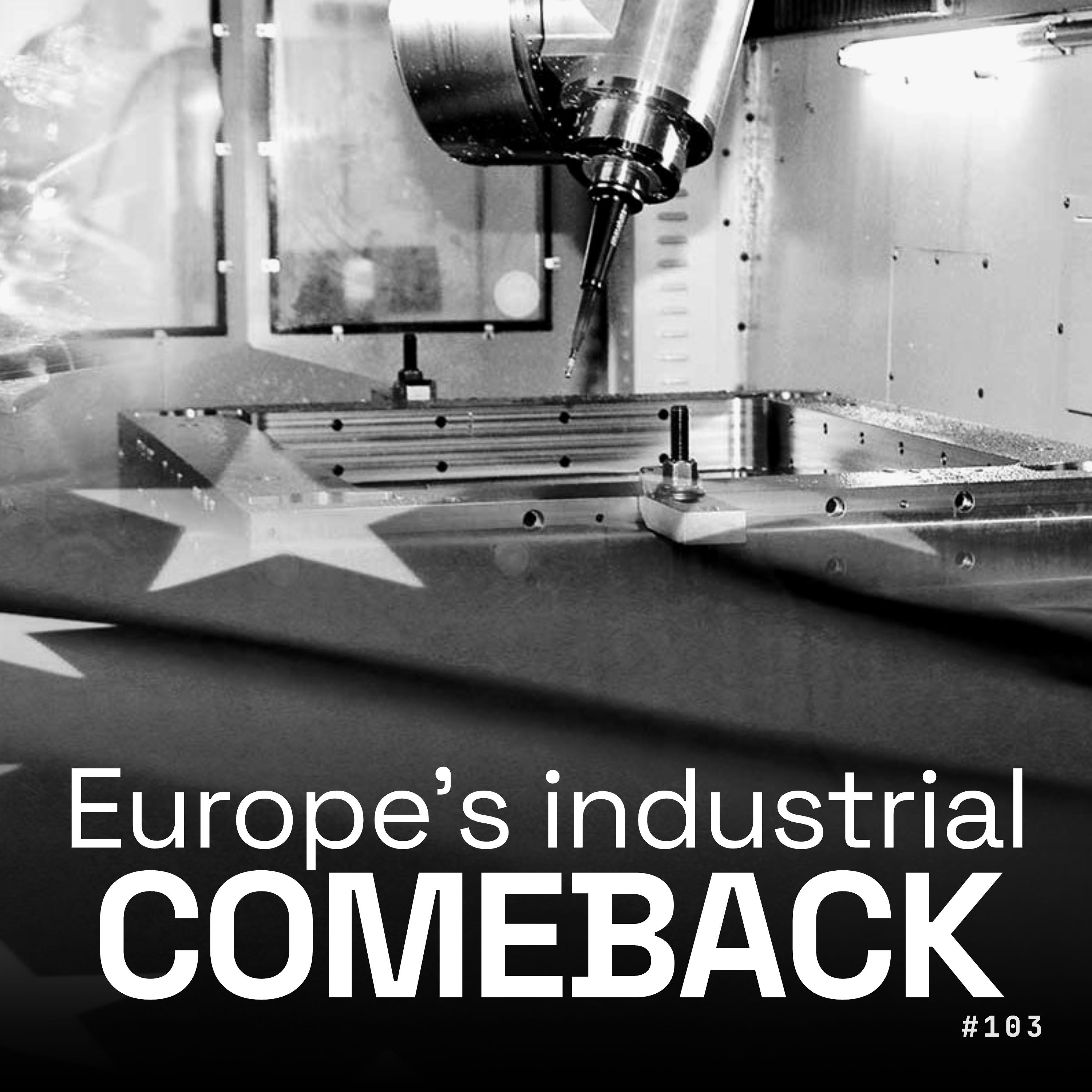 #103 - EDF, HTGF, Tetmet - Can Startups Reindustrialise Europe? 21.07.2026 51minSubscribe to the newsletter:New Wave | Hugo Rauch | Substack****Brought to you by:EDF: partnering with New Wave on this mini-series to explore how cleaner energy, industrial innovation, and ambitious startups can rebuild Europe’s productive edge. Discover EDF’s work with industrial and climate innovators here.****👉 Europe cannot rebuild the pastReindustrialisation does not mean bringing back the factories Europe lost in the 1980s and 1990s. With high energy prices, material dependencies, labour shortages, and fragile supply chains, Europe needs a fundamentally different model: cleaner, more automated, less resource-intensive, and more flexible.👉 Startups don’t need more pilots. They need venture customersA startup cannot rebuild European industry alone. Neither can a corporate or a VC. The real unlock could be a three-way alliance: startups create the technology, investors finance the risk, and venture customers provide credibility, industrial access, and a path to scale.But are corporates prepared to make bold commitments, or will startups remain trapped in endless €10K pilot projects?👉 Europe has a speed problemEuropean founders are asked for three years of factory data before building their first factory. American investors ask whether the same technology could work in space.Europe has grants, engineering talent, and political ambition. What it lacks is faster capital, simpler programmes, unified rules, and a greater willingness to back step changes rather than incremental improvements.The cost of moving too slowly? Europe’s most ambitious companies, and their factories, may be financed and built elsewhere.****ReferencesEDF Pulse Pilot and industrial demonstration programmesSPRIND innovation programmesEuropean Innovation Council funding programmes Europe’s net-zero manufacturing capacity objectives****Wave MakersDr. Anne Umbach — HTGFMichel Hunsicker — EDF Pulse VenturesTom Vroemen — TETMET****Chapters(00:00) Can startups help Europe reindustrialise?(01:05) What reindustrialisation actually means(03:20) The factory of the future(09:15) Does Europe need to own its industrial infrastructure?(12:30) The role startups should play(15:40) What makes an industrial startup VC-backable?(21:35) Europe’s capital gap—and the American comparison(26:30) Venture customers as the missing unlock(31:35) How EDF helps startups cross the industrialisation gap(34:25) Grants, bureaucracy, and Europe’s fragmented programmes(37:10) Bold bets versus techno-economic reality(41:20) Will customers pay a European premium?(43:35) Is Europe on track for 2030?(48:20) One wish to accelerate European industry This is a public episode. If you would like to discuss this with other subscribers or get access to bonus episodes, visit newwavenewsletter.substack.com
 -
 #102 - Marco Bertone - Syntetica - Nylon's dirty secret 16.07.2026 58minSubscribe to the newsletter:New Wave | Hugo Rauch | Substack****🌊 Can Fashion Break Free From Fossil Fuels?How Syntetica plans to turn the textile industry’s most complex waste into a scalable source of new materials.We’re joined by Marco Bertone, CEO and co-founder of Syntetica, a circular chemistry company building technology to recycle blended nylon waste.Fresh off a $30 million funding round, Marco is working on a problem few companies have been able to solve: recovering high-quality nylon from garments made with multiple fibres, colours and coatings.The scale of the challenge is difficult to ignore.More than 100 billion garments are produced every year. Many are worn only seven to ten times, while roughly 92 billion garments end up in landfill or incineration.In this episode, we unpack why the textile recycling system remains fundamentally broken — and what it takes to build a circular alternative that can compete with fossil-based materials on quality, performance and price.In our conversation, we covered:→ Why fast fashion created a waste problem that consumer behaviour alone will not solve→ Why blended fabrics make textile recycling radically more difficult than recycling bottles→ How Syntetica separates nylon 6 and nylon 6,6 from cotton, polyester, elastane and coatings→ Why low-temperature, low-pressure chemistry could unlock competitive unit economics→ What it takes to finance a first-of-a-kind chemical facility→ How partnerships with Michelin, Lululemon, Uniqlo, MAS Holdings and other industry players help de-risk the path to scale→ Why recycled materials must reach price parity with virgin nylon to become truly mainstreamMarco also shares what he had to learn moving from marketing into chemistry, industrial operations and project finance — and why the long-term ambition extends far beyond textiles.The bigger goal: prove that a century of fossil-based production can be replaced by genuinely scalable circular technology.✨ Leave a review and share the episode if this conversation challenged the way you think about growth, innovation, and sustainability. This is a public episode. If you would like to discuss this with other subscribers or get access to bonus episodes, visit newwavenewsletter.substack.com
 -
 #101 - Juan Nieto - Zacua VC - "Cement is the world's 3rd largest emitter" 14.07.2026 54minSubscribe to the newsletter:New Wave | Hugo Rauch | Substack****Supported by:Leonard: The innovation and foresight platform of the VINCI Group, to tackle some of the biggest challenges facing VINCI’s businesses: the digital revolution, the accelerating pace of innovation, and the environmental transition.****🌊 The Next Climate Wave Is Built, Not CodedWhy decarbonizing the physical world requires better materials, specialist investors, patient capital, and a new approach to industrial adoption.We’re joined by Juan Nieto of Zacua Ventures, an investor focused on the technologies reshaping construction, infrastructure, real estate, and the wider built environment.Juan began his career as a civil engineer before moving into private markets and later joining Cemex’s corporate venture capital team. There, he saw firsthand that many of the technologies needed to decarbonize construction simply did not exist yet.That realization eventually led him to help build Zacua Ventures: a specialist investment platform connecting ambitious founders with some of the world’s largest construction and industrial companies.In this episode, we explore why the built environment represents one of climate tech’s largest, and most difficult, opportunities.Construction is responsible for a major share of global emissions. But replacing cement, steel, insulation, and other foundational materials is not as simple as producing a better result in a laboratory.A startup must meet strict performance standards, navigate regulation, integrate into deeply entrenched supply chains, win the trust of conservative buyers, finance industrial production, and prove that its technology works repeatedly in the real world.The opportunity is enormous. So is the execution risk.In our conversation, we covered:→ Why cement is so difficult to decarbonize→ What is really pushing construction companies to change→ Why a superior material is not enough→ How startups can compete with industrial incumbents→ Why industrial scaling cannot follow the SaaS playbook→ Where Juan sees the strongest material opportunities→ Why specialist investors may see the next wave earlier→ How AI is redirecting capital toward the physical world→ Where robotics meets climate and construction→ Why construction innovation is ultimately a humanitarian issueJuan’s central message is clear:The physical world will not decarbonize through one breakthrough material or one category-defining startup.It will require coordinated progress across materials, energy, robotics, financing, regulation, industrial production, and customer adoption.The next generation should not inherit a world where basic housing, clean water, electricity, and infrastructure have become less accessible. Innovation in the built environment is how we begin to change that.✨ Leave a review and share the episode if this conversation challenged the way you think about growth, innovation, and sustainability. This is a public episode. If you would like to discuss this with other subscribers or get access to bonus episodes, visit newwavenewsletter.substack.com
 -
 #100 - Driss Laraqui - Fenix Energy - Using Iron as a Fuel to Replace Natural Gas 06.07.2026 49minSubscribe to the newsletter:New Wave | Hugo Rauch | Substack****Supported by:Leonard: The innovation and foresight platform of the VINCI Group, to tackle some of the biggest challenges facing VINCI’s businesses: the digital revolution, the accelerating pace of innovation, and the environmental transition.****🌊 Can Iron Replace Natural Gas?How a rechargeable metal fuel could reshape high-temperature industrial heat, and Europe’s energy sovereignty.We’re joined by Driss Laraqui, CEO and co-founder of Fenix Energy, a deeptech founder turning iron powder into a circular fuel for industrial heat.The premise sounds almost like science fiction: burn iron powder, capture the iron oxide, recharge it with electricity, and use it again.But for Driss, this is not a lab experiment.Fenix is building industrial boilers designed to generate high-temperature heat — up to roughly 900°C, for sectors that remain heavily dependent on natural gas and difficult to electrify.In this episode, we dive into one of climate tech’s hardest problems: how to decarbonize industrial heat without asking every factory to rely on constant access to cheap electricity and massive grid connections. And we unpack what it really takes to turn a scientific breakthrough into an infrastructure business that customers can actually deploy.In our conversation, we covered:→ Why industrial heat is becoming a geopolitical problem — from gas-price volatility to security of supply→ Why direct electrification does not solve everything — especially for continuous industrial processes and sites without sufficient grid capacity→ How iron works as a rechargeable fuel — burning into iron oxide, then regenerating the material with electricity→ Why mobility changes the storage equation — Fenix can move energy in the form of iron powder instead of keeping storage stationary→ The economics of heat-as-a-service — and why taking CapEx off the customer’s balance sheet can accelerate adoption→ Why modularity matters in deeptech — finding the right reactor size, stacking systems, and avoiding endless re-engineering→ How first customers finance emerging industrial technologies before banks and infrastructure funds are ready→ Why Driss believes Europe is still one of the best places to build climate deeptechOne idea stayed with me.Most conversations about industrial decarbonization search for the winning technology.Driss sees the opposite.The future energy system will be a mix: direct electrification where it works, biomass where it makes sense, nuclear in some contexts — and new energy carriers like iron for industrial sites that cannot simply plug into more power.Fenix is betting that iron can become one of those missing bricks.And perhaps the most interesting part is that the core challenge is no longer purely scientific.As Driss puts it, the company is increasingly in development, not research.The question now is execution: engineering the boiler, coordinating suppliers, sourcing cheap electricity, building the regeneration infrastructure, moving powder between sites, financing first-of-a-kind deployments — and making the full system competitive with natural gas.That is where deeptech becomes a business.✨ Leave a review and share the episode if this conversation challenged the way you think about growth, innovation, and sustainability. This is a public episode. If you would like to discuss this with other subscribers or get access to bonus episodes, visit newwavenewsletter.substack.com
 -
 #99 - Clara Ricard - Transition - "Hardware can scale as fast as software, China proved it" 30.06.2026 40minSubscribe to the newsletter:New Wave | Hugo Rauch | Substack****🌊 Building Deep Tech at Software SpeedWhat separates the best hardware founders, and why conviction matters more than consensus.We’re joined by Clara Ricard, investor at Transition, focused on hardware and industrial deep tech, to explore what it really takes to build and back the next generation of climate and frontier technologies.Hardware startups don’t follow the neat trajectories investors became accustomed to during the SaaS era. Their paths are messier, more capital-intensive, and often require a fundamentally different way of thinking about risk, talent, and execution.In this conversation, we unpack why the best venture investments often begin with disagreement, how elite engineering cultures create outsized companies, and what founders can learn from organizations like SpaceX, Tesla, and ASML.In this episode, we covered:→ Why hardware investing requires a different mindset than SaaS→ Why great VC partnerships shouldn’t always agree→ How SpaceX, Tesla, and ASML created cultures that move hardware at extraordinary speed→ Why operator networks outperform impressive résumés→ The role of luck—and how investors try to recognize it→ Why accepting more failures may actually produce better venture returns→ Whether Europe can compete with China’s manufacturing advantage✨ Leave a review and share the episode if this conversation challenged the way you think about growth, innovation, and sustainability. This is a public episode. If you would like to discuss this with other subscribers or get access to bonus episodes, visit newwavenewsletter.substack.com
 -
 #98 - Andreas Saari - Paebbl - The cement that stores carbon - (live recording) 23.06.2026 24minBrought to you by:Heights: a design agency founded by Gabri Grassi, helping impact-driven tech companies sharpen their brand, attract investors, and scale their reach. Grab your free brand checklist here or reach out to Gabri to elevate your brand.****Subscribe to the newsletter:New Wave | Hugo Rauch | Substack****🌊 Building Concrete That Stores CarbonCan the world’s most essential building material become a climate solution?We’re joined by Andreas Saari, Co-Founder & Co-CEO of Paebbl, a company developing carbon-storing materials that can be blended directly into concrete.Cement is responsible for roughly 8% of global CO₂ emissions. The challenge isn’t just the energy required to produce it, half of the emissions come from the chemistry itself. In this conversation, Andreas explains why decarbonizing cement is one of climate tech’s hardest problems and why entirely new materials may offer a path forward.We also explore what it takes to bring a novel industrial material to market, how risk is shared across the construction value chain, and why Europe could play a defining role in the next industrial era.In our conversation, we covered:→ Why cement remains one of the toughest sectors to decarbonize→ How Paebbl turns captured CO₂ and abundant minerals into a carbon-storing construction material→ Why customers increasingly demand low-carbon concrete—and who’s willing to pay for it→ The challenge of proving performance when buildings and infrastructure are on the line→ How Paebbl brought companies like Holcim and Amazon’s Climate Pledge Fund onto its cap table to align incentives→ Why scaling industrial climate technologies requires a completely different financing model→ Europe’s opportunity to lead a new wave of industrial innovation→ The emerging software, AI, and materials technologies transforming the construction industry✨ Leave a review and share the episode if this conversation challenged the way you think about growth, innovation, and sustainability. This is a public episode. If you would like to discuss this with other subscribers or get access to bonus episodes, visit newwavenewsletter.substack.com
 -
 #97 - Beau-Anne Chilla - FORWARD.one - "Technology without commercialization is just expensive science" 16.06.2026 41minBrought to you by:Heights: a design agency founded by Gabri Grassi, helping impact-driven tech companies sharpen their brand, attract investors, and scale their reach. Grab your free brand checklist here or reach out to Gabri to elevate your brand.****Subscribe to the newsletter:New Wave | Hugo Rauch | Substack****🌊 Turning Deep Tech Into Industrial ChampionsWhy commercialization is the real bottleneck for climate and industrial innovation.We’re joined by Beau-Anne Chilla, Partner at ForwardONE, an early-stage deep tech investor focused on industrial and energy technologies.In this episode, we explore what it really takes to turn breakthrough technologies into category-defining companies, and why Europe may be entering a once-in-a-generation moment for industrial innovation.Beau shares lessons from investing in hardware, quantum computing, energy infrastructure, and industrial software, as well as his perspective on where climate investing is headed next.In our conversation, we covered:→ Why “technology without commercialization is just expensive science”→ The biggest mistakes technical founders make when scaling sales→ How to evaluate deep tech before the market fully exists→ What VCs get wrong about hardware investing→ The reality of commercializing industrial technologies→ Why customer validation matters more than investor excitement→ Investing in quantum computing before the market arrives→ Europe’s opportunity to lead in energy and industrial innovation→ Why efficiency may be one of the most overlooked climate solutions→ How ForwardONE identifies winners and doubles down on convictionOne theme stood out throughout the conversation: innovation alone isn’t enough. The companies that create lasting impact are the ones that bridge the gap between technical excellence and commercial execution.As Beau puts it, founders need to build products customers are willing to adopt, not just technologies that are impressive in the lab.We also discuss why climate and industrial investing should no longer be viewed as separate categories. Improving efficiency, reducing energy consumption, and modernizing industrial systems may not always be the most radical solutions, but they can create enormous impact at scale.And as Europe pushes for greater energy independence and industrial resilience, Bo believes the timing has never been better.✨ Leave a review and share the episode if this conversation challenged the way you think about growth, innovation, and sustainability. This is a public episode. If you would like to discuss this with other subscribers or get access to bonus episodes, visit newwavenewsletter.substack.com
 -
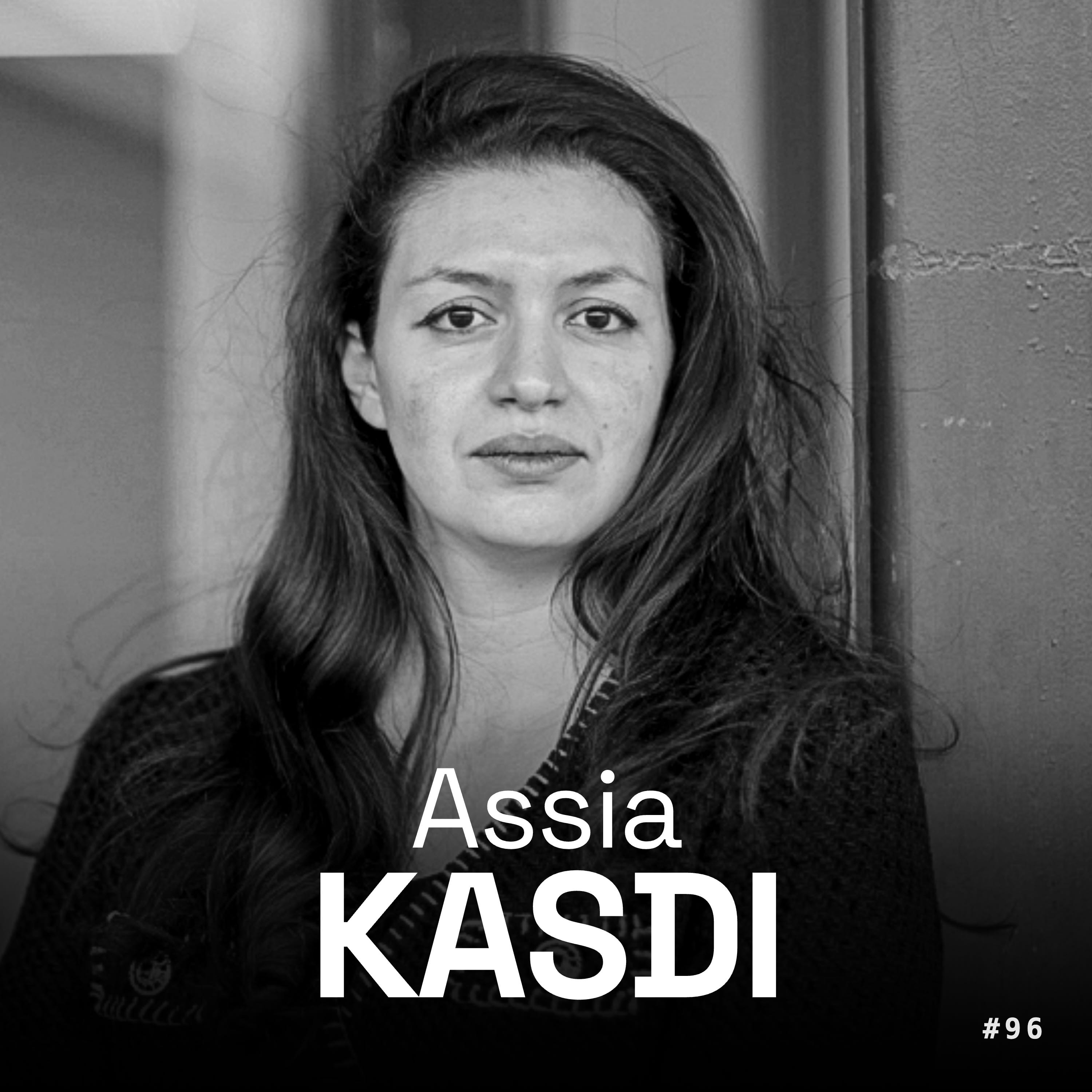 #96 - Assia Kasdi - Milvus Advanced - "Can we create metals like we create shampoos?" 09.06.2026 42minBrought to you by:Heights: a design agency founded by Gabri Grassi, helping impact-driven tech companies sharpen their brand, attract investors, and scale their reach. Grab your free brand checklist here or reach out to Gabri to elevate your brand.****Subscribe to the newsletter:New Wave | Hugo Rauch | Substack****🌊 The New Alchemy of Clean EnergyWhy the future of climate-tech may depend on replacing critical minerals altogether.We’re joined by Assia, CEO of Milvus Advanced, an Oxford-born materials startup developing earth-abundant nanoalloys that can replace critical minerals like platinum, iridium, and indium.What started as a PhD research project became a mission to solve one of the biggest hidden bottlenecks in the energy transition: our dependence on scarce, geopolitically concentrated materials.In this episode, we explore why the clean energy transition is ultimately a materials challenge, and what it takes to build entirely new metals from scratch.In our conversation, we covered:→ Why Assia abandoned the idea that renewables are inherently sustainable→ The journey from Oxford chemistry labs to venture-backed founder→ How a 13th-century story about “German Silver” inspired a breakthrough in nanomaterials→ Why most climate technologies depend on fragile mineral supply chains→ The hidden role of metals in batteries, hydrogen, semiconductors, and clean energy systems→ Why performance alone isn’t enough—and why cost always wins→ How Milvus is creating substitutes for platinum-group metals using abundant materials like copper and nickel→ The challenge of scaling chemistry from milligrams to kilograms—and eventually tons→ What founders can learn from academia about risk, persistence, and conviction→ Why climate startups are increasingly becoming sovereignty and defense companiesOne of Assia’s most striking observations is that technologies don’t actually care which element they’re using. They care about the properties. The opportunity is about recreating critical minerals behavior with materials that are abundant, affordable, and locally available.If that thesis proves true, the implications stretch far beyond climate.✨ Leave a review and share the episode if this conversation challenged the way you think about growth, innovation, and sustainability. This is a public episode. If you would like to discuss this with other subscribers or get access to bonus episodes, visit newwavenewsletter.substack.com
 -
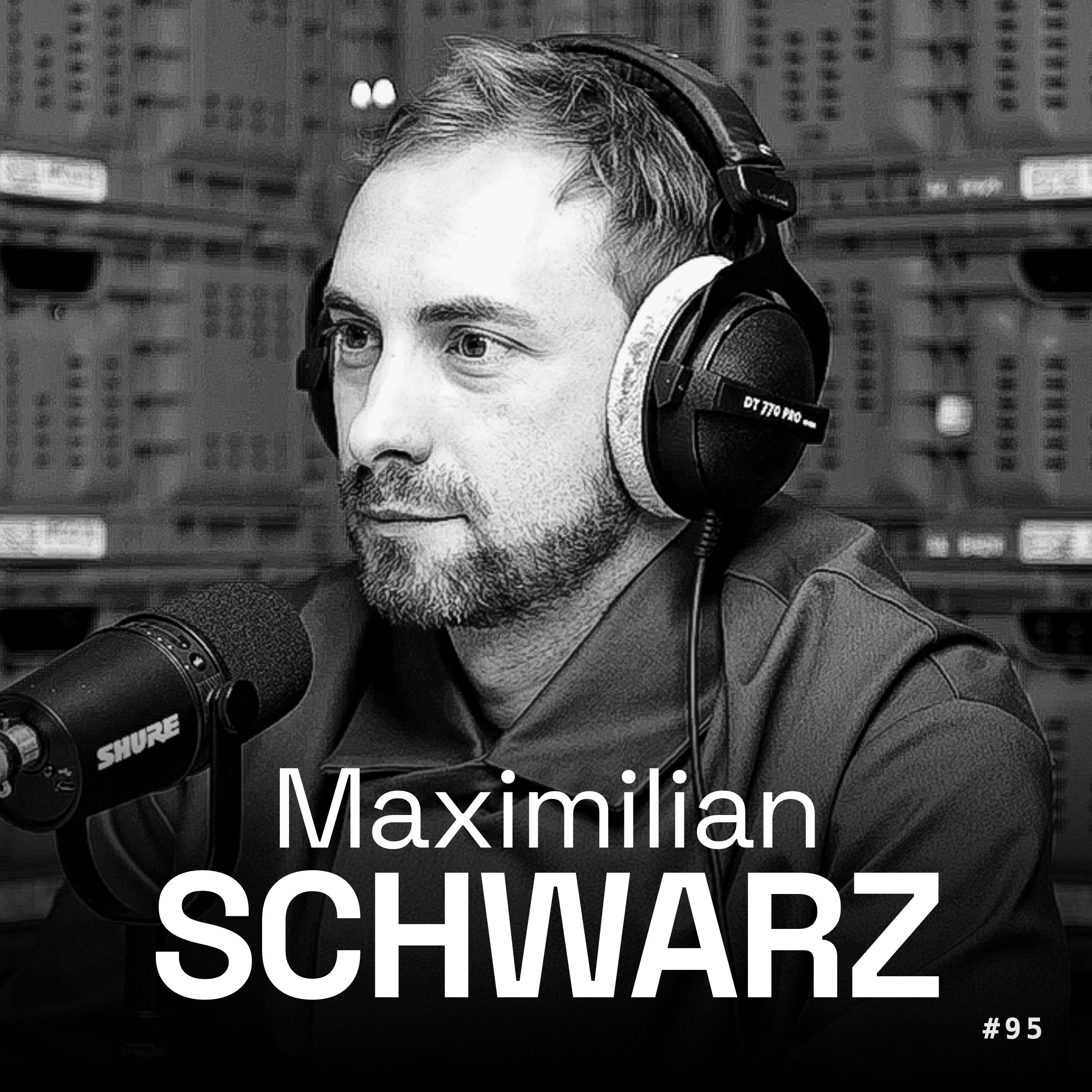 #95 - Maximilian Schwarz - Nucleus - "It needs to feel uncomfortable sitting with them" 02.06.2026 52minBrought to you by:Heights: a design agency founded by Gabri Grassi, helping impact-driven tech companies sharpen their brand, attract investors, and scale their reach. Grab your free brand checklist here or reach out to Gabri to elevate your brand.****Subscribe to the newsletter:New Wave | Hugo Rauch | Substack****🌊 Building Conviction Before the World Sees ItWhat it takes to back scientific founders before there’s a product, revenue, or proof that the science will work.We’re joined by Max, Founder & Managing Partner at Nucleus, a pre-seed venture fund backing scientific and technical founders across food, biotech, and industrial innovation.In this episode, we dive into what it really takes to become the first institutional believer in a company, often before there’s an MVP, customers, or even certainty that the underlying technology can scale.Max shares the lessons from building Nucleus from scratch, how he learned to evaluate breakthrough science without being a scientist himself, and why the best founders combine technical brilliance with the ability to tell a compelling story.In our conversation, we covered:→ Why founder-market fit matters more than market analysis at pre-seed→ How Nucleus evaluates scientific risk and separates companies from science projects→ What Max learned from building a fund as a first-time manager→ Why early investors need to make mistakes to develop conviction→ The role of advisors, operators, and domain experts in deep-tech diligence→ What “great” looks like in a scientific founder→ Why storytelling is an underrated superpower for technical teams→ The differences between European and American deep-tech founders→ How Nucleus supports founders beyond capital→ Why Europe may have a unique advantage in science and industrial innovation✨ Leave a review and share the episode if this conversation challenged the way you think about growth, innovation, and sustainability. This is a public episode. If you would like to discuss this with other subscribers or get access to bonus episodes, visit newwavenewsletter.substack.com
 -
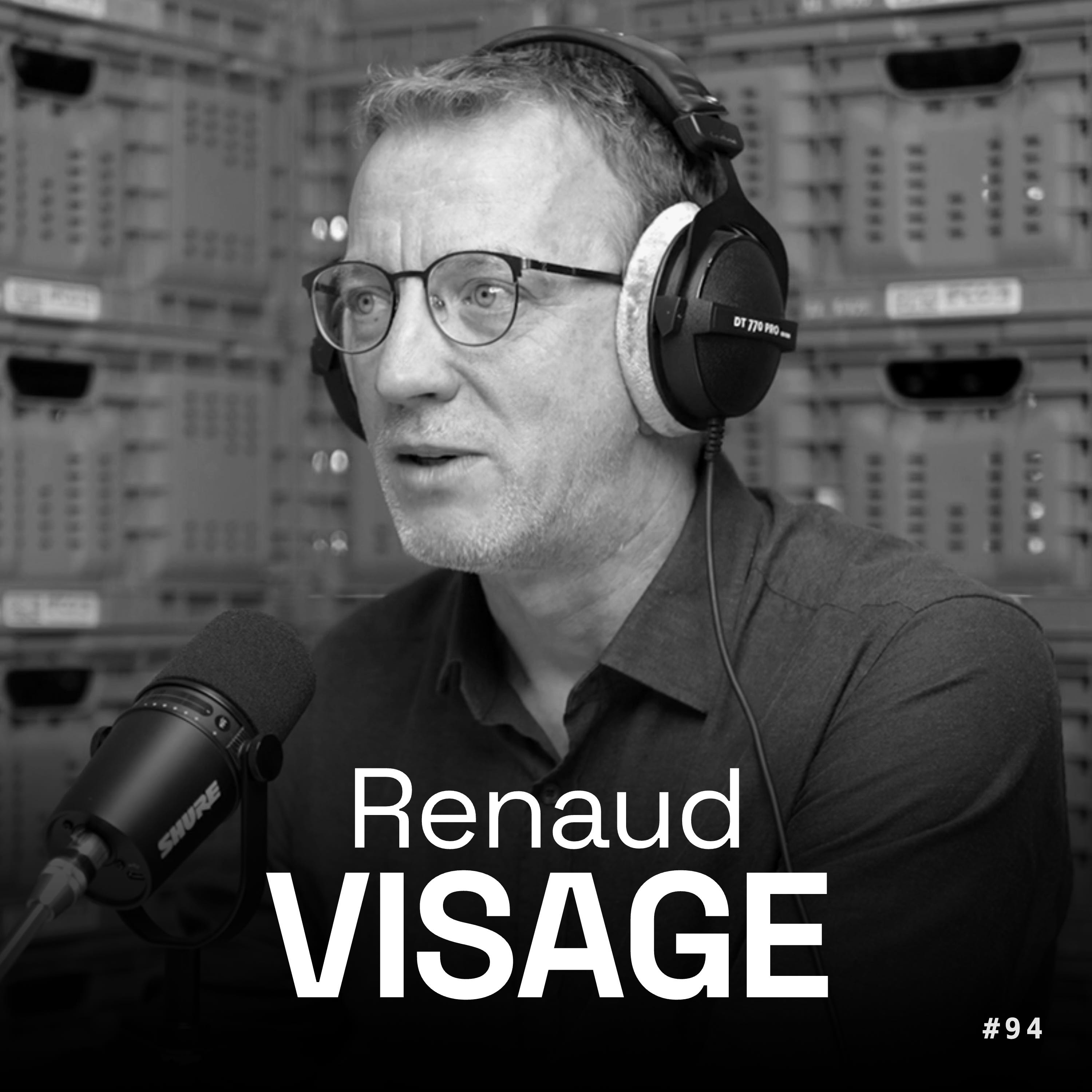 #94 - Renaud Visage - SlateVC - The CTO behind Eventbrite is now chasing Europe's climate unicorns 26.05.2026 53minBrought to you by:Heights: a design agency founded by Gabri Grassi, helping impact-driven tech companies sharpen their brand, attract investors, and scale their reach. Grab your free brand checklist here or reach out to Gabri to elevate your brand.****Subscribe to the newsletter:New Wave | Hugo Rauch | Substack****🌊 Building Europe’s Climate Growth EngineWhy the next generation of climate champions will need more than early-stage capital to win.We’re joined by Renaud Visage, Co-Founder at SlateVC and former CTO of Eventbrite, for a deep dive into what it really takes to scale climate companies in Europe, from founder psychology to growth-stage financing.After helping build Eventbrite from startup to IPO, Renaud spent years angel investing and learning the mechanics of venture from the inside at Index Ventures and Point Nine. Today, with SlateVC, he’s focused on one of the biggest gaps in European climate tech: growth-stage capital.In this episode, we unpack why Europe needs specialist climate investors now more than ever, and what separates companies that scale from those that disappear.In our conversation, we covered:→ Why brand matters more than product in the age of AI→ The hard lessons Renaud learned from 80+ angel investments→ Why many climate startups still underestimate their “equity story”→ What growth-stage climate investing really looks like in practice→ Why climate specialist funds may outperform generalists over the next decade→ How founders should think about exits earlier than they do today→ What makes a company financeable beyond venture capital→ Why Europe urgently needs more Series B and growth-stage climate capitalOne of the strongest takeaways from this conversation:The tourists have left climate tech, and that may actually be the best thing for the sector.✨ Leave a review and share the episode if this conversation challenged the way you think about growth, innovation, and sustainability. This is a public episode. If you would like to discuss this with other subscribers or get access to bonus episodes, visit newwavenewsletter.substack.com
 -
 #93 - Patrik Möller - CorPower Ocean - "Wave energy could surpass global nuclear capacity." 19.05.2026 38minBrought to you by Heights:A design agency founded by Gabri Grassi, helping impact-driven tech companies sharpen their brand, attract investors, and scale their reach. Grab your free brand checklist here or reach out to Gabri to elevate your brand.****Subscribe to the newsletter:New Wave | Hugo Rauch | Substack****🌊 Riding the Next Energy WaveWhy wave energy might become the missing piece of the 24/7 clean power puzzle.We’re joined by CorPower Ocean co-founder & CEO Patrick Müller, an engineer and deeptech entrepreneur building one of the world’s most advanced wave energy companies.In this episode, we dive into the future of wave energy, and unpack what it really takes to turn one of the ocean’s harshest environments into a scalable source of clean electricity. Patrick explains why wave energy has historically failed, what changed technically over the last decade, and why CorPower believes it can finally make ocean power commercially viable.In our conversation, we covered:→ Why wave energy could become a multi-terawatt global opportunity→ The brutal engineering challenge of surviving 18-meter ocean waves→ How CorPower’s “phase control” technology boosts energy capture 3x→ Why wave energy complements solar and wind instead of competing with them→ The economics behind 24/7 clean power systems→ Why modular “Lego-style” deployment matters more than giant machines→ The role of grants, public support, and first commercial projects→ Why data centers may become one of wave energy’s biggest customers→ How CorPower spent nearly 14 years de-risking the technology before scalingOne of the most interesting parts of the conversation was Patrick’s framing of the ocean as a giant natural battery. Instead of generating power only when the wind blows or the sun shines, wave energy captures energy already “stored” in ocean swells, creating a much smoother and more predictable production profile.And that changes the economics of clean energy systems entirely.According to CorPower, adding wave energy into a renewable mix can significantly reduce the amount of storage and grid infrastructure required to reach near-constant clean electricity.✨ Leave a review and share the episode if this conversation challenged the way you think about growth, innovation, and sustainability. This is a public episode. If you would like to discuss this with other subscribers or get access to bonus episodes, visit newwavenewsletter.substack.com
 -
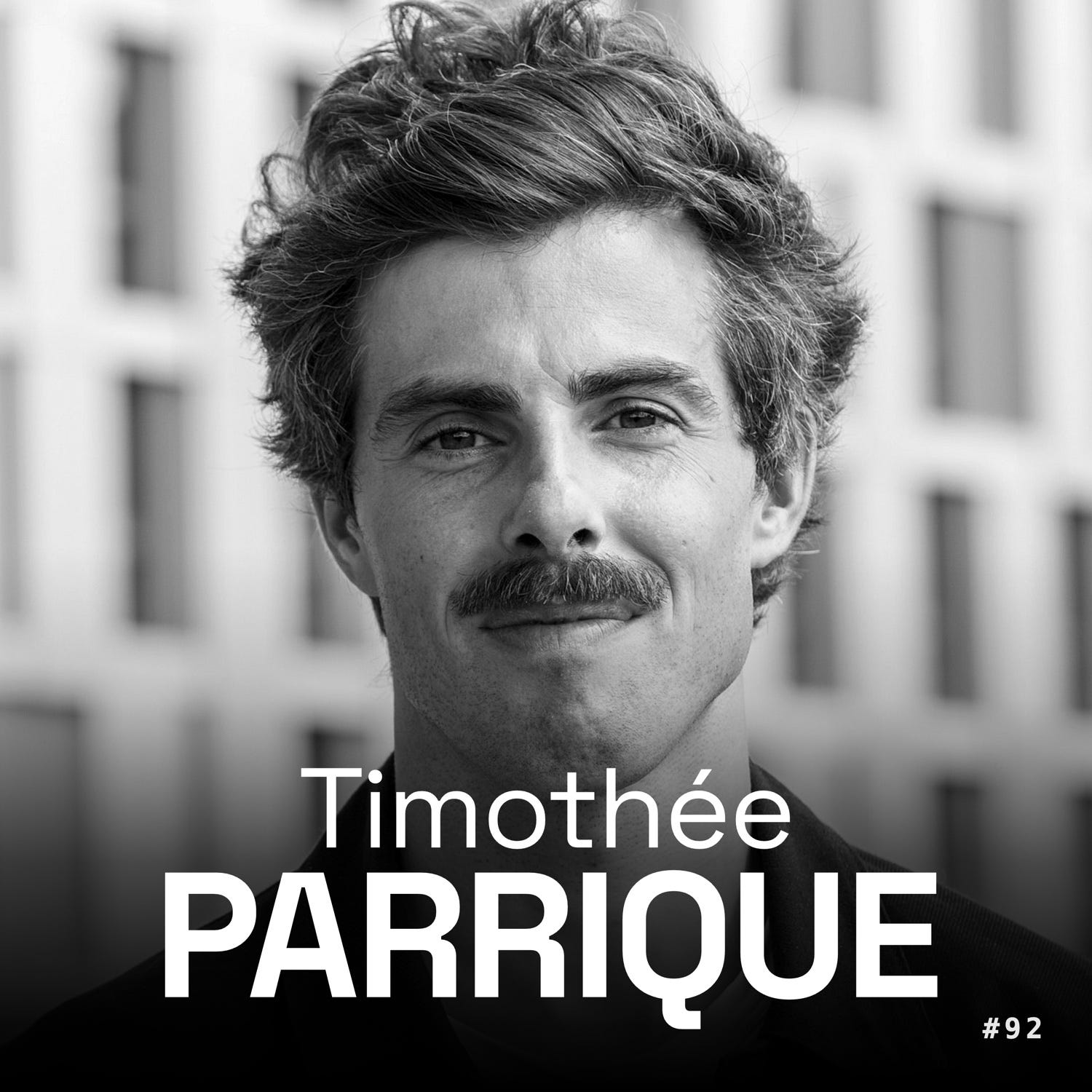 #92 - Timothée Parrique - "You can’t save the climate with capitalism" 12.05.2026 1t 1minSubscribe to the newsletter:New Wave | Hugo Rauch | Substack****🌊 Can Capitalism Survive the Planetary Boundaries?We’re joined by Timothée Parrique (website), researcher in ecological economics at the University of Lausanne and one of the leading voices challenging the idea that endless economic growth can coexist with a finite planet.In this episode, we dive into the uncomfortable tension between capitalism, climate innovation, and ecological limits, and unpack what it would actually take to build an economy that operates within planetary boundaries.From venture capital and climate tech to sufficiency, cooperation, and post-capitalist systems, this conversation pushes far beyond the usual climate debate.In our conversation, we covered:→ Why climate change may be the easiest ecological crisis to solve→ The difference between innovation… and “exnovation”→ Why green growth hasn’t reduced ecological overshoot fast enough→ Why capitalism structurally depends on expansion and growth→ The limits of venture-backed climate solutions→ Why policy alone won’t solve the transition→ The role of NGOs, cooperatives, and non-profit models in a post-growth economy→ Why degrowth is not collapse, but a planned downscaling of production and consumption→ The hidden contradiction between finance and nature→ Why cooperation, not competition, may define the next economic system✨ Leave a review and share the episode if this conversation challenged the way you think about growth, innovation, and sustainability. This is a public episode. If you would like to discuss this with other subscribers or get access to bonus episodes, visit newwavenewsletter.substack.com
 -
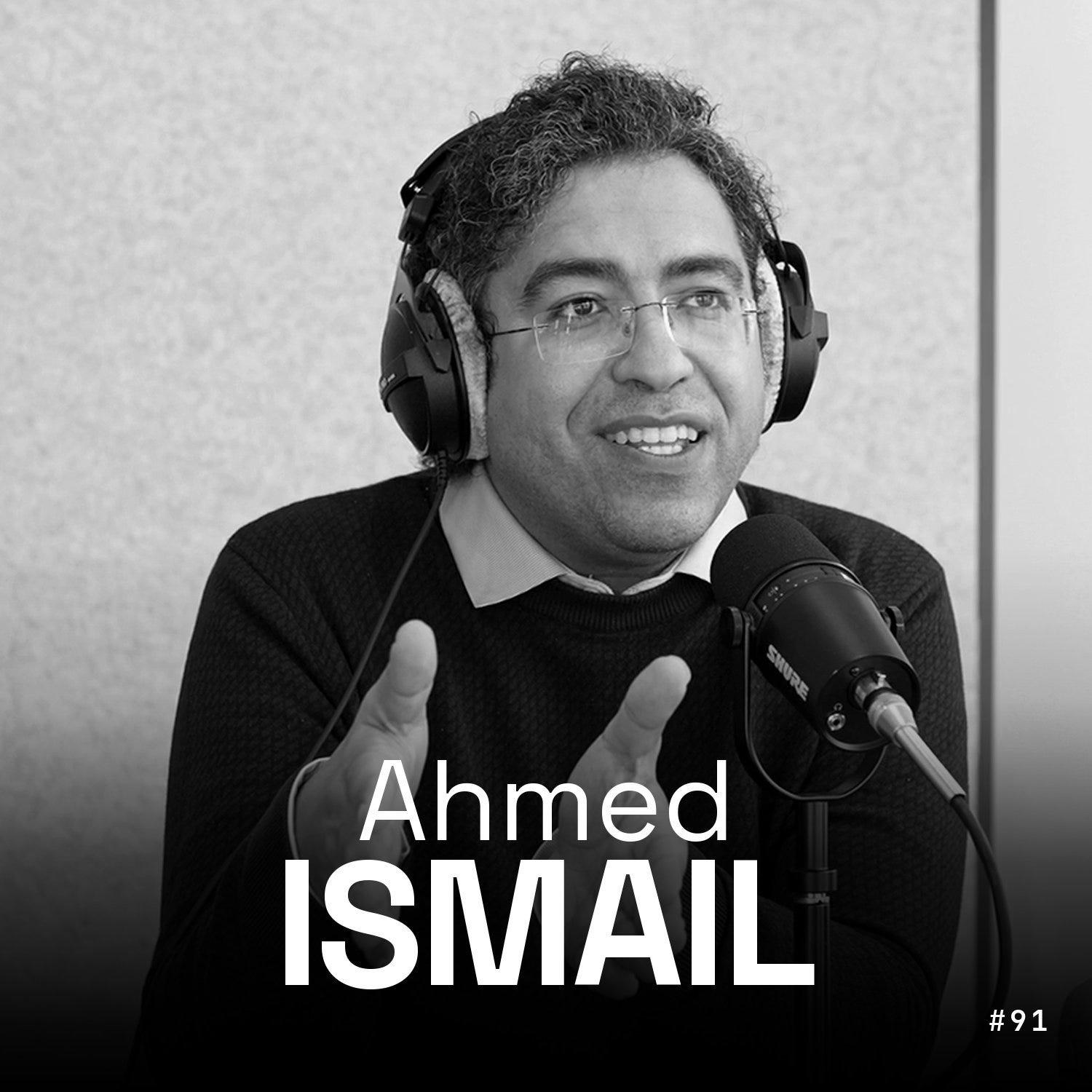 #91 - Ahmed Ismail - Dunia - Where AI meets material discovery 05.05.2026 1t 20minSubscribe to the newsletter:New Wave | Hugo Rauch | Substack****🌊 When AI hits the atomWhy the future of materials discovery won’t be built on simulations alone.We’re joined by Ahmed Ismail, Co-founder & COO of Dunia, a Berlin-based deeptech company building AI- and robotics-powered systems to accelerate the discovery and scale-up of industrial breakthrough materials.In this episode, we dive into one of the biggest bottlenecks in climate and industrial innovation: materials discovery, and unpack why the real opportunity is not just asking AI to invent new formulas, but building the physical infrastructure to test, validate, and scale them.In our conversation, we covered:→ Why so many scientific breakthroughs still depend on serendipity — and how AI might increase the frequency of those “lucky” moments.→ The difference between AI-generated materials, simulation-first approaches, and autonomous industrial labs.→ Why the sim-to-real gap is the central challenge in AI for materials: what looks perfect on a computer often fails in a reactor.→ How Dunia built IRIS, an autonomous industrial lab designed to generate high-quality, device-level data for real-world applications.→ Why the future may belong to vertical, industry-specific AI systems — not one general “ChatGPT for materials.”AI for good. 🔥 This is a public episode. If you would like to discuss this with other subscribers or get access to bonus episodes, visit newwavenewsletter.substack.com
 -
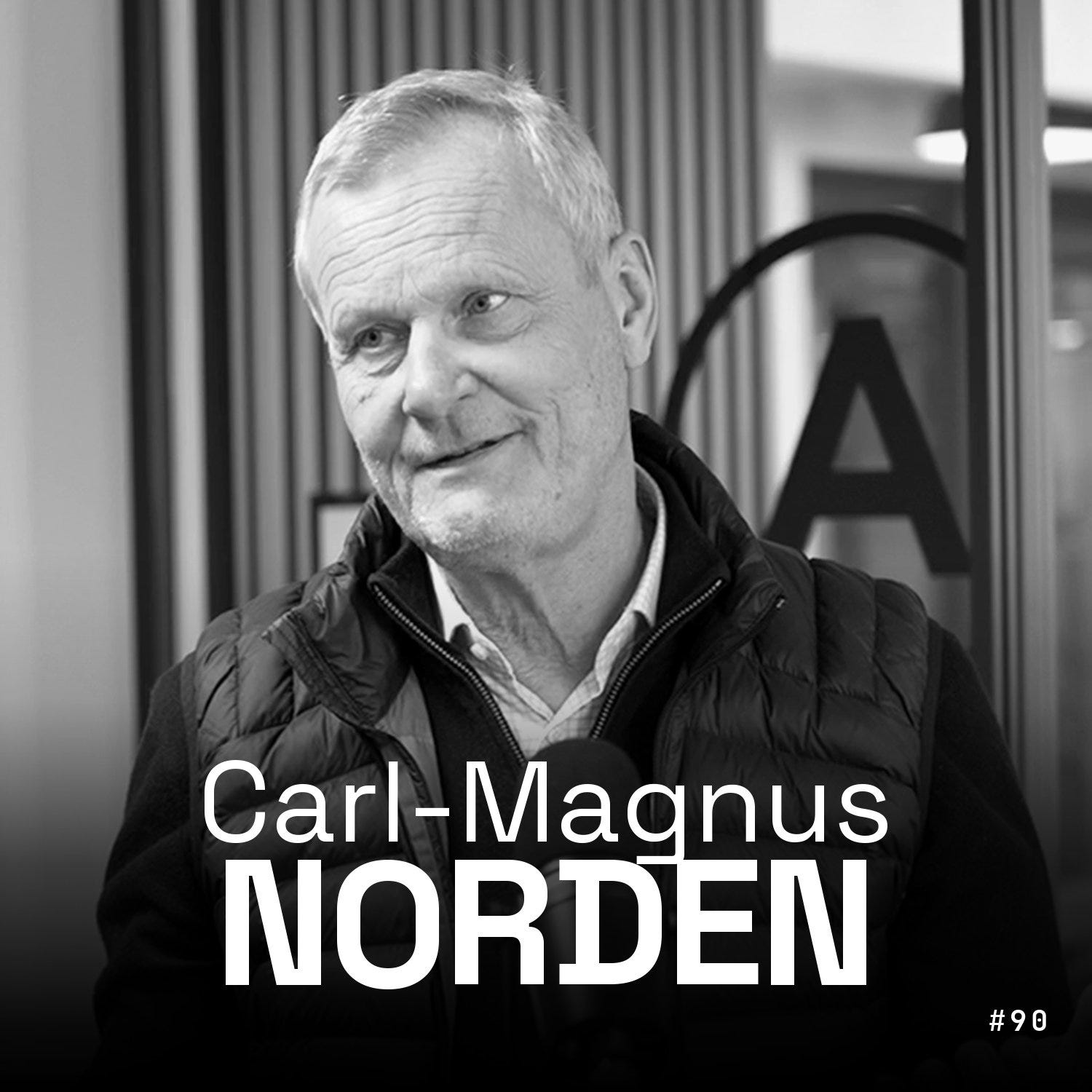 #90 - Carl-Magnus Norden - Decade Energy - Powering the next generation of trucks 28.04.2026 53minSubscribe to the newsletter:New Wave | Hugo Rauch | Substack****🌊 Charging the TransitionWhy electric trucks won’t scale without rethinking energy infrastructureWe’re joined by a Carl-Magnus Norden, a veteran entrepreneur and founder of Decade Energy, previously behind Volta Trucks, one of Europe’s most ambitious electric truck startups.In this episode, we dive into why electrifying transport isn’t just a vehicle problem, it’s an energy system problem, and unpack what it really takes to build the infrastructure layer before the demand fully arrives.In our conversation, we covered:→ Why the “electric vs hydrogen” debate is effectively over for trucks→ Lessons from building (and losing) Volta Trucks, and why it still mattered→ Why trucking is a “big boys game” requiring massive upfront capital→ The real bottleneck: grid access, not vehicle technology→ Why depots are the key to scaling truck charging→ Decade’s strategy: secure power before trucks arrive→ Turning battery storage into revenue via grid services→ Europe vs China vs Tesla: who wins the electric truck race?→ Why resilience and energy independence are becoming critical drivers→ The long-term vision: software orchestrating trucks, batteries, and gridsAt the core: the transition won’t fail because of trucks, it will fail because of power.Let’s go electric! This is a public episode. If you would like to discuss this with other subscribers or get access to bonus episodes, visit newwavenewsletter.substack.com
 -
 #89 - Lea Strumberger - KfW Capital - The LP Perspective on Raising a Climate Fund 21.04.2026 48minSubscribe to the newsletter:New Wave | Hugo Rauch | Substack****Thanks you, Morning for hosting the podcast this week. Get 20% off your next meeting room (in Paris), just say you’re coming from Hugo at New Wave.****🌊 Inside an LP’s MindWhat it really takes to raise climate-tech funds.We’re joined by Lea Strumberger, investor at KfW Capital, where she focuses on climate tech, impact, and deep tech investments.In this episode, we dive into how LPs actually make decisions, and unpack what it really takes to raise your second fund in today’s climate market.In our conversation, we covered:→ Why Fund II is a completely different game, and what LPs expect now→ The truth about DPI, TVPI, and what “performance” really means early on→ How to build trust with LPs (hint: it’s still a people business)→ The Series B funding gap in Europe, and why it’s still unresolved→ What climate sectors worked (energy), and where we got it wrong (food/alt protein)→ Why climate is no longer “impact”, but a real investment vertical✨ If you want to help this show, don’t forget to leave a review on Apple Podcasts or Spotify. This is a public episode. If you would like to discuss this with other subscribers or get access to bonus episodes, visit newwavenewsletter.substack.com
 -
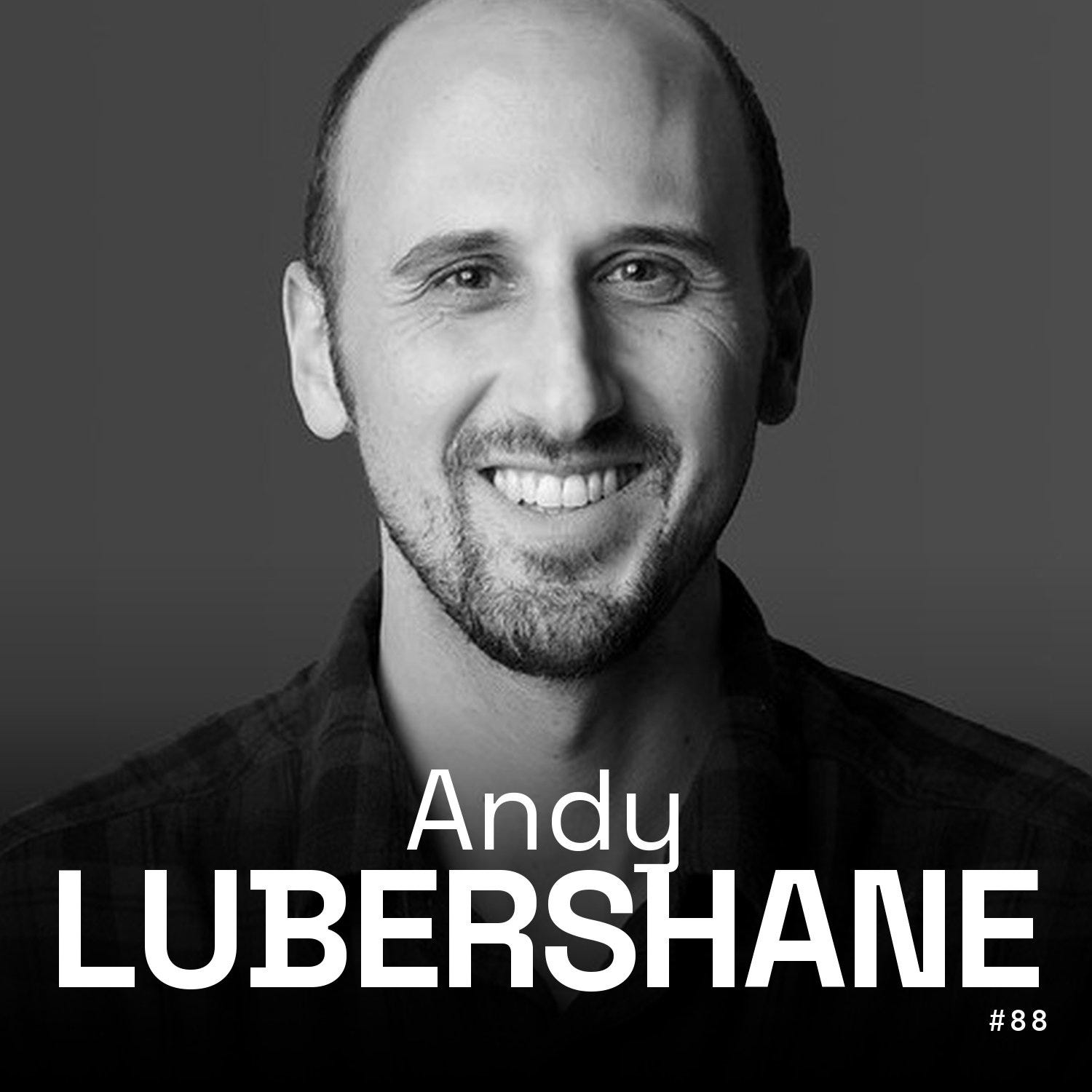 #88 - Andy Lubershane - Energy Impact Partners - Energy Carriers and the Future of Fuel [5/5] 19.04.2026 41minSubscribe to the newsletter:New Wave | Hugo Rauch | Substack****🌊 The Fuel Problem No One Talks AboutWhy replacing fossil fuels isn’t just about energy, it’s about how we carry it. We’re joined by Andy Lubershane, Partner at Energy Impact Partners and author of Steel For Fuel. In this episode, we dive into energy carriers, and unpack what it really takes to replace fossil fuels not just as energy sources, but as the backbone of global storage and transport.In our conversation, we covered:→ Why fossil fuels are two things at once: energy source + perfect carrier→ The uncomfortable truth about batteries (even lithium-ion)→ Why planes, ships, and global trade still have no real solution→ The limits of hydrogen — and why it may not scale as hoped→ Breakthrough storage: iron-air, thermal, and sodium-ion→ Metal fuels — the most radical (and promising) bet for global energy transportFossil fuels aren’t just powerful, they’re incredibly convenient. They store energy cheaply, move easily, and scale globally. Beating them requires more than incremental innovation. It requires something closer to a civilizational leap.This is episode five of a five part series. Subscribe to receive every episode. 👇 This is a public episode. If you would like to discuss this with other subscribers or get access to bonus episodes, visit newwavenewsletter.substack.com
Sarnased taskuhäälingud


Populaarne riigis
See taskuhääling on ka nende riikide taskuhäälingute edetabelites.

