
Crisis in Perception
Crisis in Perception
0
Crisis in Perception is a long-form educational podcast that examines how we misunderstand the world around us. Each episode uses books as entry points to explore history, psychology, economics, science, and power structures. It reveals how systems actually work and why our perceptions often fail. The content is clear, evidence-based, and non-tribal.
Osad
-
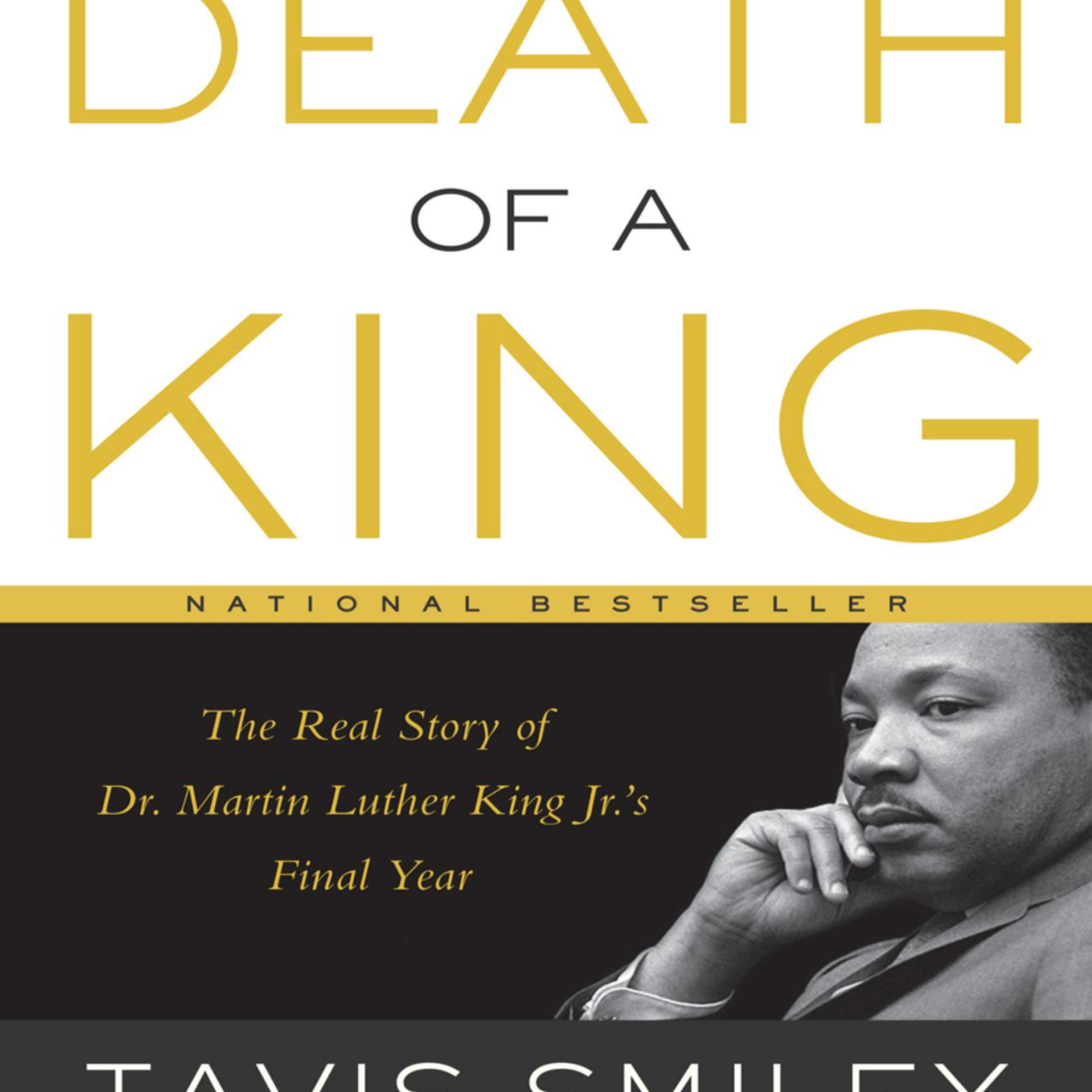 Death of a King: The Real Story of Dr. Martin Luther King Jr.’s Final Year — The Cost of Dissent 26.09.2026 36minMartin Luther King Jr. is often remembered through the parts of his message that eventually became part of America’s national memory. His final year presents a more complicated picture.Welcome to Crisis in Perception, where we examine the systems shaping our world.Using Death of a King: The Real Story of Dr. Martin Luther King Jr.’s Final Year by Tavis Smiley with David Ritz as our lens, this episode investigates what happened when King expanded his public critique beyond civil rights to connect racism, poverty, militarism, the Vietnam War, and nonviolence.Smiley argues that King’s legacy has been sanitized and oversimplified. His account of the period following the April 1967 Riverside Church speech reveals intense disputes over whether King had crossed the boundaries of his proper role. Critics worried that linking civil rights with opposition to the Vietnam War could fracture alliances, weaken political influence, and damage the movement itself.At a systems level, the conflict raises questions about political legitimacy, movement strategy, media framing, institutional power, surveillance, and the incentives that shape acceptable dissent. The deeper tension is not simply between agreement and disagreement, but between moral consistency and the strategic costs of challenging several interconnected systems at once.The episode also asks how historical memory changes once a controversial figure becomes a national symbol—and what can disappear when conflict is replaced by commemoration.📺 Watch on YouTube:https://youtu.be/cTZH5KvNTNM❤️ Support / Episode Post on Patreon:https://www.patreon.com/CrisisinPerception/posts/death-of-king-of-170643092?utm_medium=clipboard_copy&utm_source=copyLink&utm_campaign=postshare_creator&utm_content=join_linkIf these ideas resonate, consider reading the work yourself or borrowing it from your local library. Supporting authors and libraries helps keep critical inquiry accessible.If you value systems-level analysis like this, please follow, rate, and share the project.This content was created using AI-assisted tools for research synthesis, structuring, and narration support. All analysis, framing, and editorial decisions are guided by human judgment as part of the Crisis in Perception project.
 -
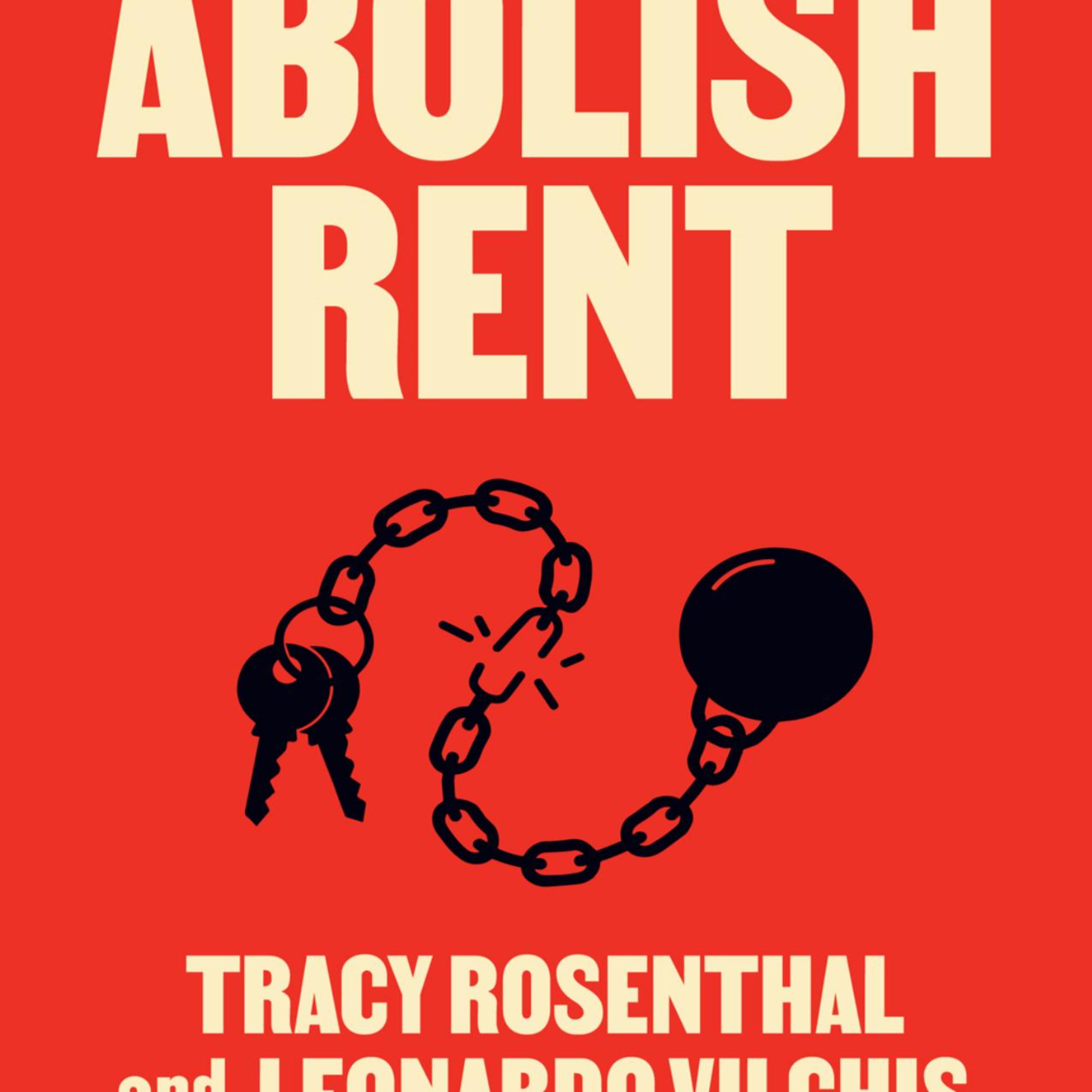 Abolish Rent — When Housing Becomes a Power Relationship 26.09.2026 45minWhat looks like a housing affordability problem can also reveal a deeper question: who holds power over the places people need to live?Welcome to Crisis in Perception, where we examine the systems shaping our world.Using Abolish Rent by Tracy Rosenthal and Leonardo Vilchis as our lens, this Deep Dive investigates the authors’ argument that rent functions not simply as a market price but as a relationship of economic and institutional power.The episode traces the interaction between property ownership, rent extraction, appreciation, public investment, financialization, and eviction. It also examines the countervailing system emphasized by Rosenthal and Vilchis: tenant associations, collective bargaining, rent strikes, and other forms of coordinated action.The Boyle Heights Mariachi rent strike provides a concrete case of that reversal. Tenants who faced the problem individually had limited leverage; acting collectively changed the economic and political relationship with their landlord.At the center of the investigation is the tension between housing as a home and housing as an asset—and the larger question of whether increasing supply alone can address a system in which ownership also determines bargaining power.Central systems and tensions include rent extraction, property appreciation, housing financialization, collective bargaining, housing supply, tenant power, and the conflict between use value and investment value.📺 Watch on YouTube:https://youtu.be/DZZgPNJwd3Q❤️ Support / Episode Post on Patreon:https://www.patreon.com/CrisisinPerception/posts/abolish-rent-170636687?utm_medium=clipboard_copy&utm_source=copyLink&utm_campaign=postshare_creator&utm_content=join_linkIf these ideas resonate, consider reading the work yourself or borrowing it from your local library. Supporting authors and libraries helps keep critical inquiry accessible.If you value systems-level analysis like this, please follow, rate, and share the project.This content was created using AI-assisted tools for research synthesis, structuring, and narration support. All analysis, framing, and editorial decisions are guided by human judgment as part of the Crisis in Perception project.
 -
 The Worm at the Core: On the Role of Death in Life — How Mortality Shapes Meaning and Belief 25.09.2026 36minWhat if the awareness of death influences human behavior most powerfully when we are not consciously thinking about dying?Welcome to Crisis in Perception, where we examine the systems shaping our world.Using The Worm at the Core: On the Role of Death in Life by Sheldon Solomon, Jeff Greenberg, and Tom Pyszczynski as our lens, this episode investigates Terror Management Theory and the psychological systems humans use to manage the knowledge of mortality.The authors argue that self-awareness creates a distinctive human predicament: we are biologically driven to remain alive while simultaneously understanding that death is unavoidable. Cultural worldviews provide meaning, order, and continuity, while self-esteem allows individuals to experience themselves as significant participants within those systems.The episode traces how mortality reminders can strengthen worldview defense, group identification, symbolic meaning, and the pursuit of personal significance. Experimental work described in the book suggests that these processes can affect judgment, reactions to disagreement, and anxiety without necessarily appearing as conscious fear of death.Central systems include mortality awareness, worldview defense, self-esteem, social reinforcement, identity, literal immortality, and symbolic immortality.📺 Watch on YouTube:https://youtu.be/UMlUnX_fzY8❤️ Support / Episode Post on Patreon:https://www.patreon.com/CrisisinPerception/posts/worm-at-core-on-170563581?utm_medium=clipboard_copy&utm_source=copyLink&utm_campaign=postshare_creator&utm_content=join_linkIf these ideas resonate, consider reading the work yourself or borrowing it from your local library. Supporting authors and libraries helps keep critical inquiry accessible.If you value systems-level analysis like this, please follow, rate, and share the project.This content was created using AI-assisted tools for research synthesis, structuring, and narration support. All analysis, framing, and editorial decisions are guided by human judgment as part of the Crisis in Perception project.
 -
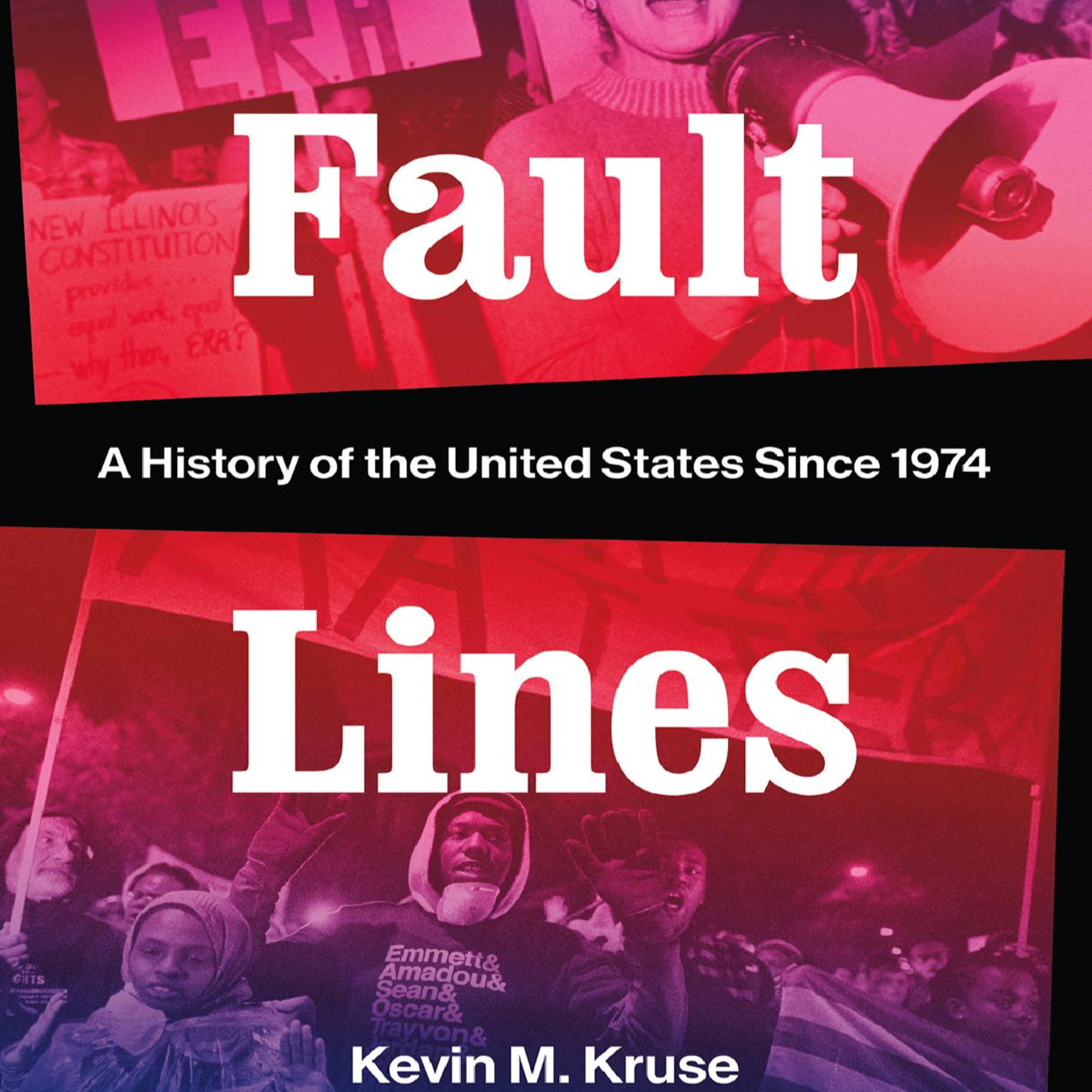 Fault Lines: A History of the United States Since 1974 — How Division Became Structural 25.09.2026 39minWhat if America’s political division is less a recent rupture than the result of pressures accumulating across interconnected systems for decades?Welcome to Crisis in Perception, where we examine the systems shaping our world.Using Fault Lines: A History of the United States Since 1974 by Kevin M. Kruse and Julian E. Zelizer as our lens, this investigation traces how modern American polarization developed through interacting political, economic, racial, cultural, and media transformations.The authors begin with the crises of the 1970s, when Vietnam and Watergate weakened confidence in national institutions while economic restructuring challenged the security of the postwar middle-class order. At the same time, conflicts over race, gender, sexuality, and national identity exposed divisions that older narratives of national consensus had often concealed.The deeper system is institutionalized fragmentation. Political incentives, distrust, economic insecurity, identity conflict, and increasingly segmented media environments can reinforce one another, creating feedback loops in which division becomes both an outcome of the system and an input that helps sustain it.Central themes include institutional trust, polarization, economic insecurity, identity, media fragmentation, path dependence, and reinforcing feedback loops.📺 Watch on YouTube:https://youtu.be/ZCADQLgO_Fo❤️ Support / Episode Post on Patreon:https://www.patreon.com/CrisisinPerception/posts/fault-lines-of-170557123?utm_medium=clipboard_copy&utm_source=copyLink&utm_campaign=postshare_creator&utm_content=join_linkIf these ideas resonate, consider reading the work yourself or borrowing it from your local library. Supporting authors and libraries helps keep critical inquiry accessible.If you value systems-level analysis like this, please follow, rate, and share the project.This content was created using AI-assisted tools for research synthesis, structuring, and narration support. All analysis, framing, and editorial decisions are guided by human judgment as part of the Crisis in Perception project.
 -
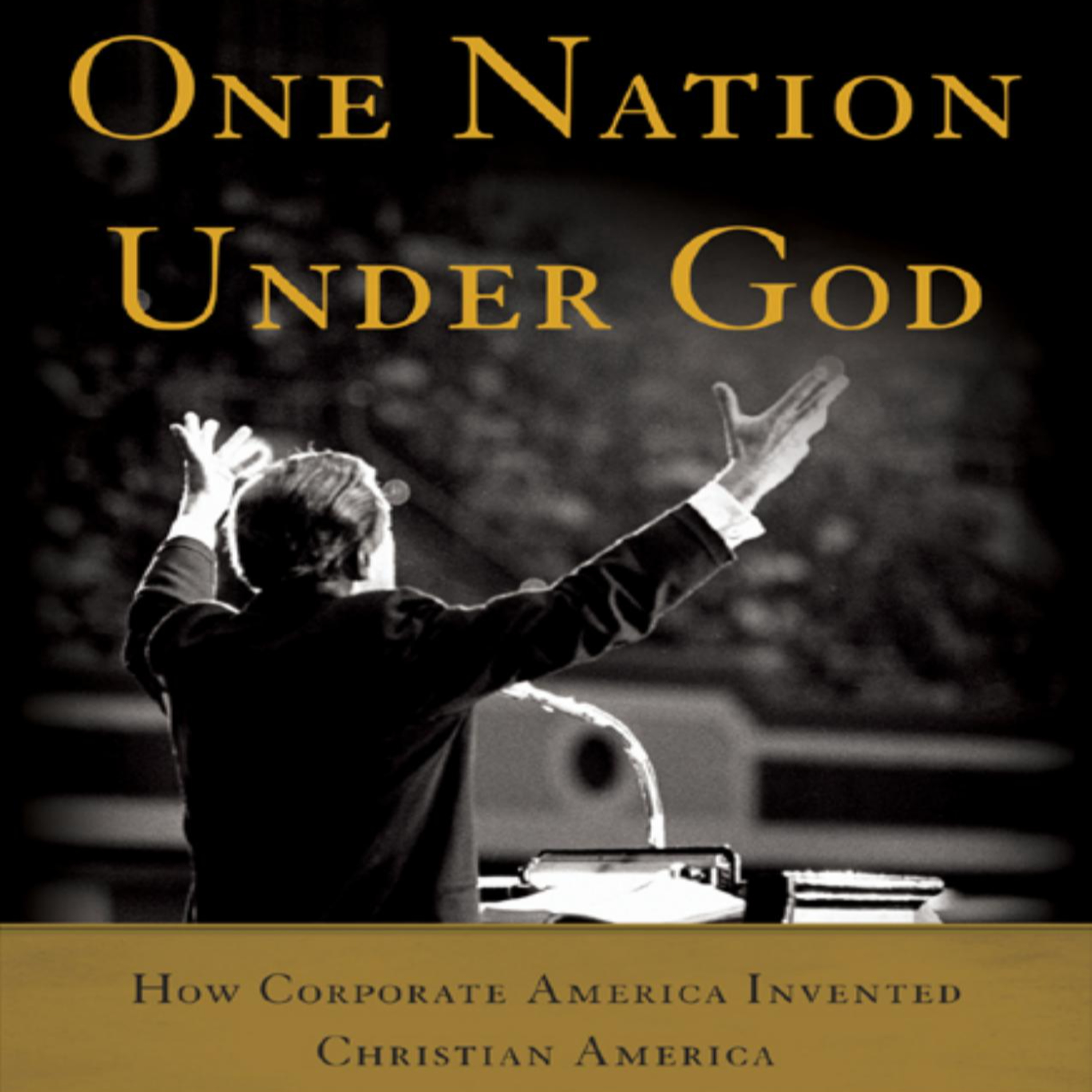 One Nation Under God: How Corporate America Invented Christian America — When Tradition Is Made 25.09.2026 43minHow does a political idea become so deeply embedded in public life that people eventually experience it as tradition?Welcome to Crisis in Perception, where we examine the systems shaping our world.Using One Nation Under God: How Corporate America Invented Christian America by historian Kevin M. Kruse, this Deep Dive investigates the systems behind the rise of modern American civil religion.Kruse traces part of that transformation to the 1930s and 1940s, when corporate leaders and conservative clergy promoted what he calls “Christian libertarianism”—a fusion of individual salvation, free enterprise, personal responsibility, and opposition to the expanding New Deal state.During the Eisenhower era, that language moved from private campaigns into national civic life. Religious rhetoric and ritual became increasingly associated with American identity, while “under God” entered the Pledge of Allegiance and “In God We Trust” became the national motto.The deeper investigation concerns institutionalization, legitimacy, repetition, path dependence, and historical memory: how ideas move from advocacy into institutions, and how institutions can make comparatively recent innovations appear timeless.📺 Watch on YouTube:https://youtu.be/Q38bPcS30Z4❤️ Support / Episode Post on Patreon:https://www.patreon.com/CrisisinPerception/posts/one-nation-under-170553907?utm_medium=clipboard_copy&utm_source=copyLink&utm_campaign=postshare_creator&utm_content=join_linkIf these ideas resonate, consider reading the work yourself or borrowing it from your local library. Supporting authors and libraries helps keep critical inquiry accessible.If you value systems-level analysis like this, please follow, rate, and share the project.This content was created using AI-assisted tools for research synthesis, structuring, and narration support. All analysis, framing, and editorial decisions are guided by human judgment as part of the Crisis in Perception project.
 -
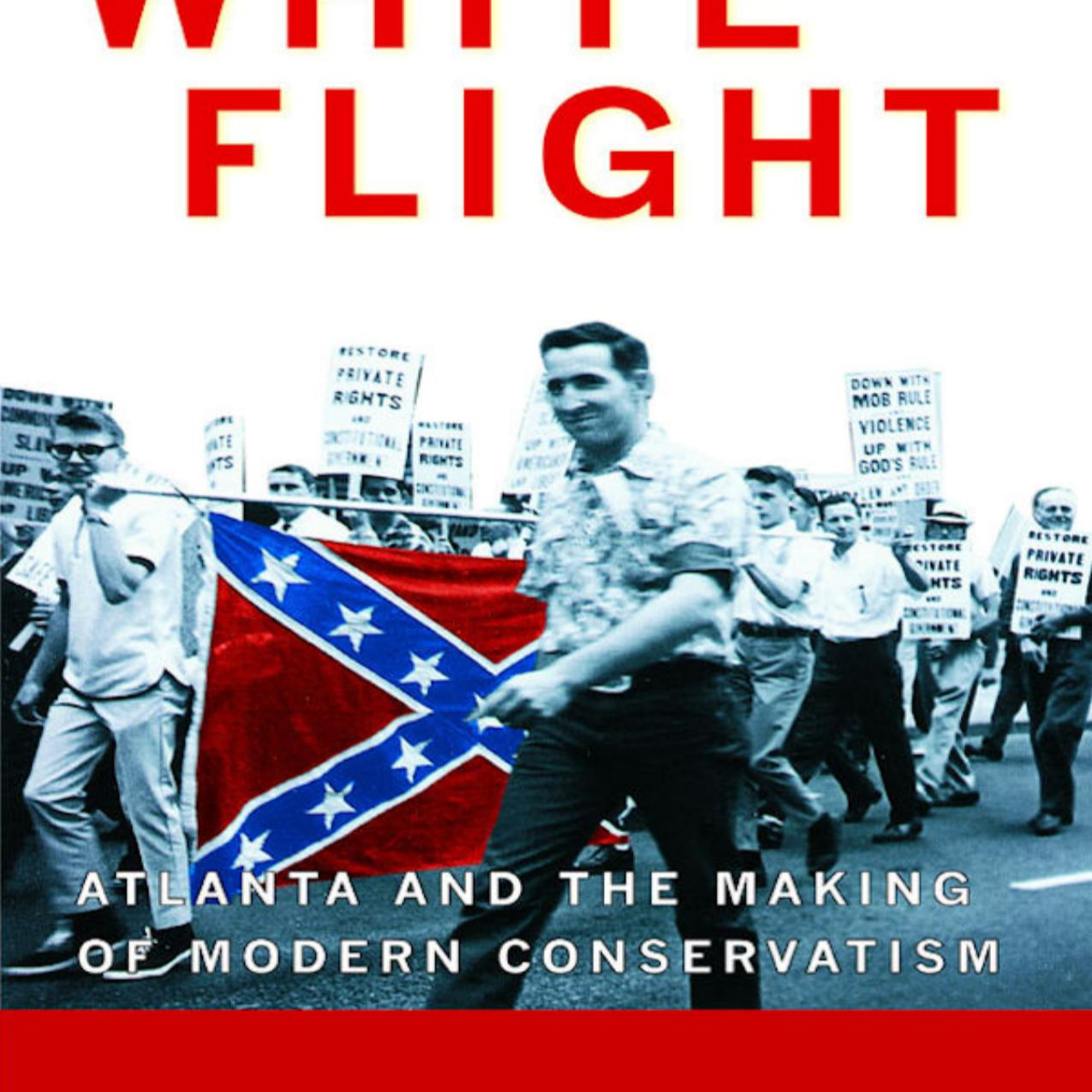 White Flight: Atlanta and the Making of Modern Conservatism — When Segregation Changed Form 25.09.2026 43minWhat happens when an older political arrangement becomes unsustainable but the incentives and conflicts underneath it remain?Welcome to Crisis in Perception, where we examine the systems shaping our world.Using White Flight: Atlanta and the Making of Modern Conservatism by Kevin M. Kruse as our lens, this episode investigates his argument that white flight from Atlanta was more than population movement. It also helped transform the language and institutional strategies surrounding race, public space, property, and political power.Kruse traces a shift from explicit defenses of segregation toward arguments framed around individual rights, freedom of association, private property, taxation, privatization, and local autonomy. The investigation follows those changes from neighborhood resistance and the Peyton Wall through withdrawal from public institutions and the politics of suburban secession.At the systems level, the episode examines adaptation, institutional exit, privatization, feedback loops, individual choice versus collective outcomes, and the relationship between historical origins and later political beliefs.📺 Watch on YouTube:https://youtu.be/YrNozceSx1k❤️ Support / Episode Post on Patreon:https://www.patreon.com/CrisisinPerception/posts/white-flight-and-170552966?utm_medium=clipboard_copy&utm_source=copyLink&utm_campaign=postshare_creator&utm_content=join_linkIf these ideas resonate, consider reading the work yourself or borrowing it from your local library. Supporting authors and libraries helps keep critical inquiry accessible.If you value systems-level analysis like this, please follow, rate, and share the project.This content was created using AI-assisted tools for research synthesis, structuring, and narration support. All analysis, framing, and editorial decisions are guided by human judgment as part of the Crisis in Perception project.
 -
 Religion for Atheists: A Non-Believer’s Guide to the Uses of Religion — Ritual Without Belief 25.09.2026 34minWhat happens when supernatural belief disappears but the human needs religion organized remain?Welcome to Crisis in Perception, where we examine the systems shaping our world.Using Religion for Atheists: A Non-Believer’s Guide to the Uses of Religion by Alain de Botton as our lens, this episode investigates whether secular societies may have discarded useful social technologies along with religious doctrine.De Botton argues that religions developed practices for addressing persistent problems of community, suffering, moral reflection, memory, and human connection. The episode examines how rituals such as communal worship, shared meals, and scheduled reconciliation can function as behavioral scaffolding—turning abstract ideals into repeated social practices.From the Catholic Mass and the proposed Agape Restaurant to the Jewish Day of Atonement, the investigation asks what happens when responsibility for community, apology, perspective, and moral memory is transferred almost entirely to private initiative.At the center is a difficult tradeoff: structure can support human behavior, but it can also become coercive or dogmatic. Can secular society borrow useful mechanisms from religion without surrendering intellectual freedom?Central systems include ritualized behavior, institutional memory, social reinforcement, repetition, community formation, and the tension between autonomy and structure.📺 Watch on YouTube:https://youtu.be/8lmexGJdO8I❤️ Support / Episode Post on Patreon:https://www.patreon.com/CrisisinPerception/posts/religion-for-non-170514050?utm_medium=clipboard_copy&utm_source=copyLink&utm_campaign=postshare_creator&utm_content=join_linkIf these ideas resonate, consider reading the work yourself or borrowing it from your local library. Supporting authors and libraries helps keep critical inquiry accessible.If you value systems-level analysis like this, please follow, rate, and share the project.This content was created using AI-assisted tools for research synthesis, structuring, and narration support. All analysis, framing, and editorial decisions are guided by human judgment as part of the Crisis in Perception project.
 -
 The Trouble With Big Data — When Data Becomes the Reality 24.09.2026 39minWe often assume that more data produces a clearer picture of reality. But what if the systems that make information easier to process also determine what becomes visible in the first place?Welcome to Crisis in Perception, where we examine the systems shaping our world.Using The Trouble With Big Data: How Datafication Displaces Cultural Practices by Jennifer Edmond, Nicola Horsley, Jörg Lehmann and Mike Priddy as our lens, this episode investigates how datafication reshapes the creation, discovery and interpretation of knowledge.The authors challenge the idea of data as neutral or context-free. Every dataset reflects decisions about collection, classification, digitization and organization. Those decisions make large-scale analysis possible, but they can also strip away provenance, ambiguity, cultural difference and forms of expertise that do not translate easily into structured data.The investigation traces a larger visibility system: digitization, metadata, search ranking and machine learning help determine what becomes discoverable and reusable. Material that fits these systems can become increasingly prominent, while poorly digitized, context-heavy or culturally specific knowledge can become harder to see.Central tensions include scale versus context, prediction versus understanding, automation versus human expertise, and accessibility versus the preservation of complexity.📺 Watch on YouTube:https://youtu.be/gvgV2-82O1Q❤️ Support / Episode Post on Patreon:https://www.patreon.com/CrisisinPerception/posts/trouble-with-big-170468235?utm_medium=clipboard_copy&utm_source=copyLink&utm_campaign=postshare_creator&utm_content=join_linkIf these ideas resonate, consider reading the work yourself or borrowing it from your local library. Supporting authors and libraries helps keep critical inquiry accessible.If you value systems-level analysis like this, please follow, rate, and share the project.This content was created using AI-assisted tools for research synthesis, structuring, and narration support. All analysis, framing, and editorial decisions are guided by human judgment as part of the Crisis in Perception project.
 -
 Boomerang: Travels in the New Third World — When Private Risk Becomes Public Debt 24.09.2026 48minWhat happens when the financial system prevents a collapse by moving the losses somewhere else?Welcome to Crisis in Perception, where we examine the systems shaping our world.Using Boomerang: Travels in the New Third World by Michael Lewis as our lens, this investigation follows the global aftermath of the credit boom and asks how private financial risk became entangled with governments, taxpayers, creditors, and public institutions.Lewis moves through Iceland, Greece, Ireland, Germany, and the United States, revealing different expressions of a common mechanism. Cheap credit encouraged leverage. Rising asset prices reinforced confidence. When losses appeared, governments and institutions intervened to prevent immediate collapse—often shifting obligations from one balance sheet to another.The deeper system involves leverage, implicit guarantees, financial interdependence, confidence, delayed loss recognition, and the tension between short-term stability and long-term accountability.The central question is simple: when risk is transferred, has the problem actually been solved—or has the reckoning merely been moved?📺 Watch on YouTube:https://youtu.be/k7-qQBUMBvs❤️ Support / Episode Post on Patreon:https://www.patreon.com/CrisisinPerception/posts/boomerang-in-new-170461023?utm_medium=clipboard_copy&utm_source=copyLink&utm_campaign=postshare_creator&utm_content=join_linkIf these ideas resonate, consider reading the work yourself or borrowing it from your local library. Supporting authors and libraries helps keep critical inquiry accessible.If you value systems-level analysis like this, please follow, rate, and share the project.This content was created using AI-assisted tools for research synthesis, structuring, and narration support. All analysis, framing, and editorial decisions are guided by human judgment as part of the Crisis in Perception project.
 -
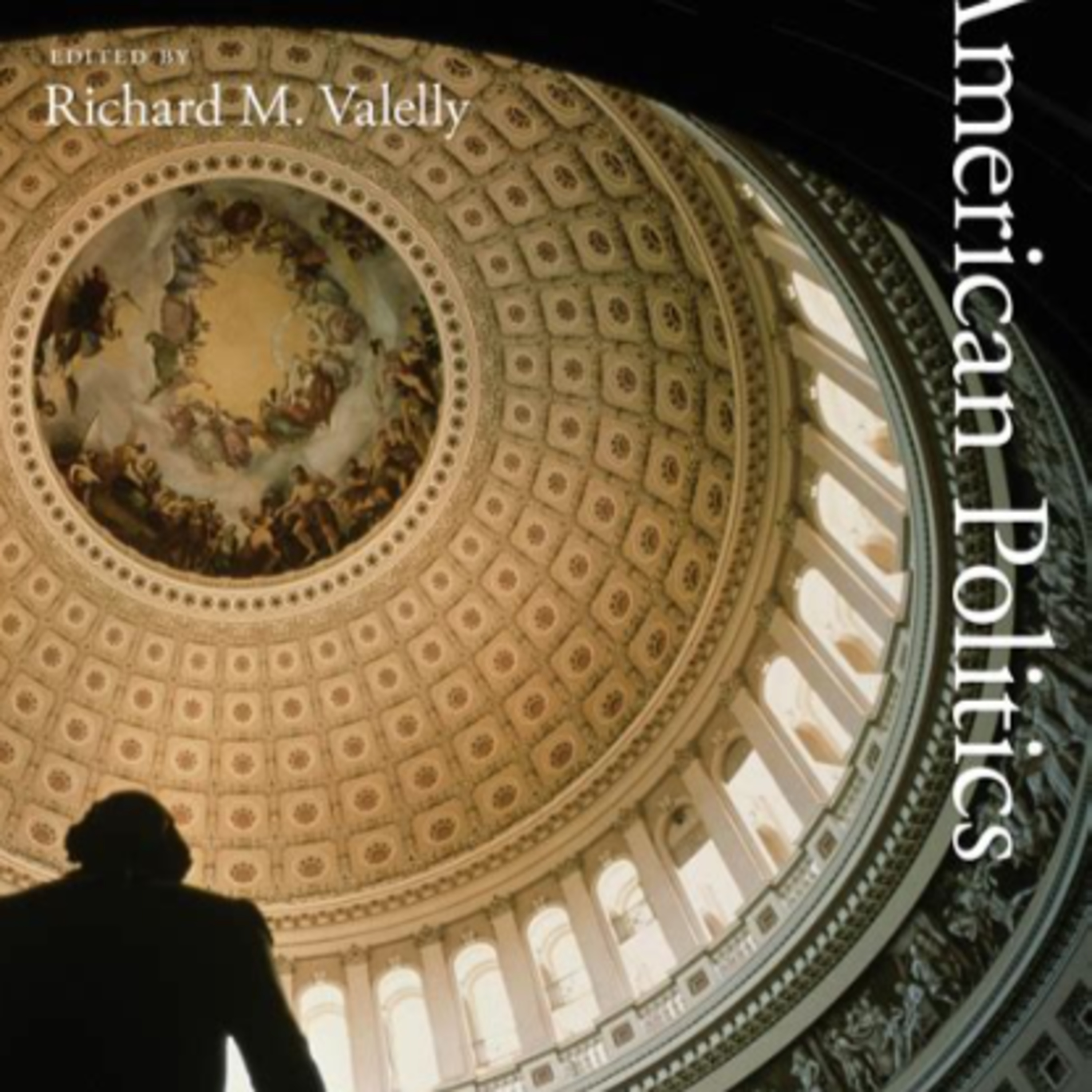 Princeton Readings in American Politics — How Power Actually Works 24.09.2026 51minPower is easy to picture as something held by presidents, parties, corporations, institutions, or elites. It becomes much harder—and more revealing—when we ask how influence is actually converted into political outcomes.Welcome to Crisis in Perception, where we examine the systems shaping our world.Using Princeton Readings in American Politics, edited by Richard M. Valelly, this Deep Dive explores competing ways political scientists understand power in American democracy.Robert A. Dahl asks how claims about elite domination can actually be tested. Murray Edelman examines the political power of symbols, language, reassurance, and official classification. Deborah A. Stone shows how causal stories assign responsibility and help move issues onto the public agenda. Paul Pierson demonstrates how policies themselves can reshape later politics through feedback, incentives, organization, and path dependence.Together, the readings reveal power as a changing network of institutions, agendas, organizations, public attention, narratives, and prior decisions. Power may be dispersed without being equal, and concentrated influence in one arena does not automatically establish control everywhere else.The episode therefore moves beyond the question “Who rules?” toward a more useful set of questions: Which mechanisms matter? Which gates control access? Under what conditions does influence become effective? And how do political outcomes reshape the system that produced them?The volume was published in 2009, so its empirical examples are treated in their historical context rather than as a current snapshot of American politics.📺 Watch on YouTube:https://youtu.be/oLf3zWnCNA8❤️ Support / Episode Post on Patreon:https://www.patreon.com/CrisisinPerception/posts/princeton-in-how-170424674?utm_medium=clipboard_copy&utm_source=copyLink&utm_campaign=postshare_creator&utm_content=join_linkIf these ideas resonate, consider reading the work yourself or borrowing it from your local library. Supporting authors and libraries helps keep critical inquiry accessible.If you value systems-level analysis like this, please follow, rate, and share the project.This content was created using AI-assisted tools for research synthesis, structuring, and narration support. All analysis, framing, and editorial decisions are guided by human judgment as part of the Crisis in Perception project.
 -
 How to Resist Amazon and Why — The Hidden Costs of Convenience 24.09.2026 40minThe convenience of buying almost anything with a click can make the transaction look simple. The system producing that convenience is anything but simple.Welcome to Crisis in Perception, where we examine the systems shaping our world.Using How to Resist Amazon and Why by Danny Caine as our lens, this episode investigates how Amazon’s growth has reshaped bookselling, labor, logistics, marketplace competition, data collection, and the relationship between businesses and the infrastructure on which they depend.Caine begins from the perspective of an independent bookstore owner confronting prices his store sometimes cannot economically match. From there, the investigation expands into a larger systems question: what happens when one company can simultaneously operate a marketplace, compete inside it, control parts of the delivery network, collect enormous amounts of data, and subsidize one part of its business with profits generated elsewhere?At the center of the episode are platform power, vertical integration, dependency, externalized costs, labor incentives, surveillance, and the reinforcing feedback loop between scale and convenience.📺 Watch on YouTube:https://youtu.be/Rmh1jYmbSAU❤️ Support / Episode Post on Patreon:https://www.patreon.com/CrisisinPerception/posts/how-to-resist-of-170421811?utm_medium=clipboard_copy&utm_source=copyLink&utm_campaign=postshare_creator&utm_content=join_linkIf these ideas resonate, consider reading the work yourself or borrowing it from your local library. Supporting authors and libraries helps keep critical inquiry accessible.If you value systems-level analysis like this, please follow, rate, and share the project.This content was created using AI-assisted tools for research synthesis, structuring, and narration support. All analysis, framing, and editorial decisions are guided by human judgment as part of the Crisis in Perception project.
 -
 How to Protect Bookstores and Why: The Present and Future of Bookselling — Community Infrastructure 23.09.2026 36minWhat disappears when a bookstore closes besides a place to buy books?Welcome to Crisis in Perception, where we examine the systems shaping our world.Using How to Protect Bookstores and Why: The Present and Future of Bookselling by Danny Caine as our lens, this Deep Dive investigates bookstores as parts of larger cultural, economic, and community systems.Through profiles of twelve bookstores, Caine examines the work these institutions perform beyond ordinary retail: connecting readers with books, creating gathering spaces, employing skilled booksellers, supporting neighborhood commerce, sustaining cultural communities, and sometimes providing durable spaces for organizing and public life.At a systems level, the investigation asks why many of these benefits remain difficult to capture through the bookstore’s own revenue. Thin margins, low wages, financing barriers, commercial rent, industry concentration, and online competition collide with forms of value that are widely distributed across the surrounding community.The central tension is market efficiency versus community resilience. The episode explores positive externalities, local economic feedback loops, labor, capital access, cultural curation, and the problem of sustaining institutions whose benefits extend far beyond a single transaction.📺 Watch on YouTube:https://youtu.be/YEQCnNO75kg❤️ Support / Episode Post on Patreon:https://www.patreon.com/CrisisinPerception/posts/how-to-protect-170375263?utm_medium=clipboard_copy&utm_source=copyLink&utm_campaign=postshare_creator&utm_content=join_linkIf these ideas resonate, consider reading the work yourself or borrowing it from your local library. Supporting authors and libraries helps keep critical inquiry accessible.If you value systems-level analysis like this, please follow, rate, and share the project.This content was created using AI-assisted tools for research synthesis, structuring, and narration support. All analysis, framing, and editorial decisions are guided by human judgment as part of the Crisis in Perception project.
 -
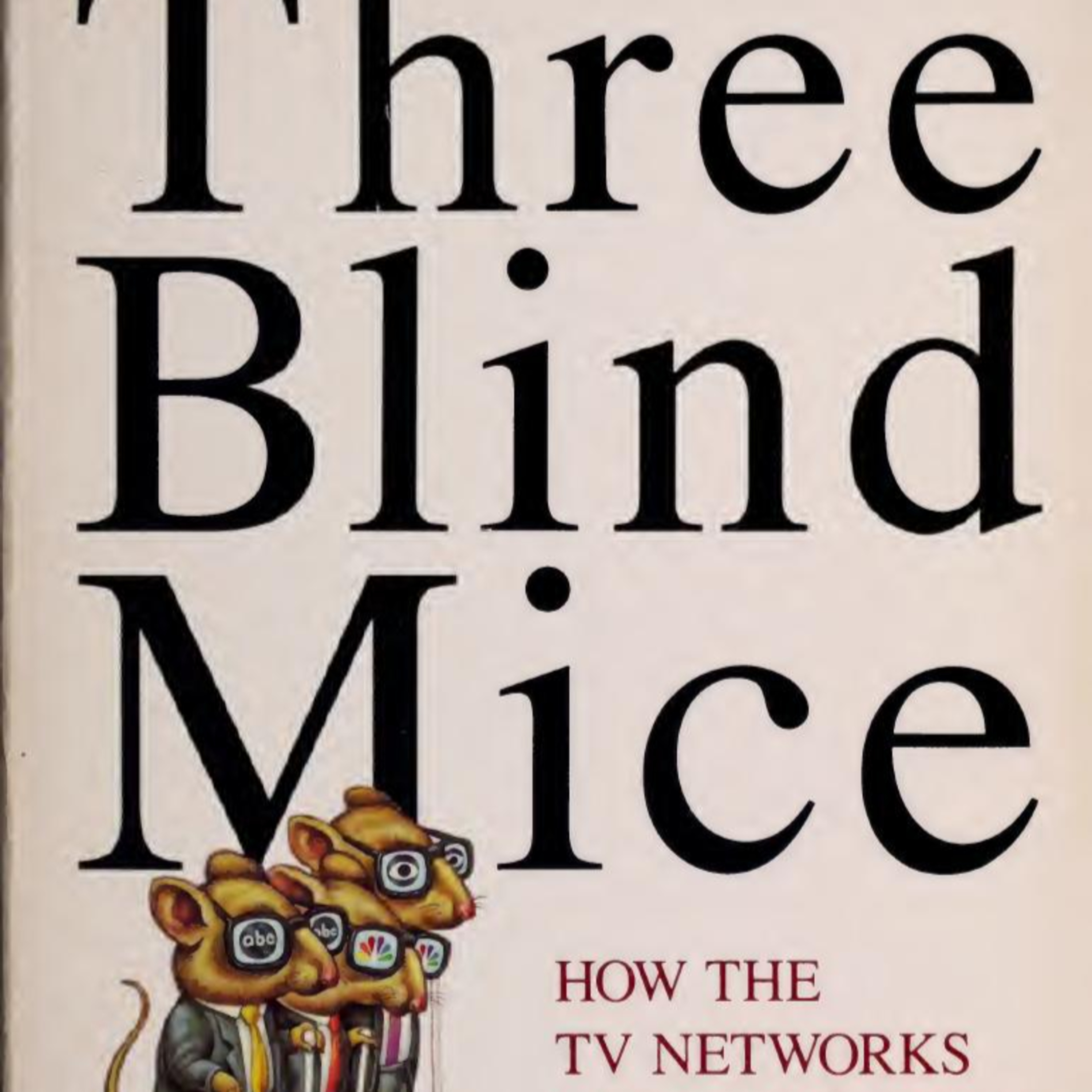 Three Blind Mice: How the TV Networks Lost Their Way — When Broadcast Dominance Broke 23.09.2026 45minWhat happens when an institution built around mass reach and public responsibility loses the environment that made its dominance possible?Welcome to Crisis in Perception, where we examine the systems shaping our world.Using Three Blind Mice: How the TV Networks Lost Their Way by Ken Auletta as our lens, this investigation traces the transformation of ABC, CBS, and NBC as technological disruption, corporate ownership, Wall Street pressure, changing regulation, and expanding viewer choice destabilized the old three-network television system.Auletta documents a genuine tension. The networks had become expensive and complacent, making greater financial discipline difficult to avoid. But attempts to impose efficiency also collided with an older conception of broadcasting—particularly network news—as an institution carrying responsibilities beyond immediate profitability.The deeper system involves technological disruption, institutional dependency, incentives, cost pressure, organizational inertia, and the tension between shareholder responsibility and public purpose.📺 Watch on YouTube:https://youtu.be/93MOQqLsQfA❤️ Support / Episode Post on Patreon:https://www.patreon.com/CrisisinPerception/posts/three-blind-mice-170372851?utm_medium=clipboard_copy&utm_source=copyLink&utm_campaign=postshare_creator&utm_content=join_linkIf these ideas resonate, consider reading the work yourself or borrowing it from your local library. Supporting authors and libraries helps keep critical inquiry accessible.If you value systems-level analysis like this, please follow, rate, and share the project.This content was created using AI-assisted tools for research synthesis, structuring, and narration support. All analysis, framing, and editorial decisions are guided by human judgment as part of the Crisis in Perception project.
 -
 Let Them Eat Tweets: How the Right Rules in an Age of Extreme Inequality 23.09.2026 50minHow can a political coalition remain powerful when the groups inside it do not necessarily share the same economic interests?Welcome to Crisis in Perception, where we examine the systems shaping our world.Using Let Them Eat Tweets: How the Right Rules in an Age of Extreme Inequality by Jacob S. Hacker and Paul Pierson as our lens, this Deep Dive investigates the interaction between economic power, political organization, identity, electoral strategy, and democratic institutions.Hacker and Pierson describe what they call “plutocratic populism”: the combination of strongly pro-wealth economic priorities with cultural and racial appeals capable of mobilizing a much broader electorate. The investigation traces the incentives and feedback loops that the authors argue helped this coalition develop and persist across several decades.Central systems and tensions include economic inequality, donor and organizational power, coalition maintenance, cultural mobilization, institutional incentives, and the tension between elite economic priorities and mass electoral competition.📺 Watch on YouTube:https://youtu.be/ctXXQ9oitY0❤️ Support / Episode Post on Patreon:https://www.patreon.com/CrisisinPerception/posts/let-them-eat-how-170371444?utm_medium=clipboard_copy&utm_source=copyLink&utm_campaign=postshare_creator&utm_content=join_linkIf these ideas resonate, consider reading the work yourself or borrowing it from your local library. Supporting authors and libraries helps keep critical inquiry accessible.If you value systems-level analysis like this, please follow, rate, and share the project.This content was created using AI-assisted tools for research synthesis, structuring, and narration support. All analysis, framing, and editorial decisions are guided by human judgment as part of the Crisis in Perception project.
 -
 Googled: The End of the World as We Know It — How Data Rewired Media 22.09.2026 50minWhat happens when an industry built on relationships and uncertain measurement collides with a system designed to quantify attention?Welcome to Crisis in Perception, where we examine the systems shaping our world.In Googled: The End of the World as We Know It, Ken Auletta chronicles the rise of Google and the profound disruption it brought to advertising, journalism, publishing, television, and the wider media economy.This investigation looks beyond the story of a successful technology company. Google introduced an architecture in which search behavior, advertising performance, and audience response could increasingly be measured and automated. Traditional media organizations that once controlled distribution and sold access to audiences found themselves competing with a platform that could connect advertisers directly to users while learning from every interaction.The episode examines automated advertising markets, data-driven feedback loops, the economics of free information, the weakening of traditional media revenue structures, and the growing importance of platforms that control discovery and traffic. It also explores the tension between increased efficiency and accessibility on one side and concentrated gatekeeping power, privacy, institutional sustainability, and public trust on the other.📺 Watch on YouTube:https://youtu.be/T8NNUs80WkE❤️ Support / Episode Post on Patreon:https://www.patreon.com/CrisisinPerception/posts/googled-end-of-170274675?utm_medium=clipboard_copy&utm_source=copyLink&utm_campaign=postshare_creator&utm_content=join_linkIf these ideas resonate, consider reading the work yourself or borrowing it from your local library. Supporting authors and libraries helps keep critical inquiry accessible.If you value systems-level analysis like this, please follow, rate, and share the project.This content was created using AI-assisted tools for research synthesis, structuring, and narration support. All analysis, framing, and editorial decisions are guided by human judgment as part of the Crisis in Perception project.
 -
 Down and Dirty Pictures: Miramax, Sundance, and the Rise of Independent Film — The Indie Machine 22.09.2026 47minIndependent cinema emerged as an alternative to Hollywood. Its success eventually created a powerful system of its own.Welcome to Crisis in Perception, where we examine the systems shaping our world.Using Down and Dirty Pictures: Miramax, Sundance, and the Rise of Independent Film by Peter Biskind as our lens, this investigation traces the rise of the American independent-film ecosystem and the institutions that helped transform it.Biskind places Sundance and Miramax at the center of a period when filmmakers who once operated largely outside the studio system gained new routes to financing, distribution, publicity, and audiences. Those institutions expanded opportunity—but their growing prestige also concentrated influence over which films received attention and access.Viewed structurally, the story becomes a study of institutional evolution. Success attracts money, talent, competition, and legitimacy. Those resources increase gatekeeping power. Eventually, an institution built to challenge an establishment can begin reproducing some of the same incentives and hierarchies.The central systems include gatekeeping, distribution, prestige, institutional power, market incentives, and the tension between artistic autonomy and audience access.📺 Watch on YouTube:https://youtu.be/NN9EyokMxl8❤️ Support / Episode Post on Patreon:https://www.patreon.com/CrisisinPerception/posts/down-and-dirty-170274215?utm_medium=clipboard_copy&utm_source=copyLink&utm_campaign=postshare_creator&utm_content=join_linkIf these ideas resonate, consider reading the work yourself or borrowing it from your local library. Supporting authors and libraries helps keep critical inquiry accessible.If you value systems-level analysis like this, please follow, rate, and share the project.This content was created using AI-assisted tools for research synthesis, structuring, and narration support. All analysis, framing, and editorial decisions are guided by human judgment as part of the Crisis in Perception project.
 -
 Easy Riders, Raging Bulls: How the Sex-Drugs-and-Rock ’n’ Roll Generation Saved Hollywood 22.09.2026 41minHollywood’s director-driven revolution of the 1970s is often remembered as a triumph of artistic rebellion. Peter Biskind’s Easy Riders, Raging Bulls reveals a more complicated institutional story.Welcome to Crisis in Perception, where we examine the systems shaping our world.Using Easy Riders, Raging Bulls: How the Sex-Drugs-and-Rock ’n’ Roll Generation Saved Hollywood by Peter Biskind as our lens, this Deep Dive investigates why New Hollywood emerged when it did—and why its extraordinary period of filmmaker autonomy proved temporary.The old studio model was already destabilized by declining attendance, television, generational change, cultural upheaval, financial pressure, and executives struggling to understand younger audiences. The success of unconventional films such as Easy Rider helped transfer power toward directors and producers willing to experiment.That success also changed Hollywood’s incentives. Greater autonomy brought greater ambition and financial exposure, while Jaws and Star Wars helped demonstrate the extraordinary profitability of mass-audience blockbusters. The result was not simply the defeat of artistic cinema, but another institutional adaptation as studios rediscovered ways to manage risk and regain control.At the center of the episode are creative autonomy, commercial predictability, institutional uncertainty, incentive feedback, cultural change, and the recurring question of what happens when disruption succeeds.📺 Watch on YouTube:https://youtu.be/w_58iEPrwww❤️ Support / Episode Post on Patreon:https://www.patreon.com/CrisisinPerception/posts/easy-riders-how-170273586?utm_medium=clipboard_copy&utm_source=copyLink&utm_campaign=postshare_creator&utm_content=join_linkIf these ideas resonate, consider reading the work yourself or borrowing it from your local library. Supporting authors and libraries helps keep critical inquiry accessible.If you value systems-level analysis like this, please follow, rate, and share the project.This content was created using AI-assisted tools for research synthesis, structuring, and narration support. All analysis, framing, and editorial decisions are guided by human judgment as part of the Crisis in Perception project.
 -
 Conscious Uncoupling: 5 Steps to Living Happily Even After — Why Breakups Become Battles 22.09.2026 46minA breakup can end a relationship while keeping its emotional system alive.Welcome to Crisis in Perception, where we examine the systems shaping our world.Using Conscious Uncoupling: 5 Steps to Living Happily Even After by Katherine Woodward Thomas as our lens, this episode investigates why the end of a romantic relationship can activate fear, shame, anger, obsessive attachment, blame, and retaliation—and how those reactions can begin reinforcing one another.Thomas challenges the assumption that a relationship ending automatically means it failed. Her five-step Conscious Uncoupling process instead treats separation as a transition that can be navigated through emotional regulation, greater personal agency, recognition of recurring patterns, appropriate accountability, and the creation of healthier agreements afterward.At the center of the investigation is an attachment-threat feedback loop: attachment rupture creates fear; fear drives reactive behavior; reactive behavior produces additional threat; and the resulting conflict can keep people emotionally connected through hostility long after the positive relationship has ended.The episode also examines the tension between vindication and freedom, responsibility and blame, self-protection and openness, and short-term retaliation versus long-term well-being.📺 Watch on YouTube:https://youtu.be/eGBFd0VaxVQ❤️ Support / Episode Post on Patreon:https://www.patreon.com/CrisisinPerception/posts/conscious-5-to-170270394?utm_medium=clipboard_copy&utm_source=copyLink&utm_campaign=postshare_creator&utm_content=join_linkIf these ideas resonate, consider reading the work yourself or borrowing it from your local library. Supporting authors and libraries helps keep critical inquiry accessible.If you value systems-level analysis like this, please follow, rate, and share the project.This content was created using AI-assisted tools for research synthesis, structuring, and narration support. All analysis, framing, and editorial decisions are guided by human judgment as part of the Crisis in Perception project.
 -
 China's Great Road — Who Directs Development? 21.09.2026 58minChina's rise is often interpreted as evidence that markets displaced socialism. John Ross argues that this framing misses the institutional structure beneath China's development.Welcome to Crisis in Perception, where we examine the systems shaping our world.Using China's Great Road by John Ross as our lens, this episode investigates how markets, private enterprise, state ownership, strategic investment, and macroeconomic coordination interact within the development model Ross describes.Ross uses China's long-run economic growth, rising consumption, poverty reduction, life-expectancy changes, and international comparisons to argue that reform and opening represented an adaptation of socialist development rather than its abandonment. The episode distinguishes these outcomes from Ross's theoretical interpretation of what caused them and what they imply about Marxist economic theory.At the center of the investigation is a broader systems question: what actually defines an economic system? Is it the presence of markets, patterns of ownership, control over large-scale investment, or the outcomes produced over time?Central mechanisms include state and private ownership, capital formation, division of labour, productive scale, strategic investment, macroeconomic coordination, and the tension between market allocation and public direction.📺 Watch on YouTube:https://youtu.be/5Yx_nyWvcDY❤️ Support / Episode Post on Patreon:https://www.patreon.com/CrisisinPerception/posts/chinas-great-who-170193463?utm_medium=clipboard_copy&utm_source=copyLink&utm_campaign=postshare_creator&utm_content=join_linkIf these ideas resonate, consider reading the work yourself or borrowing it from your local library. Supporting authors and libraries helps keep critical inquiry accessible.If you value systems-level analysis like this, please follow, rate, and share the project.This content was created using AI-assisted tools for research synthesis, structuring, and narration support. All analysis, framing, and editorial decisions are guided by human judgment as part of the Crisis in Perception project.
 -
 Gone Girl — When Identity Becomes Performance 21.09.2026 29minHow well can we know another person when both people are constantly shaping themselves for each other?Welcome to Crisis in Perception, where we examine the systems shaping our world.Using Gone Girl by Gillian Flynn as our lens, this Deep Dive investigates identity, intimacy, deception, and the feedback systems that develop when people begin performing versions of themselves for one another.Nick and Amy Dunne do more than hide information. They construct identities: desirable partners, disappointed spouses, victims, suspects, and eventually public characters whose stories must compete for credibility. The investigation traces how social approval reinforces those performances, how resentment grows when maintaining them becomes costly, and how private identity management expands into public narrative warfare.The central systems include identity performance, social feedback, reputation management, media framing, and narrative interpretation. The key tension is between authenticity and desirability: whether being loved for a carefully maintained version of ourselves can ever produce genuine intimacy.📺 Watch on YouTube:https://youtu.be/-XLPp7oXs0g❤️ Support / Episode Post on Patreon:https://www.patreon.com/CrisisinPerception/posts/gone-girl-when-170183763?utm_medium=clipboard_copy&utm_source=copyLink&utm_campaign=postshare_creator&utm_content=join_linkThis episode discusses key plot outcomes from the referenced fictional work in order to analyze its underlying social, economic, and systemic themes.If these ideas resonate, consider reading the work yourself or borrowing it from your local library. Supporting authors and libraries helps keep critical inquiry accessible.If you value systems-level analysis like this, please follow, rate, and share the project.This content was created using AI-assisted tools for research synthesis, structuring, and narration support. All analysis, framing, and editorial decisions are guided by human judgment as part of the Crisis in Perception project.
Sarnased taskuhäälingud


Populaarne riigis
See taskuhääling on ka nende riikide taskuhäälingute edetabelites.
