
Latin from Zero: By Digital Monastery
Learn Latin with real Latin texts. No experience required.
0
A beginner-friendly podcast for learning Latin from scratch using real Latin texts. Each episode works through a text line by line, providing clear translations and explanations along the way. No previous experience with Latin is required. Listeners can follow along and discover the language one text at a time. The show is produced by Digital Monastery.
Osad
-
 Podcast: Latin from Zero Psalm 4 25.09.2026 11minLatinin finem in carminibus psalmus Davidcum invocarem exaudivit me Deus iustitiae meae in tribulatione dilatasti mihi miserere mei et exaudi orationem meamfilii hominum usquequo gravi corde ut quid diligitis vanitatem et quaeritis mendacium diapsalmaet scitote quoniam mirificavit Dominus sanctum suum Dominus exaudiet me cum clamavero ad eumirascimini et nolite peccare quae dicitis in cordibus vestris in cubilibus vestris conpungimini diapsalmasacrificate sacrificium iustitiae et sperate in Dominomulti dicunt quis ostendet nobis bona signatum est super nos lumen vultus tui Dominededisti laetitiam in corde meo a fructu frumenti et vini et olei sui multiplicati suntin pace in id ipsum dormiam et requiescamquoniam tu Domine singulariter in spe constituisti meLine onein finem in carminibus psalmus Davidinto the end in the songs A psalm of Davidin finem For the end.in carminibus Among the songs.psalmus David A psalm of David.Line twocum invocarem exaudivit me Deus iustitiae meae in tribulatione dilatasti mihi miserere mei et exaudi orationem meamWhen I called, the God of my righteousness heard me. In tribulation, you have made room for me. Have mercy on me and hear my prayer.cum invocarem exaudivit me Deus iustitiae meae When I called, the God of my righteousness heard me.in tribulatione dilatasti mihi In my distress, You gave me relief.miserere mei Have mercy on me.et exaudi orationem meam And hear my prayer.Line threefilii hominum usquequo gravi corde ut quid diligitis vanitatem et quaeritis mendacium diapsalmaSons of men, how long with a heavy heart? Why do you love vanity? And you seek a lie. diapsalmafilii hominum usquequo gravi corde O sons of men, how long will you be heavy-hearted?ut quid diligitis vanitatem Why do you love vanity?et quaeritis mendacium And seek after lies?diapsalma A musical interlude, or cue for reflection.Line fouret scitote quoniam mirificavit Dominus sanctum suum Dominus exaudiet me cum clamavero ad eumAnd know that the Lord has made his holy one wonderful. The Lord will hear me when I have called to himet scitote quoniam mirificavit Dominus sanctum suum Know that the Lord has set apart His holy one.Dominus exaudiet me The Lord will hear me.cum clamavero ad eum When I cry out to Him.Line fiveirascimini et nolite peccare quae dicitis in cordibus vestris in cubilibus vestris conpungimini diapsalmaBe angry and do not sin. What you say in your hearts In your beds, you are pricked. diapsalmairascimini et nolite peccare Be angry, and do not sin.quae dicitis in cordibus vestris in cubilibus vestris conpungimini Ponder in your hearts, on your beds, and be contrite.diapsalma A musical interlude, or cue for reflection.Line sixsacrificate sacrificium iustitiae et sperate in DominoOffer the sacrifice of justice. And hope in the Lord.sacrificate sacrificium iustitiae Offer the sacrifices of righteousness.et sperate in Domino And trust in the Lord.Line sevenmulti dicunt quis ostendet nobis bona signatum est super nos lumen vultus tui DomineMany say, ‘Who will show us good things?’ The light of your face, O Lord, has been set upon us.multi dicunt Many say,quis ostendet nobis bona Who will show us good things?signatum est super nos lumen vultus tui Domine The light of Your face, O Lord, has been set upon us.Line eightdedisti laetitiam in corde meo a fructu frumenti et vini et olei sui multiplicati suntYou have given joy in my heart. from the fruit of the grain both of his wine and of his oil They were multiplied.dedisti laetitiam in corde meo You have put gladness in my heart.a fructu frumenti et vini et olei sui multiplicati sunt From the fruit of their grain, wine, and oil, they have increased.Line ninein pace in id ipsum dormiam et requiescamIn peace, into that very thing. I will sleep and I will rest.Line tenquoniam tu Domine singulariter in spe constituisti meSince you, Lord, uniquely You have established me in hope.Thanks for reading! Subscribe for free to receive new posts and support my work. This is a public episode. If you would like to discuss this with other subscribers or get access to bonus episodes, visit digitalmonastery.substack.com
 -
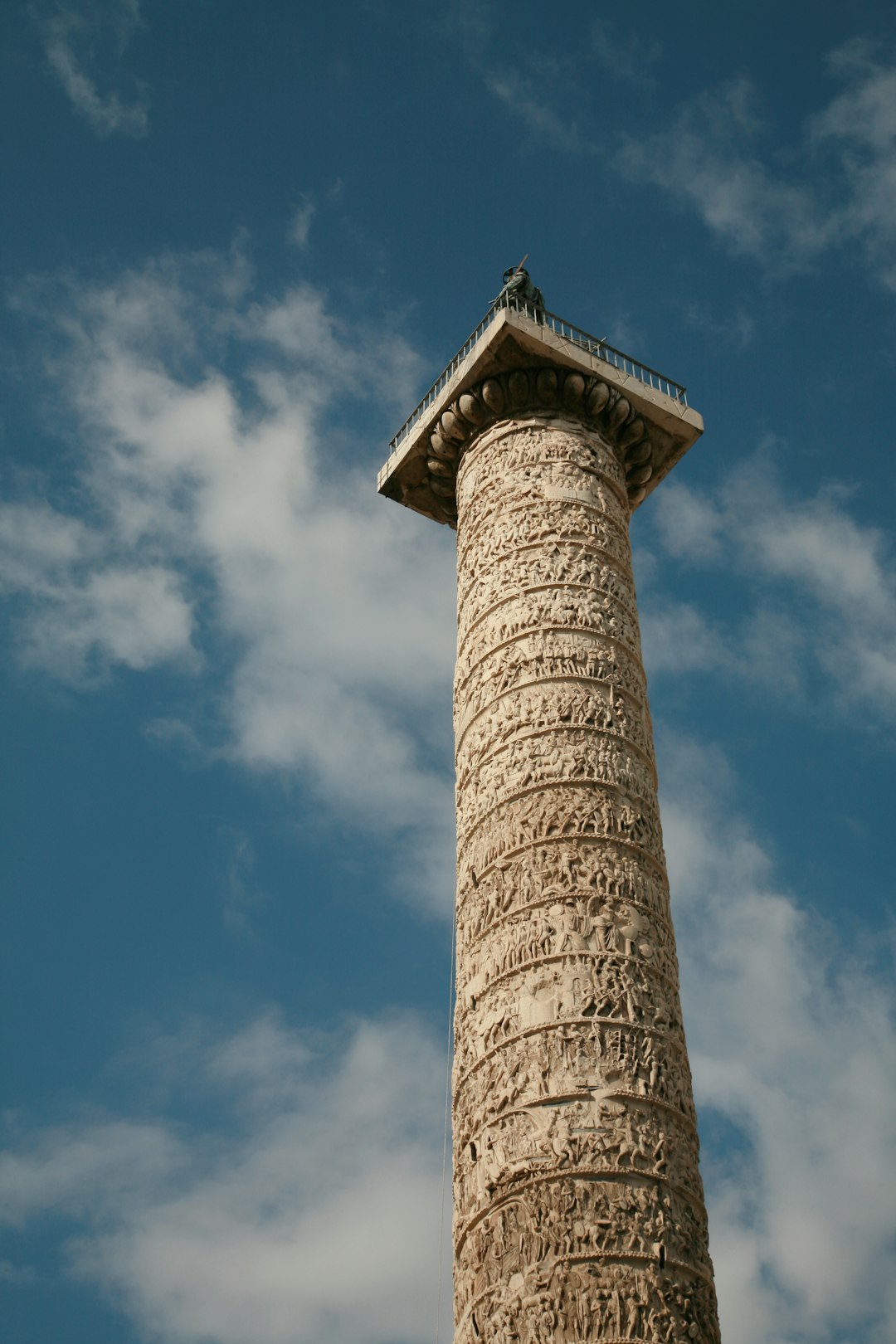 (Improved Version) Podcast: Trajan's Column 25.09.2026 4minInscriptionSENATVS·POPVLVSQVE·ROMANVSIMP·CAESARI·DIVI·NERVAE·F·NERVAETRAIANO·AVG·GERM·DACICO·PONTIFMAXIMO·TRIB·POT·XVII·IMP·VI·COS·VI·P·PAD·DECLARANDVM·QVANTAE·ALTITVDINISMONS·ET·LOCVS·TAN[TIS·OPER]IBVS·SIT·EGESTVSPhysical rows follow the surviving inscription; brackets mark restored lost text in the final row.Reading line oneSenatus populusque RomanusThe Senate and People of RomeSenatus. means “Senate”. It is a masculine noun in the nominative singular, serving as the subject of the sentence. This term refers to the governing body of Rome, emphasizing its authority and prominence.populusque. means “and the people”. It combines the masculine nominative singular noun populus with the enclitic -que, and functions with Senatus as the subject.Romanus. means “Roman”. It is a masculine adjective in the nominative singular, modifying populus and identifying the people as Roman.Reading line twoImperatori Caesari divi Nervae filio Nervae Traiano Augusto Germanico Dacico Pontifici MaximoTo the emperor Caesar Nerva Trajan Augustus, son of the deified Nerva, conqueror of Germany and Dacia, chief priestImperatori Caesarito Emperor CaesarIMP. is an abbreviation of Imperatori. Imperatori means “emperor”. It is a masculine noun in the dative singular, indicating the recipient of the dedication. This term highlights the supreme authority of the individual being addressed.Caesari. means “Caesar”. It is a masculine noun in the dative singular, functioning as an appositional title to Imperatori. Caesar was a title of high rank, originally derived from Julius Caesar, and later used by Roman emperors.divi Nervae filioson of the divine Nervadivi. means “divine”. It is a masculine adjective in the genitive singular, modifying Nervae. This term signifies the deification of Nerva, a posthumous honor granted to emperors.Nervae. means “Nerva”. It is a masculine noun in the genitive singular, indicating possession or lineage. Here, it specifies the divine status of Nerva and his relationship to the Emperor.F. is an abbreviation of filio. filio means “son”. It is a masculine noun in the dative singular, functioning as an appositional clarification to Imperatori Caesari. This term reinforces the familial connection to Nerva.Nervae Traiano AugustoNerva Trajan AugustusNervae. means “Nerva”. It is repeated as a masculine noun in the genitive singular, again indicating possession or lineage. This repetition emphasizes the Emperor’s heritage.Traiano. means “Trajan”. It is a masculine adjective in the dative singular, modifying Imperatori. Trajan is the Emperor’s personal name, further specifying his identity.AVG. is an abbreviation of Augusto. Augusto means “Augustus”. It is a masculine adjective in the dative singular, modifying Imperatori. Augustus was an honorific title denoting supreme authority and reverence.Germanico Dacicoconqueror of the Germans and DaciansGERM. is an abbreviation of Germanico. Germanico means “Germanicus”. It is a masculine adjective in the dative singular, modifying Imperatori. This title commemorates military victories in Germania, underscoring the Emperor’s achievements.Dacico. means “Dacicus”. It is a masculine adjective in the dative singular, modifying Imperatori. This title celebrates military successes in Dacia, further glorifying the Emperor’s conquests.Pontifici MaximoChief PriestPONTIF. is an abbreviation of Pontifici. Pontifici means “pontiff”. It is a masculine noun in the dative singular, functioning as an appositional title to Imperatori. Pontifex Maximus was the highest religious office in Rome, combining spiritual and political power. The title continues with Maximo at the beginning of physical row four.Maximo. means “greatest”. It is a masculine adjective in the dative singular, modifying Pontifici. This superlative emphasizes the unparalleled status of the Pontifex Maximus.Reading line threetribunicia potestate septimum decimum imperatori sextum consuli sextum patri patriaeHolding tribunician power for the seventeenth time, acclaimed imperator six times, consul six times, father of the fatherlandtribunicia potestate septimum decimumholding tribunician power for the seventeenth timeTRIB. is an abbreviation of tribunicia. tribunicia means “tribunician”. It is an adjective in the ablative singular feminine, modifying “potestate.” Here, it describes the type of power being exercised, specifically the tribunician authority, which was a key aspect of Roman governance.POT. is an abbreviation of potestate. potestate means “power”. It is a noun in the ablative singular feminine, functioning as the object of the implied preposition “with” or “by.” The ablative indicates the means or capacity in which the subject acts, emphasizing the authority held.XVII. is the Roman numeral for 17. Here it has ordinal-adverbial force and is read septimum decimum.imperatori sextumhailed as emperor for the sixth timeIMP. is an abbreviation of imperatori. imperatori means “commander”. It is a noun in the dative singular masculine, functioning as an indirect object. The dative case expresses the role or title held, indicating that the subject is acting in the capacity of imperator.VI. is the Roman numeral for 6. Here it has ordinal-adverbial force in the context of imperatorial acclamation and is read sextum.consuli sextumconsul for the sixth timeCOS. is an abbreviation of consuli. consuli means “consul”. It is a noun in the dative singular masculine, functioning as an indirect object. Like “imperatori,” the dative case indicates the role or title held, showing the subject acting in the capacity of consul.VI. is the Roman numeral for 6. Here it has ordinal-adverbial force in the context of consulship and is read sextum.patri patriaeFather of the FatherlandP·P. is an abbreviation of patri patriae, “father of the fatherland.” The expanded words complete the emperor’s honorific titles.Reading line fourad declarandum quantae altitudinis mons et locus tantis operibus sit egestusTo demonstrate how lofty a hill and how much ground were carried away for such great worksad declarandumto declaread. means “to”. It is a preposition governing the accusative case, indicating purpose or direction in this line, specifically the aim of declaring something.declarandum. means “declaring”. It is a gerund in the accusative case, functioning as the object of the preposition “ad” to express purpose.quantae altitudinis mons et locusthe height of the mountain and the placequantae. means “how great”. It is an adjective in the genitive case, singular, feminine, modifying “altitudinis” and introducing an indirect question about the magnitude of the height.altitudinis. means “height”. It is a noun in the genitive case, singular, feminine, used to express a quality or measurement, specifically the height of the mountain and place.mons. means “mountain”. It is a noun in the nominative case, singular, masculine, serving as one of the subjects of the clause.et. means “and”. It is a conjunction functioning as a coordinator, linking “mons” and “locus” as joint subjects.locus. means “place”. It is a noun in the nominative case, singular, masculine, serving as the second subject of the clause, joined to “mons” by “et.”tantis operibus sit egestusthat has been removed by such great workstantis. means “so great”. It is an adjective in the ablative case, plural, masculine, modifying “operibus” to emphasize the magnitude of the works.operibus. means “work”. It is a noun in the ablative case, plural, neuter, functioning as the object of the ablative of means, indicating the instrument by which the excavation was accomplished.sit. means “be”. It is a verb in the present subjunctive, active voice, third person singular, functioning as the predicate of the indirect question introduced by “quantae.”egestus. means “excavated”. It is a perfect passive participle in the nominative case, singular, masculine, agreeing with “mons et locus” and describing their state as the result of the works.Thanks for reading! Subscribe for free to receive new posts and support my work. This is a public episode. If you would like to discuss this with other subscribers or get access to bonus episodes, visit digitalmonastery.substack.com
 -
 Podcast: Latin from Zero Psalm 3 23.09.2026 9minLatinpsalmus David cum fugeret a facie Abessalon filii suiDomine quid multiplicati sunt qui tribulant memulti insurgunt adversum memulti dicunt animae meaenon est salus ipsi in Deo eiusdiapsalmatu autem Domine susceptor meus esgloria mea et exaltans caput meumvoce mea ad Dominum clamaviet exaudivit me de monte sancto suodiapsalmaego dormivi et soporatus sumexsurrexi quia Dominus suscipiet menon timebo milia populi circumdantis meexsurge Domine salvum me fac Deus meusquoniam tu percussisti omnes adversantes mihi sine causadentes peccatorum contrivistiDomini est saluset super populum tuum benedictio tuaLine onepsalmus David cum fugeret a facie Abessalon filii suiA psalm of David when he fled from the face of Absalom, his son.psalmus David A psalm of Davidcum fugeret a facie Abessalon filii sui when he fled from the face of Absalom, his sonLine twoDomine quid multiplicati sunt qui tribulant meLord, why have they multiplied who trouble me?Domine Lordquid multiplicati sunt qui tribulant me how many are they who trouble me!Line threemulti insurgunt adversum meMany rise up against meLine fourmulti dicunt animae meaeMany speak to my soul.Line fivenon est salus ipsi in Deo eiusThere is no salvation for him in his God.Line sixdiapsalmadiapsalmaLine seventu autem Domine susceptor meus esBut you, Lord, are my protector.Line eightgloria mea et exaltans caput meumMy glory and the one who lifts up my headgloria mea my glory,et exaltans caput meum and the one who lifts up my head.Line ninevoce mea ad Dominum clamaviWith my voice, I cried out to the Lord.Line tenet exaudivit me de monte sancto suoAnd he heard me from his holy mountain.Line elevendiapsalmadiapsalmaLine twelveego dormivi et soporatus sumI slept and I was put to sleep.Line thirteenexsurrexi quia Dominus suscipiet meI rose up because the Lord will receive meLine fourteennon timebo milia populi circumdantis meI will not fear the thousands of people surrounding me.Line fifteenexsurge Domine salvum me fac Deus meusRise up, Lord; save me, my God.exsurge Domine Arise, Lord!salvum me fac Deus meus Save me, my God!Line sixteenquoniam tu percussisti omnes adversantes mihi sine causaSince you have struck all opposing me without causeLine seventeendentes peccatorum contrivistiYou have crushed the teeth of sinners.Line eighteenDomini est salusSalvation belongs to the Lord.Line nineteenet super populum tuum benedictio tuaand upon your people, your blessing This is a public episode. If you would like to discuss this with other subscribers or get access to bonus episodes, visit digitalmonastery.substack.com
 -
 (Improved Version) Podcast: Latin from Zero Psalm 2 18.09.2026 13minCompanion Article for podcast with in-depth definitions and grammar. LatinPSALMUS David quare fremuerunt gentes et populi meditati sunt inaniaadstiterunt reges terrae et principes convenerunt in unum adversus Dominum et adversus christum eius diapsalmadisrumpamus vincula eorum et proiciamus a nobis iugum ipsorumqui habitat in caelis inridebit eos et Dominus subsannabit eostunc loquetur ad eos in ira sua et in furore suo conturbabit eosego autem constitutus sum rex ab eo super Sion montem sanctum eius praedicans praeceptum eiusDominus dixit ad me filius meus es tu ego hodie genui tepostula a me et dabo tibi gentes hereditatem tuam et possessionem tuam terminos terraereges eos in virga ferrea tamquam vas figuli confringes eoset nunc reges intellegite erudimini qui iudicatis terramservite Domino in timore et exultate ei in tremoreadprehendite disciplinam nequando irascatur Dominus et pereatis de via iustacum exarserit in brevi ira eius beati omnes qui confidunt in eoLine onePSALMUS David quare fremuerunt gentes et populi meditati sunt inaniaA psalm of David: Why did the nations rage and the peoples devise vain things?PSALMUS David A Psalm of Davidquare fremuerunt gentes Why do the nations rage?et populi meditati sunt inania And the peoples plot in vain?Line twoadstiterunt reges terrae et principes convenerunt in unum adversus Dominum et adversus christum eius diapsalmaThe kings of the earth stood by, and the princes gathered together as one against the Lord and against His anointed. Diapsalma.adstiterunt reges terrae The kings of the earth take their stand,et principes convenerunt in unum And the rulers gather together as one,adversus Dominum Against the Lord,et adversus christum eius And against His anointed.diapsalma A musical interlude, or cue for reflectionLine threedisrumpamus vincula eorum et proiciamus a nobis iugum ipsorumLet us break their chains and cast away their yoke from us.disrumpamus vincula eorum Let us break their chains,et proiciamus a nobis iugum ipsorum And cast away their yoke from us.Line fourqui habitat in caelis inridebit eos et Dominus subsannabit eosHe who dwells in the heavens will laugh at them, and the Lord will mock them.qui habitat in caelis He who dwells in the heavensinridebit eos will laugh at themet Dominus subsannabit eos and the Lord will mock themLine fivetunc loquetur ad eos in ira sua et in furore suo conturbabit eosThen he will speak to them in his anger and in his fury he will trouble them.tunc loquetur ad eos in ira sua Then He will speak to them in His angeret in furore suo conturbabit eos and in His wrath He will terrify themLine sixego autem constitutus sum rex ab eo super Sion montem sanctum eius praedicans praeceptum eiusI, however, have been appointed king by him over Zion, his holy mountain, proclaiming his command.ego autem constitutus sum rex ab eo But I have been established as king by Himsuper Sion montem sanctum eius on Zion, His holy mountainpraedicans praeceptum eius proclaiming His decreeLine sevenDominus dixit ad me filius meus es tu ego hodie genui teThe Lord said to me, ‘You are my son; today I have begotten you.’Dominus dixit ad me The Lord said to mefilius meus es tu You are My sonego hodie genui te Today I have begotten youLine eightpostula a me et dabo tibi gentes hereditatem tuam et possessionem tuam terminos terraeAsk of me, and I will give you the nations as your inheritance and your possession to the ends of the earth.postula a me Ask of Meet dabo tibi gentes hereditatem tuam and I will give you the nations as your inheritanceet possessionem tuam terminos terrae and the ends of the earth as your possessionLine ninereges eos in virga ferrea tamquam vas figuli confringes eosYou will break the kings with an iron rod, like a potter’s vessel, you will shatter them.reges eos in virga ferrea You will rule them with a rod of irontamquam vas figuli confringes eos and shatter them like a potter’s vesselLine tenet nunc reges intellegite erudimini qui iudicatis terramAnd now, O kings, understand; be instructed, you who judge the earth.et nunc reges intellegite And now, kings, understanderudimini qui iudicatis terram Be instructed, you who judge the earthLine elevenservite Domino in timore et exultate ei in tremoreServe the Lord in fear and exult to him in trembling.servite Domino in timore Serve the Lord with fearet exultate ei in tremore and rejoice with tremblingLine twelveadprehendite disciplinam nequando irascatur Dominus et pereatis de via iustaTake hold of discipline lest the Lord becomes angry and you perish from the just way.adprehendite disciplinam Take hold of disciplinenequando irascatur Dominus lest the Lord become angryet pereatis de via iusta and you perish from the righteous pathLine thirteencum exarserit in brevi ira eius beati omnes qui confidunt in eoWhen his anger flares up in a short time, blessed are all who trust in him.cum exarserit in brevi ira eius when His wrath is quickly kindledbeati omnes qui confidunt in eo Blessed are all who trust in HimThanks for reading! Subscribe for free to receive new posts and support my work. This is a public episode. If you would like to discuss this with other subscribers or get access to bonus episodes, visit digitalmonastery.substack.com
 -
 Podcast: Latin from Zero Psalm 2 14.09.2026 18minLatinPSALMUS David quare fremuerunt gentes et populi meditati sunt inaniaadstiterunt reges terrae et principes convenerunt in unum adversus Dominum et adversus christum eius diapsalmadisrumpamus vincula eorum et proiciamus a nobis iugum ipsorumqui habitat in caelis inridebit eos et Dominus subsannabit eostunc loquetur ad eos in ira sua et in furore suo conturbabit eosego autem constitutus sum rex ab eo super Sion montem sanctum eius praedicans praeceptum eiusDominus dixit ad me filius meus es tu ego hodie genui tepostula a me et dabo tibi gentes hereditatem tuam et possessionem tuam terminos terraereges eos in virga ferrea tamquam vas figuli confringes eoset nunc reges intellegite erudimini qui iudicatis terramservite Domino in timore et exultate ei in tremoreadprehendite disciplinam nequando irascatur Dominus et pereatis de via iustacum exarserit in brevi ira eius beati omnes qui confidunt in eoVerse 1PSALMUS David quare fremuerunt gentes et populi meditati sunt inaniaA psalm of David: Why did the nations rage and the peoples devise vain things?PSALMUS — noun: psalmDavid — noun: Davidquare — adverb: whyfremuerunt — verb: ragegentes — noun: nationset — conjunction: andpopuli — noun: peoplesmeditati — verb: devisesunt — verb: beinania — adjective: vainVerse 2adstiterunt reges terrae et principes convenerunt in unum adversus Dominum et adversus christum eius diapsalmaThe kings of the earth stood by, and the princes gathered together as one against the Lord and against His anointed. Diapsalma.adstiterunt — verb: stand byreges — noun: kingterrae — noun: earthet — conjunction: andprincipes — noun: princeconvenerunt — verb: gather togetherin — preposition: inunum — adjective: oneadversus — preposition: againstDominum — noun: Lordet — conjunction: andadversus — preposition: againstchristum — noun: anointedeius — pronoun: hisdiapsalma: a musical interlude, or cue for reflectionVerse 3disrumpamus vincula eorum et proiciamus a nobis iugum ipsorumLet us break their chains and throw off their yoke from us.disrumpamus — verb: break apartvincula — noun: chaineorum — pronoun: theiret — conjunction: andproiciamus — verb: cast awaya — preposition: fromnobis — pronoun: usiugum — noun: yokeipsorum — pronoun: theirVerse 4qui habitat in caelis inridebit eos et Dominus subsannabit eosHe who dwells in the heavens will laugh at them, and the Lord will mock them.qui — pronoun: whohabitat — verb: dwellin — preposition: incaelis — noun: heaveninridebit — verb: laugh ateos — pronoun: themet — conjunction: andDominus — noun: Lordsubsannabit — verb: mockeos — pronoun: themVerse 5tunc loquetur ad eos in ira sua et in furore suo conturbabit eosThen he will speak to them in his anger, and in his fury he will trouble them.tunc — adverb: thenloquetur — verb: speakad — preposition: toeos — pronoun: themin — preposition: inira — noun: angersua — adjective: hiset — conjunction: andin — preposition: infurore — noun: furysuo — adjective: hisconturbabit — verb: troubleeos — pronoun: themVerse 6ego autem constitutus sum rex ab eo super Sion montem sanctum eius praedicans praeceptum eiusI, however, have been appointed king by him over Zion, his holy mountain, proclaiming his command.ego — pronoun: Iautem — adverb: howeverconstitutus — verb: appointsum — verb: amrex — noun: kingab — preposition: byeo — pronoun: himsuper — preposition: overSion — noun: Zionmontem — noun: mountainsanctum — adjective: holyeius — pronoun: hispraedicans — participle: proclaimingpraeceptum — noun: commandeius — pronoun: hisVerse 7Dominus dixit ad me filius meus es tu ego hodie genui teThe Lord said to me, ‘You are my son; today I have begotten you.’Dominus — noun: lorddixit — verb: sayad — preposition: tome — pronoun: mefilius — noun: sonmeus — adjective: myes — verb: aretu — pronoun: youego — pronoun: Ihodie — adverb: todaygenui — verb: begette — pronoun: youVerse 8postula a me et dabo tibi gentes hereditatem tuam et possessionem tuam terminos terraeAsk of me, and I will give you the nations as your inheritance and your possession to the ends of the earth.postula — verb: aska — preposition: fromme — pronoun: meet — conjunction: anddabo — verb: givetibi — pronoun: yougentes — noun: nationshereditatem — noun: inheritancetuam — adjective: youret — conjunction: andpossessionem — noun: possessiontuam — adjective: yourterminos — noun: endsterrae — noun: earthVerse 9reges eos in virga ferrea tamquam vas figuli confringes eosYou will break the kings with an iron rod, like a potter’s vessel, you will shatter them.reges — noun: kingeos — pronoun: themin — preposition: invirga — noun: rodferrea — adjective: irontamquam — conjunction: likevas — noun: vesselfiguli — noun: potterconfringes — verb: breakeos — pronoun: themVerse 10et nunc reges intellegite erudimini qui iudicatis terramAnd now, O kings, understand; be instructed, you who judge the earth.et — conjunction: andnunc — adverb: nowreges — noun: kingintellegite — verb: understanderudimini — verb: instructqui — pronoun: whoiudicatis — verb: judgeterram — noun: earthVerse 11servite Domino in timore et exultate ei in tremoreServe the Lord with fear and rejoice before Him with trembling.servite — verb: serveDomino — noun: Lordin — preposition: intimore — noun: fearet — conjunction: andexultate — verb: exultei — pronoun: himin — preposition: intremore — noun: tremblingVerse 12adprehendite disciplinam nequando irascatur Dominus et pereatis de via iustaTake hold of discipline lest the Lord becomes angry and you perish from the just way.adprehendite — verb: take hold ofdisciplinam — noun: disciplinenequando — adverb: lest at any timeirascatur — verb: become angryDominus — noun: Lordet — conjunction: andpereatis — verb: perishde — preposition: fromvia — noun: wayiusta — adjective: justVerse 13cum exarserit in brevi ira eius beati omnes qui confidunt in eoWhen his anger flares up in a short time, blessed are all who trust in him.cum — conjunction: whenexarserit — verb: flare upin — preposition: inbrevi — adjective: shortira — noun: angereius — pronoun: hisbeati — adjective: blessedomnes — adjective: allqui: a relative pronoun that means “whoconfidunt — verb: trustin — preposition: ineo — pronoun: himThanks for reading! Subscribe for free to receive new posts and support my work. This is a public episode. If you would like to discuss this with other subscribers or get access to bonus episodes, visit digitalmonastery.substack.com
 -
 Podcast: Latin from Zero Psalm 1 12.09.2026 12minLatinbeatus vir qui non abiit in consilio impiorum et in via peccatorum non stetit et in cathedra pestilentiae non seditsed in lege Domini voluntas eius et in lege eius meditabitur die ac nocteet erit tamquam lignum quod plantatum est secus decursus aquarum quod fructum suum dabit in tempore suo et folium eius non defluet et omnia quaecumque faciet prosperabunturnon sic impii non sic; sed tamquam pulvis quem proicit ventus a facie terrae;ideo non resurgent impii in iudicio neque peccatores in consilio iustorumquoniam novit Dominus viam iustorum et iter impiorum peribitVerse 1beatus vir qui non abiit in consilio impiorum et in via peccatorum non stetit et in cathedra pestilentiae non seditBlessed is the man who has not walked in the counsel of the wicked, and has not stood in the way of sinners, and has not sat in the seat of pestilence.beatus — adjective: blessedvir — noun: the manqui — pronoun: whonon — adverb: notabiit — verb: has walkedin — preposition: inconsilio — noun: the counselimpiorum — adjective: of the wickedet — conjunction: andin — preposition: invia — noun: the waypeccatorum — noun: of sinnersnon — adverb: notstetit — verb: has stoodet — conjunction: andin — preposition: incathedra — noun: the seatpestilentiae — noun: of pestilence or mockersnon — adverb: notsedit — verb: has satVerse 2sed in lege Domini voluntas eius et in lege eius meditabitur die ac nocteBut in the law of the Lord is his will, and in his law he will meditate day and night.sed — conjunction: butin — preposition: inlege — noun: the lawDomini — noun: of the Lordvoluntas — noun: the willeius — pronoun: hiset — conjunction: andin — preposition: inlege — noun: the laweius — pronoun: hismeditabitur — verb: he will meditatedie — noun: during the dayac — conjunction: andnocte — noun: during the nightVerse 3et erit tamquam lignum quod plantatum est secus decursus aquarum quod fructum suum dabit in tempore suo et folium eius non defluet et omnia quaecumque faciet prosperabunturAnd it will be like a tree which is planted beside streams of water, which will give its fruit in its time, and its leaf will not wither, and all things whatsoever it does will prosper.et — conjunction: anderit — verb: will betamquam — adverb: likelignum — noun: a treequod — pronoun: whichplantatum — verb: plantedest — verb: issecus — preposition: besidedecursus — noun: streamsaquarum — noun: of waterquod — pronoun: whichfructum — noun: fruitsuum — adjective: itsdabit — verb: will givein — preposition: intempore — noun: timesuo — adjective: itset — conjunction: andfolium — noun: leafeius — pronoun: itsnon — adverb: notdefluet — verb: will witheret — conjunction: andomnia — adjective: allquaecumque — pronoun: whatsoeverfaciet — verb: it doesprosperabuntur — verb: will prosperVerse 4non sic impii non sic; sed tamquam pulvis quem proicit ventus a facie terrae;Not so the wicked, not so; but like chaff which the wind drives away from the face of the earth.non — adverb: notsic — adverb: soimpii — adjective: the wickednon — adverb: notsic — adverb: sosed — conjunction: buttamquam — adverb: likepulvis — noun: chaffquem — pronoun: whichproicit — verb: drives awayventus — noun: the winda — preposition: fromfacie — noun: the faceterrae — noun: of the earthVerse 5ideo non resurgent impii in iudicio neque peccatores in consilio iustorumTherefore the wicked will not rise in judgment, nor sinners in the council of the righteous.ideo — adverb: thereforenon — adverb: notresurgent — verb: will rise againimpii — adjective: the wickedin — preposition: iniudicio — noun: judgmentneque — conjunction: norpeccatores — noun: sinnersin — preposition: inconsilio — noun: counciliustorum — adjective: of the righteousVerse 6quoniam novit Dominus viam iustorum et iter impiorum peribitSince the Lord knows the way of the just and the path of the wicked will perish.quoniam — conjunction: sincenovit — verb: knowsDominus — noun: the Lordviam — noun: the wayiustorum — adjective: of the justet — conjunction: anditer — noun: the pathimpiorum — adjective: of the wickedperibit — verb: will perish This is a public episode. If you would like to discuss this with other subscribers or get access to bonus episodes, visit digitalmonastery.substack.com
 -
 Podcast: Latin from Zero 3 Hail Mary 01.09.2026 10minLatinAve Maria, gratia plena Dominus tecum benedicta tu in mulieribus et benedictus fructus ventris tui, Iesus Sancta Maria, Mater Dei ora pro nobis peccatoribus nunc et in hora mortis nostrae AmenTranslationHail Mary, full of grace, the Lord is with thee. Blessed art thou among women, and blessed is the fruit of thy womb, Jesus. Holy Mary, Mother of God, pray for us sinners, now and in the hour of our death. Amen. Latin Text.Line by LineLine 1 Ave Maria, gratia plenaHail Mary, full of grace.Ave. means “hail”. This is a greeting or a way to show respect, like saying “hello” or “welcome” in a very formal and reverent way.Maria. means “Mary”. It’s the name of the person being addressed. In Latin, the form of the word shows that Mary is being spoken to directly.Gratia. means “grace”. It refers to a blessing or favor, and here it describes something that Mary is full of.Plena. means “full”. It describes Mary as being filled with grace, emphasizing her special and blessed nature.The phrase “Ave Maria, gratia plena” is a respectful and loving greeting to Mary, recognizing her as someone full of divine grace. It sets a tone of honor and devotion, with each word carefully chosen to highlight her unique role.Line 2 Dominus tecumThe Lord is with you.Dominus. means “lord”. It refers to God and is the subject of the sentence, the one being described as “with you.”Tecum. means “with you”. It’s a combination of cum (with) and te (you), showing closeness or companionship. It tells us that the Lord is present with the person being addressed.The sequence “Dominus tecum” is a simple but powerful statement that expresses God’s presence with the listener. Even though the verb “is” isn’t written, it’s understood, making the phrase both concise and meaningful.Line 3 benedicta tu in mulieribusBlessed are you among women.Benedicta. means “blessed”. It describes the person being addressed as someone who is honored or favored, and it matches “tu” in gender and number.Tu. means “you”. It refers to the person being spoken to, acting as the subject of the sentence.In. means “in”. It introduces the idea of location or group, leading into the phrase “among women.”Mulieribus. means “women”. It refers to the group being mentioned, and the form of the word shows that the person being addressed is among them.The phrase “benedicta tu in mulieribus” highlights the special status of the person being addressed, emphasizing that she is uniquely blessed among all women. The structure of the sentence draws attention to her exceptional role.Line 4 et benedictus fructus ventris tui, IesusAnd blessed is the fruit of your womb, Jesus.Et. means “and”. It connects this sentence to the previous one, adding another statement of blessing.Benedictus. means “blessed”. It describes the “fruit” as being holy or favored, just like “benedicta” described Mary earlier.Fructus. means “fruit”. It refers to something produced or borne, and here it is the subject of the sentence.Ventris. means “womb”. It shows where the “fruit” comes from, and its form indicates possession, meaning “of the womb.”Tui. means “your”. It tells us whose womb is being referred to—Mary’s.Iesus. means “Jesus”. It identifies the “fruit” as Jesus, making it clear who is being described as blessed.The phrase “et benedictus fructus ventris tui, Iesus” continues the theme of blessing, this time focusing on Jesus as the holy “fruit” of Mary’s womb. The word order emphasizes the blessing first, then reveals the identity of the one being blessed, creating a sense of reverence and awe.Line 5 Sancta Maria, Mater DeiHoly Mary, Mother of God.Sancta. means “holy”. It describes Mary as sacred and set apart, emphasizing her purity and special role.Maria. means “Mary”. It is the name of the person being addressed and serves as the focus of the invocation.Mater. means “mother”. It further defines Mary, highlighting her role as a mother.Dei. means “God”. It shows who Mary is the mother of, using a form that indicates possession or relationship (”of God”).The sequence “Sancta Maria, Mater Dei” is a short but powerful way to honor Mary, calling attention to her holiness and her unique role as the Mother of God. The structure is simple yet profound, with each word adding to her reverence.Line 6 ora pro nobis peccatoribusPray for us sinners.Ora. means “pray”. It’s a command directed at the listener, asking them to pray on behalf of others.Pro. means “for”. It introduces the idea of doing something on behalf of someone else.Nobis. means “us”. It refers to the group being prayed for, showing who the request is for.Peccatoribus. means “sinners”. It describes the group being prayed for, emphasizing their need for help and forgiveness.The phrase “ora pro nobis peccatoribus” is a heartfelt request for intercession, asking for prayers on behalf of a group of people identified as sinners. The directness of “ora” makes the plea urgent and personal, while “pro nobis peccatoribus” explains who needs the prayer and why.Line 7 nunc et in hora mortis nostraeNow and in the hour of our death.Nunc. means “now”. It sets the timing for the request, focusing on the present moment.Et. means “and”. It links the present moment (”nunc”) with a future moment (”in hora mortis nostrae”), creating a sense of continuity.In. means “in”. It introduces the idea of a specific time or place, leading into “hora.”Hora. means “hour”. It refers to a particular moment in time, here the hour of death.Mortis. means “death”. It specifies what kind of hour is being referred to, using a form that shows possession or connection (”of death”).Nostrae. means “our”. It personalizes the phrase, showing that the hour of death belongs to “us.”The phrase “nunc et in hora mortis nostrae” connects the present moment with the future moment of death, creating a prayer that spans time. The use of “nostrae” makes it deeply personal, emphasizing the shared human experience of mortality.Line 8 AmenAmen.Amen.Amen. means “so be it”. It’s a way to agree with or confirm what has just been said, often used to conclude prayers.The sequence “Amen” is a simple yet powerful conclusion to the prayer, affirming everything that has been said. Its universal meaning and use across languages and cultures make it a timeless expression of faith and agreement.Thanks for reading! Subscribe for free to receive new posts and support my work. This is a public episode. If you would like to discuss this with other subscribers or get access to bonus episodes, visit digitalmonastery.substack.com
 -
 Podcast: Latin from Zero 2 Our Father 29.08.2026 15minLatinPater noster, qui es in caelis sanctificetur nomen tuum Adveniat regnum tuum Fiat voluntas tua sicut in caelo et in terra Panem nostrum cotidianum da nobis hodie Et dimitte nobis debita nostra sicut et nos dimittimus debitoribus nostris Et ne nos inducas in tentationem sed libera nos a malo AmenComplete TranslationPater noster, qui es in caelis sanctificetur nomen tuum Adveniat regnum tuum Fiat voluntas tua sicut in caelo et in terra Panem nostrum cotidianum da nobis hodie Et dimitte nobis debita nostra sicut et nos dimittimus debitoribus nostris Et ne nos inducas in tentationem sed libera nos a malo AmenLine by LineLine 1 Pater noster, qui es in caelisOur Father, who are in the heavensPater. means “father.” This word is the subject of the sentence, and it shows that the prayer is being addressed directly to God in a personal and intimate way.Noster. means “our.” This word tells us that the Father being addressed belongs to all of us, emphasizing a shared relationship and community.Qui. means “who.” It introduces a description of the Father, connecting the first part of the sentence to the relative clause that follows.Es. means “are.” This word tells us about the Father’s existence or location, acting as the main verb in the relative clause.In. means “in.” It is a small word that shows location, connecting the next word to the verb.Caelis. means “heavens.” This word tells us where the Father is, emphasizing His divine and exalted nature.The phrase “Pater noster, qui es in caelis” opens the prayer by addressing God as “Our Father,” highlighting both a personal connection and a shared bond among all believers. The mention of “heavens” reminds us of God’s divine nature and His place above the earthly realm.---Line 2 Sanctificetur nomen tuumMay your name be sanctified.Sanctificetur. means “be sanctified.” This word expresses a wish or prayer for something to happen, specifically for God’s name to be treated as holy and revered.Nomen. means “name.” It is the focus of the action, referring to God’s name, which is being asked to be made holy.Tuum. means “your.” This word shows that the name being referred to belongs to God, making the prayer personal and directed.The sequence “Sanctificetur nomen tuum” is a heartfelt request for God’s name to be honored and treated as sacred. The word order draws attention to the action of sanctifying, showing the importance of reverence for the divine.---Line 3 Adveniat regnum tuumMay your kingdom come.Adveniat. means “come to.” This word expresses a wish or hope for the arrival of something important, in this case, God’s kingdom.Regnum. means “kingdom.” This word is the subject of the sentence, referring to God’s divine rule or authority.Tuum. means “your.” This word shows that the kingdom being spoken of belongs to God, making the prayer personal and direct.The phrase “Adveniat regnum tuum” is a hopeful plea for God’s kingdom to arrive, symbolizing a desire for divine justice and peace to be established. The focus on the action of “coming” highlights the anticipation and longing for this event.---Line 4 Fiat voluntas tuaLet your will be done.Fiat. means “let it be done.” This word expresses a wish or command for something to happen, specifically for God’s will to be fulfilled.Voluntas. means “will.” This word is the subject of the sentence, referring to God’s plan or desire.Tua. means “your.” This word shows that the will being referred to belongs to God, emphasizing a personal connection.The phrase “Fiat voluntas tua” is a humble expression of submission to God’s plan. It conveys a willingness to align with divine purposes, trusting in God’s wisdom and authority.---Line 5 Sicut in caelo et in terraAs in heaven and on earth.Sicut. means “just as.” This word sets up a comparison, linking what happens in heaven to what is desired on earth.In. means “in.” It introduces the location “heaven” in the first part of the comparison.Caelo. means “heaven.” This word refers to the divine realm, where God’s will is perfectly carried out.Et. means “and.” This word connects the two parts of the comparison, uniting heaven and earth.In. means “in.” It introduces the location “earth” in the second part of the comparison.Terra. means “earth.” This word refers to the human realm, where the speaker hopes God’s will can also be done.The sequence “Sicut in caelo et in terra” draws a parallel between heaven and earth, expressing a desire for God’s will to be fulfilled everywhere. The balanced structure emphasizes the unity of the divine and human realms.---Line 6 Panem nostrum cotidianum da nobis hodieGive us today our daily bread.Panem. means “bread.” This word is the object of the request, symbolizing physical nourishment and daily needs.Nostrum. means “our.” This word shows that the bread being asked for is meant for the whole community, not just the individual.Cotidianum. means “daily.” This word highlights the regular, ongoing nature of the request, emphasizing dependence on God for sustenance.Da. means “give.” This word is a direct command or request, asking for the action of providing.Nobis. means “us.” This word shows who is asking for and receiving the bread, emphasizing the communal aspect of the prayer.Hodie. means “today.” This word adds urgency to the request, focusing on the immediate need for sustenance.The phrase “Panem nostrum cotidianum da nobis hodie” is a simple yet profound request for daily sustenance. It reflects trust in God’s provision and an acknowledgment of human dependence on Him for even the most basic needs.---Line 7 Et dimitte nobis debita nostraAnd forgive us our debts.Et. means “and.” This word connects this request to the previous one, showing that it is part of a larger prayer.Dimitte. means “forgive.” This word is a direct request for forgiveness, showing humility and a desire for reconciliation.Nobis. means “us.” This word shows who is asking for forgiveness, emphasizing the personal nature of the plea.Debita. means “debts.” This word represents the wrongs or sins that need to be forgiven.Nostra. means “our.” This word shows that the debts being referred to belong to the speaker and their community.The phrase “Et dimitte nobis debita nostra” is a heartfelt plea for forgiveness, acknowledging human shortcomings and asking for divine mercy. The connection to the previous line emphasizes the continuous flow of trust and dependence on God.---Line 8 Sicut et nos dimittimus debitoribus nostrisJust as we forgive our debtors.Sicut. means “just as.” This word sets up a comparison, linking the speaker’s forgiveness of others to their request for forgiveness.Et. means “and.” This word adds emphasis to the connection between the speaker’s actions and their plea to God.Nos. means “we.” This word identifies the speaker and their group as the ones performing the action of forgiving.Dimittimus. means “forgive.” This word shows an ongoing or habitual action, emphasizing the speaker’s commitment to forgiving others.Debitoribus. means “debtors.” This word refers to those who owe something, symbolizing people who have wronged the speaker.Nostris. means “our.” This word shows that the debtors are connected to the speaker and their group, making the act of forgiveness personal.The sequence “Sicut et nos dimittimus debitoribus nostris” highlights the reciprocal nature of forgiveness. It suggests that the speaker’s willingness to forgive others is tied to their hope for divine forgiveness, creating a powerful moral and spiritual connection.---Line 9 Et ne nos inducas in tentationemAnd do not lead us into temptation.Et. means “and.” This word connects this request to the previous ones, continuing the flow of the prayer.Ne. means “not.” This word introduces a negative request, asking for something to be avoided.Nos. means “us.” This word identifies the speaker and their group as the ones asking for protection.Inducas. means “lead.” This word expresses the action being asked to avoid, showing a desire to be kept away from danger.In. means “into.” This word shows movement toward a state or situation, in this case, temptation.Tentationem. means “temptation.” This word represents situations of moral or spiritual testing, which the speaker wishes to avoid.The phrase “Et ne nos inducas in tentationem” is a plea for protection from situations of trial or testing. It reflects humility and an acknowledgment of human vulnerability, asking for divine guidance and strength.---Line 10 Sed libera nos a maloBut deliver us from evil.Sed. means “but.” This word introduces a contrast, shifting the focus from avoiding temptation to seeking deliverance.Libera. means “deliver.” This word is a direct request for rescue or protection, showing urgency and dependence.Nos. means “us.” This word identifies the speaker and their group as the ones asking for help.A. means “from.” This word shows separation, asking to be kept away from something harmful.Malo. means “evil.” This word represents harm, sin, or anything that threatens the speaker’s well-being.The phrase “Sed libera nos a malo” is a powerful request for rescue from evil. It contrasts with the previous line, moving from avoiding temptation to actively seeking protection, and reflects trust in God’s ability to save.---Line 11 AmenAmen.Amen. means “so be it.” This word is a declaration of agreement and trust, affirming everything that has been said in the prayer.The sequence “Amen” concludes the prayer with a strong affirmation of faith. It expresses confidence in God’s ability to fulfill the requests made and serves as a universal symbol of trust and submission. This is a public episode. If you would like to discuss this with other subscribers or get access to bonus episodes, visit digitalmonastery.substack.com
 -
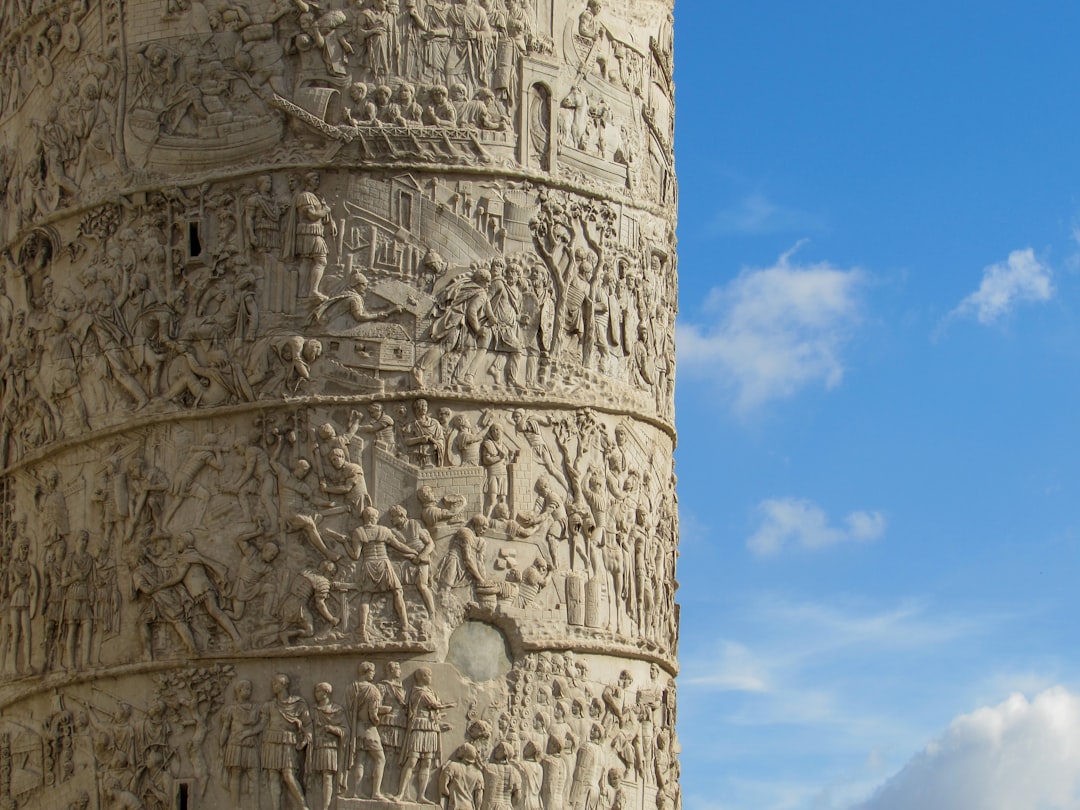 Podcast: Latin from Zero 1 Trajan's Column 18.08.2026 14minOriginal InscriptionSENATVS POPVLVSQVE ROMANVSIMP CAESARI DIVI NERVAE F NERVAETRAIANO AVG GERM DACICO PONTIFMAXIMO TRIB POT XVII IMP VI COS VI P PAD DECLARANDVM QVANTAE ALTITVDINISMONS ET LOCVS TANTIS OPERIBVS SIT EGESTVSComplete TranslationThe Senate and People of Rome dedicate this monument to Emperor Caesar Trajan, son of the divine Nerva, Augustus, conqueror of Germany and Dacia, Chief Priest, holder of tribunician power for the seventeenth time, acclaimed imperator six times, consul six times, father of the country, to show how great the hill and site were that were removed by such great works.Line 1LatinSENATVS POPVLVSQVE ROMANVSTranslationThe Senate and People of RomeWord AnalysisSenatus“The Senate.” A noun in the nominative case. It refers to Rome’s governing senate.Populusque“And the People.”This word combines:* populus = people* -que = andThe suffix -que is attached directly to the end of a word and means “and.”Romanus“Roman.” An adjective describing both senatus and populus.SummaryThe phrase Senatus Populusque Romanus, often abbreviated SPQR, was one of the most important official formulas of the Roman state.Line 2LatinIMP CAESARI DIVI NERVAE F NERVAETranslationTo Emperor Caesar, son of the divine NervaWord AnalysisIMP (Imperatori)“To the Emperor.” A dative form indicating the recipient of the dedication.Caesari“To Caesar.” Further identifies the emperor being honored.Divi“Of the divine one.” Refers to a ruler who had been officially deified after death.Nervae“Of Nerva.”F (Filius)“Son.”SummaryThe inscription honors Trajan as the adopted son of the deified Emperor Nerva.Line 3LatinTRAIANO AVG GERM DACICO PONTIFTranslationTo Trajan Augustus, conqueror of Germany and Dacia, chief priestWord AnalysisTraiano“To Trajan.”AVG (Augusto)“Augustus,” an imperial title.GERM (Germanico)“Conqueror of Germany.”Dacico“Conqueror of Dacia.”Pontif (Pontifici)“To the priest.”SummaryThis line lists several of Trajan’s imperial, military, and religious titles.Line 4LatinMAXIMO TRIB POT XVII IMP VI COS VI P PTranslationChief Priest, holder of tribunician power for the seventeenth time, acclaimed imperator six times, consul six times, father of the countryWord AnalysisMaximo“Greatest” or “highest.” Completes the title Pontifex Maximus.TRIB POT XVIITribunicia Potestate XVIIHolder of tribunician power for the seventeenth time.IMP VIAcclaimed imperator six times.COS VIServed as consul six times.P P (Pater Patriae)“Father of the Country.”SummaryThis line catalogs Trajan’s religious authority, political offices, and military honors.Line 5LatinAD DECLARANDVM QVANTAE ALTITVDINISTranslationTo show how great the height wasWord AnalysisAd“For the purpose of.”Declarandum“Showing” or “making clear.”Quantae“How great.”Altitudinis“Height.”SummaryThe inscription begins to explain the purpose of the monument.Line 6LatinMONS ET LOCVS TANTIS OPERIBVS SIT EGESTVSTranslationThe hill and site were removed by such great worksWord AnalysisMons“Hill.”Et“And.”Locus“Place” or “site.”Tantis“So great.”Operibus“Works” or “construction projects.”Sit Egestus“Was removed” or “was excavated.”SummaryThe final line explains that the column marks the amount of earth removed during the construction of Trajan’s Forum. This is a public episode. If you would like to discuss this with other subscribers or get access to bonus episodes, visit digitalmonastery.substack.com
Sarnased taskuhäälingud


Populaarne riigis
See taskuhääling on ka nende riikide taskuhäälingute edetabelites.
