
The Enlightened Cynic (Formerly Specifically for Seniors)
Specifically for Seniors
0
The Enlightened Cynic, formerly known as Specifically for Seniors, is a podcast about growth and change. The show has refocused its direction to invite listeners of all ages into the conversation. It aims to foster lifelong learning and connection across generations. While still addressing the interests of older adults, it also engages their children, grandchildren, and younger people curious about life.
Osad
-
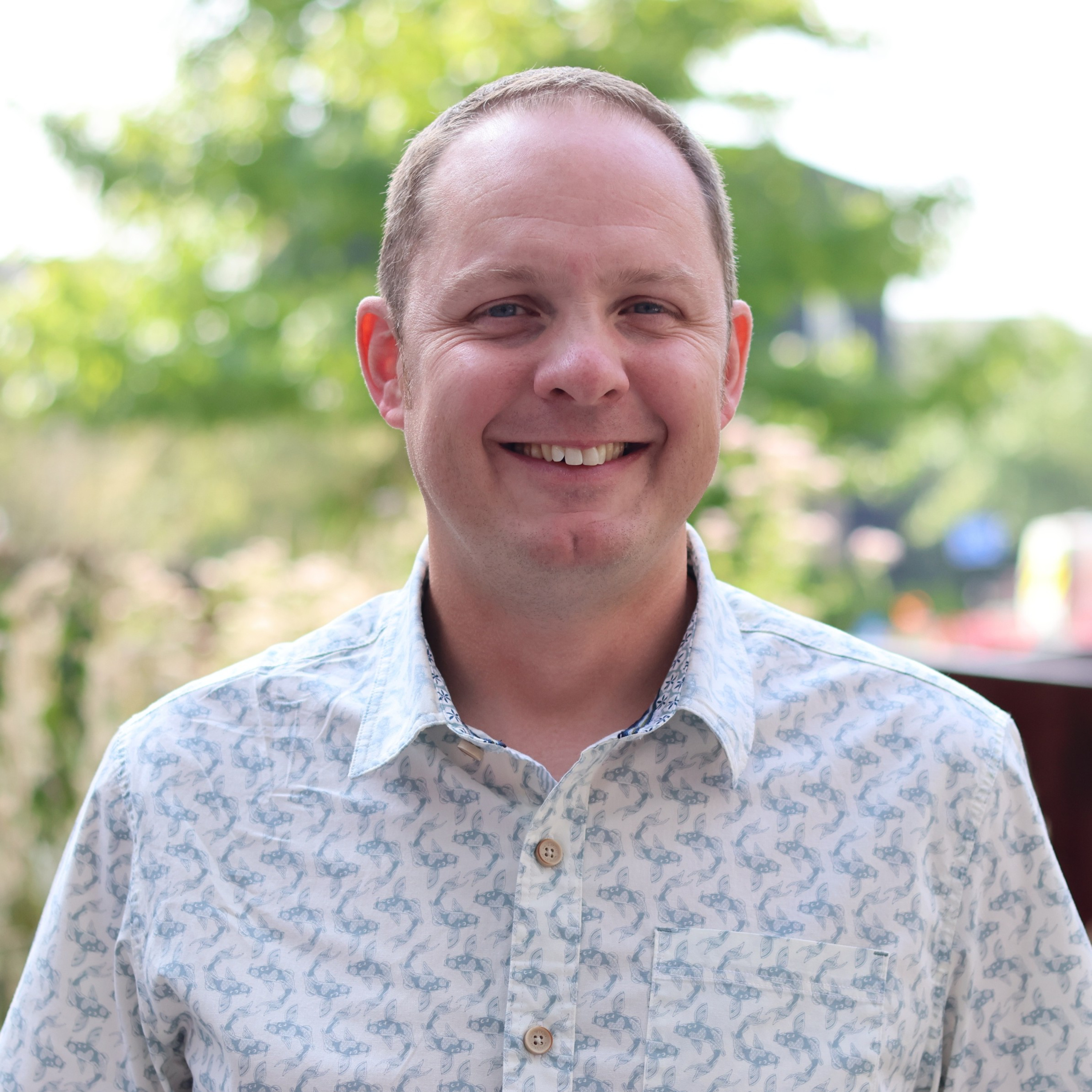 Accent, Profanity, The President and the Machines That Talk Back with Dr. Chris Montgomery 28.06.2026 49minWhat does your voice give away before you've finished a sentence? Dr. Larry Barsh talks with Dr. Chris Montgomery, a dialectologist at the University of Sheffield, about the verdicts we reach in half a second — educated or backward, polished or rough, one of us or not from around here — and why nobody believes they have an accent.Montgomery leads the UK Swear Map, a national survey of how Britain actually curses, built in partnership with the satirical arts collective Modern Toss (creators of the push-button "periodic table of swearing"). From the Portsmouth insult "din low" to the predictable ways listeners rate northern English speakers as friendlier and southern speakers as more competent, the conversation traces how language signals belonging, class, and power.Then it turns to the present moment: a U.S. president whose public profanity has climbed from roughly 40% of speeches to the low 90s, what that swearing performs for its audience, and whether it shifts the Overton window of acceptable public speech. The episode closes on AI — voices scrubbed of accent and profanity, the uncanny valley of a synthetic regional Siri, the loneliness epidemic, and why face-to-face conversation matters more than ever.Topics covered- Why everyone thinks they're the one without an accent- The half-second sorting: competence vs. warmth- The UK Swear Map and the two classes of regional cursing- Modern Toss and the periodic table of swearing- Presidential profanity as authenticity, transgression, and spectacle- Profanity and the Overton window of public discourse- AI voices, the uncanny valley, and accent erasure- Regulation, children, and unregulated online spacesGuest: Dr. Chris Montgomery, University of Sheffield. The Swear Map is expected to go live in autumn 2026 — find his recent papers via the University of Sheffield website.SummaryA linguist who studies how Britain swears joins The Enlightened Cynic to explain a quieter truth underneath the profanity: we judge each other constantly by sound, in a fraction of a second, and we almost never notice we're doing it. The conversation runs from hyperlocal insults nobody outside one city understands, through what presidential cursing actually performs for a polarized audience, to the irony that AI voices strip out the very vernacular richness that makes us human — and why that should worry us more than any swear word.
 -
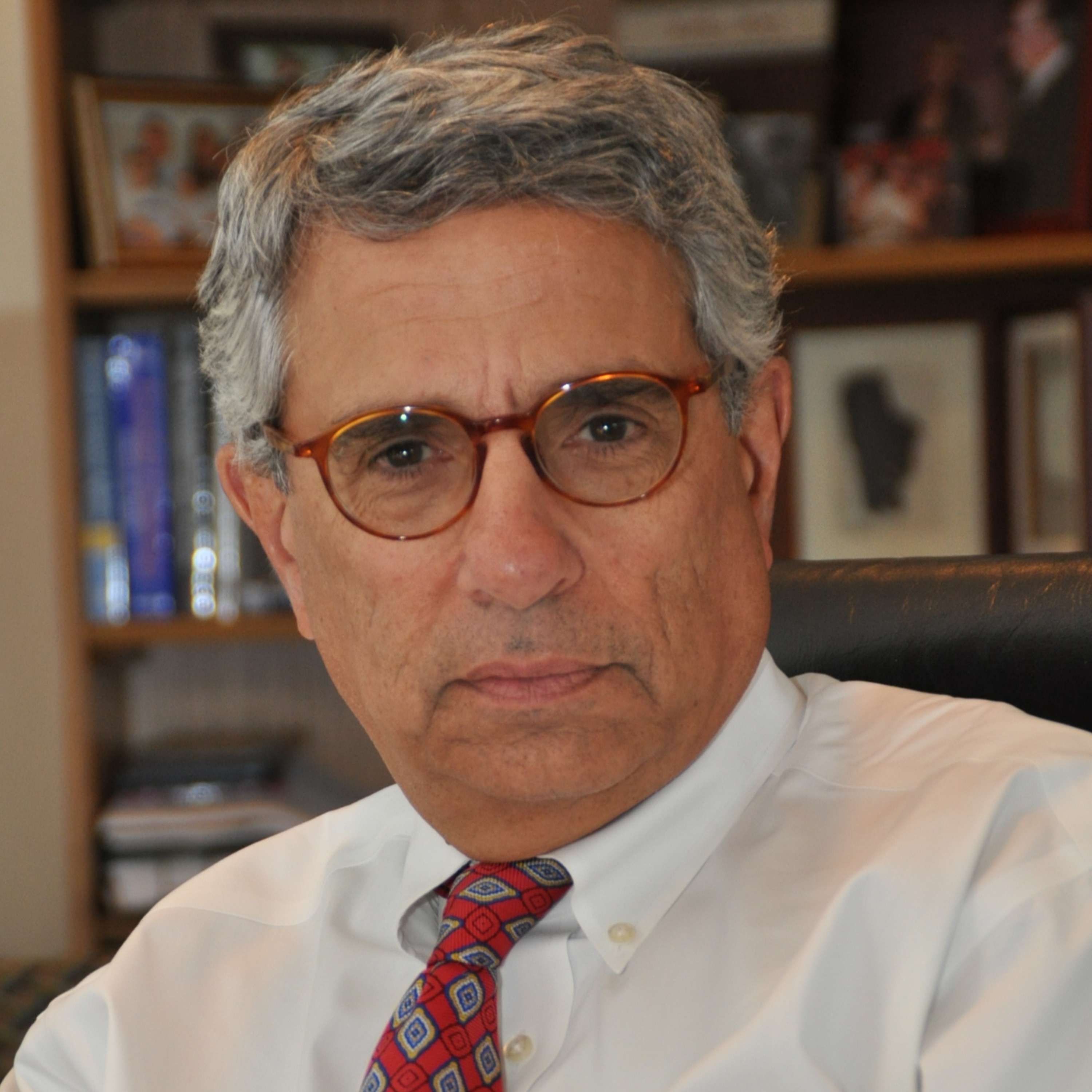 Failure to Treat: What American Medicine Won't Admit with Peter Kowey, MD 30.05.2026 42minThere is a particular kind of authority that comes only from having been inside something for fifty years — from having seen it at its best, trained its practitioners, published its science, and then watched it hollow itself out from within.Dr. Peter Kowey has that authority. He holds the William Wickoff Smith Chair in Cardiovascular Research at the Lankenau Institute for Medical Research, is a professor of medicine and clinical pharmacology at Thomas Jefferson University, and spent years as chief of cardiovascular diseases at the Lankenau Heart Institute. He has published more than 450 scientific papers, trained hundreds of cardiology fellows, and served on FDA advisory panels. He has also, in the past several years, become someone who cannot stay quiet.His new book, Failure to Treat: How a Broken Healthcare System Puts Patients and Providers at Risk, is built from twenty short stories — each a fusion of real composite cases, each naming a different fracture in American medicine. Fragmented care with no coordinating physician. An electronic medical record redesigned to serve billing rather than patients. Defensive medicine that orders unnecessary tests because the malpractice system makes not ordering them dangerous. Private equity that purchases hospitals to strip and sell them. Primary care physicians asked to address four chronic conditions, review a medication list, conduct an exam, and dictate a note — in ten minutes.The book was born from a charge. Kowey's mentor was Dr. Bernard Lown: Nobel Peace Prize laureate, inventor of the defibrillator, one of the most morally serious physicians of the twentieth century. When Lown himself became a patient near the end of his long life, he encountered fragmented care, indifferent nurses, and cavalier doctors. He lived to 99, but not easily. In the years before his death, he told Kowey: "I'm really relying on you to try to do something about this."In this conversation, Kowey does not soften the diagnosis. The current administration, he says, has taken a broken system and made it exponentially worse: NIH funding running at half last year's levels, the CDC's expert panels cleared of independent scientists, vaccine skepticism in positions of authority, and cuts to Medicaid, Medicare, and veterans' healthcare that will take years to repair even if reversed tomorrow. He is blunt about what the fix requires: universal coverage, a salaried physician model, restored professional status for nurses, and loan relief tied to primary care service.He also holds out something harder to sustain than outrage: genuine hope. The people who go into medicine still go into it to help. That instinct, he believes, will outlast the systems that are trying to exploit it.The book is available on Amazon and wherever books are sold.Website:peterkoweyauthor.comIn this episode:Why fragmentation of care is the single most dangerous feature of modern American medicineHow the electronic medical record became an instrument of billing rather than careDefensive medicine, malpractice reform, and the billions they costPrivate equity in healthcare and the creation of hospital desertsThe ten-minute primary care visit and why physicians are leaving the fieldDirect-to-consumer drug advertising: the United States and New Zealand against the worldNIH, CDC, vaccines, and the public health erosion under the current administrationThe case for universal healthcare — and what getting there actually requires
 -
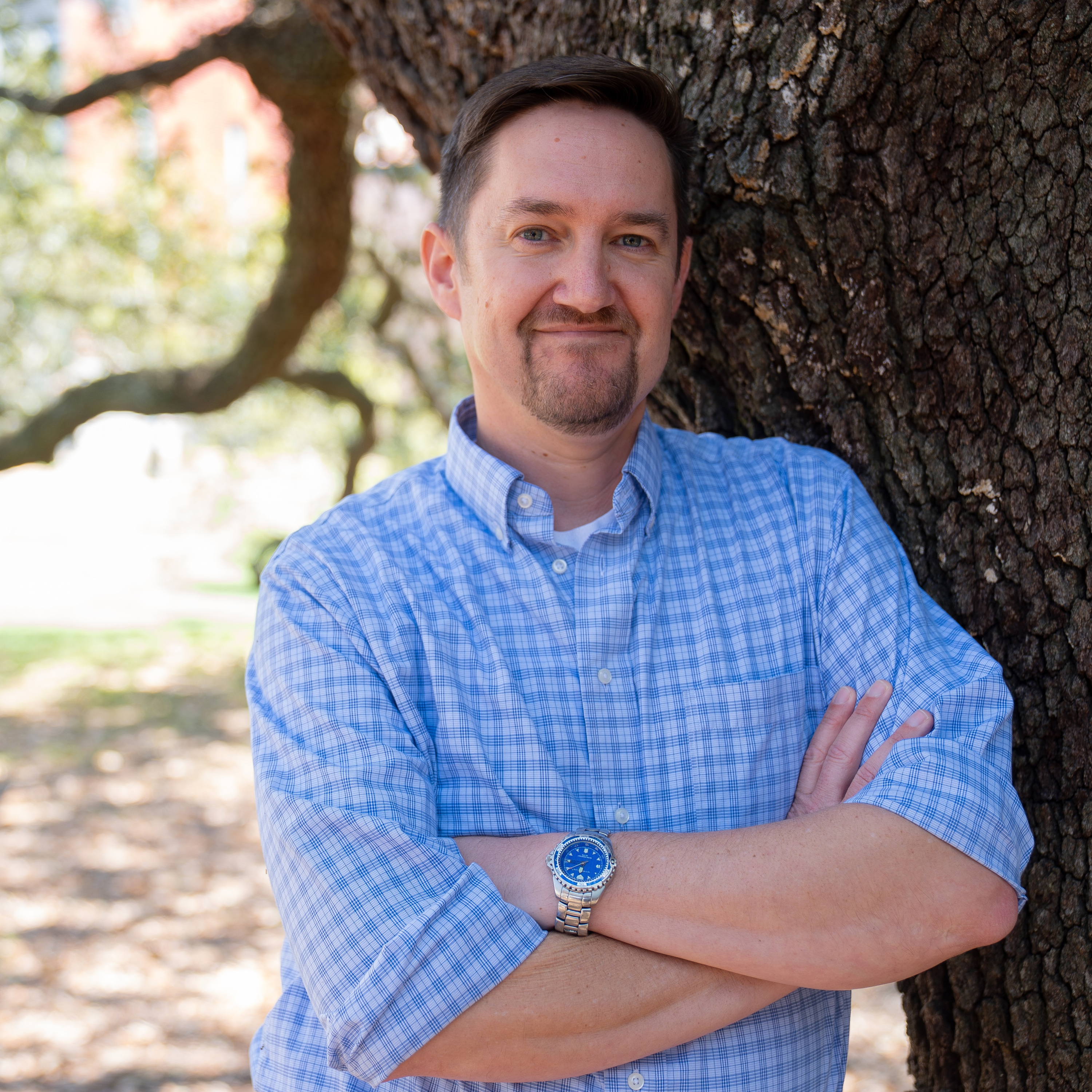 Becoming Martian with Dr. Scott Solomon 17.05.2026 56minComing soon
 -
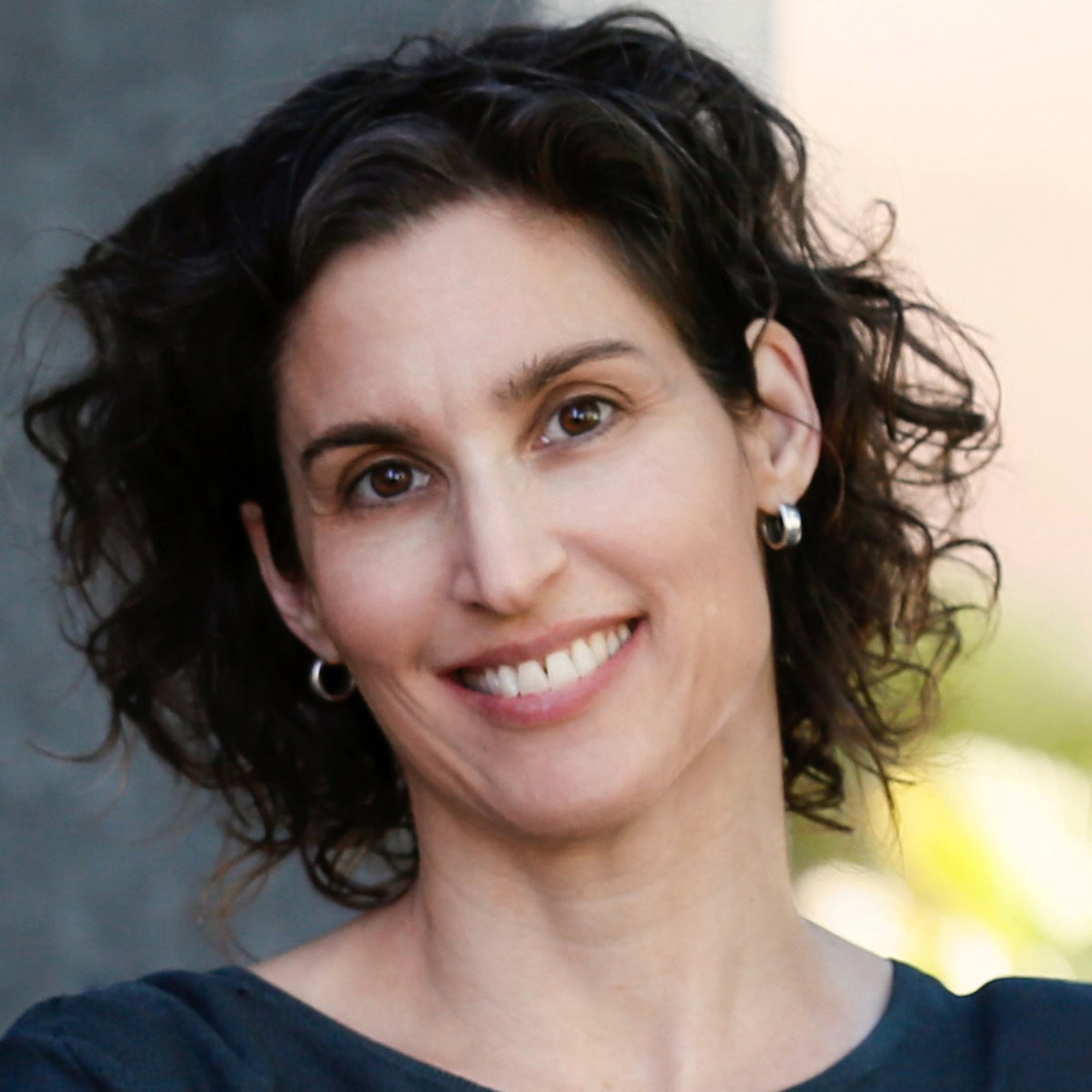 RULE OF LAW 101 with Prof Alexandra Natapoff 26.04.2026 38minTHE ENLIGHTENED CYNICEpisode: The Rule of Law — What It Means, Why It Matters, and What You Can DoHost: Dr. Larry BarshGuest: Professor Alexandra Natapoff, Harvard Law SchoolEPISODE SUMMARYIn this inaugural episode under its new name, The Enlightened Cynic welcomes Harvard Law Professor Alexandra Natapoff for a conversation about one of the most urgent concepts of our time: the rule of law. Professor Natapoff explains what rule of law actually means in 2026, why she chose to open Harvard Law's classroom to the general public at no charge, and what ordinary citizens can do to help preserve democratic institutions under pressure.ABOUT OUR GUESTAlexandra Natapoff is the Lee S. Kreindler Professor of Law at Harvard Law School. A former federal public defender, 2016 Guggenheim Fellow, and member of the American Law Institute, she is a leading national voice on how the legal system actually functions. A graduate of Yale University and Stanford Law School, she has testified before Congress and numerous state legislative bodies, helped draft state and federal legislation, and her work appears regularly in judicial opinions and the national media.KEY TOPICS COVEREDWhat Is the Rule of Law?Rule of law is the foundational agreement in any constitutional democracy — the commitment that government will be run according to collectively established laws, not by whoever holds the most power or money. As Professor Natapoff puts it, we are "a government of laws and not of men."Why Now?Professor Natapoff created the Rule of Law Teaching Project in response to what she describes as mounting pressure on the entire infrastructure of American democracy — visible in the courts, in immigration enforcement, and within the legal profession itself.The Rule of Law Teaching ProjectOriginally developed for her own Harvard Law students, the project is a free, 10-part video series featuring top constitutional law experts from Harvard, Yale, Stanford, NYU, Northwestern, UCLA, Michigan, and other leading institutions. Each expert presents one landmark Supreme Court case in their area of specialty. Topics include voting rights, federalism, campaign finance, same-sex marriage, policing, prisoners' rights, gender discrimination, and the right to privacy.The conversation explores two major schools of constitutional interpretation: originalism, which argues for fidelity to the founding text and the amendment process, and the living constitution approach, which views law as an evolving democratic conversation. Professor Natapoff frames this not as a debate with a right answer, but as part of the rule of law conversation itself.What Can Ordinary Citizens Do?Professor Natapoff encourages listeners not to be paralyzed by the scale of current challenges. She points to the community response in Minneapolis to ICE enforcement actions as an example of ordinary people exercising their First Amendment rights and protecting their neighbors. Her message: use what's in your pantry. Every citizen has something to contribute — a conversation, a shared link, a community meeting, a vote.Why This Audience MattersDr. Barsh and Professor Natapoff discuss why older Americans — who lived through the civil rights milestones of the 1960s, Bush v. Gore, and decades of constitutional evolution — bring irreplaceable knowledge to this moment. Their memories are not just personal history; they are living context for how far the country has come and what is at stake.RESOURCERule of Law Teaching Project — free, 10-part video seriesWebsite: ruleoflaw101.orgAlso available on YouTube — episodes can be shared individually via linkCOMING UPProfessor Natapoff will return in a few months to share new educational materials currently in development. Stay tuned.Links:RuleofLaw101.orgYouTube.com/@RuleofLaw
 -
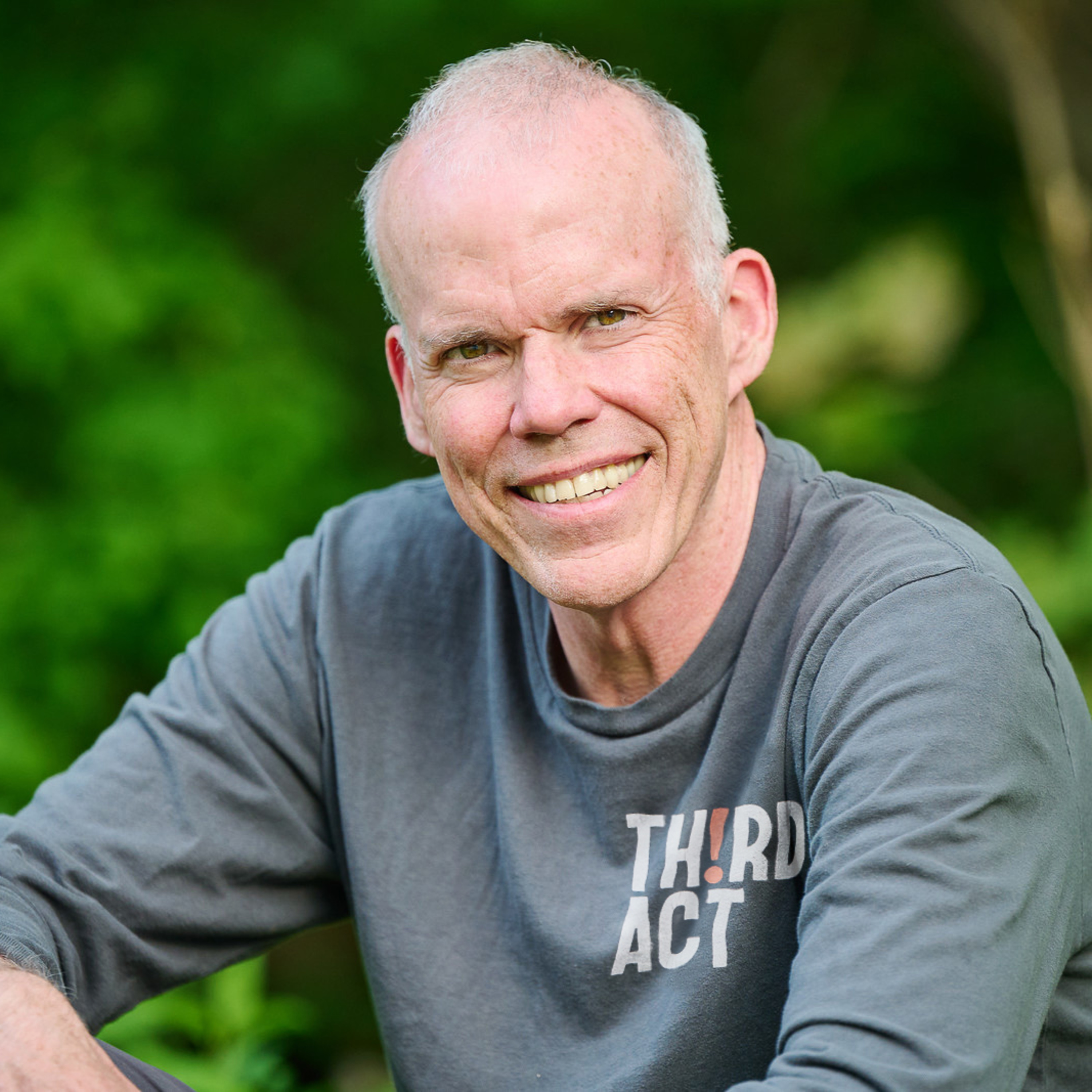 "Fossils Against Fossil Fuels: Bill McKibben on Why Seniors Are Climate's Secret Weapon" 12.04.2026 31minSpecifically for Seniors • Guest: Bill McKibbenAbout the GuestBill McKibben is a journalist, author of 20+ books, and professor at Middlebury College. He wrote the first major book on climate change in the 1980s and founded 350.org — the world's first global grassroots climate campaign — and Third Act, an organization mobilizing Americans over 60 on climate and democracy.Episode SummaryMcKibben joins host Dr. Larry Barsh to argue that cheap solar and wind power represent the most powerful climate tool humanity has ever had — and that older Americans are uniquely positioned to lead the fight.The Solar Revolution. About five years ago, solar and wind became cheaper than fossil fuels. China now installs 3 gigawatts of solar daily — one coal plant's worth every eight hours. California regularly generates 100%+ of its electricity from renewables, with batteries storing the surplus. Every tenth of a degree of warming we prevent matters: each pushes 100 million people from safe to dangerous climate zones.Sunlight vs. Oil. "Sunlight travels 93 million miles to reach Earth — none of them through the Strait of Hormuz." Oil is the truly intermittent energy source. A handful of drones can shut down global supply. Nobody can embargo the sun.Batteries. Lithium-ion batteries are recyclable. The total minerals needed for the renewable battery revolution through mid-century are less in volume than one year's global coal mining. Lithium lasts 25 years and can be reused. Coal gets burned once and requires constant replacement.Health Costs. Fossil fuels cause roughly 9 million deaths per year worldwide — 1 in 5 deaths globally. Canada's 2023 wildfires, driven by climate change, caused 80,000 US deaths from smoke inhalation alone. Home insurance costs are skyrocketing as climate risk makes underwriting nearly impossible.Third Act & Senior Power. With 120,000 members nationwide, Third Act is proving seniors are a political force. Recent wins: legalized plug-in balcony solar in Utah, Virginia, and Maine; won a clean-energy majority on Arizona's Salt River Project board (serving 2M people); launched Gray PAC and phone banks for key elections. The "Rocking Chair Rebellion" shut down big-bank branches in 100 cities to protest fossil fuel financing.America's Self-Sabotage. The first solar cell was invented at Bell Labs in 1956. The first industrial wind turbine was built in Vermont in 1943. These American technologies have been handed to China while the US rolls back clean energy policy — what McKibben calls "economic national self-sabotage" without precedent.Legacy. "We're in danger of being the first generation that left the world a lot worse off than we found it." Young people aren't just anxious about climate — they're anxious about being abandoned. McKibben's call: use the time, skills, and political power that come with age to organize, vote, and fight.Key Quotes"There is no known way to stop old people from voting. We come preloaded with real power."— Bill McKibben"Solar energy takes power away from billionaires. That makes it ipso facto good."— Bill McKibben"Sunlight travels 93 million miles to reach Earth — none of them through the Strait of Hormuz."— Bill McKibben"There is no known way to stop old people from voting. We come preloaded with real power."— Bill McKibben"We live in a world where billionaires have too much power. Things that take power and money away from billionaires are ipso facto good — and solar energy is one of them."— Bill McKibben"We're in danger of being the first generation that left the world a lot worse off than we found it — which we do not want to do."— Bill McKibbenResourcethirdact.org350.orgBook: Here Comes the Sun by Bill McKibbenSpecifically for Seniors Podcast • Follow or subscribe wherever you listen
 -
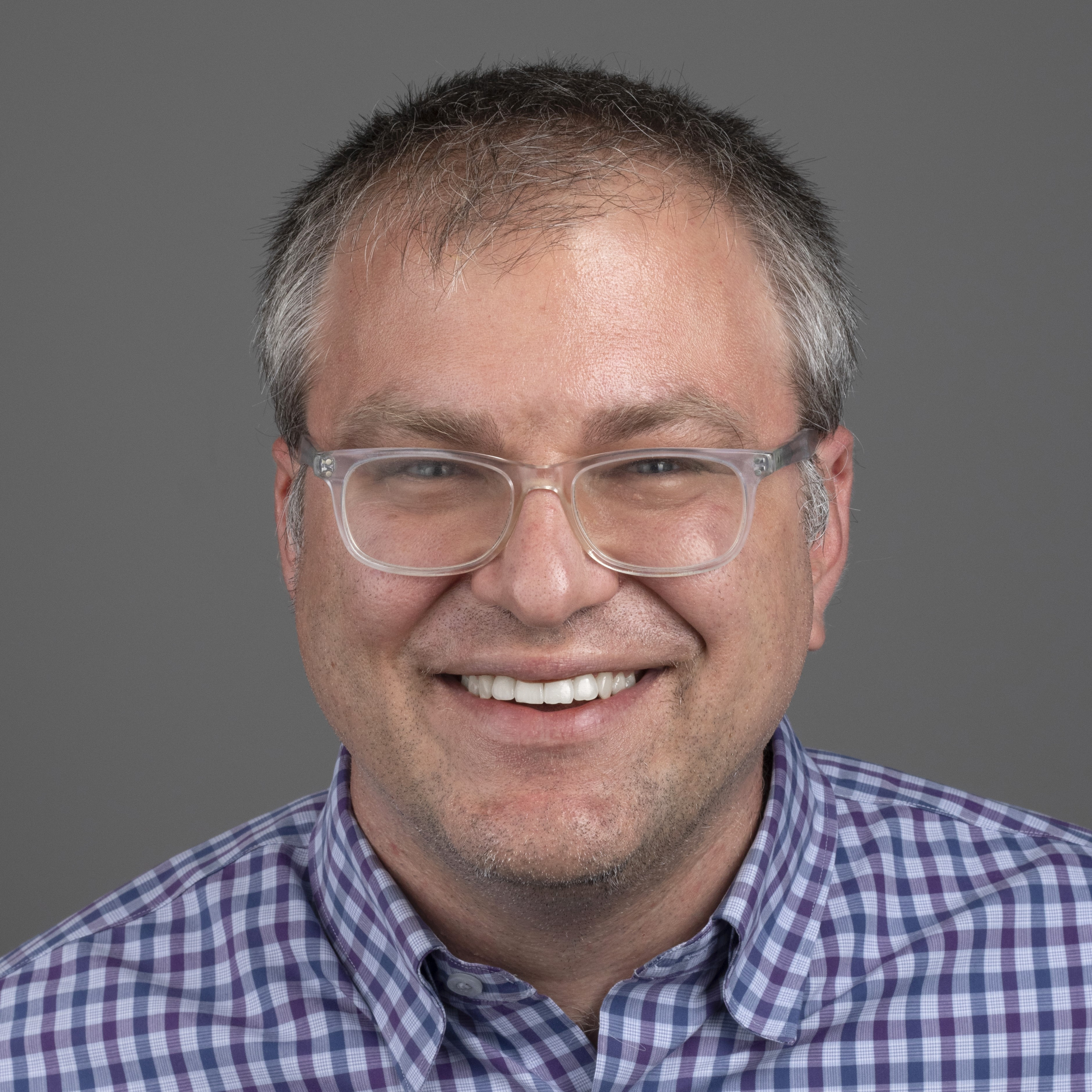 AI in the Doctor’s Office: Is Your Physician Being Replaced? | Featuring Dr. Adam Rodman 22.03.2026 42minArtificial Intelligence is no longer a tool of the future—it’s already in the exam room. In this episode of Specifically for Seniors, host Dr. Larry Barsh sits down with Dr. Adam Rodman, a Harvard professor and internal medicine physician, to discuss how AI is fundamentally changing the way doctors practice and how patients manage their health.From "AI scribes" that record visits to patients using ChatGPT for a second opinion, we explore the benefits, the risks, and the future of healthcare in an AI-driven world.In this video, you will learn:The Rise of AI Scribes: How automated recording tools are allowing doctors to focus on patients instead of computer screens.The "Second Opinion" in Your Pocket: Why Dr. Rodman believes it’s actually okay (and even helpful) for patients to consult AI before their appointment.Accuracy vs. Human Intuition: Can AI out-diagnose a human doctor?.Privacy & Security: Understanding HIPAA compliance and how your medical data is protected when using AI tools.About Our Guest:Dr. Adam Rodman is a general internist at Beth Israel Deaconess Medical Center, an assistant professor at Harvard Medical School, and the Director of AI programs for the Carl J. Shapiro Center. He is also the author of Shortcuts to Medicine and the host of the Bedside Rounds podcast.
 -
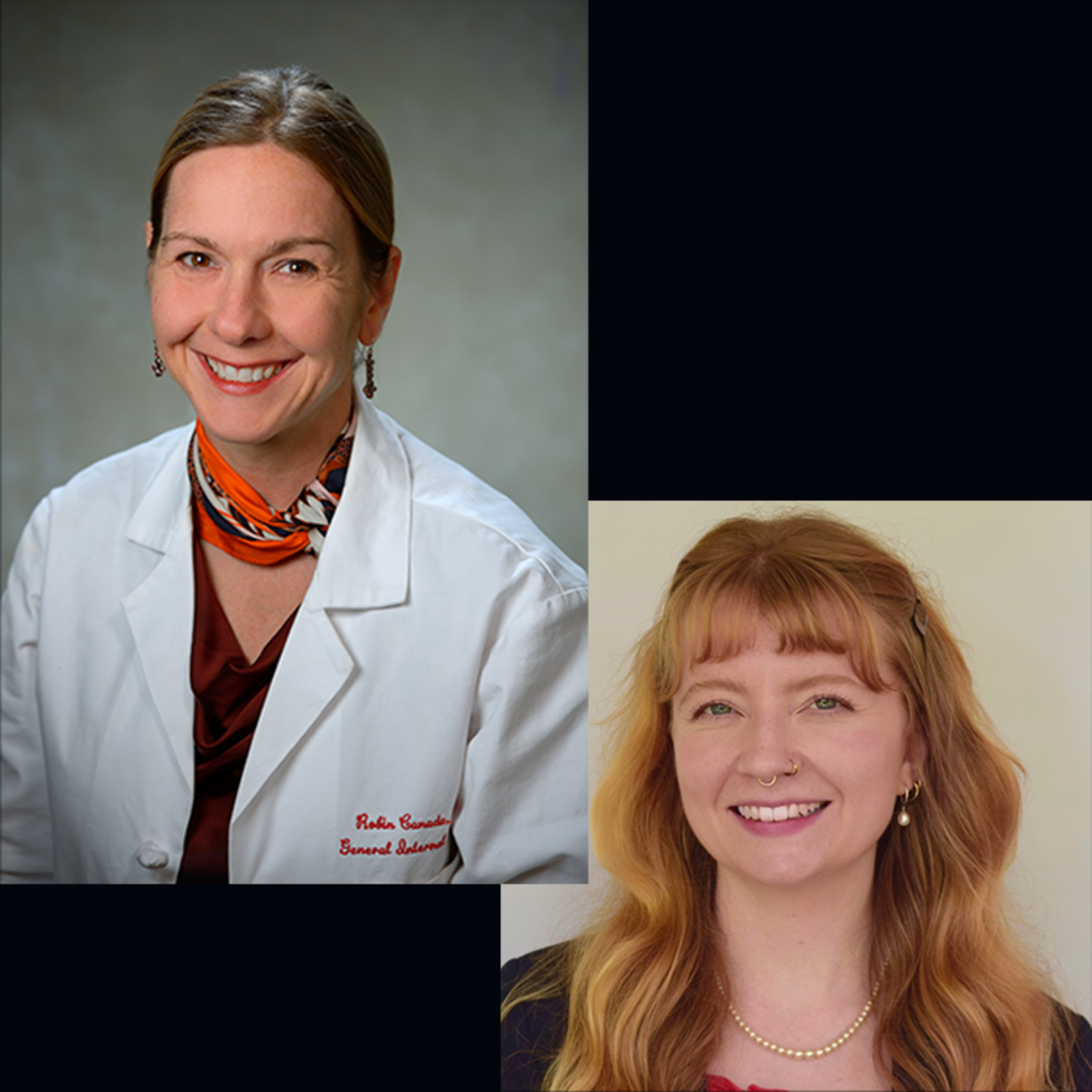 "Our Patients Are More Frightened and Sicker Than Ever" with Dr. Robin Canada and Elizabeth Whidden 08.03.2026 39minHost Dr. Larry Barsh sits down with two frontline Philadelphia healthcare providers to discuss the mounting health crisis driven by fear of immigration enforcement in immigrant communities. The conversation draws on a powerful New York Times op-ed the guests co-authored in February, titled "Our Patients Are More Frightened and Sicker Than Ever," and explores real patient stories, systemic failures, and what listeners can do to help.Dr. Robin Canada - Professor of Clinical Medicine, University of Pennsylvania's Perelman School of Medicine. Primary care physician and community health leader serving as Associate Division Chief for Community Engagement and Director of Residency Education at a clinic specifically for immigrant patients in South Philadelphia. Co-author of the February New York Times op-ed.Elizabeth Whidden - Fifth-year MD/MPH student at the University of Pennsylvania, months away from beginning her residency in internal medicine. Former immigrant case manager. Current leader of an organization coordinating medical-legal partnerships for asylum seekers. Co-author of the February New York Times op-ed.Widespread fear in immigrant communities is causing patients to avoid medical care, even those with legal status.ICE activity has been described as indiscriminate — affecting documented residents, mixed-status families, and U.S. citizens.Medical Consequences of DetentionInterruption of medications for diabetes, hypertension, post-stroke care, dialysis, and addiction leads to rapid deterioration.Reportedly 40+ detainee deaths in 2025; 6–8 already reported in 2026 (exact figures uncertain).An ACLU analysis found roughly 95% of detention deaths between 2021–2024 were preventable with proper medical care.Detained individuals face lack of food access, irregular bathroom schedules, absence of exercise, and extreme psychological stress.How Clinics Are Responding Switching to phone-based telemedicine appointments when ICE threat levels are high.Locking clinic waiting rooms to prevent unannounced ICE entry; installing security in the vestibule.Increased proactive outreach to high-risk patients who have stopped coming in.Writing letters of medical necessity for detained patients to support legal and consulate efforts.Coordinating medical-legal partnerships for asylum seekers through student-led organizations.Relevance to SeniorsMany caregivers in senior living and skilled nursing facilities come from immigrant communities — ICE enforcement directly disrupts elder care.Undocumented seniors are also directly affected — the episode highlights a man in his late 60s on dialysis being worked up for cancer who lives under dual threats of illness and deportation.How You Can HelpDonate to legal aid organizations in your city — immigration lawyers are working around the clock on habeas petitions and there is a serious shortage.Support safety-net clinics caring for immigrant patients — these communities often have no access to Medicaid, Medicare, or food assistance.Search for immigrant rights organizations in your city — most have a "how to help" section on their website with both financial and volunteer opportunities.Attend protests and rallies — as Dr. Canada notes, the world is watching, and advocacy from seniors carries special weight.Stay informed and speak out — sharing the realities of what is happening in your community can shift the conversation.Referenced Article"Our Patients Are More Frightened and Sicker Than Ever" — New York Times op-ed, February 2025, by Dr. Robin Canada and Elizabeth Whidden. The piece describes the devastating health consequences of immigration enforcement on patients in Philadelphia's South Side and calls for systemic reform.Article by Dr, Canadahttps://closler.org/passion-in-the-medical-profession/detained
 -
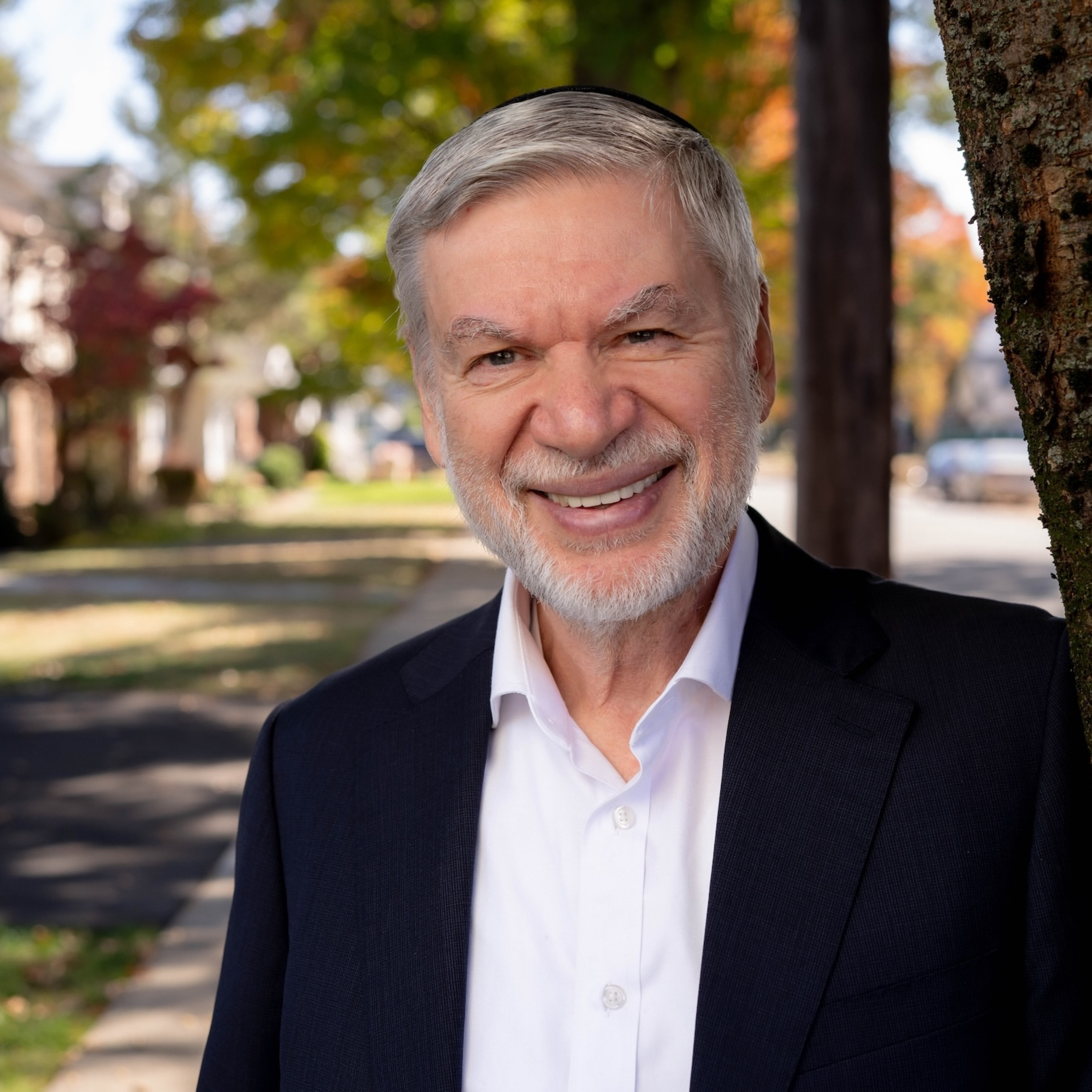 You Can't Retire From Purpose - What 40 Years of Cardiology Taught Dr. Alan Rozanski About Living 01.03.2026 43minYou Can't Retire From Purpose Dr. Alan Rozanski on the Six Domains of Health and What It Really Means to Age Well In this episode, I sit down with Dr. Alan Rozanski — cardiologist, lifestyle medicine physician, professor at the Icahn School of Medicine at Mount Sinai, and a founding pioneer of behavioral cardiology. With nearly 300 published articles, Dr. Rozanski has spent 40 years studying how our physical and mental behaviors shape heart health.What We CoverThe Aha Moment. Forty years ago, Dr. Rozanski watched patients' heart function deteriorate while simply talking about stress — just as it would on a treadmill. That observation launched a career exploring the mind-body connection.The Six Domains of Health.Physical Health — Exercise, resistance training, sleep, and nutrition. After 30, we lose 3–8% of muscle mass per decade. Resistance training can slow that decline.Mindset — Optimists live longer and show better biological markers. Gratitude costs nothing but attention.Emotional Well-Being — Chronic depression is one of the heart's greatest threats. Happiness builds resilience and extends life.Social Connection — The size and quality of your social network is a powerful predictor of longevity.Sense of Purpose — "You can retire from a job, but you can never retire your need for purpose."Stress Management — Mild challenge stress promotes growth. Toxic, uncontrollable stress damages health. Boredom carries its own quiet risks.The Biology. Mental states translate into physical disease through stress hormones, insulin resistance, inflammation, and even changes in brain structure. The good news: many of these changes are reversible.Mental Clutter. Scattered attention drains energy. Focused work sprints and intentional recovery help protect mental clarity.Healthcare Today. Dr. Rozanski speaks candidly about the geriatrician shortage, confusing nutritional guidelines, eroding doctor-patient time, and AI's emerging role in restoring it.Key Takeaway Health is not the absence of disease — it is vitality. That feeling is available at 19, 60, and 99. The six domains are six doorways. Wherever you are, one of them is a place to start.Connect with Dr. Rozanski Website: alanrozanski.com | LinkedIn: Dr. Alan RozanskiConnect with Dr. Alan Rozanski
 -
 The Nazi and The Psychiatrist with Jack El-Hai - the book upon which the movie Nuremberg was based 08.02.2026 48minIn an era when American democracy faces unprecedented challenges and questions about authoritarianism have moved from the margins to the center of our political discourse, this conversation with author Jack El-Hai offers crucial historical perspective. The parallels between the events he chronicles in his book and the political landscape we're witnessing today make this discussion essential listening for anyone concerned about the preservation of democratic institutions and the rise of authoritarian tendencies in contemporary America.On this episode of Specifically for Seniors, host Dr. Larry Barsh welcomes Jack El-Hai, an acclaimed author and journalist whose work explores the fascinating and often disturbing intersections of medicine, psychology, and history. El-Hai is the author of The Nazi and the Psychiatrist: Herman Göring, Dr. Douglas M. Kelley, and a Fatal Meeting of Minds at the End of World War II, a riveting account that takes listeners inside the Nuremberg trials and into the psychological battle between one of history's most notorious war criminals and the brilliant American psychiatrist tasked with understanding him. The conversation centers on Dr. Douglas Kelley, a U.S. Army psychiatrist who was assigned to evaluate the twenty-two top Nazi defendants at Nuremberg to determine if they were mentally fit to stand trial. What Kelley discovered was both disturbing and revelatory. He found that these men who had committed unspeakable atrocities were not the "monsters" that wartime propaganda had portrayed. Instead, they were psychologically normal individuals, opportunists who had made deliberate choices to pursue power regardless of the human cost. This finding challenged comfortable narratives but revealed a more frightening truth: the capacity for such evil exists within the normal range of human personality, making accountability rather than pathology the central issue.El-Hai uncovered the complex relationship between Kelley and Göring, two highly intelligent and manipulative men who found common ground despite standing on opposite sides of history. The conversation explores how Göring's charm and intelligence served his rise to power, and why understanding this matters profoundly for recognizing similar patterns today.The discussion takes on particular urgency as El-Hai describes how Dr. Kelley returned from Nuremberg with warnings about authoritarianism potentially emerging in America. He saw disturbing parallels between Nazi governance and segregationist politics in the American South. Kelley advocated for critical thinking education, easier access to voting for eligible citizens, and vigilance against the manipulation of information and propaganda. Tragically, his warnings were largely ignored when his 1947 book flopped, and the experience contributed to a downward spiral that ended with his suicide in 1958, using the same method—cyanide poisoning—that Göring had used twelve years earlier.El-Hai reflects on how his book, published in 2013 during the Obama administration when right-wing authoritarianism seemed on the fringes of American politics, has gained unexpected relevance. He discusses contemporary events in Minneapolis where he lives and teaches, drawing careful but important comparisons between historical patterns and current political developments. The recent film Nuremberg, based on his book, has brought this story to new audiences who are grappling with the same questions about accountability, power, and democratic fragility that Kelley confronted eighty years ago.For listeners who lived through World War II or its aftermath, this conversation offers an opportunity to update perceptions from that era with the perspective of eighty years of history, while providing younger generations with essential context for understanding the enduring threats to democracy that each generation must confront anew.Join our discussion of this podcast at larrybarshdmd.substack.com
 -
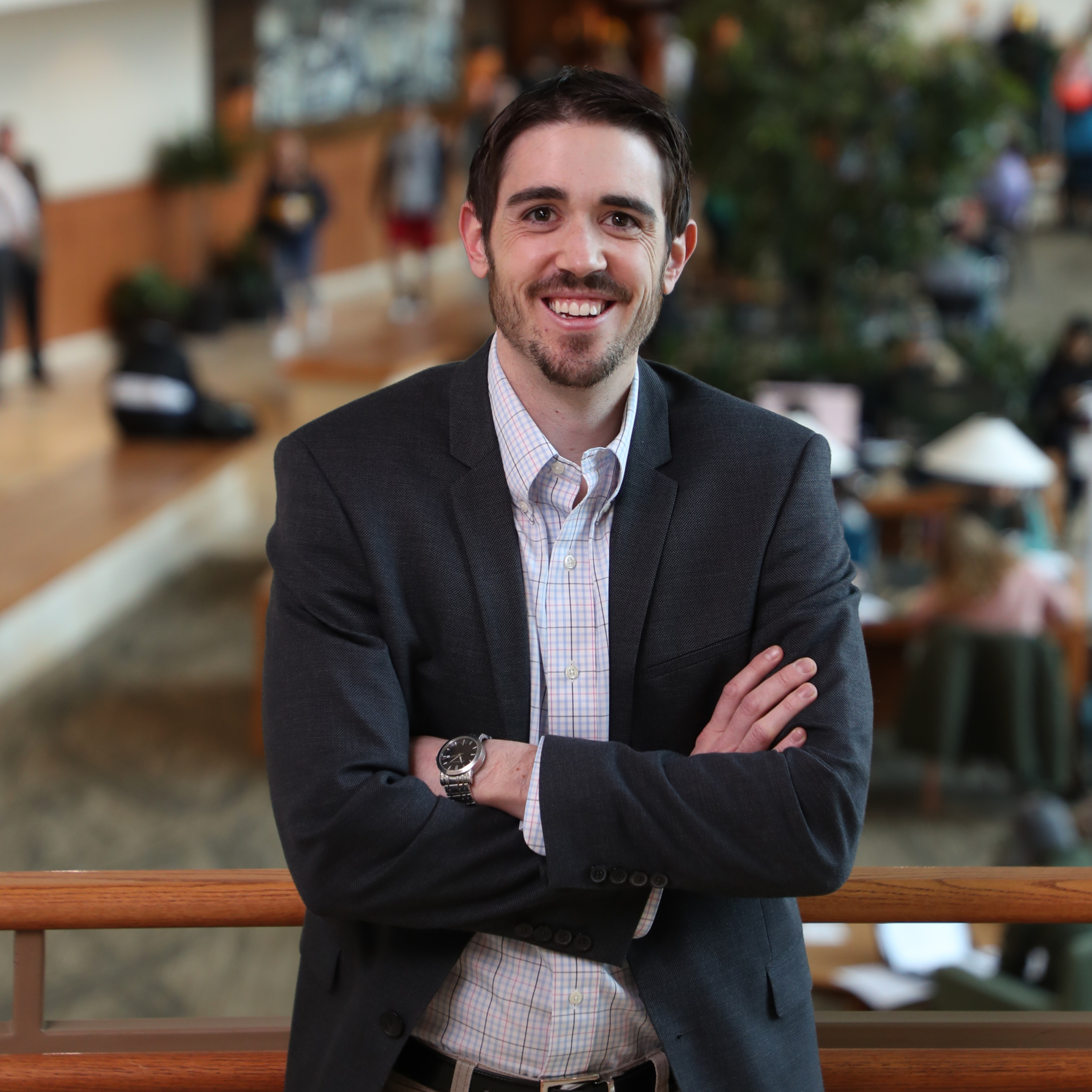 Cognitive Benefits of Engaging with Tech as You Age with Dr. Michael Scullin 11.01.2026 37minThe Digital Workout: Why Your Smartphone is a Shield Against DementiaIn this episode of Specifically for Seniors, Dr. Larry Barsh sits down with Dr. Michael Scullin, a Professor of Psychology and Neuroscience at Baylor University, to tackle a common frustration among the "Digital Pioneer" generation: the steep learning curve of modern technology. While many seniors feel tempted to set their smartphones aside out of frustration, Dr. Scullin’s research suggests that the "headache" of learning a new app might actually be the most important workout your brain gets all year.The heart of the conversation centers on a massive meta-analysis of over 400,000 adults. The data is hard to ignore: regularly using computers and smartphones is linked to a 58% lower risk of cognitive impairment. Dr. Scullin explains that this isn't just about "playing games"; it’s about Technological Reserve. Much like "Cognitive Reserve," the effort required to navigate a software update or master a new interface builds neural resilience, helping the brain stay sharper for longer.One of the most enlightening parts of the interview addresses the fear that GPS and digital calendars act as "crutches" that rot our memory. Dr. Scullin reframes these tools as "Digital Scaffolding." By offloading the stress of remembering appointments or navigating new streets to our devices, we free up our cognitive resources for higher-level thinking and social engagement. Using a device to remember a friend’s birthday isn't "cheating"—it’s ensuring you remain an active, connected member of your community.How to Overcome the Tech BarrierFor those feeling overwhelmed or even facing mild cognitive impairment, Dr. Scullin offers a roadmap for "gentle entry" into the digital world:The Right Environment: Learning should happen in a quiet room, free of distractions.The Right Teacher: Often, a patient friend or a professional trainer is better than a family member, as it removes the emotional baggage from the learning process.The "One Thing" Rule: Don't try to master the whole phone. Start with something rewarding, like digital photography, and only move on once you feel comfortable.A Framework for the FutureAs we look toward a future filled with AI and ever-changing gadgets, Dr. Scullin encourages seniors to evaluate new technology through three simple questions:Is it mentally stimulating? (Even if it’s a bit frustrating.)Does it connect me to others? (Rather than isolating me.)Does it help me stay independent?By embracing the struggle of the digital world, the "Digital Pioneer" generation isn't just keeping up with the grandkids—they are actively building a fortress around their cognitive health.
 -
 Technology Made Gentle: A Senior’s Guide to AI with Dan Wilson 21.12.2025 47minIn this episode of the podcast Specifically for Seniors, host Dr. Larry Barsh sits down with technologist and author Dan Wilson to discuss how artificial intelligence can empower older adults. Dan shares that his inspiration for writing his book came after he successfully helped his mother fix her home WiFi from 500 miles away by using ChatGPT to troubleshoot the problem. He explains that for the first time in his twenty-five-year career, technology has become "gentle" by adapting to human needs rather than forcing users to be experts.To help seniors understand the technology, Dan describes AI as a system that makes decisions through probability rather than the rigid, black-and-white logic of traditional computing. He explains that Large Language Models, such as ChatGPT, Gemini, and Claude, are essentially prediction engines trained on vast amounts of information to provide helpful text and answers. While these tools are highly accessible, Dan emphasizes twelve non-negotiable rules for safety, specifically warning users never to share personal data like Social Security numbers, birthdates, or credit card information with an AI.The discussion covers practical ways seniors can use AI as a personal assistant, from discovering new classical music composers based on their current favorites to troubleshooting household issues like fixing a curled rug or assembling furniture without a manual. Dan also demonstrates how AI can interpret messy photos to help users sell items online by writing professional Facebook ads for them. One of the most meaningful applications discussed is using AI to preserve life stories; Dan explains how the technology can act as an interviewer, providing structured questions to help seniors document their history for future generations without the burden of manual editing.For those interested in a hands-on guide, Dan’s book is designed with a large-print format that lies flat to facilitate learning through practical exercises. You can find the book on https://www.amazon.com/How-Seniors-Learn-AI-Everyday/dp/B0G2J3YN9G/ref=sr_1_1?crid=37B9DU4XT7U03&dib=eyJ2IjoiMSJ9.0NxX6LeEvMExV5NJ3JigUw.bjBddZy-_OghvFNKiAcMlhRS0_1r0KIcAGCQXUNbQuA&dib_tag=se&keywords=how+seniors+learn+ai+dan+wilson&qid=1766246862&sprefix=%2Caps%2C164&sr=8-1 : How Seniors Learn AI: Meet Your Everyday Helper for Answers, Tasks, Health and Home FixesWebsite: https://www.howseniorslearnai.com
 -
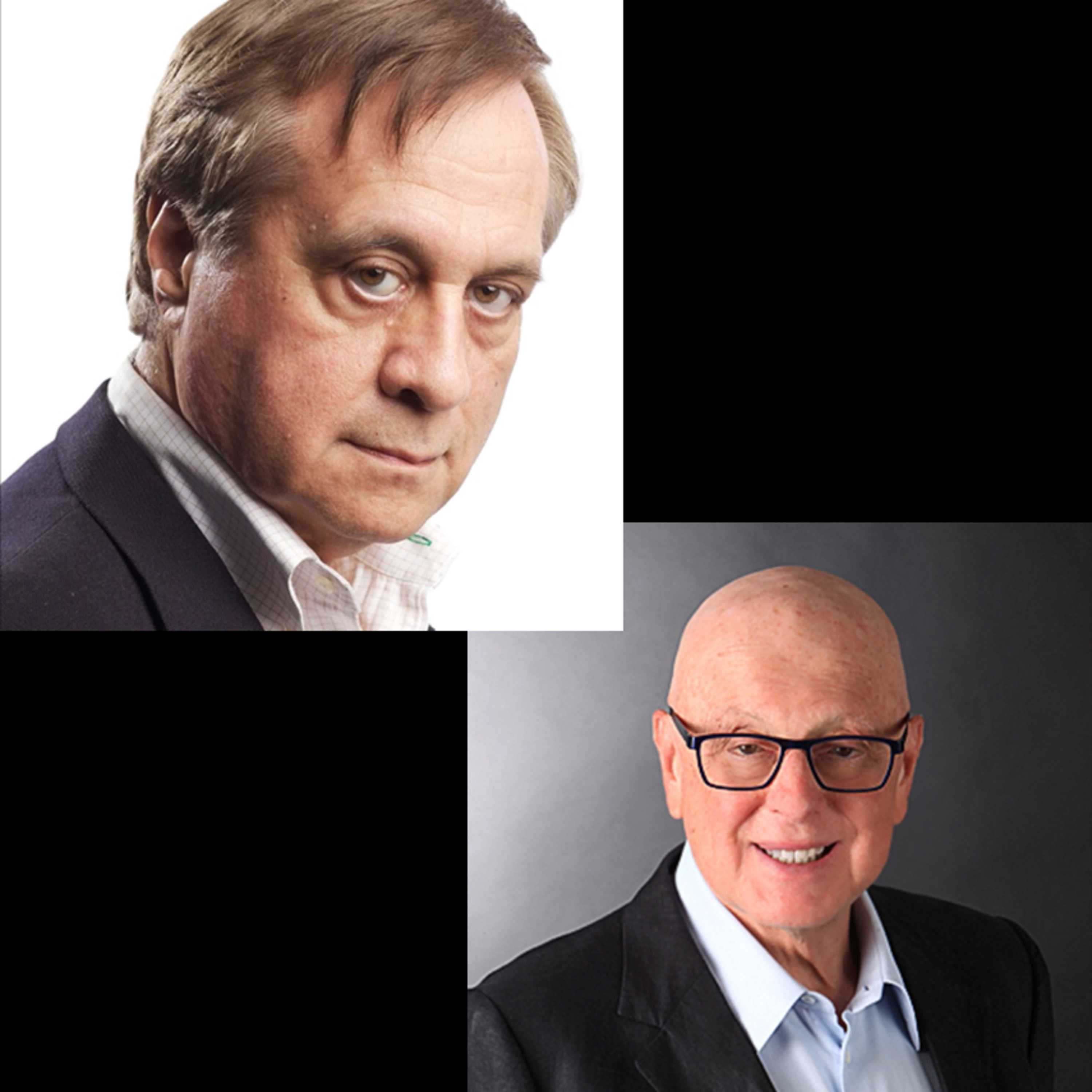 Getting Older Without Getting Old with David Cravit and Larry Wolf 08.12.2025 52minIn this episode of Specifically for Seniors, Dr. Larry Barsh welcomes David Cravit and Larry Wolf, co-authors of Super Aging: Getting Older without Getting Old and the Super Aging Workbook. Together they explore how aging can be reframed as a stage of opportunity rather than decline. Drawing on decades of experience in advertising, branding, and consumer trends, they describe how the concept of “super aging” challenges stereotypes and offers a positive, purposeful approach to later life. Cravit explains that his earlier work focused on how baby boomers resisted aging the way their parents did, while Wolf emphasizes the importance of branding aging as something vibrant and fulfilling. They contrast “default aging,” which assumes passivity and decline, with “super aging,” which embraces growth, activity, and accomplishment well into one’s eighties, nineties, and beyond.Central to their philosophy are the Seven A’s of Super Aging: attitude, awareness, activity, accomplishment, attachment, autonomy, and avoidance. Attitude is the foundation, since optimism and resilience have been shown to reduce stress and inflammation, leading to longer, healthier lives. Awareness means staying informed about new developments in health, longevity, and technology. Activity involves both physical and mental exercise, from simple daily movement to challenging the brain with new skills. Accomplishment stresses the importance of purpose and “unretirement,” encouraging older adults to pursue new careers, volunteer work, or creative projects. Attachment highlights the value of relationships and community, while autonomy focuses on maintaining independence through health, technology, and financial planning. Avoidance reminds seniors to guard against scams and resist ageism, which remains pervasive in healthcare, consumer culture, and everyday interactions.Throughout the conversation, Cravit and Wolf illustrate how small lifestyle changes, such as “exercise snacks” or food swaps, can make a big difference. They share stories of individuals who set long-term goals well into their later years, including a woman who enrolled in college at ninety-seven and graduated at one hundred and one. They emphasize that super aging is not about denying the realities of health challenges, but about actively managing wellness, protecting brain health, and continuing to engage with life. The workbook they created provides quizzes, checklists, and exercises that help readers define goals, assess attitudes, and put these ideas into practice.The episode also addresses ageism in subtle forms, such as patronizing language or stereotypical holiday gift lists, and calls for seniors to claim dignity and individuality rather than being treated as passive or helpless. Technology is discussed as both a challenge and an opportunity, with podcasts, YouTube, and digital platforms offering new ways for older adults to connect and learn. Ultimately, Cravit and Wolf argue that aging should be branded not as decline but as super living, a time to thrive, grow, and contribute. Their message is clear: with the right attitude and awareness, seniors can embrace autonomy, purpose, and joy, proving that getting older does not mean getting old.ResourcesSuper Aging: Getting Older without Getting Old (https://www.amazon.com/SuperAging-Workbook-David-Cravit/dp/1964721210/)Super Aging Workbook (interactive guide with quizzes and exercises)SuperAgingNews.com – curated articles on longevity, health, and aging trends (https://www.superagingnews.com)
 -
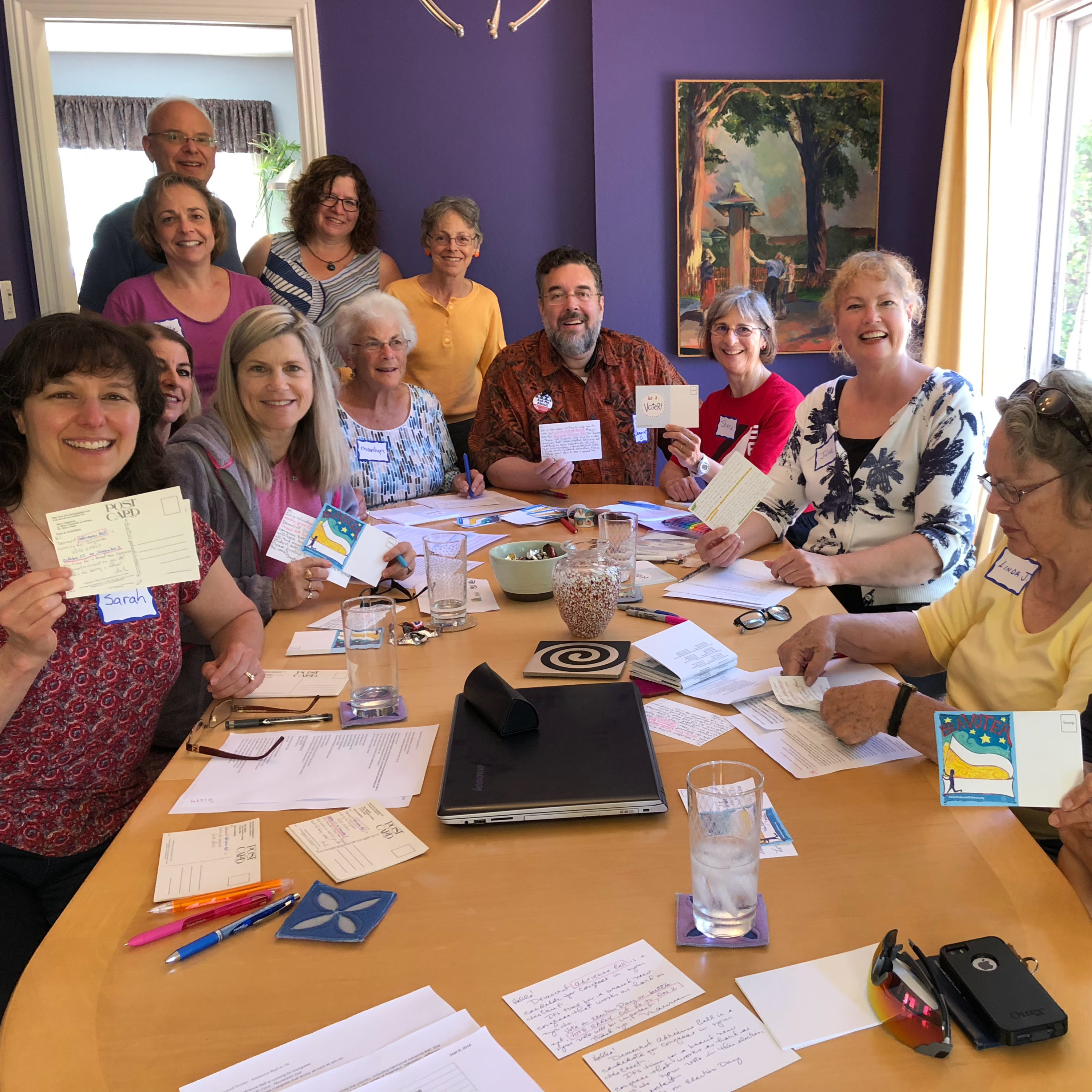 Postcards to Voters with Tony the Democrat 23.11.2025 56minWelcome to Specifically for Seniors! Today we’re delighted to introduce Tony McMullen, affectionately known as “Tony the Democrat.” His story is one of those rare grassroots adventures that begins small and blossoms into something extraordinary. \Back in March of 2017, Tony invited just five friends over to handwrite postcards reminding voters about an upcoming election. Five friends, five postcards each—that was it. Yet within a month, that modest gathering had sparked a nationwide movement of 1,200 volunteers who together wrote more than 51,000 postcards. Fast forward to today, and Postcards to Voters has grown into a vibrant community of over 162,000 volunteers across all 50 states, who have collectively sent more than 22 million handwritten postcards to support critical elections.What makes this effort so special is its personal touch. These aren’t form letters or computer printouts. Every single postcard is handwritten, often decorated, and mailed by volunteers who want to make a real difference. And it works. Candidates have won races by margins as slim as 95 votes thanks to postcard outreach. Beyond the victories, Tony emphasizes that the friendships, connections, and sense of purpose that volunteers discover along the way have been the most beautiful unintended gift of all.The impact has been remarkable across hundreds of races. Karen Gaddis in Oklahoma won by just 95 votes. Phil Miller in Iowa saw his campaign office windows covered with postcards from volunteers nationwide. Kevin Cavanaugh in New Hampshire won by fewer than a thousand votes. In recent cycles, Postcards to Voters has supported successful recent statewide campaigns in Georgia, Pennsylvania, and New Jersey, with nearly all supported candidates prevailing. Even in tough red districts where victories were elusive, the postcards built foundations for future campaigns and inspired local activists. Getting involved is simple and flexible. Prospective volunteers email [email protected], submit a photo of a sample postcard to show legibility, and once approved can request addresses anytime through Abby the Address Bot. The genius of the program is its three-day commitment system: volunteers only take as many addresses as they can complete within three days, whether that’s five postcards or fifty. There are no quotas, no pressure, and volunteers can request more addresses immediately after finishing or take breaks between campaigns. Postcards are designed to look like personal mail—neutral or friendly in style, without campaign logos—so recipients are more likely to read them rather than dismiss them as political junk.Tony reminds us that every campaign is a success because the true goal is strengthening the habit of voting among Democrats, not just winning individual races. The organization is entirely volunteer-run, with no salaries or office space, relying on modest donations to cover technology costs. With around 300 campaigns requesting help each November alone, there is always need for more hands. Even writing just five postcards a month makes a meaningful contribution to this grassroots movement that has become one of the most effective tools for voter outreach nationwide.Learn more and sign up at Postcardstovoters.org to join this inspiring community of volunteers making democracy work one handwritten postcard at a time.
 -
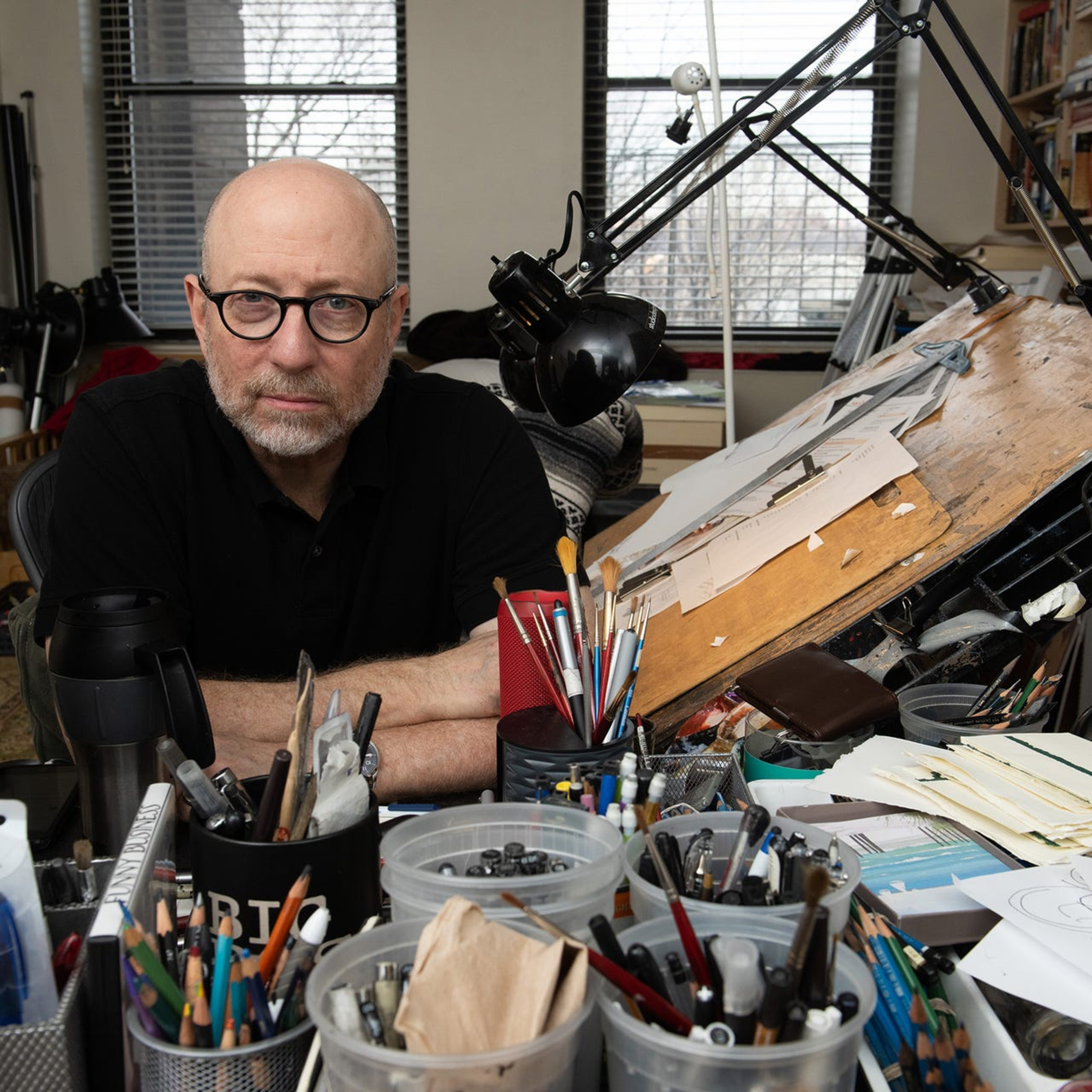 The Pen That Skewers Power: A Conversation with Steve Brodner 09.11.2025 57minEditorial cartoons distill political complexity into a single, unforgettable image. By exaggerating flaws, contradictions, and absurdities, they make power visible—often more effectively than prose. In this episode of Specifically for Seniors, we sit down with the legendary Steve Brodner, whose fearless illustrations have chronicled American political theater for decades. From the Library of Congress to the pages of The Nation, The Washington Post, and The LA Times, Brodner’s pen has skewered hypocrisy, exposed corruption, and elevated satire into a form of civic resistance.As the first artist inducted into the Society of Illustrators Hall of Fame and the 2024 recipient of the Herb Block Prize, Brodner continues Block’s legacy with wit, precision, and moral clarity. We begin by exploring what drew him to editorial cartooning as a form of civic engagement, and how Herb Block’s groundbreaking influence continues to shape his work. Brodner reflects on the challenge of compressing complex political narratives into a single frame, and shares how he chooses topics, balances humor and anger, and measures the impact of his work—whether through public reaction, editorial reach, or civic discourse.We also discuss the risks of pushback and censorship, especially in his depictions of Trump and his allies, and take a closer look at one of his earlier works, The Winged Monkeys of Trump, to understand how he avoids caricature fatigue while maintaining sharp critique. Brodner opens up about his evolving Substack page, The Greater Quiet, explaining its shift in tone and motivation, and how listeners can access it at stevebrodner.substack.com.Throughout the episode, we showcase several of Brodner’s recent illustrations—including Highest Standard of Living, 40 Million, Long COVID, Arc de Trump, and Chinatown—and invite him to unpack the metaphors and civic commentary embedded in each. We also explore the role editorial cartooning plays in resisting authoritarian tendencies, and how the medium can evolve to remain relevant in today’s digital and participatory media landscape.Brodner offers advice on navigating a polarized media environment, and shares insights on how to view editorial cartoons with greater intelligence and nuance. We close with a look ahead at his upcoming projects, which continue his critique of institutional erosion and his commitment to visual accountability.This episode is best experienced on YouTube, where Brodner’s illustrations come to life alongside the conversation. His work reminds us that satire isn’t just entertainment—it’s a form of truth-telling, a call to action, and a powerful tool for civic engagement.
 -
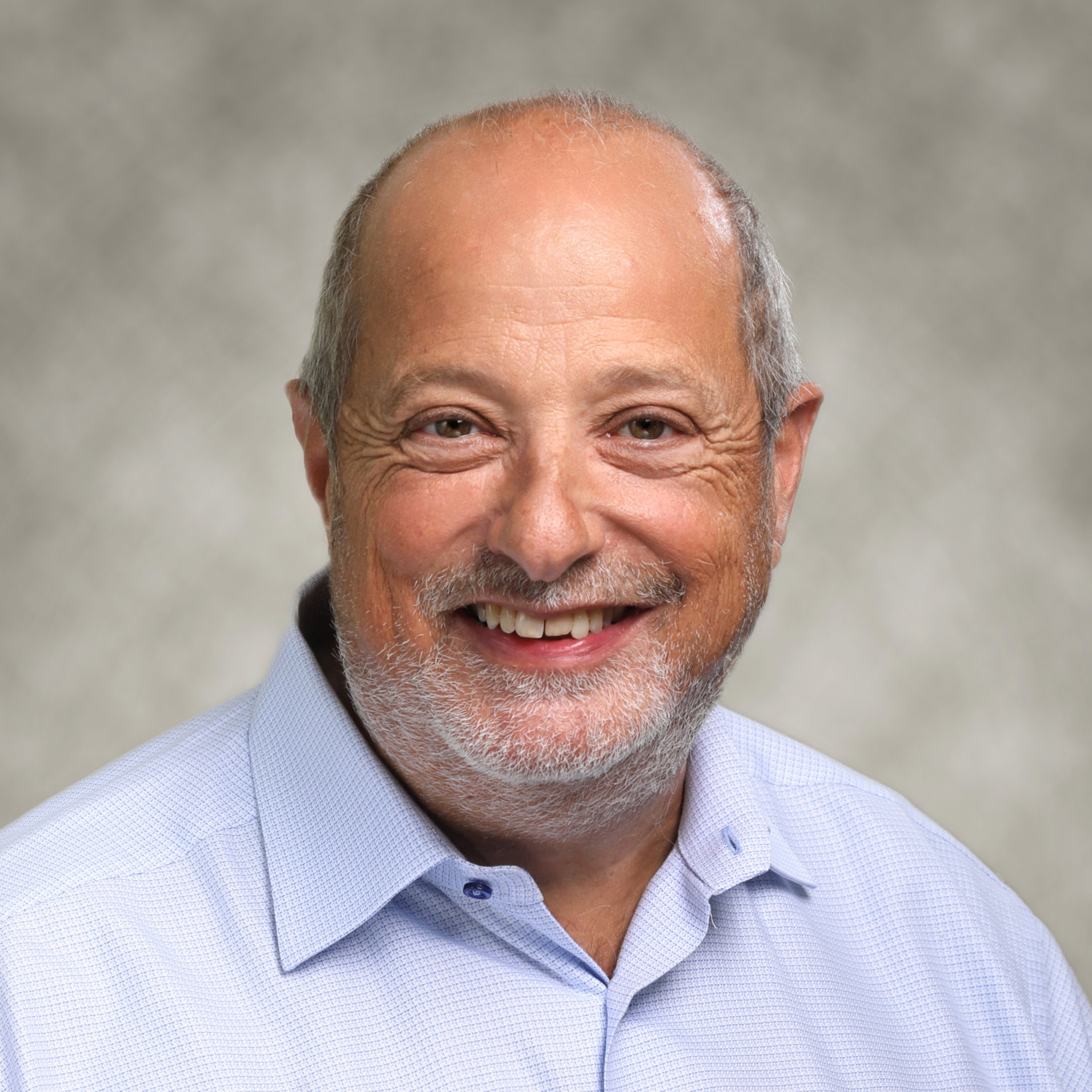 Addiction Doesn’t Retire: Substance Misuse and the Aging American with Dr. Lee Tannenbaum 26.10.2025 38minIn this episode of Specifically for Seniors, host Laurence I. Barsh sits down with Dr. Lee Tannenbaum, a physician and healthcare leader whose career has been devoted to improving addiction treatment across the lifespan. Together, they confront a growing but often invisible crisis: substance misuse among older adults. While addiction in the United States is frequently portrayed as a youth-driven epidemic, this conversation reveals a more complex and urgent reality—one in which seniors are increasingly vulnerable to alcohol misuse, cannabis overuse, and the abuse of prescribed medications.As Americans live longer and face deepening isolation, many older adults find themselves navigating chronic pain, grief, and the challenges of polypharmacy. These factors not only increase the risk of addiction but also complicate diagnosis and treatment. Yet the healthcare system, still largely calibrated to younger populations, often fails to recognize or respond to these issues with the nuance they demand.Dr. Tannenbaum, Senior Medical Director at ARS Treatment Centers, shares insights from decades of experience designing methadone and buprenorphine-based treatment programs, shaping policy, and managing clinical operations through crises like COVID. He and Laurence explore how addiction trends have shifted over the past decade, which substances are driving the most harm, and how mental health challenges intersect with substance use—particularly in aging populations.They discuss how addiction manifests differently across age groups, regions, and racial demographics, and why older adults are frequently misdiagnosed or overlooked. Dr. Tannenbaum outlines the substances most commonly misused by seniors—alcohol, prescription medications, and increasingly, cannabis—and explains how confusion, falls, and even death can result from unrecognized dependence. He also highlights the role of grief, chronic illness, and social disconnection in triggering substance misuse later in life.The conversation turns to the clinical blind spots that caregivers and providers often miss, the cultural and systemic barriers that prevent older adults from accessing care, and the need for treatment centers to adapt their models to better serve aging populations. Dr. Tannenbaum offers a detailed look at treatment protocols for seniors, including approaches to managing alcoholism and benzodiazepine dependence in private practice.They also examine the political landscape, including the impact of recent federal initiatives like the Executive Order titled “Ending Crime and Disorder on America’s Streets,” and how such policies affect harm-reduction strategies and medication-focused treatment approaches. Dr. Tannenbaum shares his concerns about governmental overreach and the erosion of programs like needle exchanges that have proven effective in reducing harm.Listeners are invited to explore more of Dr. Tannenbaum’s work at addictioncoa.com, and to tune into his podcast, co-hosted with his daughter ,You Don’t Have Struggle (https://open.spotify.com/show/51NIjdp4uhQ1wQ9e1dyYCb) where they delve deeper into addiction medicine, treatment innovation, and the evolving challenges of care.This episode is a call to action: to recognize that addiction doesn’t retire at 65—it evolves. And if our systems are to meet the moment, they must evolve too.Dr. Tannenbaum's BookThe Addiction Conspiracy: Unlocking Brain Chemistry and Addiction So You Don't Have To Struggle (https://a.co/d/hDQzAfW)
 -
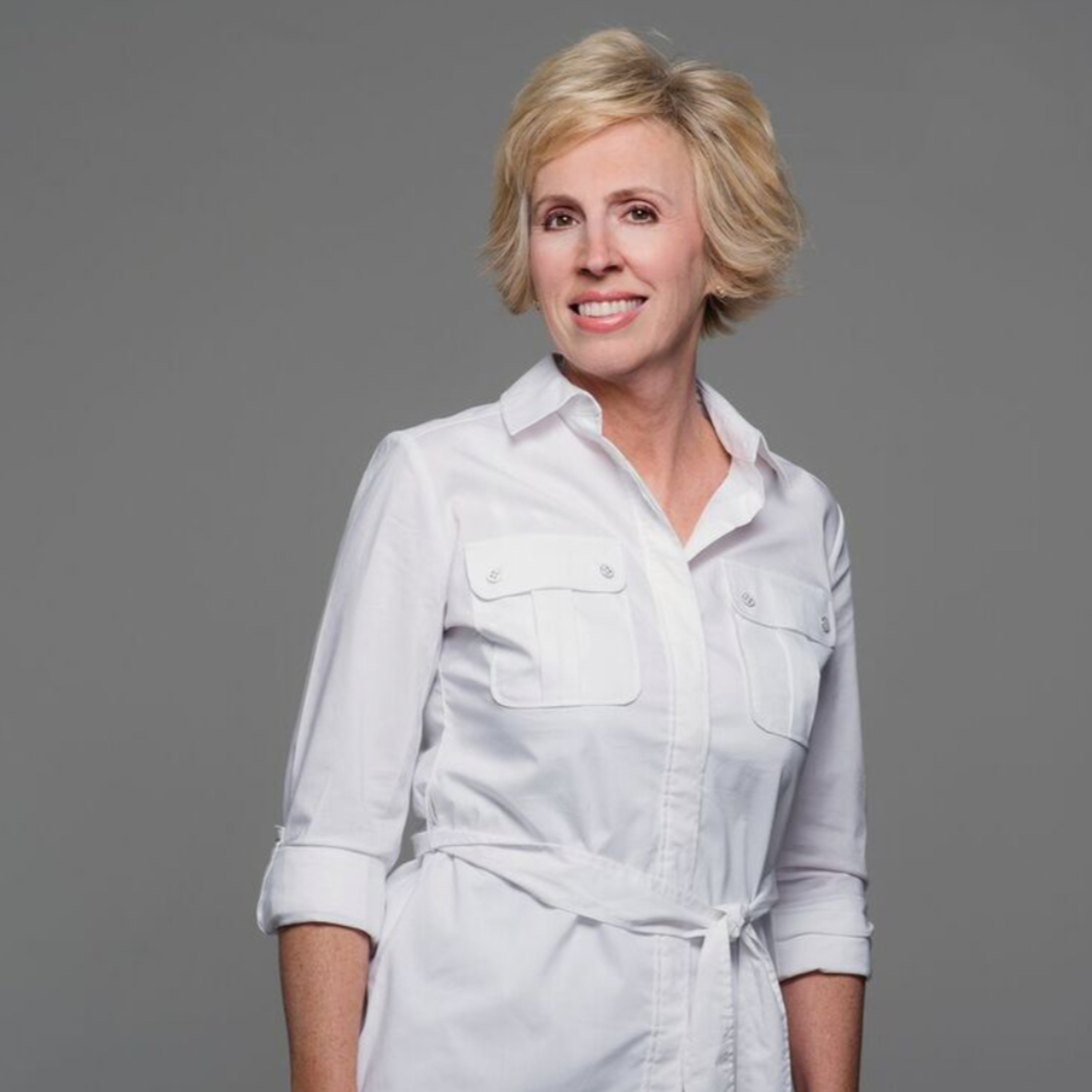 Episode 108: Caroline's Cart with Drew Ann Long 12.10.2025 30minWelcome to Specifically for Seniors, where today we explore the civic power of everyday objects and the people who dare to redesign them. Today’s guest didn’t start with a blueprint—she started with a daughter. Drew Ann Long is the creator of Caroline’s Cart, a revolutionary shopping cart designed for children and adults with disabilities. Named after her daughter Caroline, who was born with Rett syndrome, the cart began as a mother’s plea for inclusion and became a national movement in retail design.Drew Ann taught herself the language of industrial engineering, founded Parent Solution Group in 2008, and partnered with Technibilt to bring her vision to life. Her invention has earned national recognition, including the Da Vinci Award for universal design, and is now available in major retailers like Target, Kroger, and Walmart. But this story isn’t just about a cart—it’s about civic imagination, maternal resolve, and the quiet revolution of making space for everyone.
 -
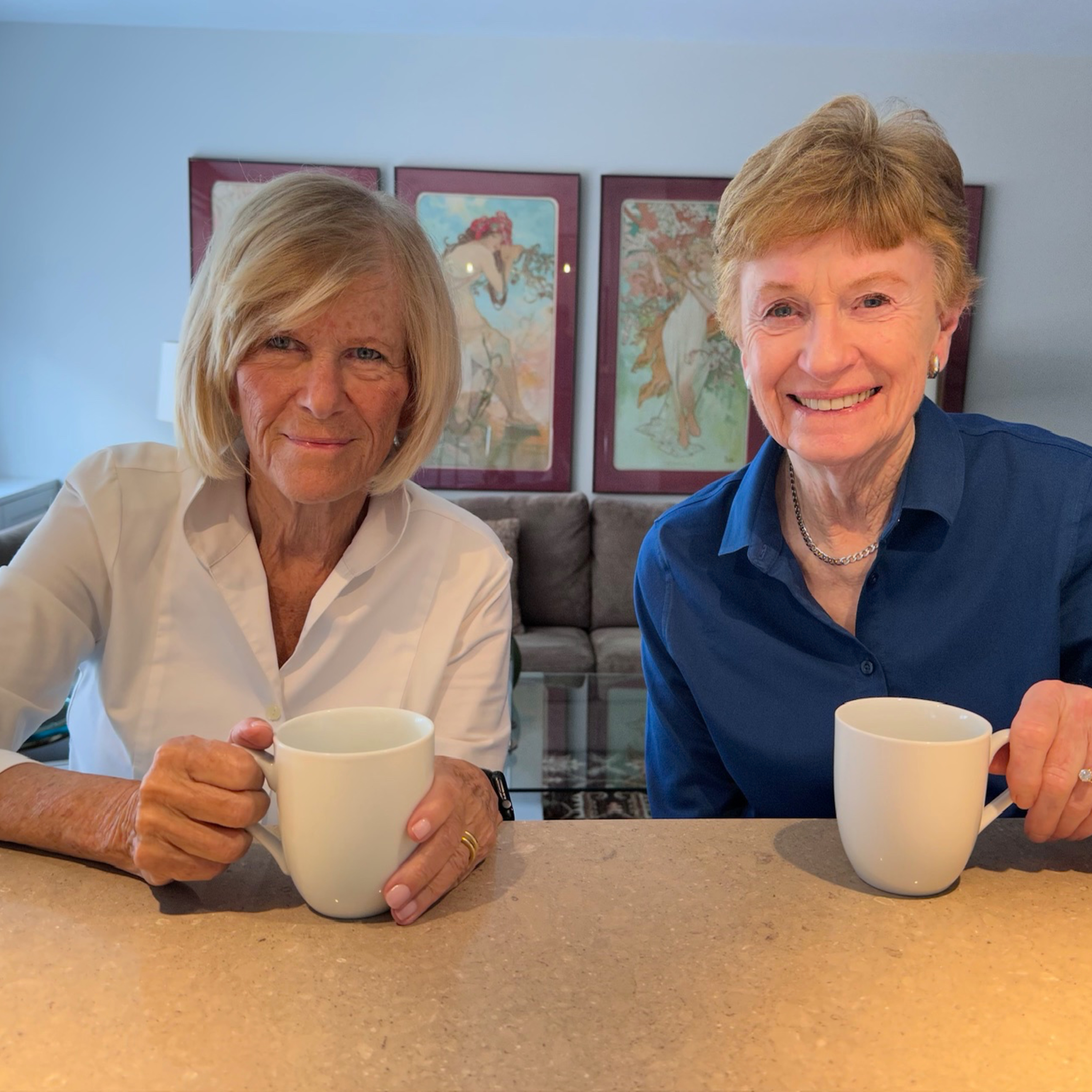 Episode 107: The Civic Firepower of Senior Activism at We the Seniors with Judy Loeb & Mary Mulvihill 14.09.2025 49minWelcome to Specifically for Seniors, the podcast that celebrates the wisdom, wit, and willpower of older adults who refuse to sit quietly on the sidelines.Today’s episode is a rich opportunity to spotlight the civic firepower of senior activism and the strategic brilliance behind We the Seniors—a grassroots movement that’s proving age is not a limitation, but a launchpad for change.Our guests, Mary Mulvihill and Judy Loeb, are the architects of this powerful network. Through weekly Zoom calls, postcard campaigns, rallies, and coalition-building, they’ve mobilized thousands of older Americans to engage in meaningful, sustained political action. Their work has drawn speakers like Skye Perryman, activist Bill McKibben, Senator Cory Booker, Rep. Katie Porter, Liz Cheney and Jen Johnson —not just to inform, but to inspire.Mary brings decades of organizing experience and a gift for turning civic frustration into coordinated action. Mary spent the first half of her career as an Associate Dean and Professor at Fordham University’s Business School, where she also taught. In the next chapter of her career, She turned her focus to revitalizing nonprofits, serving as Executive Director of two different nonprofits.Judy, a former regional director for Emily’s List as a result of her anger over the Anita Hill hearings and a lifelong advocate, adds strategic depth and fundraising savvy to the mix. Together, they’ve built the platform,We The Seniors, that amplifies senior voices, connects communities across 15 states, and redefines what it means to age with agency.Whether you’re a seasoned activist or just beginning to explore your civic power, this conversation will challenge assumptions, spark ideas, and remind us all that democracy thrives when seniors lead. Let’s dive into their story, their mission, and the unstoppable force of senior volunteers.
 -
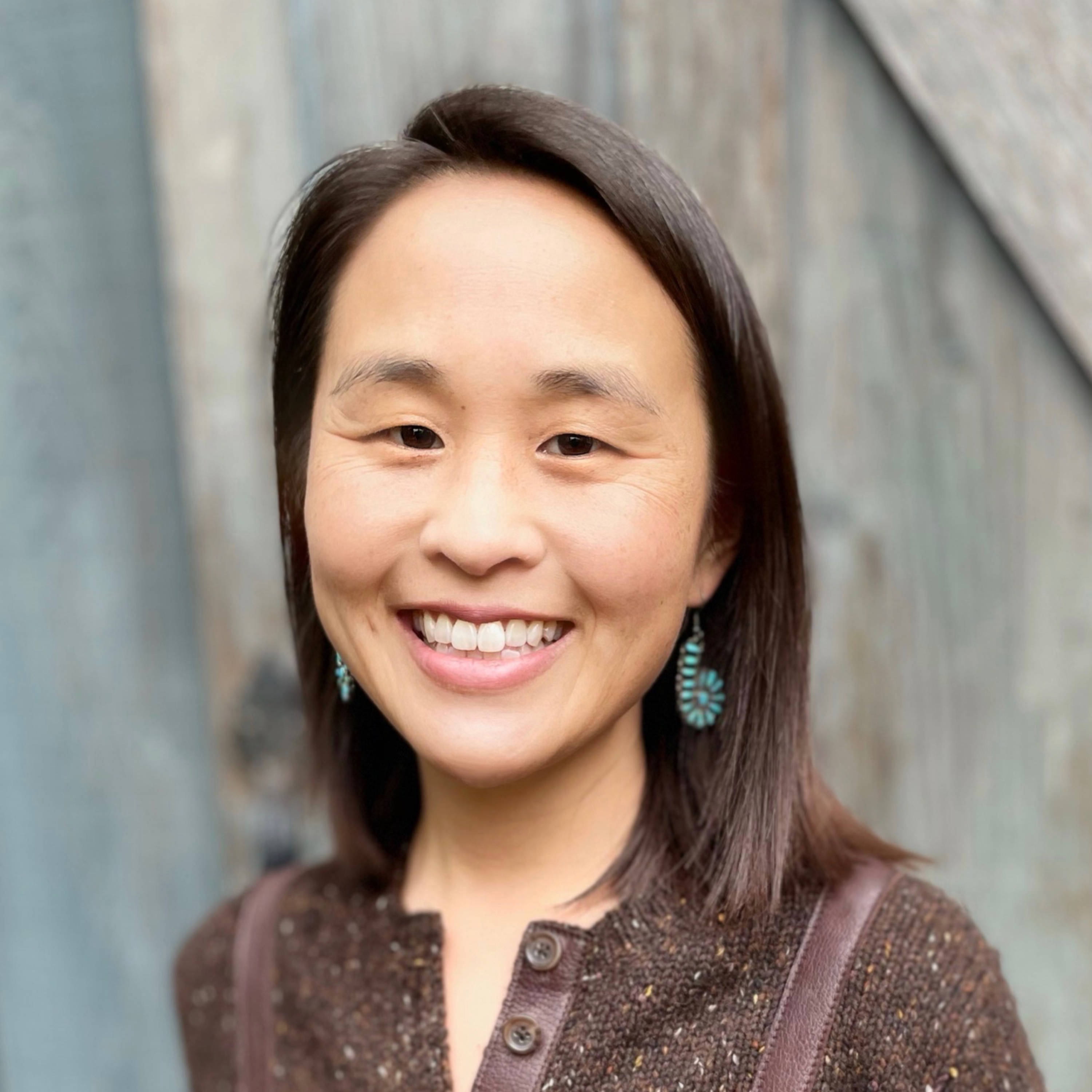 Episode 106: Narcissism and National Harm with Dr. Jocelyn Sze 31.08.2025 36minOne day, Narcissus caught sight of his own reflection and thought, “Finally—someone who gets me.” Fast forward a few millennia, and Donald Trump, in a moment of mythological cosplay, gazed into the Capitol Reflecting Pool and saw not the dome of democracy, but the shimmering image of his own magnificence. And like his ancient counterpart, he was utterly transfixed.So in June 2025, to mark his 79th birthday—and presumably the anniversary of his divine self-recognition—he staged a taxpayer-funded spectacle featuring tanks, fighter jets, and enough red-white-and-bluster to make a banana republic blush. Price tag? $45 million. Purpose? Self-admiration. Subtext? “I am the state.”Today’s guest is here to help us decode the psychological machinery behind this kind of political theater. Dr. Jocelyn Sze is an Assistant Clinical Professor at the University of California, a trauma psychologist specializing in narcissistic abuse, and and a board member of Bay Area Trauma Recovery Clinical Services and the McCune Foundation which supports grassroots organizations that empower and mobilize excluded populations. Her work bridges the personal and the political—helping individuals heal from manipulation while exposing how those same tactics play out on the national stage.In her recent Huffington Post article, “I’m A Psychologist Who Specializes In Narcissists. Here’s What We Need To Do To Stop Trump,” Dr. Sze draws on years of clinical experience to unpack the psychological tactics of authoritarian figures. She urges us to build what she calls psychological immunity—a kind of civic resilience against emotional chaos and gaslighting. Today, we’ll explore how trauma-informed psychology can help us recognize, resist, and respond to narcissistic leadership—and why naming these patterns is essential to protecting democracy.Let’s get clinical about the circus.
 -
 Episode 105: The Serious Side of Laughing at Trump with Dr. Sophia McClennen 15.08.2025 47minJoin us on our Substack page (https://specificallyforseniors.substack.com)where satire meets substance and storytelling sparks civic engagement and where we comment several + times a week. Let’s keep the conversation sharp, smart, and unapologetically bold.In the August 14, 2025 episode, Larry welcomes Dr. Sophia McClennen. Sophia is a professor of international affairs and comparative literature at Penn State University. She is the author of several books on satire, media, and politics, including Trump Was a Joke: How Satire Made Sense of a President Who Didn’t. Her work has been featured in Salon, The Washington Post, and numerous academic journals.professor, author, and leading scholar of political satire, for a riveting conversation about humor as resistance. Drawing from her acclaimed book Trump Was a Joke: How Satire Made Sense of a President Who Didn’t and her Salon article "Sick of Trump? Try laughing at him", McClennen explores how irony and parody became essential tools for navigating a presidency that often felt like its own punchline. Together, they examine how satire evolved in response to Trumpism, the civic power of laughter, and the urgent need for media literacy in an age of disinformation and manufactured history.Highlights Include: The anatomy of political satire in the digital age How humor exposes authoritarian absurdities The civic power of irony and parodyMcClennen argues that satire doesn’t merely entertain—it educates, provokes, and defends. The episode dives into the anatomy of political humor, the role of comedians as cultural critics, and the unique position seniors hold in decoding media spectacle and resisting authoritarian absurdities. With sharp insight and a dose of irreverence, this conversation reminds us that laughter, when wielded wisely, can be revolutionary.Listen now on SpecificallyForSeniors.com, Apple Podcasts, Spotify, and YouTube.com/@UC441l9z6dBkZCU1bO5E3ynAMEMORY LANE INFORMATIONWeb Pagehttps://www.memory-lane.tvFor Individuals, Family and Caregivershttps://bit.ly/4mtTG2hThere is a 30% discount for annual subscriptions, please use code SFORSENIORS in the promo box.For Professional Care Facilitieshttps://www.memory-lane.tv/contact-adult-carePlease place "Specifically for Seniors" in the Ambassador LineResearchhttps://www.memory-lane.tv/researchDisclaimer: Specifically for Seniors receives a small stipend with each subscription that helps to keep the podcast on the air. Please use the links for further information
 -
 Episode 104: Memory Lane TV, calming videos for dementia management, with Alban Maino 13.07.2025 42minI don’t usually invite a sponsor on to a podcast, but today I’m going to do just that because I think it's important for you to hear what my guest has to say about his product.Regular listeners to Specifically for Seniors realize that I have accepted a sponsor for the podcast and, hopefully, it will help keep us on the air. I’ve held off because I wanted to make sure that any product or service that we recommended was validated by clinical research. Memory Lane TV was that product.I know many of you are saying “Yuh, we’ve heard that before” - a commercial is just that a commercial. So I’m going to take a chance and let you judge for yourself.Our guest on the podcast today is Alban Maino, founder and CEO of Memory Lane TV. Alban spent ten years developing something that traditional television simply couldn't provide— clinically-validated, multi-sensory content that's showing remarkable results in reducing anxiety and improving quality of life for both individuals with dementia and their caregivers and we're going to give you a chance to validate that for yourself by providing access to research documentation and the organizations that have worked to prove it. This podcast was more important than I had imagined. Alban’s approach to the betterment of the lives of both those suffering with dementia and their caregivers is admirable. His ultimate goal is to be able to offer his video content to all that need it free of charge is obvious. He pleaded for the help of a philanthropist or organization willing to help reaching that goal especially since the current administration has negated the grants under which he and his company have been working. For now, however, the subscription fee will help keep the program in operation.Please contact me directly from the contact section of this podcast from our web site specificallyforseniors.com and I will put you in touch directly with him.For the benefit of those who would like to share in the research that validates his approach there is a White Paper entitled “Sensory Stimulation as a Means of Managing Behavioral and Psychological Symptoms of Dementia” that Alban will make available upon request. Drop me a note from the contact section of this podcast from our web site specificallyforseniors.com and I will send you his email address.ARTICLEhttps://www.linkedin.com/posts/albanmaino_memory-care-innovation-award-winner-alban-activity-7325190241588236288-uC7A?utm_source=share&utm_medium=member_desktop&rcm=ACoAABMrH0QByj043fv_Hrpv7l0OYIv07Xhl1scSOCIAL MEDIATwitter: https://x.com/forgetdementiaInstagram: https://www.instagram.com/memorylanetv/YouTube: https://www.youtube.com/channel/UC031n0ORReeIUIBchB0AccQLinkedIn: https://www.linkedin.com/in/albanmaino/Pinterest: https://www.pinterest.com/memorylanenetwork/Tiktok: https://www.tiktok.com/@memorylanetvIMDB: https://www.imdb.com/name/nm6480753/MEMORY LANE INFORMATIONWeb Pagehttps://www.memory-lane.tvFor Individuals, Family and Caregivershttps://bit.ly/4mtTG2hThere is a 30% discount for annual subscriptions, please use code SFORSENIORS in the promo box.For Professional Care Facilitieshttps://www.memory-lane.tv/contact-adult-carePlease place "Specifically for Seniors" in the Ambassador LineResearchhttps://www.memory-lane.tv/research
Sarnased taskuhäälingud


Populaarne riigis
See taskuhääling on ka nende riikide taskuhäälingute edetabelites.
