
Red Dirt Agronomy Podcast
Brian Arnall Ph.D., Dave Deken, Josh Lofton Ph.D.
0
The Red Dirt Agronomy Podcast provides in-depth discussions on agronomy for Oklahoma and the Southern Plains. Hosted by university experts Brian Arnall, Dave Deken, and Josh Lofton, it covers soil health, crop production, pest management, and innovative farming practices. The show offers practical advice, research updates, and regional insights for agronomists, farmers, and anyone interested in Red Dirt agriculture.
Osad
-
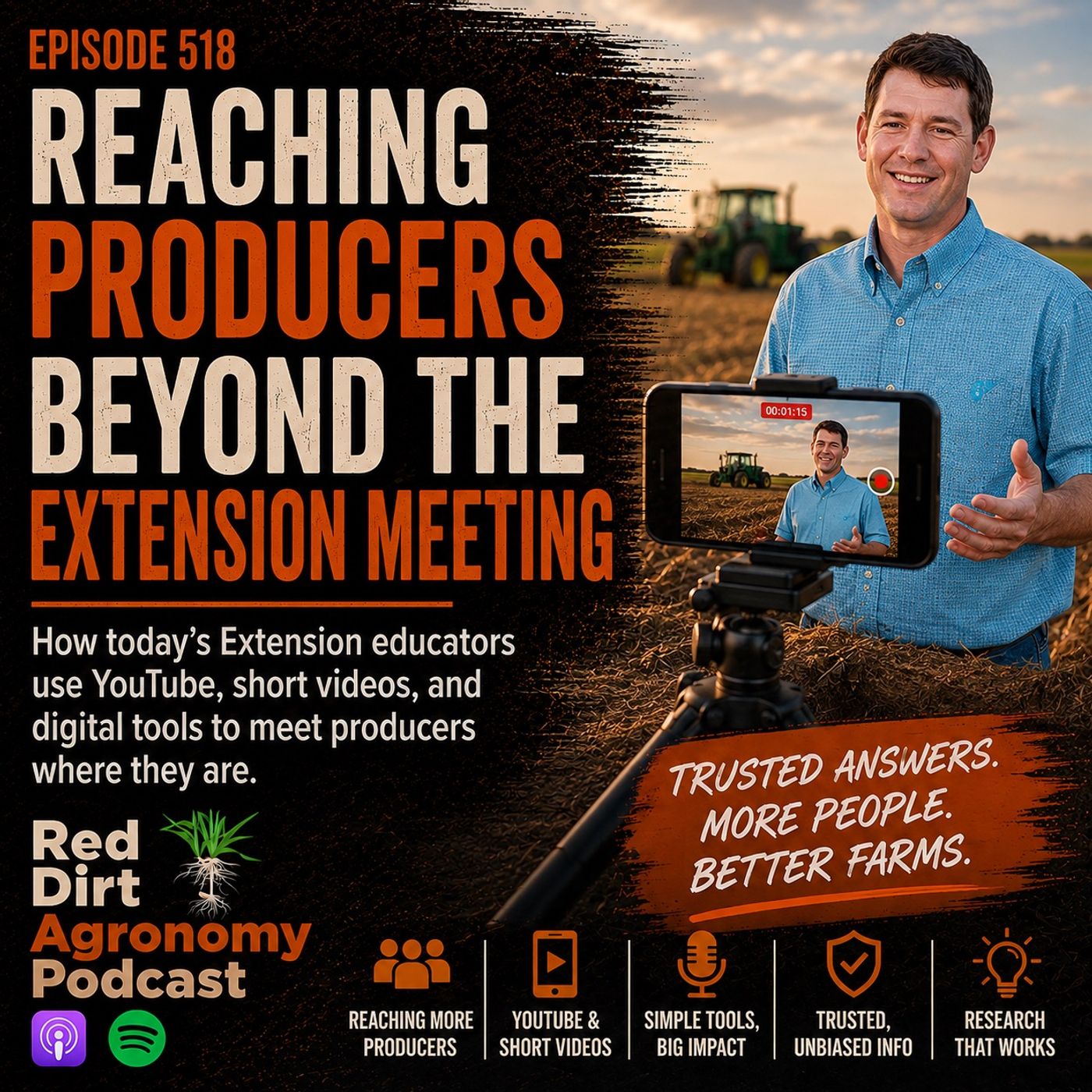 Reaching Producers Beyond the Extension Meeting 18.08.2026 46minExtension has always been about getting research-based information into the hands of people who can use it. But what happens when the place producers look for that information changes? In Episode 518 of the Red Dirt Agronomy Podcast, Dave Deken, Brian Arnall, Ph.D. and Josh Lofton, Ph.D. visit with Daniel Adamson Ph.D., Oklahoma State University Extension Soil and Water Conservation Specialist, about building an Extension program when YouTube, short-form video and social media increasingly compete with meetings, fact sheets and traditional media for producers' attention. Adamson joined OSU in fall 2024 and is building a producer-focused program around soil, water and conservation issues. The group digs into why some of the best Extension content may already be happening during an ordinary day in the field. A soil pit, harvest footage or a problem a specialist has seen hundreds of times may be exactly what a producer wants to see. They also talk about keeping video production simple, the disconnect between digital outreach and traditional academic metrics, and why Extension's reputation for unbiased, research-based information could become even more valuable as artificial intelligence changes how people search for agricultural answers.
 -
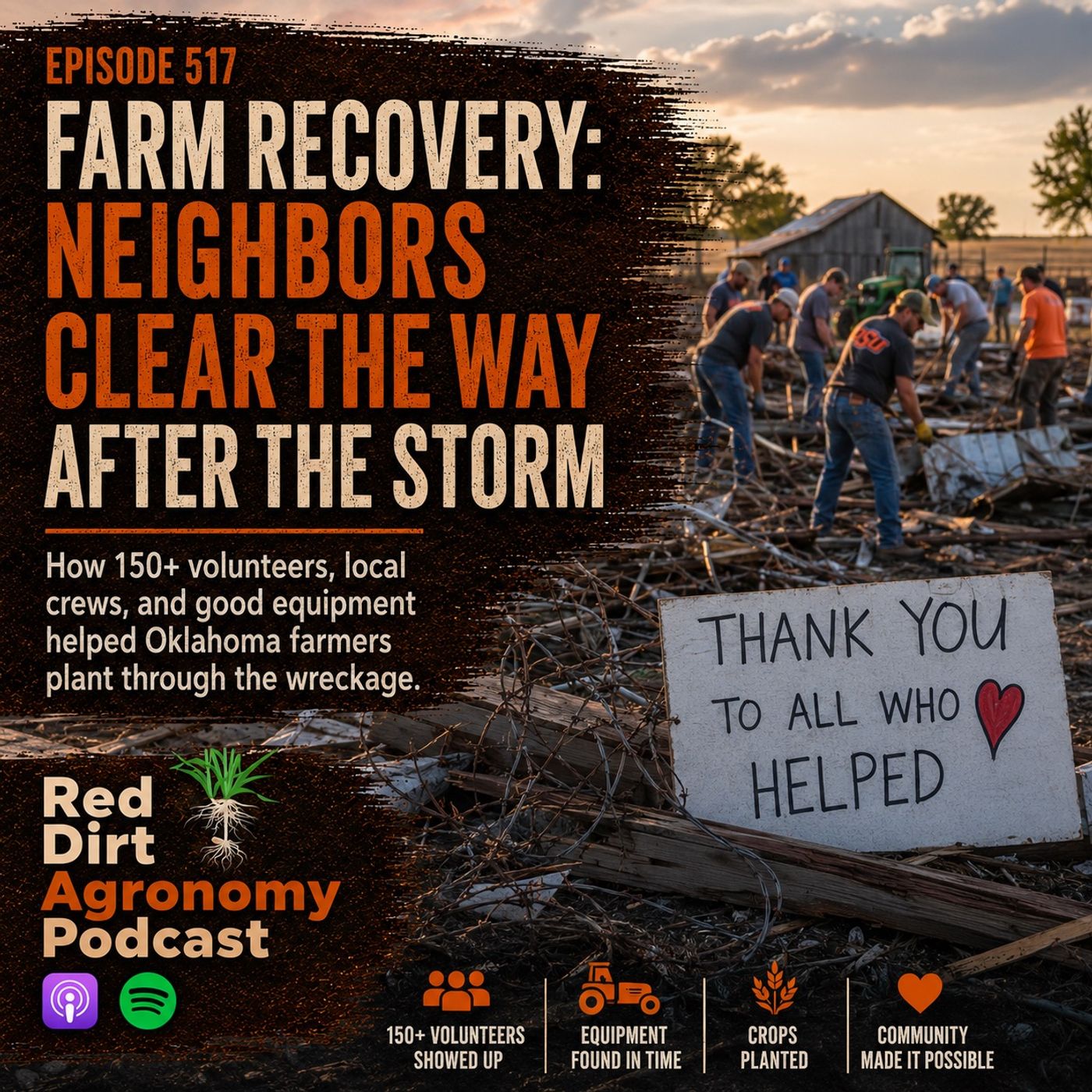 Farm Recovery: Neighbors Clear the Way After The Storm 04.08.2026 46minA tornado may pass in minutes, but the work it leaves behind can threaten an entire planting season. In this episode of the Red Dirt Agronomy Podcast, north-central Oklahoma farmer Karen Eifert Jones recounts the April 23 tornado that passed directly over her family’s farm headquarters near Enid and followed a path across five of their farms. Although their home was spared a direct strike, miles of damaged fence, barbed wire, shingles, lumber and household belongings were scattered across fields and pastures that needed to be planted immediately. Karen explains how more than 150 volunteers, local emergency personnel, churches, neighbors and complete strangers helped clear the land. Two urgently needed hydraulic wire winders were located after days of searching, crews walked fields shoulder to shoulder, and one heavily damaged field was cleared by 3 p.m. and planted by 5 p.m.—just before the next rain. The conversation also explores what farmers actually need after a disaster. Karen discusses why flexible cash donations can be more useful than unsolicited supplies, how local organizations can identify needs faster, why accessible community shelters matter and how tornado losses affect mental health long after the debris is removed. The episode closes with lessons about USDA fence-replacement assistance, crop rotation, canola production and the strength of rural communities that show up when the work cannot wait.
 -
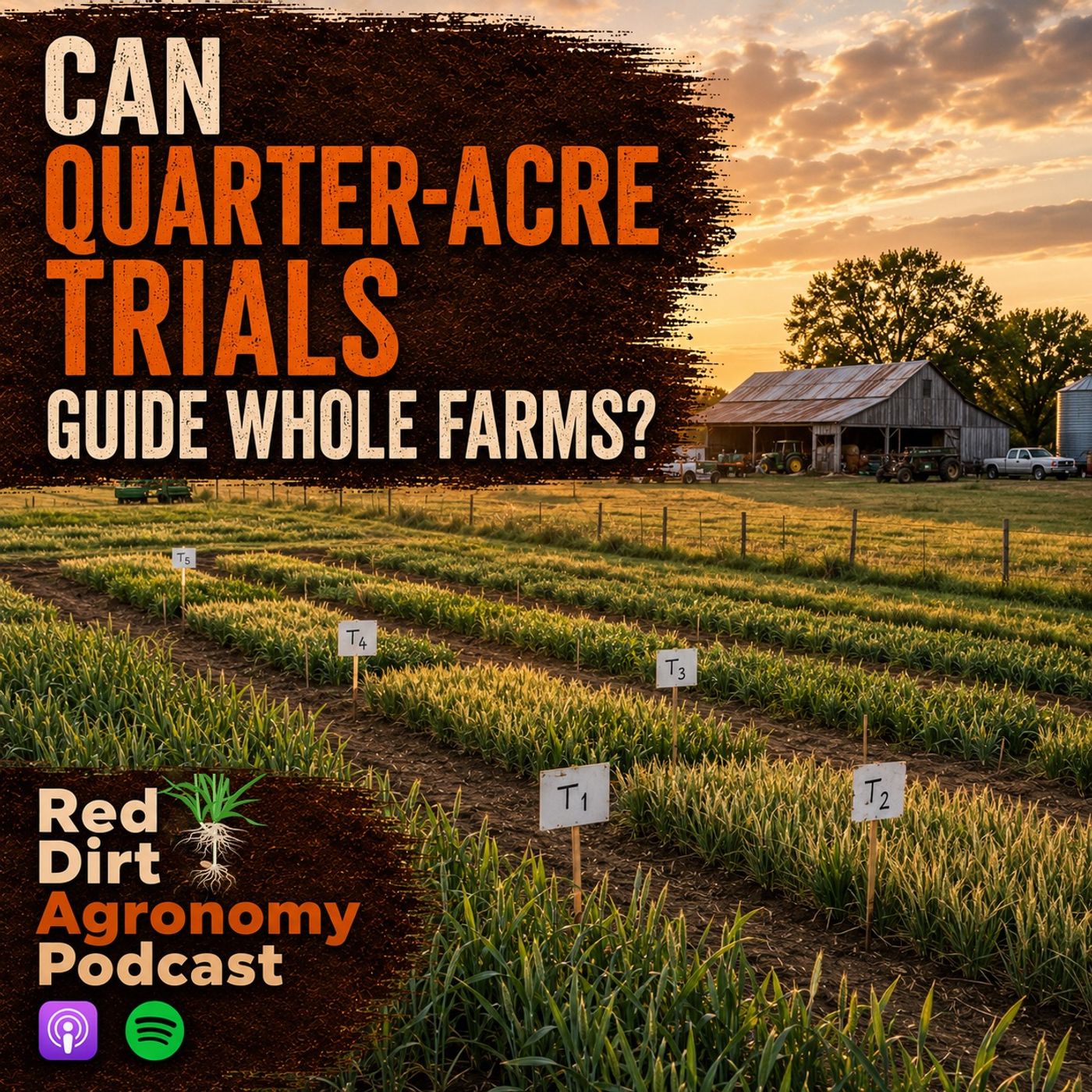 Can Quarter-Acre Trials Guide Whole Farms? 30.07.2026 38minHow can research conducted on a fraction of an acre produce recommendations for an entire farming operation? In this episode of the Red Dirt Agronomy podcast, Oklahoma State University Extension specialists Brian Arnall Ph.D. and Josh Lofton Ph.D. explain why small-plot research remains one of the most important tools in agricultural science. Small plots allow researchers to control soil, rainfall, pests and other variables while repeating treatments enough times to determine whether a result is dependable or simply field variation. The conversation follows an idea from its earliest controlled trial through multi-year testing, larger demonstrations and eventual use on commercial farms. Arnall and Lofton also discuss statistical confidence, the financial consequences of a poor recommendation and why an isolated yield response is not enough to justify changing a producer’s management program. The researchers emphasize that producer cooperators are essential. On-farm trials expose practices to different soils, weather patterns and management systems while giving farmers a way to test a recommendation on limited acres before adopting it across an operation. The main message is practical: research should not simply show that something worked. It should help producers understand where it works, why it works, when it may fail and whether the likely return justifies the risk.
 -
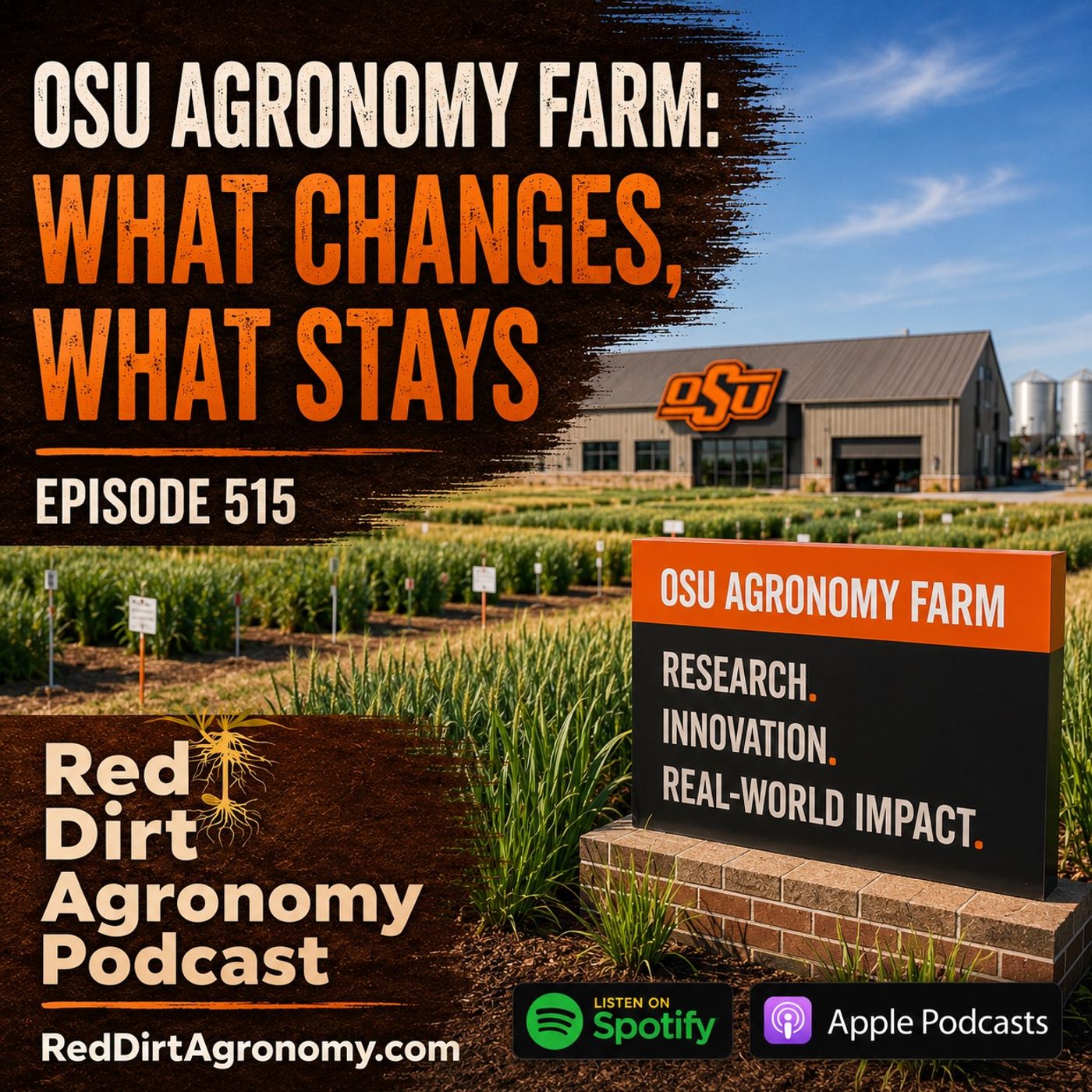 OSU Agronomy Farm: What Changes, What Stays 14.07.2026 43minOne of Oklahoma agriculture’s most recognizable pieces of ground is entering a new chapter—but the research farmers depend on is not being paved over. Oklahoma State University’s new veterinary teaching hospital is expected to be built on the footprint now occupied by buildings at the Agronomy Research Station in Stillwater. That announcement raised understandable concerns about the future of the farm, its teaching plots and long-term experiments, including research that has been underway for more than a century. In this episode of Red Dirt Agronomy, OSU Department of Plant and Soil Sciences head Wade Thomason Ph.D. joins Dave Deken, Brian Arnall Ph.D. and Josh Lofton Ph.D. to separate settled decisions from questions that are still being worked through. The historic Magruder Plots and other irreplaceable long-term fertility research are being protected. OSU also expects to retain much of the main research ground, although approximately 20 to 50 acres used by other programs may need to be recreated nearby. The change also creates an opportunity to replace aging buildings with modern greenhouses, field laboratories, shared seed and sample-processing areas, improved research storage and a producer-friendly education center. That center could provide a new home for soil, water and forage testing as well as plant disease and insect diagnostics. For Oklahoma producers, this is more than a construction story. It is about preserving unbiased crop research, strengthening Extension services, improving wheat and crop breeding, giving students meaningful field experience, and making the university’s diagnostic resources easier to use. The current target is to move agronomy operations into their new facilities during the summer of 2028, although final land and funding decisions remain in progress.
 -
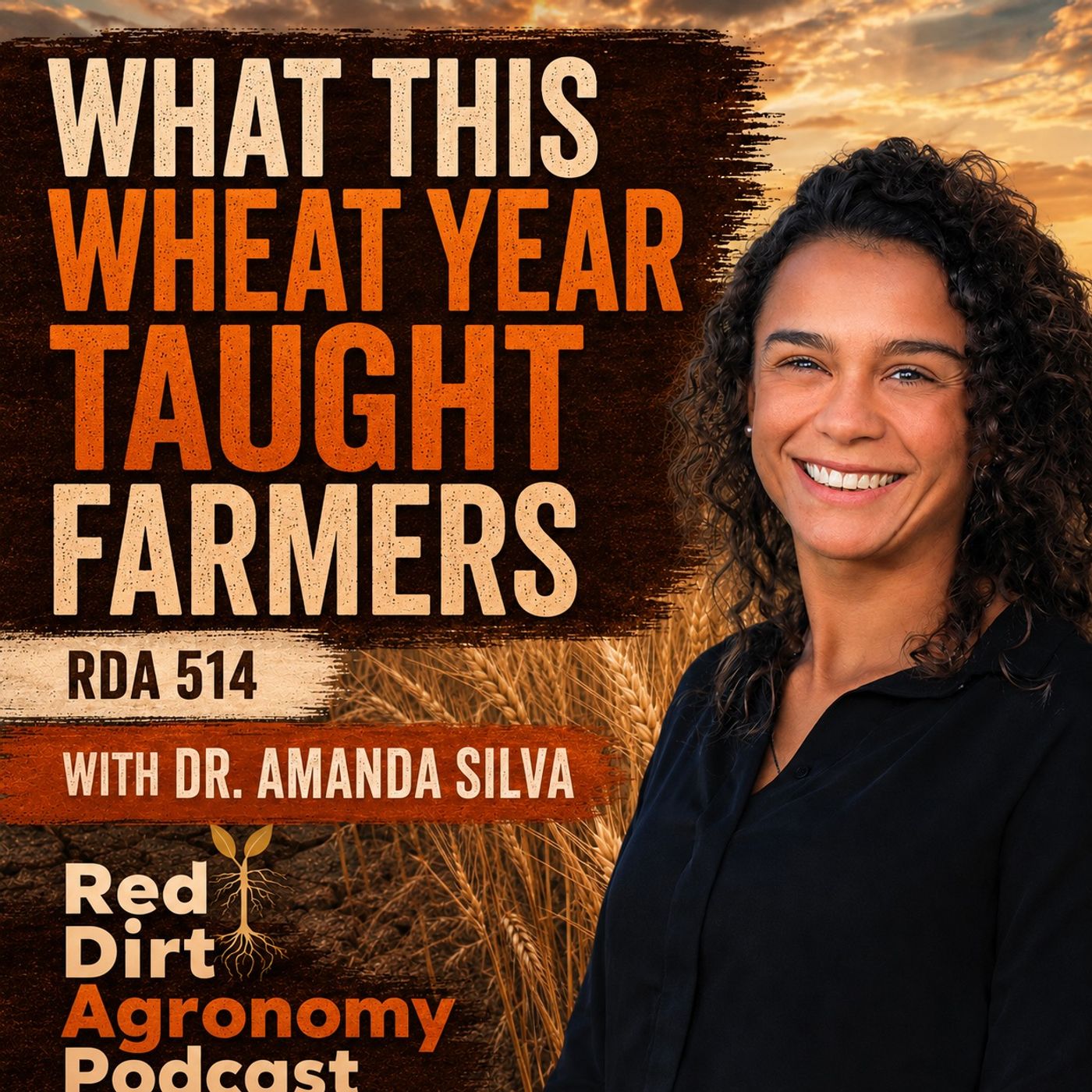 What This Wheat Year Taught Farmers 01.07.2026 51minThis week on the Red Dirt Agronomy Podcast, Dave Deken, Brian Arnall Ph.D., and Josh Lofton Ph.D. sit down with Amanda Silva Ph.D., Oklahoma State University Extension small grains specialist, to unpack one of the toughest Oklahoma wheat seasons in recent memory. The conversation follows the crop from dry planting conditions through warm winter development, cool grain fill, scattered April rains, wheat streak mosaic pressure, and the uneven results showing up across variety trials from southwest Oklahoma to the Panhandle. The biggest lesson is that this year did not come down to one simple answer. Moisture timing drove much of the story, but planting date, variety maturity, stand establishment, disease pressure, and trial variability all shaped what producers saw in the field. Silva also explains why stressful seasons still matter for research: even when yields disappoint, Oklahoma’s wheat trials can reveal which management choices and varieties hold together when conditions get rough.
 -
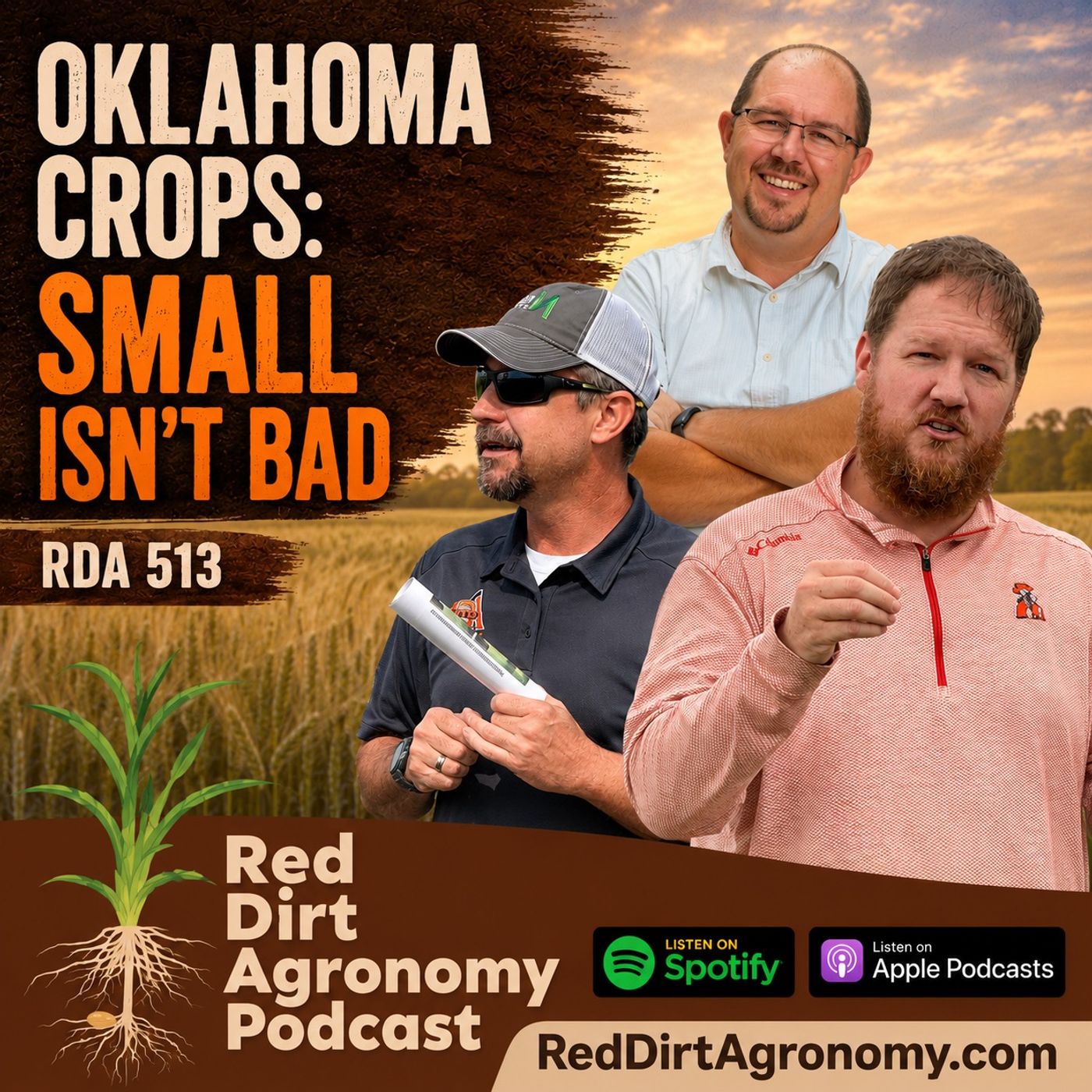 Oklahoma Crops: Small Isn’t Bad 24.06.2026 59minAfter a dry start to the season, June rain and cooler weather have changed the outlook for Oklahoma summer crops. In this episode of the Red Dirt Agronomy Podcast, Dave Deken checks in with Brian Arnall, Ph.D., and Josh Lofton, Ph.D., on soybean size, corn pollination, sorghum development, double crop decisions after early wheat harvest, forage needs, and where fertility dollars may make the most sense right now. Josh explains why smaller soybean and sorghum plants may not be a bad thing in Oklahoma dryland systems, especially if July turns hot and dry. Brian walks through nitrogen, phosphorus, potassium, lime, and fertilizer market considerations, then shares observations from a recent agronomy trip to Brazil. The group also previews the Chickasha Summer Crop Demo Day, a hands-on OSU Extension event focused on scouting, soil pits, spray nozzles, nitrate testing, summer crops, and practical field decisions.
 -
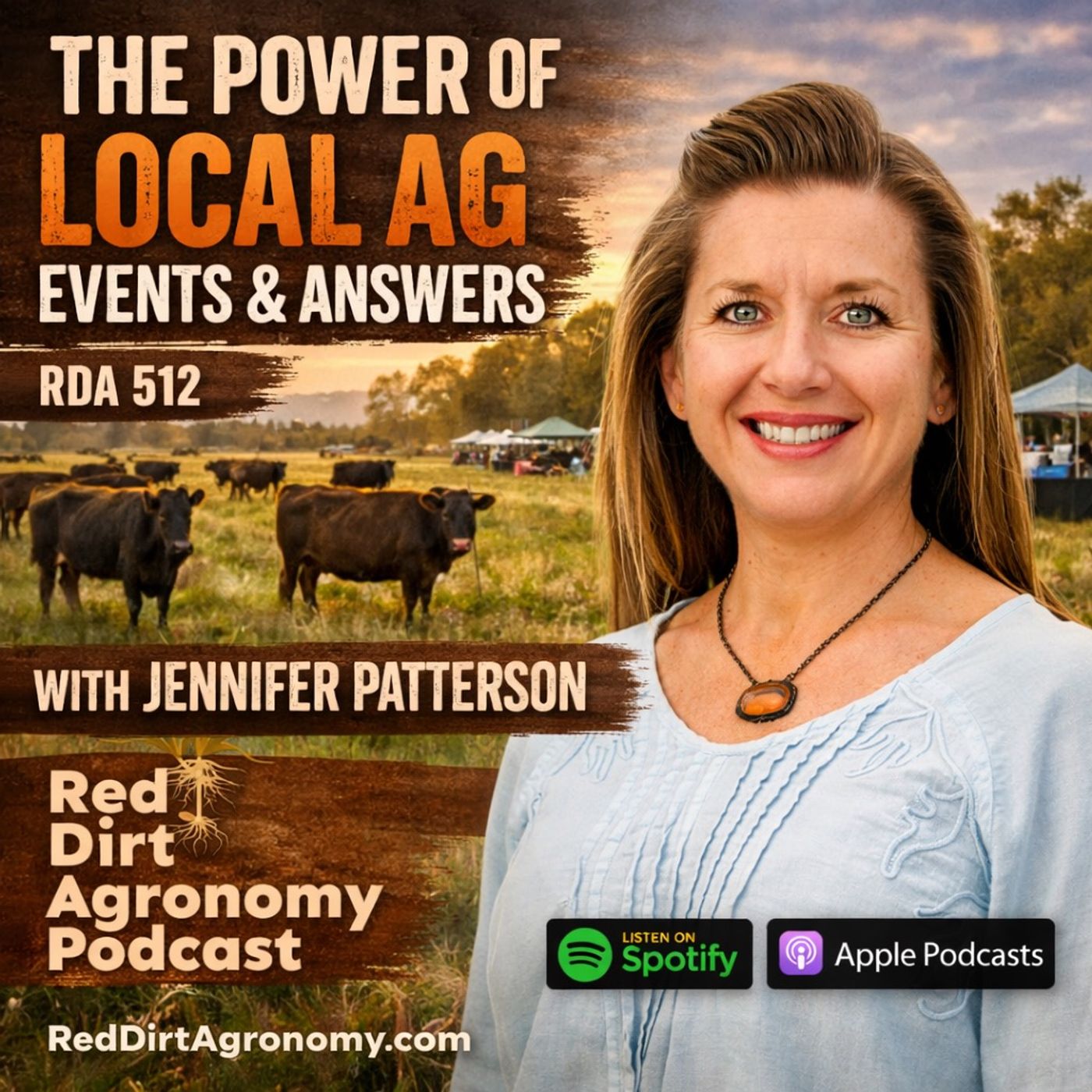 The Power of Local Ag Events & Answers - RDA 512 31.03.2026 33minAt the Central Oklahoma Cattle Conference, the Red Dirt Agronomy crew sits down with Jennifer Patterson, Payne County Extension ag educator, to talk about what it really takes to serve cattle producers in rural Oklahoma. Jennifer shares how local questions about weeds, forage quality, fertility, and livestock management help shape Extension programming, and why events like this conference still matter in a fast-changing agricultural landscape. The conversation also gives listeners a behind-the-scenes look at county Extension work: adapting to local needs, connecting producers with university specialists, creating practical educational programs, and building trust one conversation at a time. It is a thoughtful, funny, and highly practical episode about the value of Extension and the people doing that work every day.
 -
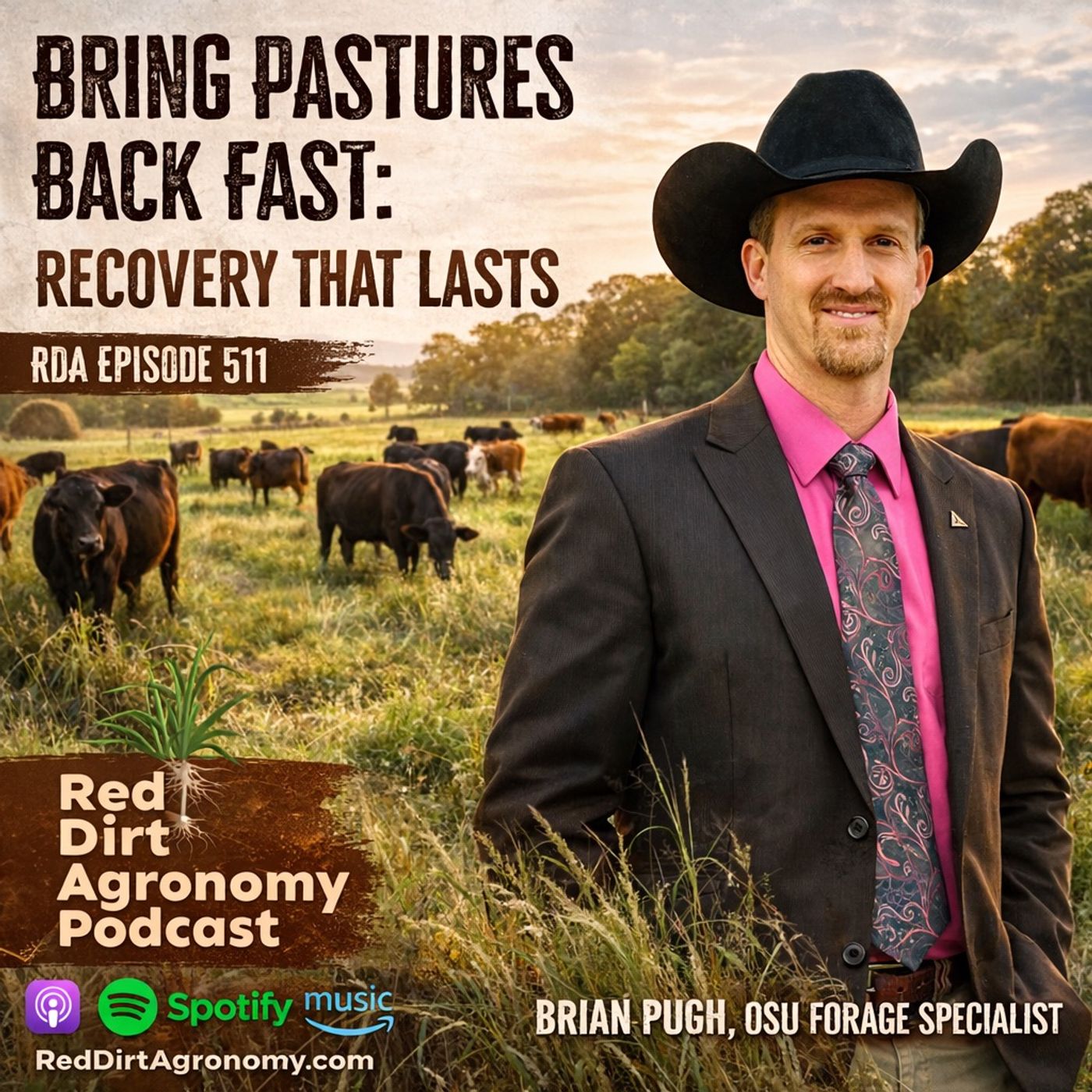 Bring Pastures Back Fast: Recovery That Lasts - RDA 511 25.03.2026 33minIn this episode of the Red Dirt Agronomy Podcast, the crew sits down with OSU forage specialist Brian Pugh at the Central Oklahoma Cattle Conference to talk pasture recovery, forage management, and what cattle producers need to rethink in today’s market. The discussion covers why many operations are still stocked for a low-input era that no longer exists, how native and introduced forages recover differently, and why pasture should be managed with the same attention producers give a crop. From resting native grasses after July 10 to rebuilding bermudagrass with fertility, weed control, and reduced pressure, this episode is packed with practical advice for producers trying to balance cattle prices, input costs, and long-term pasture productivity.
 -
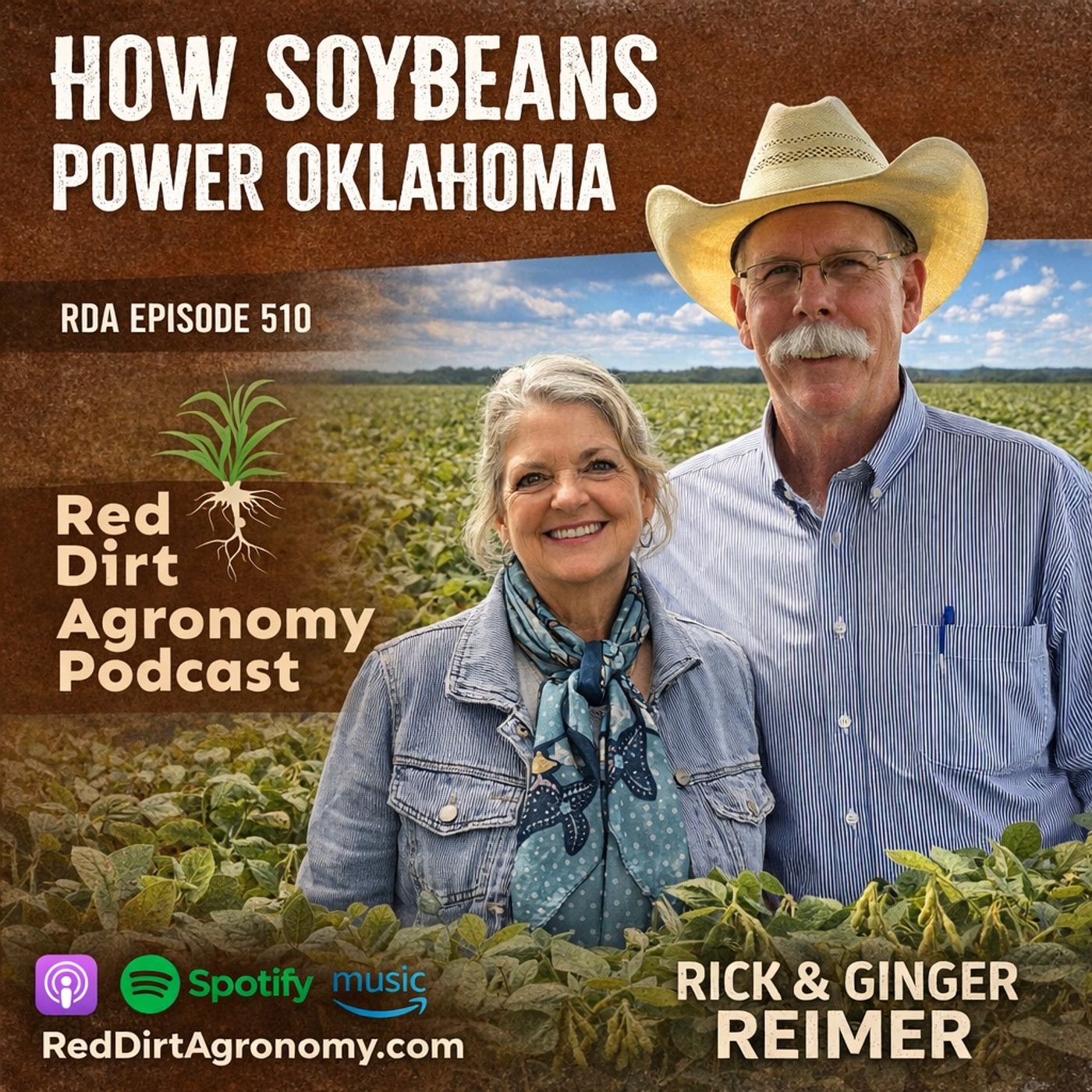 How Soybeans Shape Oklahoma - RDA 510 18.03.2026 32minIn this episode of Red Dirt Agronomy, Dave Deken and Brian Arnall sit down with Rick and Ginger Reimer of the Oklahoma Soybean Board to talk about the many ways soybeans impact Oklahoma agriculture beyond the field. From producer-funded research and soybean checkoff investments to teacher workshops, student outreach, virtual reality learning, and consumer education, this conversation shows how one crop can connect farming, livestock, classrooms, and communities across the state. The episode also explores soybean production trends in Oklahoma, the crop’s expanding footprint, and why building agricultural understanding with future voters matters just as much as agronomic progress. Learn more at RedDirtAgronomy.com
 -
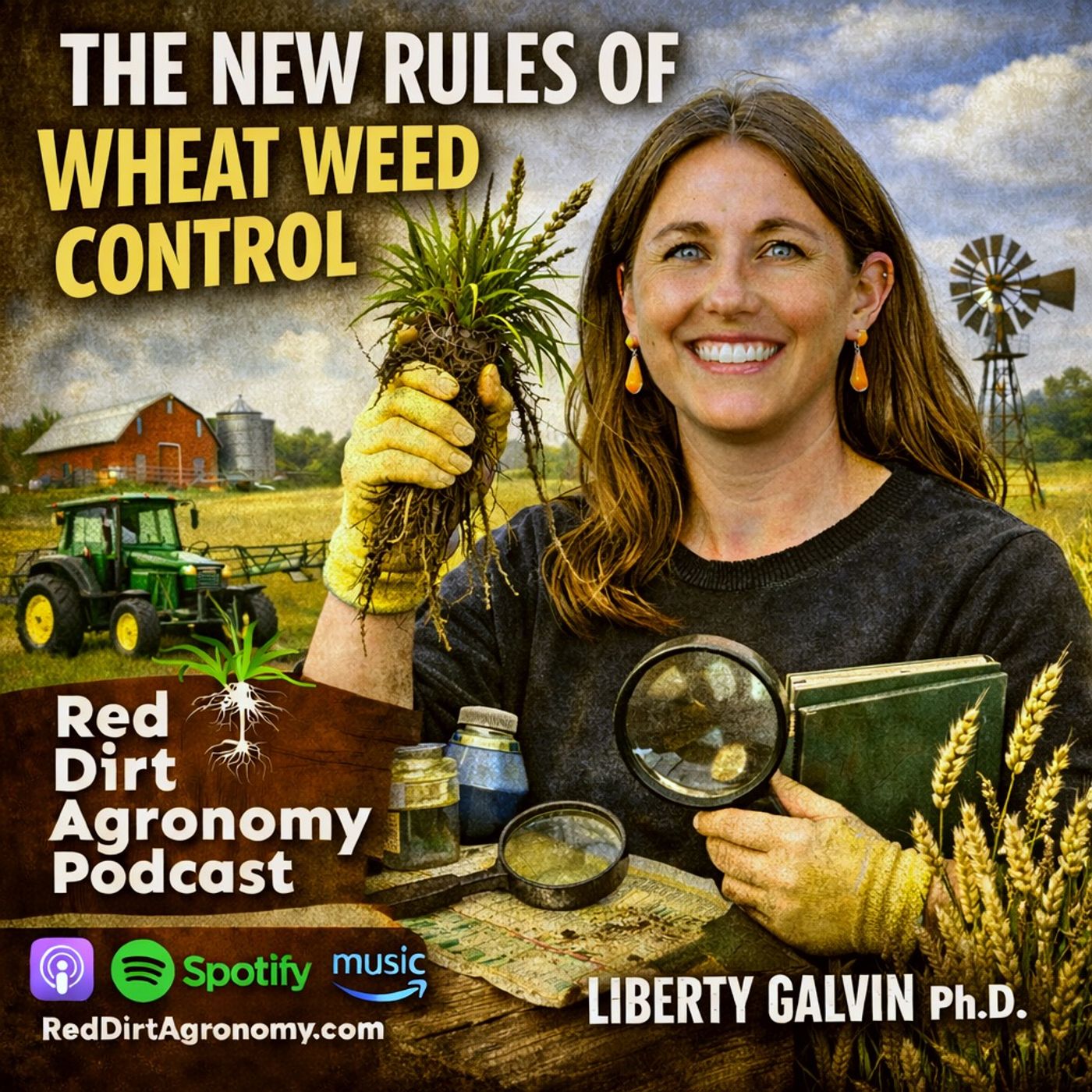 The New Rules Of Wheat Weed Control - RDA 509 10.03.2026 46minWhen wheat weeds start outrunning the old game plan, what should producers change first? In this episode of Red Dirt Agronomy, the crew sits down with Oklahoma State University’s Liberty Galvin at AgriFest in Enid to talk about what is actually working right now in wheat weed control. From pre-emergent herbicides and burndown programs to delayed planting and variety selection, this episode digs into the choices that can make herbicides work better instead of harder. The conversation also goes beyond spray recommendations and into weed biology, seedbanks, no-till challenges, competitive canopies, and even fire as a possible post-harvest tool. It is a practical, Oklahoma-focused discussion for producers trying to keep wheat clean, protect yield, and think more strategically about long-term weed management.
 -
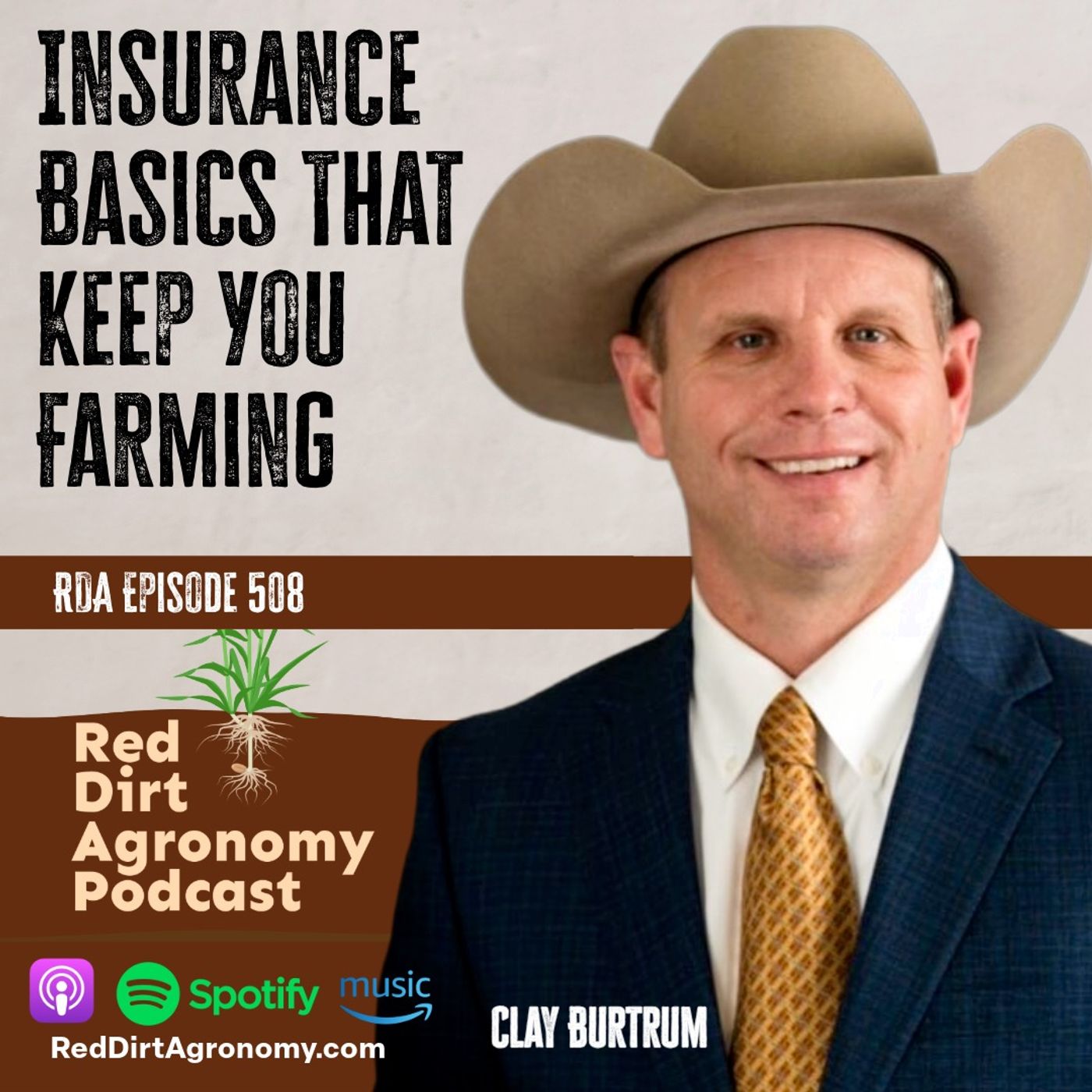 Insurance Basics That Keep You Farming - RDA 508 03.03.2026 27minCommodity prices are squeezing margins, and “hoping for the best” isn’t a business plan. In Episode 508, the team sits down with Clay Burtrum of Farm Data Services at the Central Oklahoma Cattle Conference to talk real-world risk—market swings, weather variability, and the insurance tools producers are using to stay bankable. Clay breaks down Livestock Risk Protection (LRP) in plain language, shares what producers commonly misunderstand (including how coverage works and what you must document), and explains why deadlines on the crop side can sneak up fast—especially the March 15 sales closing date in our area. If you’re running wheat, cattle, pasture, or all of the above, this episode is a practical roadmap for protecting margins in a year where every decision counts.
 -
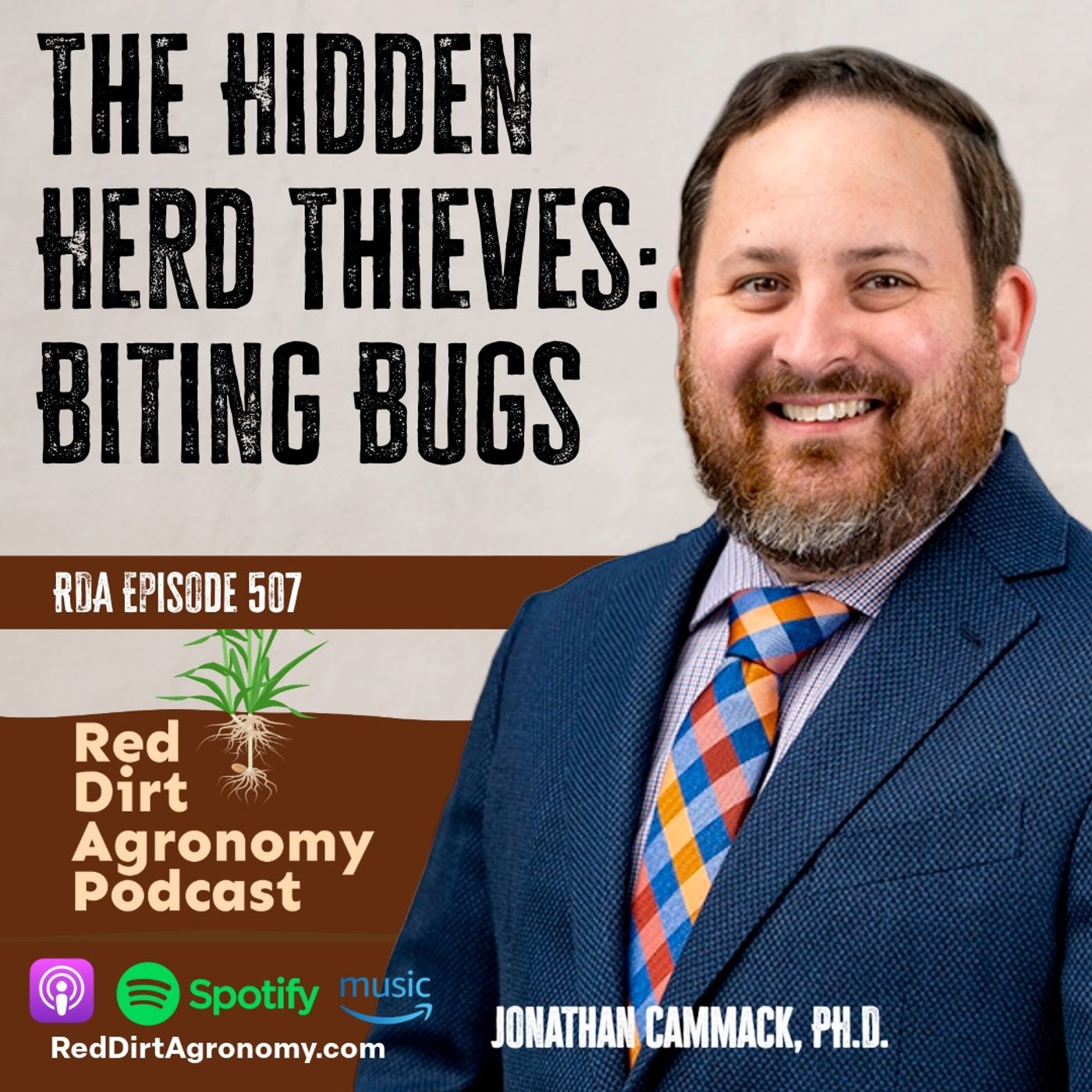 The Hidden Herd Thieves: Biting Bugs - RDA 507 24.02.2026 35minFlies, ticks, and parasites can quietly drain cattle performance—and your checkbook. From the Central Oklahoma Cattle Conference in Stillwater, the Red Dirt Agronomy Podcast crew sits down with Oklahoma State University Extension livestock entomology and parasitology specialist Jonathan Cammack to talk real-world pest pressure. The conversation covers horn flies and why they stress cattle, the latest screwworm concerns and how fast infestations can start, plus the invasive Asian longhorned tick now found in Oklahoma and why its “asexual” reproduction can make numbers explode. Producers will leave with a simple theme: steady observation, smart prevention, and fast action beat panic every time.
 -
 Ask Better Questions of Your Soil - RDA 506 17.02.2026 57minIn Episode 506, the Red Dirt Agronomy crew opens with a crop update from the Oklahoma Cattle Conference in Stillwater—where wheat and canola are starting to move, moisture is “patchy,” and the big theme is staying flexible with fertility decisions until weather and markets give clearer signals. Then the episode shifts into a soil-nerd deep dive from the Oklahoma Wheat Commission booth at AgriFest: OSU Extension’s Brian Arnall and Josh Lofton visit with Jace Whitehead of EnviroAg Laboratories, a 2017 OSU Plant & Soil Sciences graduate who built a soil testing lab back home and now serves producers across the region. The conversation breaks down what soil test “extractions” really are, why phosphorus results can look wildly different between Mehlich-3 and Bray (especially in acidic soils), and why “saturated paste” is less like math and more like mixing the perfect brownie batter. They also tackle common buzzwords—base saturation, calcium-magnesium ratios, and micronutrient hype—and bring it back to what pays: solid sampling, trusted advisors, and understanding your soil’s rooting depth and limitations before you chase shiny add-ons.
 -
 How Farmers Keep A Seat At The Table - RDA 505 10.02.2026 38minRecorded in the Oklahoma Wheat Commission booth at KNID AgriFest in Enid, the Red Dirt Agronomy crew welcomes Jeff Hickman—producer and ag association leader with deep experience in state and national policy—to talk about what’s next for rural Oklahoma agriculture. Jeff explains why commodity and industry groups matter more than ever, how they keep small organizations viable, and why regulations can shape agriculture just as much as legislation. The conversation covers trade, farm policy, consumer perceptions, and why grower engagement—sometimes as simple as joining an association—helps protect your operation while you’re busy running it. RedDirtAgronomy.com
 -
 Nitrogen Know-How From A Teen Agronomist - RDA 504 03.02.2026 33minEpisode 504 is a fun one: a father-son promise turns into a podcast feature after Brayden Arnall earns a National FFA Agriscience Fair win. Recorded live at the Oklahoma Wheat Commission's booth at KNID's AgriFest in Enid, the crew digs into how Brayden Arnall took a research idea from a controlled barn setup to the national spotlight. Brayden breaks down the Agriscience process, then walks through his project comparing tilled vs. no-till conditions and how nitrogen stabilizers affect ammonia volatilization (plus nitrate in leachate). The surprising takeaway: in his setup, no-till showed more loss, likely tied to urea interacting with residue rather than soil. He also shares what’s next—new wheat-focused research, leadership goals in FFA, and a speech topic on See & Spray technology.
 -
 Hands in the Dirt, Minds on the Future - RDA 503 27.01.2026 48minIn this special on-the-road episode of the Red Dirt Agronomy Podcast, we catch up with Dr. Kent Martin at the 2026 KNID AgriFest in Enid, Oklahoma. Recently joining Northwestern Oklahoma State University in Alva, Kent brings his deep well of experience—from farming and crop consulting to academic and national leadership roles. He shares insights into his hands-on teaching approach, the importance of agronomy education, and how students benefit from real-world exposure to soils, crops, and decision-making processes. This episode is more than just a conversation—it's a heartfelt look into the evolving role of agricultural educators, the challenges of transitioning into the classroom, and the enduring importance of mentorship and leadership development in rural communities. The crew also dives into stories about past students, the power of seeing students grow into leaders, and why growers and professionals at all levels should step up and share their voice. Whether you’re checking cattle in the cold or sitting down with coffee, this is one you don’t want to miss!
 -
 Oklahoma Wheat: Research, Markets, & Rural Life - RDA 502 20.01.2026 36minRecorded live at the 2026 AgriFest in Enid, Episode 502 features Kay County producer Tom Cannon—fresh on the Oklahoma Wheat Commission board—joining Dave Deken and Dr. Brian Arnall for a down-to-earth conversation about where wheat checkoff dollars go and why it matters. From research investments that sharpen wheat quality and performance to export promotion that keeps grain moving, Tom shares what he’s learned stepping into leadership and listening to producer feedback (even the “what do y’all even do?” questions). This episode also digs into the “why wheat” side of the story: how residue protects soil, slows evaporation, improves infiltration, and helps Oklahoma no-till systems survive the tough years. The crew talks rotation realities—especially wheat paired with cotton—plus what modern farm innovation looks like with aerial seeding and a cooperative “drone posse” vision. If you’ve ever wondered how wheat supports your farm, your town, and your state’s ag economy, this one connects the dots.
 -
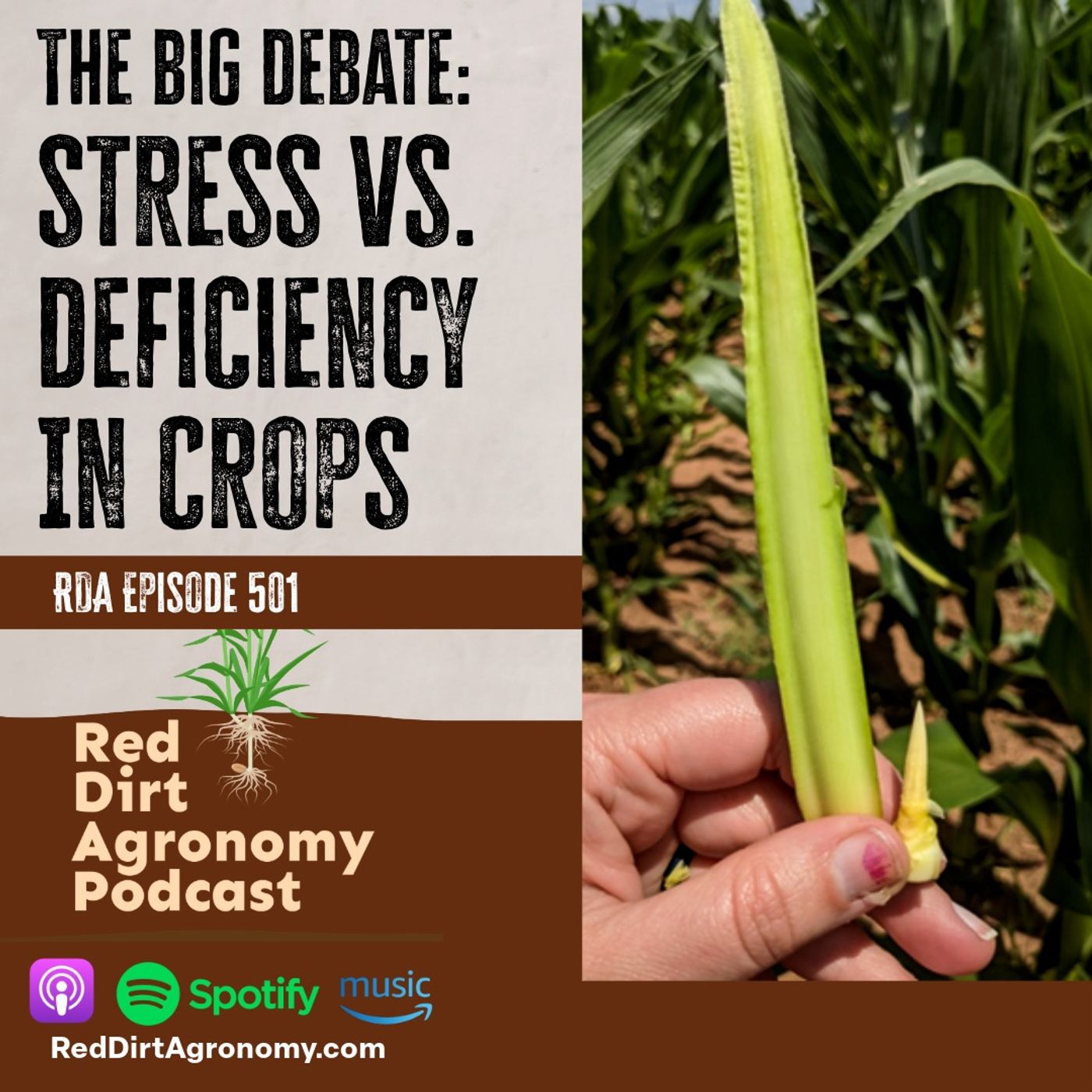 The Big Debate: Stress vs. Deficiency In Crops - RDA 501 13.01.2026 50minEpisode 501 kicks off Red Dirt Agronomy’s fifth season with a live, laugh-out-loud “around the table” conversation from KNID AgriFest in Enid—right next to the Oklahoma Wheat Commission’s famous cinnamon rolls. The crew shares what they’re seeing across Oklahoma: a dry stretch, unseasonably warm conditions, and some surprising reports like armyworms running in wheat and early disease confirmations (tan spot, rust, powdery mildew) in the southwest. From there, the “doctors of dirt” dig into practical management: what canola and wheat should look like right now, why green-up moisture matters, and how to think about wheat topdress timing without donating nitrogen to the wind—especially on dry soil with dew/humidity and warm, breezy days. Then the episode turns into a masterclass debate: managing the plant you don’t see (primordia), how early stress differs from true deficiency, and why the “right” decision depends on your goal (forage vs grain) and your risk tolerance (yield loss vs input cost).
 -
 Growing Agronomists, Not Just Crops - RDA 427 19.11.2025 36minIn this episode of the Red Dirt Agronomy Podcast, the crew sits down with Dr. Beatrix Haggard, associate professor in Oklahoma State University’s Department of Plant and Soil Sciences. Dr. Haggard teaches many of the core plant science courses in the Ferguson College of Agriculture, including a 600-student intro class, applied plant science, crops judging, and senior seminar. She shares how her path ran from FFA land judging and soil science to a Delta research station in Louisiana, and then to a teaching-focused, tenure-track role at OSU. The conversation digs into how today’s students learn, why judging teams are about much more than trophies, and how OSU’s agronomy program now draws students from across Oklahoma, the West Coast and the Midwest—many without traditional farm backgrounds. Along the way, you’ll hear about creative memory tricks (like “all cats manage kittens ammonium naturally”), 15-hour van rides, first flights for students heading to contests, and why “learning how to learn” may be the most important skill OSU graduates carry back to farms, ranches and ag businesses across the region.
 -
 Digging Deeper: Rethinking Irrigation In A New Era - RDA 426 04.11.2025 40minIn this episode, the Red Dirt Agronomy guys sit down with Dr. Sumit Sharma, Oklahoma State University’s irrigation specialist, to talk about one of the most pressing challenges in western agriculture: how to grow more with less water. From managing well capacity and cotton maturity to restoring pastures and using technology smarter, this episode digs into practical, research-backed ways to keep rural Oklahoma farming sustainably.
Sarnased taskuhäälingud


Populaarne riigis
See taskuhääling on ka nende riikide taskuhäälingute edetabelites.
