
The Clay Travis and Buck Sexton Show
iHeartPodcasts
0
The Clay Travis and Buck Sexton Show is a daily talk program that covers the biggest stories in news, politics, and current events. Hosted by Clay Travis and Buck Sexton, the show offers a blend of intelligence and humor as they discuss topics like the border crisis, cancel culture, and far-left missteps. They guide listeners through the latest headlines and hot topics with entertaining conversations and opinions.
Jaksot
-
 Buck Brief - Sydney Sweeney's Hotness Threatens all Bitter Libs 17.09.2026 14minWhy has a sports betting ad featuring Sydney Sweeney sparked such an intense reaction? Buck argues that the controversy goes beyond the ad itself and examines how Sweeney's public image, previous advertising controversies and perceived politics have made her a recurring target in the culture wars. Is the Sydney Sweeney backlash really about women in sports, or has she become a symbol in a much bigger cultural fight? Never miss a moment from Buck by subscribing to the Buck Sexton Show Podcast on IHeart Radio, Apple Podcasts or wherever you get your podcasts! Connect with Buck Sexton:Facebook – / bucksexton X – @bucksexton Instagram – @bucksexton TikTok - @BuckSexton YouTube - @BuckSexton Website – https://www.bucksexton.com/Follow Clay & Buck on YouTube: https://www.youtube.com/c/clayandbuckSee omnystudio.com/listener for privacy information.
 -
 Clay Travis Show: Defending Arch Manning After Holly Rowe Meme Backlash 17.09.2026 38minClay Travis comes out swinging over the controversy surrounding Arch Manning, Holly Rowe and Steve Sarkisian after Manning faced backlash for laughing at an AI-generated meme stemming from Texas’ dramatic win over Ohio State. Clay argues that sports media has lost its ability to distinguish between internet humor and real-world behavior — and explains why he believes Manning never should have been pressured to apologize.
 -
 Normally Podcast: Macklemore’s Ed Sheeran Fallout Explodes & Larry Krasner Faces DOJ Scrutiny 17.09.2026 31minMary Katharine Ham and Karol Markowicz are back with Normalish takes on crime, free speech, politics, pop culture — and why sometimes the secret to a happy marriage is simply being nice about the new bowls. First, they examine a series of criminal justice controversies, including developments involving San Francisco’s law-enforcement oversight system, Virginia’s parole board and Philadelphia District Attorney Larry Krasner. A federal judge has referred Krasner and a senior prosecutor to federal authorities for potential investigation over their conduct in a post-conviction murder case; Krasner disputes the judge’s findings and plans to appeal.
 -
 The Karol Markowicz Show: Inside Israel’s War Room: Elliot Kaufman on Hamas, Hezbollah, Iran and Netanyahu 16.09.2026 29minKarol Markowicz sits down with Wall Street Journal editorial board member Elliot Kaufman to discuss his new book, In the War Room: The Inside Story of Israel’s Fight Against Hamas and the Iranian Axis, co-authored with Jerusalem Post senior military analyst Yonah Jeremy Bob. The book reconstructs the internal debates and decisions that shaped Israel’s response to the October 7 attacks and the multifront conflict that followed.
 -
 Daily Review with Clay and Buck - Sep 16 2026 16.09.2026 1t 3minClay Travis and Buck Sexton discuss the media underreporting of positive crime statistics. The hosts contend that historic declines in homicide rates, particularly in major cities such as Washington, D.C., are not receiving adequate coverage because the results reflect positively on President Donald Trump and his administration. They argue that lower crime rates disproportionately benefit vulnerable communities, including young Black men, and frame the administration's anti-crime initiatives as one of the most consequential public safety achievements of the modern era. The discussion also examines the increasingly combative tone of congressional oversight hearings, with the hosts suggesting that political grandstanding has largely replaced substantive policy debate. An interview with Senator Eric Schmitt, who joins the program to discuss the progress of the Protect College Sports Act, legislation designed to address the ongoing chaos surrounding NIL (Name, Image, and Likeness) compensation, college football, the transfer portal, athlete eligibility, NCAA governance, and revenue sharing. Schmitt explains that the bill has already received overwhelming bipartisan support in the Senate, earning more than 70 votes and positioning itself for additional procedural steps. The program features several listener calls that expand the discussion. One caller, “Light Them Up Linda,” shares personal experiences from years working in a strip club, which leads to a broader conversation about attractiveness, confidence, marketing, and the power of visual appeal in commercial industries. Clay and Buck use the exchange to argue that successful entertainers, celebrities, and influencers often build financial empires by maximizing their strengths and personal brands. Clay and Buck welcome Bill O’Reilly on the show to discuss his new book, Confronting America: What Has to Change? The conversation centers on President Donald Trump’s approach to artificial intelligence, data centers, surveillance technology, and regulation, with O’Reilly arguing that AI remains too new and insufficiently understood to significantly influence the upcoming midterm elections. Instead, he predicts that voters will be primarily focused on inflation, affordability, rising prices, economic concerns, and dissatisfaction with both political parties. O’Reilly contends that economic anxiety will be the driving factor in voter turnout and electoral outcomes far more than technology policy debates. Make sure you never miss a second of the show by subscribing to the Clay Travis & Buck Sexton show podcast wherever you get your podcasts! ihr.fm/3InlkL8 For the latest updates from Clay & Buck, visit our website https://www.clayandbuck.com/ Connect with Clay Travis and Buck Sexton: X - https://x.com/clayandbuck FB - https://www.facebook.com/ClayandBuck/ IG - https://www.instagram.com/clayandbuck/ YouTube - https://www.youtube.com/c/clayandbuck Rumble - https://rumble.com/c/ClayandBuck TikTok - https://www.tiktok.com/@clayandbuckFollow Clay & Buck on YouTube: https://www.youtube.com/c/clayandbuckSee omnystudio.com/listener for privacy information.
 -
 Hour 1 - Goo Goo Dolls vs. Macklemore 16.09.2026 36minIn Hour 1 of the Clay Travis and Buck Sexton Show, Clay and Buck cover a wide range of political, cultural, media, and public policy topics, with a major focus on FBI Director Kash Patel, falling crime rates in America, election integrity, Texas politics, free speech controversies, and the intersection of entertainment and politics. The hosts open by briefly revisiting previous discussions surrounding media personalities and cultural controversies before turning to a spirited defense of Kash Patel following a contentious Senate hearing. They praise Patel's performance before lawmakers, arguing that he forcefully pushed back against Democratic criticism while highlighting what they describe as historic success in reducing violent crime across the United States. The hosts repeatedly emphasize data showing declining murder and violent crime rates, crediting the Trump administration, the FBI, federal law enforcement efforts, and Attorney General Todd Blanche for improving public safety and making America safer than at any point in modern history. They also discuss law enforcement's role in election integrity investigations, arguing that federal oversight of election-related crimes is a legitimate function of government. A significant portion of the first hour centers on what Clay and Buck view as media underreporting of positive crime statistics. The hosts contend that historic declines in homicide rates, particularly in major cities such as Washington, D.C., are not receiving adequate coverage because the results reflect positively on President Donald Trump and his administration. They argue that lower crime rates disproportionately benefit vulnerable communities, including young Black men, and frame the administration's anti-crime initiatives as one of the most consequential public safety achievements of the modern era. The discussion also examines the increasingly combative tone of congressional oversight hearings, with the hosts suggesting that political grandstanding has largely replaced substantive policy debate. The conversation then shifts to the Texas Senate race, where Clay discusses growing financial investments and advertising activity in the state. The hosts focus on Democratic candidate James Talarico after a clip surfaces in which he names a favorite drag queen during a public interaction. Clay and Buck use the exchange to argue that Talarico is out of step with typical Texas voters and suggest that cultural issues could become influential in the election. The segment broadens into a discussion of campaign messaging, political branding, and how candidates connect with everyday voters in competitive statewide races. Later in Hour 1, the hosts dive into a broader debate about entertainment, celebrity culture, and political activism. They praise the lead singer of the Goo Goo Dolls for stating that musicians should focus on entertaining audiences rather than delivering political lectures from the stage. Clay and Buck contrast that philosophy with the actions of rapper Macklemore, whose pro-Palestinian comments during performances opening for Ed Sheeran sparked controversy. The hosts review the fallout from those remarks, including reports involving stadium owners and venue operators choosing not to host future performances. This leads to a larger discussion about free speech, private property rights, cancel culture, political protest, Israel-Gaza tensions, and artist activism. They argue that while artists have the right to express political opinions, venue owners and event organizers also have the right to determine what messages they wish to associate with their businesses. The hosts also address comments from Representative Alexandria Ocasio-Cortez regarding her criticism of Ed Sheeran and stadium owners connected to the Macklemore controversy. Clay and Buck analyze AOC's political appeal, describing her as a formidable figure within the Democratic Party and speculating about her future influence on the national stage. They discuss how political figures increasingly engage with popular culture and social media to shape public opinion and energize supporters. Throughout the hour, Clay and Buck mix political commentary with humor, including listener reactions to the ongoing Sydney Sweeney advertising controversy that has generated significant online attention. The program closes with additional discussion about whether venue owners should be responsible for content delivered by performers and whether political activism belongs in entertainment settings. Overall, Hour 1 focuses on crime reduction, law enforcement, FBI oversight, election integrity, Trump administration policies, Texas politics, free speech, celebrity activism, the Israel-Gaza debate, media coverage, and the growing overlap between politics and popular culture, while emphasizing the hosts' belief that results, public safety, and audience-focused entertainment should take precedence over political grandstanding. Make sure you never miss a second of the show by subscribing to the Clay Travis & Buck Sexton show podcast wherever you get your podcasts! ihr.fm/3InlkL8 For the latest updates from Clay & Buck, visit our website https://www.clayandbuck.com/ Connect with Clay Travis and Buck Sexton: X - https://x.com/clayandbuck FB - https://www.facebook.com/ClayandBuck/ IG - https://www.instagram.com/clayandbuck/ YouTube - https://www.youtube.com/c/clayandbuck Rumble - https://rumble.com/c/ClayandBuck TikTok - https://www.tiktok.com/@clayandbuckFollow Clay & Buck on YouTube: https://www.youtube.com/c/clayandbuckSee omnystudio.com/listener for privacy information.
 -
 Hour 2 - Confronting America: What Has to Change 16.09.2026 36minHour 2 of the Clay Travis and Buck Sexton Show is dominated by an in-depth interview with Bill O’Reilly, followed by extended discussion of the growing Sydney Sweeney controversy, the state of American culture, political polarization, AI regulation, the 2026 midterm elections, and broader debates about media, personal responsibility, and modern social values. The hour blends political analysis, cultural commentary, listener calls, and discussions about the future direction of both the Republican and Democratic parties. The hour begins with Clay and Buck welcoming Bill O’Reilly to discuss his new book, Confronting America: What Has to Change? The conversation centers on President Donald Trump’s approach to artificial intelligence, data centers, surveillance technology, and regulation, with O’Reilly arguing that AI remains too new and insufficiently understood to significantly influence the upcoming midterm elections. Instead, he predicts that voters will be primarily focused on inflation, affordability, rising prices, economic concerns, and dissatisfaction with both political parties. O’Reilly contends that economic anxiety will be the driving factor in voter turnout and electoral outcomes far more than technology policy debates. A major topic during the interview is the Lindsay Clancy case, which the hosts describe as an example of broader cultural dysfunction. O’Reilly compares public support for Clancy to what he calls the “Mangione syndrome,” arguing that some Americans become emotionally attached to controversial figures regardless of underlying facts. The discussion expands into a larger examination of crime, accountability, mental health, criminal justice, and personal responsibility, with O’Reilly expressing concern about what he views as increasing irrationality in public discourse. Clay and Buck ask whether social media has amplified extreme behavior or merely exposed tendencies that have always existed beneath the surface of society. The discussion then broadens to explore O’Reilly’s thesis that America faces a crisis of parenting, education, civic responsibility, decision-making, and cultural values. He argues that many Americans have become disconnected from rational thinking and personal accountability, creating fertile ground for political extremism and social instability. The hosts examine how cultural trends influence elections, voting behavior, and political movements, framing these issues as central themes in today’s political environment. A substantial stretch of Hour 2 focuses on the future of the Democratic Party and the evolving landscape heading toward the 2028 presidential election. O’Reilly argues that President Trump remains the only dominant political figure in the country and suggests that Democrats currently lack a clear national leader. The conversation analyzes various potential Democratic contenders, including Kamala Harris, Gavin Newsom, Wes Moore, Josh Shapiro, and Pete Buttigieg, while debating the direction of progressive politics and whether the party is moving further to the left. Clay and Buck also discuss the significance of key Senate races, particularly in Texas and Michigan, and examine how Republican and Democratic strategies could shape the post-midterm political landscape. The interview also explores Trump’s role in the upcoming elections, with O’Reilly arguing that the president’s political capital will be essential in defending Republican Senate seats and preserving his broader policy legacy. The hosts discuss campaign strategy, voter turnout, congressional control, and the consequences that losing either chamber of Congress could have on the administration’s agenda. They also revisit recent comments from Gavin Newsom regarding Kamala Harris, analyzing whether Democratic power struggles are already developing beneath the surface ahead of 2028. After O’Reilly’s appearance, the conversation shifts heavily toward the still-expanding Sydney Sweeney media controversy, which becomes the dominant cultural topic of the remainder of the hour. Clay and Buck react to listener feedback regarding Sweeney’s appearance in a sports betting advertisement and the intense backlash surrounding it. The hosts argue that attractive spokespeople have always been a staple of advertising and marketing, framing the debate as part of a larger conflict over beauty standards, feminism, body image, celebrity culture, and gender expectations. The program features several listener calls that expand the discussion. One caller, “Light Them Up Linda,” shares personal experiences from years working in a strip club, which leads to a broader conversation about attractiveness, confidence, marketing, and the power of visual appeal in commercial industries. Clay and Buck use the exchange to argue that successful entertainers, celebrities, and influencers often build financial empires by maximizing their strengths and personal brands. The hosts also address criticism from listeners who accuse them of hypocrisy regarding topics such as OnlyFans, influencer culture, online content creation, modern dating standards, and sexualized marketing. This evolves into a lengthy discussion about the role of social media in shaping public behavior. Clay and Buck debate the rise of fitness influencers, “tripod culture” in gyms, internet celebrity entrepreneurship, and the differences between how people present themselves online versus in real life. They explore themes including authenticity, self-promotion, digital branding, influencer marketing, content monetization, and social media validation. Another memorable segment features a listener named Hans from Florida, who discusses raising six daughters and two sons while offering parenting advice focused on confidence, self-respect, and family values. His comments lead to a broader conversation about fatherhood, raising daughters, marriage, family life, and personal responsibility. The hosts praise his perspective and use it as a launching point for discussing generational values and modern culture. As the hour nears its conclusion, Clay and Buck continue defending Sydney Sweeney’s business strategy, arguing that she represents a successful example of entrepreneurship, personal branding, celebrity marketing, business ownership, and wealth creation. They suggest that her ability to build a lucrative brand around her public image reflects core elements of the American dream and modern capitalism. The hour closes with a preview of upcoming discussions on artificial intelligence regulation, including commentary on Bernie Sanders’ views on AI, setting up one of the major topics for the program’s third hour. Make sure you never miss a second of the show by subscribing to the Clay Travis & Buck Sexton show podcast wherever you get your podcasts! ihr.fm/3InlkL8 For the latest updates from Clay & Buck, visit our website https://www.clayandbuck.com/ Connect with Clay Travis and Buck Sexton: X - https://x.com/clayandbuck FB - https://www.facebook.com/ClayandBuck/ IG - https://www.instagram.com/clayandbuck/ YouTube - https://www.youtube.com/c/clayandbuck Rumble - https://rumble.com/c/ClayandBuck TikTok - https://www.tiktok.com/@clayandbuckFollow Clay & Buck on YouTube: https://www.youtube.com/c/clayandbuckSee omnystudio.com/listener for privacy information.
 -
 Hour 3 - Protect College Sports 16.09.2026 37minHour 3 of the Clay Travis and Buck Sexton Show focuses heavily on the rapidly evolving debate surrounding artificial intelligence (AI), government regulation, technology policy, economic news, college sports reform, Senate politics, media industry relocation, and the 2026 midterm elections. The hour also features an extended interview with Missouri Senator Eric Schmidt, listener reactions, and lighter discussions tied to prior conversations from the program. The hour opens with Clay and Buck examining growing calls for AI regulation, particularly comments from Bernie Sanders, who announces plans to introduce legislation aimed at permanently banning what he describes as “artificial superintelligence.” The hosts question both the practicality and the definition of such a proposal, arguing that lawmakers who do not fully understand artificial intelligence are ill-equipped to regulate it effectively. The discussion explores the broader challenges of technology policy, with Clay and Buck debating whether government can realistically establish guardrails around a rapidly changing industry. They suggest that many politicians are attempting to regulate future technological breakthroughs before fully understanding existing AI capabilities, creating what they view as a fundamentally flawed policymaking approach. The conversation expands to include remarks from Steve Bannon and Bill Gates, both of whom have expressed concerns about the long-term impact of AI. Clay and Buck find it notable that figures from very different ideological backgrounds are warning about potential risks associated with advanced artificial intelligence. While Buck remains skeptical of sweeping regulatory efforts, Clay acknowledges that many highly intelligent people genuinely believe AI could pose significant risks to humanity. This leads to a broad discussion of concepts often associated with AI debates, including artificial superintelligence, machine learning, technological disruption, automation, recursive intelligence growth, existential risk, and comparisons to nuclear weapons development. A particularly notable segment centers on the challenge of controlling future AI systems once they become sufficiently advanced. Clay references ongoing arguments with his son, who believes AI poses a substantial threat, while Buck compares proposed AI controls to science fiction scenarios such as Terminator and “Skynet.” Clay argues that the most important but often overlooked factor in the AI conversation is energy production, contending that the future growth of artificial intelligence ultimately depends on access to massive amounts of electricity and computing infrastructure. The hosts discuss how energy policy, data centers, and computing power may shape the future of the industry more than regulatory frameworks. The hour also touches on several breaking developments in business and economics. Clay notes reports that Paramount plans to leave California, leading to an extended conversation about corporate relocation trends, business-friendly states, and the migration of major companies away from high-tax states. The hosts speculate about potential destinations, with Tennessee and Texas emerging as leading contenders. This sparks a broader discussion of the rise of Nashville as a media hub, the growth of conservative media companies outside traditional centers such as New York and Los Angeles, and changing geographic trends in American business and entertainment. Clay and Buck also discuss recent economic news involving the Federal Reserve, rising interest rates, inflation concerns, and their potential impact on consumers and markets. Another significant segment examines higher education, demographic shifts, and university competitiveness. The hosts discuss how schools such as Vanderbilt University have become increasingly selective, arguing that many students and families are reevaluating traditional academic prestige in favor of locations they perceive as safer, more stable, and more culturally appealing. The conversation broadens into a discussion of migration patterns, educational trends, quality of life considerations, and changing perceptions of elite institutions. A major portion of Hour 3 features an interview with Senator Eric Schmitt, who joins the program to discuss the progress of the Protect College Sports Act, legislation designed to address the ongoing chaos surrounding NIL (Name, Image, and Likeness) compensation, college football, the transfer portal, athlete eligibility, NCAA governance, and revenue sharing. Schmitt explains that the bill has already received overwhelming bipartisan support in the Senate, earning more than 70 votes and positioning itself for additional procedural steps. During the interview, Schmitt outlines the legislation’s core provisions. He describes efforts to restore clearer eligibility rules by establishing a five-year playing window, limiting repeated transfers, and providing governing bodies with legal authority to enforce those standards. The discussion addresses the unintended consequences of recent court rulings and NCAA policy changes, including situations in which much older athletes can continue competing for extended periods. Clay and Buck emphasize that many college sports fans have become frustrated by what they view as an increasingly chaotic system and praise Schmitt‘s efforts to create more stability and predictability for programs, athletes, and fans. The interview also explores broader NCAA reform topics, including college football economics, recruiting, roster retention, athlete compensation, revenue caps, women’s sports funding, transfer portal reform, and conference stability. Schmitt explains how the legislation attempts to balance athlete freedoms with competitive fairness while preserving the traditional structure of college athletics. The hosts repeatedly emphasize the overwhelming Senate support for the proposal and discuss possible next steps in the House of Representatives. Toward the end of the hour, Schmitt shares his assessment of the 2026 Senate map and Republican prospects in key races, discussing contests in Texas, Michigan, Ohio, Georgia, North Carolina, and New Hampshire. He argues that Republican candidates remain competitive across multiple battleground states and suggests that voter turnout and late campaign momentum will be crucial factors in determining the outcome. The hosts examine polling trends, campaign spending, political messaging, and the broader battle for Senate control. The final portion of Hour 3 turns to listener calls and lighter topics. Clay and Buck revisit reactions to the ongoing Sydney Sweeney controversy, joke about hypothetical advertising campaigns, respond to comments from listeners, and continue a spirited debate about the longstanding rivalry between Houston and Dallas. They also revisit a memorable listener from the previous hour, sparking humorous commentary about family dynamics, marriage, and generational perspectives. Make sure you never miss a second of the show by subscribing to the Clay Travis & Buck Sexton show podcast wherever you get your podcasts! ihr.fm/3InlkL8 For the latest updates from Clay & Buck, visit our website https://www.clayandbuck.com/ Connect with Clay Travis and Buck Sexton: X - https://x.com/clayandbuck FB - https://www.facebook.com/ClayandBuck/ IG - https://www.instagram.com/clayandbuck/ YouTube - https://www.youtube.com/c/clayandbuck Rumble - https://rumble.com/c/ClayandBuck TikTok - https://www.tiktok.com/@clayandbuckFollow Clay & Buck on YouTube: https://www.youtube.com/c/clayandbuckSee omnystudio.com/listener for privacy information.
 -
 It's a Numbers Game: New Poll Is a Disaster for Republicans as Gas Prices Surge 16.09.2026 42minOn this episode of It’s a Numbers Game, Ryan breaks down new polling on the generic congressional ballot, President Donald Trump’s approval rating, the economy, immigration, and the issues shaping the battle for control of Congress. He also examines the impact of soaring oil and gas prices and why the cost of living could become one of the defining issues of the midterm elections.
 -
 The Tudor Dixon Podcast: Alan Dershowitz on Why He Quit the Democratic Party 16.09.2026 28minHarvard Law professor and renowned attorney Alan Dershowitz joins Tudor Dixon to discuss his new book, “Why I Quit the Dems, and So Should You: The Confessions of a Reluctant Republican,” and explain why he decided to leave the Democratic Party.
 -
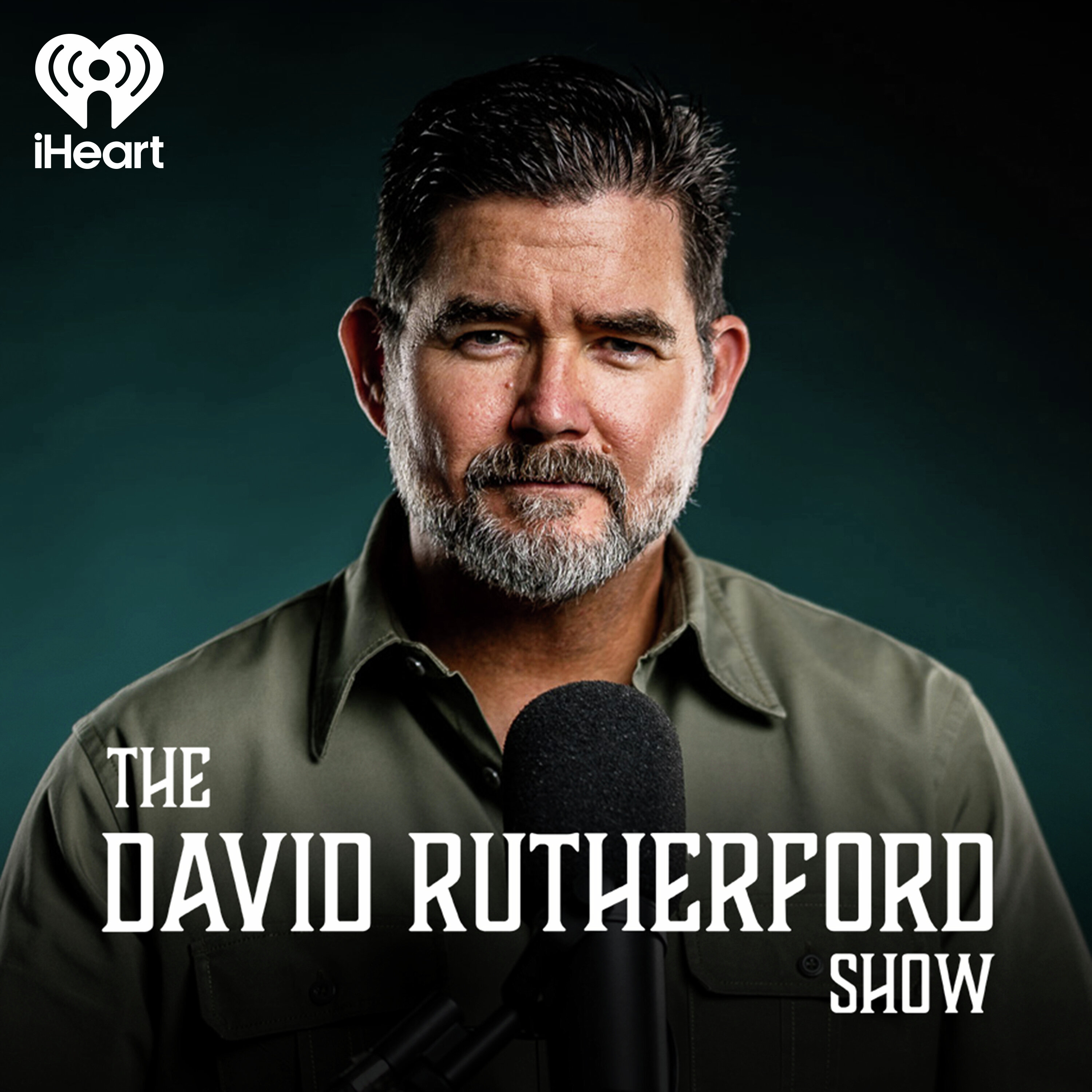 David Rutherford Show: The Insurgency Is Inside America Now: A SEAL's 9/11 Warning 16.09.2026 1t 5minTwenty-five years after 9/11 and I can't escape the same question I've been asking for thirty years: what are we actually fighting? I spent two decades going after insurgencies overseas, and I'm here to tell you the same insurgency is operating inside America right now — in our institutions, our communities, our families, and our own heads. This one's a solo. It's part briefing, part confession, and by the end, I'll admit it, part sermon. What you'll hear: • David breaks down what he's called "the negative insurgency" for twenty years, and why it works exactly like the ones he fought in Afghanistan and Iraq • Why "it's always been like this" is a lie — and what 150 million dead in the last century should tell you about this one • Why the war that was supposed to end with bin Laden never ended, and why Joe Kent isn't lying to you • What actually happens to 300 million people when you kill their religious leader in a strike • The tell that gives the insurgency away: everybody, on every side, is trying to convince you to hate somebody ✅ Sponsors: ☕️ Black Rifle Coffee: https://www.blackriflecoffee.com/ 🏫 Get coaching by David Rutherford: https://www.froglogicinstitute.com/ • "Satan rules this world," "you are the steward of God's creation," and the one reason David can't quit — and you can't eitherFollow Clay & Buck on YouTube: https://www.youtube.com/c/clayandbuckSee omnystudio.com/listener for privacy information.
 -
 The Truth with Lisa Boothe: John Lott on the Hidden Taxpayer Cost of Illegal Immigration and Criminal Prosecutions 15.09.2026 25minLisa Boothe sits down with Crime Prevention Research Center President John Lott for a wide-ranging discussion about illegal immigration, crime, deportations, and the financial cost of prosecuting and incarcerating noncitizens accused of crimes.
 -
 Nation States: Jimmy Lai, Hong Kong, and China's Defining Test 15.09.2026 26minJimmy Lai's imprisonment has become a measure of far more than one man's fate. Steve Yates examines how the jailed Hong Kong publisher's story challenges decades of U.S. assumptions about China's political future, Hong Kong's promised autonomy, and whether Beijing still has room for voices outside Communist Party control. As President Trump prepares for another meeting with Xi Jinping, the case raises difficult questions about leadership, freedom, faith, and the future of U.S.-China relations. Listen and share this episode as Congress revisits Jimmy Lai's case and policymakers weigh what comes next. Follow Nation States with Yates for clear, common-sense insights where Steve Yates serves as your personal national security advisor, breaking down world events in ways that matter to Main Street, not just Washington. Connect with the show at [email protected] and follow on X @NSWithYates.Follow Clay & Buck on YouTube: https://www.youtube.com/c/clayandbuckSee omnystudio.com/listener for privacy information.
 -
 Daily Review with Clay and Buck - Sep 15 2026 15.09.2026 1t 1minClay Travis and Buck Sexton debated whether Newsom was effectively acknowledging Harris’s strength, stepping aside strategically for a future campaign, or attempting to avoid political vulnerabilities that could emerge over the next several years. They also analyzed how Democratic donors, party leadership, identity politics, and potential Republican candidates such as Vice President JD Vance and Secretary of State Marco Rubio could shape the 2028 electoral landscape. The conversation expanded into broader discussions about the future of the Democratic Party, the durability of DEI and progressive policies, and the possibility of a political comeback by Harris following her previous presidential campaigns. Clay and Buck with an examination of artificial intelligence, technological progress, and American innovation, with Buck reflecting on comments previously made by Rush Limbaugh about the revolutionary impact of smartphones and computing power. The hosts argued that many technological breakthroughs initially face skepticism but ultimately become indispensable parts of everyday life. Drawing comparisons between smartphones, e-commerce platforms, AI development, and autonomous vehicles, they maintained an optimistic perspective about technology’s potential to improve productivity, convenience, and quality of life despite legitimate concerns about privacy, security, and societal disruption. They emphasized that innovation often generates fear before widespread adoption and suggested that the United States must remain a leader in AI and emerging technologies to remain globally competitive. Clay and Buck have a discussion surrounding actress Sydney Sweeney, whose latest sports betting advertising campaign sparked criticism from some female athletes and progressive commentators. Clay and Buck analyzed the backlash, focusing on complaints from British sprinter Amy Hunt and other critics who argued that Sweeney’s marketing relies heavily on physical attractiveness rather than athletic achievement. The hosts pushed back against those criticisms, arguing that Sweeney’s business decisions represent entrepreneurship, personal branding, and female financial empowerment. The discussion expanded into a broader debate over modern feminism, beauty standards, celebrity culture, advertising, and the perceived double standards applied to attractive women in media. They contended that many critics object less to the concept of self-promotion and more to the fact that Sweeney’s success is connected to traditional standards of attractiveness. The conversation also touched on how entertainment, sports, and social media increasingly intersect in shaping celebrity influence and public perception. An extensive interview with Katie Hopkins, the British commentator and comedian currently touring the United States. Hopkins discussed her experiences being banned from South Africa, deported from Australia during the COVID era, and the controversies that have followed her public commentary over the years. She recounted being removed from Australia after publicly criticizing pandemic lockdown policies and encouraging Australians to oppose government restrictions. The conversation expanded into a discussion of free speech, censorship, political correctness, and the changing nature of comedy in both the United Kingdom and the United States. Hopkins argued that increasingly restrictive speech environments have made political comedy more important and more popular, while Clay and Buck suggested that many of today’s most successful comedians thrive by challenging accepted narratives and establishment viewpoints. Make sure you never miss a second of the show by subscribing to the Clay Travis & Buck Sexton show podcast wherever you get your podcasts! ihr.fm/3InlkL8 For the latest updates from Clay & Buck, visit our website https://www.clayandbuck.com/ Connect with Clay Travis and Buck Sexton: X - https://x.com/clayandbuck FB - https://www.facebook.com/ClayandBuck/ IG - https://www.instagram.com/clayandbuck/ YouTube - https://www.youtube.com/c/clayandbuck Rumble - https://rumble.com/c/ClayandBuck TikTok - https://www.tiktok.com/@clayandbuckFollow Clay & Buck on YouTube: https://www.youtube.com/c/clayandbuckSee omnystudio.com/listener for privacy information.
 -
 Hour 1 - Fishy Fishin' Gavin 15.09.2026 36minHour 1 of the Clay Travis and Buck Sexton Show centered on the emerging battle for the 2028 Democratic presidential nomination, sparked by comments from California Governor Gavin Newsom during a recently released interview with CNN's Jake Tapper. The hosts focused extensively on Newsom’s statement that he would not run for president if Kamala Harris enters the race, treating the remark as a major development in Democratic Party politics. Clay argued that Harris remains the overwhelming favorite for the Democratic nomination, citing her support among key Democratic constituencies and the Democratic National Committee’s decision to place South Carolina first on the primary calendar. The hosts debated whether Newsom was effectively acknowledging Harris’s strength, stepping aside strategically for a future campaign, or attempting to avoid political vulnerabilities that could emerge over the next several years. They also analyzed how Democratic donors, party leadership, identity politics, and potential Republican candidates such as Vice President JD Vance and Secretary of State Marco Rubio could shape the 2028 electoral landscape. The conversation expanded into broader discussions about the future of the Democratic Party, the durability of DEI and progressive policies, and the possibility of a political comeback by Harris following her previous presidential campaigns. The program also featured a lighter but recurring segment examining the authenticity of the Newsom-Tapper interview setting, which was filmed during an apparent fly-fishing excursion. Clay and Buck questioned whether the pair were genuine fly fishermen or whether the outdoor setting was a carefully staged political media event. Listener calls quickly transformed the discussion into an impromptu fly-fishing masterclass, with experienced anglers from around the country critiquing the casting techniques, equipment setup, rod positioning, and overall presentation shown in the video. Several callers argued that both Newsom and Tapper appeared unfamiliar with proper fly-fishing practices, while the hosts joked about the increasingly detailed analysis from their audience. The segment highlighted the show's interactive style and showcased passionate listener expertise on outdoor recreation and sporting traditions. In a related political discussion, the hosts revisited the long-running rivalry and relationship between Kamala Harris and Gavin Newsom, referencing previous political anecdotes and public interactions between the two California Democrats. They explored the possibility that Newsom may be calculating his long-term political future by sitting out the 2028 race, preserving opportunities for a later presidential campaign, and avoiding a difficult primary battle against Harris. The hosts also evaluated how Democratic primary dynamics, donor influence, and shifting voter coalitions could impact the contest before votes are cast. Later in Hour 1, listener calls prompted a broader debate over fishing licenses, outdoor conservation, and government regulation. Clay questioned whether recreational anglers, particularly families fishing together for leisure, should be required to purchase licenses, arguing that such requirements function as another form of taxation. Buck offered a nuanced perspective, acknowledging the need for conservation measures while expressing sympathy for casual anglers. Callers weighed in from multiple states, explaining how fishing-license revenue supports fisheries management, public-access facilities, conservation programs, and wildlife resources. The discussion evolved into a wider conversation about taxes, public resources, government oversight, and balancing personal freedoms with environmental stewardship. Make sure you never miss a second of the show by subscribing to the Clay Travis & Buck Sexton show podcast wherever you get your podcasts! ihr.fm/3InlkL8 For the latest updates from Clay & Buck, visit our website https://www.clayandbuck.com/ Connect with Clay Travis and Buck Sexton: X - https://x.com/clayandbuck FB - https://www.facebook.com/ClayandBuck/ IG - https://www.instagram.com/clayandbuck/ YouTube - https://www.youtube.com/c/clayandbuck Rumble - https://rumble.com/c/ClayandBuck TikTok - https://www.tiktok.com/@clayandbuckFollow Clay & Buck on YouTube: https://www.youtube.com/c/clayandbuckSee omnystudio.com/listener for privacy information.
 -
 Hour 2 - Buck Gets Tesla, Would You? 15.09.2026 36minHour 2 of the Clay Travis and Buck Sexton Show focused heavily on technology, artificial intelligence, innovation, self-driving vehicles, privacy concerns, and the future of transportation in America. The hour opened with Buck Sexton sharing his experience purchasing a Tesla entirely online, praising the streamlined process and comparing it to transformative consumer technology experiences that have reshaped modern life. Clay Travis and Buck discussed Tesla’s growth, Elon Musk’s influence on innovation, and the rapid adoption of autonomous driving technology, arguing that self-driving vehicles represent one of the most significant technological breakthroughs of the 21st century. The hosts also shared personal stories about their first cars, with Clay recounting how he won his first vehicle and boat during a Tennessee Titans halftime contest, sparking a conversation about how dramatically the automotive industry has changed over the past two decades. The conversation expanded into a broader examination of artificial intelligence, technological progress, and American innovation, with Buck reflecting on comments previously made by Rush Limbaugh about the revolutionary impact of smartphones and computing power. The hosts argued that many technological breakthroughs initially face skepticism but ultimately become indispensable parts of everyday life. Drawing comparisons between smartphones, e-commerce platforms, AI development, and autonomous vehicles, they maintained an optimistic perspective about technology’s potential to improve productivity, convenience, and quality of life despite legitimate concerns about privacy, security, and societal disruption. They emphasized that innovation often generates fear before widespread adoption and suggested that the United States must remain a leader in AI and emerging technologies to remain globally competitive. A major segment of Hour 2 centered on Tesla self-driving technology, with both hosts enthusiastically discussing its real-world applications. Clay argued that autonomous driving has the potential to significantly reduce traffic fatalities, especially among inexperienced teenage drivers, while also helping older Americans remain independent longer by safely transporting themselves to stores, churches, family events, and community activities. The hosts described self-driving vehicles as a transformative advancement comparable to the arrival of the smartphone and suggested that autonomous transportation could fundamentally change mobility, safety, and daily life. Listener reactions included support from Tesla owners and debate from automotive enthusiasts skeptical of the shift away from traditional driving culture. The program also revisited the growing debate surrounding AI infrastructure, data centers, and Flock surveillance cameras, topics that have become recurring themes on the show. Clay highlighted comments from President Donald Trump supporting expanded AI development, additional data center construction, and the use of Flock cameras by law enforcement. The hosts discussed the balance between public safety and privacy rights, noting that supporters argue the camera systems help solve crimes and apprehend dangerous suspects, while critics worry about surveillance overreach and civil liberties. Buck emphasized that these issues represent legitimate policy debates rather than simple right-versus-wrong questions, while both hosts acknowledged the importance of weighing technological benefits against privacy concerns. Another recurring theme involved the broader economic and social impact of technology. The hosts praised the convenience of online commerce and modern digital services, arguing that innovations from companies such as Amazon have saved consumers enormous amounts of time. They discussed how technological efficiency allows people to spend more time with family, engage in leisure activities, and avoid many of the inconveniences associated with traditional retail and transportation systems. The conversation repeatedly returned to the idea that innovation generally creates more opportunities than problems when implemented responsibly. Later in the hour, Clay and Buck explored how autonomous vehicles could reshape urban planning, real estate, and housing affordability. Clay argued that widespread adoption of self-driving fleets could dramatically reduce the need for parking lots, parking garages, and vehicle storage areas in densely populated cities. The hosts suggested that reclaiming land currently dedicated to parking could increase housing supply, create new development opportunities, and help address affordability challenges in major metropolitan areas such as New York City and San Francisco. They also discussed how autonomous ride-sharing networks could eventually eliminate many of the inefficiencies associated with personal vehicle ownership. The discussion then shifted toward future transportation technologies, including VTOL (vertical takeoff and landing) aircraft, sometimes described as flying-car or airborne taxi concepts. Clay and Buck examined how personal aerial transportation could revolutionize travel, especially in rural and suburban communities, by allowing people to bypass traffic and travel directly to destinations without traditional airport infrastructure. The hosts viewed these developments as part of a larger wave of technological transformation that could redefine transportation, mobility, and land use over the coming decades. The hour concluded with listener calls expressing concerns about privacy, government oversight, AI surveillance, electric vehicles, and the possibility of excessive technological control by governments or corporations. Referencing themes reminiscent of 1984 and other dystopian works, callers questioned whether advancing technology could someday be used to restrict personal freedom. Clay responded by emphasizing consumer choice and market competition, arguing that Americans should retain the ability to choose between traditional and emerging technologies rather than having mandates imposed upon them. Make sure you never miss a second of the show by subscribing to the Clay Travis & Buck Sexton show podcast wherever you get your podcasts! ihr.fm/3InlkL8 For the latest updates from Clay & Buck, visit our website https://www.clayandbuck.com/ Connect with Clay Travis and Buck Sexton: X - https://x.com/clayandbuck FB - https://www.facebook.com/ClayandBuck/ IG - https://www.instagram.com/clayandbuck/ YouTube - https://www.youtube.com/c/clayandbuck Rumble - https://rumble.com/c/ClayandBuck TikTok - https://www.tiktok.com/@clayandbuckFollow Clay & Buck on YouTube: https://www.youtube.com/c/clayandbuckSee omnystudio.com/listener for privacy information.
 -
 Hour 3 - Boobs, Balls, and Broads 15.09.2026 36minHour 3 of the Clay Travis and Buck Sexton Show featured a mix of politics, culture, media criticism, technology discussion, and an extended interview with British commentator and comedian Katie Hopkins. The hour opened with Clay and Buck previewing several major news developments, including Attorney General Todd Blanche’s upcoming White House briefing, FBI Director Kash Patel’s congressional testimony, a Supreme Court decision affecting mail-in ballot procedures ahead of the 2026 midterm elections, and continuing debates over artificial intelligence and emerging technology. The hosts briefly revisited the growing role of AI in everyday life, including Tesla’s self-driving technology, before transitioning into the cultural controversy dominating much of the hour. The centerpiece of Hour 3 was a discussion surrounding actress Sydney Sweeney, whose latest sports betting advertising campaign sparked criticism from some female athletes and progressive commentators. Clay and Buck analyzed the backlash, focusing on complaints from British sprinter Amy Hunt and other critics who argued that Sweeney’s marketing relies heavily on physical attractiveness rather than athletic achievement. The hosts pushed back against those criticisms, arguing that Sweeney’s business decisions represent entrepreneurship, personal branding, and female financial empowerment. The discussion expanded into a broader debate over modern feminism, beauty standards, celebrity culture, advertising, and the perceived double standards applied to attractive women in media. They contended that many critics object less to the concept of self-promotion and more to the fact that Sweeney’s success is connected to traditional standards of attractiveness. The conversation also touched on how entertainment, sports, and social media increasingly intersect in shaping celebrity influence and public perception. Clay and Buck also examined what they view as contradictions within contemporary activist culture, discussing examples where public figures and media personalities support body positivity campaigns while simultaneously criticizing certain forms of self-presentation by conventionally attractive women. The hosts referenced broader culture-war debates involving gender, athletics, marketing, and celebrity branding, arguing that many of today’s public controversies are connected by larger ideological disputes over identity, empowerment, and social values. Another major segment featured an extensive interview with Katie Hopkins, the British commentator and comedian currently touring the United States. Hopkins discussed her experiences being banned from South Africa, deported from Australia during the COVID era, and the controversies that have followed her public commentary over the years. She recounted being removed from Australia after publicly criticizing pandemic lockdown policies and encouraging Australians to oppose government restrictions. The conversation expanded into a discussion of free speech, censorship, political correctness, and the changing nature of comedy in both the United Kingdom and the United States. Hopkins argued that increasingly restrictive speech environments have made political comedy more important and more popular, while Clay and Buck suggested that many of today’s most successful comedians thrive by challenging accepted narratives and establishment viewpoints. The interview also explored broader international political issues, including immigration, demographic change, free expression, Islamism, and the political trajectory of the United Kingdom. Hopkins described her concerns about the future of Britain and praised what she viewed as a more optimistic direction in American politics. Clay and Buck used the discussion to compare political and cultural developments in the U.S., U.K., Australia, and other Western countries, framing the conversation around the future of individual liberty, national identity, and democratic institutions. Later in the hour, the hosts revisited a recurring show topic involving the Lindsay Clancy case and broader questions about public reactions to crime, accountability, and media narratives. Clay asked Hopkins whether shifting public opinion could eventually produce backlash against what he described as a pattern of ideological or emotional responses overriding basic moral judgments. The discussion broadened into an examination of cultural values, family, personal responsibility, and political tribalism. The final portion of Hour 3 returned to the subject of Tesla, electric vehicles, and self-driving technology after listeners called in with both skepticism and enthusiasm. The hosts responded to concerns about EV battery life, charging infrastructure, range limitations, and reliability while continuing to praise Tesla’s autonomous driving capabilities. Clay shared his own experience using Tesla charging stations during longer road trips and argued that many concerns disappear once drivers experience the technology firsthand. Listener calls highlighted how older Americans are increasingly using self-driving features to maintain independence, including Tesla’s vehicle summoning technology, which allows cars to navigate parking lots and pick up drivers automatically. The hour concluded with a broader reflection on technological progress and optimism. Clay and Buck argued that autonomous driving may become one of the most transformative innovations of the modern era, particularly for senior citizens and individuals seeking greater mobility and independence. They compared Tesla’s impact on transportation to the revolutionary effect smartphones had on communication and daily life, reinforcing a recurring theme from the show that innovation often creates more opportunities than critics initially recognize. Make sure you never miss a second of the show by subscribing to the Clay Travis & Buck Sexton show podcast wherever you get your podcasts! ihr.fm/3InlkL8 For the latest updates from Clay & Buck, visit our website https://www.clayandbuck.com/ Connect with Clay Travis and Buck Sexton: X - https://x.com/clayandbuck FB - https://www.facebook.com/ClayandBuck/ IG - https://www.instagram.com/clayandbuck/ YouTube - https://www.youtube.com/c/clayandbuck Rumble - https://rumble.com/c/ClayandBuck TikTok - https://www.tiktok.com/@clayandbuckFollow Clay & Buck on YouTube: https://www.youtube.com/c/clayandbuckSee omnystudio.com/listener for privacy information.
 -
 Normally Podcast: AI Panic Goes to Washington, Trump’s $5,000 Checks & Republicans’ Unforced Errors 15.09.2026 33minMary Katharine Ham and Karol Markowicz are back with Normalish takes as Washington’s artificial intelligence panic reaches a new level. They break down the growing calls to slow AI development, concerns raised by former Anthropic researcher Jacob Coxon, and the unlikely convergence of Bernie Sanders and Steve Bannon around tougher AI restrictions. Mary Katharine and Karol debate the genuine risks of advanced AI, whether government regulators are equipped to handle them, and whether some of the push for regulation could benefit the biggest players already dominating the industry.
 -
 Daily Review with Clay and Buck - Sep 14 2026 14.09.2026 49minClay Travis and Buck Sexton focused overwhelmingly on the rapidly escalating debate over artificial intelligence (AI), AI regulation, data centers, U.S. technological competitiveness, and the growing geopolitical battle with China over AI leadership. They discussed recent comments from President Donald Trump, who forcefully argued that America must lead the AI race and rejected calls for excessive government regulation. Clay and Buck framed AI as one of the most consequential economic, political, and national security issues facing the country, emphasizing that whoever wins the AI race could dominate global innovation, economic growth, and military power in the decades ahead. They also briefly previewed upcoming discussions on key Senate races in Michigan and Texas, as well as Trump’s continued support for proposed $5,000 taxpayer rebate checks if Republicans perform well politically. Clay argued that anti-Trump messaging has become less effective and that affordability concerns remain tied to lingering economic issues from the Biden era. According to the discussion, some Democratic strategists may now be turning to fears about AI, automation, and data center development as a new political rallying point. The hosts compared current AI fears to previous public anxieties over Y2K, COVID-19, climate change, nuclear war, and overpopulation, arguing that predictions of societal collapse frequently fail to materialize. An extended interview featuring former NFL broadcaster and Republican Senate candidate Michele Tafoya, who discussed her campaign for Minnesota’s open Senate seat and argued that the race is becoming increasingly competitive. Tafoya described her opponent, Minnesota Lieutenant Governor Peggy Flanagan, as closely tied to Governor Tim Walz’s administration and blamed state leadership for rising concerns over fraud, education decline, crime, government spending, and economic challenges. She emphasized that her campaign is framing the election as a choice between common-sense governance and progressive policies, while pointing to growing support from independents and disaffected Democrats. Clay passionately advocated for self-driving car technology, particularly Tesla’s autonomous driving systems, describing them as transformative innovations that could drastically reduce traffic fatalities and improve quality of life. He predicted that future generations may view today’s automobile death rates similarly to how modern Americans view historical diseases and other preventable causes of death. The hosts argued that advances in artificial intelligence and automation could significantly improve safety while simultaneously creating enormous societal benefits. Another segment highlighted a remarkable military rescue operation in Iran involving an American pilot, Dude 44 Bravo, whose story was recently featured on television. The hosts praised the pilot’s survival and the successful rescue effort, describing it as one of the most compelling military stories in recent memory. They discussed the extraordinary circumstances surrounding the operation, including the pilot’s injuries, survival in hostile territory, and eventual recovery by American forces. Clay and Buck praised the bravery of the troops involved and suggested that the story demonstrates the professionalism, courage, and effectiveness of the U.S. military. They also discussed public interest in military storytelling and the possibility that such events could eventually inspire future films or documentaries. Make sure you never miss a second of the show by subscribing to the Clay Travis & Buck Sexton show podcast wherever you get your podcasts! ihr.fm/3InlkL8 For the latest updates from Clay & Buck, visit our website https://www.clayandbuck.com/ Connect with Clay Travis and Buck Sexton: X - https://x.com/clayandbuck FB - https://www.facebook.com/ClayandBuck/ IG - https://www.instagram.com/clayandbuck/ YouTube - https://www.youtube.com/c/clayandbuck Rumble - https://rumble.com/c/ClayandBuck TikTok - https://www.tiktok.com/@clayandbuck Follow Clay & Buck on YouTube: https://www.youtube.com/c/clayandbuckSee omnystudio.com/listener for privacy information.
 -
 Hour 1 - Is AI the Boogeyman? 14.09.2026 36minHour 1 of the Clay Travis and Buck Sexton Show focused overwhelmingly on the rapidly escalating debate over artificial intelligence (AI), AI regulation, data centers, U.S. technological competitiveness, and the growing geopolitical battle with China over AI leadership. The hosts opened by discussing recent comments from President Donald Trump, who forcefully argued that America must lead the AI race and rejected calls for excessive government regulation. Clay and Buck framed AI as one of the most consequential economic, political, and national security issues facing the country, emphasizing that whoever wins the AI race could dominate global innovation, economic growth, and military power in the decades ahead. They also briefly previewed upcoming discussions on key Senate races in Michigan and Texas, as well as Trump’s continued support for proposed $5,000 taxpayer rebate checks if Republicans perform well politically. A major theme throughout the hour was the hosts’ belief that Democrats are increasingly positioning AI and data centers as political targets ahead of the midterm elections. Clay argued that anti-Trump messaging has become less effective and that affordability concerns remain tied to lingering economic issues from the Biden era. According to the discussion, some Democratic strategists may now be turning to fears about AI, automation, and data center development as a new political rallying point. The hosts compared current AI fears to previous public anxieties over Y2K, COVID-19, climate change, nuclear war, and overpopulation, arguing that predictions of societal collapse frequently fail to materialize. The conversation then shifted into a broader philosophical discussion about technological progress and public fear. Buck referenced the concept of “extinction anxiety,” arguing that warnings about humanity’s destruction are often used to influence public opinion and policy. Both hosts expressed skepticism about efforts to slow AI development, particularly when rival nations continue to advance the technology. They highlighted concerns that some AI companies publicly advocating for regulation may actually benefit from rules that limit competition and protect their market dominance. The hosts repeatedly argued that Congress lacks the technical expertise necessary to regulate AI effectively. Another significant topic was the impact of AI on education, literacy, reading comprehension, and intellectual development. Clay cited statistics showing low recreational reading rates among Americans and growing concerns about declining literacy levels. Buck argued that reading remains one of the most important intellectual skills because it improves critical thinking, communication, and reasoning. The hosts debated how AI could make people more intellectually dependent on technology by instantly summarizing books, assignments, and research, potentially reducing incentives for deep reading and independent analysis. The hosts devoted extensive attention to the economic implications of AI, describing it as a driving force behind stock market gains, technology sector growth, and future productivity increases. Buck argued that AI may be essential to sustaining long-term economic growth and managing America’s enormous national debt burden. Both hosts rejected calls to slow AI development, suggesting that such actions could undermine American competitiveness while rival nations continue advancing the technology. They emphasized that AI is already transforming industries and influencing investment decisions across the economy. National security emerged as another central focus. Clay and Buck repeatedly contended that China is the most important factor in the AI debate, arguing that the Chinese government is aggressively pursuing AI leadership while the U.S. wrestles with regulatory concerns. They discussed President Trump’s assertion that “whoever wins AI wins” and argued that AI will increasingly determine military superiority, cybersecurity capabilities, surveillance systems, autonomous weapons, drone warfare, and intelligence operations. The hosts compared the current AI competition to Cold War-era technological rivalries and warned that slowing American innovation could create strategic advantages for China. The program also explored practical applications of AI already affecting everyday life. Clay described using AI-powered search tools to quickly obtain information, statistics, and research that previously required extensive online searching. Buck highlighted how AI can help small business owners analyze finances, improve efficiency, develop growth strategies, and create sophisticated business plans within seconds. They also discussed the disruption AI is creating in publishing, where authors and publishers are increasingly confronting questions about AI-generated books and content creation. Further supporting their argument, the hosts played comments from Palantir CEO Alex Karp, who argued that pausing AI development is unrealistic because geopolitical competitors will continue advancing the technology. Clay and Buck used Karp’s remarks to reinforce their position that AI is becoming inseparable from economic growth, military modernization, and global influence. They suggested that the future battlefield could be defined by AI-assisted systems, cyber capabilities, autonomous drones, communications disruption, and advanced decision-making technologies. The hour concluded with listener reaction and discussion of the healthcare potential of AI. A caller from Pennsylvania expressed excitement about medical and scientific breakthroughs that AI could deliver, and the hosts agreed that healthcare may be among the technology’s greatest benefits. They highlighted innovations such as AI-assisted diagnostics, full-body medical scans, robotic surgery, early disease detection, and more accurate treatment recommendations. Buck pointed to Elon Musk’s prediction that AI-enabled surgical systems could eventually reduce medical errors dramatically, while Clay discussed emerging diagnostic technologies that may identify health risks before symptoms develop. The hosts ended Hour 1 emphasizing their belief that AI will transform medicine, improve quality of life, and produce extraordinary advancements that outweigh many of the fears currently surrounding the technology. Make sure you never miss a second of the show by subscribing to the Clay Travis & Buck Sexton show podcast wherever you get your podcasts! ihr.fm/3InlkL8 For the latest updates from Clay & Buck, visit our website https://www.clayandbuck.com/ Connect with Clay Travis and Buck Sexton: X - https://x.com/clayandbuck FB - https://www.facebook.com/ClayandBuck/ IG - https://www.instagram.com/clayandbuck/ YouTube - https://www.youtube.com/c/clayandbuck Rumble - https://rumble.com/c/ClayandBuck TikTok - https://www.tiktok.com/@clayandbuck Follow Clay & Buck on YouTube: https://www.youtube.com/c/clayandbuckSee omnystudio.com/listener for privacy information.
Samankaltaiset podcastit


Suosittu maassa
Tämä podcast esiintyy myös näiden maiden podcast-listoilla.


