
Slowly Japanese: Real Life Japanese Conversations,Học tiếng Nhật qua Giao tiếp Thực tế
Kaohiong Toby
0
Slowly Japanese is a podcast spoken in easy Japanese for learners around the world. The pace is slightly slower than natural speed, making it easier to understand. The host shares personal experiences with triathlon training, parenting, and education. This podcast is perfect for those who want to improve their Japanese while learning about real life in Japan.
Jaksot
-
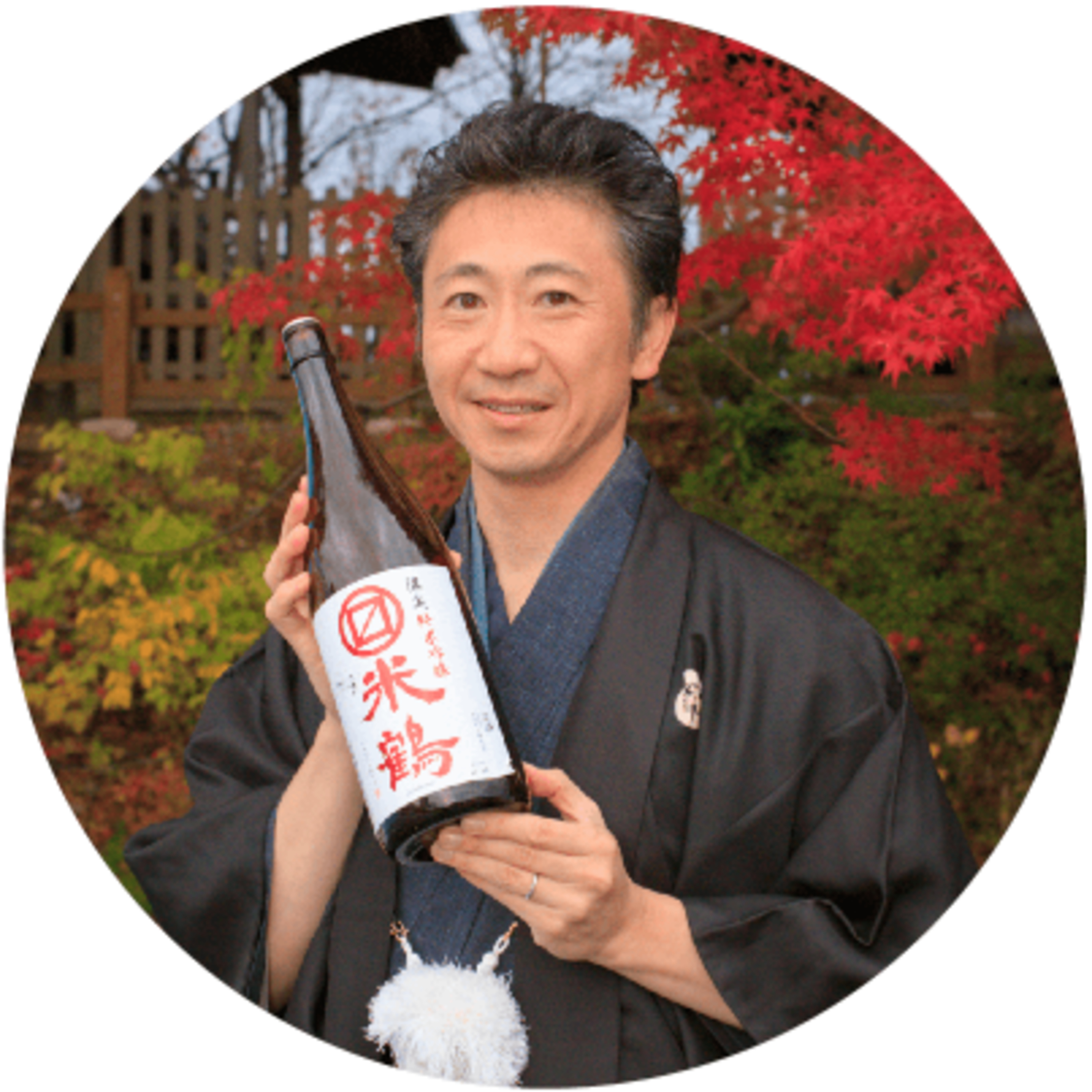 [EP2]海外で売れる日本酒とは?|アジア市場とロゼ日本酒の人気|Why Sweet & Sour Sake Is Popular in Asia 17.03.2026 21min📕Short Description 🇯🇵日本語海外で売れる日本酒とはどんな味なのでしょうか?米鶴酒造の梅津陽一郎さんとのインタビューを通して、アジア市場で人気のロゼ日本酒や甘酸っぱい日本酒についてお話します。台湾の屋台文化や気候が、日本酒の味の好みにどのように影響するのかも探ります。🇬🇧EnglishWhy do some Japanese sake sell better overseas than in Japan?In this episode, I continue my conversation with Yoichiro Umetsu from Yonetsuru Shuzo, a sake brewery with more than 300 years of history. We talk about rosé sake, sweet-and-sour sake styles, and why these flavors can become popular in Asian markets.You can read Chinese, English, and Vietnamese transcripts on my Substack.🇹🇼繁体字為什麼有些日本清酒在海外比在日本更受歡迎?在這一集裡,我繼續與擁有三百多年歷史的山形酒藏「米鶴酒造」梅津陽一郎先生對談。我們聊到玫瑰清酒、帶有酸甜口味的清酒,以及為什麼這些風味在亞洲市場更受歡迎。中文、英文與越南文的逐字稿可以在我的 Substack 上閱讀。🇻🇳Tiếng ViệtTại sao một số loại sake Nhật Bản lại bán chạy ở nước ngoài hơn ở Nhật?Trong tập này, tôi tiếp tục cuộc trò chuyện với ông Yoichiro Umetsu từ nhà máy rượu Yonetsuru Shuzo với hơn 300 năm lịch sử. Chúng tôi nói về sake rosé, sake có vị chua ngọt và lý do vì sao những hương vị này được ưa chuộng ở thị trường châu Á.Bạn có thể đọc transcript tiếng Trung, tiếng Anh và tiếng Việt trên Substack của tôi.📕Long Description🇯🇵日本語 海外ではどんな日本酒が人気なのでしょうか?このエピソードでは、山形県高畠町にある300年以上続く酒蔵「米鶴酒造」の梅津陽一郎さんとのインタビューの続きとして、日本酒の海外市場についてお話します。・ロゼ日本酒が海外で人気の理由・アジアの人々に好まれる甘酸っぱい日本酒・アルコール度数12%程度の飲みやすい日本酒・台湾の屋台文化と飲み物の関係などについて、ゆっくりした日本語でお話しています。日本語学習者の方にも聞き取りやすいよう、ゆっくり自然な日本語で話しています。🇬🇧EnglishWhat kind of Japanese sake becomes popular overseas?In this episode, I continue my interview with Yoichiro Umetsu from Yonetsuru Shuzo, a sake brewery in Yamagata with more than 300 years of history. We explore how Japanese sake is received in international markets.Topics include:• Why rosé-style sake sometimes sells better overseas• Sweet-and-sour sake styles that appeal to Asian markets• Lower-alcohol sake (around 12%) that is easier to drink• How climate and street-food culture—such as Taiwan’s night markets—shape drinking preferencesThis podcast uses slow and natural Japanese, making it suitable for Japanese learners who want to improve their listening skills.🇹🇼繁体字在海外,什麼樣的日本清酒會更受歡迎呢?在這一集中,我繼續訪問來自山形縣、擁有三百多年歷史的酒藏「米鶴酒造」的梅津陽一郎先生,一起探討日本清酒在海外市場的情況。內容包括:• 為什麼玫瑰清酒在海外更受歡迎• 亞洲市場偏好的酸甜風味清酒• 酒精濃度較低(約12%)更容易入口的清酒• 台灣夜市與氣候如何影響飲酒文化本節目使用緩慢而自然的日語,適合學習日語的聽眾練習聽力。🇻🇳Tiếng ViệtLoại sake Nhật Bản nào trở nên phổ biến ở nước ngoài?Trong tập này, tôi tiếp tục cuộc phỏng vấn với ông Yoichiro Umetsu từ nhà máy rượu Yonetsuru Shuzo ở tỉnh Yamagata, một nhà máy rượu có lịch sử hơn 300 năm. Chúng tôi cùng tìm hiểu cách sake Nhật Bản được đón nhận tại thị trường quốc tế.Nội dung bao gồm:• Vì sao sake rosé đôi khi bán chạy ở nước ngoài hơn ở Nhật• Các loại sake có vị chua ngọt được ưa chuộng tại châu Á• Sake có nồng độ cồn thấp (khoảng 12%) dễ uống hơn• Cách khí hậu và văn hóa ẩm thực đường phố như chợ đêm Đài Loan ảnh hưởng đến thói quen uống rượuPodcast này sử dụng tiếng Nhật chậm và tự nhiên, phù hợp cho người học tiếng Nhật luyện kỹ năng nghe.🏷️TAG#JapaneseSake#RoseSake#AsianMarket#SakeCulture#LowAlcoholSake#學日文#日本酒#清酒#日本酒文化#HocTiengNhat#RuouSake#PodcastTiengNhat
 -
 【40代からの再挑戦】蔵王トライアスロン体験記|蔵王トライアスロン 完走の裏側 標高800mの湖スイムと累積3000mの山岳レース|The Craziest Mountain Triathlon in Japan 3000m Elevation, Zao Triathlon Story. 04.03.2026 20min🔗 Read Full Transcripts with multi Languages free on HERE!Short Description🇯🇵 日本語日本でも珍しい山岳レース蔵王トライアスロンの体験をお話します。標高800mの湖で泳ぎ、累積高低差3000mの山岳コースを走る、少し変わったトライアスロンです。海外の方にもぜひ知ってほしい、日本の魅力的なレースです。🇺🇸 EnglishI talk about a unique race in Japan:the ZAO Mountain Triathlon.Athletes swim in a lake at 800m altitude and ride a challenging mountain course with around 3000m of elevation gain and loss.If you enjoy mountain endurance races, this race in Japan might surprise you.Chinese and Vietnamese translated transcripts are available on my Substack for Japanese learners.🇹🇼繁体字這一集我介紹日本山形縣舉辦的藏王鐵人三項(ZAO Mountain Triathlon)。比賽在海拔800公尺的湖中游泳,騎行路線是累積約3000公尺爬升的山地賽道。如果你對日本的山地耐力賽有興趣,這是一場非常特別的比賽。本集的中文與越南語翻譯逐字稿可以在 Substack 查看。連結請參考本集 Podcast 的說明欄。🇻🇳 Tiếng ViệtTrong tập này, tôi chia sẻ trải nghiệm tạiZAO Mountain Triathlon ở Nhật Bản.Cuộc đua bắt đầu bằng bơi ở hồ cao 800m và đường đạp xe có tổng độ cao lên xuống khoảng 3000m.Nếu bạn thích các cuộc đua sức bền trên núi, đây là một cuộc đua rất thú vị ở Nhật Bản.Bản dịch tiếng Trung và tiếng Việt có trên Substack.Long Description🇯🇵日本語海抜800mの湖で泳ぎ、累積高低差3000mの山岳コースを走る。日本でも屈指のハードレース「蔵王トライアスロン」に挑戦した体験をお話しします。2024年、私は、トライ東北の仲間と一緒に七ヶ浜トライアスロンを完走しました。でもそのあと聞いたのです。「蔵王にヤバいトライアスロンがあるらしい…」・標高800mの湖でスイム・累積高低差3000mのバイク・山岳ランコース普通のトライアスロンとはまったく別の世界でした。実際に出てみると、上りで抜かれまくり下りで抜き返しそして最後は救護室へ…。でもこの大会は本当に人の温かさを感じるレース。ボランティアの方や大会スタッフの優しさ、そしてレース後のアフターパーティー。息子がビンゴで景品を当てたり、日本酒やローストビーフを楽しんだりと、最高の思い出になりました。またこの大会はリレー参加も可能なので、仲間で参加すると1人1万円くらいで楽しめるとても面白いレースです。🇬🇧EnglishIn this episode, I share my experience at the ZAO Mountain Triathlon in Yamagata, Japan.This race is very different from a typical triathlon.The swim takes place in a mountain lake at about 800 meters above sea level, and the bike course includes steep climbs and descents with around 3000 meters of total elevation change.It feels more like a mountain endurance race than a traditional triathlon.I first started triathlon in 2024 with a local team called Tri-Tohoku, and we completed the Shichigahama Triathlon together.But later I heard a rumor:“There is a crazy triathlon race in Zao.”After learning about the course, I realized this was a completely different challenge.In this episode, I talk about:• What makes the ZAO Mountain Triathlon unique• The challenges of mountain triathlon racing• Race preparation and common mistakes• The course preview event called Shisokai• Relay participation with friendsIf you are interested in mountain endurance races in Japan, this race might be worth discovering.🇹🇼繁体字這一集我分享自己參加**日本山形縣藏王鐵人三項(ZAO Mountain Triathlon)**的經驗。這場比賽與一般的鐵人三項非常不同。• 游泳在海拔約 800公尺 的湖中進行• 自行車賽道是山地路線• 全程累積高低差約 3000公尺因此,這場比賽更像是一場山地耐力挑戰。2024年,我和日本東北地區的團隊Tri-Tohoku 一起參加並完成了七濱鐵人三項。後來我聽說:「在藏王有一場非常瘋狂的鐵人三項比賽。」當我開始研究這個賽道時,發現這是一個完全不同等級的挑戰。在這一集裡,我會分享:• 藏王鐵人三項的特色• 山地賽道的困難與挑戰• 比賽準備與常見的失誤• 賽前試跑活動(試走會)• 與朋友一起參加接力賽的方法如果你對日本的山地耐力賽有興趣,這場比賽非常值得了解。🇻🇳 Tiếng ViệtTrong tập podcast này, tôi kể về trải nghiệm của mình tạiZAO Mountain Triathlon ở tỉnh Yamagata, Nhật Bản.Cuộc đua này khá khác so với triathlon thông thường.• Phần bơi diễn ra ở hồ trên núi cao khoảng 800m• Phần đạp xe là đường núi với nhiều đoạn lên xuống• Tổng độ cao thay đổi khoảng 3000mVì vậy cuộc đua giống như một thử thách sức bền trên núi.Năm 2024, tôi bắt đầu tham gia triathlon cùng độiTri-Tohoku và hoàn thành cuộc đua Shichigahama Triathlon.Sau đó tôi nghe một tin đồn:“Ở Zao có một cuộc triathlon rất khắc nghiệt.”Khi tìm hiểu kỹ, tôi nhận ra đây là một thử thách hoàn toàn khác.Trong tập này tôi nói về:• Điểm đặc biệt của ZAO Mountain Triathlon• Thử thách của đường đua trên núi• Chuẩn bị cho cuộc đua và những sai lầm thường gặp• Sự kiện chạy thử trước cuộc đua• Hình thức thi tiếp sức cùng bạn bèNgoài ra, để hỗ trợ người học tiếng Nhật,#鐵人三項 #日本鐵人三項
 -
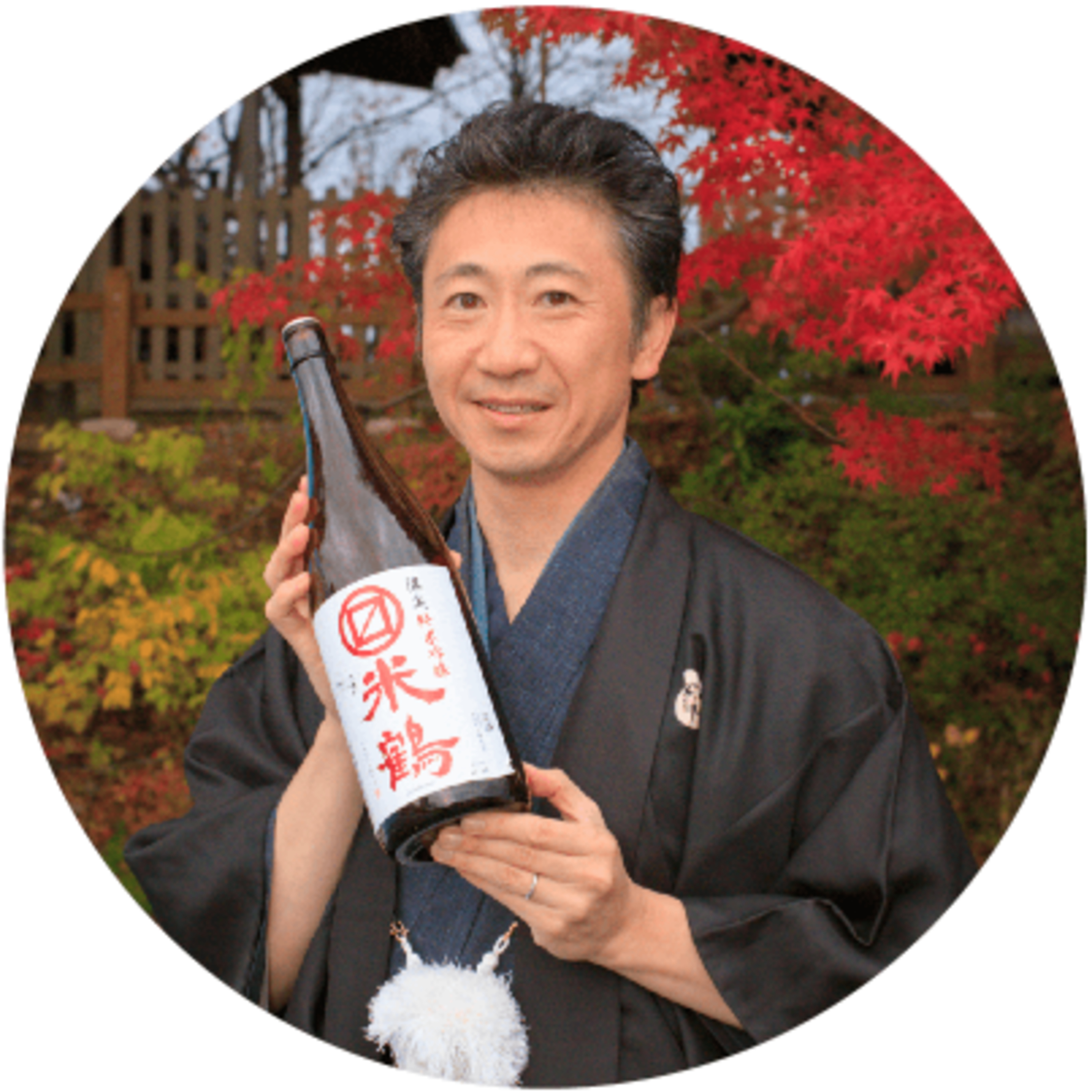 [EP1]山形・米鶴酒造 300年の酒と米と地域|Yonetsuru Shuzo: 300 Years of Sake, Rice, and Community 03.03.2026 15min🔗 Read Full Transcripts with multi Languages free on HERE!Try SAKE? Check how is SAKE on HEREShort Description🇯🇵 日本語山形県高畑町の老舗酒蔵米鶴酒造へ。12代目当主・梅津陽一郎さんに、趣味(しゅみ)や人柄、酒米づくり、そして地域の農業を守る想いをお伺いしました。🇺🇸 EnglishKaohiong visits Yonetsurushuzo in Takahata, Yamagata, and interviews Mr. Yoichiro Umetsu, the 12th-generation owner. We talk about his hobbies, sake rice, and why the brewery started growing rice to support the local community.🇻🇳 Tiếng ViệtKaohiong đến thăm Yonetsurushuzo ở Takahata, Yamagata và phỏng vấn ông Yoichiro Umetsu, chủ đời thứ 12. Chúng tôi nói về sở thích của ông, gạo sake và lý do nhà máy bắt đầu tự trồng lúa để hỗ trợ cộng đồng địa phương.🇵🇭 TagalogBumisita si Kaohiong sa Yonetsurushuzo sa Takahata, Yamagata at ininterbyu si G. Yoichiro Umetsu, ang ika-12 henerasyon na may-ari. Pinag-usapan namin ang kanyang mga hilig, sakamai, at kung bakit nagsimula ang brewery na magtanim ng bigas para suportahan ang lokal na komunidad.Long Description🇯🇵 日本語今回は、山形県高畑町にある「Yonetsurushuzo(米鶴酒造)」を訪れました。元禄16年(1703年)から続く、300年以上の歴史を持つ酒蔵です。お話を伺ったのは、12代目当主の梅津陽一郎さん。スキーやテニス、バックギャモンやポーカーなどの趣味、そして物理専攻ならではの「確率や統計」の感覚についても聞きました。さらに今回の中心は、酒米と地域の農業です。地元の農家の高齢化が進む中で、酒蔵自らが米づくりを始めた理由。山あいの田んぼが抱える課題や地域格差、そして「次の世代へ何を残すか」という視点を、梅津陽一郎さんの言葉で丁寧に辿ります。このシリーズは全3回です。次回は、酒造りの進化や科学的な工夫、海外とのつながりへ。第3回は、商品戦略や「米鶴らしさ」に迫ります。🇺🇸 EnglishI visit Yonetsurushuzo in Takahata, Yamagata—a sake brewery founded in 1703 with over 300 years of history.I interview Mr. Yoichiro Umetsu, the 12th-generation owner. We talk about his hobbies—skiing, tennis, and strategy games—and how his background in physics influences his thinking.The main theme is sake rice and the local community. As farmers age, the future of rice fields becomes uncertain. Mr. Umetsu explains why the brewery began cultivating rice themselves and what it means to protect both quality and community for the next generation.This is Episode 1 of a 3-part series. Next, we explore the evolution of sake brewing and overseas connections.🇻🇳 Tiếng ViệtTrong tập này, tôi đến thăm Yonetsurushuzo ở Takahata, Yamagata—một nhà máy sake thành lập năm 1703 với hơn 300 năm lịch sử.Tôi phỏng vấn ông Yoichiro Umetsu, chủ đời thứ 12. Chúng tôi nói về sở thích của ông và cách nền tảng vật lý ảnh hưởng đến cách suy nghĩ của ông.Chủ đề chính là gạo sake và cộng đồng địa phương. Khi nhiều nông dân đã lớn tuổi, tương lai ruộng lúa trở nên không chắc chắn. Ông Umetsu chia sẻ lý do nhà máy bắt đầu tự trồng lúa và ý nghĩa của việc bảo vệ chất lượng cho thế hệ sau.Đây là Tập 1 trong series 3 phần.🇵🇭 TagalogAko si Kaohiong. Sa episode na ito, bumisita ako sa Yonetsurushuzo sa Takahata, Yamagata—isang brewery ng sake na may mahigit 300 taon ng kasaysayan (itinatag noong 1703).Ininterbyu ko si G. Yoichiro Umetsu, ang ika-12 henerasyon na may-ari. Napag-usapan namin ang kanyang personalidad at mga hilig—skiing, tennis, at mga strategy game tulad ng backgammon at poker—at kung paano nakaimpluwensya ang physics sa paraan niya ng pag-iisip tungkol sa probability.Ang pangunahing tema ng episode na ito ay sakamai at ang lokal na komunidad. Habang tumatanda ang maraming magsasaka, nagiging hindi tiyak ang kinabukasan ng mga palayan. Ipinaliwanag ni G. Umetsu kung bakit nagpasya ang brewery na magsimulang magtanim ng bigas mismo, ang mga hamon sa mga lugar na bulubundukin, at kung ano ang ibig sabihin ng pagprotekta sa kalidad at komunidad para sa susunod na henerasyon.Ito ang Episode 1 ng 3-part series. Sa susunod, tatalakayin natin ang pag-evolve ng paggawa ng sake, ang scientific approach, at ang koneksyon sa overseas markets. Sa Episode 3, sisilipin natin ang product strategy at kung ano ang nagpapakakaiba sa Yonetsurushuzo ngayon.#日本酒#米鶴酒造#山形#酒蔵#酒米#地方創生#Sake#JapaneseSake#Yonetsurushuzo#JapaneseCulture#RuralJapan#LearnJapanese
 -
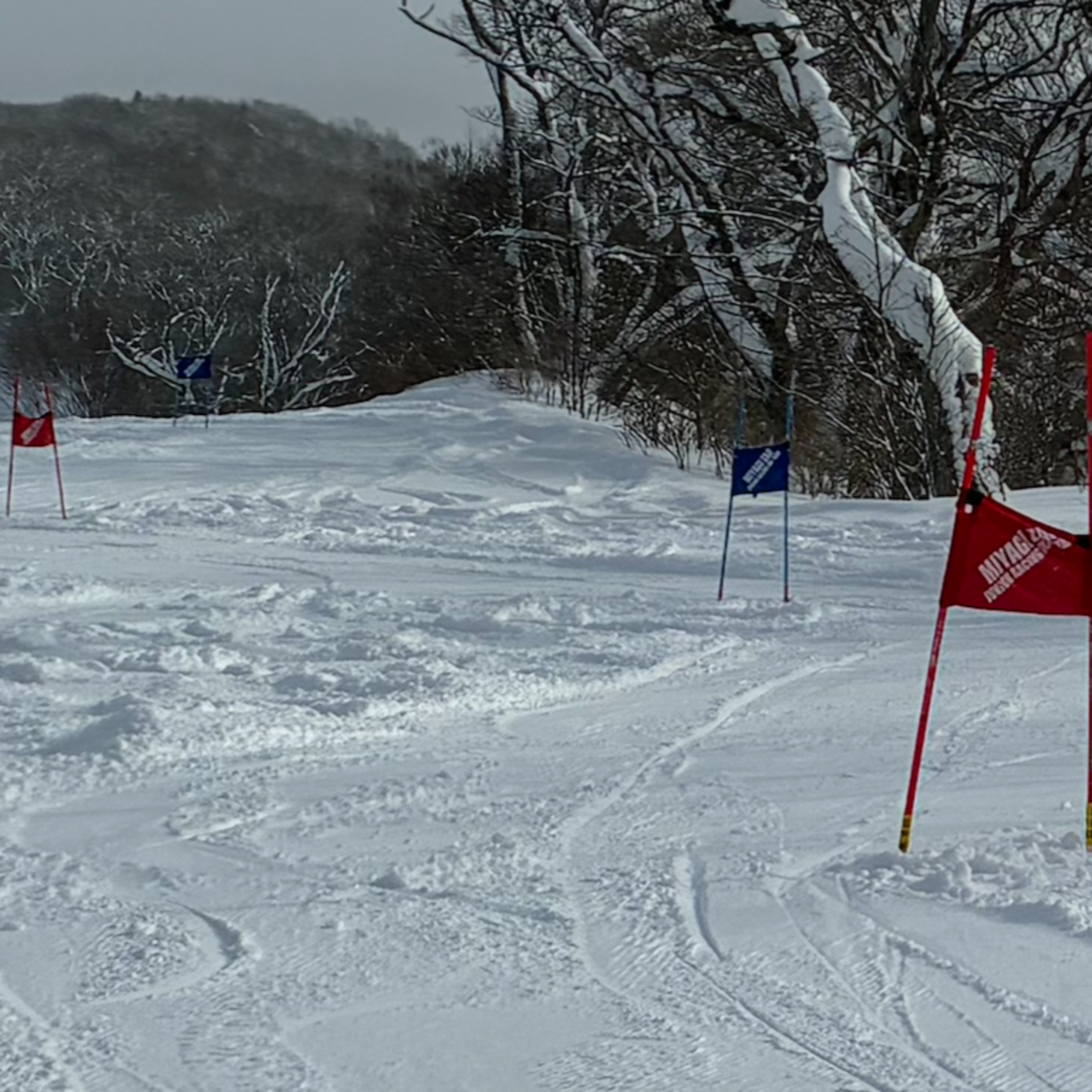 【40代からの再挑戦】SKI国体SL&蔵王トライアスロンに挑戦宣言! |Why I Decided to Compete Again at 44 | A Japanese Amateur Athlete’s Story 09.02.2026 15min🔗 Read Full Transcripts with multi Languages free on HERE! 🎧 Short Description🇯🇵 日本語44歳の中年おじさんが、なぜ再び競技に挑戦するのか?子育て、仕事、PTAするパパが成長するストーリーです!今回は、宣言する話し。SKI国体SLと蔵王トライアスロンへの挑戦を語ります!🇬🇧 EnglishWhy did I decide to compete again at 44?This episode is a real-life story of a Japanese amateur athlete challenging himself again through skiing and triathlon.🇻🇳 Tiếng ViệtTại sao tôi quyết định thi đấu lại ở tuổi 44?Một câu chuyện đời thực về một vận động viên nghiệp dư người Nhật thử thách bản thân một lần nữa.🇵🇭 TagalogBakit ako nagpasiyang muling makipagkumpetensya sa edad na 44?Isang totoong kuwento ng isang Japanese amateur athlete na muling humahamon sa sarili.🎧 Long Description🇯🇵 日本語44歳。仕事があって、家庭があって、PTAの役もあって、「自分のことは後回し」が当たり前になってきた年齢です。朝は子どもの準備、昼は仕事、夕方は習い事の送り迎えや地域の用事。気づけば一日が終わっていて、「今日、自分は何をしたんだろう?」と思うことも増えました。このエピソードでは、そんな生活の中で、なぜあえて国体SLと蔵王トライアスロンという時間も体力も必要な挑戦を選んだのかを話しています。家族の理解やサポートがなければ成り立たないこと、迷惑をかけているかもしれないという葛藤、それでも「やってみたい」と思ってしまった気持ち。これは、何かを成し遂げたいヒーローの話ではありません。家族を大事にしながら、それでも自分自身も諦めたくない。そんな、同じ立場にいるパパ世代・働く大人たちに向けた、等身大の挑戦宣言です。🇬🇧 EnglishAt the age of 44, I decided to compete again.I am not a professional athlete.I am a regular middle-aged man with a full-time job, a family, and physical limitations that come with age.In this episode, I talk honestly about why I chose to challenge myself again through alpine skiing and triathlon in Japan.I also share my fears, doubts, and the small motivations that pushed me to say, “I’ll try one more time.”This is not a story about winning.It’s a story about trying again, even when it feels a little late.🇻🇳 Tiếng ViệtỞ tuổi 44, tôi quyết định thử thách bản thân một lần nữa.Tôi không phải là vận động viên chuyên nghiệp.Tôi có công việc, gia đình và những giới hạn về thể lực như bao người trung niên khác.Trong tập này, tôi chia sẻ một cách chân thành lý do vì sao tôi quyết định quay lại thi đấu thông qua trượt tuyết và triathlon tại Nhật Bản.Tôi cũng nói về nỗi sợ, sự do dự và động lực nhỏ bé đã khiến tôi nghĩ rằng: “Mình thử thêm một lần nữa xem sao.”Đây không phải là câu chuyện về chiến thắng,mà là câu chuyện về việc dám thử lại, dù đã không còn trẻ.🇵🇭 TagalogSa edad na 44, nagpasya akong muling hamunin ang aking sarili.Hindi ako isang propesyonal na atleta.Isa akong karaniwang lalaking nasa gitnang edad na may trabaho, pamilya, at mga limitasyong dulot ng edad.Sa episode na ito, tapat kong ibinabahagi kung bakit ko piniling bumalik sa kompetisyon sa pamamagitan ng skiing at triathlon dito sa Japan.Ikinukuwento ko rin ang aking mga takot, pag-aalinlangan, at ang maliliit na dahilan kung bakit sinabi ko sa sarili ko, “Susubukan ko ulit.”Hindi ito kuwento ng panalo.Ito ay kuwento ng muling pagsubok, kahit medyo huli na.#RealLife #TryingAgain #MiddleAgedAthlete #JapaneseLife #FamilyAndWork#中年おじさん #パパアスリート #仕事と家庭 #PTA#国体 #アルペンスキー #スキー #トライアスロン #蔵王
 -
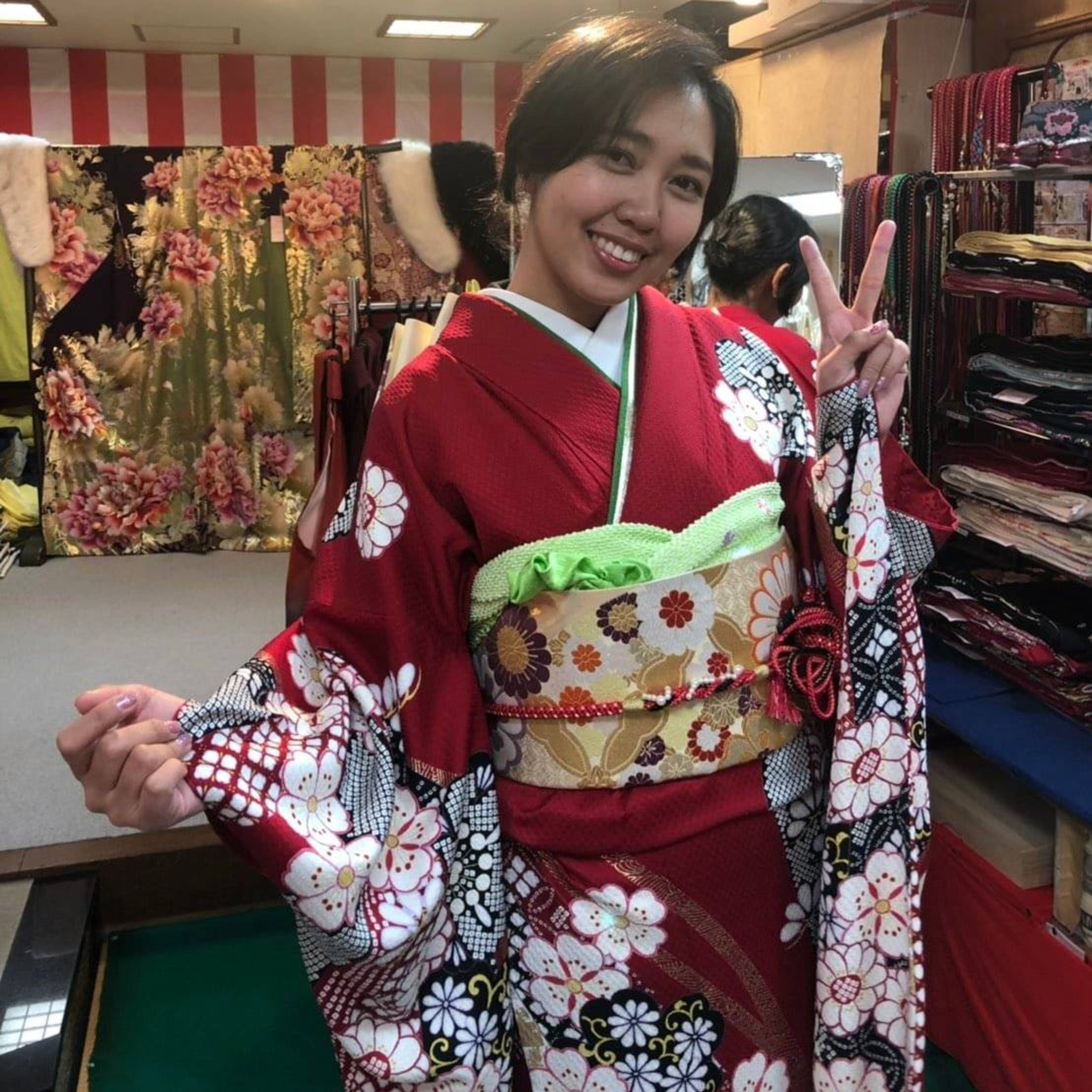 My First Winter in Japan: Quiet Kindness (Final)|日本人のやさしさと冬の旅|Mùa đông đầu tiên ở Nhật Bản: Sự tử tế thầm lặng 05.01.2026 12min🔗 Read Full Transcripts with multi Languages free on HERE! 🎧 Short Description(短文)🇬🇧 EnglishThis is the final episode of My First Winter in Japan.Stefan shares her experience of Japanese kindness, family hospitality, and small moments during her winter trip.🇯🇵 日本語「My First Winter in Japan」最終回です。日本の冬の旅で出会った、日本人のやさしさや家族の温かさについて話しています。🇻🇳 Tiếng ViệtĐây là tập cuối của My First Winter in Japan.Stefan chia sẻ những trải nghiệm ấm áp và sự tử tế của người Nhật trong chuyến đi mùa đông.🇹🇼 繁體中文(台灣)這是《My First Winter in Japan》的最終集。Stefan 分享她在日本冬季旅行中,感受到的溫暖人情與小小的善意。🔗 Read Full Transcripts with multi Languages free on HERE! 📝 Long Description(長文)🇬🇧 EnglishThis is the final episode of the series My First Winter in Japan.In this episode, Stefan talks about her eight-day winter stay in Japan, where she met Japanese friends, experienced local culture, and encountered quiet acts of kindness.She shares stories about being invited to a Japanese family dinner, enjoying everyday activities, and being helped by strangers, such as someone offering to take her photo.This episode reflects on how Japanese kindness is often polite, quiet, and natural.Links to previous episodes are in the description.A full transcript and detailed Japanese explanations are available on my Substack.🇯🇵 日本語このエピソードは、「My First Winter in Japan」シリーズの最終回です。ステファンが日本で8日間過ごした冬の旅について、日本人の友だちとの出会いや、日常の中で感じた小さなやさしさを話しています。日本人の家族に夕食へ招かれた体験や、旅先で写真を撮ってもらった出来事などを通して、日本のやさしさがどのように表れるのかを振り返ります。これまでのエピソードのリンクは概要欄にあります。英語と日本語の全文トランスクリプト、詳しい日本語解説はSubstackに掲載しています。🇻🇳 Tiếng ViệtĐây là tập cuối của series My First Winter in Japan.Trong tập này, Stefan kể về chuyến đi mùa đông 8 ngày tại Nhật Bản, nơi cô gặp gỡ bạn bè người Nhật và cảm nhận những hành động tử tế rất tự nhiên.Cô chia sẻ trải nghiệm được mời ăn tối cùng gia đình người Nhật, tham gia các hoạt động thường ngày và nhận được sự giúp đỡ từ những người xa lạ, như việc được đề nghị chụp ảnh.Tập này cho thấy sự tử tế của người Nhật thường nhẹ nhàng, lịch sự và không phô trương.Link các tập trước có trong phần mô tả.Bản transcript chi tiết bằng tiếng Nhật được đăng trên Substack.🇹🇼 繁體中文(台灣)本集是《My First Winter in Japan》系列的最終回。Stefan 分享她在日本度過八天冬季旅行的經歷,包含與日本朋友相處、體驗在地生活,以及感受到的安靜而自然的善意。她談到被邀請到日本家庭共進晚餐,以及在旅途中遇到陌生人主動幫忙拍照的故事。這一集呈現了日本人溫柔、有禮且低調的體貼方式。過去集數的連結請參考節目說明欄。完整逐字稿與日文詳細解說可在 Substack 上閱讀。#Japan #JapaneseCulture #LifeInJapan #WinterInJapan #JapaneseKindness #JapanTravel #LearnJapanese #FinalEpisode#日本 #日本文化 #日本の冬 #日本旅行 #日本人のやさしさ #日本の生活 #日本語学習 #最終回#NhatBan #VanHoaNhatBan #CuocSongONhat #MuaDongONhat #SuTuTeNguoiNhat #DuLichNhatBan #HocTiengNhat #TapCuoi#日本 #日本文化 #日本生活 #日本的冬天 #日本人的善良 #日本旅行 #日語學習 #最終回
 -
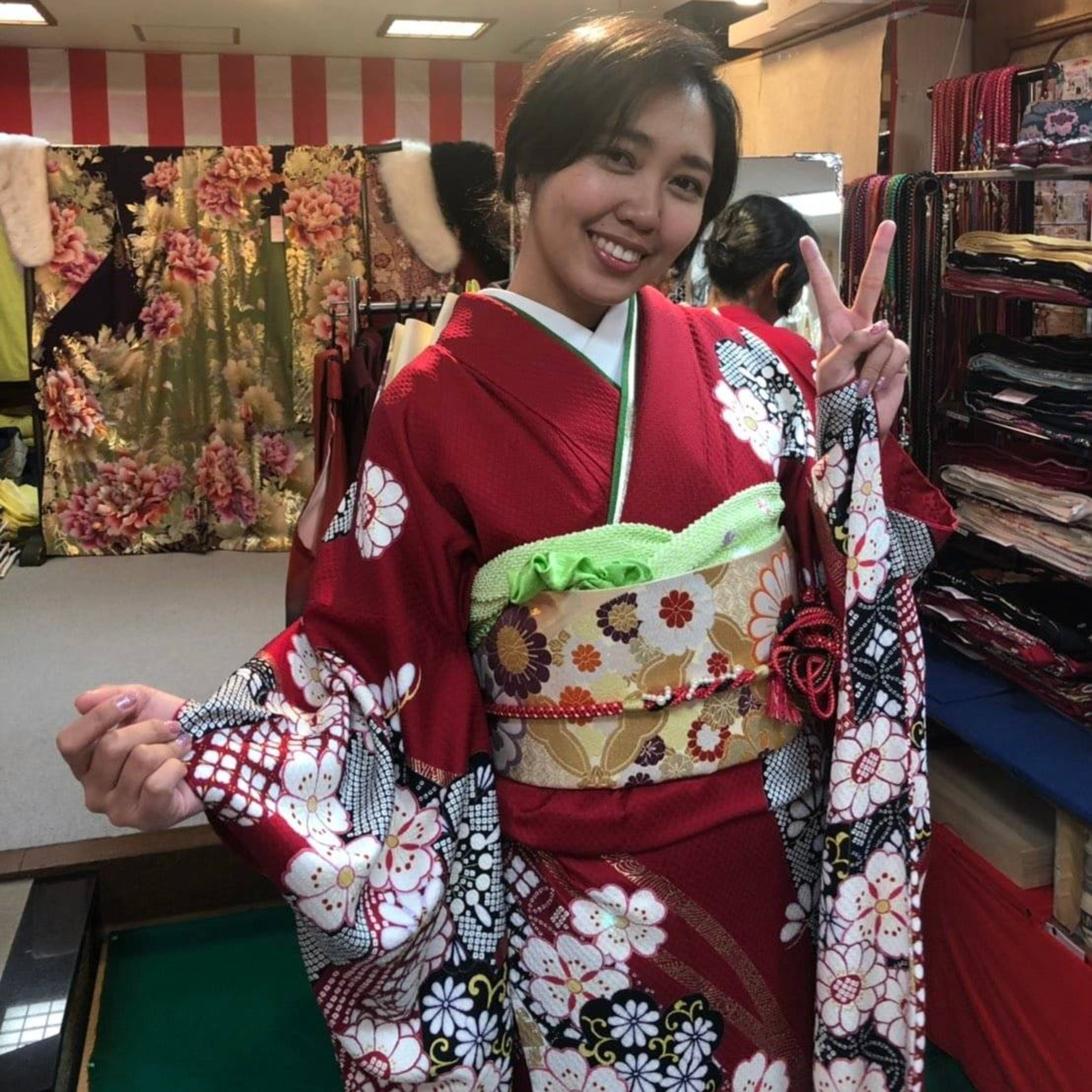 My First Winter in Japan (Ep.2): How I Ask for Help in Nagoya|初めての日本の冬2:日本人に逃げられずに道を聞く方法:Mùa Đông Đầu Tiên Ở Nhật (Tập 2): Cách Tôi Hỏi Đường Ở Nagoya 14.12.2025 7min🔗 Read Full Transcripts with multi Languages free on HERE! 🎧 Short Description🇺🇸 EnglishHow do you ask for help in Japan without being avoided? In Episode 2 of My First Winter in Japan, Stephane shares her real experience asking for directions in Nagoya and why younger Japanese people are often more open to helping foreigners.🇯🇵 日本語日本で「すみません」と言うと逃げられる?名古屋で道を聞いたリアルな体験から、日本人の世代間ギャップと、助けてもらえる聞き方のコツを紹介します。🇻🇳 Tiếng ViệtLàm thế nào để hỏi đường ở Nhật mà không bị né tránh? Trong tập 2, Stephane chia sẻ trải nghiệm thực tế tại Nagoya và sự khác biệt giữa các thế hệ người Nhật khi giúp người nước ngoài.🇹🇼 繁體中文在日本問路時為什麼常被避開?本集分享 Stephane 在名古屋的真實經驗,以及日本年輕世代為何更願意幫助外國人。🔗 Read Full Transcripts with multi Languages free on HERE! 🎧 Long Description🇺🇸 EnglishIn this episode of Slowly Japanese Podcast – Real Life, we continue Stephane’s first winter journey in Japan.When she tried asking for directions in Nagoya, many Japanese people avoided eye contact or walked away quickly after hearing “Sumimasen.”Why does this happen?Stephane and Kaohiong Toby explore the generational gap in Japan, explaining why younger Japanese people are often more open, friendly, and excited to speak English with foreigners—thanks to social media, travel experience, and cultural exposure.You’ll learn:Why some Japanese people avoid helping foreignersHow age and generation affect communication in JapanReal-life tips on how to ask for help in JapanWhy young Japanese often say “It’s fun!” when speaking EnglishThis episode is perfect for Japanese learners, travelers to Japan, and anyone interested in Japanese culture.📖 Full transcripts and Japanese pronunciation guides are available on Substack.Please check the podcast details!🇯🇵 日本語このエピソードでは Slowly Japanese Podcast – Real Life で、ステファンの「初めての日本の冬」シリーズ第2話をお届けします。名古屋で道を聞こうとしたとき、「すみません」と言った瞬間に目を逸らされたり、早足で立ち去られたりする経験をしました。なぜ日本人は助けてくれないように見えるのでしょうか?この回では、日本の世代間ギャップに注目し、若い日本人がなぜ外国人や英語に対してオープンなのかを、実体験をもとに語ります。このエピソードで学べること:日本人が外国人を避けてしまう理由世代による考え方や英語への意識の違い日本で逃げられずに助けを求めるコツ「英語で話すのが楽しい!」と感じる若者たち📖 詳細な文字起こしと日本語の読み方はSubstackで公開中です。ぜひ詳細欄をチェックしてください!🇻🇳 Tiếng ViệtTrong tập này của Slowly Japanese Podcast – Real Life, Stephane tiếp tục chia sẻ hành trình mùa đông đầu tiên tại Nhật Bản.Khi hỏi đường ở Nagoya, nhiều người Nhật tránh ánh mắt hoặc đi nhanh khi nghe từ “Sumimasen”.Tại sao lại như vậy?Tập này nói về sự khác biệt thế hệ ở Nhật Bản và lý do tại sao người Nhật trẻ tuổi thường cởi mở hơn, thích giao tiếp với người nước ngoài và nói tiếng Anh.Bạn sẽ học được:Vì sao người Nhật đôi khi tránh giúp người nước ngoàiSự khác biệt thế hệ trong giao tiếpCách hỏi đường hiệu quả ở Nhật BảnVì sao người trẻ Nhật cảm thấy nói tiếng Anh rất thú vị📖 Bản transcript chi tiết và cách đọc tiếng Nhật có trên Substack.Hãy xem phần mô tả podcast nhé!🇹🇼 繁體中文在本集 Slowly Japanese Podcast – Real Life 中,Stephane 繼續分享她第一次在日本過冬的經驗。在名古屋問路時,當她說出「すみません」,不少日本人卻避開視線、快步離開。為什麼會這樣呢?本集探討日本的世代差異,說明為什麼年輕一代日本人更願意與外國人交流,也更樂於用英語溝通。你將學到:・日本人為何會避開外國人・世代差異如何影響溝通方式・在日本成功問路的小技巧・為什麼年輕日本人覺得用英語聊天很有趣完整逐字稿與日文發音說明請見 Substack。歡迎查看本集詳細資訊!TAGJapanese culture, Learning Japanese, Travel in Japan, Asking for directions, Life in Japan, Japanese communication, Japanese people, Cultural differences, Japan travel tips, Living in Japan, Japanese language podcast, Real life Japanese, Nagoya travel, Japan first trip, Japanese society日本語学習, やさしい日本語, 日本文化, 日本旅行, 日本での生活, 道の聞き方, 日本人の性格, 世代間ギャップ, 名古屋, 外国人の日本体験, 英語と日本語, ポッドキャスト, 実体験, 異文化理解Học tiếng Nhật, Văn hóa Nhật Bản, Du lịch Nhật Bản, Cuộc sống ở Nhật, Hỏi đường ở Nhật, Người Nhật, Khác biệt văn hóa, Giao tiếp tiếng Nhật, Podcast học tiếng Nhật, Trải nghiệm Nhật Bản, Du học Nhật, Người nước ngoài tại Nhật日語學習, 日本文化, 日本旅遊, 在日本生活, 日本問路, 日本人, 文化差異, 日語會話, 日語學習Podcast, 日本生活體驗, 外國人在日本, 名古屋旅遊🔗 Read Full Transcripts with multi Languages free on HERE!
 -
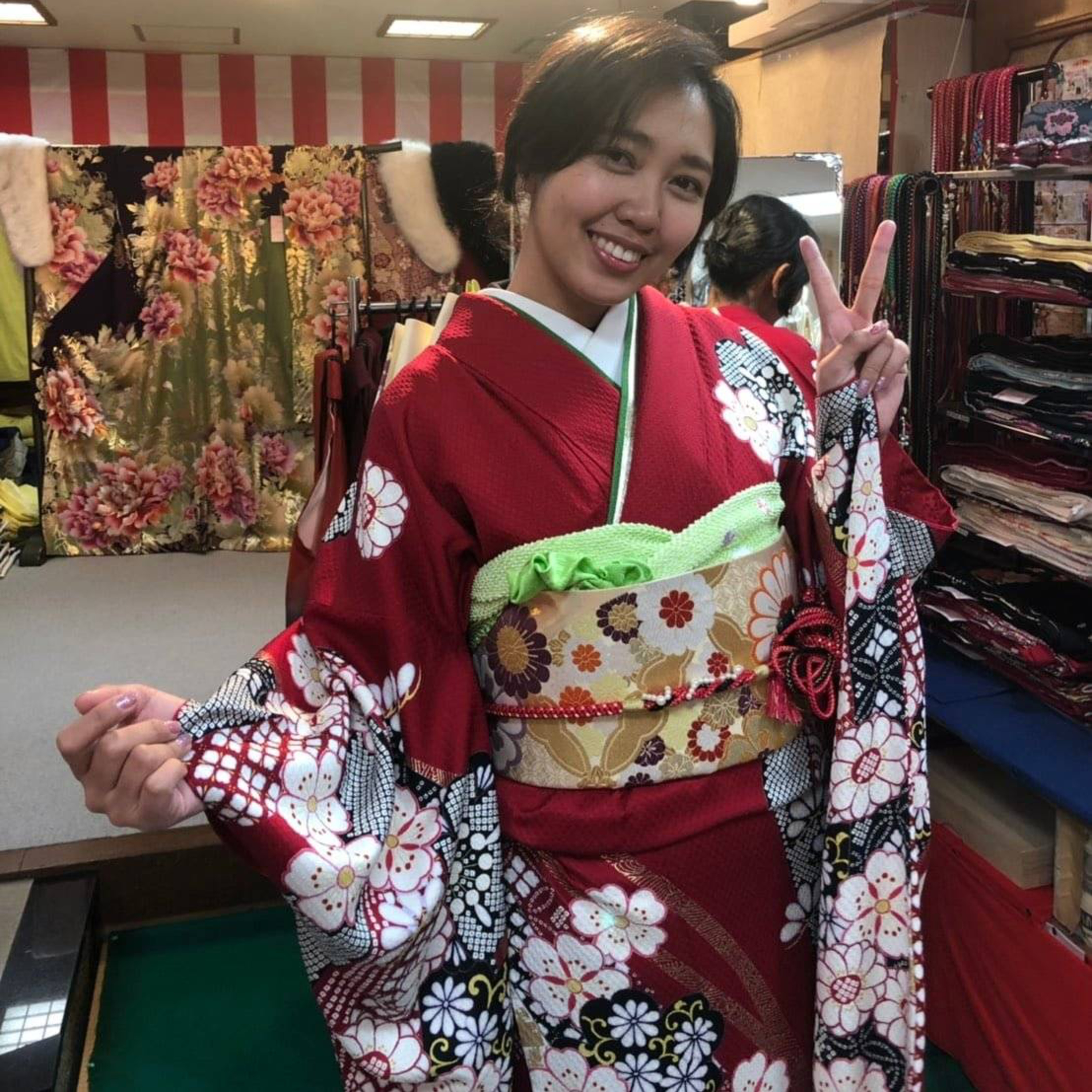 My First Winter in Japan: Filipino Teacher’s Trip Story in Nagoya・初めての日本の冬 ― フィリピン人英語教師ステファニーの名古屋旅行記・Mùa đông đầu tiên của tôi ở Nhật Bản – Câu chuyện du lịch tại Nagoya của cô giáo người Philippines 07.11.2025 11minShort Descriptions🇬🇧 EnglishMy First Winter in Japan: A Filipino Teacher’s Travel Story in Nagoya.Join Stephanie, a Filipino English teacher, as she shares her first-ever trip to Japan — how she survived the cold winter in Nagoya and her travel tips for tropical visitors dreaming of Japan!👉 Keywords: Japan travel, Nagoya, Filipino, winter tips, cultural experience🇻🇳 Tiếng ViệtMùa đông đầu tiên của tôi ở Nhật Bản – Câu chuyện du lịch tại Nagoya của cô giáo người Philippines.Stephanie chia sẻ chuyến đi đầu tiên đến Nhật Bản, cách cô ấy vượt qua cái lạnh ở Nagoya và những bí quyết hữu ích cho người đến từ xứ nhiệt đới muốn khám phá du lịch Nhật Bản!👉 Từ khóa: du lịch Nhật Bản, Nagoya, người Philippines, mùa đông, kinh nghiệm du lịch.🇯🇵 日本語フィリピン人英語教師ステファニーさんが語る、初めての日本旅行 ― 名古屋の冬体験。初めて日本を訪れたステファニーさんが、名古屋の寒い冬をどう乗り越えたのか、そして南国出身の旅行者に向けた日本旅行のアドバイスを紹介します。👉 キーワード:日本旅行, 名古屋, 冬, フィリピン人, 旅行のコツ, 文化体験🇹🇼 繁體中文我在日本的第一個冬天 — 菲律賓英語老師在名古屋的旅遊故事。來自菲律賓的英語老師 Stephanie 分享她第一次到日本的經歷,描述她如何在名古屋寒冷的冬天生存下來,並提供給熱帶地區旅客的日本旅遊建議!👉 關鍵字:日本旅遊, 名古屋, 菲律賓人, 冬季旅行, 文化體驗🔗 Read Full Transcripts with multi Languages on Substack! Free!Long Description 🇬🇧 EnglishStephanie, a Filipino English teacher, shares her very first travel experience in Japan.In this episode, she talks about her first winter in Nagoya — a season that felt much colder than she ever imagined.Coming from a tropical country, Stephanie was surprised by Japan’s winter weather, daily life, and cultural differences. She shares how she prepared (and what she didn’t expect), what she learned from traveling in Nagoya, and practical tips for visitors from warm climates who are planning to visit Japan for the first time.This episode is perfect for anyone interested in Japan travel, cultural experiences, or real-life stories from foreign visitors discovering Japan for the first time.👉 Keywords: Japan travel, Nagoya, Filipino, winter in Japan, travel tips, cultural experience🇻🇳 Tiếng ViệStephanie, một giáo viên tiếng Anh người Philippines, chia sẻ trải nghiệm du lịch Nhật Bản đầu tiên trong đời.Trong tập này, cô kể về mùa đông đầu tiên tại Nagoya — lạnh hơn rất nhiều so với những gì cô từng tưởng tượng.Là người đến từ vùng nhiệt đới, Stephanie đã rất bất ngờ trước thời tiết mùa đông, sinh hoạt hằng ngày và sự khác biệt văn hóa ở Nhật Bản. Cô chia sẻ những điều đã chuẩn bị, những điều không ngờ tới, cùng các kinh nghiệm thực tế dành cho những ai sống ở vùng nóng và đang lên kế hoạch du lịch Nhật Bản.Tập podcast này phù hợp với những người yêu thích du lịch Nhật Bản, tìm hiểu văn hóa, hoặc muốn nghe những câu chuyện đời thực từ góc nhìn của người nước ngoài.👉 Từ khóa: du lịch Nhật Bản, Nagoya, người Philippines, mùa đông ở Nhật, kinh nghiệm du lịch, trải nghiệm văn hóa🇯🇵 日本語フィリピン出身の英語教師・ステファニーさんが語る、人生で初めての日本旅行。このエピソードでは、南国育ちの彼女が体験した「名古屋の冬」と、日本でのリアルな旅のエピソードをお届けします。「日本には四季がある」と聞いてはいたものの、実際に体験した冬の寒さは想像以上。なぜ寒く感じたのか、どんな準備が必要だったのか、そして日本での生活や文化の違いについて、外国人旅行者の視点から率直に語ります。これから日本旅行を考えている方、特にフィリピンや東南アジアなど温暖な地域出身の方にとって役立つ、実体験に基づいた内容です。👉 キーワード:日本旅行、名古屋、フィリピン人、冬の日本、旅行のコツ、文化体験🇹🇼 繁體中文菲律賓籍英語教師 Stephanie 分享她人生中第一次的日本旅行體驗。在本集節目中,她談到自己第一次在名古屋度過的冬天——比她想像中還要寒冷。來自熱帶地區的 Stephanie,對日本冬天的氣候、日常生活以及文化差異感到十分驚訝。她將分享旅途中準備了什麼、哪些事情出乎意料,以及給來自溫暖地區、計畫前往日本旅行者的實用建議。本集內容適合對日本旅遊、文化體驗,以及外國人真實視角故事感興趣的聽眾收聽。👉 關鍵字:日本旅遊、名古屋、菲律賓人、日本的冬天、旅遊建議、文化體驗
 -
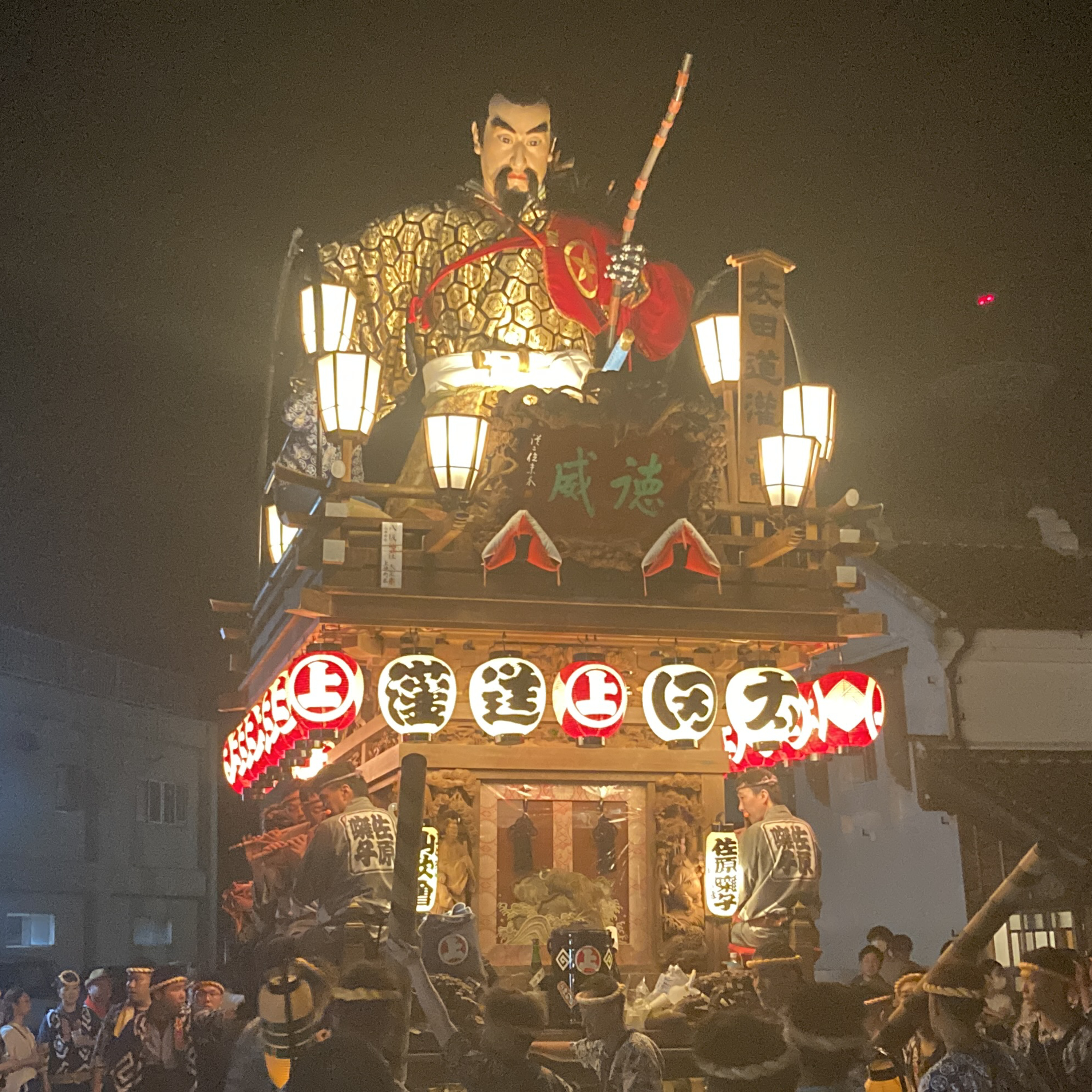 🇯🇵佐原の大祭|太鼓と笛で奏でる300年以上の歴史 🇬🇧The Great Sawara Festival | Over 300 Years of Drums and Flutes 05.10.2025 7min🔗 Read more and see photos/videos on Substack!🎧 Episode Overview🇬🇧 English:Discover the Sawara Festival in Katori City, Chiba, Japan! 🎎 Over 300 years of history, featuring majestic floats, taiko drums, and the lively Sawara-bayashi. I’ll share my childhood memories and the festival’s vibrant atmosphere.🇻🇳 Tiếng Việt:Khám phá Lễ hội Sawara tại thành phố Katori, tỉnh Chiba, Nhật Bản! 🎎 Hơn 300 năm lịch sử, với những xe diễu hành tráng lệ, trống taiko, và âm điệu sôi động Sawara-bayashi. Tôi sẽ chia sẻ kỷ niệm tuổi thơ và không khí náo nhiệt của lễ hội.🇹🇼 繁體字:探索位於日本千葉縣香取市的佐原祭!🎎 擁有超過300年的歷史,特色包括華麗的山車、太鼓鼓聲以及熱鬧的佐原囃子。我將分享童年的回憶以及節日熱烈的氛圍。🎧 Long Description (Spotify)Join me on a journey to the Sawara Festival in Katori City, Chiba, Japan – a traditional festival with over 300 years of history! 🎎The festival features grand floats, the energetic rhythms of taiko drums, and the lively Sawara-bayashi, played on both drums and flutes 🎶. As a child, I watched the festival from my uncle’s shoulders, feeling the excitement and festive sounds deep in my heart.Held in summer and autumn, the Sawara Festival continues to attract locals and visitors alike. In this episode, I’ll share my memories, describe the festival’s atmosphere, and guide you through its rich history and traditions.For more photos, videos, and detailed information, check out my Substack!🔗 Read more and see photos/videos on Substack!#SawaraFestival #JapaneseFestival #ChibaJapan #Taiko #Flute #SawaraBayashi #TraditionalCulture #TravelJapan #CulturalHeritage
 -
 Lake Inawashiro Camping in Fukushima | Koishigahama: Safe, Affordable, 80-Year-Old Camp History猪苗代湖で最安&安全!泳げる小石ヶ浜キャンプ場で3代目オーナーから聞いたストーリー 23.09.2025 6min🎯 Short Description 🇺🇸 English:Discover Koishigahama Campground at Lake Inawashiro, Fukushima – safe, affordable, and perfect for solo campers or families. Meet the 3rd-generation owner and hear stories from 80 years of history. Swim, relax, and enjoy nature in a quiet lakeside setting.🇻🇳 Tiếng Việt:Khám phá khu cắm trại Koishigahama tại Hồ Inawashiro, Fukushima – an toàn, giá rẻ và lý tưởng cho cả solo camper và gia đình. Gặp gỡ chủ sở hữu đời thứ 3 và nghe những câu chuyện 80 năm lịch sử. Bơi lội, thư giãn và tận hưởng thiên nhiên bên bờ hồ yên tĩnh.🇯🇵 日本語:福島県猪苗代湖の小石ヶ浜キャンプ場へようこそ。安全で安価、ソロキャンパーや家族連れに最適です。3代目オーナーから聞く80年の歴史の物語。静かな湖畔で泳ぎ、自然を満喫できます。Full Description 🇺🇸 English:Koishigahama Campground, located at Lake Inawashiro in Fukushima, is one of the rare swimming-friendly lakeside campsites in the region. With a history spanning over 80 years, this campground is managed by the 3rd-generation owner who loves sharing stories from the past, including the 1980s camping boom and the original “Kinka Stone” placed on a giant rock.Now, it’s perfect for solo campers seeking quiet reflection, or families enjoying safe, shallow swimming areas marked with buoys in summer. Motorized boats are prohibited, ensuring a peaceful experience. The site is easily accessible, just a 10-minute drive from the Inawashiro-Bandai Kogen Interchange. Vehicles with a tent and one person are only 1,800 yen, probably the lowest in the area. Nearby, visitors can access local amenities like Tokayu Onsen or convenience stores within 10–20 minutes by car.Whether you want to swim, photograph the scenic lake, or hear firsthand stories from the friendly owner, Koishigahama offers a unique, memorable experience in Fukushima’s beautiful outdoors.🇻🇳 Tiếng Việt:Khu cắm trại Koishigahama tại Hồ Inawashiro, Fukushima là một trong số ít những điểm cắm trại ven hồ có thể bơi được trong khu vực. Với lịch sử hơn 80 năm, khu cắm trại được quản lý bởi chủ sở hữu đời thứ 3, người yêu thích kể những câu chuyện từ quá khứ, bao gồm thời kỳ bùng nổ cắm trại thập niên 1980 và “Đá Kinka” ban đầu đặt trên một tảng đá khổng lồ.Hiện nay, nơi đây lý tưởng cho các solo camper muốn tĩnh lặng và suy ngẫm, hoặc các gia đình tận hưởng vùng nước nông an toàn có phao đánh dấu vào mùa hè. Các loại thuyền có động cơ bị cấm, đảm bảo trải nghiệm yên tĩnh. Khu cắm trại dễ tiếp cận, chỉ cách Trạm thu phí Inawashiro-Bandai Kogen khoảng 10 phút lái xe. Xe ô tô với lều và 1 người chỉ 1.800 yên, có lẽ rẻ nhất trong khu vực. Gần đó, du khách có thể tiếp cận các tiện ích địa phương như suối nước nóng Tokayu hoặc cửa hàng tiện lợi trong vòng 10–20 phút lái xe.Dù bạn muốn bơi, chụp ảnh hồ đẹp, hay nghe trực tiếp câu chuyện từ chủ sở hữu thân thiện, Koishigahama mang đến trải nghiệm độc đáo và đáng nhớ giữa thiên nhiên tuyệt đẹp của Fukushima.🇯🇵 日本語:福島県猪苗代湖にある小石ヶ浜キャンプ場は、湖で泳げる数少ないキャンプ場のひとつです。80年以上の歴史を持ち、現在は3代目オーナーが管理。1980年代のキャンプブームや、巨石の上に置かれた「金華石」の話など、オーナーから直接聞ける貴重なストーリーがあります。現在は、静かな湖畔で自然と向き合いたいソロキャンパーや、夏季にブイで安全に遊泳できる遠浅の湖で家族連れに最適です。モーターボートは禁止され、落ち着いた環境で楽しめます。猪苗代磐梯高原インターチェンジから車で約10分、車1台とテント1張り1名で1,800円と、周辺ではおそらく最安です。近隣には土湯温泉やコンビニも10〜20分でアクセス可能。泳ぎ、湖の景色を写真に収め、親切なオーナーとの出会いを楽しむ――小石ヶ浜キャンプ場は福島の自然の中で特別な体験を提供します。
 -
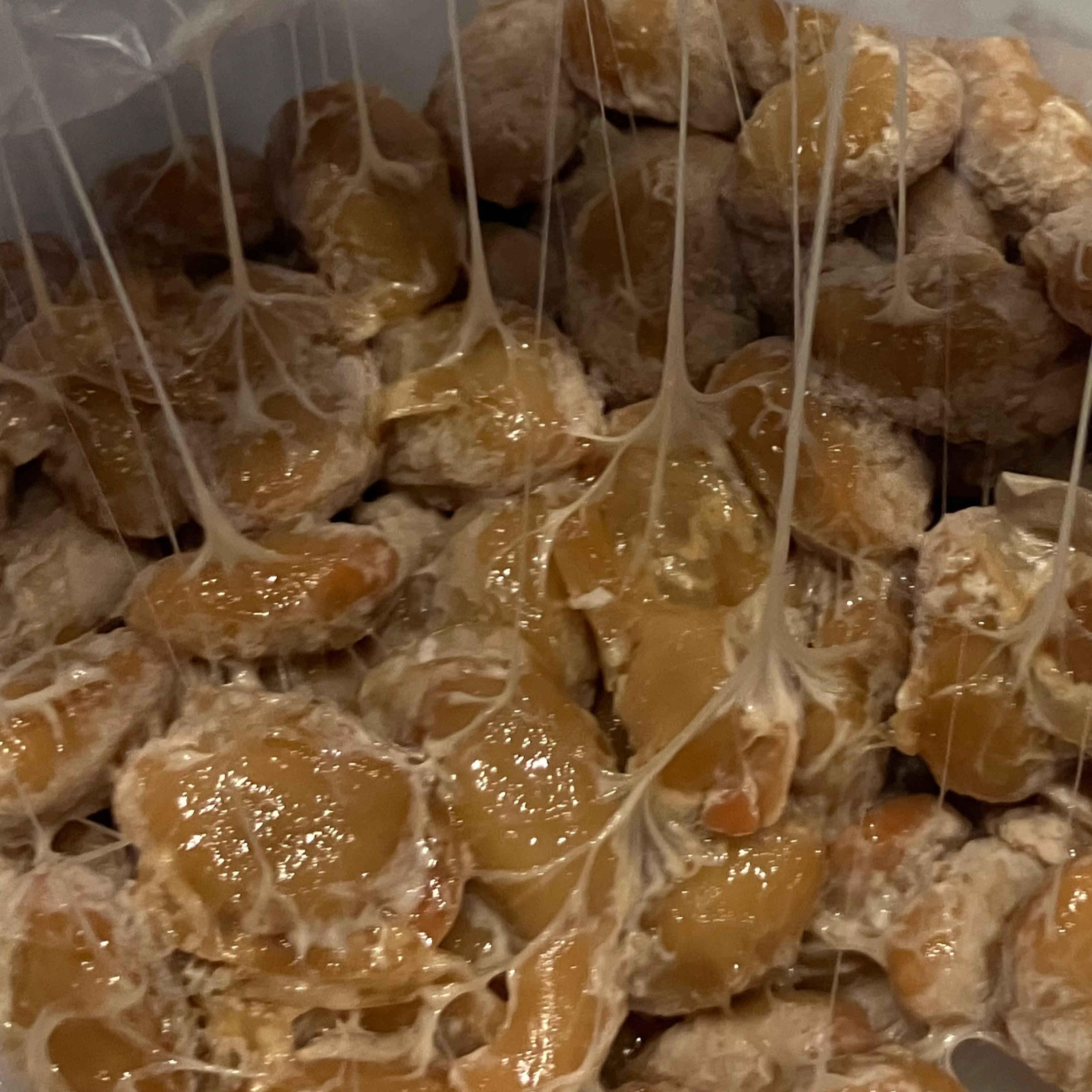 🇯🇵 納豆の健康効果|日本の発酵食品と腸活 🇬🇧 Natto Health Benefits | Japanese Fermented Food & Gut Health 🇻🇳 Lợi Ích Sức Khỏe Của Natto | Món Ăn Lên Men Nhật Bản 13.09.2025 3minShort Description🇯🇵 日本の発酵食品「納豆」の腸活・免疫力アップ・健康効果を学ぼう。🇬🇧 Learn about Natto, the Japanese fermented food, its gut health, immunity boost, and overall benefits.🇻🇳 Tìm hiểu Natto – món ăn lên men Nhật Bản, lợi ích cho đường ruột, tăng cường miễn dịch và sức khỏe tổng thể.🔗LINKSMore details and Full Transcripts! HEREChi tiết hơn và toàn bộ bản chép lời! TẠI ĐÂYさらに詳しく話や台本はこちらから!Long Description🇯🇵このエピソードでは、日本の伝統的な発酵食品「納豆」について詳しく解説します。ネバネバの正体は「納豆菌」という微生物で、消化を助け、免疫力を高め、腸内環境を整える働きがあります。一見腐ったように見えるのに健康に良いという逆説は、海外の人にとって驚きかもしれません。Substackブログでは、短い日本語の発音も聞けます。リンクはこのポッドキャストの詳細にあります。SEOキーワード: 納豆, 発酵食品, 日本食, 腸活, 免疫力アップ, 健康, Natto, Learn Japanese🇬🇧In this episode, we explore Natto, a traditional Japanese fermented food.The stickiness comes from natto bacteria, which aid digestion, boost immunity, and support gut health.It may look “spoiled,” but it’s actually very healthy—a paradox that might surprise people from other countries.Check my Substack blog to listen to each short Japanese word pronunciation. Link in podcast details.SEO keywords: Natto, Fermented Food, Japanese Food, Gut Health, Immunity Boost, Health, Learn Japanese🇻🇳Trong tập này, chúng ta tìm hiểu Natto – món ăn lên men truyền thống của Nhật Bản.Phần dính của Natto đến từ vi khuẩn natto, giúp tiêu hóa, tăng cường miễn dịch và duy trì sức khỏe đường ruột.Mặc dù trông có vẻ “hỏng,” nhưng thực ra rất tốt cho sức khỏe – một nghịch lý có thể khiến người nước ngoài ngạc nhiên.Truy cập blog Substack của tôi để nghe phát âm từng từ tiếng Nhật ngắn. Link có trong chi tiết podcast.Từ khóa SEO: Natto, Thực phẩm lên men, Món ăn Nhật Bản, Đường ruột, Tăng cường miễn dịch, Sức khỏe, Học tiếng Nhật🔗LINKSMore details and Full Transcripts! HEREChi tiết hơn và toàn bộ bản chép lời! TẠI ĐÂYさらに詳しく話や台本はこちらから #納豆 #発酵食品 #日本食 #腸活 #免疫力アップ #健康 #Natto #LearnJapanese #SlowlyJapanese#Natto #FermentedFood #JapaneseFood #GutHealth #ImmunityBoost #Health #LearnJapanese #SlowlyJapanese#Natto #ThucPhamLenMen #AmAnNhatBan #DuongRuot #TangCuongImmun #SucKhoe #HocTiengNhat #SlowlyJapanese
 -
Ignite Your Heart in Aging! – Rengoku Episode 2/老(お)いるからこそ心(こころ)を燃(も)やせ!〜煉獄Episode 2〜 10.09.2025 4min🔹 Short Description🇬🇧 English:Ignite your heart in aging and discover passion beyond the years in Rengoku Episode 2!🇻🇳 Vietnamese:Thắp sáng trái tim bạn khi tuổi già đến và khám phá đam mê vượt thời gian trong Rengoku Tập 2!🇯🇵 Japanese:老いるからこそ、心を燃やせ!煉獄Episode 2で年齢を超えた情熱を感じよう。🔗LINKSMore details and Full Transcripts! HEREChi tiết hơn và toàn bộ bản chép lời! TẠI ĐÂYさらに詳しく話や台本はこちらから!🔹 Long Description (約3〜5文)🇬🇧 English:Aging is not the end — it’s a chance to ignite your heart and live with passion! In Rengoku Episode 2, we explore stories and insights that inspire courage, joy, and meaning in every stage of life. Tune in to rediscover your fire and embrace the journey of growing older with vitality.🇻🇳 Vietnamese:Tuổi già không phải là kết thúc — đó là cơ hội để thắp sáng trái tim và sống với đam mê! Trong Rengoku Tập 2, chúng tôi khám phá những câu chuyện và hiểu biết truyền cảm hứng về lòng dũng cảm, niềm vui và ý nghĩa trong mọi giai đoạn của cuộc sống. Hãy lắng nghe để tìm lại ngọn lửa của bạn và đón nhận hành trình trưởng thành với năng lượng tràn đầy.🇯🇵 Japanese:老いることは終わりではなく、心を燃やし、情熱的に生きるチャンスです。煉獄Episode 2では、人生のあらゆる段階で勇気や喜び、意味を見つけるストーリーや気づきを紹介します。自分の情熱を再発見し、元気に歳を重ねる旅に出かけましょう。🔗LINKSMore details and Full Transcripts! HEREChi tiết hơn và toàn bộ bản chép lời! TẠI ĐÂYさらに詳しく話や台本はこちらから!
-
Kids Cafeteria × Tag Rugby】Bringing Showa-Era Play to Kids! 【子ども食堂×スポーツ鬼ごっこ】昭和の遊びを令和の子供達に届けたい! 10.09.2025 4min🎧 Short Description🇯🇵 日本語:昭和の子ども時代の思い出から生まれた、地域で楽しむ子ども無料イベント!スポーツ鬼ごっこで遊び、みんなでランチを楽しもう。🇺🇸 English:Inspired by my childhood, join a Community Kids Event! Play Sports Tag Game and enjoy free lunch together.🇻🇳 Tiếng Việt:Lấy cảm hứng từ tuổi thơ của tôi, tham gia Sự kiện Trẻ em Cộng đồng! Chơi trò Thẻ Thể thao và thưởng thức bữa trưa miễn phí.🇧🇷 Português:Inspirado na minha infância, participe do Evento Comunitário Infantil! Jogue Jogo da Bandeira e aproveite o almoço gratuito.🔗LINKSMore details and Full Transcripts! HEREさらに詳しく話や台本はこちらから!📖 Long Description🇯🇵 日本語:「スローリージャパン ポッドキャスト」へようこそ!昭和の頃、私はドロケイやキャンプ、自転車で山を駆け降り、夜のバンガローで怖くて漏らしたり、カブトムシや蛇を捕まえたり。そんな冒険が宝物です。令和の今、子どもたちはゲームやスマホ中心で外で遊ぶ機会が少なくなりました。そこで子ども食堂+スポーツ鬼ごっこを通じ、世代や家庭の経済状況に関係なく、みんなで遊び、笑い、食事を楽しめる場を作ります。詳細や応援はSubstackでチェック!今週金曜8PM EDT / 土曜9AM JSTにはQuick Japanese Friday ZOOMイベントも開催。Weird Foodを1分で紹介します。🇺🇸 English:Welcome to Slowly Japanese Podcast! Back in Showa days, I played cops-and-robbers, went camping, and rode bikes down mountains. I even wet myself in a dark bungalow and caught beetles and snakes—those adventures are my treasures.Today, kids spend most time on games and smartphones. This event combines a kids’ café with Sports Tag Game, creating a space for all generations to play, laugh, and enjoy meals together.Learn more or support on Substack!Join Quick Japanese Friday ZOOM this Fri 8PM EDT / Sat 9AM JST—share Weird Food in 1 minute.🇻🇳 Tiếng Việt:Chào mừng đến với Slowly Japanese Podcast!Ngày xưa, tôi chơi trò Cảnh sát và Trộm, đi cắm trại, đạp xe xuống núi. Tôi còn tè trong lều tối và bắt bọ cánh cứng, rắn—những cuộc phiêu lưu ấy là kho báu của tôi.Ngày nay, trẻ em dành nhiều thời gian cho trò chơi và điện thoại. Sự kiện này kết hợp nhà ăn trẻ em và Trò chơi Thẻ Thể thao, tạo không gian cho mọi thế hệ chơi, cười và ăn cùng nhau.Xem chi tiết và hỗ trợ trên Substack!Tham gia Quick Japanese Friday ZOOM Thứ Sáu 8PM EDT / Thứ Bảy 9AM JST—giới thiệu Weird Food trong 1 phút.🇧🇷 Português:Bem-vindo ao Slowly Japanese Podcast!Nos dias de Showa, eu jogava polícia e ladrão, acampava e descia montanhas de bicicleta. Até molhei a cama em um bangalô escuro e peguei besouros e cobras—essas aventuras são meu tesouro.Hoje, crianças passam a maior parte do tempo em jogos e smartphones. Este evento combina café infantil e Jogo da Bandeira, criando espaço para todas as gerações brincarem, rirem e comerem juntos.Saiba mais ou apoie no Substack!Participe do Quick Japanese Friday ZOOM Sexta 20h EDT / Sábado 9h JST—apresente Weird Food em 1 minute.🔗LINKSMore details and Full Transcripts! HEREさらに詳しく話や台本はこちらから!#子どもイベント #スポーツ鬼ごっこ #コミュニティ活動 #地域活性化 #子ども食堂 #昭和の遊び #体を動かす #親子イベント #アウトドア遊び #遊び体験 #KidsEvent #CommunityKidsEvent #SportsTagGame #OutdoorPlay #FamilyActivity #FunForKids #PlayAndLearn #ChildhoodMemories #CommunitySupport #HealthyKids #SuKienTreEm #TroChoiTheThao #ChoiNgoaiTroi #SuKienCongDong #HoTroTreEm #EventoInfantil #JogoDaBandeira #BrincarAoArLivre #AtividadeParaCriancas #ComunidadeInfantil
-
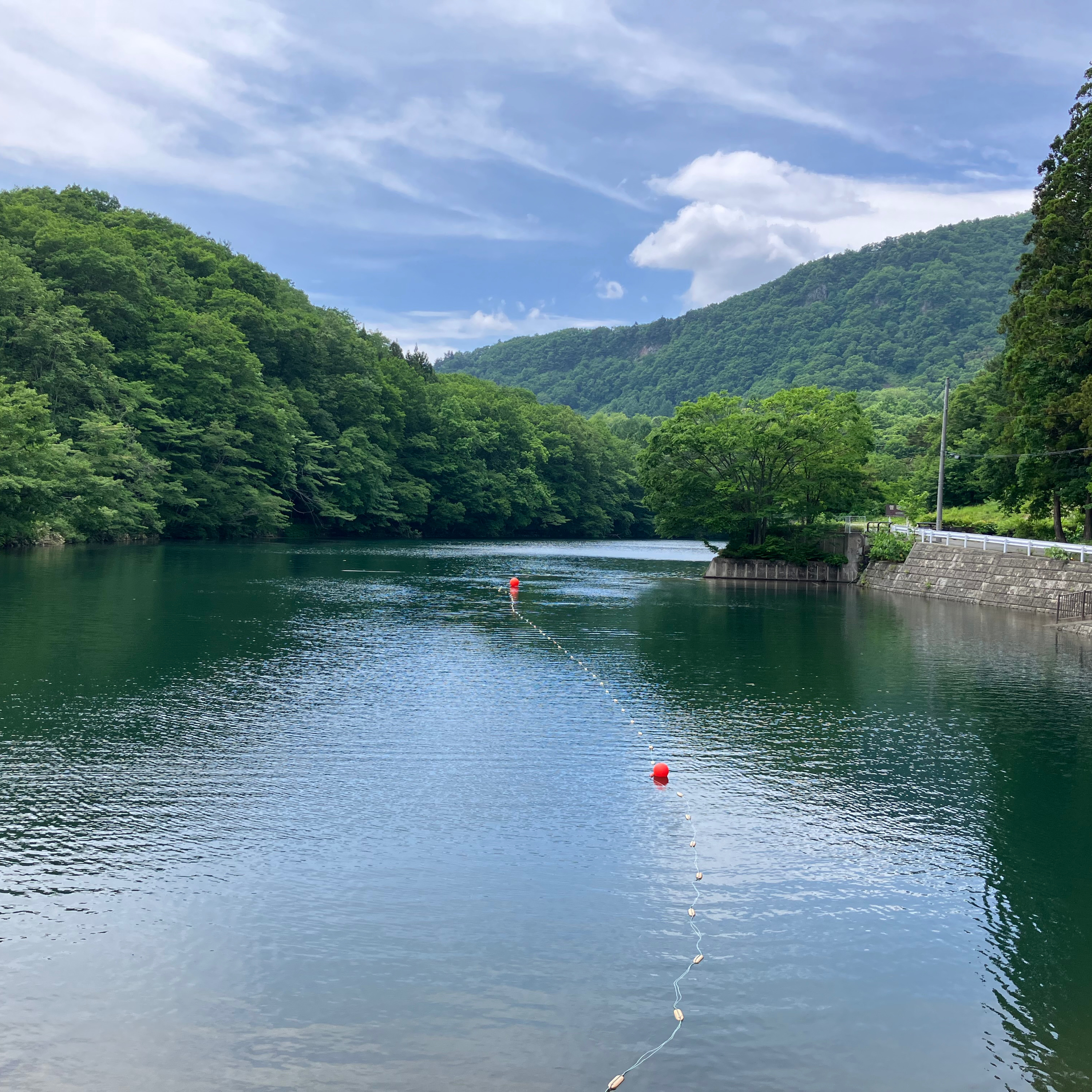
 Learn Japanese with Demon Slayer Quote: “Even If You Lose, Keep Living" 03.09.2025 8min🇺🇸 Learn Japanese with Demon Slayer (Kimetsu no Yaiba): Tanjiro Kamado’s quote “Even if you lose, keep living.” Practice Japanese expressions, hear real-life stories, and understand the meaning behind Tanjiro’s words.🇻🇳 Học tiếng Nhật cùng Demon Slayer (Kimetsu no Yaiba): câu nói của Tanjiro Kamado “Dù mất đi bao lần, vẫn phải sống tiếp.” Luyện tập các biểu hiện tiếng Nhật, nghe câu chuyện đời thực và hiểu ý nghĩa lời nói của Tanjiro.🇯🇵 鬼滅の刃(Demon Slayer)の炭治郎(Tanjiro Kamado)の言葉「失(うしな)っても失(うしな)っても生(い)きていくしかないんです」で日本語を学ぼう。日本語表現を練習し、実話のストーリーを聞き、炭治郎の言葉の意味を理解できます。🇺🇸 In this episode, we explore Tanjiro Kamado’s words from Demon Slayer (Kimetsu no Yaiba): “Even if you lose, keep living.” I share my personal experiences losing several loved ones at 18–19 years old, and how crying and remembering them helped me find the strength to move forward.We also explain the story behind Muichiro Tokito, the Mist Hashira, and how Tanjiro’s words comfort him. Learn Japanese expressions, cultural insights, and the deeper meaning of these phrases from Demon Slayer.🇻🇳 Trong tập này, chúng ta tìm hiểu câu nói của Tanjiro Kamado từ Demon Slayer (Kimetsu no Yaiba): “Dù mất đi bao lần, vẫn phải sống tiếp.” Tôi chia sẻ trải nghiệm cá nhân khi mất nhiều người thân ở tuổi 18–19, và cách khóc và nhớ về họ giúp tôi tìm thấy sức mạnh để tiến lên.Chúng ta cũng giải thích câu chuyện về Muichiro Tokito, Mist Hashira, và cách Tanjiro an ủi cậu ấy bằng lời nói của mình. Học biểu hiện tiếng Nhật, hiểu văn hóa và ý nghĩa sâu sắc từ Demon Slayer.🇯🇵 今回のエピソードでは、鬼滅の刃(Kimetsu no Yaiba)の竈門炭治郎(かまどたんじろう)の言葉「失(うしな)っても失(うしな)っても生(い)きていくしかないんです」を取り上げます。18〜19歳の頃に大切な人を立て続けに失った私の体験を共有し、泣き、思い出すことで前向きに生きる力を得た話をします。霞柱・時透無一郎の背景や、炭治郎の言葉がどのように彼を慰めたかも解説。鬼滅の刃を通して日本語表現、文化的背景、炭治郎の言葉の深い意味を学べます。🔗LINKSMore details and Full Transcripts! HEREさらに詳しく話や台本はこちらから!
 -
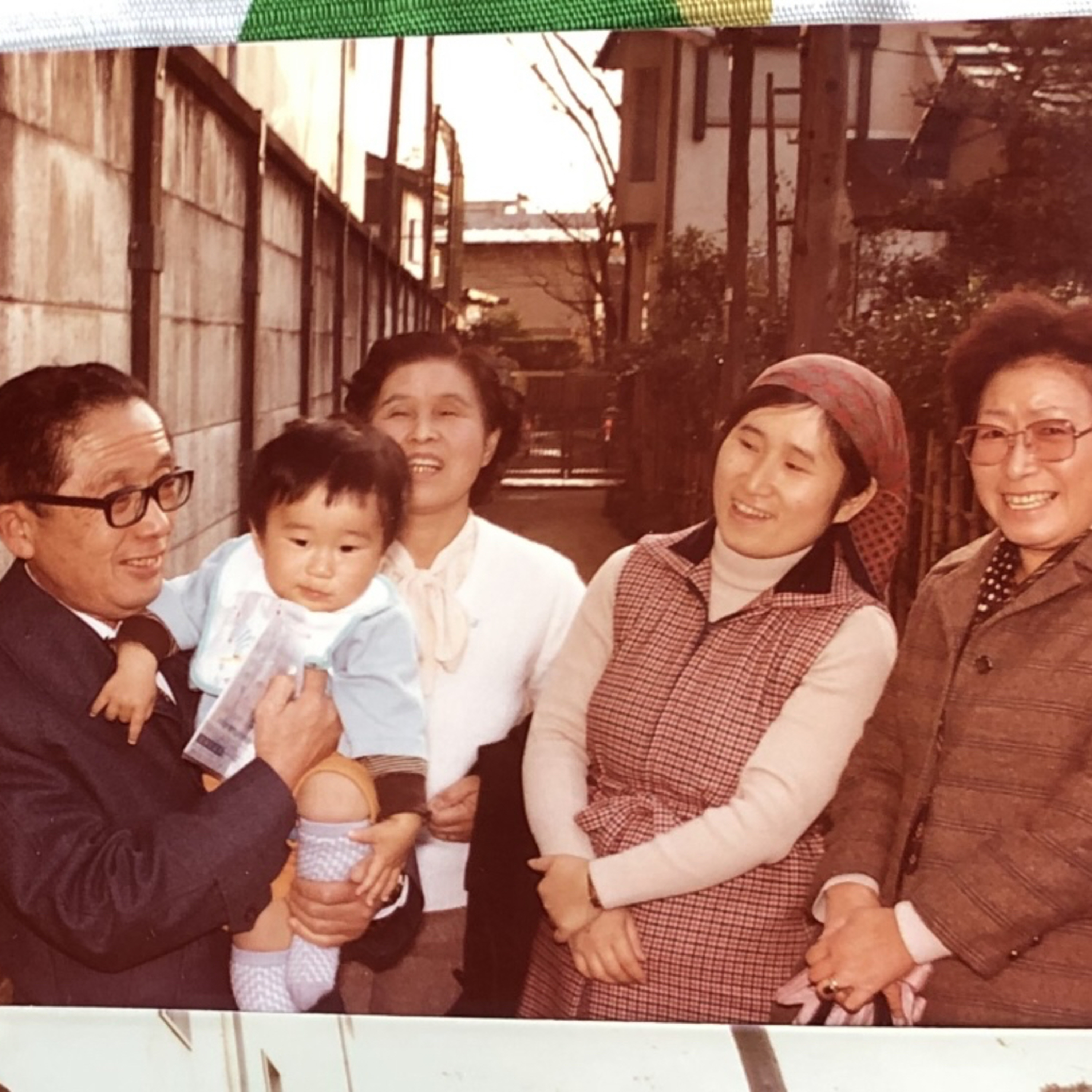
 “Only in Aging is There Beauty” – Rengoku & My 80-Year Challenge 31.08.2025 3min🎧 Short Description🇺🇸 English:Rengoku from Demon Slayer says, “Only in aging is there beauty.” I reflect on aging, loss, and why I want to keep challenging myself until 80.🇻🇳 Vietnamese:Rengoku từ Demon Slayer nói: "Chỉ khi già đi mới có vẻ đẹp." Tôi suy ngẫm về tuổi già, mất mát và lý do tôi muốn tiếp tục thử thách bản thân đến 80 tuổi.🇯🇵 Japanese (with furigana):『鬼滅(きめつ)の刃(やいば)』の煉獄(れんごく)さんは言(い)います。「老(お)いてこそ美(うつく)しいのだ。」私は年齢(ねんれい)、喪失(そうしつ)について考(かんが)え、なぜ80歳(さい)まで挑戦(ちょうせん)を続(つづ)けたいのかを振(ふ)り返(かえ)ります。🎧 Long Description🇺🇸 English:In this episode, I explore the meaning of Rengoku’s final words from Demon Slayer: “Only in aging is there beauty.” I share my personal reflections on aging, the loss of my beloved uncle to cancer, and why I am determined to keep challenging myself in triathlons and life until I am 80. Join me as I discuss life, death, and the beauty of living fully.🇻🇳 Vietnamese:Trong tập này, tôi khám phá ý nghĩa của lời cuối cùng của Rengoku trong Demon Slayer: "Chỉ khi già đi mới có vẻ đẹp." Tôi chia sẻ suy ngẫm cá nhân về tuổi già, sự mất mát người chú yêu quý vì ung thư, và lý do tôi quyết tâm tiếp tục thử thách bản thân với môn ba môn phối hợp và cuộc sống đến 80 tuổi. Hãy cùng tôi bàn về cuộc sống, cái chết, và vẻ đẹp của việc sống trọn vẹn.🇯🇵 Japanese (with furigana):今回(こんかい)のエピソードでは、『鬼滅(きめつ)の刃(やいば)』の煉獄(れんごく)さんの最後(さいご)の言葉(ことば)「老(お)いてこそ美(うつく)しいのだ」の意味(いみ)を考(かんが)えます。私は愛(あい)するおじさんを癌(がん)で失(うしな)った経験(けいけん)や、80歳(さい)になってもトライアスロンや人生(じんせい)に挑戦(ちょうせん)し続(つづ)けたい理由(りゆう)を共有(きょうゆう)します。命(いのち)、死(し)、そして生(い)きることの美(うつく)しさについて語(かた)ります。🔗LINKSMore details and Full Transcripts! HEREさらに詳しく話や台本はこちらから!
 -
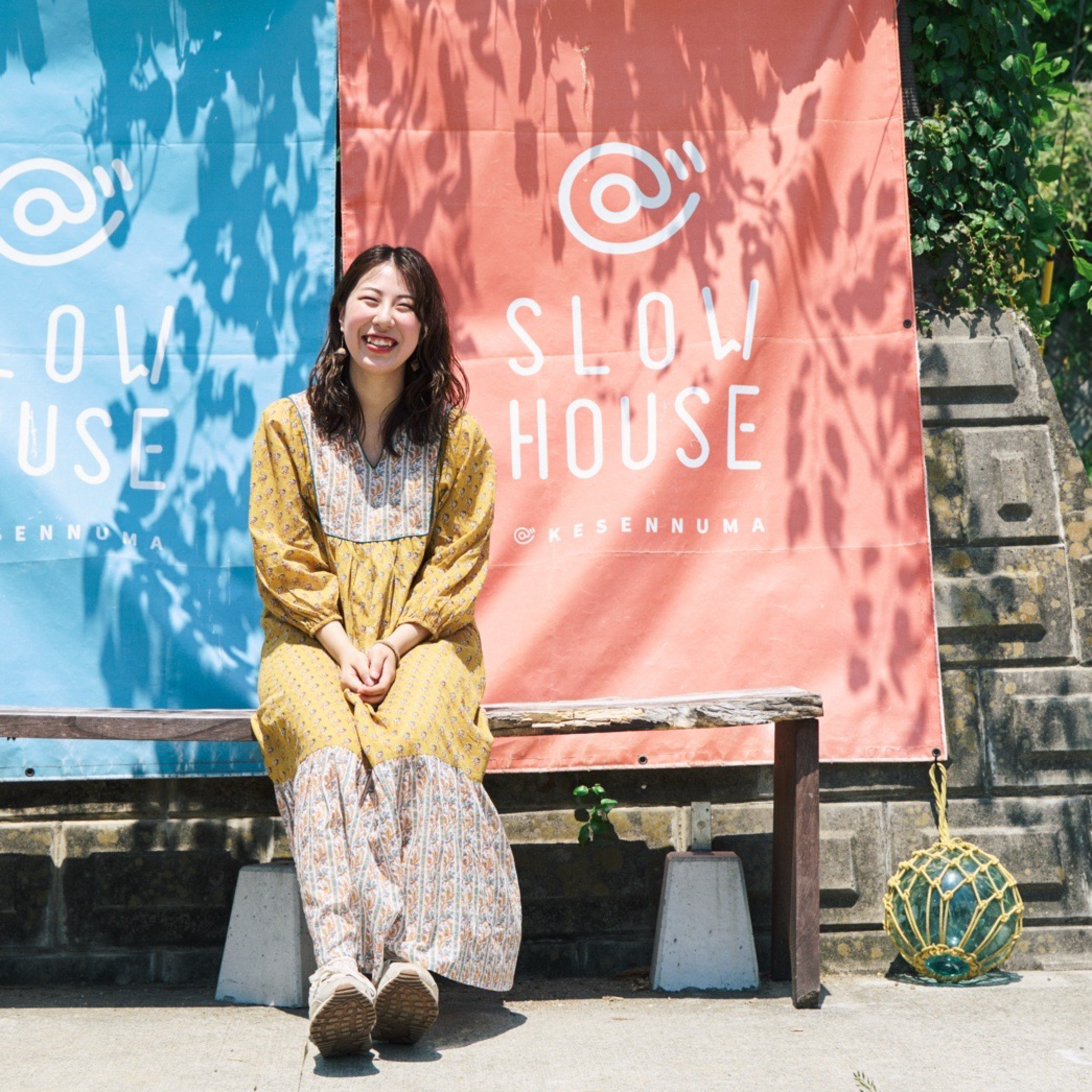 From Intern to Okami: Discovering the True Value of Life at Slow House/ 27.08.2025 13minEpisode Preview🇬🇧 EnglishFollow Aichan’s inspiring journey from intern to okami at Slow House, as she learns life lessons, community building, and the essence of gratitude in Japan. Perfect for travelers, culture enthusiasts, and those seeking personal growth.🇻🇳 VietnameseHãy theo dõi hành trình truyền cảm hứng của Aichan từ thực tập sinh trở thành okami tại Slow House, nơi cô học được những bài học cuộc sống, xây dựng cộng đồng, và tinh thần biết ơn tại Nhật Bản. Phù hợp cho du khách, những người yêu văn hóa, và những ai tìm kiếm sự phát triển bản thân.🇯🇵 Japanese愛ちゃんがスローハウスでインターンから女将(おかみ)になるまでの感動の旅を追いましょう。日本での人生の教訓、コミュニティづくり、そして感謝の心を学ぶストーリーです。旅行者や日本文化好き、自己成長を求める方にぴったりです。Long Description🇬🇧 EnglishIn this episode, we dive deep into Aichan’s unique path from joining Slow House as an intern to becoming an okami. Learn how she connects guests with local culture, fosters meaningful communities, and discovers the true value of life through simplicity, gratitude, and human relationships.This episode is ideal for anyone interested in Japanese culture, immersive travel experiences, community building, and inspirational real-life stories. Discover how ordinary moments can become extraordinary through mindfulness, appreciation, and connecting with others.🇻🇳 VietnameseTrong tập này, chúng ta đi sâu vào con đường độc đáo của Aichan, từ khi tham gia Slow House với tư cách thực tập sinh đến khi trở thành okami. Hãy tìm hiểu cách cô kết nối khách với văn hóa địa phương, xây dựng cộng đồng ý nghĩa, và khám phá giá trị thực sự của cuộc sống thông qua sự giản dị, lòng biết ơn, và các mối quan hệ con người.Tập này lý tưởng cho những ai quan tâm đến văn hóa Nhật Bản, trải nghiệm du lịch nhập vai, xây dựng cộng đồng, và những câu chuyện truyền cảm hứng từ đời thực. Khám phá cách những khoảnh khắc bình thường trở nên phi thường thông qua chánh niệm, biết ơn, và kết nối với người khác.🇯🇵 Japaneseこのエピソードでは、愛ちゃんがスローハウスにインターンとして参加し、女将になるまでのユニークな道のりに深く迫ります。ゲストと地域文化をつなぎ、意味のあるコミュニティを育み、シンプルさや感謝の心、人とのつながりを通じて人生の本当の価値を発見する方法を学びます。日本文化に興味がある方、現地体験型の旅行を楽しみたい方、コミュニティづくりに関心がある方、そして実話に基づく感動ストーリーを求める方に最適です。日常の一瞬一瞬が、マインドフルネスや感謝、他者とのつながりによって非凡な体験になることを発見してください。🔗LINKS愛ちゃんが女将をするSlow Houseはこちら!More details and Transcripts! HEREさらに詳しく話や台本はこちらから!#SlowlyJapanese #Kesennuma #Guesthouse #HokkaidoToMiyagi #JapanExperience #Travel #Community #スローハウス #気仙沼 #ゲストハウス #北海道から宮城 #日本体験 #旅 #コミュニティ#InspirationalStory #Mindfulness #HumanConnections
 -
 Health Check-Ups: Japan vs USA Annual Exams/日本とアメリカの健康診断の比較 23.08.2025 5minShort Description🇺🇸 English:Learn how health check-ups differ between Japan and the U.S.! Discover annual exams, optional tests, and insurance coverage.🇻🇳 Vietnamese:Tìm hiểu cách kiểm tra sức khỏe khác nhau giữa Nhật Bản và Mỹ! Khám phá các kỳ kiểm tra hàng năm, xét nghiệm tùy chọn và bảo hiểm.🇯🇵 日本語:日本とアメリカの健康診断の違いを学ぼう!年次検診や任意検査、保険の違いも解説。⸻Long Description 🇺🇸 English:Curious about how health check-ups differ around the world? In this episode, we explain the differences between Japan and the U.S. Learn about annual exams for company employees in Japan, optional and personalized tests in America, and how insurance affects cost and access. Perfect for Japanese learners and anyone interested in international health systems.🇻🇳 Vietnamese:Bạn có tò mò về sự khác biệt trong kiểm tra sức khỏe trên thế giới không? Trong tập này, chúng tôi giải thích sự khác biệt giữa Nhật Bản và Mỹ. Tìm hiểu các kỳ kiểm tra hàng năm cho nhân viên công ty tại Nhật Bản, các xét nghiệm tùy chọn và cá nhân hóa ở Mỹ, cũng như ảnh hưởng của bảo hiểm đến chi phí và quyền lợi. Phù hợp cho người học tiếng Nhật và những ai quan tâm đến hệ thống y tế quốc tế.🇯🇵 日本語:世界の健康診断の違いに興味がありますか?今回のエピソードでは、日本とアメリカの健康診断の違いを詳しく解説します。日本の会社員向け年次検診、アメリカの任意・個別検査、保険による費用や受診方法の違いを紹介。日本語学習者や国際的な医療制度に興味のある方にもおすすめです。More details and Transcripts! HERE!さらに詳しく話や台本はコチラから!#SlowlyJapanese#LearnJapanese#JapanesePodcast#RealLifeJapanese#JapaneseCulture#JapaneseLanguageLearning#HealthCheckupJapan#JapanVsUS#LanguageLearning#EverydayJapanese
 -
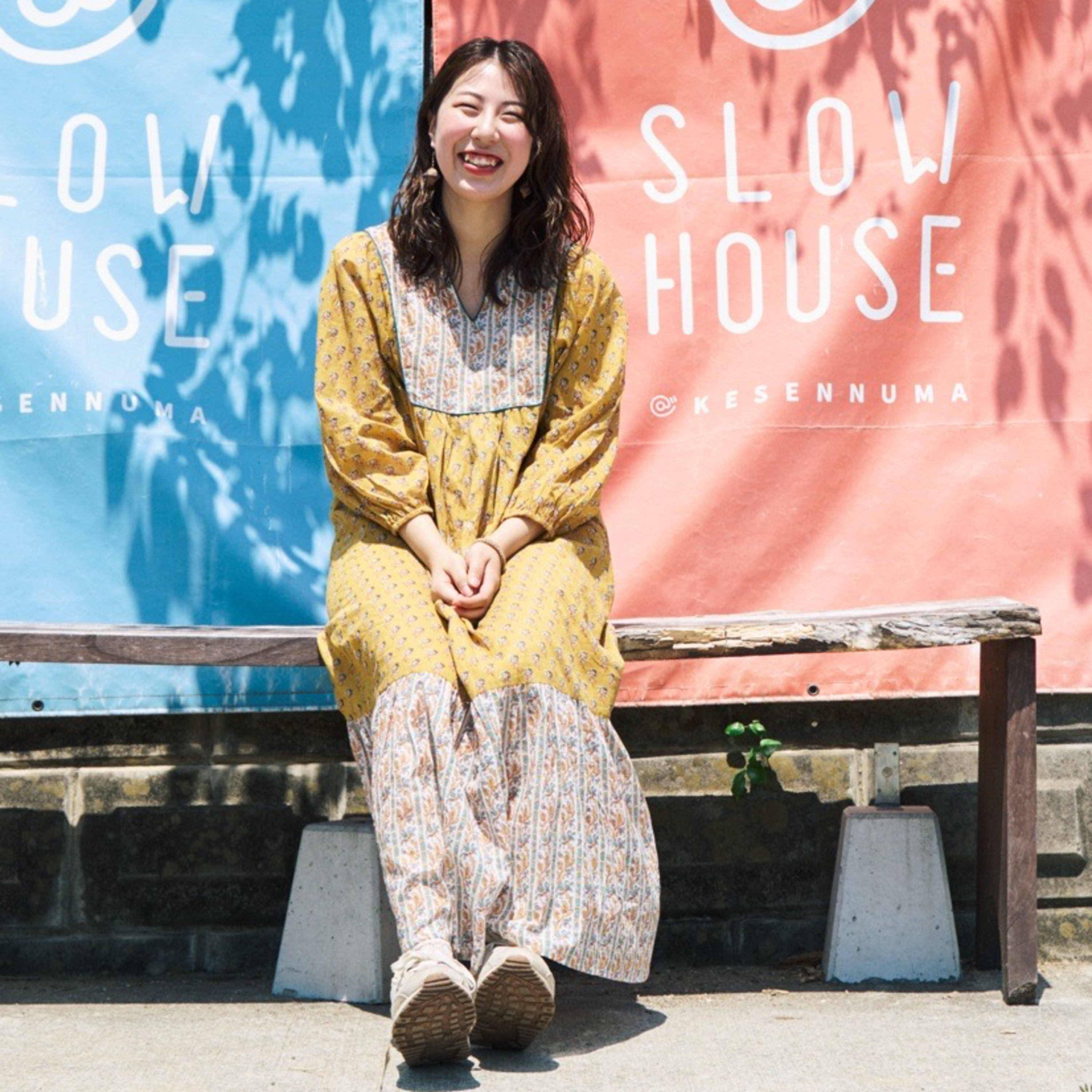 Hokkaido to Miyagi: Ai’s Journey at a Community Guesthouse/ 北海道から宮城へ|愛ちゃんの人がつながるゲストハウス物語 19.08.2025 13minEpisode Preview🇬🇧 英語 (EN):From Hokkaido to Kesennuma, Miyagi: Follow Ai’s journey at a Community Guesthouse connecting travelers and locals. Discover calm, meaningful connections, and Japanese culture.🇻🇳 ベトナム語 (VN):Từ Hokkaido đến Kesennuma, Miyagi: Theo chân Ai tại nhà khách kết nối du khách và người địa phương. Trải nghiệm kết nối ý nghĩa và văn hóa Nhật Bản.🇯🇵 日本語 (JP):北海道から宮城・気仙沼へ。愛ちゃんが出会う「人がつながるゲストハウス」の旅の物語。旅人や地元の人と出会い、人生に余白を感じる体験がここに。Episode Description🇬🇧 英語 (EN):Follow Ai’s journey from Hokkaido to Kesennuma, Miyagi, as she discovers a Community Guesthouse that connects travelers and locals. At this renovated traditional house, Ai meets fellow travelers and locals, experiencing moments of calm, meaningful connections, and discovering new perspectives on life. Perfect for anyone interested in Japanese guesthouses, travel, local communities, and unique cultural experiences.🇻🇳 ベトナム語 (VN):Theo chân Ai từ Hokkaido đến Kesennuma, Miyagi, nơi cô khám phá một nhà khách kết nối du khách và người địa phương. Tại ngôi nhà truyền thống được cải tạo này, Ai gặp gỡ du khách và người dân địa phương, trải nghiệm những khoảnh khắc thư giãn, kết nối ý nghĩa và khám phá những góc nhìn mới về cuộc sống. Phù hợp cho những ai quan tâm đến nhà khách Nhật Bản, du lịch, cộng đồng địa phương và trải nghiệm văn hóa độc đáo.🇯🇵 日本語 (JP):愛ちゃんが北海道から宮城・気仙沼の「人がつながるゲストハウス」へやってくる旅の物語。古民家を改装したこのゲストハウスで、愛ちゃんは旅人や地元の人々と出会い、人生に余白を感じる体験をします。日本の地域文化やゲストハウス体験、コミュニティとのつながりに興味がある方におすすめです。🔗LINKS愛ちゃんが女将をするSlow Houseはこちら!More details and Transcripts! HEREさらに詳しく話や台本はこちらから!#SlowlyJapanese #Kesennuma #Guesthouse #HokkaidoToMiyagi #JapanExperience #Travel #Community #スローハウス #気仙沼 #ゲストハウス #北海道から宮城 #日本体験 #旅 #コミュニティ
 -
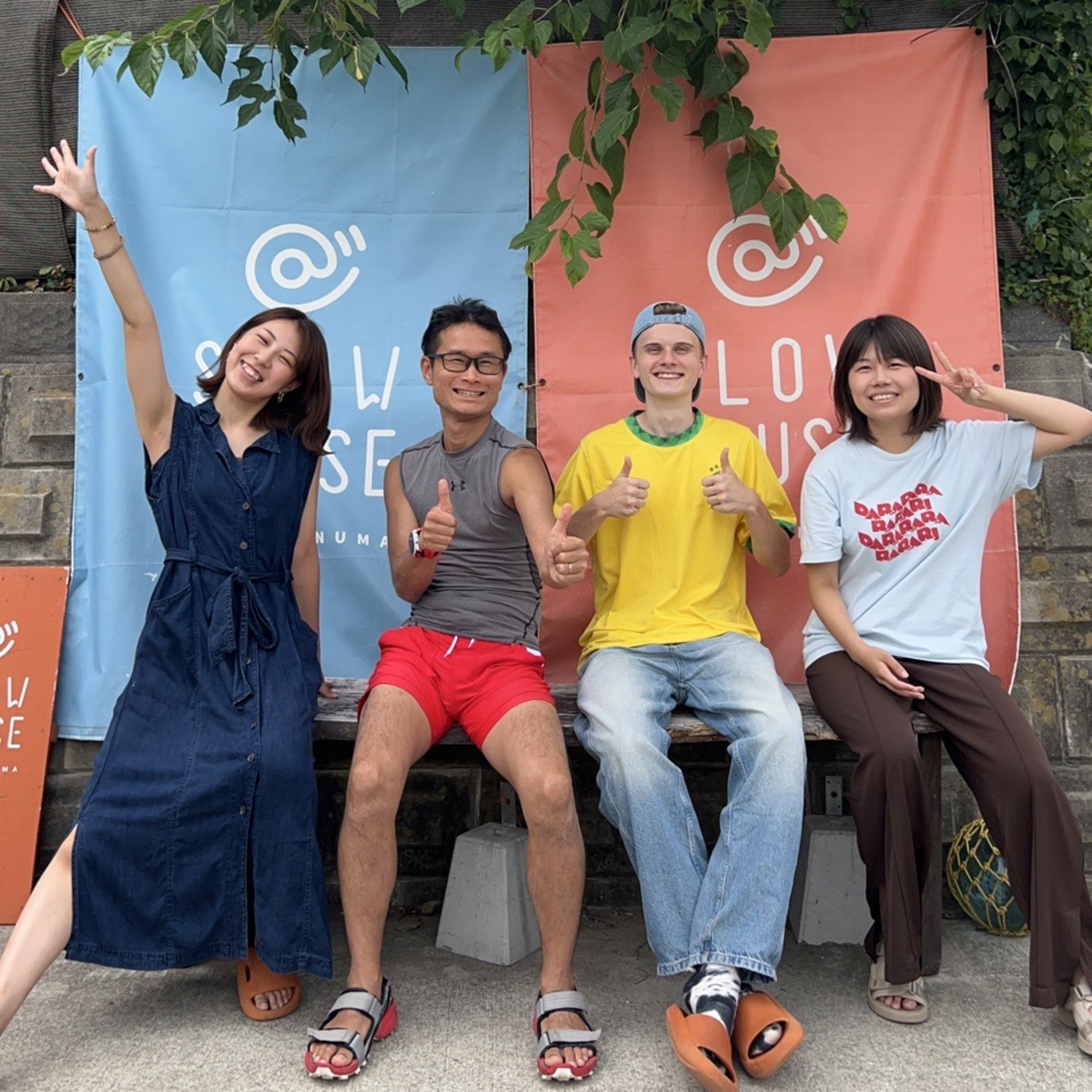 Teen Germany's Journey to Japan: Episode2- Education Differences JP and DE. 日本とドイツの英語教育の違い 16.08.2025 17min🇬🇧Jacob from Germany shares why he travels Japan and the differences in education. From Tokyo to Hokkaido, he explores culture, nature, and guesthouse experiences, including insights into Japanese vs. German schooling.🇯🇵ドイツ人Jacobが語る、日本を旅する理由と教育の違い。東京から北海道までの旅で体験した文化・自然・ゲストハウスでの交流を紹介。日本とドイツの教育比較も解説。🇻🇳Jacob từ Đức chia sẻ lý do du lịch Nhật Bản và sự khác biệt trong giáo dục. Từ Tokyo đến Hokkaido, anh trải nghiệm văn hóa, thiên nhiên và nhà trọ, cùng phân tích hệ thống giáo dục Nhật – Đức.🔗Substacks(Global wide SNS)/Facebook/X All one is HERE
 -
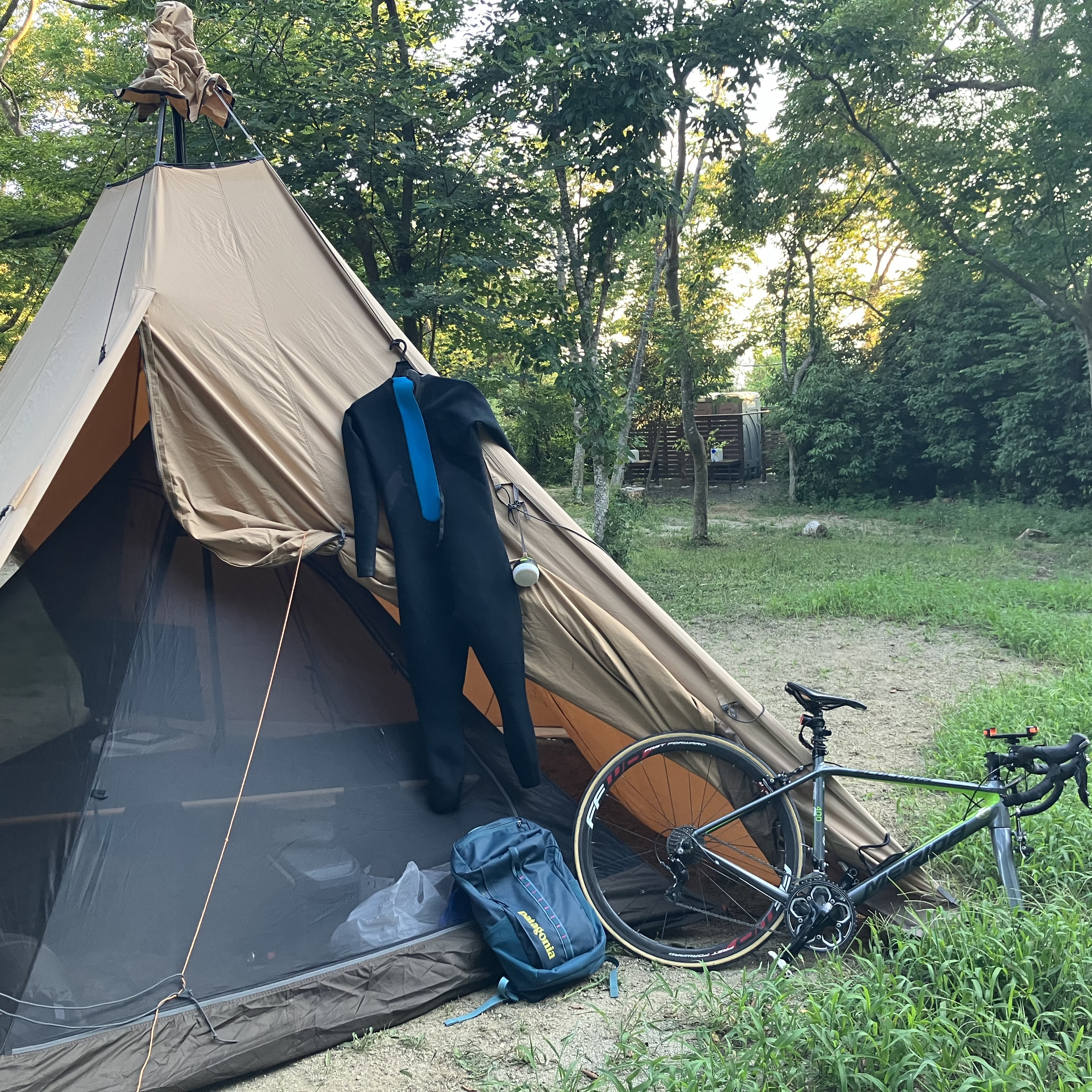 Solo Trip to Ōshima After 20 Years + Triathlon Training Tips20年ぶりのソロ旅 in大島トライアスロン練習 09.08.2025 8min[English]A rare solo trip after 20 years takes me to Ōshima Island in Kesennuma.I camp, swim in crystal-clear waters, and enjoy the cool summer breeze.Tomorrow’s challenge: a triathlon with swimming, cycling, and running.Join me for a calm but adventurous two-day escape.⸻[日本語]20年ぶりの一人旅で、宮城県気仙沼の大島へ。キャンプをして、透き通る海で泳ぎ、涼しい夏の風を感じました。明日はスイム・バイク・ランのトライアスロンに挑戦します。静かでありながら冒険心あふれる2日間をお届けします。⸻[Tiếng Việt]Chuyến du lịch một mình hiếm hoi sau 20 năm đưa tôi đến đảo Ōshima, Kesennuma.Tôi cắm trại, bơi trong làn nước trong vắt và tận hưởng làn gió hè mát mẻ.Thử thách ngày mai: ba môn phối hợp bơi, đạp xe và chạy.Hãy cùng tôi trải qua 2 ngày yên bình nhưng đầy phiêu lưu.🔗Substacks(Global wide SNS)https://substack.com/@kaohiong/note/c-140260445?r=63y3ky&utm_medium=ios&utm_source=notes-share-actionFacebook(Join private free group link)https://fb.me/g/5UWBUzFth/fadFEafJ
 -
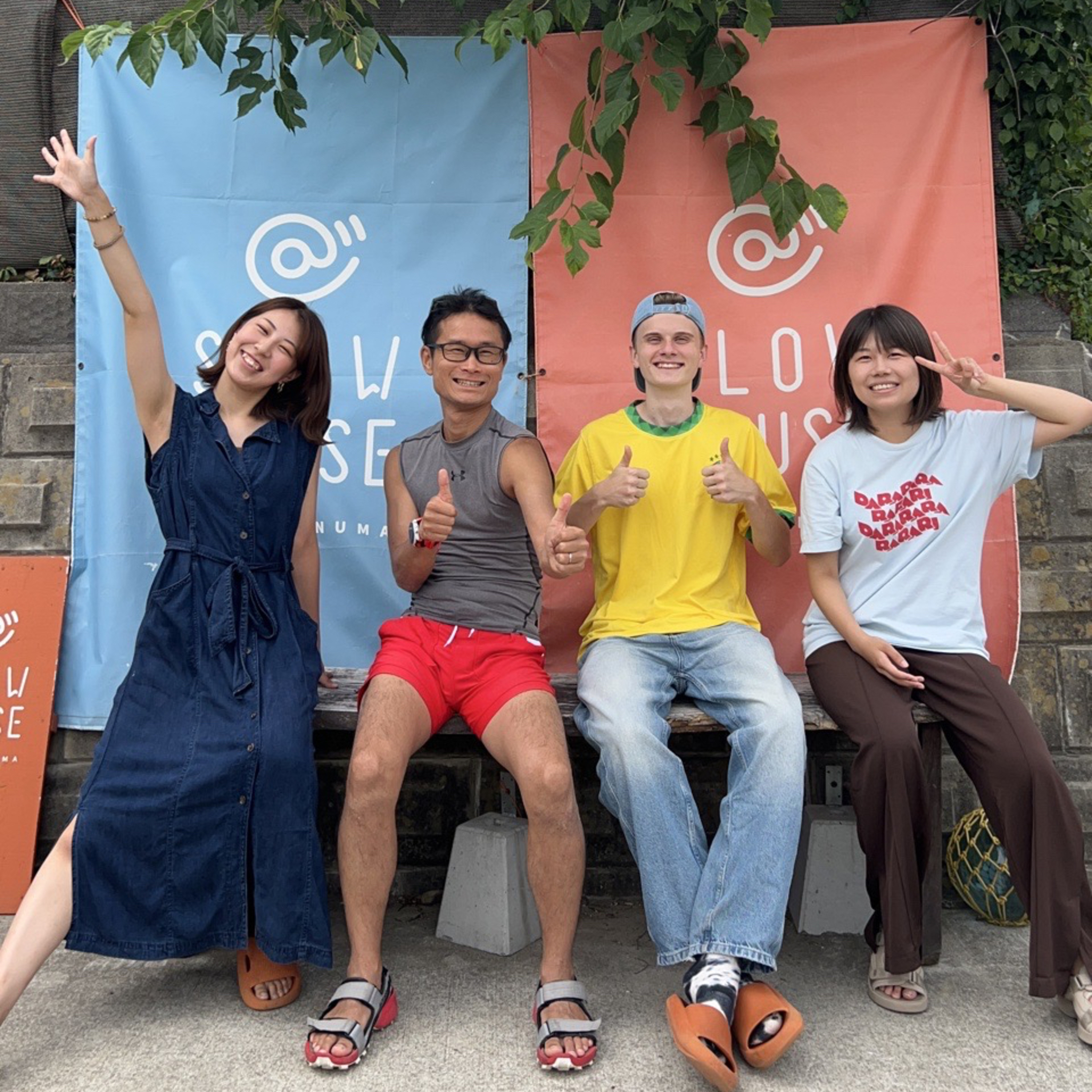 Teen Germany's Journey to Japan: Episode 1 — A Young Traveler from Germany,高校を卒業して日本を旅するドイツの若者 08.08.2025 14min🇯🇵 日本語Slowly Japanse by Trilingual Dad?世界中の日本語学習者に向けて、やさしい日本語でお届けするポッドキャストです。自然なスピードより少しゆっくり話しており、聞き取りやすさを大切にしています。この番組では、日本の文化や日常生活に加えて、トライアスロンの挑戦や子育て、教育や仕事との両立など、リアルな日本での生活についてもお話ししています。多忙な中でも成長を続けたい方、日本語を楽しく学びたい方におすすめです。今日のストーリー今回は、ドイツから高校を卒業して日本を旅する若者Jacobさんのストーリーをお届けします。日本各地を巡りながら感じた文化の違いや、旅のきっかけについて語ってもらいました。初めての日本での体験をやさしい日本語で楽しんでください。台本リンク:Substacks(SNS)🇬🇧 EnglishSlowly Japanse by Trilingual Dad?“Slowly Japanese by Trilingual Dad” is a podcast spoken in easy(Yasashi) Japanese for learners around the world. The pace is slightly slower than natural speed, making it easier to understand.I share my personal experiences with triathlon training, parenting and education. This podcast is perfect for those who want to improve their Japanese while learning about real life in Japan.Today episodeIn this episode, we share the story of Jacob, a young traveler from Germany who came to Japan after graduating from high school. He talks about the cultural differences he has noticed while traveling around Japan and what inspired his journey. Enjoy his first experiences in Japan spoken in easy Japanese.Full Scripts: Substacks🇻🇳 Vietnam“Slowly Japanese” là podcast nói bằng tiếng Nhật đơn giản (Yasashii Nihongo), dành cho người học tiếng Nhật trên toàn thế giới. Tốc độ nói chậm hơn một chút so với tốc độ tự nhiên, giúp dễ hiểu hơn.Ngoài các chủ đề như văn hóa và cuộc sống hàng ngày ở Nhật Bản, tôi còn chia sẻ trải nghiệm cá nhân về việc luyện tập ba môn phối hợp (triathlon), nuôi dạy con cái, giáo dục và cân bằng giữa công việc và cuộc sống bận rộn. Đây là chương trình lý tưởng cho những ai muốn học tiếng Nhật một cách tự nhiên và khám phá cuộc sống thực tế tại Nhật.Tập hôm nayTrong tập này, chúng tôi chia sẻ câu chuyện của Jacob, một thanh niên trẻ đến từ Đức, người đã đến Nhật Bản sau khi tốt nghiệp trung học phổ thông. Anh ấy nói về những khác biệt văn hóa mà anh đã nhận thấy khi đi du lịch khắp Nhật Bản và những điều đã truyền cảm hứng cho chuyến hành trình của mình. Hãy thưởng thức những trải nghiệm đầu tiên của anh ấy tại Nhật Bản được nói bằng tiếng Nhật dễ hiểu.
Samankaltaiset podcastit


Suosittu maassa
Tämä podcast esiintyy myös näiden maiden podcast-listoilla.
