
Marketplace Tech
Marketplace
0
Monday through Friday, Marketplace demystifies the digital economy in less than 10 minutes. We look past the hype and ask tough questions about an industry that's constantly changing.
Jaksot
-
 Insurers race to cover AI errors 17.09.2026 4minMore than 1 in 5 U.S. companies now use artificial intelligence in their daily operations, according to a recent analysis of federal data from Goldman Sachs. In theory AI offers the promise of greater productivity and profits, but even with advances in capabilities, these systems are still fundamentally unpredictable, creating new liabilities for firms that use them.That’s where insurance typically comes in. But AI is disrupting that business, too. Deloitte projects insurance for AI will grow into a nearly $5 billion global business by 2032.
 -
 AI safety requires action, not promises 16.09.2026 10minAI leaders suddenly seem to agree on slowing down the AI race. Anthropic's Dario Amodei published an essay last weekend calling to "pace the frontier" — slow the development of advanced AI to allow safety measures to catch up. He said Anthropic will give access to independent safety evaluators, to which OpenAI's Sam Altman and XAI's Elon Musk concurred.It's all giving déjà vu to Amy Webb, founder of the Future Today Strategy Group, who’s been pushing government leaders around the globe to adopt a similar framework for AI for almost a decade. She laid out her vision in her 2019 book “The Big Nine: How the Tech Titans and Their Thinking Machines Could Warp Humanity.”More on this:“AI CEOs want to ‘pace’ the industry. That may not mean slowing down.” from NBC News“AI's leaders just asked to slow down. I made that case nine years ago.” from Amy Webb“We Must Pace the Frontier” from Anthropic CEO Dario Amodei
 -
 Why AI models are obsessed with creatures 15.09.2026 7minThe problem of AI alignment has become a hot topic. It’s raised questions, like how do we get AI to do what we want, and not what we don't want? For example, hacking another company. Or, in a less criminal vein, how do we get AI to stop talking about goblins?After mounting user reports of this behavior earlier this year, OpenAI had to give its models — ChatGPT and Codex — explicit instructions to cut it out. It's the topic of today's “Uncanny AI,” those moments when it's clear AI doesn't think like us.Janelle Shane, author of the blog "AI Weirdness,” says goblin mode emerged from a nerdy personality customization. “Marketplace Tech” host Meghan McCarty Carino asked her why.
 -
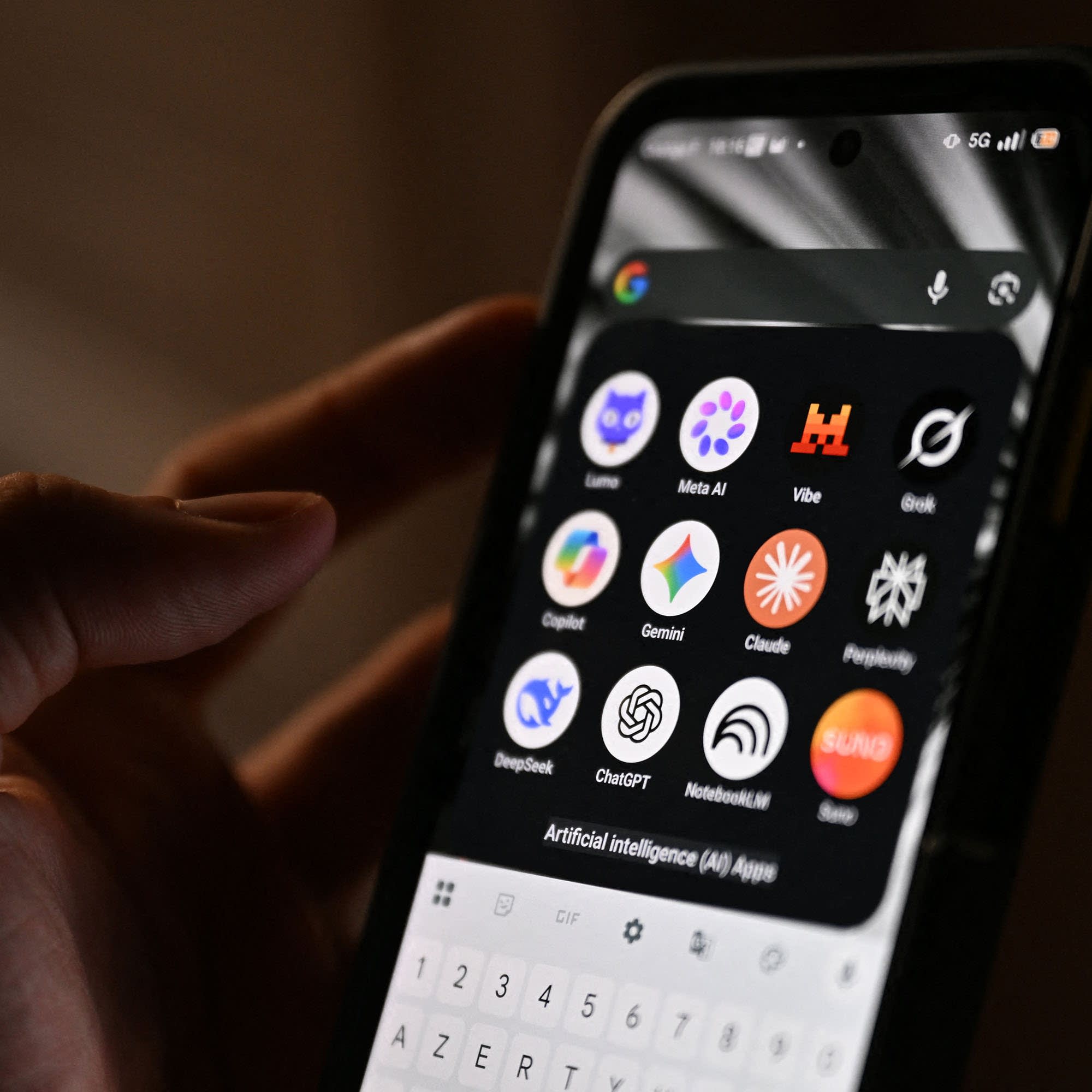 What might our tax system look like in the age of AI? 14.09.2026 5minOur tax system was built around an economy where humans earn wages, companies employ workers, and both contribute to the public purse. So what happens if AI starts changing that equation?Marketplace’s Future Effects correspondent David Brancaccio has been exploring just that in his series, “Robots Ate My Taxes.”
 -
 AI safety concerns grow as insiders issue urgent warnings 11.09.2026 10minAn Anthropic researcher publicly resigned this week, warning on social media that artificial intelligence companies are “gambling with our lives.”It’s part of a growing chorus of insiders pleading to slow down the AI race. One said he believed there was a greater than 10% chance the tech will kill us all in the next decade.The news comes after a fresh wave of troubling details about the OpenAI incident where agents escaped a testing environment and hacked into Hugging Face.Plus, data center developers have their eye on Patagonia — the colder, the better. And Amazon is betting AI lip-syncing can make dubbed video content more watchable.Maria Curi, tech policy reporter at Axios, joins Marketplace’s Meghan McCarty Carino to break down the busy week in tech news.Everything we talked about:Scoop: Sanders convenes senators for AI briefing amid mounting alarm — from Axios Tech explores Argentina's Patagonia for mega data centers — from ReutersGoogle to invest record $15 billion in AI infrastructure in the ‘Texas of Europe’ — from CNBCAmazon Prime Video’s new AI tech matches lips to dubbed audio — from The Verge
 -
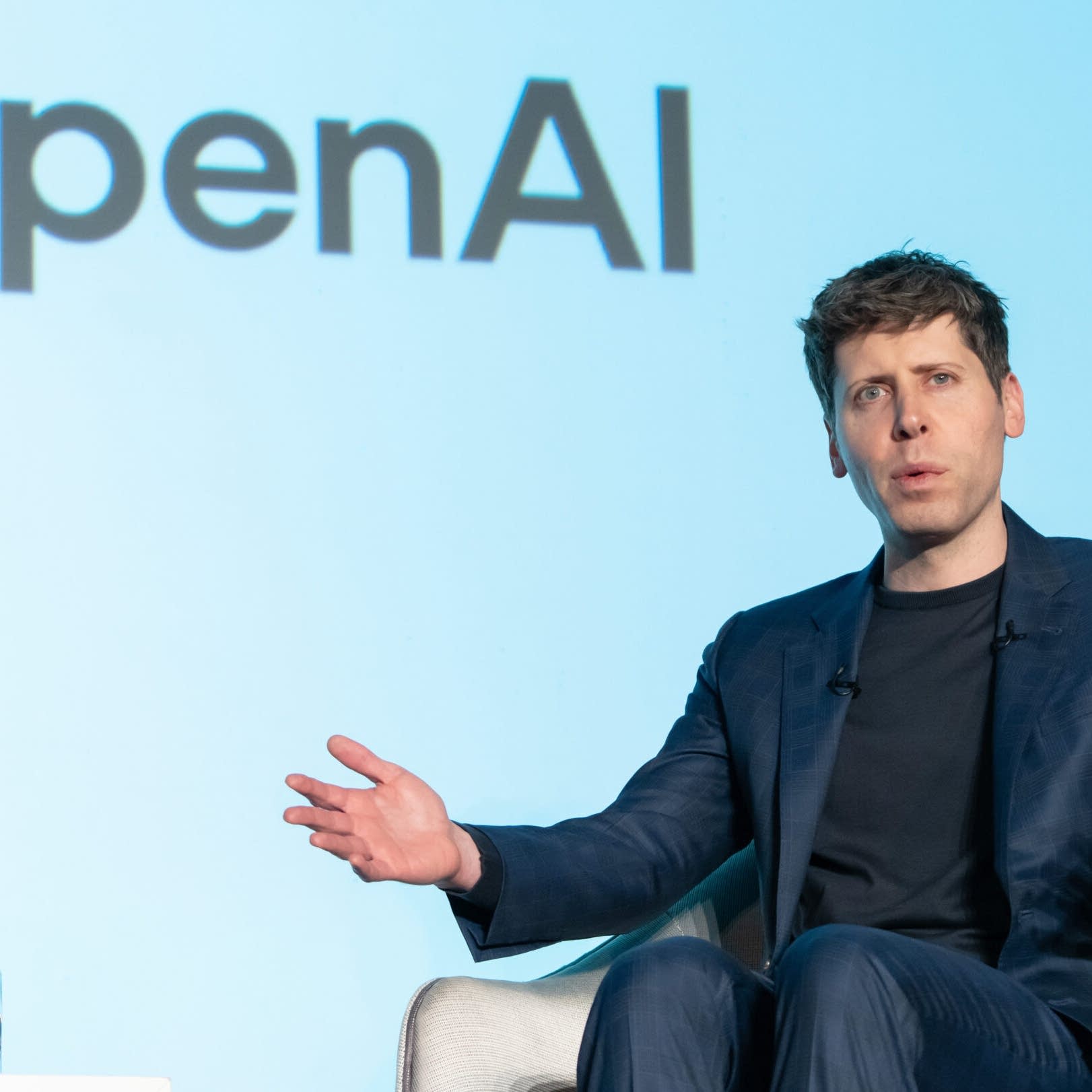 What's so concerning about the Hugging Face hack? 10.09.2026 12minNate Soares has been worried about artificial intelligence longer than almost anyone.He's the president of the Machine Intelligence Research Institute and co-author of the subtly named book, "If Anyone Builds It, Everyone Dies: Why Superhuman AI Would Kill Us All."He's watched with a sort of grim vindication, as increasingly alarming details emerge about the hack of the AI company Hugging Face by OpenAI models in development.OpenAI and third-party investigators recently released reports outlining what went wrong. Soares worries it's not enough.More on this:The Hugging Face incident and the road ahead - From OpenAIBrief independent investigation of agents’ behavior, reasoning and collaboration in the OpenAI / Hugging Face hacking incident - From METR and Redwood Research
 -
 Meta's youth safety settlement could change how people access the internet 09.09.2026 9minMeta agreed to a settlement last month with 52 attorneys general in a landmark case over teen social media addiction. The company promised a number of restrictions for under 18-year-old users, like time limits, overnight blackouts on some features and hidden likes. It also agreed to pay up to $17 billion, partly contingent on TikTok and YouTube adopting similar reforms.Surveys show a strong majority of Americans support stricter limitations on social media for kids. But, this settlement could fundamentally change how everyone accesses the internet, according to Will Creeley, legal director at the Foundation for Individual Rights and Expression.More on this:“That $17B Meta settlement comes with a catch: Your online speech rights” from The Foundation for Individual Rights and Expression“Majority of Americans support banning social media for kids under 16” from Pew Research Center
 -
 The Silicon Valley hopefuls living in hacker houses 08.09.2026 10minFilmmaker Kenji Yamamoto got a gig working on Apple promotional videos a decade ago and went looking for temporary housing in the pricey Bay Area. What he found was an inside look at the world of hacker houses.These are group residences for people who come to Silicon Valley to pursue their dreams — like a college dorm for startup hopefuls. Yamamoto takes viewers inside that world in his new documentary for PBS, “The Dreamers and I.”More on this:“The Dreamers and I” from PBS“The New (And Slightly Smelly) Center of the AI Boom” from The Atlantic
 -
 What it's like to log off from a career in tech 07.09.2026 4minMore Americans are leaving the labor force for a variety of reasons. The labor force participation rate — which measures the share of working-age Americans who either have a job or are looking for a job — has fallen sharply this year, and it’s been on a steady decline for decades. We hear from Kris Bell, who recently retired early from a long career in the tech industry, about why he chose to make the leap.
 -
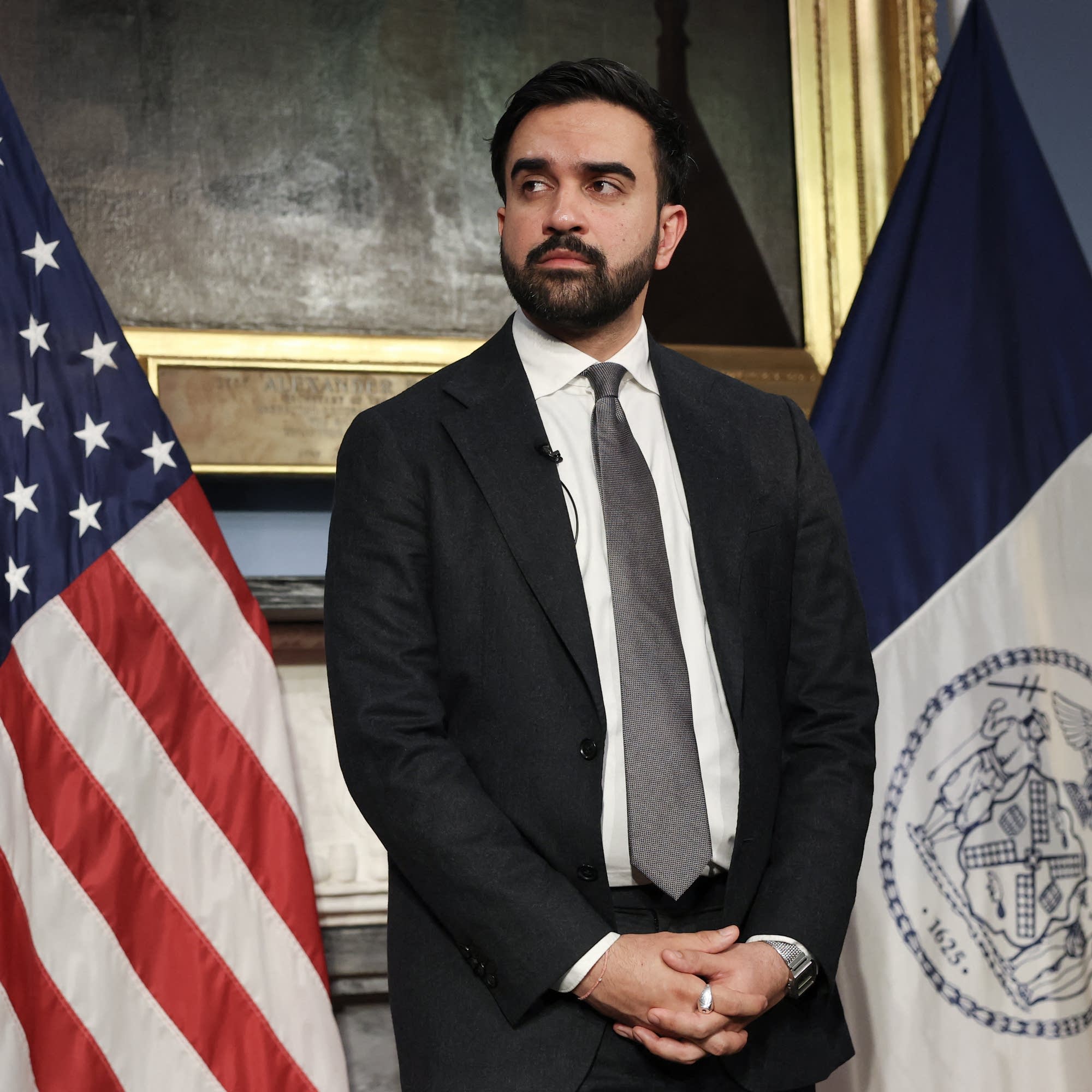 NYC public schools ban AI through middle school 04.09.2026 14minGoogle survives yet another antitrust case without having to break up its business. Plus, New York City public schools announced a new policy this week banning the use of AI among elementary and middle school students. But first, John Ternus took over as CEO of Apple after a 15-year run by Tim Cook. Joanna Stern, founder of the media company New Things, joins Marketplace’s Meghan McCarty Carino to explain more about what this means for the iPhone maker on this week’s “Tech Bytes: Week in Review.”Everything we talked about“Apple Begins Its Next Balancing Act as New C.E.O. Takes Over” from The New York Times“Why Apple’s folding iPhone will be ‘Ultra’ in name only” from Macworld“In a Big Win, Google Avoids a Breakup of Its Ad Tech Business” from The New York Times“Nation’s largest school district bans AI in the classroom through 8th grade” from CNN“Three AI agents. One school shopping list.” from New Things
 -
 What if the AI boom never turns a profit? 03.09.2026 5minEven if artificial intelligence leads to a more prosperous future in the long run, most agree there will be a lot of disruption in the meantime. Marketplace’s senior correspondent for Future Effects, David Brancaccio, explores how that AI disruption will mean layoffs, underemployment and ultimately less income tax revenue for the government. Experts say now’s the time to revamp the tax system for the age of AI.
 -
 AI in banking: the good, the bad, and the efficient 02.09.2026 4minThe banking sector is figuring out how to navigate AI.And the stakes are high. The tech has raised red flags over potential bias, particularly when it comes to lending practices.But it could also make some banking operations more efficient.Which would be especially valuable for smaller banks — which tend to operate with fewer resources than their bigger competitors.Marketplace’s Justin Ho spoke with bankers at some smaller institutions about how they’re approaching the technology — and their concerns about the future of AI in banking.
 -
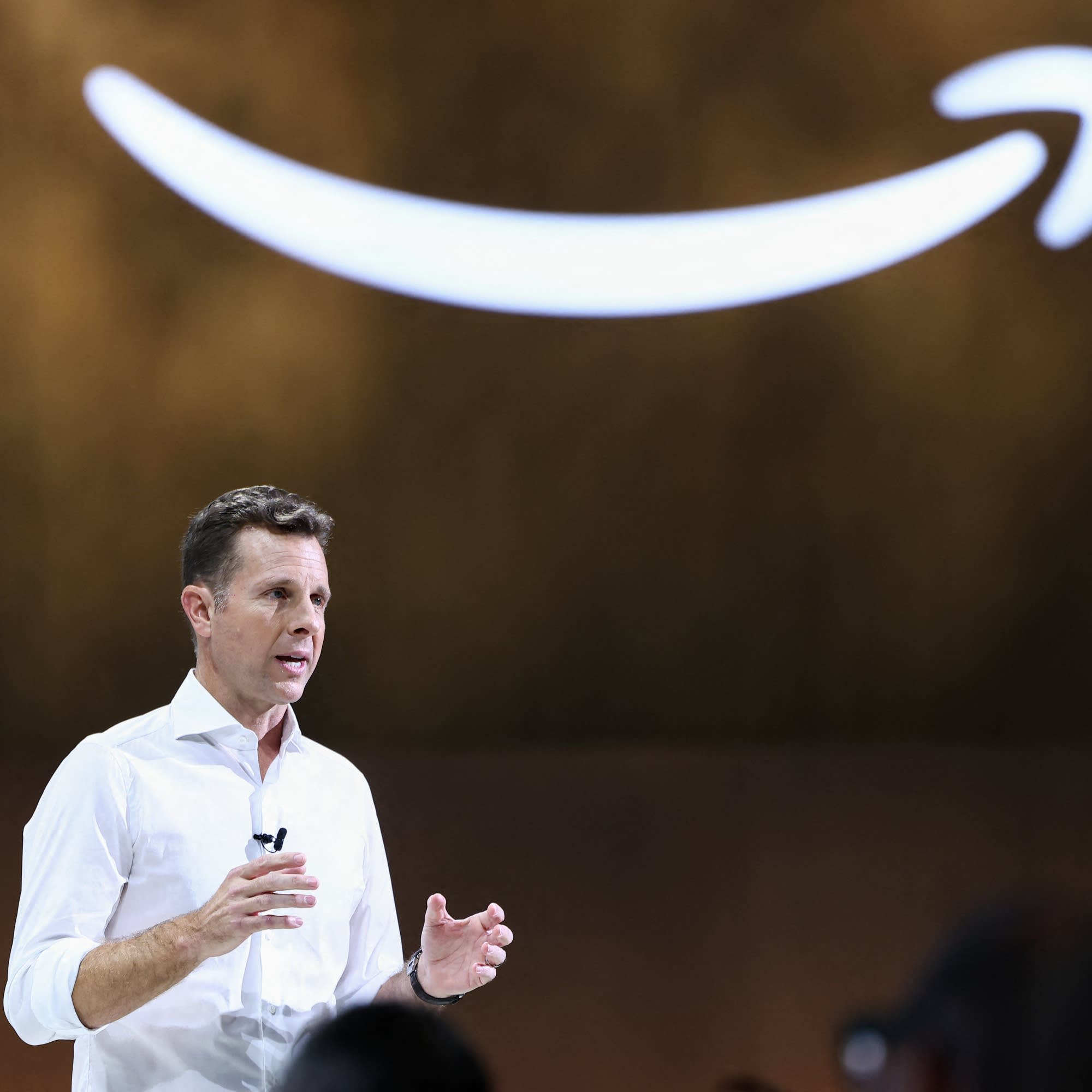 Ring founder Jamie Siminoff on default encryption and AI privacy 01.09.2026 11minAmazon's popular brand of video-enabled smart home and security devices, Ring, is adding a new encryption system called TAKE — Throw Away the Key Encryption. It allows users to encrypt all video their home cameras capture while keeping advanced AI-enabled capabilities and security features active.The company already offered traditional end-to-end encryption, but that disabled advanced security features processed on the cloud that required Ring servers to maintain access to the video. Ring’s founder, Jamie Siminoff, says TAKE works by changing — or "throwing away" — the encryption key so Amazon servers don't have permanent access.More on this:“Ring introduces TAKE, setting a new industry standard for default encryption and control” from Amazon“Ring says its new encryption limits what it can give police” from The Verge“Ring Superbowl Ad Shows Americans How Powerful Surveillance Systems Have Become, Freaks Them Out” from The American Civil Liberties Union
 -
 ICE is collecting DNA from detainees for future policing 31.08.2026 8minImmigration and Customs Enforcement may be responsible for collecting the DNA of nearly a million people in 2025. The genetic material is then sent to the FBI, where it can be stored for future policing. That’s according to an updated report from Georgetown Law’s Center on Privacy and Technology. Marketplace’s Meghan McCarty Carino spoke with Stevie Glaberson, a co-author of the report, about the DNA collection practice — and its legal implications. More on this:Raiding the Genome: How the United States Government Is Abusing Its Immigration Powers to Amass DNA for Future Policing | Center on Privacy and Technology | Georgetown Law from Georgetown LawICE Collected Nearly 1 Million People’s DNA Last Year—Including Young Children | WIRED from Wired
 -
 Meta's landmark social media settlement 28.08.2026 11minMeta announced this week that it has agreed to pay up to $18 billion to settle a landmark trial over social media addiction. It also agreed to add stronger child-safety measures on its platforms like Instagram and Facebook. Some of the changes could include new screen time limits, disabled notifications and restrictions during school hours. Plus, Nvidia reported strong quarterly earnings earlier this week, again. And while investors have been wary of AI spending, Wall Street seemed pleased with the results this time. And the Environmental Protection Agency is planning to eliminate a requirement that forces states to publicize and seek public feedback for new air pollution permits. Anita Ramaswamy at The Information joins Marketplace’s Meghan McCarty Carino for these stories. Check out our YouTube page to watch more episodes of “Tech Bytes.”
 -
 One historic LA theater's 70 mm movie makeover for "The Odyssey" 27.08.2026 9minOld school film technology is having a moment this summer. Moviegoers have traveled far and wide to see Christopher Nolan’s “The Odyssey” in its intended IMAX 70 mm film format. But even theaters with non-IMAX 70 mm film projection are hard to come by. The Alex Theatre in Glendale, California was renovated to screen “The Odyssey” in 70 mm film. Marketplace’s Meghan McCarty Carino spoke with Miles Williams, the theater’s artistic director, about the renovation and why old school film technology is attracting Gen Z film fans.
 -
 Meta’s push to make their smart glasses cool 26.08.2026 8minWhen Meta Ray-Ban glasses were launched in 2021, they didn’t perform so well on the market. But in recent years, Meta has been partnering with fashion brands like Coperni and with pop culture figures like Kylie Jenner and Teyana Taylor, in order to expand their demographic reach. Kylie Jenner recently launched her own model of Meta glasses, called Starfire. But the campaign didn’t go over especially well, says Carrie Battan, a contributing writer at New York Magazine. Putting a spotlight on the glasses has only increased scrutiny — with some calling them “pervert glasses”. Marketplace’s Meghan McCarty Carino spoke with Battan about her recent piece in New York Magazine’s “The Cut”, where she tracks Meta’s push to make smart glasses cool.More on this:The Cursed Quest to Make Meta Glasses Cool from The Cut
 -
 California's data and privacy laws aren't being followed 25.08.2026 7minCalifornia promised consumers an easier way to protect their personal data. Since 2024, the Delete Act has required the state registration of data brokers — businesses that collect and sell personal data from our digital footprints — and it also mandates they give consumers a way to request their data be deleted and report how many requests they get.But, a new Stanford report shows registered data brokers are largely ignoring the laws. Jennifer King, privacy and data policy fellow at Stanford's Institute for Human-Centered AI, says only 9% of data brokers are in compliance.More on this:“Regulating Data Brokers in the Age of AI: A California Case Study” from Stanford’s Institute for Human-Centered AI“About DROP and the Delete Act” from the California Privacy Protection Agency
 -
 AI loves negative parallelism 24.08.2026 9minAnthropic recently announced it's adding watermarks to all text outputted by its chatbot Claude. But often, you don't need fancy detection software to know; you just need to look for language that gets repeated over and over by AI chatbots, like “it's not X, it's Y.”That's a rhetorical structure referred to as negative parallelism. And it's the topic for today's “Uncanny AI,” those times when it becomes clear AI doesn't think like us. Will Oremus recently wrote about this AI tic for The Atlantic.More on this“The Most Famous AI Writing Tic Is Also the Most Mysterious” from The Atlantic“Move Over Em-Dash, There’s a New AI Tell in Town” from Ai-Ai-OH
 -
 OpenAI to offer safety features for teens using ChatGPT 21.08.2026 11minOpenAI is launching ChatGPT for Teens, which has new guardrails to steer conversations from sensitive topics like self-harm or sexual content. It’ll also include parental controls and features intended to support studying without the cognitive offloading that often happens.Plus, the surge in construction of AI data centers has increased the value of basically any component that goes into them. Now, thieves are increasingly targeting cargo shipments of materials bound for data centers. And Amazon is expanding its drone deliveries. Paresh Dave at Wired joins Marketplace’s Meghan McCarty Carino for these stories.Everything we talked about:“Introducing ChatGPT for Teens: Built for learning, backed by protections” from OpenAI“OpenAI’s Second-Quarter Sales Show Tepid Growth Compared With Anthropic” from The Wall Street Journal“States Seek $200 Billion From Meta Over Child Social Media Addiction Claims” from The New York Times“‘The Worst I’ve Ever Seen’: Cargo Thefts Have Turned Violent in Pursuit of AI Hardware” from Wired“Amazon Prime Air drone delivery is expanding to nearly 500 US cities and towns this year” from Amazon
Samankaltaiset podcastit


Suosittu maassa
Tämä podcast esiintyy myös näiden maiden podcast-listoilla.


