
She’s So Scripture Podcast
The Bible, in context. For people who want the whole story.
0
She’s So Scripture Podcast is a Bible teaching show hosted by Diane Ferreira. It focuses on studying Scripture within its historical, cultural, and theological context, aiming to provide clarity and depth. The podcast is not about surface-level inspiration but rather careful interpretation and precise teaching. Listeners learn to read the Bible more accurately and engage with it confidently.
Jaksot
-
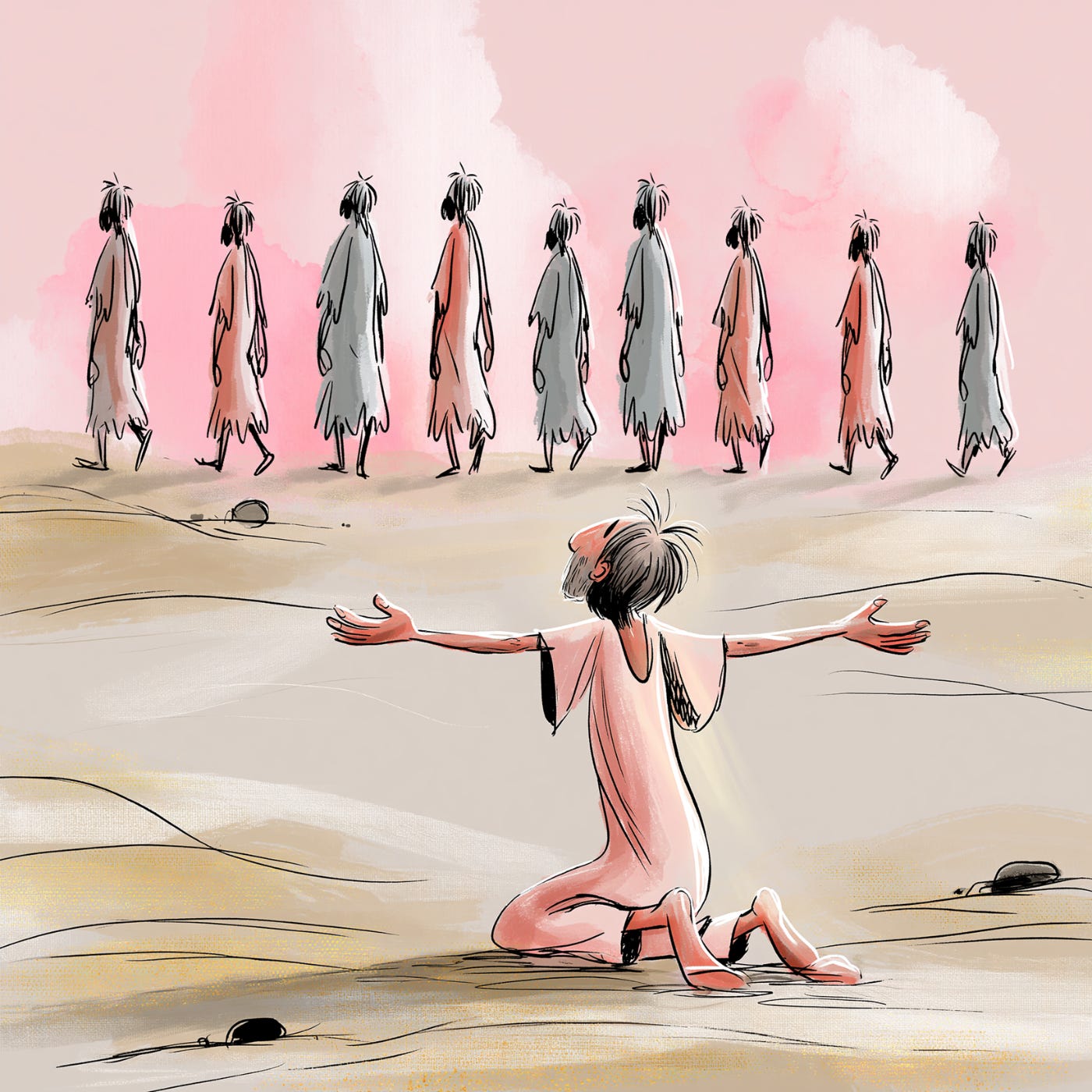
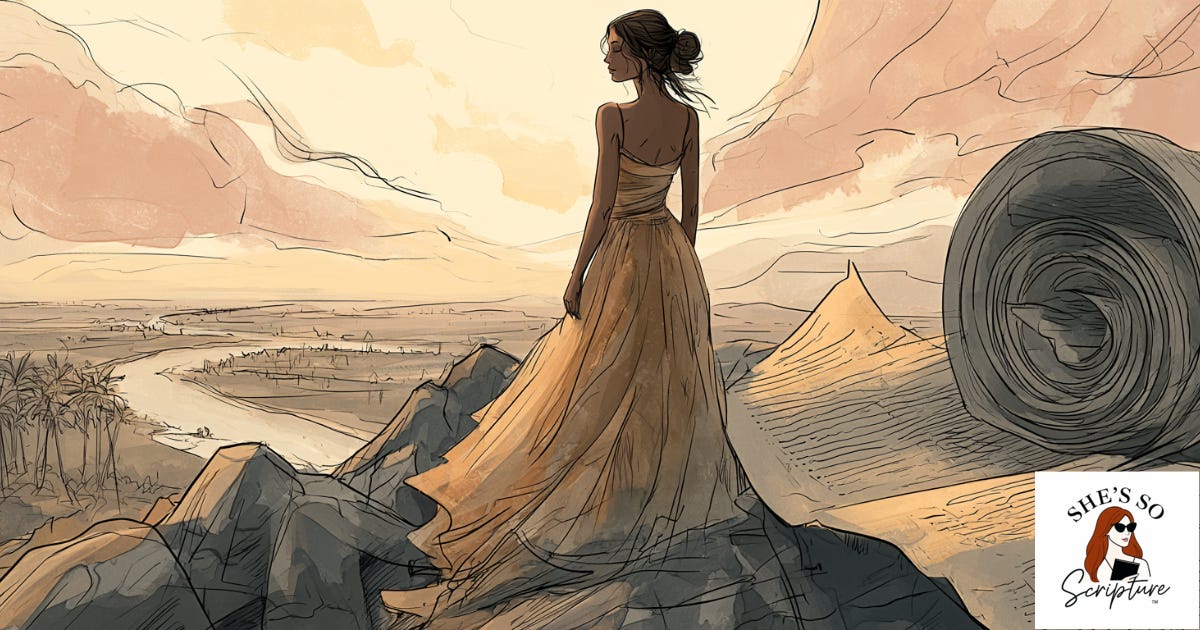 The Torah Ends on the Wrong Side of the River 21.09.2026 25minDiane explores Simchat Torah (“the joy of the Torah”), observed with a yearly synagogue cycle that finishes Deuteronomy and immediately restarts Genesis with singing, dancing, and the scrolls carried in circuits, rooted in Shemini Atzeret rather than named in the Bible. She examines Deuteronomy 34’s “strange” ending: Moses dies on Mount Nebo seeing the promised land but not entering, connected to Numbers 20’s rock incident and Deuteronomy 3’s account, alongside traditions about Moses dying “at the mouth of the Lord” and God burying him in an unknown grave. Noting the Torah’s deliberate stop short of crossing the Jordan and its tension between Deuteronomy 18’s promised prophet and Deuteronomy 34’s claim that none like Moses arose, she connects this open ending to first-century expectations, the readings of Genesis 1 and Joshua 1, and New Testament passages including Acts 3, Hebrews 11, and Luke 9’s transfiguration.00:00 Torah’s Unfinished Ending01:21 Simchat Torah Explained03:24 Shemini Atzeret Origins04:29 Moses on Mount Nebo05:02 Why Moses Can’t Enter08:43 Death, Burial, Epitaph13:06 Open Ending and Waiting16:44 Genesis Restarts With Light17:48 Joshua Crosses the Jordan19:39 Heart, Wisdom, Perseverance22:32 Transfiguration and Exodus24:28 Living With Unfinished Work25:25 Closing Thanks and SubscribeIf this episode stirred something in you, here's where you can find me:📖 She's So Scripture: shessoscripture.com📖 She Opens Her Bible: sheopensherbible.com🎥 Subscribe on YouTube: She's So Scripture💌 Want live Bible studies, weekly teachings, audio lessons, devotionals, and a community of people who want depth without pressure or performance? Join The Chavurah at shessoscripture.com/subscribeIf this episode blessed you, please subscribe, leave a review, and share it with a friend who loves to study the Word. It helps more women find this content and I appreciate it more than you know.See you in the next episode. Shalom. 💕 This is a public episode. If you'd like to discuss this with other subscribers or get access to bonus episodes, visit shessoscripture.com/subscribe
 -
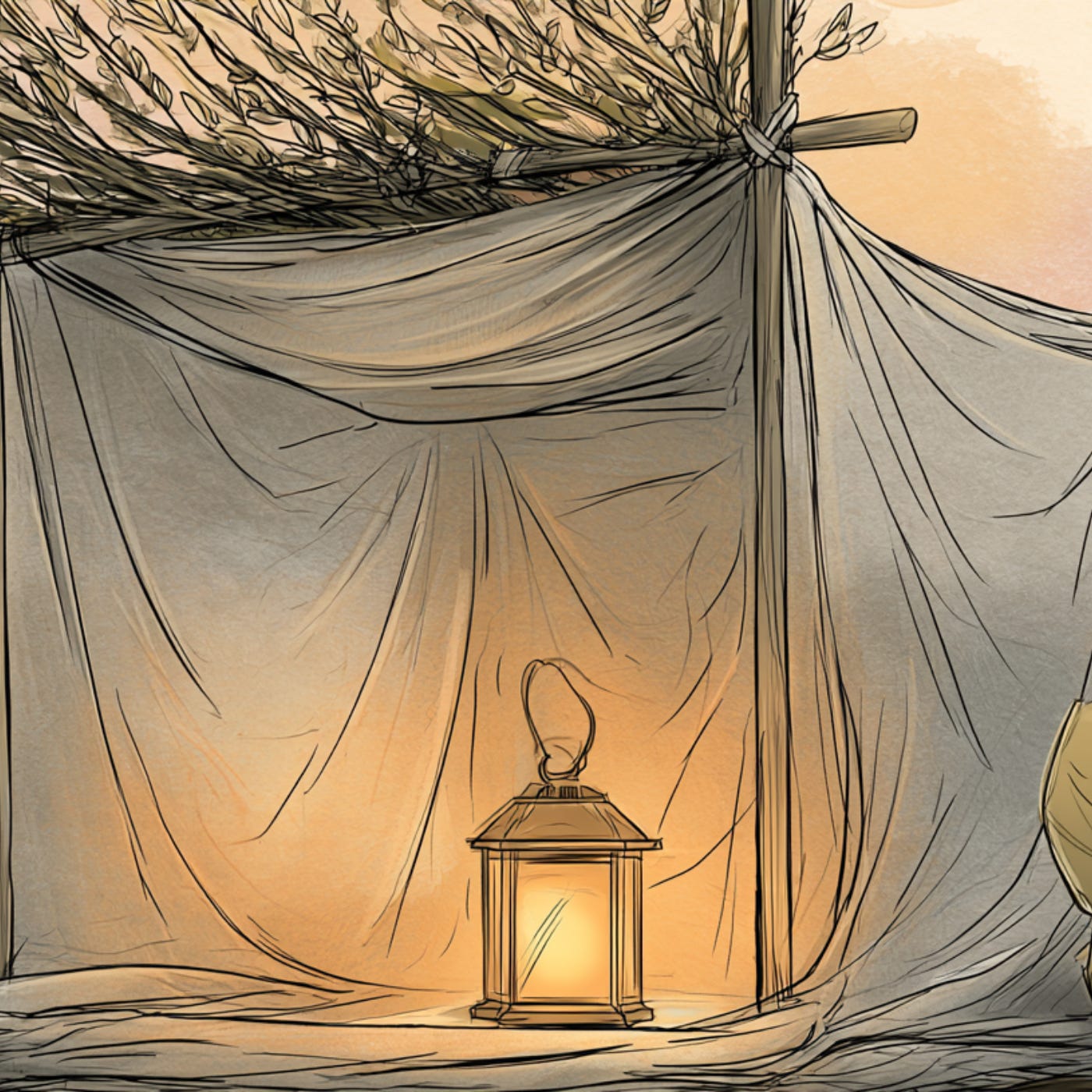 Zechariah 14: The Apocalypse Ends at Sukkot 14.09.2026 18minDiane explores Zechariah 14 as a startling end-times vision that moves from Jerusalem’s violent siege and exile to God fighting the nations, the Mount of Olives splitting, strange light, and living waters flowing from Jerusalem.She connects this “living water” imagery with Sukkot’s Second Temple water ceremony and Yeshua’s words in John 7, then highlights Zechariah’s declaration that the Lord will be king over all the earth.The chapter’s shock comes in its conclusion: surviving nations must come annually to Jerusalem to worship and keep Sukkot, with drought—and even plagues for Egypt—as enforcement. Zechariah’s final images extend holiness beyond the temple, marking even horse bells and cooking pots as “Holy to the Lord,” as Diane traces a tabernacling theme from the wilderness to John and Revelation.00:00 Chicken Coop Sukkah Story01:59 Zechariah 14 Preview03:03 Jerusalem Under Siege04:34 God Splits the Mountain06:16 Strange Light Living Water07:04 Sukkot Water Ceremony Link09:08 One Lord One Name10:56 Nations Celebrate Sukkot12:46 No Rain Plague Warning14:26 Holiness in Everyday Pots16:03 Tabernacling Across Scripture17:36 Closing Why Sukkot Matters This is a public episode. If you'd like to discuss this with other subscribers or get access to bonus episodes, visit shessoscripture.com/subscribe
 -
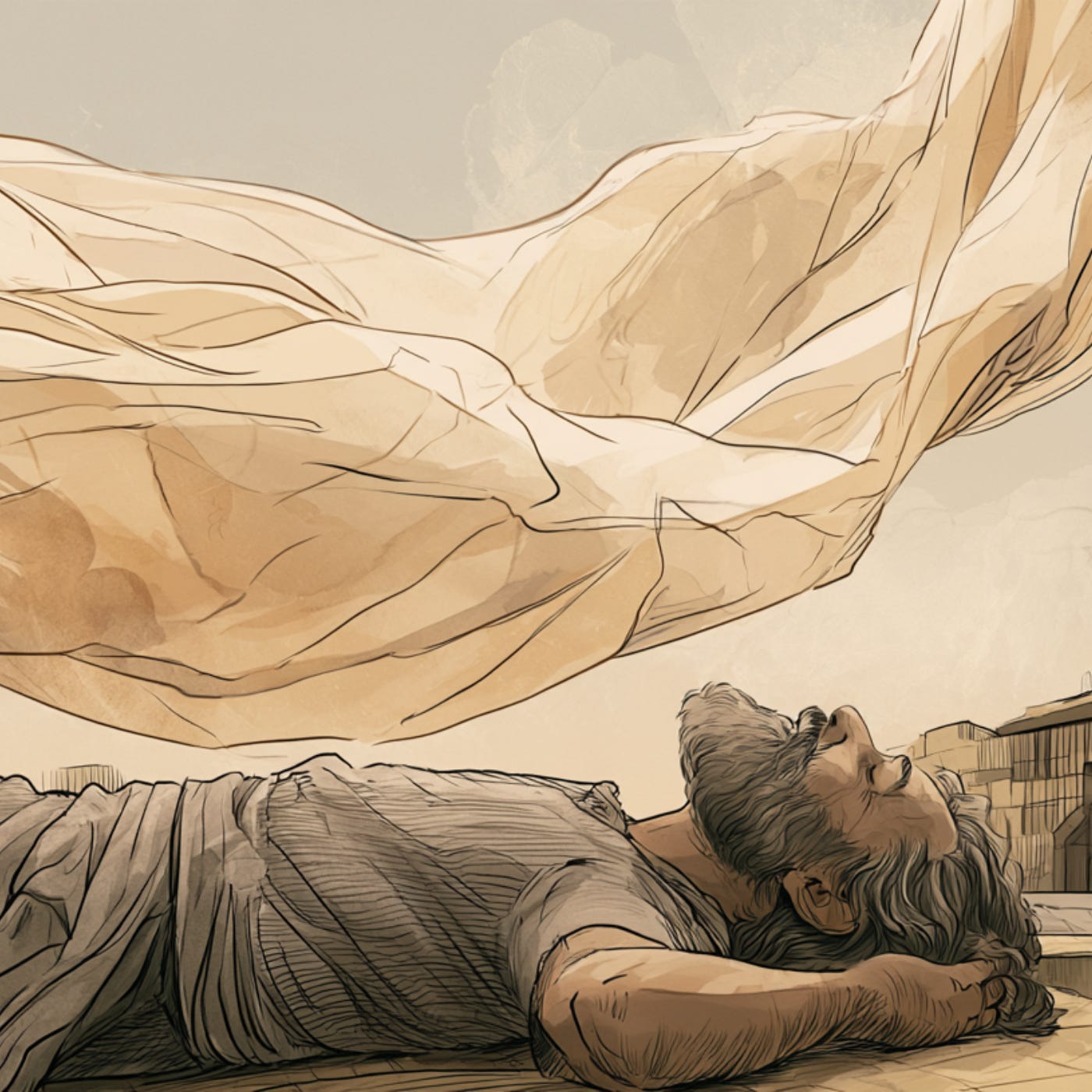 Peter and the Vision of the Sheet 08.09.2026 23minActs 10 Isn’t the “Bacon Chapter”: Peter’s Vision, Cornelius, and the Real Point of the SheetDiane revisits Acts 10 and argues Peter’s vision of the sheet is commonly reduced to permission to eat anything, even though the text shows Peter refusing three times and never actually eating.She emphasizes reading the full context: Cornelius, a devout Roman centurion and “God-fearer,” receives an angelic visit during the ninth-hour time of prayer, then Peter prays at noon and receives the vision.When Peter enters Cornelius’s Gentile household, he explains the vision’s meaning in his own words: God has shown him not to call any person unholy or unclean. The Spirit falls on the Gentiles, they are baptized, and the controversy in Jerusalem centers on Peter eating with uncircumcised men, highlighting Gentile inclusion and table fellowship rather than abolishing dietary law.If this episode stirred something in you, here's where you can find me:📖 She's So Scripture: shessoscripture.com📖 She Opens Her Bible: sheopensherbible.com🎥 Subscribe on YouTube: She's So Scripture💌 Want live Bible studies, weekly teachings, audio lessons, devotionals, and a community of people who want depth without pressure or performance? Join The Chavurah at shessoscripture.com/subscribeIf this episode blessed you, please subscribe, leave a review, and share it with a friend who loves to study the Word. It helps more women find this content and I appreciate it more than you know.See you in the next episode. Shalom. 💕00:00 Welcome and Setup00:50 Why Acts 10 Matters02:53 Cornelius First Vision06:57 Peter Sheet Vision09:32 Jonah and Joppa Echoes10:35 Doorway Lesson People14:32 Gospel and Spirit Falls16:29 Jerusalem Pushback18:14 Acts 15 and Purity19:18 So Is Kosher Over21:30 Final Takeaway and Thanks This is a public episode. If you'd like to discuss this with other subscribers or get access to bonus episodes, visit shessoscripture.com/subscribe
 -
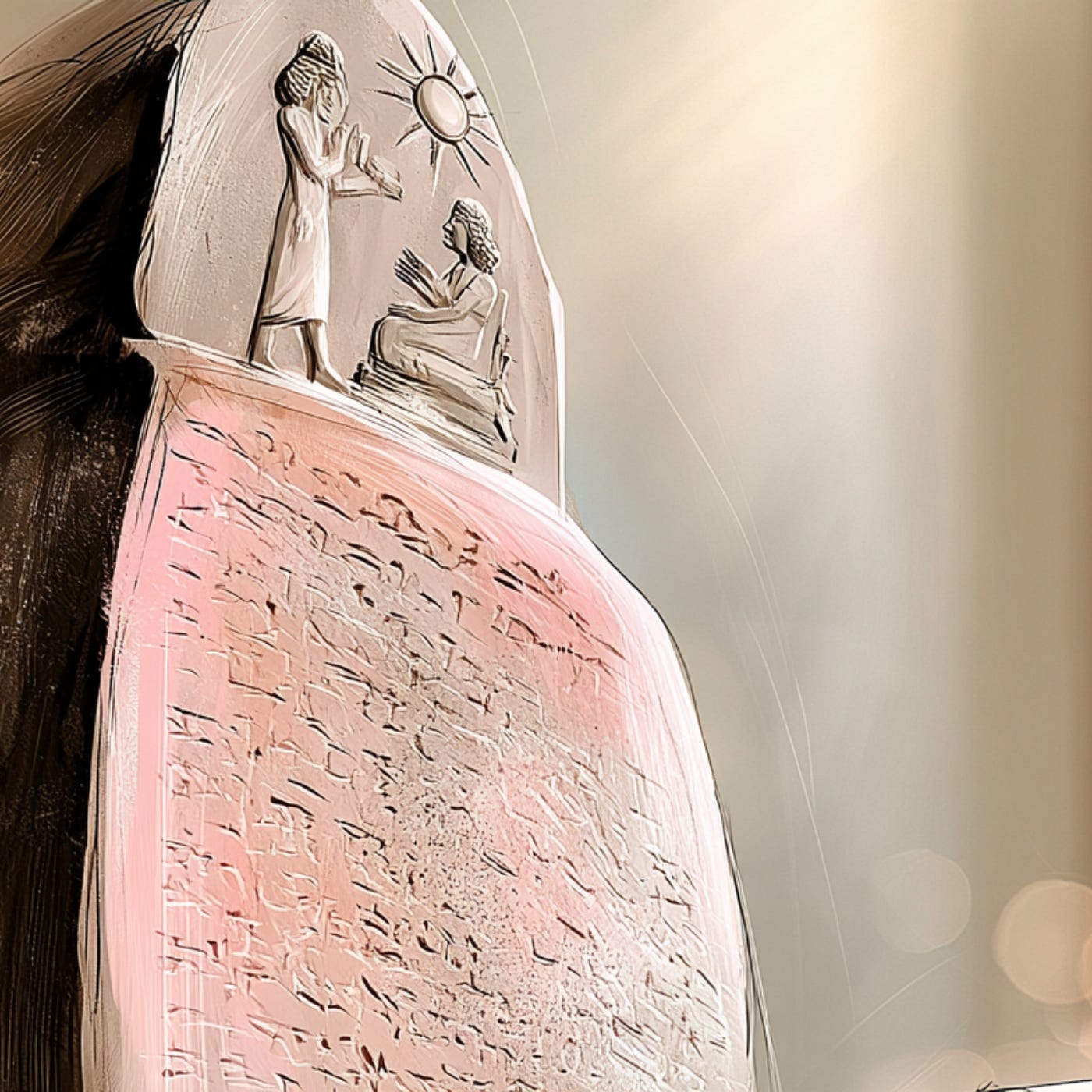 An Eye for an Eye - What It Actually Meant, From Babylon to Yeshua 31.08.2026 35minDiane kicks off a series on difficult biblical passages by reexamining the often-misquoted “an eye for an eye,” arguing it’s commonly treated as “vibes” instead of read in context. She traces the phrase back to Hammurabi’s code, contrasts its class-based penalties with the Torah’s wording, and notes the formula appears three times in the Torah with different applications, including false witness law, showing it functions as a principle of measured judicial correspondence; a ceiling on punishment, not a license for private revenge. She then summarizes rabbinic debates that establish monetary compensation as legal practice and explains Maimonides’ view that the wording preserves moral desert while courts enforce restitution. Finally, she reframes Matthew 5 as a shift from courtroom remedy to discipleship ethics of personal non-retaliation, rejecting the “Old Testament harsh vs. New Testament loving” caricature.00:00 Welcome and Setup00:51 Why We Skip Hard Texts02:21 Rumors Versus Reading04:14 Eye for Eye Misconceptions06:05 Hammurabi and Origins10:05 Where Torah Uses It13:13 Ceiling Not Revenge16:53 Rabbis and Compensation19:58 Rambam Two Layers23:33 Yeshua in Matthew Five26:30 Personal Ethic Not Courts31:12 Wrap Up and Takeaways35:21 Final Thanks and Subscribe This is a public episode. If you'd like to discuss this with other subscribers or get access to bonus episodes, visit shessoscripture.com/subscribe
 -
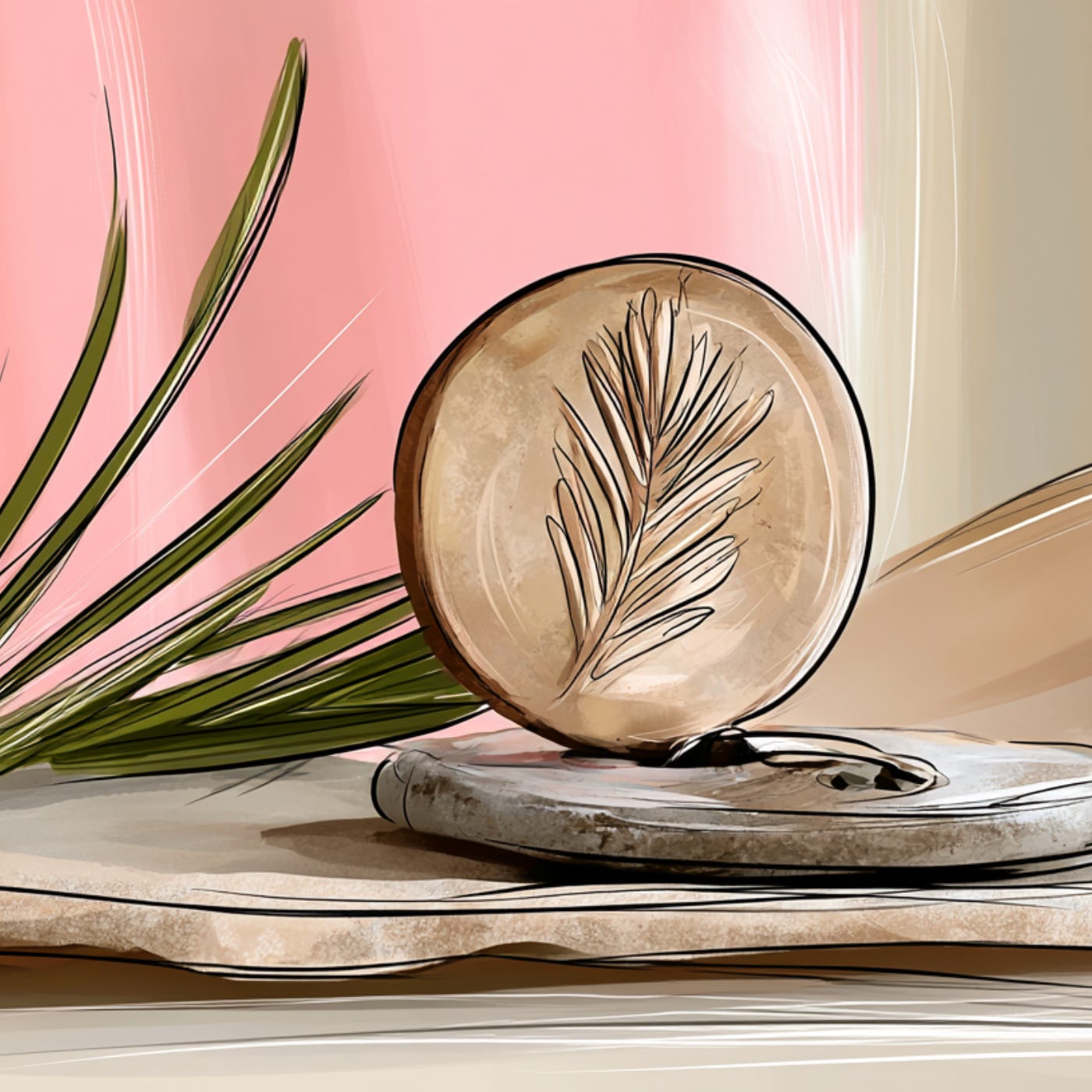 What the Crowd Was Really Waving - Palm Sunday, the Maccabees, and John 12 24.08.2026 25minDiane traces Palm Sunday back beyond childhood church memories to the first-century Jewish meaning of palm branches under Roman occupation. Drawing from 1–2 Maccabees, she explains how palms became linked not only to Sukkot worship but also to temple purification (164 BC), military liberation (141 BC), and later Jewish revolts, even appearing on coins with slogans like “freedom” and “redemption of Zion.” Against that backdrop, John’s account of the crowd greeting Yeshua with palms and Psalm 118’s “Hoshiana” (“save now”) takes on political and theological weight, especially since “yasha” underlies the name Yeshua. Yeshua’s choice to ride a donkey fulfills Zechariah 9’s vision of a king who breaks weapons and speaks shalom, redefining what salvation would look like and cost.00:00 Palm Sunday Memory02:24 Why Palms Matter04:12 Maccabees Backstory05:06 Temple Rededication09:00 Simon’s Victory Palms11:08 Coins and Revolts13:58 Crowd Meets Yeshua15:34 Hosanna Explained18:46 Donkey King Prophecy22:16 When Expectations Break24:21 Final Takeaway and ThanksIf this episode stirred something in you, here's where you can find me:📖 She's So Scripture: shessoscripture.com📖 She Opens Her Bible: sheopensherbible.com🎥 Subscribe on YouTube: She's So Scripture💌 Want live Bible studies, weekly teachings, audio lessons, devotionals, and a community of women who want depth without pressure or performance? Join The Chavurah at shessoscripture.com/subscribeIf this episode blessed you, please subscribe, leave a review, and share it with a friend who loves to study the Word. It helps more women find this content and I appreciate it more than you know.See you in the next episode. Shalom. 💕 This is a public episode. If you'd like to discuss this with other subscribers or get access to bonus episodes, visit shessoscripture.com/subscribe
 -
 The Bald Prophet and the Bears - What Your Sunday School Never Told You 21.08.2026 14minThat infamous “bald prophet and the bears” story is disturbing but the Sunday school version adds details 2 Kings never gives. Diane walks through the Hebrew terms (na’arim qetanim and yeladim) to show the crowd’s ages aren’t clear, explains that Elisha doesn’t summon the bears, and notes that “from among them” suggests the group may have been larger than the 42 who were mauled. She also explores why Bethel matters as a Northern Kingdom center of rival worship set up by Jeroboam, framing the mockery as more than a bald joke and tied to covenant loyalty and prophetic authority. 00:00 Bald Prophet Setup00:52 What Text Says01:32 Did Elisha Summon Bears01:55 How Old Were They05:13 Limits of Hebrew06:16 From Among Them 4207:06 Why Bethel Matters09:33 Go Up Baldy Meaning11:20 Brutal Outcome Nuance12:40 Be Honest With Text12:57 Final Takeaways14:13 Thanks And Subscribe This is a public episode. If you'd like to discuss this with other subscribers or get access to bonus episodes, visit shessoscripture.com/subscribe
 -
 The Sound of Thin Silence 17.08.2026 18minDiane revisits 1 Kings 19 and her long-held teaching on the “still small voice,” arguing the passage isn’t about God speaking quietly so much as what happens to Elijah after Mount Carmel’s triumph. She traces Elijah’s fear, flight into the wilderness, and request to die, highlighting God’s tender provision of bread, water, and sleep before any explanation. At Horeb/Sinai—possibly “the” cave echoing Exodus 33—she unpacks the Hebrew kol demamah dakah and notes that God asks Elijah the same question twice and receives the same “I alone am left” answer even after the wind, earthquake, fire, and whisper. God then sends Elijah back with new assignments, names Elisha as successor, and corrects his isolation with the preserved 7,000, a detail Paul later uses in Romans 11.00:00 Confession and Setup00:44 Still Small Voice Intro02:32 Elijah Crashes After Carmel05:00 Bread and Rest in the Desert05:45 Forty Days to Horeb06:30 The Cave and Exodus Echoes08:10 Kol Demamah Dakah Explained11:32 The Question Twice12:43 Go Back and New Assignments14:30 Seven Thousand Not Alone15:50 Rethinking the Whisper17:31 Read Along and ClosingIf this episode stirred something in you, here's where you can find me:📖 She's So Scripture: shessoscripture.com📖 She Opens Her Bible: sheopensherbible.com🎥 Subscribe on YouTube: She's So Scripture💌 Want live Bible studies, weekly teachings, audio lessons, devotionals, and a community of women who want depth without pressure or performance? Join The Chavurah at shessoscripture.com/subscribeIf this episode blessed you, please subscribe, leave a review, and share it with a friend who loves to study the Word. It helps more women find this content and I appreciate it more than you know.See you in the next episode. Shalom. 💕 This is a public episode. If you'd like to discuss this with other subscribers or get access to bonus episodes, visit shessoscripture.com/subscribe
 -
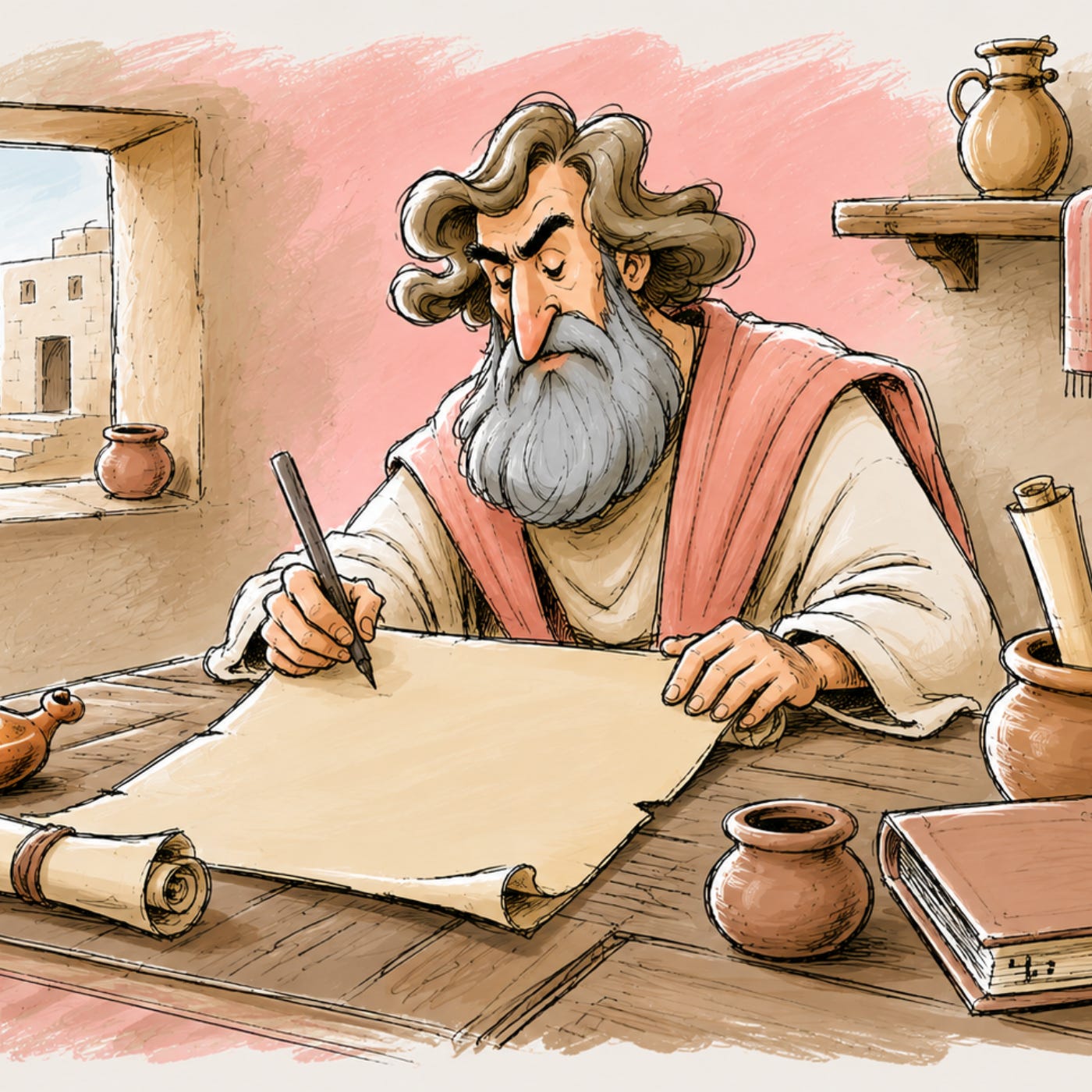 The Angriest Letter in the New Testament - What Your Sunday School Never Told You 14.08.2026 16minDiane introduces the one-chapter letter of Jude as a furious, urgent warning often skipped despite its famous closing doxology. She explains Jude (Judah), brother of James and half-brother of Yeshua, wrote not to claim status but in humility as a servant, and likely came to faith after the resurrection. 00:00 Jude’s Furious Hook01:03 Why Jude Gets Skipped01:42 Who Wrote Jude04:35 An Interrupted Warning06:35 Grace Twisted Into License08:19 Michael and Enoch Quotes11:02 Love Feasts and Hidden Reefs12:52 But You Loved Ones Pivot13:40 Doxology With Context15:07 Read Jude This Week15:45 Thanks and SubscribeIf this episode stirred something in you, here's where you can find me:📖 She's So Scripture: shessoscripture.com📖 She Opens Her Bible: sheopensherbible.com🎥 Subscribe on YouTube: She's So Scripture💌 Want live Bible studies, weekly teachings, audio lessons, devotionals, and a community of women who want depth without pressure or performance? Join The Chavurah at shessoscripture.com/subscribeIf this episode blessed you, please subscribe, leave a review, and share it with a friend who loves to study the Word. It helps more women find this content and I appreciate it more than you know.See you in the next episode. Shalom. 💕 This is a public episode. If you'd like to discuss this with other subscribers or get access to bonus episodes, visit shessoscripture.com/subscribe
 -
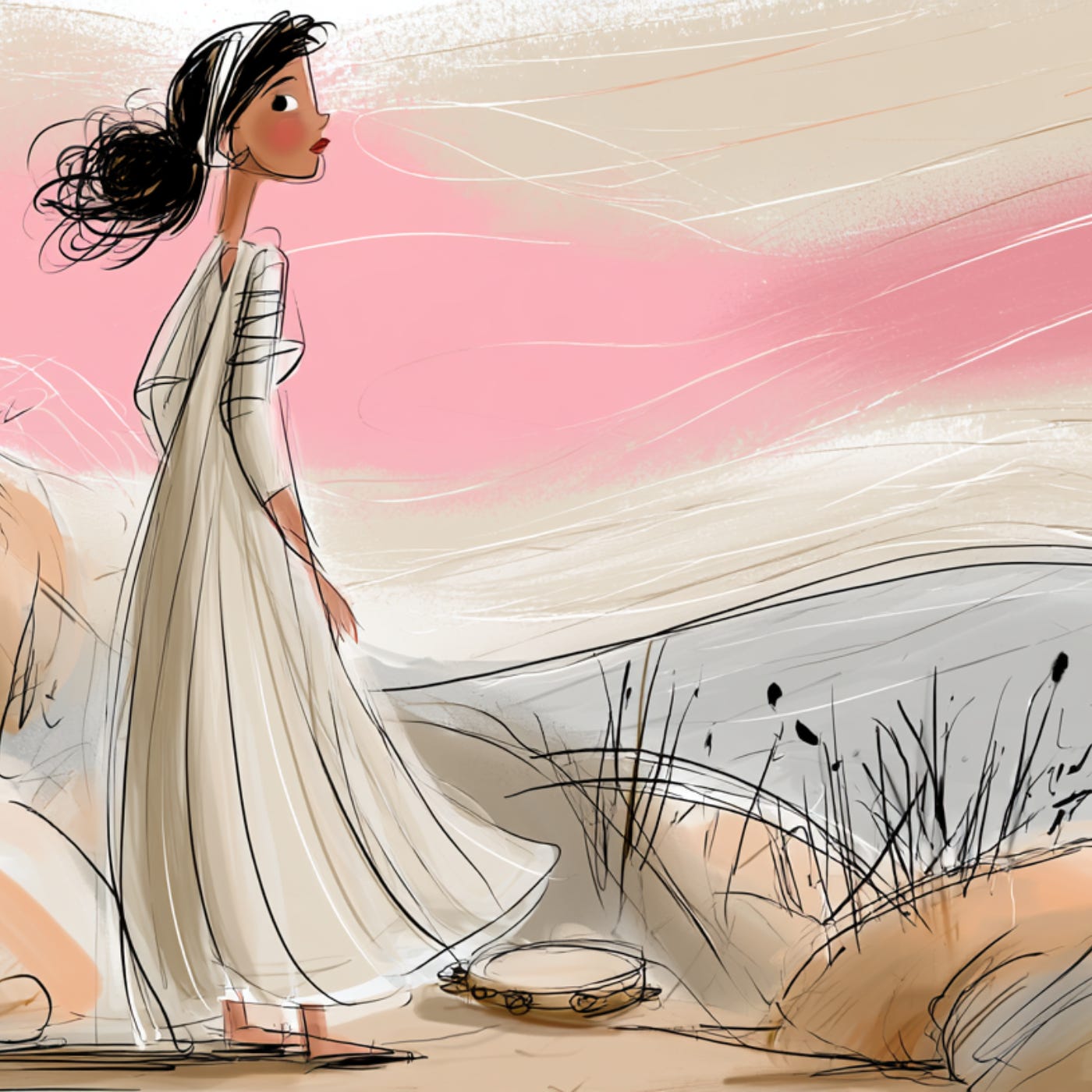 Jephthah’s Vow and the Four Days Israel’s Daughters Wouldn’t Forget 10.08.2026 17minThis episode of She’s So Scripture walks through Judges 11 and the story of Jephthah’s vow, focusing on the unnamed daughter who becomes the cost of his reckless promise.In the episode I mention Phyllis Trible’s book Texts of Terror. You can find it here.00:00 Four Days Remembered00:55 Meet Jephthah01:37 The Dangerous Vow04:10 Pride Blocks Mercy05:09 Daughter at the Door06:44 Texts of Terror08:43 Two Months to Mourn09:44 Was She Sacrificed11:11 Why Four Days Matter12:58 Echoes of Isaac15:13 So Where Now16:50 Closing ThanksIf this episode stirred something in you, here's where you can find me:📖 She's So Scripture: shessoscripture.com📖 She Opens Her Bible: sheopensherbible.com🎥 Subscribe on YouTube: She's So Scripture💌 Want live Bible studies, weekly teachings, audio lessons, devotionals, and a community of women who want depth without pressure or performance? Join The Chavurah at shessoscripture.com/subscribeIf this episode blessed you, please subscribe, leave a review, and share it with a friend who loves to study the Word. It helps more women find this content and I appreciate it more than you know.See you in the next episode. Shalom. 💕 This is a public episode. If you'd like to discuss this with other subscribers or get access to bonus episodes, visit shessoscripture.com/subscribe
 -
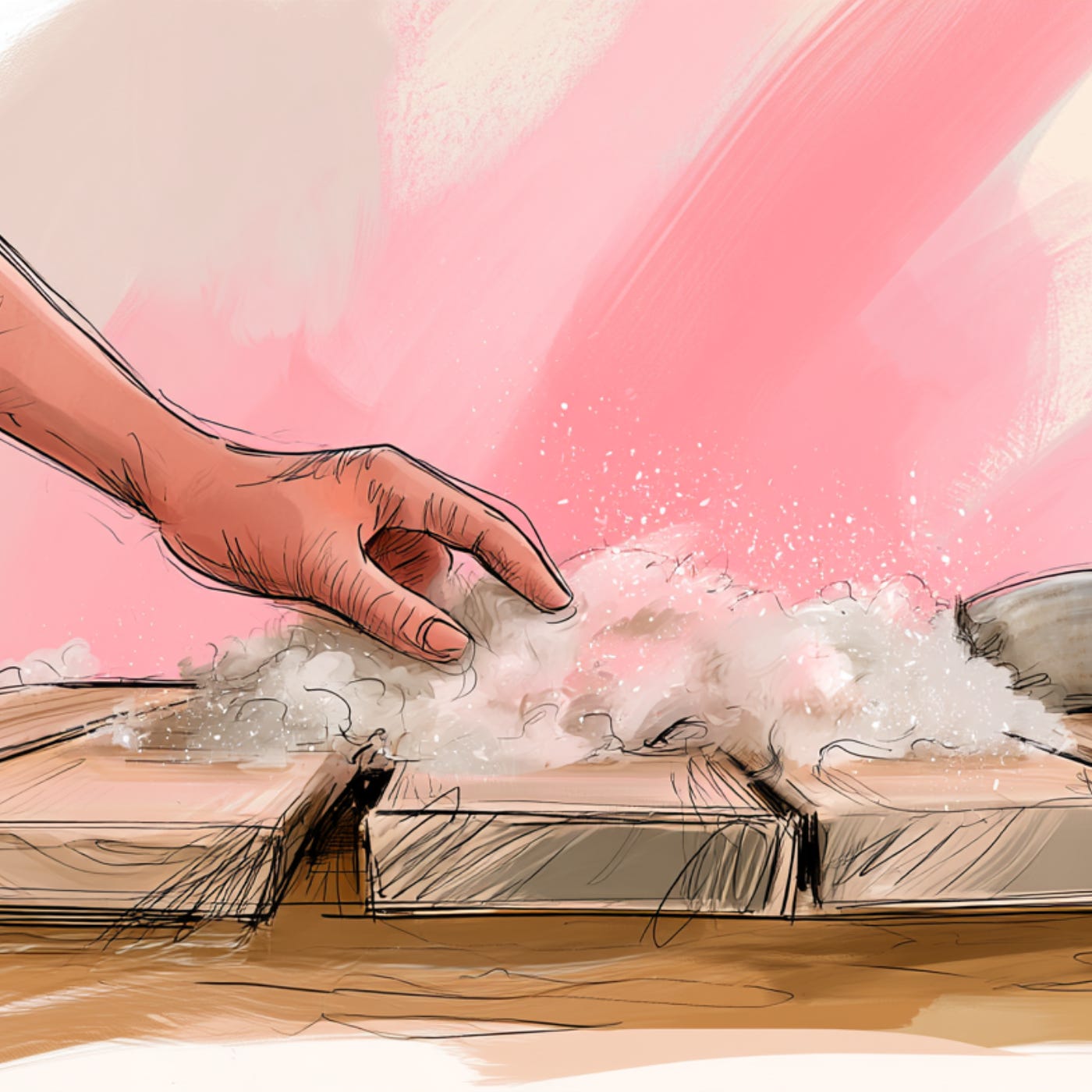 The Mighty Warrior Hiding in a Hole - What Your Sunday School Never Told You Podcast 07.08.2026 14minIn this episode:This episode retells Judges 6 by reframing Gideon’s “courage” as fear-driven faithfulness: he threshes wheat inside a wine press to hide from seven years of Midianite raids that stripped Israel bare and drove people into caves. An angel calls him “mighty man of valor” while he’s still hiding, and Gideon answers with grief and doubt about God’s absence and his own weakness. God doesn’t argue, but sends him and promises, “I will be with you,” confirming it with fire from a rock. Gideon names the altar Adonai Shalom before any victory, then asks for two fleece signs without rebuke. God reduces 32,000 soldiers to 300 so Israel can’t claim credit, and Gideon leads an impossible attack with trumpets, jars, and torches, emphasizing that the word and peace come before the evidence.00:00 Gideon in the Pit00:50 Seven Years of Raids02:16 Threshing in Secret03:21 Mighty Man of Valor06:05 Adonai Shalom Altar07:15 Putting Out the Fleece08:47 Army Cut to 30011:20 Jars Trumpets Victory11:59 Peace Before Proof12:57 Called While Afraid14:00 Fleece by FleeceIf this episode stirred something in you, here's where you can find me:📖 She's So Scripture: shessoscripture.com📖 She Opens Her Bible: sheopensherbible.com🎥 Subscribe on YouTube: She's So Scripture💌 Want live Bible studies, weekly teachings, audio lessons, devotionals, and a community of women who want depth without pressure or performance? Join The Chavurah at shessoscripture.com/subscribeIf this episode blessed you, please subscribe, leave a review, and share it with a friend who loves to study the Word. It helps more women find this content and I appreciate it more than you know.See you in the next episode. Shalom. 💕 This is a public episode. If you'd like to discuss this with other subscribers or get access to bonus episodes, visit shessoscripture.com/subscribe
 -
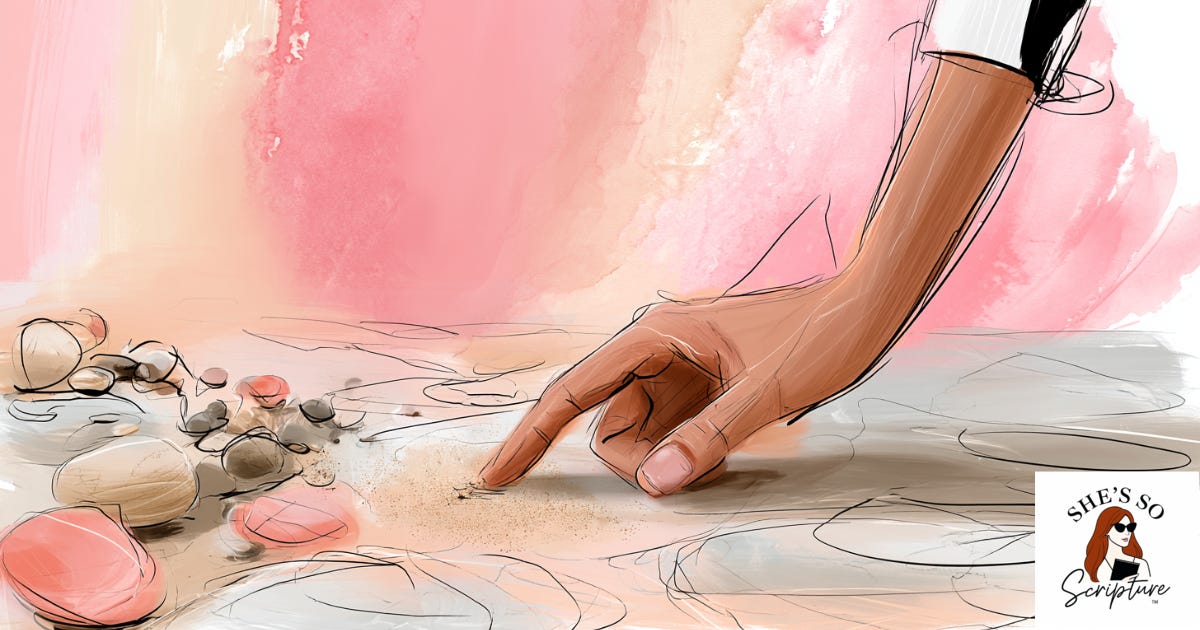 What Did Jesus Write in the Dirt? 03.08.2026 18minDiane explores the puzzling detail in John 8 where Yeshua, confronted in the temple with a public halakhic trap over the woman caught in adultery, kneels and writes in the dirt twice while accusers demand a Torah-based verdict.00:00 Mystery In The Dust01:35 Textual Footnote Explained03:39 Temple Trap Setup06:39 He Writes Twice07:26 Popular Theories08:42 Jeremiah Written In Dirt09:51 Sukkot Living Water Link11:34 Numbers Five Resonance14:15 Interpretation Versus Text15:21 Mercy Without Condemnation16:38 Final Takeaways 17:57 Outro And SubscribeIf this episode stirred something in you, here's where you can find me:📖 She's So Scripture: shessoscripture.com📖 She Opens Her Bible: sheopensherbible.com🎥 Subscribe on YouTube: She's So Scripture💌 Want live Bible studies, weekly teachings, audio lessons, devotionals, and a community of women who want depth without pressure or performance? Join The Chavurah at shessoscripture.com/subscribeIf this episode blessed you, please subscribe, leave a review, and share it with a friend who loves to study the Word. It helps more women find this content and I appreciate it more than you know.See you in the next episode. Shalom. 💕 This is a public episode. If you'd like to discuss this with other subscribers or get access to bonus episodes, visit shessoscripture.com/subscribe
 -
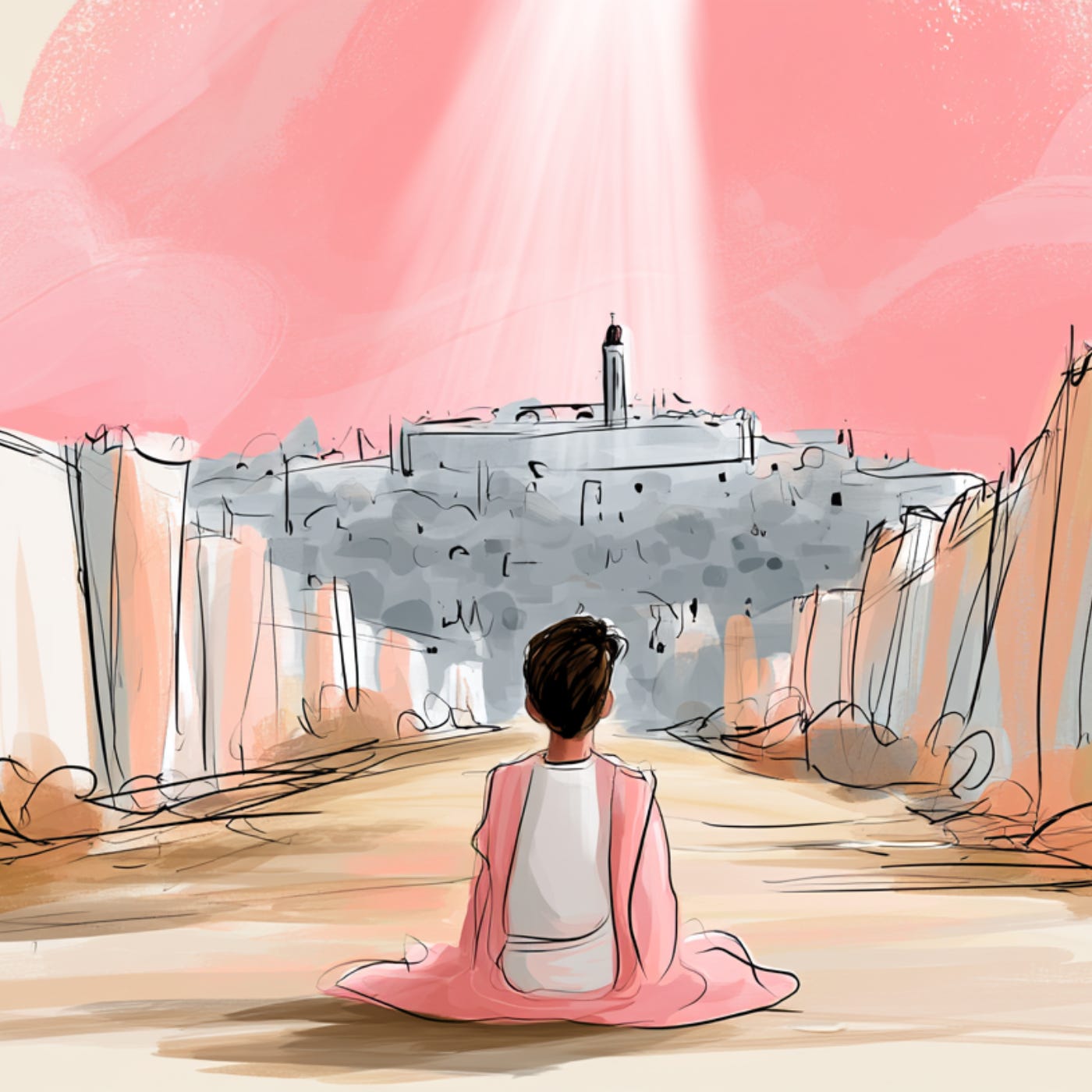 Paul’s Damascus Road: Conversion Story or Prophetic Calling? 31.07.2026 23minDiane reexamines the Damascus Road story, arguing Paul never calls it a “conversion” in Acts, Galatians, or Philippians, but describes it with prophetic calling language like Jeremiah 1 and Isaiah 49: set apart from birth, called by grace, and sent to the nations. She challenges common assumptions that Saul’s name changed at Damascus (noting Acts keeps “Saul” for chapters and introduces “Saul, also called Paul” later in a Roman context) and that Paul was a tortured Jew crushed by Torah (citing Philippians 3 where he says he was “blameless”). 00:00 Damascus Road Question01:44 Paul Tells His Story03:21 Prophetic Call Language06:22 Saul Also Called Paul09:31 Myth of Tortured Paul12:41 Courtroom Resurrection Defense17:12 Hope Fulfilled in Messiah19:26 Calling Not Conversion21:19 Weekly Takeaway and FarewellIf this episode stirred something in you, here's where you can find me:📖 She's So Scripture: shessoscripture.com📖 She Opens Her Bible: sheopensherbible.com🎥 Subscribe on YouTube: She's So Scripture💌 Want live Bible studies, weekly teachings, audio lessons, devotionals, and a community of women who want depth without pressure or performance? Join The Chavurah at shessoscripture.com/subscribeIf this episode blessed you, please subscribe, leave a review, and share it with a friend who loves to study the Word. It helps more women find this content and I appreciate it more than you know.See you in the next episode. Shalom. 💕 This is a public episode. If you'd like to discuss this with other subscribers or get access to bonus episodes, visit shessoscripture.com/subscribe
 -
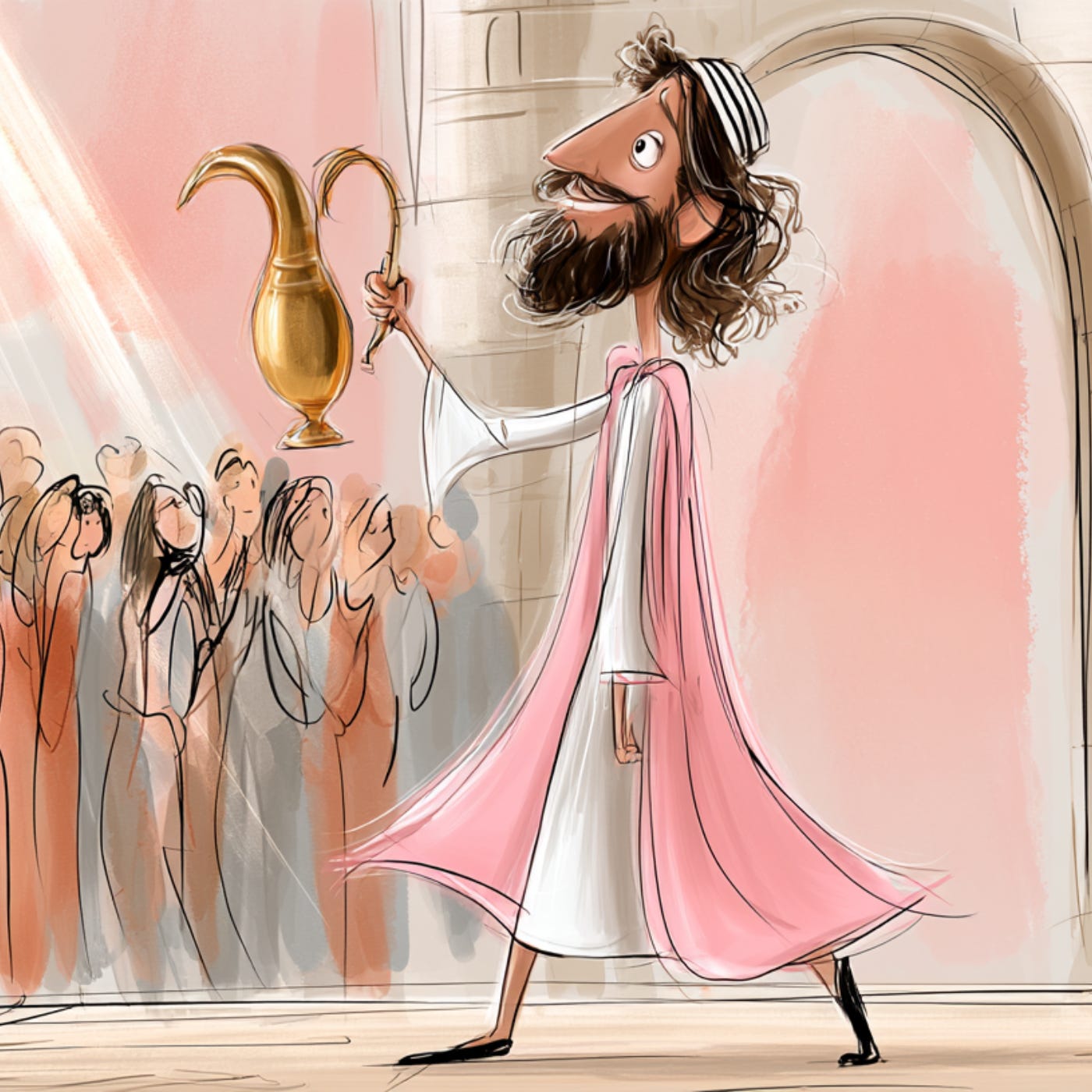 John 7 at Sukkot - The Water Ceremony Behind “Come and Drink” 27.07.2026 17minJohn 7 at Sukkot: The Water Ceremony Behind “Come and Drink”Yeshua’s famous invitation in John 7—“If anyone is thirsty, let him come to me and drink”—is unpacked in its Sukkot setting, where Jerusalem overflowed with pilgrims, commanded joy, and urgent prayers for rain. The episode explains the temple water libation tradition described in the Mishnah: priests drawing spring-fed water from the pool of Siloam in golden pitchers, pouring it at the altar amid shofars, singing, and all-night celebration (Simchat Beit HaShoevah), linked to Isaiah 12:3 about drawing water from the wells of salvation (Yeshua). With debate over whether John’s “last and greatest day” is the seventh or eighth day, the key claim remains that Yeshua publicly applied the water festival to Himself. “Living water” is shown as flowing spring water imagery fulfilled by the Ruach HaKodesh, and Sukkot is framed as pointing forward to God dwelling with His people.00:00 Water Verse Reframed01:45 What Is Sukkot02:35 Joyful Pilgrimage Feast03:24 Praying for Rain03:57 Mishnah and Temple Ritual05:06 Water Libation Explained06:53 Wells of Yeshua07:42 John 7 in Context08:45 Last Great Day Debate11:13 Living Water Meaning13:04 Spirit Promise and Fulfillment13:58 Sukkot Points Forward15:54 Come and Drink Today16:56 Closing and SubscribeIf this episode stirred something in you, here's where you can find me:📖 She's So Scripture: shessoscripture.com📖 She Opens Her Bible: sheopensherbible.com🎥 Subscribe on YouTube: She's So Scripture💌 Want live Bible studies, weekly teachings, audio lessons, devotionals, and a community of women who want depth without pressure or performance? Join The Chavurah at shessoscripture.com/subscribeIf this episode blessed you, please subscribe, leave a review, and share it with a friend who loves to study the Word. It helps more women find this content and I appreciate it more than you know.See you in the next episode. Shalom. 💕 This is a public episode. If you'd like to discuss this with other subscribers or get access to bonus episodes, visit shessoscripture.com/subscribe
 -
 The One-Word Detail in the 10 Lepers Story - What Your Sunday School Never Told You 25.07.2026 13minDiane revisits Luke 17’s ten “lepers,” and highlights Luke’s delayed reveal that the thankful man is a Samaritan and focuses on Yeshua’s rare word for him—allogenes (“foreigner”), used only once in the New Testament and also carved on Greek warning inscriptions on the Temple’s stone barrier (a slab now in an Istanbul museum) forbidding foreigners to enter on pain of death. Gratitude is only part of the story: worship draws the outsider to Yeshua, dissolving boundaries.00:00 Gratitude Is Half01:07 Border Road Setup01:34 Tzaraath And Priests03:55 Samaritan Returns05:39 Allogenes The Word06:37 Temple Barrier Stone10:13 Saved Not Just Cleansed11:36 Dividing Wall Broken13:18 Final Challenge And OutroIf this episode stirred something in you, here's where you can find me:📖 She's So Scripture: shessoscripture.com📖 She Opens Her Bible: sheopensherbible.com🎥 Subscribe on YouTube: She's So Scripture💌 Want live Bible studies, weekly teachings, audio lessons, devotionals, and a community of women who want depth without pressure or performance? Join The Chavurah at shessoscripture.com/subscribeIf this episode blessed you, please subscribe, leave a review, and share it with a friend who loves to study the Word. It helps more women find this content and I appreciate it more than you know.See you in the next episode. Shalom. 💕 This is a public episode. If you'd like to discuss this with other subscribers or get access to bonus episodes, visit shessoscripture.com/subscribe
 -
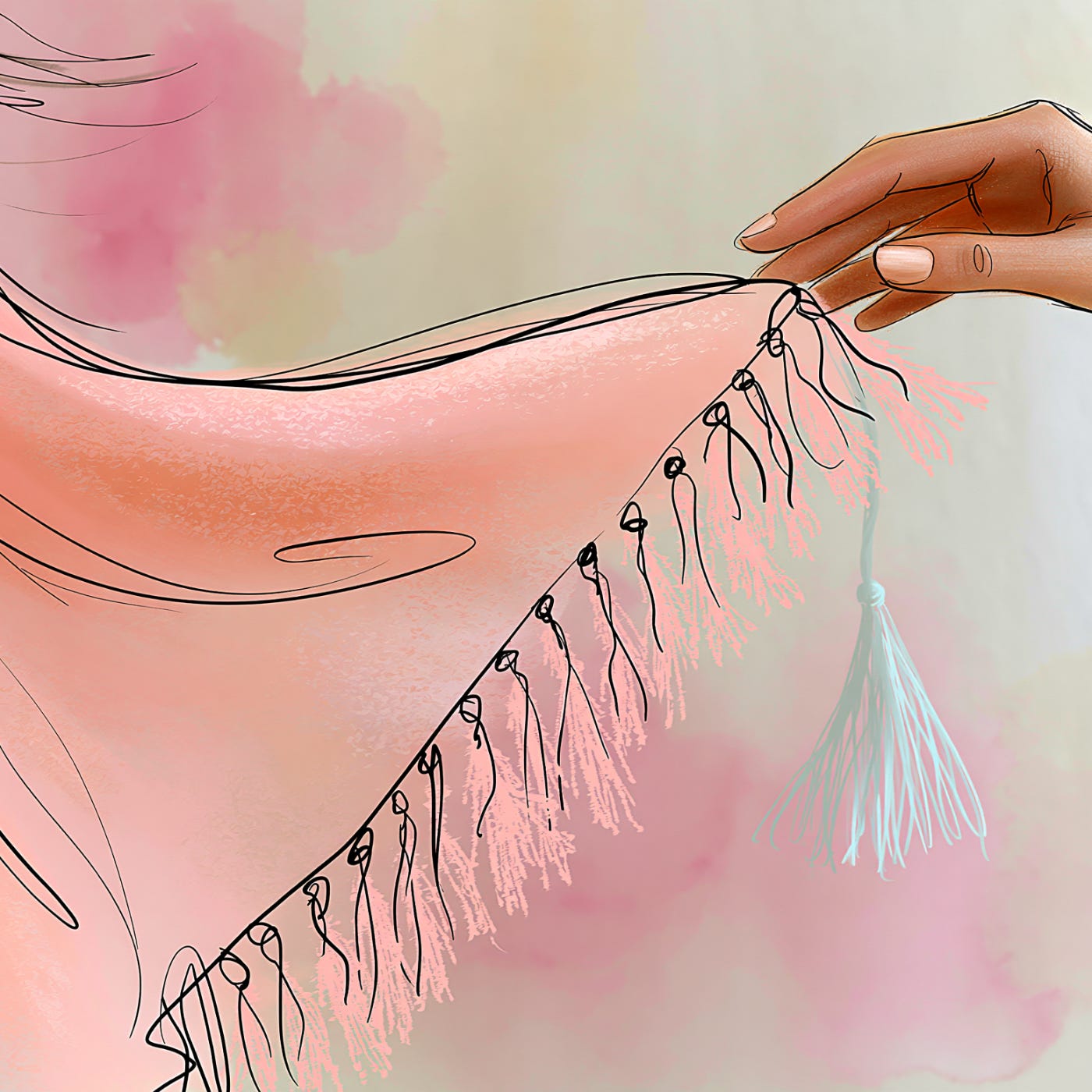 Healing in His Wings: The Woman Who Touched Yeshua’s Tzitzit 20.07.2026 20minDiane retells the unnamed woman’s 12-year bleeding in Mark 5, emphasizing that ritual impurity in Leviticus 15 is not sin and highlighting her isolation, poverty, and risk in entering the crowd.She argues the woman intentionally touched Yeshua’s tzitzit (fringe), connecting it to Numbers 15 and the Hebrew kanaph (“corner”/“wing”), where scripture imagery of refuge under God’s wings aligns with Malachi’s promise of healing in the kanaph of the “Sun of righteousness.”When Yeshua stops, he refuses to let her remain anonymous, calls her “Daughter,” and shows that purity flows from him to her rather than impurity transferring to him.Diane shares her own story relating to the woman’s experience and urging listeners to reach for God’s covering rather than formulas.00:00 Her Twelve Year Isolation02:21 Setting Mark Five Scene03:46 Impurity Not Sin06:19 Touching the Tzitzit08:20 Kanaph Wings Connection11:40 Seen and Called Daughter13:41 Purity Flows Outward14:17 Personal Healing Testimony17:52 Reach for the Covering19:32 Closing and SubscribePodcast Notes:If this episode stirred something in you, here's where you can find me: 📖 She's So Scripture: shessoscripture.com📖 She Opens Her Bible: sheopensherbible.com🎥 Subscribe on YouTube: She's So Scripture💌 Want live Bible studies, weekly teachings, audio lessons, devotionals, and a community of women who want depth without pressure or performance? Join The Chavurah at shessoscripture.com/subscribeIf this episode blessed you, please subscribe, leave a review, and share it with a friend who loves to study the Word. It helps more women find this content and I appreciate it more than you know.See you in the next episode. Shalom. 💕 This is a public episode. If you'd like to discuss this with other subscribers or get access to bonus episodes, visit shessoscripture.com/subscribe
 -
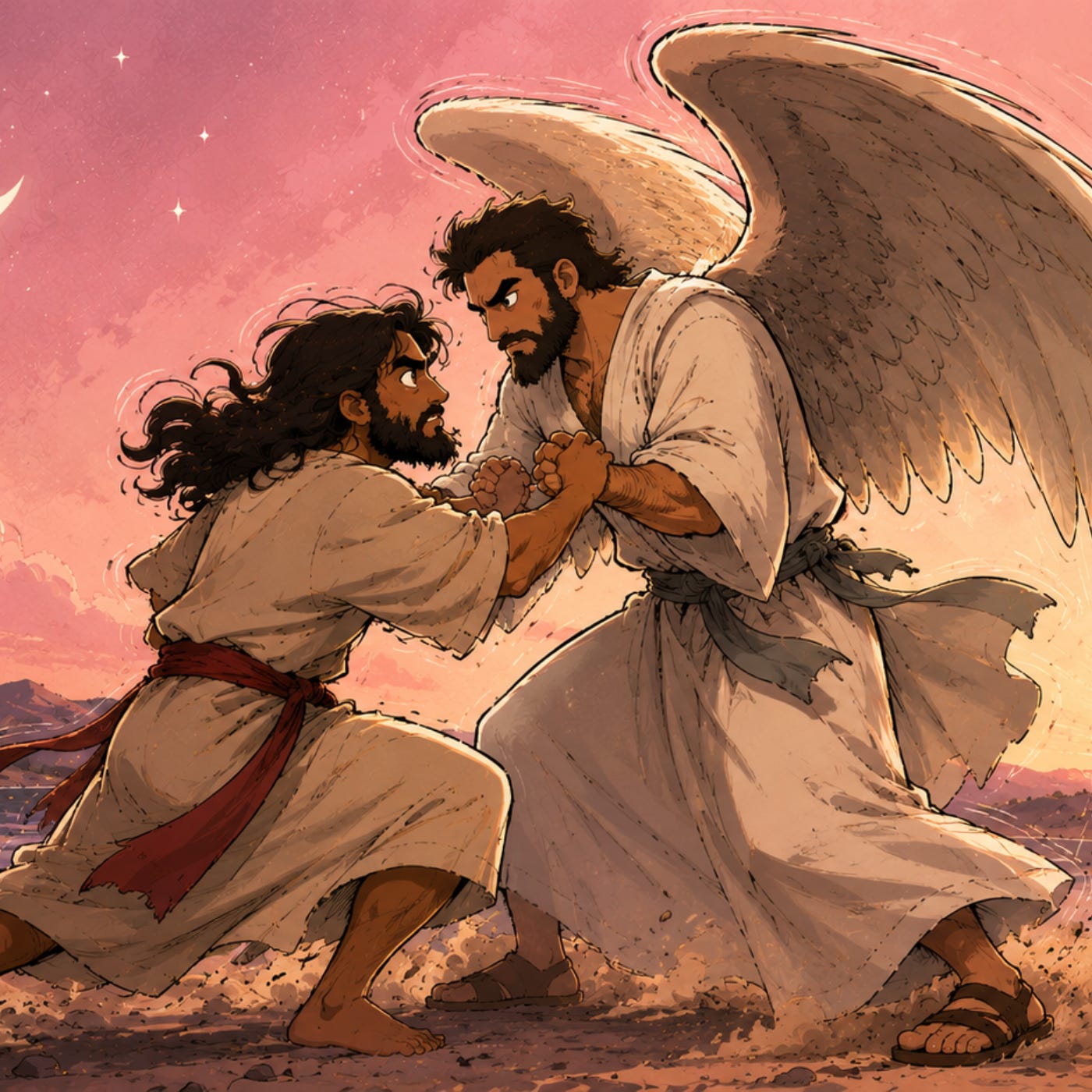 Jacob Wrestles at the Jabbok: Why God Named Israel After a Fight | What Your Sunday School Never Told You 17.07.2026 20minIn this week’s episode, we’re going back to the Jabbok, and we’re bringing the Hebrew with us.Here’s a taste of what’s inside:Genesis 32 isn’t a cute perseverance story but a theologically loaded night where Jacob (Yaakov, “heel-grabber”) is left alone at the Jabbok (Yabok) and wrestles a mysterious “man” until dawn, with Hebrew wordplay linking Yaakov, Yabok, and ye’avek (wrestle). The opponent—described across Scripture as man, angel, and God—dislocates Jacob’s hip, yet Jacob refuses to let go without a blessing and must finally speak his true name. Only then is he renamed Yisrael, because he struggled with God and with men and overcame, embedding struggle into the covenant family’s identity. Jacob limps at sunrise, and Israel’s later practice of avoiding the hip sinew memorializes the wound. The episode traces this wrestling motif forward to Yeshua’s night of agony in Gethsemane and the enduring reality of blessing and scars together.00:00 Midnight River Fight01:21 Jacob’s Messy Backstory03:31 Alone at the Jabbok04:30 Hebrew Wordplay Revealed06:38 Who Is the Stranger09:25 Blessing Demanded10:33 What Is Your Name12:31 Renamed Israel Forever15:13 Sunrise Limp and Memory17:02 From Jabbok to Jesus19:30 Closing and Subscribe This is a public episode. If you'd like to discuss this with other subscribers or get access to bonus episodes, visit shessoscripture.com/subscribe
 -
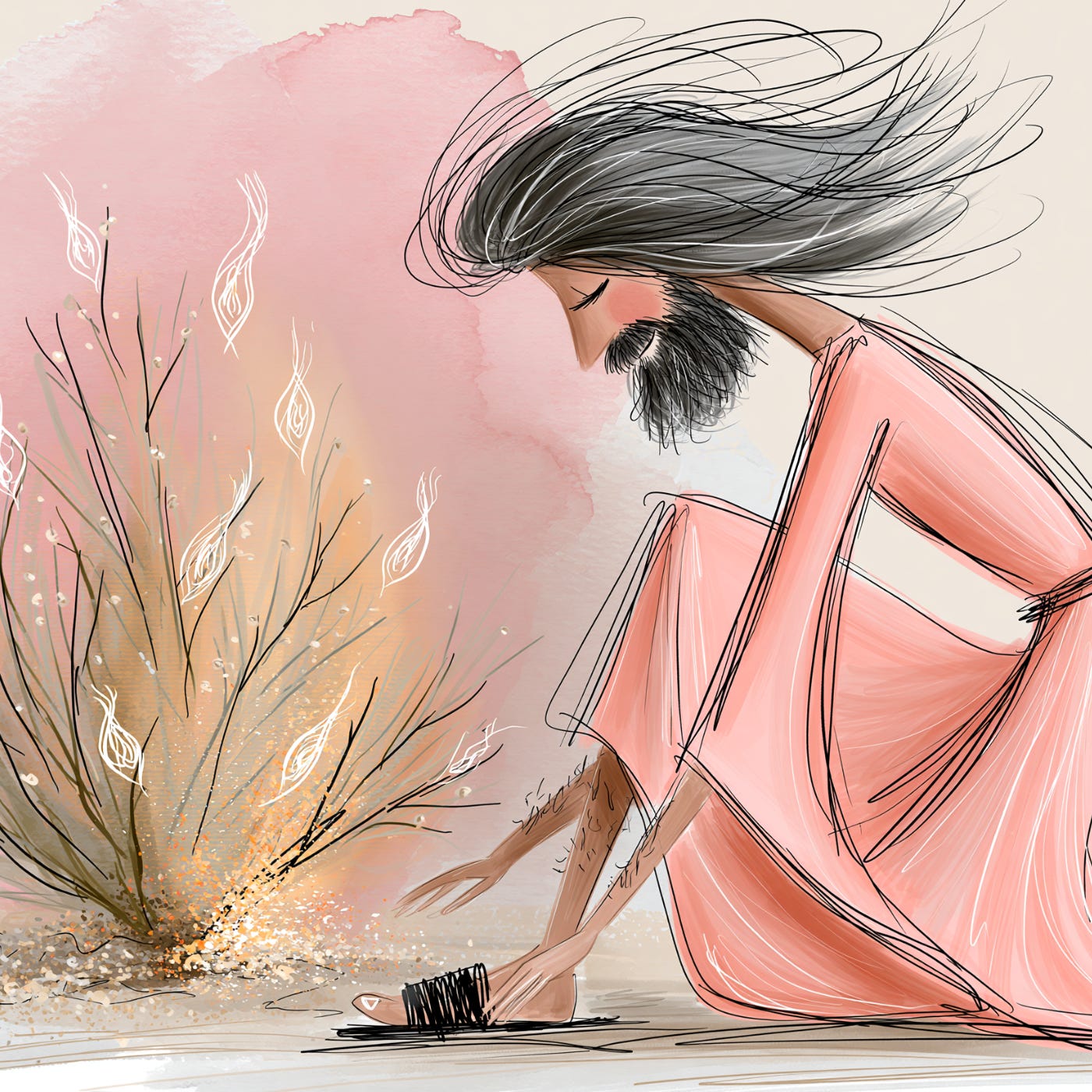 The God Who Is: Unpacking Exodus and God's Eternal Verb 13.07.2026 26minGod’s Name in Exodus 3: “I Am” or “I Will Be” (Ehyeh) and the Promise of PresenceDiane from She’s So Scripture revisits Exodus 3, arguing that when Moses asks God’s name at the burning bush, God answers with a verb—ehyeh (“to be”)—not a title, revealing Himself through action, presence, and ongoing faithfulness. She explains why ehyeh can mean both “I Am” and “I Will Be,” and connects God’s self-description to His earlier promise to Moses, “I will be with you,” using the same Hebrew form. She clarifies the grammatical link between ehyeh and the covenant name YHVH, emphasizing that God’s name is known through His deeds in the Exodus and throughout the Old Testament. The episode then traces this theme into John’s Gospel, highlighting Jesus’ “I am” language, especially John 8, and concludes that Scripture invites knowing God personally, not merely collecting information.00:00 God Answers With A Verb00:31 Moses Asks Gods Name02:56 Ehyeh I Am I Will Be04:45 I Will Be With You08:10 From Ehyeh To Yahweh11:52 More Than Pronunciation12:50 Burning Bush Picture14:41 Knowing God By Actions18:06 Jesus I Am Connection22:28 Covenant Presence Today26:05 Closing Thanks And SubscribeIf this episode stirred something in you, here's where you can find me:📖 She's So Scripture: shessoscripture.com📖 She Opens Her Bible: sheopensherbible.com🎥 Subscribe on YouTube: She's So Scripture💌 Want live Bible studies, weekly teachings, audio lessons, devotionals, and a community of women who want depth without pressure or performance? Join The Chavurah at shessoscripture.com/subscribeIf this episode blessed you, please subscribe, leave a review, and share it with a friend who loves to study the Word. It helps more women find this content and I appreciate it more than you know.See you in the next episode. Shalom. 💕 This is a public episode. If you'd like to discuss this with other subscribers or get access to bonus episodes, visit shessoscripture.com/subscribe
 -
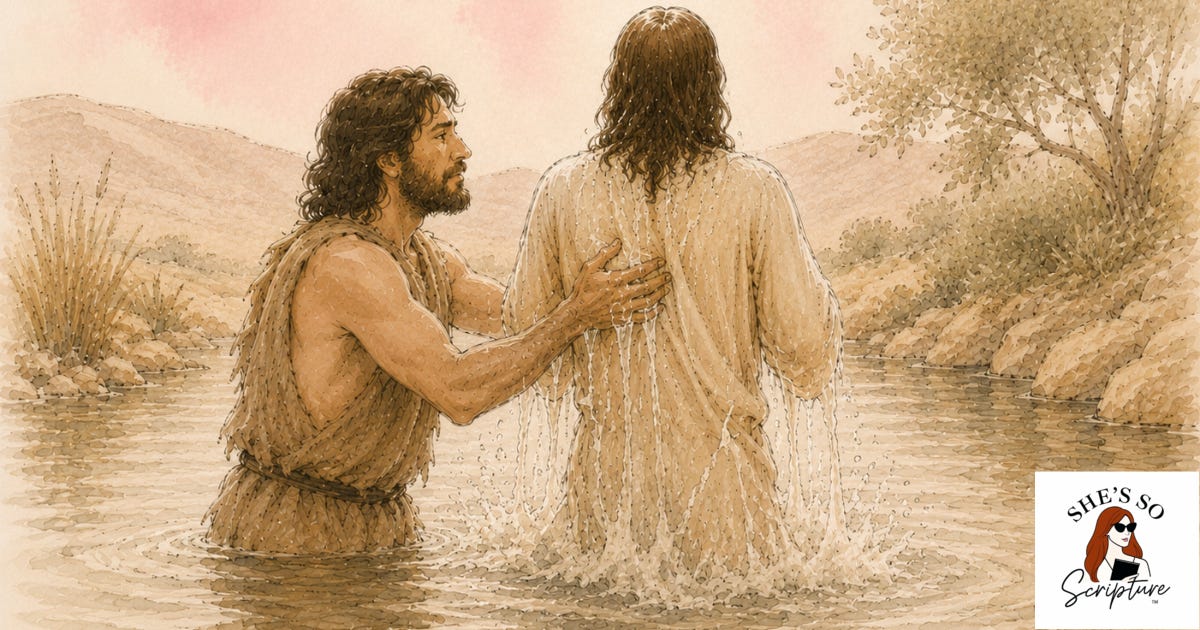 He Had No Sin to Confess | What Your Sunday School Never Told You 10.07.2026 17minIn this episode we're exploring the baptism of Yeshua from all three Synoptic Gospels, and what we find is not a warm opening scene before the real ministry starts. It's a coronation. A covenant moment. A Trinitarian earthquake dressed up in muddy river water.We cover what ritual immersion actually meant in first-century Jewish life, why the Jordan River was already carrying centuries of covenant memory before Yeshua ever stepped into it, what John's hesitation in Matthew 3:14 tells us about who Yeshua is, and what the voice from heaven was actually quoting when it spoke over him. Psalm 2 and Isaiah 42 collide at that riverbank, and once you hear it you can't unhear it.Podcast Notes:If this episode stirred something in you, here's where you can find me:📖 She's So Scripture: shessoscripture.com📖 She Opens Her Bible: sheopensherbible.com🎥 Subscribe on YouTube: She's So Scripture💌 Want live Bible studies, weekly teachings, audio lessons, devotionals, and a community of women who want depth without pressure or performance? Join The Chavurah at shessoscripture.com/subscribeIf this episode blessed you, please subscribe, leave a review, and share it with a friend who loves to study the Word. It helps more women find this content and I appreciate it more than you know.See you in the next episode. Shalom. 💕 This is a public episode. If you'd like to discuss this with other subscribers or get access to bonus episodes, visit shessoscripture.com/subscribe
 -
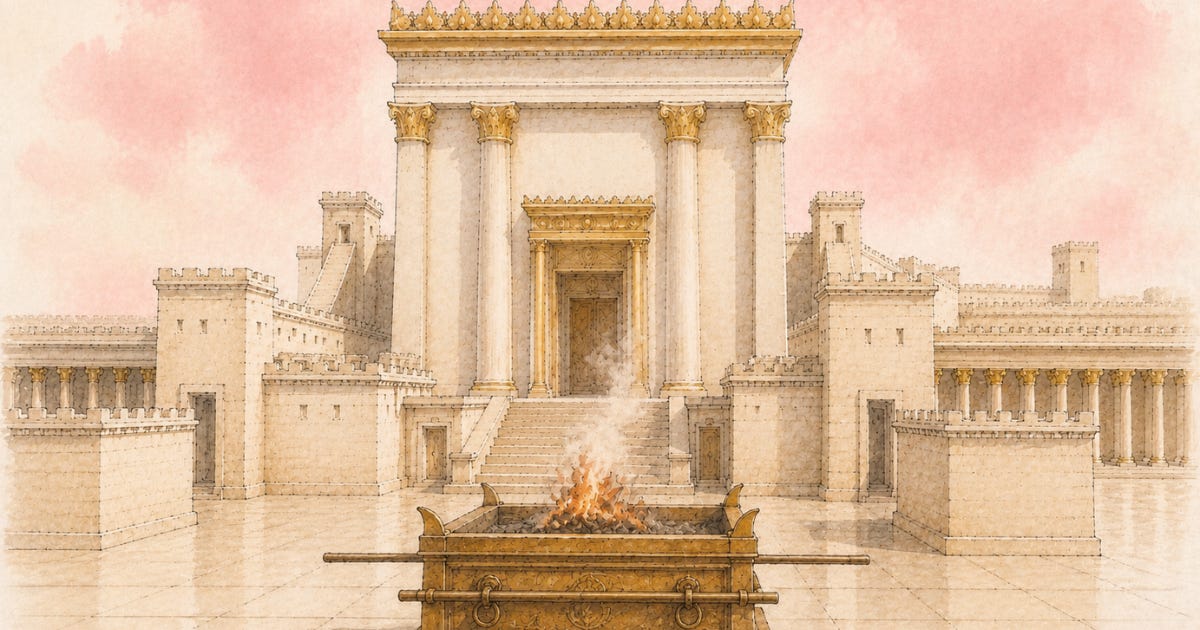 God Built a Language - Examining the Sacrifices 06.07.2026 17minMost people skip Leviticus. And honestly? I understand. It’s dense, it’s ancient, and nobody’s Sunday school teacher ever made the burnt offering sound like the thing that would change how you read the New Testament.But here’s what I need you to know before you hit play: the sacrificial system wasn’t God being demanding. It was God being deliberate. Every single offering He commanded Israel to bring was a word in a language He was building across centuries. Five offerings. Five words. And by the time this episode ends, you’re going to see something at the cross you’ve never seen before.We’re walking through all five Levitical offerings in today’s episode: the olah, the minchah, the shelamim, the chatat, and the asham. We’re looking at what each one meant, what it communicated, and why God built the whole system before He did what He did in the first century.And then we get to Isaiah 53, and the prophet drops a single word that should make every student of Leviticus stop cold.If you’ve ever felt like the Old Testament is just the warm-up act, this episode is going to fix that.Podcast Notes:If this episode stirred something in you, here's where you can find me:📖 She's So Scripture: shessoscripture.com📖 She Opens Her Bible: sheopensherbible.com🎥 Subscribe on YouTube: She's So Scripture💌 Want live Bible studies, weekly teachings, audio lessons, devotionals, and a community of women who want depth without pressure or performance? Join The Chavurah at shessoscripture.com/subscribeIf this episode blessed you, please subscribe, leave a review, and share it with a friend who loves to study the Word. It helps more women find this content and I appreciate it more than you know.See you in the next episode. Shalom. 💕 This is a public episode. If you'd like to discuss this with other subscribers or get access to bonus episodes, visit shessoscripture.com/subscribe
 -
 God Didn't Answer Job's Questions. He Did Something Better. 29.06.2026 20minGod Didn't Answer Job's Questions. He Did Something Better.Thirty-eight chapters. That's how long Job waited for God to say something.And when God finally spoke from the whirlwind, He didn't answer a single one of Job's questions. No explanation for the suffering. No apology for the silence. No theological breakdown of why any of it happened.Instead, God asked Job about the morning stars. And the sea. And the snow. And the bear and her cubs.Most people read that as a rebuke. Today I want to make the case that it was something else entirely.In this episode we're digging into Job 38 and the speech God delivers from the whirlwind, and we're looking at what it actually tells us about who God is. Because the point of the whirlwind speech was never to put Job in his place. It was to show Job something he couldn't see from inside his suffering: that the God who sets boundaries for the sea and counts the clouds had never once looked away.We'll also look at what God says to Job's friends at the end of the book, and why that moment is one of the most theologically important verses in all of Scripture for anyone who has ever tried to explain suffering with a tidy formula.If you're in a season where God feels silent, this episode is for you.In this episode:Why the whirlwind itself is more theologically loaded than most people realizeWhat "gird up your loins like a man" actually means in the ancient world and why it changes how we read God's opening wordsWhy Job's friends were wrong even though they said all the right thingsThe difference between getting answers and getting GodJob 42:5 and why "now my eye has seen You" is the most important line in the whole bookScriptures referenced: Job 38:1-11, Job 42:1-6, Job 42:7-8 (Tree of Life Version)If this episode stirred something in you, here's where you can find me:📖 She's So Scripture: shessoscripture.com📖 She Opens Her Bible: sheopensherbible.com🎥 Subscribe on YouTube: She's So Scripture💌 Want live Bible studies, weekly teachings, audio lessons, devotionals, and a community of women who want depth without pressure or performance? Join The Chavurah at shessoscripture.com/subscribeIf this episode blessed you, please subscribe, leave a review, and share it with a friend who loves to study the Word. It helps more women find this content and I appreciate it more than you know.See you in the next episode. Shalom. 💕 This is a public episode. If you'd like to discuss this with other subscribers or get access to bonus episodes, visit shessoscripture.com/subscribe
Samankaltaiset podcastit


Suosittu maassa
Tämä podcast esiintyy myös näiden maiden podcast-listoilla.
