
The Endurance Lab
Jusman So
0
The Endurance Lab Podcast is a long-form conversation series exploring training, nutrition, performance, recovery, and endurance sport through the lens of long-term health and longevity. Designed for midlife runners and endurance athletes who care about improving performance without sacrificing long-term well-being, each episode features thoughtful, evidence-based conversations with experts across endurance sport, including researchers, coaches, and specialists in specific areas of performance, alongside midlife athletes who’ve achieved meaningful performance breakthroughs later in life.
Jaksot
-
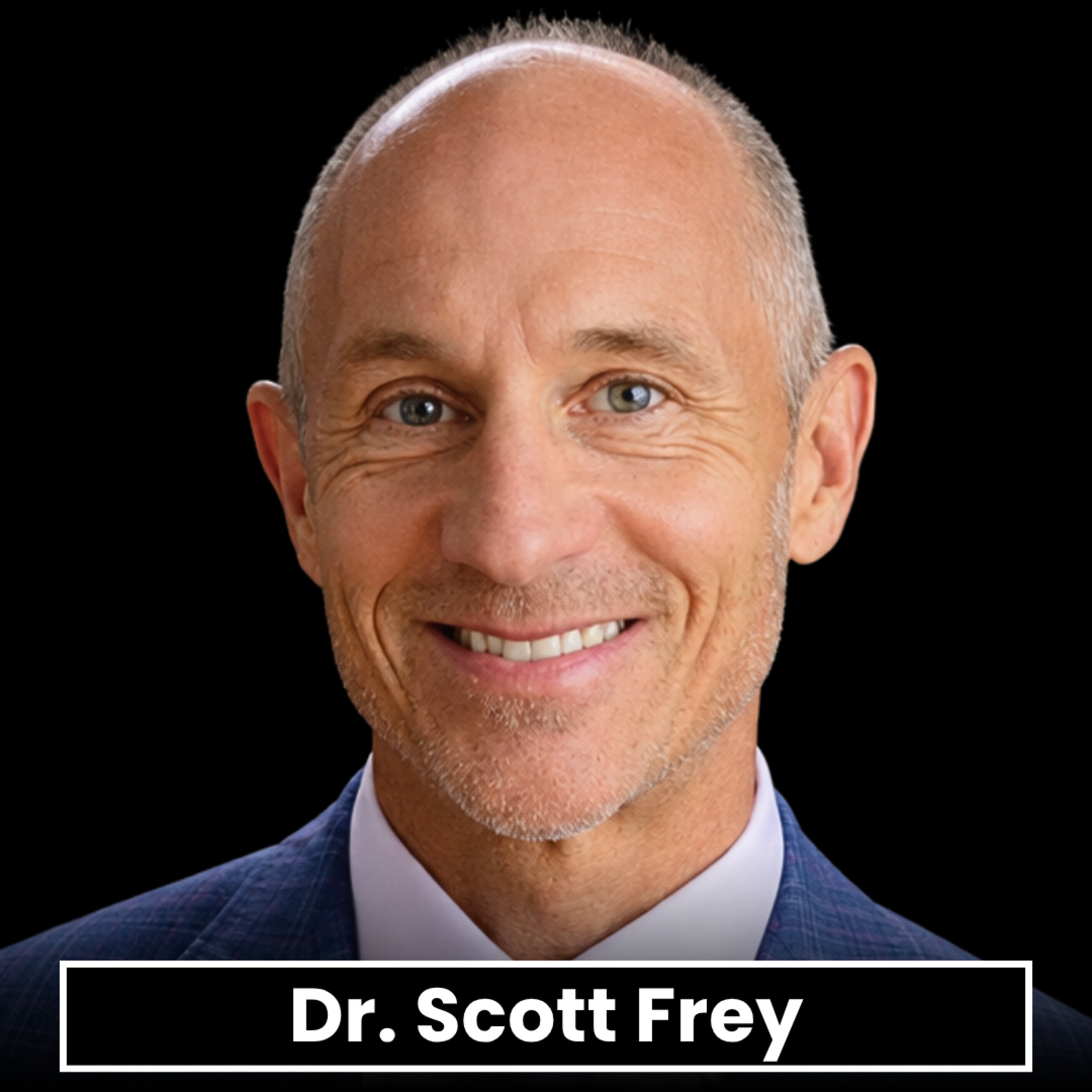 Brain Performance Scientist: How Runners Over 40 Run Faster For Longer With Brain Training 11.09.2026 1t 22minCan training your brain help you run faster for longer after 40 — without actually getting fitter?Brain performance scientist Dr. Scott Frey joins The Endurance Lab to explain the science of Brain Endurance Training (BET) and why the brain may be one of the most overlooked determinants of endurance performance.We explore how the brain regulates perceived exertion, pacing and fatigue; how neuroplasticity could help aging athletes compensate for physiological decline; why mental fatigue can make an easy run feel hard; and what happens when cognitive training is combined with physical training.Scott also explains how he uses brain endurance training with elite and Olympic athletes, how much training is required, which cognitive tasks may work, and why mental tapering before a race could be one of the easiest performance gains available to runners.If you're a runner over 40 looking for ways to maintain performance as your physiology changes, this conversation offers a fascinating new perspective on what might be limiting you.Dr. Scott Frey is Professor Emeritus of Cognitive Neuroscience and founder of Cerebral Performance. With more than 30 years at the cutting edge of cognitive neuroscience research — and a lifetime in endurance sports — he works with athletes to apply neuroscience and psychology to performance, cognitive resilience and fatigue resistance.Scott has authored more than 100 peer-reviewed publications and books, with his research cited approximately 10,000 times. He has received more than $10 million in federal research funding and has consulted for organizations including the NIH and USA Triathlon. He is also an accomplished endurance athlete, competing in trail running, triathlon and cross-country skiing.➡️ Join The Endurance Lab Inner Circle on Telegram👉 https://t.me/TheEnduranceLabInnerCircle🔥 FIND YOUR TRUE ZONE 2 WITH TYMEWEARTymewear Vita Pro measures your breathing in real time to identify your individual physiological thresholds and help you train at the intensity you actually intend to train at.➡️ Endurance Lab listeners SAVE $100 OFF the Tymewear Pro Training membership Code: E-LABTW26👉 https://www.tymewear.com/E-LABTW26➡️ Listen to my conversation with TimeWear founder Anar Larson: 👉 https://open.spotify.com/episode/5sz25EZjGUHoGSaA38nHwM➡️ Scott Frey / Cerebral Performance:👉 https://cerebralperformance.com/Chapters:0:00 Can Brain Training Make You Faster?4:34 How the Brain Controls Performance10:08 Age, Experience and Endurance16:40 Scott’s Journey Into Brain Science23:22 What Is Brain Endurance Training?28:58 How Much Can Performance Improve?41:35 Mental Tapering Before Racing46:36 How to Start Brain Training1:01:27 Mental Fatigue and Running1:13:31 Exercise and the Aging Brain
 -
 Sports Dietitian: The Nutrition Mistake Destroying Performance In Runners Over 40 04.09.2026 54minMany endurance athletes think getting leaner automatically means getting faster. But for masters runners, cyclists, and endurance athletes, there is a hidden problem that can quietly destroy performance: underfueling and low energy availability.In this episode of The Endurance Lab, I speak with Rebecca McConville, MS, RD, LD, CSSD, CEDRD, a sports dietitian specializing in endurance nutrition, Relative Energy Deficiency in Sport (RED-S), athlete fueling, and eating disorder recovery.Rebecca explains why RED-S is not just a problem affecting young female athletes, why masters athletes are often overlooked, and how trying to lose weight while increasing training volume can leave athletes stuck in a cycle of poor recovery, declining performance, and increased injury risk.Rebecca shares her own experience as a masters athlete, mother, and endurance enthusiast, explaining why so many recreational athletes fall into the trap of trying to do more training while eating less.Rebecca McConville works with athletes ranging from recreational endurance athletes to elite competitors, helping them understand the connection between nutrition, performance, health, and long-term athletic development.➡️ Join The Endurance Lab Inner Circle on Telegram👉 https://t.me/TheEnduranceLabInnerCircle🔥 FIND YOUR TRUE ZONE 2 WITH TYMEWEARTymewear Vita Pro measures your breathing in real time to identify your individual physiological thresholds and help you train at the intensity you actually intend to train at.➡️ Endurance Lab listeners SAVE $100 OFF the Tymewear Pro Training membership Code: E-LABTW26👉 https://www.tymewear.com/E-LABTW26➡️ Listen to my conversation with TimeWear founder Anar Larson: 👉 https://open.spotify.com/episode/5sz25EZjGUHoGSaA38nHwM➡️ Rebecca’s Website:👉 https://beccamcconville.com➡️ Rebecca’s book: Finding Your Sweet Spot: How to Avoid RED-S and Fuel Your Athletic Performance👉 https://www.amazon.com/dp/1091089051?lv=shuf&channelId=500&plpRedirect=mhFallbackChapters00:00 The hidden problem affecting masters athletes02:30 What is low energy availability and RED-S?04:54 Why calories are not the whole story06:44 Are older athletes at risk of RED-S?08:26 How athletes accidentally fall into underfueling11:10 The long-term health consequences of chronic underfueling13:11 Why aging can hide RED-S symptoms14:20 Early warning signs you should not ignore17:35 Digestion, sleep, immunity and RED-S symptoms18:49 Can HRV and resting heart rate reveal underfueling?20:46 Can you have low energy availability without symptoms?21:52 Is fasted training actually beneficial?23:28 Fat oxidation vs endurance performance26:58 Keto diets, carbohydrates and RED-S risk31:33 Losing body fat without destroying performance35:03 How much energy do endurance athletes actually need?36:27 How to recover from RED-S39:07 Why carbohydrates matter during recovery40:30 How long does RED-S recovery take?44:37 Can you keep training while recovering from RED-S?47:44 Finding help and working with RED-S specialists50:41 The biggest nutrition mistake masters athletes make51:35 The one nutrition change athletes should make today52:24 What does endurance mean to Rebecca McConville?
 -
 Endurance Scientist: The Fastest Way to Become a Fat Adapted Runner After 40 28.08.2026 1t 25minCan you become a highly fat-adapted runner without going fully keto — and without sacrificing your ability to use carbohydrates when performance demands it?In this episode of The Endurance Lab, I sit down with exercise and nutritional physiology researcher Matt Carpenter to unpack the science of fat adaptation for endurance runners, including runners over 40.We explore what being “fat adapted” actually means, why fat adaptation is a spectrum rather than an on/off switch, and whether a ketogenic or low-carbohydrate diet is really necessary to increase fat oxidation.Matt explains how endurance training, mitochondrial capacity, carbohydrate availability and diet interact to determine how much fat you can oxidize during exercise. We also discuss how quickly fat oxidation can change, why becoming better at burning fat doesn’t automatically improve performance, and how going too far with carbohydrate restriction could reduce your metabolic flexibility and ability to perform at higher intensities.Most importantly, we get practical. Matt explains how recreational runners training around 5–7 hours per week can use carbohydrate periodization, low-carbohydrate meals and selected fasted training sessions to improve fat oxidation — while strategically using carbohydrates around hard training and racing.We also dive into Matt’s research on keto-adapted athletes and carbohydrate supplementation, including why strategically introducing carbohydrate around exercise may improve performance without necessarily undoing the adaptations developed through a low-carbohydrate diet.If you’re interested in becoming a more fat-adapted runner, ketogenic diets for endurance athletes, metabolic flexibility, fasted training, carbohydrate periodization, fat oxidation, endurance nutrition or how to fuel your running after 40, this conversation brings the science together without taking a dogmatic “high-carb vs keto” position.➡️ Join The Endurance Lab Inner Circle on Telegram👉 https://t.me/TheEnduranceLabInnerCircle🔥 FIND YOUR TRUE ZONE 2 WITH TYMEWEAR Tymewear Vita Pro measures your breathing in real time to identify your individual physiological thresholds and help you train at the intensity you actually intend to train at.➡️ Endurance Lab listeners SAVE $100 OFF the Tymewear Pro Training membership Code: E-LABTW26👉 https://www.tymewear.com/E-LABTW26➡️ Listen to my conversation with TimeWear founder Anar Larson: 👉 https://open.spotify.com/episode/5sz25EZjGUHoGSaA38nHwMCHAPTERS0:00 How to Become Fat Adapted1:23 Do You Need Keto?4:21 What Fat Adaptation Means5:52 Mitochondria and Fat Oxidation7:57 Fat Adaptation Is a Spectrum10:18 Do You Need Ketosis?15:31 Strategic Carbohydrate Use20:17 Do Carbs Undo Fat Adaptation?23:56 Long-Term Keto Adaptation30:59 Fueling Long Runs on Keto35:39 How Quickly Can You Adapt?40:01 Diet vs Endurance Training42:36 Fat Adaptation on 5–6 Hours45:04 Metabolic Flexibility49:11 Maximizing Fat AND Carbs54:58 Train Low, Race High57:17 Matt’s Carbohydrate Study1:00:20 When to Use Carbohydrates1:07:10 Keto vs High Carb: Who Wins?1:12:29 Does Fasted Training Work?1:16:19 Practical Fat-Adaptation Strategy1:18:36 Why a Hybrid Approach Works1:23:31 What Endurance Means to MattLINKS & RESEARCHMatt Carpenter — University of Northampton:https://www.northampton.ac.uk/directories/people/matt-carpenter/Matt Carpenter — Research Profile / Publications:https://pure.northampton.ac.uk/en/persons/matt-carpenter/Matt Carpenter — Instagram@mattendurancescientistCarpenter, Brouner & Spendiff (2024) — Carbohydrate Supplementation Improves Ultra-Endurance Performance in a Keto-Adapted Individual:https://hrcak.srce.hr/ojs/index.php/kinesiology/article/view/27167Volek et al. (2016) — Metabolic Characteristics of Keto-Adapted Ultra-Endurance Runners:https://pubmed.ncbi.nlm.nih.gov/26892521/
 -
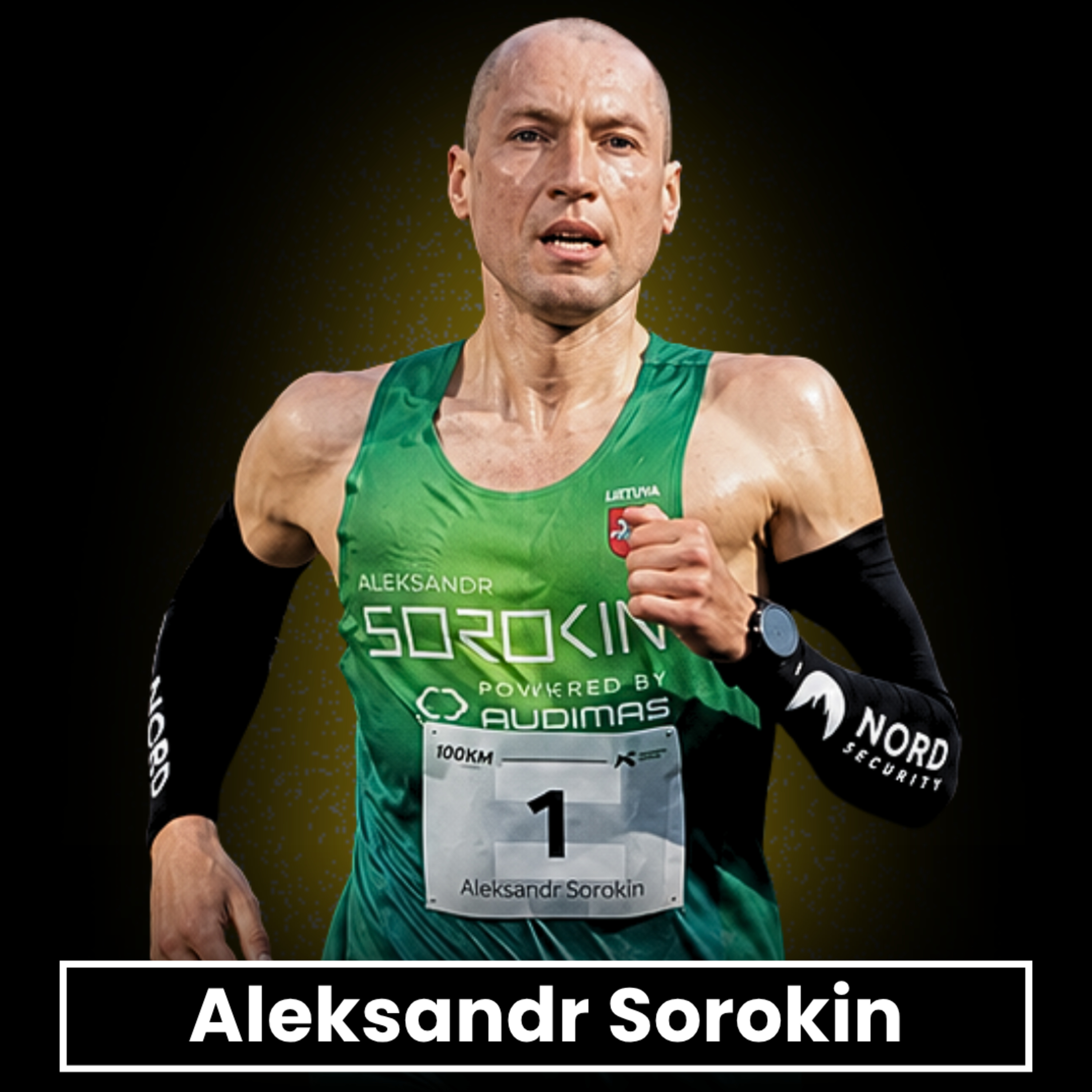 World Record Ultra Runner: The Proven Way to Build Extraordinary Endurance After 40 22.08.2026 34min➡️ Join The Endurance Lab Inner Circle on Telegram👉 https://t.me/TheEnduranceLabInnerCircleAleksandr Sorokin went from weighing around 100 kilograms, smoking, drinking alcohol, and living an unhealthy lifestyle to becoming one of the greatest ultrarunners in the world.In this episode of The Endurance Lab, Aleksandr shares how he transformed his life, lost the weight, discovered ultrarunning, and eventually broke multiple world records in his 40s.His achievements include:🏃 100 km world record — 6:05:35🏃 100 mile world record — 10:51:39🏃 6-hour world record — 98.496 km🏃 12-hour world record — 177.410 km🏃 24-hour world record — 319.614 kmHe became the first runner to break the 11-hour barrier for 100 miles, and during that same race he also set the 12-hour world record.What makes Alexander’s story even more remarkable is that he did not begin running seriously until around age 32. Before that, after finishing his earlier sporting career in kayaking, he says his lifestyle became unhealthy — alcohol, cigarettes, poor food choices, and his body weight climbed to around 100 kg.Running initially started as a way to lose weight. Then he discovered ultra-running. A few years later, he was winning major races. By his early 40s, he was breaking world records.Alexander explains how his training evolved from roughly 60–80 km per week to peak weeks around 250–300 km, why long runs of 30–50 km became the foundation of his training, how he uses interval sessions to maintain speed as he gets older, and why recovery has become increasingly important in his mid-40s.We also discuss what runners over 40 can learn from his progression, why starting later does not necessarily mean your best running years are behind you, and how consistency, training variety, mileage and simply loving the process have shaped his career.For masters runners, recreational runners, marathoners and ultrarunners, Alexander’s journey is a powerful example of how dramatically running performance can change even when you start later in life.➡️ Save $100 on Tymewear Pro Training MembershipCode: E-LABTW26👉 https://www.tymewear.com/E-LABTW26➡️ Listen to my conversation with TimeWear founder Anar Larson:👉 https://open.spotify.com/episode/5sz25EZjGUHoGSaA38nHwM00:00 From 100 kg to running1:35 Alexander’s world records2:50 His life before running5:43 From weight loss to world records7:18 Did he ever expect to become elite?10:01 Strength training and cross-training11:03 Starting running in his 30s12:52 Can runners still improve after 40?16:54 How his training volume evolved20:56 How his speed training changed with age24:16 Mileage vs structured training25:29 When he reached his peak28:46 How runners over 40 can still improve29:39 What recreational runners can learn from him31:21 Heart rate vs pace33:08 What to do when your best years feel behind you
 -
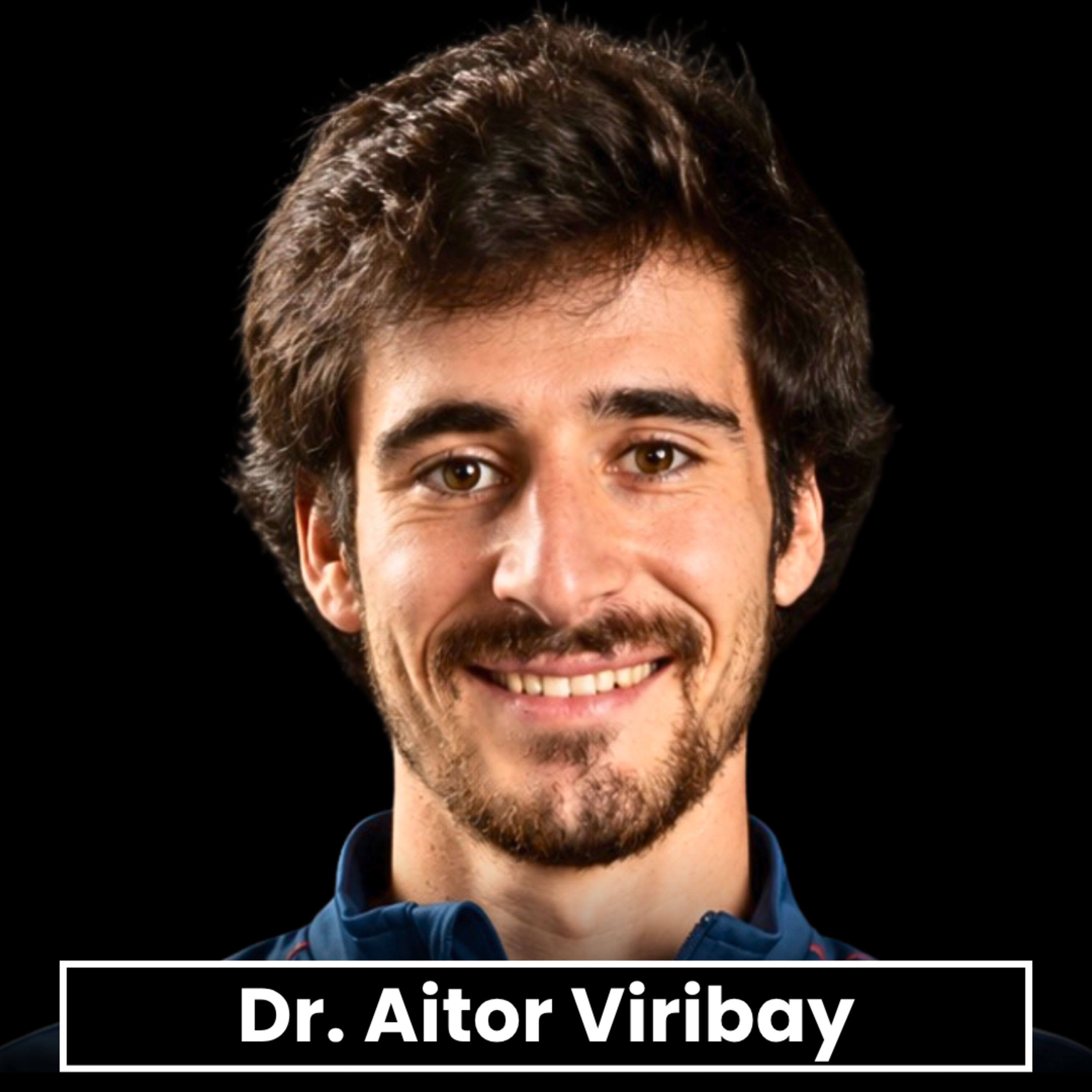 Sports Nutrition Scientist: Lactate Gels Are the Next Generation of Sports Fuel 21.08.2026 1t 9min➡️ Join The Endurance Lab Inner Circle on Telegram👉 https://t.me/TheEnduranceLabInnerCircleIn this episode, I sit down with Dr. Aitor Viribay, co-founder of FLF (From Lab to Field), to discuss the science behind exogenous lactate—why elite cycling teams are suddenly interested in it, how it compares with carbohydrates and ketones, and whether drinking lactate could become the next major breakthrough in endurance fueling.We discuss:• Why lactate is no longer considered the "bad guy"• How exogenous lactate works inside the body• Whether lactate is actually a preferred fuel over glucose• How it compares with ketones• Whether it could improve endurance performance• Possible effects on the brain, recovery and fatigue• Why the science is still in its early stages• What athletes should realistically expect todayIf you've been hearing rumours about pro cycling teams using lactate during races, this episode explains the science directly from one of the researchers developing the technology.➡️ Save $100 on Tymewear Pro Training MembershipCode: E-LABTW26👉 https://www.tymewear.com/E-LABTW26➡️ Listen to my conversation with TimeWear founder Anar Larson: 👉 https://open.spotify.com/episode/5sz25EZjGUHoGSaA38nHwM🏃 5K, 10K, Half & Full Marathon Training Plans👉 https://theendurancelab.run/training-plans🎓 Exclusive Discounts & Resources👉 https://theendurancelab.run/exclusive-discountsExolactateLearn more about Exolactate and FLF: https://flf.shopResearch website: https://exolactate.com00:00 Why lactate may be the body's preferred fuel01:00 Why elite athletes are suddenly interested in exogenous lactate05:11 Is lactate where ketones were a few years ago?08:08 How Aitor became interested in lactate research10:17 How carbohydrates become lactate12:14 Which organs actually use lactate?14:12 Why lactate gets "VIP treatment" in the body20:40 Is lactate a by-product of carbohydrate oxidation?22:05 Where lactate fits among carbohydrates, fat and ketones25:20 What happens after you drink exogenous lactate?29:43 Is exogenous lactate different from natural lactate?31:16 What's actually inside Exolactate?38:04 Is exogenous lactate safe?40:37 Does exogenous lactate bypass the cost of producing lactate?42:26 Lactate, buffering and fatigue45:40 Can lactate break through the carbohydrate ceiling?47:25 Does lactate make carbohydrates work better?49:51 Will lactate replace carbohydrates?50:36 Lactate vs ketones52:25 Training vs racing with exogenous lactate55:07 Which athletes benefit the most?57:38 Could lactate reduce central fatigue?58:25 Recovery benefits59:41 Why creating an exogenous lactate gel was so difficult1:05:00 How much lactate do athletes actually need?1:08:42 The biggest takeaway about exogenous lactate1:09:33 What endurance means to Aitor
 -
 Muscle Cramp Scientist: The Best Way for Runners to Prevent Cramps 14.08.2026 1t 26minIn this episode of The Endurance Lab Podcast, I sit down with Dr. Kevin Miller, one of the world's leading researchers on exercise-associated muscle cramps. We dive into the latest science behind muscle cramping, why the traditional dehydration theory doesn't fully explain what happens, and Dr. Miller's new Multifactorial Theory of Muscle Cramping.Dr. Kevin Miller is a Professor and Athletic Trainer at Texas State University. He is the Director of the Heat Emergency Assessment and Treatment (H.E.A.T) Lab in the Department of Health and Human Performance. His research expertise includes the causes, treatments, and prevention of exertional heat illnesses with a specific emphasis on exercise-associated muscle cramping and exertional heatstroke. He has published over 75 peer-reviewed manuscripts and given over 120 presentations on exertional heat illnesses. He has Chaired or co-authored 5 different official heat illness position statements including the 2021 NATA Roundtable on the Prehospital Care of Exertional Heatstroke and the 2015 NATA Position Statement on Exertional Heat Illness. He is a Fellow of the NATA, Associate Editor for the Journal of Athletic Training, member of the Korey Stringer Institute’s Medical and Science Advisory Board, and consultant to schools, hospitals, Universities, and companies for his expertise in heat-related illness.➡️ Dr. Kevin Miller:For consultancy-related assistance on heat or muscle cramping, you can contact Dr. Miller at [email protected].➡️ Save $100 on Tymewear Pro Training MembershipCode: E-LABTW26👉 https://www.tymewear.com/E-LABTW26➡️ Listen to my conversation with TimeWear founder Anar Larson: 👉 https://open.spotify.com/episode/5sz25EZjGUHoGSaA38nHwM🏃 5K, 10K, Half & Full Marathon Training Plans👉 https://theendurancelab.run/training-plans🎓 Exclusive Discounts & Resources👉 https://theendurancelab.run/exclusive-discountsWe also discuss:• What actually causes muscle cramps• Why stretching works immediately• Why dehydration isn't the whole story• Whether electrolytes actually matter• Bananas, pickle juice, tonic water and salt tablets• Heat vs cold environments• Why elite athletes still cramp• How to prevent cramps• What to do when a cramp strikes• The surprising science behind vinegar and pickle juice• Practical advice every endurance athlete should know00:00 Introduction02:21 What actually causes muscle cramps?06:02 Nervous system vs muscle — where do cramps start?09:02 Why Kevin started researching muscle cramps12:00 Why cramps become so painful14:59 The Multifactorial Theory of cramping18:07 Does dehydration actually cause cramps?24:37 Do electrolytes matter?31:00 Why stretching stops cramps32:35 Hydration vs cramp prevention40:45 Exercise cramps vs night cramps43:21 Do bananas prevent cramps?46:04 Does pickle juice really work?53:19 Coconut water and muscle cramps57:53 Heat, cold and cramping01:02:30 How to prevent muscle cramps01:08:48 Does conditioning reduce cramping?01:11:08 Best way to treat a cramp01:17:43 Recovery after exercise01:21:13 The biggest takeaway01:22:33 Biggest mistakes athletes make01:25:07 What endurance means to Dr. Kevin Miller#MuscleCramps #Endurance #Running #Triathlon #SportsScience #ExerciseScience #Hydration #Electrolytes #Marathon #UltraRunning #Cycling #Performance #EnduranceLab
 -
 Endurance Scientist: How Runners Over 40 Get Faster With Less Oxygen 07.08.2026 1t 28minCan training in low oxygen actually make you a faster runner without adding more training hours?In this episode of The Endurance Lab, I speak with Dr. Barney Wainwright, Senior Research Fellow at Leeds Beckett University, about the science of hypoxic (altitude) training and why many elite endurance athletes now use it to break through performance plateaus.We discuss how hypoxic training works, whether it actually improves sea-level performance, the physiological adaptations behind altitude training, and whether an altitude generator is worth the investment for recreational runners and cyclists.If you've reached a plateau despite consistent training, this episode explains why hypoxic training may be one of the few remaining tools capable of producing meaningful physiological adaptations that traditional training cannot.🫁 Save $100 on Tymewear Pro Training MembershipCode: E-LABTW26👉 https://www.tymewear.com/E-LABTW26🫁 10% Off ISOCapnic BWB DeviceCode: JusmanSo👉 https://shop.isocapnic.com?sca_ref=10462834.lsRLwaoT7WUNdYI🏃 5K, 10K, Half & Full Marathon Training Plans👉 https://theendurancelab.run/training-plans🎓 Exclusive Discounts & Resources👉 https://theendurancelab.run/exclusive-discounts🫁 Customised hypoxic and heat training programs by Dr. Barney Wainwright and his team at Leeds Beckett University Health and Performance Hub:https://www.leedsbeckett.ac.uk/carnegie-school-of-sport/health-and-performance-hub/In this episode you'll learn:• How hypoxic training improves endurance performance• The difference between central and peripheral adaptations• Why elite athletes use altitude training• Whether altitude tents, masks and generators actually work• Heat training vs hypoxic training• How to choose the right hypoxic training method• Whether a $3,000 altitude generator is actually worth the investmentConnect with The Endurance Lab📩 Email: [email protected]:00 Why hypoxic training isn't cheap—but can be worth it00:53 Can low oxygen training actually make you faster?03:48 What is hypoxic (altitude) training?06:02 Different types of altitude training explained07:18 Natural altitude vs simulated altitude09:43 What counts as moderate and high altitude?11:32 What actually happens inside your body at altitude?15:00 Acute vs long-term adaptations to hypoxia21:35 Red blood cells, EPO and oxygen delivery24:05 Muscle adaptations beyond red blood cells30:17 Does altitude training improve sea-level performance?41:39 Why altitude generators are so practical46:56 Biggest misconceptions about hypoxic training52:17 Can smartwatches accurately measure SpO₂?54:11 Heat training vs hypoxic training1:06:00 Best hypoxic training equipment for recreational athletes1:11:46 Breathing devices, respiratory muscle training & breath holds1:17:43 Blood flow restriction training1:22:21 What's the best investment for endurance performance?1:25:01 Altitude generator or carbon wheels?1:26:46 What endurance means to Dr. Barney Wainwright
 -
 Metabolism Scientist: The Truth About Ketone Supplements for Runners 31.07.2026 1t 16minWhy Ketone Supplements Work Better for High-Carb Runners🫁 Save $100 on Tymewear Pro Training MembershipCode: E-LABTW26👉 https://www.tymewear.com/E-LABTW26Most runners assume that if ketones are beneficial, the athletes already producing the most ketones naturally would benefit the most from ketone supplements. But the science suggests something more complicated.In this episode of The Endurance Lab, I sit down with ketone researcher Dr. Jonathan Little to break down the surprising differences between nutritional ketosis and exogenous ketones — and why ketone supplements may actually make more sense for high-carb endurance athletes than runners following a ketogenic diet.We discuss:- Why taking ketone supplements is NOT the same as being in ketosis- The difference between endogenous ketosis and exogenous ketones- Why ketone supplements raise insulin and suppress fat burning- Why keto-adapted runners may get less benefit from ketone supplements- Whether ketone esters can actually improve marathon performance- The truth about ketones as the “fourth macronutrient”- Ketone supplements vs carbohydrates for endurance performance- Whether high-carb runners should consider ketone esters- The potential role of ketones in recovery, glycogen replenishment, inflammation, sleep, and brain health Jonathan Little has spent over a decade researching ketones, ketogenic diets, metabolic health, insulin resistance, and exercise physiology. His work helps separate the hype around exogenous ketones from what the science actually shows.00:00 Ketone Research Background01:48 Endogenous vs Exogenous Ketosis07:02 Why Supplements Reduce Fat Burning08:14 Metabolic Health Benefits Compared10:48 Keto Weight Loss Explained13:48 Keto vs High Carb For Runners20:52 Sports Gels Metabolic Risk27:10 Types of Ketone Supplements33:18 D vs L BHB Differences36:07 BHB Thresholds and Tradeoffs38:51 Acute vs Sustained Ketone Dosing40:21 Ketogenic Marathoner Scenario46:11 High Carb Athlete Reality Check48:43 Recovery and Adaptation Focus50:53 Why Performance Can Drop53:46 Practical Advice for Runners54:52 Recovery Benefits Breakdown01:00:02 Brain and Inflammation Potential01:08:46 Metabolic Health Takeaways01:09:56 Defining Endurance Closing
 -
 Movement Specialist: Run Faster With Less Effort by Fix Your Technique 24.07.2026 1t 30minIn this episode, I sit down with running biomechanics coach Paul Mackinnon to break down the science behind efficient running technique. After completing a one-on-one running form analysis with Paul, I completely changed how I think about running mechanics.We discuss why over 95% of runners leak energy through inefficient movement, why improving your running form can improve running economy, reduce injury risk, and help you run faster using the same fitness.We cover arm swing, cadence, heel striking, midfoot striking, overstriding, ground contact time, vertical oscillation, running economy, biomechanics, force production, and the simple cues that helped me immediately feel lighter and more effortless while running.► The Core Program of Cues - https://www.tbrunner.com/membership/► Code: ELP (for 25% off your first month)Connect with Paul Mackinnon► Website: https://www.tbrunner.com/► YouTube: https://www.youtube.com/c/thebalancedrunner► Instagram: https://www.instagram.com/thebalancedrunner/?hl=enIn this episode* Why running form matters* How biomechanics affect running economy* Why physics determines efficient running* The biggest running form mistakes* Why most runners overstride* Heel strike vs midfoot strike* Does cadence really matter?* Ground contact time explained* Vertical oscillation explained* Why arm swing is the most misunderstood part of running* The connection between arm swing and knee drive* Why elite runners move differently* Running efficiency vs running economy* How better running mechanics can reduce injuries* The easiest running form cue anyone can implement todayTimestamps00:00 Why arm swing is so important01:12 My running form breakthrough after working with Paul02:42 Why running form actually matters04:01 Does better running form improve running economy?06:20 How to change your running technique safely09:17 Structural asymmetry vs movement asymmetry12:44 The biggest running form mistakes16:32 Running form and injury risk18:20 Why self-awareness is the first step22:13 Why arm swing changes everything25:58 The real purpose of your arms while running29:27 Why lifting—not pushing—is the secret32:41 Perfect arm swing explained35:03 The truth about vertical oscillation42:13 Heel strike vs midfoot strike48:15 The biggest myth about cadence53:31 Ground contact time explained59:40 Why your torso should stay quiet1:04:34 Why elite runners use their glutes1:13:10 What happens during a running form analysis1:19:49 The easiest running cue to improve immediately
 -
 Exercise Physiologist: The Most Accurate Way to Find Zone 2 | Better Than Heart Rate 17.07.2026 1t 24minAnar Larsson from Tymewear explains why heart rate, pace, power, and even lactate can mislead runners when trying to find their real physiological Zone 2. They often end up training in Zone 3 instead. We talk about VT1, VT2, ventilation, fat oxidation, durability, and why many endurance athletes accidentally train too hard even when they think they are doing easy aerobic training. 🫁 Save $100 on Tymewear Pro Training MembershipCode: E-LABTW26👉 https://www.tymewear.com/E-LABTW26🫁 10% off Isocapnic BWB DeviceCode: JusmanSo 👉 https://shop.isocapnic.com?sca_ref=10462834.lsRLwaoT7WUNdYI🏃 5K, 10K, Half & Full Marathon Training Plans👉 https://theendurancelab.run/training-plans🎓 Exclusive Discounts & Resources👉 https://theendurancelab.run/exclusive-discountsIn this episode:• Why many runners are not really in Zone 2• Why heart rate can drift without your physiology changing• Why ventilation may be a better marker of intensity• How VT1 and VT2 define your real training zones• Why fat oxidation matters for endurance performance• How to improve durability and delay fatigue• Why breathing muscles can be trained• How Tymewear Vital Pro measures ventilation in real timeConnect with The Endurance Lab:📩 Email: [email protected]:00:00 Are You Really Zone 2?03:00 What Zone 2 Means06:02 Ventilation vs Lactate10:32 Why Heart Rate Misleads15:20 Measuring Physiological State22:25 Why Generic Zones Fail26:25 Power Needs Physiology29:11 Zone 3 Stagnation30:17 Anar’s Background34:00 Ventilation as Ground Truth37:39 Ventilation vs Heart Rate39:41 How Tymewear Measures Breathing45:26 Finding VT1 and VT250:59 Where Ventilation Fails56:04 Breathing Rate vs Tidal Volume58:36 Tymewear Vital Pro1:03:57 Training in Heat1:07:49 What Is Durability?1:11:28 Other Real-Time Tools1:13:48 Stress and Breathing1:14:54 Training Breathing Muscles1:17:13 ISOCapnic BWB#runningover40 #marathontraining #zonetwotraining #heartratetraining #endurancetraining
 -
 Heat Training for Runners Over 40 | Sports Scientist 03.07.2026 1t 4minMost runners think about training in terms of mileage, intervals, and long runs. Very few think about heat as a performance tool. But heat training could be one of the most accessible and evidence-based performance levers available to any recreational runner — and it requires no extra miles, no gym membership, and no expensive equipment.In this episode Dr. Daniel Snape — sports scientist, environmental physiologist, and the researcher behind the heat and altitude programs for 2025 UTMB winners Tom Evans and Ruth Croft — breaks down exactly how heat training works, what it does to your body, and how any runner over 40 can use it to run faster at a lower heart rate without adding more mileage or intensity to their week.Whether you have access to a sauna, a hot bath, or just a treadmill and some extra layers, this episode will change how you think about what counts as training.Customised heat and hypoxic training programs by Dr. Daniel Snape and his team at Leeds Beckett University Health and Performance Hub:https://www.leedsbeckett.ac.uk/carnegie-school-of-sport/health-and-performance-hub/0:00 Run faster at the same heart rate4:00 Heat training vs heat acclimatisation8:10 What temperatures are we actually targeting9:51 Plasma volume — what it is and what heat training does to it11:14 Hematocrit and red blood cells explained13:44 Does heat training affect the heart15:01 What training zone are you actually in during a heat session16:32 How heat training changes your sweat response18:54 Core temperature and performance range20:07 VO2 max — how much does heat training actually increase it22:19 EPO — how heat training naturally upregulates it24:51 Are older athletes more vulnerable to heat stress26:29 How to measure core temperature safely44:39 Passive protocols — saunas and hot baths52:42 Active heat training — intensity and pacing54:42 The ideal heat training block for a goal race59:01 How long do the adaptations last1:00:47 Maintenance dose to keep adaptations1:01:19 The one thing any runner can do at home1:02:31 When heat training is not worth it
 -
 Sports Nutrition Scientist: The Only Supplements Runners Should Be Taking 20.06.2026 1t 15minPatrick Wilson is an exercise physiologist, sports nutrition researcher, and author of The Athlete's Gut. He has spent his career studying how the gut responds to food, fluid, and supplements during exercise — and what actually works versus what the industry wants you to believe.In this episode Patrick breaks down the optimal carbohydrate intake per hour based on the actual dose response research, why going above 90 grams may not give you what you think it does, how gut training works and how quickly you can adapt, the truth about sodium bicarbonate and how to use it without destroying your race, what caffeine abstaining before a race actually does, and which supplements are genuinely worth your money and which ones are not.The Athlete's Gut — https://www.amazon.com/Athletes-Gut-Digestion-Nutrition-Distress/dp/194800710X0:00 The supplement industry0:57 Optimal carbs per hour9:21 The high carb and glycogen paradox11:40 Risks of high carb for recreational runners15:37 Risks of fasted and low carb training19:03 How to build a fuelling strategy without lab access24:12 Gel osmolality 26:57 Gut training 31:29 How quickly can gut training happen36:12 Heat and its effect on carb tolerance38:15 Sodium bicarbonate 43:59 How to use bicarb without the GI disaster54:49 Caffeine — sublingual vs oral delivery1:02:23 Should you stop caffeine before a race1:05:43 Acetaminophen as a performance aid1:09:28 Creatine for runners 1:11:54 Final takeaway on supplements and performance#SportsNutrition #RunningSupplements #CarbsForRunners #EnduranceLab #GutTraining #SodiumBicarbonate #CaffeineAndRunning #MarathonNutrition #RunFaster #UltraRunningNutrition #EndurancePerformance #PatrickWilson #TheAthletesGut #RunningScience #MarathonTraining #FuelingForPerformance #RunnersNutrition #TrailRunningNutrition #UltraMarathon #ErgonicAids
 -
 Deena Kastor’s Advice To Runners Over 40 | Olympic Medalist 12.06.2026 1tDeena Kastor is a three-time Olympian, bronze medalist, former American marathon record holder, Chicago and London marathon champion, and US women's masters marathon record holder at 42 with a time of 2:27. She is one of the most decorated American distance runners of all time. But what made her great was not just her training. It was what she did with the six inches above her shoulders.In this episode Deena breaks down exactly how she trained her mind to run faster, the daily practices that made her simultaneously happier and quicker, how she broke the masters marathon record despite wildfires, allergies, the flu, and a flawed race, why comparison does not have to steal your joy, and what runners over 40 need to hear about their relationship with the sport as times start to change.This is a conversation about the science and practice of thinking your way to better running.Resources:1. Deena's Book: Let Your Mind Run - https://www.amazon.com/Let-Your-Mind-Run-Thinking/dp/15247607572. Deena's Website: https://www.deena-kastor.com/3. Andrew Kastor's Coaching: https://www.coachkastor.com/0:00 The mindset shift that changed everything6:42 How to structure mental training12:04 Does positive thinking actually make you faster13:47 Mental approach as a masters athlete15:48 Breaking the masters marathon record at 4222:18 How to handle the pain cave in a race26:20 Training now at 5329:34 Recovery and how it has changed with age31:05 How environment shapes running longevity34:16 Advice for runners whose times are declining36:29 Advice for runners still improving after 4038:10 Navigating the decline from elite to masters43:23 How to handle comparison45:57 Training with only 5 to 6 hours a week47:08 When injury takes running away49:52 The book — Let Your Mind Run57:54 How to work with Deena and Andrew58:44 Final message to runners over 40#DeenaKastor #MindsetForRunners #RunningMindset #RunnersOver40 #MastersRunning #MarathonMindset #EnduranceLab #LetYourMindRun #MarathonTraining #RunFasterAfter40 #MentalTraining #PositivePsychology #RunningMotivation #MastersMarathon #RunningOver40 #EliteRunning #MarathonPerformance #RunningLongevity #ThinkFaster #WomenRunning
 -
 2 UTMB Wins Prove You Don’t Need 120g Carbs | Paul Booth 05.06.2026 1t 4minEveryone seems to be chasing 120 grams of carbs per hour at the moment. But the research says that performance actually starts to dip after 100 grams per hour. And the fuelling plan behind two UTMB wins proves it.Paul Booth is a sports nutritionist, exercise physiologist, and lead nutritionist for the Salomon International Team with 26 years in university academia and 92 ultras completed himself. In 2025 he built the customised fuelling strategies that won both the men's and women's UTMB 100. But what makes this conversation valuable is not what Tom Evans and Ruth Croft did. It is what you can take from it and apply to your next race.In this episode Paul breaks down exactly how much carbohydrate you actually need per hour based on your intensity and fitness level, why going above 100 grams per hour may actually hurt your performance, how to train your gut so it does not fail you on race day, the glucose to fructose ratio that the research actually supports, and the one fuelling hierarchy mistake most ultra runners are making right now.Whether you are racing a marathon, a 100k or a 100 miler this is the most practical fuelling conversation you will find.Paul Booth:Website: https://performancegainsnutrition.com/Instagram: @ultra.endurance.nutritionistShow notes links:1. Ricardo Costa — Gut Training Research (the key paper Paul references)https://cdnsciencepub.com/doi/abs/10.1139/apnm-2016-04532. Ricardo Costa — Gut Training Systematic Review (most comprehensive overview)https://pubmed.ncbi.nlm.nih.gov/37061651/3. O'Brien and Rowlands — The 0.8 fructose to glucose ratio paper (2011)https://journals.physiology.org/doi/full/10.1152/ajpgi.00419.20104. O'Brien and Rowlands — Fructose Maltodextrin Ratio Governs Performance (2013)https://www.researchgate.net/publication/255958218_Fructose-Maltodextrin_Ratio_Governs_Exogenous_and_Other_CHO_Oxidation_and_Performance5. Alan McCubbin — Sodium ingestion and endurance performance systematic reviewhttps://research.monash.edu/en/publications/impact-of-sodium-ingestion-during-exercise-on-endurance-performan/0:00 Why 120g/hr has no research behind it1:11 The UTMB fuelling strategy explained4:20 What lab testing actually reveals13:06 How to deliver carbs during a race16:35 Carb strategy for recreational runners21:35 Do elites need more carbs than amateurs28:36 Fuelling the second half of your race33:30 Gut training and osmolality38:18 Glucose to fructose ratios43:05 More carbs does not mean better performance50:47 Feeding frequency and electrolytes57:54 The fuelling hierarchy1:01:13 Final takeaway for your next race1:03:46 What endurance means to Paul Booth
 -
 I Was Wrong About Carbs! 120g/hr Breaks World Records | Tim Noakes 22.05.2026 1t 10minIn this episode we cover what his new paper actually claims about muscle glycogen versus blood glucose, why he now believes 120 grams of carbs per hour works — and why the mechanism is not what anyone thought, the difference between fueling your metabolism and stimulating your brain, why recreational runners may be unknowingly developing pre-diabetes, the central governor theory updated, and his single most important training recommendation for every endurance athlete.Prof. Tim Noakes is a South African sports scientist, physician, and Emeritus Professor at the University of Cape Town. He is the author of the landmark book Lore of Running, one of the most comprehensive references in endurance sport ever written. He ran the Comrades Marathon nine times. He pioneered research on hyponatremia in endurance athletes that has saved lives worldwide. He developed the Central Governor Theory of fatigue. And he has spent decades challenging mainstream thinking on carbohydrates, muscle glycogen, and what actually limits human performance.Professor Tim Noakes has spent nearly 50 years studying endurance performance. He helped build the science of carbohydrate loading. He championed low carb for athletes. And in this conversation, he changed his mind — live — about something he had argued against for years. This is one of the most scientifically dense and genuinely surprising conversations in the history of this podcast.The carbohydrate paper:"Carbohydrate Ingestion on Exercise Metabolism and Physical Performance" by Prof. Tim Noakes and colleagues https://academic.oup.com/edrv/article/47/2/191/8432248?login=falseThe best impact paper:"Carbohydrate ingestion eliminates hypoglycemia and improves endurance exercise performance in triathletes adapted to very low- and high-carbohydrate isocaloric diets" by Prof. Tim Noakes and colleagues https://journals.physiology.org/doi/full/10.1152/ajpcell.00583.2024The debate paper:"Does a low-carbohydrate diet impede endurance sports performance? Debate Consensus" by Prof. Tim Noakes and Prof. Louise M Burke https://ajcn.nutrition.org/article/S0002-9165(26)00080-8/fulltext0:00 Prof. Tim Noakes changed his mind1:11 His new paper on carbohydrates and performance9:44 Two glucose pools — muscles vs blood17:11 Muscle glycogen vs blood glucose explained21:34 Low glycogen fat burning and carbs during exercise26:09 Does 120 grams per hour actually work33:07 Practical carb strategy by athlete type37:34 Should you carb load the liver42:27 Practical advice for masters runners53:06 The central governor theory updated59:36 Mistakes runners will make after this conversation1:02:18 The Norwegian method — final takeaway1:07:23 What endurance means to Prof. Noakes
 -
 Run Your Fastest Marathon After 45, Even If You Started Late | Matt Fitzgerald 15.05.2026 1t 11minIn this episode Matt breaks down exactly why recreational runners become their own ceiling, what he learned training alongside professional runners half his age in Flagstaff, why the 80/20 rule does not need to change as you get older, the carbohydrate debate that is dividing the endurance world right now, and the psychological edge that separates athletes who reach their potential from those who never do.If you want to run your fastest marathon after 40 this is the conversation you need to hear.Matt Fitzgerald's books - https://mattfitzgerald.org/books/Dream Run Camp - https://dreamrun.com/Matt Fitzgerald Coaching - https://mattfitzgerald.org/coaching/0:00 Fastest marathon after 403:31 Time as a limiter6:06 Training with elites9:00 More moderate intensity 10:51 The carb debate18:05 Carbs per hour21:15 Carb periodization28:36 80/20 for masters runners32:52 Low volume and 80/2035:46 Hyperpolarized training39:07 Psychology of endurance47:46 Toughness vs smart racing50:23 Mental lessons from elites53:47 Dream Run Camp1:01:47 What runners take home1:04:26 What Matt is figuring out
 -
 The Real Reason Runners Over 40 Keep Getting Injured | Brodie Sharpe 08.05.2026 59minMost runners think getting injured comes down to weak glutes, bad form, or worn out shoes. But physiotherapist Brody Sharp says the real reason is almost always something else entirely — and most runners over 40 are missing it completely.In this episode, Brody breaks down the load versus capacity model that explains 90% of running injuries, why strong and weak runners get injured at exactly the same rate, how to use carbon shoes and minimalist shoes as tools to build a more robust and durable body, and the one training ratio that could keep you running injury free for the next decade.Resources:Run Smarter Podcast: https://podcasts.apple.com/au/podcast/the-run-smarter-podcast/id1494778818YouTube: https://www.youtube.com/@RunSmarterwithBrodieSharpeWebsite and online coaching: https://runsmarter.online/Run Smarter Book: https://www.amazon.com/Run-Smarter-Evidence-based-Guidance-Opinions/dp/06455207050:00 Why runners over 40 keep getting injured2:42 Early warning signs of injury7:46 What runners get wrong about injuries10:05 Load vs capacity explained13:40 How to measure your training load17:59 Carbon shoes and injury risk21:03 How to transition into carbon shoes28:35 Barefoot and minimalist shoes31:37 Protocol for transitioning to minimalist shoes37:10 Heel striking — is it actually a problem?39:15 Does prehab actually prevent injury43:45 What to do when injured48:38 Injury and mental health51:50 The 80/20 rule for masters runners
 -
 MOST Runners Get Lactate Threshold WRONG | Dr Peter Tran 01.05.2026 1t 9minMost runners train to improve their lactate threshold. But what if improving it is actually making you slower? In this episode, I sit down with Dr. Peter Tran — sports medicine PhD, 1:14 half marathoner, and co-founder of Athyx — to break down everything runners over 40 need to know about lactate, how to actually use it to guide training, and why most of what you've heard about lactate threshold training is wrong.We also get into fueling strategies, the truth about high carb versus low carb for endurance athletes, and the future of continuous lactate monitoring — including Peter's new wearable device that could change how runners train forever.Get your Hume Health Body Pod with up to 50% OFF👉 https://humehealth.com//discount/ENDURANCELAB?redirect=/pages/hume-body-pod&utm_source=youtube&utm_medium=influencer&utm_campaign=ENDURANCELABUse code: ENDURANCELAB Get 10% off the Athyx Flux 1👉 https://www.athyx.com/Use Code: ELAB10To receive your discount, you need to create an account on the Athyx website.The Endurance Lab Training Plans (5K, 10K, Half & Full Marathon)👉 http://theendurancelab.run/training-plans Check out all of the exclusive discounts from Partners of The Endurance Lab👉 https://theendurancelab.run/exclusive-discounts0:00 Why lactate matters4:39 LT1 and LT2 explained11:22 Lab vs real world testing17:52 Maximal lactate steady state24:11 Using lactate to guide training29:48 One test tells you nothing32:06 Shifting the lactate curve36:29 Lactate data over time39:42 Lactate vs heart rate45:04 High carb vs low carb and lactate50:46 Continuous lactate monitoring56:15 Athyx Flux One#LactateThreshold #RunningScience #MastersRunners #EnduranceTraining #Zone2Training #LactateTraining #RunFaster #MarathonTraining #RunningOver40 #ContinuousLactate #Athyx #RunSmarter #EnduranceLab #FatAdaptedRunning #HighCarbRunning #TrainingLoad #RunningPerformance #VO2Max #LT1LT2 #NorwegianMethod
 -
 The Secret to Running FAST Even As You Get OLDER | Jeannie Rice 17.04.2026 59minJeannie Rice is one of the most remarkable masters runners in the world. In this conversation, she shares how she is still breaking world records in her late 70s, from the 1500m all the way to the marathon, and what really matters if you want to stay fast, healthy, and competitive as you age.We talk about the real reasons behind her longevity in running: consistent mileage, simple training, smart recovery, staying injury-free, disciplined sleep, healthy nutrition, and the mindset that keeps her improving decade after decade. Jeannie also breaks down her weekly training, how much speed work she still does, why she recovers so quickly, and what runners in their 40s and 50s should prioritize now if they want to still be performing at a high level later in life.If you’re interested in masters running, marathon training, longevity, injury prevention, recovery, VO2 max, world records, and what it actually takes to keep running strong into your 70s, this episode is packed with lessons.The Endurance Lab Training Plans (5K, 10K, Half & Full Marathon)👉 http://theendurancelab.run/training-plans Check out all of the exclusive discounts from Partners of The Endurance Lab👉 https://theendurancelab.run/exclusive-discountsFollow Jeannie Rice - https://www.facebook.com/jeannie.k.riceChapters00:00 Intro00:23 World records in her 70s05:04 What makes Jeannie different11:14 Jeannie Rice’s weekly training18:08 Recovery, durability, and staying injury-free22:41 Sleep, nutrition, and race fueling30:44 What to prioritize in your 40s and 50s40:12 Genetics vs training45:48 Racing younger runners and aging performance50:33 Jeannie’s race calendar and goals55:13 What endurance means to Jeannie Rice
 -
 The Low-Carb Strategy Behind 200-Mile Ultramarathons | Steak, Not Pasta | Andrea Moore 10.04.2026 55minAndrea Moore is one of the most accomplished ultra runners in the sport, completing eight races over 200 miles in just eight months in 2025. In this conversation, we explore what it really takes to race at the edge of endurance, from 100 milers to 200+ mile ultras, and how fueling, fat adaptation, recovery, mindset, and durability all change as the distances get longer.Andrea shares how her approach evolved from road running to trail and ultra racing, why she shifted to a low-carb, fat-adapted fueling strategy, how Vespa changed her recovery and muscle durability, and why she believes ultra running is as much emotional and spiritual as it is physical. We also talk about training for ultramarathons, back-to-back long runs, high-intensity work for ultra athletes, strength training, injury prevention, and why the pain cave is not something to fear but something to move toward.If you’re curious about ultra running, 100 mile races, 200 mile races, fat adaptation for endurance, ultra fueling, recovery after long races, or the mindset needed to go deep into suffering and keep moving, this episode is for you.The Endurance Lab Training Plans (5K, 10K, Half & Full Marathon)👉 http://theendurancelab.run/training-plansCheck out all of the exclusive discounts from Partners of The Endurance Lab👉 https://theendurancelab.run/exclusive-discountsFollow Andrea Moore:Instagram: @andthensome1TikTok: @andthensome1Chapters:00:00 Endurance is ...01:20 Andrea Moore’s 200-mile journey06:32 Low-carb fueling, Vespa, and fat adaptation14:24 Road marathon vs ultra running19:48 Fueling during 200-mile races24:38 Strength training and training for your first ultra30:18 Why ultra runners still need speed work35:03 Big mileage vs mobility and mindset40:06 Running toward the pain cave46:40 Why more older runners move into ultras49:50 Staying durable and recovering after 200 miles
Samankaltaiset podcastit


Suosittu maassa
Tämä podcast esiintyy myös näiden maiden podcast-listoilla.

