
The ActionCOACH Podcast
James Vincent
0
The ActionCOACH Podcast is a resource for business owners, leaders, entrepreneurs, and personal development enthusiasts. It features insights from top business experts and thought leaders, providing practical tools and knowledge to enhance capability and achieve success. The podcast emphasizes actionable steps for business and life improvement, backed by ActionCOACH, a global business coaching firm.
Jaksot
-
 What They Don't Tell You About Leadership 17.09.2026 55minWhat They Don't Tell You About Leadership | Mandy Hickson RAF Top Gun Pilot InterviewMost business leaders only get taught how to lead after they've been promoted. Mandy Hickson learned it the opposite way round, and it might explain why the military still builds better leaders than most companies do.Mandy broke through as one of the first women flying fast jets for the RAF, at a time when women weren't permitted in the cockpit at all. She flew combat missions over Iraq, dodged a live missile mid-air, and was mid-Atlantic refuelling a jet when 9/11 shut down an entire continent. She's since built a 15-year speaking career and has addressed more than 100,000 schoolchildren.On this episode of the ActionCOACH podcast, Mandy explains why the military never makes a lateral hire, and what that forces them to get right about growing leaders from the ground up.What You'll Learn:- Control The Controllables: The mantra that carried Mandy through 9/11, diverted mid-Atlantic, and how focusing only on what's within your control frees up capacity to make decisions under pressure.- Why Nobody Gets A Lateral Hire In The Military: The armed forces train leaders from day one instead of recruiting them ready-made, with real implications for retention and performance.- The DODAR Decision Model: The five-step framework fighter pilots use to make life-or-death calls in seconds - diagnose, options, decide, assign, review - and how it applies to a business crisis.- Real Psychological Safety: Why a junior team member needs to feel safe enough to say "I'm stopping" mid-mission, and how that culture gets built before the pressure hits.- Resilience Is Built Through Failure: Mandy breaks down the catch-22 of wanting resilient people while punishing failure, and why military debriefing turns mistakes into growth.- Find Your Dot Dot Dot: The exercise Mandy uses to identify exactly what's stopping you from taking the next opportunity, in business or in life.- The Power Of Not Yet: The two-word reframe that changed how Mandy approached writing her book, and how it can shift your brain out of "I can't."Action Steps:If You Haven't Started: Write down your "dot dot dot" - the thing stopping you from taking your next opportunity - and identify one action that removes it this week.If You're Already Leading A Team: Stop defaulting to lateral hires. Build a leadership path for people before they're promoted. Use DODAR in your next crisis meeting by asking what the problem actually is before deciding what to do.For Everyone: Define your North Star, then test new opportunities against it before you say yes.Whether you're building a business, leading a team, or finding the courage to take your next opportunity, Mandy's story proves the timing you're waiting for arrives, as long as you've done the work first. Subscribe for weekly conversations that help you grow your business.Sponsored by AdSmart from SkyAdSmart from Sky makes TV advertising affordable, targeted, and effective for businesses of all sizes, with six-week campaigns starting at 3,000 pounds. Hosted on Acast. See acast.com/privacy for more information.
 -
 The Only Way To Beat Fear Of Rejection (It’s Not What You Think) 10.09.2026 59minThe Only Way To Beat Fear Of Rejection | Amelia Sordell Klowt Founder InterviewMost people avoid sharing their story because they're terrified of being rejected or judged. Amelia Sordell knows better. In this episode of the Business Growth Podcast, powered by ActionCOACH UK, she reveals why courage, not confidence, is the only real way through that fear.Amelia is the founder of Klowt, the personal branding training and consultancy company she built to 2 million pounds in annual recurring revenue by year three. She grew her own LinkedIn following from 1,500 connections to 8,000 followers in four months, and now sits at nearly 300,000 followers as one of the UK's leading voices on personal branding. She is also the author of The Personal Branding Playbook.Her core message: a strong personal brand isn't a fabricated persona. It's a scalable extension of who you already are.What You'll Learn:- Courage Over Confidence: Why you have to do the thing you're unconfident in and suck at it long enough to get good, rather than waiting to feel ready.- Authenticity As Alignment: How turning down a Necker Island invite from Richard Branson to keep a promise to her kids defines what authenticity means to her.- The Power Of Being Known: Why the opportunities that come from being known are tenfold what you get from simply being the best at what you do.- Building In Public: How her friend Melissa took 2,000 pounds in sales for her Pilates studio before it opened, using honest, unpolished content.- Virality Versus Leads: What happened when Amelia chased viral content for six weeks, and why it cost her business a 72% drop in leads.- Storytelling As A Business Skill: Why Amelia, an undiagnosed dyslexic once told not to pursue writing, now says 90% of her job is writing.- Finding Your North Star: The simple exercise Amelia uses with clients to define their positioning beyond their job title.- The AI Referral Shift: How ChatGPT and Claude now drive 20 to 30% of Klowt's leads.If You Haven't Started: Write down what your ideal day looks like, not your revenue target, and let that shape your next move. Post the thing you've been putting off.If You're Already Creating: Audit your last 30 days of content. If it leans toward chasing views over your core message, pull it back before your leads suffer.For Everyone: Ask a recent client what they actually get from working with you, then build your positioning statement from their words, not your job title.Whether you're building your first personal brand or just trying to tell your story with more courage, this episode gives you a clear place to start. Subscribe to the Business Growth Podcast for weekly conversations with the people actually doing it.Sponsored by Constant ContactConstant Contact is a powerful, yet easy to use marketing platform designed for small business, helping you build relationships and drive business with email, social media, and event marketing. Hosted on Acast. See acast.com/privacy for more information.
 -
 The Reality of Scaling: Why Most Founders Get It Wrong 03.09.2026 52minScaling: Why Most Founders Get It Wrong | Jonathan Neill Turnkey Business Exit InterviewMost founders think scaling means working harder. Jonathan Neill nearly wrecked his health proving that wrong before he learned a better way. In this episode of the Business Growth Podcast, powered by ActionCOACH UK, he explains how a business built from a garden shed sold for multi-millions.Jonathan started a school sports equipment service and repair business with one van, his pregnant wife answering the phones, and no customers. Fifteen years later it was a national company of 110 staff servicing over 20,000 schools, sold as a fully turnkey operation he no longer needed to show up for.The secret wasn't working harder. It was building a business that didn't need him at all.What You'll Learn:- Escaping the hiring desperation cycle: Hiring anyone who could carry a toolbox led to two years of the wrong people leaving, until hiring for culture fixed it.- Using quarterly themes to shift performance: One quarterly reward scheme cost 10,000 pounds and moved the bottom line by 100,000 pounds in a single month.- Building culture into hiring and firing: The same cultural values decided who joined the business and who left it, not just what was on a poster.- Absorbing competitors without buying them: Jonathan took on five of the roughly ten UK competitors in his niche by winning their schools until they asked to join him.- Innovating ahead of the industry: An electronic quoting system turned a two-week paperwork delay into a quote appearing before the engineer left the school.- Funding growth without outside investors: Hiring a strong finance director, later than he should have, got the business through years of overtrading.- Coaching that shifts from founder to team: Jonathan worked with his ActionCOACH coach for 15 years, first on himself, then on his managers ahead of the sale.- Rebuilding purpose after an exit: What happened in the three months after selling, and why he ended up back in the same industry two years later.Key Quotes:"I never had the vision in them first five years that in 15 years' time I would sell it for millions.""It was a complete turnkey business, and it doesn't need me.""To make a mistake is fine, you just don't want to keep making the same mistake.""The biggest mistake was trying to do everything myself."Jonathan Neill's Background:Jonathan Neill built a school sports equipment service and repair business from his garden shed into a national operation of 110 staff servicing over 20,000 schools. Working with an ActionCOACH coach for 15 years, he absorbed five competitors, introduced early electronic quoting to the industry, and sold the business as a fully turnkey operation for multi-millions. After running an antique centre and tearoom now led by his daughter Amy, he returned to the sector with a new venture that has grown to 25 staff and almost 5,000 schools in two years.If You Haven't Started: Write out where you want the business to be in 10 or 20 years, including what your own role looks like at the end.If You're Already Scaling: Build your values into hiring and firing, not just onboarding, and set a quarterly reward theme before the quarter begins.For Everyone: Find a coach who asks questions instead of giving answers, and get proper financial help in place before overtrading forces your hand.Whether you're stuck being the bottleneck, weighing up your first acquisition, or thinking about your eventual exit, Jonathan's story is worth the 47 minutes. Subscribe for weekly conversations about what growth actually looks like.Sponsored by YES Foundation UKYES helps 12 to 22-year-olds build confidence, understand money, and develop real entrepreneurial thinking. To support or find out more, visit yesfoundation.org.uk Hosted on Acast. See acast.com/privacy for more information.
 -
 Business Valuation: What They Don't Tell You at Business School 27.08.2026 1tBusiness Valuation: What They Don't Tell You At Business School | Spencer Gallagher M&A Expert InterviewMost business owners treat their company like a chore. Spencer Gallagher spent years doing exactly that until a chance meeting changed how he saw his own business, and eventually helped him sell it for millions. In this episode of the Business Growth Podcast, powered by ActionCOACH UK, Spencer breaks down what actually makes a business valuable, and how to build one that someone wants to buy.Spencer left school at 16 with no qualifications and started his first business in his mum's back garden shed after being made redundant three times in a year. He grew that digital agency 1,100% in five years, built Sky Media's first ever website and Liverpool FC's website, and put Andy Murray on the internet, before selling the business in his late thirties. He's since spent over a decade helping agencies scale and now runs an M&A advisory business.His core message: understand exactly what makes your type of business valuable, then build toward that number, whether you plan to sell or not.What You'll Learn:- Chore vs Asset Mindset: The shift Spencer made after being made redundant three times before starting his own agency in a garden shed.- How Businesses Are Valued: Operating profit versus EBITDA, and why tech and FMCG businesses often sell on revenue instead of profit.- The Three 20s Rule: 20% annual growth, 20% EBITDA, no single client worth more than 20% of billings.- The Now, Next, Future Framework: Mapping what clients need today, next, and in future to stay ahead of buyers' expectations.- What Buyers Want to See: Why recurring revenue, leadership depth, and marketing sophistication matter more than growth alone.- How a Sale Works: Valuation, an exit-readiness audit, an information memorandum, 50 dream acquirers, and due diligence.- Exit Routes Compared: Trade sales, MBOs, employee ownership trusts, mergers, and private equity, and who each suits.Key Quotes:"You've got to look at the business and understand what is it that makes it valuable.""When you retire, when you sell a business, you go on holiday, you get depressed, and then you die, unless you find new purpose.""Only the best businesses get bought for any real value.""Get a coach, get a plan, and get your coach to hold you to account to the plan."Spencer Gallagher's Background:Spencer Gallagher is an M&A expert who spent 11 years building one of the UK's fastest-growing digital agencies, a Deloitte Tech Fast 50 business, before selling it in 2008. He later helped agency owners scale for 15 years, then moved into M&A, where he now advises marketing and advertising agencies through the full sale process, with a network of around 600 buyers.Action Steps:If You Haven't Started: Get your business valued once you pass £1 million in revenue, even as a rough exercise.If You're Already Growing: Track your three 20s - 20% growth, 20% EBITDA, no client above 20%. Build a list of 50 dream acquirers before due diligence.For Everyone: Apply the now, next, future framework to your marketing. Invest around 5% of revenue in marketing and find an accountability partner.Whether you're years from selling or just want a company that runs without you, Spencer's frameworks give you somewhere to start. Subscribe for weekly conversations with the entrepreneurs and experts building real businesses. Hosted on Acast. See acast.com/privacy for more information.
 -
 Conquer Glossophobia: Transformational Tips from a Public Speaking Coach 20.08.2026 43minHow To Conquer The Fear Of Public Speaking | Richard McCann Speaking Coach InterviewPublic speaking is one of the biggest fears on the planet. It even has an official name: glossophobia. Most people never get past it, and their careers pay the price every time they stand up in front of a room.Richard McCann knows the fear from the inside. He started out petrified, reading from his own book at his first talk in 2005. He has since delivered 3,521 presentations and coached over 7,000 people in 16 years, and in this episode of the Business Growth Podcast, powered by ActionCOACH UK, he breaks down exactly what separates forgettable speakers from unforgettable ones.His core message is simple: you're not born a great speaker, you become one.What You'll Learn:- The 3 Biggest Mistakes Speakers Make: Lacking presence, racing through filler words, and reading slides or an obvious autocue. Richard explains why senior leaders who are brilliant at their jobs still fall flat on stage.- How To Build Gravitas: Why you need to be a slightly exaggerated version of yourself, projecting your voice and holding the space, even when it feels unnatural at first.- Why Filler Words Kill Credibility: A World Economic Forum speaker said "um" around 40 times in 2 minutes. Learn how slowing down and putting pauses around your phrases instantly puts you ahead of most speakers.- Ethos, Logos, Pathos: Aristotle's 3 pillars of influence, and why pathos, the emotional connection built through storytelling, is the one most business presentations miss.- How To Prepare Without A Script: Richard's method of mind maps and bullet points, filming and timing each section, and starting with the end in mind.- The Power Of Owning It: If something is on your mind, say it out loud. Richard explains why naming the elephant in the room disarms cynics and calms your own nerves.If You Haven't Started: Watch the greats and model them. Search "W Mitchell keynote" on YouTube, the speaker who inspired Richard, and study what he does. Then practise slowing down and chunking your words in everyday conversations, meetings, and phone calls.If You're Already Presenting: Ditch the word-for-word script. Map your talk as bullet points or a mind map, film yourself delivering each section, and time them until the whole talk flows naturally. Then find a coach and get feedback on your delivery.For Everyone: Open with a story before you show a single fact or figure. And when something is off, own it out loud rather than hoping nobody notices.Whether you're a business owner presenting to your team, a leader pitching for investment, or someone who dreads the next meeting, this conversation shows that great speakers are made, not born. Subscribe for weekly conversations with the world's leading business minds. Hosted on Acast. See acast.com/privacy for more information.
 -
 Is AI Destroying Your Brand's Reputation? Why Being Human Matters More Than Ever 13.08.2026 58minIs AI Destroying Your Brand's Reputation? | Julie Holmes Tech Innovator InterviewMost business owners are racing to automate everything: outbound sales, social media, even the first contact a customer ever has with them. Julie Holmes knows better. In this episode of the Business Growth Podcast, powered by ActionCOACH UK, she reveals why the businesses winning with AI are the ones keeping humans in the moments that matter.Julie spent two and a half decades in the technology industry before founding her own companies, and she now helps businesses connect technology to human beings. Her warning is blunt: now that everybody has AI, your greatest risk is not becoming obsolete. It is becoming ordinary.What You'll Learn:- Why Ordinary Is the New Risk: AI is a prediction engine that pulls everything back to the middle, so leaning on it too heavily puts you on the same field as every competitor.- The 3 Biggest Wins: Use AI as a thinking partner, a researcher and a data analyst, the three places it moves a small business forward.- Productivity, Then Remodel: Start by doing what you already do faster, then redesign your processes as if you had always had AI. The difference between an AI tourist and an AI native.- The 100-Step Customer Journey: Ask AI for the 100 micro-steps your customer takes from pain to pleasure, then decide which moments must stay human.- The 6-Factor Lead Formula: Inside, outside, before, after, more and less. The research framework Julie runs on every prospect.- The 20/60/20 Collaboration Equation: You lead the first 20%, AI does the heavy lifting in the middle 60%, and you review, vet and validate the final 20%.- The 8 AI Principles: A written framework for deciding when AI raises the bar and when it quietly damages your brand.- The Year of Context: Why Julie's 18-page communication document makes AI sound like her, and why your context is the one asset nobody else has.Key Quotes:"Your greatest risk now is not becoming obsolete, your greatest risk now is becoming ordinary.""AI handles the mechanical, we do the meaningful.""We don't bend ourselves to use AI. We bend AI for our use.""The more context we give it, the more dots we're giving it to connect, the better job it's gonna do of connecting our dots instead of connecting everybody else's dots."Julie Holmes's Background:Julie Holmes is a technology veteran, speaker and small business owner. Born in Iowa and now based in Milton Keynes, she spent 25 years in tech before founding her own companies. She runs her business the way she teaches: an AI board of directors for strategy, a written set of AI principles behind her desk, and an 18-page context document that makes AI sound like her rather than like everybody else. Hosted on Acast. See acast.com/privacy for more information.
 -
 Your Biggest Marketing Mistake? Too Many People | Daniel Priestley 05.08.2026 1t 13minDaniel Priestley: Your Biggest Marketing Mistake Is Talking To Too Many People | Oversubscribed Author InterviewMost business owners are still chasing reach: the biggest audience, the most views, the widest net possible. Daniel Priestley says that instinct now works against you, because the platforms have quietly rewired themselves to reward relevance over reach. In this episode of the ActionCOACH Business Growth Podcast, Daniel explains why fewer, relevant views now beat mass reach.Daniel Priestley is an entrepreneur and bestselling author of Oversubscribed and Key Person of Influence, and one of the most repeat-booked guests on Diary of a CEO. He runs Vidinary, an AI content and teleprompter tool, and posted 154 pieces of content on Instagram in the last 30 days alone, part of a system that generated 12,000 warm leads for his businesses last month.His answer is a repeatable system he calls short form, long form, lead form, starting with getting clear on exactly who you're trying to reach.What You'll Learn:- The Semantic Era: Why LinkedIn's March algorithm change, and similar changes across every major platform, now reads your content instead of just counting likes.- ICP Over Location: Why pinning your business to a location builds an artificial ring fence competitors can exploit, and why an ideal customer persona scales better.- Intellectual Capital Beats Products: Why defining yourself by your story and ideas, not your products and services, stops you competing on price alone.- Personal Brand Over Business Brand: Why a personal brand outperforms a business brand roughly 20 to 1 on engagement.- The Confidence Formula: The 30 samples rule behind learning to drive, and why your first 30 pieces of content always feel terrible.- Short Form, Long Form, Lead Form: Daniel's daily posting system, from 60-second posts to 6-to-60-minute explainer videos to a lead-capturing form like a ScoreApp assessment.- The Everyday CTA: Why the real mistake isn't a weak call to action, it's posting with no call to action at all.f You Haven't Started: Write down your ideal customer persona and the one story that defines your expertise, then post a 60-second video about it today.If You're Already Posting: Move your call to action off short-form and onto long-form content, and build a proof, principles, process structure into your next explainer video.For Everyone: Reverse engineer your funnel. Start with your offer, decide what your lead form needs to ask, then work backwards to the explainer video and daily posts that lead people there.Whether you're just starting to post or you're already posting daily and struggling to turn it into leads, this episode gives you a system to follow. Subscribe to the ActionCOACH Business Growth Podcast for weekly conversations with world-class coaches and entrepreneurs.Sponsored by AdSmart from Sky: making TV advertising affordable, targeted and effective for businesses of all sizes. Hosted on Acast. See acast.com/privacy for more information.
 -
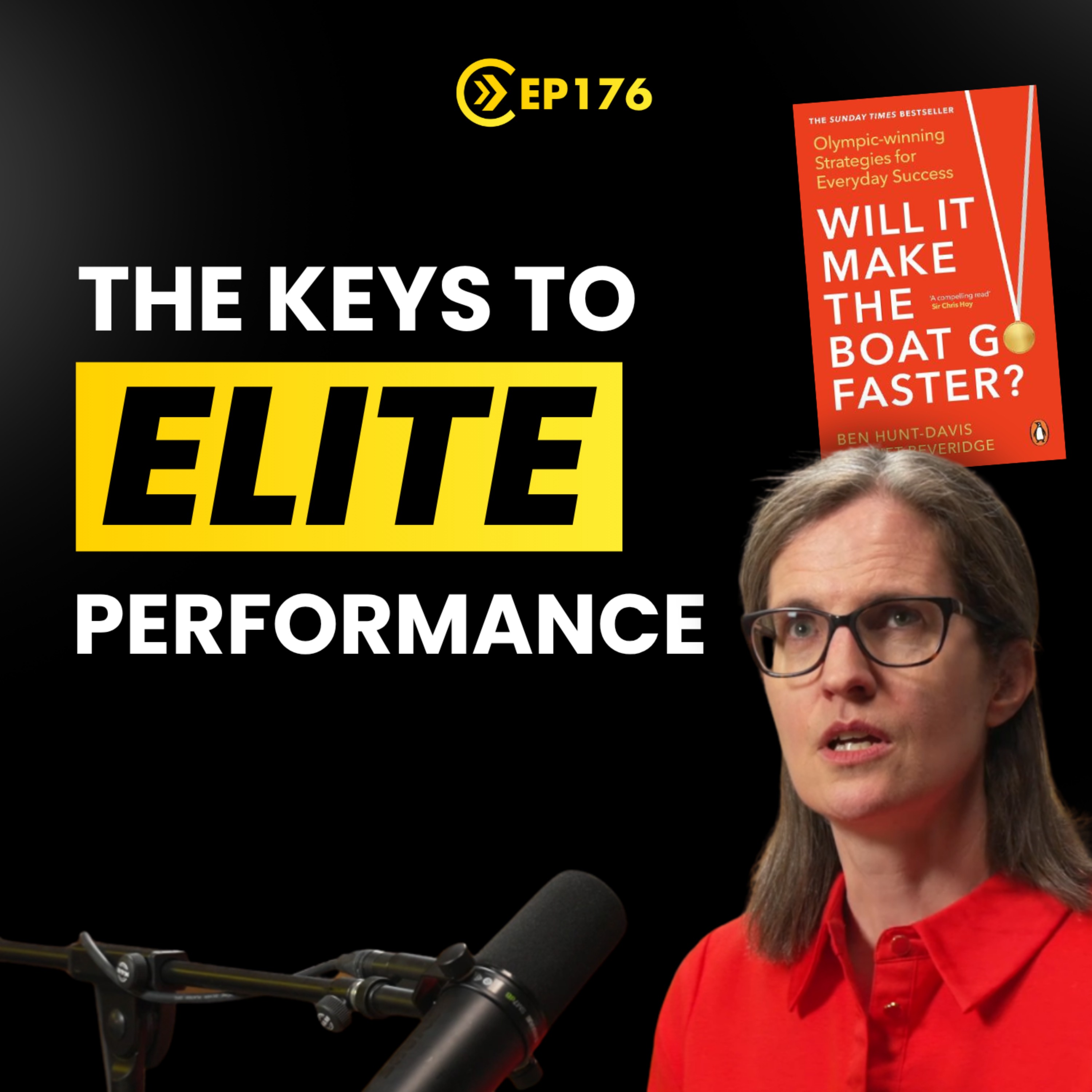 Why Top Performers Are Using This Rowing Team's Framework 23.07.2026 1t 6minElite Performance: Why Top Performers Are Using This Rowing Team's Framework | Harriet Beveridge Performance Psychologist InterviewMost business leaders run on autopilot, keeping the same meetings and habits simply because that's what's always been done. Harriet Beveridge has a test that cuts through all of it, borrowed from a British rowing crew that turned one gold medal in a generation into Olympic history.Beveridge is a performance psychologist, executive coach and stand-up comedian who co-wrote Will It Make The Boat Go Faster? with Ben Hunt-Davis, a member of the British eight that won gold in Sydney in 2000, Britain's first gold in the eight since 1912. Now in its third edition, the book is a working playbook for chief executives and high-performing teams.Her answer: ask if it makes the boat go faster, then get out of your own way.What You'll Learn:- The Bullshit Filter: How "will it make the boat go faster?" helped an underfunded crew cut noise, drop altitude training, and focus only on what moved the result.- Wouldn't It Be Amazing If: Why asking a deliberately outrageous question first unlocks ambitions that smart objectives alone never would.- Making It Impossible Not To: How teams engineer commitment, from taping a rower's hand to the oar, to booking a goal before it's funded, to accountability buddies who won't let you off the hook.- The DICE Beliefs Framework: The four beliefs, deserve, important, can, exciting, that quietly block performance, and how an "evidence wall" rebuilds them without affirmations.- Removing Friction From Habits: Why the "activation hump," the effort of just getting started, matters more than willpower, and how frictionless design builds habits that stick.- Thriving Under Pressure: How to identify personal stress triggers, from travel chaos to financial fear, and build small strategies rather than generic advice to stay calm.- Energy Over Time Management: Why managing energy, not just calendar blocks, decides whether high performers burn out or sustain results.- Curious About The Recipe: The deliberate practice habit of deciding what to focus on before a task, then reviewing it after, a step most businesses skip. Hosted on Acast. See acast.com/privacy for more information.
 -
 Your Business Falls Apart When You Leave? You Don't Own It Yet 16.07.2026 1t 5minYour Business Falls Apart When You Leave? You Don't Own It Yet | Peter Boolkah Business Coach InterviewMost business owners are brilliant at the technical work that got them started and completely unprepared for what running a business requires. The result is a team trained to be dependent, decisions funnelling through one person, and a life that belongs to the business.Peter Boolkah has spent 21 years inside this problem as an ActionCOACH business coach. Before coaching, he spent 16 years at McDonald's in operations, where he learned to trust 21-year-olds with £3 million restaurants because the systems made it possible. His book, Your Business Sucks, is a coaching fable built on two decades of watching owners repeat the same mistakes.What You'll Learn:- The 30-Day Test: Could you step away from your business for 30 days with zero communication? If the answer is no, the business owns you. This reveals whether you have a business or just a job.- Why Hard Work Creates the Problem: Every time an owner jumps in to fix something, they train the business to depend on them. Most don't realise they're building the bottleneck they're trying to escape.- The Three Steps of Delegation: Delegation without follow-through is abdication. Peter explains why management is a three-step process and why stopping at step one is where most businesses stall.- The McDonald's Lesson: A 21-year-old could run a £3 million restaurant because of systems, measurement, and daily P&L accountability. That same discipline is available to any SME owner willing to build it.- Start with Two Numbers: Track sales and net profit from day one. Close last month's figures by the 3rd and review your forecast daily to catch problems before they compound.- Balance the Talent Book: Like a football club at season end, every business needs to honestly assess whether its people can perform at the required level and be prepared to act when the answer is no.- The Real Timeline: 3-5 years to systemise properly. Wealth starts in years 5-7. Show up consistently, implement what you learn, and the path is clear.Peter Boolkah's Background:Peter Boolkah is a business coach with 21 years at ActionCOACH, working with businesses across growth, acquisition, and exit. He spent 16 years at McDonald's in operations, starting on the shop floor and rising to oversight of multi-million pound restaurants. That grounding in systems and P&L discipline forms the foundation of how he coaches. His book, Your Business Sucks, is a coaching fable drawn from two decades of client work.Action Steps:If You Haven't Started: Define what you want your life to look like, then work backwards to the infrastructure you need to support it. That is your starting point, not a revenue figure.If You're Already Running a Business: Take the 30-day test. If you couldn't leave for a month, identify the decisions that still flow through you and start building the systems and people to handle them.For Everyone: Track sales and net profit every month. Close the previous month by the 3rd and review your forecast daily. These two habits will change how you run your business.Wherever you are in the journey, this episode gives you the framework to build a business that works without you. Subscribe to the ActionCOACH Business Growth Podcast for weekly conversations with people who've done it.Brought to you by Actioncoach UK | The World Number 1 in Business CoachingLearn more at: actioncoach.co.ukThis Episode is Sponsored by Selfpublishing.com | Create leveraged impact and change lives by getting your book published.Learn more at: selfpublishing.com Hosted on Acast. See acast.com/privacy for more information.
 -
 The Moment We Stopped Listening to No 14.07.2026 1t 3minMindset: The Moment We Stopped Listening to No | Tom Caulfield & James Whittle The Tempest Two InterviewMost people wait until they feel ready. Tom Caulfield and James Whittle know that day never comes, so eighteen months after taking up climbing for the first time, they set off up El Capitan anyway.Known as The Tempest Two, Caulfield and Whittle rowed 3,000 miles across the Atlantic Ocean unsupported in 54 days with no prior rowing experience, then spent 18 months learning to climb before summiting El Capitan in three days, sleeping on ledges the width of a pizza tray along the way.In this episode of the ActionCOACH Business Growth Podcast, they explain why they banned the word can't, what a bias to action actually looks like day to day, and how doing one uncomfortable thing a year built the mindset behind it all.What You'll Learn:- Removing Can't From Your Vocabulary: Why Tom and James banned the word can't entirely, and how Carol Dweck's growth mindset research shaped their thinking on limiting beliefs.- The Bias To Action Method: How announcing a goal publicly before you know how to achieve it builds accountability and forces you to figure out the how afterwards.- Training The AMCC, Your Willpower Muscle: The brain region proven to grow when you do things you don't want to do, and why it levels the playing field for everyone.- 18 Months To El Capitan: How two novice climbers went from the worst in their gym to summiting El Capitan in three days, waking up next to Alex Honnold and Tommy Caldwell.- The Crisis Playbook: Level-headed, share it, no ego. How Tom and James righted their boat after capsizing mid-Atlantic and narrowly avoiding a collision with a tanker.- The Misogi Challenge: The ancient Japanese ritual reframed as doing one incredibly hard thing every year, and why it builds a life full of stories.- Next Up, A 400K Swim: A preview of The Tempest Two's next world-first challenge, a relay swim across the North Sea from Scotland to Norway. Hosted on Acast. See acast.com/privacy for more information.
 -
 The Calculated Risk That Separates the Rich From Everyone Else 09.07.2026 1t 5minThe Calculated Risk That Separates the Rich From Everyone Else | Danny McFarlane Wealth Adviser InterviewMost people think wealthy clients obsess over money. Danny McFarlane has spent 30 years advising the ultra-wealthy, and his observation is the opposite: the richest people he knows never chased money at all. In this episode of the Business Growth Podcast, powered by ActionCOACH UK, he explains what actually separates those who earn well from those who build deep wealth — and what most people get badly wrong about risk.Danny built his career without ever drawing a salary, growing one of the UK's most respected client books with near-100% retention — losing just 2 clients in 30 years he didn't choose to lose. He has since sold his firm and now coaches financial advisers and business owners on how to connect business, money, and life into one coherent plan.What You'll Learn:- Why the Wealthy Don't Chase Money: Danny's wealthiest clients focused on success, passion, or a cause — money arrived as a byproduct. Chase it directly, he says, and it runs away.- How to Set Goals That Actually Work: Real wealth starts with numbers-based goals, reverse-engineered into milestones. Realistic but stretching — too easy and it's demotivating, too ambitious and it's paralysing.- The Difference Between Earning and Deep Wealth: Making good money is not the same as building lasting wealth. The gap is knowing what to do with money, and — critically — when to take calculated risk.- The One Rule Danny Swears By on Risk: Never sell the roof over your head. Borrow against almost anything else, take on debt strategically — but not that.- Why "Boring" Is the Strategy: For clients who've made it, Danny manages their money in the most boring way possible. Lower risk, steady returns, no drama. The thrill-seeking is for earlier stages.- When to Get a Coach vs a Financial Planner: Start with a coach to build the business. Once money is coming in, bring in the financial planner — ideally connected with your coach, with no referral fees involved.- The Time Out Discipline: Danny's most powerful habit is going off-radar — at minimum a full day, ideally a week — two to three times a year. Phone off, email off, no exceptions. He credits it with more clarity than any seminar he ever attended.Danny McFarlane's Background:Danny McFarlane is a wealth adviser and business coach with 30 years of experience at the top of the financial planning industry. He built his career without ever drawing a salary, growing one of the UK's most respected client books with near-100% retention — losing just 2 clients in 30 years he didn't choose to lose. He has since sold his firm and now coaches financial advisers and business owners, including the team at Westminster Wealth, helping them connect strategy, money, and life into a plan that actually gets followed.If You're Already Building Wealth: Get a trusted financial planner alongside your coach — someone with at least five to seven years' experience, a client profile similar to yours, and a relationship style that suits you. And build a bucket list. Most people don't have one.For Everyone: Take time out. At minimum, a full day off-radar — no phone, no email, no people. Go somewhere different. Ask yourself what you were doing when things were going well that you've since stopped doing. Then go back to doing it.Whether you're just starting out, building momentum, or already wondering what comes next, this conversation will reframe how you think about money, risk, and the life wealth is supposed to buy. Subscribe for weekly conversations with people who've actually done it.Brought to you by Actioncoach UK | The World Number 1 in Business CoachingLearn more at: actioncoach.co.ukThis Episode is sponsored by YESS Foundation | Offering free 17-Week Business Education for Ages 12-22Discover YESS at: www.yessfoundation.org.uk Hosted on Acast. See acast.com/privacy for more information.
 -
 Rory Sutherland: Stop Marketing to Customers that Do Not Exist! 02.07.2026 38minWhy Rory Sutherland Thinks You're Wrong (The Average Trap) Rory Sutherland Ogilvy InterviewMost businesses design for the "average" customer. Rory Sutherland, vice chairman of Ogilvy, explains why this leaves everyone dissatisfied. In this ActionCOACH podcast episode recorded at BizX 2026, host Neil Martin explores how to escape the average trap and think like your customers actually think.When the US Air Force designed fighter jet seats for the "average" pilot, virtually nobody fit. Few people are average across multiple dimensions at once. Rory built his reputation at Ogilvy challenging finance-driven thinking and revealing why psychological factors often matter more than practical features.What You'll Learn:Why Designing for Average Fails: The fighter jet seat story proves adjustability beats one-size-fits-all thinking across product design, customer service, and business strategy.Marketing as Probabilistic Discipline: Why finance executives struggle to value marketing. You're making probabilistic bets on future outcomes like a casino, not controlling internal operations like finance.The Data Paradox: Nearly all business data comes from the past. You're driving whilst looking in the rear-view mirror, missing opportunities that don't show up in historical data.The 70-20-10 Experimentation Framework: 70% proven tactics, 20% incremental improvement, 10% blue-sky experiments where failure should be your goal. Breakthrough ideas contain illogical elements that data would reject.Psychological Friction Blocks Sales: Emotional barriers prevent purchases more often than practical problems. Examples from caravan design to luxury watch brands show how removing psychological friction creates breakthroughs spreadsheets miss.Capitalism's Genius Is Variety: Why exploring 18 different solutions beats optimising one "perfect" average solution. Competition creates better outcomes by testing multiple approaches simultaneously.Marketing as Mindset, Not Function: Sell marketing as a way of thinking rather than defending what marketing departments do. This customer-perspective thinking prevents boards from making internally rational decisions that look foolish to actual buyers.Brought to you by Actioncoach UK | The World Number 1 in Business CoachingLearn more at: actioncoach.co.ukThis Episode is sponsored by Santander x Worldpay | Providing business and corporate clients with secure, in-store, and e-commerce payment solutions. Hosted on Acast. See acast.com/privacy for more information.
 -
 Sara Davies on Why Being Yourself is Your Biggest Advantage 25.06.2026 1t 28minSara Davies MBE on Why Authenticity Wins in Business and Leadership | Dragons' Den Star InterviewWhen the BBC asked Sara Davies to be "more dragon-like" before her Dragons' Den audition, she made a choice. She walked into that meeting as herself, legs crossed, warm demeanour, Northern accent intact, and told commissioners exactly what they'd get. That decision transformed her career.Sara Davies MBE is founder and CEO of Crafter's Companion, a £40 million craft business. She became the youngest woman ever on Dragon's Den, where she's been an investor for six years, and is one of the UK's most recognisable entrepreneurs.In this episode, Sara explains why being authentically yourself is your biggest business advantage. She spent her 20s shape-shifting to fit each room until her husband asked which version was the real her. That question changed everything.If You're Building Your Personal Brand: Know what you stand for, then show up as that person consistently.If You're Managing through Decline: Accept the situation, make the hard decisions fast, and stop using money as an excuse to delay.If You're Leading a Team: Read what isn't being said. Pair direct feedback with genuine care for growth.This conversation cuts through the noise with genuine insights on why authenticity works, how to make hard decisions fast, and why emotional intelligence matters as you scale.Brought to you by Actioncoach UK | The World Number 1 in Business CoachingLearn more at: actioncoach.co.ukThis Episode is Brought to you by Santander x Worldpay | Providing business and corporate clients with secure, in-store, and e-commerce payment solutions.This Episode is Sponsored by TrueTalent | Connecting Talent for events, campaigns and more. True Talent are passionate about bringing together the best suited Talent with brands.Learn more at: wearetruetalent.com Hosted on Acast. See acast.com/privacy for more information.
 -
 Pipeline is Life: Why Every Entrepreneur Must Become Chief Sales Officer 17.06.2026 36minSales: You're Already Selling (Here's Why That Matters) | Jeb Blount Fanatical Prospecting Author InterviewMost entrepreneurs think they're not in sales. Jeb Blount knows better. In this backstage episode of the Business Growth Podcast at BizX 2026, we reveal why every business owner must become their company's chief sales officer and how keeping your pipeline full changes everything about how you sell, close, negotiate, and choose customers. Jeb built a 1.2 million-person email list over 20 years, hosts the Sales Gravy podcast (top 10 in its category), and has written 18 bestselling books including Fanatical Prospecting.What You'll Learn:Why Pipeline Is Life: A full pipeline makes you better at every aspect of selling. When you have options, you close better, negotiate stronger, and select the right customers instead of taking anyone who says yes.Selling as Consulting: The value bridge concept reframes selling from pushing products to guiding people toward their goals. Start with integrity, ask better questions, and position yourself as an interpreter who helps buyers reach their desired future state.Multi-Touch Prospecting That Actually Works: Phone calls, voicemail, email, LinkedIn messages, in-person visits, newsletters, and podcasts combine to create powerful sequences. Single-channel approaches fail because no one channel works alone anymore.Why AI Is Breaking Email: Salespeople send 8 times more email than 4 years ago but get one-eighth the results. AI-generated messages have saturated inboxes, forcing email providers to filter aggressively.Bold Calling Is Back: In-person prospecting is experiencing a resurgence. Jeb shares how he scaled a chain-link fence past 'Beware of Dog' signs, met a business owner, and later closed a $1.2 million deal.Key Quotes:"Pipeline is life. When you have a full pipeline, you're better at selling, you're better at closing, you're better at negotiating, and you're better at choosing the right customers.""Selling is helping people get what they want. If you start with integrity and don't sell people things they don't need, you're just guiding them toward their goals.""The phone still works. Nobody answers a phone that doesn't ring. Pick it up."Jeb Blount's Background:Jeb Blount is a sales trainer, author of Fanatical Prospecting and 17 other bestselling books, and founder of the Sales Gravy podcast (top 10 in its category). He built a 1.2 million-person email list over 20 years and runs a 34-person consulting firm. Hosted on Acast. See acast.com/privacy for more information.
 -
 From 1 Million to Half a Billion: John Hutmacher's Proven System for Scaling Success 11.06.2026 1t 14minHosted on Acast. See acast.com/privacy for more information.
 -
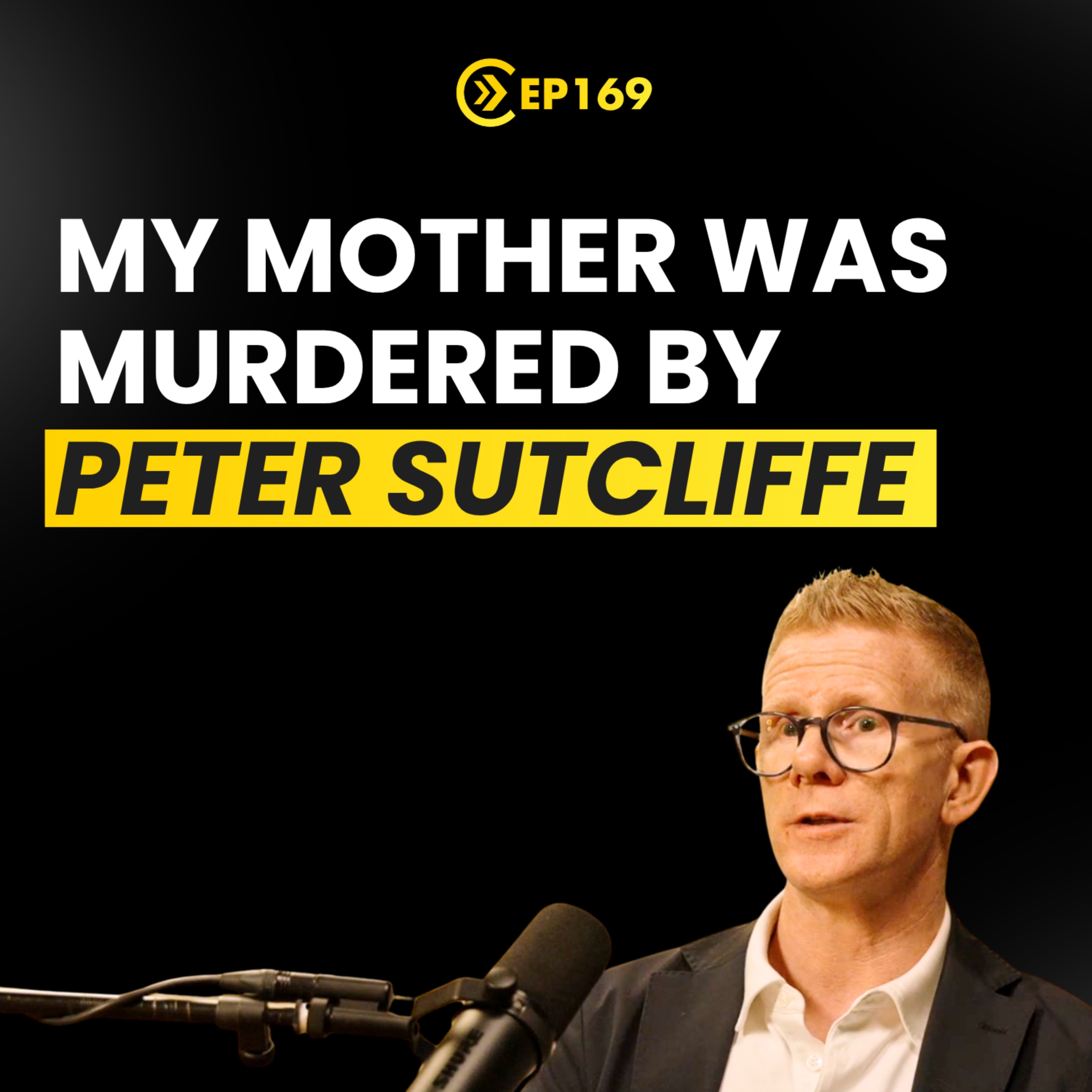 Peter Sutcliffe Killed His Mother. He Chose to Help Others | Richard McCann 05.06.2026 32minRichard McCann - Peter Sutcliffe Killed His Mother. He Chose to Help OthersRichard McCann grew up in Scotthall, a deprived area of Leeds, with his mother's alcohol struggles, a violent boyfriend involved in drugs, and constant chaos. Just before his sixth birthday, his mother went out and never came home. At 5:30 the next morning, Richard and his sister Sonia searched for her at a bus stop. Police took them to a children's home: "Mum's been taken to heaven." She'd been murdered by Peter Sutcliffe.Six-year-old Richard reframed the tragedy. His mother was no longer suffering. He and his sisters had a fresh start. That survival mechanism -what psychologists call "explanatory style" -kept him afloat for decades. The meaning you apply to a situation creates your reality. But self-doubt followed. He looked in the mirror and saw an "ugly kid." He felt unworthy of relationships or success.From age 16, Richard sought relationships to feel worthy. His subconscious didn't believe he deserved them, so he'd self-sabotage. He'd push people away, see things that weren't there, and accuse his girlfriend of being with another guy when she was with a friend. He joined the army and lied about his mother because he was ashamed. They discovered the truth after a year. He was discharged following a drunken rampage. Then came drug dealing, arrest, and imprisonment in the same jail that held Peter Sutcliffe 29 years earlier.Rock bottom came after his release in July 1997. He faced house repossession with six weeks to find a job. After five weeks with nothing, he attempted suicide. Nobody would hire him because he had a criminal record.What changed? His sister Sonia stabbed her violent boyfriend and faced prison. Richard impulsively decided to write a book to defend her. He had no qualifications but got "Just a Boy" published. The book led to TV appearances and liberated him. He didn't need to be ashamed of his mother's behaviour.Speaking invitations followed. He was shocking at first, reading from the book with no understanding of how storytelling works. After two years, he realised he could make more of a difference through speaking than through social work. He was getting letters from people he'd helped.Richard discovered that turning trauma into purpose didn't erase the pain. His story became a blueprint for post-traumatic growth -you can grow because of trauma. Lose your job but find work you love. End a relationship, then meet someone you have children with. His workshop helps people identify their first setback and how they grew from it, building belief in their ability to handle future setbacks.Today, Richard helps others reframe struggles using his "bounce back graph." You cycle between red (setback) and green (recovery). He teaches that self-doubt can be challenged with evidence. His process: identify thoughts that aren't serving you, write them down, ask "Where's the evidence?" Use the reticular activation system -when you believe something, you see it everywhere. Henry Ford said it: "Whether you believe you can or you can't, you're right."His younger sister passed away from lung cancer just before the pandemic. Grief doesn't diminish. But he had belief: "You'll get through this." During the pandemic, his business ground to a halt. He earned £400 in April 2020. Pain and love never disappear because that's part of being human.He's written "Teach Me Gently" to help parents support anxious children. His own daughter had six months of school refusal due to anxiety. His key advice: children need to feel safe before any reasoning. When a child is anxious, they're in fight or flight -you can't reason with that. It might take two hours to make them feel safe, but that's the foundation.Richard still lives in Leeds. He had mentors like Stuart Hardy, his boss before prison, who gave him belief and treated him like a son. His core message remains simple: the emotional pain of loss never disappears, yet neither do you have to stay in the red. Hosted on Acast. See acast.com/privacy for more information.
 -
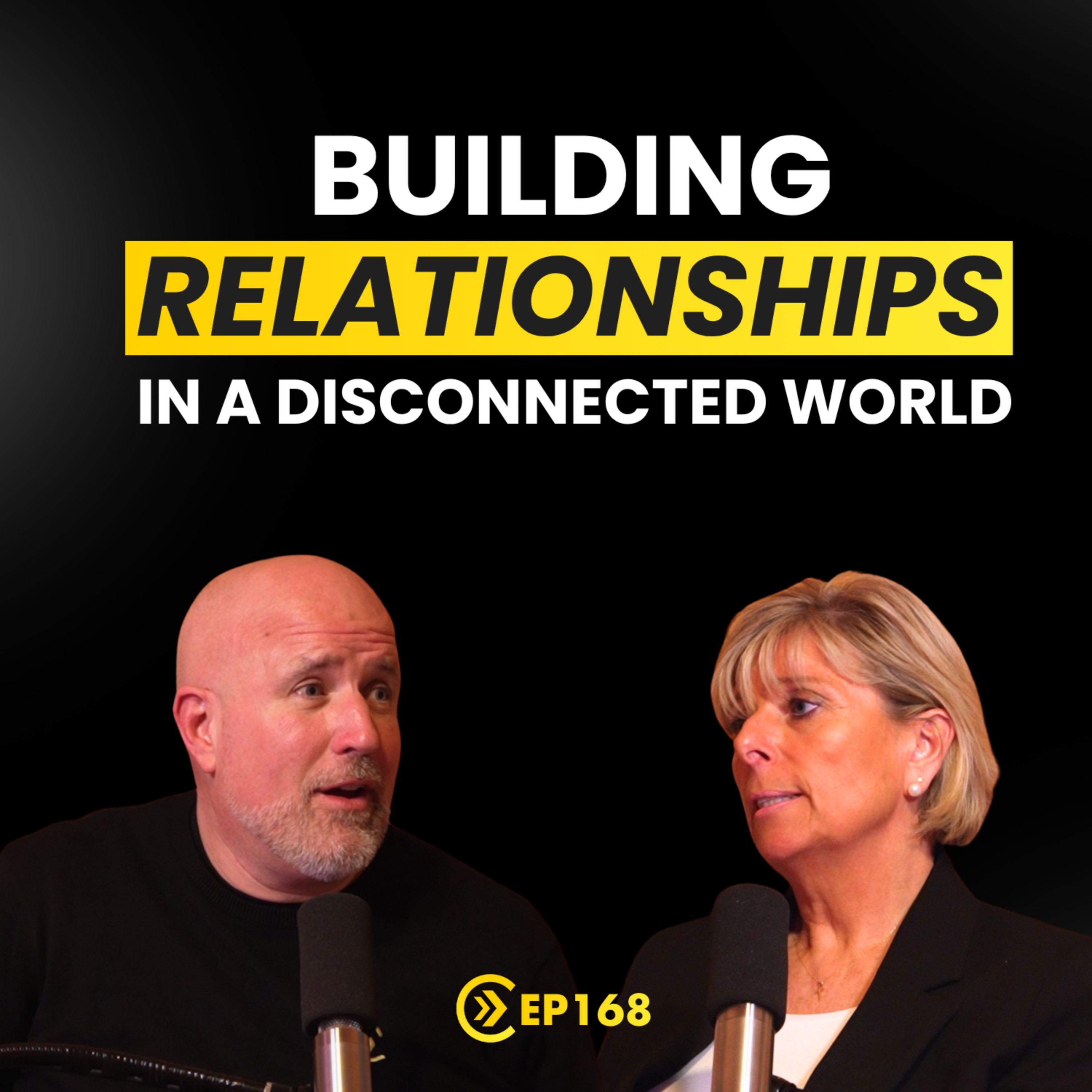 How to Build Deeper Relationships in a Disconnected World with Penny Power OBE 28.05.2026 42minSignificance in a Disconnected World | Penny Power OBE InterviewWe're more digitally connected than ever. Yet we're emotionally disconnected, anxious, and treating relationships like transactions. Penny Power OBE calls it what it is: a massive Silicon Valley psychological experiment that's changed how humans interact.Penny founded a social network in 1998 with her husband, Thomas Power. She built that business to a £60 million valuation before realising she was chasing someone else's dream. Now she runs a small business focused on helping business owners build deeper relationships with clients, staff, and family.Her core insight? Significance, making people feel they matter, is a human need we've forgotten in the age of personal brands and broadcast-driven social media. This episode, recorded at BizX 2026, is about getting it back.What You'll Learn:How Social Media Changed Human Behaviour: Penny contrasts early social networking (1998, meaningful connection) with social media post-2009 (broadcast, performance, comparison). We've shifted from building relationships to building audiences, and it's costing us our mental health.Why Significance Matters More Than Success: Significance means making others feel they matter. Contribution means giving meaningfully to the world. Individualism and a culture of personal branding conflict with our need for deeper relationships, leaving us isolated despite constant connectivity.The Dopamine Trap and Content Culture: Constant media consumption attacks your dopamine reward centres, worsens focus and ADHD symptoms, and feeds constant distraction through comparison.Fear-Based Thinking vs. Love-Based Thinking: People navigate toward fear (news addiction, scarcity marketing, pain-focused content) or love (abundance, community, contribution). This choice shapes your relationships, business decisions, and life outcomes.Why You Might Be Chasing Someone Else's Dream: After building to £60 million, Penny realised she was chasing scale when she actually wanted calm. Redefining wealth around time, values, and resilience made her happier and will likely add 20 years to her life.Define what success actually means to you, not what you think it should mean. Scale or calm? More time or more money? Write it down. If you're stuck, consider therapy or coaching. Understanding yourself is foundational to designing the life you want.Whether you're a business owner tired of transactional relationships, an entrepreneur chasing the wrong success, or a parent protecting your family from toxic content, this episode helps. Subscribe to the Business Growth Podcast for conversations that challenge how you think about business and life. Hosted on Acast. See acast.com/privacy for more information.
 -
 Is Community the New Power Move in Business? 21.05.2026 56minThe Community That Made The Rolling Stones Take Notice | Nick Keynes Tileyard Studios Founder InterviewNick Keynes built Tileyard Studios into a 150,000 square foot creative ecosystem housing 165 studios and 1,000 to 1,500 people daily by curating with authenticity, saying no when necessary, and leading through genuine relationships—attracting The Rolling Stones' Matt Clifford as the first tenant and growing companies like Spitfire Audio from £1 million turnover to a 120-person acquisition by Native Instruments.What You'll Learn:The Five-Point Blueprint for Community Growth: Nick breaks down the systematic approach that attracted Matt Clifford (Rolling Stones keyboard player) as the first tenant and built an ecosystem where companies like Spitfire Audio grew from £1 million turnover to a 120-person acquisition by Native Instruments.Why Shaping Your Environment Comes First: Discover how Paul Kemp's commitment to building only the highest-quality spaces created the foundation for attracting world-class talent. Quality environment signals quality community before a single member joins.The Art of Selective Curation: Learn Nick's A\&R approach to admitting members: only bring in people and businesses that add value beyond rent and create meaningful connections with others. Understanding when to say no protects the ecosystem's integrity.Relationship-Led Leadership as a Contact Sport: Understand why Nick spends every day on-site managing relationships rather than working remotely. Physical proximity creates daily collisions, spontaneous collaborations, and deeper trust that digital communities cannot replicate.From Community to Complete Ecosystem: Learn how Tileyard evolved beyond studios to address every route to market: collaborators, mixers, producers, labels, publishers, management companies. Creators need more than space; they need pathways to success.Key Quotes:"I'm curating in the same way I would A\&R. I'm signing things I believe in. With new artists, I ask: Do I like this person? Do I believe in them? Are they believable?""Replace the word 'networking' with 'friendship' in any business conversation, and you'll understand what actually works."Nick Keynes's Background:Nick co-founded Tileyard Studios in 2011 with Paul Kemp after Kemp purchased the King's Cross site in 2008. Before Tileyard, Nick was bassist in band Ultra, which appeared on Top of the Pops three times in the late 1990s and created the Top 10 hit 'Rescue Me'. This music industry background gives him genuine empathy for artists and credibility within the creative community. He manages the complex daily, curating tenants and maintaining the culture of fearlessness that defines Tileyard's ecosystem.Whether you're building a team, community, or seeking meaningful creative connections, discover the blueprint from someone who attracted The Rolling Stones through authentic relationship-led leadership. Hosted on Acast. See acast.com/privacy for more information.
 -
 Brain Rot Killing Your Productivity? TJ Power Explains Why 14.05.2026 55minBrain Rot Killing Your Productivity? | TJ Power The Dose Effect InterviewThe average person checks their phone 217 times per day, each check delivering a dopamine hit that wears out your reward system. TJ Power, author of The Dose Effect, explains why this stimulation addiction is killing your productivity and relationships, and what you can do about it.TJ has taken over 100,000 people through his DOSE neuroscience programme, teaching them how to fix their brain chemistry through understanding dopamine, oxytocin, serotonin, and endorphins. His core insight: we're chasing dopamine when what we actually need is oxytocin, and boredom isn't the enemy; it's the solution.What You'll Learn:How Phones Hack Your Dopamine System: Discover why 217 daily phone checks create artificial dopamine spikes that wear out your reward system, leading to apathy, anxiety, and brain rot.The 15-Minute Boredom Barrier That Changes Everything: Learn why pushing through 15 minutes of boredom during phone-free walks activates your default mode network for self-projection and future planning.Healthy Dopamine, Willpower, and the AMCC Brain Region: Understand the difference between dopamine from completing important tasks versus scrolling, and how resisting phone checks strengthens your willpower muscle.The Five-Hug Daily Challenge You're Failing: Adults average just 1.2 hugs per day, and teenagers, only 0.4, but we need five proper hugs (three to five seconds each) for oxytocin.Serotonin, Gut Health, and Slow Living: Discover why 90% of your serotonin is produced in your gut, and how Greek yoghurt, eggs, and slow mornings support calm and clarity. Hosted on Acast. See acast.com/privacy for more information.
 -
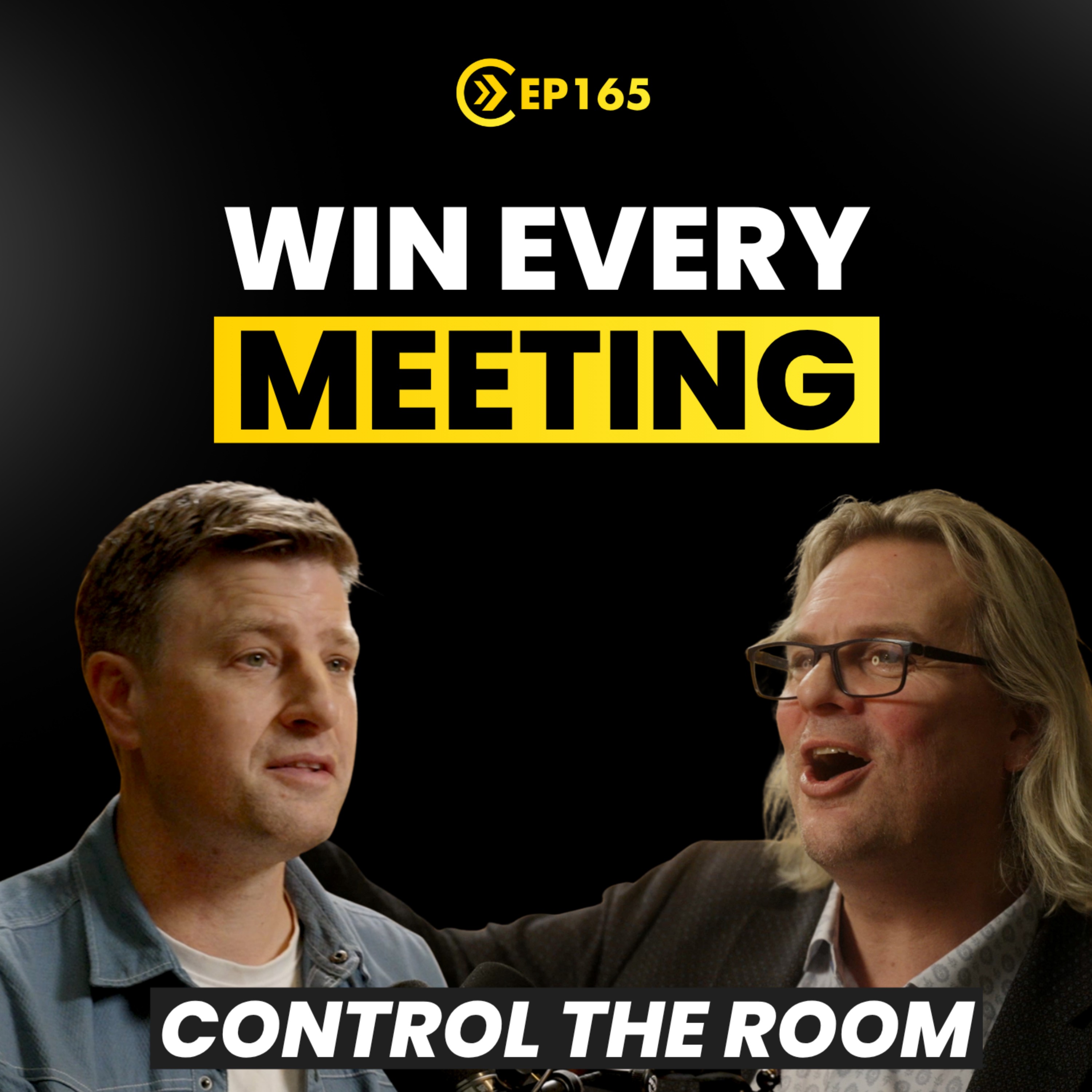 How to Control the Room Without Saying a Word | Mark Bowden 07.05.2026 1t 2minBody Language - How to Control the Room Without Saying a Word | Mark Bowden Most business owners dread meetings. They run too long, people zone out, and nothing gets done. Mark Bowden knows the problem isn't the meeting itself - it's that nobody is actually listening. In this episode of the ActionCOACH podcast, host James Vincent sits down with Mark to reveal the precise techniques that transform chaotic gatherings into focused, productive sessions where everyone leaves knowing exactly what to do next.Mark Bowden is a body language and communication expert who has spent decades teaching leaders how to command attention without dominating the room. His approach isn't about reading minds or manipulating people. It's about creating the conditions where genuine listening happens, confusion evaporates, and action becomes inevitable.His secret? Take your own pulse before you try to read the room.What You'll Learn:The Anatomy of a Terrible Meeting: Discover why meetings fail when people leave confused, inactive, and unwilling to meet again due to poor listening.Reverse Engineering Great Meetings: Learn the three hallmarks of meetings that work: people feel understood, they know exactly what happens next, and they're genuinely motivated for the next step.Opening With Genuine Welcome: Understand why the first 30 seconds determine everything, including a detailed roleplay of opening a cashflow meeting.Cognitive Versus Emotional Empathy: Explore the critical difference between understanding what someone is thinking versus what they're feeling, and why cognitive empathy often supports clearer business thinking.Outcome Over Agenda: Stop boring people with tedious agenda lists and clarify the desired outcome in plain language instead.Reading the Room Starts With You: Master the technique of taking your own pulse before attempting to interpret a chaotic room and leading body language rather than reactively reading it.Using Check-Ins to Surface Value: Learn how frequent, strategic check-ins maintain focus and reveal what participants actually value without turning them into interrogations.Inviting People to Name Their Blockers: Discover the power of asking directly what might prevent someone from contributing fully and surface fears that would otherwise sabotage the meeting.Allowing Conflict Without Suppression: Understand why conflict is useful and should be welcomed, with specific techniques for managing dominant speakers using clear, named interruptions.Closing With Clear Actions: Master the structured wrap-up that extracts key takeaways, identifies next actions, and determines what support people need.Key Quotes:"A terrible meeting is one where people leave confused, inactive, and unwilling to meet again.""Take your own pulse before you try to read the room.""Lead body language rather than read it. You set the tone.""Conflict is useful. Don't suppress it. Manage it instead."Mark Bowden's Background:Mark Bowden is a globally recognised expert in body language, communication, and human behaviour. He has trained leaders across industries on how to command presence, build trust, and facilitate productive conversations without relying on dominance or manipulation.Action Steps:If You Haven't Started: Before your next meeting, write down the single outcome you want. Then craft a 30-second opening that welcomes people genuinely and states that outcome in plain language.If You're Already Running Meetings: Implement the pulse check technique. Before you walk into the room, take 10 seconds to notice your own breathing and physical state, then lead the energy you want to see.For Everyone: Add three check-in moments to your next meeting. Ask "What's valuable here?" or "What might block your contribution?" When someone dominates, use their name and a clear interruption: "John, I'm going to pause you there so we can hear from others." Hosted on Acast. See acast.com/privacy for more information.
Samankaltaiset podcastit


Suosittu maassa
Tämä podcast esiintyy myös näiden maiden podcast-listoilla.
