
Reasonably Optimistic
The Washington Post
0
Enough with the doom and gloom — we’re ready to talk about how America can thrive. Hosted by Washington Post Opinion columnist Megan McArdle, “Reasonably Optimistic” is your weekly conversation about how America can get unstuck and build a better future. Stop feeding your rage and start embracing our possibilities. Episodes drop Wednesdays.
Jaksot
-
 What AI experts fear most 16.09.2026 48minArtificial intelligence is advancing faster than many expected. So much so that some of the experts who understand it best are sounding the alarm. Are their warnings exaggerated, or are we approaching a point of no return? And what can we do now to shape the future of artificial intelligence? Host Megan McArdle is joined by Tim Lee, author of the Understanding AI newsletter, to explore what AI experts fear most, from misinformation and economic disruption to the possibility of losing control of increasingly powerful systems. They break down recent AI controversies and examine why some researchers are calling for slower AI development, what meaningful AI safety could look like, and whether governments and technology companies are moving quickly enough to address the risks.
 -
 This medieval revolt has a warning for today 11.09.2026 31minMore than six centuries ago, the Black Death wiped out nearly half of England’s population. Suddenly, workers had more power, wealthy landowners had less, and the old social order began to crack. When the ruling class tried to force that order back into place, anger erupted into the Peasants’ Revolt of 1381 — a political crisis that feels startlingly familiar today, dramatized in the new film “The Uprising.” Host Megan McArdle is joined by historian Dan Jones, author of “Summer of Blood,” who was a consultant on the film. They explore how a pandemic transformed England’s economy, why legitimate grievances spiraled into violence, the tension between natural justice and written law, and what happens when elites stop listening to the people they govern.
 -
 The strange truth behind our obsession with UFOs and aliens 09.09.2026 50minIt doesn’t take much to ignite a new wave of alien conspiracy theories on social media. But beyond the internet speculation lies a serious scientific question: If billions of planets could support life, why haven’t we found any? Host Megan McArdle revisits her conversation with astrophysicist and author of “The Little Book of Aliens,” Adam Frank, to explore why he thinks extraterrestrial life probably exists — and why UFO sightings offer little evidence. They discuss how scientists are searching for alien life, why microbes may be far more common than intelligent civilizations and what extraterrestrials might look like if we ever find them. This episode was originally published on June 10, 2026.
 -
 My mother’s secret changed how I think about abortion 04.09.2026 32minShortly before her mother died, Megan McArdle learned a family secret. Decades earlier, her mother had given birth to a son and placed him for adoption. Megan’s attempt to find the brother she never knew would force her to reconsider her mother’s life—and confront abortion as something more than an abstract political debate. In this deeply personal episode, producer Regina de Heer interviews Megan about the choices her mother faced, the grief she carried and why our arguments about abortion and adoption leave so little room for complexity. This episode includes discussions of death, grief and abortion.
 -
 The myths fueling America’s AI data center backlash 02.09.2026 55minAI data centers have become America’s newest political villain — accused of draining local water supplies, overheating communities and sending electricity bills soaring. But some of the most alarming claims about their environmental impact are based on outdated estimates, missing context or questionable math. Host Megan McArdle is joined by writer and former high school physics teacher Andy Masley to separate the myths from the legitimate concerns and break down why misleading claims spread so easily.
 -
 Football is back. A new CTE study asks what it costs. 28.08.2026 16minFootball season is back, bringing millions of Americans together around one of the country’s most beloved sports. But new research on chronic traumatic encephalopathy, or CTE, raises an uncomfortable question: What price are players paying for our entertainment? Host Megan McArdle explores the physical and cognitive toll of football and what responsibility fans have when they turn on a game.
 -
 The hidden forces behind America’s baby bust 26.08.2026 56minWhy are Americans having fewer children, even though many say they want larger families? Host Megan McArdle talks with author Tim Carney about how professional ambition, personal autonomy and intensive parenting have made family life more daunting. They discuss why Americans are marrying later, how workplaces and communities could make raising children easier, and whether stronger family norms can be revived without bringing back the inequalities of the past.
 -
 A sociologist’s perspective on the Jason Arday story 21.08.2026 49minThe controversy surrounding Cambridge professor Jason Arday began with questions about his academic record and extraordinary personal story. It ended in tragedy. What can sociology tell us about how a scandal like this escalates once it's forced into public view? Host Megan McArdle talks with UCLA sociologist Gabriel Rossman about scandal, status and public shaming. Content warning: This episode includes discussion of sexual assault and suicide.
 -
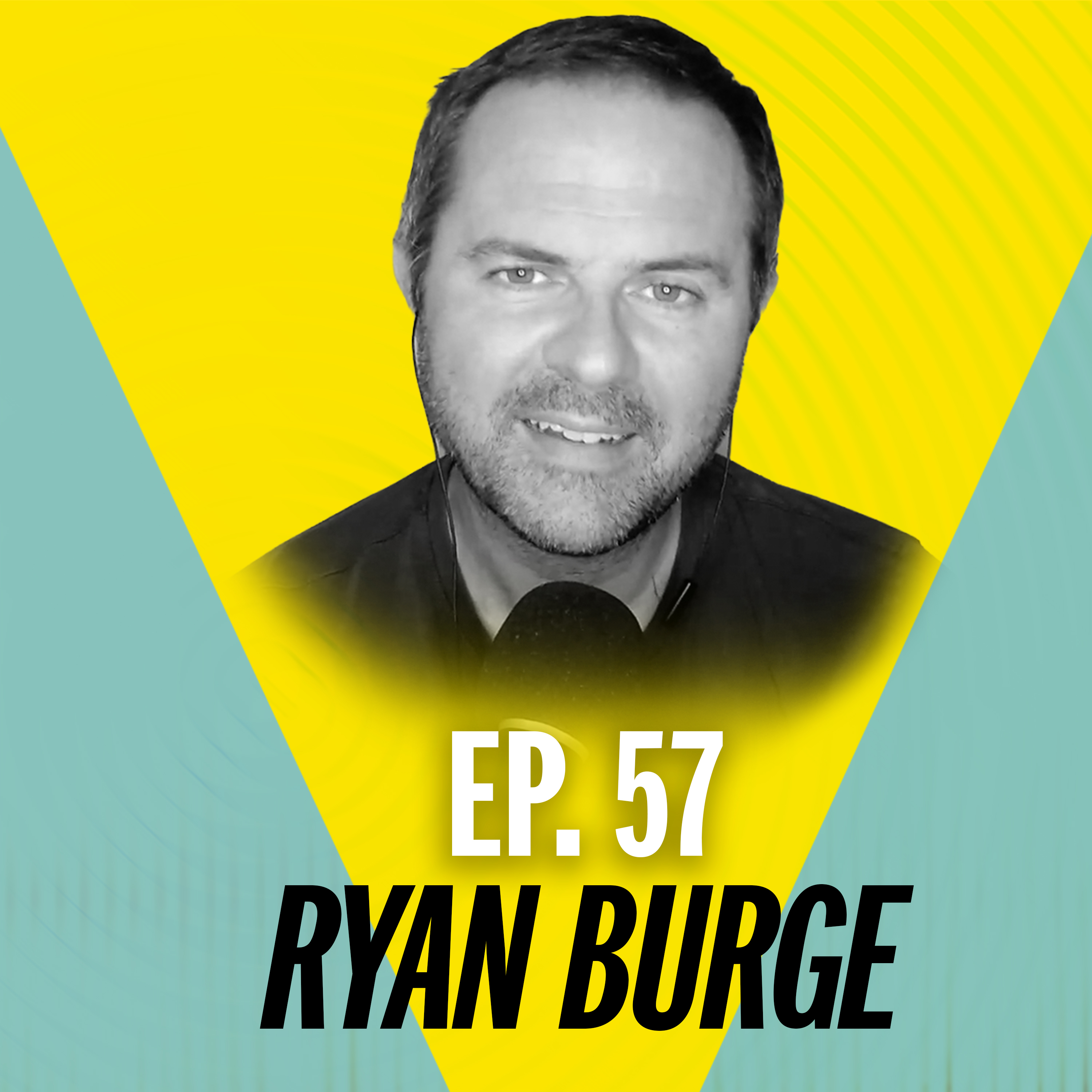 What empty pews reveal about America 19.08.2026 52minAmerica is becoming less religious — but the story is more complicated than empty pews. Host Megan McArdle is joined by political scientist and former pastor Ryan Burge to talk about the shifts taking place in America's churches. Are congregations shrinking or growing? Why are some religious traditions holding on better than others? And what does the rise of the religiously unaffiliated mean for American life?
 -
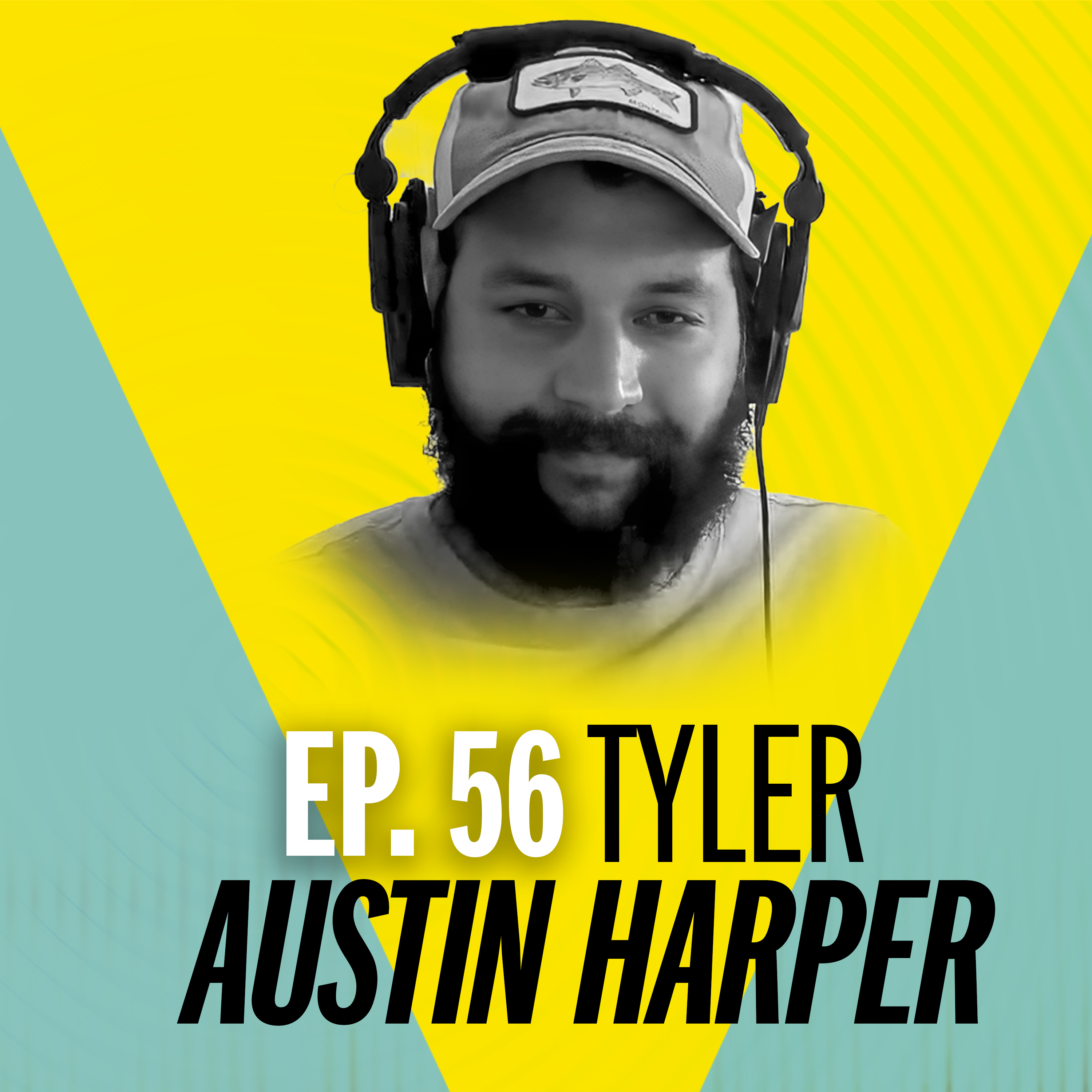 Why this professor lost faith in higher education 14.08.2026 59minAmerica’s colleges have spent years at the center of the culture wars. But some of the sharpest critics of higher education are people who once believed deeply in its mission — and changed their minds after seeing it from the inside. Host Megan McArdle is joined by Tyler Austin Harper, staff writer at The Atlantic and former professor at Bates College. He breaks down how academia reshaped his views on affirmative action and diversity, and why he came to see some efforts at inclusion as a form of tokenism. They get into race and class, ideological conformity, the decline of tenure, the treatment of adjunct faculty and the gap between universities’ social justice rhetoric and their economic incentives.
 -
 Why your cost of living keeps rising 12.08.2026 35minFrom the housing shortage to rising electricity costs, many of America’s biggest affordability problems come back to the same question: Why can’t we build more? Host Megan McArdle is joined by political commentator Josh Barro to talk about the “abundance” agenda and what it could mean for the cost of living, housing and energy prices, and economic growth. They discuss how both Democrats and Republicans stand in the way of building, whether increasing the supply of housing and energy can make everyday life more affordable, and whether Democrats can turn a wonky policy agenda into a compelling message on affordability.
 -
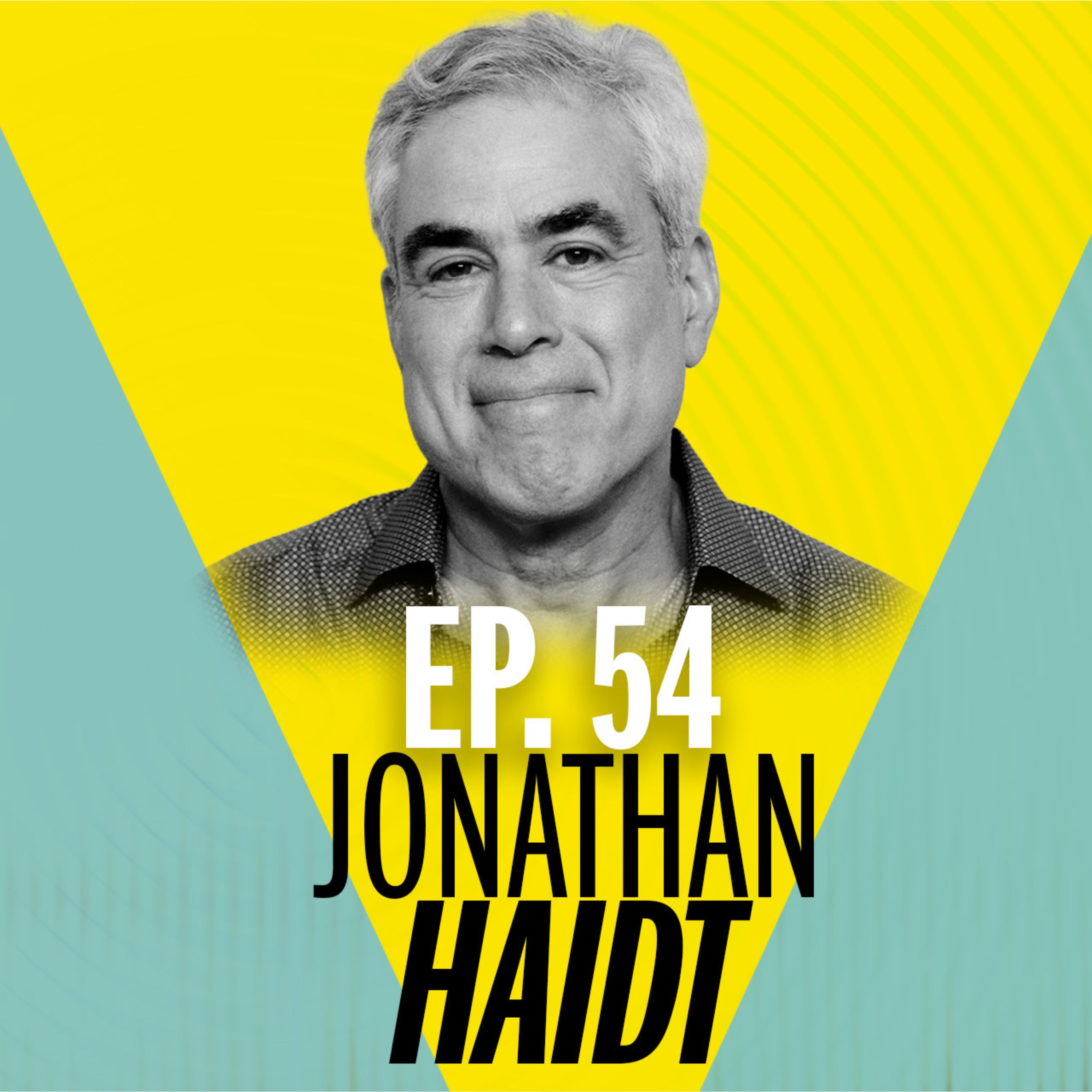 Is TikTok rewiring childhood? 07.08.2026 54minAs students head back to school, families and educators are facing a growing question: What should they do about smartphones? Host Megan McArdle is joined by social psychologist and author of “The Anxious Generation,” Jonathan Haidt, to talk about how TikTok, social media and constant digital stimulation may be changing the way children pay attention, stay motivated and cope emotionally. They discuss how childhood shifted from play-based to phone-based, how strong the evidence really is that social media is harming kids and whether phone-free schools, age limits and new family norms can help turn things around.
 -
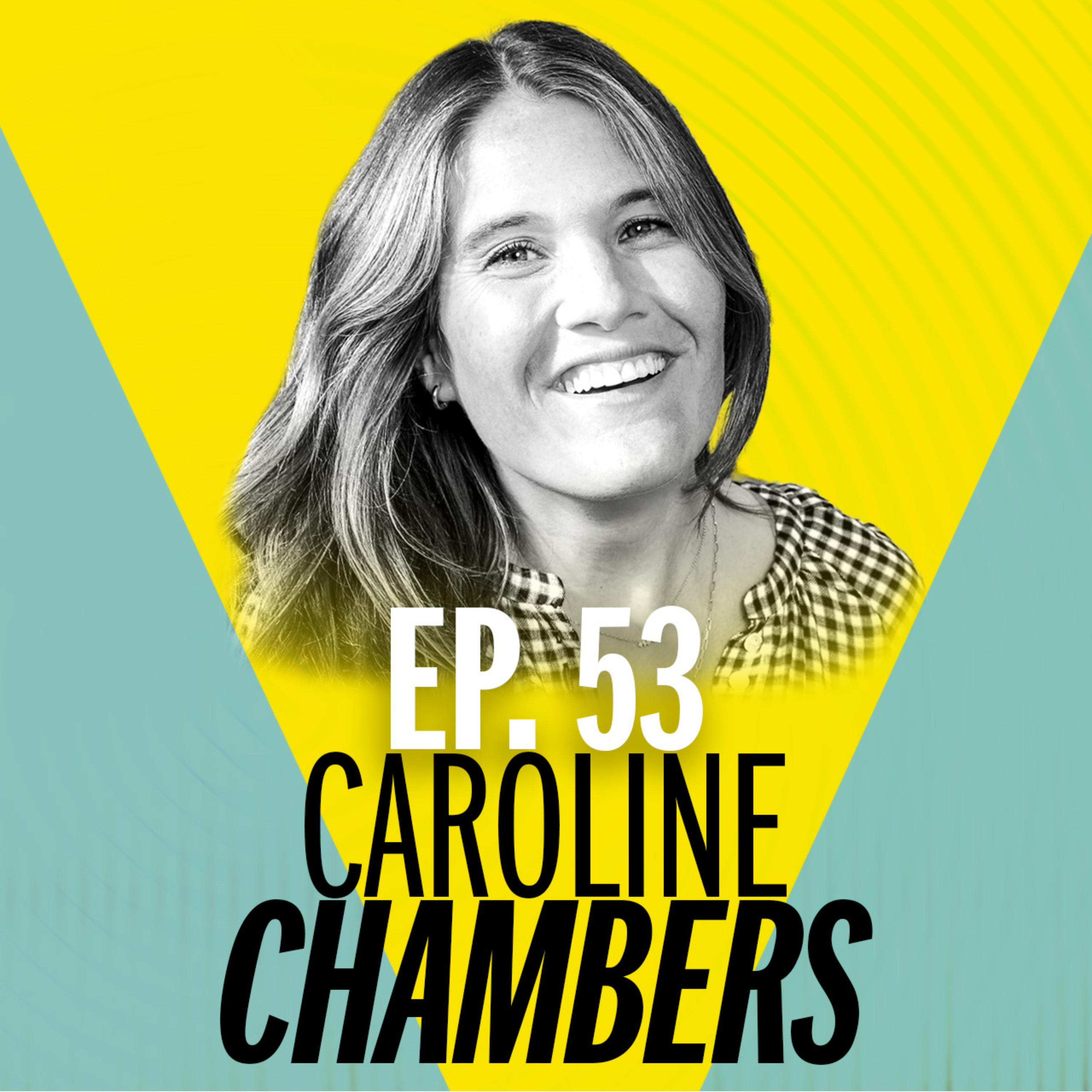 Stop cooking the ‘right’ way 05.08.2026 34minDinner shouldn’t be stressful. But after a long day, even deciding what to cook can feel like one more exhausting task. Add the pressure to make meals healthy, affordable, interesting and Instagram-worthy, and home cooking can start to feel more like performance than pleasure. Host Megan McArdle talks with Caroline Chambers, author of "What to Cook When You Don’t Feel Like Cooking: Make It Fast," about how she turned a cookbook idea rejected by publishers into a cooking empire, why dinner has become such a source of stress and what we gain when we stop trying to cook the “right” way.
 -
 How to fix higher education without destroying it 31.07.2026 21minPublic confidence in higher education has been eroding for years. Rising costs, uncertain job prospects and political conflict have led many people to question whether colleges still serve the public. But trying to fix that by slashing research funding or putting campuses under tighter government control could destroy a lot of what makes them valuable. Host Megan McArdle argues that universities must confront their credibility crisis by recruiting a wider range of viewpoints, stepping back from institutional politics and recommitting to open debate. Meanwhile, conservatives must decide whether they want to reform higher education or merely punish it.
 -
 A therapist on relationships, ghosting and realistic standards 29.07.2026 46minRelationships have always required compromise and patience. But dating apps, social media and therapy-speak can make ordinary human flaws feel like reasons to walk away. So, when is it right to leave and when are we giving up on people too quickly? Host Megan McArdle talks with psychotherapist, author and New York Times “Ask the Therapist” columnist Lori Gottlieb about ghosting, going no-contact, unrealistic dating standards and what actually makes relationships last. They also discuss how to tell the difference between settling and choosing wisely, why the perfect partner does not exist and how giving people grace can make us less lonely.
 -
 Why homeownership feels impossible for Gen Z 24.07.2026 21minFor generations, owning a home was seen as the first real step into adulthood: a place to raise a family, build wealth and claim a piece of the American Dream. But for Gen Z, soaring prices, high mortgage rates and a shortage of starter homes have pushed even modest houses out of reach. Host Megan McArdle argues that young Americans really have received a worse housing deal than earlier generations. But the era of cheap, abundant homes to buy was shaped by forces we cannot simply recreate, and a good life does not have to begin with buying the perfect house.
 -
 What America got wrong about drug addiction 22.07.2026 25minThe drug crisis in the United States did not begin with fentanyl. It began with a series of choices that seemed compassionate at the time — prescribing opioids for people in pain, scaling back punishment and trying to make drug use safer. But addiction spread, fentanyl changed the stakes, and the solutions no longer fit the crises unfolding in communities. Host Megan McArdle talks with Keith Humphreys, a Stanford professor and psychologist, about what America got wrong about drug addiction, why overdose deaths are finally falling, where harm reduction lost its way and what a better approach could look like.
 -
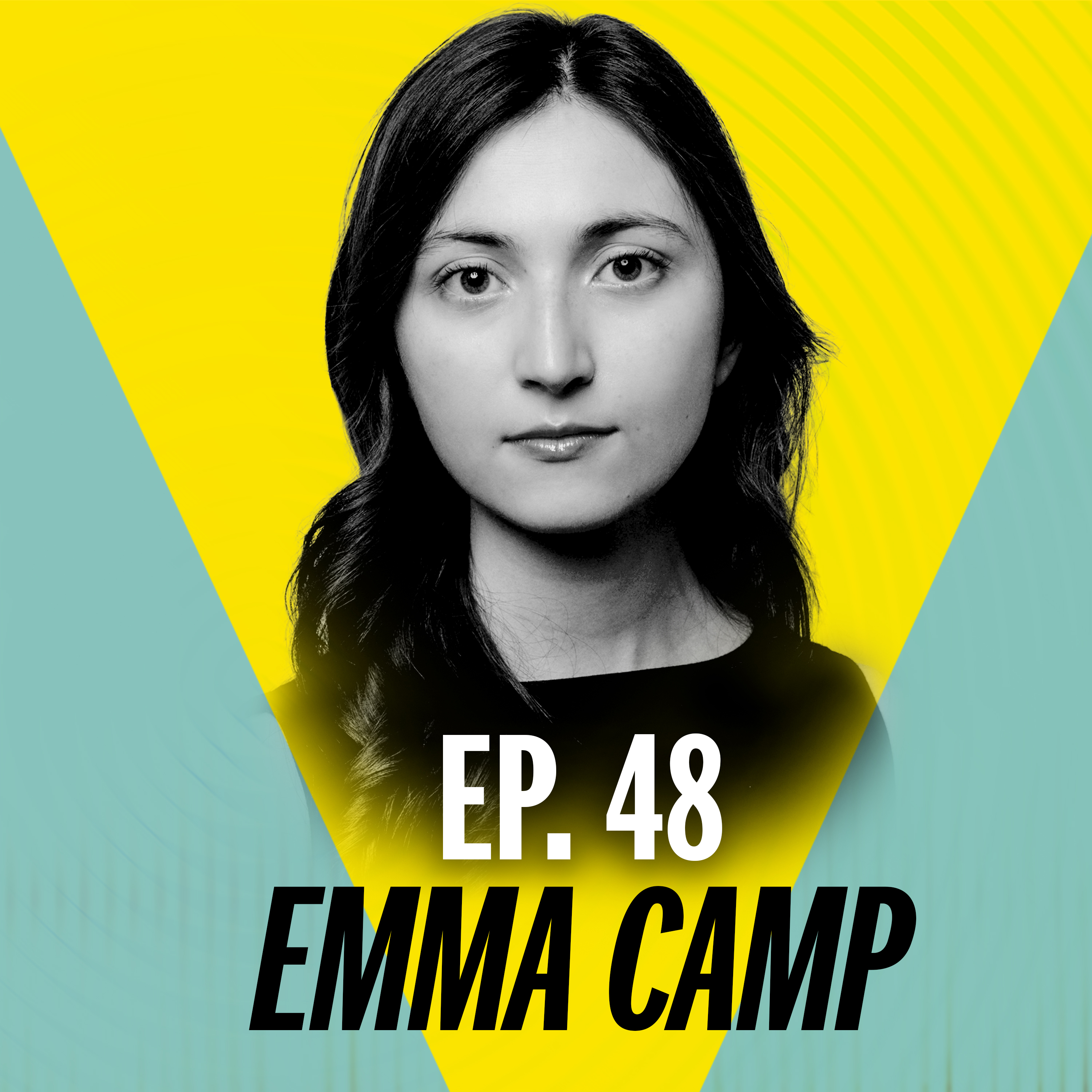 Lonely Gen Z needed this wake-up call 17.07.2026 32minGen Z has been told a lot of things about loneliness: that it’s caused by phones, social media, remote work, dating apps, the pandemic, the decline of third places and a culture that makes staying home easier than ever. But what if the more uncomfortable truth is that loneliness is also something people have to actively fight? Host Megan McArdle talks with Wall Street Journal editor Emma Camp about her essay “Loneliness Is for Cowards,” why so many young people seem afraid of embarrassment and rejection, and how to start making real friends again.
 -
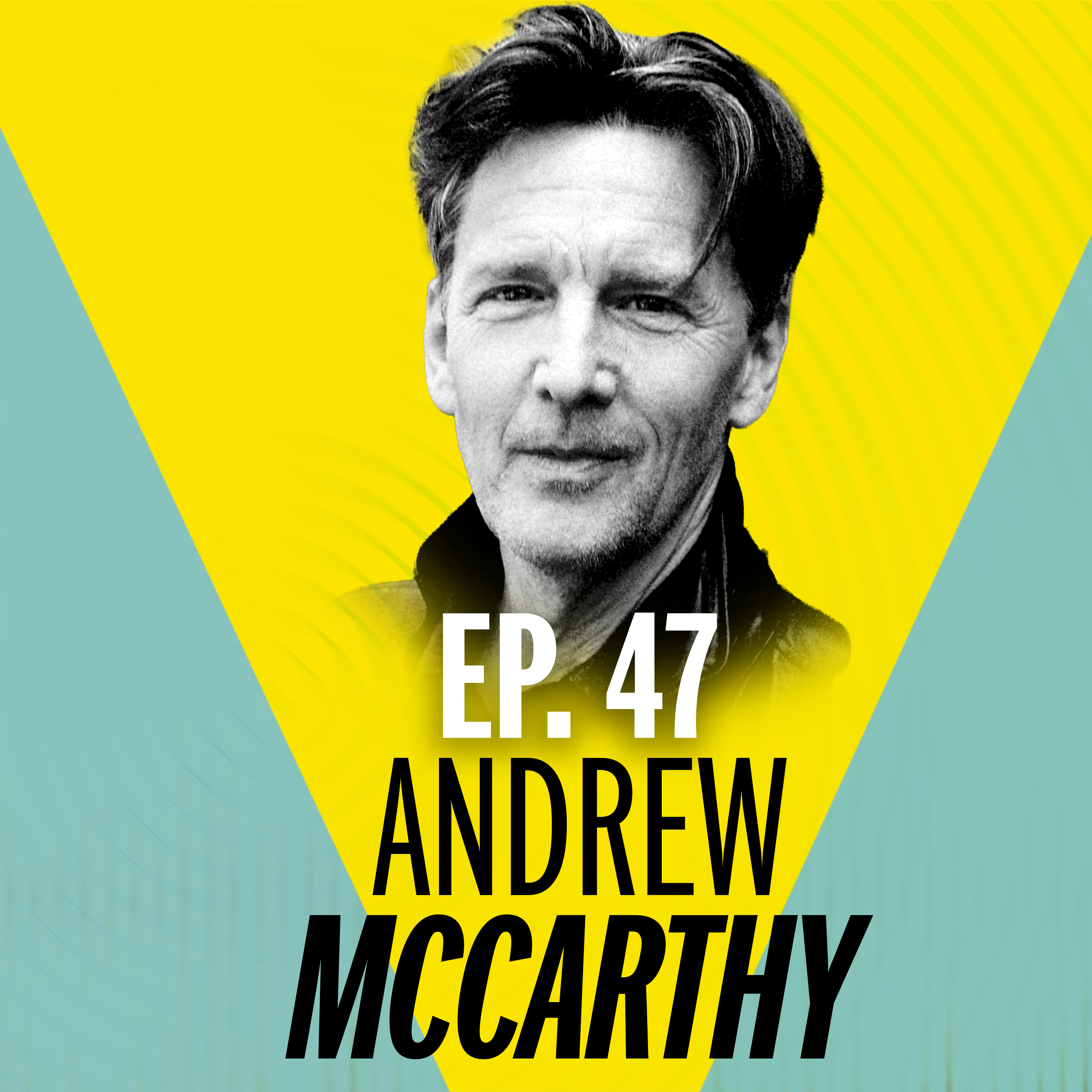 This actor drove 10,000 miles to ask men about loneliness 15.07.2026 33minFor a lot of men, friendship doesn’t disappear all at once. It fades slowly: a missed call here, a canceled plan there, a few busy years that become a decade. Before you know it, the relationship has moved to the background of life, where it can feel easier to assume the bond will survive on memory than to do the awkward work of reaching back out. Andrew McCarthy wanted to understand why that story is so common. Host Megan McArdle is joined by the actor, director and author, whose new book, “Who Needs Friends: An Unscientific Examination of Male Friendship Across America,” follows his 10,000-mile journey to reconnect with old friends and ask men what friendship means to them.
 -
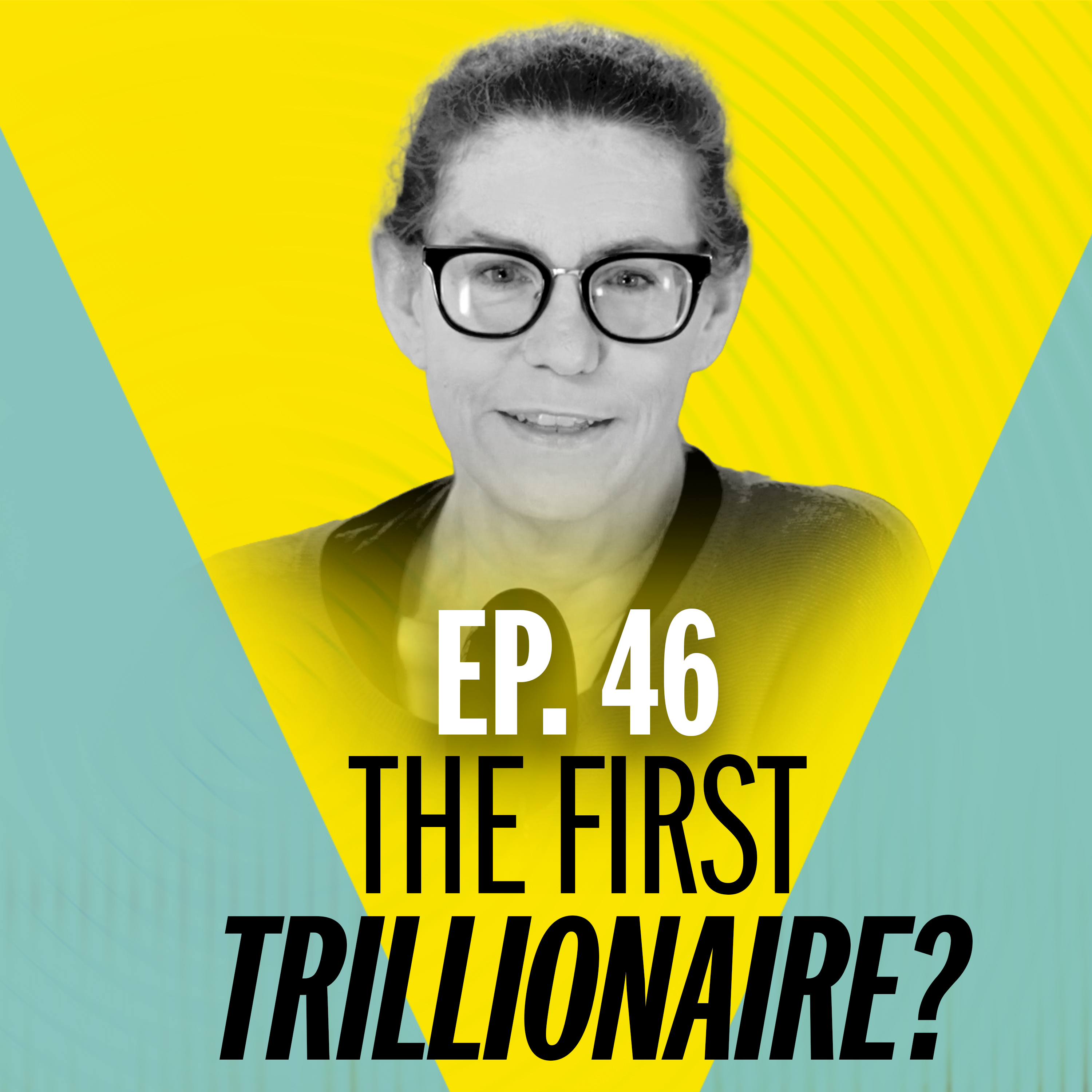 The problem with ‘Tax the rich!’ 10.07.2026 21minA trillion dollars seems like enough money to solve almost anything. We could end world hunger, wipe out medical debt, shrink the federal deficit and still have plenty left over. So when people talk about Elon Musk’s potential trillion-dollar fortune, or the wealth of billionaires more broadly, it’s natural to ask: Why don't we simply tax the rich and use the money to fix our country’s biggest problems? Host Megan McArdle argues that while taxing billionaires may sound morally obvious, billionaire wealth is often a stock of assets rather than a flow of spendable income — and that distinction makes wealth taxes far more complicated than they appear.
Samankaltaiset podcastit


Suosittu maassa
Tämä podcast esiintyy myös näiden maiden podcast-listoilla.


