
Berkeley Voices
UC Berkeley
0
Berkeley Voices explores the work and lives of fascinating UC Berkeley faculty, students, staff, and visiting scholars and artists. It aims to educate listeners about Berkeley’s advances in teaching and research, spark curiosity about the deeper layers of American history and to build community across our diverse campus. It's produced and hosted by Anne Brice in the Office of Communications and Public Affairs.
Jaksot
-
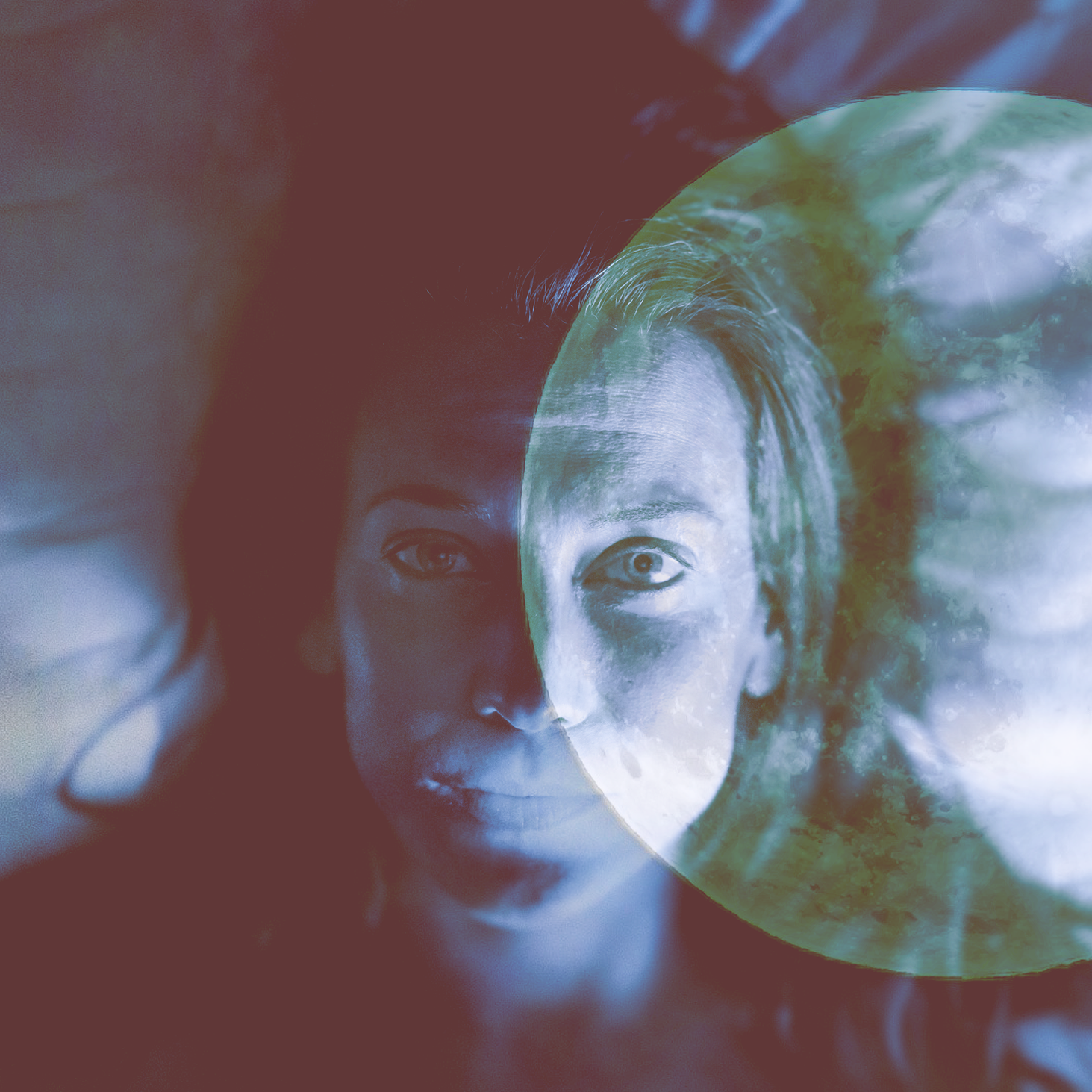 When better sleep becomes 'crisis work' 16.04.2026 26minWe all know sleep is important. But for those facing mental health challenges, research from UC Berkeley shows how good sleep is also foundational for treatment and recovery.Early results from a long‑term study at Berkeley’s Golden Bear Sleep and Mood Research Clinic show that sleep is directly linked with our mental health and, when used alongside standard clinical treatments, can dramatically improve patients’ outcomes. “The finding keeps replicating: If you treat sleep, you’ll improve mental health symptoms,” says Allison Harvey, a Berkeley professor of psychology and director of the clinic who led the study. In 2017, Harvey and Daniel Buysse, a professor of psychiatry and sleep medicine expert at the University of Pittsburgh, published a book detailing a sleep tool they developed called the Transdiagnostic Sleep and Circadian Intervention, or TSC. It includes a range of do-it-yourself sleep treatments, from regularizing wake-up times to detaching from digital devices before bed, that can help anyone get better rest. Mental health practitioners in county clinics across California are now using it to treat clients, with remarkable results: Not only has the TSC helped to decrease symptoms of psychosis, nearly two-thirds of people reported drinking less alcohol, and suicide-ideation severity was reduced for almost half of the clients. Emma Agnew, the clinic’s director for clinical implementation and partnerships at the time, has seen this impact firsthand. She says the data confirm a vital shift in how we approach mental health care: “Sleep treatment is literally something that is life-saving for people.”Listen to the episode and read the transcript on UC Berkeley News (news.berkeley.edu/podcasts/berkeley-voices).Music by Blue Dot Sessions.Photo via Unsplash; design by Neil Freese/UC Berkeley.Resources: Allison Harvey's UC Berkeley faculty profile pageEmma Agnew's websiteTreating Sleep Problems: A Transdiagnostic Approach (2017) by Allison Harvey and Daniel BuysseResearch on the Transdiagnostic Sleep and Circadian InterventionThe Berkeley research team's recent webinars on sleep science Hosted on Acast. See acast.com/privacy for more information.
 -
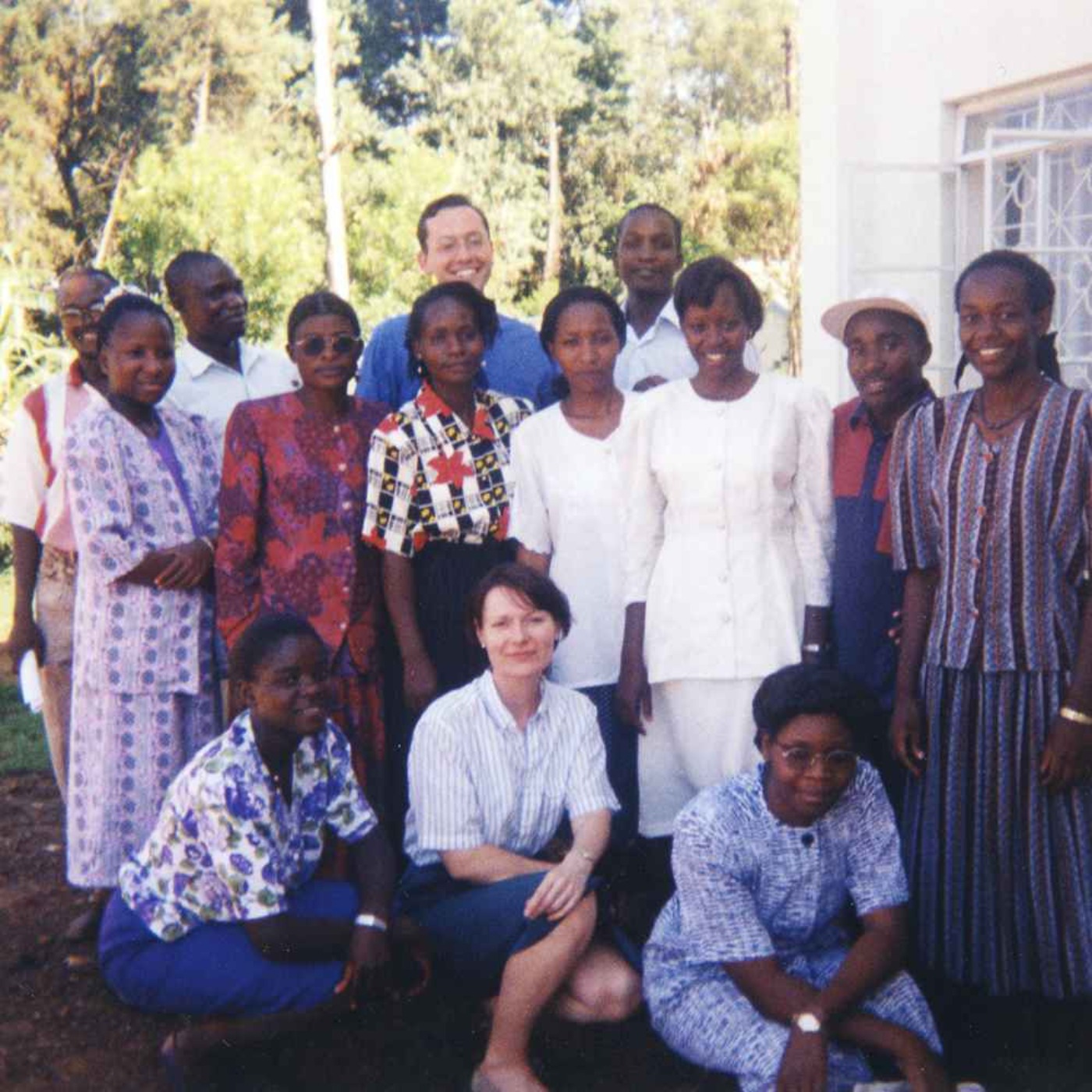 What do worms and wages have in common? More than you think 05.03.2026 24minCarol Nekesa doesn’t know if she was ever infected by parasitic worms. But it’s likely, she says, since most kids in her community had them. “It was just a normal part of childhood,” she says. Carol grew up in the 1980s in a rural village in Busia County, Kenya. Like many regions in Sub-Saharan Africa at the time, Busia lacked the infrastructure for clean water and modern sanitation, leading to the pervasive spread of infectious diseases. Parents feared deadly outbreaks like malaria and cholera, often unaware of the slower, hidden damage caused by intestinal worms. The symptoms — fatigue, diarrhea, weight loss, stunted growth — rarely made headlines, yet they shaped children’s futures. At the time, more than a billion people worldwide, most of them children, were living with these infections, making parasitic worms one of the most widespread chronic health conditions on the planet.In 1998, two researchers — Ted Miguel, who is now an economics professor at UC Berkeley, and future Nobel laureate Michael Kremer — launched the Primary School Deworming Project in Busia. They had no idea that their work would become a global model proving just how much a healthy childhood matters — not just for kids in the study, but for generations to come.“It's kind of mind-blowing to be a researcher and know that your research is being cited and used as a justification for these large-scale programs,” says Miguel. “It’s amazing to see.”Listen to the episode and read the transcript on UC Berkeley News (news.berkeley.edu/podcasts/berkeley-voices).Music by Blue Dot Sessions.Photo courtesy of Ted Miguel. Hosted on Acast. See acast.com/privacy for more information.
 -
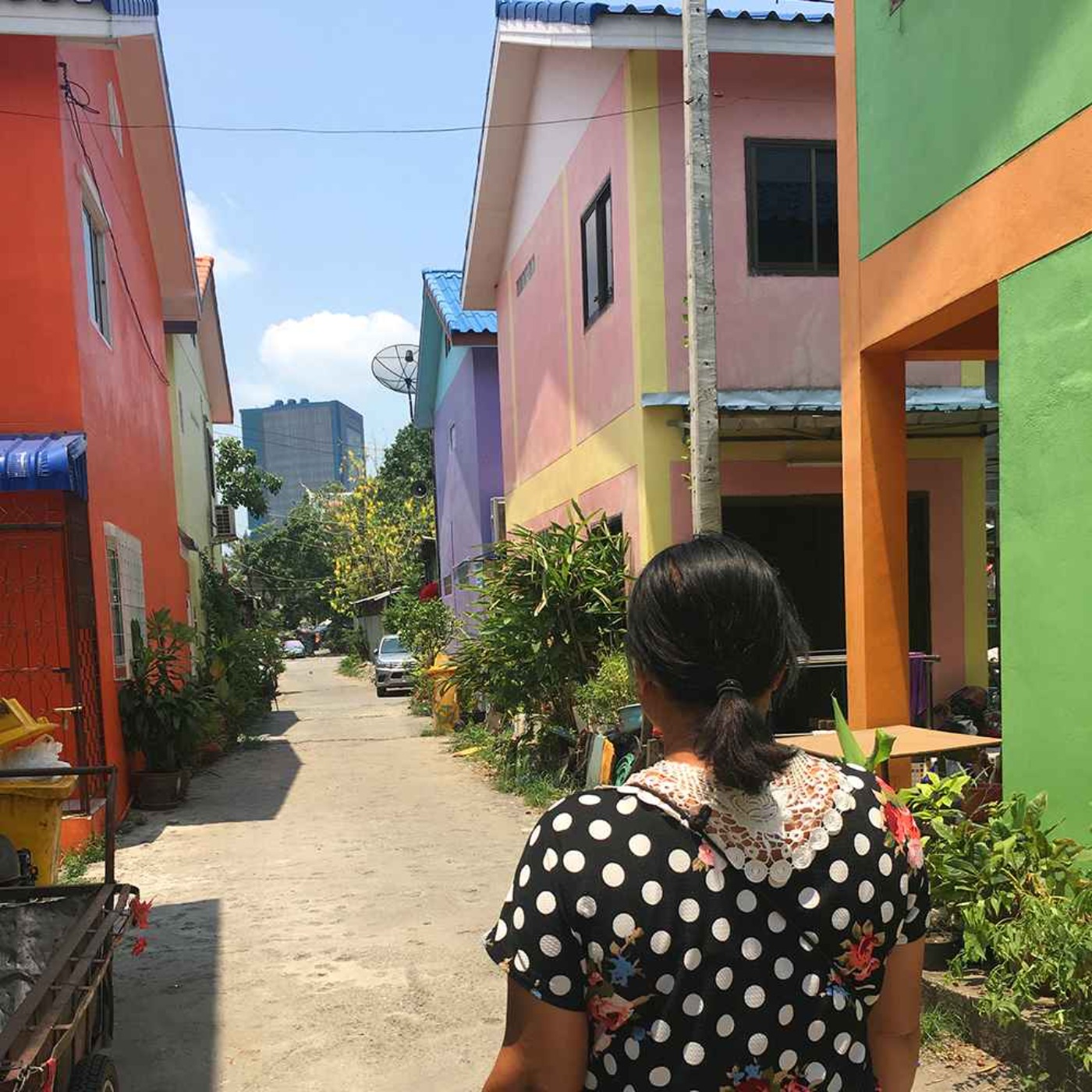 The U.S. housing crisis looms large. Could a Thai model help solve it? 05.02.2026 14minIn the United States, the housing crisis can feel like an unsolvable puzzle. We talk of housing as something we navigate alone — a commodity we rent or buy, subject to the whims of a volatile market.But in Thailand, they’ve pioneered a different model. A government program called Baan Mankong, or “secure housing,” treats shelter as a collective right — and proves that the U.S.’s individualist framework isn’t the only way.As a Berkeley Ph.D. student in 2014, Hayden Shelby wanted to know if a similar strategy could work in the U.S. In order to decipher the complex policy, she enrolled in advanced Thai in the Department of Southeast Asian studies.Now a leading expert on the program in the U.S., Shelby says speaking Thai on the ground with experts and community members was invaluable.“People open up when they know you’ve made this really deep and difficult investment in learning their language,” she says. “It breaks down that expert/non-expert barrier.”In this episode of Berkeley Voices, we look at how acquiring a new language can shift our worldview, and what happens when we stop asking what we can do for other countries and start asking what we can learn from them.This is the fourth episode of our latest season, featuring UC Berkeley scholars working on life-changing research — and the people whose lives are changed by it.Listen to the episode and read the transcript on UC Berkeley News (news.berkeley.edu/podcasts/berkeley-voices).Music by Blue Dot Sessions.Photo courtesy of Hayden Shelby. Hosted on Acast. See acast.com/privacy for more information.
 -
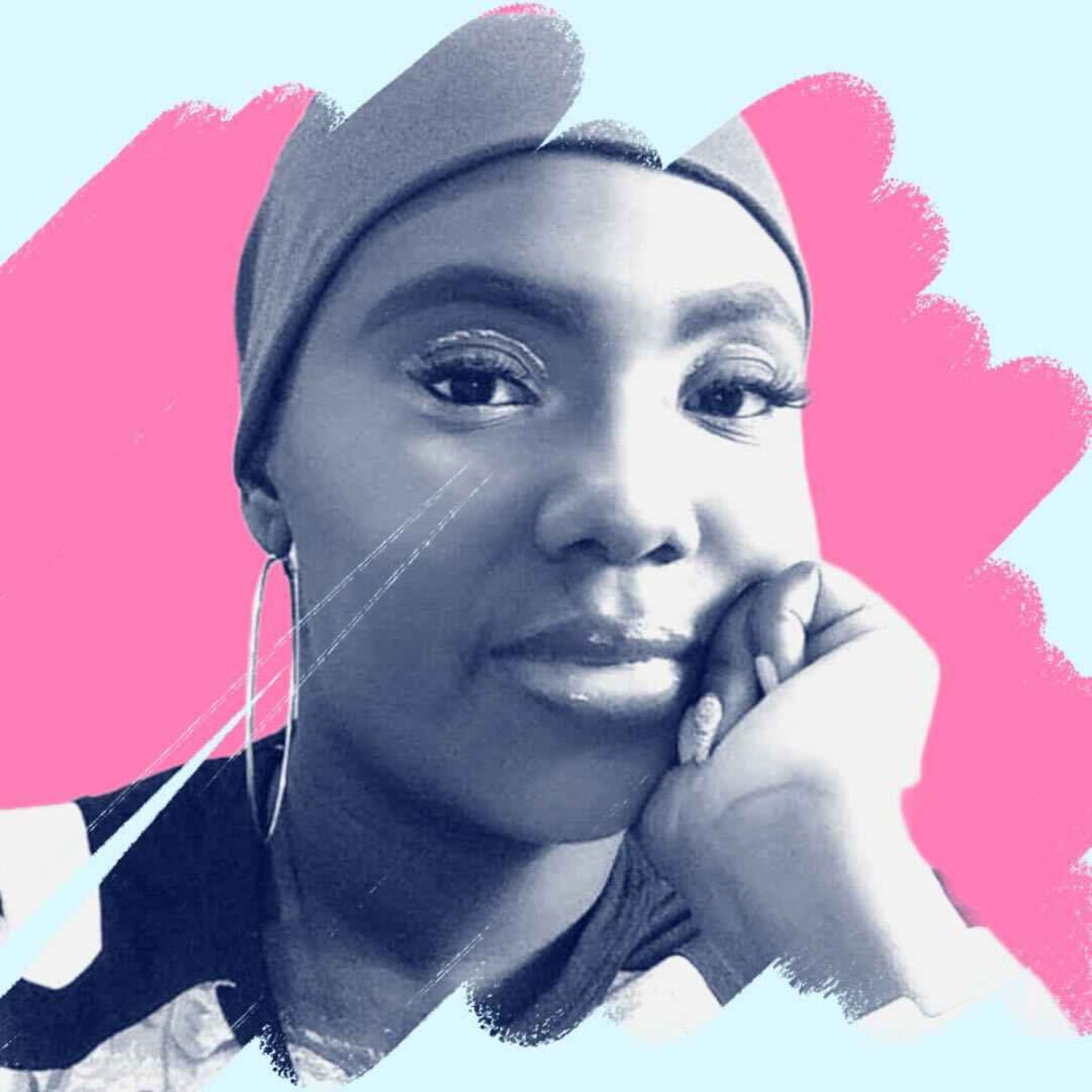 How CRISPR 'supercells' cured her sickle cell disease 08.01.2026 35minAt 3 months old, Victoria Gray wouldn’t stop crying. Blood tests brought devastating news: she had sickle cell disease, a genetic blood disorder that blocks blood flow and oxygen delivery to the body. It causes unbearable pain that Victoria describes as “getting struck by lightning and hit by a truck.”As she got older, Victoria felt increasingly isolated and hopeless. She often spent her kids’ birthdays at the hospital, where she received regular blood transfusions. “I felt like I was cheating my children out of their childhood,” she says. “I didn’t look forward to a long life. I stopped dreaming. I gave up on school or doing anything … I thought that I was close to dying.”But at age 34, Victoria got a new chance at life. In 2019, she became the first person in the world to receive a revolutionary new treatment for the disease — a gene-editing tool called CRISPR discovered in a UC Berkeley lab, which would go on to win a Nobel Prize just one year later. “It felt like an answered prayer for me,” says Victoria. “CRISPR not only freed me, it freed my children.” This is the third episode of our latest Berkeley Voices season, featuring UC Berkeley scholars working on life-changing research — and the people whose lives are changed by it.Listen to the episode and read the transcript on UC Berkeley News (news.berkeley.edu/podcasts/berkeley-voices).Music by Blue Dot Sessions.Photo courtesy of Victoria Gray; illustration by Neil Freese/UC Berkeley. Hosted on Acast. See acast.com/privacy for more information.
 -
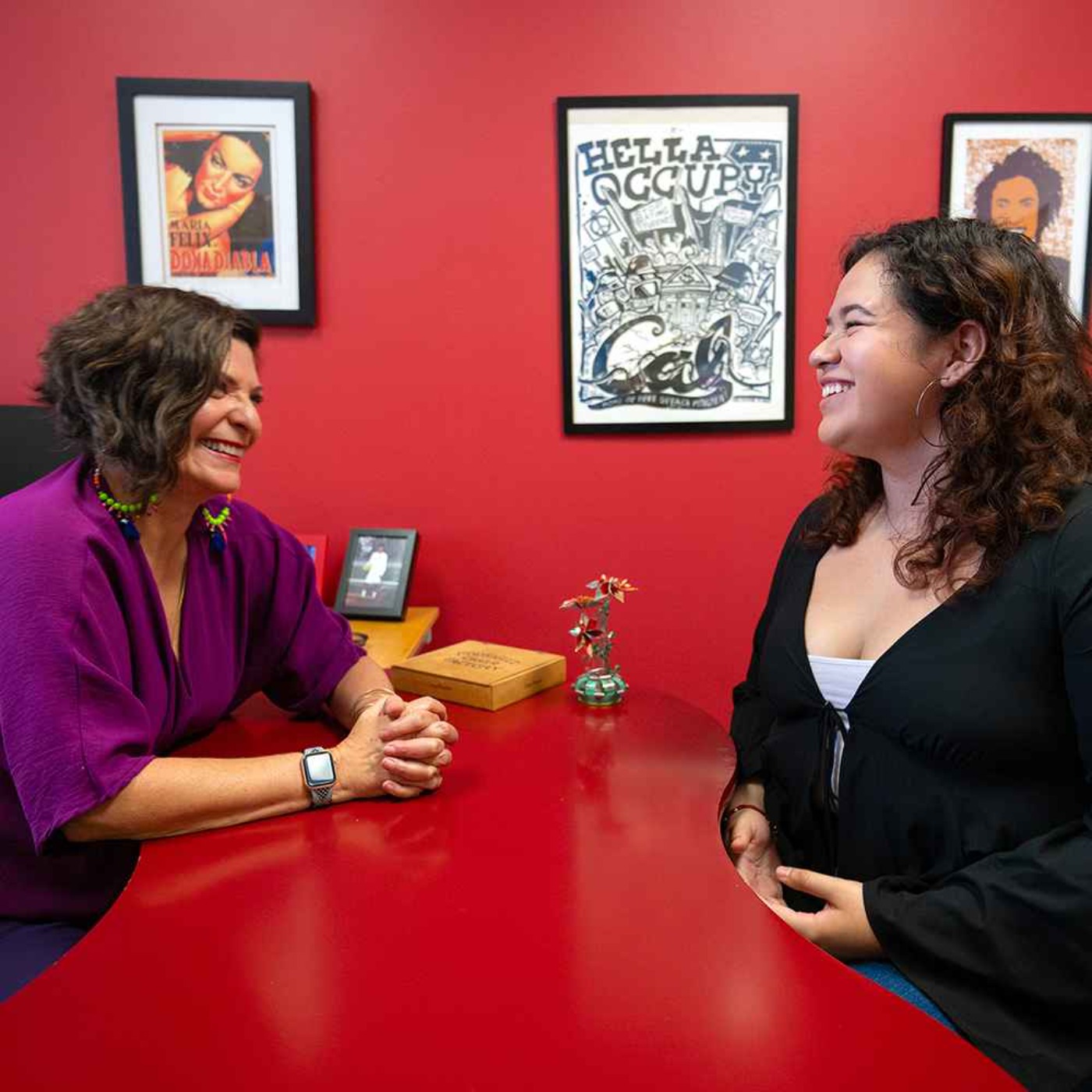 Wikipedia as resistance 04.12.2025 12minAfter Wikipedia made its debut in 2001, some trends quickly emerged. Most editors were male, topics tended to skew toward geek culture interests like computing and gaming, and only a small fraction of biographies were about women. More than two decades later, biases and knowledge gaps on Wikipedia of all sorts remain, especially for marginalized communities. But a UC Berkeley professor and her students are working to change that.Since 2016, ethnic studies professor Juana María Rodríguez has partnered with Wiki Education to teach a range of courses in which students create and edit Wikipedia articles about the contributions of LGBTQ people, especially queer and trans people of color. “Wikipedia is a public-facing project — it’s the largest encyclopedia in the world,” says Rodríguez. “In a political moment where these histories are actively being erased from public view, having students work on a platform like Wikipedia becomes even more important.”This is the second episode of a new Berkeley Voices season, featuring UC Berkeley scholars working on life-changing research and the people whose lives are changed by it.Listen to the episode and read the transcript on UC Berkeley News (news.berkeley.edu/podcasts/berkeley-voices).Music by Blue Dot Sessions.UC Berkeley photo by Brandon Sánchez Mejia. Hosted on Acast. See acast.com/privacy for more information.
 -
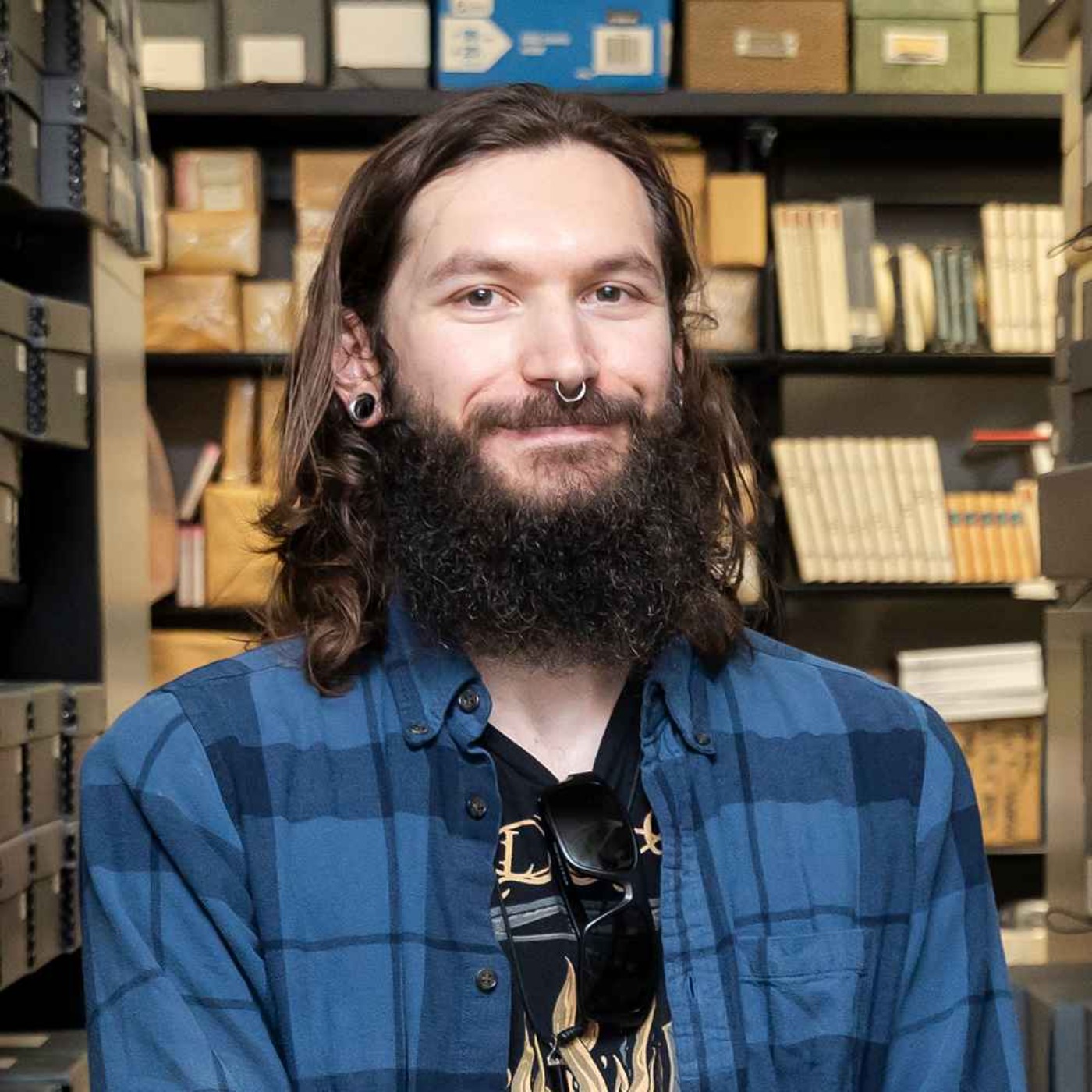 How a Pomo elder's recordings are helping this student reclaim his culture 06.11.2025 23minTyler Lee-Wynant grew up hearing stories about his great-great aunt, Edna Campbell Guerrero. Born in 1907 in Mendocino County, she was a native speaker of Northern Pomo, one of seven languages spoken by the Pomo people who are Indigenous to Northern California. “She was a no-nonsense person,” says Lee-Wynant, a UC Berkeley Ph.D. student in linguistics. “She was an amazing individual. She cared so deeply about passing on what she knew.”For more than 50 years, Guerrero worked with Berkeley linguists to document her language and culture. These recordings are part of the campus’s California Language Archive. In them, she tells stories, describes cultural practices, says vocabulary and conjugates verbs. Whenever Lee-Wynant hears his aunt’s voice, strong and determined, he knows it’s his responsibility to carry on her work. As a graduate student researcher for the archive, Lee-Wynant is cataloging and analyzing a new collection that includes hours of recordings of his aunt, among other materials. “It's such a trove of information about ... my family's history,” he said. “I always get the chills whenever I listen to it because you never know what story is gonna come up.”In this episode of Berkeley Voices, Lee-Wynant shares how his aunt's recordings have opened a portal to his family’s history and led him to teach their language to new generations.And in this UC Berkeley News companion piece, learn more about the linguist who created the archive's newly acquired collection, her lifetime of research with Indigenous communities and how her collection of tapes and notebooks found their way to the archive. This is the first episode of a new Berkeley Voices season, featuring UC Berkeley scholars working on life-changing research and the people whose lives are changed by it. New episodes come out on the first Thursday of every month, from November through April.Listen to the episode and read the transcript on UC Berkeley News (news.berkeley.edu/podcasts/berkeley-voices).Music by Blue Dot Sessions.UC Berkeley photo by Brittany Hosea-Small. Hosted on Acast. See acast.com/privacy for more information.
 -
 New season: Two sides of a story 04.11.2025 1minThere’s so much incredible research and work that happens every day at UC Berkeley, on everything from artificial intelligence and quantum computing to linguistics and the study of social justice. It holds the record for the most Nobel Prize winners among any public university in the world, with two wins just this year.This work can be highly theoretical and technical, taking decades to fully develop. Yet its impact extends far beyond academia, leading to world-changing results, from the invention of CRISPR gene editing that has saved lives to ethnic studies courses that foster a stronger sense of identity and critical consciousness. Within these broad impacts are millions of stories of how Berkeley’s research has transformed society. In this season of Berkeley Voices, we hear two sides of a story — from Berkeley scholars working on life-changing research, and from the people who’ve been changed by it.New episodes will come out on the first Thursday of each month, from November through April. Listen to Berkeley Voices on your favorite podcast app or on YouTube @BerkeleyNews. You can find all of our podcast episodes, with transcripts and photos, on UC Berkeley News at news.berkeley.edu/podcasts.Listen to the episode and read the transcript on UC Berkeley News (news.berkeley.edu/podcasts/berkeley-voices).Music by Blue Dot Sessions.UC Berkeley design by Neil Freese. Hosted on Acast. See acast.com/privacy for more information.
 -
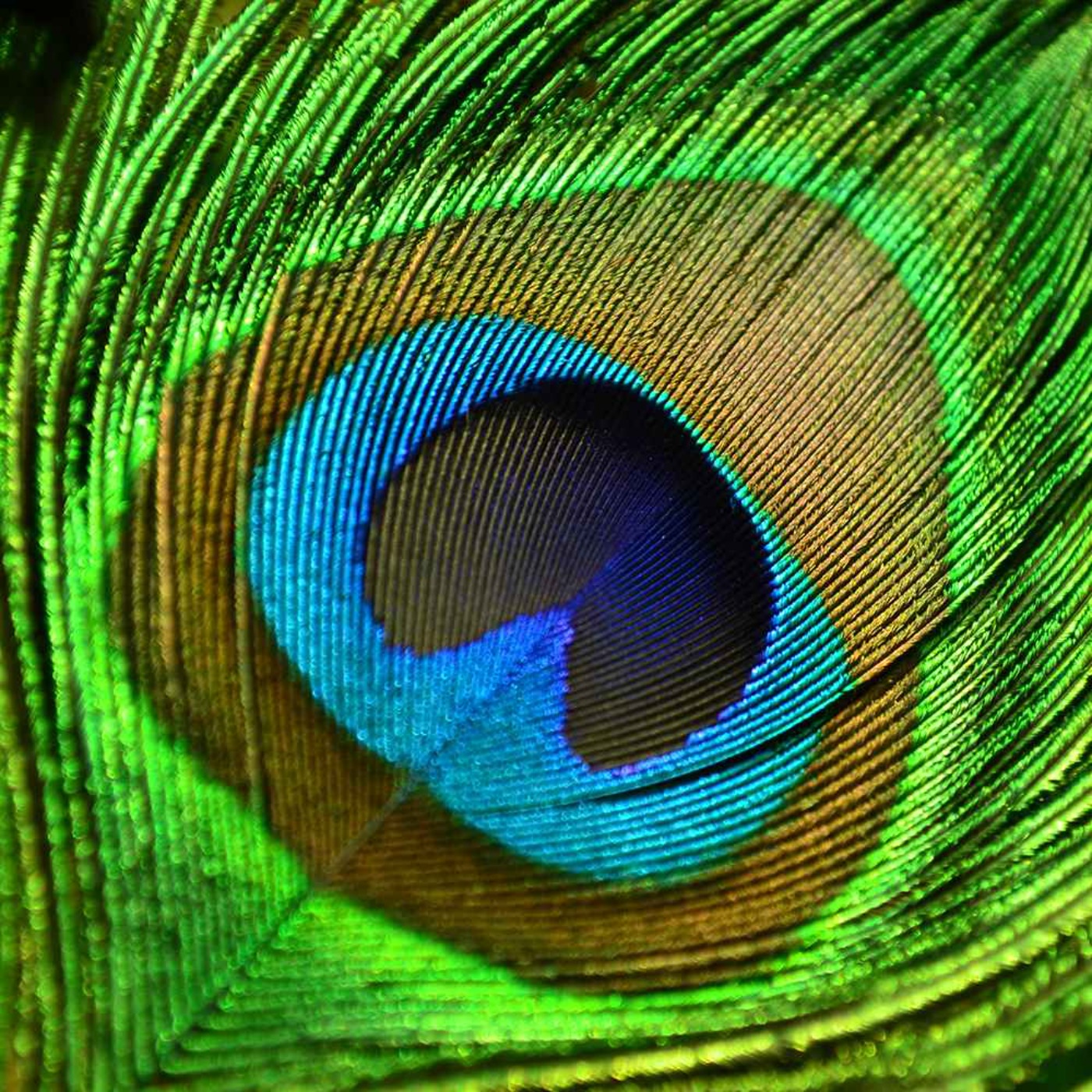 How new color 'olo' stretches the limits of human perception 26.05.2025 18minLast month, UC Berkeley researchers published a study about how they tricked the eye into seeing a new color. It was a highly saturated teal, a peacock green, the greenest of all greens. The scientists produced this color, which they named “olo,” by shining a laser into the eye and stimulating one type of color-sensitive photoreceptor cells called cones. Austin Roorda, a professor of optometry and vision science at Berkeley’s School of Optometry, developed the optical imaging platform they used in this project. It’s called Oz, after the story The Wonderful Wizard of Oz. In the 1939 film adaptation, the lead character, Dorothy, goes from her black-and-white farm in Kansas to the color world of Oz.“Ozvision is really directly tied to the book and to the movie where the Emerald City is this unearthly green color,” said Roorda. “The intent and the aspiration was to elicit that same kind of response by going from a natural-colored world to a supernatural-colored world by a direct stimulation of these cones.” It has enormous potential, he said, to transform how we understand and treat eye diseases, and to expand the way we see the world around us.Listen to the episode and read the transcript on UC Berkeley News (news.berkeley.edu/podcasts).Music by Blue Dot Sessions.Photo via Unsplash+This is the last episode of our Berkeley Voices series on transformation. In eight episodes, we have looked at how transformation — of ideas, of research, of perspective — shows up in the work that happens every day at UC Berkeley. We'll be back with a new series in the fall.See all episodes of the series. Hosted on Acast. See acast.com/privacy for more information.
 -
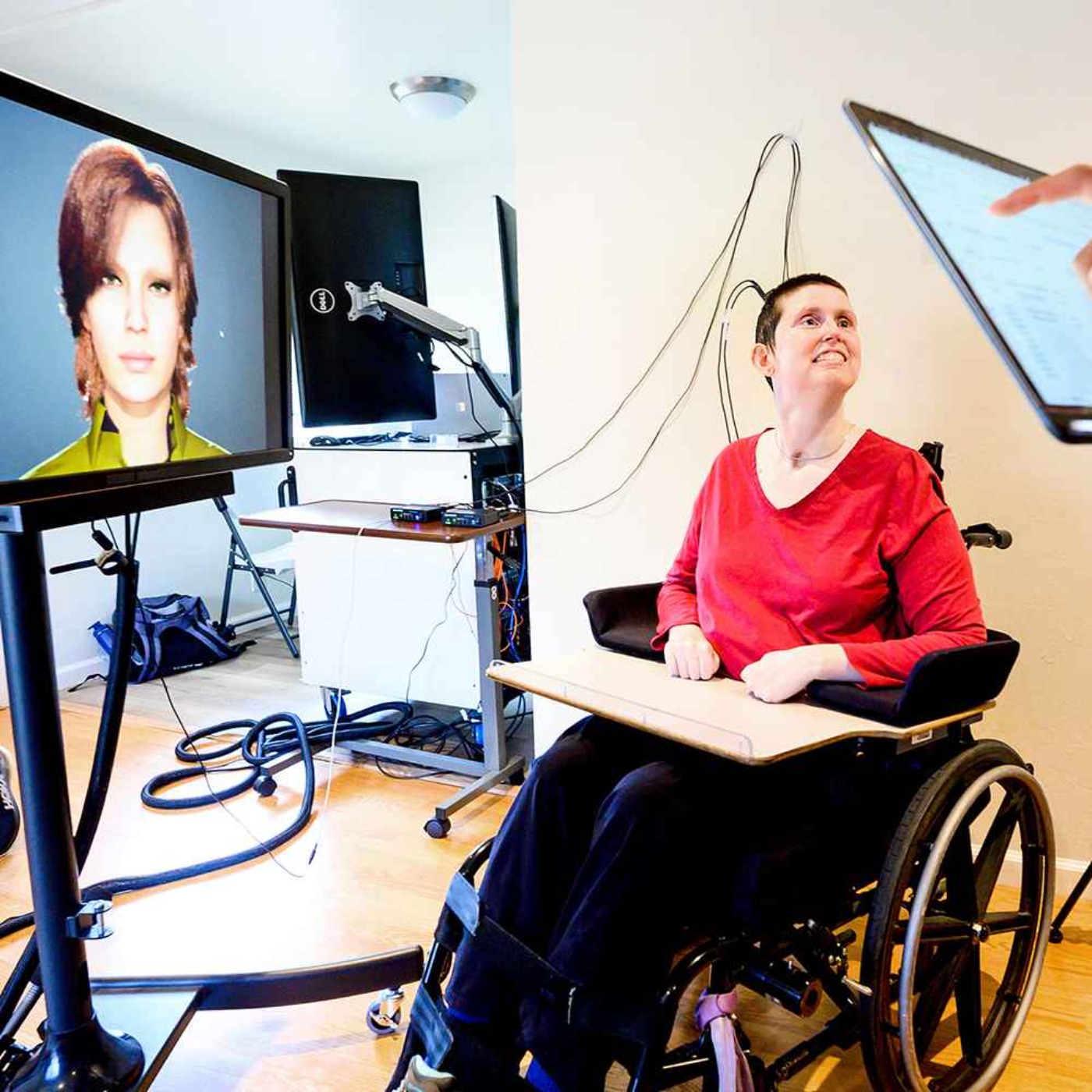 AI helped this paralyzed woman speak again after 18 years 28.04.2025 17minWhen Ann Johnson had a rare brainstem stroke at age 30, she lost control of all of her muscles. One minute, she was playing volleyball with her friends. The next, she couldn’t move or speak. Up until that moment, she’d been a talkative and outgoing person. She taught math and physical education, and coached volleyball and basketball at a high school in Saskatchewan, Canada. She’d just had a baby a year earlier with her new husband. And the thing is, she still was that person. It's just that no one could tell. Because the connection between her brain and her body didn’t work anymore. She would try to speak, but her mouth wouldn’t move. Eighteen years later, she finally heard her voice again.It's thanks to researchers at UC Berkeley and UC San Francisco who are working to restore people’s ability to communicate using a brain-computer interface. The technology, the researchers say, has enormous potential to make the workforce and the world more accessible to people like Ann. Listen to the episode and read the transcript on UC Berkeley News (news.berkeley.edu/podcasts). There, you can also watch a video about Ann and the research team.Music by Blue Dot Sessions.Photo by Noah Berger, 2023.This year on Berkeley Voices, we’re exploring the theme of transformation. In eight episodes, we explore how transformation — of ideas, of research, of perspective — shows up in the work that happens every day at UC Berkeley. New episodes come out on the last Monday of each month, from October through May.See all episodes of the series. Hosted on Acast. See acast.com/privacy for more information.
 -
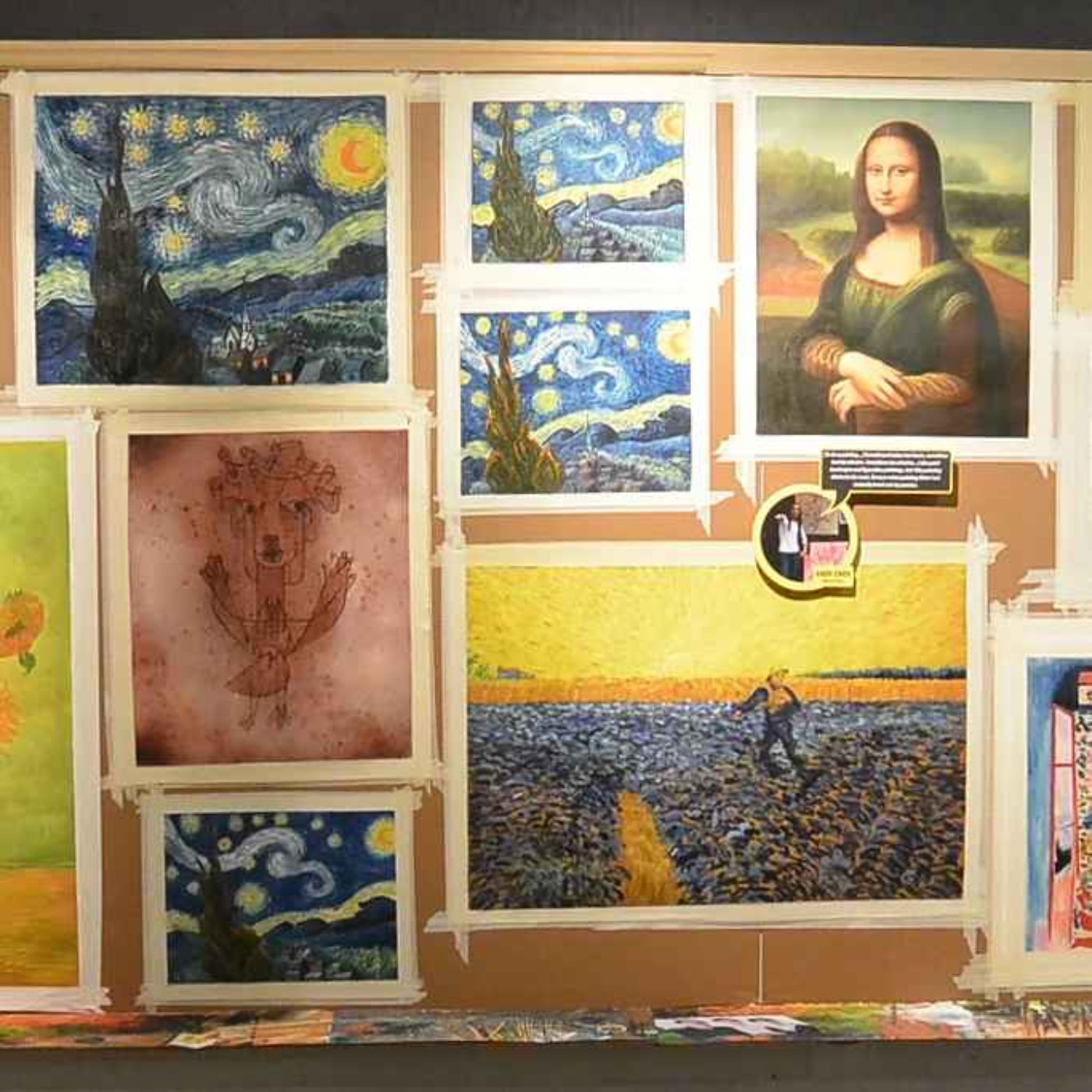 Fakes, replicas and forgeries: What counts as art? 31.03.2025 23minWhen Winnie Wong first saw Dafen Oil Painting Village in 2006, it was nothing like she’d imagined. The Chinese village was known for mass producing copies of Western art. She’d read about it in The New York Times, which described a kind of compound where thousands of artists painted replicas of famous artworks, like da Vinci’s Mona Lisa or van Gogh’s Starry Night, for European and U.S. hotels and condos.“We had an expectation, which was that there would be this giant factory,” said Wong, a professor of rhetoric at UC Berkeley. “And in this factory, there would be these painters working in an assembly line fashion: One person would paint the rocks, and one person would paint the trees, and one person would paint the sky.”But when she arrived in the small gated village, what she saw surprised her. In 2013, she published van Gogh on Demand: China and the Readymade, a book about her six years of research in Dafen and how it forever changed the way she thinks about art and authenticity and the nature of creativity.See more artwork and photos of Dafen from 2015, when Wong and architecture professor Margaret Crawford took a group of graduate students on a 14-day trip to the Pearl River Delta region to study urban art villages.Listen to the episode, read the transcript and see more photos on UC Berkeley News (news.berkeley.edu/podcasts).Music by Blue Dot Sessions.Photo by José Joaquin Figueroa.This year on Berkeley Voices, we're exploring the theme of transformation. In eight episodes, we explore how transformation — of ideas, of research, of perspective — shows up in the work that happens every day at UC Berkeley. New episodes come out on the last Monday of each month, from October through May.See all episodes of the series. Hosted on Acast. See acast.com/privacy for more information.
 -
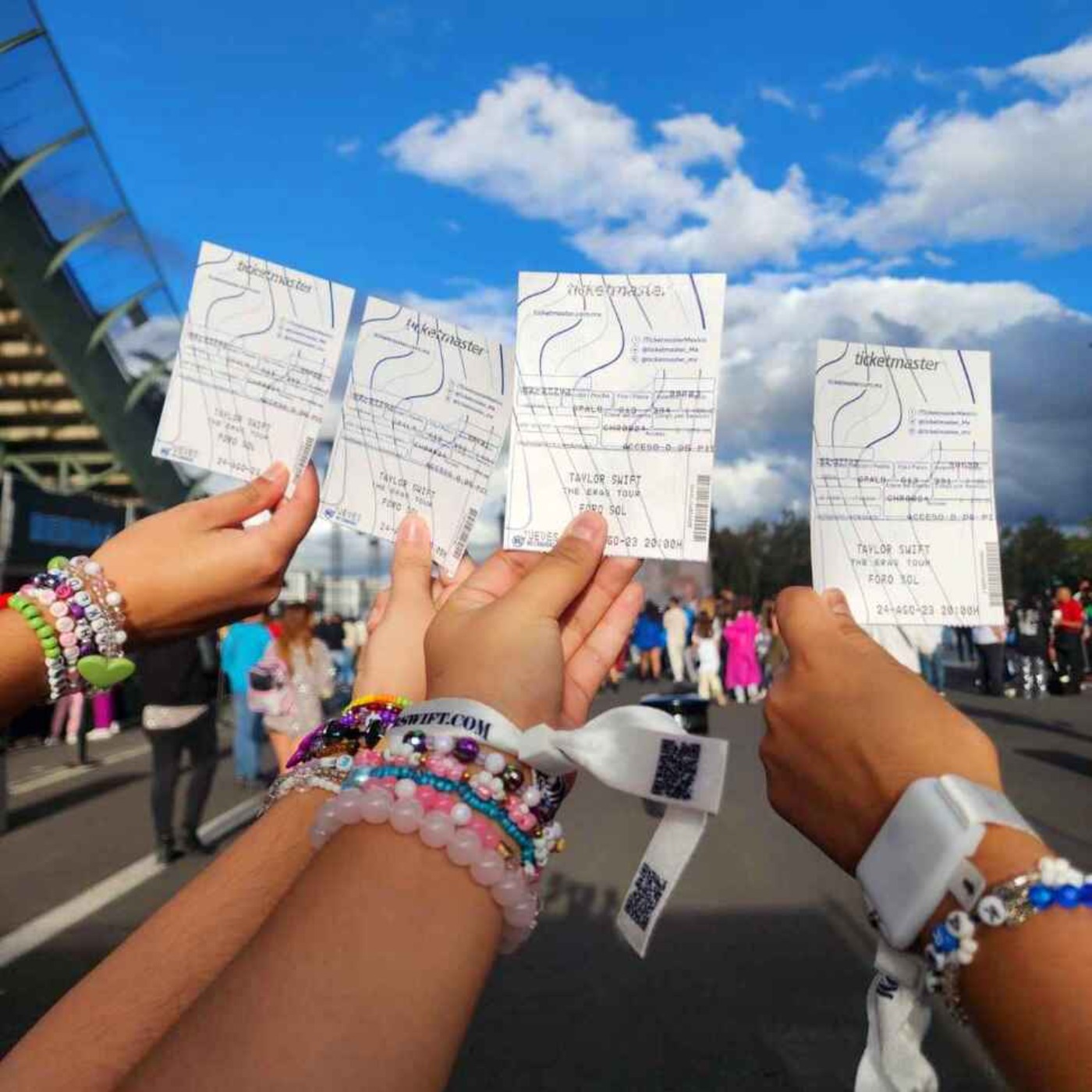 An evolution of American friendship, from Victorian-era letters to Swiftie bracelets 24.02.2025 14minHave you ever seen letters from the 1800s? Aside from the pristine penmanship and grammar, the way friends expressed their fondness for each other is remarkable.“Letters sent between friends are often full of the kinds of loving and affectionate language that today we would only associate with romantic or sexual relationships: ‘My darling,’ ‘I love you,’ ‘I can't wait to be near you,’” said UC Berkeley historian Sarah Gold McBride, who in 2022 created the course, Friendship in America, with Berkeley anthropologist Christine Palmer. Throughout history, with changes in cultural norms and communication technology, the ways we stay connected to each other has also changed, and not always for the better. While social media can make it easier to find people with similar interests, it can also make it easier to forget what it takes to build and keep meaningful relationships. Gold McBride and Palmer hope their class will inspire students to draw from the past and approach their friendships with the intentionality they require.This is the fifth episode of our eight-part series on transformation. In eight episodes, we’re exploring how transformation — of ideas, of research, of perspective — shows up in the work that happens every day at UC Berkeley. New episodes of the series come out on the last Monday of each month. See all episodes of the series.Key takeaways:Gender norms, throughout U.S. history to the modern day, influence the kinds of friendships we make and how we express affection for each other.As our dominant modes of communication shift, how we conceive of friendship evolves, too.By investigating friendship in a deeper way, we can better understand the role of friendship in our lives and become more intentional in how we make and maintain our connections.Read the transcript, listen to episode and see photos on UC Berkeley News (news.berkeley.edu/podcasts).Find us on [email protected] by Blue Dot Sessions.Photo by Sarah.rdguezz via Wikimedia Commons. Hosted on Acast. See acast.com/privacy for more information.
 -
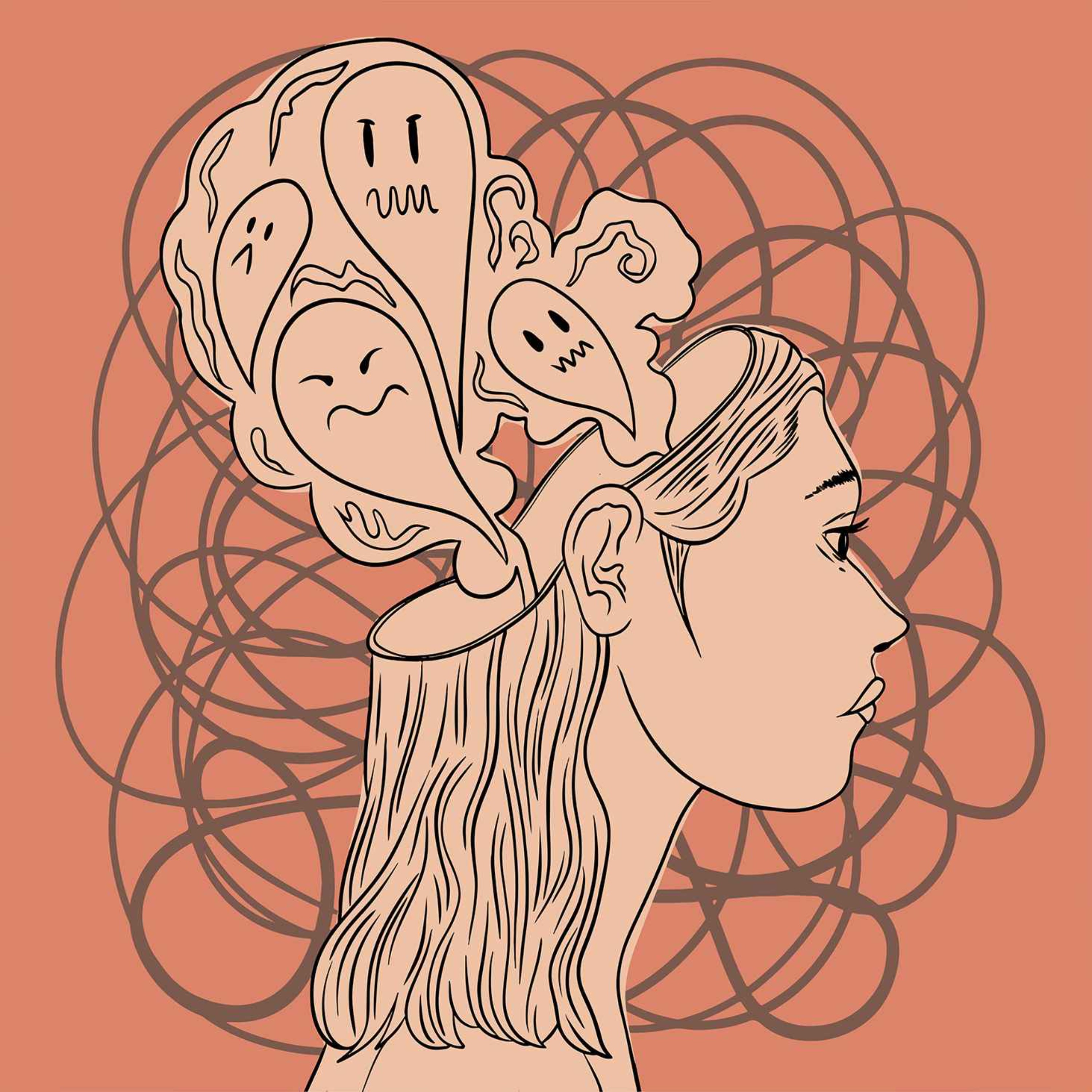 How fear is being weaponized against you (and how to respond) 27.01.2025 22minAgainst her mom’s warnings, UC Berkeley political scientist Marika Landau-Wells watched Arachnaphobia as a kid. Ever since, she has been terrified of spiders. But over the years, she has learned to reason with her quick fear response — No, that spider is not 8 feet in diameter — and calmly trap them and put them outside.We all encounter problems like this, she says, where we have quick reactions to things we’ve learned to fear. It might be something that is actually dangerous that we really should quickly react to, but it could also be a tiny, non-threatening spider. Each time, we have to decide what kind of problem it is and then how to respond. She says this task is especially hard today because we're inundated with messages trying to hijack our fear response, from junky online ads to the way politicians speak.Landau-Wells studies how we make these kinds of decisions, and what influences how we act, especially in situations where there’s a lot on the line.This is the fourth episode of our eight-part series on transformation. In eight episodes, we’re exploring how transformation — of ideas, of research, of perspective — shows up in the work that happens every day at UC Berkeley. New episodes of the series come out on the last Monday of each month. See all episodes of the series.Key takeaways:We learn what to be afraid of; once we fear something, it’s hard to change our perception.We’re bombarded with messaging trying to hijack our quick fear responses.Research on how the brain processes fear could help us persuade people to see dangers differently and influence how world leaders make decisions.Listen to the episode and read the transcript on UC Berkeley News (news.berkeley.edu/podcasts).Music by Blue Dot Sessions.Image by Sara Oliveira/Unsplash+ Hosted on Acast. See acast.com/privacy for more information.
 -
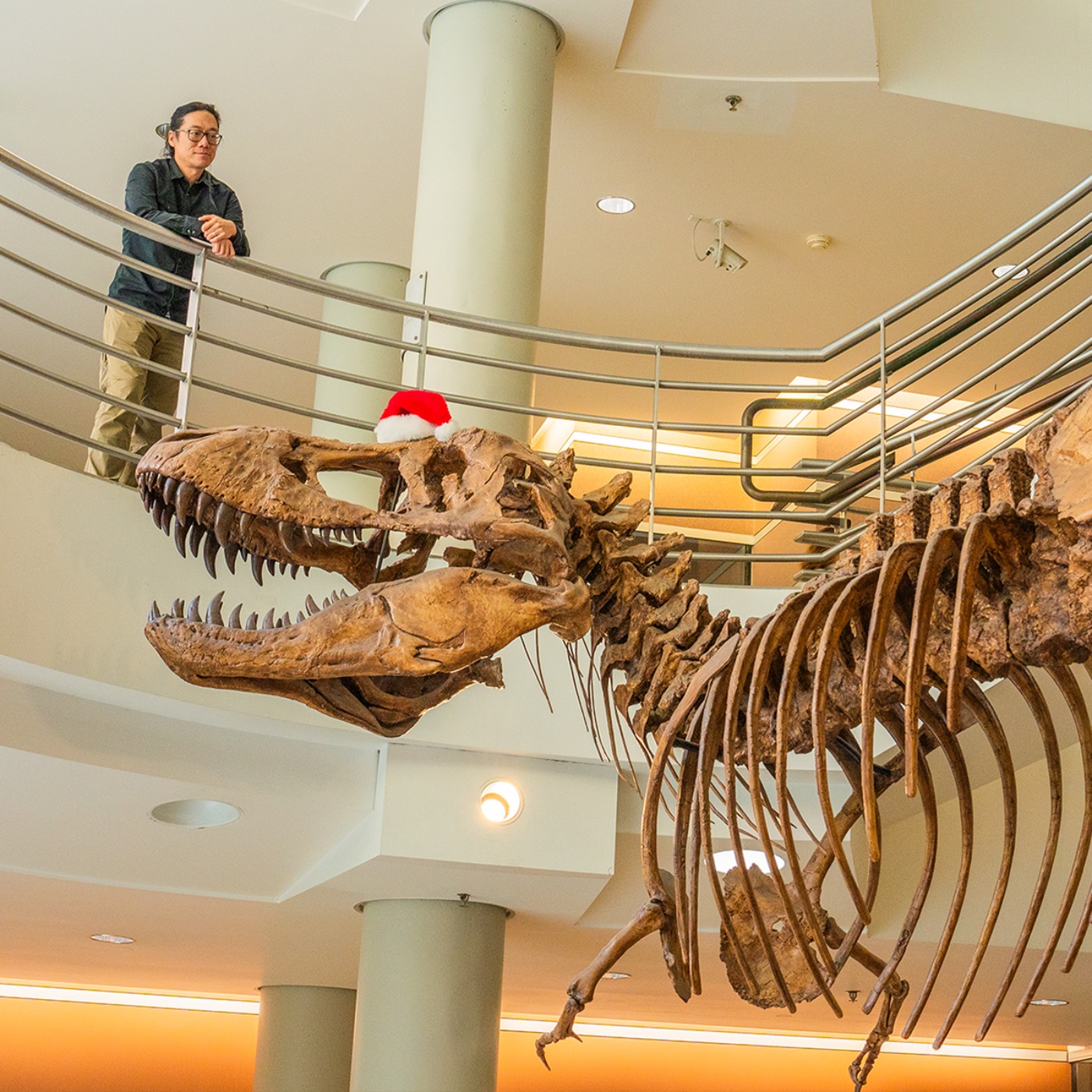 Think you know what dinosaurs were like? Think again. 30.12.2024 18minFor UC Berkeley Professor Jack Tseng, the world of paleontology never gets old. With each new discovery, paleontologists like him learn more about the animals that walked the earth millions of years ago."If you look at books from 50 years ago, they postured dinosaurs very differently from the way we do it today," Tseng says. "This constant profusion of new scientific knowledge into the popular psyche is recorded in children's books, which is a lovely way to see how this science has progressed."Fossils also hold valuable clues about our planet's future and our role within it as we experience climate change, he says."The questions we ask of them have to do with how different species sometimes survive, when others go extinct. Paleontology is sort of pre-adapted to plug in to understanding the future of Earth because we have billions of years of the fossil record to learn from."This season on Berkeley Voices, we’re exploring the theme of transformation. In eight episodes, we’re exploring how transformation — of ideas, of research, of perspective — shows up in the work that happens every day at UC Berkeley. New episodes will come out on the last Monday of each month, from October through May. See all episodes of the series.Key takeaways: Paleontologists can better understand how dinosaurs and other prehistoric animals looked and lived by studying living animals.New discoveries have reshaped what we thought we knew about dinosaurs and the prehistoric world.Fossils hold clues about the role of different species of plants and animals during climate change — and the future of Earth.Listen to the podcast and read the transcript on UC Berkeley News (news.berkeley.edu/podcasts).Music by Blue Dot Sessions.UC Berkeley photo by Stanley Luo. Hosted on Acast. See acast.com/privacy for more information.
 -
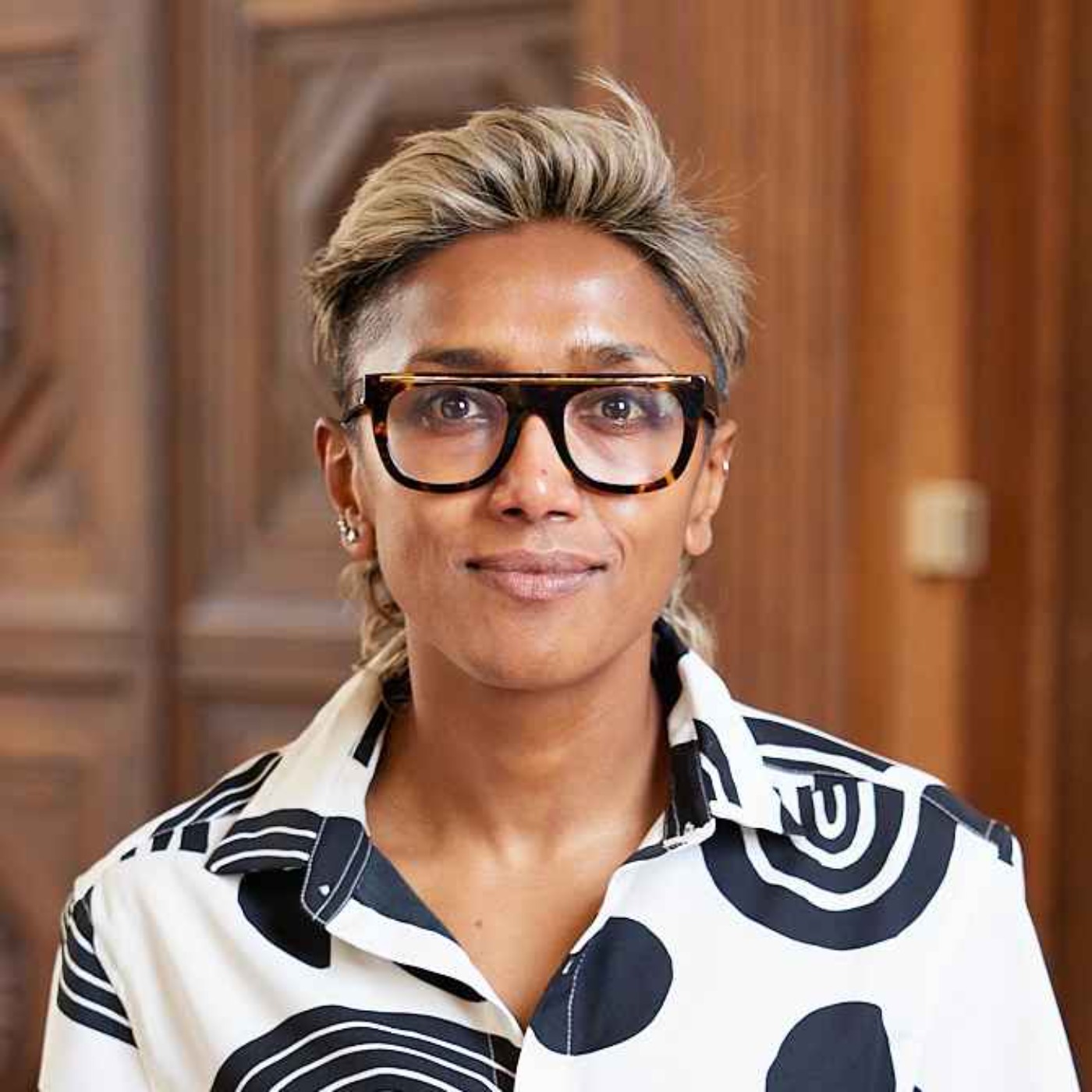 As crises escalate, so does our fascination with cults 25.11.2024 29minLike millions of other Americans, UC Berkeley Professor Poulomi Saha watched a lot of docuseries about cults during the COVID-19 pandemic. The more Saha watched, the more they felt a kind of change within themself. "I was absolutely enthralled," said Saha. “My reaction no longer fit that old script, the script that I had internalized. I wasn’t just having a passing interest. I wasn’t sort of mildly terrified. I was thinking, “Oh, wow, that makes good sense.’” Saha wanted to understand why. So they started a class, called Cults in Popular Culture, where Saha and their students explore the history of cults, the transformative power of these groups and the conditions that give rise to our collective fascination. After all, Saha says, what better way to make sense of this phenomenon than to ask several hundred Berkeley undergraduates to be test subjects?This season on Berkeley Voices, we're exploring the theme of transformation. In eight episodes, we’re exploring how transformation — of ideas, of research, of perspective — shows up in the work that happens every day at UC Berkeley. New episodes will come out on the last Monday of each month, from October through May. See all episodes of the series.Key takeaways: Nobody joins a cult; they join a good thing. It’s labeled a cult when it goes bad.Our fascination with cults rises amid social and global crises. It happened in 1960s America and it’s happening today. The IRS decides the difference between a religion and a cult. A person who joins a so-called cult undergoes a transformative experience. Instead of calling them "crazy," we should listen.Listen to the podcast and read the transcript on UC Berkeley News (news.berkeley.edu/podcasts).Music by Blue Dot Sessions.UC Berkeley photo by Jen Siska. Hosted on Acast. See acast.com/privacy for more information.
 -
 Psychopathy goes undetected in some people. Why? 28.10.2024 23minIn a June 2024 study, UC Berkeley psychology professor Keanan Joyner and his colleagues found that by using a combination of methods tailored to the multidimensional nature of psychopathy, we could transform how we identify and understand this personality disorder. "I think that it goes toward having a functional and positive society," Joyner said. "Our collaboration is the substance of what makes humans so wonderful as a species."Key takeaways:- Psychopathy exists on a spectrum- Boldness is a key, yet largely overlooked, trait of psychopathy- By changing the way we measure psychopathy, we could reduce the harms of the personality disorderThis year on Berkeley Voices, we're exploring the theme of transformation. In eight episodes, we’ll explore how transformation — of ideas, of research, of perspective — shows up in the work that happens every day at UC Berkeley. New episodes will come out on the last Monday of each month, from October through May.See all episodes of the series.Listen to the episode and read the transcript on UC Berkeley News (news.berkeley.edu/podcasts).Music by Blue Dot Sessions.Image via Unsplash+ Hosted on Acast. See acast.com/privacy for more information.
 -
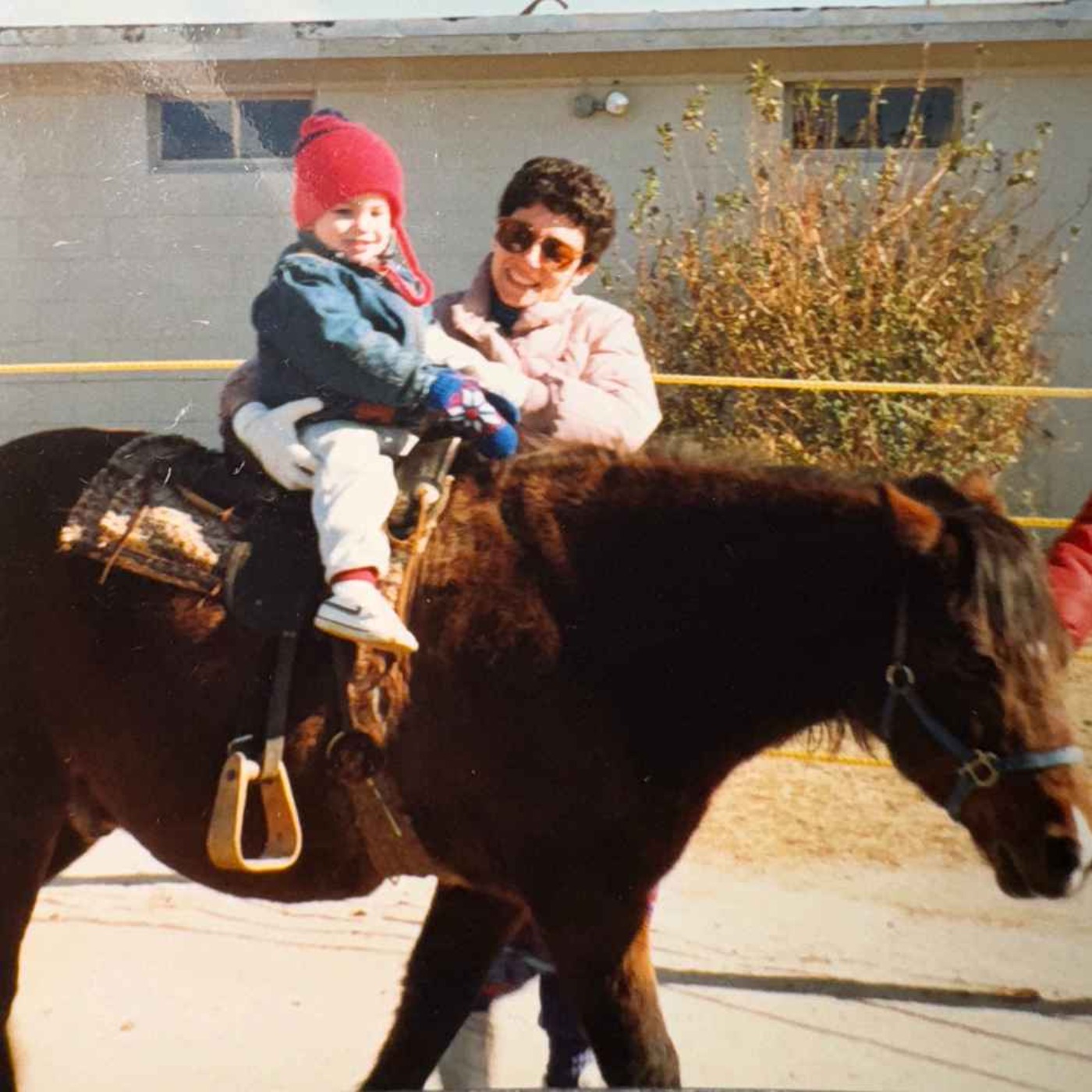 123: One brain, two languages 16.04.2024 13minFor the first three years of Justin Davidson's childhood in Chicago, his mom spoke only Spanish to him. Although he never spoke the language as a young child, when Davidson began to learn Spanish in middle school, it came very quickly to him, and over the years, he became bilingual.Now an associate professor in UC Berkeley's Department of Spanish and Portuguese, Davidson is part of a research team that has discovered where in the brain bilinguals process and store language-specific sounds and sound sequences. The research project is ongoing.This is the final episode of a three-part series with Davidson about language in the U.S. Listen to the first two episodes: "A linguist's quest to legitimize U.S. Spanish" and "A language divided."Photo courtesy of Justin Davidson.Music by Blue Dot Sessions.Listen to the episode and read the transcript on UC Berkeley News (news.berkeley.edu). Hosted on Acast. See acast.com/privacy for more information.
 -
 122: A language divided 05.04.2024 11minThere are countless English varieties in the U.S. There's Boston English and California English and Texas English. There's Black English and Chicano English. There's standard academic, or white, English. They're all the same language, but linguistically, they're different."Standard academic English is most represented by affluent white males from the Midwest, specifically Ohio in the mid-20th century," says UC Berkeley sociolinguist Justin Davidson. "If you grow up in this country and your English is further away from that variety, then you may encounter instances where the way you speak is judged as less OK, less intelligent, less academically sound."And this language bias and divide can have devastating consequences, as it did in the trial of George Zimmerman, who killed 17-year-old Trayvon Martin in 2012. This is the second episode of a three-part series with Davidson about language in the U.S. Listen to the first and third episode: "A linguist's quest to legitimize U.S. Spanish" and "One brain, two languages."Listen to the episode and read the transcript on UC Berkeley News (news.berkeley.edu/podcasts).Music by Blue Dot Sessions.AP photo by Jacob Langston. Hosted on Acast. See acast.com/privacy for more information.
 -
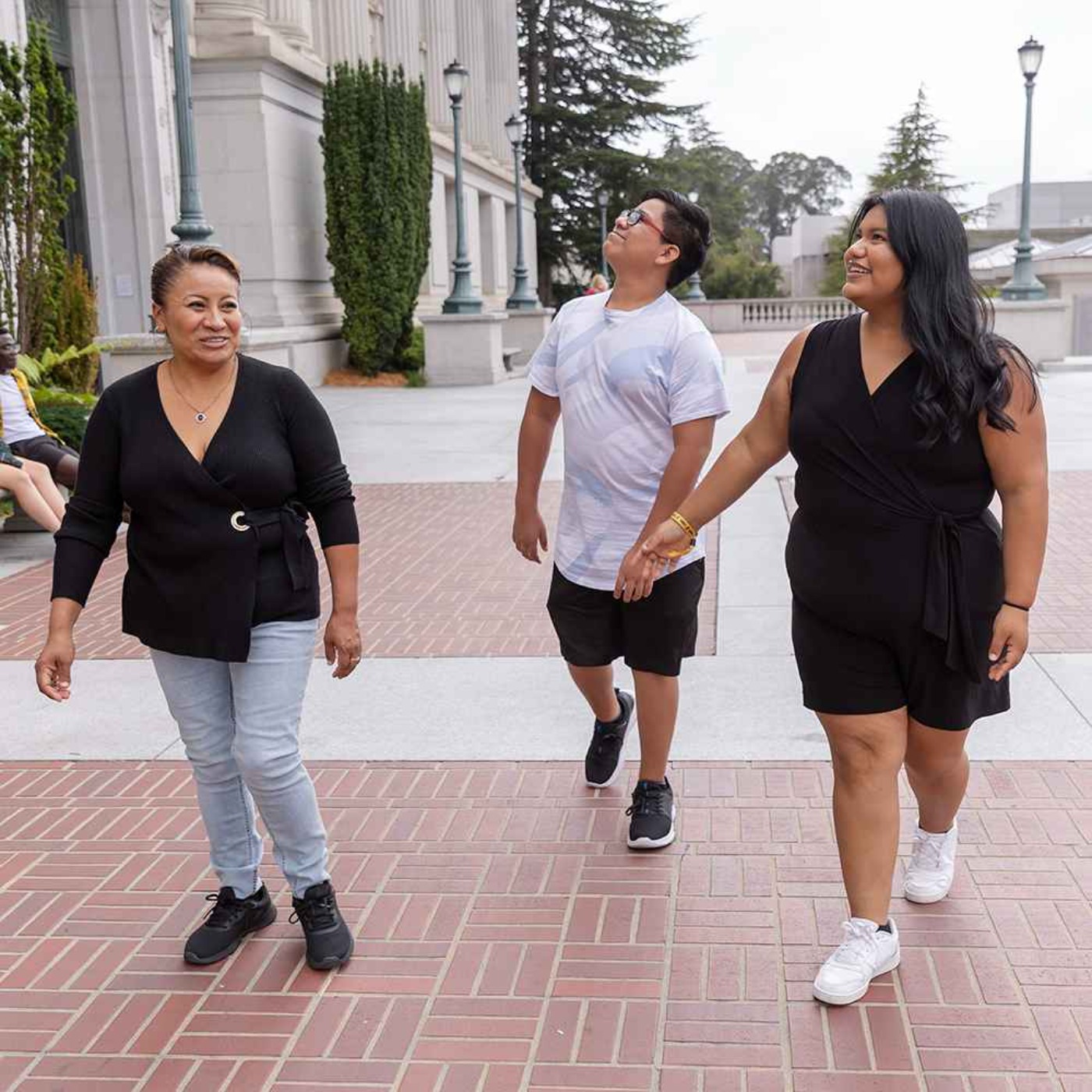 121: A linguist's quest to legitimize U.S. Spanish 29.03.2024 11minSpanish speakers in the United States, among linguists and non-linguists, have been denigrated for the way they speak, says UC Berkeley sociolinguist Justin Davidson. It’s part of the country's long history of scrutiny of non-monolingual English speakers, he says, dating back to the early 20th century."It’s groups in power — its discourses and collective communities — that sort of socially determine what kinds of words and what kinds of language are acceptable and unacceptable," says Davidson, an associate professor in the Department of Spanish and Portuguese.But the U.S. is a Spanish-speaking country, he says, and it’s time for us as a nation to embrace U.S. Spanish as a legitimate language variety.This is the first episode of a three-part series with Davidson about language in the U.S. Listen to other two episodes: "A language divided" and "One brain, two languages."Listen to the episode and read the transcript on UC Berkeley News (news.berkeley.edu).Photo by Brittany Hosea-Small.Music by Blue Dot Sessions. Hosted on Acast. See acast.com/privacy for more information.
 -
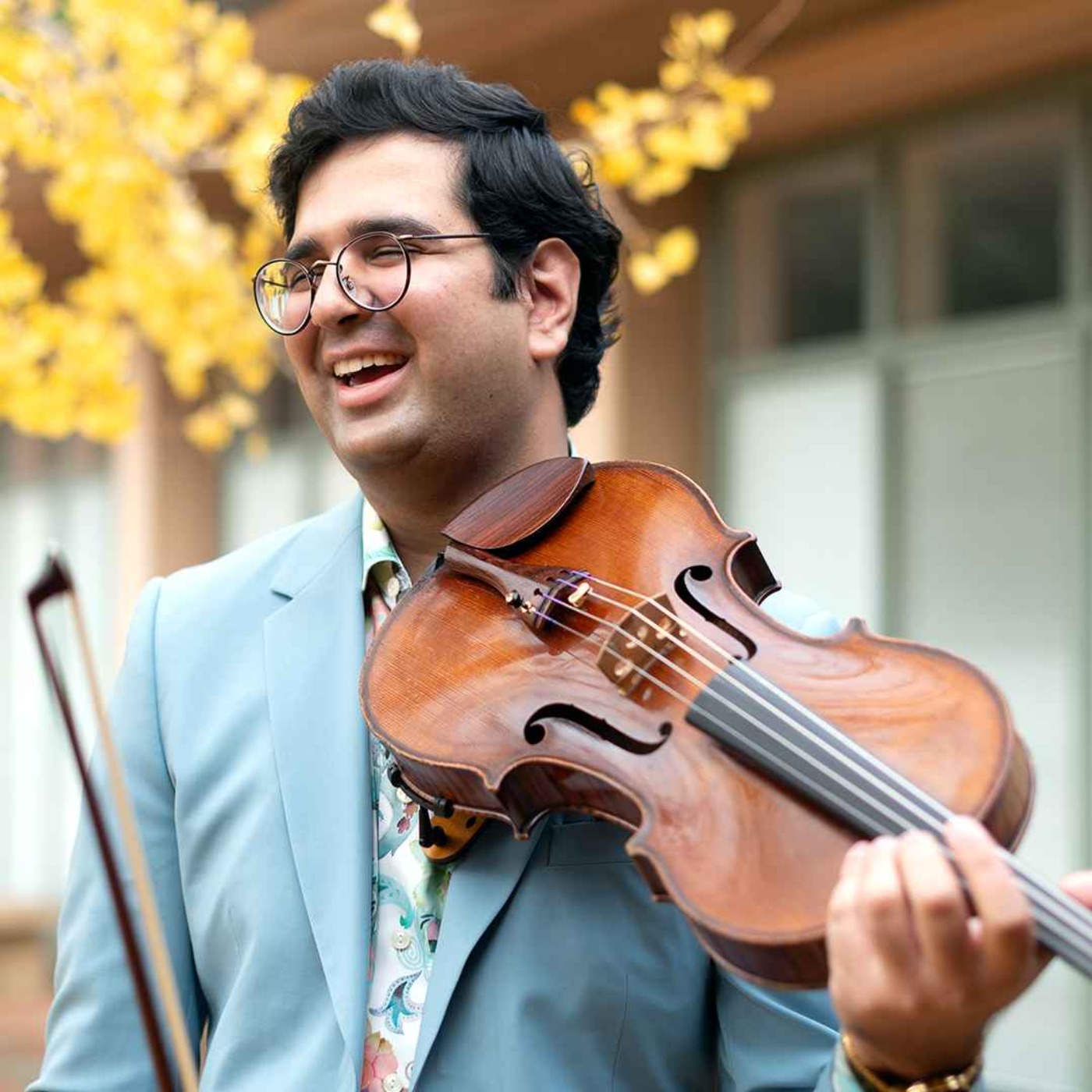 120: Medieval song holds clues to lost dialects 05.03.2024 18minIn his research, UC Berkeley Ph.D. candidate Saagar Asnani looks at music manuscripts from between the 12th and 14th centuries in medieval France. He says only recently have scholars begun to use a wider variety of media and artistic expressions as a way to study language. "If we unpack the genre of music, we will find a very precise record of how language was spoken," Saagar says. To read medieval music, Saagar learned five languages — Latin, German, Italian, Catalan and Occitan — making 10 languages that he knows in total (for now, at least). In losing the history of pieces of music, Saagar says, we’ve lost languages and cultures that were present and important to the time period. And today, at a time when linguistic boundaries are crumbling before our eyes, he says, instead of judging someone who speaks differently from you, realize that “it's actually a way of speaking a language and that we should cherish that because it's beautiful in its own way."Listen to the episode and read the transcript on UC Berkeley News (news.berkeley.edu/podcasts).UC Berkeley photo by Brandon Sánchez Mejia. Hosted on Acast. See acast.com/privacy for more information.
 -
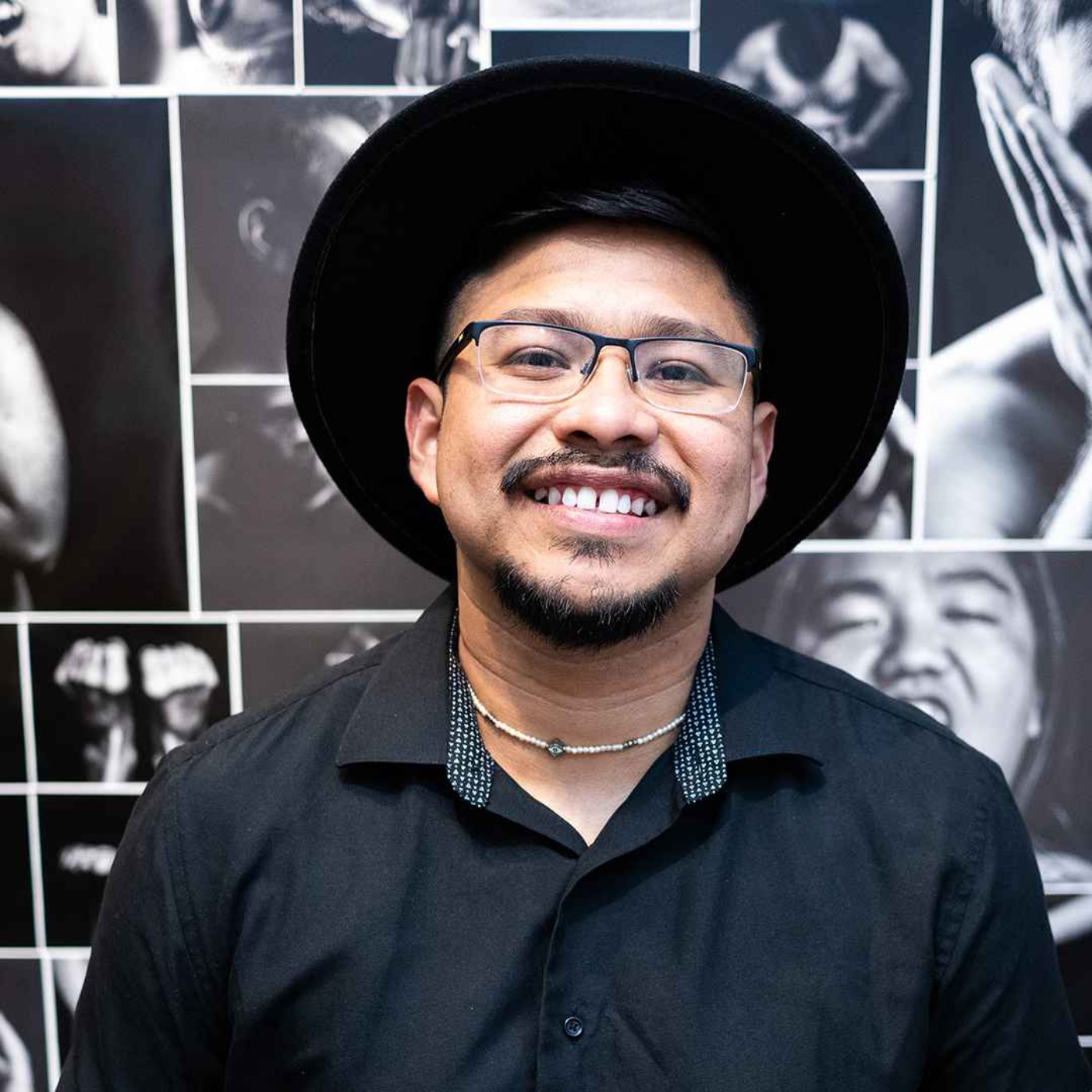 119: Art student's photo series explores masculine vulnerability 22.02.2024 8minBrandon Sánchez Mejia stood at a giant wall in UC Berkeley’s Worth Ryder Art Gallery and couldn’t believe his eyes. In front of him were 150 black-and-white photos of men’s bodies in all sorts of poses and from all sorts of angles. It was his senior thesis project, "A Masculine Vulnerability," and it was out for the world to see."It came from this idea that as men, we are not allowed to show skin as scars or emotions or weakness," said Sánchez, who will graduate from Berkeley this May with a bachelor’s degree in art practice.Sánchez’s cohort is part of the Department of Art of Practice’s 100th year, a milestone that department chair Ronald Rael said is cause for celebration."There have been moments in art practice’s history when it was unclear that art should be at a university at all," said Rael, a professor of architecture and affiliated faculty in art. "And here we are, at 100 years, and it’s one of the most popular majors on campus."Listen to the episode and read the transcript on UC Berkeley News (news.berkeley.edu/podcasts).This is a companion podcast to a feature story about Sánchez, published earlier this month on UC Berkeley News. There, you can view more photos and read about about how Sánchez's mom made him stay inside for a year as a teenager in El Salvador out of fear he'd join a gang. And how, against his mom's wishes and without any money of his own, he decided to pursue an education — no matter what it took.UC Berkeley photo by Keegan Houser.Music by Blue Dot Sessions. Hosted on Acast. See acast.com/privacy for more information.
Samankaltaiset podcastit


Suosittu maassa
Tämä podcast esiintyy myös näiden maiden podcast-listoilla.

