
Sounds Good.
Anna Nadeina
0
Sounds Good is a podcast where host Anna Nadeina asks the questions you actually wanted answered. She talks to founders and operators about the playbooks, growth hacks, and frameworks the internet swears by — and whether any of it actually worked. Expect real numbers, honest post-mortems, and the occasional confession that the thing everyone recommended was a waste of six months. Topics include SaaS growth, bootstrapped and VC-backed startups, product-led growth, sales-led growth, founder-led marketing, exits and M&A, remote teams, AI tools, indie hackers, and building on the internet.
Jaksot
-
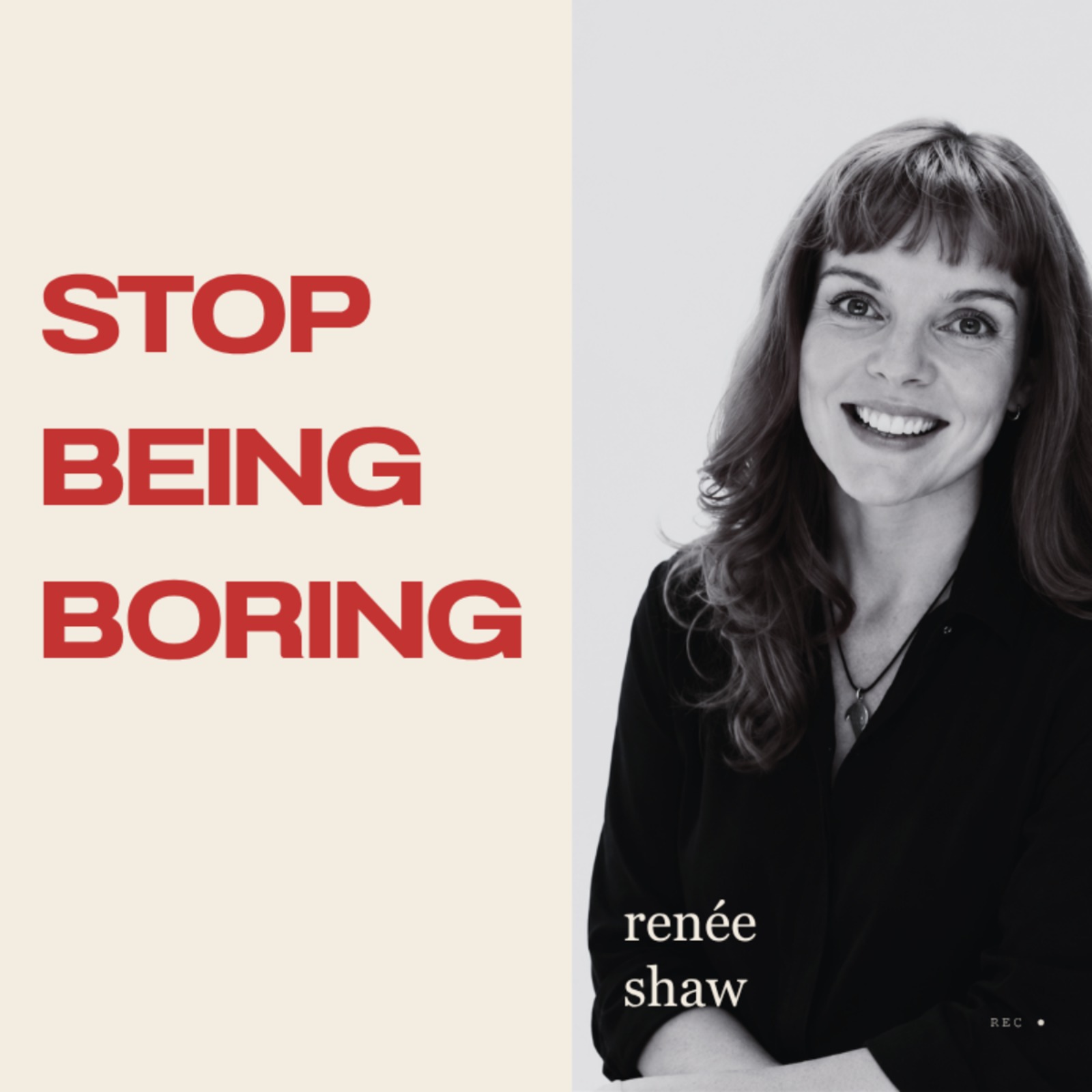 How to make B2B content people want — Renée Shaw @ tl;dv 15.09.2026 57minB2B marketing doesn't have to be boring. Renée Shaw from tl;dv has turned humor, personality, and relentless experimentation into one of the company's most recognizable growth channels. Instead of treating social content as something marketing teams have to “do,” tl;dv built a culture where creators are given the freedom to experiment, fail, and figure out what makes people pay attention. We talked about why a B2B company decided to put creators and comedy at the center of its marketing, how to measure something as messy as brand attention, and why trying to attribute every view to revenue can actually make your content worse. Renée breaks down how their team comes up with ideas, why TikTok, LinkedIn, and Instagram require different instincts, how trends become original skits, and why volume matters when you're still figuring out what works. And then there's the AI question. Renée explains why she's skeptical of AI-generated creative at scale, why she thinks human-made work is becoming more interesting, and why sometimes the best creative strategy is simply to stop optimizing everything. Plus: the mistakes that taught her the most, the dangers of over-engineering content, creative burnout, why your ideas aren't as precious as you think, and what happens when you stop performing for an imaginary audience. Timestamps: 00:00 — Welcome to Sounds Good 01:20 — How Renée became “CEO” of tl;dv 03:33 — Why tl;dv hired creators before it was cool 04:58 — Taking a risk on unconventional B2B marketing 07:00 — Can you actually measure brand-driven growth? 09:48 — LinkedIn vs TikTok vs Instagram 12:50 — Why TikTok became a place to experiment 14:28 — Where do viral content ideas actually come from? 15:55 — Why volume beats perfection when you're learning 17:21 — The philosophy behind tl;dv's content 19:32 — How a remote team maintains culture 21:43 — Trust, ownership and psychological safety 24:09 — How to hire a creator for your company 25:57 — Why you might find your next creator in comedy 27:24 — Do creators need to understand your product? 30:33 — The actual process behind making a video 34:47 — Taking content seriously as a growth strategy 36:45 — Why tl;dv survived a crowded market 38:38 — Culture, optimism and surviving competition 42:01 — How to avoid creative burnout 44:46 — The content experiments that completely flopped 47:07 — Why trying to be someone else doesn't work 48:32 — What exciting things are happening outside AI? 50:46 — Stop optimizing everything 52:40 — Why old sitcoms are surprisingly good for your brain 54:43 — Why human creativity might matter more than ever Renée - https://www.linkedin.com/in/reneeeshaw/ tl;dv - https://tldv.io/ sounds good. — a podcast with Anna Nadeina https://soundsgoodpod.com [email protected] sounds good. is sponsored by saas.group — serial acquirer of profitable SaaS businesses. If you're thinking about an exit, they're worth a conversation. https://saas.group/
 -
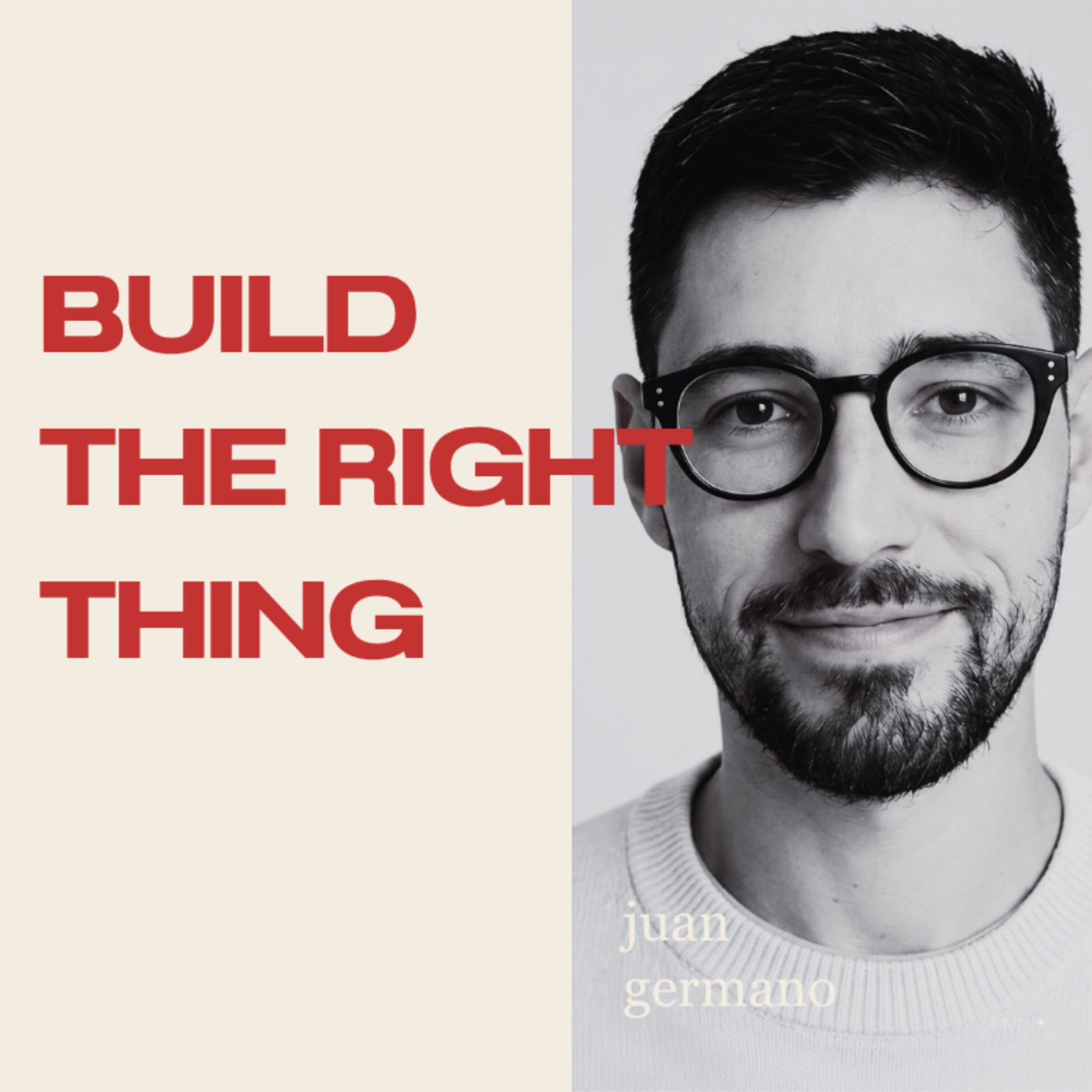 AI can write code, but only you know what to build — Juan Germano @ Jams 08.09.2026 1t 14minAI has made building software dramatically faster—but it hasn't made building the right software any easier. Juan Germano, founder and CEO of Jams, builds custom web and mobile products with founders and operators. And after years of building software, he's seeing a fundamental shift in how products get designed, built, and launched. We talked about what happens when founders can turn an idea into a working prototype in hours, why AI-generated roadmaps can be dangerously convincing, and why having unlimited building capacity can actually make products worse. Juan also explains why the fundamentals of product development haven't changed: you still need to understand the problem, make the right trade-offs, launch, get feedback, and figure out how you're going to get your first users. We get into why distribution needs to be designed into a product from day one, what AI means for software agencies and developers, why small senior teams may have an even bigger advantage now, and why Argentina could have a lot of SaaS opportunity hiding in plain sight. And we talk about something that gets surprisingly little attention in the AI conversation: why human expertise, real-world experiences, communities, and authentic content may become more valuable—not less—as AI-generated everything takes over the internet. One of the biggest takeaways: AI gives you more building capacity. It doesn't give you better judgment. Timestamps: 00:00 - Is software development becoming a dying craft? 01:41 - Why product strategy matters more than ever 02:52 - Are we building for humans or AI agents? 04:46 - The rise of MCPs and APIs 07:02 - Why AI prototypes can be dangerous 07:17 - A prototype isn't a product 09:14 - What is the actual "product"? 11:29 - When AI creates the product roadmap 17:13 - AI lets teams ship 10x more iterations21:28 - The danger of unlimited building capacity 23:07 - Why you need constraints 30:31 - The new distribution problem 33:41 - Designing distribution into the product 35:39 - Why distribution fundamentals haven't changed 37:25 - What's happening in Argentina's SaaS market? 39:40 - The opportunity in legacy software 42:15 - What happens to WordPress in five years? 46:16 - How should founders work with software experts now?50:03 - Why you still need the expert 53:05 - How to use AI to write better prompts 54:47 - Juan's AI workflow 57:13 - AI is teaching us how bad we are at communicating 59:19 - What's exciting that isn't AI? 01:02:33 - Escaping AI FOMO 01:03:40 - Will AI make communities more valuable? 01:05:59 - Are we actually going to work less? 01:08:14 - Why humans will still want human things 01:10:05 - Why people hate AI-generated art 01:11:09 - The value of authentic work ─── Juan Germano — https://www.linkedin.com/in/thejuangermano/ sounds good. — a podcast with Anna Nadeina https://soundsgoodpod.com sounds good. is sponsored by saas.group — serial acquirer of profitable SaaS businesses. If you're thinking about an exit, they're worth a conversation. https://saas.group/
 -
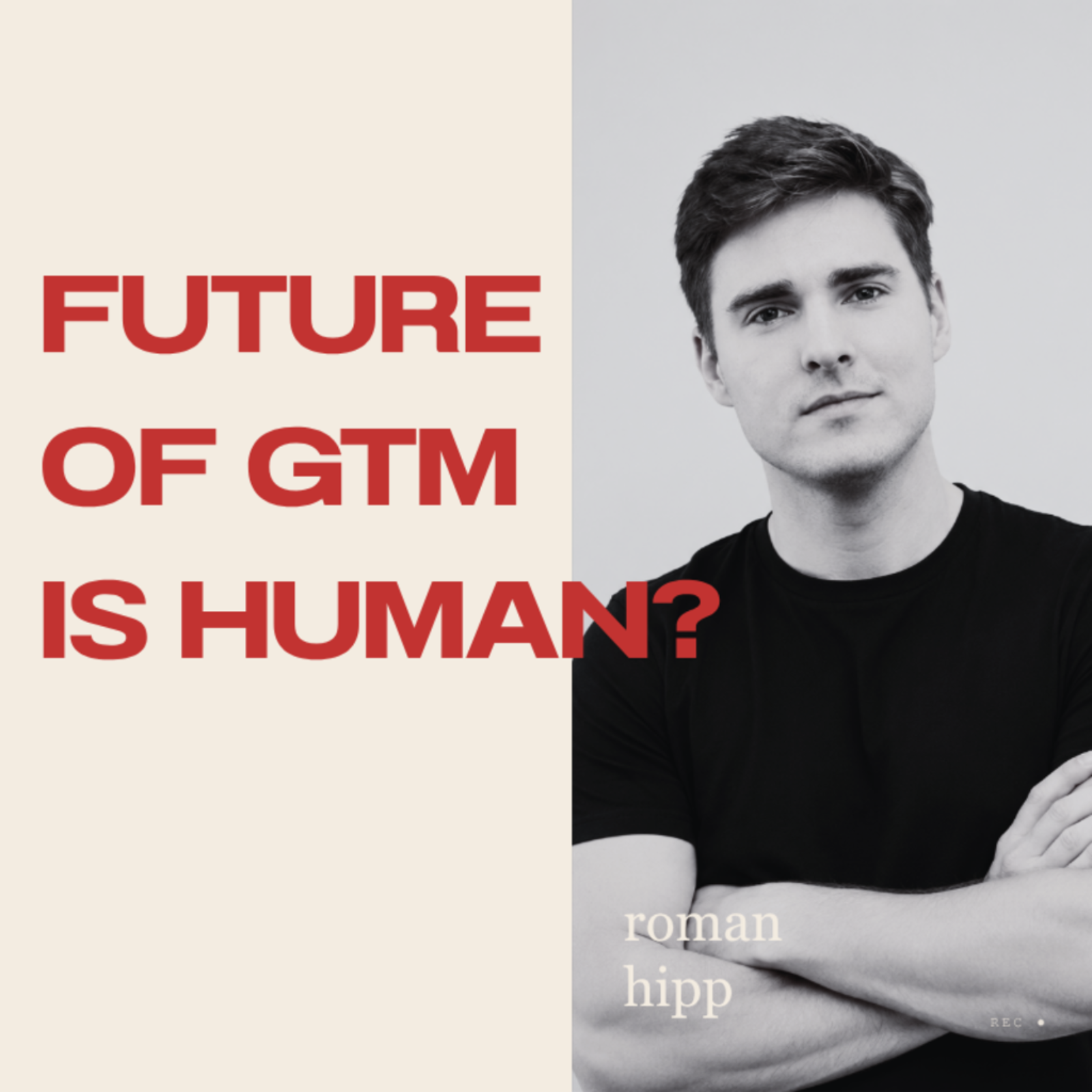 The future of SaaS GTM is human (but not all the way) — Roman Hipp @ BetterContact 01.09.2026 58minAI is making software easier to build—and that could be a serious problem for SaaS. Roman, founder of BetterContact, believes SaaS companies increasingly need a real “right to exist” as AI-native companies start rebuilding existing software and aggregating multiple tools into simpler interfaces. We talked about why tool sprawl is becoming a problem, whether SaaS will become increasingly API-first, why founders need to decide whether they're building for humans or AI agents, and why PLG alone may no longer be enough. We also got into outbound, AI-generated content, founder-led sales, personalization, and why Roman thinks human-centric GTM could become even more important as AI takes over more of the sales process. Timestamps: 00:00 - How Roman came up with BetterContact 01:44 - Why BetterContact chose a niche 05:02 - Does SaaS have a “right to exist”? 07:32 - Is AI going to replace SaaS? 10:04 - Choosing the right ICP 12:17 - Can AI giants replace data SaaS? 13:14 - Why PLG is getting harder 14:09 - The return of human-centric SaaS 16:26 - Will AI agents start buying software? 17:44 - UI vs API: what should SaaS build for? 19:35 - Are we building for humans or bots? 20:45 - Which parts of outbound AI can replace 23:05 - Why AI cold calling isn't taking over 25:07 - Founder-led sales and AI content 27:27 - Why generic AI content doesn't work 29:31 - The danger of founder-dependent brands 33:42 - Why outbound is still a powerful channel 35:33 - Why outbound is a numbers game 37:57 - Why personalization is now table stakes 40:40 - What “90% hit rate” actually means 43:26 - How much growth comes from outbound 45:58 - Why GTM events matter 48:22 - Will AI agents replace GTM? 50:44 - Why human-centric GTM could win 51:46 - Is there a perfect cold-call script? 53:49 - Why Roman is excited about air conditioners Roman - https://www.linkedin.com/in/roman-hipp/ BetterContact - https://bettercontact.rocks/ sounds good. — a podcast with Anna Nadeina https://soundsgoodpod.com [email protected] sounds good. is sponsored by saas.group — serial acquirer of profitable SaaS businesses. If you're thinking about an exit, they're worth a conversation. https://saas.group/
 -
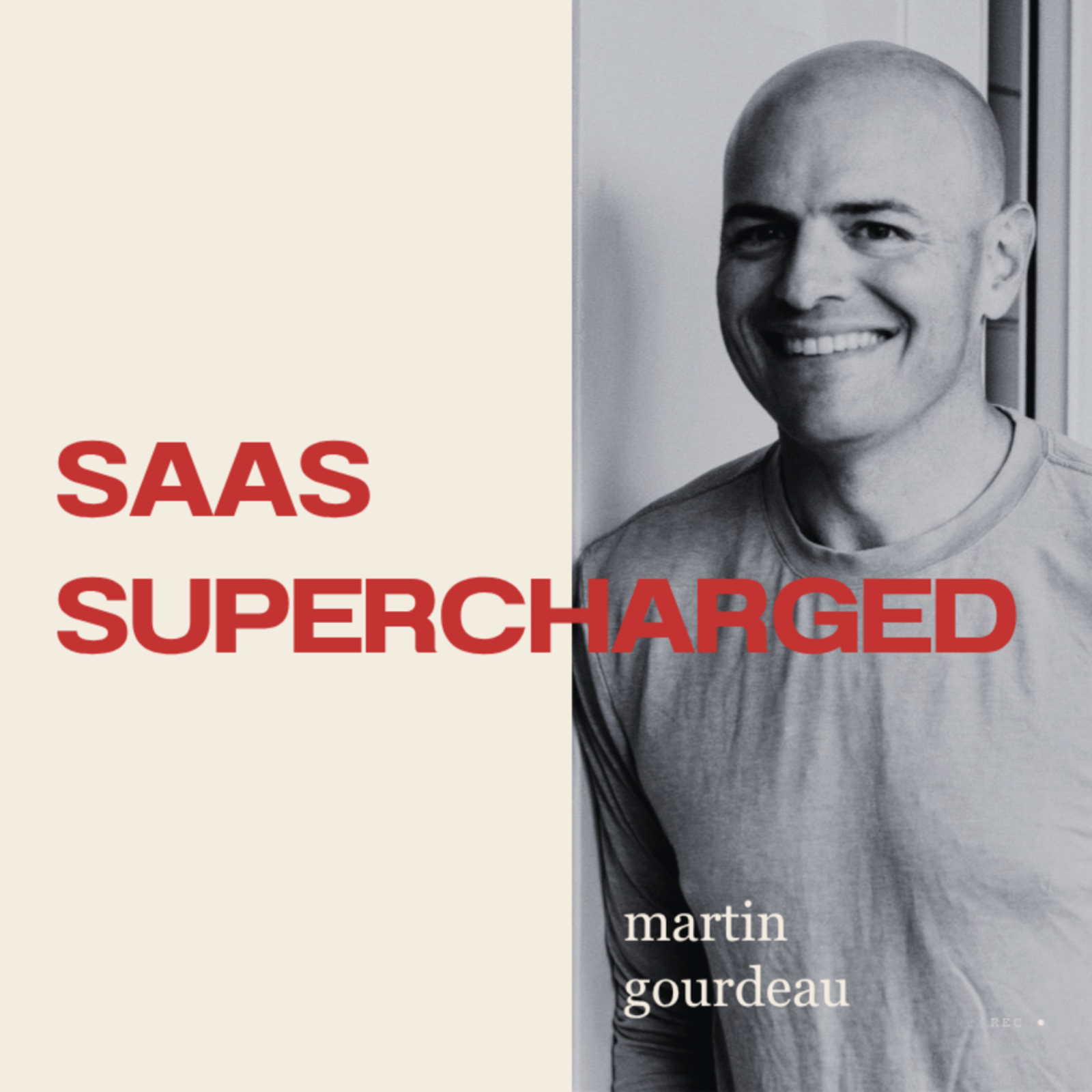 The SaaS companies that will survive AI — Martin Gourdeau @Vacation Tracker 25.08.2026 1tAI is coming for SaaS—but probably not in the way most founders think. Martin Gourdeau, CEO of Vacation Tracker, has spent years operating SaaS businesses at very different scales, from a 15-person company to Workleap, where he helped grow the business from roughly 275 to 450 people. Now he's back in a small SaaS company, deliberately testing how far AI can take a business without massively increasing headcount. And his view on the future of SaaS is refreshingly nuanced. We talk about why AI could actually supercharge SaaS, why “shallow SaaS” is much more vulnerable to vibe coding, and why companies that own important data and become systems of record may be harder to replace than ever. We also get into AI adoption inside a real SaaS company, the productivity trap of generating more and more without actually moving the business forward, pricing, trials, distribution, LLM discovery, YouTube as an AI visibility channel, and where Vacation Tracker is going next. One of the biggest takeaways: AI has made building software dramatically easier—but that doesn't mean building the right software has become easier. Timestamps: 00:00 - Is SaaS dead in Quebec? 01:26 - Why nuance disappeared from the AI conversation 02:10 - Is AI actually supercharging SaaS? 03:24 - The SaaS AI can't easily replace 06:00 - When building your own software makes sense 07:12 - The hidden cost of building SaaS yourself 09:54 - Did SaaS remove too much friction? 11:00 - The new opportunity: building on top of systems of record 12:45 - Why AI hype always goes too far 14:11 - How Vacation Tracker uses AI internally 16:19 - The AI experimentation playbook 18:07 - Is AI making people work more? 19:48 - The dangerous side of AI productivity 21:20 - Producing more vs actually growing the business 23:07 - Why bigger companies may be more vulnerable 24:30 - How AI can make SaaS products worse 29:39 - From 450-person SaaS to a 15-person company 33:00 - Getting back into technology 34:41 - Avoiding AI shiny object syndrome 37:46 - Vacation Tracker's pricing strategy 38:26 - Why they doubled their trial period 40:24 - Did AI influence their pricing? 42:00 - The right way to raise SaaS prices 43:34 - Is SaaS distribution getting harder? 43:43 - LLMs are driving 30–50% of inbound 45:41 - How to rank in ChatGPT and other LLMs 46:00 - Why content matters for AI visibility 47:47 - Why YouTube matters for LLM discovery 51:47 - What's next for Vacation Tracker? 52:45 - MCP and the future of headless SaaS 53:37 - Could SaaS move to value-based pricing? 54:40 - Is SaaS actually dying? 55:35 - The technology Martin is excited about 57:04 - What kids think about AI 58:32 - Will we revisit these predictions? Martin Gourdeau — https://www.linkedin.com/in/mgourdeau/ Vacation Tracker — https://vacationtracker.io/ ─── sounds good. — a podcast with Anna Nadeina https://soundsgoodpod.com sounds good. is sponsored by saas.group — serial acquirer of profitable SaaS businesses. If you're thinking about an exit, they're worth a conversation. https://saas.group/
 -
 Stop chasing traffic, fix your SaaS funnel first — Simonida Jovanovic 18.08.2026 1t 8minSimonida has made a career out of figuring out why SaaS users don't pay—and she doesn't think throwing more AI, more emails, or more traffic at the problem is the answer. She focuses on one of the most valuable parts of the SaaS funnel: the gap between someone starting a trial and deciding the product is worth paying for. Sometimes moving that conversion rate by just a few percentage points can create more revenue than another expensive push at the top of the funnel. We talked about what actually makes trial users convert, why "best practices" can be dangerously misleading, how behavioral segmentation can go too far, and why copy should be one of the last things you work on—not the first. Plus: founder voice, no-reply emails, suppression rules, and why product, sales, support, and marketing need to actually talk to each other before anyone writes another lifecycle sequence. And, inevitably, AI. Why Simonida thinks outsourcing strategy to an LLM is a terrible idea, why AI-generated content increasingly feels like "plastic fruit," what she does use AI for, and why firing your marketing team because ChatGPT can do the job might be an experiment you regret six months later. Timestamps: 00:00 - Can AI actually replace people? 03:07 - Why AI is dangerous for strategy 05:20 - AI won't kill work—it'll change it 06:23 - LinkedIn's AI bubble 08:52 - Why tech companies are humanizing AI 12:57 - Are we overhyping AI? 15:03 - Turning SaaS trials into paying customers 17:35 - The revenue hiding inside your existing funnel 19:40 - The problem with marketing best practices 21:09 - Why human judgment still matters 23:39 - Can AI run your marketing without humans? 28:04 - Why AI strategy still falls short 32:38 - The car wash test for AI 34:09 - Fire your marketing team for AI? Go ahead. 35:36 - What makes a great SaaS email? 38:13 - Every email needs one job 40:13 - Why emails should come from a real person 42:14 - Why no-reply emails need to die 44:48 - Stop emailing people who don't care 47:03 - Behavioral emails and knowing when to stop 49:37 - How Simonida audits a SaaS funnel 52:05 - What product, sales, and support know that marketing doesn't 55:14 - Why copy comes last 56:14 - Can you segment too much? 58:13 - When better onboarding hurts conversion 59:51 - Who should send your SaaS emails? 62:31 - Founder voice as a competitive advantage 67:17 - Cyberdecks, hedgehogs, and the internet beyond AI Simonida - https://www.linkedin.com/in/simonida-jovanovic-29778244/ ─── sounds good. — a podcast with Anna Nadeina https://soundsgoodpod.com sounds good. is sponsored by saas.group — serial acquirer of profitable SaaS businesses. If you're thinking about an exit, they're worth a conversation. https://saas.group/
 -
 The real cost of building an AI startup — Ricardo Ghekiere @ Patricia 11.08.2026 1t 1minRicardo Ghekiere bought BetterPic for $1 when the product was still rough, the AI struggled with consistency, and very few people believed AI headshots could become a real business.Less than three years later, BetterPic had grown into a multimillion-dollar company. But while everyone else was celebrating AI image generation, Ricardo was already thinking about what comes next. That thinking led to BetterStudio, a $2.2M venture-backed bet on AI fashion photography that ultimately failed—and to Runflow and Patricia, the companies that emerged from everything the team learned along the way.We talked about growing BetterPic through affiliate marketing, why they moved from closed-source to open-source AI models, what actually happens after you raise venture capital, why product-market fit can't be bought with headcount, and how a non-technical founder learned enough about AI infrastructure to build products at scale.Plus: whether designers disappear before developers, why software itself may eventually become free, and what companies outside the AI bubble are really doing with artificial intelligence.In this episode:Buying BetterPic for $1 and growing it into a multimillion-dollar businessWhy redesigning the product was critical to building customer trustHow affiliate marketing became one of BetterPic's biggest growth channelsThe AI workflow behind consistent image generationWhy BetterPic moved from closed-source to open-source AI modelsHow open source helped dramatically improve marginsRaising $2.2M before finding product-market fitWhy BetterStudio ultimately failedThe biggest mistake founders make after raising venture capitalBuilding Runflow for enterprise AI image workflowsWhy Ricardo believes designers will change faster than developersHow AI is reshaping internal teamsBuilding Patricia—an AI teammate that lives inside SlackWhy software itself may eventually become freeWhat founders outside the AI bubble still misunderstand about AI Ricardo - https://www.linkedin.com/in/ricardoghekiere/ BetterPic - https://betterpic.io Runflow - https://runflow.io ─── sounds good. — a podcast with Anna Nadeinahttps://soundsgoodpod.comsounds good. is sponsored by saas.group — serial acquirer of profitable SaaS businesses. If you're thinking about an exit, they're worth a conversation. https://saas.group/
 -
 Don't add features: how to simplify your SaaS — Jeremy Chatelaine @ MonsterOps 04.08.2026 57minJeremy has been bootstrapping SaaS products for more than a decade. After building QuickMail into one of the most respected outbound platforms, he's now betting on a much bigger idea: AI won't replace companies — it'll replace the way companies operate. We talked about where AI actually delivers value (and where it absolutely doesn't), why founders are creating technical debt faster than ever, how to build products without drowning users in features, and why becoming a real CEO means giving up control. Plus: AI search, pricing AI features, distribution in 2026, bootstrapping a second company, and raising kids while building SaaS from hotel rooms. In this episode: - Why AI is incredible at customer support but terrible at strategy - The biggest mistake founders make when building internal AI tools - Why coding with AI creates tomorrow's technical debt - Should AI features cost extra? - Building MonsterOps while still running QuickMail - The real reason distribution is still harder than building - How to simplify products instead of endlessly adding features - Bootstrapping a second SaaS company from scratch - Raising entrepreneurial kids while traveling the world Timestamps 00:00 - Why AI isn't replacing SaaS yet 01:56 - What MonsterOps actually replaces inside companies 06:31 - Finding AI use cases that actually work 10:24 - AI customer support that's surprisingly good 14:15 - Does AI replace jobs or change them? 18:42 - Feature bloat and knowing when to stop building 25:22 - AI coding and the coming technical debt problem 27:54 - Pricing AI features the right way 30:20 - Bootstrapping MonsterOps differently than QuickMail 33:15 - Distribution in the age of AI search 39:17 - Becoming a CEO instead of just a founder 45:29 - Running two SaaS companies while traveling 50:23 - Teaching the next generation to build with AI 51:52 - The one business book Jeremy keeps rereading Jeremy: https://www.linkedin.com/in/jeremychatelaine/ QuickMail: https://quickmail.com MonsterOps: https://monsterops.io ─── sounds good. — a podcast with Anna Nadeina https://soundsgoodpod.com [email protected] sounds good. is sponsored by saas.group — serial acquirer of profitable SaaS businesses. If you're thinking about an exit, they're worth a conversation. https://saas.group/
 -
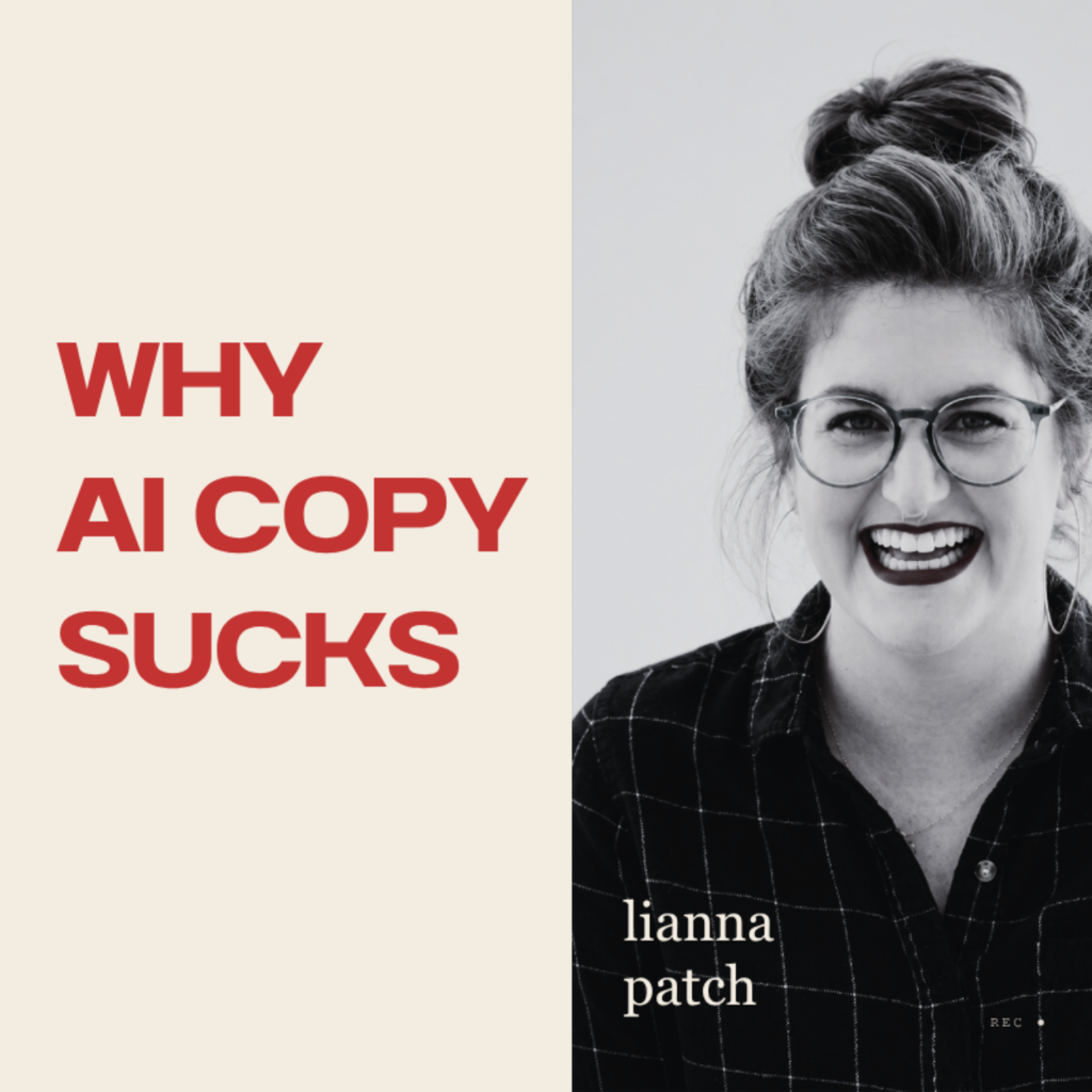 The human advantage: how to give your brand a real voice — Lianna Patch 28.07.2026 53minAI can write. But can it actually persuade customers? In this episode of Sounds Good, Lianna Patch joins Anna Nadeina to talk about what AI is genuinely good at, where Claude and ChatGPT still fail, and why the best SaaS companies are investing more—not less—in brand, personality, and great content. We cover: • Why AI-generated copy still sounds the same • When Claude is actually useful (and when it isn't) • Why website copy and lifecycle emails still need humans • Founder branding vs company branding • Why humor is becoming a competitive advantage in SaaS • How to create content people actually remember • Building trust through personality—not prompts • The role of communities like MicroConf in founder growth • Whether content marketing can actually be measured Timestamps: 00:00 - Introduction 01:59 - The Shift in Startup Needs 04:01 - The Role of Humor in Branding 07:03 - Leveraging AI for Content Creation 09:55 - Emotional Engagement in Content 12:01 - Mapping Emotions in the Customer Journey 15:54 - The Importance of Brand Personality 19:53 - Founders' Perspectives on Marketing 21:56 - The Value of Authenticity in Branding 25:03 - Examples of Successful Brands 28:35 - Creative Branding Examples 30:26 - The Importance of Personal Branding 33:52 - Attribution Challenges in Marketing 35:28 - Building a Community for Founders 40:35 - Finding Your Niche Audience 48:10 - Exciting New Internet Trends If you're building a SaaS company, leading marketing, writing content with AI, or wondering whether founders should still invest in brand, this conversation is packed with practical advice. Lianna - https://www.linkedin.com/in/liannapatch/ Punchline Conversion Copywriting - https://punchlinecopy.com/ ─── sounds good. — a podcast with Anna Nadeina soundsgoodpod.com sounds good. is sponsored by saas.group - serial acquirer of profitable SaaS businesses. If you're thinking about an exit, they're worth a conversation. https://saas.group/
 -
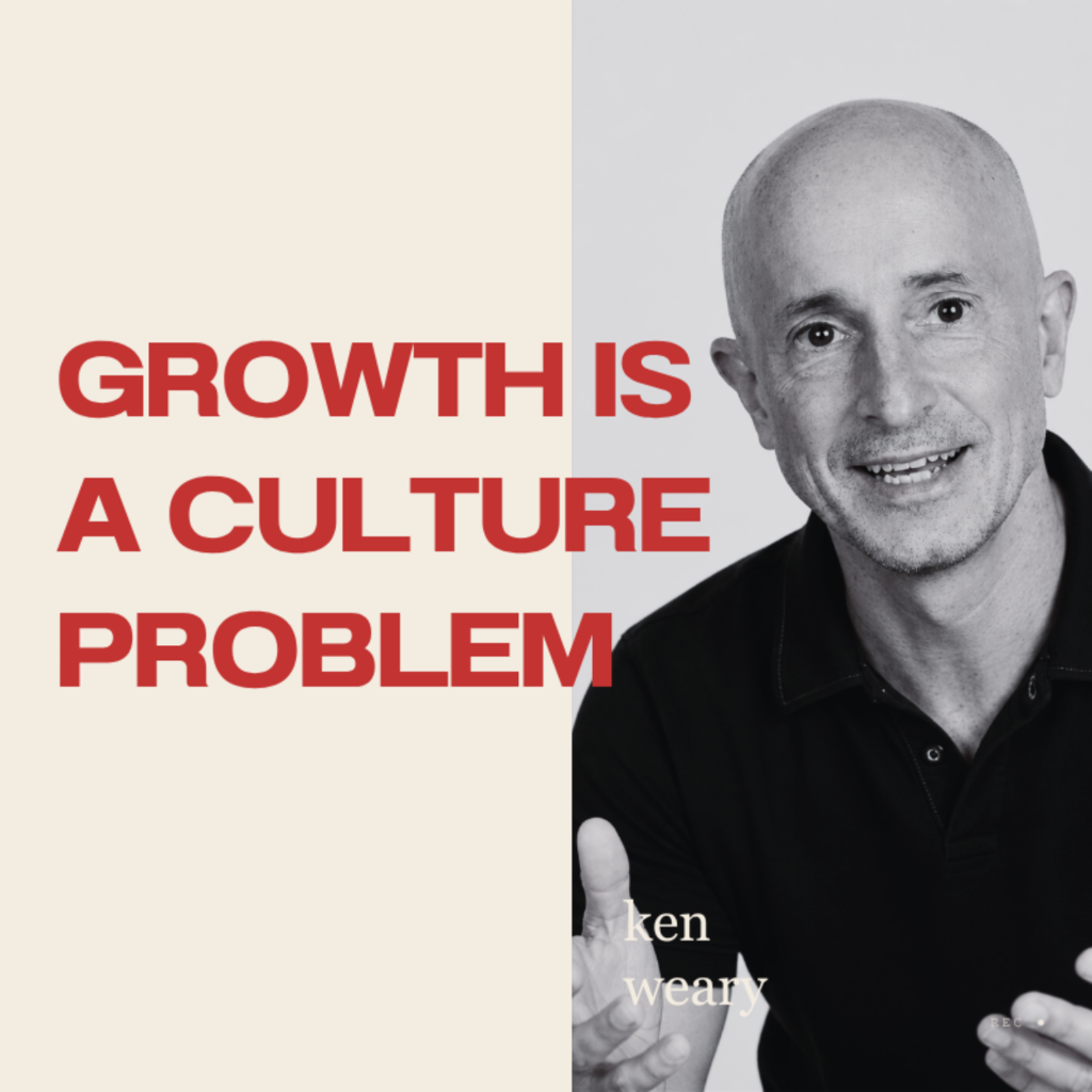 The $500M SaaS company that doesn't chase AI hype — Ken Weary @ Hostaway 20.07.2026 51minHostaway has raised more than $500 million. It still hasn't acquired a single company. Ken Weary, COO at Hostaway, believes that's not a missed opportunity—it's discipline. Instead of buying competitors, the company has spent the last decade building a single platform, staying profitable, and resisting the temptation to chase every shiny new thing. We talked about what AI is actually changing inside SaaS companies (and what it isn't), why "SaaSpocalypse" is mostly a story about adaptation rather than extinction, how to think about third-party platform risk when your business depends on Airbnb and Booking.com, and why founder-led companies often win by acting like they still have no money. In this episode: Why Hostaway has never made an acquisition despite evaluating hundreds of companies What a $500M-funded company can teach bootstrappers about spending money The real relationship between AI and layoffs Why AI should augment people, not replace them Building software on top of platforms like Airbnb without becoming dependent on them What SaaSpocalypse gets right—and what it completely misses Why customer events matter even more in a fully remote company How Hostaway uses AI to improve customer support and guest experience "Be frugal, not cheap"—the mindset behind sustainable growth The marathon lesson that applies surprisingly well to building SaaS Timestamps: 00:00 - Introduction to Hostaway 03:45 - The Importance of Property Management 06:59 - Navigating Guest Reviews 07:37 - Handling Third-Party Dependencies 10:54 - Mergers and Acquisitions Strategy 16:47 - AI Integration in Property Management 24:28 - AI as Augmented Intelligence 28:00 - The Impact of AI on Employment 31:54 - The Importance of Real-Life Events 38:49 - SaaS Evolution and the 'SaaSpocalypse' 43:25 - Playbooks for Success in Business Ken - https://www.linkedin.com/in/kenweary/ Hostaway - https://www.hostaway.com ─── sounds good. — a podcast with Anna Nadeina soundsgoodpod.com sounds good. is sponsored by saas.group - serial acquirer of profitable SaaS businesses. If you're thinking about an exit, they're worth a conversation. https://saas.group/
 -
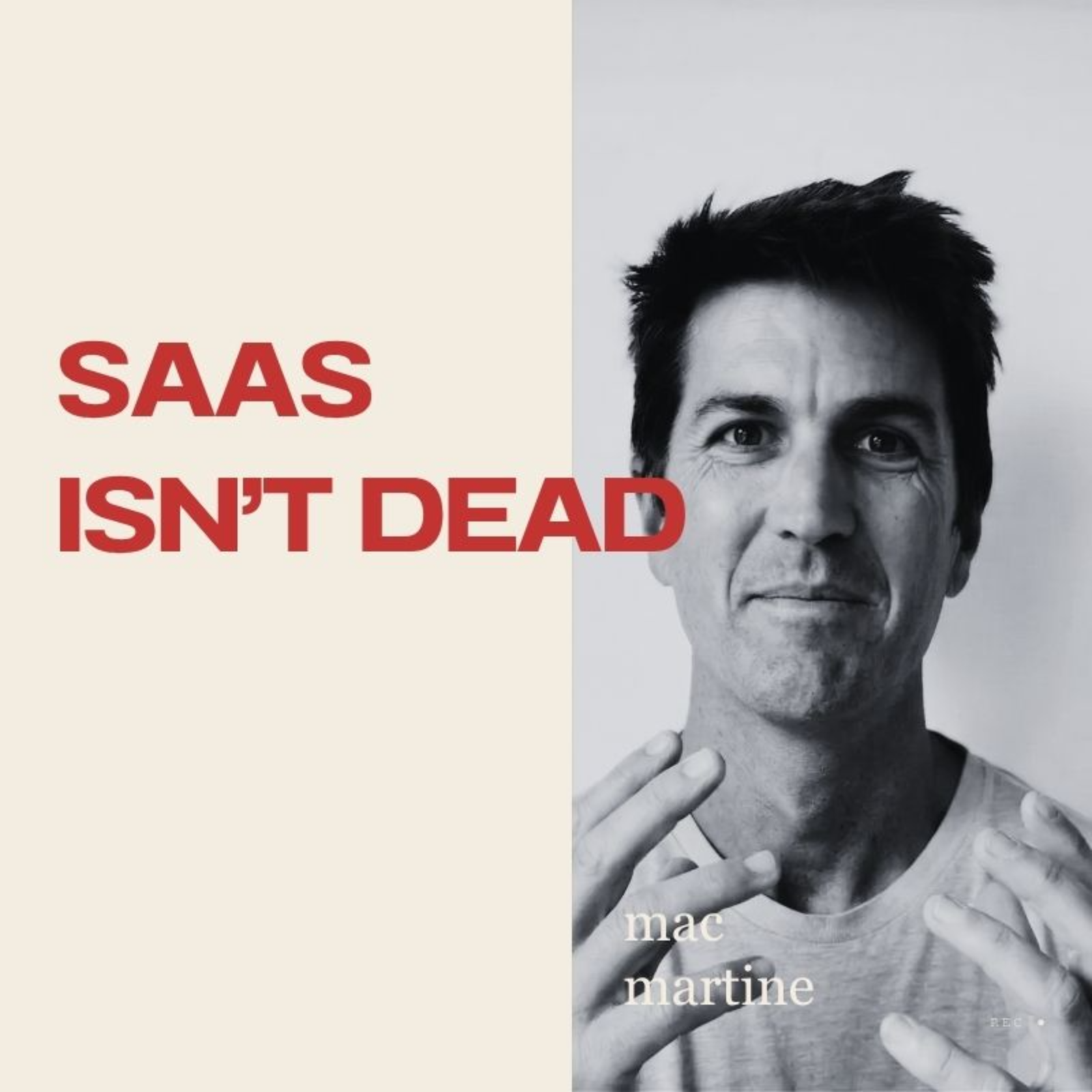 SaaS isn't dead but old playbooks are — Mac Martine @ Demandbird 14.07.2026 56minMac Martine has been building and acquiring SaaS for 20 years. He still doesn't think it's easy — and that's the point. We talked about what it actually looks like to run a small SaaS portfolio as a two-person team, why buying a boring Slack backup tool led to Fortune 500 clients and a 50x price increase within 48 hours, and why the fundamentals of distribution haven't changed as much as the hype suggests. Plus: AI search, third-party dependency risk, building in your own voice, and why bot media is quietly replacing social media. In this episode: - Why buying beats building for early validation right now - The graveyard SaaS market and what makes something worth acquiring - How good SEO still converts overnight — even in 2026 - AI search vs regular search: is there actually a difference yet? - Third-party dependency risk: Aware, Shield, and what comes next - Why AI-assisted humans beat AI alone — and where the line breaks down - Content production, scheduling tools, and keeping your voice when AI helps you write - What won't work anymore in micro SaaS Timestamps: 00:00 - Navigating Uncertainty 06:05 - The Shift from Building to Buying: Exploring Holdco Strategies 12:29 - Validating Ideas: The Importance of Community and Feedback 18:27 - SEO's Enduring Relevance in the Age of AI 23:31 - Building with Dependencies: Risks and Strategies 29:18 - Finding Value in Content Production and Scheduling Tools 32:25 - The Evolution of Retail and Music 36:05 - The Impact of AI on Human Interaction 41:58 - Navigating the Noise in AI Development 46:09 - The Future of AI and User Interaction 51:48 - Exciting Discoveries on the Internet Mac - https://www.linkedin.com/in/macmartine/ Demandbird - https://demandbird.com─── sounds good. — a podcast with Anna Nadeina soundsgoodpod.com [email protected] sounds good. is sponsored by saas.group - serial acquirer of profitable SaaS businesses. If you're thinking about an exit, they're worth a conversation. https://saas.group/
 -
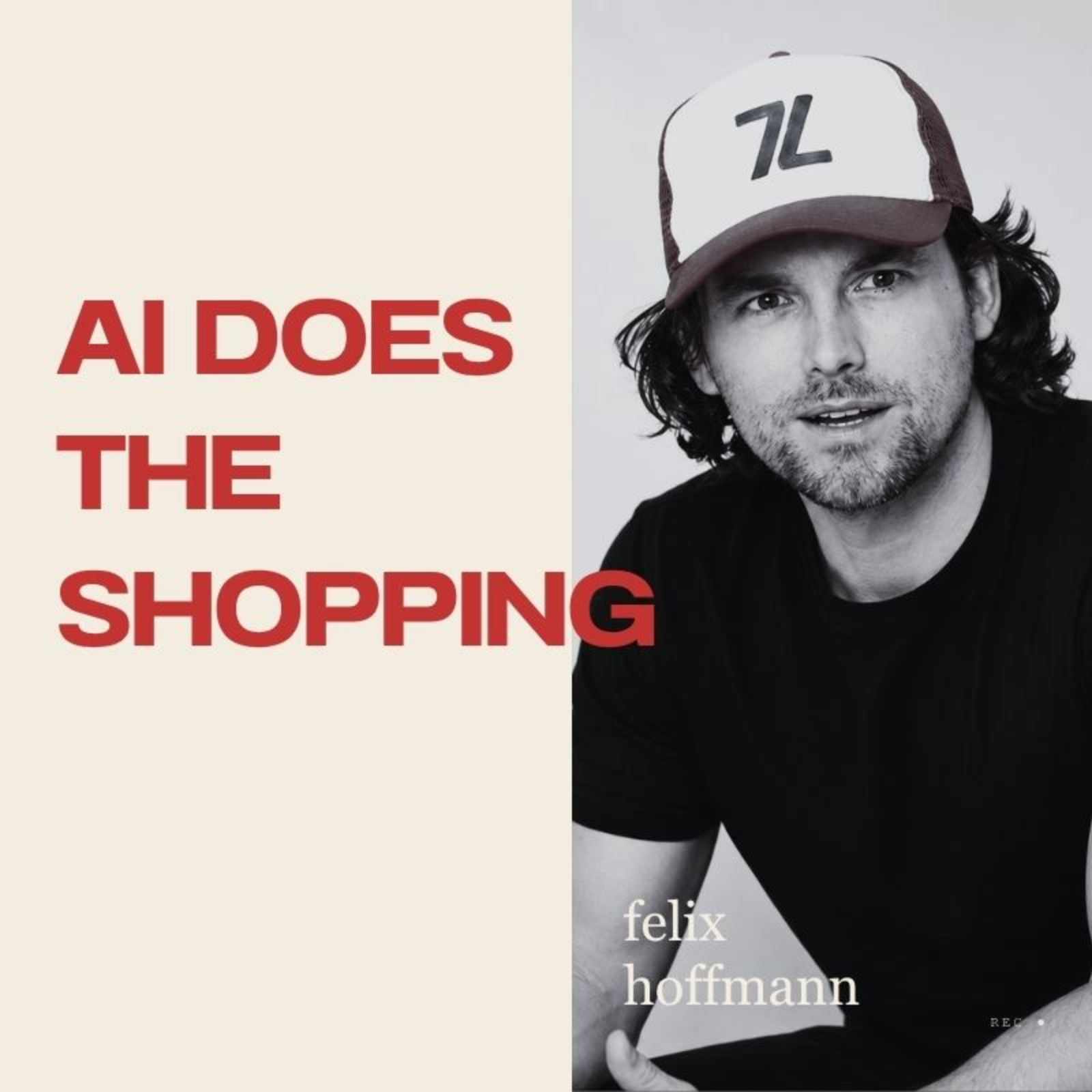 You don't need to go shopping ever again — Felix Hoffmann @ 7Learnings 07.07.2026 55minFelix Hoffmann has been inside Zalando's pricing engine. Now he's building the tools retail brands need to survive the AI. We talked about what agentic shopping looks like these days, why European platforms are dangerously slow to react, and why asking "how do I use ChatGPT in my company" is completely the wrong question. In this episode: - Why 30–50% of online purchases already start with an AI conversation - The real reason OpenAI paused agentic shopping (hint: Amazon) - How product decisions — not just pricing — will be shaped by what AI assistants recommend - Why Zalando is losing to Amazon - The offline retail impact nobody's talking about yet - Why predictive pricing beats LLM-based pricing for explainability and trust - The chess computer analogy: why specialized AI beats general AI for enterprise use cases - What a €500M investment commitment would actually look like for a European platform to win Felix is one of the clearest thinkers on what AI actually changes in commerce versus what's just noise. Timestamps: 00:00 - The Future of AI in Shopping 03:47 - The Role of Discoverability in Retail 06:47 - Personalization and Production in Fashion 10:58 - The Impact of AI on Consumer Behavior 13:59 - 7Learnings: Optimizing Retail Decisions 16:48 - Consumer Readiness for AI Shopping Assistants 19:35 - The Offline Shopping Experience and AI 22:50 - Luxury Brands and AI Integration 27:43 - The New Gatekeepers of Retail 28:57 - The Competitive Landscape of AI in Shopping 31:02 - Opportunities for Independent Brands 32:14 - Navigating Uncertainty in AI Adoption 36:14 - Strategic AI Investments for Retailers 37:56 - The Risks of Inaction in Retail 40:55 - Pricing Strategies in the Age of AI 46:28 - Trust and Explainability in AI Systems 51:07 - The Future of Decision Automation Felix - https://www.linkedin.com/in/felix-hoffmann-7learnings 7Learnings - https://7learnings.com/ ─── sounds good. — a podcast with Anna Nadeina soundsgoodpod.com [email protected] sounds good. is sponsored by saas.group - serial acquirer of profitable SaaS businesses. If you're thinking about an exit, they're worth a conversation. https://saas.group/
 -
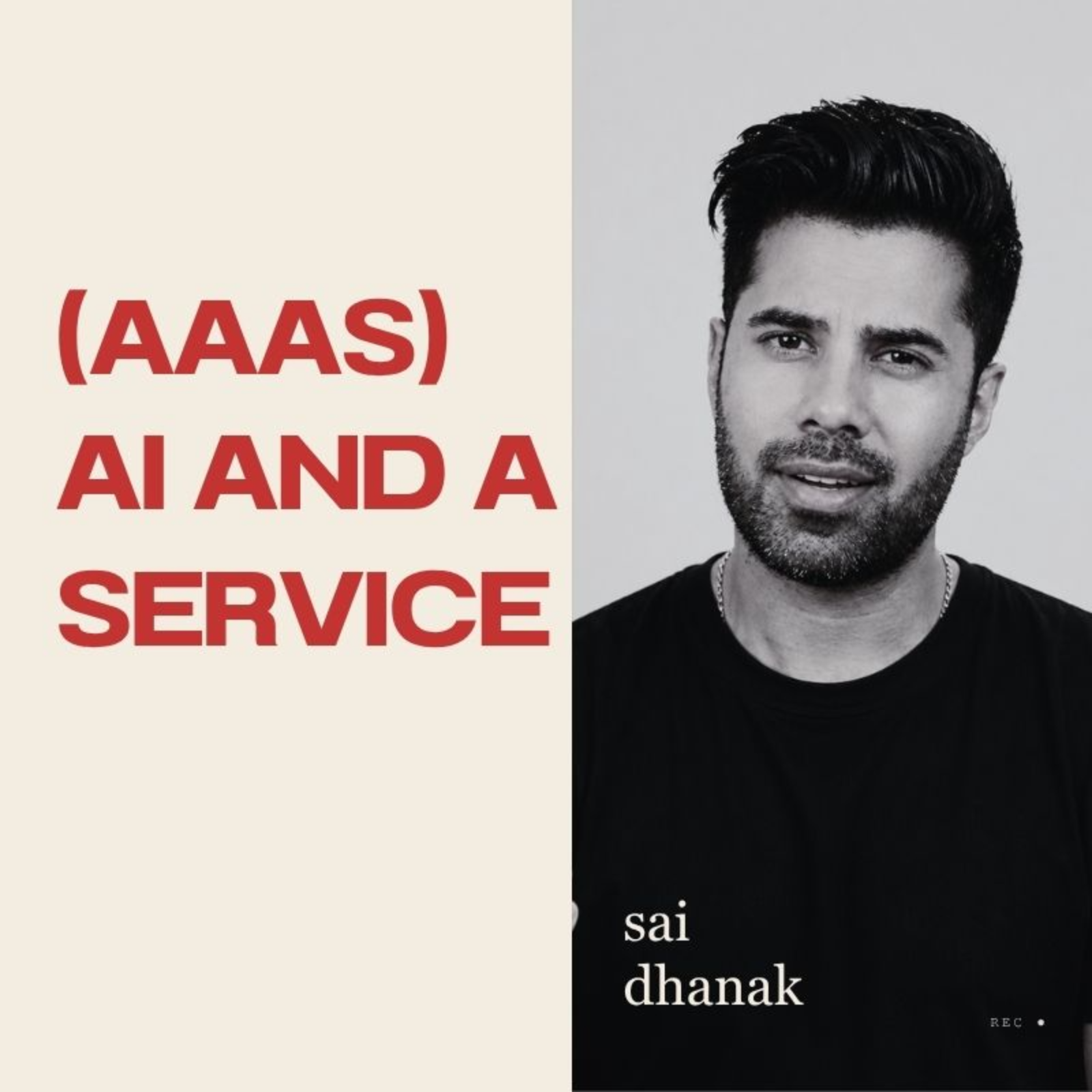 Your AI product needs an accountability layer — Sai Dhanak @ deduction.com 30.06.2026 55minMost AI companies make big claims. Sai built a guarantee into the business model. Sai Dhanak is the founder of Deduction, an AI tax firm that pairs licensed CPAs with AI agents to deliver tax advice, planning, and filing for US consumers — at a fraction of traditional accountant prices. We talked about what happens when accountability is actually on the line, why services that were "unscalable" are suddenly the hottest pitch in VC rooms, and what the SaaSpocalypse gets completely wrong about junior talent. In this episode: - Why "own the customer outcome" might be the only real moat right now - The CPA shortage nobody's building fast enough for - AI agents with names and phone numbers (meet Taylor at deduction.com) - Why predictable workflows scale and litigation doesn't - The Deduction partner program — a franchise model for the AI era - Whether Google I/O just quietly ate vibe coding for the masses - The real reason companies are laying people off (hint: it's not productivity) - Senior engineers saying they need zero engineers on their team — and whether that ends in burnout Sai is one of those founders who thinks clearly about messy questions. Timestamps: 00:00 - Navigating the AI Landscape 11:06 - The Role of Human Touch in AI Services 21:59 - Building Trust in AI-Driven Tax Services 30:28 - The Need for AI Guidance 31:50 - Integrating AI into Daily Life 32:26 - The Reality of AI Implementation 36:24 - Balancing AI and Human Interaction 37:03 - Data Infrastructure Challenges 40:46 - The Cost of Building vs. Buying Software 44:19 - The Future of Vibe Coding 50:29 - Building Trust in AI Solutions Sai - https://www.linkedin.com/in/saayuj/ Deduction - https://deduction.com/ ─── sounds good. — a podcast with Anna Nadeina soundsgoodpod.com [email protected] sounds good. is sponsored by saas.group - serial acquirer of profitable SaaS businesses. If you're thinking about an exit, they're worth a conversation. https://saas.group/
 -
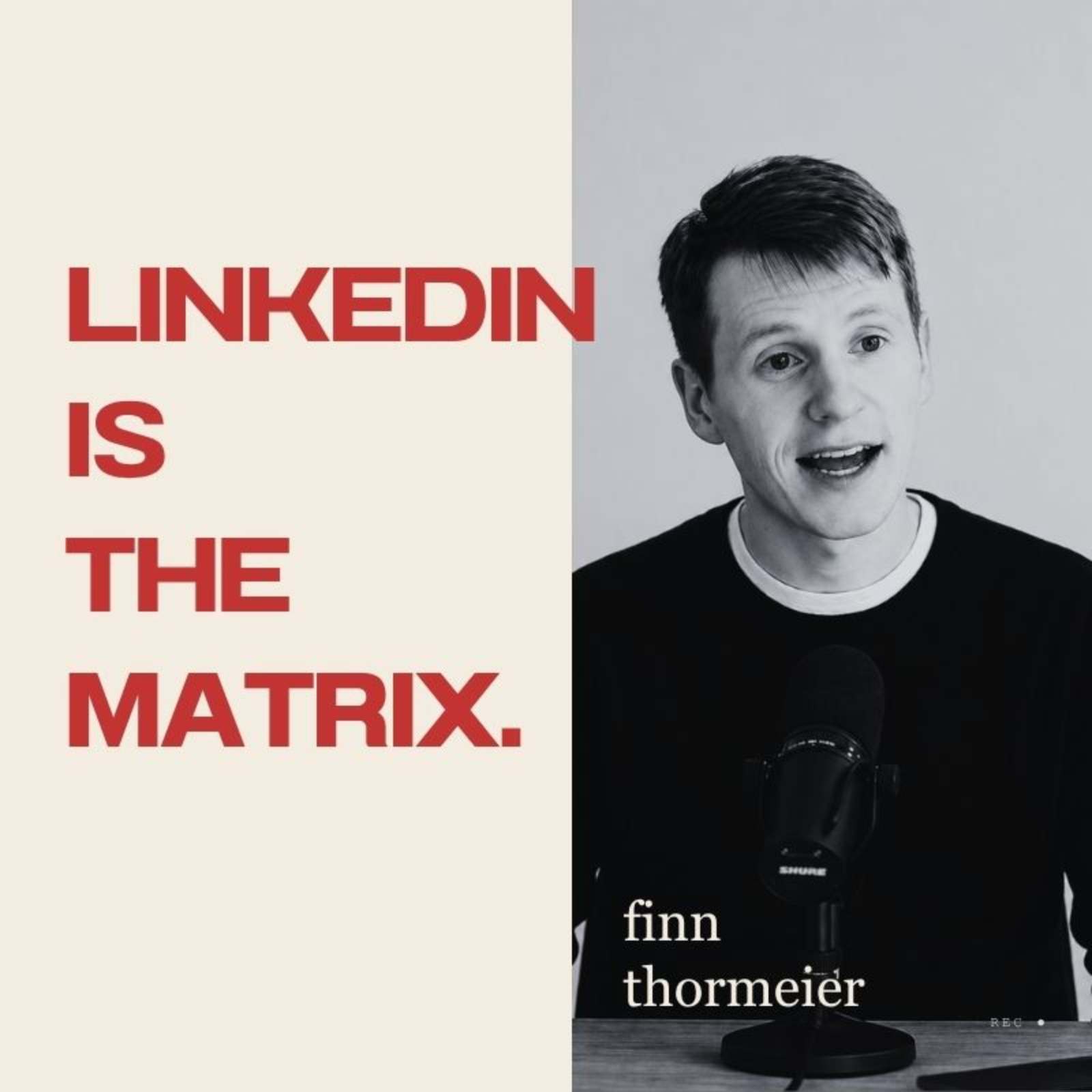 Stop the slop. Here's how to do founder-led content — Finn Thormeier @ Project 33 23.06.2026 1t 2minGood content still wins. Finn Thormeier has spent years building LinkedIn presence for B2B executives and he's got a genuinely uncomfortable take on why most of it fails — and it's not the algorithm. Finn runs Project 33, an executive LinkedIn agency working with B2B founders and C-suite leaders to turn their actual opinions into content that moves pipeline. He's obsessed with the gap between what people think LinkedIn content does and what it actually does. In this episode: - Why AI ghostwriting and human ghostwriting have almost identical failure modes - The real reason LinkedIn reach is dropping (hint: it's supply, not algorithm) - How to train an AI — or a writer — to not produce slop - Why Finn stopped using em dashes and what that tells you about the platform right now - The "VP of Supply Chain" rule: what good engagement actually looks like in B2B - When LinkedIn posting can't save you (and what product-market fit has to do with it) - Where Finn would go if LinkedIn disappeared tomorrow: newsletters, in-person, and why Timestamps: 00:00 - Introduction 03:59 - The Role of AI in Content Creation 07:01 - Human Touch vs. AI in Content Strategy 09:44 - Navigating AI Biases and Content Quality 12:54 - The Importance of Clear Communication in Content 15:53 - The Shift in Audience Perception of AI Content 19:02 - The Impact of Algorithms on LinkedIn Engagement 22:55 - Understanding Content Effectiveness and ROI 25:48 - Balancing Salesy Content with Value-Driven Posts 28:35 - Final Thoughts on Content Creation and Engagement 36:11 - Finding Balance in Content Creation 41:56 - Navigating LinkedIn and Social Media Burnout 48:42 - Debunking Myths About AI and Content Creation 53:58 - The Shift Towards In-Person Networking 56:28 - Inspiration from Real-Life Experiences If you've ever wondered whether any of this content stuff actually works, this one's worth your time. Finn Thormeier - https://www.linkedin.com/in/finnthormeier/ Project 33 - https://www.project33.io/ ─── sounds good. — a podcast with Anna Nadeina soundsgoodpod.com [email protected] sounds good. is sponsored by saas.group - serial acquirer of profitable SaaS businesses. If you're thinking about an exit, they're worth a conversation. https://saas.group/
 -
 Bootstrapping in an over-funded market — Antoine Minoux @ Fernand 16.06.2026 54minWhat happens to bootstrapped SaaS when AI levels the playing field — and VC money controls distribution? Antoine Minoux, serial founder and builder of Fernand (a customer support tool for founders doing their own support), gets real about what's actually broken right now: UI as a moat is dead, cold email is harder than it looks, and "distribution is king" is not just a cliché anymore — it's existential. In this episode we cover: - Why Antoine rebuilt Fernand's AI layer (and what his power users are doing instead) - The 3,000-email cold outreach experiment that looked genius and flopped - Bootstrap vs. VC-funded SaaS in 2025 — who actually wins - Why product-market fit is harder to find when everyone has the same AI stack - The case for done-for-you services as SaaS's next pivot - Why "sounds good" and "works well" are two completely different things Timestamps: 00:00:01 - Fernand, a customer support tool. 00:02:23 - Rebuilding with an AI layer. 00:03:07 - Thoughts on rebuilding and innovation. 00:05:17 - Customers not asking for current developments. 00:06:28 - AI can do 90% of the work. 00:08:04 - Not using the interface anymore. 00:09:29 - Uncertainty about UI needs. 00:11:11 - Two hypotheses in the world. 00:13:29 - Brutal market for SMBs. 00:18:42 - Distribution is the main thing. 00:19:51 - Hypothesis about bootstrapping challenges. 00:23:34 - Cold email automation experiment. 00:32:09 - Pricing strategies. 00:51:48 - Final thoughts on adaptability and innovation. If you're a founder who's ever thought "this idea is so smart" and then watched it land with a thud — this one's for you. Antoine Minoux - https://www.linkedin.com/in/antoineminoux/ Fernand - https://getfernand.com/ ─── sounds good. — a podcast with Anna Nadeina soundsgoodpod.com [email protected] sounds good. is sponsored by saas.group - serial acquirer of profitable SaaS businesses. If you're thinking about an exit, they're worth a conversation. https://saas.group/
 -
 Why the Best product doesn't win anymore — Joseph Lee @ Supademo 09.06.2026 45minYour product isn't defensible because it's hard to build. The tough news: you're in trouble. Joe Lee, founder of Super (200,000+ users, growing without a sales team), joins Sounds Good to dismantle the idea that technical complexity is a moat. We get into why distribution and brand eminence are what's left, why "we're just watching AI" stance might have been the smartest move of the year, and why "ever-boarding" beats onboarding every single time. In this episode: → Why tech defensibility has collapsed — and what actually replaces it → Is waiting on AI a power move or a mistake? → "Ever-boarding" — Joe's framing for why switching cost beats features → Why ARR can mask structural problems (and what to look at instead) → Buyer personas are converging — enterprise buyers now self-qualify like PLG users → AI is becoming invisible — and why sophisticated buyers stopped caring about the label → The "build with Claude on the weekend" family activity rant → Would you trade shoes with Warren Buffett for $5 billion? Timestamps: 00:00 - Defensibility Is Dead 01:00 - Meet Joe From Supademo 01:11 - SaaS Whiplash Era 03:57 - Escaping The AI Echo Chamber 10:06 - Hype Versus Outcomes 11:53 - Freshline Versus Supademo 15:39 - Founder Market Fit 18:01 - Build In Public For Brand 22:48 - Midmarket Buyer Reality 26:35 - Not Becoming A Feature 28:41 - Moats Brand Distribution Habits 34:05 - Everboarding For Retention 36:52 - IRL Is Back 40:52 - Work Life Balance As ROI 43:32 - Closing Thoughts On AI Anxiety For founders who are tired of being told they're behind, and want a clearer view of what actually compounds. New episodes of Sounds Good every week. Subscribe so you don't miss the next one. 🎙️ Joseph Lee - Supademo - ─── sounds good. — a podcast with Anna Nadeina soundsgoodpod.com [email protected] sounds good. is sponsored by saas.group - serial acquirer of profitable SaaS businesses. If you're thinking about an exit, they're worth a conversation. https://saas.group/
 -
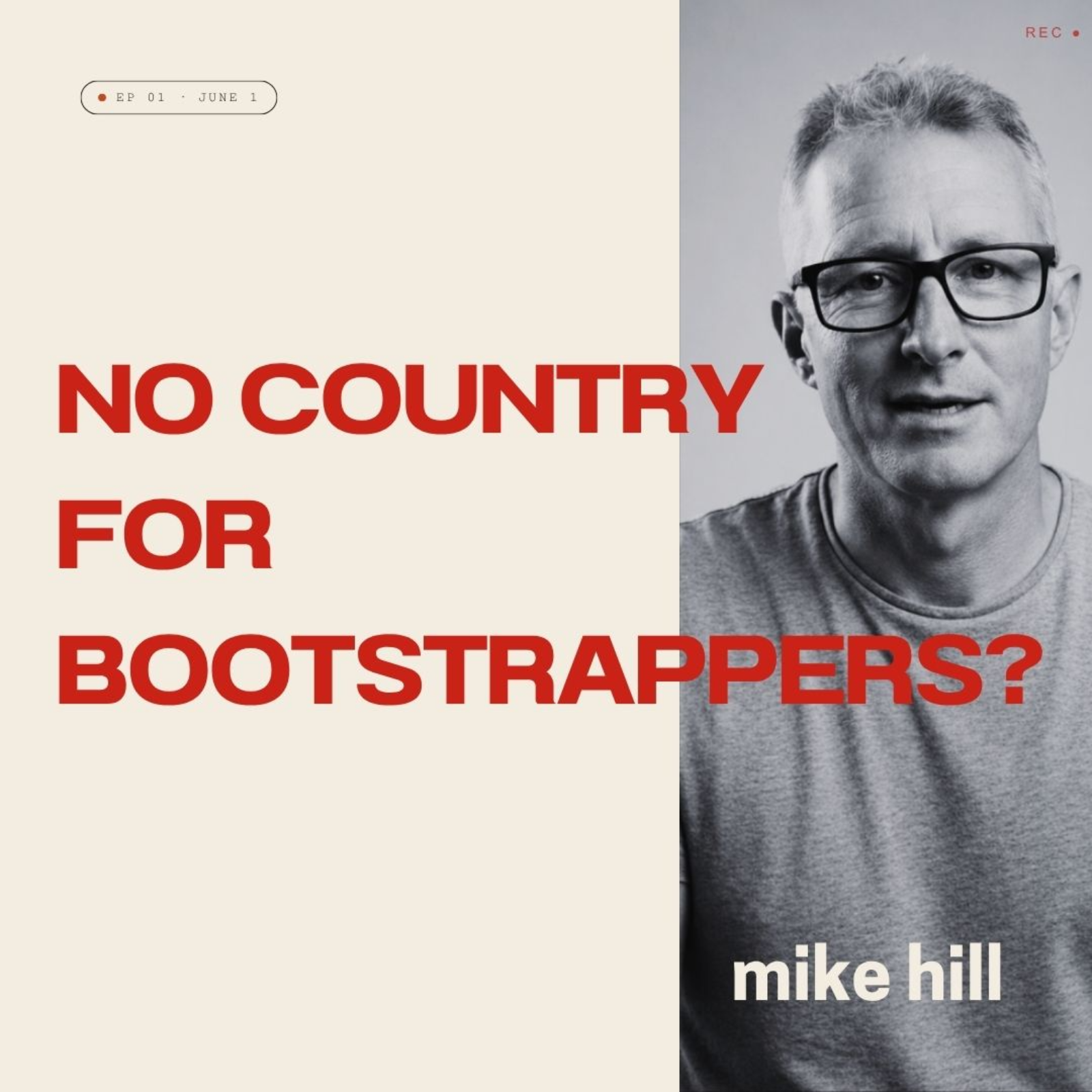 Don't start SaaS right now — Mike Hill @ Curator.io 02.06.2026 53minSounds Good Podcast #1 — Mike Hill on whether bootstrapped SaaS is still worth starting in 2026. His advice to anyone asking him right now: don't. Not because SaaS is dying. He doesn't buy that — neither do I. But the gap between building a product (easier than ever) and getting your first SaaS customer (harder than ever) got pretty broken. Mike Hill is a serial bootstrapper. His newest thing is Smile — a Slack app for sending dorky cards to your team (which I love using!). What we got into: - Why the SaaSpocalypse started five years ago and has nothing to do with AI - The Google-to-ChatGPT shift is wiping out bootstrappers - AI makes senior people better and junior people worse - Lifetime deals stop making sense when token costs are ongoing and buyers already have your competitor's LTD - The day Claude went down and Mike just went home, and what that says about all of us - Why he still recommends every founder who emails him to get a technical co-founder Timestamps: 00:00 - Is SaaS Still Worth Starting? 00:57 - SaaSpocalypse Explained 03:14 - AI Makes Seniors Faster 04:30 - Content Led Growth Edge 06:00 - Why Not Start SaaS 07:47 - AI Search Hurts Discovery 11:11 - Building SaaS for Fun 15:46 - Ship Fast New Process 17:59 - Agent Overload Limits 25:24 - Get a Technical Cofounder 28:21 - AI Skepticism and Hype 29:36 - Reliance and Outage Fear 31:09 - API Risk and Cost Creep 33:09 - Lifetime Deals vs Token Costs 37:35 - SaaS Is Not Dead 45:05 - Competition and Go To Market 48:27 - AI Sidekicks Not Replacements 50:46 - Why AI Design Still Fails 52:02 - Wrap Up If you've been wondering whether you missed the SaaS window, this one's for you. New episodes of Sounds Good every week. Subscribe so you don't miss the next one. Mike Hill — https://www.linkedin.com/in/mymatemike/ Smile — https://smiile.co/ Curator — https://curator.io/ Juuno — https://juuno.co/ #SaaS #Bootstrapping #IndieHackers sounds good. — a podcast with Anna Nadeina soundsgoodpod.com [email protected]
 -
 sounds good. launching June 1 21.04.2026 1minHave you ever heard a podcast, read an article, or just seen a LinkedIn post that sounded really, really good? Where someone was sharing the ultimate playbook that definitely works, the sales process that makes your team indestructible, and that great game changer for SaaS growth?Yeah. We've all been there.I've clicked on those links. And hey, fair enough, some of those did work. And some sent me on a trip to Cringeville and my wine cabinet because I had to recover from thinking people get paid for this stuff.So that's what this is. I'm Anna, and this is sounds good. — where I talk to SaaS folks who walked that yellow brick road. People who ran with it and can look me in the eye and tell me if it worked, or spectacularly didn't.Because I'm not sure if playbooks are real. Or if there's a version of SaaS success you can follow like a recipe — or if every company that made it just had a great team, obsessive founders, and quite a bit of luck. And then someone wrote a LinkedIn post about it afterwards.That's what I want to find out.Tune in to "sounds good." podcast episode 1 on June 1st.
Samankaltaiset podcastit


Suosittu maassa
Tämä podcast esiintyy myös näiden maiden podcast-listoilla.
