
The Aboard Podcast
Aboard
0
The Aboard Podcast, hosted by Rich Ziade and Paul Ford, explores how AI is transforming software development, business strategy, and everyday life. Each episode features conversations with guests who demystify AI topics, making them accessible and engaging. New episodes are released every Tuesday.
Jaksot
-
 AI Companies Shouldn’t Police Themselves 15.09.2026 28minTech execs are sounding alarms about the dangerously fast pace of LLM development. Will any regulators stop them? On this week’s episode, Paul and Rich discuss a heady few days in the world of Big AI, as Dario Amodei called for a slowdown on AI development that was soon echoed by other leaders like Sam Altman and Elon Musk. Do their stated concerns actually match up to reality? In our current political climate, how realistic is the idea of government intervention? Plus: Paul does a pretty convincing imitation of a data center.
 -
 AI Versus…Talking to People? 08.09.2026 31minProblems with your boss? Why not fire up Claude and hit HR with a lengthy legalistic complaint? On this week’s episode, Paul and Rich look at the erosion of human-to-human communication in the AI era, springboarding off a friend’s anecdote about employees sending official-sounding LLM-generated documents to HR rather than starting with simple conversations. AI tools allow us to flood each others’ inboxes. Is that making it impossible to truly communicate?
 -
 Josh Tyrangiel: Media, Moats, and Middle School 01.09.2026 53minAll the investors are flocking to the Silicon Valley giants, but where is AI really making a difference on the ground? On this week’s episode, Paul and Rich welcome back writer and editor Josh Tyrangiel to talk about his new book, AI for Good: How Real People Are Using Artificial Intelligence to Fix Things That Matter. From hospitals to classrooms to the IRS, Josh has been chronicling the ways large and small that people are using AI to transform their fields. Plus: A discussion of the past, present, and future of the media industry, including that time Josh put airplanes having sex on a major magazine cover.
 -
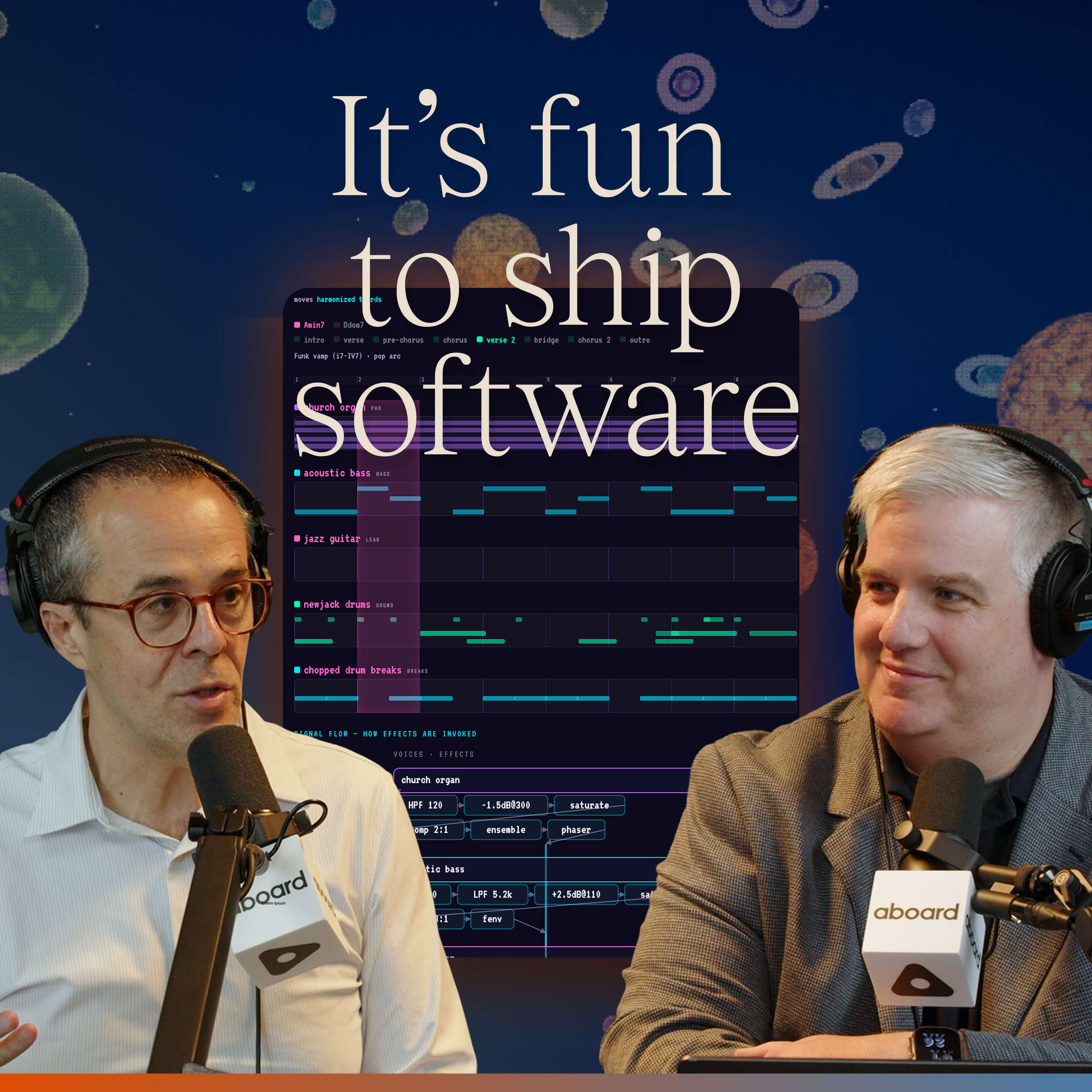 It’s Fun to Ship Software 25.08.2026 34minIt’s unrestrained summer fun, Paul Ford-style: Using AI tools to actually ship some software. On this week’s podcast, Paul shows Rich his recent vibe-coded project, Stellate.app, which visualizes whimsical, made-up musical genres and plays the corresponding electronically generated music. (Don’t worry: You’ll get to hear some!) This might have been a fun summer project, but what did Paul learn building it—and, importantly, getting it out into the world?
 -
 Kate Lee: Can AI Replace Editors Like Me? 18.08.2026 34minWhat would you do if your boss said he wanted your help to automate away your job? On this week’s episode, Paul and Rich are joined by Kate Lee, the editor in chief of the AI-related publication Every. Kate’s boss, Dan Shipper, has proposed just that: For the past few years, they’ve been building software to try to reliably automate major parts of the editorial process. At Every, writers and editors alike regularly use AI tools. So what does it actually look like when AI is a fundamental part of an editorial workflow?
 -
 Why Is It So Hard To Ship With AI? 11.08.2026 30minAI has radically changed the way software is built—so why aren’t we seeing a glut of cool new products as a result? On this week’s episode, Paul and Rich browse recent app-related headlines and product announcements, searching for anything that isn’t AI-infrastructure related: What are people actually building on top of LLMs these days? (Spoiler: Not much.) They then attempt to diagnose what’s going on here, invoking a variety of metaphors for building product with AI, from mirages in the desert to wearing a set of beer goggles.
 -
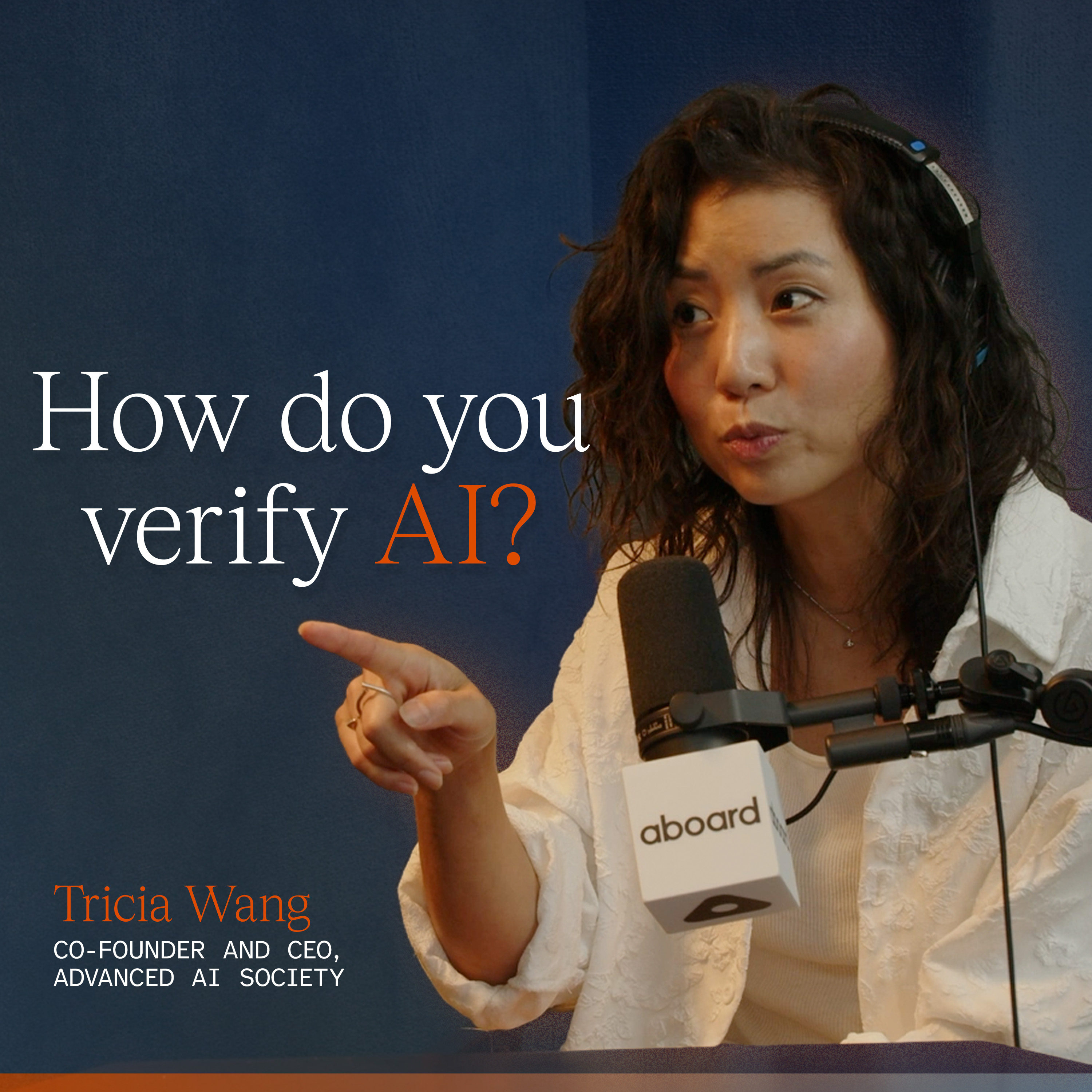 Tricia Wang: Verification and Trust in the AI Era 04.08.2026 47min“Verification cannot belong to the verified.” On this week’s episode, Paul is solo in the host chair as he sits down with longtime tech researcher Tricia Wang, the co-founder and CEO of the Advanced AI Society. Verifying AI, she explains, is far more complicated than simply dealing with hallucinations; in a world where AI is operating at a massive scale, how can we trust the outputs—or the people controlling the models? “Where does accountability lie?” she asks. “How do we agree to this thing?” Plus: A long exploration of the art of chicken sexing. (Yes, this relates to AI!)
 -
 Karp Carping: Decoding Palantir's Whole Deal 28.07.2026 26minIt might sound like he’s ranting, but the Palantir chief is zeroing in on the truth of our AI moment. On this week’s episode, Paul and Rich break down Alex Karp’s recent appearance on CNBC, in which he discussed Palantir’s position within the ever-expanding world of the AI giants. Orgs might be using OpenAI and Anthropic’s tokens, but Palantir’s position exposes, in Rich’s words, “the gap between transactions and relationships.” Finally, Paul asks Rich to run the new, imaginary consulting practice at Anthropic and obliterate Palantir. Can he do it? Does he have what it takes?
 -
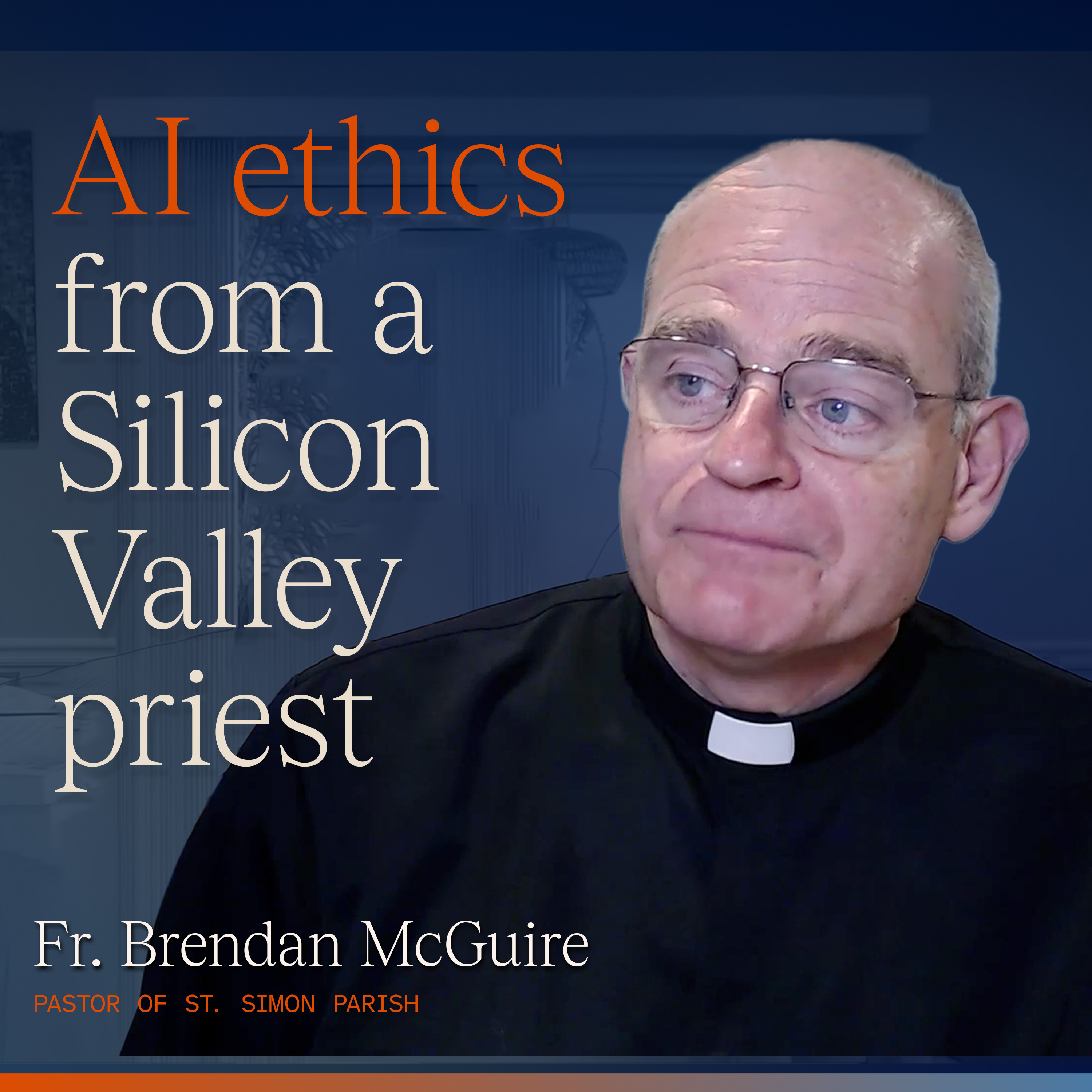 Father Brendan McGuire: Bringing AI to Church 21.07.2026 46minHow is Silicon Valley engaging with ethics and religion today—and how is the Catholic Church responding to AI? On this week’s episode, Paul and Rich welcome on Father Brendan McGuire, a former engineer and current Catholic priest who serves at St. Simon Parish in Los Altos, California, aka the heart of Silicon Valley. He discusses his long work speaking between the tech industry and the Church, as an advisor to Anthropic as well as an early commenter on Pope Leo’s recent encyclical on AI, “Magnifica Humanitas.” (Don’t worry, Paul asks the question on everyone’s lips: In what file format does a pope distribute early copies of an encyclical?)
 -
 AI Unicorns Don’t Exist 14.07.2026 32minSilicon Valley “disruption” is at odds with the way software creation actually works—and that’s a problem. On this week’s podcast, Paul and Rich discuss Rich’s recent Aboard newsletter installment, “Maybe the Valley Could Listen a Little.” about how the dream of an “AI unicorn” who can use these tools to build a product all by themselves is a total fantasy. AI companies are promising revolutionary transformation across industries, but are they mostly just plastering over fundamental issues in processes and systems?
 -
 John Herrman: The Declawing of OpenClaw 07.07.2026 52minOpenClaw sprung up overnight—and seemed to fade just as quickly. What does that suggest about AI more broadly? On this week’s podcast, Paul and Rich are joined in the studio by New York Magazine tech reporter John Herrman, whose long career covering all corners of the industry has, like the rest of his peers, recently shifted to all AI, all the time. They discuss his piece for the magazine on OpenClaw—titled “My Adventures With ‘The AI That Actually Does Things’”—before pulling back the lens to look at AI on a whole. Plus: They take a brief diversion into the story John wrote immediately after his OpenClaw reporting, “The Mystery of 'Human Meat' for Sale on Temu.”
 -
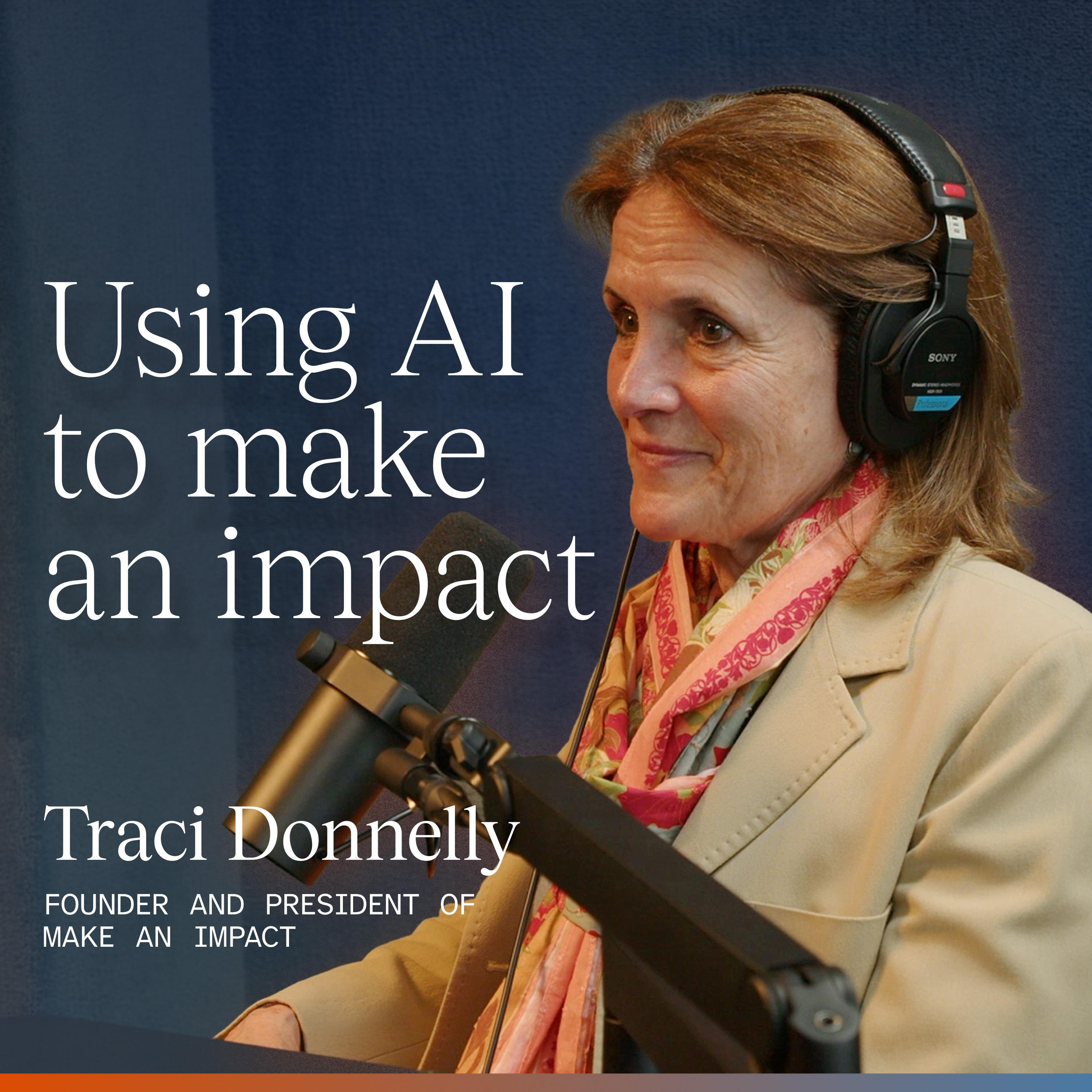 Traci Donnelly: Using AI to Make an Impact 23.06.2026 46minHow should nonprofits actually be using AI? On this week’s episode, Paul and Rich are joined in the studio by Traci Donnelly, the CEO of The Child Center of NY and the founder and president of Make An Impact—and a client of Aboard. After discussing these orgs’ missions, they dive into AI: Traci’s early embrace of the technology, how these tools can transform work in the sector, and the importance of not allowing human-to-human interactions to be supplanted by bots.
 -
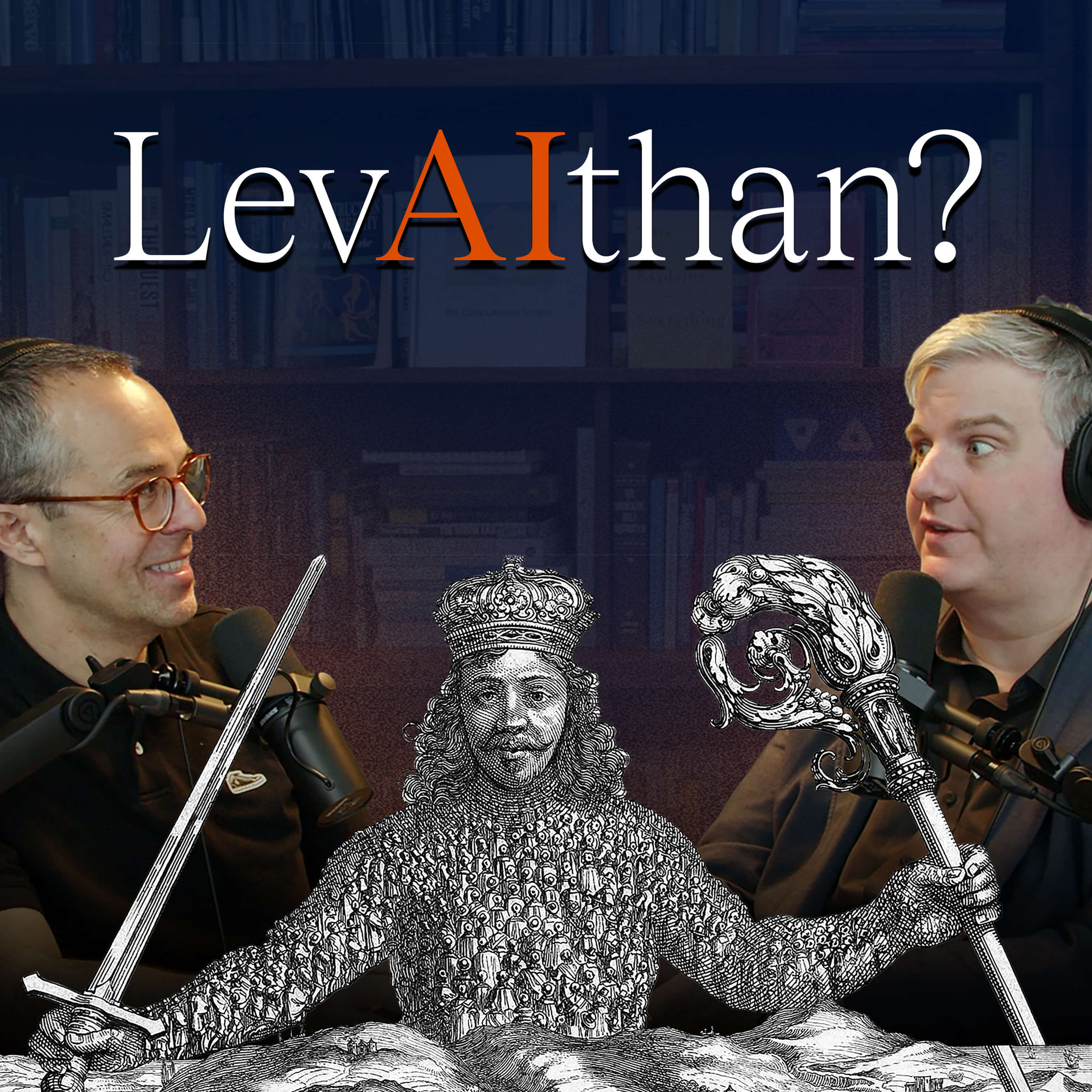 LevAIthan? A Hobbesian Look at AI 16.06.2026 36minIs the AI era destined to make our software lives nasty, brutish, and short? On this week’s podcast, Rich brings Paul the framing of “Hobbesian AI,” specifically from 17th century English philosopher Thomas Hobbes’s greatest work, Leviathan. Humans need some kind of order, Hobbes argued in the wake of the English Civil War, otherwise they will destroy each other. How can these lessons be applied to our decidedly order-less AI moment?
 -
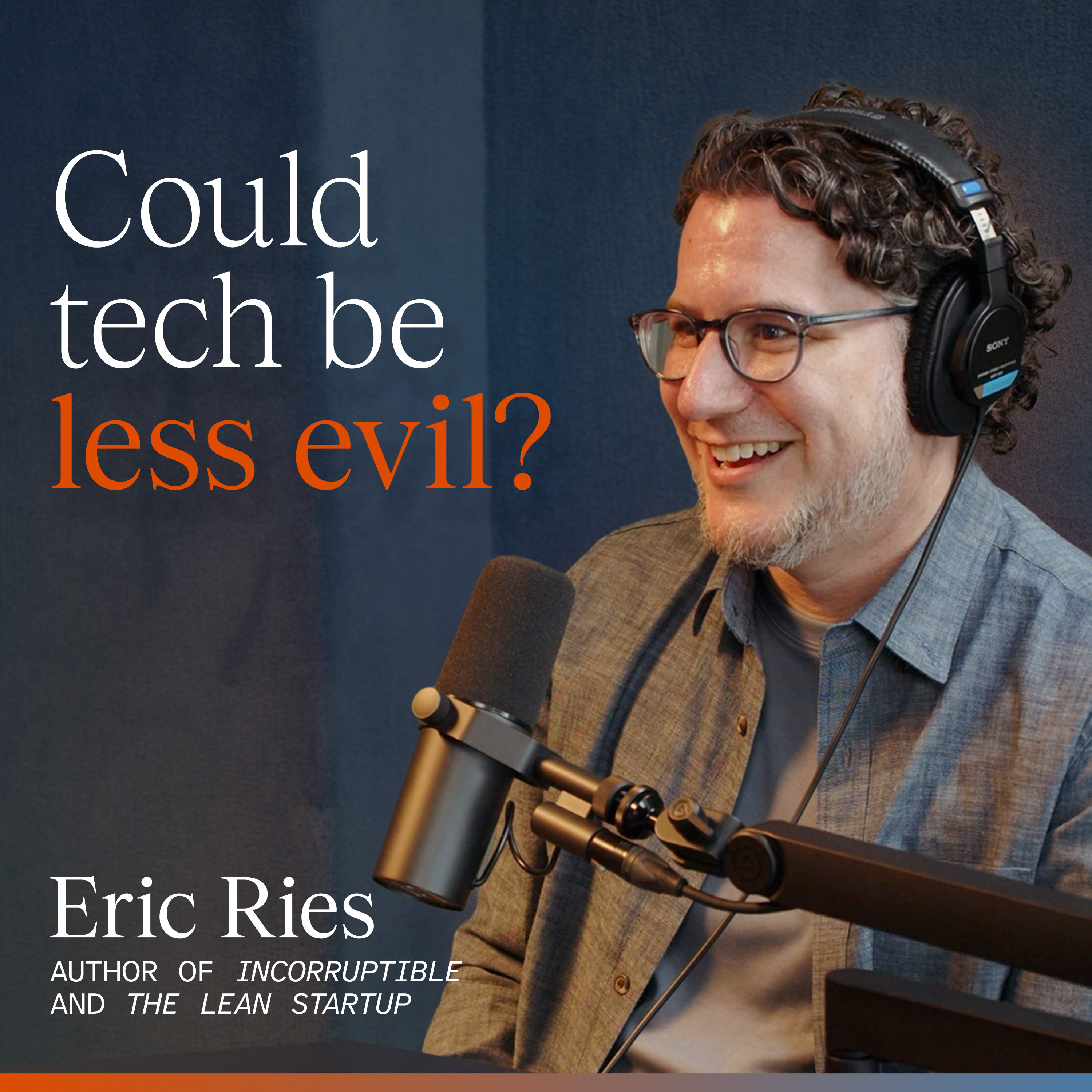 Eric Ries: Lean Startup to Tech Ethicist 09.06.2026 56minIs it possible to build an incorruptible company in our current system? On this week’s podcast, Paul and Rich are joined in the studio by Eric Ries, the author of the 2011 bestseller The Lean Startup, to discuss his latest book, Incorruptible: Why Good Companies Go Bad... and How Great Companies Stay Great. After they discuss his tech origins and the legacy of The Lean Startup within the industry, they dive into Incorruptible, which offers a blueprint for companies to continually fuel growth while still acting in the public good.
 -
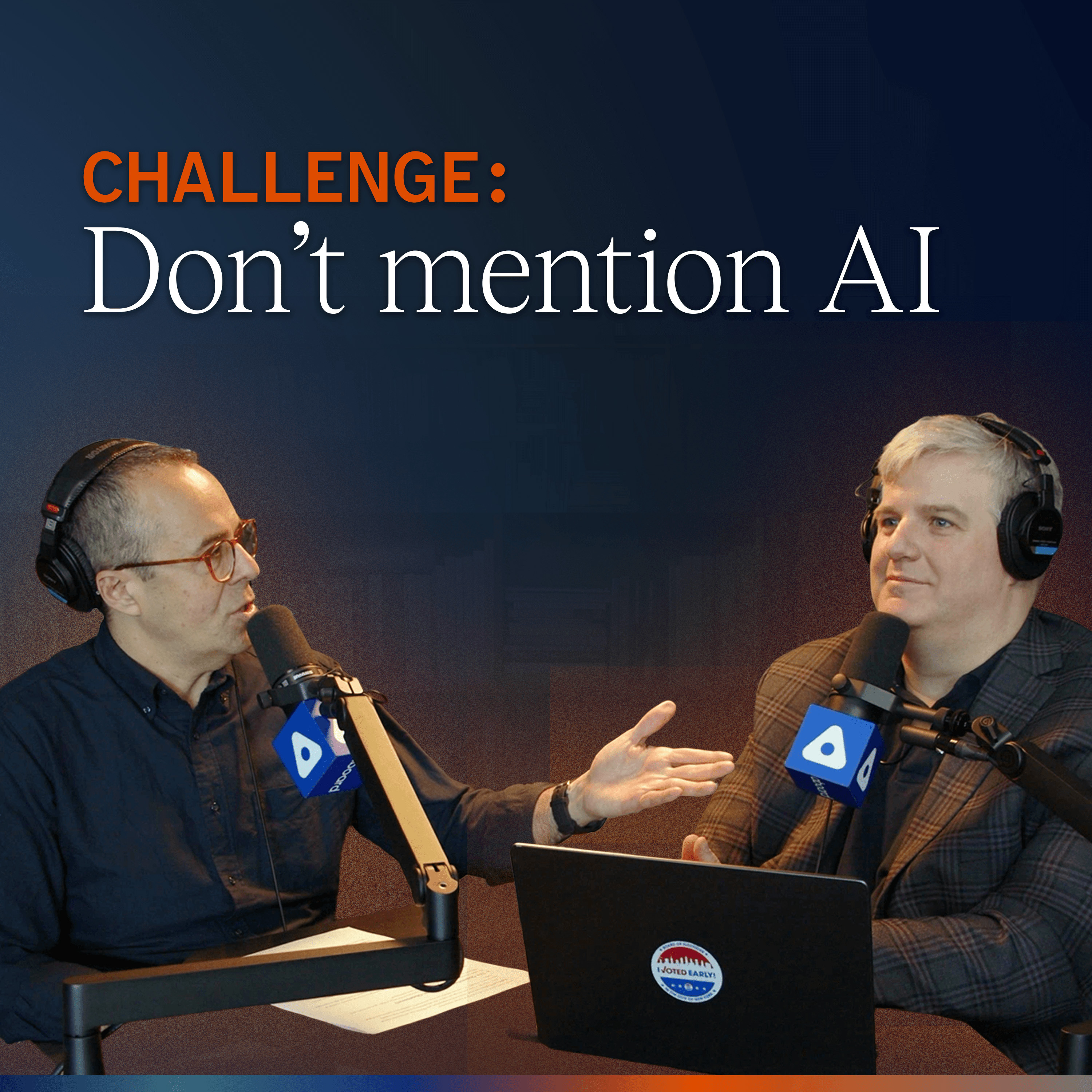 Challenge: Don’t Mention AI 02.06.2026 31minCan two people who host a podcast subtitled “software in the age of AI” go half an hour without bringing up the term? On this week’s episode, Paul and Rich attempt to talk about something—anything—tech-related that isn’t AI. Topics discussed include the new Ferrari, the rise of sports gambling apps, youthful rebellions past and present, and the wonder that is the Virtual OS Museum. Do they make it through without mentioning LLMs? You’ll have to listen.
 -
 Craig Mod: Vibe Coding Towards the Apocalypse 26.05.2026 48minSure, AI might bring on the end times—but you can use it to build your own tax software! On this week’s podcast, Paul and Rich are joined in the studio by Craig Mod, a writer, photographer, and self-described “software supertaster” who recently took to Claude to build a version of Quicken that suited his complicated tax-filing needs. First, they discuss the project and assess how likely it is that a non-technologist would be able to create something similar with the current tools. Then, the conversation takes a turn—towards the apocalypse. (It’s fun, we promise!)
 -
Kamal Menghrajani: The Limits of AI Healthcare 19.05.2026 40minDoctors might be using AI to cut down on paperwork, but can these tools really be employed in clinical settings? On this week’s podcast, Paul and Rich sit down in the studio with Dr. Kamal Menghrajani, a practicing oncologist and lecturer at Harvard Medical School who was previously a member of the Biden White House’s “Cancer Moonshot” team. After she explains how AI is helping in her work, she lays out its real limitations—and discusses how these technologies can distract from more systemic approaches like better patient prevention and screening. Plus: Are her medical students allowed to use LLMs?
-
Why AI Makes Things Worse for Enterprise Teams 12.05.2026 27minWhy are so few engineering teams reaping the benefits of AI? On this week’s episode, Paul presents Rich with the findings from a recent report from CircleCI and Thoughtworks on the productivity of enterprise teams using LLMs. While there’s been a dramatic increase in throughput—the amount of code produced—across the board, just 5% of orgs are seeing real gains from these tools, while the majority struggle with errors, bugs, and lower productivity than before AI was introduced. As Paul puts it: “The advantages of this technology are not equally distributed.”
-
Andrew Marantz: What’s Wrong With Sam Altman? 05.05.2026 47minWhat’s wrong with Sam Altman? Ask the guy who spent 18 months reporting on him. On this week’s podcast, Paul and Rich are joined by New Yorker staff writer Andrew Marantz, who recently put out a lengthy article on the OpenAI chief that he co-reported with Ronan Farrow. After they dive into some of the specific details of the piece, they discuss the broader questions Altman’s position in the industry raises. If AI really is as powerful as he claims it will someday be, why are we allowing one person to have that much power over it?
-
Breaking: Software Work Still Difficult 28.04.2026 38minWhat does it take to make a really good product with AI tools? On this week’s podcast, Paul walks Rich through his recent adventures building a robust aggregated newsletter tool—first to track the AI industry, then generalized and customizable for any industry. Vibe-coding platforms continue to evolve, but you still need a lot of technical knowledge to make something that really works. Is that high bar likely to lower in the coming months and years?
Samankaltaiset podcastit


Suosittu maassa
Tämä podcast esiintyy myös näiden maiden podcast-listoilla.
