
Crisis in Perception
Crisis in Perception
0
Crisis in Perception is a long-form educational podcast that examines how we misunderstand the world around us. Each episode uses books as entry points to explore history, psychology, economics, science, and power structures. It reveals how systems actually work and why our perceptions often fail. The content is clear, evidence-based, and non-tribal.
Jaksot
-
 Animals in Translation: Using the Mysteries of Autism to Decode Animal Behavior — What Animals See 03.10.2026 54minWhat if behavior that looks irrational from the outside makes perfect sense from inside another creature’s perceptual world?Welcome to Crisis in Perception, where we examine the systems shaping our world.Using Animals in Translation: Using the Mysteries of Autism to Decode Animal Behavior by Temple Grandin and Catherine Johnson as our lens, this episode investigates how human perceptual filters can obscure the sensory details shaping animal behavior.Grandin draws on decades of work with livestock, animal handling, autism, and behavioral science to show how shadows, reflections, sounds, unfamiliar objects, changes in lighting, and other seemingly minor details can radically alter an animal’s response. When humans overlook those signals, fear can be misread as stubbornness or stupidity, leading to interventions that increase stress and reinforce the original misunderstanding.The investigation also examines behaviorism, emotion, cognition, Alex the parrot, and Grandin’s argument that animals may possess specialized forms of intelligence that conventional human-centered tests fail to recognize.Central systems include sensory perception, environmental design, behavioral feedback loops, cognitive filtering, and specialized intelligence.📺 Watch on YouTube:https://youtu.be/qR_vjRPcO4A❤️ Support / Episode Post on Patreon:https://www.patreon.com/CrisisinPerception/posts/animals-in-using-171348584?utm_medium=clipboard_copy&utm_source=copyLink&utm_campaign=postshare_creator&utm_content=join_linkIf these ideas resonate, consider reading the work yourself or borrowing it from your local library. Supporting authors and libraries helps keep critical inquiry accessible.If you value systems-level analysis like this, please follow, rate, and share the project.This content was created using AI-assisted tools for research synthesis, structuring, and narration support. All analysis, framing, and editorial decisions are guided by human judgment as part of the Crisis in Perception project.
 -
 Slouching Towards Bethlehem — What Happens When the Social Web Breaks? 03.10.2026 41minWhat happens when inherited rules lose their authority before new forms of belonging are ready to replace them?Welcome to Crisis in Perception, where we examine the systems shaping our world.Using Slouching Towards Bethlehem by Joan Didion as our lens, this episode investigates the social fragmentation running beneath her portraits of 1960s California.Didion moves through Haight-Ashbury, suburban Southern California, celebrity culture, morality, family, migration, and reinvention. Beneath these different settings is a recurring structural question: how do people construct identity, obligation, and community when the relationships and shared expectations that once organized social life begin weakening?The investigation focuses on social norm transmission—the informal web of family, neighborhood, history, language, and community through which people learn how society works. In Haight-Ashbury, Didion encounters young people attempting to build community in what she sees as a social vacuum. In “Some Dreamers of the Golden Dream,” transplanted Californians search for new lives while mass media, consumer aspiration, romance, and reinvention provide increasingly powerful cultural scripts.At the center is a difficult tradeoff between freedom and belonging. Escaping inherited constraints can create genuine autonomy, but weakening the structures that transmit social expectations can also leave individuals more dependent on commercial culture, subcultures, ideology, or other substitute systems for meaning.Central themes include social atomization, cultural transmission, mass-media influence, community, mobility, historical memory, and the tension between personal freedom and social cohesion.📺 Watch on YouTube:https://youtu.be/01T1KsNgPXU❤️ Support / Episode Post on Patreon:https://www.patreon.com/CrisisinPerception/posts/slouching-what-171347654?utm_medium=clipboard_copy&utm_source=copyLink&utm_campaign=postshare_creator&utm_content=join_linkIf these ideas resonate, consider reading the work yourself or borrowing it from your local library. Supporting authors and libraries helps keep critical inquiry accessible.If you value systems-level analysis like this, please follow, rate, and share the project.This content was created using AI-assisted tools for research synthesis, structuring, and narration support. All analysis, framing, and editorial decisions are guided by human judgment as part of the Crisis in Perception project.
 -
 The White Album — When the Stories That Organize Reality Stop Working 03.10.2026 45minWe rely on stories to turn scattered events into something coherent. But what happens when the story itself stops explaining what we see?Welcome to Crisis in Perception, where we examine the systems shaping our world.Using The White Album by Joan Didion as our lens, this episode investigates narrative as a system for organizing perception. Across essays about personal disorientation, political movements, institutional behavior, media performance, cultural change, and California itself, Didion repeatedly examines the gap between the stories people construct and the reality those stories are supposed to explain.The investigation moves beyond the late 1960s alone. It asks why human beings and institutions depend on narratives, how those narratives direct attention and establish meaning, and why contradictory evidence can become difficult to recognize once a particular script has taken hold.At the center is a fundamental tension: stories help us navigate complexity, but their coherence can also tempt us to mistake the model for the world.Central themes include narrative formation, perception, institutional models, cultural scripts, uncertainty, ideology, and the difficulty of revising explanations when reality stops cooperating.📺 Watch on YouTube:https://youtu.be/G39D-wGNgvo❤️ Support / Episode Post on Patreon:https://www.patreon.com/CrisisinPerception/posts/white-album-when-171347079?utm_medium=clipboard_copy&utm_source=copyLink&utm_campaign=postshare_creator&utm_content=join_linkIf these ideas resonate, consider reading the work yourself or borrowing it from your local library. Supporting authors and libraries helps keep critical inquiry accessible.If you value systems-level analysis like this, please follow, rate, and share the project.This content was created using AI-assisted tools for research synthesis, structuring, and narration support. All analysis, framing, and editorial decisions are guided by human judgment as part of the Crisis in Perception project.
 -
 The Story of Western Science: From the Writings of Aristotle to the Big Bang Theory — How We Know 03.10.2026 48minScientific knowledge changes. Entire models once treated as reliable have been replaced. So what makes science more than a sequence of confident mistakes?Welcome to Crisis in Perception, where we examine the systems shaping our world.Using The Story of Western Science: From the Writings of Aristotle to the Big Bang Theory by Susan Wise Bauer as our lens, this episode investigates how scientific knowledge becomes more reliable through changing models, methods, instruments, and evidence.Bauer presents science as a deeply human pursuit rather than an infallible path to truth. Across astronomy, geology, biology, physics, and cosmology, explanations emerge within particular historical conditions. Some models succeed for centuries before new observations expose their limits. New instruments expand what humans can perceive, while experiments and measurements create ways to distinguish among competing explanations.At the center of the investigation is scientific error correction: the interaction of evidence, models, anomalies, tools, communities, and revision. The tension is that science needs stable models in order to accumulate knowledge, yet those same models can become obstacles when their assumptions stop being questioned.The episode traces observation versus authority, scientific model-building, technological extensions of perception, anomalies, evidence, revision, uncertainty, and the limits of prediction.📺 Watch on YouTube:https://youtu.be/VxOOBnI6PqU❤️ Support / Episode Post on Patreon:https://www.patreon.com/CrisisinPerception/posts/story-of-western-171342779?utm_medium=clipboard_copy&utm_source=copyLink&utm_campaign=postshare_creator&utm_content=join_linkIf these ideas resonate, consider reading the work yourself or borrowing it from your local library. Supporting authors and libraries helps keep critical inquiry accessible.If you value systems-level analysis like this, please follow, rate, and share the project.This content was created using AI-assisted tools for research synthesis, structuring, and narration support. All analysis, framing, and editorial decisions are guided by human judgment as part of the Crisis in Perception project.
 -
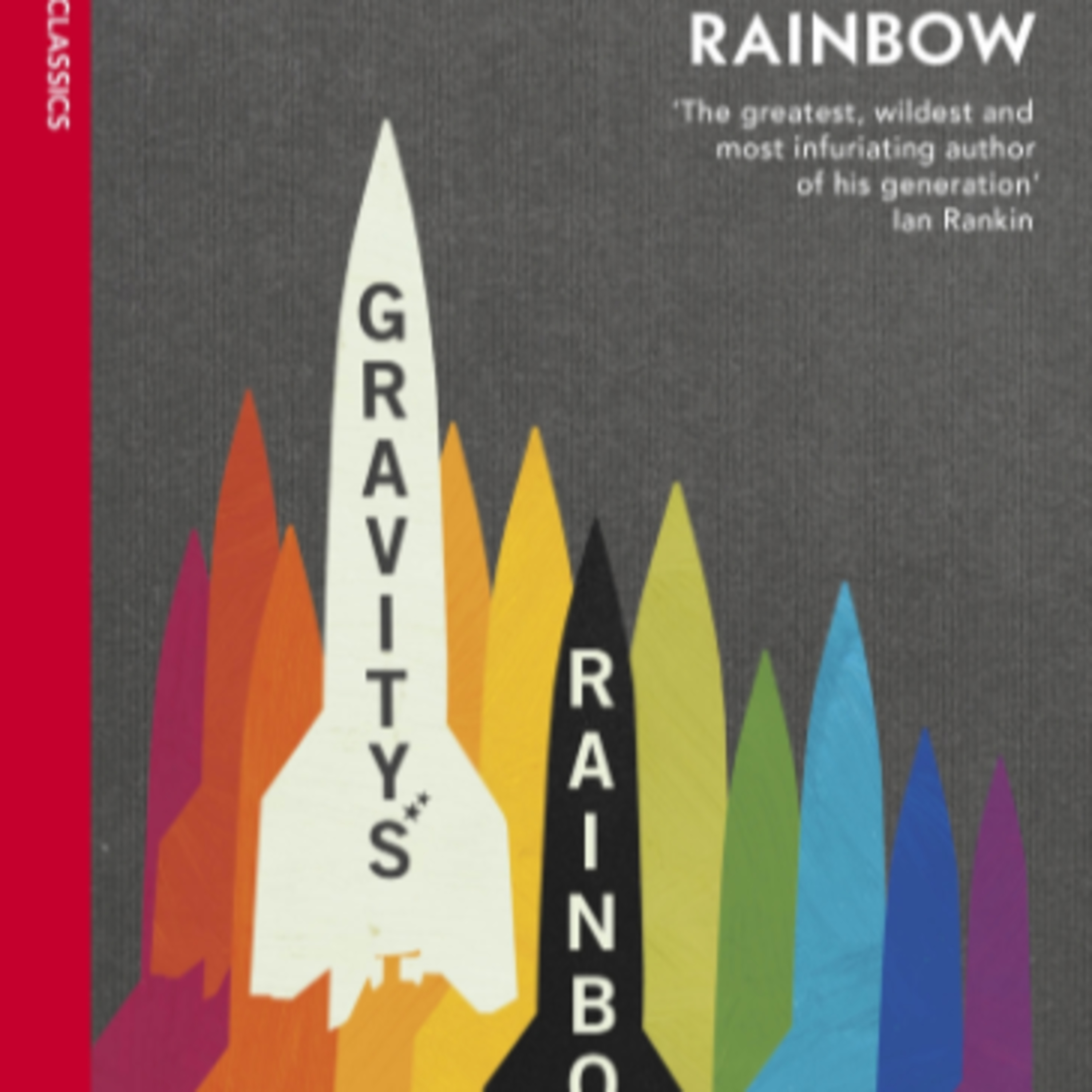 Gravity's Rainbow — When Systems Produce Patterns Without a Mastermind 03.10.2026 40minWhat happens when patterns are unmistakable, but no single controller can be found?Welcome to Crisis in Perception, where we examine the systems shaping our world.Thomas Pynchon's Gravity's Rainbow places that problem inside the technological and bureaucratic machinery of World War II. Tyrone Slothrop's map of sexual encounters appears to anticipate the locations of V-2 rocket strikes, drawing psychologists, statisticians, intelligence organizations, and military researchers into an increasingly strange investigation.Edward Pointsman searches for conditioned cause and effect. Roger Mexico sees probabilities and independent events. Slothrop's own history leads backward toward childhood experiments conducted by Laszlo Jamf and forward toward Imipolex G, the Schwarzgerät, Rocket 00000, industrial cartels, scientific research, and military technology.The larger question is not whether every connection proves a conspiracy. It is how complex systems distribute causation across institutions, technologies, incentives, and people—and how easily legitimate systems thinking can become indistinguishable from paranoia when every coincidence begins to look intentional.Central mechanisms include distributed control, conditioning, probability, institutional interdependence, technological lock-in, and the tension between genuine structural connection and paranoid totalization.📺 Watch on YouTube:https://youtu.be/FKkBa9HY7lA❤️ Support / Episode Post on Patreon:https://www.patreon.com/CrisisinPerception/posts/gravitys-rainbow-171342289?utm_medium=clipboard_copy&utm_source=copyLink&utm_campaign=postshare_creator&utm_content=join_linkThis episode discusses key plot outcomes from the referenced fictional work in order to analyze its underlying social, economic, and systemic themes.If these ideas resonate, consider reading the work yourself or borrowing it from your local library. Supporting authors and libraries helps keep critical inquiry accessible.If you value systems-level analysis like this, please follow, rate, and share the project.This content was created using AI-assisted tools for research synthesis, structuring, and narration support. All analysis, framing, and editorial decisions are guided by human judgment as part of the Crisis in Perception project.
 -
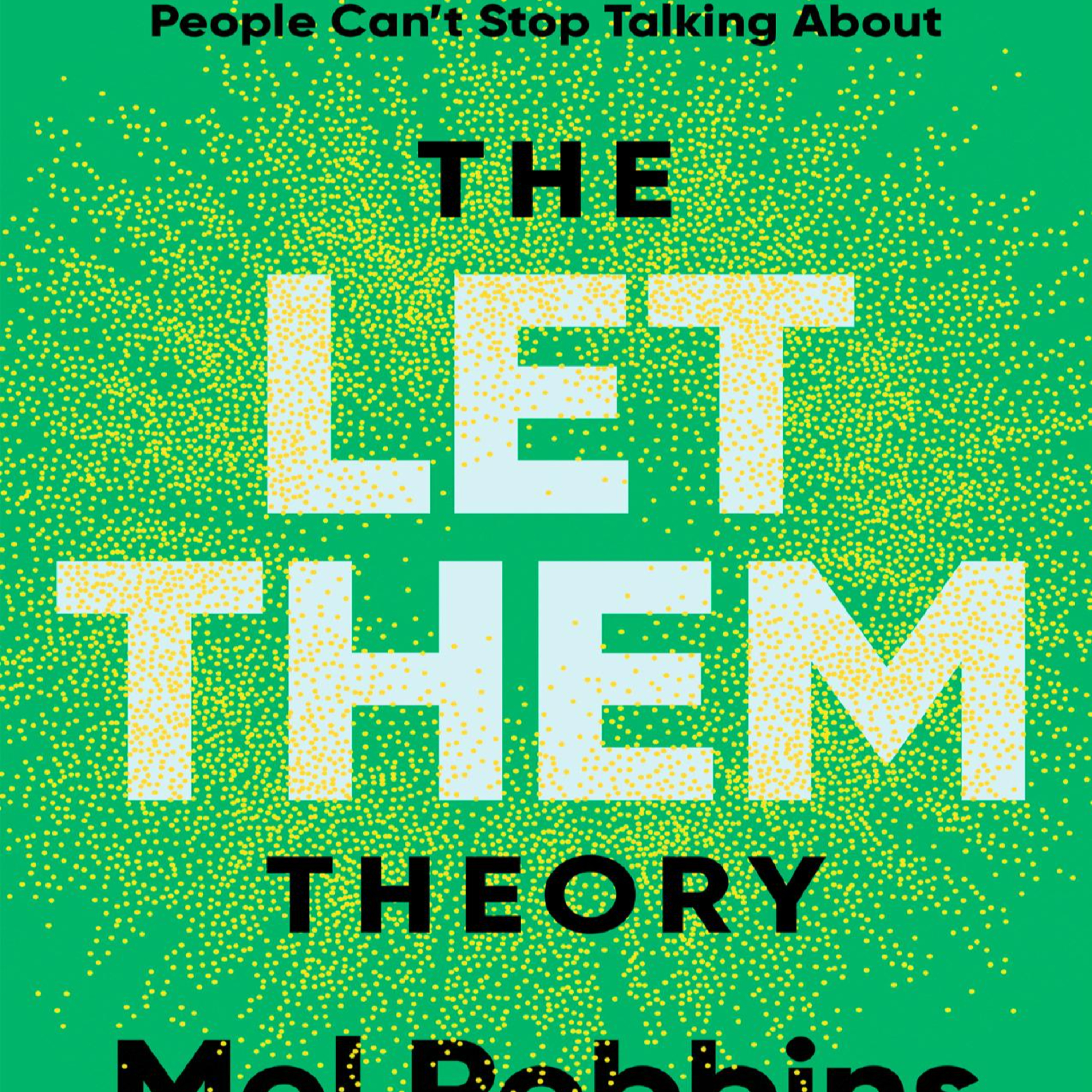 The Let Them Theory — Why Giving Up Control Can Increase Your Agency 03.10.2026 39minWhat if much of the stress we experience around other people comes from trying to control something that was never ours to control?Welcome to Crisis in Perception, where we examine the systems shaping our world.Using The Let Them Theory by Mel Robbins as our lens, this episode investigates the relationship between control, emotional reactivity, personal responsibility, and agency.Robbins’s framework depends on two moves. “Let Them” recognizes that other adults control their own opinions, emotions, choices, and behavior. “Let Me” redirects attention toward your own response—your boundaries, actions, values, communication, and next decision.The deeper pattern is a control–reaction loop: discomfort creates an urge to manage another person; resistance or unpredictability increases frustration; and frustration produces even more attempts at control. Robbins proposes breaking that loop through acceptance without surrendering responsibility.The episode also examines an important limitation built into the book itself. Let Them is not a justification for silence, avoidance, tolerating harmful behavior, or abandoning difficult conversations. Sometimes accepting another person as they are makes the need for boundaries, intervention, distance, or decisive action clearer.Central themes include locus of control, autonomy, emotional regulation, resistance, boundaries, influence, relationship dynamics, and the difference between acceptance and passivity.📺 Watch on YouTube:https://youtu.be/PqeoMMCIQZI❤️ Support / Episode Post on Patreon:https://www.patreon.com/CrisisinPerception/posts/let-them-theory-171340477?utm_medium=clipboard_copy&utm_source=copyLink&utm_campaign=postshare_creator&utm_content=join_linkIf these ideas resonate, consider reading the work yourself or borrowing it from your local library. Supporting authors and libraries helps keep critical inquiry accessible.If you value systems-level analysis like this, please follow, rate, and share the project.This content was created using AI-assisted tools for research synthesis, structuring, and narration support. All analysis, framing, and editorial decisions are guided by human judgment as part of the Crisis in Perception project.
 -
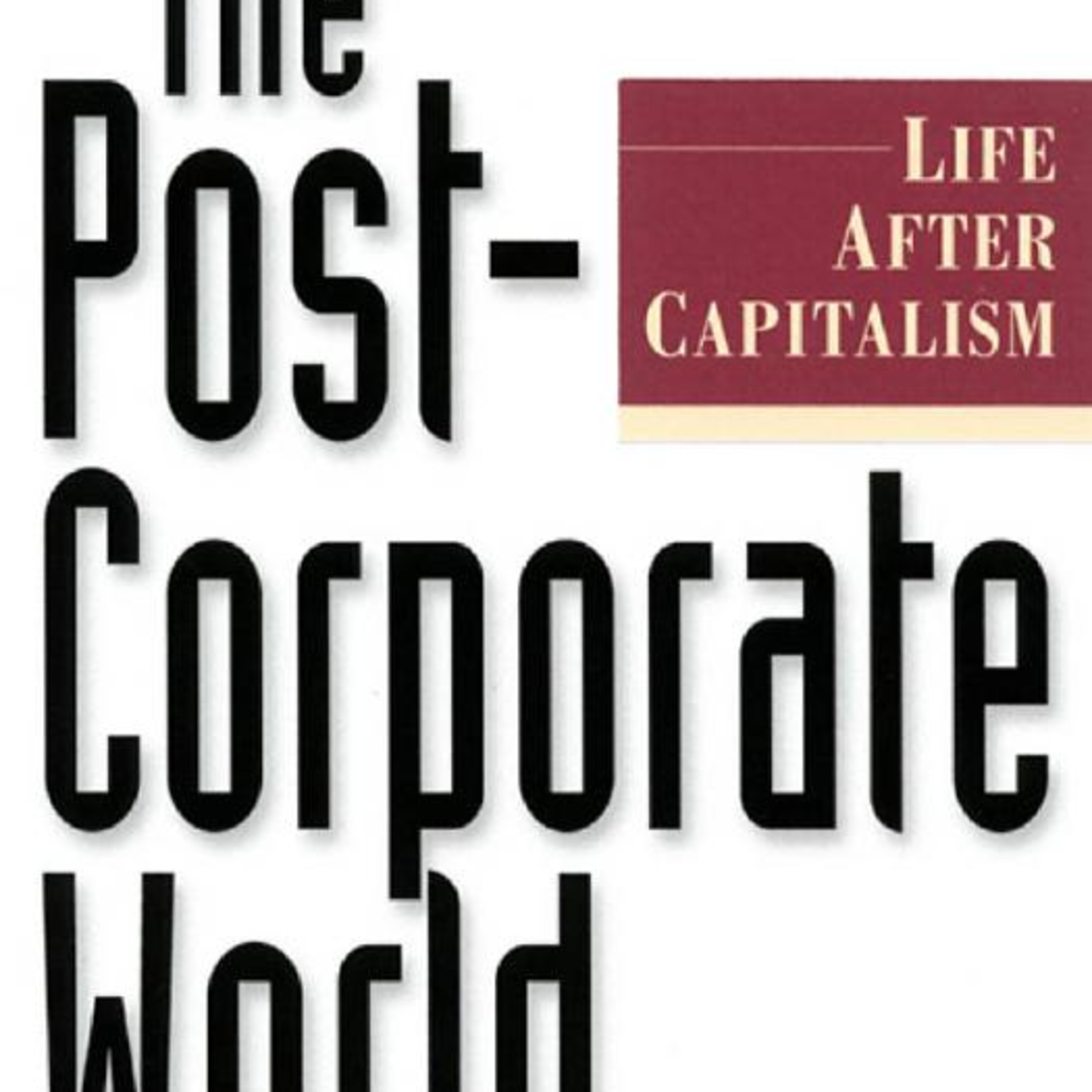 The Post-Corporate World: Life After Capitalism — Capitalism Against the Market 03.10.2026 50minWhat if capitalism and the market are not the same system—and concentrated economic power can undermine the very mechanisms markets are supposed to provide?Welcome to Crisis in Perception, where we examine the systems shaping our world.Using The Post-Corporate World: Life After Capitalism by David C. Korten as our lens, this episode investigates Korten’s argument that global corporate capitalism often operates under conditions fundamentally different from the competitive market ideal it invokes.Korten contrasts dispersed competition, informed participants, internalized costs, and productive investment with monopoly power, absentee ownership, financial speculation, cost externalization, and concentrated institutional influence. The deeper investigation follows the feedback loop between economic power and rule-making power: concentration can increase an institution’s ability to shape the environment in which it competes, creating conditions for still greater concentration.The episode also examines Korten’s distinction between the “money world” and the “living world,” including his proposal that economic institutions should be evaluated not only by financial growth but by their effects on people, communities, democratic institutions, and ecological systems.Central systems and tensions include concentrated ownership, incentive design, externalized costs, finance capitalism, stakeholder ownership, economic democracy, and the tension between freedom and responsibility.📺 Watch on YouTube:https://youtu.be/BWQh216nzR0❤️ Support / Episode Post on Patreon:https://www.patreon.com/CrisisinPerception/posts/post-corporate-171291057?utm_medium=clipboard_copy&utm_source=copyLink&utm_campaign=postshare_creator&utm_content=join_linkIf these ideas resonate, consider reading the work yourself or borrowing it from your local library. Supporting authors and libraries helps keep critical inquiry accessible.If you value systems-level analysis like this, please follow, rate, and share the project.This content was created using AI-assisted tools for research synthesis, structuring, and narration support. All analysis, framing, and editorial decisions are guided by human judgment as part of the Crisis in Perception project.
 -
 Change the Story, Change the Future: A Living Economy for a Living Earth — When Money Defines Wealth 02.10.2026 46minWhat if the economic system begins not with markets or money, but with a story about what society should value?Welcome to Crisis in Perception, where we examine the systems shaping our world.Using Change the Story, Change the Future: A Living Economy for a Living Earth by David C. Korten as our lens, this investigation explores how cultural narratives can become embedded in economic measurement, corporate incentives, finance, ownership, and public institutions.Korten calls the dominant framework the Sacred Money and Markets story: a worldview in which money is treated as wealth, financial growth as progress, and markets as privileged mechanisms for allocating resources. He contrasts it with a Sacred Life and Living Earth story in which money becomes a tool and the health of people, communities, and ecological systems becomes the central measure of prosperity.The episode traces the feedback loop between story, measurement, institutional design, incentives, and outcomes. It examines Korten’s distinction between financial and living wealth, his critique of corporate and financial structures organized around short-term returns, and his proposed Living Economy built around locally rooted ownership, cooperative enterprise, community finance, democratic accountability, and long-term living returns.Central tensions include financial wealth versus living wealth, short-term return versus long-term resilience, centralized corporate power versus distributed community agency, and the economy as a machine versus the economy as part of a living system.📺 Watch on YouTube:https://youtu.be/1pa1VKBzLU8❤️ Support / Episode Post on Patreon:https://www.patreon.com/CrisisinPerception/posts/change-story-for-171251489?utm_medium=clipboard_copy&utm_source=copyLink&utm_campaign=postshare_creator&utm_content=join_linkIf these ideas resonate, consider reading the work yourself or borrowing it from your local library. Supporting authors and libraries helps keep critical inquiry accessible.If you value systems-level analysis like this, please follow, rate, and share the project.This content was created using AI-assisted tools for research synthesis, structuring, and narration support. All analysis, framing, and editorial decisions are guided by human judgment as part of the Crisis in Perception project.
 -
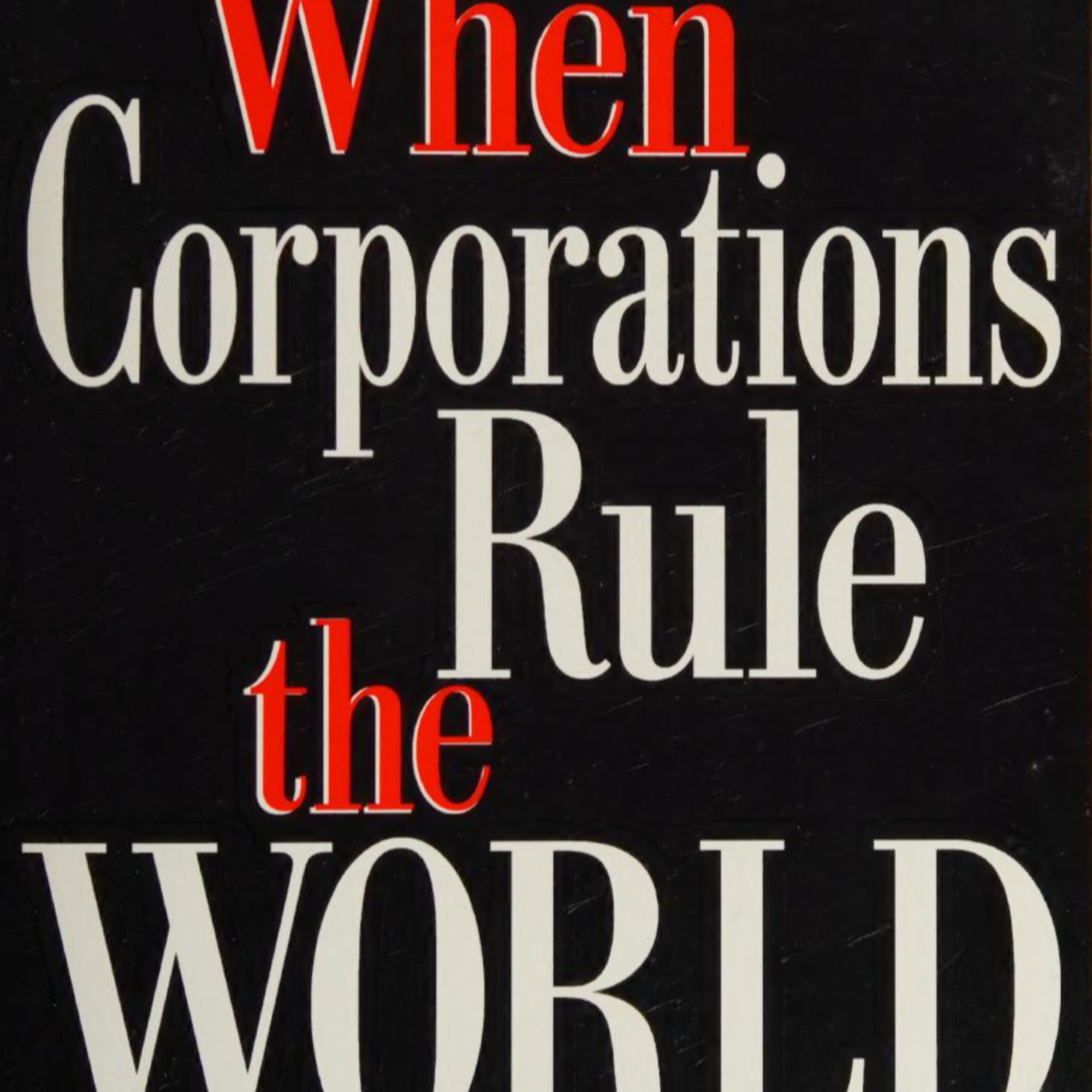 When Corporations Rule the World — When Market Power Becomes Governing Power 02.10.2026 48minWhat happens when institutions meant to compete within markets become powerful enough to influence the rules those markets—and governments—operate under?Welcome to Crisis in Perception, where we examine the systems shaping our world.Using When Corporations Rule the World by David C. Korten as our lens, this Deep Dive investigates the relationship between concentrated corporate power, global finance, economic globalization, and democratic sovereignty.Writing in the mid-1990s, Korten argues that the problem is not business or markets themselves, but an institutional system in which globally mobile corporations and financial institutions can gain bargaining power over workers, communities, and governments that remain rooted in place.The investigation traces corporate political influence, international financial institutions, short-term financial pressures, the “race to the bottom,” and Korten’s argument that financial incentives can reward immediate extraction while weakening long-term commitments to productive investment, employees, communities, and ecological sustainability.At the center of the episode are the tensions between mobility and accountability, market integration and democratic sovereignty, short-term returns and long-term resilience, and global dependence versus local self-reliance.📺 Watch on YouTube:https://youtu.be/Ws7mM0fFk0k❤️ Support / Episode Post on Patreon:https://www.patreon.com/CrisisinPerception/posts/when-rule-world-171250070?utm_medium=clipboard_copy&utm_source=copyLink&utm_campaign=postshare_creator&utm_content=join_linkIf these ideas resonate, consider reading the work yourself or borrowing it from your local library. Supporting authors and libraries helps keep critical inquiry accessible.If you value systems-level analysis like this, please follow, rate, and share the project.This content was created using AI-assisted tools for research synthesis, structuring, and narration support. All analysis, framing, and editorial decisions are guided by human judgment as part of the Crisis in Perception project.
 -
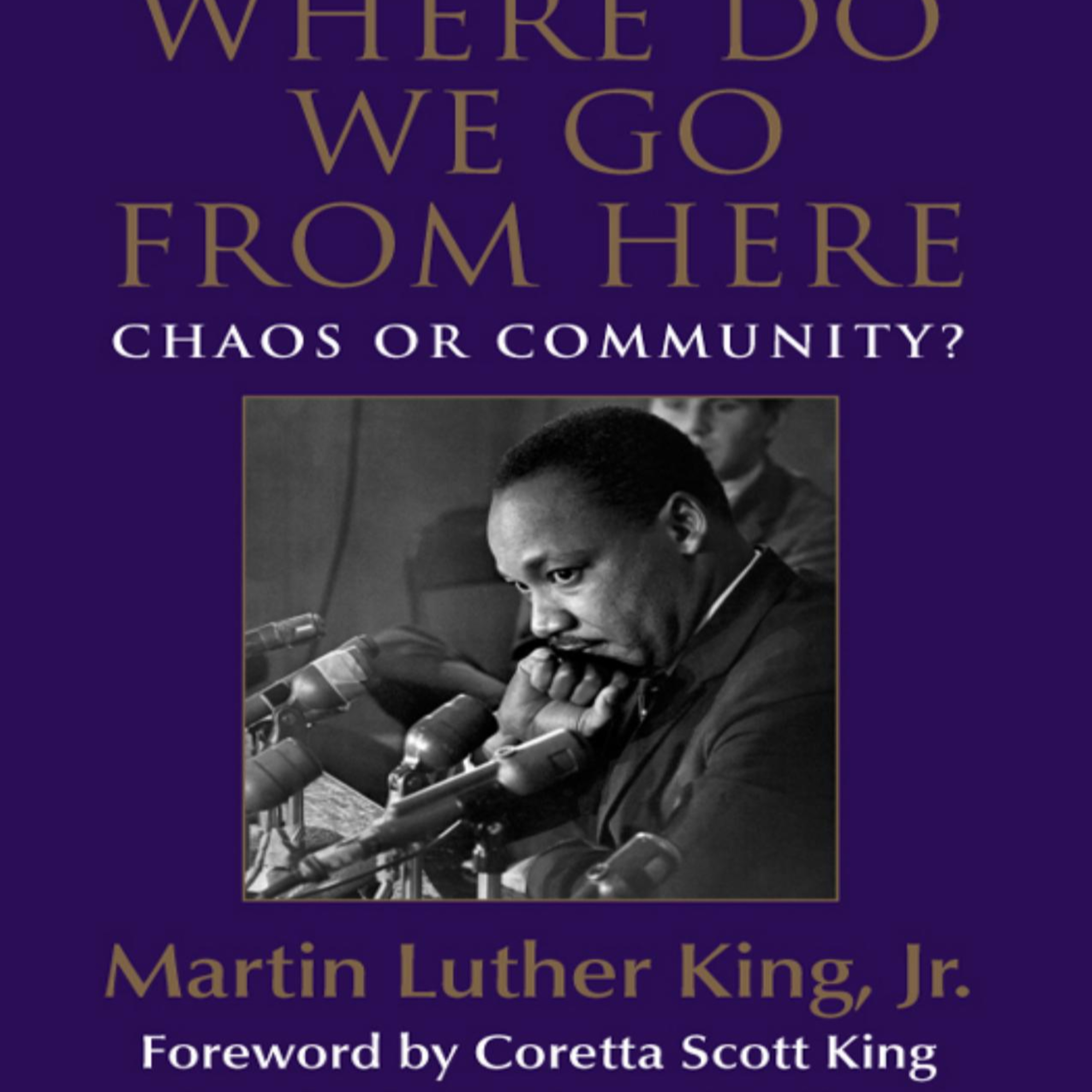 Where Do We Go from Here: Chaos or Community? — When Legal Rights Aren’t Enough 02.10.2026 34minPassing a law can remove a barrier. But what happens when the inequality behind it survives?Welcome to Crisis in Perception, where we examine the systems shaping our world.Using Where Do We Go from Here: Chaos or Community? by Martin Luther King, Jr. as our lens, this Deep Dive investigates King’s argument that the major civil-rights victories of the 1960s marked a transition rather than an endpoint. Legal barriers could be dismantled while inequality persisted through housing, education, employment, income, institutional power, and economic structure.The investigation traces King’s analysis of white backlash, Black Power, nonviolence, interracial coalition, poverty, guaranteed income, and the competing national priorities represented by domestic antipoverty efforts and the Vietnam War. It then follows his argument outward into the “world house,” where racial justice becomes part of a larger examination of poverty, materialism, militarism, and human interdependence.At the center is a structural distinction: removing injustice is not identical to constructing justice.📺 Watch on YouTube:https://youtu.be/SwJPTtf2qPk❤️ Support / Episode Post on Patreon:https://www.patreon.com/CrisisinPerception/posts/where-do-we-go-171238788?utm_medium=clipboard_copy&utm_source=copyLink&utm_campaign=postshare_creator&utm_content=join_linkIf these ideas resonate, consider reading the work yourself or borrowing it from your local library. Supporting authors and libraries helps keep critical inquiry accessible.If you value systems-level analysis like this, please follow, rate, and share the project.This content was created using AI-assisted tools for research synthesis, structuring, and narration support. All analysis, framing, and editorial decisions are guided by human judgment as part of the Crisis in Perception project.
 -
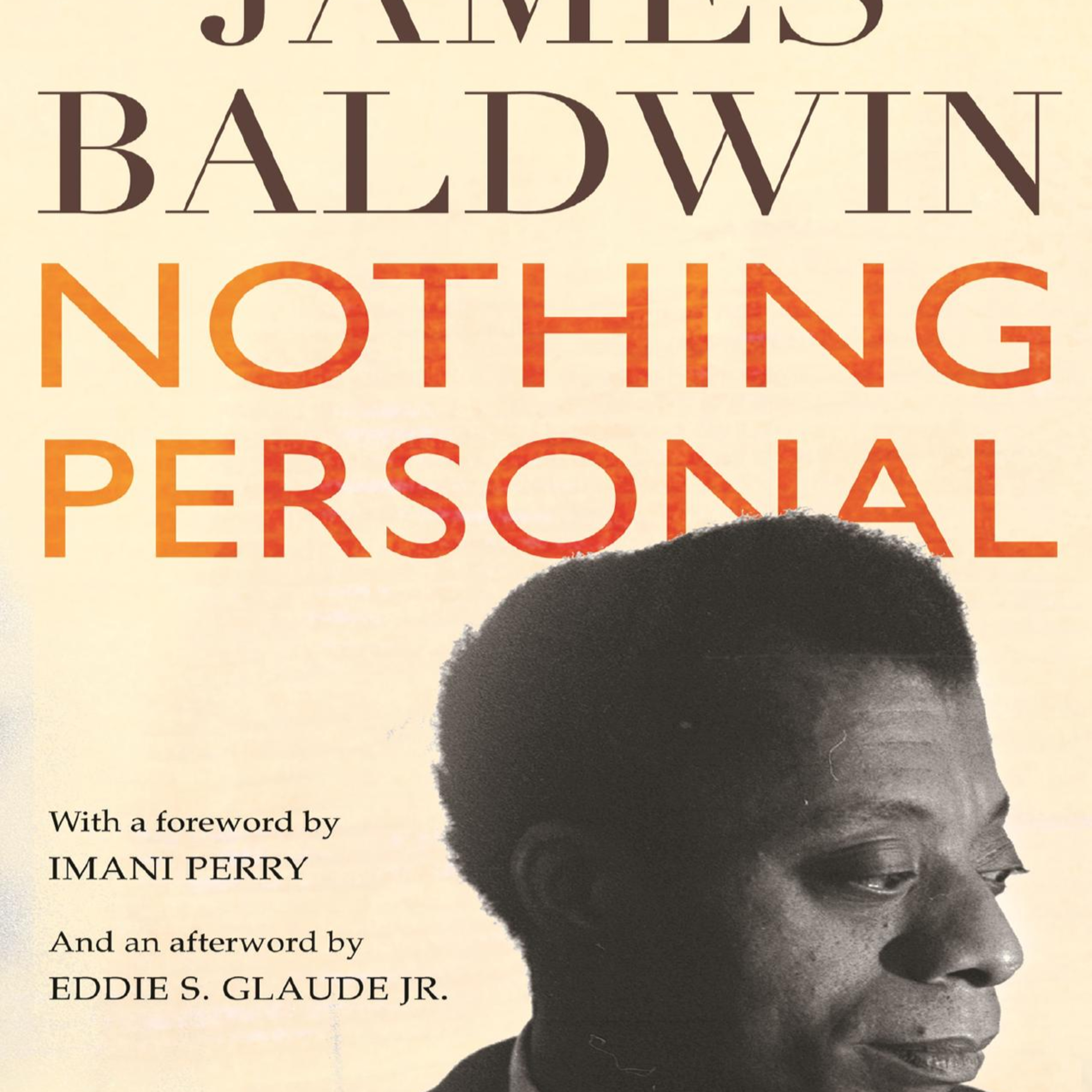 Nothing Personal — The Myths We Use to Avoid Ourselves 02.10.2026 39minWhat happens when protecting a national identity becomes more important than examining the history and fears beneath it?Welcome to Crisis in Perception, where we examine the systems shaping our world.Using Nothing Personal by James Baldwin as our lens, this episode investigates the relationship between American mythology, consumer culture, racial hierarchy, fear, and collective identity.Baldwin begins with the reassuring images of television and advertising, where products promise beauty, youth, security, and control. Beneath those images, however, he sees loneliness and uncertainty. The investigation follows his argument into historical denial, racial assumptions, policing, and the tendency to locate danger in an outsider rather than confront what Baldwin describes as the deeper terror within.The central tension is safety versus maturity. Myths can protect identity, reassurance can discourage questioning, and scapegoating can redirect internal contradictions outward. Baldwin ultimately asks whether genuine freedom requires something far more difficult: an honest relationship with history, with other people, and with oneself.Central systems include collective identity, historical mythology, institutional perception, consumer reassurance, scapegoating, and social distrust.📺 Watch on YouTube:https://youtu.be/zGg-UZ87QnQ❤️ Support / Episode Post on Patreon:https://www.patreon.com/CrisisinPerception/posts/nothing-personal-171237707?utm_medium=clipboard_copy&utm_source=copyLink&utm_campaign=postshare_creator&utm_content=join_linkIf these ideas resonate, consider reading the work yourself or borrowing it from your local library. Supporting authors and libraries helps keep critical inquiry accessible.If you value systems-level analysis like this, please follow, rate, and share the project.This content was created using AI-assisted tools for research synthesis, structuring, and narration support. All analysis, framing, and editorial decisions are guided by human judgment as part of the Crisis in Perception project.
 -
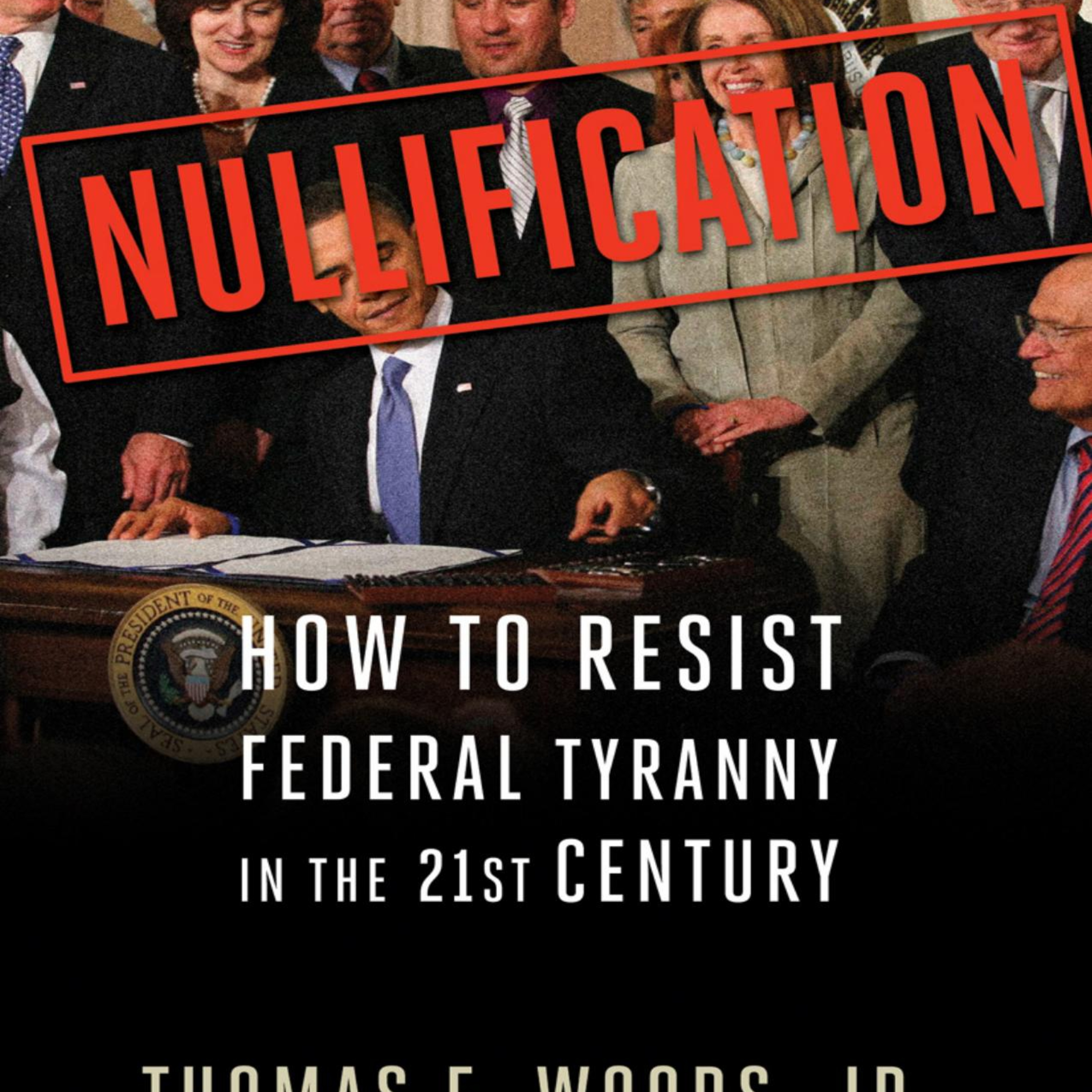 Nullification: How to Resist Federal Tyranny in the 21st Century — Who Decides Federal Limits? 02.10.2026 45minA written constitution can define limits on power—but who enforces those limits when the institutions being restrained also interpret the rules?Welcome to Crisis in Perception, where we examine the systems shaping our world.Using Nullification: How to Resist Federal Tyranny in the 21st Century by Thomas E. Woods, Jr. as our lens, this Deep Dive investigates Woods’s case for state nullification as an additional check on federal authority.The episode traces the argument from the Virginia and Kentucky Resolutions through later examples of state resistance and examines the deeper institutional problem beneath the debate: whether constitutional authority should ultimately be concentrated in federal institutions or distributed across competing levels of government.Central themes include compact theory, federalism, judicial authority, institutional incentives, state interposition, and the tension between national uniformity and decentralized checks.📺 Watch on YouTube:https://youtu.be/dM8aoDRtxQM❤️ Support / Episode Post on Patreon:https://www.patreon.com/CrisisinPerception/posts/nullification-to-171194882?utm_medium=clipboard_copy&utm_source=copyLink&utm_campaign=postshare_creator&utm_content=join_linkIf these ideas resonate, consider reading the work yourself or borrowing it from your local library. Supporting authors and libraries helps keep critical inquiry accessible.If you value systems-level analysis like this, please follow, rate, and share the project.This content was created using AI-assisted tools for research synthesis, structuring, and narration support. All analysis, framing, and editorial decisions are guided by human judgment as part of the Crisis in Perception project.
 -
 Living in the End Times — Why Knowing a Crisis Isn't Enough 02.10.2026 47minWhat happens when people understand that a system is producing serious risks but continue living as though its basic structure can remain unchanged?Welcome to Crisis in Perception, where we examine the systems shaping our world.In Living in the End Times, Slavoj Žižek argues that ecological disruption, biogenetic change, economic instability, resource pressures, and widening social exclusion should be understood as interconnected tensions within contemporary global capitalism.This Deep Dive follows Žižek’s use of the five stages of grief—denial, anger, bargaining, depression, and acceptance—to examine how societies respond psychologically and politically to systemic crisis. Central to the discussion is fetishistic disavowal: knowing that a danger exists while failing to believe it in a way that changes how institutions and individuals behave.The episode traces the tension between individual responsibility and structural causation, reform and systemic persistence, knowledge and belief, and Žižek’s controversial proposal that the problem of shared ecological, biological, cultural, and social commons requires political forms that existing arrangements may not adequately provide.📺 Watch on YouTube:https://youtu.be/cuSUSiSuLTU❤️ Support / Episode Post on Patreon:https://www.patreon.com/CrisisinPerception/posts/living-in-end-171194222?utm_medium=clipboard_copy&utm_source=copyLink&utm_campaign=postshare_creator&utm_content=join_linkIf these ideas resonate, consider reading the work yourself or borrowing it from your local library. Supporting authors and libraries helps keep critical inquiry accessible.If you value systems-level analysis like this, please follow, rate, and share the project.This content was created using AI-assisted tools for research synthesis, structuring, and narration support. All analysis, framing, and editorial decisions are guided by human judgment as part of the Crisis in Perception project.
 -
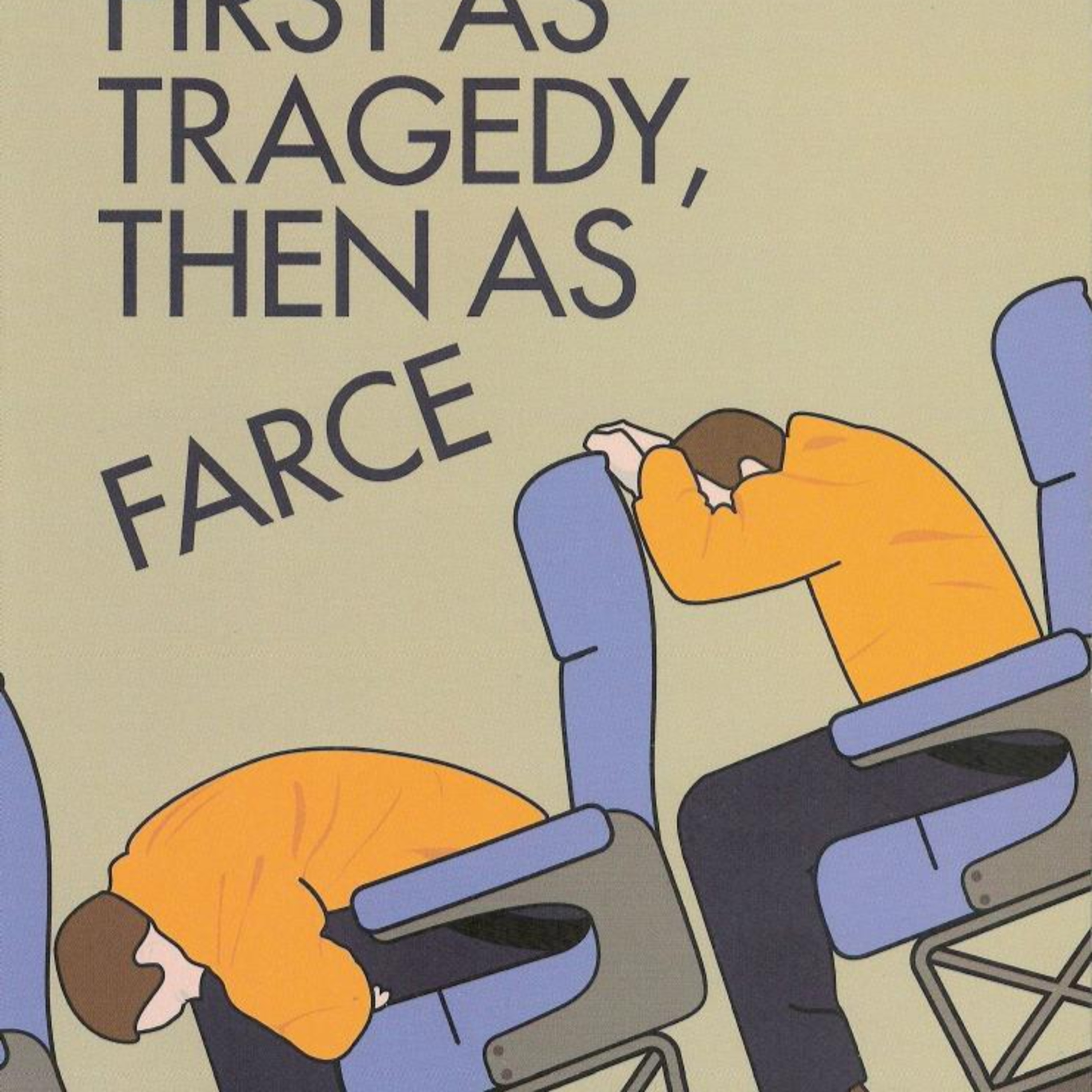 First as Tragedy, Then as Farce — How Systems Absorb Their Critics 02.10.2026 1tWhat if the ability to survive criticism is itself one of a system's most important forms of power?Welcome to Crisis in Perception, where we examine the systems shaping our world.Using First as Tragedy, Then as Farce by Slavoj Žižek as our lens, this episode investigates ideology not simply as propaganda or false belief, but as a mechanism through which political and economic structures can remain stable even when their contradictions become visible.Beginning with the financial collapse of 2008, the investigation examines the relationship between markets and state intervention, Wall Street and Main Street, risk and protection, and the political choices hidden beneath apparently technical economic decisions.Žižek then turns toward capitalism's capacity to absorb criticism. The anti-hierarchical, authentic, socially conscious language associated with the upheavals of 1968 increasingly became part of workplace organization, branding, ethical consumption, and lifestyle culture. Resistance could become something incorporated into the system rather than something outside it.The episode follows that pattern into the enclosure of shared resources, intellectual property, rent extraction, and Žižek's warning that capitalism does not necessarily require liberal democracy.Central systems include ideological adaptation, institutional legitimacy, political intervention, commodification, enclosure, and the feedback loop through which criticism can produce adaptation without necessarily redistributing power.📺 Watch on YouTube:https://youtu.be/7-YgCzA1FT4❤️ Support / Episode Post on Patreon:https://www.patreon.com/CrisisinPerception/posts/first-as-tragedy-171192631?utm_medium=clipboard_copy&utm_source=copyLink&utm_campaign=postshare_creator&utm_content=join_linkIf these ideas resonate, consider reading the work yourself or borrowing it from your local library. Supporting authors and libraries helps keep critical inquiry accessible.If you value systems-level analysis like this, please follow, rate, and share the project.This content was created using AI-assisted tools for research synthesis, structuring, and narration support. All analysis, framing, and editorial decisions are guided by human judgment as part of the Crisis in Perception project.
 -
 The New New Thing: A Silicon Valley Story — How Silicon Valley Rewards Disruption 01.10.2026 42minWhat if technological progress depends partly on people who are unusually unwilling to leave successful systems alone?Welcome to Crisis in Perception, where we examine the systems shaping our world.In The New New Thing: A Silicon Valley Story, Michael Lewis follows entrepreneur Jim Clark through Silicon Graphics, Netscape, Healtheon, and Hyperion, his radically computerized sailing yacht.Rather than treating innovation as a simple story of brilliant inventions winning in the marketplace, this episode investigates the ecosystem surrounding technological disruption: engineering talent, venture capital, public markets, institutional resistance, technological timing, and personalities willing to operate before the future is clearly defined.Hyperion becomes a physical model of that system. Traditional yacht builders and experienced sailors confront software, sensors, automation, and a customer continually pushing established limits. The same pattern appears throughout Clark’s companies: innovation creates disruption, disruption creates wealth and credibility, and success creates the resources and pressure necessary to search for something newer.The episode examines creative destruction, institutional stability, risk, technological timing, engineer-manager conflict, and the feedback loop between successful disruption and increasingly ambitious experimentation.📺 Watch on YouTube:https://youtu.be/lmE_36LypuM❤️ Support / Episode Post on Patreon:https://www.patreon.com/CrisisinPerception/posts/new-new-thing-171145122?utm_medium=clipboard_copy&utm_source=copyLink&utm_campaign=postshare_creator&utm_content=join_linkIf these ideas resonate, consider reading the work yourself or borrowing it from your local library. Supporting authors and libraries helps keep critical inquiry accessible.If you value systems-level analysis like this, please follow, rate, and share the project.This content was created using AI-assisted tools for research synthesis, structuring, and narration support. All analysis, framing, and editorial decisions are guided by human judgment as part of the Crisis in Perception project.
 -
 Flash Boys: A Wall Street Revolt — How Speed Became a Market Advantage 01.10.2026 52minWhat happens when the difference between seeing a market and acting on it is measured in millionths of a second?Welcome to Crisis in Perception, where we examine the systems shaping our world.Using Flash Boys: A Wall Street Revolt by Michael Lewis as our lens, this episode investigates how automation transformed the U.S. stock market into a fragmented network of exchanges, dark pools, algorithms, data centers, and private information channels.Lewis follows Brad Katsuyama and others as they discover that orders sent across supposedly interconnected markets can arrive at different times. Those tiny latency differences create opportunities for faster participants to detect investor demand and react before slower orders reach other trading venues.The deeper system involves more than high-frequency trading. Reg NMS, the NBBO, the Securities Information Processor, maker-taker pricing, payment for order flow, co-location, private data feeds, and broker-routing incentives all interact to determine what market participants can see and how quickly they can act.Spread Networks reveals the extraordinary value placed on milliseconds. Katsuyama’s Thor system and the creation of IEX provide a contrasting experiment: instead of making everyone faster, what happens when market architecture is redesigned to reduce the advantage of speed itself?Central themes include latency, market fragmentation, information asymmetry, principal-agent problems, incentive design, and the tension between technological efficiency and equal access.📺 Watch on YouTube:https://youtu.be/lmaTMKwKr38❤️ Support / Episode Post on Patreon:https://www.patreon.com/CrisisinPerception/posts/flash-boys-wall-171139012?utm_medium=clipboard_copy&utm_source=copyLink&utm_campaign=postshare_creator&utm_content=join_linkIf these ideas resonate, consider reading the work yourself or borrowing it from your local library. Supporting authors and libraries helps keep critical inquiry accessible.If you value systems-level analysis like this, please follow, rate, and share the project.This content was created using AI-assisted tools for research synthesis, structuring, and narration support. All analysis, framing, and editorial decisions are guided by human judgment as part of the Crisis in Perception project.
 -
 Democracy in Black: How Race Still Enslaves the American Soul — Democracy and the Value Gap 01.10.2026 48minWhat does racial progress mean if the structures producing unequal outcomes remain intact?Welcome to Crisis in Perception, where we examine the systems shaping our world.Using Democracy in Black: How Race Still Enslaves the American Soul by Eddie S. Glaude Jr. as our lens, this episode investigates Glaude’s argument that persistent racial inequality reflects something deeper than a simple gap between American ideals and imperfect practice. His concept of the “value gap” describes a hierarchy of social worth that he argues is reproduced through racial habits, institutions, political incentives, and collective memory.The investigation moves from Glaude’s account of the Great Black Depression after the 2008 financial crisis to his analysis of social networks, opportunity hoarding, white fear, political representation, and the public memory of Martin Luther King Jr. It also examines his criticism of black liberal politics and the Obama presidency as part of a larger question about the difference between symbolic representation and structural transformation.At the center of the episode are the mechanisms Glaude believes allow inequality to persist: inherited habits, institutional reinforcement, selective memory, unequal vulnerability, and political arrangements that can normalize existing outcomes. The episode concludes by examining his proposed revolution of value and his emphasis on grassroots democratic participation.Central systems include racial habits, institutional persistence, unequal economic vulnerability, collective memory, political accountability, and reinforcing feedback between social assumptions and observable outcomes.📺 Watch on YouTube:https://youtu.be/ptMo6-9p254❤️ Support / Episode Post on Patreon:https://www.patreon.com/CrisisinPerception/posts/democracy-in-how-171086300?utm_medium=clipboard_copy&utm_source=copyLink&utm_campaign=postshare_creator&utm_content=join_linkIf these ideas resonate, consider reading the work yourself or borrowing it from your local library. Supporting authors and libraries helps keep critical inquiry accessible.If you value systems-level analysis like this, please follow, rate, and share the project.This content was created using AI-assisted tools for research synthesis, structuring, and narration support. All analysis, framing, and editorial decisions are guided by human judgment as part of the Crisis in Perception project.
 -
 The People's Advocate: The Life and Legal History of America's Most Fearless Public Interest Lawyer 30.09.2026 31minWhat makes constitutional accountability work when the institution being challenged has powerful reasons to resist scrutiny?Welcome to Crisis in Perception, where we examine the systems shaping our world.Using The People's Advocate: The Life and Legal History of America's Most Fearless Public Interest Lawyer by Daniel Sheehan as our lens, this Deep Dive examines the difference between formal legal protections and the institutional machinery required to make those protections meaningful.Sheehan presents his legal career as a long confrontation with the gap between American constitutional ideals and the behavior of powerful institutions. Moving from his early experience with political patronage into his accounts of major public-interest cases, the investigation asks how secrecy, gatekeeping, unequal resources, institutional loyalty, and control over information can shape whether accountability mechanisms succeed.The deeper system is institutional self-protection. The counter-system is error correction: courts, adversarial litigation, investigative journalism, whistleblowers, discovery, and organized civil society. The central tension is not simply government versus citizen or authority versus dissent. It is whether systems designed to constrain power remain capable of functioning when powerful actors have incentives to resist correction.Central mechanisms include institutional incentives, secrecy, information asymmetry, legal access, procedural resistance, resource inequality, judicial review, and institutional error correction.📺 Watch on YouTube:https://youtu.be/UFDSe6BKnJU❤️ Support / Episode Post on Patreon:https://www.patreon.com/CrisisinPerception/posts/peoples-advocate-171032919?utm_medium=clipboard_copy&utm_source=copyLink&utm_campaign=postshare_creator&utm_content=join_linkIf these ideas resonate, consider reading the work yourself or borrowing it from your local library. Supporting authors and libraries helps keep critical inquiry accessible.If you value systems-level analysis like this, please follow, rate, and share the project.This content was created using AI-assisted tools for research synthesis, structuring, and narration support. All analysis, framing, and editorial decisions are guided by human judgment as part of the Crisis in Perception project.
 -
 Begin Again: James Baldwin’s America and Its Urgent Lessons for Our Own — The Lie Beneath Progress 30.09.2026 19minWhat happens when a society changes politically but continues telling itself the same stories about who it is?Welcome to Crisis in Perception, where we examine the systems shaping our world.Using Begin Again: James Baldwin’s America and Its Urgent Lessons for Our Own by Eddie S. Glaude Jr. as our lens, this episode explores how national memory, racial identity, political storytelling, and historical myth can influence the possibilities for democratic change.Glaude draws on James Baldwin to examine what he calls “the lie”: an architecture of stories and assumptions that, in his argument, protects a deeper “value gap” in which human lives have not historically been valued equally. The investigation traces Glaude’s comparison of earlier moments of racial transformation with the Obama era, Black Lives Matter, and Trumpism, asking why apparent progress can coexist with recurring resistance.Baldwin’s role as a witness becomes central. For Glaude, confronting a society’s contradictions requires more than changing laws or replacing political leaders. It requires examining the stories through which people understand history, identity, innocence, responsibility, and belonging.The central tension is between national innocence and historical reckoning—and between restoring an imagined past and building something genuinely new.📺 Watch on YouTube:https://youtu.be/m1a96r-4WmQ❤️ Support / Episode Post on Patreon:https://www.patreon.com/CrisisinPerception/posts/begin-again-and-171031960?utm_medium=clipboard_copy&utm_source=copyLink&utm_campaign=postshare_creator&utm_content=join_linkIf these ideas resonate, consider reading the work yourself or borrowing it from your local library. Supporting authors and libraries helps keep critical inquiry accessible.If you value systems-level analysis like this, please follow, rate, and share the project.This content was created using AI-assisted tools for research synthesis, structuring, and narration support. All analysis, framing, and editorial decisions are guided by human judgment as part of the Crisis in Perception project.
 -
 The Triple Package — How Culture Can Create—and Erode—Success 30.09.2026 35minWhat if the forces that help a community rise can eventually weaken because that community succeeds?Welcome to Crisis in Perception, where we examine the systems shaping our world.Using The Triple Package by Amy Chua and Jed Rubenfeld as our lens, this episode investigates the authors’ theory that three cultural forces—superiority or exceptionalism, insecurity, and impulse control—can interact to produce unusually strong motivation, perseverance, and delayed gratification.Rather than treating achievement as the simple result of talent or intelligence, the investigation follows a cultural feedback loop. Outsider status, family expectations, insecurity, and discipline can encourage striving. Striving can produce education, income, professional status, and mobility. Success and assimilation may then reduce insecurity and weaken the cultural pressures that originally drove the rise.The episode also examines the tradeoffs. The same system can generate anxiety, conformity, relentless external validation, prejudice, and a sense that achievement is never enough. Culture operates alongside institutions, discrimination, class, opportunity, and immigration patterns rather than replacing those explanations.Central mechanisms include cultural transmission, delayed gratification, identity, assimilation, generational feedback, and the tension between achievement and well-being.📺 Watch on YouTube:https://youtu.be/D9OKCf6tr70❤️ Support / Episode Post on Patreon:https://www.patreon.com/CrisisinPerception/posts/triple-package-171025368?utm_medium=clipboard_copy&utm_source=copyLink&utm_campaign=postshare_creator&utm_content=join_linkIf these ideas resonate, consider reading the work yourself or borrowing it from your local library. Supporting authors and libraries helps keep critical inquiry accessible.If you value systems-level analysis like this, please follow, rate, and share the project.This content was created using AI-assisted tools for research synthesis, structuring, and narration support. All analysis, framing, and editorial decisions are guided by human judgment as part of the Crisis in Perception project.
Samankaltaiset podcastit


Suosittu maassa
Tämä podcast esiintyy myös näiden maiden podcast-listoilla.
