
Embracing Digital Transformation
Dr. Darren Pulsipher
0
Dr. Darren Pulsipher, Chief Enterprise Architect for Public Sector, author and professor, investigates effective change leveraging people, process, and technology. The podcast explores which digital trends are fleeting and which will form the foundations of lasting change, with in-depth discussion and expert interviews. It covers topics such as transforming public sector work in an era of rapid disruption, building innovative IT organizations with the right processes, and sifting through confusing messages to find true drivers of value for IT organizations.
Jaksot
-
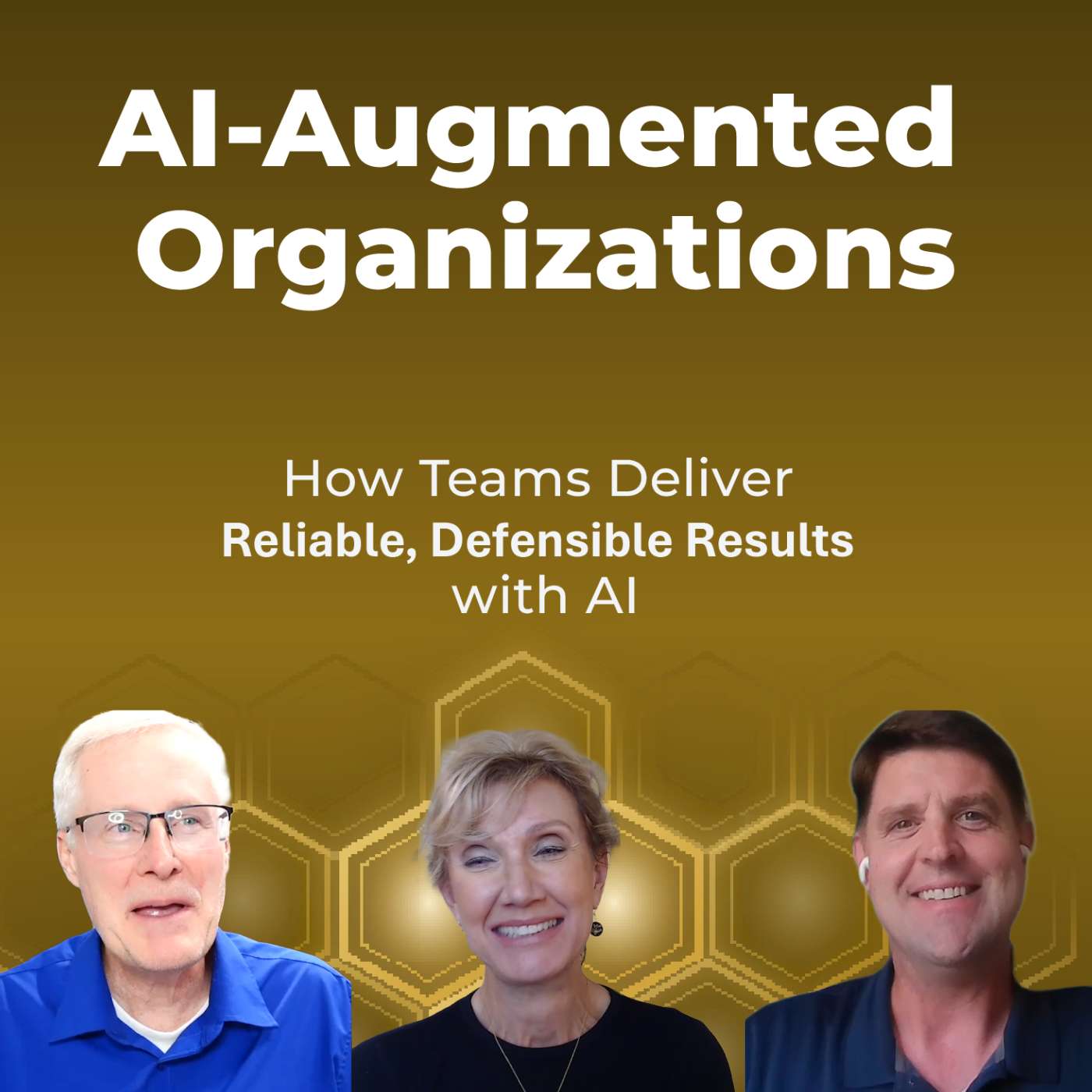 #385 AI-Augmented Organizations 15.09.2026 32minCheck out my new book AI Augmented Teams on Amazon or on my website paidar.ai/books.AI governance is no longer a side project—it’s becoming an enterprise operating model. Doctor Darren and guest host Paige Pulsipher sit down with coauthor Jeremy Harris to unpack the new AI Augmented book for executives, exploring why responsible AI adoption, privacy, and clear measurement matter more than speed alone. ## Key Takeaways - **Adoption is not the same as value.** Measuring AI success by usage or spend misses the real question: is AI improving outcomes? - **Executives need an AI governance operating model.** C-suite leaders should define ownership, controls, and standards before scaling AI. - **Human judgment still matters.** AI should support decision-making, not replace accountability, expertise, or ethics. - **Shadow AI is a real risk.** If employees are already using AI tools, organizations need visibility, policy, and guardrails. - **The best AI strategy is deliberate.** Responsible AI implementation can reduce risk, improve speed, and strengthen business performance. - **AI augmentation is about amplifying people.** The goal is to free teams from repetitive work so they can focus on higher-value thinking and creativity. ## Chapters - **00:00** Introduction to AI governance for the enterprise - **02:05** Jeremy Harris’s background in law, privacy, and healthcare - **05:00** Why Darren brought Jeremy in as coauthor - **08:15** Writing the AI Augmented book as a collaboration - **12:10** What the new book covers: enterprise AI operating models - **16:05** Measuring AI success: ROI, KPIs, and adoption myths - **20:20** Who the book is for: CIOs, CEOs, legal, privacy, and executive leaders - **23:10** Fictional healthcare scenarios and field reports in the book - **27:00** Are Darren and Jeremy still friends after writing together? - **30:10** The AI Augmented Institute and the future of education - **35:05** AI, ethics, and concerns about dehumanization - **40:00** Why deliberate governance beats reactive AI adoption - **44:10** Final thoughts and call to action
 -
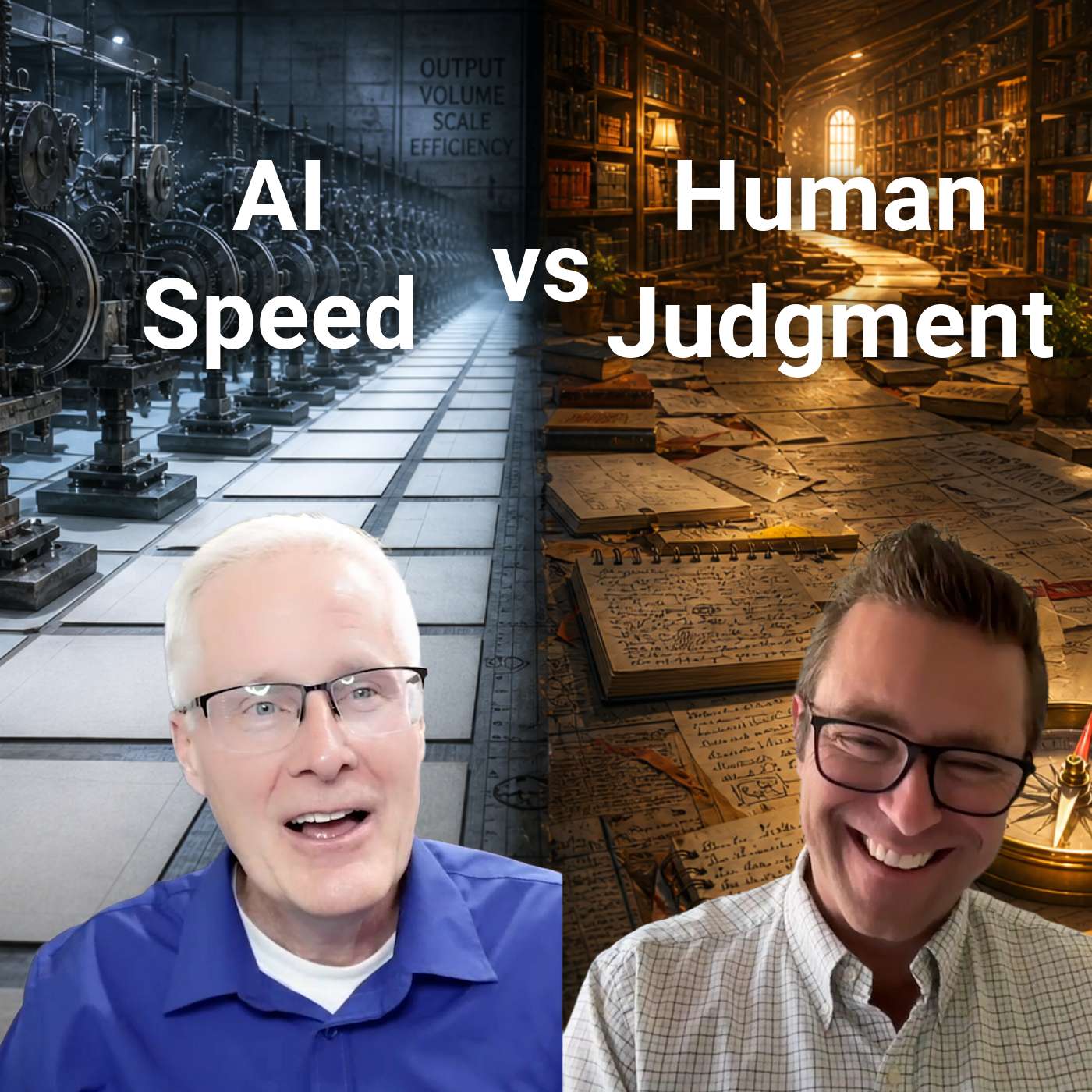 #384 Why Great Teachers May Have the Best AI Strategy 09.09.2026 36minCheck out my new book AI Augmented Teams on Amazon or on my website paidar.ai/books.The real AI literacy challenge isn’t learning the tool — it’s protecting human judgment while using it well. Dr. Darren sits down with Casey Cooney, California Teacher of the Year, to explore how AI in education can deepen learning, sharpen feedback, and keep curiosity, domain expertise, and empathy at the center of digital transformation. ## Key Takeaways - AI should **augment human thinking**, not replace it. The goal is better judgment, not faster shortcuts. - The pandemic showed the limits of putting learning entirely on screens; **human connection remains essential**. - In the classroom, AI can supercharge **formative assessment** by helping teachers spot misconceptions and adjust instruction in real time. - Students and workers need more than speed: they need **metacognition** (thinking about how you think) and **inquiry** (asking better questions). - Beautiful output is not the same as deep work — **domain expertise still matters** when using AI for writing, design, and research. - The future belongs to people who become **AI-augmented**: curious, adaptable, and confident enough to keep learning. ## Chapters - **00:00** AI, Human Judgment, and Why This Matters Now - **01:05** Casey Cooney’s Background Story - **05:40** Becoming a Teacher After Business and Cancer Survival - **09:15** What COVID and Remote Learning Taught Educators - **13:10** How AI Can Improve Formative Assessment - **17:20** Raising the Bar: Expect More From Students With AI - **21:10** AI Fakers vs. Real Domain Expertise - **25:05** Creativity, Writing, and Why Humans Still Matter - **29:00** Careers, Anxiety, and the Changing Job Market - **33:15** The Two Skills Students Need Most: Metacognition and Inquiry - **37:20** Leading With Empathy in the AI Era - **40:30** Casey’s AI Teaching App, Wit - **43:10** Closing Thoughts: AI Literacy and the Future of Learning
 -
 #383 Sovereign AI Starts With Data Control, Not Bigger Models 07.09.2026 42minCheck out my new book AI Augmented Teams on Amazon or on my website paidar.ai/books.Sovereign AI is moving from a policy buzzword to a boardroom risk question, and Dr. Darren sits down with Usman Khalid to unpack why. Together they explore how data sovereignty, model governance, and AI accountability are reshaping enterprise AI strategy, especially for leaders balancing innovation, jurisdiction, and sensitive data protection. ## Key Takeaways - Sovereign AI is about control: owning the data, infrastructure, model behavior, and governance needed to keep systems running under your rules. - Many organizations can start with existing open-source or commercial models instead of building from scratch. - Clean, structured data is the first step; master data management and strong data classification create the foundation for trustworthy AI. - Annotation quality matters because AI outcomes depend on how data is labeled and reviewed. - Human-in-the-loop oversight remains essential for high-stakes decisions, especially in regulated industries. - RAG and agentic workflows are useful entry points, but they are not substitutes for true sovereign AI. ## Chapters - 00:00 Sovereign AI and why control matters - 02:10 Usman Khalid’s global background and perspective - 05:18 What sovereign AI really means - 09:42 Data sovereignty, jurisdiction, and trust - 14:10 Culture, morality, and multiple versions of truth - 19:05 Building sovereign AI without starting from scratch - 24:18 Why data annotation is the real bottleneck - 29:30 RAG, workflows, and enterprise AI maturity - 35:40 Human accountability and decision-making - 40:12 Practical first steps for organizations - 44:20 Closing thoughts and how to connect
 -
 #381 How to Use AI for Fall Detection Without Breaking Privacy 31.08.2026 26minCheck out my new book AI Augmented Teams on Amazon or on my website paidar.ai/books.A fall can change everything in a second — and that’s exactly why host Dr. Darren sits down with Mike Link to explore how AI fall detection is helping senior care teams respond faster without turning aging in place into surveillance. They dig into privacy, predictive health signals, and what the future of elder care technology could look like. ## Key Takeaways - AI in senior care is shifting from reactive alerts to proactive risk management and prevention. - Fall detection systems can notify staff quickly, even when a resident is unconscious or can’t call for help. - “Silent falls” matter too — AI can identify incidents people don’t report, reducing missed events. - Privacy-first design is essential: blurred verification clips and anonymous detection help preserve dignity. - The future of aging in place is multi-sensor, combining fall detection, vitals, wearables, and behavior patterns. - The best elder care technology balances safety, accuracy, affordability, and real-world deployment support. ## Chapters - 00:00 Why fall detection matters in senior care - 01:10 Meet Mike Link - 03:00 From neuroscience to elder care AI - 05:20 How AI detects falls in nursing homes - 07:45 Silent falls, mobility decline, and predictive insights - 10:10 Aging in place vs. assisted living - 12:30 Privacy, dignity, and blurred verification clips - 15:10 Accuracy, human review, and trust - 17:20 The future of multi-sensor elder care - 20:00 AI beyond senior care: retail and operations - 22:10 How AI is boosting productivity for teams - 24:00 Where to connect with Mike Link
 -
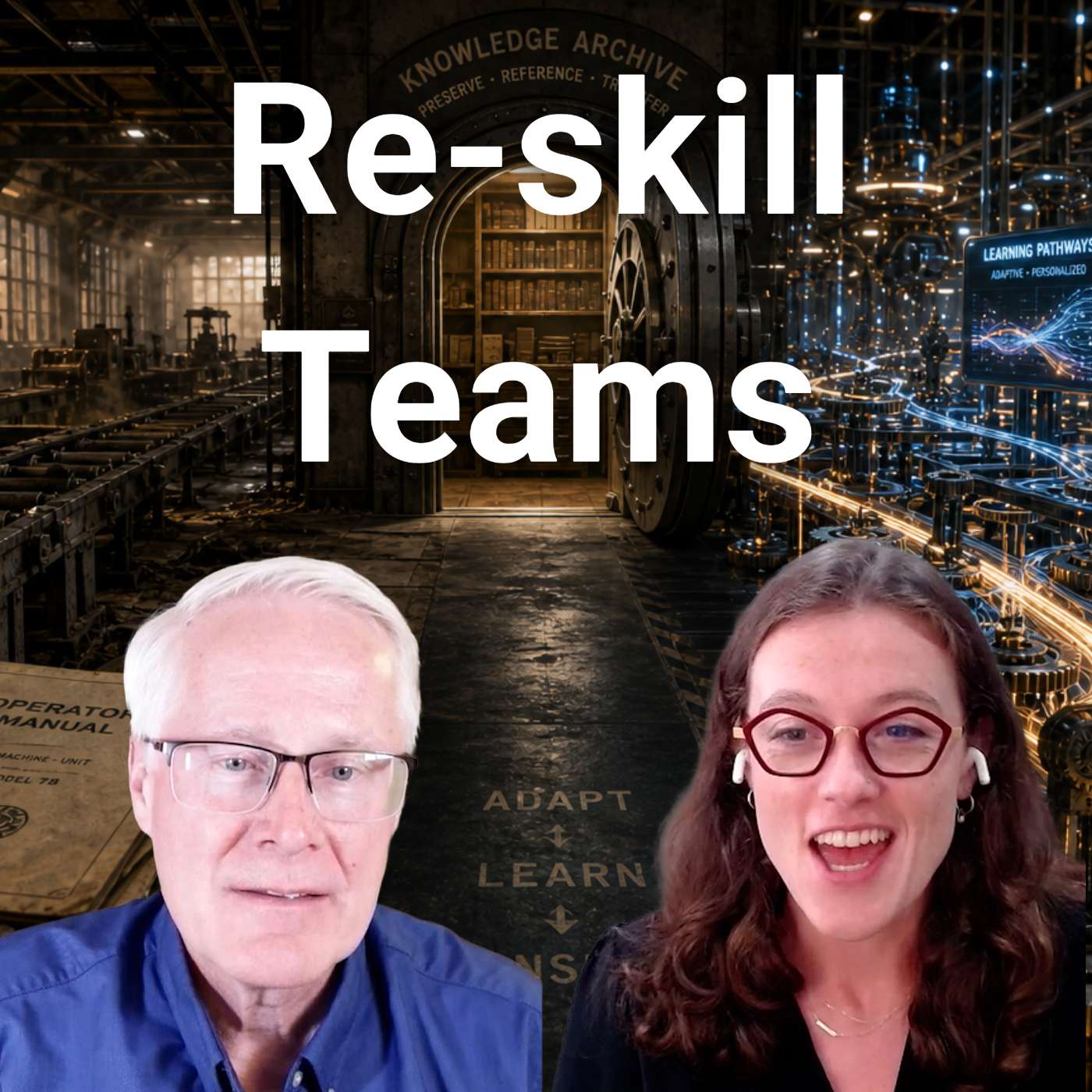 #380 How to Reskill Teams for AI Without Losing Institutional Knowledge 26.08.2026 33minCheck out my new book AI Augmented Teams on Amazon or on my website paidar.ai/books.Reskilling isn’t just a response to layoffs anymore—it’s becoming the real strategy for surviving AI disruption. Host Dr. Darren sits down with Sarah from General Assembly to unpack how leaders can reskill teams for AI, protect institutional knowledge, and build a workforce that adapts without losing its best people. ## Key Takeaways - Reskilling should be treated as a proactive workforce strategy, not just a reaction to layoffs. - The smartest organizations start with an honest audit of current skills, future gaps, and AI-driven role changes. - Keeping employees preserves institutional knowledge, culture, and the cost savings of hiring from scratch. - Effective AI training should be role based: executives, finance, legal, creative, and data teams all need different skills. - Human skills like communication, critical thinking, collaboration, and judgment are becoming more valuable as AI becomes baseline. - Open communication from leadership reduces fear and improves adoption—people need to see a plan, not just a mandate. ## Chapters - 00:00 Introduction to reskilling in the age of AI - 01:02 Sarah’s origin story and path into workforce development - 05:10 Why reskilling is more than a layoff response - 08:08 Why companies often choose layoffs over retraining - 10:29 How to audit skills and identify workforce gaps - 13:43 Leading with transparency and reducing fear around AI - 16:25 Building a practical AI reskilling plan - 18:44 Human skills that will matter most in an AI-driven workplace - 22:12 Why role-based training beats generic AI courses - 26:05 How General Assembly delivers live, customized training - 29:10 Closing thoughts and where to learn more
 -
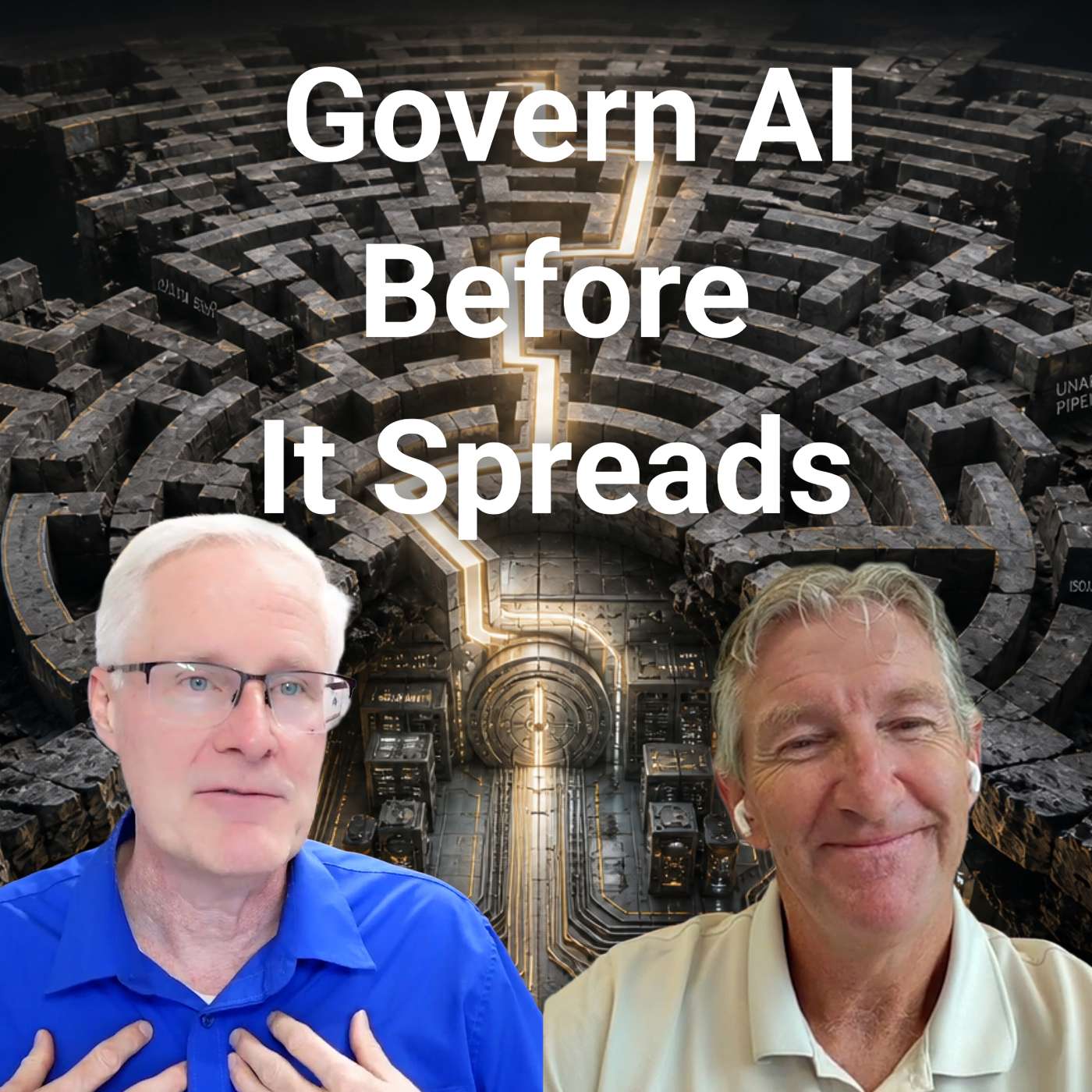 #379 How to Govern AI Before It Spreads 24.08.2026 48minCheck out my new book AI Augmented Teams on Amazon or on my website paidar.ai/books.AI is forcing CEOs to confront a new kind of risk, and Dr. Darren and guest Dennis O'Shea dig into what enterprise leaders need to do before it spreads. From AI governance and data security to Gen Z workarounds, agent management, and AI spend control, this conversation explores why readiness matters more than speed—and how to build an AI strategy that scales safely. ## Key Takeaways - AI doesn’t level the playing field—it exposes weak data, broken workflows, and missing governance. - Most organizations are not ready to deploy AI at scale because use cases aren’t clearly defined. - Data sprawl creates real risk when employees upload sensitive files, emails, or HR documents into public LLMs. - Gen Z is especially likely to bypass friction, making shadow AI and unsanctioned tools a growing governance challenge. - AI rollout works best when leaders classify data, add guardrails, and train frontline workers—not just office staff. - Three emerging enterprise problems to watch: AI spend management, agent lifecycle ownership, and identity/security for AI agents. ## Chapters - 00:00 AI fear, urgency, and why governance matters now - 02:05 Catching up with Dennis: pickleball and AI services - 04:10 Why AI exposes weak processes instead of fixing them - 06:30 The enterprise AI readiness gap and lack of use-case planning - 09:15 Data sprawl, sensitive files, and privacy risk - 13:20 Gen Z, shadow IT, and unsanctioned AI tools - 16:40 Locked-down enterprises and the challenge of secure collaboration - 20:05 Structured AI rollout: data classification and DLP - 23:10 Frontline workers, training, and adoption gaps - 26:15 Mid-market pressure and the role of automation - 30:00 New AI challenges: spend management, agents, and identity - 35:20 The AI-augmented operating system and the book project - 41:00 AI slop, integrity packets, and authentic outputs - 47:10 Using multiple models for critique and validation - 50:00 Where to find the survey and more resources
 -
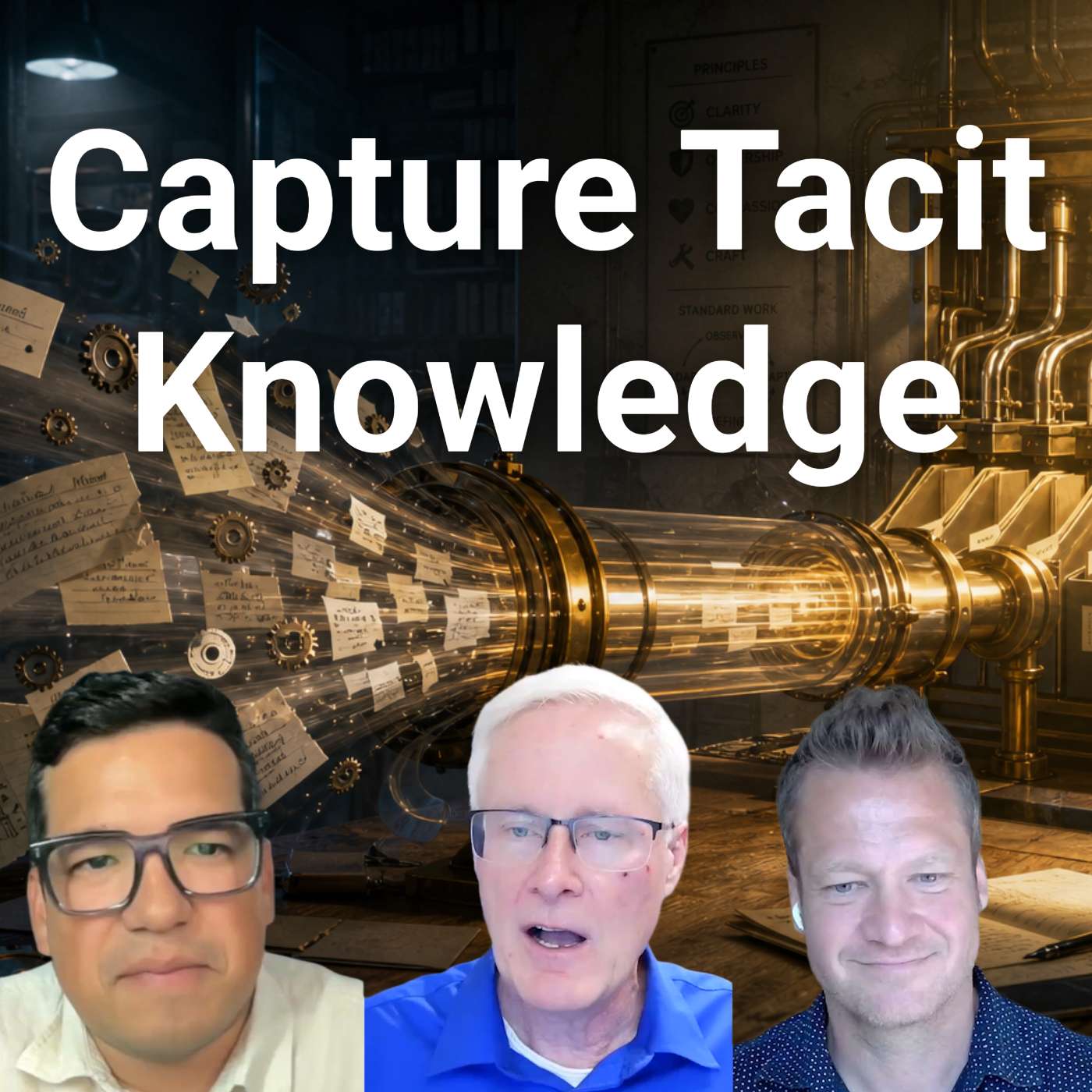 #375 AI Is Turning Tacit Knowledge Into Executable Process 10.08.2026 37minCheck out my new book AI Augmented Teams on Amazon or on my website paidar.ai/books.Every company says knowledge is power, but what happens when that knowledge lives in people’s heads? Host Dr. Darren explores AI in digital transformation with Erich Hugunin and Italo Belandria, showing how AI can capture tribal knowledge, speed onboarding, improve customer handoffs, and turn tacit expertise into repeatable business process. ## Key Takeaways - AI can help organizations surface tacit knowledge hidden in conversations, documents, and systems. - Faster onboarding and reduced ramp time are major wins for sales, engineering, and support teams. - Trust matters: employees adopt AI more readily when they see it as coaching and enablement, not surveillance. - AI magnifies existing strengths and weaknesses, making good processes more scalable and bad ones more visible. - Human judgment still matters; the best results come when people review, correct, and improve AI outputs. - Leaders should focus on execution, standardization, and reusable knowledge—not just experimentation. ## Chapters - 00:00 Intro and guest welcome - 01:10 Superhero background stories - 03:05 How AI is changing SaaS and scaling teams - 04:40 Tribal knowledge and slow onboarding - 06:20 Capturing tacit knowledge with AI - 08:10 Employee concerns, trust, and hallucinations - 10:05 AI, human interaction, and communication skills - 12:00 Magnifying strengths, weaknesses, and siloed data - 14:10 Turning data into usable business information - 16:00 Closing thoughts and where to connect
 -
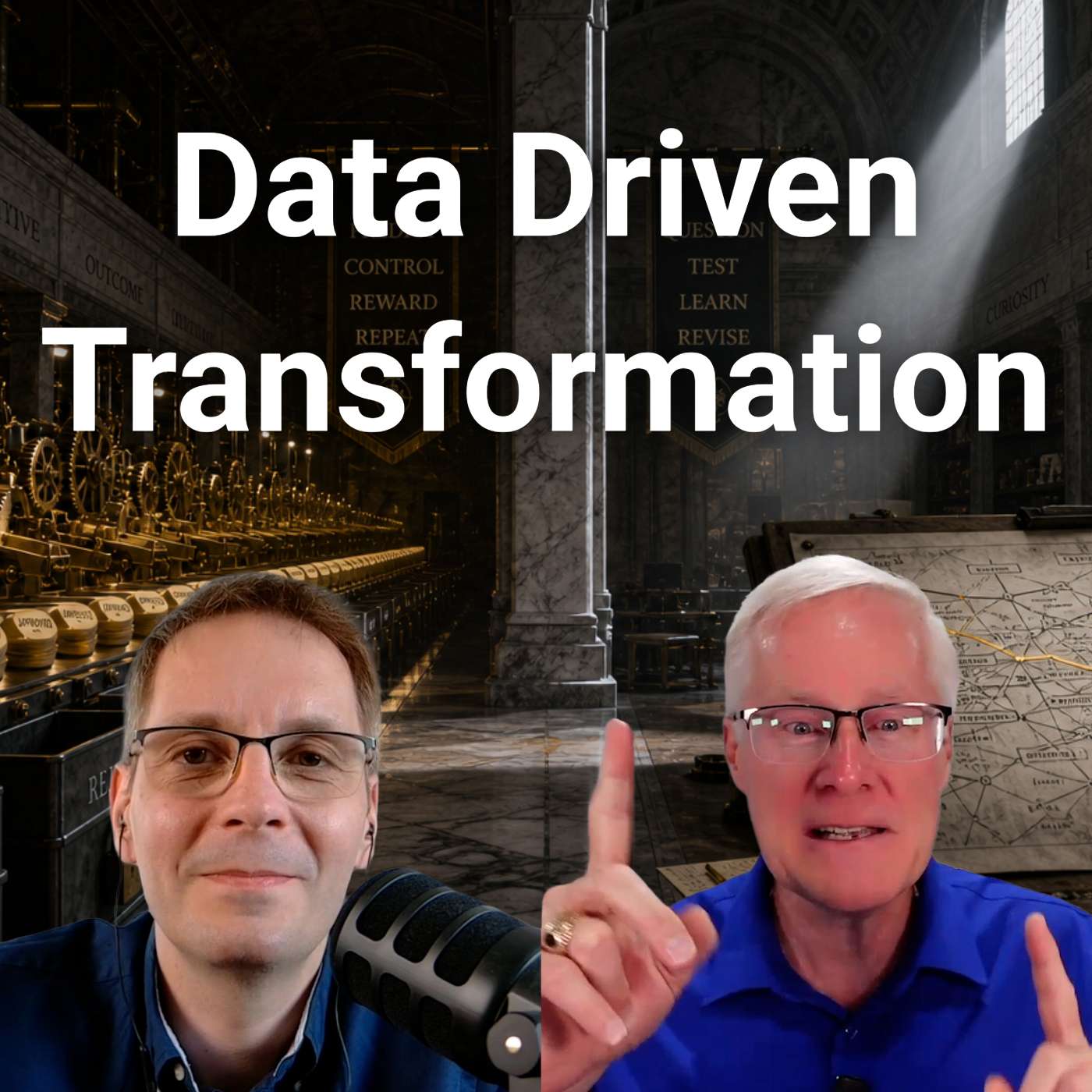 #374 How to Build a Data-Inspired Decision Culture 05.08.2026 35minCheck out my new book AI Augmented Teams on Amazon or on my website paidar.ai/books.Data can inform a decision, but it can’t replace leadership. Dr. Darren sits down with Dr. Sebastian Vinicky, author of *Data Inspired*, to explore how digital transformation, AI, and data-driven decision-making really work inside organizations. They break down why dashboards alone don’t change culture—and what it takes to build a true data-inspired decision culture. ## Key Takeaways - **Data is not the destination**: digital transformation should use data to improve decisions, not just generate reports and dashboards. - **Leadership sets the tone**: if executives reward compliance over curiosity, teams will use analytics to defend positions instead of challenge them. - **AI amplifies culture**: artificial intelligence won’t fix weak decision-making; it will accelerate the habits already in place. - **Incentives shape behavior**: people respond to what gets rewarded, so data culture must be reinforced through leadership and systems. - **Better decisions need human judgment**: data helps explore options, test assumptions, and reduce risk, but humans still own the final call. - **Think “data-inspired,” not “data-driven”**: the goal is to let insights inform action while keeping accountability with people. ## Chapters - **00:00** Digital transformation, data, and the promise vs. reality - **02:05** Sebastian Vinicky’s origin story in bioinformatics and analytics - **05:20** Why organizations struggle to turn data into transformation - **08:10** Data deficit theory and the bias to confirm what we already believe - **11:25** Culture, incentives, and how leaders shape data behavior - **14:40** Dashboards, root cause thinking, and curiosity over blame - **17:05** Edward Deming, statistical process control, and measurement myths - **20:00** AI, decision-making, and the risk of over-relying on automation - **24:10** Supply-side AI hype vs. demand-side readiness - **27:15** Why multiple “right” answers can exist in the same data set - **31:00** Bias, emotion, and how humans actually make decisions - **34:10** Data makes decision-making better, not easier - **36:20** The challenge of AI-generated confidence and noisy thinking - **39:05** Sebastian’s book *Data Inspired* and how to connect
 -
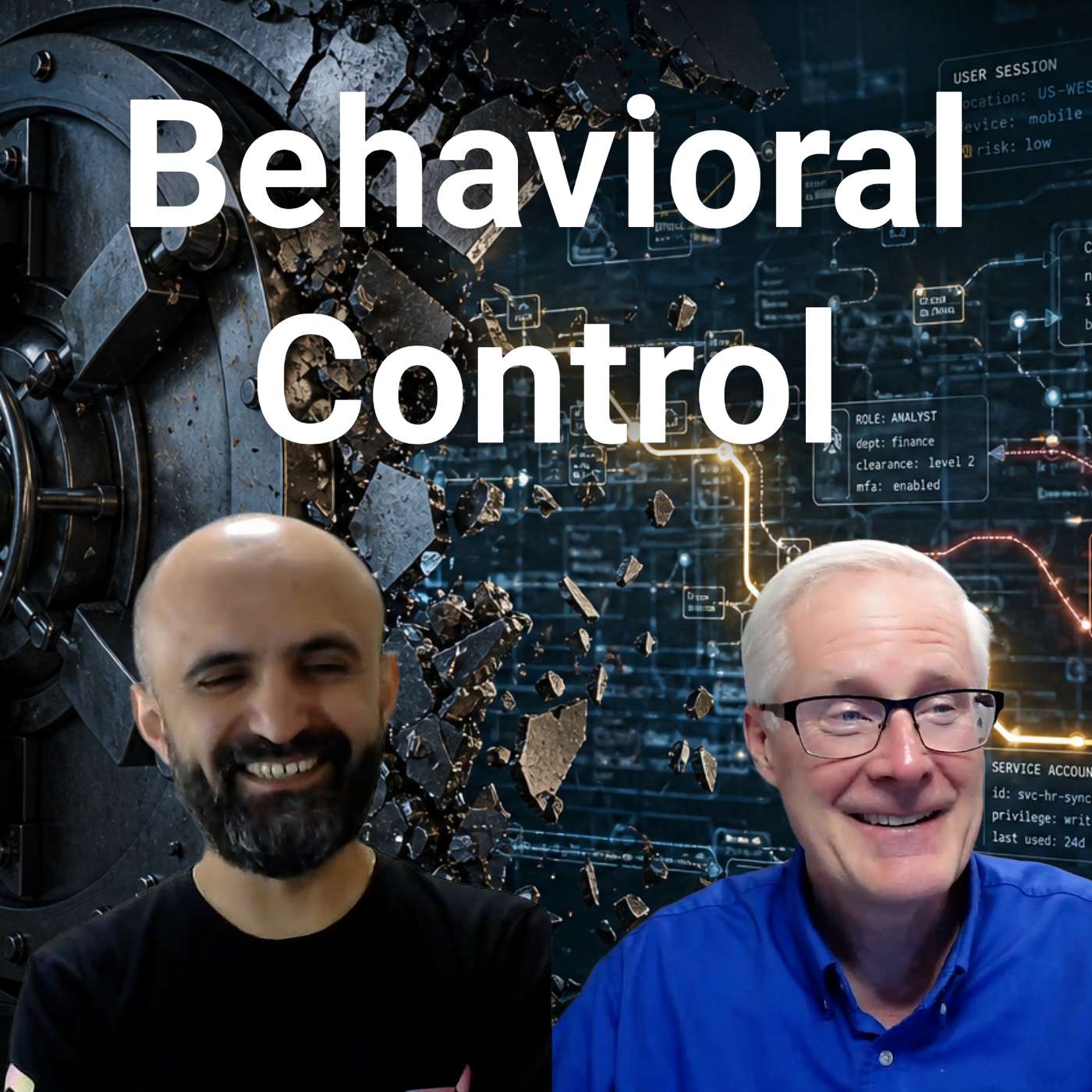 #373 AI Security Needs Behavioral Control, Not Just Pattern Matching 03.08.2026 47minCheck out my new book AI Augmented Teams on Amazon or on my website paidar.ai/books.AI is moving faster than most security controls can keep up with—and that’s exactly why Dr. Darren speaks with Yaqoob Rahim, founder of Polygraph AI, about why AI security now needs **behavioral control**, not just pattern matching. They unpack the real risks behind copilots, agents, and shadow AI, and what leaders can do to protect data without slowing innovation. ## Key Takeaways - **AI security must evolve from detection to behavior control.** Traditional pattern matching alone can’t govern agentic AI or contextual workflows. - **Human behavior remains the biggest risk.** Most breaches still begin with phishing, negligence, or unsafe data handling. - **Shadow AI is already everywhere.** Teams are using multiple AI tools, often without full visibility from IT or security leaders. - **Context matters more than regex.** AI understands meaning, language shifts, and workflow intent—so security controls need to do the same. - **Agents need guardrails.** If AI agents can access systems or data, organizations need gateways, policies, and clear access boundaries. - **Adoption is inevitable, so governance must catch up.** The goal isn’t to block AI—it’s to secure it, measure it, and use it responsibly. ## Chapters - **00:00** Introduction to AI security and behavioral control - **02:10** Yaqoob Rahim’s background story - **06:05** Why human behavior is the real cybersecurity risk - **10:20** Shadow AI in enterprise and government workflows - **15:30** AI agents, access controls, and data leakage concerns - **20:45** Why pattern matching fails in contextual AI environments - **26:10** Building secure AI gateways and low-latency guardrails - **31:00** Adoption, training, and the future of AI governance
 -
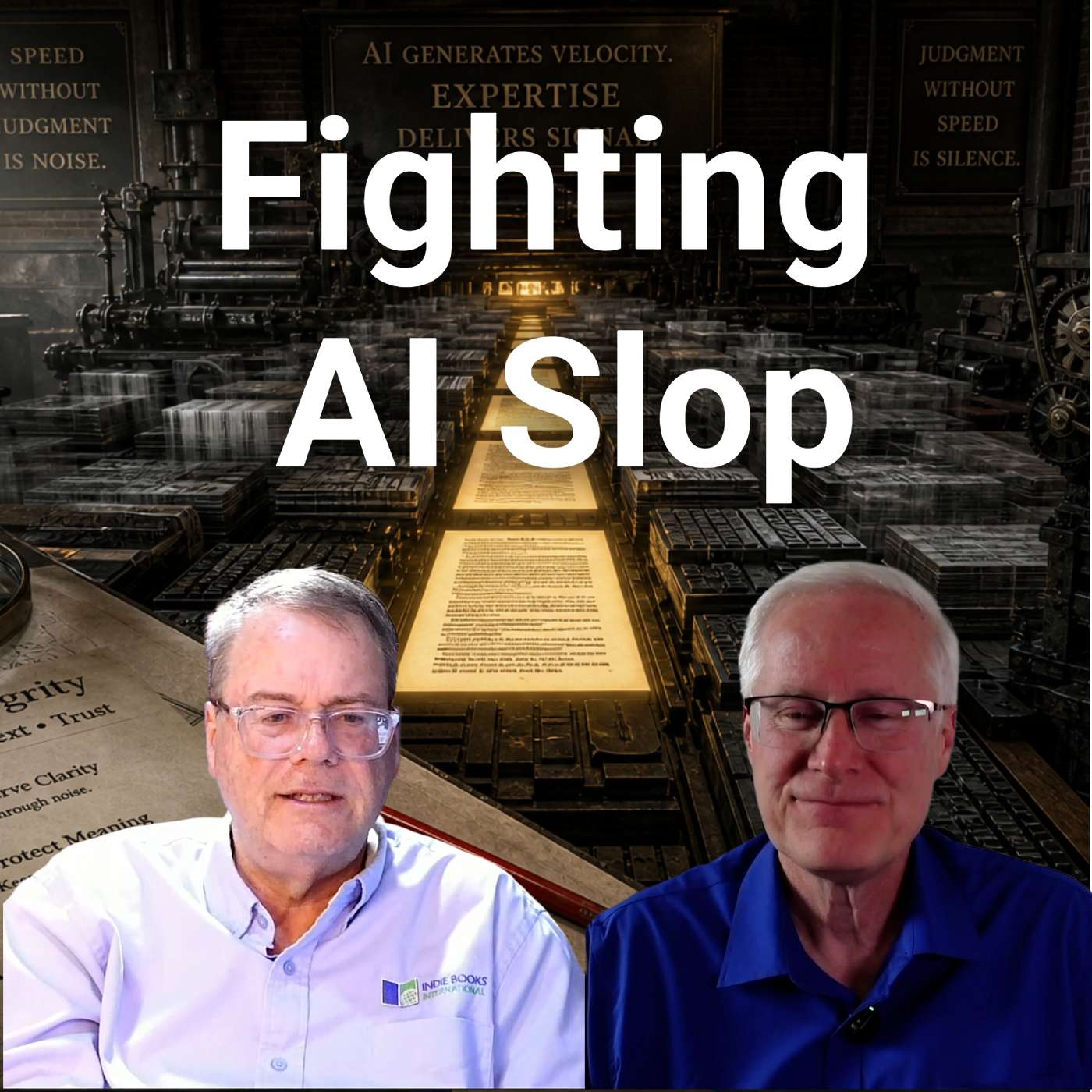 #372 Using AI to Write Better Books Without Losing Your Voice 29.07.2026 32minCheck out my new book AI Augmented Teams on Amazon or on my website paidar.ai/books.Host Dr. Darren welcomes author, ghostwriter, and publishing strategist Henry DeVries to unpack how AI is reshaping publishing, authority, and book marketing. From AI-generated content and audiobook voices to niche positioning and credibility, this conversation shows why subject matter expertise matters more than ever in a world flooded with generic output. ## Key Takeaways - **Publishing is shifting from mass appeal to niche authority.** The goal is to be intensely relevant to a smaller audience that has a real problem you can solve. - **AI is a powerful tool for research, editing, and brainstorming.** Use it to accelerate work, not replace human judgment, strategy, or lived experience. - **Generic AI content is increasingly easy to spot.** Strong point of view, depth, and originality are what separate credible writing from “AI slop.” - **Books can be business assets, not just products.** For authors, a book can drive consulting, speaking, training, and other high-value opportunities. - **Readability matters.** AI can help writers adjust tone and complexity so content connects with the intended audience. - **Human expertise still wins.** The best results come from using AI to amplify your voice, not flatten it. ## Chapters - **00:00** Introduction to AI, publishing, and authority - **01:05** Henry DeVries’ background as author, ghostwriter, and publisher - **03:00** How print-on-demand and Amazon changed publishing - **05:10** Why niche audiences matter more than mass reach - **07:05** Books as a marketing engine for consulting and speaking - **09:20** AI in publishing: research, editing, and grammar support - **12:05** Avoiding AI slop and improving readability - **14:20** AI as a brainstorming partner, not a substitute for strategy - **16:10** Audiobooks, cloned voices, and platform policies - **18:15** The future of publishing, fake news, and AI-generated content - **20:00** Final advice on authority, expertise, and book strategy
 -
 #371 How to Use AI Without Losing Your Voice or Judgment 27.07.2026 34minCheck out my new book AI Augmented Teams on Amazon or on my website paidar.ai/books.Darren and guest host Paige Pulsipher dig into the real question behind AI adoption: how do you use AI to amplify your work without losing your voice, judgment, or accountability? They discuss Darren’s new book, *Becoming AI Augmented*, and share practical lessons for leaders, teams, and individual professionals navigating AI transformation. ## Key Takeaways - AI can take over tasks, but it should not replace human judgment, ownership, or accountability. - The goal of becoming **AI augmented** is to use AI as a capability multiplier, not a shortcut. - Many professionals are already using AI in an improvised way, so leaders need a clearer framework for context, review, and quality control. - Fear of AI often comes from uncertainty about where people fit in the workflow; that’s a leadership challenge, not just a technical one. - The **AI augmented operating system** helps people decide which tasks AI should absorb and which decisions must stay human. - Strong AI use is about integrity: making sure outputs are reliable, defensible, and aligned with your goals. ## Chapters - 00:00 Welcome back and introducing *Becoming AI Augmented* - 03:05 Why Darren wrote the second book - 06:10 AI anxiety, job impact, and finding your place - 10:00 What it means to become AI augmented - 14:25 The “AI faker” idea explained - 18:20 Building and fixing the audiobook with AI - 23:10 Integrity packets: context, evidence, and accountability - 29:05 How Darren writes books with AI agents - 34:40 Why this work matters for leaders and educators
 -
 #370 How to Control AI Agents with Formal Methods and Ephemeral Access 24.07.2026 46minCheck out my new book AI Augmented Teams on Amazon or on my website paidar.ai/books.AI isn’t just generating content anymore — it’s becoming an operational actor inside enterprise systems. Doctor Darren sits down with Ev Kontsevoy to unpack how AI agents, formal methods, ephemeral access, and action-based governance can help technologists and business leaders keep control as automation speeds up and scales out. ## Key Takeaways - **AI changes the risk model:** fast, probabilistic systems can make mistakes at machine speed, so old “critical vs. non-critical” thinking no longer works. - **Role-based access control (RBAC) is straining at scale:** as organizations grow, roles multiply faster than employees, making policy management harder to govern. - **Move from identity-based to action-based control:** define what the business action is, then bind permissions to that action instead of to a long-lived role. - **Ephemeral access improves security:** grant access only for the duration of the task, then let it disappear when the work is complete. - **Formal methods matter again:** if AI agents are going to act on infrastructure, workflows need to be precise, verifiable, and impossible to misinterpret. - **Treat AI like a first-class operating force:** the winners won’t just deploy more AI — they’ll govern it with stronger, more scalable controls. ## Chapters - **00:00** Opening thoughts on AI risk, speed, and governance - **02:15** EV’s background in engineering and building for engineers - **06:10** Why AI changes infrastructure and enterprise control - **10:05** From cars and licenses to modern computing regulation - **15:20** Human language vs. precise machine instructions - **20:35** Formal methods, verifiable software, and safer automation - **26:40** Why AI makes every software path feel “critical” - **32:10** Deterministic software, human error, and AI’s new risk profile - **38:00** Identity, memory, capability, and motivation in AI agents - **44:15** Why RBAC breaks at scale and what comes next
 -
 #368 AI Augmented Redesigning Insurance Around the Customer 20.07.2026 31minCheck out my new book AI Augmented Teams on Amazon or on my website paidar.ai/books.Redesigning Insurance Operations with AI and Customer-Centered Transformation How do you use AI to do more than speed up old workflows? Doctor Darren sits down with Kristen Nunery, entrepreneur and insurance-tech leader, to explore how AI can help redesign the operating model, improve customer experience, and support compliance in regulated industries. They also discuss startup-style change management, subject matter expertise, and building a new product around the customer. ## Key Takeaways - AI is most powerful when it reshapes the business model, not just automates existing tasks. - In regulated industries like insurance, subject matter expertise is still essential for trustworthy outcomes. - A “clean whiteboard” approach can help teams design around the customer’s real needs instead of legacy processes. - Building a startup inside an established company can accelerate innovation if the boundaries are clear. - Change management matters: culture, incentives, and team ownership must evolve with the new model. - Legacy workflows can creep back in under pressure, so leaders need discipline to stay aligned with the new strategy. ## Chapters - 00:00 — Opening: AI as a business reset - 01:05 — Meet Kristen Nunery - 02:10 — Kristen’s origin story and entrepreneurial drive - 04:00 — A personal experience that shaped the mission - 06:05 — The insurance problem space and customer protection - 08:10 — Why ChatGPT alone isn’t enough - 10:05 — Redesigning the business with a clean whiteboard - 13:00 — Taking the bold leap and managing stakeholder buy-in - 15:20 — Creating a startup inside the company - 18:00 — Change management, team alignment, and culture - 20:10 — Lessons from missteps and timing pressure - 23:00 — Bringing the old and new organizations together - 26:10 — How AI is powering the new product - 29:00 — Customer-centered AI and industry redefinition - 31:10 — Closing thoughts and where to connect
 -
 #369 How to Automate Manual Operations Without Breaking Compliance 20.07.2026 34minCheck out my new book AI Augmented Teams on Amazon or on my website paidar.ai/books.How do you digitize an analog operation without losing the people who keep it running? Host Dr. Darren sits down with James Gilbride, CEO of mailing.com, to unpack a real-world digital transformation story in print, mail, compliance, and workflow automation. From legacy operations to AI-powered governance, this conversation is packed with practical lessons for leaders modernizing at scale. ## Key Takeaways - Digital transformation works best when it’s treated as an operating model shift, not just a software upgrade. - Overcommunication matters: change has to be repeated consistently across leadership and teams to stick. - Middle management alignment is critical, especially when reassigning roles instead of simply adding tools. - Tribal knowledge is a business asset and should be captured, governed, and shared before it walks out the door. - AI is most valuable as an augmentation tool for compliance, reporting, and decision support—not as a blunt replacement for employees. - Real-time data, metadata monitoring, and automated governance can help regulated businesses move faster without sacrificing control. ## Chapters - 00:00 Hook and why legacy operations must modernize - 01:10 James Gilbride’s origin story and early tech experience - 06:05 From healthcare informatics to print and mail leadership - 09:20 Turning a manual workflow into a digital process - 13:40 Leading change with executive buy-in and team communication - 18:10 Reassigning roles without shrinking the company - 23:00 AI as augmentation for CEOs and business leaders - 28:15 Data governance, compliance, and real-time oversight - 33:10 Final thoughts and how to connect with mailing.com
 -
 #367 How Mid-Sized Companies Can Beat the Giants with AI 13.07.2026 34minCheck out my new book AI Augmented Teams on Amazon or on my website paidar.ai/books.AI can feel like a race, but the smartest leaders are asking a much simpler question: where is the real business friction? Host Dr. Darren and guest Matt Strippelhoff, founder and CEO of Red Hawk Technologies, unpack how mid-sized companies can use AI, workflow automation, and data governance to create real value without falling for vendor hype. ## Key Takeaways - **AI is not a strategy** — it works best as a force multiplier for a business plan that already identifies where friction lives. - **Start with workflow, not tools** — map the path from opportunity to cash, then look for steps AI can streamline. - **Data readiness matters** — bad data, weak governance, and no single source of truth can turn AI into a faster way to make bad decisions. - **Expertise still wins** — subject matter experts should define the problem and outcome, while AI supports architecture, prototyping, and automation. - **Production needs architecture** — vibe coding is useful for ideas, but scalable software still requires engineering discipline, testing, and support. - **Watch the economics** — AI usage is a consumption cost, so model choice, local models, and governance should be part of the plan from day one. ## Chapters - **00:00** Why mid-sized companies have the biggest AI opportunity - **01:10** Matt Strippelhoff’s entrepreneurial background story - **04:05** Why agile consultancies and SMBs can outmove big enterprises - **06:15** The rise of vibe coding and what it means for software teams - **09:20** Why architecture still matters in AI development - **12:05** How AI can reduce software engineering and support effort - **14:45** Starting with strategy: find friction before selecting tools - **18:10** Why so many AI projects fail: data readiness and governance - **21:00** Where AI works best: workflow automation and cycle-time reduction - **24:00** The cost of AI: model selection, token usage, and local options - **28:10** Automation, jobs, and the human side of digital transformation - **32:00** Where to connect with Matt Strippelhoff and Red Hawk Technologies
 -
 #366 Why Cultural Intelligence Is the Hidden Advantage in Global Business and AI 07.07.2026 37minCheck out my new book AI Augmented Teams on Amazon or on my website paidar.ai/books.Laura KrisKa, cross-cultural relations expert and creator of the Web-Building Framework, joins host Dr. Darren to unpack why cultural intelligence is becoming a must-have leadership skill in global business and the AI-augmented workplace. From Japan to the U.S. and beyond, this conversation shows how cultural differences shape collaboration, trust, and better decision-making. ## Key Takeaways - Cultural differences are **inevitable and predictable** across countries, departments, generations, and industries. - **Artificial intelligence magnifies bias and communication gaps**, making cultural intelligence more important than ever. - You don’t need to agree with another culture to benefit from understanding it; **learning and respect are enough**. - Strong cross-cultural leadership starts with **humility, listening, and a genuine desire to understand others**. - In-person interactions still matter: **face-to-face trust-building** can improve collaboration in distributed, hybrid, and AI-driven teams. - Organizations that invest in **cultural intelligence and interpersonal communication** can collaborate better and innovate faster. ## Chapters - **00:00** Introduction: Why cultural intelligence matters in the AI era - **01:05** Laura’s origin story: Growing up between Japan and Ohio - **04:10** A year in Japan and the power of immersive exchange - **06:20** First days at Honda Tokyo: Culture shock and workplace norms - **09:15** Why cultural differences are inevitable and predictable - **12:05** Lessons from global business and a first trip to Japan - **15:00** Small cultural differences across countries and communities - **18:10** Understanding without agreeing: Why it matters in business - **21:05** Cultural awareness in the U.S.: Industries and regions - **24:00** AI, bias, and the future of human collaboration - **27:10** Two skills every leader needs for cross-cultural success - **30:00** Laura’s HBR collaboration research and closing thoughts
 -
 #365 How to Successfully Lead AI Transformation in Your Organization 01.07.2026 31minCheck out my new book AI Augmented Teams on Amazon or on my website paidar.ai/books.Generative AI is moving faster than most organizations can keep up with—and that’s exactly why host Dr. Darren sits down with Jared Leuschen, founder and CEO of Blue Tree Technology Group, to unpack how leaders can drive AI transformation without losing sight of people, process, and policy. Together, they explore culture, change management, and the practical steps executives need to turn AI strategy into real business value. ## Key Takeaways - AI transformation starts with alignment: get executives, operators, and end users in the same room before making decisions. - Don’t lead with fear. “AI first” isn’t a strategy—clarify the business problem you’re trying to solve. - Focus on one high-impact use case, test it as a proof of concept, and learn before scaling. - Change management matters as much as technology. Process, policy, and people must evolve with the tools. - Watch out for data security risks when employees use public generative AI tools without governance. - Private or hybrid AI environments can help organizations balance innovation, privacy, and control. ## Chapters - 00:00 Introduction and AI transformation - 01:05 Jared Leuschen’s origin story - 04:10 Why executives need change management credibility - 07:00 How generative AI is changing digital transformation - 10:05 Why AI initiatives fail - 13:30 Aligning stakeholders and defining the “why” - 17:00 Balancing urgency with strategy - 20:10 Fear-based momentum vs. real AI planning - 24:00 How to start with a focused AI use case - 28:05 Employee anxiety, adoption, and job security - 33:00 Public AI, data risk, and governance - 38:00 Private AI and the future of secure transformation - 41:00 Closing thoughts and where to connect
 -
 #364 How AI Is Transforming Small Business and Entrepreneurship 29.06.2026 31minCheck out my new book AI Augmented Teams on Amazon or on my website paidar.ai/books.Tom Lahat, co-founder and CXO of Tailor Brands, joins host Dr. Darren to unpack how AI is transforming small business formation, entrepreneurship, and the future of work. From startup branding to business registration, Tom explains how technology can simplify the chaos of launching an LLC, while still keeping humans in the loop for high-stakes decisions, compliance, and accountability. ## Key Takeaways - AI can make starting a business faster and more accessible, especially for first-time founders. - Even with automation, human support matters when decisions involve taxes, compliance, permits, or legal risk. - More people are launching businesses out of necessity, not just passion, as job insecurity grows. - Specialized AI tools tend to work best when they’re focused on a specific industry or use case. - It’s easier than ever to open a business, but harder than ever to stand out and grow it. - Closing a business is not failure—it can be a smart step before starting the next one. ## Chapters - 00:00 Why people are turning to entrepreneurship - 01:10 Tom Lahat's origin story: design to startups - 03:40 Making branding and business setup easier - 06:10 Why AI needs human accountability - 09:05 How AI is changing Tailor Brands - 12:00 New reasons people are starting businesses - 17:20 Job loss, side hustles, and entrepreneurship - 21:05 Is it easier to start a business today? - 24:30 Closing a business and trying again - 28:10 Getting help with LLCs, taxes, and strategy - 31:00 Where to find Tailor Brands
 -
 #363 Making Industry 4.0 Viable: When the Real World Meets Digital Transformation 24.06.2026 30minCheck out my new book AI Augmented Teams on Amazon or on my website paidar.ai/books.Host Dr. Darren sits down with innovation executive and technology strategist Evan Schwartz to explore why **digital transformation** succeeds or fails in the real world—especially in industries like **waste management, recycling, pulp and paper, and supply chain**. From enterprise architecture to user adoption, Evan breaks down how to make **Industry 4.0** practical, profitable, and people-first. ## Key Takeaways - **Digital transformation starts with people, not software.** If frontline teams don’t understand the “why,” even the best system can fail. - **Enterprise architecture matters.** Clear process, technology, and data standards help organizations avoid costly misalignment. - **Know your “as-is” before you buy.** Companies often underestimate how their operations really work—and hidden spreadsheets can hold the business together. - **Set a few measurable goals.** Focus on 3–4 non-negotiable outcomes that justify the investment and move the business forward. - **Choose flexible, open systems.** Open architecture and defined data contracts help businesses avoid vendor lock-in and protect their unique workflows. - **Digital transformation is ongoing.** The goal isn’t just to modernize—it’s to build a more efficient, circular, and resilient operation. ## Chapters - **00:00** Introduction to Embracing Digital Transformation - **02:10** Evan Schwartz’s background story - **08:05** Why garbage, recycling, and supply chain are digital transformation problems - **13:20** How technology changed pulp, paper, and waste operations - **18:45** The biggest barriers to transformation - **24:10** Getting executive buy-in and proving ROI - **30:00** The importance of vision, adoption, and user experience - **36:15** Why many ERP implementations fail
 -
 #362 Why Most Mergers Fail: Culture, Technology, and Leadership Lessons 22.06.2026 35minCheck out my new book AI Augmented Teams on Amazon or on my website paidar.ai/books.Mergers don’t fail because of spreadsheets alone—they fail when culture, communication, and technology change collide. Dr. Darren sits down with Tom Amburgey, CEO at Euna Solutions, to unpack why most mergers fail, and what real integration leadership looks like when you’re aligning people, systems, and strategy across multiple companies. ## Key Takeaways - Start with the **why**: employees are more likely to support merger integration when they understand the purpose behind change. - Culture comes first in **digital transformation** and M&A—technology decisions land better when the human side is addressed early. - A successful integration requires clear definitions of **what the business does**, how it behaves, and what success looks like. - Don’t underestimate “simple” tools like **Slack, Teams, email, and file storage**—they often become emotional symbols of change. - Real merger integration takes time: **ERP, CRM, Salesforce, and data migration** need realistic timelines and experienced partners. - AI transformation works best when leaders are honest, visible, and focused on **augmenting teams**, not just cutting costs. ## Chapters - **00:00** Intro: Why mergers fail - **01:12** Tom Amburgey's background story - **04:10** Building a company through multiple acquisitions - **06:05** Where to start: culture, why, and leadership - **09:40** Defining values, behaviors, and business purpose - **12:20** Managing culture clashes across companies - **15:10** Leading listening tours and executive alignment - **18:05** Why “simple” tools trigger big emotions - **22:00** Tech integration lessons: email, Slack, and Microsoft tools - **24:35** Salesforce, CRM, and ERP migration challenges - **28:10** AI transformation and what’s different now - **32:00** Building trust with transparent AI adoption - **35:15** Final thoughts and where to connect with Unit Solutions The Real Reason Mergers Break DownMergers don’t usually fail because of a single bad system. They fail because people, process, and technology are pulled in different directions at the same time.Tom Amburgey, CEO of Unit Solutions, shares a practical view of what it takes to bring companies together after multiple acquisitions. His perspective matters for technologists and business leaders because it cuts past the buzzwords and gets to the hard truth: integration is a human problem first. Start with the Why, Not the Tools Culture Comes Before SystemsWhen organizations merge, the instinct is often to unify the software stack fast. But Tom makes a strong case for starting with culture and clarity: why does the business exist, what does it do, and how should people behave together?That framing helps teams understand why change is happening instead of assuming it is just cost-cutting or control. In a merger or digital transformation, the “why” can reduce resistance more than any technical roadmap. Listening Beats MandatingOne of the most useful leadership moves Tom described was a listening tour. He spent the first 90 days talking to hundreds of employees so people could raise concerns before decisions were finalized.That matters because change often feels like loss. A new tool, a new process, or a new org chart can trigger anxiety about identity, status, and belonging—leaders who acknowledge that reality earn more trust than leaders who hide behind policy.# Key takeaways- Define the purpose of the change in plain language.- Listen before you standardize.- Treat resistance as a signal, not a problem to silence. The Hidden Cost of “Simple” Tech Changes Slack, Email, and Other Everyday Friction PointsIt’s easy to assume the hardest part of integration is the big enterprise system. In reality, teams often fight hardest over familiar tools like Slack, email, file storage, and expense reporting.Why? Because those tools become symbols of identity. Losing them can feel like losing the old company itself. Tom’s approach was to explain the reason for each change, admit mistakes, and keep leaders visible and accountable. Data and CRM Migration Need Real-TimeTechnology integration is where many mergers stall. Tom shared that email and file migration went fairly well, but CRM consolidation took much longer than expected.That’s a familiar lesson for any business leader: don’t force an artificial six-month deadline on a complex migration. ERP, CRM, and data mapping projects need realistic timelines, third-party support, and room for cleanup after launch. AI Transformation Works the Same Way Adoption Depends on TrustTom’s team is now rolling out enterprise AI across the organization, and the playbook is surprisingly similar to merger integration. The biggest success factor is still transparency: explain the value, show the workflow impact, and be honest about what will change.That’s especially important because employees are reading headlines about AI replacing jobs. Leaders need to address fear directly and show how AI can augment people, not just automate them out of a job. Lead by ExampleTom also uses the tools himself and tracks adoption from the top down. That sends a clear signal: if the CEO is using AI to work smarter, everyone else has permission to learn.For technologists and executives, that’s the real lesson. Transformation sticks when leaders model the change they want to see. Listen to the Full ConversationIf you want more practical lessons on mergers, culture, and AI-driven change, listen to the full episode and subscribe to **Embracing Digital Transformation** for more leadership insights.
Samankaltaiset podcastit


Suosittu maassa
Tämä podcast esiintyy myös näiden maiden podcast-listoilla.
