
It's Been a Minute
NPR
0
Brittany Luse explores the hidden forces that shape our tastes, behaviors, and identities, from politics and pop culture to technology and health. The show helps listeners understand and navigate a complex society, winning the Best Pop Culture Podcast award at the 2025 Signal Awards. New episodes every Monday, Wednesday, and Friday.
Jaksot
-
 Your summer (Sponsored by prediction markets) 15.09.2026 38minThe summer of 2026 turned into the summer of predictive markets. Polymarket and Kalshi, two of the largest betting platforms in the US, expanded their marketing to reach users everywhere. And they seem to be actively pursuing women customers — highlighting bets on who'd win Love Island USA to who'd attend the Taylor Swift Travis Kelce wedding. To discuss this phenomenon, we’re talking with Nancy Walecki, staff writer at The Atlantic and Lauren McCarthy, business reporter at The New York Times, to understand how predictive markets are catering to women, and what it all means. Support public media with NPR+ and enjoy perks for over 25 podcasts like this one. This show’s perks include sponsor-free listening. Learn more at plus.npr.org.See pcm.adswizz.com for information about our collection and use of personal data for sponsorship and to manage your podcast sponsorship preferences.NPR Privacy Policy
 -
 The rising power of American Muslims 14.09.2026 34minIs this a new era for American Muslims?American Muslims are building their own cultural institutions – New York Magazine and The Guardian have reported on flourishing ecosystems of cafes, magazines, dance nights, meetups and readings for Muslims and/or people with heritage from the SWANA region. And on a political level, Muslims like Minnesota Representative Ilhan Omar and New York Mayor Zohran Mamdani have become prominent faces of the left. On the one hand, this swell of Muslims coming up in politics and building cultural institutions is not surprising – there are over 4 million Muslims in America. On the other hand, this shift is pretty significant given how deeply Islamophobia and racism are rooted in our culture. So what's changed for American Muslims in recent years, and what’s stayed the same? What does it mean that Muslims are accruing a little more political and cultural capital now, and that non-Muslims are noticing?To get deeper into it, Brittany is joined by Dr. Donna Auston, cultural anthropologist, and Dr. Tazeen Ali, scholar of Islam in America and associate professor of religion and politics at Washington University in St. Louis.(00:00) Is this a new era for American Muslims?(02:19) From family joints to Instagrammable coffee shops(11:11) The Muslim faces of the progressive movement(14:51) Systemic Islamophobia in America(20:35) How race shapes Muslim communities(27:04) Shifting views on Gaza amidst persistent IslamophobiaSupport public media with NPR+ and enjoy perks for over 25 podcasts like this one. This show’s perks include sponsor-free listening. Learn more at plus.npr.org.See pcm.adswizz.com for information about our collection and use of personal data for sponsorship and to manage your podcast sponsorship preferences.NPR Privacy Policy
 -
 The manosphere is coming for R&B 11.09.2026 28minThe genre made for lovers doesn't seem to respect the very fanbase it’s engineered to woo.When Mankaprr Conteh interviewed R&B artist Isaia Huron, she imagined a thoughtful if not a bit complicated conversation about the difficult woman at the center of his latest album, Mr. Lovebomb. What she got was something else entirely.Huron went on to tell Mankaprr that he has no empathy for women and that it's problematic that women believe they deserve everything. This conversation was later turned into Mankaprr’s piece for Hammer & Hope magazine: “Is This What R&B Sounds Like When You Don’t Respect Women?” Huron’s casual misogyny in a genre like R&B raised more questions than answers.Today on the show, journalist and 2026–2027 Knight-Wallace Arts Journalism Fellow at the University of Michigan Mankaprr Conteh, joins Brittany to break down Huron’s surprising comments, ‘vibes based chauvinism,’ and the state of R&B today.Support public media with NPR+ and enjoy perks for over 25 podcasts like this one. This show’s perks include sponsor-free listening. Learn more at plus.npr.org.See pcm.adswizz.com for information about our collection and use of personal data for sponsorship and to manage your podcast sponsorship preferences.NPR Privacy Policy
 -
 Would you let your kids play football? 09.09.2026 26minIs the fantasy of football worth the potential price?That's what football athletes, fans and doctors are asking after a new study published in late August revealed that from a sample of athletes who played at least one NFL game in their careers and who died between 2016 and 2021, a minimum of around 25% -- that's one in every four of those players -- had a brain condition called CTE upon their death. But what do these findings really mean for one of the world's most lucrative sports leagues, and how might our cultural ideas about football be creating blind spots for us when we consider the risks of the game? To find out Brittany is joined by Gene Demby, co-host of NPR’s Code Switch, and LZ Granderson, host of the LZ Granderson Show podcast, and op-ed columnist at the LA Times.Want more episodes at the intersection of labor, entertainment, and pop culture? Check these out:Has Broadway lost its way?People are struggling financially. Even on TV.Support public media with NPR+ and enjoy perks for over 25 podcasts like this one. This show’s perks include sponsor-free listening. Learn more at plus.npr.org.If you or someone you know may be considering suicide, contact the 988 Suicide & Crisis Lifeline by dialing 9-8-8, or the Crisis Text Line by texting HOME to 741741.See pcm.adswizz.com for information about our collection and use of personal data for sponsorship and to manage your podcast sponsorship preferences.NPR Privacy Policy
 -
 We've reached peak 'optimization.' What comes next? 08.09.2026 42minHas the era of optimization finally reached a fever pitch?Veneers, perfect minimalist home decor, and even eye whitening drops are just the tip of the iceberg when it comes to the many ways we can ‘optimize’ our lives. But at what cost? And how did we even get to this point?To understand this trend we’re talking with Bloomberg Business Week Senior Writer Amanda Mull, who wrote The Optimization Backlash Has Begun, to understand how optimization has become the name of the game online and why it’s starting to wear thin.Support public media with NPR+ and enjoy perks for over 25 podcasts like this one. This show’s perks include sponsor-free listening. Learn more at plus.npr.org.See pcm.adswizz.com for information about our collection and use of personal data for sponsorship and to manage your podcast sponsorship preferences.NPR Privacy Policy
 -
 Why you shouldn't bring your full self to work 07.09.2026 45min"Be vulnerable." "We love your authenticity." "Bring your full self to work." Sound familiar? In this episode from our friends at Code Switch, B.A. Parker chats with Jodi-Ann Burey, author of Authentic: The Myth of Bringing Your Full Self to Work, about why you should absolutely NOT do those things at work — especially if you're a Black woman.For more episodes on how we work, check out:Who really counts as ‘working class’?You might be suffering from AI brain fryHow the grindset broke your brainSupport public media with NPR+ and enjoy perks for over 25 podcasts like this one. This show’s perks include sponsor-free listening. Learn more at plus.npr.org.See pcm.adswizz.com for information about our collection and use of personal data for sponsorship and to manage your podcast sponsorship preferences.NPR Privacy Policy
 -
 In America, are you what you wear? 04.09.2026 23minYou are what you wear… or are you?In her new podcast, Philosophy Club, host Avery Trufelman -- who also hosts the fashion podcast Articles of Interest -- tries to answer that question and more by getting back to basics.Each week, she and her co-host, Derek Guy -- fashion critic who many know as "The Menswear Guy" -- read philosophers, theorists, and writers who have built the foundation for our modern-day discourse about fashion, consumption, and more. Avery joins the show to define what fashion philosophy is and how it impacts the way we present ourselves in everyday life.Support public media with NPR+ and enjoy perks for over 25 podcasts like this one. This show’s perks include sponsor-free listening. Learn more at plus.npr.org.See pcm.adswizz.com for information about our collection and use of personal data for sponsorship and to manage your podcast sponsorship preferences.NPR Privacy Policy
 -
 Where did all the 'masculine men' go? 02.09.2026 25minHas there been a decline in "masculine" men?Some women on Tiktok seem to believe so. The phrase, "Who's gonna be the boys?" has been used online to refer to all the mundane things men are doing that could be described as feminine: wearing earrings, having a skin care routine, and even eating a banana, to name a few. But what does this online question about the alleged absence of masculine men say about our society’s expectations of men? And how might these expectations be causing problems for us all? To explore these questions, Brittany talks with Shar Jossell, entertainment journalist and culture critic, and George M. Johnson, author of All Boys Aren't Blue and the upcoming memoir, And If I Die Before I Wake.Looking for more conversations about gender and pop culture? Check out these episodes: The truth about men on the 'down low'Testosterone doesn't equal masculinity.Support public media with NPR+ and enjoy perks for over 25 podcasts like this one. This show’s perks include sponsor-free listening. Learn more at plus.npr.org.See pcm.adswizz.com for information about our collection and use of personal data for sponsorship and to manage your podcast sponsorship preferences.NPR Privacy Policy
 -
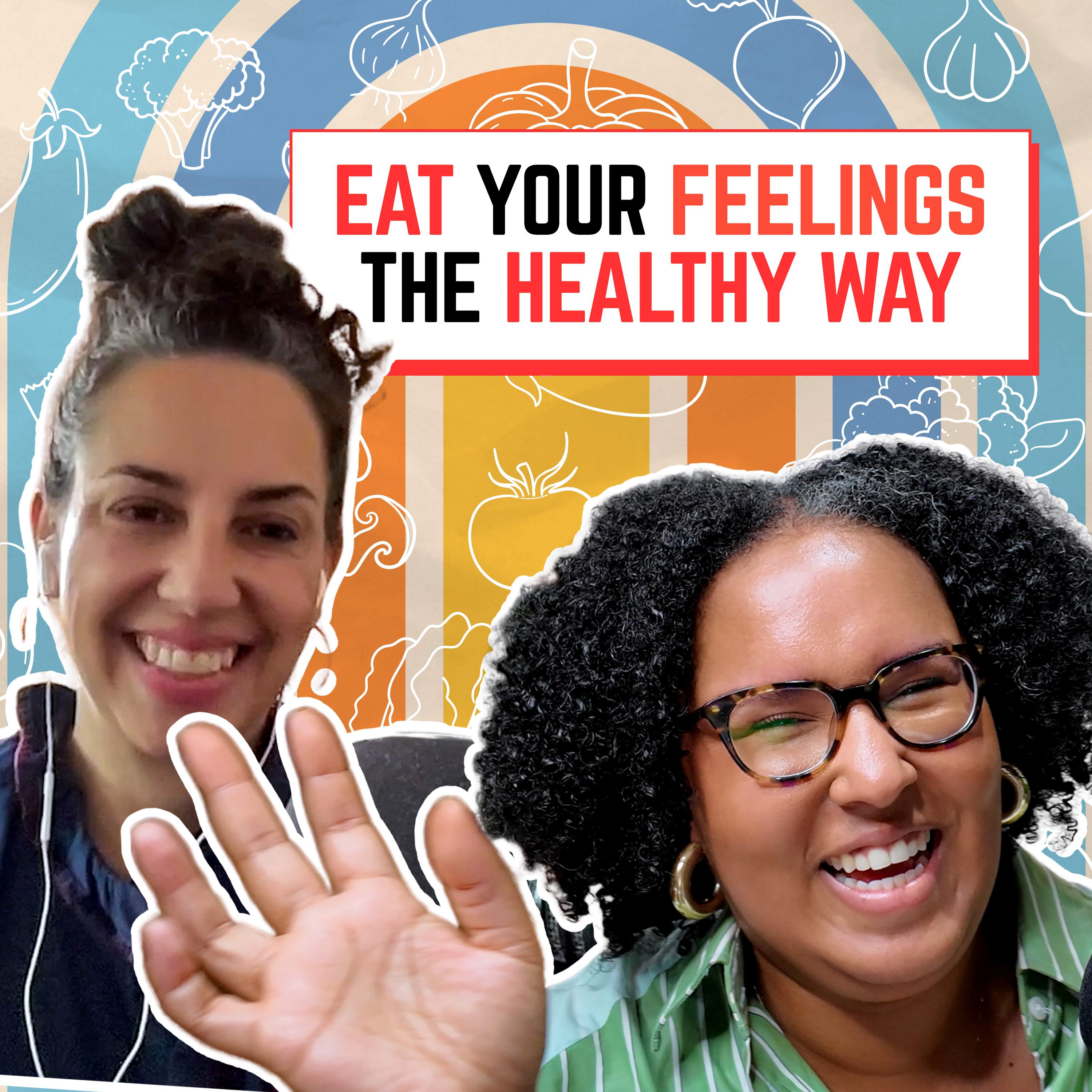 It's healthy to eat your feelings. Here's why. 01.09.2026 37minCarla Lalli’s latest cookbook wants you to eat your feelings.After the end of her decades-long marriage, Lalli -- the former Bon Appétit editor whose cooking videos and cookbooks made her one of the internet's favorite chefs -- knew she had to do one thing: write about it. What emerged is Food is a Feeling, a collection of stories and recipes processing this moment in her life.From figuring out a meal for two to deconstructing the ‘guilt’ behind ‘guilty pleasures,’ Carla joins the show to get into the pleasure of making, eating, and enjoying one of life’s most delicious necessities. Support public media with NPR+ and enjoy perks for over 25 podcasts like this one. This show’s perks include sponsor-free listening. Learn more at plus.npr.org.See pcm.adswizz.com for information about our collection and use of personal data for sponsorship and to manage your podcast sponsorship preferences.NPR Privacy Policy
 -
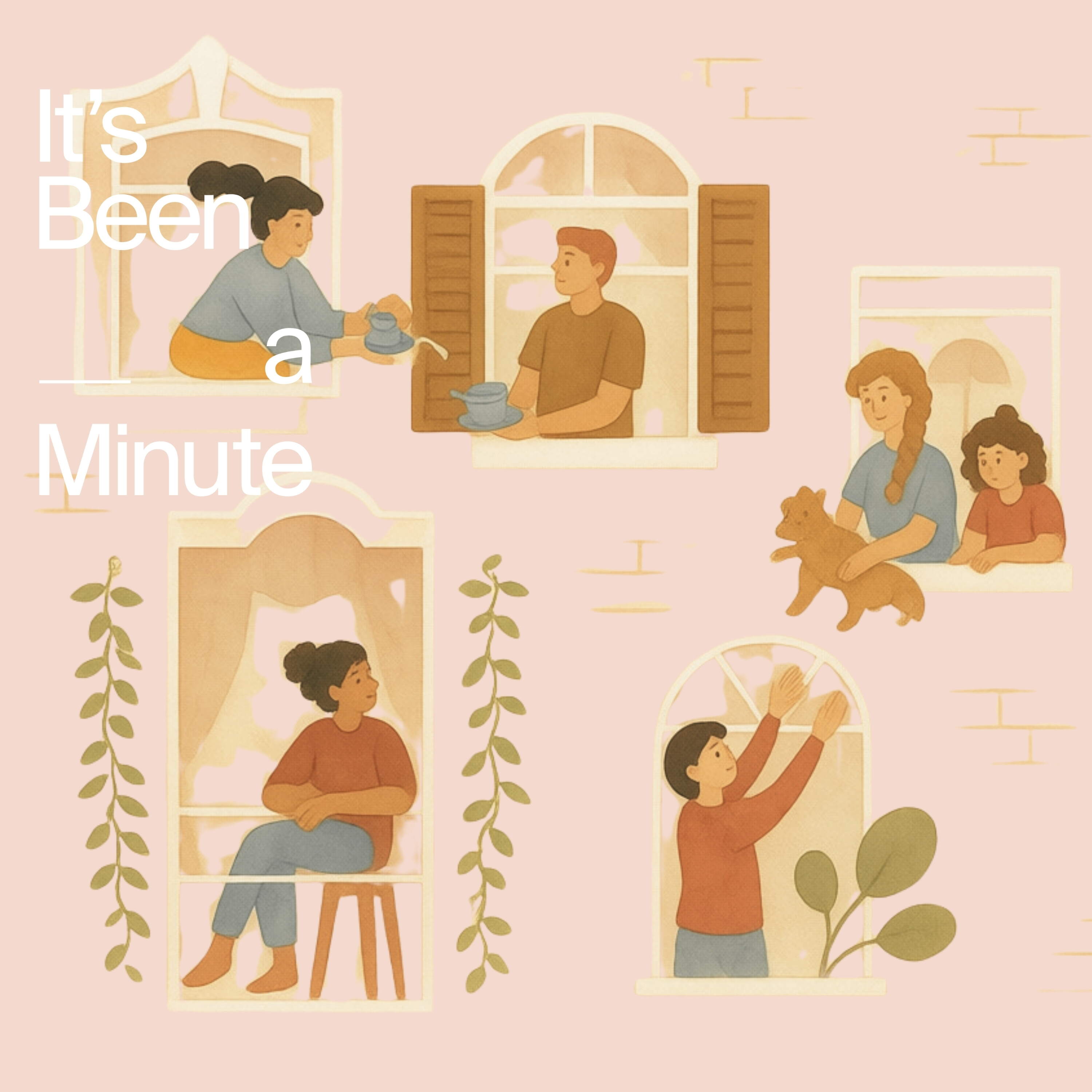 The rise of 'intentional living' 31.08.2026 26minDoes everyone need their own lawnmower?For a lot of people, living with your spouse and kids in a standalone house with a white picket fence is, more or less, the American dream. But people aren’t as likely to get married and have kids as they used to – and buying a house is more unattainable than ever. But even for those who don't share this particular American dream, alternatives -- like living alone or with roommates you don't really talk to -- can sometimes feel alienating, or like a last resort. But the proponents of communal living say things can be different. Communal living can look like co-living – where people choose to live with others in one house or building – or co-housing – which is a community built around a group of houses. They are intentional communities where people build shared lives together – and they don't have to be blood-related or romantically involved. All Things Considered producer Jordan-Marie Smith wanted to know – what might be driving people to live communally? And can communal living be seen as a viable, first choice adult living situation?Jordan-Marie shares her reporting with Brittany on what she found out.For more episodes on culture and how we build our lives, check out:To be or not to be a parentThe safety and power of knowing your neighborsHow to survive a millennial midlife crisisSupport public media with NPR+ and enjoy perks for over 25 podcasts like this one. This show’s perks include sponsor-free listening. Learn more at plus.npr.org.See pcm.adswizz.com for information about our collection and use of personal data for sponsorship and to manage your podcast sponsorship preferences.NPR Privacy Policy
 -
 Hitting the open road can lead to new beginnings 28.08.2026 24minWhat would it look like to have all of your needs met?That’s the question filmmaker Shatara Michelle Ford’s asks in their film, Dreams in Nightmares. As three Black queer friends take to the road to search for the fourth member of their group, they navigate the ups and downs of love, identity, and what it means to truly feel seen.Shatara joins the show to break down how Dreams in Nightmares went from an idea about the Wim Wenders film Paris, Texas to a journey of self-discovery.Support public media with NPR+ and enjoy perks for over 25 podcasts like this one. This show’s perks include sponsor-free listening. Learn more at plus.npr.org.See pcm.adswizz.com for information about our collection and use of personal data for sponsorship and to manage your podcast sponsorship preferences.NPR Privacy Policy
 -
 The influencer era is dead. What's next? 26.08.2026 19minWould you go back to college?What if it looked less like four years of textbooks and cram sessions, and more like five days of non-stop streaming and content creation? That's the vision that Twitch megastreamer Kai Cenat had for his second annual Streamer University, where budding content creators descended on a liberal arts campus to learn how to be the best streamers they can be. But what does the success of Streamer University say about the creator economy and where our attention is headed? To find out, Brittany is joined by Rebecca Jennings, features writer for New York Magazine and Alyssa Mercante senior reporter at Digiday.Want more on social media and culture?Bite-sized shows are taking over the internetThe questionable new ways to surveil your friendsSupport public media with NPR+ and enjoy perks for over 25 podcasts like this one. This show’s perks include sponsor-free listening. Learn more at plus.npr.org.See pcm.adswizz.com for information about our collection and use of personal data for sponsorship and to manage your podcast sponsorship preferences.NPR Privacy Policy
 -
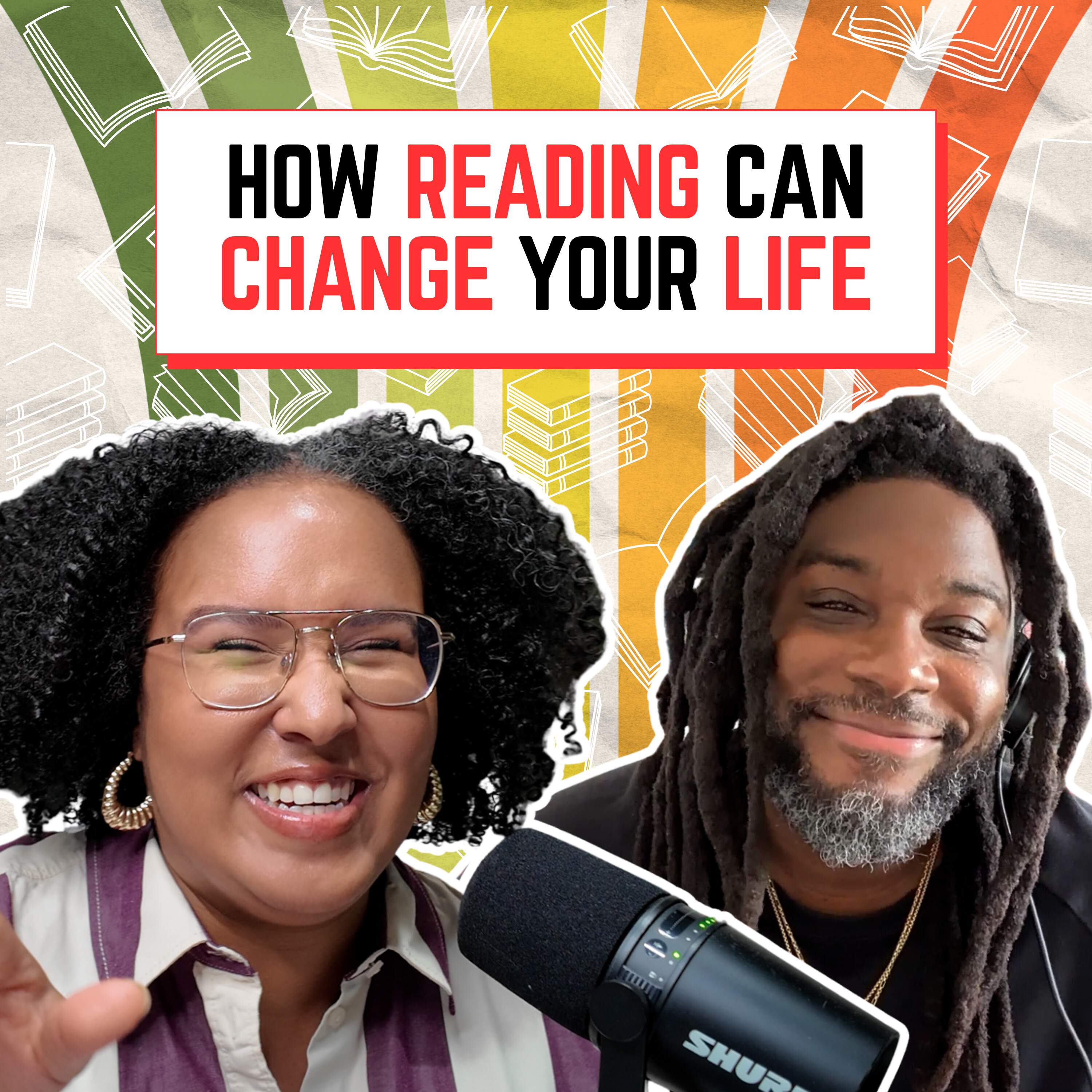 Books can teach you to love yourself. If you let them. 25.08.2026 37minHow do you convince people to read more novels? You could ask author Jason Reynolds for a start. The acclaimed author of young adult novels, Look Both Ways, Long Way Down, and Ghost joins host Brittany Luse to discuss the lessons in empathy, friendship and hope that novels can inspire in all readers. He says, “In one book, everybody can change. In 300 pages, every character that you've met has become a new character by the end, and so what might you do in thirty days, let alone thirty years? ” What's the last book that changed you? Support public media with NPR+ and enjoy perks for over 25 podcasts like this one. This show’s perks include sponsor-free listening. Learn more at plus.npr.org.See pcm.adswizz.com for information about our collection and use of personal data for sponsorship and to manage your podcast sponsorship preferences.NPR Privacy Policy
 -
 Bite-sized shows are taking over the internet 24.08.2026 25minMicrodramas are taking over the internet. But are they art – or products?The Double Life of My Billionaire Husband. Break Me, Princess. Married the Mafioso I Saved. These are all titles of microdramas that are taking the internet by storm. In case you haven’t heard, microdramas are often campy shows with short, minute-long episodes. The first few episodes get posted to social media for free, but viewers must go to another site where they can pay to watch the whole thing. And a lot of people do. It's an industry that started in China and is already worth several billions of dollars – so Hollywood is getting in on it. Issa Rae’s microdrama called Screen Time got nearly 75 million views in its first week, and now, Peacock, Fox, and Disney are producing their own. But this microdrama boom raises a few questions: who are these stories for, and what makes them so popular? And is the microdrama a new art form – or is it solely a product?Brittany is joined by Chang Che, a freelance writer who wrote about microdramas for The New Yorker, and Xochitl Gonzalez, author and contributor at The Atlantic, who wrote about them there.(00:00) The rise of the microdrama(03:14) Hollywood lacks chemistry - microdramas have that in spades.(07:32) Who are microdramas for?(11:33) Are microdramas art - or products?(16:46) Are marginalized actors and writers being shunted into microdramas?(20:47) The AI boom in microdramasFor more episodes on what we’re watching and why, check out:People are struggling financially. Even on TV.Abortion access is limited. Is Hollywood to blame?Why Gen Z is movie-maxxingSupport public media with NPR+ and enjoy perks for over 25 podcasts like this one. This show’s perks include sponsor-free listening. Learn more at plus.npr.org.See pcm.adswizz.com for information about our collection and use of personal data for sponsorship and to manage your podcast sponsorship preferences.NPR Privacy Policy
 -
 'The Pitt' star Sepideh Moafi on being limitless 21.08.2026 23minSepideh Moafi wants you to get raw with your emotions.Season 2 of HBO Max’s original series, The Pitt, brings a new doctor into the fold: Dr. Baran Al-Hashimi. An Iranian-Iraqi attending physician, she brings empathy and discipline into the chaotic ER that viewers have come to love. While she ruffled some feathers at first, her commitment to her fellow doctors and patients has made her a fan favorite.That’s all thanks to Sepideh. Her performance as Dr. Baran Al-Hashimi has earned her an Emmy nomination for outstanding supporting actress in a drama series. The nomination makes her the first Iranian woman and the first woman of Middle Eastern or SWANA - Southwest Asian, North African - descent to get nominated in the category.Sepideh joins the show to unpack how her journey as an opera singer and a human rights advocate led her to this historic moment.Support public media with NPR+ and enjoy perks for over 25 podcasts like this one. This show’s perks include sponsor-free listening. Learn more at plus.npr.org.See pcm.adswizz.com for information about our collection and use of personal data for sponsorship and to manage your podcast sponsorship preferences.NPR Privacy Policy
 -
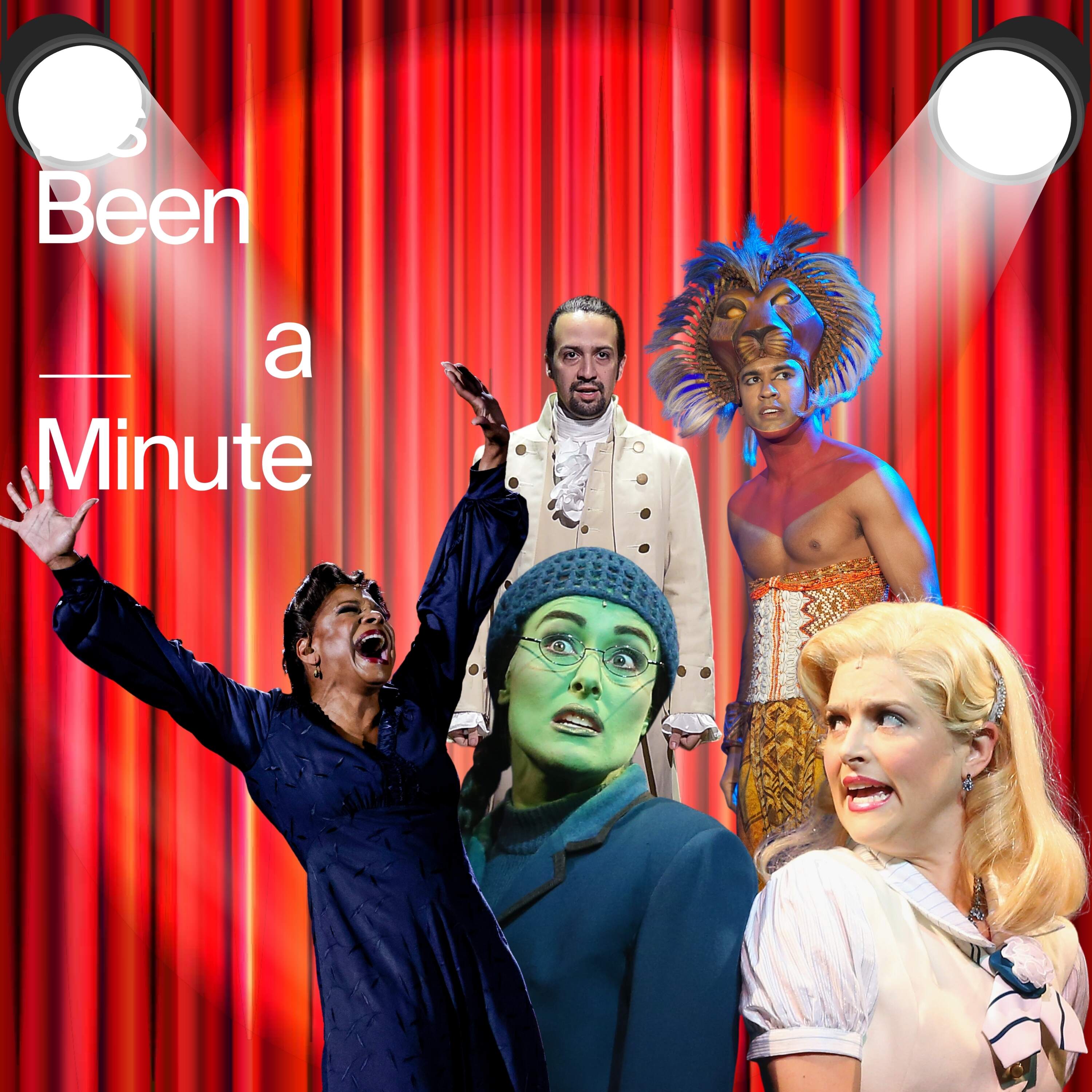 Broadway has a labor issue 19.08.2026 22minIt seems like no one on Broadway is happy.Actors are buckling under the weight of the eight-show week, producers aren't making their money back, and audiences are getting tired of paying astronomical ticket prices to see celebrities on stage. Is Broadway in danger of taking its final bow? To find out, Brittany is joined by Broadway sensitivity specialist Ann James, and entertainment lawyer and business journalist Marc Hershberg.Want more about the intersection of Broadway and culture? Check out these episodes:'Cats: The Jellicle Ball' gets 10s across the boardTony nominee Jocelyn Bioh puts braiders centerstageSupport public media with NPR+ and enjoy perks for over 25 podcasts like this one. This show’s perks include sponsor-free listening. Learn more at plus.npr.org.See pcm.adswizz.com for information about our collection and use of personal data for sponsorship and to manage your podcast sponsorship preferences.NPR Privacy Policy
 -
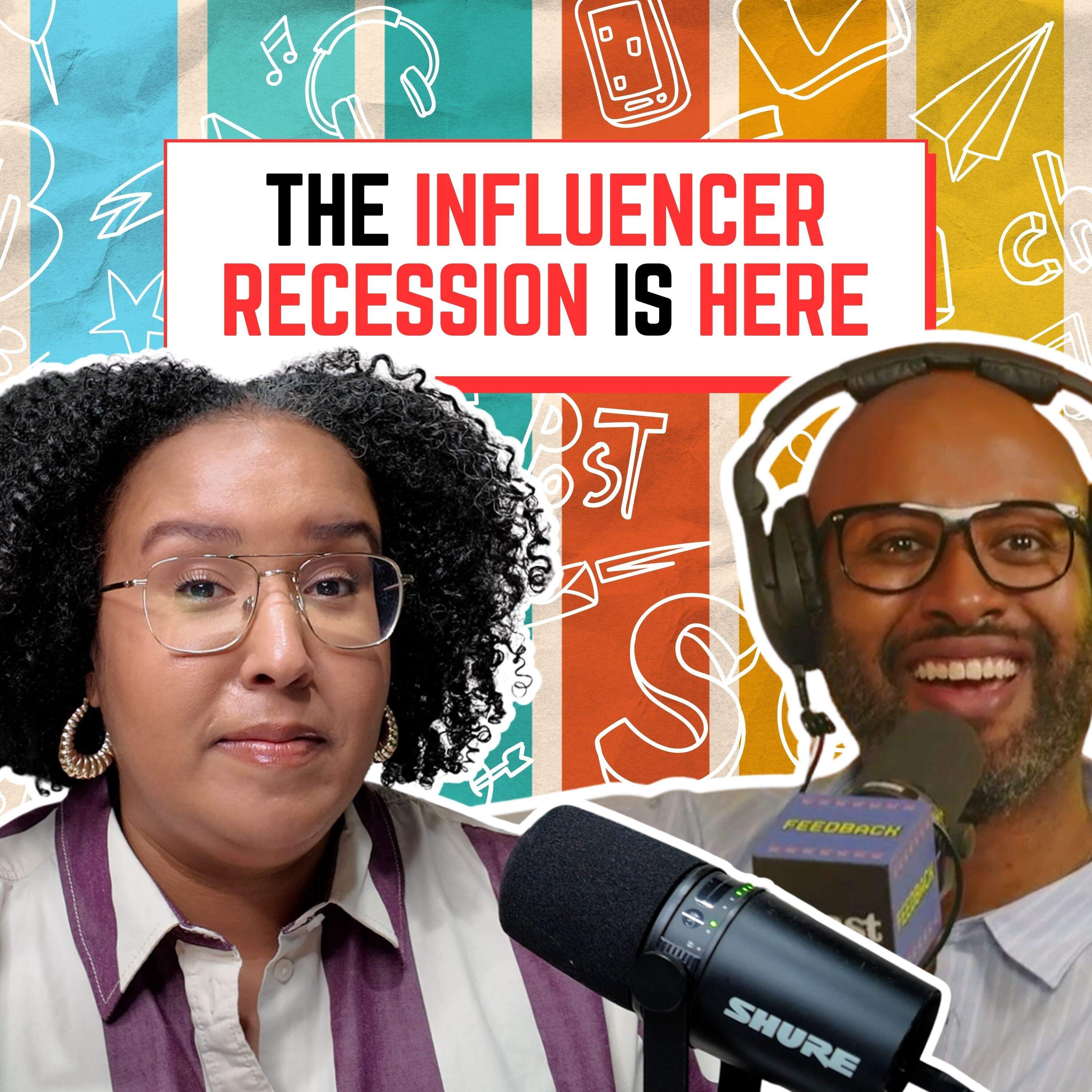 Are influencers in their flop era? 18.08.2026 30minThe cultural supremacy of the influencer seems to be waning. For nearly a decade, they’ve become a fount of cultural commerce, affecting how to live, what to buy, and who to follow for advice. But a backlash – against everything from expensive shopping hauls to the very persona that built an influencer's brand – is leaving many questioning their cultural relevance. So what’s going on with influencers – or better yet – who’s going to replace them? To understand this cultural shift, we’re chatting with Ira Madison III, host of The Feedback with Ira Madison, to figure out what happens when the influencers lose influence.Support public media with NPR+ and enjoy perks for over 25 podcasts like this one. This show’s perks include sponsor-free listening. Learn more at plus.npr.org.See pcm.adswizz.com for information about our collection and use of personal data for sponsorship and to manage your podcast sponsorship preferences.NPR Privacy Policy
 -
 Don't be THAT person at the music festival. Here's how 17.08.2026 18minHave some people forgotten how to behave at music festivals?Summer is peak music festival season, and that means many of us are braving huge crowds and sweltering heat to see a bunch of artists we love in one place. But is there a decline in social decorum in these concert settings? From using phones to being in the front row to navigating crowds, our friends at Pop Culture Happy Hour are sharing personal and passionate takes about music festival etiquette.For more episodes on culture and social etiquette, check out:How should we behave online?The social etiquette of sharing locationIs your neighborhood riddled with dog poop?Support public media with NPR+ and enjoy perks for over 25 podcasts like this one. This show’s perks include sponsor-free listening. Learn more at plus.npr.org.See pcm.adswizz.com for information about our collection and use of personal data for sponsorship and to manage your podcast sponsorship preferences.NPR Privacy Policy
 -
 People are struggling financially. Even on TV. 14.08.2026 23minWelcome to the age of ‘Broke TV.’It seems like the days of prestige TV shows about the wealthy elite have been replaced by the vocal majority: the downwardly mobile.New Yorker TV critic, Inkoo Kang, noticed that her favorite shows so far this year all focused - in some respect - on the people whose lives have been financially squeezed beyond recognition by the very elite we used to enjoy watching.Building resentment about the shrinking middle class, a hopeless job market, and few political pathways towards change has made our entertainment reflect a devastating reality back to us. Inkoo joins the show to break down how we got to this point and the fine line between entertainment and catharsis on screen.You can read Inkoo’s article, ‘Welcome to the Age of Broke TV’, here. Support public media with NPR+ and enjoy perks for over 25 podcasts like this one. This show’s perks include sponsor-free listening. Learn more at plus.npr.org.See pcm.adswizz.com for information about our collection and use of personal data for sponsorship and to manage your podcast sponsorship preferences.NPR Privacy Policy
 -
 What's with all the testosterone talk? 12.08.2026 22minDo you have what it takes to be "High-T?"Service members are about to find out, as Defense secretary Pete Hegseth announced that the military will be screening men for low testosterone, a hormone found in both women and men that supports bone mass development, red blood cell production, energy levels, and more. It's an important marker of overall health in men, but will it push the United States military to the 'leading edge of lethality' as promised by Hegseth? To get into the facts and fictions around testosterone, Brittany is joined by NPR health correspondent Will Stone, and Dr. Helen Bernie, Director of Sexual and Reproductive Medicine and associate professor of urology at Indiana University.Want more on gender and health? Check out these episodes:Boundaries, bodies, and better sexThe key to thriving later in life: menopauseSupport public media with NPR+ and enjoy perks for over 25 podcasts like this one. This show’s perks include sponsor-free listening. Learn more at plus.npr.org.See pcm.adswizz.com for information about our collection and use of personal data for sponsorship and to manage your podcast sponsorship preferences.NPR Privacy Policy
Radioasema

Samankaltaiset podcastit


Suosittu maassa
Tämä podcast esiintyy myös näiden maiden podcast-listoilla.
-
 Ruanda
-
 Costa Rica
-
 Kuwait
-
 Belize
-
 Jamaika
-
 Trinidad ja Tobago
-
 Botswana
-
 Ecuador
-
 Romania
-
 Eswatini
-
 Bahrain
-
 Slovenia
-
 Zambia
-
 Uruguay
-
 Barbados
-
 Kenia
Kenia
-
 Latvia
-
 Liberia
-
 Guyana
-
 Ghana
Ghana
-
 Liettua
-
 Azerbaidžan
-
 Jordania
-
 Pohjois-Makedonia
-
 Kroatia
-
 Paraguay
-
 Sri Lanka
-
 Kamerun
-
 Namibia
-
 Kirgisia
-
 Zimbabwe
-
 Albania
-
 Moldova
-
 Argentiina
-
 Mongolia
-
 Tansania
-
 Yhdistyneet arabiemiirikunnat
-
 Antigua ja Barbuda
-
 Filippiinit
-
 El Salvador
-
 Etelä-Afrikka
-
 Nigeria
-
 Jemen
Jemen
-
 Bermuda
-
 Brunei