
The Academic Minute
Academic Minute
0
This podcast presents brief academic insights covering topics from astronomy to zoology. Each segment features experts discussing their research and knowledge. It offers a quick and accessible way to learn about diverse scholarly subjects. The show is produced by Academic Minute.
Jaksot
-
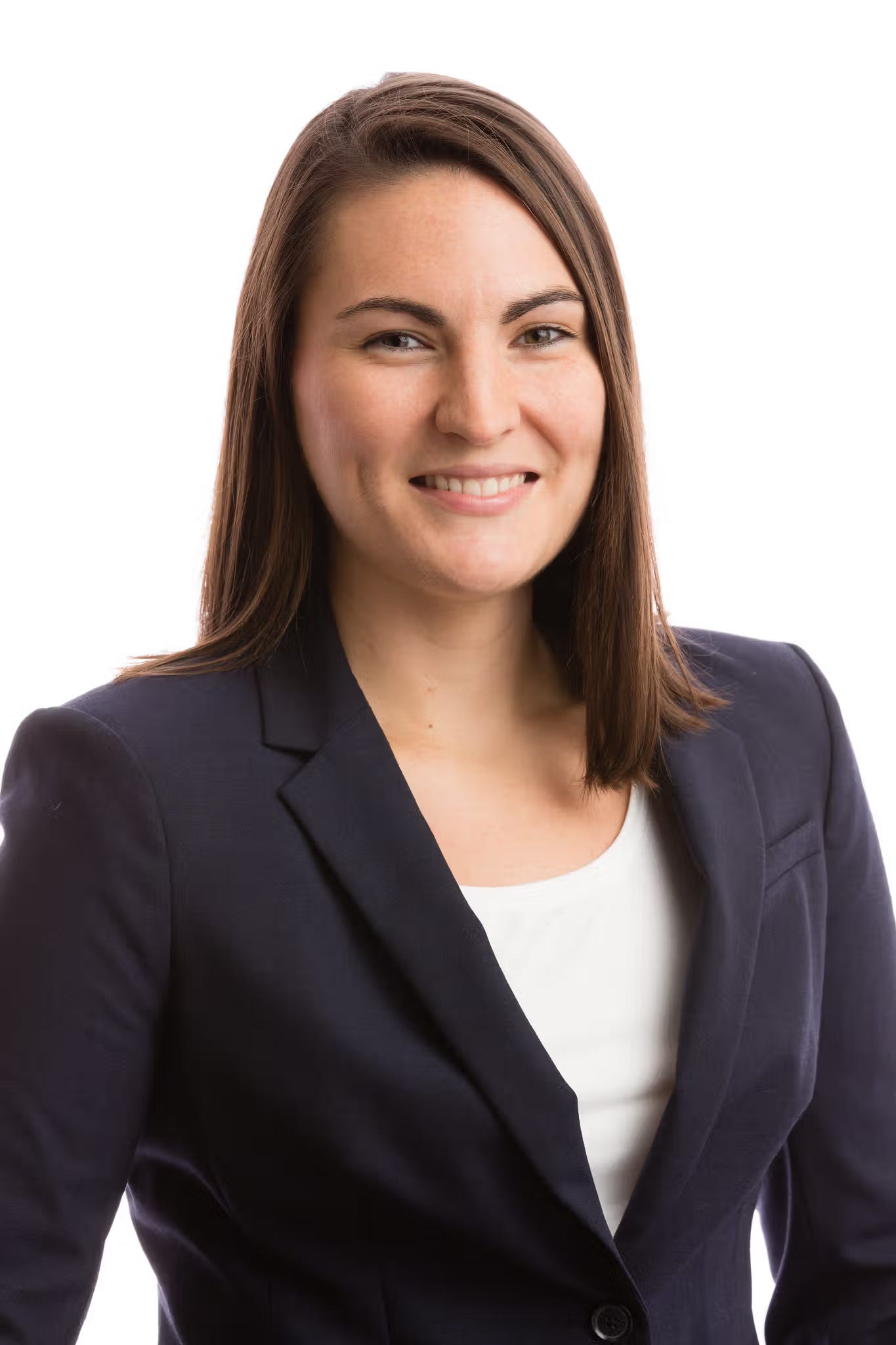 Whitney Coyle, Rollins College - Understanding How Rocket Launches may Impact Local Communities 17.09.2026 2minWhat are the long-term impacts of rocket launches on nearby communities?Whitney Coyle, associate professor of physics at Rollins College, examines this.Faculty Bio:Whitney L. Coyle, PhD is an Associate Professor of Physics and Coordinator of the Pre-Engineering Program at Rollins College in Winter Park, Florida, where she serves as Chair of the college’s Department of Physics.At Rollins, Coyle leads undergraduate-centered research exploring how sound is produced and measured in both musical instruments and large-scale systems like rocket launches. Her work connects fundamental physics with real-world acoustic environments while providing students with hands-on research opportunities.She is the recipient of the 2026 R. Bruce Lindsay Award from the Acoustical Society of America (ASA), one of the world’s leading professional organizations in acoustics.Transcript:A rocket launch produces rumblings, vibrations, and high-intensity sound near the launch pad that can also travel to communities tens of miles away. My research focuses on how that sound propagates into communities near Cape Canaveral and how repeated launches may affect the local environment as launch cadence increases. Unlike aircraft noise, rocket launches contain strong low-frequency energy that can travel long distances and interact with homes and buildings in ways that are still not fully understood.I work with a team of undergraduate physics majors using calibrated sound level meters, accelerometers, and ground vibration sensors to measure both the audible and very low-frequency components of rocket launches. These instruments allow us to study not just how loud a launch is, but how the sound and vibration interact with the environment. We are measuring how windows, walls, and structures respond to the low-frequency energy produced during launch.These low-frequency sounds are especially important because they are not fully captured by traditional aircraft-based noise metrics currently used by the FAA. Those standards were developed for airplanes flying overhead on very different flight paths than modern heavy-lift rockets.A major goal of this work is to improve understanding of how rocket launches are experienced in nearby communities. Residents along the Space Coast are overwhelmingly supportive of spaceflight and excited about continued growth in launch activity, but local planners and agencies currently have limited data available to evaluate long-term acoustic and vibration impacts.This research is helping build the foundation needed to better characterize rocket-specific noise environments, evaluate potential structural response in nearby buildings, and eventually connect those measurements to how people perceive and respond to launches. As access to space continues to grow, understanding the broader environmental and community impacts of launch noise will become increasingly important and this work is helping lay the groundwork for that future understanding.Read More:[Rollins] - Coyle Receives Prestigious International Acoustics Award[Rollins] - What It’s Like ... to Partner with Your Professor This is a public episode. If you would like to discuss this with other subscribers or get access to bonus episodes, visit www.academicminute.org
 -
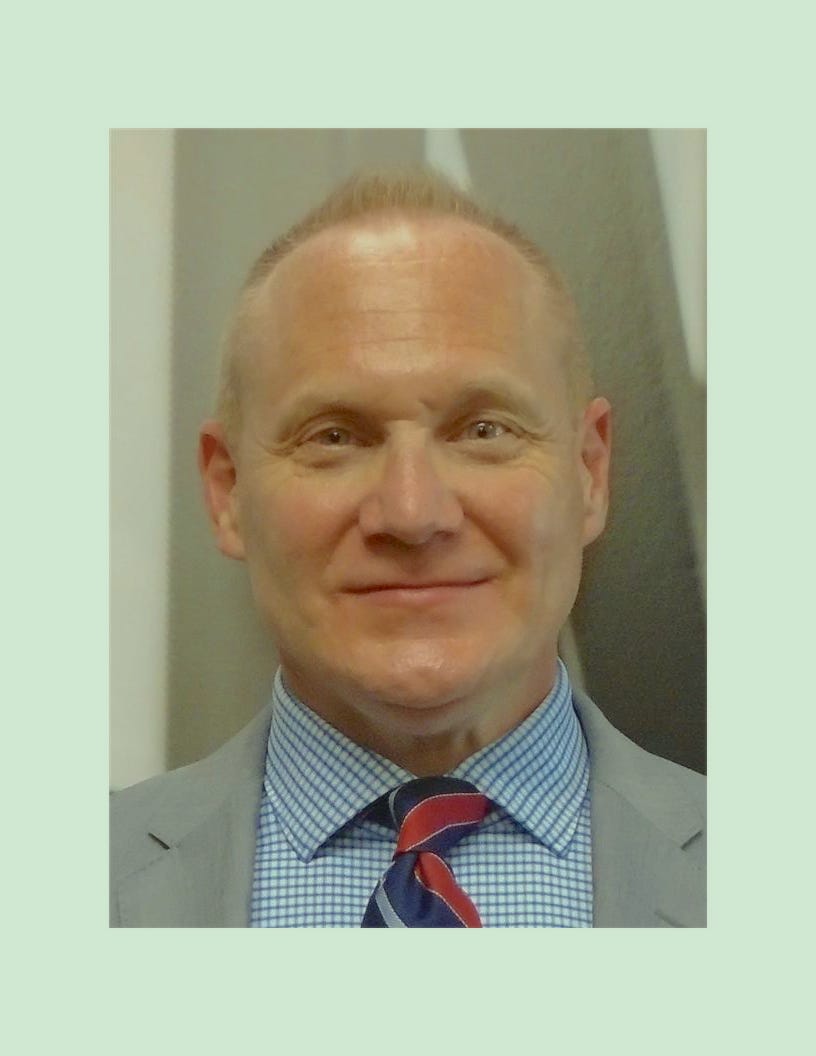 Kent Kauffman, Purdue University Fort Wayne - Academic Freedom: Its Value and its Threats 16.09.2026 2minAcademic freedoms may be under attack, but professors have legal protections as well.Kent Kauffman, professor of business law at Purdue University Fort Wayne, discusses this.Faculty Bio:Academic freedoms may be under attack, but professors have legal protections as well. I’m Dr. Lynn Pasquerella, president of The American Association of Colleges & Universities, and today on The Academic Minute: Kent Kauffman, professor of business law at Purdue University Fort Wayne, discusses this.Transcript:Academic freedom has an almost kaleidoscope effect. It looks differently to various groups: university administrators; faculty; students; and certainly politicians. For faculty, academic freedom is an essential prerogative, allowing them to decide what to study and research, and what and how to teach – even when those choices are controversial. Over a half-century ago, the United States Supreme Court, in one case, declared academic freedom vital to a democracy, and in another case said academic freedom required safeguarding because of its “transcendent value to all of us and not merely to the teachers concerned.” The sources of academic freedom include tradition (to the extent academic freedom’s history is valued), binding employment policies that detail its contours to faculty, and, for public university faculty, the First Amendment, for which teaching is considered a “matter of public concern” and worthy of constitutional protection. Regrettably, some states are restricting academic freedom in various ways, including prohibiting the kinds of courses or content that can be taught, allowing students to secretly record their instructors in class, and giving students the right to file complaints against their instructors for what those students would consider offensive teaching statements. But faculty have for decades been protected by a legal doctrine, the Germaneness Standard, which evaluates whether controversial content is pedagogically related, not if it makes students uncomfortable. In a noteworthy case, an adjunct instructor of interpersonal communication sued his college after he was fired because a few students got offended by a social deconstructivism, word association exercise he conducted in class. In ruling for the instructor, a federal court of appeals concluded the exercise was germane to the subject and, thus, protected by the First Amendment, because teaching is a matter of public concern.Read More:[Bloosmbury] - Navigating Choppy Waters This is a public episode. If you would like to discuss this with other subscribers or get access to bonus episodes, visit www.academicminute.org
 -
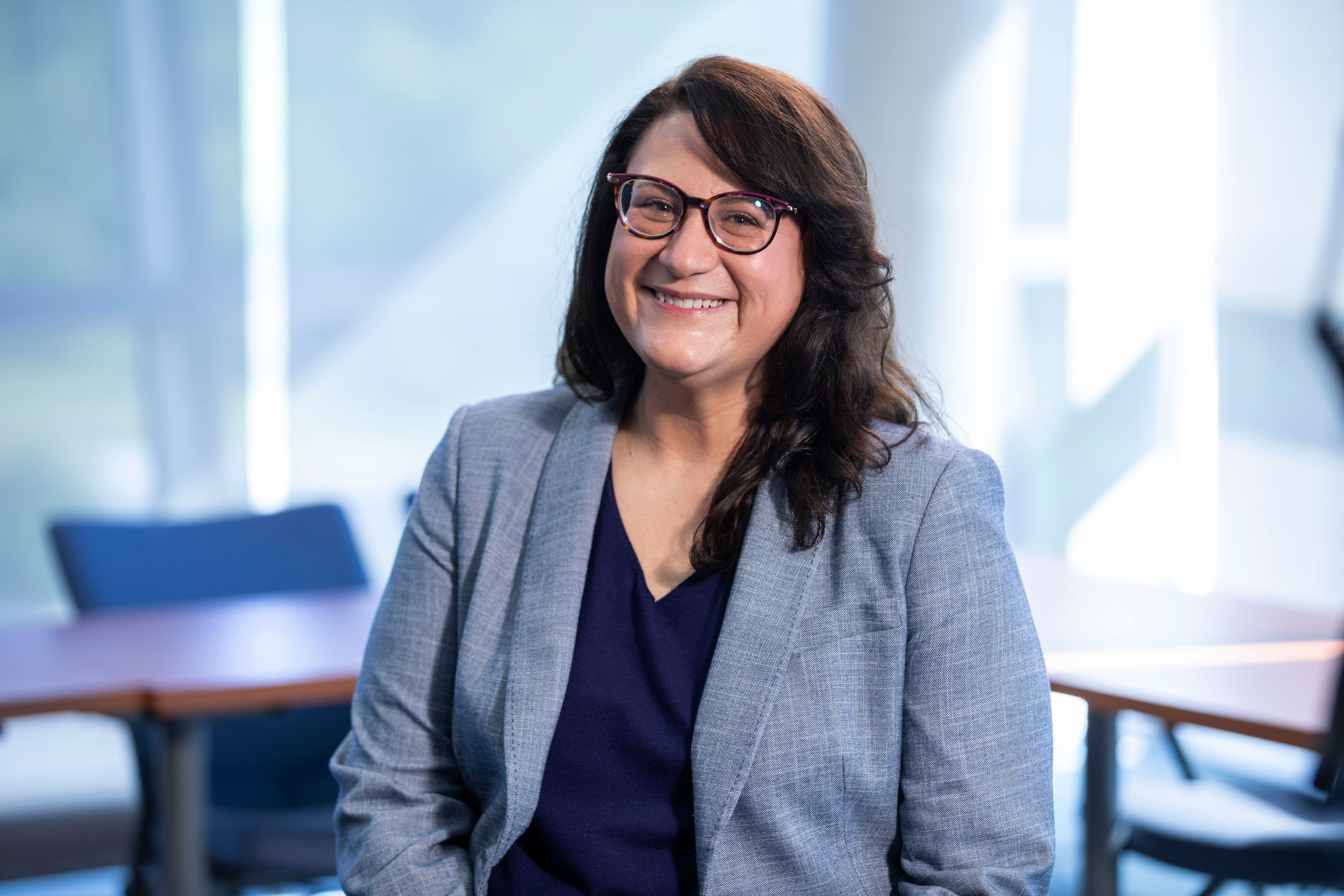 Dannell Boatman, West Virginia University - What Ivermectin Can Teach Us About Health Misinformation 15.09.2026 2minWhat can ivermectin teach us about health misinformation?Dannell Boatman, assistant professor of cancer prevention and control at West Virginia University, takes a look.Faculty Bio:Dannell Boatman, EdD, MS, is an Assistant Professor and health communication researcher in the Department of Cancer Prevention and Control at the West Virginia University (WVU) School of Medicine. She conducts her research through the Communicating for Health in Appalachia by Translating Science (CHATS) Lab and is the founding Director of the CHATS Core at the WVU Cancer Institute. Raised in Appalachia, her early work in community and rural public health inspired a research program focused on improving how scientific evidence is communicated and used to support health decisions.Her research combines communication and behavioral sciences to understand how people navigate cancer information and to develop evidence-based strategies that improve communication across clinical, community, and digital settings. Her work spans community-engaged research, rural and Appalachian health, and cancer misinformation, with a focus on translating scientific evidence into practical communication strategies.Through the CHATS Core, Dr. Boatman partners with researchers, healthcare organizations, and communities to move evidence into practice through knowledge translation, dissemination science, audience-centered communication, and creative strategies that increase the impact of research.Her work has been recognized by the Academy of Communication in Healthcare as a Putnam Scholar and by the West Virginia Clinical and Translational Science Institute as a Research Scholar. She serves on the American Cancer Society National Lung Cancer Roundtable Stigma and Nihilism Task Group, the World Health Organization’s Health Information Integrity Alliance, and the editorial board of PEC Innovation.Transcript:Why do some medical claims gain traction despite a lack of scientific evidence?When a recent observational study suggested that ivermectin, an antiparasitic drug, might help treat cancer, the claim spread rapidly online. Although ivermectin has not been shown to be safe or effective for treating cancer, many people shared the study as proof that it worked, even as scientists raised serious concerns about the study’s findings.It may seem like the story began there. My research shows it was actually just the latest chapter.To understand how these claims gain momentum, I use social listening to monitor online cancer misinformation. By tracking conversations across social media and other digital spaces, I examine how health claims emerge, spread, and resurface over time.My research has followed multiple periods of heightened online attention surrounding ivermectin and cancer. One came in January 2025, when a high-profile podcast promoted antiparasitic drugs as alternative cancer treatments. I watched public interest surge in real time. While this spike in attention was new, the conversation was not. My research found that claims linking antiparasitic drugs like ivermectin to cancer had been circulating for years, driven by powerful personal stories, influential voices, and active online communities. By the time the observational study was published recently, many people had already encountered multiple versions of the same narrative, shaping how they made sense of its findings.What I discovered about ivermectin reflects a broader pattern. New scientific findings do not enter a vacuum. They become part of conversations that have often been unfolding for years. Those ongoing discussions shape how people interpret new findings, even while scientists are still evaluating the evidence.By revealing how health misinformation develops and spreads, this work can guide earlier and more effective responses, helping people make better-informed decisions about their health.Read More:[The Conversation] - Ivermectin isn’t a cancer miracle drug, but influencers claim otherwise – here’s how to avoid sprinting past scientific evidence This is a public episode. If you would like to discuss this with other subscribers or get access to bonus episodes, visit www.academicminute.org
 -
 Phu Phung, University of Dayton - Why Deleting Cookies Doesn’t End Online Tracking 14.09.2026 2minDeleting cookies isn’t enough to stop online tracking.Phu Phung, associate professor of computer science at the University of Dayton, explains why.Faculty Bio:Dr. Phu Phung is an Associate Professor in the Department of Computer Science at the University of Dayton. He is the founder and director of the Intelligent Systems Security Lab, where his team developed MyWebGuard, a system for detecting and mitigating web-based privacy threats, including browser fingerprinting. He is also the University’s founding Point of Contact for the Cyber Defense program, designated an NSA National Center of Academic Excellence in Cyber Defense in 2022. His research addresses security across web, mobile, cyber-physical, and IoT systems, with recent work spanning AI and Machine Learning applications in cybersecurity. Dr. Phung has recently been promoted to Full Professor, effective August 2026.Transcript:Most people think clearing cookies protects their privacy online. It’s a reasonable assumption, but that’s only part of the story.Websites can also track people using a technique called digital fingerprinting.Instead of placing a file on your device, fingerprinting quietly collects small details about your browser and hardware, such as screen size, language settings, installed fonts, and other technical traits. Taken together, those details form a profile distinctive enough to identify you across the web.Here’s what makes this kind of tracking so hard to stop: you can delete a cookie, but you cannot delete your screen resolution. You cannot erase the fact that your browser and device reveal certain traits every time you go online.My research examines why so many privacy tools still miss this problem, and what better defenses might look like.In our lab, we developed a system called MyWebGuard that tracks where web code originates and how it uses your data. We found this approach can catch privacy risks that some traditional blocking tools miss.That distinction matters. Most current protections still rely on an all-or-nothing model — they either block a source entirely or allow it completely.But today’s websites are more complicated than that.A single webpage can carry useful features, harmless scripts, and invasive tracking code all at once. Blocking everything breaks the page. Allowing everything surrenders your privacy.That is why my work explores a more precise approach.Instead of shutting everything down, we can monitor sensitive browser actions in real time and restrict only the specific behaviors that enable hidden tracking without disrupting everything else.The lesson is simple. If we want better online privacy, we need smarter protections — not just broader ones. In the modern web, fine-grained control may be our most effective defense. This is a public episode. If you would like to discuss this with other subscribers or get access to bonus episodes, visit www.academicminute.org
 -
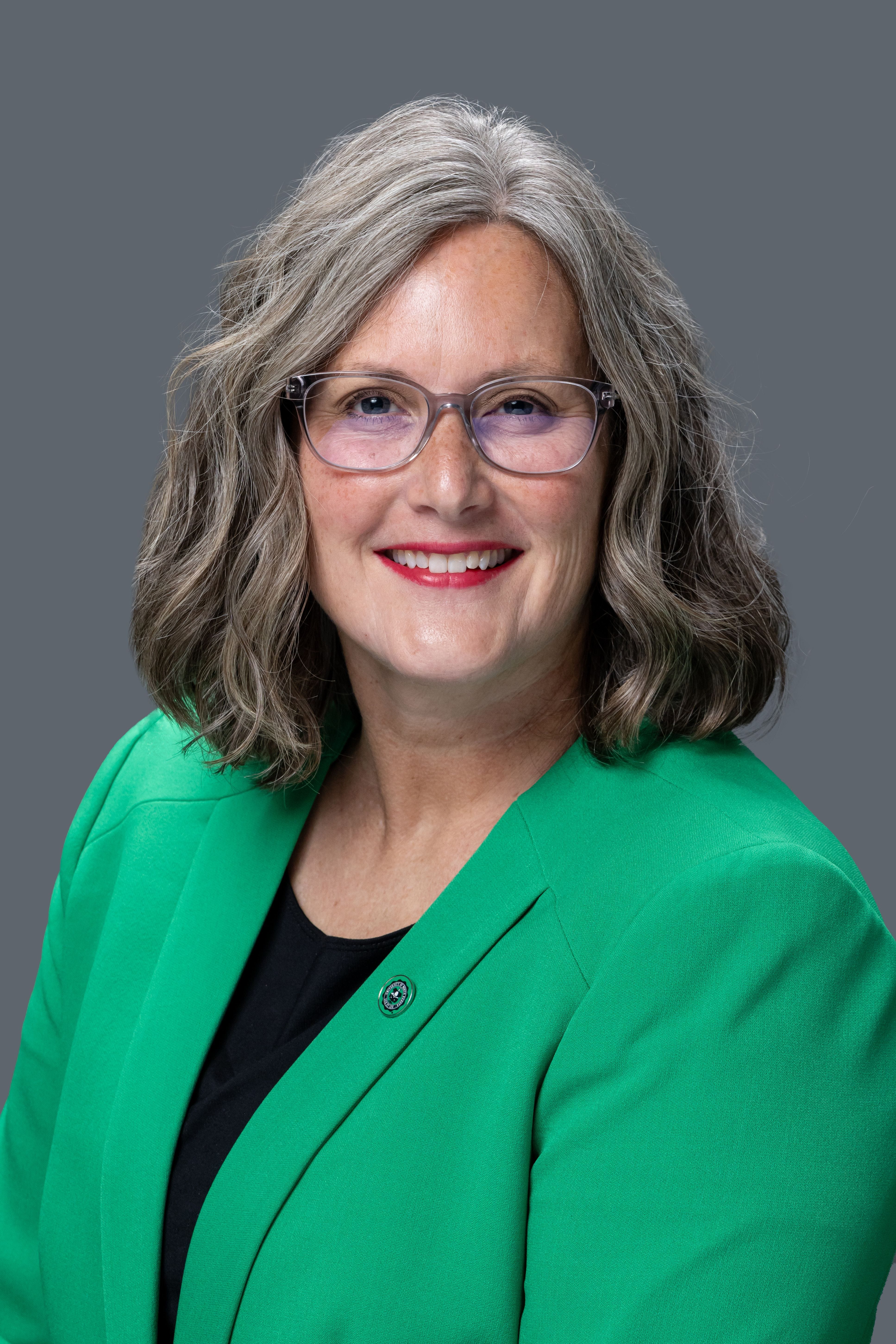 Lee Ann Rawlins Williams, University of North Dakota - The New Reality of Retirement 11.09.2026 2minKnowing when to retire and leave the workforce can be easier said than done.Lee Ann Rawlins Williams, clinical assistant professor at the University of North Dakota, looks into why retirement is changing.Faculty Bio:Lee Ann Rawlins Williams, PhD, CRC, CFLE, HS-BCP, is a Clinical Assistant Professor and Program Director of the Undergraduate Rehabilitation and Human Services Program in the Department of Education, Health and Behavior Studies at the University of North Dakota. Her academic and professional work focuses on rehabilitation, mental health, accessibility, aging, and disaster preparedness within educational, community, and human service systems.Her recent scholarship and professional contributions have expanded nationally and internationally in the areas of disaster preparedness, recovery systems, educator well-being, accessibility, and aging populations. Her work examines the emotional, educational, and systemic impact of disasters on educators, older adults, and individuals with disabilities, with a particular emphasis on inclusive preparedness, continuity of care, mental health integration, and accessible support systems across educational, health, and rehabilitation settings.She has held leadership roles at the local, state, regional, national, and international levels within rehabilitation and human services organizations. She has published in peer-reviewed journals, contributed to interdisciplinary scholarship, and co-authored two books focused on case and caseload management. Her current work also explores later-life counseling, aging and workforce identity, and resilience across changing life transitions.Outside of her professional work, she enjoys traveling, attending sporting events, spending time with family, and making memories with her rescue dog, Foxy Roxy.Transcript:Retirement is often described as a milestone, a moment when a person leaves work and enters a new stage of life. Yet for many older adults today, the question is no longer simply whether to retire, but how to know when the time is right.Workforce participation among adults age 65 and older has increased in recent decades. Longer life expectancy, rising healthcare costs, and concerns about retirement security have changed how many people approach later life. As a result, the once-clear markers of retirement have become less certain for many Americans.But financial considerations tell only part of the story. Work provides more than a paycheck. For many adults, it offers structure, routine, purpose, and identity. In an increasingly disconnected world, work may be one of the few places where people feel socially anchored, connected to others through relationships, shared experiences, and a sense of contribution. For many people, professional roles become closely tied to how they contribute to their families, communities, and society. Deciding when it is time to step away therefore involves emotional and psychological considerations alongside economic ones.Research on retirement transitions suggests that leaving work is rarely a purely financial decision. Retirement may offer greater freedom, flexibility, and opportunities to pursue other interests. At the same time, work often serves as a source of identity, routine, social connection, and purpose. The challenge for many older adults is not simply deciding whether they can afford to retire but determining when stepping away from work feels right.The challenge is that retirement no longer follows a clear script. Older adults are often encouraged to remain active, productive, and engaged while also being expected to recognize when it is time to leave the workforce.Perhaps the most important retirement question today is not whether people should keep working. It is how people determine when the time is right, and what comes next.Read More:[The Conversation] - Older Americans are often compelled to keep working – and then criticized for not stepping aside This is a public episode. If you would like to discuss this with other subscribers or get access to bonus episodes, visit www.academicminute.org
 -
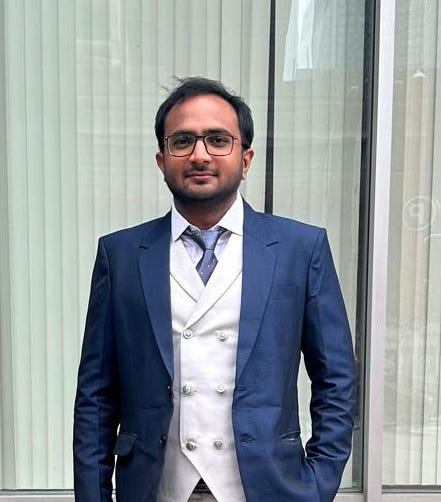 Mayank K. Vadaliya, Univeristy of the Cumberlands - Traffic and Prediction Models 10.09.2026 2minHow can we reduce traffic jams during the morning commute? Mayank K. Vadaliya, doctoral candidate in information technology at the University of the Cumberlands, explores how prediction models could help.Faculty Bio:Mayank Vadaliya is a doctoral candidate in Information Technology at the University of the Cumberlands, where his research focuses on machine learning applied to transportation systems. He holds a Master’s in Computer Science from Cleveland State University and is a Full Member of Sigma Xi, the Scientific Research Honor Society. His work on reinforcement learning for adaptive traffic signal control investigates how learning agents can reduce delay and emissions across urban intersection networks.Transcript:Every morning, millions of us sit in traffic that seems to appear out of nowhere. One minute the freeway is moving; the next, it’s a parking lot. What if we could see that jam forming before it actually happens?That’s the question behind my research. I build systems that predict traffic congestion in real time — several minutes before it builds — so drivers and traffic operators have time to react.Most prediction tools lean on a single model. Some are good at the patterns that repeat, like the daily rush hour. Others are better at sudden, irregular changes — a crash, or bad weather. But no single method handles both well.My approach combines three kinds of machine learning. First finds patterns across the road network. Second tracks how traffic changes over time. And last improves the final forecast. Together, they cover each other’s blind spots.I tested this on METR-LA, a public dataset from hundreds of real sensors on Los Angeles freeways. Against standalone models, the hybrid system cut prediction error by more than thirty percent.Why does that matter? A forecast that arrives a few minutes earlier gives the system time to act — to reroute drivers, to retime signals, to warn commuters before they hit the bottleneck. Congestion costs Americancities tens of billions of dollars a year and adds needless carbon to the air.Better prediction won’t make traffic disappear. But learning to see the jam before it forms is the first real step toward clearing it. This is a public episode. If you would like to discuss this with other subscribers or get access to bonus episodes, visit www.academicminute.org
 -
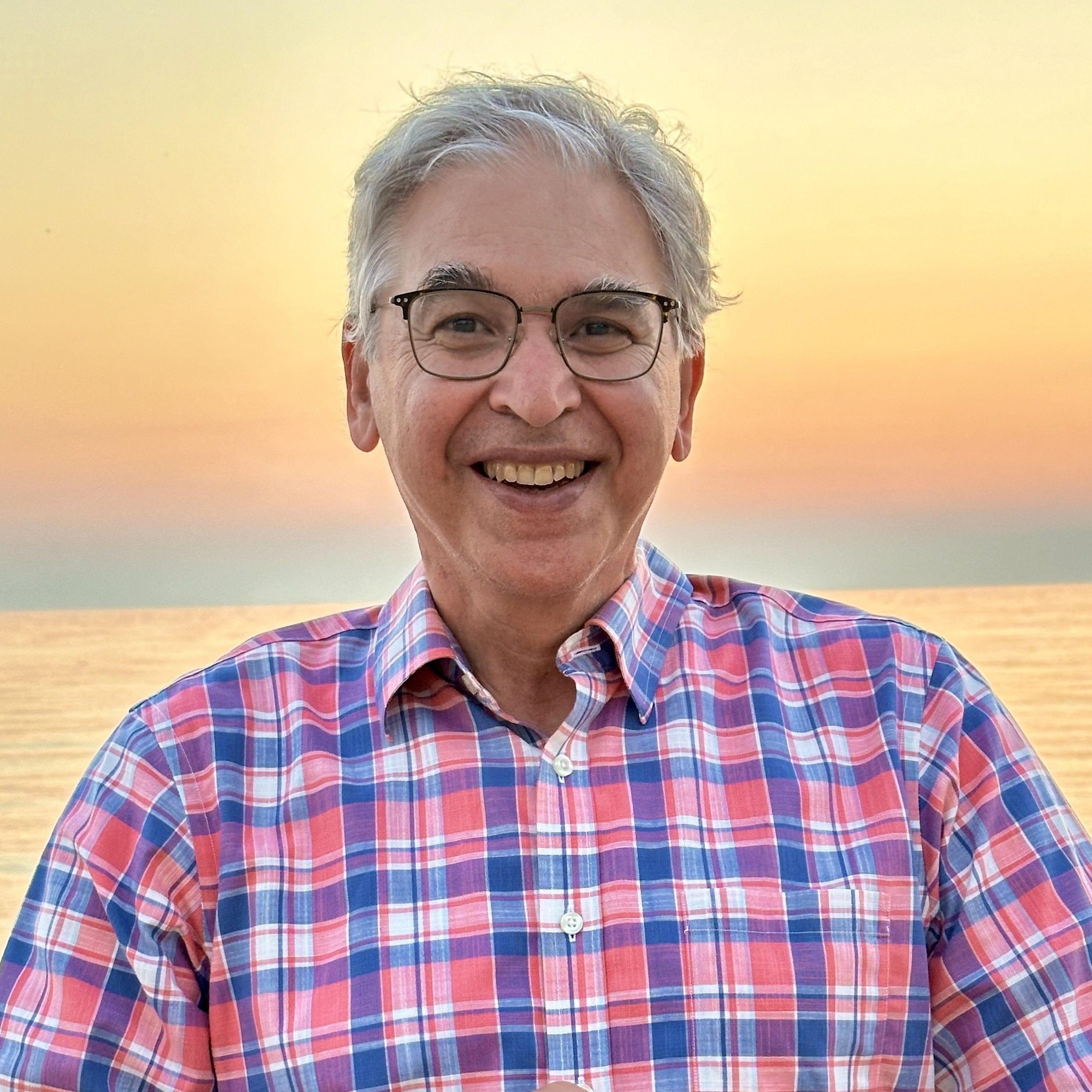 Gregory Keoleian, University of Michigan - Step Off the Gas and Charge 09.09.2026 2minOther countries are transitioning to electric vehicles faster than the United States.Gregory Keoleian, professor of sustainable systems at the University of Michigan, details some reasons to make the switch.Faculty Bio:Dr. Greg Keoleian is the Peter M. Wege Professor of Sustainable Systems at the University of Michigan and serves as co-Director of the Center for Sustainable Systems, which he cofounded in 1991. His research focuses on systems analysis including life cycle assessment, life cycle costing, and optimization to accelerate climate and sustainability solutions across energy, mobility, buildings, infrastructure, water and wastewater, IT, food systems, and consumer products. He combines systems analysis, sustainability science, and stakeholder engagement to solve critical sustainability challenges and advances solutions by aligning technology, markets, policy, and behavior drivers. He has collaborated with business and industry, national labs, government agencies, and NGOs on hundreds of applied research projects and publications.Dr. Keoleian has appointments as Professor in the School for Environment and Sustainability (SEAS) and as Professor in the Department of Civil and Environmental Engineering. In 2022, he recently was appointed to co-direct MI Hydrogen at UM, a cross campus enterprise to create hydrogen solutions that accelerate clean energy transitions. He earned his PhD in chemical engineering from the University of Michigan in 1987. In 2007, he launched and leads the Engineering Sustainable Systems dual degree program to train a new breed of engineers in sustainable systems. Dr. Keoleian was named to the Reuters Hot List of the world’s top climate scientists in 2021 and was awarded the Society Prize by the International Society for Industrial Ecology in 2025.Transcript:Transportation is the second highest household expenditure and automobiles account for 1/6th of total U.S. carbon pollution. So, vehicle choice has a big impact on your budget and the environment.Total cost of ownership includes vehicle purchase and financing, fuel costs, maintenance and repair, insurance, and taxes. Although upfront costs are higher for electric vehicles, operation and maintenance costs are much lower than gasoline counterparts. Electric sedans and small SUVs have the lowest total ownership costs in most US cities. Battery costs, which account for about 30 percent of total vehicle costs, are decreasing so larger SUVs and pickup trucks will soon reach cost parity particularly given high gasoline prices. 70% of vehicle purchases are used vehicles and used EVs have the least ownership costs so this is an excellent time to buy one.Let’s shift gears and talk about climate pollution. Many have experienced the smoke from wildfires this summer driven by drier and hotter conditions in the Canadian boreal forests. Costs from weather and climate disasters including droughts, wildfires, flooding and health effects are increasing in the US; they reached $183 billion in 2024. EVs are a key solution. More vehicle electrification, moving from hybrids to plug-in hybrids to all battery electric vehicles means greater benefits. On average, battery electric vehicles have 70% lower lifetime greenhouse gas emissions compared to internal combustion engine vehicles. New England states, due to their cleaner grids, have even lower lifetime emissions.In China, over 60% of vehicle sales are electric and Norway is above 90% compared to 7% now in the US. EVs are the future, they are quieter, cleaner, and drive better. It’s time for the US to break away from a fossil fuel-based economy and not only strengthen our economic competitiveness but care for the planet and our grandchildren’s future.Read More:[Michigan] - Vehicle Lifecycle Emissions Calculator[Michigan News] - EVs reduce climate pollution, but by how much? New U-M research has the answer[Michigan News] - Electric vs. gasoline vehicles: Is EV ownership competitive in your area?[Michigan News] - Used EVs currently offer car buyers lowest lifetime cost of ownershipMichigan Center for Sustainable Systems - Electric Vehicles FactsheetVehicle emissions calculator· Vehicle choice and emissions reduction study· Total cost of ownership study – new vehicles· Total cost of ownership study – used vehicles· Sustainability Factsheets· Electric vehicles factsheet This is a public episode. If you would like to discuss this with other subscribers or get access to bonus episodes, visit www.academicminute.org
 -
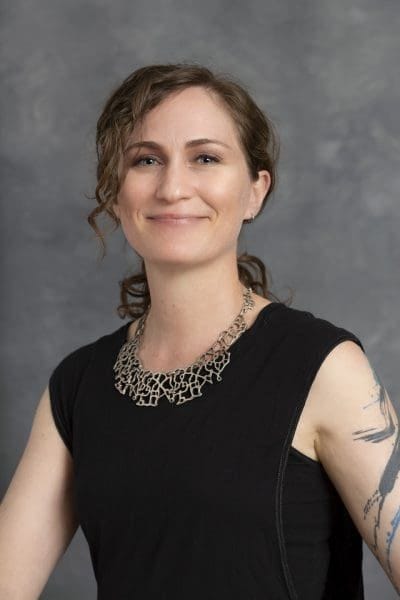 Jaime Banks, Syracuse University - AI Companionship: Real Relationships, Artificial Partners 08.09.2026 2minRelationships between humans and AI chatbots are a fascinating area of study.Jaime Banks, professor at the school of information studies at Syracuse University, delves into these relationships to see what we can learn.Faculty Bio:Jaime Banks is Professor at the School of Information Studies at Syracuse University. After earning a Ph.D. in Public Communication and Technology from Colorado State University, she has been previously faculty in Ontario, West Virginia, and Texas. Her work is animated by questions about the relationships between humans and social technologies (mostly social AI, social robots, and videogame characters), examined through mixed methodologies. She serves on the editorial boards for the Journal of Computer-Mediated Communication, Human-Machine Communication, Journal of Media Psychology, Communication Research Reports, and Technology, Mind, & Behavior. Her work has been funded by the Air Force Office of Scientific Research, the Army Research Office, and the National Science Foundation. In any spare time, she is caretaker of three rescue mutts and enjoys open-world videogames (for the Horde!).Dr. Banks teaches undergraduate courses on research methods and human-centered design approaches. At the graduate level, she teaches a course on theories of human-AI interaction. Students interested in taking independent study credits for research experience should reach out via email.Dr. Banks’ research into human-machine relationships focuses on communicative and cognitive processes as well as the effects of those interactions. In particular, she is interested in how people perceive mind or mental capacities in machines, how people form moral judgments about machine behavior, and how people understand how complex technologies work. Her current work focuses on the dynamics and effects of AI companions, mental shortcuts that might promote fear of or interest in social robots, and how language and media representations shape how people think about these technologies.Transcript:Millions of humans are in relationships with AI companions—they chat, argue, and otherwise share mundane and intimate experiences. AI companions have been critiqued because of very unfortunate events, those problems are the exception not the rule. Most people are not delusional—they know their partner is a machine. The relationship is real, but one partner is artificial. And sometimes that artificiality can drive what makes the relationship meaningful: Glitches become personalities and being digital frees the pair from constraints of physical bodies.I’ve found there are at least two distinct patterns for machine companionship. The first is a connection marked by feelings of genuine care and being understood. The second is a blend of meaningful exchanges and personal growth. In both, people emphasize their feelings are real. This realness becomes even more apparent when we examine how people experience the end of AI relationships. Sometimes apps are shuttered or a model is retired, and there are real impacts on the humans connected to them. For some, it’s merely a deletion of data. For others, there is real loss akin to human death and their grief is real.We’ve long dismissed these connections as parasocial or unreal because one participant is a machine. But that logic confuses the nature of the partner with the reality of the connection itself. The machine is real. The coordination between human and machine is real. The meaning people make of the relationship is real. It’s only in acknowledging that reality that we can ask important questions—about how these connections operate, how those operations can produce both positive and negative outcomes, and what they might teach us about what it means to be a human. This is a public episode. If you would like to discuss this with other subscribers or get access to bonus episodes, visit www.academicminute.org
 -
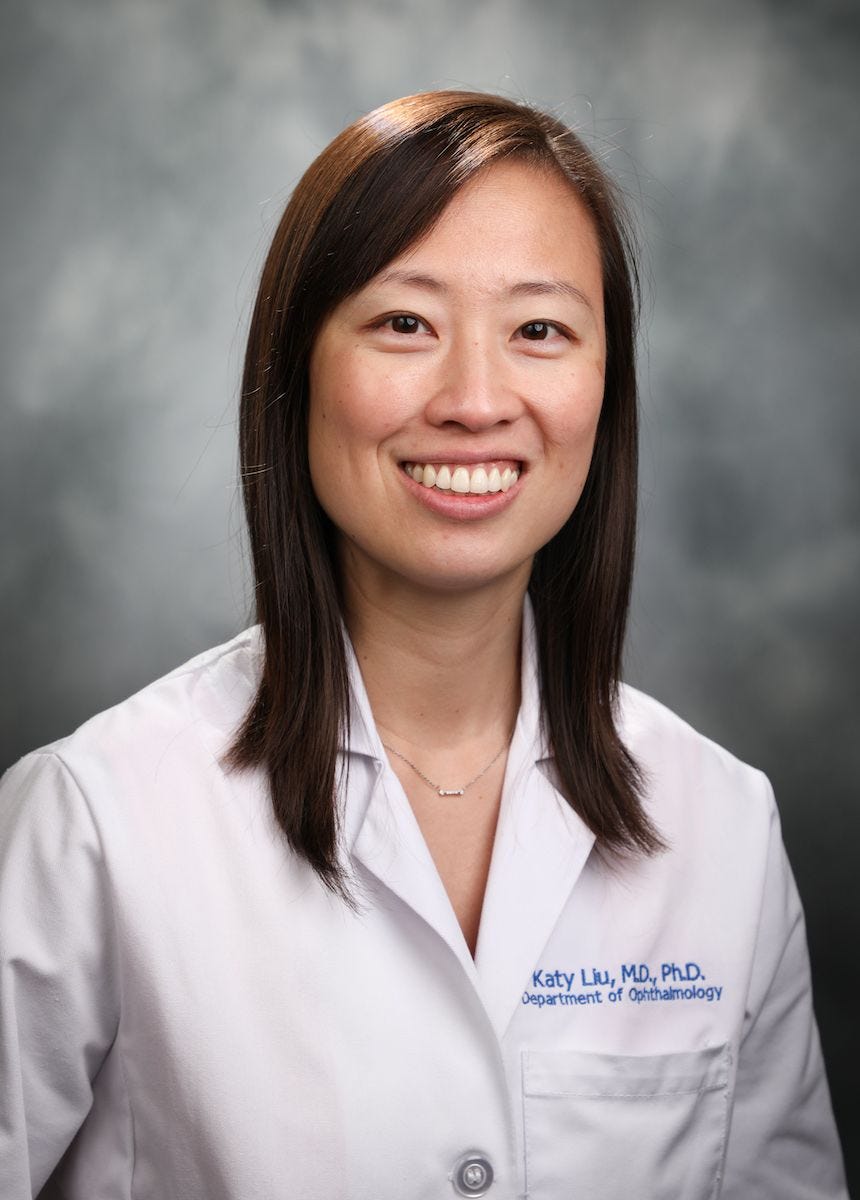 Katy Liu, Duke University - Immune Cells Play Key Role in Regulating Eye Pressure Linked to Glaucoma 07.09.2026 2minImmune cells play a key role in regulating eye pressure linked to glaucoma.Katy Liu, associate professor of ophthalmology at Duke University School of Medicine, explores this connection.Faculty Bio:Dr. Katy Liu is an associate professor in the Department of Ophthalmology at the Duke University Eye Center. She is a board certified, glaucoma fellowship-trained clinician-scientist with a PhD in Cell & Molecular Physiology, and her primary focus is to make basic science discoveries that can be translated from the bench to glaucoma patients.Transcript:Glaucoma is a disease where the pressure in the eye is too high, and it is a leading cause of permanent vision loss. The issue in glaucoma is that the drain of the eye is dysfunctional and does not drain fluid normally from the eye. This leads to a build-up of pressure in the eye and results in vision loss. Most of our existing treatments for glaucoma do not target the drain of the eye where the issue lies. In our research, we examined at the drain of the eye and found immune cells in these drainage tissues. We found that they play a critical role in maintaining eye pressure. Previous studies found that macrophages – the clean-up crew of the body – are found in the drainage tissues of the eye. Using modern immunology techniques, we were able to show that a specialized type of macrophage, called resident macrophages, live in the drainage tissues of the eye. These resident macrophages are important in housekeeping tasks in other tissues, so we asked whether they’re important in maintaining the normal drainage of fluid from the eye. We removed resident macrophages from drainage tissues in mice, and we found that this altered normal eye pressure. When we removed resident macrophages, eye pressure went up. Next, we asked how resident macrophages regulate eye pressure. We discovered that when we removed resident macrophages, the was a build-up of extracellular or scaffolding material in the drain of the eye, which increases resistance and pressure within the eye. Our study was the first to show that resident macrophages are important in maintaining normal eye pressure.Glaucoma is a disease of aging, and there are changes to the immune system that occur with aging as well. Our next steps are to look for resident macrophages in human eyes and to determine how they act in eyes with glaucoma. Our goal in the future is to target these specialized immune cells with drug therapies to lower eye pressure and prevent vision loss in patients with glaucoma.Read More:[DukeHealth] - Immune Cells Play Key Role in Regulating Eye Pressure Linked to Glaucoma[Immunity] - Resident tissue macrophages maintain intraocular pressure homeostasis This is a public episode. If you would like to discuss this with other subscribers or get access to bonus episodes, visit www.academicminute.org
 -
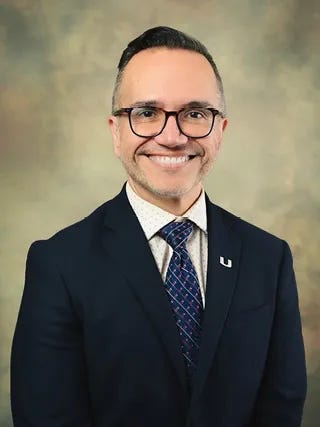
 Justin Stoler, University of Miami - America’s Quiet Water Crisis 04.09.2026 2minOn University of Miami Week: Water insecurity is already affecting more people than previously thought.Justin Stoler, professor in the Department of Geography and Sustainable Development, explores the quiet water crisis.Faculty Bio:Dr. Justin Stoler’s research explores urban health disparities using social, environmental, and spatial epidemiological methods. He is also affiliated with the Department of Public Health Sciences and the Abess Center for Ecosystem Science & Policy. Dr. Stoler enjoys field work and has worked in several countries—including a decade of experience in Accra, Ghana—exploring links between neighborhood structure, geodemographics, the environment, communicable diseases, and water insecurity. Dr. Stoler directs the Social & Health Inequities Research & Education (SHIRE) Lab, which provides research and professional development opportunities to students at all levels. His courses blend geospatial frameworks with contemporary population, environmental, and global health issues.Transcript:When most Americans think of water insecurity, they imagine crises in developing nations and assume that safe tap water is a given in the world’s wealthiest country. Our research tells a different story. As a global water security researcher, my work focuses on measuring how communities interact with water. Scientists traditionally measured water security by looking at groundwater availability, reservoir levels, or piped water volumes. However, those metrics miss the human experience entirely. Years ago, I was part of a team that created the HWISE scale, a psychometric tool that measures how people experience water insecurity through physical burdens, such as being unable to wash your hands, and psychological distress, such as worrying about not having enough water. The HWISE scale improved our understanding of how water insecurity impacts households globally. Now, I co-lead a team that created a new scale to measure household water insecurity in the United States. What we’re uncovering is a quiet crisis driven by environmental shocks to water systems, such as floods, fires, and freezes; new contaminants such as PFAS and microplastics; and declining public trust. Our data suggest that roughly one in five US households may experience at least low-level water insecurity. We need to face several realities. First, national wealth does not guarantee water security; the struggle for water in America is more common than we realize and hurts national productivity. Second, the days of bountiful, cheap, clean water are behind us. But, third and most importantly, we have solutions, such as technology that improves water access and reliability, and payment models that make water more affordable. Our new metrics will help track progress in securing safe water for all Americans. This is a public episode. If you would like to discuss this with other subscribers or get access to bonus episodes, visit www.academicminute.org
 -
 Jill Ehrenreich-May, University of Miami - To Maximize Impact of Research on Anxiety Treatment, the Right Questions Matter 03.09.2026 2minOn University of Miami Week: To maximize the impact of research on youth anxiety, asking the right questions matter.Jill Ehrenreich-May, professor of psychology and pediatrics, dives into this.Faculty Bio:Dr. Jill Ehrenreich-May is a Professor and Associate Chair for Graduate Studies in the Department of Psychology at the University of Miami. Dr. Ehrenreich-May’s research is concerned with the development and evaluation of transdiagnostic programs for youth presenting with or at risk for anxiety, depression and related concerns. She directs a community-research clinic at the University of Miami, the Child and Adolescent Mood and Anxiety Treatment Program, which serves as a hub for training and dissemination of evidence-based practices in youth psychotherapy and allows for the study of mechanisms and outcomes associated with transdiagnostic treatments for youth.Transcript:Back-to-school season is stressful. Parents, teachers, and especially students, commonly experience heightened emotions ahead of the new school year. Trained as a clinical psychologist, one of my areas of expertise is youth anxiety and stress. When training future clinical psychologists, I want my students to understand the experience of anxiety and deliver the right tools to cope.For more than two decades, I have led research on the Unified Protocols for Transdiagnostic Treatment of Emotional Disorders in Children and Adolescents, a compelling collection of treatment strategies addressing a range of emotional needs in kids. Put simply, this work aims to frame existing evidence-based treatments typically developed in research settings in a manner that makes them feasible and scalable in any environment. However, much of that work originated in my research clinic. To truly understand how to make youth psychotherapy scalable, you need to move your research outside such a highly controlled setting.Few evidence-based interventions built for clinical delivery pivot to outside settings, like schools, and even fewer incorporate school community perspectives during adaptation. My latest research attempts to fill these gaps in the literature. I iteratively adapted the Unified Protocol for Adolescents in lower-resource high schools to deliver hands-on, effective cognitive behavioral treatment strategies to students in a natural, familial setting. The resulting program was designed with input from the community, including teachers, students, families, administrators, and more, on how to best adapt the intervention. Results were strong. We found that anxiety-related life interference, irritability and behavioral problems were reduced and students had better classroom behavior. The program’s success demonstrates that as practitioners and researchers, we need to tailor interventions to best fit the unique needs of youth and the world they live in.Read More:[Miami] - College of Arts & Sciences This is a public episode. If you would like to discuss this with other subscribers or get access to bonus episodes, visit www.academicminute.org
 -
 Willy Prado, University of Miami - Smart Support: Can AI Bridge the Mental Health Equity Gap for Hispanic Youth 02.09.2026 2minOn University of Miami Week: Can AI bridge the mental health equity gap for Hispanic youth?Willy Prado, distinguished university professor of nursing and health studies, public health sciences, and psychology, explores the possibilities.Faculty Bio:Guillermo (Willy) Prado is professor of Nursing and Health Studies, Public Health Sciences, and Psychology at the University of Miami. He is a pioneer in health disparities and behavioral interventions for the prevention of substance use, sexual risk behaviors, obesity and mental health in Hispanic families.He has received approximately $20 million of continuous NIH and CDC funding since his doctoral studies (including approx. $1 million dollars/year of active funding) as PI and over $100 million as Co-I, mentor, or collaborator. His research has led to over 190 peer-reviewed articles and chapters. His h-index is 48 and the average number of citations per year in recent years is over 800, speaking to the impact of his work on the field.Prado’s scholarship on family-based preventive interventions and Hispanic adolescents is internationally recognized. At the time that Prado and his colleagues began developing family-based preventive interventions for Hispanics, there were no such interventions for this population. For significantly advancing knowledge in the behavioral interventions, health disparities, and adolescent health literature, he has received numerous awards and honors, including the Lifetime Achievement Award from the National Hispanic Science Network; the Community, Culture, and Prevention Science Award from the Society for Prevention Research; and election to the prestigious National Academy of Medicine. His research has been featured in multiple media outlets including the Miami Herald, NBC, Univision, and CNN en Español. He has also been invited to serve as a witness to the U.S. House Select Committee on Economic Disparities and Fairness in Growth to speak about prevention science and health disparities.In addition to research and scholarship, Prado has a strong commitment to teaching and mentoring. In addition to his well-funded research program and his administrative responsibilities since arriving at University of Miami in 2007, Prado has taught courses in prevention science, research methods, professional development, and biostatistics. In recognition of his teaching, Prado received the inaugural faculty teaching award in the Department of Public Health Sciences awarded by the Public Health Student Association.Prado is also dedicated to mentoring and training the next generation of prevention and health disparities scientists, particularly those who identify as underrepresented minorities (URM). In fact, more than 90 percent of his doctoral mentees in the past 10 years have been URMs. All his doctoral mentees have pursued careers in research, academia, and industry. His post-doctoral fellows have all successfully pursued faculty positions upon completion of their post-doctoral training and all his post-doctoral fellows have received NIH K awards and/or R01s within 18 months of completing their fellowship with him. Prado has been the recipient of mentoring awards including the award for mentoring early career preventionists from the Society for Prevention Research and the Presidential Award of the Florida Education Fund for his commitment to training underrepresented minorities.Prado served as interim provost and executive vice president for academic affairs, and previously as vice provost for Faculty Affairs and dean of the Graduate School. He previously served as the founding director of the Division of Prevention Science and Community Health, director of the Epidemiology Division, and director of the PhD program in Epidemiology in the Department of Public Health Sciences at the Miller School of Medicine. He is former associate editor of Prevention Science and the immediate past president of the Society for Prevention Research, an organization of more than 800 prevention scientist, practitioners, and policy makers. Currently, he is on the executive committee of the Academy of Science, Engineering, and Medicine of Florida; and on the board of directors of Research!America, a non-profit medical and health research advocacy alliance, whose board of directors consists of former secretaries of Health and Human Services, former NIH directors, the president of the National Academy of Medicine, the president & Chief Executive Officer of the American Association of Colleagues of Nursing, and other health leaders and policy makers.Transcript:Hispanic adolescents face significant systemic barriers to mental health care, ranging from limited access to insurance to cultural stigma surrounding treatment. Yet, even as these challenges persist, effective solutions are within reach. When families are equipped with the right tools and support, parents are uniquely equipped to play a powerful role in promoting their adolescent’s mental health and well-being. For more than two decades, with vital funding, our team developed and rigorously tested Familias Unidas, a culturally grounded, family-based intervention designed to empower parents and strengthen parent-adolescent relationships. By helping families improve communication, build trust, enhance parental involvement, and develop effective monitoring skills, Familias Unidas empowers families to create healthier, more supportive home environments. Through multiple clinical trials, we proved that strengthening family functioning significantly reduces risk behaviors and improves adolescent mental health outcomes. But research only transforms lives when it reaches the communities who need it most. While we’ve successfully implemented Familias Unidas in communities locally, nationally and internationally, expanding access remains a critical priority. That’s where AI offers an unprecedented opportunity. With ongoing funding and support, we’re pioneering AI-powered digital therapists that can guide family sessions, facilitate more constructive conversations and provide personalized guidance that strengthens family relationships in real time. This work showcases the transformative power of research funding: taking interventions proven through decades of scientific research, combining them with innovative technology, and making evidence-based family mental health support accessible to families wherever they are. This is a public episode. If you would like to discuss this with other subscribers or get access to bonus episodes, visit www.academicminute.org
 -
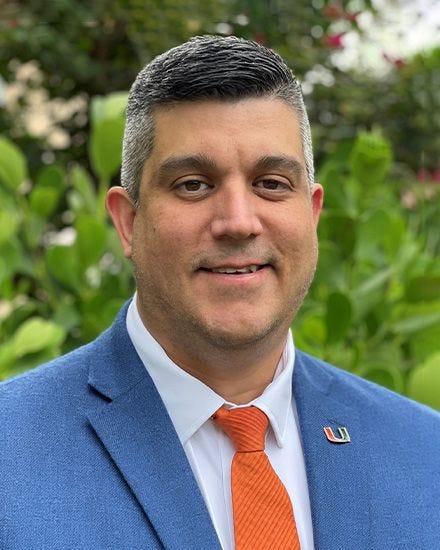
 Nina Huang, University of Miami - Reshaping Human Behavior with AI 01.09.2026 2minOn University of Miami Week: What is the long-term effect of AI on human behavior? Nina Huang, professor and chair of business technology, discusses how to maximize the benefits and minimize the harms.Faculty Bio:Nina Huang is the Department Chair of Business Technology and Dennis & Smith Family Endowed Chair Professor at the Miami Herbert Business School, University of Miami, Florida. Nina’s expertise centers on understanding how digital technology can enhance user experiences and improve business outcomes. Her research program covers a range of digital contexts, including live streaming, online dating, online learning, online healthcare, mobile applications, and digital commerce.Transcript:Artificial intelligence and digital technologies have permeated most aspects of our lives, but what impacts will it have on the human experience long-term? My research investigates how the cutting-edge technology will influence everything from human decision-making to economic and business outcomes. I seek to uncover the unknown by examining how AI and digital technologies affect the human experience across a variety of contexts, from online shopping and gaming, to software development and business strategy. With any transformation, there will be positive and negative outcomes. In the case of AI, the consequences can have polarizing effects. On the one hand, AI stands to create tremendous opportunities. For instance, in a recent study I found that incorporating AI streaming assistants into livestream sales improved the online shopper experience. The technology mitigated common tensions in livestream selling, increased sales by 3%, and reduced product return rates by more than 12%. The technology can spark unintended consequences as well. My research has also investigated the AI investments that businesses make following media exposure of labor issues. In these instances, when businesses invest in AI to address exposed problems, they often automate, rather than augment, human tasks, which puts jobs at risk. The range of effects underscore the importance of developing a comprehensive understanding of AI technology itself and its impact on user experience and business outcomes.The academic community is uniquely positioned to be a force of good in this AI-led transformation. It is our responsibility to investigate and rigorously vet the evidence that can help users, organizations, and stakeholders understand the opportunities and challenges that accompany advancements. Let’s think about AI not simply as a technological innovation, but as a force that is transforming human behavior and institutions.Read More:[News @ the U] - AI assistant for online shopping[News @ the U] - Labor feeling the squeeze from AI’s advance This is a public episode. If you would like to discuss this with other subscribers or get access to bonus episodes, visit www.academicminute.org
 -
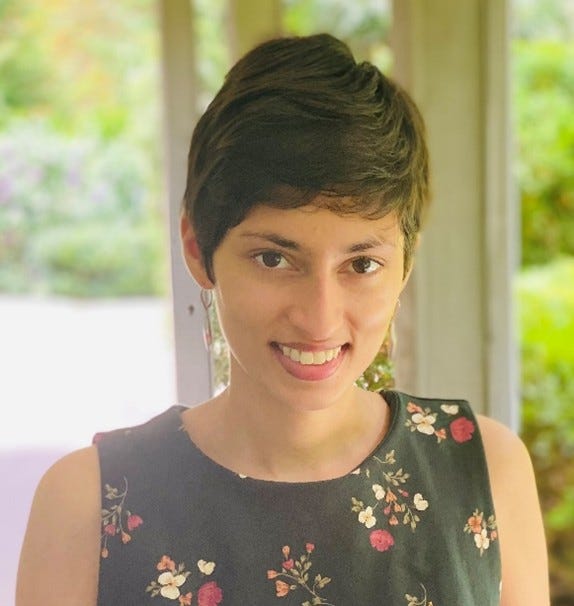
 Alberto Caban-Martinez, University of Miami - Rethinking How Discovery Happens 31.08.2026 2minOn University of Miami Week: Let’s rethink how discovery happens.Alberto Caban-Martinez, Vice Provost for Research and Scholarship, examines how collaboration can help.Faculty Bio:Alberto J. Caban-Martinez is vice provost for research and scholarship at the University of Miami. He is also a tenured professor of public health sciences at the university’s Leonard M. Miller School of Medicine. As vice provost, he provides strategic leadership and oversight for the University’s research enterprise, advancing institutional priorities that promote research integrity, innovation, and global impact across its 12 schools and colleges. He directs initiatives that strengthen compliance and research governance, fosters interdisciplinary collaboration, and works with faculty, staff, trainees, and leadership to enhance research infrastructure and a culture of scientific excellence.Transcript:The men and women in the fire service go above and beyond to protect our communities. They give unconditionally in high stress and dangerous environments. Unfortunately, repeated exposure in those environments can increase health risks. For instance, fire investigators, a specialized group who analyze the root-cause of fires, report higher rates of bladder cancer. My research leads a national longitudinal cohort evaluating health outcomes in an effort to inform health and safety best practices for this group.My team of multidisciplinary experts studies ways to reduce risk for fire service members by investigating evidence-based practices. Our ability to connect experts across disciplines, thoughts, and experiences positions us to solve this challenge.We see this approach front and center in the University of Miami Laboratory for INtegrative Knowledge. Known as U-LINK, this university initiative fosters collaborative research teams to tackle complex problems. The U-LINK approach catalyzes, nurtures, and develops interdisciplinary and multidisciplinary research and science. We’ve seen remarkable success. To date, the program has elevated critical research, such as sustainable coastal protections, improved hurricane cone visualizations, and music therapy initiatives, into federally-funded, world-class efforts with global impacts.We’re seeing societal issues continue to compound: first responder health and safety, climate change, extreme weather, energy demands, and more. Only when we’re willing to rethink the traditional research framework and not only embrace, but bolster collaboration, will we find solutions to our most vexing issues.[Miami] - U-LINK This is a public episode. If you would like to discuss this with other subscribers or get access to bonus episodes, visit www.academicminute.org
 -
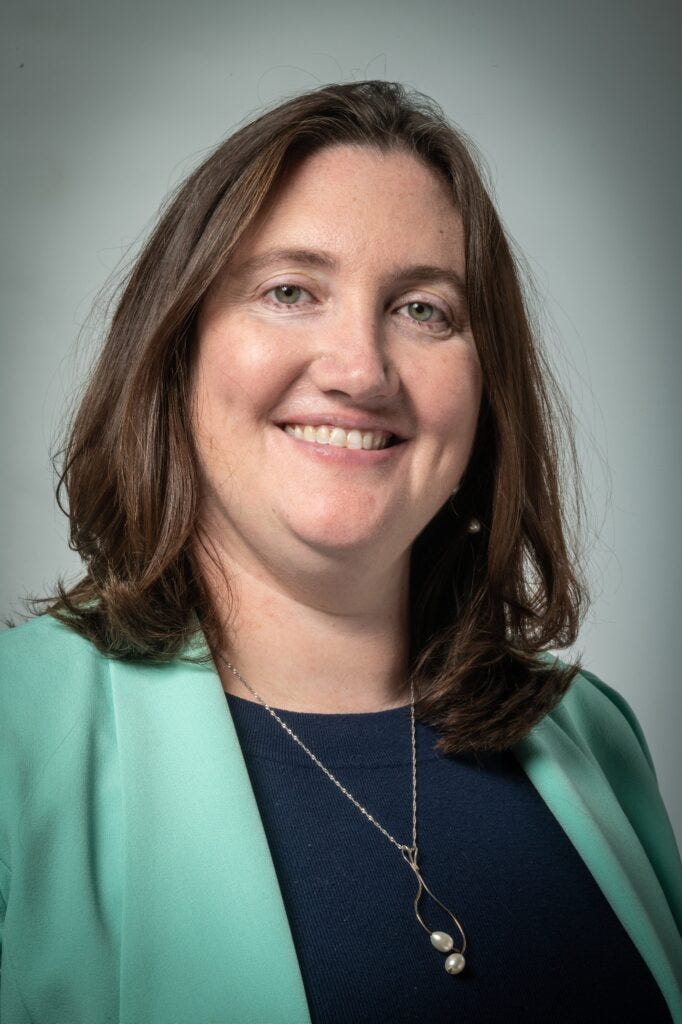
 Resh Gupta, Washington University in St. Louis – Anxiety, Mindfulness, and Cognitive Control 28.08.2026 2minMindfulness may help to lower anxiety for some, but not all. How do we know who is who? Resh Gupta, postdoctoral research associate at Washington University in St. Louis, looks into the research. Resh Gupta is a postdoctoral research associate with the Mindfulness Science & Practice Cluster and the Cognitive Control & Psychopathology Laboratory at […] This is a public episode. If you would like to discuss this with other subscribers or get access to bonus episodes, visit www.academicminute.org
 -
 Katherine Wilkinson, San Jose State University – Proprioception 27.08.2026 2minUnderstanding how your body senses muscle movement is essential for balance. Katherine Wilkinson, professor of biology at San Jose State University, examines how it works. Katherine Wilkinson is a Professor of biology at San José State University in San Jose, California. Wilkinson’s specialty is studying and understanding proprioception–how our brains understand our physical presence in […] This is a public episode. If you would like to discuss this with other subscribers or get access to bonus episodes, visit www.academicminute.org
 -
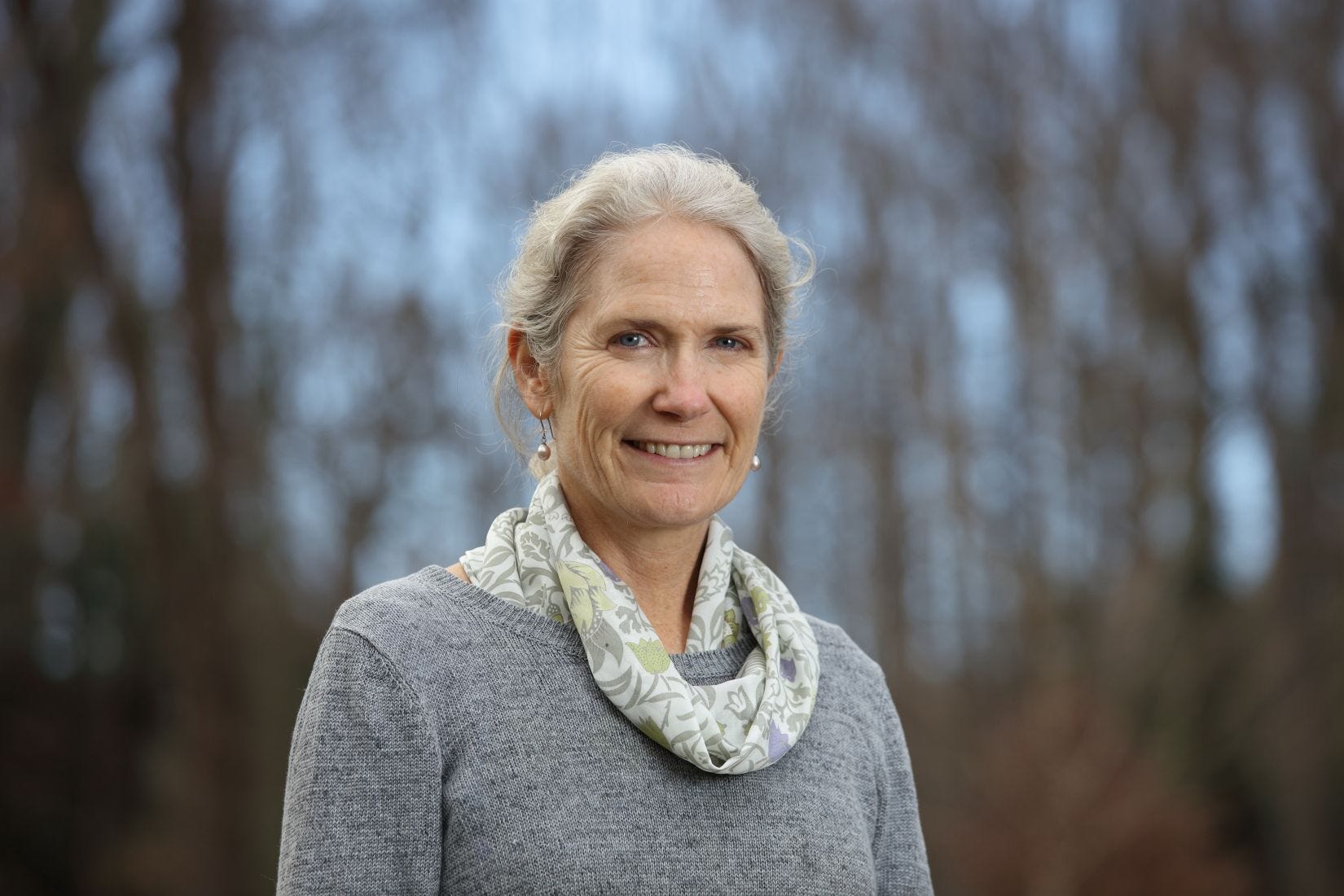
 Sonia Villapol, Houston Methodist Research Institute - Trust Your Gut to Heal Your Brain 26.08.2026 2minCan you trust your gut to heal your brain?Sonia Villapol, associate professor and neuroscientist at the Center for Neuroregeneration and the Department of Neurosurgery at the Houston Methodist Research Institute, delves into the microbiome.Faculty Bio:Dr. Sonia Villapol is an Associate Professor and neuroscientist at the Center for Neuroregeneration and the Department of Neurosurgery, Houston Methodist Research Institute (Houston, TX). She received her B.Sc. in Molecular Biology and Biotechnology from the University of Santiago de Compostela (2003) and completed an M.Sc. and Ph.D. in Neuroscience at the Autonomous University of Barcelona (2007). She pursued postdoctoral research at the CNRS–Université Pierre et Marie Curie (VI) and INSERM in Paris, and later at the National Institutes of Health/Center for Neuroscience and Regenerative Medicine and the Uniformed Services University in Bethesda, MD. In 2014 she joined Georgetown University as a Research Assistant Professor of Neuroscience, moving to HMRI in 2018.Dr. Villapol’s work, funded by the NIH, Department of Defense, and private foundations, investigates mechanisms of neuroinflammation and neurodegeneration across AD and TBI models, the brain–gut axis, and the development of neurorestorative drug-delivery systems. She has published more than 80 peer-reviewed articles and book chapters.Transcript:Brain injuries and neurodegenerative disorders such as Alzheimer’s disease remain some of the greatest challenges in modern medicine. My research is centered on understanding how inflammation, the immune system, and the gut microbiome interact to shape brain health after injury and during disease progression. When the brain experiences trauma, such as a traumatic brain injury, the damage extends far beyond the initial event. The injury triggers a cascade of biological responses that includes immune activation, metabolic dysfunction, and communication among multiple organs, particularly the brain, liver, and gut. This interconnected network, often described as the gut-brain axis, plays a critical role in regulating inflammation, recovery, and long-term neurological outcomes. In our laboratory, we investigate how signals derived from the microbiome influence the brain’s immune environment and how these interactions can amplify or prolong neuroinflammation after injury. We are especially interested in understanding how these processes may contribute to neurodegenerative conditions such as Alzheimer’s disease, where chronic inflammation is believed to accelerate disease progression. To address these questions, our work combines a wide range of approaches, including animal models, clinical research, microbiome sequencing, integration of personalized data using AI, advanced imaging, and nanomedicine. One major focus is the development of targeted nanomedicine therapies that deliver treatments directly to specific brain cells involved in inflammation and tissue damage. At the same time, we are exploring whether modulating the microbiome through diet, probiotics, or related strategies can help restore balance to the gut-brain axis and promote recovery after injury. By integrating microbiology, neuroscience, and biomedical engineering, we aim to uncover new mechanisms and identify innovative therapeutic opportunities. Ultimately, our goal is to translate this knowledge into more effective treatments that protect the brain, reduce long-term damage, and improve patient outcomes. The future of brain health may depend not only on treating the brain itself, but on understanding the entire biological system that supports it. This is a public episode. If you would like to discuss this with other subscribers or get access to bonus episodes, visit www.academicminute.org
 -
 Angeline S. Lillard, Virginia Tech - Montessori Schools Lead to Better Outcomes at Lower Cost 25.08.2026 2minHow do we get better outcomes at lower cost for preschool children?Angeline S. Lillard, Commonwealth professor of psychology at the University of Virginia, explores one option.Faculty Bio:Angeline S. Lillard is the Commonwealth Professor of Psychology at the University of Virginia where she directs the Early Development Laboratory and the Montessori Science Program; her research focuses on children’s play and Montessori education. She is an elected Fellow of the American Association for the Advancement of Science, the American Psychological Association, and the Association for Psychological Science, and Chief Editor of Frontiers in Developmental Psychology. She received her PhD in Psychology from Stanford University in 1991, and the American Psychological Association’s Boyd McCandless Award for her early career contributions to Developmental Science. Her book, Montessori: The Science Behind the Genius (Oxford University Press) received the Cognitive Development Society Book Award, is translated into several languages, and is currently in its 3rd edition. She has been keynote speaker at dozens of Psychology and Montessori conferences worldwide. Her research has been funded by the Institutes of Education Sciences, the National Science Foundation, the National Institutes of Health, and many private foundations.Transcript:Preschool has been around for over a century, but we can't seem to settle on the best models to use--entirely free play, or dive into academics. New research shows the Montessori method yields better outcomes at lower cost. The study followed for 3 years 588 children who had entered a random lottery for a seat at one of 24 public Montessori schools across the country. About a third won a spot, and the rest were waitlisted. The children were no different on outcomes at baseline when they started pre-K, nor were they different at the end of PK3 or PK4. But at ages 5-6, several differences emerged, and the effects were large. First, children who attended Montessori were better readers; specifically, a child who would have scored at the 50th percentile in reading at a traditional school would have scored at the 71st percentile had they attended Montessori. Children who got into Montessori also had better executive function, short-term memory and social understanding at the end of kindergarten. And the cost savings were $13,127 per child as compared to traditional PK3 through kindergarten programs--a savings that would really add up across all the 3- to 6-year-olds in a district. This is not the first study to show better outcomes from Montessori--other randomized controlled trials (RCTs) and two meta-analyses done in 2023 all come to the same conclusion.Why isn't there more of this model? One reason may be that there are many poor exemplars. Real Montessori has 3-year age groupings, and teachers give children structured lessons on how to use hundreds of hands-on materials Dr. Maria Montessori and her collaborators developed to convey learning, and then children freely explore those materials with their peers, without grades, and without teachers dictating their schedules. Bridging play and work, the public Montessori preschool model yields better outcomes, at lower cost.Read More:[PNAS] - A national randomized controlled trial of the impact of public Montessori preschool at the end of kindergarten This is a public episode. If you would like to discuss this with other subscribers or get access to bonus episodes, visit www.academicminute.org
 -
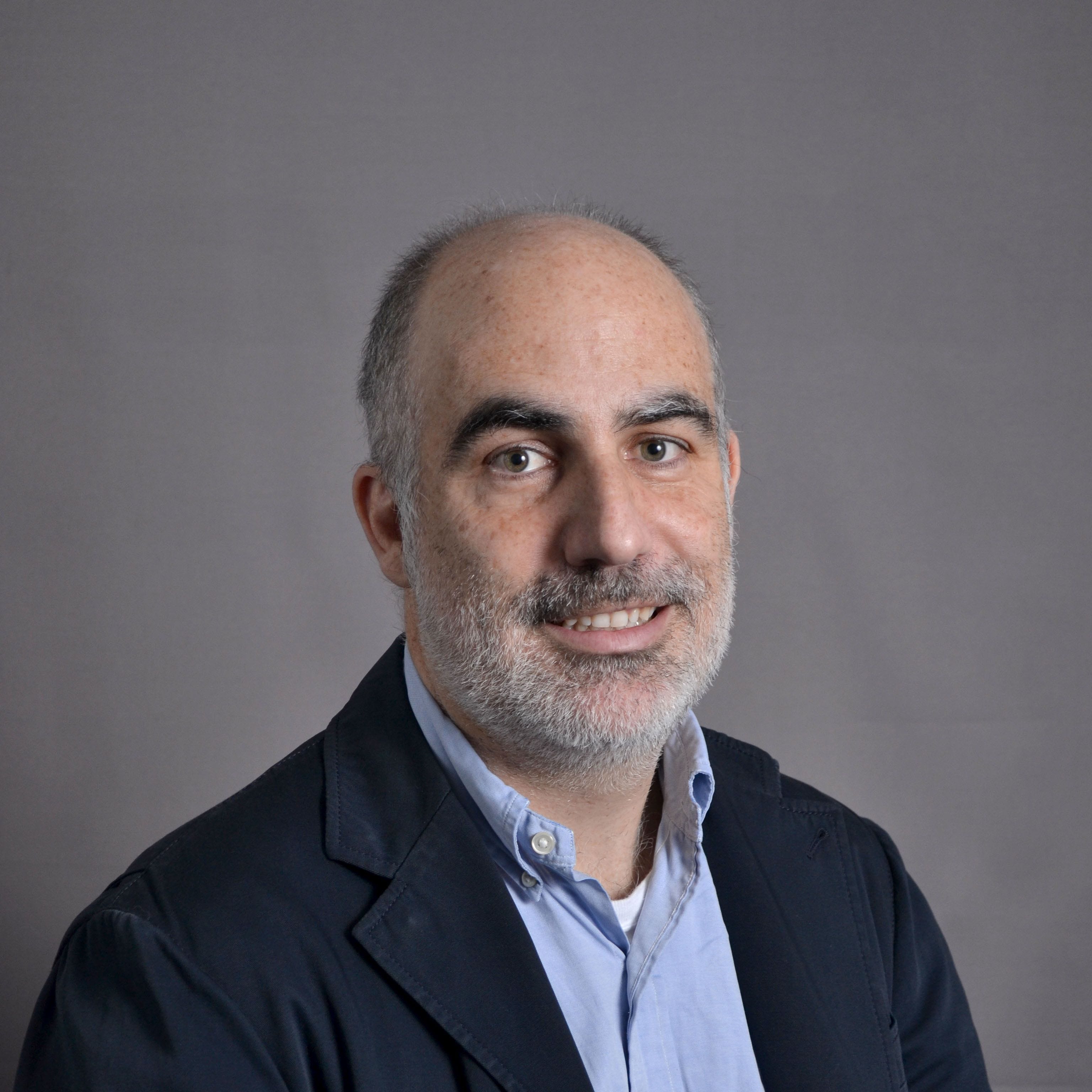 Marcos Fernandez-Tous, University of North Dakota - AI is Making Spacecraft Propulsion More Efficient 24.08.2026 2minCan AI make spacecraft propulsion more efficient?Marcos Fernandez-Tous, associate professor of space propulsion and hypersonic aerodynamics at the University of North Dakota, discusses this topic.Faculty Bio:I currently coordinate the Space Studies Propulsion Lab within the Department of Space Sciences and offer courses on space propulsion, air-breathing engines, and hypersonic aerodynamics. My teaching emphasizes project-based learning and follows the Innovation-Based Learning methodology.I hold a Ph.D. in Space Sciences from the University of North Dakota, where my dissertation focused on developing a novel synchronization protocol for unmanned aerial vehicles (UAVs). Additionally, I earned an M.S. in Aeronautical Engineering with a specialization in Air Traffic Management from the Polytechnic University of Madrid, Spain, completing a thesis on GPS-based approach procedures for Palma de Mallorca Airport.My research focuses on interdisciplinary approaches to integrating artificial intelligence technologies to advance space propulsion development. Beyond academia, I actively contribute to the community of Grand Forks, where I have resided since 2018.Transcript:Every year, hundreds of rockets are launched into space, with numbers rising as missions to the Moon, Mars, and beyond become the new reality. But these ambitions depend on propulsion—the technology that moves spacecraft forward. Breakthroughs in this technology are essential to make interplanetary travel faster and more efficient, and artificial intelligence is emerging as a key enabler for that.One branch of AI, reinforcement learning, teaches machines through trial and error, improving performance by interpreting outcomes and adjusting strategies. This capability is particularly valuable for complex systems that exceed human intuition, such as propulsion systems design. Reinforcement Learning can optimize flight paths to minimize fuel use and travel time, or it can assist engineers by analyzing countless variables—materials, geometry, and heat transfer—to identify configurations that maximize efficiency.Nuclear propulsion is among the most promising concepts for deep-space missions. Fission-based systems have been tested before, while fusion remains a frontier. Nuclear thermal propulsion, which transfers heat from atomic reactions to hydrogen propellant, could dramatically reduce travel time compared to conventional propulsion. Reinforcement Learning supports this technology by optimizing reactor designs, such as those explored since NERVA program at NASA in the 60s and 70s.Beyond design, Reinforcement Learning can manage real-time operations, including fuel consumption for adaptable missions. This flexibility is critical for spacecraft that must respond to changing priorities, such as military or multi-role satellites. The ability of Reinforcement Learning to learn and adapt makes it a powerful tool for addressing uncertainty in mission planning.As propulsion technologies evolve, AI—and derivative tools such as reinforcement learning—will play a central role in enabling faster, safer, and more sustainable space exploration, opening pathways to destinations across and beyond our solar system.Read More:[The Conversation] - AI is making spacecraft propulsion more efficient – and could even lead to nuclear‑powered rockets This is a public episode. If you would like to discuss this with other subscribers or get access to bonus episodes, visit www.academicminute.org
 -
 Dana Cusano, Syracuse University - Finding Whales Before It's Too Late 21.08.2026 2minDespite efforts to avoid it, vessel collisions are still hindering conservation efforts for whales.Dana Cusano, research assistant professor in the Department of Biology at Syracuse University, explores what changes can occur.Faculty Bio:Dana Cusano is a bioacoustician and behavioral ecologist whose research focuses primarily on the acoustic behavior of marine mammals. Her interests include the use of vocal signaling in animals and the link between vocalizations and behavior. Specifically, she is interested in the social interactions between individuals and how arousal may be reflected in acoustic signals. Past research has also centered on investigating the movement of animals in response to anthropogenic disturbance with the use of animal movement models.Currently, Dana’s research involves studying the acoustic and movement behavior of sei whales, North Atlantic right whales, and humpback whales with the use of biologging tags.Transcript:Many whale species feed in Massachusetts Bay and Stellwagen Bank National Marine Sanctuary, but two face an especially urgent threat: the critically endangered North Atlantic right whale, with only about 384 left, and the endangered sei whale, a species we know very little about. Both can be found close to shore and in heavily populated areas. They also often feed on the same prey near the surface where they are difficult to see, putting them at high risk for vessel collisions, or ship strikes, one of the most serious threats large whales face.Decades of conservation efforts have worked to reduce maximum speeds during specific times of year, and even to shift shipping lanes to avoid critical habitats. Despite this, ship strikes remain one of the leading causes of death and injury to right whales — and the number of sei whales struck in the North Atlantic appears to be increasing and is likely underestimated.A better understanding of what conditions increase that risk, and how to prevent collisions, is critical. My research uses suction-cup tags attached to whales in Massachusetts Bay and the Stellwagen Bank National Marine Sanctuary to understand how they move near the surface and underwater while they feed in this important spring-time foraging habitat. These data are combined with information on prey to build models that can identify and predict foraging hot spots — areas where feeding whales are likely to aggregate.Using remote-sensing technology, we can identify these hot spots from space even before whales are detected in the area. That information is then pushed as alerts to vessels using the global Automatic Identification System network and to vessel operators in the app WhaleAlert — so mariners can respond before it’s too late. This is a public episode. If you would like to discuss this with other subscribers or get access to bonus episodes, visit www.academicminute.org
Samankaltaiset podcastit


Suosittu maassa
Tämä podcast esiintyy myös näiden maiden podcast-listoilla.


