
The Solve Effect
MIT Solve
0
The Solve Effect is a podcast from MIT Solve that features leaders, visionaries, and barrier-breakers using technology for good. Each episode explores the journeys of people who are redefining global problem-solving, addressing topics like data ethics, bias in AI, and the application of traditional knowledge in modern contexts. The show aims to inspire listeners to take action on global challenges.
Jaksot
-
 10 Years, 10 Solvers: From 14 Days to Under 60 Minutes—Revolutionizing Radiology Reporting with Rology 16.09.2026 19minAsk Amr Abodraiaa what Rology looks like from the patient's side, and the answer is: nothing at all. Invisibility is the design goal. What the patient gets is the result.Rology was selected as a 2023 Health Solver. Amr came to the problem as an engineer rather than a doctor, co-founding the company in 2017 to connect hospitals with a global network of remote radiologists. Rology is now FDA-cleared and has delivered more than 1.4 million radiology reports across 13 countries in Africa and the Middle East.Episode highlights:The problem was never the machine: The scanner was already in the hospital. The person qualified to read the scan was not. Amr explains why he stopped building the next new “cool” technology and started building the system around it.Zero setup cost, every time: No new servers, no VPNs, no bandwidth upgrades. Nearly a decade and an FDA clearance later, that mandate still governs every feature Rology ships.LLMs and VLMs: Machine learning routes each scan to the right specialist and cuts repeat imaging. Vision-language models now draft the report itself. The real gains, Amr says, come from running both together.Full transcript available here.Solve is celebrating its 10th anniversary this year, and this special series, hosted by Alexander Dale, Director of Global Programs at MIT Solve, highlights 10 Solvers from the past decade who embody the spirit of Solve: innovation, grit, resilience, and impact. Learn more and get involved in our work here: solve.mit.edu - - - -Join our CrowdSolve mailing list for more social impact news: https://solve.mit.edu/newslettersMake sure to follow us on LinkedIn, Instagram, and Facebook.
 -
 Nabiha Syed on Human-Scale AI and What We Shouldn't Build 02.09.2026 26minNabiha Syed has been a media lawyer, a newsroom CEO, and now leads the Mozilla Foundation—three careers, one question: does technology hand people power, or quietly take it away? She and Hala Hanna get into human-scale AI, why trust is becoming the only real moat, and the things we shouldn't build at all. Plus: toasters, aunties, and why curiosity is a birthright.Full transcript available here.- - - -Join our CrowdSolve mailing list for more social impact news: https://solve.mit.edu/newslettersMake sure to follow us on LinkedIn, Instagram, and Facebook.Email us at [email protected]
 -
 10 Years, 10 Solvers: Helena Samsioe on Going from Launching a Product to Launching a New Industry with Crowddroning 19.08.2026 24minHelena Samsioe had been to more than 50 countries before she turned 15.Her parents worked as doctors across Africa and Asia, and that upbringing taught her something that would eventually become a business: the world looks completely different depending on where you are standing. Satellites flatten that difference. Clouds get in the way, resolution drops off, and the closer to the ground the real story lives, the more the picture falls apart.Helena is our fourth guest in the 10 Years, 10 Solvers series. Solve is celebrating its 10th anniversary this year, and this special series, hosted by Alexander Dale, Director of Global Programs at MIT Solve, highlights 10 Solvers from the past decade who embody the spirit of Solve: innovation, grit, resilience, and impact.Solve selected Globhe for our 2021 Health Security and Pandemics Challenge. Five years later, the platform connects organizations to more than 12,000 certified drone operators in 150 countries, every one of them local to the place they fly.Tune in for a conversation all about:The pivot hiding in your own data: Globhe spent its first three years as a drone delivery company. Then clients started asking to buy footage from the delivery routes instead of the deliveries. Helena explains how to hear what the market is actually telling you.Why the pilot should always be local: Cost, regulation, and impact all point in the same direction. Helena walks through why Globhe never flies operators in from Sweden, and how AI-powered quality control makes that model hold up.Building an industry, not just a company: In 2015, drones were either military equipment or Hollywood cameras, with almost nothing in between. Helena shares what it took to help shape the regulatory frameworks that made everything since possible.Courage over hope: Asked to pick one for the future, Helena chooses courage. Hope is hard to sustain, she says, unless you have the courage to pursue it.Full transcript available here.- - - -Join our CrowdSolve mailing list for more social impact news: https://solve.mit.edu/newslettersMake sure to follow us on LinkedIn, Instagram, and Facebook.Email us at [email protected].
 -
 Open Source Is Mischief: Ayah Bdeir on Building a Better AI 05.08.2026 28minSnap two magnetic blocks together, and a light comes on. In that second, wonder becomes pride because you made it.Ayah Bdeir built a career on that distinction. littleBits, her magnetic electronics kits, turned millions of kids from tech users into inventors and now sit in the permanent collection of the Museum of Modern Art. Today she runs Current AI, working with governments, philanthropies, and builders to make public-interest AI real at scale. The reason: the AI we've been handed is the anti-littleBits, sealed and obscure and shipped by a handful of companies.Tune in for a conversation all about:The Iftar table AI got wrong: An AI-generated dinner flyer came back with orange hummus. Ayah couldn’t let that slide, and so she worked and iterated until a wayward prompt became an entire mission for cultural preservation at Current AI.Fund, build, bridge: Six months in, Ayah is running a tech company, a philanthropy, and a government body at once. AI's pace is the only reason those three can move together.AI's Linux moment: Governments want resilience, enterprises want a cheaper stack, local communities want models that speak their dialect. Ayah makes the case that open can win economically too, but only if you sell the medicine with the sugar.Full transcript available here.Join our CrowdSolve mailing list for more social impact news: https://solve.mit.edu/newslettersMake sure to follow us on LinkedIn, Instagram, and Facebook.Email us at [email protected]
 -
 NPR's Katherine Maher on Leading "Without Fear or Favor" 22.07.2026 32minHow do millions of strangers come to trust one another enough to share a common reality?In this episode of The Solve Effect, we welcome Katherine Maher, President and CEO of NPR and former CEO of the Wikimedia Foundation. Katherine has spent her career building and leading the institutions that help us make sense of the world together—Wikipedia, Signal, and now public media, at a moment when trust in nearly every one of those institutions is under strain.Tune into a conversation all about:The Trust Ladder: As local newspapers have disappeared, Katherine explains how we lost the "lowest rung" that once connected our understanding of our neighborhoods to the nation—and why that's fueling polarization today.Truth vs. Facts: Katherine's TED Talk on truth sparked pushback, including from Elon Musk. She unpacks the difference between the facts we can agree on and the deeper truths we each carry, and why admitting what we don't know builds trust rather than erodes it.AI and the Open Web: Katherine explains what's at stake when models are trained on models, and why she still believes the open web is worth fighting for.Leading Without Fear or Favor: As NPR faces federal funding cuts, Katherine makes the case for why mission-driven institutions can out-compete the market for trust and attention and what that looks like in practice.Full transcript available here.Join our CrowdSolve mailing list for more social impact news: https://solve.mit.edu/newslettersMake sure to follow us on LinkedIn, Instagram, and Facebook.Email us at [email protected]
 -
 10 Years, 10 Solvers: Namya Mahajan on Educating 6 Million Children for $1.50 a Year 08.07.2026 26minNamya Mahajan built a product for parents. Daycare workers started using it too, without anyone asking them to.Namya is our third guest in the 10 Years, 10 Solvers series. Solve is celebrating its 10th anniversary this year, and this special series (hosted by Alexander Dale, Director of Global Programs at MIT Solve) highlights 10 Solvers from the past decade who embody the spirit of Solve: innovation, grit, resilience, and impact.Namya co-founded Rocket Learning in 2020, meeting parents where they already are: WhatsApp. The nonprofit sends bite-sized, science-backed learning activities in local languages, using things like dough instead of clay and turmeric water instead of paint. Today it reaches more than 6 million children across 16 Indian states, for about $1.50 per child, per year.Tune in for a conversation all about:Building for the people who show up: When Namya's team noticed daycare workers using parent-facing content in their own classrooms, they didn't fight it—they built an entire educator program around it. It now reaches 400,000 daycare workers across India.Proving it, the hard way: A multi-year randomized controlled trial with J-PAL showed one of the highest effect sizes in education—at a fraction of the typical cost. Namya shares what it took to run an evaluation nobody thought they were ready for.The pitch that missed: Namya walks through a fundraising meeting that went sideways, and what it taught her about listening before you sell your solution.What comes next: Namya's team is now building an AI-powered tool to personalize learning for millions of children and support the daycare workers teaching them.Full transcript available here.Join our CrowdSolve mailing list for more social impact news: https://solve.mit.edu/newslettersMake sure to follow us on LinkedIn, Instagram, and Facebook.Email us at [email protected]
 -
 Participation is the Antidote to Despair. Joy is Resistance. Kumi Naidoo on a life of activism. 17.06.2026 24minKumi Naidoo once helped lead a funeral for an iceberg.Several hundred people gathered in Iceland to mourn something precious that had been with us for centuries and was never coming back. That single act of mourning generated more powerful coverage than almost any campaign from his six years leading Greenpeace. It taught him a lesson he’s carried ever since: facts aim at the brain, but movements are built by speaking to the heart, the body, and the soul. On this episode of The Solve Effect, Hala Hanna sits down with Kumi Naidoo: human rights and climate justice activist, former head of Greenpeace International and Amnesty International, and now president of the Fossil Fuel Non-Proliferation Treaty Initiative. From organizing against apartheid as a teenager to building a global “artivism” movement inspired by his late son, the rapper Ricky Rick, Kumi shares what four decades of struggle have taught him about grief, purpose, and refusing to give up.Tune in for a conversation all about:Turning off the tap: Fossil fuels drive 86% of climate change, yet for 30 years we’ve mopped the floor without touching the faucet. Kumi makes the case for a binding global treaty to phase them out—in terms your auntie would understand.Artivism in action: Why “Save Santa Claus” might have been a better banner than “Stop Arctic Destruction,” and how harnessing arts and culture can supply the thing our movements are missing most: imagination.Participation as the antidote to despair: Whatever the question, the answer is community. Kumi explains why everyone—from single moms to art teachers—has a pathway into this fight, and how his sister Kay proved that the most invisible people often make the biggest contributions.Joy as resistance: How do you tell the truth about a crisis without immobilizing people? And why is keeping your sense of humor a political act?Full transcript available here. - - - -Join our CrowdSolve mailing list for more social impact news: https://solve.mit.edu/newsletters Make sure to follow us on LinkedIn, Instagram, and Facebook.Email us at [email protected].
 -
 Audrey Tang Wants You to Sleep More, Steer the Machine, and Save Democracy 03.06.2026 36minWhat if we treated democracy the way Silicon Valley treats software—a flexible tool that we can control and iterate on together until we get it right, knowing that it’s a project with no real end? In this episode of The Solve Effect, Hala Hanna sits down with Audrey Tang—Taiwan’s first digital minister, the world’s first openly non-binary cabinet minister, and now Taiwan’s cyber ambassador. Audrey grew up with a heart condition that forced her to be radically calm; she channeled that stillness into one of the most remarkable careers in public life, pushing government trust from single digits to 70%, nearly eliminating deepfake scams on social media, and deploying a COVID response studied around the world.Tune in for a conversation all about:Democracy as a technology: Why our current system’s “bandwidth” is too narrow for the challenges we face, and how Taiwan’s tools for broad listening—sortition, deliberation, and civic AI—are expanding it.AI in the loop of humanity, not the other way around: Audrey’s poem-turned-manifesto flips Silicon Valley’s favorite buzzwords on their head: internet of beings, shared reality, collaborative learning, human experience.Campfire vs. wildfire: How do you design platforms that illuminate our differences instead of burning us? And what happens when you change the economic incentives so social media companies actually benefit from pro-social behavior?Peak slop and the path forward: Audrey believes we’re living through peak doom-scrolling—and that the shift toward conversational AI may be the off-ramp we’ve been waiting for.Full transcript available here.Join our CrowdSolve mailing list for more social impact news: https://solve.mit.edu/newslettersMake sure to follow us on LinkedIn, Instagram, and Facebook.Email us at [email protected]
 -
 10 Years, 10 Solvers: Ruchit Nagar on Going from 0 to 60M Impacted in Community Health 20.05.2026 22minWhat does it take to rewire a public health system from the inside out?In this episode of The Solve Effect, guest host Alexander Dale, Director of Global Programs at MIT Solve, sits down with Ruchit Nagar, co-founder of Khushi Baby. What began as a Yale classroom project—designing a NFC-enabled pendant to carry children's health records in rural India—has grown into CHIP, one of India's largest community-based digital health platforms. Used by over 85,000 community health workers across 48,000 villages, CHIP has tracked the health of more than 60 million people and identified over 10 million individuals with vulnerable health conditions.Tune in for a conversation all about:Starting with the community: The pendant wasn't designed in a classroom—it emerged from fieldwork, where Ruchit noticed the cultural significance of the black thread pendant worn to protect children. Learn how human-centered design shaped every stage of Khushi Baby's evolution.Scaling with and through government: Going from a 200-person study to a statewide platform in Rajasthan required more than good technology. Hear Ruchit's hard-won advice on earning a seat at the table with complex institutional stakeholders.Choosing hope: After more than a decade of navigating funding gaps, setbacks, and deferred salaries, Ruchit reflects on what keeps him going—and why manifesting your vision while staying flexible is the only way through.Full transcript available here.
 -
 She's been tracking philanthropy for 4+ decades. Here's what you need to know from Stacy Palmer. 06.05.2026 24minAre we living in unprecedented times for philanthropy, or have we seen this all before? In this episode of The Solve Effect, we welcome the CEO and co-founder of The Chronicle of Philanthropy, Stacy Palmer. For four decades, Stacy has reported on trends in giving, government funding, and the extremely wealthy people behind it all. With the authority that only comes from paying deep, sustained attention to a field, Stacy brings us through her history to this present moment, where the field is still reeling from the loss of government funding. Tune into a conversation all about: Concentrated Wealth and Philanthropic Deserts: Why are only 25 of the Forbes 400 giving generously? And is Middle America a philanthropic desert? Building an entire field of journalism: When Stacy helped start The Chronicle of Philanthropy, philanthropy was drastically under-covered. Learn more about how she built an entire ecosystem of information and why that matters. The importance of big risks in giving: Big problems need big solutions. Sometimes, the only way to build them is through even bigger risks. Full transcript available here. - - - - Join our CrowdSolve mailing list for more social impact news: https://solve.mit.edu/newsletters Make sure to follow us on LinkedIn, Instagram, and Facebook. Email us at [email protected]
 -
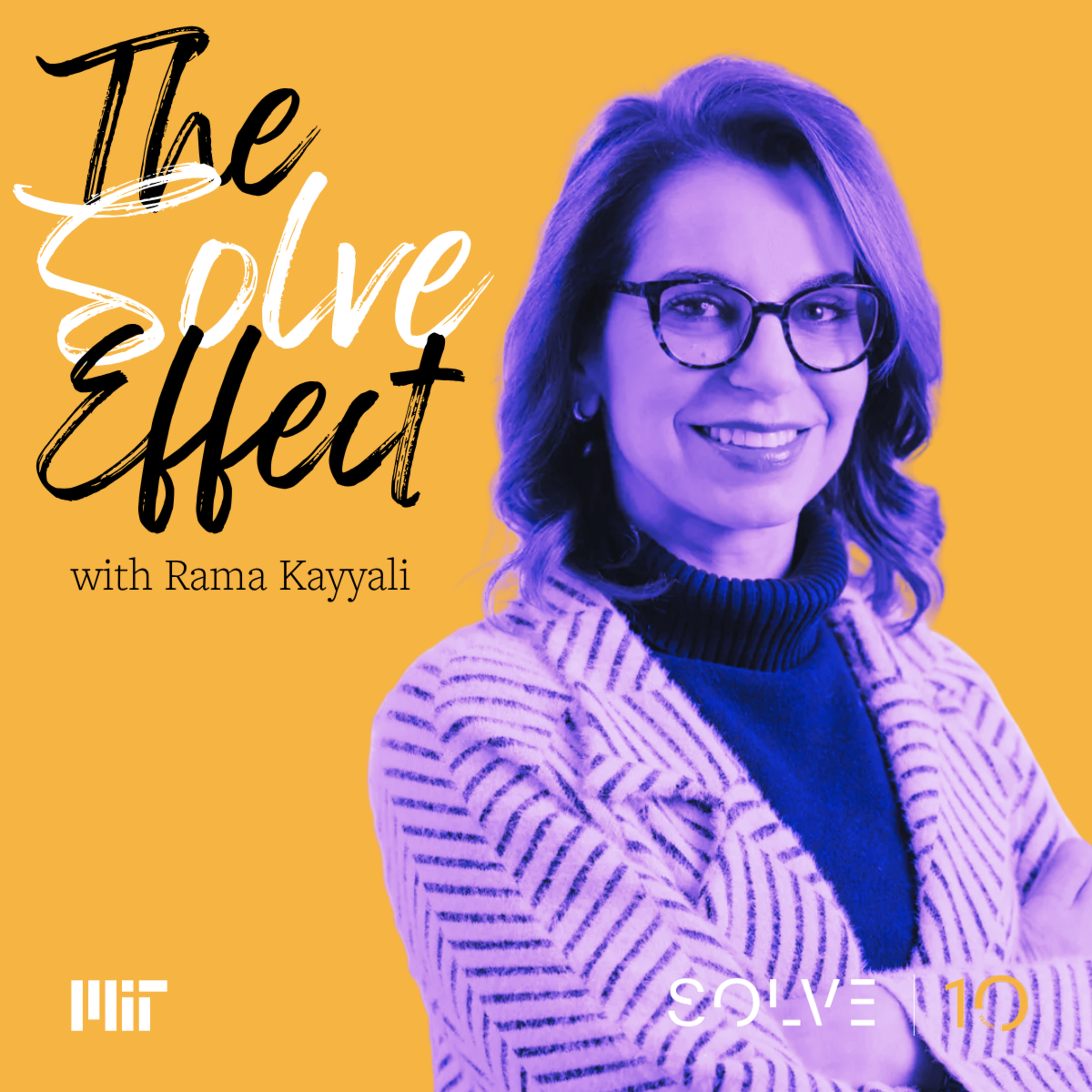 10 Years, 10 Solvers: Rama Kayyali on Rethinking Arabic Literacy and 20 Years of EdTech Evolution 22.04.2026 27minRama Kayyali brought an artifact from her early entrepreneurial days–a homemade VHS tape–during this recording. That’s how long her company, Little Thinking Minds, and her product, I Read Arabic, have been making an impact in the EdTech world. Rama is our first guest in the brand new 10 Years, 10 Solvers series. Solve is celebrating its 10th anniversary this year, and to mark the occasion, you’ll be getting two episodes a month. One of those will be our special series with guest host Alexander Dale, Director of Global Programs at MIT Solve. This series will highlight 10 Solvers from the past decade who embody the spirit of Solve: innovation, grit, resilience, and impact. Tune in for a conversation all about: Building for a sector that doesn’t exist yet: As a filmmaker and mother, Rama wanted to see content made for her own child to read Arabic. So she went out and made it.Dedicating yourself to lifelong learning: Spanning decades and technological upheavals, Rama has chosen the path of curiosity. Hear more about how starting a company has been like her own real-time MBA. Choosing hope: It’s not easy, but change is possible. Learn how Rama stays dedicated to hope.Full transcript available here. - - - - Join our CrowdSolve mailing list for more social impact news: https://solve.mit.edu/newsletters Make sure to follow us on LinkedIn, Instagram, and Facebook. Email us at [email protected]
 -
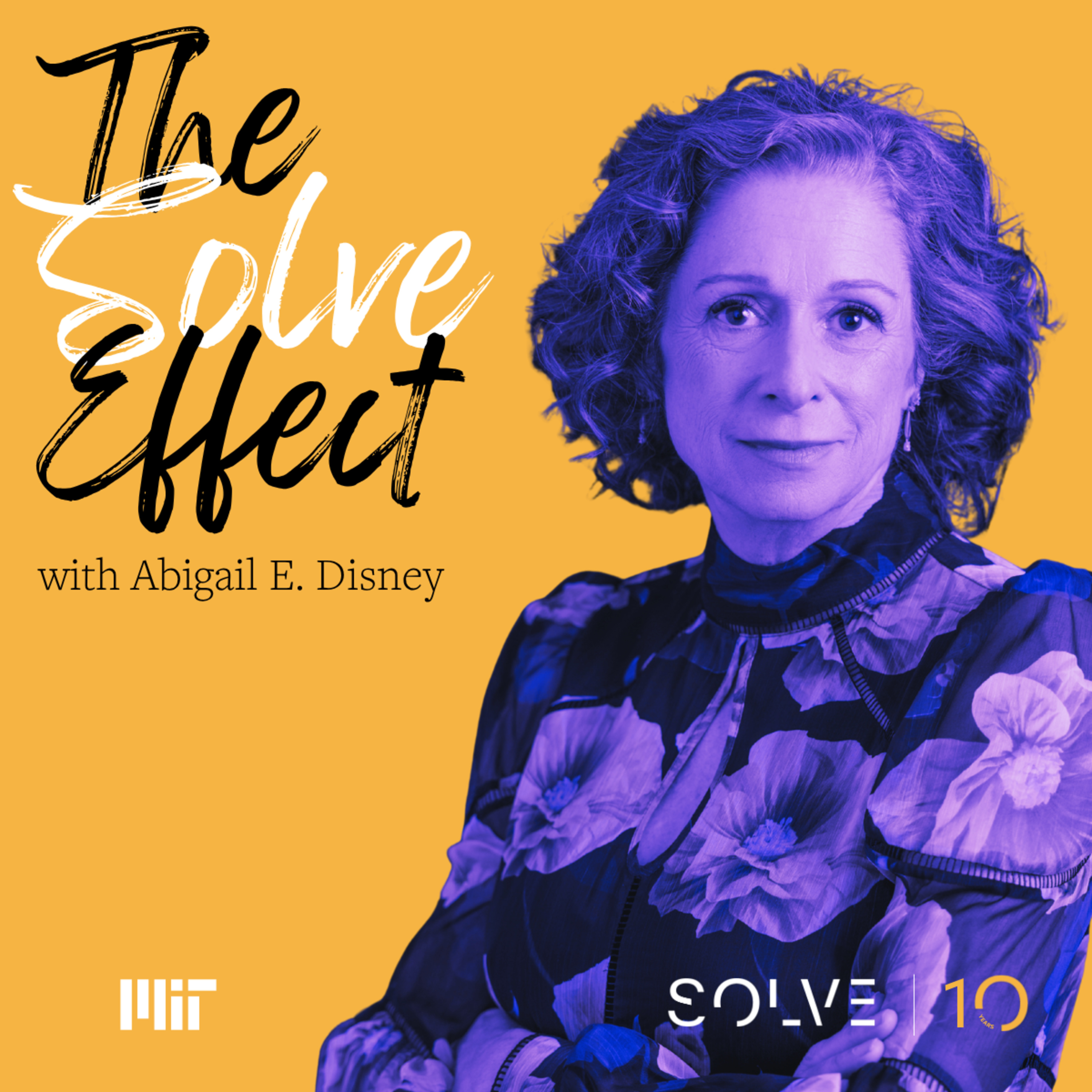 Abigail Disney on Why Your Obligation to Humanity is NOT Optional! 01.04.2026 25minHer grandfather picked up litter in the amusement park he helped build. She continues that legacy by taking out the trash of inherited wealth and showing a better way forward.On this episode of The Solve Effect, Hala Hanna interviews award-winning filmmaker, writer, philanthropist, and activist Abigail E. Disney. Tune in for a conversation all about: Where dignity fits in the global economy: Abigail rejects the idea that shareholder value should reign supreme above all else. How do we create systems where everyone can thrive?Storytelling in the digital age: Coming from a lineage of storytellers, Abigail has explored documentaries, podcasts, publishing, and more. What does the future of spreading her message look like? The power of a good sense of humor: Can laughing easily indicate a strong moral compass? How do we center joy in a world that feels increasingly heavy? Courage in the face of fear: Our shared sense of what we all care about together is shrinking. How can we take hold of our fear and still take action, too? Full transcript available here. - - - - Join our CrowdSolve mailing list for more social impact news: https://solve.mit.edu/newsletters Make sure to follow us on LinkedIn, Instagram, and Facebook. Email us at [email protected]
 -
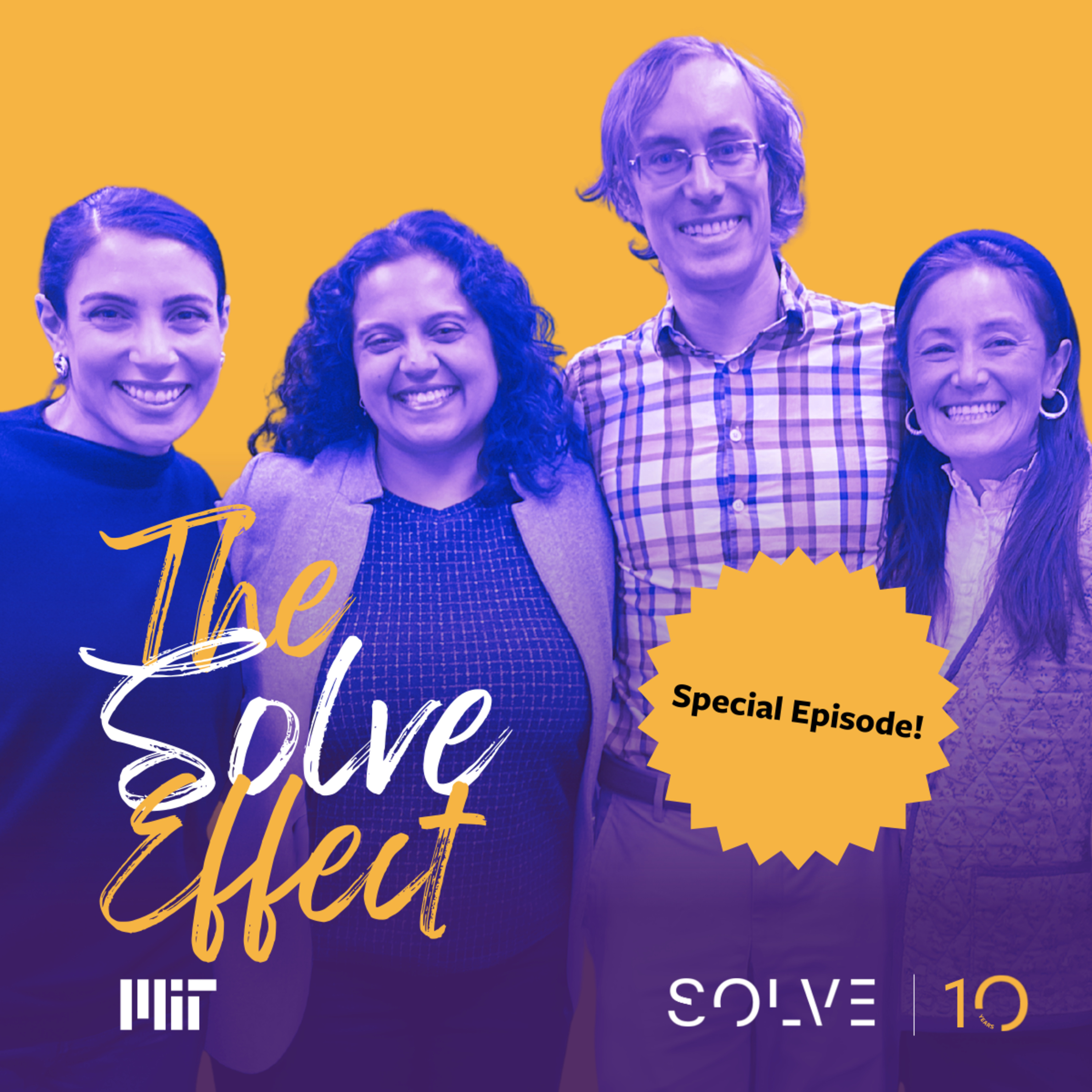 The First Ten Years of Solve! How a BIG Idea Became a Global Platform 18.03.2026 27minEvery startup has its origin story. Some started in garages while others started in Ivy League dorm rooms. MIT Solve’s story may have started in a broom closet in the UN. On this episode of The Solve Effect, Hala sits down with directors Pooja Wagh, Alexander Dale, and Sara Monteabaro to explore their journeys over a decade of working at Solve. This team has gone from building furniture in an empty office to building a global platform that has impacted over 370 million lives. Tune in for a conversation all about: The transformative power of ambition: The Solve team turned an idea into a global platform for social impact. Learn how we went from agonizing over mail merges to running over 100 challenges in ten years. Leveling up the model: If Solve’s first decade was all about proving how getting innovators the resources they need could lead to incredible impact, then what does the next decade have in store? A team worth celebrating: Part of the Solve story is a team of people who inspire each other to improve and iterate daily. Learn more about what makes this team so special. Full transcript available here.- - - - Join our CrowdSolve mailing list for more social impact news: https://solve.mit.edu/newsletters Make sure to follow us on LinkedIn, Instagram, and Facebook. Email us at [email protected]
 -
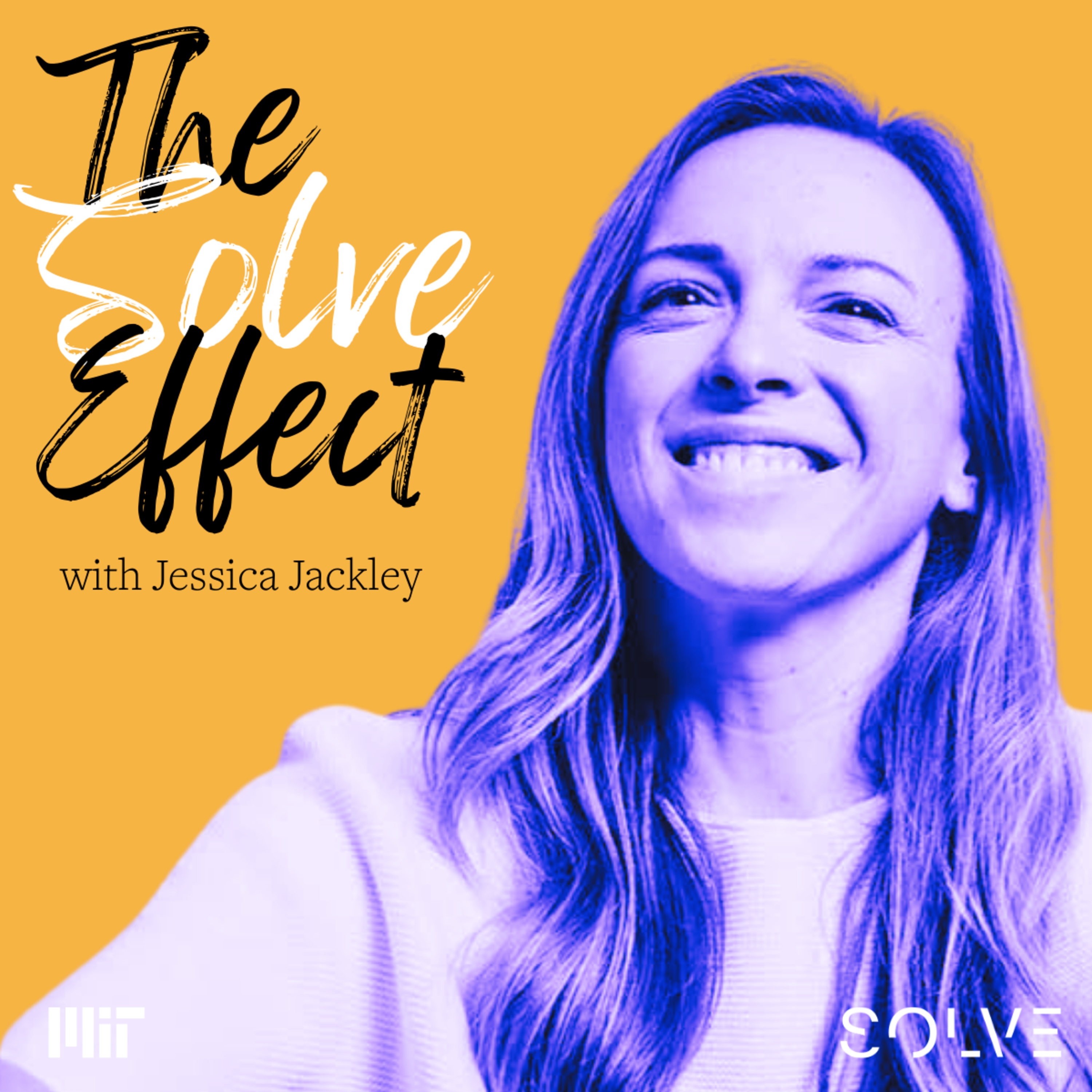 Bravery is a Muscle, Start with Who, and Other Lifetime Lessons from Veteran Social Entrepreneur Jessica Jackley 04.03.2026 26minWhere do you go after building a unicorn? For Jessica Jackley, the possibilities are infinite. After redefining how the world thinks about microlending by cofunding Kiva, Jessica could have stayed in her lane. Instead, she chose reinvention: teaching entrepreneurship courses at USC’s Marshall School of Business and, in a brand-new chapter, leading VOW for Girls as its new CEO. Hala and Jessica connect in a conversation all about: Staying rooted in your values: From turning down $10M at Kiva to teaching students how to interrogate power and impact, what does mission alignment really cost, and why does it matter? Pivoting with intention: Big moves. Small experiments. What happens when reinvention doesn’t go as planned, and how do you keep going anyway?Leveling up: When you’ve already reached the “pinnacle,” how do you keep growing without losing the fire that got you there?Full transcript available here. This episode was produced by Bridget Weiler and Elisabeth Graham.Audio production by Kurt Schneider at MIT Audiovisual Services. Music by Tunetank. - - - - Join our CrowdSolve mailing list for more social impact news: https://solve.mit.edu/newsletters Make sure to follow us on LinkedIn, Instagram, and Facebook. Email us at [email protected]
 -
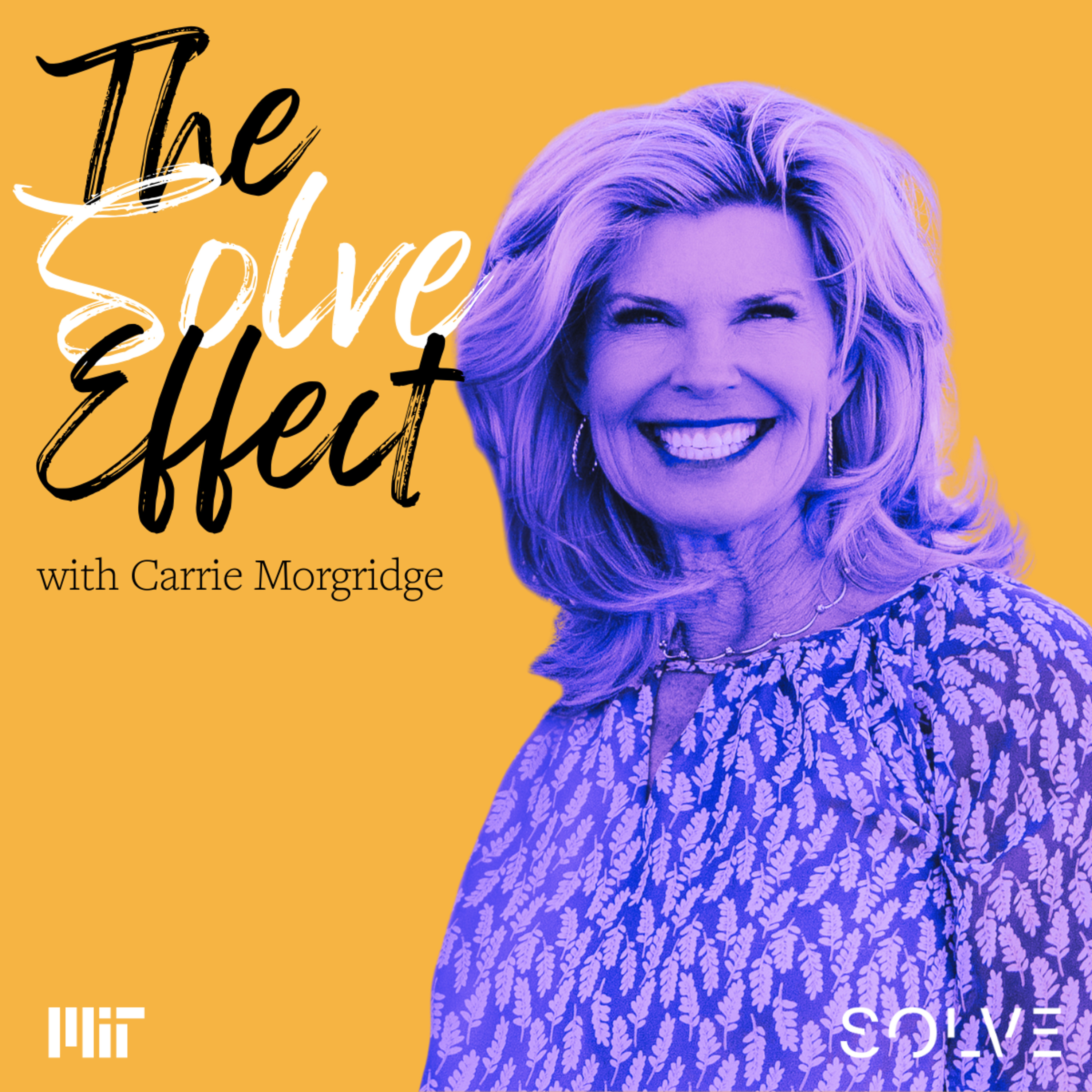 A Transformative Philanthropist: Carrie Morgridge on Joyful Giving, Courage Money, and Family Foundations 07.01.2026 26minWhat does joyful and courageous giving look like in practice? Carrie Morgridge, Co-Founder and CEO of the Morgridge Family Foundation, has a few ideas. For seven years, Carrie and the Morgridge Family Foundation have been an indispensable part of MIT Solve’s growth, unlocking funding that has helped reach 370+ million lives globally.Tune in for a conversation all about: “Courage money”—what it is, why it matters, and how flexible, trust-based capital can unlock breakthrough impactRethinking legacy in family foundations and how values should shape what enduresLeading with love, joy, and grit, and the lessons Carrie has learned while navigating risk, responsibility, and hope in complex systemsFull transcript available here. - - - - Join our CrowdSolve mailing list for more social impact news: https://solve.mit.edu/newsletters Make sure to follow us on LinkedIn, Instagram, and Facebook. Email us at [email protected]
 -
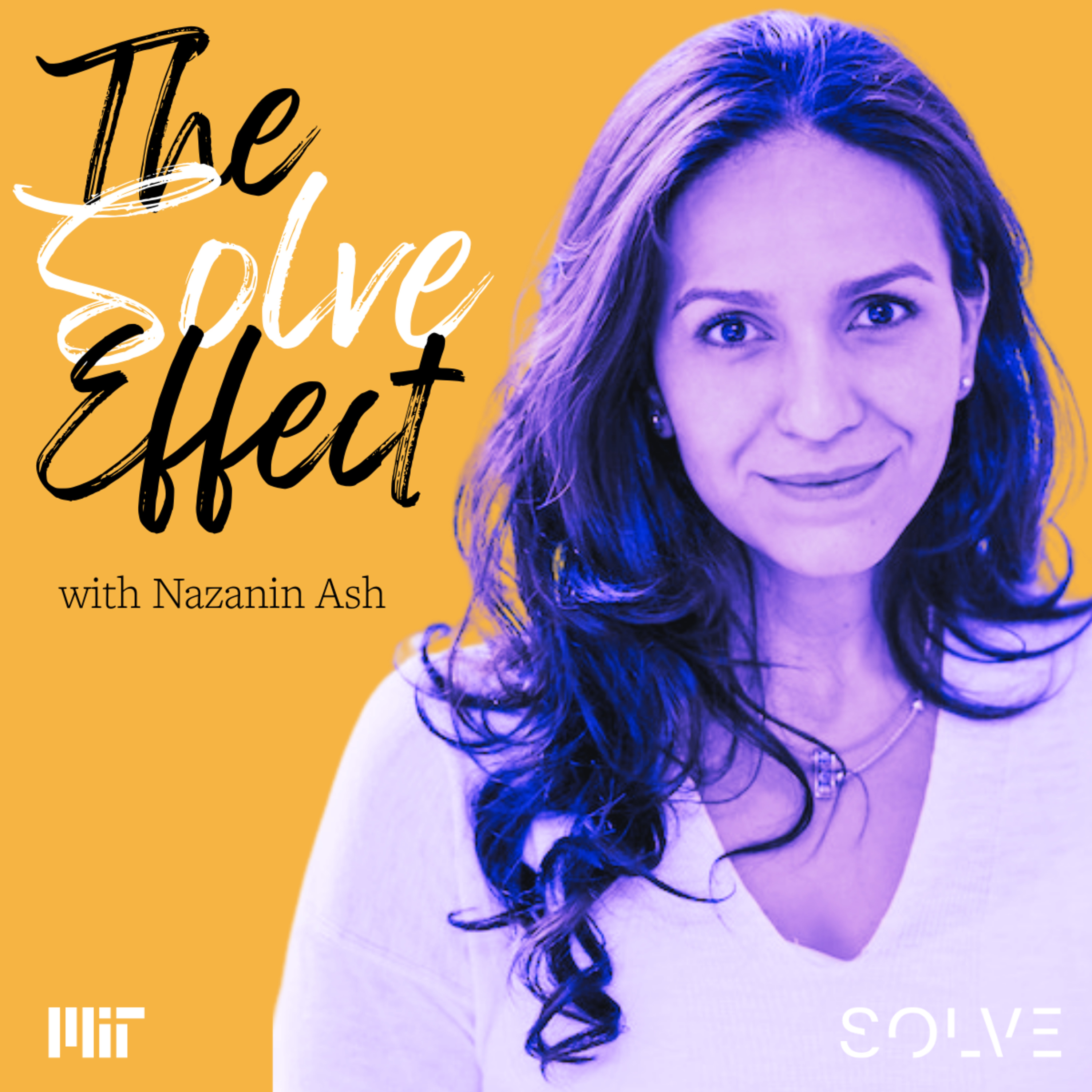 A Social Impact Visionary: Nazanin Ash on Welcome.US, Collective Power, and Mutual Flourishing 03.12.2025 22minWhat does it take to build a system of welcome that reflects the best of who we are?In this episode of The Solve Effect, we sit down with Nazanin Ash, CEO of Welcome.US, to explore how millions of Americans are reshaping what safe, legal immigration can look like—one act of welcome at a time.Under Nazanin’s leadership, Welcome.US has mobilized 2 million sponsors across all 50 states, helping nearly 800,000 newcomers rebuild their lives in the United States. But her work isn’t only about resettlement—it’s about reimagining what belonging can mean in a pluralist democracy.This episode explores:How tech-enabled sponsorship scaled faster than traditional government systemsWhy communities across the country are now “competing to welcome” newcomersWhat mutual flourishing looks like for sponsors, newcomers, and entire townsA partnership across government, civil society, and the private sector unlocks capacity at national scaleNazanin’s story reminds us that welcoming demonstrates collective power and shows how, when people are empowered to help one another, entire communities thrive.Full transcript available here. - - - - Join our CrowdSolve mailing list for more social impact news: https://solve.mit.edu/newsletters Make sure to follow us on LinkedIn, Instagram, and Facebook. Email us at [email protected]
 -
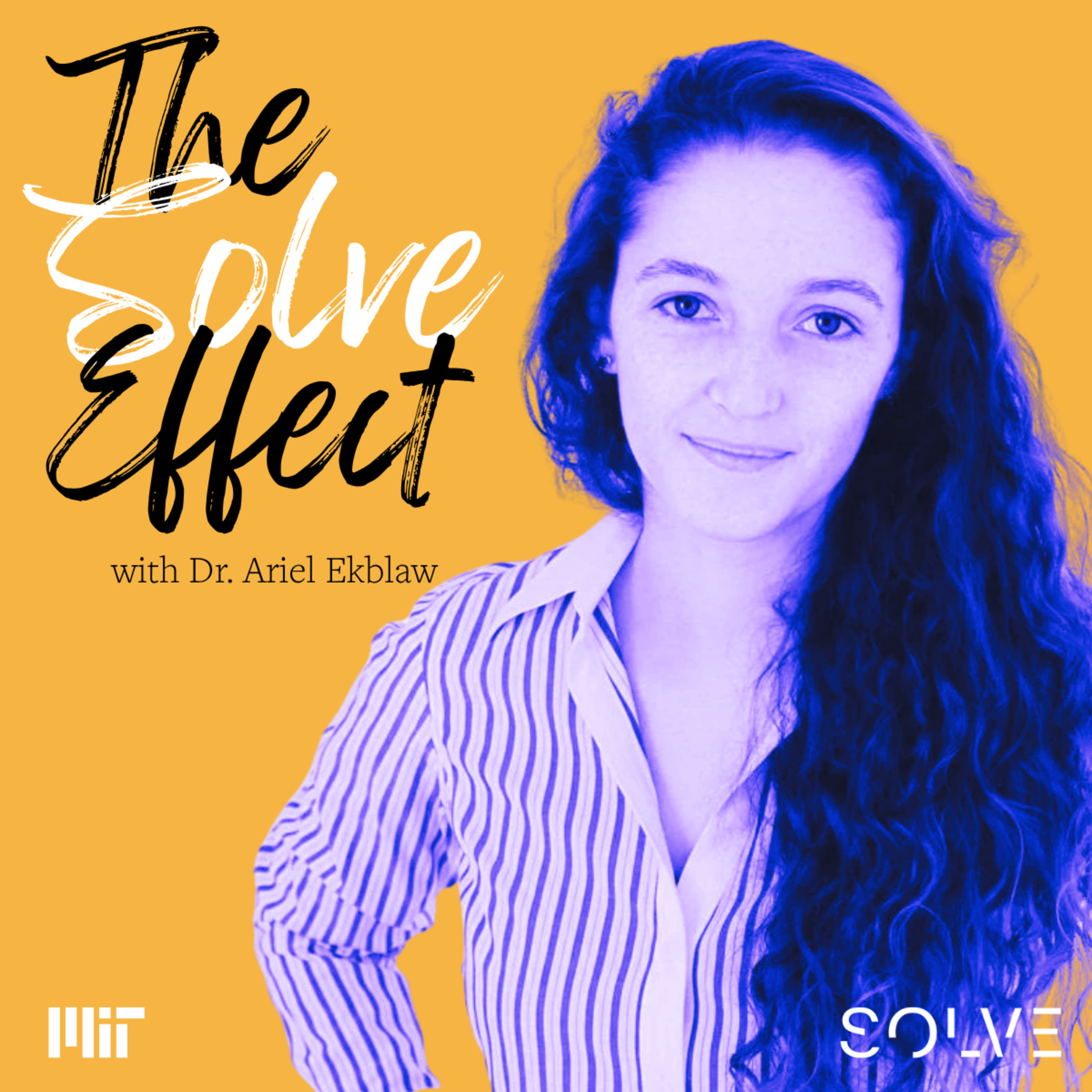 An Aerospace Architect: Dr. Ariel Ekblaw on Extraterrestrial Solutions to Earthly Issues 24.11.2025 26minWhat does it mean to design for life beyond Earth without losing our humanity?In this episode of The Solve Effect, we sit down with Dr. Ariel Ekblaw, founder and CEO of the Aurelia Institute and General Partner of the Aurelia Foundry Fund, to explore how space innovation can make life on Earth more sustainable.From leading MIT’s Space Exploration Initiative to advising NASA on the next decade of lunar activity, Ariel has dedicated her career to shaping humanity’s future in space. But her vision isn’t about escape—it’s about expanding what’s possible for all of us.Together, Hala and Ariel explore:How space research can protect and restore Earth’s ecosystemsWhy beauty and belonging matter—even in orbitWhat it takes to build bridges between science fiction and sustainable realityAriel’s story reminds us that exploration isn’t about leaving home, it’s about learning how to care for it better.Full transcript available here. - - - - Join our CrowdSolve mailing list for more social impact news: https://solve.mit.edu/newsletters Make sure to follow us on LinkedIn, Instagram, and Facebook. Email us at [email protected]
 -
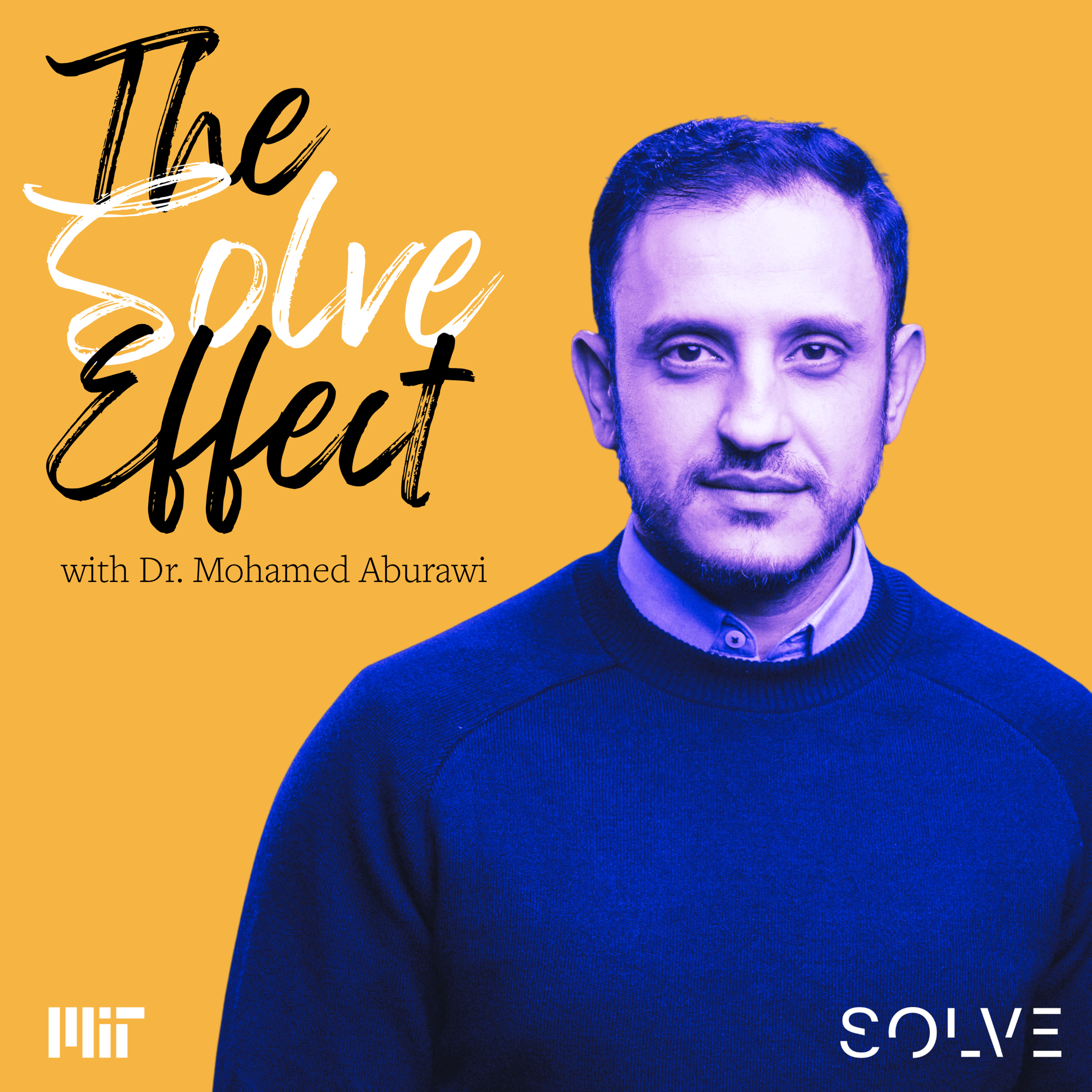 A Visionary Healthcare Innovator: Dr. Mohamed Aburawi on Tech, Healthcare, and Impact Investing 01.10.2025 22minWhat does it mean to innovate when lives depend on it?In this episode of The Solve Effect, host Hala Hanna sits down with Dr. Mohamed Aburawi, a Harvard-trained surgeon and founder of Speetar, a cloud-based telehealth platform born in the midst of Libya’s civil war that went on to serve millions across five countries. Today, through Atarona Ventures, Mohamed is scaling that impact across health, education, finance, and climate.From ironing his white coat on his first night in the U.S. to building hospitals in the cloud, Mohamed shares how scarcity shaped his vision for resilient, community-driven solutions. Together, Hala and Mohamed explore:Why the “adversity advantage” can produce more durable innovations than abundanceHow trust—not just technology—determines whether solutions scaleThe untapped power of diaspora capital and participatory investingWhy invisible data may hold the key to more equitable AIMohamed’s story proves that the future of innovation will be built not only in centers of abundance, but also in growth markets where failure is not an option.- - - - Full episode transcript: https://solve.mit.edu/articles/a-visionary-healthcare-innovator-dr-mohamed-aburawi-on-tech-healthcare-and-impact-investing Join our CrowdSolve mailing list for more social impact news: https://solve.mit.edu/newsletters Make sure to follow us on LinkedIn, Instagram, and Facebook. Email us at [email protected]
 -
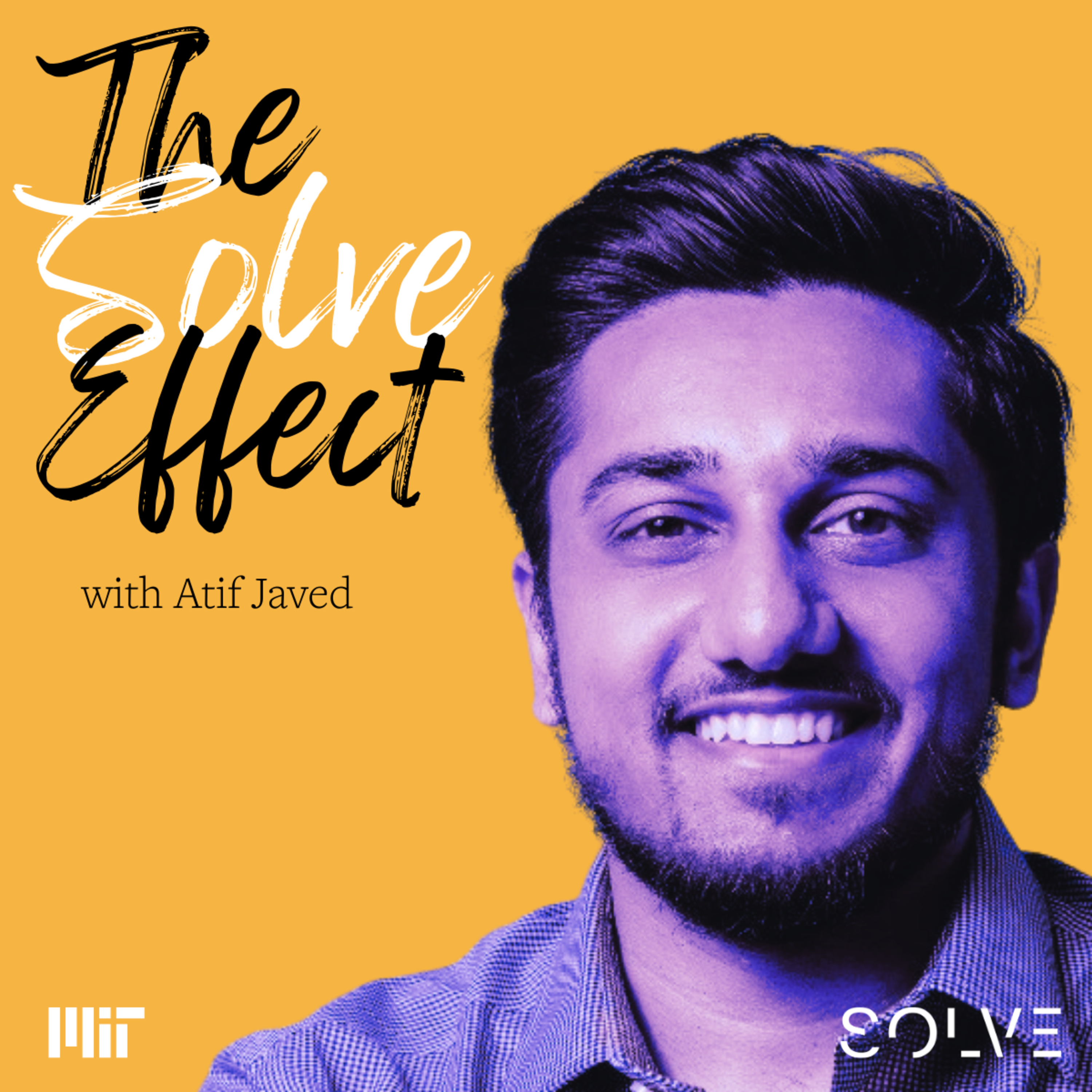 A Tech Maximalist: Atif Javed on Human Connection Through Technology 03.09.2025 20minWhat happens when a childhood experience becomes the seed for a global movement?In this episode of The Solve Effect, host Hala Hanna sits down with Atif Javed, co-founder and Executive Director of Tarjimly, a nonprofit that connects tens of thousands of volunteer translators with refugees and displaced people worldwide.From interpreting for his grandmother as a child immigrant to building a tech-enabled platform that ensures refugees are heard in moments of crisis, Atif shares how personal experience shaped his mission. Together, Hala and Atif explore:Why Tarjimly chooses humans over algorithms in an AI-driven ageHow nonprofits can build financial sustainability amid political and philanthropic headwindsWhat it takes to transform lived experience into scalable impactWhy Atif believes each of us should find “the one problem we can wake up every day determined to solve”Tarjimly is proving that the most powerful technology amplifies human connection rather than replacing it.A full transcript for this episode is available here.- - - - Join our CrowdSolve mailing list for more updates: https://solve.mit.edu/newsletters Make sure to follow us on LinkedIn, Instagram, and Facebook. Email us at [email protected]
 -
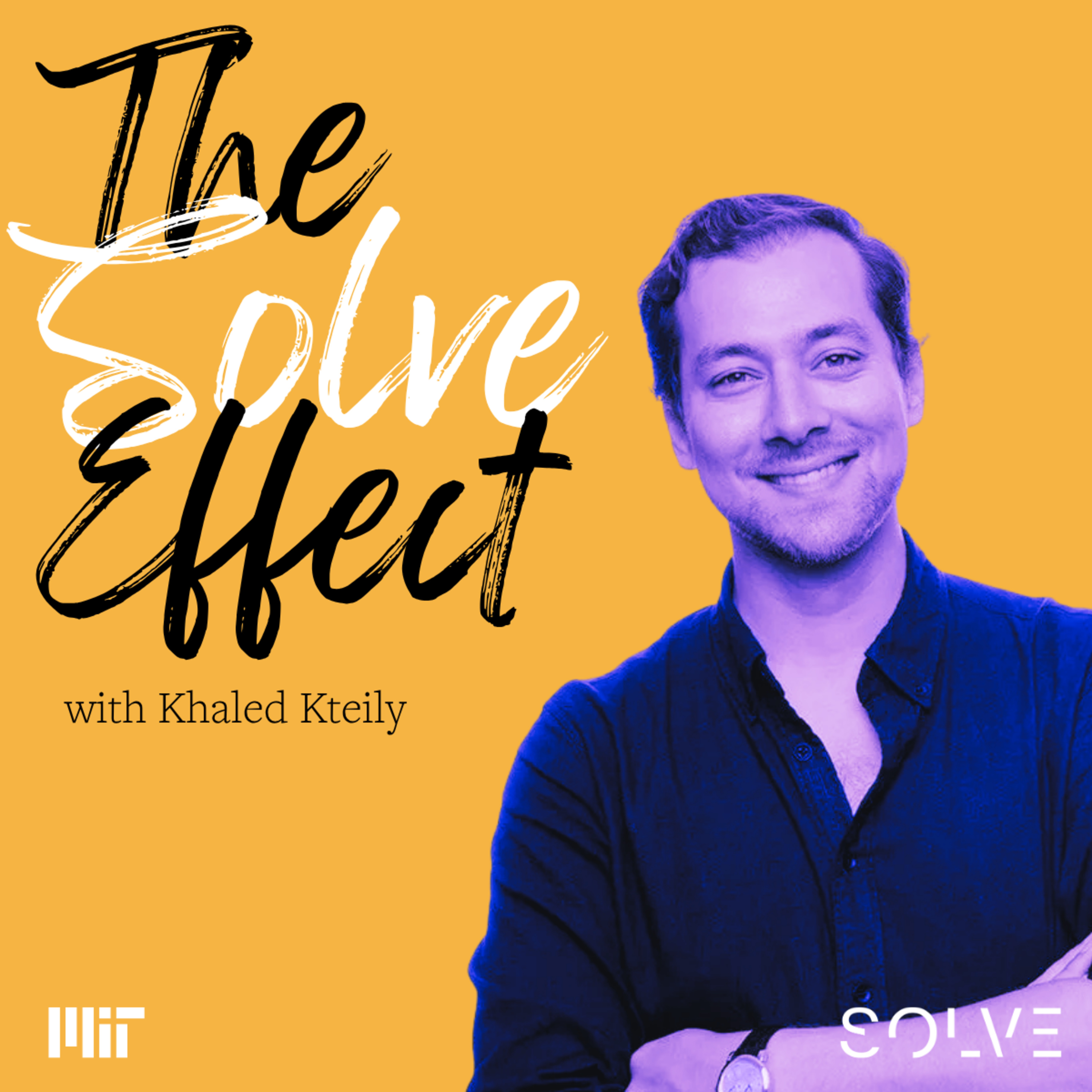 Take on the Taboo: Lessons from Legacy-founder, Khaled Kteily 06.08.2025 30minHow does a painful accident turn into a startup pushing the needle on male fertility?On the latest episode of The Solve Effect, Khaled Kteily, founder of Legacy, opens up about turning personal panic into a global mission: destigmatizing male fertility and making family planning more accessible. Tune in for an unforgettable conversation about startup grit, love, legacy, and why the future of family includes everyone.A transcript of this episode is available here.- - - - Join our CrowdSolve mailing list for more updates: https://solve.mit.edu/newsletters Make sure to follow us on LinkedIn, Instagram, and Facebook. Email us at [email protected]
Samankaltaiset podcastit


Suosittu maassa
Tämä podcast esiintyy myös näiden maiden podcast-listoilla.
