
Songs from the Dead: 10-Minute Histories of Legendary Songs
Axioms of Mediocrity
0
Each weekly episode of this podcast takes a legendary song and digs into its strange and often dark history, all in under ten minutes. The show covers murder ballads, folk standards, lost anthems, and melodies that have refused to disappear. Alongside the history, it presents a brand-new reinterpretation of the song. It is aimed at listeners who enjoy music history, dark stories, and fresh takes on ancient songs.
Jaksot
-
 Happy Birthday to You: The Song Everybody Knows 14.09.2026 13minYou know Happy Birthday to You before anyone sings a word.A cake appears. Someone dims the lights. Two notes begin, and the whole room knows what comes next. The melody is so familiar that people can sing it badly, start too high, stretch impossible names across the third line, and still never lose the song.This episode asks why.The tune began not as a birthday song, but as *Good Morning to All*, written in the 1890s by Louisville sisters Patty and Mildred Hill for kindergarten children. From there it escaped the classroom and became one of the most recognizable melodies on Earth: rearranged by Stravinsky, whispered by Marilyn Monroe, blasted by the Beatles, and even played by NASA equipment on Mars.Then comes the stranger story. For decades, companies claimed copyright over the birthday lyrics and charged filmmakers and musicians to use them, until a 2015 court case dismantled the claim.A tiny classroom song became a global ritual, a lucrative legal asset, and finally something everyone could own again.
 -
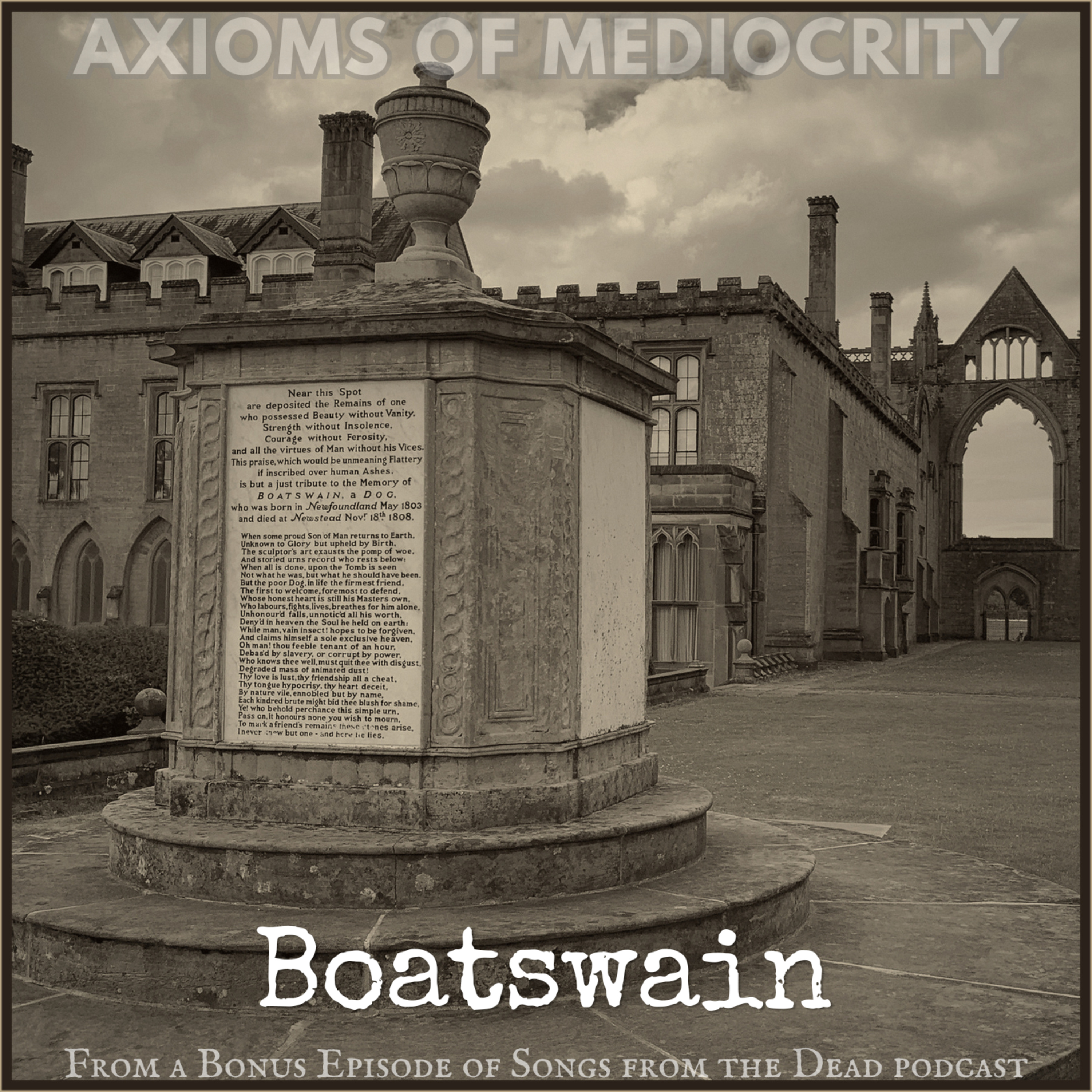 Boatswain: Byron's Epitaph for His Dog (Bonus episode) 10.09.2026 7minThis time, Songs from the Dead is doing something unusual. Instead of an old song, this bonus episode begins with a poem.In 1808, twenty-year-old George Gordon Byron's Newfoundland dog Boatswain died of rabies at Newstead Abbey. Byron had nursed him through the disease despite knowing the danger, then built him an extraordinary monument and wrote an epitaph that begins with the death of a dog and ends as an attack on humanity itself.The monument is still there at Newstead Abbey today.This episode tells the story of Boatswain, the poem Byron wrote for him, and the strange fact that Byron intended to be buried beside his dog but never was. It ends with a new musical setting of Byron's words.
 -
 Whiskey in the Jar: Betrayal Ballad, Then and Now 07.09.2026 10min"Whiskey in the Jar" is a betrayal ballad that keeps changing clothes.At its core, the story is simple: a robber meets Captain Farrell, steals his money, takes it home to Jenny or Molly, and is betrayed while he sleeps. His weapons are sabotaged, the authorities arrive, and the chorus keeps arriving too: "musha ring dum a do dum a da".The song may reach back to seventeenth-century Irish robber ballads, with older connections to the story of Patrick Fleming. By the nineteenth century, versions close to the one we know were appearing in printed broadsides. From there, it travelled through Irish song collecting, Australian field recordings, Civil War song sheets, and the Dubliners’ folk-revival version.Then Thin Lizzy accidentally turned it into rock. Eric Bell’s guitar did not simply add blues licks to an Irish ballad; it tried to make the electric guitar remember the uilleann pipes. Metallica later found Thin Lizzy’s version and made it heavier still.This episode follows the song from highwayman ballad to folk standard, rock hit, metal anthem, and modern confusion story.
 -
 Where to Start with Songs from the Dead 06.09.2026 3minEvery Monday, we take one legendary song, uncover its strange history, and play a brand-new reinterpretation.In about ten minutes, we try to bring old songs back to life: murder ballads, folk standards, lost anthems, and melodies that refused to disappear.If you like music history, dark stories, and fresh versions of ancient songs, this is for you.So, where should you start?
 -
 Prodigal Son: No Way to Get Along 31.08.2026 13minRobert Wilkins put two men on the same road.In 1929, he recorded "That’s No Way to Get Along", a blues song about a wounded man trying to get away. Women have treated him badly. He wants to tell his mother, find a train, and leave his troubles behind.More than thirty years later, Wilkins used the same musical body for a very different journey. Now the traveller is the prodigal son from the Gospel of Luke: hungry, ashamed, and heading home after wasting his inheritance. The guitar still walks the same road, but the meaning has changed. The first song asks how to escape. The second asks how to return.This episode follows that transformation through Reverend Robert Wilkins, the Rolling Stones, Steel Pulse, U2, Reverend John Wilkins, Eric Clapton, Guy Davis, Ry Cooder, and others. Along the way, it asks why every generation understands the mistake of confusing distance with freedom, and why coming home is never the same as undoing what happened.
 -
 Toccata and Fugue in D Minor: Bach to Muse, Eminem, and the Dance Floor 24.08.2026 10minYou know Bach’s Toccata and Fugue in D minor even if you have never seen the title. Three sharp notes, a pause, then the famous fall down the organ keyboard. In cartoons and horror films, it usually means castles, capes, lightning, or unsafe laboratory conditions.But BWV 565 is more than Gothic scenery. This episode looks at why the piece works so well: the theatrical freedom of the toccata, the organized machinery of the fugue, the enormous sound of the organ, the doubled octaves, the pauses, the unstable diminished-seventh chord, and the bass arriving like the floor has opened.Then the piece escapes. Rick Wakeman borrows its organ drama. Mike Oldfield hears it upside down in Tubular Bells. Eurodance turns the gesture into a synth hook. Muse channels fast minor-key drama into Plug In Baby. Eminem samples the fugue’s logic rather than the famous opening.The episode asks why some music survives not as a museum piece, but as a machine other musicians keep switching on.
 -
 Bella Ciao: The Two Lives of an Italian Farewell 17.08.2026 7minBella Ciao means “Goodbye, beautiful.” Most people know it as an anti-fascist anthem: sung at demonstrations, football terraces, protests, remixes, and in Money Heist. But its history is not as tidy as the familiar story suggests.The usual version says that a song of women working in the rice fields became a song of partisans fighting fascism, then travelled around the world. The truth is messier. The famous rice-field lyrics may be younger than the partisan song, and the partisan version became the great anthem of the Italian Resistance mainly after the war was over.This episode follows the two lives of Bella Ciao: the world of the mondine, seasonal women workers in northern Italy’s flooded rice fields, and the world of the partisans after Italy’s 1943 armistice, when German forces occupied much of the country. Along the way, the song passes through klezmer echoes, older Italian ballads, Giovanna Daffini, Yves Montand, Spoleto, Chilean revolutionaries, Chumbawamba, Money Heist, and Tom Waits.
 -
 Kungla Folk: The Song of a Country That Was Still Becoming Itself 10.08.2026 9minKungla Folk sounds ancient: a golden realm, Vanemuine with his kannel, birds and trees catching the tune, and the Estonian people learning to sing.But this national song is not an anonymous folk relic. It was written in 1869 by Friedrich Kuhlbars, set the following year to a melody by the German composer Carl Friedrich Zöllner, and later reshaped by Karl August Hermann into the version Estonia now knows.That does not make it less Estonian. It shows how culture actually works. A country becoming itself rarely begins with untouched materials. It begins by deciding what to make its own.This episode follows Kungla Rahvas through the Estonian National Awakening, the first Song Celebration in 1869, exile recordings, Soviet-era singing, the Singing Revolution, rock versions, swing arrangements, and Laulupidu performances involving tens of thousands of singers. Along the way, it asks how a borrowed tune and a newly imagined mythic kingdom helped people sing themselves into a nation.
 -
 Mars, the Bringer of War: How Violence Became a Machine 03.08.2026 10minGustav Holst’s Mars, the Bringer of War does not make war magnificent. It makes war mechanical.Written in 1914, just before the First World War supplied the world with images of mechanized violence, the first movement of The Planets gives war no face, no hero, and no noble banner. It gives it a rhythm. Instead of the steady two or four beats of a military march, Holst uses five, so the body keeps searching for symmetry and never quite finds it.This episode follows how Mars became one of the great musical images of impersonal power. Rock and metal musicians recognized the machine immediately: King Crimson, Black Sabbath, Led Zeppelin, Diamond Head, Metallica, and Emerson, Lake & Powell all carry traces of Holst’s machinery. Cinema absorbed it too, especially through Star Wars, where John Williams translated its menace into imperial discipline.The episode asks why Mars still sounds modern: because violence does not need to be angry. It only needs momentum, repetition, and people doing their part.
 -
 God’s Gonna Cut You Down: The Long Life of a Short Warning 27.07.2026 9minGod’s Gonna Cut You Down is a short warning with a very long life.Many modern listeners know it first through Johnny Cash: slow, dark, wooden, and final. But the song entered recorded history almost sixty years earlier, through the African American jubilee quartet tradition. The Golden Gate Quartet’s 1946 recording is fast, bright, rhythmic, and almost cheerful, which somehow makes the judgment sharper.This episode follows the song as it changes rooms without changing its message. Odetta turns it inward. Elvis makes it a revival meeting on wheels. Bobbie Gentry gives it the speed of local scandal. Moby samples an older gospel recording and rebuilds it as electronic unease. Cash makes the summons sound personal. Tom Jones restores the body to the sermon. Marilyn Manson removes the moral distance. PJ Harvey and Tim Phillips make judgment psychological. Bailey Zimmerman carries the warning into contemporary country-rock.The song never needs to say exactly what punishment is coming. The blank space is the point. Everyone brings their own fear to it.
 -
 Bourrée: The Old Tune That Went Electric 20.07.2026 9minBach’s Bourrée in E minor is a small piece with unusually long legs.This episode follows how the fifth movement of the Suite in E minor, BWV 996, escaped the world of Baroque dance and became a practical tool for modern musicians: a guitar lesson, a riff, a bass line, a joke, a rock chorus, and a way of learning how moving parts fit together.The story begins in the late 1960s, with Ian Anderson listening through the floor as a neighbour repeatedly failed to get past the difficult part of the piece. Anderson never heard the ending, but he heard enough. Soon Jethro Tull turned Bach into Bourée, with Glenn Cornick’s bass dancing around the flute.From there, the episode traces the tune through John Williams, The Beatles’ Blackbird, Bakerloo, Leo Kottke, Jimmy Page, Tenacious D, Paul McCartney’s Jenny Wren, and Alter Bridge. Along the way, it asks why some old music survives not by being protected, but by being used.The episode ends with a new version titled I’m Going Electric.
 -
 Nobody: The Saddest Joke in the Room 13.07.2026 9minNobody is a comic song built around one brutal answer.Written by Alex Rogers and Bert Williams, published in 1905, and made famous by Williams in 1906, the song seems at first like antique vaudeville: a man asks the world for help, sympathy, friendship, romance, or basic recognition, and the answer is always the same. Nobody.But the joke is darker than it sounds. Williams performed inside a theatrical world shaped by blackface and racist convention, and that history cannot be polished away. At the same time, he turned the market’s degrading language into something sharper, quieter, and stranger: deadpan as survival, comedy as accusation.This episode follows Nobody from early Tin Pan Alley recordings to Bing Crosby, Perry Como, Pearl Bailey, Nina Simone, The Muppets, Johnny Cash, and Cécile McLorin Salvant. Along the way, the punchline changes shape. In one voice it is nostalgia. In another, pride. In another, social diagnosis.The saddest part is that the answer still makes sense. The beautiful part is that every time someone sings it, “nobody” becomes untrue for a moment.
 -
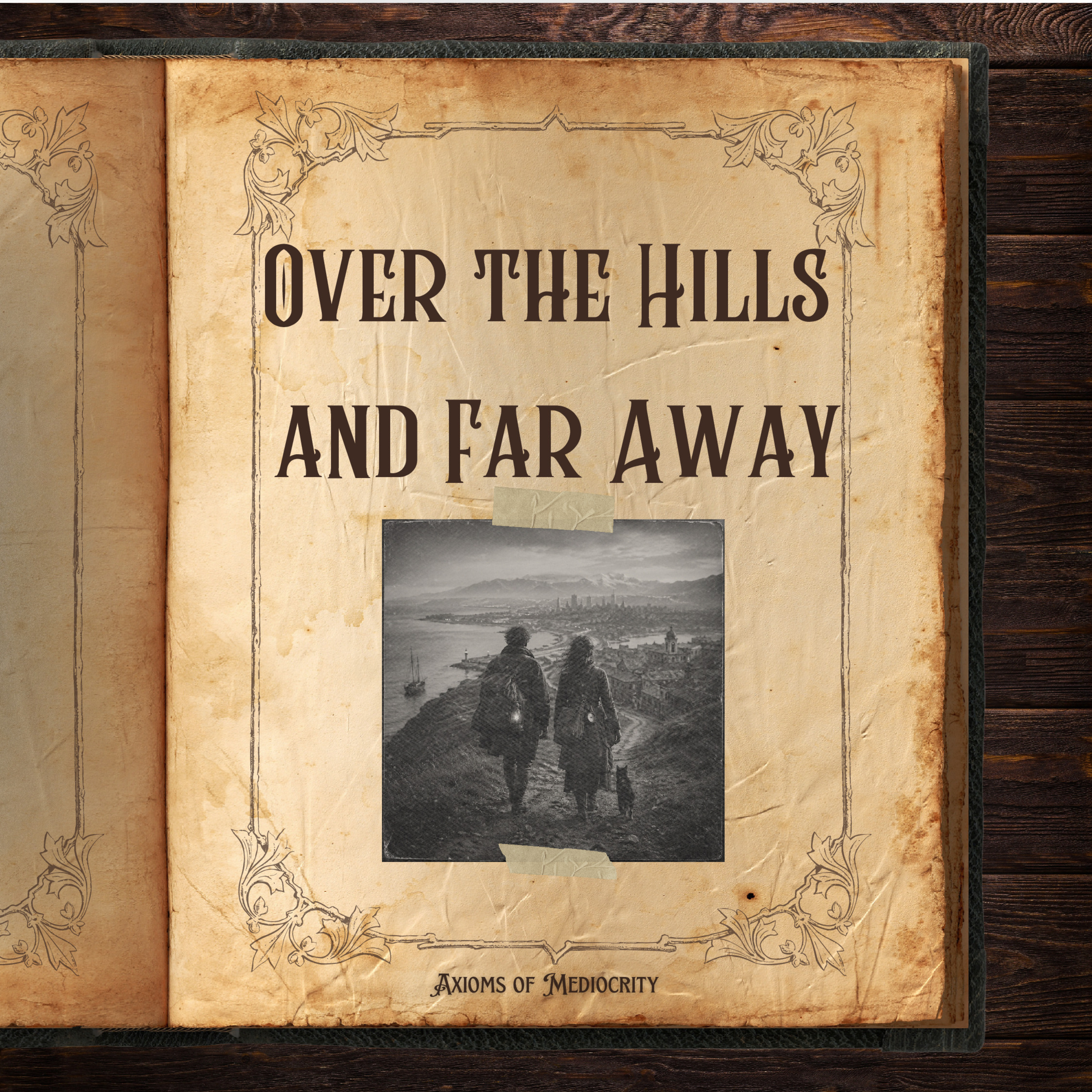 Over the Hills and Far Away: A Song for Leaving, Longing, and Finding Your Place 05.07.2026 9minThree songs. One title. Almost nothing else in common.Over the Hills and Far Away can mean escape, adventure, exile, longing, or the place your mind goes when your body is stuck somewhere ordinary. This episode follows that phrase across three very different lives.The oldest version goes back at least to the late seventeenth or early eighteenth century. In one form, it is a love complaint. In another, it becomes a recruiting song, promising money, clothes, and the possibility of returning as a gentleman. John Gay then uses the tune in The Beggar’s Opera, where “far away” becomes both romance and exile.The second Over the Hills and Far Away belongs to Led Zeppelin: a 1973 song born from the band’s acoustic period in the Welsh hills.The third is Gary Moore’s 1986 rock song about love, secrecy, and prison, later transformed by metal, folk, and Ukrainian mountain air.The episode asks why this simple phrase keeps attracting new stories, and why “far away” can mean both escape and loss.
 -
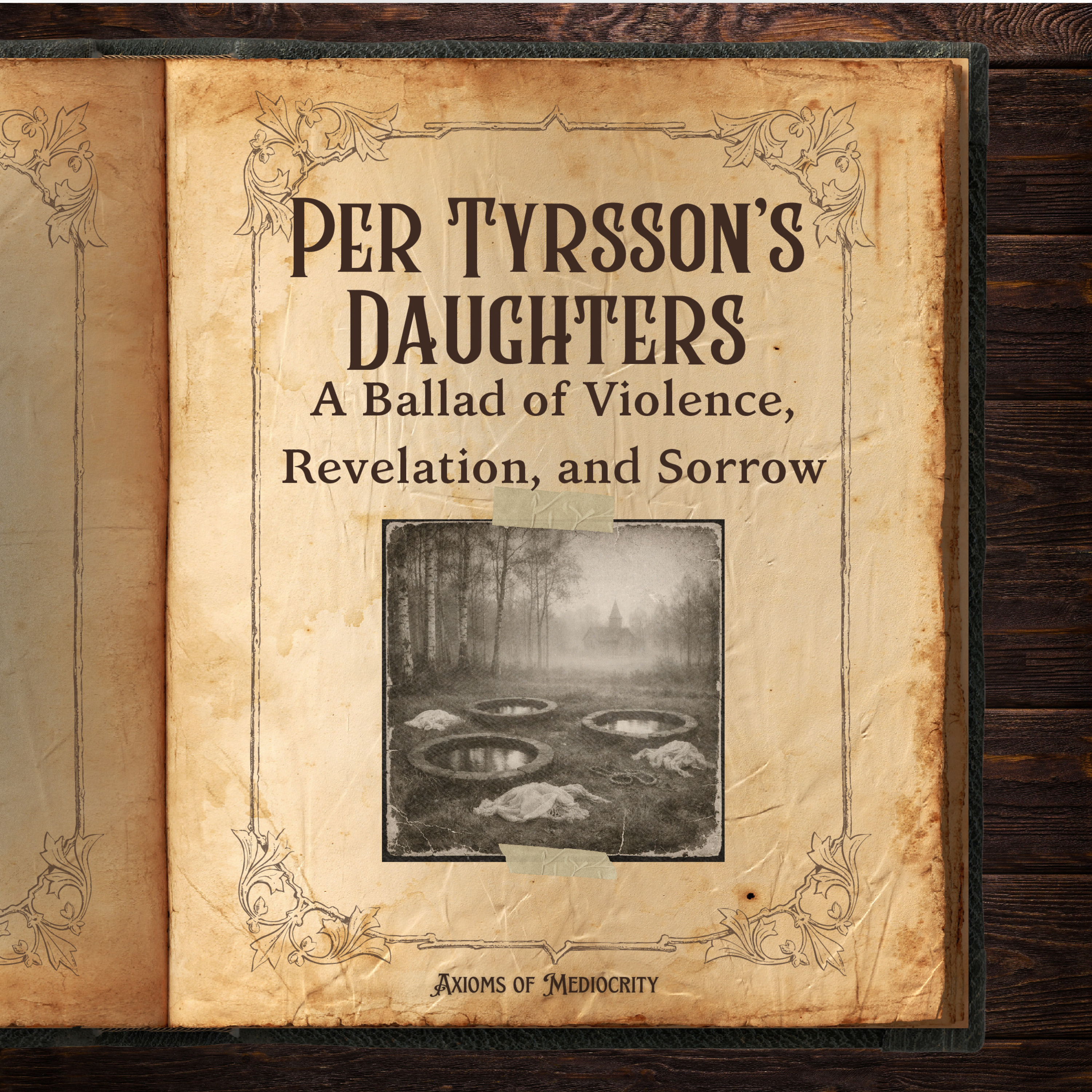 Per Tyrsson’s Daughters: The Murder Ballad That Built a Church 29.06.2026 9minPer Tyrsson’s Daughters is a murder ballad that explains a place.The song, known in Swedish as Töres döttrar i Wänge, gives an origin story to Kärna Church in Östergötland and to the springs associated with Vänge. It takes a real landscape, a church, a quiet yard, strange springs, and answers the question folk songs love most: what happened here?The answer is murder, miracle, and memory.This episode follows the ballad as both an origin song and a murder ballad: a story in which ordinary movement, walking to church, walking home, suddenly becomes irreversible. One important Swedish manuscript witness dates from the 1670s, with a note saying the song was sung in Kärna parish on June 1, 1673. Centuries later, the song finds new lives through Jan Hammarlund, Falconer’s folk-metal version, and related English and Scottish ballads such as Babylon and The Bonnie Banks o Fordie.Along the way, the episode asks why places need stories, and why some places seem to remember violence long after people would rather forget.
 -
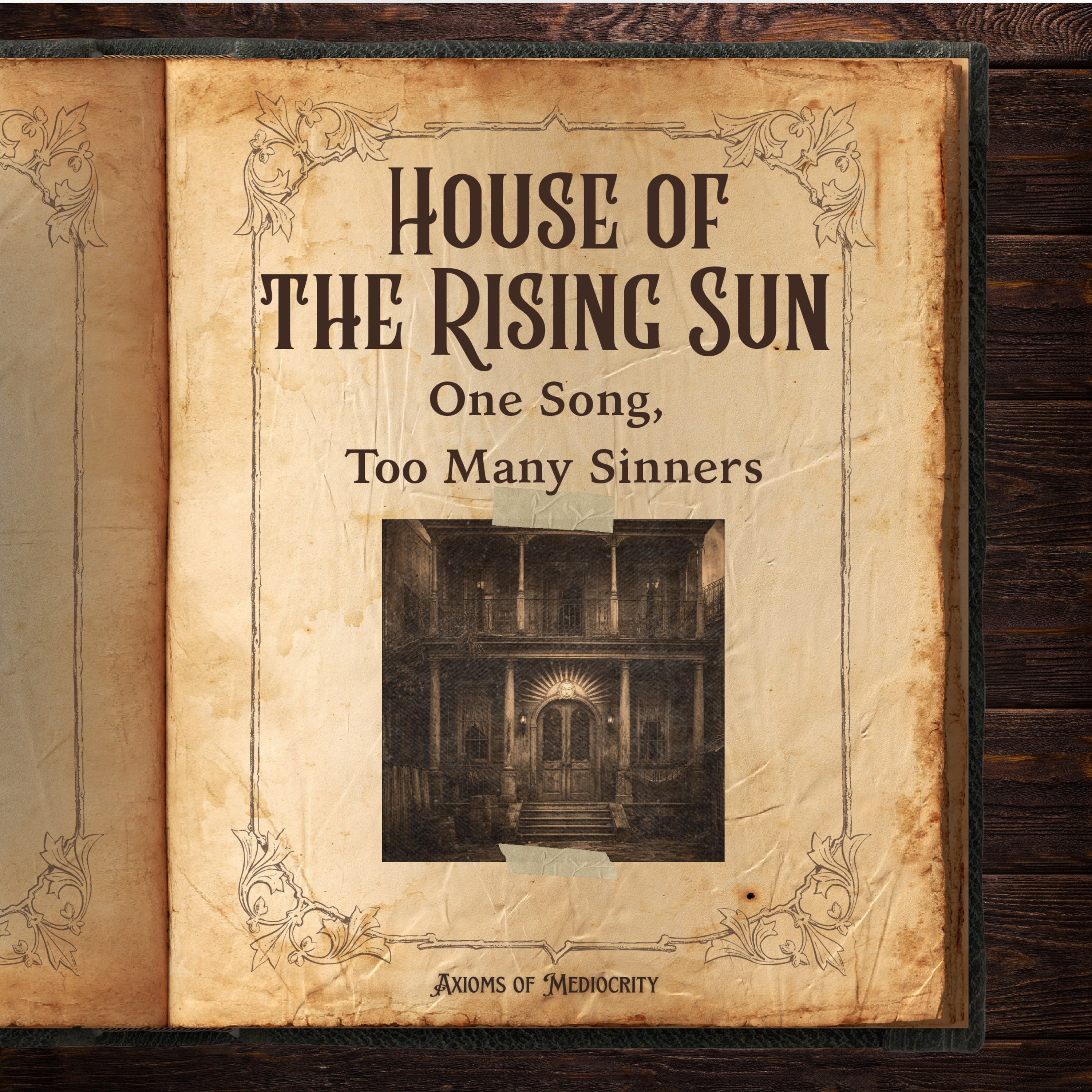 House of the Rising Sun: The Building That Ruins Everyone 22.06.2026 9minThe House of the Rising Sun is a song about a building. In New Orleans. They call it the Rising Sun. It ruins people.Most people know the song from The Animals’ 1964 recording, with Hilton Valentine’s unforgettable guitar, Alan Price’s organ, and Eric Burdon singing as if there is no tomorrow. That version became definitive. But the song is much older, stranger, and harder to pin down.No one fully agrees what the “house” is. A brothel, a prison, a gambling house, a tavern, a hotel, or simply a symbolic place where bad decisions become fate. In some versions, the narrator is a woman ruined by seduction or prostitution. In others, a man ruined by gambling, drink, or prison.This episode traces the song from Appalachian field recordings and early blues versions to Lead Belly, Joan Baez, Odetta, Dave Van Ronk, Bob Dylan, and finally The Animals, whose one-take recording turned an old warning into one of the great doors in rock history.
 -
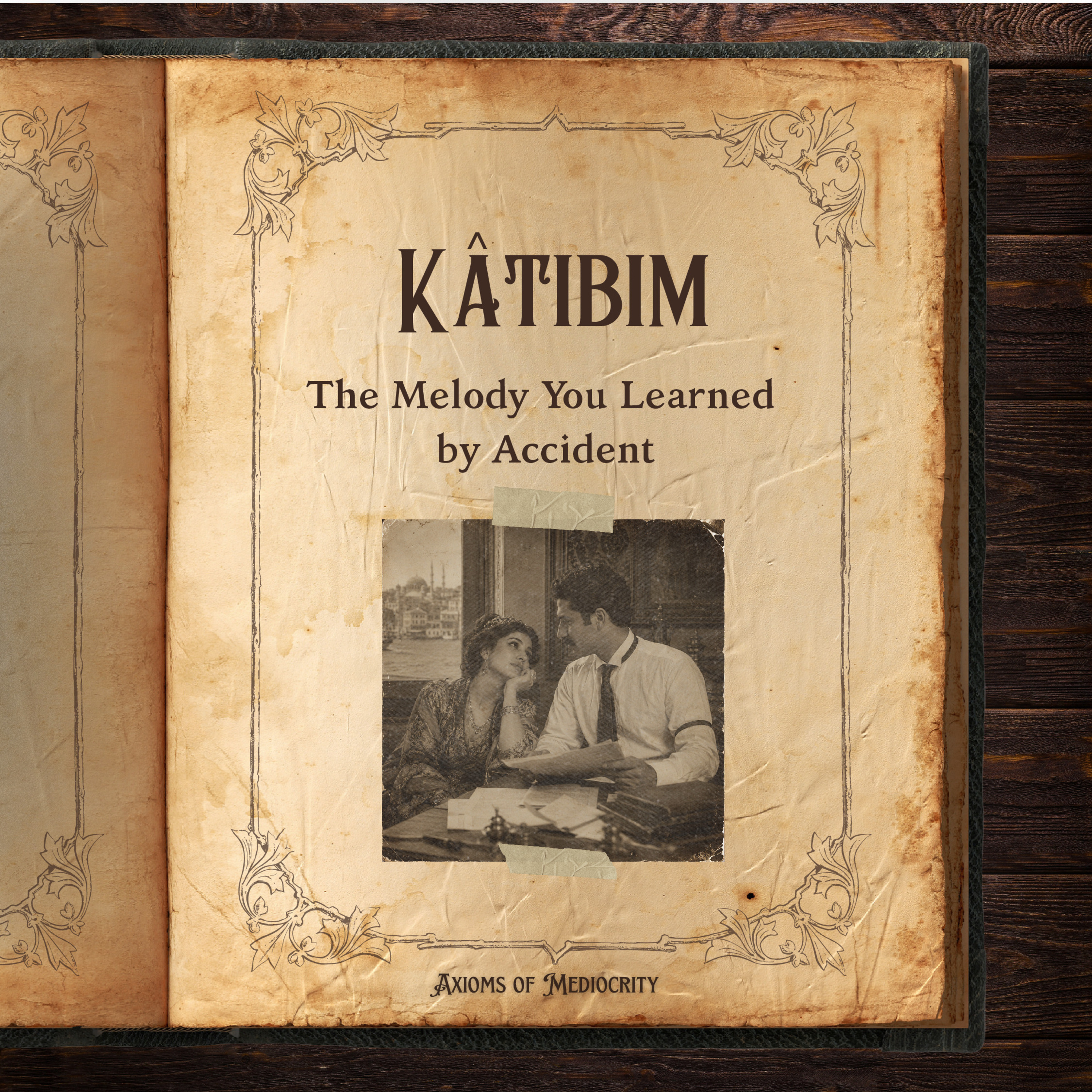 Kâtibim: The Melody You Learned by Accident 15.06.2026 9minYou know this melody. You may think you know it from Boney M’s Rasputin: the disco chorus, the theatrical history lesson, the “ra ra” that refuses to leave your head.But long before that, the melody belonged to another story entirely.Kâtibim, also known as Üsküdar’a gider iken, is an Ottoman-era song about a woman walking to Üsküdar in the rain with her kâtib, her clerk, secretary, companion, or perhaps something slightly harder to define. The lyrics are small, playful, and wonderfully social: a muddy coat, an admired shirt, a handkerchief filled with Turkish delight, and a refrain telling everyone else to mind their own business.This episode follows the melody as it travels through Turkish, Greek, Balkan, Arabic, Jewish, klezmer, and American pop traditions before reappearing in Rasputin and later folk-metal and cosmopolitan pop versions. Along the way, the song becomes a perfect example of how melodies cross borders while keeping their sly little smile.
 -
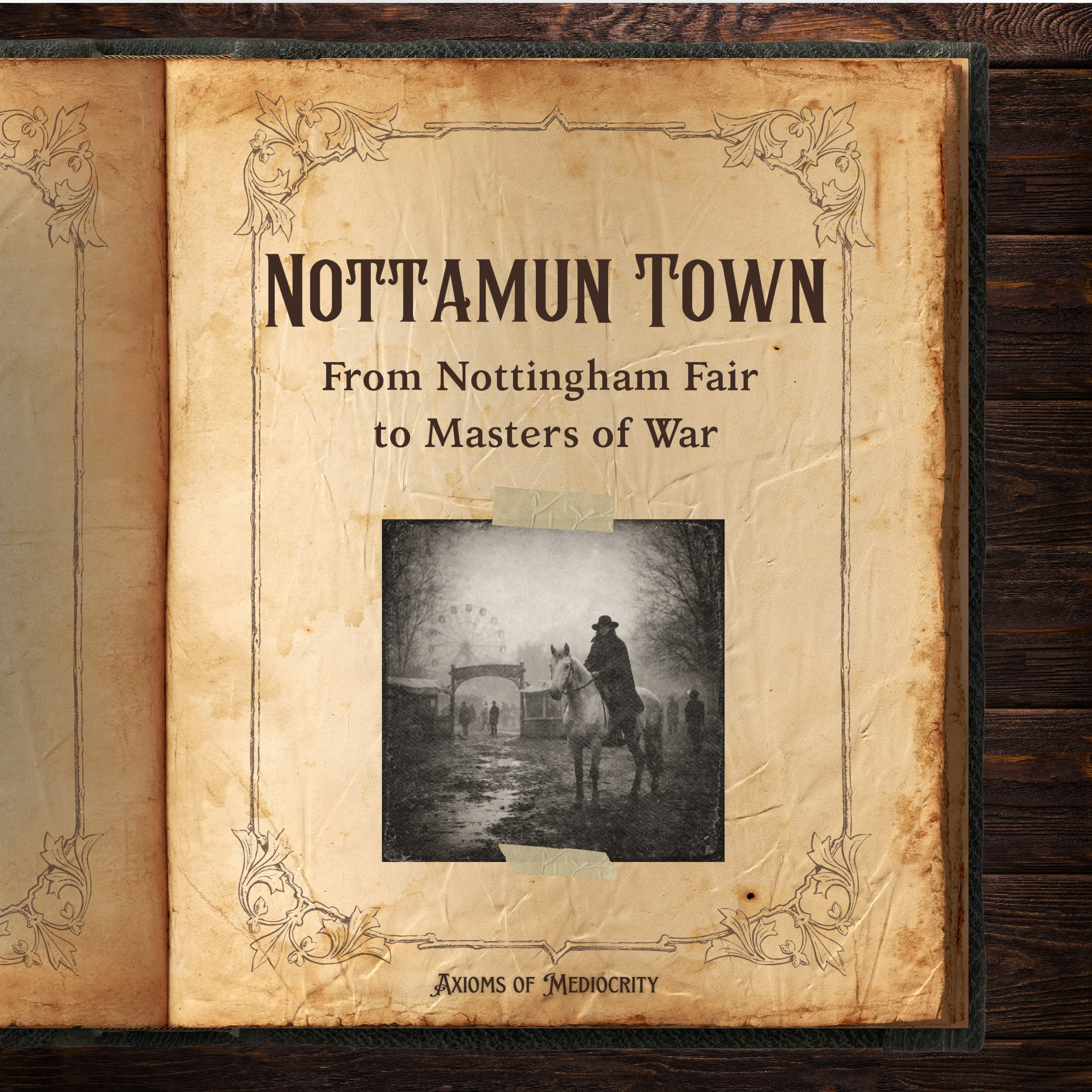 Nottamun Town: The Song That Became Masters of War 08.06.2026 7minNottamun Town sounds like nonsense until it starts sounding familiar.A rider enters a strange town where nobody helps, nobody speaks plainly, and responsibility seems to have dissolved into fog. The word “Nottamun” may simply be a folk-process version of “Nottingham,” but it also opens another door: “not a man,” a place where human agency has disappeared.This episode follows the song from the Ritchie family of Kentucky, through Jean Ritchie and the twentieth-century folk revival, to Jackie Washington’s minor, droning guitar arrangement. Bob Dylan heard Washington perform it at Gerde’s Folk City, and that pressure later reappeared in Masters of War. Dylan did not keep the riddle. He kept the accusation.From Shirley Collins and Davy Graham to Bert Jansch, Fairport Convention, and Lady Maisery, Nottamun Town keeps finding new forms because disorder is portable. Every age has its own version of the town: people selling nothing, saying nothing, and calling it business.
 -
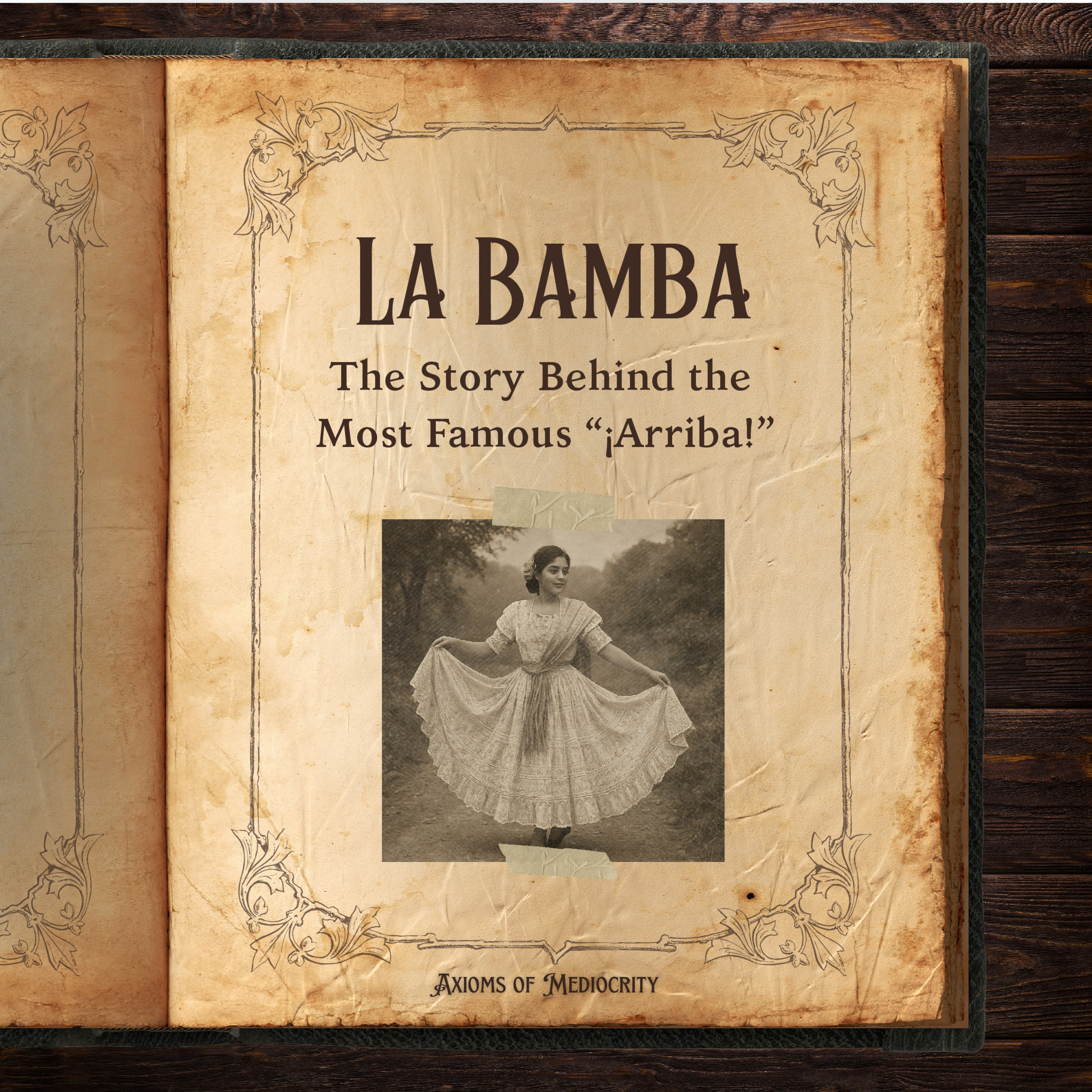 La Bamba: The Story Behind the Most Famous "Arriba" 01.06.2026 9minLa Bamba sounds like pure joy: three chords, a shout, a dance, and a chorus almost everyone knows.But before it became a rock and roll classic, La Bamba lived in the son jarocho tradition of Veracruz: a world of wooden platforms, dancing feet, weddings, gatherings, Spanish strings, Indigenous themes, Caribbean circulation, and African-rooted rhythm. In that world, dance was not decoration. The dancers’ feet struck the tarima, and the floor became an instrument.This episode follows the song from Veracruz to the recording age, through El Jarocho and Andrés Huesca, and then to Ritchie Valens, who transformed it into early rock and roll in 1958. From there, the story widens. La Bamba did not just become famous. It entered the bloodstream of pop and rock, echoing through Twist and Shout, Louie Louie, Sweets for My Sweet, and Sugar and Spice.The episode asks how one Veracruz dance song helped teach rock and roll how to move.
 -
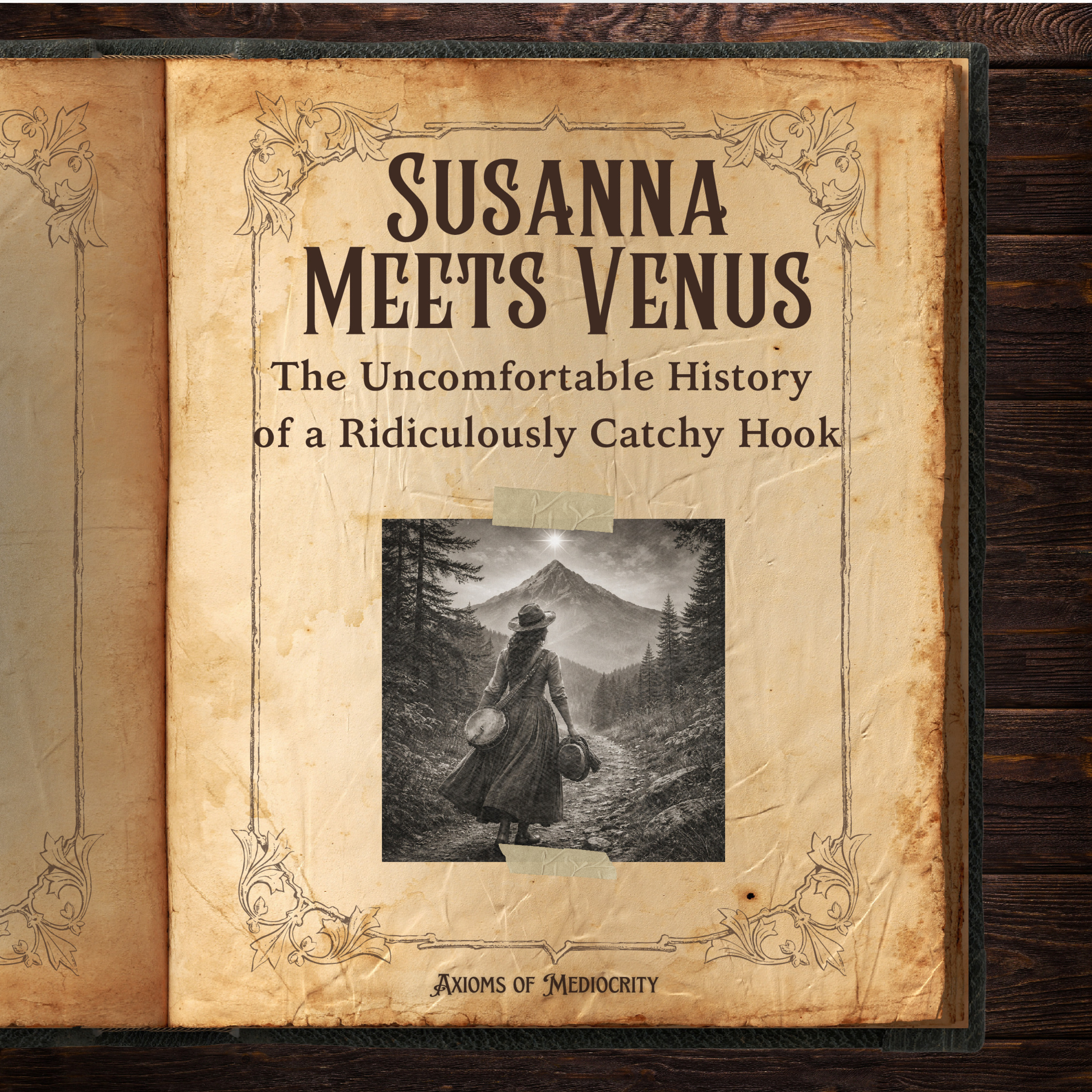 Susanna Meets Venus: The Uncomfortable History Behind a Ridiculously Catchy Hook 25.05.2026 8minOh! Susanna is one of the most famous American songs ever written. It is also one of the strangest.Written by Stephen Foster in 1847 and published in 1848, the song began in the blackface minstrel tradition, with racist language that cannot be brushed aside. Yet over time it was copied, pirated, cleaned up, rewritten, taught to children, sung by folk revivalists, and separated from the uglier parts of its own history.This episode follows that uncomfortable journey: from minstrel song to campfire standard, from Pete Seeger and James Taylor to The Big Three’s The Banjo Song, and then into Shocking Blue’s global hit Venus. From there, the melody keeps mutating: Tom Jones, Moog instrumentals, Bananarama, club remixes, razor commercials, Eurovision, and rock covers.Along the way, the episode asks what happens when a song with a cruel origin becomes irresistibly catchy, endlessly reusable, and almost impossible to kill.
 -
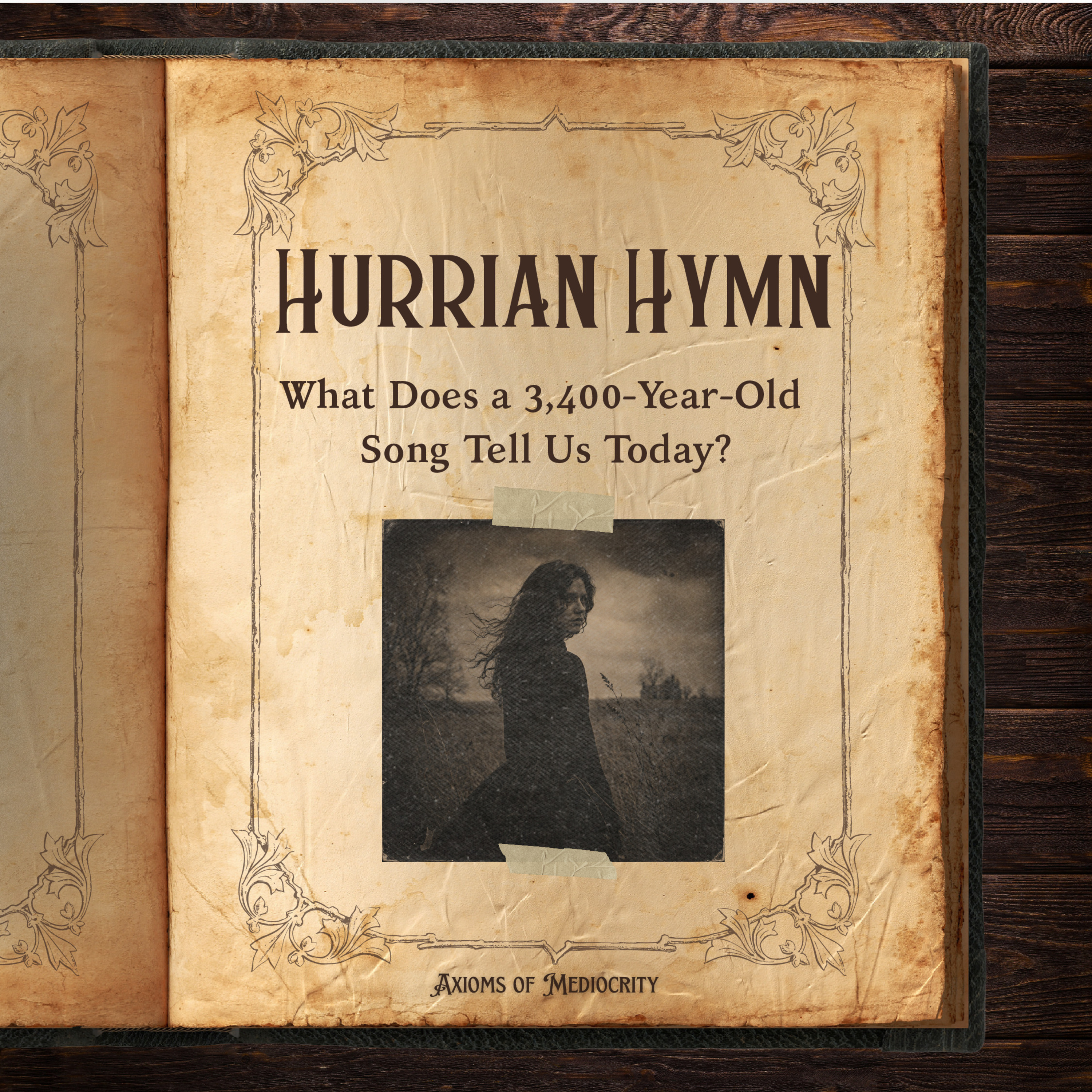 Hurrian Hymn: What Does a 3,400-Year-Old Song Tell Us Today? 18.05.2026 9minSomeone wrote a song down 3,400 years ago. Then the city fell, the palace collapsed, the tablet broke, and the people who understood the notation vanished.But the song survived.Hurrian Hymn no. 6, also called H6 or the Hymn to Nikkal, comes from ancient Ugarit in present-day Syria and is usually dated to around 1400 BCE. It is one of the oldest known examples of written musical notation, and the oldest substantially complete notated melody to survive.This episode explores what makes H6 so powerful and so frustrating. The tablet preserves lyrics in Hurrian, musical instructions in Akkadian technical language, a tuning system, a goddess, and the name of a scribe. But it does not tell us exactly how the music sounded. Modern performances are therefore acts of reconstruction, interpretation, and imagination.From ancient lyre versions to piano, voice, online “oldest song” performances, and symphonic metal references, H6 keeps asking the same question: what survives when almost everything needed to understand a song has disappeared?
Samankaltaiset podcastit


Suosittu maassa
Tämä podcast esiintyy myös näiden maiden podcast-listoilla.


