
Monumental Movement Podcast
monumentalmovement
0
This podcast explores music as a cultural force and historical thread, moving beyond simple entertainment. Each episode delves into avant-garde composition, underground movements, and experimental genres such as electronica, post-industrial textures, ambient minimalism, folk mutations, and noise-based practices. The show traces the historical context, aesthetic frameworks, and technological shifts behind these works, making them accessible to producers, sound artists, researchers, and curious listeners. It offers a globally-minded journey through the edges of contemporary sound.
Jaksot
-
 Why Nação Zumbi's Rhythm Refused to Die 16.09.2026 47minThis episode provides a comprehensive history and linguistic guide for Nação Zumbi, a pivotal Brazilian band that spearheaded the Manguebeat movement in Recife. The texts detail how the group, led by the visionary Chico Science, revolutionized music by connecting regional traditions like maracatu with global influences such as rock, hip-hop, and electronic music. Beyond their 1990s origins, the material explores the band’s resilience and evolution following the accidental death of their original frontman in 1997. By focusing on rhythmic innovation rather than rigid genres, the band established a method of cultural synthesis that remains influential decades later. Additionally, the sources include practical pronunciation assistance to help international audiences correctly articulate the band's name. This overview portrays the group not as a relic of the past, but as a dynamic entity that continues to bridge local identity with futuristic sounds.【Related Column】Nação Zumbi — The Rhythm That Refused to Diehttps://monumental-movement.jp/column-nacao-zumbi/
 -
 Why Angine de Poitrine Is More Interesting As A Band Than As A Genre: The Artist as a Platform for New Listening 16.09.2026 36minThese sources examine the avant-garde musical project Angine de Poitrine, focusing on their rejection of traditional genre classifications. Rather than labeling the band through standard categories like rock or math rock, the text encourages listeners to view them as a experimental laboratory that challenges musical norms. By questioning fundamental assumptions regarding instrumentation, rhythm, and performer identity, the group prioritizes creative possibility over predictable categorization. Additionally, the provided notes offer guidance on the Québécois pronunciation of the band's name and suggest a narrative-driven approach for future media content. Ultimately, the material argues that the band’s value lies in their artistic methods rather than their placement within a specific musical niche.
 -
 The Perpetual Pulse: Why Underground Music Always Returns 15.09.2026 22minThis episode examines the cyclical nature of underground music and its essential role as a laboratory for cultural innovation. It defines the underground not as a specific genre, but as a transitional state where experimental sounds emerge within marginalized communities before gaining mainstream visibility. As these movements face commercialization and saturation, a natural reaction occurs among younger generations who return to hidden spaces to foster new, authentic scenes. Historically, this pattern has fueled the evolution of jazz, punk, and techno, and it continues today through global digital networks. Ultimately, the source argues that underground culture is indispensable because it provides the creative freedom necessary to birth the future of music.【Related Column】Why does music that was born underground come back again and again?https://monumental-movement.jp/en/column-why-underground-music-always-comes-back/
 -
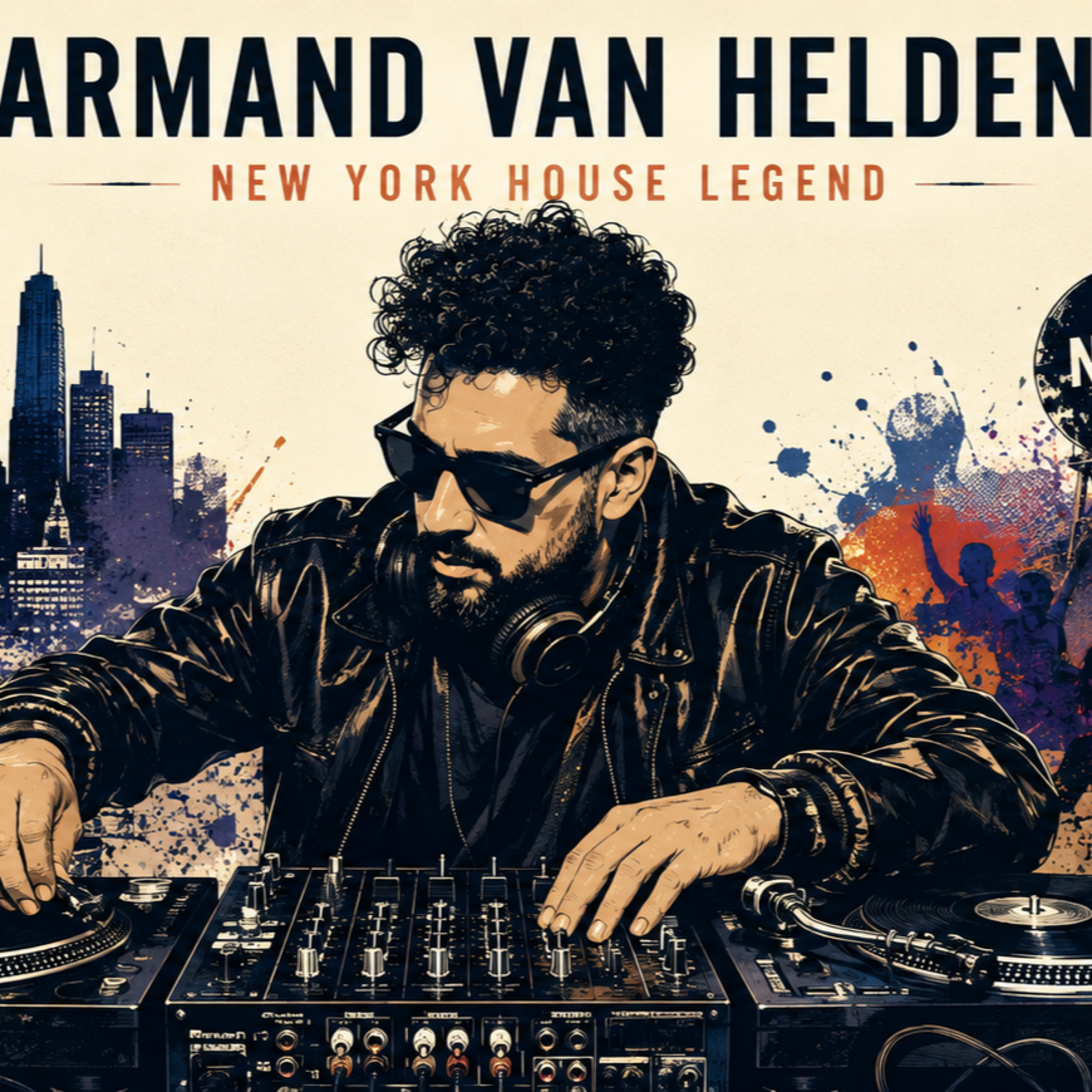 Why Armand Van Helden Could Make Any Song a Dancefloor Hit 15.09.2026 32minThis episode explores the career of Armand Van Helden, a pivotal figure who transformed house music from a club-oriented genre into a global pop phenomenon. The text traces his artistic journey from his multicultural upbringing and early hip-hop influences to his emergence in the Boston club scene. It highlights his revolutionary approach to sampling and remixing, arguing that his ability to reconstruct existing music for the dancefloor defined his unique style. Key milestones are examined, including his breakthrough with "Witch Doktor," his chart-topping hits like "You Don't Know Me," and his collaborative project Duck Sauce. Ultimately, the profile illustrates how Van Helden’s thirty-year legacy is built on bridging genres and treating music as an ever-evolving material for the DJ culture.【Related Column】Armand Van Helden — ハウスを世界規模のポップ現象へ変えたサンプリングとリミックスの革命https://monumental-movement.jp/column-armand-van-helden/
 -
 What Happens When Angine de Poitrine Gets Too Big?: The Paradox of Underground Success 15.09.2026 22minThe provided text explores the paradox of success facing the underground band Angine de Poitrine as they transition from a local experimental act to an international sensation. Initially, the group thrived on the artistic freedom found in small settings, allowing them to innovate without the burden of maintaining a specific image. However, the author suggests that mass recognition often transforms unique experimentation into a rigid brand expectation, trapping artists in their own past successes. The primary concern is that once an audience becomes accustomed to a band's eccentricities, those quirks can become a predictable formula rather than genuine expression. Ultimately, the source argues that the band's greatest challenge will be maintaining their unpredictable identity while under the scrutiny of global fame. The narrative concludes that for avant-garde musicians, the risk of repetition is far more dangerous than the possibility of failure.
 -
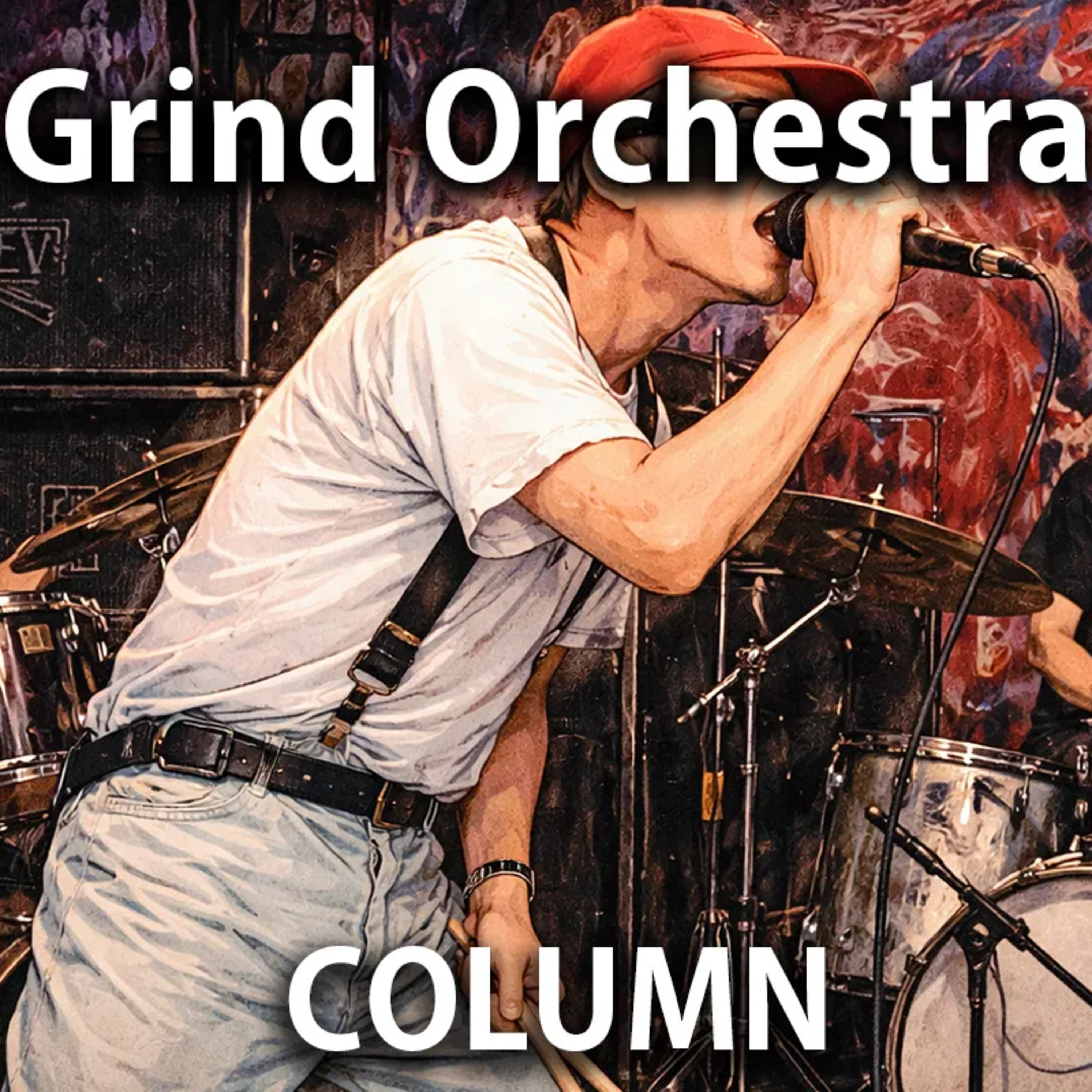 How Grind Orchestra Blurs the Line Between Hardcore and Noise: Japanese Underground 14.09.2026 22minThis episode outlines the history and musical philosophy of Grind Orchestra, an experimental Japanese collective founded in 1994 by former Boredoms member Toyohito Yoshikawa. Emerging from the Kansai alternative scene, the group is characterized by a unique structure that prioritizes improvisational noise and physical rhythm over traditional song formats. Their early work featured a distinctive lineup of four percussionists and electronic instruments to create a dense, chaotic, and avant-garde version of pop music. Over time, the ensemble integrated melodic elements, further evolving their sound as documented through various recordings and live performances on the Tag Rag label. Ultimately, the source highlights the group’s significant role in redefining the boundaries between hardcore punk and experimental soundscapes.【Related Column】Grind Orchestra — A group of sounds that transcend boundaries and their structurehttps://monumental-movement.jp/en/column-grind-orchestra/
 -
 Why Skinny Puppy Made Industrial Music Sound Terrifying 14.09.2026 34minThis episode provides an extensive retrospective on Skinny Puppy, the influential Canadian band that defined the electro-industrial genre. Founded in 1982 in Vancouver, the group utilized experimental techniques like sampling, distorted vocals, and theatrical performances to explore dark societal themes including animal rights and environmental decay. The text outlines their evolution from underground electronic pioneers to major inspirations for mainstream acts like Nine Inch Nails. It also details their complex history of collaborative side projects, internal struggles, and the tragic loss of key member Dwayne Goettel. Spanning over four decades, the overview concludes with their 2023 Final Tour, cementing their legacy as artists who transformed uncomfortable noise into a profound medium for social critique.【Related Column】Skinny Puppy — 恐怖を音楽に変えたバンクーバーの電子工房https://monumental-movement.jp/column-skinny-puppy/
 -
 Why 3 Mustaphas 3 Sound Like Music From Everywhere 14.09.2026 23minThis episode explores the history and artistic philosophy of 3 Mustaphas 3, a groundbreaking British band that emerged in London during the early 1980s. While they famously adopted the fictional persona of an exiled Balkan family from the imaginary town of Szegerely, the group was actually composed of seasoned musicians who blended global traditions with modern sensibilities. Their expansive repertoire integrated diverse influences from Middle Eastern melodies and African rhythms to Japanese lyrics, effectively predating and expanding the "world music" genre. The text highlights how their slogan, "Forward in all directions!", reflected a commitment to simultaneous musical exploration across multiple cultures rather than simple imitation. By utilizing electric instruments alongside traditional ones, they successfully transitioned folk music from static museum pieces into dynamic, danceable club sounds. Ultimately, the source frames the band as a visionary collective that used humor and mythology to demonstrate how distinct global cultures can coexist within a single creative groove.【Related Column】3 Mustaphas 3 — 世界音楽という言葉より先に、世界を混ぜていたバンドhttps://monumental-movement.jp/column-3-mustaphas-3/
 -
 The Third Member: The Most Important Member of Angine de Poitrine Isn't Human 14.09.2026 37minThe avant-garde musical project Angine de Poitrine is defined by a unique perspective that treats their customized hardware as a vital, non-human third member of the group. Rather than serving as a neutral tool, their integrated double-neck system and microtonal fretwork impose specific physical constraints that dictate how the music is composed. This setup fosters a specialized feedback loop where the instrument's limitations force the performers to develop unconventional techniques and ideas. Consequently, the band's distinctive sound emerges not from creative freedom, but from the complex relationship between the musicians and their technical requirements. This synergy makes their style nearly impossible to replicate because the music is a direct byproduct of their bespoke equipment's rules. Ultimately, the source argues that the technological system is the most essential element in shaping the band's identity.
 -
 King Gizzard: Mapping the Prolific Psychedelic Universe 13.09.2026 17minThis episode is a detailed column from Monumental Movement Records exploring the prolific career and experimental philosophy of the Australian band King Gizzard and the Lizard Wizard. Emerging from the Melbourne psychedelic scene, the group is characterized by a "change as style" aesthetic that rejects fixed genres in favor of a fluid musical system. The source highlights their rapid production cycle, which includes groundbreaking ventures into microtonal tuning, infinite loop structures, and thrash metal. Beyond their discography, the article examines their DIY business model and improvisational live performances that redefine how music is created and distributed in the modern era. Ultimately, the band is presented as a boundary-pushing entity that treats each album as a distinct protocol for sonic deconstruction.【Related Column】King Gizzard: Mapping the Prolific Psychedelic Universehttps://monumental-movement.jp/en/column-king-gizzard/
 -
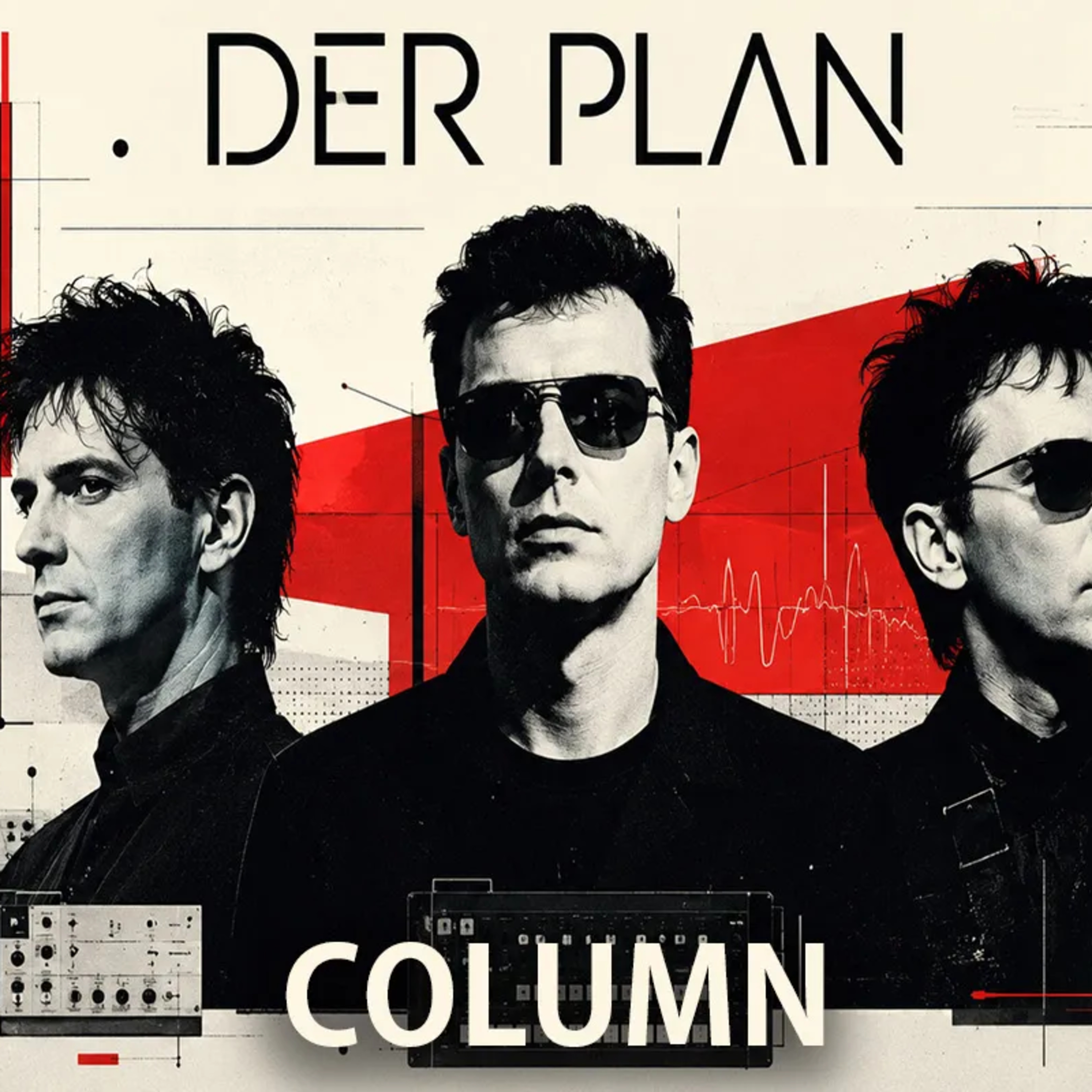 Der Plan: The Humorous Evolution of German Avant-Pop 13.09.2026 12minThis episode explores the historical trajectory and artistic evolution of the German electronic group Der Plan, a pioneering force in the avant-pop movement of Düsseldorf. Established in 1979, the group distinguished itself from rigid mechanical genres by blending experimental synthesis with a playful, humorous subversion of pop culture. The text details their transition from a traditional band to a studio-driven project, highlighting the significant influence of member Pyrolator on their innovative sound. Throughout various breakups and modern-day reunions, the group maintained a unique legacy of treating music as a deconstructed collage rather than a linear narrative. Ultimately, the source frames Der Plan as a crucial link in German music history that humanized electronic textures through satire and structural redesign.【Related Column】Der Plan──ドイツ・アヴァンポップが描いた電子音楽のもう一つの未来https://monumental-movement.jp/column-der-plan/
 -
 Rachid Taha: The Identity and Music of Cultural Confluence 13.09.2026 20minThis episode examines the legacy of Rachid Taha, an influential artist who redefined the relationship between Algerian music and Western rock. Rather than viewing his work as a calculated fusion of genres, the text argues that his sound was a natural byproduct of his immigrant identity and life experiences in France. By integrating elements of punk, rai, and electronic music, Taha utilized his platform to address social issues such as discrimination and displacement. His career is highlighted through landmark projects like Carte de Séjour and his famous reinterpretation of "Rock the Casbah," which relocated punk rebellion into an Arabic context. Ultimately, the source portrays Taha as a pioneering cultural translator who proved that multiple cultural identities can coexist powerfully within a single artistic vision.
 -
 What Happens When The Audience Doesn't Know When To Dance: Angine de Poitrine and the Psychology of Uncertain Rhythm 13.09.2026 29minThis episode explores the psychological and linguistic aspects of the musical project Angine de Poitrine. One text examines how the music utilizes unpredictable rhythms to create a state of physical tension by subverting the listener's expectations. This rhythmic approach forces the body into a cycle of micro-failures and adjustments, preventing the groove from becoming monotonous background noise. Additionally, the documentation provides specific pronunciation guides tailored to the Québécois dialect, highlighting the regional nuances of the name. Together, these excerpts offer a glimpse into a technical creative process that prioritizes narration and complex rhythmic engagement over conventional structure.
 -
 Susumu Yokota: The Poetics of Silence and Electronic Zen 12.09.2026 11minThis episode presents a comprehensive retrospective on the late Japanese electronic musician Susumu Yokota, detailing his transition from early techno to his celebrated ambient compositions. The text explores how his music blends natural soundscapes with electronic textures, often reflecting a traditional Japanese aesthetic of stillness and transient beauty. It highlights essential albums such as Sakura and Symbol, while also explaining his more meditative work under the Anima Mundi pseudonym. Beyond a mere biography, the article examines Yokota’s international legacy, noting his influence on global electronic artists and his unique ability to find life within synthetic sounds. The overview is supplemented by a curated discography and links to related explorations of ambient and experimental music history. Through this analysis, Yokota is portrayed as a sonic poet whose work continues to offer a spiritual, immersive experience for modern listeners.【Related Column】Susumu Yokota — A universe in silence: A landscape of the soul drawn by electronic soundshttps://monumental-movement.jp/en/column-susumu-yokota/
 -
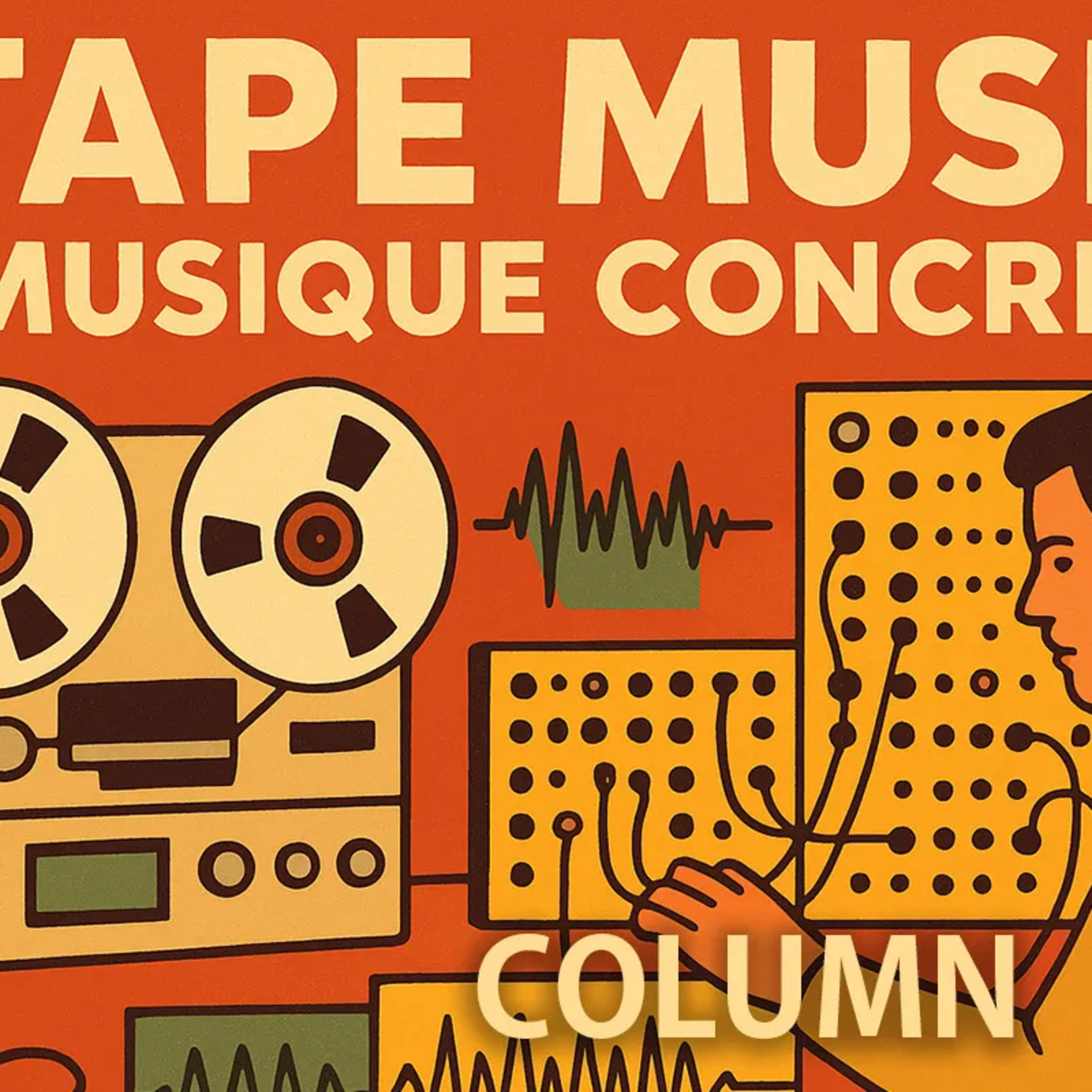 The Structural Evolution of Tape Music and Musique Concrète 12.09.2026 11minThis episode examines the evolution and aesthetic significance of Tape Music and Musique Concrète, specifically focusing on their critical re-evaluation during the 1970s avant-garde movement. It describes how the advent of recording technology transformed sound from an abstract concept into a physical object that could be manipulated through tactile editing techniques. By utilizing methods such as looping, speed alteration, and reverse playback, artists shifted the focus of composition from traditional instrumentation to the exploration of environmental noise and texture. The text highlights how these practices blurred the lines between live performance and studio engineering, ultimately establishing the recorded medium as the definitive artwork. This historical analysis illustrates how the physicality of magnetic tape laid the groundwork for modern experimental genres like noise and minimal music.【Related Column】Tape Music / Musique Concrètehttps://monumental-movement.jp/en/column-tape-music-musique-concrete/
 -
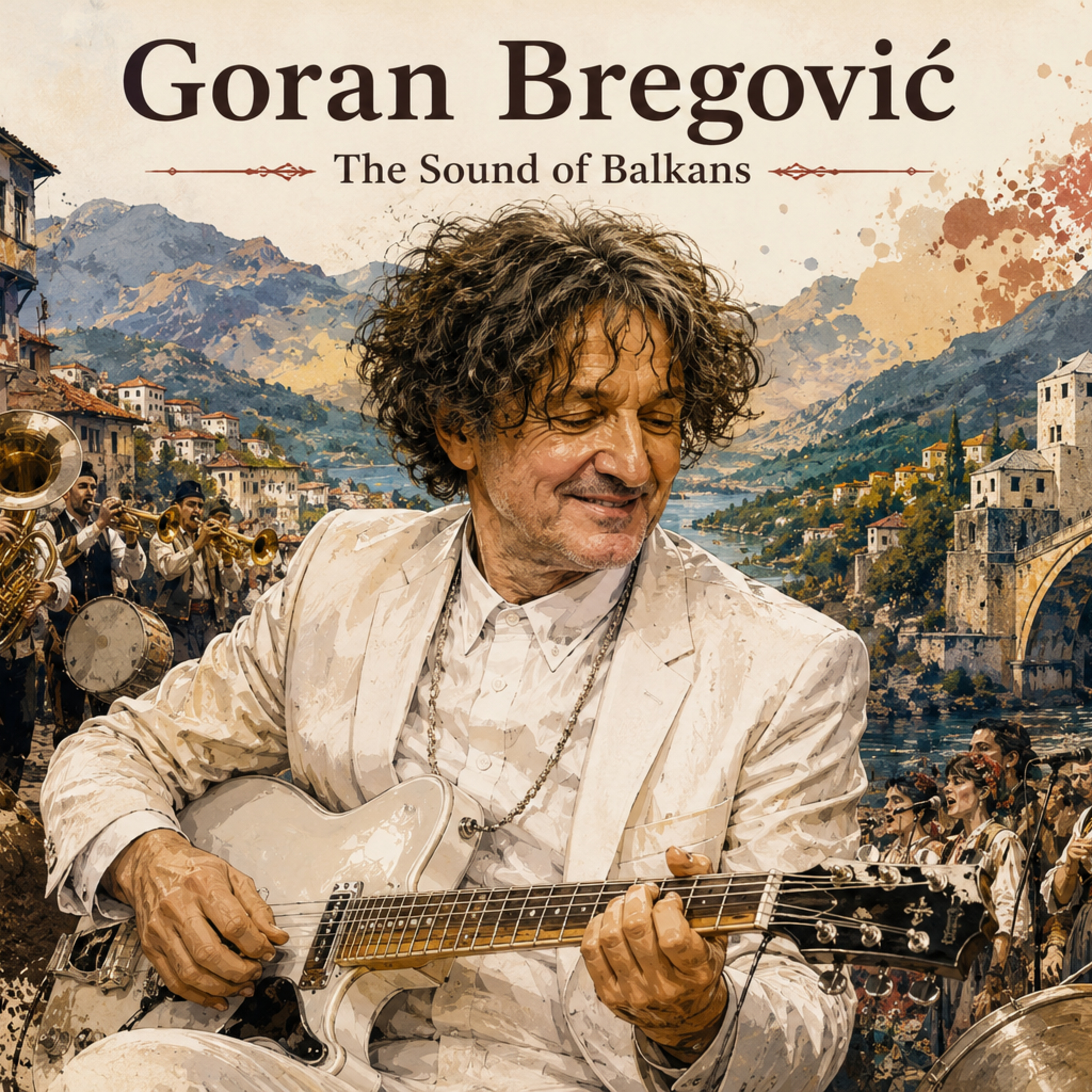 Goran Bregović: From Yugoslav Rock to Global Balkan Sound 12.09.2026 17minThis episode provides a comprehensive biographical profile of Goran Bregović, charting his evolution from a Yugoslavian rock star to an internationally acclaimed composer. It highlights his early success with the band Bijelo Dugme, where he pioneered a fusion of Western rock and regional folk influences. The text further explores his transition into cinematic scoring, specifically his influential collaborations with director Emir Kusturica that brought Balkan sounds to a global audience. Central to his later career is the Wedding and Funeral Orchestra, an ensemble that embodies his philosophy of mixing the festive with the tragic. Ultimately, the narrative frames Bregović as a cross-cultural figure whose music preserves the complex identity of a vanished nation while constantly adapting to modern global stages.【Related Column】Goran Bregović — ユーゴスラヴィアのロックから、世界のバルカン音楽へhttps://monumental-movement.jp/column-goran-bregovic/
 -
 Why Angine de Poitrine Feels Like a Video Game Boss Fight: Mastering the Rhythm 12.09.2026 28minThis episode explores the complex listening experience of the musical project Angine de Poitrine, specifically comparing its structural difficulty to a video game boss battle. The author argues that experimental music demands active participation, as the listener must decode patterns and overcome initial confusion to achieve a sense of mastery. Rather than the composition changing over time, the listener’s brain adapts through repetition, transforming chaotic sounds into organized, intentional art. Additionally, the sources provide linguistic guidance on the project's name, detailing the specific Québécois pronunciation and phonetic nuances of the title. Ultimately, the material suggests that challenging music fosters deep loyalty because the audience feels a sense of accomplishment in learning how to hear it.
 -
 Squarepusher: The Architect of Jazz, Bass, and Breakbeats 11.09.2026 19minThis episode explores the career of Tom Jenkinson, the British musician famously known as Squarepusher, highlighting his role as a pioneer in the electronic music scene. The source details how he revolutionized genres like IDM and drum and bass by integrating his classical background in jazz and bass guitar with high-speed breakbeats. It provides a chronological look at his discography, beginning with his early releases on Warp Records and examining the specific analog and digital hardware used to craft his signature sound. Technical breakdowns of tracks illustrate his use of polyrhythms and improvisational techniques, which bridge the gap between human performance and machine precision. Ultimately, the text defines Jenkinson as a transformative figure whose experimental compositions continue to influence the landscape of modern electronic jazz fusion.【Related Column】Squarepusher: A fusion of breakbeats, jazz, and electronic musichttps://monumental-movement.jp/en/column-squarepusher/
 -
 Why Humans Love Broken Things: The Beauty of the Imperfect 11.09.2026 52minThis episode explores Broken Aesthetics, a conceptual framework explaining why humanity finds profound beauty in imperfection, distortion, and structural decay. By examining diverse fields such as noise music, brutalist architecture, and graffiti, the author argues that these "broken" elements are not failures but rather controlled disruptions of established order. Psychologically, these anomalies engage the brain by creating predictive gaps that invite deeper cognitive participation and emotional resonance. The source suggests that flaws serve as historical traces, offering a sense of human presence and material reality that sterile perfection often lacks. Ultimately, the text redefines imperfection as an evolving value system that challenges traditional standards of correctness to reveal new forms of artistic truth.【Related Column】Why Humans Love Broken Things — なぜ人間は壊れたもの、不完全なものに美を感じるのかhttps://monumental-movement.jp/column-why-humans-love-broken-things/
 -
 Angine de Poitrine As A DIY Engineering Project: When Music Becomes Mechanical Design 11.09.2026 17minThe musical project Angine de Poitrine functions as much as a feat of engineering as it does a creative performance. Rather than just playing instruments, the artists operate a complex technical system composed of pedals, loopers, and custom signal routing. This DIY approach requires the musicians to design around physical limitations, effectively turning their hardware setup into a hidden, primary instrument. Because the performance relies on such intricate machinery, it introduces a significant element of risk management regarding potential technical failures. Ultimately, the audience is witnessing a synchronized operation where every physical movement is a deliberate interaction with a custom-built machine.
Samankaltaiset podcastit


Suosittu maassa
Tämä podcast esiintyy myös näiden maiden podcast-listoilla.
