
In Depth
First Round
0
In Depth is a podcast from The First Round Review that surfaces tactical advice for founders and startup leaders. Hosted by Brett Berson, a partner at First Round, it covers topics such as hiring executives, becoming a better manager, and the importance of storytelling inside an organization. Each interview aims to reach the level of tactical depth where the best advice is found.
Jaksot
-
 The fastest way to learn is to run two competing bets | Jay Parikh (EVP CoreAI, Microsoft) 27.08.2026 1t 2minIn the latest episode of Executive Function, Brett sits down with Jay Parikh, Executive Vice President of CoreAI at Microsoft. Before joining Microsoft, Jay spent over a decade as Facebook's global head of engineering, scaling the company from a few hundred engineers to billions of users, then ran the cybersecurity company Lacework as CEO through its acquisition by Fortinet. In this conversation, he breaks down the five ingredients of great engineering leadership, discusses why he'd rather run two competing bets in parallel than forecast a winner, and explains why company culture remains more important than ever for teams to get right. In today's episode, we discuss: The five ingredients that separate excellent engineering leadership from the rest How to protect your team from large shifts in public perception The mindset shift organizations need to maintain speed at scale How every layer of the organization needs to stay connected to the customer Why Jay runs "brain trusts" of senior ICs with zero managers in the room References Akamai: https://www.akamai.com/ AWS: https://aws.amazon.com/ Facebook: https://www.facebook.com/ George Conrades: https://www.linkedin.com/in/georgeconrades/ Mark Zuckerberg: https://x.com/finkd Microsoft: https://www.microsoft.com/ Paul Sagan: https://www.linkedin.com/in/paul-sagan-59654a1/ Tom Leighton: https://www.linkedin.com/in/tleighton/ Where to find Jay LinkedIn: https://www.linkedin.com/in/jayparikh/ Twitter/X: https://x.com/jayparikh Where to find Brett LinkedIn: https://www.linkedin.com/in/brett-berson-9986094/ Twitter/X: https://twitter.com/brettberson Where to find First Round Capital Website: https://firstround.com/ First Round Review: https://review.firstround.com/ Twitter/X: https://twitter.com/firstround YouTube: https://www.youtube.com/@FirstRoundCapital This podcast on all platforms: https://review.firstround.com/podcast Timestamps 00:00 Introduction 00:36 How leadership changes through exponential growth 02:21 The five ingredients that define excellent engineering leadership 07:51 What actually drives culture at a company as it scales 12:05 The physics behind why everything slows down at scale 18:57 The fastest team of Jay's career, and why size mattered 22:44 Why every team should think like an FDE 26:20 Managing a team through wild swings in public perception 29:07 What's different about leading through the steepest S-curve moments 33:58 Why onboarding well means going slow to go fast 37:41 Is AI actually new, or is history just repeating? 41:35 What actually counts as a "big bet" worth taking 45:01 The concrete big bets that reshaped Facebook's entire technology stack 47:35 Why vertical integration keeps being the right call as companies scale 51:46 How being a startup CEO reshaped Jay as a leader 1:01:26 Why Jay overruled Zuckerberg's instinct to skip efficiency
 -
 What startups get wrong about enterprise | Lindsey Scrase (COO, Checkr) 30.07.2026 1t 8minIn the latest episode of Executive Function, Brett sits down with Lindsey Scrase, COO of Checkr. Before joining Checkr as CRO and later stepping into the COO seat, Lindsey spent nearly a decade at Google Cloud as global managing director for SMB, mid-market, and startups. In this conversation, she breaks down why moving upmarket into enterprise trips up so many startups looking to scale, how Checkr rebuilt its sales compensation model to keep pace with growth, and where AI is already reshaping her operations and go-to-market teams. In today's episode, we discuss: Why operators who thrive at massive-scale companies often struggle when they join a startup The hard-won lessons from Checkr's early enterprise push that nearly failed Why Checkr’s C-suite meets every morning with no specific agenda The surprising challenges moving from CRO to COO How Checkr turned AI experiments into operating systems References Amazon: https://www.amazon.com Checkr: https://checkr.com Claude: https://claude.com Daniel Yanisse: https://www.linkedin.com/in/yanisse/ DoorDash: https://www.doordash.com Google: https://www.google.com Lovable: https://lovable.dev Microsoft: https://www.microsoft.com Where to find Lindsey LinkedIn: https://www.linkedin.com/in/lindsey-scrase-0702442/ Twitter/X: https://twitter.com/Lscrase Where to find Brett LinkedIn: https://www.linkedin.com/in/brett-berson-9986094/ Twitter/X: https://twitter.com/brettberson Where to find First Round Capital Website: https://firstround.com/ First Round Review: https://review.firstround.com/ Twitter/X: https://twitter.com/firstround YouTube: https://www.youtube.com/@FirstRoundCapital This podcast on all platforms: https://review.firstround.com/podcast Timestamps 00:00 Introduction 00:06 Why big-company executives often struggle in startups 02:18 What Checkr's first CRO needed to accomplish 03:33 How to take on an entrenched category leader 06:58 Why leaders underestimate how hard the jump to enterprise really is 10:23 Separating a true deal-blocker from a customer's nice-to-have request 18:30 Why Lindsey hired enterprise-scarred sales leader over a market leader's résumé 22:08 The biggest challenges of moving from CRO to COO 28:03 Why Checkr names a single decision-maker for every major decision 34:42 Why Checkr rebuilt their sales compensation model 40:39 What actually separates a team's best seller from everyone else 45:03 Inside Checkr’s daily, no-agenda, c-suite meeting 50:23 How following data can sometimes lead you in the wrong direction 57:27 Why hitting 130% of a goal isn’t always a good thing 58:57 Where AI has changed how Checkr's teams operate day to day 1:04:33 Advice for all aspiring COOs
 -
 How Gamma pulled off their AI pivot | Jon Noronha (Co-founder and CPO of Gamma) 24.07.2026 1t 2minIn this episode of In Depth, Brett sits down with Jon Noronha, co-founder and CPO of Gamma, the AI-native presentation platform used by more than 100 million people. In this conversation, he walks through Gamma’s distinct eras of product-market fit: from a pre-AI struggle with a year of runway left, to an overnight AI-fueled explosion, to today’s unplanned scramble into enterprise sales. Jon also unpacks his hard-won lessons on horizontal versus vertical bets, monetizing AI products, and why nailing onboarding turned out to be the whole game. In today's episode, we discuss: Why Gamma's all-in AI launch in March 2023 saved their startup How fixing a simple onboarding problem accidentally uncovered Gamma’s entire product-market fit Why Jon bet Gamma on a horizontal product against the advice of nearly every investor How Gamma's daily signups climbed from hundreds to over 100,000 with zero paid marketing What building three pricing tiers taught Jon about monetizing AI References Canva: https://www.canva.com/ Corgi: https://www.corgi.insure/ Facebook: https://www.facebook.com/ Gamma: https://gamma.app/ Google: https://www.google.com/ Linear: https://linear.app/ Loom: https://www.loom.com/ Microsoft: https://www.microsoft.com/ Notion: https://www.notion.com/ Optimizely: https://www.optimizely.com/ Salesforce: https://www.salesforce.com/ Slack: https://slack.com/ Zoom: https://www.zoom.us/ Where to find Jon Noronha LinkedIn: https://www.linkedin.com/in/jonnoronha/ Twitter/X: https://twitter.com/thatsjonsense Where to find Brett LinkedIn: https://www.linkedin.com/in/brett-berson-9986094/ Twitter/X: https://twitter.com/brettberson Where to find First Round Capital Website: https://firstround.com/ First Round Review: https://review.firstround.com/ Twitter/X: https://twitter.com/firstround YouTube: https://www.youtube.com/@FirstRoundCapital This podcast on all platforms: https://review.firstround.com/podcast Timestamps: 00:00 Introduction 01:47 Gamma’s three-era journey to product-market fit 03:41 Spotting the blank page problem pre-ChatGPT 05:11 How Gamma survived with only one year of runway 07:17 How onboarding fixes revealed the whole product 09:31 Choosing horizontal over investors' vertical playbook 13:41 Prototyping by hand before AI coding 15:36 How Gamma builds with future models in mind 20:06 The Kool-Aid mistake of a late PowerPoint export 24:31 Why the presentation industry hadn't evolved since 1987 33:30 How Gamma solves evals for taste, not just data 40:21 Jon's hardest lessons monetizing AI since 2023 44:16 The fast leap from prosumer to enterprise 47:01 Why product still beats distribution 52:06 The metric that proved product-market fit 57:36 Pricing advice for prosumer AI founders 59:01 The toils and realities of founder life
 -
 Why Plaid’s COO cold-calls new hires | Eric Sager (COO of Plaid) 16.07.2026 1t 9minIn the latest episode of Executive Function, Brett sits down with Eric Sager, COO of Plaid, following stints as CRO of Bluevine and Head of Sales at Square. During his seven-year tenure at Plaid, Eric has helped lead the business through a pandemic, Visa's collapsed acquisition, a fintech downturn, and the AI boom. In today’s conversation, he unpacks how he kept teams focused during turbulent times, why he refuses to run at 100% capacity, and how he re-architected the go-to-market function as Plaid scaled. In today's episode, we discuss: How Plaid stayed focused after the Visa acquisition fell through and then raised at nearly 3x the price Why great COOs deliberately make themselves obsolete Why Eric treats speed, risk, and cost as a three-way trade-off, and why sometimes going slower wins How refusing to run at 100% capacity helped Plaid win OpenAI, Perplexity, and Replit Why Eric personally cold-calls brand-new employees References Bain & Company: https://www.bain.com Bluevine: https://www.bluevine.com Chase: https://www.chase.com Citibank: https://www.citi.com Eyal Lifshitz: https://www.linkedin.com/in/eyallifshitz/ Françoise Brougher: https://x.com/FrancoiseBr Gokul Rajaram: https://www.linkedin.com/in/gokulrajaram1/ Jack Dorsey: https://x.com/jack Michael Mankins: https://www.linkedin.com/in/michaelcmankins OpenAI: https://openai.com Perplexity: https://www.perplexity.ai Plaid: https://plaid.com Replit: https://replit.com Sarah Friar: https://www.linkedin.com/in/sarah-friar/ Square: https://squareup.com Visa: https://www.visa.com William Hockey: https://www.linkedin.com/in/william-hockey-04536710 Zach Perret: https://www.linkedin.com/in/zperret/ Where to find Eric Sager LinkedIn: https://www.linkedin.com/in/eric-sager-a529516 Where to find Brett LinkedIn: https://www.linkedin.com/in/brett-berson-9986094/ Twitter/X: https://twitter.com/brettberson Where to find First Round Capital Website: https://firstround.com/ First Round Review: https://review.firstround.com/ Twitter/X: https://twitter.com/firstround YouTube: https://www.youtube.com/@FirstRoundCapital This podcast on all platforms: https://review.firstround.com/podcast Timestamps 00:00 Introduction 00:40 Leading a company through turbulent times 04:24 How to build a resilient team culture 08:33 How Plaid avoids bureaucracy, while operating at scale 10:58 The speed-quality tradeoff: Going faster isn't always better 15:32 When to move from generalists to specialized customer segments 20:14 Why Plaid has one owner for entire customer relationships 22:06 The "quarterback" model: one owner, experts on call 24:08 Why you should never run your org at 100% capacity 29:47 "Always available, never needed": the support mantra 36:49 Eric’s unusual "hit by a bus" test to measure job success 43:57 Why Eric cold calls brand-new employees 52:14 Eric's week: 25% ecosystem, 50% business, 25% team 55:15 How to spot fake mission alignment in interviews 59:04 The one thing a founder has that no hire can replicate
 -
 How Supabase became the essential infrastructure for the AI era | Paul Copplestone (Co-founder, CEO) 25.06.2026 59minIn this episode of In Depth, Brett sits down with Paul Copplestone, co-founder and CEO of Supabase, the open-source Postgres platform now serving more than seven million developers. Before Supabase, Paul launched a Thumbtack-style marketplace in Southeast Asia and co-founded an office-management startup called Nimbus, experiences that taught him to separate fundraising from building and to find product-market fit before blitzscaling. He breaks down how a single tagline change for Supabase unlocked product-market fit, why he runs a fully distributed async team with near-zero attrition, and how he turned PLG signals into a product-led sales motion comped only on incremental uplift. In today's episode, we discuss: How changing one tagline helped Supabase go to #1 in Hacker News - an early sign of product market fit Why Paul ran Supabase like it had only $100K in the bank despite raising real money How Supabase rode three distinct AI waves, from pgvector to Bolt and Lovable, to Claude Code Why Supabase built a sales team comped only on the incremental uplift over a control group What the Toyota production system's "kaizen" taught Paul about unblocking a scaling team References: Ant Wilson: https://www.linkedin.com/in/ant-wilson-46179937 Bolt: https://bolt.new/ Claude Code: https://www.anthropic.com/claude-code Codex: https://openai.com/codex/ Entrepreneurs First: https://www.joinef.com/ Firebase: https://firebase.google.com/ Lovable: https://lovable.dev/ MongoDB: https://www.mongodb.com/ Next.js: https://nextjs.org/ PostgreSQL: https://www.postgresql.org/ Supabase: https://supabase.com/ Thumbtack: https://www.thumbtack.com/ Y Combinator: https://www.ycombinator.com/ Where to find Paul: LinkedIn: https://www.linkedin.com/in/paulcopplestone Twitter/X: https://x.com/kiwicopple Where to find Brett: LinkedIn: https://www.linkedin.com/in/brett-berson-9986094/ Twitter/X: https://twitter.com/brettberson Where to find First Round Capital: Website: https://firstround.com/ First Round Review: https://review.firstround.com/ Twitter/X: https://twitter.com/firstround YouTube: https://www.youtube.com/@FirstRoundCapital This podcast on all platforms: https://review.firstround.com/podcast Timestamps: 00:00 Introduction 01:32 Why Paul's earlier startups were never destined to be huge 07:14 Unlearning the "tall poppy" mindset and going all-in on async 09:54 Reverse-engineering why Supabase was an outstanding idea 12:04 The accidental Hacker News launch and tagline lesson 13:58 Where the early roadmap came from: demand vs. technical taste 17:28 Skill vs. luck, and operating like you have $100K in the bank 21:42 What actually makes a great developer experience 23:10 Solving the "graduation problem" Firebase never could 24:58 The role of open source in Supabase's success 26:10 The three distinct AI tailwinds: From pgvector to Claude Code 35:24 Supabase’s egoless, hyper-competitive open-source culture 42:58 A tactical playbook for raising capital 48:37 Product-led sales comped on incremental uplift only 59:27 The production philosophy behind Supabase’s operations
 -
 How to build a beloved tech brand | Sheila Joglekar Vashee (CMO, Figma) 04.06.2026 1tIn today's conversation, Brett sits down with CMO of Figma, Sheila Joglekar Vashee. Previously the second marketing hire at Dropbox, where she helped scale the company past $1 billion in revenue, she now leads marketing at Figma fresh off its IPO. In an industry that has spent a decade trying to turn marketing into something closer to hedge fund trading, Sheila argues the art was always the point — we just stopped talking about it. She unpacks how to run marketing as a portfolio of moonshots, why giving teams different goals breeds dysfunction, how to scale taste across an organization, and why old playbooks are obsolete, even as the fundamentals hold. In today's episode, we discuss: How to run marketing like a portfolio of moonshots The value of disruptive energy for senior marketers Why "Ubiquity is the opposite of cool" How to actually scale taste across an organization What great marketing looks like in the AI era Referenced: Apple: https://www.apple.com/ Dennis Woodside: https://www.linkedin.com/in/dennis-woodside-341302/ Dropbox: https://www.dropbox.com/ Dylan Field: https://www.linkedin.com/in/dylanfield/ Figma: https://www.figma.com Francoise Brougher: https://www.linkedin.com/in/francoise-brougher-341a72/ Gap: https://www.gap.com/ Google Chrome: https://www.google.com/chrome/ Harley-Davidson: https://www.harley-davidson.com/ HubSpot: https://www.hubspot.com/ Notion: https://www.notion.com/ Opendoor: https://www.opendoor.com/ Pinterest: https://www.pinterest.com/ Square: https://squareup.com/ The Web Is What You Make of It (Dear Sophie): https://www.youtube.com/watch?v=pzOBOuyr-EU Urban Outfitters: https://www.urbanoutfitters.com/ Yamini Rangan: https://www.linkedin.com/in/yaminirangan/ Where to find Sheila: LinkedIn: https://www.linkedin.com/in/sheilavashee/ X: https://x.com/sheilavashee Where to find Brett: LinkedIn: https://www.linkedin.com/in/brett-berson-9986644/ X: https://x.com/brettberson Where to find First Round Capital: Website: https://firstround.com/ First Round Review: https://review.firstround.com/ Twitter/X: https://twitter.com/firstround YouTube: https://www.youtube.com/@FirstRoundCapital This podcast on all platforms: https://review.firstround.com/podcast Timestamps: 00:00 Introduction 00:07 What excellent marketing actually is in 2026 01:36 Why giving teams different goals creates dysfunction 02:36 The most important decision Sheila made as CMO last year 04:26 The real difference between an SVP and a CMO 06:05 Marketing is one engine - not separate pieces 07:15 The tension between brand and growth 09:25 The decisions a CMO should never be making 09:55 Running marketing like a portfolio of moonshots 12:46 "Ubiquity is the opposite of cool" 15:11 Why a few companies get a flywheel of momentum 16:44 The Silicon Valley clock and irrational perception cycles 19:25 How to actually scale taste across an org 21:09 What changes for a CMO in a post-LLM world 23:15 Why the artistic side of marketing never really left 26:05 Whether taste can ever be encoded in software 27:15 Telling an optimistic, yet realistic story about AI 30:50 You need to make people care 32:11 What surprised Sheila about being a public-company CMO 33:46 Why Figma won enterprise where Dropbox couldn't 35:25 Sheila’s favorite campaign ever 37:10 Why announcement videos full of humans, lack humanity 38:55 Playbooks are obselete, but the fundamentals are not 40:25 Why marketing in 2026 demands disruptive energy 41:54 How Sheila architects her week 48:55 Where corporate politics actually come from 53:55 "Sheila, are you going to change the world in this job?" 58:09 What's unique about the CMO and CEO relationship
 -
 Why old-school sales work still wins in the AI era | Graham Moreno (Head of GTM, Parallel) 21.05.2026 1t 2minIn the latest episode of Executive Function, Brett sits down with Graham Moreno, Head of GTM at Parallel Web Systems. Before Parallel, Graham scaled Windsurf's GTM organization from three sellers to seventy-five in under a year, served as President through the Cognition acquisition, and earlier built and led enterprise sales teams at Grafana Labs and MongoDB. In this conversation, he unpacks why the AI-era backlash against structured enterprise sales misreads the data, how to design a process that raises the floor for ordinary reps without capping the ceiling for stars, and why selling to AI-native customers compresses an eight-week cycle into five business days. In today's episode, we discuss: Why in-person enterprise rollouts still beat product-led motions Building a robust sales process that still leaves room for unscripted moments Why the three highest-leverage early sales hires aren't sellers at all The case for outsized commission accelerators for star sellers — and the kind of person they attract Why most AI companies are skipping the in-person sales work that enterprise customers actually want References: Ahead: https://www.ahead.com Amazon: https://www.amazon.com Anthropic: https://www.anthropic.com Attio: https://www.attio.com Augment Code: https://www.augmentcode.com/ Cognition: https://cognition.ai Cursor: https://cursor.com Dani McCabe: https://www.linkedin.com/in/danielle-mccabe/ Datadog: https://www.datadoghq.com GitHub Copilot: https://github.com/features/copilot HubSpot: https://www.hubspot.com Jeremy Powers: https://www.linkedin.com/in/jeremypowers/ JPMorgan: https://www.jpmorgan.com Matt McClernan: https://www.linkedin.com/in/mattmcclernan/ MongoDB: https://www.mongodb.com Nicole Rettinger: https://www.linkedin.com/in/nicole-rettinger-23b20465/ Notion: https://www.notion.com OpenAI: https://openai.com Parag Agrawal: https://www.linkedin.com/in/paragagr/ Parallel: https://parallel.ai Snowflake: https://www.snowflake.com University of Chicago: https://www.uchicago.edu Windsurf: https://windsurf.com Where to find Graham: LinkedIn: https://www.linkedin.com/in/grahammoreno/ Where to find Brett: LinkedIn: https://www.linkedin.com/in/brett-berson-9986094/ Twitter/X: https://twitter.com/brettberson Where to find First Round Capital: Website: https://firstround.com/ First Round Review: https://review.firstround.com/ Twitter/X: https://twitter.com/firstround YouTube: https://www.youtube.com/@FirstRoundCapital This podcast on all platforms: https://review.firstround.com/podcast Timestamps: 00:00 Introduction 00:32 Has the sales playbook changed in the AI era? 02:13 Why "showing up" beats letting the marketplace decide 06:50 Why great salespeople sell to engineers and executives in one motion 11:37 Selling to AI-native buyers who grew up on ChatGPT 13:49 Same seller, different tempo: 8 weeks vs. 8 business days 15:57 How AI-native buyers handle build vs. buy decisions 17:48 The rep who taught a champion's son guitar over Zoom 19:03 Raising the floor without capping the ceiling 22:09 Why too much process narrows the kind of seller you attract 25:46 The three pillars of GTM excellence 31:00 Building peers who are 80% aligned, not 100% 38:03 Whether AI is changing what good enablement looks like 41:35 Selling against direct and implied competitors at once 42:45 Instrumenting the funnel from stage zero to close 45:57 Why post-sales should always roll up to the revenue leader 48:19 The case for outsized commissions 52:02 The 96 hours of panic before Cognition acquired Windsurf 53:04 How far out should a GTM leader be planning? 57:53 What a normal week looks like in hypergrowth
 -
 Why founders should bet on first-time executives | Praveer Melwani (CFO, Figma) 14.05.2026 43minIn this latest episode of Executive Function, Brett sits down with Praveer Melwani, CFO at Figma. Praveer joined Figma in 2017 as the company's first business operations and finance hire—when the team was around 30 people and not yet charging for the product—and stepped into the CFO seat in 2022, helping to lead the company’s IPO in 2025. In today’s conversation, Praveer breaks down the step functions that took him from IC to CFO, why Figma started acting like a public company three years before IPO, and how AI is rewriting capital allocation and the CFO job itself. In today's episode, we discuss: What separates a world-class finance leader from a traffic-cop CFO How Praveer went from Figma's first biz ops hire to CFO of a public company in nine years Why Figma started acting like a public company three years before its IPO What Praveer has learned working alongside Dylan Field for nine years Why Figma intentionally cut its 90% gross margin to invest in AI References: Adobe: https://www.adobe.com Brendan Mulligan: https://www.linkedin.com/in/brendanmulligan Cloudflare: https://www.cloudflare.com Dropbox: https://www.dropbox.com Dylan Field: https://www.linkedin.com/in/dylanfield/ Fidelity: https://www.fidelity.com Figma: https://www.figma.com GIC: https://www.gic.com.sg NerdWallet: https://www.nerdwallet.com Shaunt Voskanian: https://www.linkedin.com/in/shauntvoskanian/ Where to find Praveer: LinkedIn: https://www.linkedin.com/in/praveer-melwani Where to find Brett: LinkedIn: https://www.linkedin.com/in/brett-berson-9986094/ Twitter/X: https://twitter.com/brettberson Where to find First Round Capital: Website: https://firstround.com/ First Round Review: https://review.firstround.com/ Twitter/X: https://twitter.com/firstround YouTube: https://www.youtube.com/@FirstRoundCapital This podcast on all platforms: https://review.firstround.com/podcast Timestamps: 00:00 Introduction 02:13 From banking to Dropbox to Figma 04:14 The phase shift when Figma's COO left 05:36 Hiring leaders in functions you don't understand 07:18 Selling the exec team on AI consumption pricing 09:48 Using Claude Code to learn new things as CFO 11:36 Building an internal board of peer CFOs 13:52 Inside Figma's CFO job description 16:38 What separates good CFOs from world-class CFOs 18:42 Capital allocation and risk in a post-ChatGPT world 21:45 Why Praveer wants to take more bets 24:32 How AI is materially changing the CFO role 25:36 The nine-year working relationship with Dylan Field 29:12 How deeply in the details should a CFO be? 31:47 What Dropbox taught Praveer about building strong teams 33:24 Praveer’s first-principles test for hiring VPs 38:47 Why Figma acted like a public company in 2022
 -
 Why great product leaders should stop obsessing over the roadmap | Diya Jolly (CPO & CTO of Xero) 30.04.2026 49minIn the latest episode of Executive Function, Brett is joined by Diya Jolly, Chief Product and Technology Officer at Xero. Before Xero, Diya was CPT at Okta and led YouTube's advertising monetization products at Google. In this conversation, she unpacks her three-bucket framework for delegating decisions, why the most important part of a CPO’s role is to drive team-wide ambition, and why the best executives need to spend half their time thinking, not doing. In today's episode, we discuss: Why a CPO's number one job is raising their team’s ambition, not shipping features How to demand the best from your team without creating a fear-based culture Why organizational politics is actually an incentives problem How Diya is “militant” with her calendar to carve out dedicated thinking time Why you should avoid chasing titles in your career - and what to chase instead References: Google: https://www.google.com Melio: https://meliopayments.com Okta: https://www.okta.com Sukhinder Singh Cassidy: https://www.linkedin.com/in/sukhinders/ Xero: https://www.xero.com Where to find Diya: LinkedIn: https://www.linkedin.com/in/diyajolly Where to find Brett: LinkedIn: https://www.linkedin.com/in/brett-berson-9986094/ Twitter/X: https://twitter.com/brettberson Where to find First Round Capital: Website: https://firstround.com/ First Round Review: https://review.firstround.com/ Twitter/X: https://twitter.com/firstround YouTube: https://www.youtube.com/@FirstRoundCapital This podcast on all platforms: https://review.firstround.com/podcast Timestamps: 00:12 How an excellent CPO makes an impact on the business 02:01 How the CPO role shifts under founders vs hired CEOs 03:38 Influencing a founder without going deferential 07:37 How adding value to customers is always a net positive 08:45 Why roadmaps need more risk in the AI era 12:30 How to shelter innovation teams from the existing system 15:12 What's different about being a great CPO in 2026 17:34 How AI has changed the concept of an app 18:28 It’s essential for CPOs to fly at a low altitude 20:34 How misaligned incentives cause organizational politics 25:13 Being demanding without creating a fear-based culture 28:10 Why raising ambition is a CPO's number one job 31:39 The boss who taught Diya to keep raising the bar 32:43 The hardest part of being a CPO 35:28 The three buckets Diya uses to delegate 36:30 How Diya protects deep-work time on her calendar 42:45 Xero’s game-changing early bet on AI insights 44:58 How far into the future should CPOs plan for? 47:14 What it takes to be an excellent C-suite member 48:53 Why ambitious PMs should chase impact, not titles 50:28 The four bottlenecks that stall career growth
 -
 Inside Artemis' "AI vs AI" war | Shachar Hirshberg & Dan Shiebler (Co-founders, Artemis) 21.04.2026 56minIn this episode of In Depth, First Round Partner Josh Kopelman sits down with Shachar Hirshberg and Dan Shiebler, co-founders of Artemis, the AI-native security platform that just emerged from stealth with $70M in combined seed and Series A funding. Shachar and Dan unpack how they built a 30-person team in seven months, why AI-native companies are outperforming their AI-enabled counterparts, and why they plan to stay on a texting basis with every customer, even at scale. In today's episode, we discuss: How to interview for AI fluency when building an AI-native startup Why founder-market fit is a critical early signal for startup success The surprising lesson Dan learned from founder-led sales How Dan and Shachar are instilling customer-obsession into Artemis’ culture How the two co-founders approach conflict and decision-making References: Abnormal: https://abnormal.ai Amazon Web Services (AWS): https://aws.amazon.com Anthropic: https://www.anthropic.com Artemis: https://artemissecurity.com CrowdStrike: https://www.crowdstrike.com Demisto (now Cortex XSOAR): https://www.paloaltonetworks.com/cortex/cortex-xsoar OpenAI: https://openai.com Palo Alto Networks: https://www.paloaltonetworks.com Todd Jackson: https://www.linkedin.com/in/toddj0/ Where to find Shachar Hirshberg: LinkedIn: https://www.linkedin.com/in/shachar-hirshberg/ Where to find Dan Shiebler: LinkedIn: https://www.linkedin.com/in/dan-shiebler-10219b42/ Where to find Josh: LinkedIn: https://www.linkedin.com/in/jkopelman/ Twitter/X: https://x.com/joshk Where to find First Round Capital: Website: https://firstround.com/ First Round Review: https://review.firstround.com/ Twitter/X: https://twitter.com/firstround YouTube: https://www.youtube.com/@FirstRoundCapital This podcast on all platforms: https://review.firstround.com/podcast Timestamps: 00:00 Introduction 00:06 What Artemis does and why now 02:51 Shachar’s AWS and Palo Alto playbook 05:15 Dan’s founder journey: From Twitter to Abnormal 08:51 Why founder-market fit is critical for startups 11:38 Finding the right moment to take the leap and build 13:52 The hiring process that powers a startup in stealth 16:58 Building a team centered on AI capabilities 21:48 How AI implementation changes dashboard metrics 23:22 The ICP they chased and the one they ignored 26:44 The magic of closing the first customers 27:49 The surprising signals of early product-market fit 32:06 Critical lessons from founder-led sales 33:51 Why the first product should make founders uncomfortable 36:03 Hiring 30 people while still in stealth 42:08 “Should we be arguing more?” 43:37 How the AI security market is evolving 49:03 Why AI-native beats AI-enabled company structure 51:09 The most surprising moments as a first-time founder
 -
 Scaling DoorDash to market dominance | Christopher Payne (Former COO, DoorDash) 17.04.2026 1t 2minIn this latest episode of Executive Function, Brett sits down with Christopher Payne, who spent a decade as President and COO at DoorDash, helping scale the company from roughly 70 employees to the dominant food delivery platform in the US. Before DoorDash, Christopher held senior operating roles at Amazon and eBay, where he led a sweeping overhaul of marketplace search. In this conversation, he unpacks what it actually takes to run an atoms-based business versus a software company, shares his "plate spinning" framework for allocating executive attention across a complex org, and makes the case for top-down goal setting over the bottom-up alternative. In today's episode, we discuss: How prior industry experience can be a liability when you're trying to reinvent the market How executives can practically focus their attention to stay close to product details What charisma actually looks like in executives—and why it's a staple trait to have The business case for setting ambitious goals top-down, not bottom-up References: Amazon: https://www.amazon.com/ Anthropic: https://www.anthropic.com/ Cheesecake Factory: https://www.thecheesecakefactory.com/ Cursor: https://cursor.com/ Dartmouth College: https://home.dartmouth.edu/ David Risher: https://www.linkedin.com/in/jdavidrisher DoorDash: https://www.doordash.com/ eBay: https://www.ebay.com/ Granola: https://www.granola.ai/ Hulu: https://www.hulu.com/ Jason Kilar: https://www.linkedin.com/in/jasonkilar Jeff Bezos: https://x.com/JeffBezos Lyft: https://www.lyft.com/ Microsoft: https://www.microsoft.com/ Tinder: https://tinder.com/ Tony Xu: https://www.linkedin.com/in/xutony Travis Kalanick: https://www.linkedin.com/in/traviskalanick Uber: https://www.uber.com/ University of Oregon: https://www.uoregon.edu/ Wharton School: https://www.wharton.upenn.edu/ Where to find Christopher Payne: LinkedIn: https://www.linkedin.com/in/christopherpayne Twitter/X: https://x.com/chrispa Where to find Brett: LinkedIn: https://www.linkedin.com/in/brett-berson-9986094/ Twitter/X: https://twitter.com/brettberson Where to find First Round Capital: Website: https://firstround.com/ First Round Review: https://review.firstround.com/ Twitter/X: https://twitter.com/firstround YouTube: https://www.youtube.com/@FirstRoundCapital This podcast on all platforms: https://review.firstround.com/podcast Timestamps: 00:00 Introduction 00:14 Why atoms businesses challenge bits executives 02:35 Hiring executives with a builder mentality 06:52 Great executives never outgrow the details 08:05 How ciabatta bread revealed a core DoorDash issue 10:48 How executives can scale their own impact 14:22 One-size-fits-all management is a myth 19:01 Enduring business lessons from Jeff Bezos 20:56 “I was fired from Tinder after six months” 25:38 Why specializing too early is a leadership trap 27:41 Are competitive cultures essential for success? 31:00 Lessons from Amazon’s hypergrowth 35:20 Why having industry experience can be a liability 38:46 Companies spend too much time on job interviews 40:19 The skills executives need for hypergrowth 43:34 Why AI will likely flatten organizations 45:20 Teaching COO 101: What it takes to be world-class 50:55 Why bottom-up goal setting kills ambition 55:29 How charismatic leaders help teams in tough times 58:23 The number-one sign of high-functioning executive teams 1:02:02 How first-time COOs can increase their chance of success
 -
 The most politically dangerous role in the C-suite | Katie Burke (COO, Harvey) 10.04.2026 1t 11minIn the latest episode of Executive Function, Brett sits down with Katie Burke, who recently became COO of Harvey after joining as Chief People Officer. Before Harvey, Katie spent 11 years in HR leadership at HubSpot, where she built one of tech's most distinctive cultures. In this conversation, she unpacks her marketing-minded approach to HR, why she hired deliberately from hospitality rather than corporate backgrounds, and why developing culture should be a strategic priority for any organization. In today's episode, we discuss: Why HR leaders should think like marketers The 2.5-year cultural hangover after a layoff The protein vs. sugar rule for employee feedback What it means to be the executive team’s own HR business partner What the Chief People Officer owes the board and what they don't References: Amazon: https://www.amazon.com Anique Drumright: https://www.linkedin.com/in/anique-drumright-53978a1a/ Brian Halligan: https://www.linkedin.com/in/brianhalligan/ Carmel Galvin: https://www.linkedin.com/in/carmelgalvin/ eBay: https://www.ebay.com Gabe Pereyra: https://www.linkedin.com/in/gabepereyra Harvey: https://www.harvey.ai HubSpot: https://www.hubspot.com Jacqui Canney: https://www.linkedin.com/in/jacquicanney Klaviyo: https://www.klaviyo.com Lorrie Norrington: https://www.linkedin.com/in/lorrienorrington/ Maggie Landers: https://www.linkedin.com/in/maggiecohenlanders/ Rippling: https://www.rippling.com ServiceNow: https://www.servicenow.com Winston Weinberg: https://www.linkedin.com/in/winston-weinberg/ Where to find Katie: LinkedIn: https://www.linkedin.com/in/katie-burke-965767a/ Twitter/X: https://x.com/katieburkie Where to find Brett: LinkedIn: https://www.linkedin.com/in/brett-berson-9986094/ Twitter/X: https://twitter.com/brettberson Where to find First Round Capital: Website: https://firstround.com/ First Round Review: https://review.firstround.com/ Twitter/X: https://twitter.com/firstround YouTube: https://www.youtube.com/@FirstRoundCapital This podcast on all platforms: https://review.firstround.com/podcast Timestamps: 00:00 Introduction 00:23 Why HR begins with thinking like a marketer 01:58 “Don't ask for a seat at the table. Build the table.” 02:29 Radical transparency after Hubspot’s IPO 05:14 How HubSpot’s people function drove strategy 07:01 The trickiest part of the Chief People Officer role 10:00 Be the Michael Jordan of your exec team 12:14 Why people leaders need to create “graceful exits” 16:49 The inevitable two-year layoff hangover 23:31 The workplace shouldn’t be Disneyland 26:05 “Our job is not to make you happy every day” 34:28 Being a Chief People Officer isn’t for the faint of heart 35:04 How “Berry-Gate” taught HubSpot to manage feedback 40:51 Chief People Officers should be demanding, by design 42:01 Why “frequent flyers” are a new-hire red flag 44:54 Unpacking the role of the VP of People 49:94 Which company decisions fall to the Chief People Officer? 49:11 The most common challenges of scaling a company 51:39 The differences between HubSpot and Harvey 53:17 How AI is changing the people function 1:04:28 Why Katie shares her own performance reviews 1:06:22 How to manage a disagreement with the CEO
 -
 What nobody tells engineers about becoming a CEO | Jay Kreps (Co-founder and CEO, Confluent) 26.03.2026 1t 6minJay Kreps is the co-founder and CEO of Confluent, the company built around Apache Kafka — the open-source data streaming platform he originally built while at LinkedIn. In this conversation, Jay shares his full journey: how Confluent grew from a scrappy group of engineers with no go-to-market experience into a publicly traded enterprise software company. He makes the case that the difference between what a company can do, and what it must do, is one of the most underrated building levers; illustrated through his years spent pushing Confluent towards a cloud product, in the face of widespread opposition. In this episode, we discuss: Why moving from software engineer to CEO requires almost an entirely new skillset The product marketing pyramid Jay built to explain Kafka to the world How Confluent bludgeoned its way to a cloud-first business when the early product was “embarrassing” The critical difference between what a company can do and what it must do What keeps scaling companies from becoming "Chipotle” References: Amazon Web Services: https://aws.amazon.com/ Apache Kafka: https://kafka.apache.org/ Benchmark: https://www.benchmark.com/ Confluent: https://www.confluent.io/ Jun Rao: https://www.linkedin.com/in/junrao LinkedIn: https://www.linkedin.com/ McKinsey & Company: https://www.mckinsey.com/ MySpace: https://www.myspace.com/ Neha Narkhede: https://www.linkedin.com/in/nehanarkhede Oracle: https://www.oracle.com/ Red Hat: https://www.redhat.com/ Snowflake: https://www.snowflake.com/ Where to find Jay: LinkedIn: https://www.linkedin.com/in/jaykreps/ Twitter/X: https://x.com/jaykreps Where to find Brett: LinkedIn: https://www.linkedin.com/in/brett-berson-9986094/ Twitter/X: https://twitter.com/brettberson Where to find First Round Capital: Website: https://firstround.com/ First Round Review: https://review.firstround.com/ Twitter/X: https://twitter.com/firstround YouTube: https://www.youtube.com/@FirstRoundCapital This podcast on all platforms: https://review.firstround.com/podcast Timestamps: 01:18 Making the leap from engineer to CEO 03:33 The 80% rule: what a CEO actually needs to know 04:54 Scaling different business disciplines 09:31 How Confluent’s story began in LinkedIn 12:13 The growing need for scalable data tech 13:37 What the early Kafka product looked like 16:38 Kafka’s underwhelming open-source launch 18:38 The blog post that accelerated Kafka’s adoption 20:16 Why so many marketing messages fail 28:08 The decision to build Confluent 34:24 Planning to fundraise before building the product 39:19 Confluent’s early years: Tough product decisions 47:07 The underrated growth lever question for companies 55:46 Why founder optimism is an overrated trait 1:00:29 What should founders give up as they scale? 1:02:47 Why people become trapped in a failure mindset 1:08:33 The Chipotle problem: Losing excellence at scale
 -
 The product wisdom every CPO should ignore | Jeremy Epling (CPO, Vanta) 19.03.2026 1t 9minIn the latest episode of Executive Function, Brett is joined by Jeremy Epling, CPO of security and compliance platform Vanta. Jeremy details his career journey, unpacking what it took to make the jump from tenured Microsoft executive to startup CPO. He also shares hard-won insights: how to maintain shipping velocity as headcount explodes, how to manage performance without the safety net of big-company process, and what it means to run a product org where the buck truly stops with you. In today's episode, we discuss: The mindset shift that made Jeremy's transition to startup CPO work Why it’s essential for the CPO to stay connected to details The rule to ensure teams ship fast while growing quickly Why rigid hierarchies derail quality decision-making How Jeremy uses open office hours for the entire company References: Christina Cacioppo: https://www.linkedin.com/in/ccacioppo/ Dropbox: https://www.dropbox.com GitHub: https://www.github.com Ironclad: https://www.ironcladapp.com Jensen Huang: https://www.linkedin.com/in/jenhsunhuang/ Lovable: https://lovable.dev Microsoft: https://www.microsoft.com Nat Friedman: https://www.linkedin.com/in/natfriedman/ NVIDIA: https://www.nvidia.com Span: https://www.span.app/ v0: https://v0.dev Vanta: https://www.vanta.com Where to find Jeremy: LinkedIn: https://www.linkedin.com/in/jeremy-epling-j40/ Twitter/X: https://x.com/jeremy_epling Where to find Brett: LinkedIn: https://www.linkedin.com/in/brett-berson-9986094/ Twitter/X: https://twitter.com/brettberson Where to find First Round Capital: Website: https://firstround.com/ First Round Review: https://review.firstround.com/ Twitter/X: https://twitter.com/firstround YouTube: https://www.youtube.com/@FirstRoundCapital This podcast on all platforms: https://review.firstround.com/podcast Timestamps: 00:00 Introduction 00:09 Why most big-tech executives fail at startups 05:38 Great product leaders stay in the details 09:21 The biggest mindset shift from VP to CPO 16:24 Revenue and product teams are always at odds 18:00 The key to a quality CPO and CRO relationship 23:21 Stop making your team fetch rocks 25:54 Who ultimately oversees the quality bar? 32:27 Why rigid hierarchies kill great companies 36:38 How to leave actionable, detailed feedback 38:55 Great CPOs should avoid comfort metrics 47:27 A glimpse into Jeremy’s working week 49:07 The case for weekly 1:1s 55:13 Why ICs are the unsung heroes of a company 58:25 Jeremy’s most formative career moments 1:07:55 The hardest skills Jeremy had to learn 1:09:31 Why great managers know when to push
 -
 Building Zipline: From launch disaster to drone-delivery giant | Keller Cliffton (Co-founder, CEO) 12.03.2026 1t 10minKeller Cliffton is the co-founder and CEO of Zipline, the world's largest commercial autonomous delivery system, which today serves 5,000 hospitals across multiple countries and saves an estimated 17,000 lives per year. In this episode, Keller breaks down his extreme hiring philosophy that has powered Zipline for over a decade. He also walks through Zipline’s full origin story: from a near-dead home robot startup to a scrappy bet on drone blood delivery in Rwanda, to 135 million autonomous miles flown. In today's episode, we discuss: Why Zipline hires teenagers over PhDs Why the best startup employees are "heat-seeking missiles for pain" The 5 leadership attributes Zipline has never shared publicly The brutal firing advice that shaped Keller’s leadership How Rwanda’s health minister changed Zipline’s trajectory References: Airbnb: https://www.airbnb.com Alfred Lin: https://www.linkedin.com/in/linalfred/ Amazon: https://www.amazon.com Apple: https://www.apple.com Brian Chesky: https://www.linkedin.com/in/brianchesky/ Cleveland Clinic: https://my.clevelandclinic.org Netflix: https://www.netflix.com Paul Kagame: https://www.linkedin.com/in/paulkagame/ Reflect Orbital: https://www.reflectorbital.com Sequoia Capital: https://www.sequoiacapital.com SpaceX: https://www.spacex.com Sphero: https://www.sphero.com Tesla: https://www.tesla.com University of Washington: https://www.washington.edu Walmart: https://www.walmart.com Zipline: https://www.zipline.com Where to find Keller: LinkedIn: https://www.linkedin.com/in/kellerrc/ Twitter/X: https://x.com/Keller Where to find Brett: LinkedIn: https://www.linkedin.com/in/brett-berson-9986094/ Twitter/X: https://twitter.com/brettberson Where to find First Round Capital: Website: https://firstround.com/ First Round Review: https://review.firstround.com/ Twitter/X: https://twitter.com/firstround YouTube: https://www.youtube.com/@FirstRoundCapital This podcast on all platforms: https://review.firstround.com/podcast Timestamps: 00:00 Introduction 02:11 Why Zipline doesn't hire for experience 06:04 Are founders born or made? 07:37 Why Zipline hires 17-year-olds over PhDs 17:03 The employees Zipline doesn't want 18:53 The ultimate startup hire is a "heat-seeking missile" 20:36 Why blind references are a non-negotiable 23:07 Can candidates admit when they screwed up? 30:10 Zipline's secret leadership playbook 35:16 Why you should always fire quickly 36:26 The early vision for Zipline 39:48 How Zipline almost died - twice 44:55 From toy robots to drone delivery: Zipline's pivot 51:35 How Rwanda's health minister changed everything 57:10 Why Zipline's launch was a "complete disaster" 1:04:05 Scaling from 1 hospital to 5000 1:05:17 The 10x hardware cost rule every founder should know
 -
 Snowflake’s first sales hire on scaling from $0 to $3.5B | Chris Degnan (Former CRO, Snowflake) 26.02.2026 59minChris Degnan was the first sales hire at Snowflake and spent 11 years scaling the company from zero to $3.5 billion in revenue as its CRO, working alongside four different CEOs and learning from each one. In this episode, Chris breaks down what it actually takes to scale an enterprise sales organization, why MEDDIC is the methodology every founder should know, and what working under Frank Slootman taught him about firing fast, taking feedback and finding the fakers in your team. In today's episode, we discuss: What the CRO job looks like at $10M vs. $1B+ Why sales leaders must know how to sell the product themselves The MEDDIC methodology and why it's a founder's best insurance policy How to find the fakers, manage-uppers and passengers in your org What Frank Slootman got right — and wrong — about scaling Snowflake Why most AI companies will face a go-to-market reckoning References: Amazon: https://www.amazon.com/ Bob Muglia: https://www.linkedin.com/in/bob-muglia-714ba592/ Carl Eschenbach: https://www.linkedin.com/in/carl-eschenbach-980543/ Christian Kleinerman: https://www.linkedin.com/in/christian-kleinerman-a973102/ Denise Persson: https://www.linkedin.com/in/denisepersson/ Dell: https://www.dell.com/ Frank Slootman: https://www.linkedin.com/in/frankslootman/ John McMahon: https://www.linkedin.com/in/johnmcmahon1/ Michael Scarpelli: https://www.linkedin.com/in/michael-scarpelli-1b289b9/ Microsoft: https://www.microsoft.com/ Oracle: https://www.oracle.com/ Salesforce: https://www.salesforce.com/ Snowflake: https://www.snowflake.com/ Sridhar Ramaswamy: https://www.linkedin.com/in/sridhar-ramaswamy/ Stanford Graduate School of Business: https://www.gsb.stanford.edu/ Where to find Chris: LinkedIn: https://www.linkedin.com/in/chris-degnan/ Where to find Brett: LinkedIn: https://www.linkedin.com/in/brett-berson-9986094/ Twitter/X: https://twitter.com/brettberson Where to find First Round Capital: Website: https://firstround.com/ First Round Review: https://review.firstround.com/ Twitter/X: https://twitter.com/firstround YouTube: https://www.youtube.com/@FirstRoundCapital This podcast on all platforms: https://review.firstround.com/podcast Timestamps: 00:00 What is the job of a CRO? 01:12 What excellence looks like at different revenue stages 02:59 Sales leaders need to know how to sell the product 04:52 The hardest skill leaders have to learn 08:17 You need to stay open to feedback - at all levels 14:01 Sales, segmentation, and international expansion 16:17 Why MEDDIC is the foundation for every sales org 20:32 The metrics that actually matter 22:56 A week in the life of a CRO at scale 28:32 Navigating compensation at a GTM organization 31:45 What technical CEOs get wrong about GTM 36:01 The role of hunger in great sales leaders 40:35 What makes an exceptional IC sales rep 46:41 Dysfunctional vs. high-performing executive teams 48:01 Chris' most impactful decisions at Snowflake 49:53 "When there's doubt, there's no doubt" 54:49 Learning from world-class leaders
 -
 Why 90% of CROs will fall behind in the next 2 years | Stevie Case (CRO, Vanta) 19.02.2026 1t 11minStevie Case is the CRO of Vanta, the trust management platform serving everyone from founders to Fortune 100 CISOs. A former pro-video gamer who stumbled into sales through a mentor's bet, Stevie has built one of the most unconventional paths to the C-suite in tech. In this episode, she unpacks why early revenue hires fail, what separates a true CRO from a VP of Sales, and why she believes fewer than 10% of current CROs will thrive by 2028. In today's episode, we discuss: Why early revenue hires fail What a top 1% CRO actually does The scaling mistake Stevie made by copying Twilio's playbook at Vanta Why Vanta remains 100% sales-led at every segment AI vs. humans in go-to-market References: Cursor: https://cursor.sh/ Gong: https://www.gong.io/ Salesforce: https://www.salesforce.com/ Twilio: https://www.twilio.com/ Vanta: https://www.vanta.com/ Where to find Stevie: LinkedIn: https://www.linkedin.com/in/steviecase/ Where to find Brett: LinkedIn: https://www.linkedin.com/in/brett-berson-9986094/ Twitter/X: https://twitter.com/brettberson Where to find First Round Capital: Website: https://firstround.com/ First Round Review: https://review.firstround.com/ Twitter/X: https://twitter.com/firstround YouTube: https://www.youtube.com/@FirstRoundCapital This podcast on all platforms: https://review.firstround.com/podcast Timestamps: 00:00 Why early revenue hires fail 02:23 Who to hire at $5M in revenue 04:16 Coin-operated sellers vs. long-term builders 05:57 What excellence looks like in the CRO role 07:44 Metrics, confidence, and velocity 12:04 Should CROs lead sales? 14:39 From shy seller to revenue leader 16:36 Learning to scale at Twilio 17:44 "There is no CRO playbook" 19:58 Stevie's scaling mistake at Vanta 22:16 Why Vanta stays 100% sales-led 23:16 The value of planning 24-26 months ahead 29:54 When trusting intuition was the wrong call 30:49 Do humans still have a place in the future of GTM? 33:33 Stevie's leadership non-negotiables 36:36 The myth of hiring for industry expertise 40:00 What stays centralized in a 600-person company 47:09 The hidden leverage of a customer's first 30 days 53:42 Why the CRO role will face enormous changes by 2028 58:42 What leaders must do now to stay relevant 01:02:30 Unpacking the CEO-CRO dynamic
 -
 Figma is not the source of truth | Ryan Lucas (VP of Design, Rippling) 12.02.2026 1t 6minIn the second Executive Function episode, Brett sits down with Ryan Lucas, VP of Design at Rippling. Before Rippling, Ryan led design at Retool and co-founded multiple startups, bringing a rare founder's perspective to design leadership. A trained industrial designer, Ryan traces the roots of modern software design back 2,000 years to make the case that products must be useful, usable, and desirable - and above all, used. In today's episode, we discuss: Why design leaders who stop designing stop leading The four pillars every design manager must master How to delegate when you're a perfectionist Why leaders need strong opinions How to scale good judgment What Rippling's operating system teaches about speed and commitments References: Airbnb: https://www.airbnb.com/ Amazon: https://www.amazon.com/ Apple: https://www.apple.com/ Asana: https://www.asana.com/ Brian Chesky: https://www.linkedin.com/in/brianchesky/ CrossFit: https://www.crossfit.com/ Figma: https://www.figma.com/ Honeywell: https://www.honeywell.com/ Liz Sanders: https://www.linkedin.com/in/sandersliz/ Nest: https://store.google.com/category/google_nest Notion: https://www.notion.so/ Parker Conrad: https://www.linkedin.com/in/parkerconrad/ Patrick Collison: https://www.linkedin.com/in/patrickcollison/ Retool: https://retool.com/ Rippling: https://www.rippling.com/ Stripe: https://www.stripe.com/ Where to find Ryan: LinkedIn: https://www.linkedin.com/in/ryanwlucas/ Where to find Brett: LinkedIn: https://www.linkedin.com/in/brett-berson-9986094/ Twitter/X: https://twitter.com/brettberson Where to find First Round Capital: Website: https://firstround.com/ First Round Review: https://review.firstround.com/ Twitter/X: https://twitter.com/firstround YouTube: https://www.youtube.com/@FirstRoundCapital This podcast on all platforms: https://review.firstround.com/podcast Timestamps: 00:00 Intro 00:08 What design actually does at a software company 01:40 The roots of design: from industrial design to software 03:29 Useful, usable, desirable — and used 04:49 How design relates to engineering, product, and marketing 08:15 Measuring success as a design leader 12:40 The gap between director and VP-level design leadership 14:23 Why great design leaders jump up and down in altitude 19:26 The four pillars every design manager must master 21:34 Over-indexing on quality and the perfectionist trap 25:11 When lowering the quality bar actually cost the business 27:53 How to build judgment through pattern matching 31:25 How Ryan's design team differs from the rest 34:31 Why Figma is not the source of truth 36:32 How Ryan spends his week: recruiting, crits, and staff meetings 38:39 The "Do/Try/Consider" framework 42:12 The most important decisions of the past year 44:05 Should one-on-ones exist? 46:45 How to scale judgment 50:49 What to look for when hiring your first design leader 54:54 Advice for young designers who want to lead 58:24 Demanding yet supportive: A balanced management style 01:02:43 What Rippling's operating system teaches about execution
 -
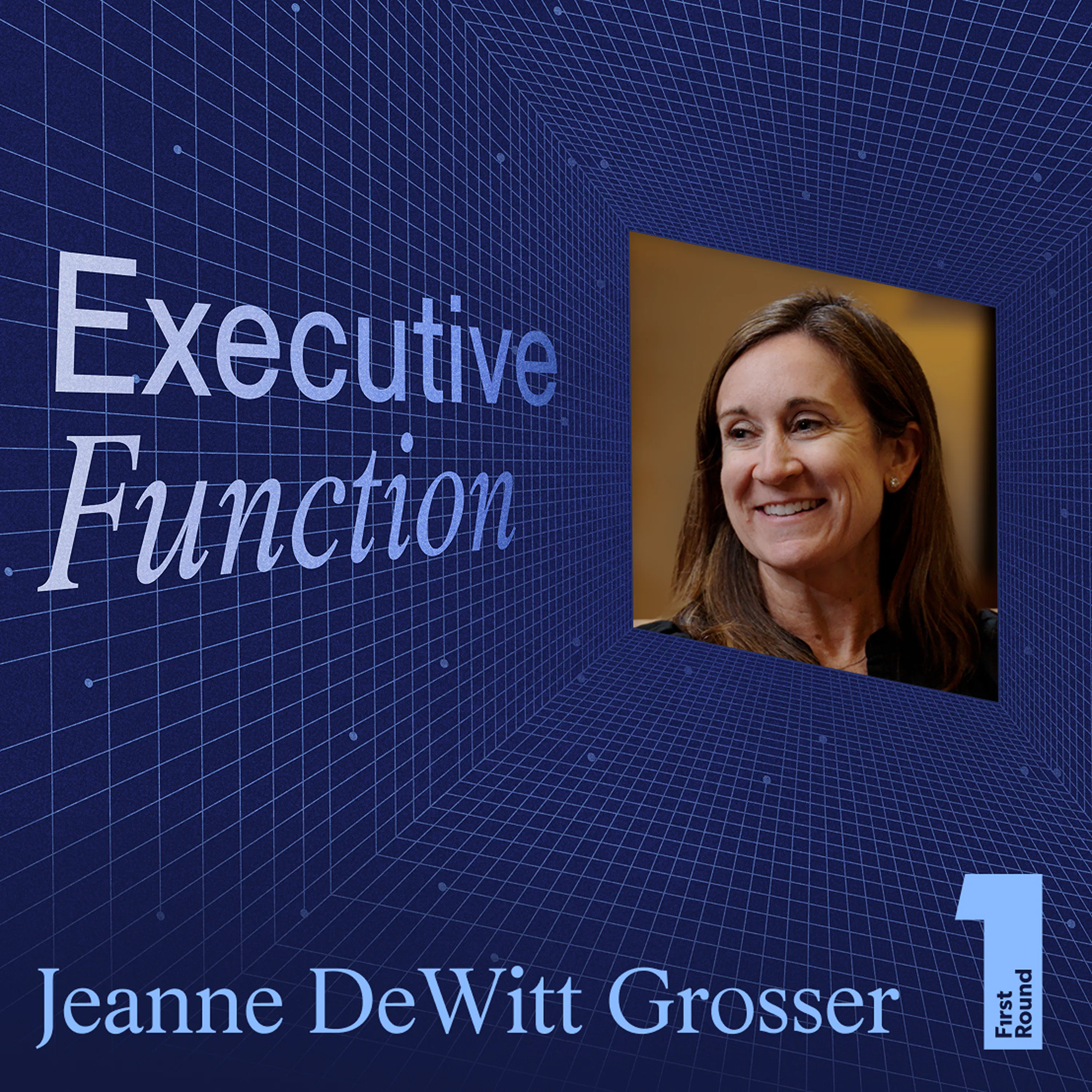 Executive Function: Building systems that can make decisions without you | Jeanne DeWitt Grosser (COO, Vercel) 05.02.2026 1t 15minIn the first Executive Function episode, Brett sits down with Jeanne De Witt Grosser, Chief Operating Officer at Vercel. Before Vercel, Jeanne spent nearly a decade at Stripe, where she built and scaled global revenue teams and led product partnerships. In this conversation, she unpacks what separates good executives from extraordinary ones, shares her rigorous executive hiring process, and reveals the brutally honest performance review feedback she'll never forget. In today's episode, we discuss: What it takes to operate at 30,000 feet and ground level simultaneously The leap from frontline manager to manager of managers Inside Jeanne's executive interview process The inherent value of driver trees for metrics Why context is everything References: Akamai: https://www.akamai.com Claire Johnson: https://www.linkedin.com/in/claire-hughes-johnson-7058/ Culture Amp: https://www.cultureamp.com Guillermo Rauch: https://www.linkedin.com/in/rauchg John Collison: https://www.linkedin.com/in/johnbcollison/ Next.js: https://nextjs.org Nike: https://www.nike.com OpenAI: https://www.openai.com Patrick Collison: https://www.linkedin.com/in/patrickcollison Stanford Graduate School of Business: https://www.gsb.stanford.edu Stripe: https://www.stripe.com Vercel: https://www.vercel.com Where to find Jeanne: LinkedIn: https://www.linkedin.com/in/jeannedewitt Where to find Brett: LinkedIn: https://www.linkedin.com/in/brett-berson-9986094/ Twitter/X: https://twitter.com/brettberson Where to find First Round Capital: Website: https://firstround.com/ First Round Review: https://review.firstround.com/ Twitter/X: https://twitter.com/firstround YouTube: https://www.youtube.com/@FirstRoundCapital This podcast on all platforms: https://review.firstround.com/podcast Timestamps: (01:17) What separates good executives from extraordinary ones (02:48) How leadership changes as companies scale (04:15) What an executive is actually accountable for (06:11) The leap most rising leaders never make (07:52) When to dive deep vs. when to step back (10:09) Teaching people to think like you do (11:56) Creating a shared language across the business (13:52) What a COO job description actually looks like (17:20) The upside of owning the full customer experience (19:10) Why marketing rolls up under a COO (21:06) Being demanding and supportive at the same time (22:33) Inside the executive interview process (27:35) The workshop prompts that reveal everything (30:11) The common thread in failed executive hires (36:36) Metrics: the driver tree philosophy (43:04 What a collaborative exec team looks like (57:08) How Stripe got 30 people to operate as one team (1:03:50) Working yourself out of a job (1:10:32) The review feedback you can't unhear
 -
 Building Meter for decades, not an exit | Anil Varanasi (Co-founder and CEO) 10.12.2025 1t 14minAnil Varanasi is the co-founder and CEO of Meter, which provides full-stack networking infrastructure as a service for businesses. Since founding Meter with his brother Sunil in 2015, Anil has been playing a distinctly long game in one of the most entrenched markets in technology, betting on vertical integration, business model innovation, and a multi-decade time horizon. In this conversation, he unpacks Meter’s origin story, from four-plus years of heads-down R&D, and shares how his unconventional approach to planning, management, and pace keeps him excited to run the company for decades. In today’s episode, we discuss: Why Anil thinks in 25-year horizons How operating in a monopolistic market shaped Meter’s approach Why Meter scrapped a year of OS work during the R&D phase How Meter is rethinking networking’s business model Surviving COVID, Apple’s M1 transition, and “a thousand bad days” Anil’s contrarian views on planning, OKRs, and management How founders can build companies they’ll want to run for decades Where to find Anil: LinkedIn: https://www.linkedin.com/in/anilcv/ Twitter/X: https://x.com/acv Where to find Brett: LinkedIn: https://www.linkedin.com/in/brett-berson-9986094/ Twitter/X: https://twitter.com/brettberson Where to find First Round Capital: Website: https://firstround.com/ First Round Review: https://review.firstround.com/ Twitter/X: https://twitter.com/firstround YouTube: https://www.youtube.com/@FirstRoundCapital This podcast on all platforms: https://review.firstround.com/podcast References: ADT: https://www.adt.com Alex Honnold: https://www.alexhonnold.com Alex Tabarrok: https://x.com/ATabarrok alarm.com: https://www.alarm.com Andreessen Horowitz (a16z): https://a16z.com Apple: https://www.apple.com Bloomberg: https://www.bloomberg.com Bryan Caplan: http://www.bcaplan.com/ Cisco: https://www.cisco.com Coca-Cola: https://www.coca-colacompany.com George Mason University (GMU): https://www.gmu.edu Intel: https://www.intel.com Julia Galef: https://x.com/juliagalef Martin Casado: https://www.linkedin.com/in/martincasado/ Meraki: https://meraki.cisco.com Meter: https://www.meter.com Michela Giorcelli: https://x.com/M_Giorcelli Nicholas Bloom: https://www.linkedin.com/in/nick-bloom-stanford/ Raffaella Sadun: https://www.linkedin.com/in/raffaella-sadun-3a182225/ Sanjit Biswas: https://www.linkedin.com/in/sanjitbiswas/ Sunil Varanasi: https://www.linkedin.com/in/sunil-varanasi-662a01253/ Tyler Cowen: https://www.linkedin.com/in/tyler-cowen-166718/ Twitch: https://www.twitch.tv Timestamps: (01:27) Meter’s unusual timeframes (04:06) “We don’t do OKRs” (06:32) How to plan without planning (08:31) Track your unhappy customers (11:43) How Meter’s journey began (15:02) Dissecting the 2010s SaaS boom (17:06) The networking industry trap (21:44) Meter’s first roadblock (22:07) Why Shenzhen accelerated Meter’s progress (26:29) The process to get a sales-ready product (31:02) Why you should own the full stack (32:45) The surprising thing you should innovate (35:03) Avoiding the one-trick pony trap (37:39) The secret to finding an excellent market (43:48) How COVID’s constraints propelled growth (48:25) Why founders need to know their customers (49:34) Why Meter didn’t sell via traditional channels (51:44) You need “seller-market fit” (54:51) The danger of meta-work (56:25) Decoupling management from authority (1:02:17) When the person is the problem (1:05:05) The inherent value of going slowly (1:09:41) Running a company for as long as possible
Samankaltaiset podcastit


Suosittu maassa
Tämä podcast esiintyy myös näiden maiden podcast-listoilla.

