
Invisible Not Broken - Chronic Illness Podcast Network
Hosts: Monica and Eva
0
Invisible Not Broken is a podcast network featuring shows hosted by Monica Michelle and Eva Minkoff. It speaks to people living with chronic illness, invisible illness, disability, and chronic pain. The network includes 'Explicitly Sick Podcast' and '[Human]care Podcast', with a motto of 'Be Kind. Be Gentle. Be A Bad Ass.'
Jaksot
-
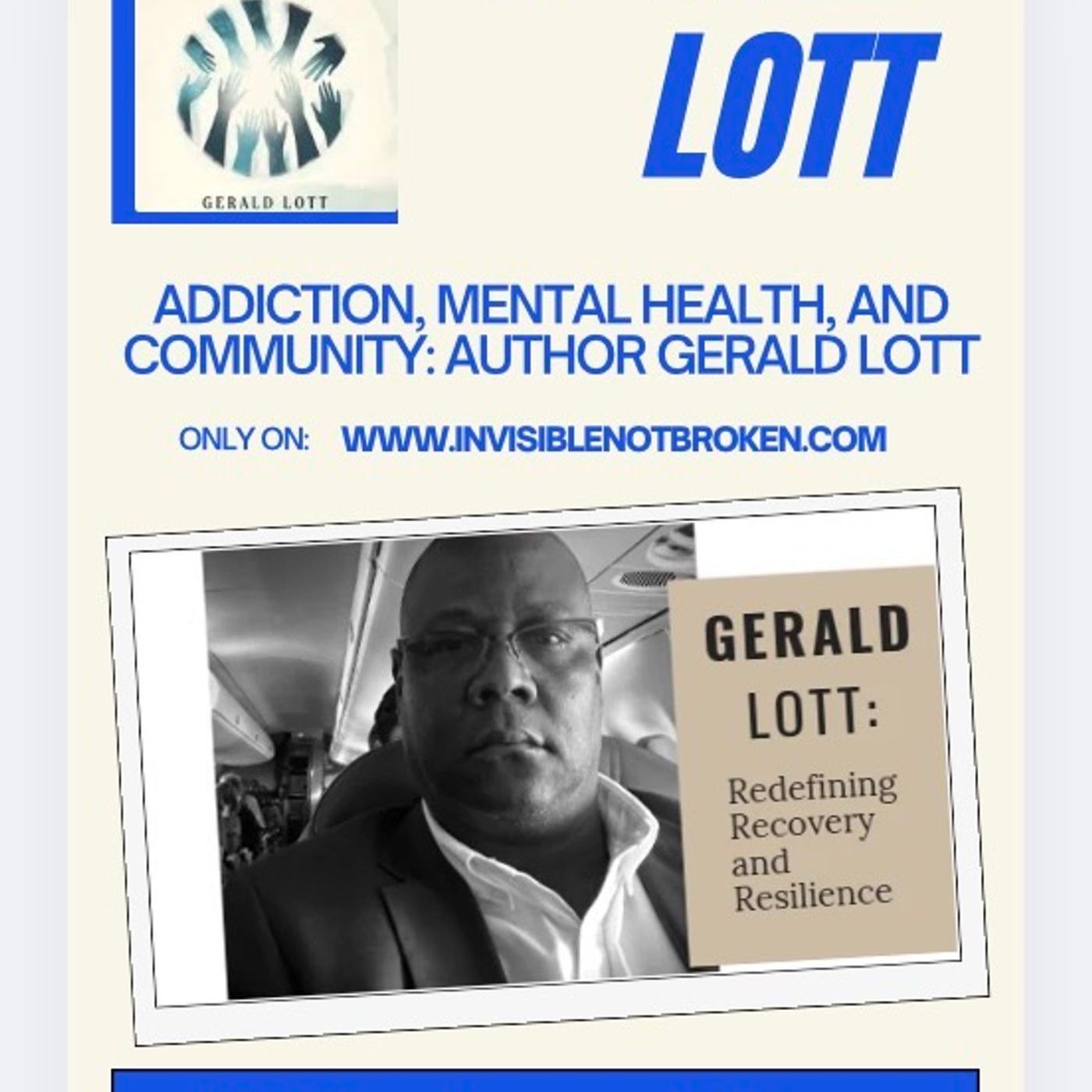 Addiction, Mental Health, and Community: Author Gerald Lott 06.09.2026 1t 4mincontent typeInterview primary goalEducational summaryGerald Lott shares his profound insights on addiction, recovery, and community support, emphasizing the importance of connection, understanding, and practical approaches to overcoming substance abuse. keywordsaddiction, recovery, community support, sobriety, mental health, treatment options, sobriety community, mental health advocacy key topicsThe evolution of addiction treatment from medieval methods to modern approachesThe importance of community and connection in recoveryDifferent pathways to sobriety beyond traditional 12-step programsThe role of family, friends, and community in supporting recoveryThe impact of societal perceptions and morality on addiction treatmentPractical strategies for supporting loved ones in recoveryThe significance of hope, discipline, and personal responsibility in sobrietyInnovative community programs like SVVO and their impact sound bites"Let the content dictate the format.""Addiction was medieval in its methods.""Narcan should be in every public space."Chapters00:00 Gerald's background and early experiences with addiction03:15 The misconception that you can't change someone07:05 The importance of discipline and personal responsibility10:14 The need for Narcan in public spaces14:25 The influence of societal imagery and drug culture18:32 The importance of community and enablers in recovery22:09 Reflections on personal history and self-awareness26:22 The importance of hope and connection in recovery29:44 The influence of societal and economic factors on addiction33:08 The emotional and social aspects of recovery35:37 The value of honesty and self-awareness in healing38:29 Writing a memoir and the truths of personal history40:46 The complexity of childhood and family dynamics43:18 The significance of relationships and community in healing45:40 Trauma bonding and its effects on relationships48:27 The importance of gratitude and positive focus50:10 Balancing envy and inspiration in personal growth51:35 Gerald's community initiatives and recovery programs54:02 The challenges of rural recovery and community building55:28 The future of recovery support and community engagement
 -
 MMERI Scholars: How to Choose College for Disabled and Neurodivergent Students 27.04.2026 31minSocial:Navigating college with a disability? 🎓🧩 Stop the guesswork. We're chatting with MMeri Scholars' founder about their MUST-HAVE list of truly accessible universities. Parents, don't miss this! 🏫✨🎧 Listen to Invisible Not Broken: 🔗 in bio.#CollegeBound #Neurodiversity #InvisibleNotBroken #SpecialNeedsParentingsummaryIn this insightful interview, Lisa shares her expertise on college accessibility for students with disabilities, highlighting resources, challenges, and strategies for families and students to navigate higher education inclusively.keywordscollege accessibility, disabilities, inclusive education, college planning, neurodivergence, mental health, college resources, advocacy, higher education, college admissionsChapters00:00 Introduction to M.M.E.R.I. and Its Mission02:51 The Importance of Inclusivity in Education05:46 Researching Accessible Colleges08:39 Spotlighting Supportive Colleges11:39 Identifying Red Flags in College Selection14:21 Barriers in College Admissions17:24 The Role of K-12 Education in College Readiness19:52 Navigating College Applications and Testing22:47 Blind Spots in College Admissions25:28 Supporting Adult Learners28:21 Getting the Guide into Schools31:17 Conclusion and Resources
 -
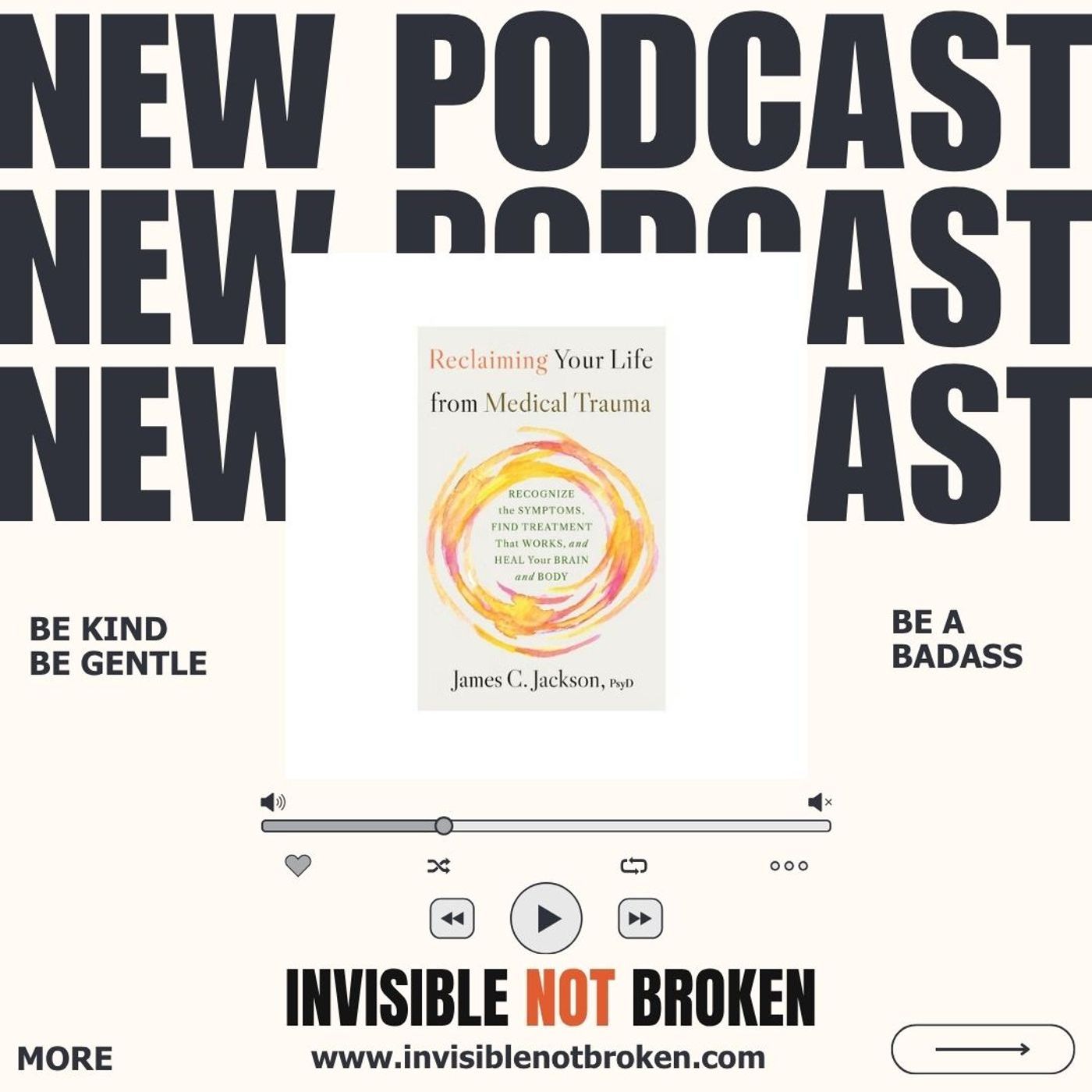 Reclaiming Your Life After Medical Trauma with author Jim Jackson 05.08.2026 56minsummaryIn this insightful interview, Jim Jackson discusses the profound impact of medical trauma, its recognition, and how healthcare providers and patients can work together to foster healing and resilience. Topics include trauma-informed care, the importance of empathy, and practical interventions to improve mental health outcomes for those affected by medical experiences.Chapters00:00 Introduction to Medical Trauma and Its Impact02:43 Understanding the Roots of Medical Trauma05:31 Hypotheses and Findings on Trauma in Medical Settings08:30 The Importance of Early Intervention11:29 Addressing Racial and Marginalized Trauma14:21 Trauma-Informed Care Approaches16:56 The Role of Patient Stories in Understanding Trauma19:41 Shifting Perspectives on Trauma22:24 Hope and Healing in the Face of Trauma25:23 The Publishing Journey and Future Directions29:09 The Rise of Medical Trauma Awareness32:05 Kintsugi: Finding Beauty in Brokenness36:32 Communicating Medical Trauma Effectively41:04 The Power of Lived Experience47:02 Taking Action Against Medical Trauma50:46 Advocating for Change in Healthcare
 -
 Mahima: Pelvic Floor, Social Media, and Hypermobility Physical Therapist 15.07.2026 43minWhy is talking about pelvic floor health still taboo? Let's break the silence around this crucial topic! 💬 Tag someone who needs to hear this. In today's chat with Mahima Tiwari from Empower Heal, we dive into the importance of pelvic floor health for everyone—not just those who have given birth. It’s time to recognize that issues like erectile dysfunction and chronic pain deserve attention too. When we openly discuss these topics, we empower others to seek help and take charge of their health. Let’s change the narrative! For more insights and a deeper conversation, check the link in my bio. #PelvicFloorHealth #EmpowerHeal #HealthAwareness #EhlersDanlos #BreakTheSilence
 -
 Ms. Wheelchair 2026 Nenia Ballard: Tiktok, Wheelchair Fashion, and Adaptive Clothing 03.06.2026 50min💥 Did you know that clothing can look completely different when you're seated? Nenia shares her journey in fashion reviews for wheelchair users, highlighting the need for brands to showcase their clothes on all body types. 💬 What has been your experience with fashion? Share your thoughts below! #FashionReview #DisabilityAwareness #AdaptiveClothing #InclusiveDesignChapters00:00 Introduction to Nenia Ballard and Fashion Reviews02:57 The Challenges of Fashion for Wheelchair Users05:55 Exploring Adaptive Clothing Brands08:56 The Importance of Accessibility in Fashion11:50 The Miss Wheelchair Experience14:30 The Intersection of Disability and Fashion Advocacy17:15 Shopping Challenges for Wheelchair Users20:02 Knitting as Occupational Therapy22:59 The Impact of Social Media on Disability Advocacy25:53 Final Thoughts and Recommendations
 -
 Lake: Education Access and Disability 08.04.2026 1tSummaryIn this conversation, the hosts discuss the challenges and experiences related to accessibility and accommodations in education, particularly for students with disabilities. They explore the differences between community colleges and universities, the bureaucratic hurdles in obtaining necessary accommodations, and the impact of societal structures on access to education. The discussion also touches on the role of technology, the financial burdens of education, and the importance of creating inclusive environments for all students. The conversation concludes with thoughts on the potential of AI in education and the need for systemic change to ensure equity and access for all learners.
 -
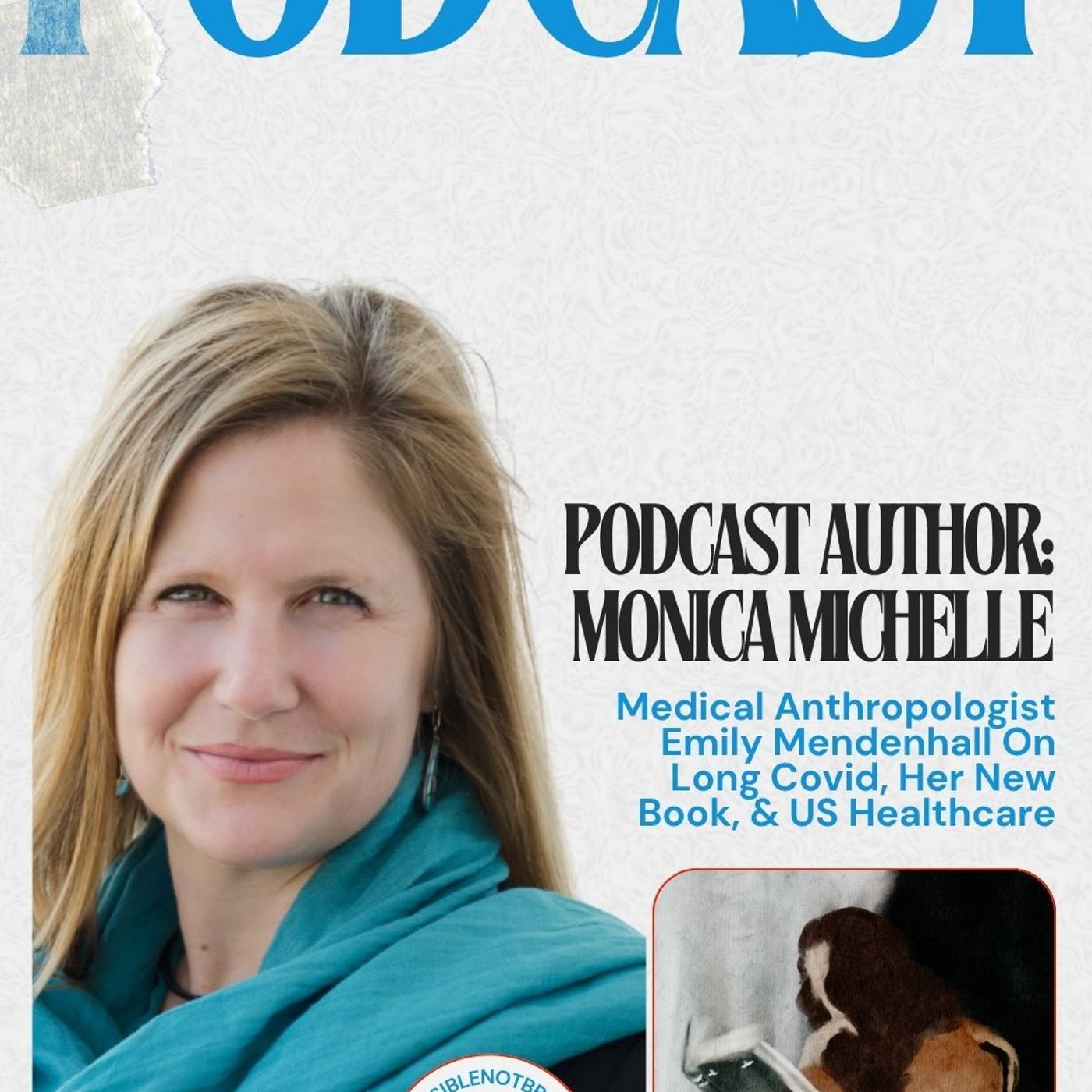 Medical Anthropologist Emily Mendenhall On Long Covid, Her New Book, & US Healthcare 06.05.2026 52min🌍 Ever wondered how history influences our view of chronic illness? In our latest episode, we sit down with Emily Mendenhall to discuss her groundbreaking book, "Invisible Illness." She reveals the fascinating connections between past perceptions of hysteria and today's challenges with Long COVID. What do you think – does history repeat itself in the realm of health? Share your thoughts below! #ChronicIllness #InvisibleIllness #HysteriaHistory #LongCOVID #HealthAwareness #PodcastLife #MedicalAnthropology #Discussion #EngageWithUs
 -
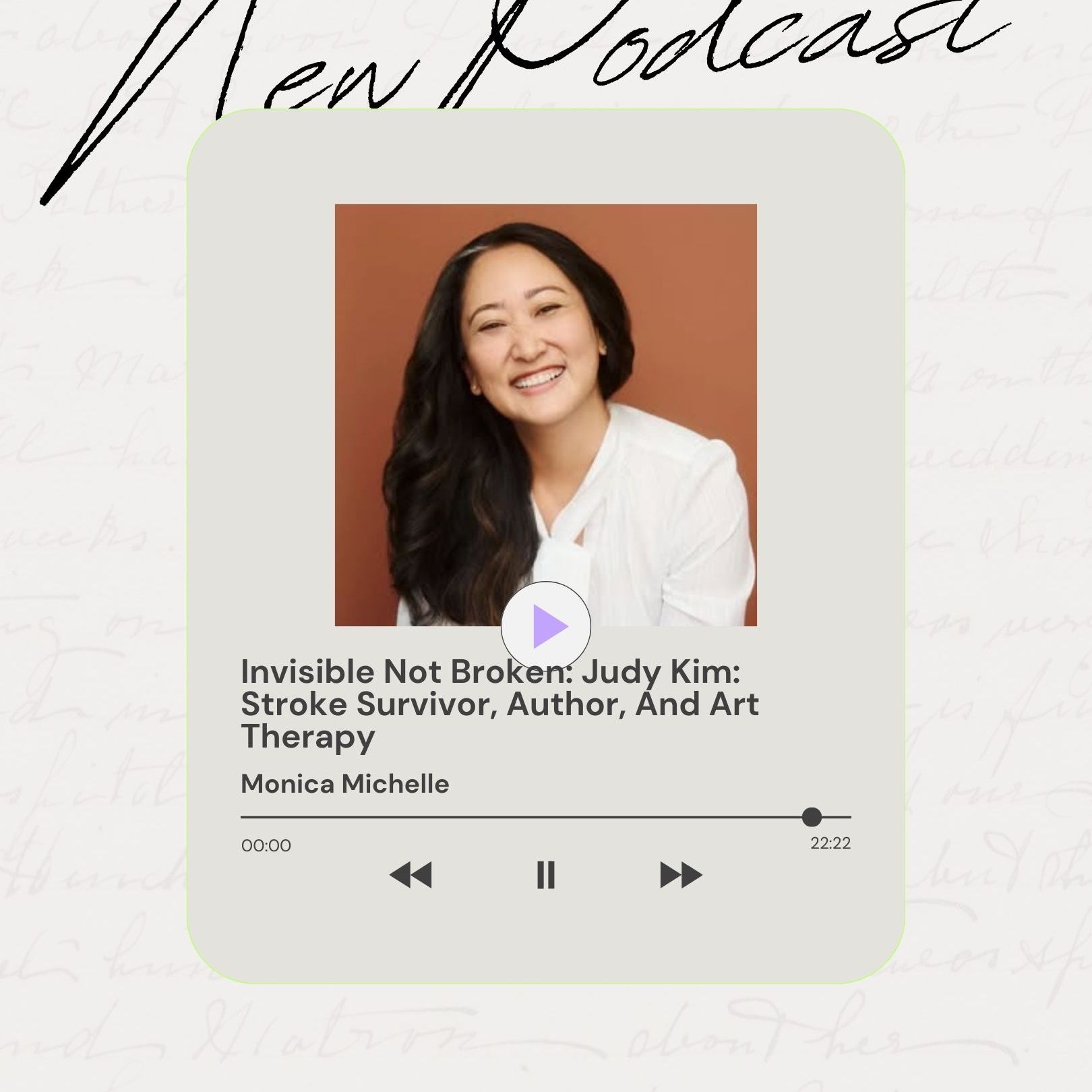 Judy Kim: Stroke, Author, Art Therapy 29.06.2026 48min🌈 Ever had a moment where your life changed in an instant? 🌀 Judy Kim shares her powerful story of surviving a stroke and how it inspired her to write "Super Survivor." Her journey highlights the importance of sharing our stories and supporting one another. What’s a pivotal moment in your life that shaped who you are today? Drop your thoughts! #LifeChangingMoments #SuperSurvivor #Podcast #Community #Support #InvisibleNotBroken #JudyKim #ShareYourStory #Resilience #Empowerment
 -
 Faye: Patient Advocacy, Disability Magazine, Safe Spaces, and Art Vs Generative AI 01.07.2026 36minSummaryFaye Perez discusses her journey into independent patient advocacy, the importance of community support for those with chronic illnesses, and the launch of her new magazine, the Good News Gazette. The discussion highlights the need for safe spaces in healthcare, the role of art in healing, and the impact of generative AI on creativity. Faye emphasizes the significance of lifting each other up and fostering a supportive community for individuals navigating the complexities of chronic illness and disability.Chapters00:00 Reconnecting with Faye: New Beginnings02:49 The Role of Independent Patient Advocacy05:57 Navigating the Healthcare System08:49 Creating Safe Spaces for Patients11:46 The Butterfly Guild: Affordable Advocacy Services14:34 The Good News Gazette: A Positive Spin17:46 Reflections on Society and Healthcare18:54 Creating Joy Through Community and Art20:41 Surprising Artistic Talents in the Community22:26 The Importance of Real Art Over AI23:57 Embracing Age and Authenticity25:49 The Role of Universal Income in Supporting Artists27:42 The Value of Community in the Disability Space29:44 The Need for Societal Support for Artists32:06 The Uniqueness of Human Creativity33:48 The Impact of Stories and Community36:08 Building a Supportive Community for All
 -
 The Blind Redhead: Tech, Access, Gaming, and Social Media Community 27.03.2026 55minEver had that moment where a piece of tech or a daily habit just… clicked? 🧠✨We’re diving deep into the world of Accidentally Accessible—those "mainstream" tools that have become game-changers for the blind and low-vision community. From the immersive audio of the Apple Vision Pro to the freedom of a Waymo ride, the line between "assistive tech" and "future tech" is blurring. 🚗💨But wellness isn’t just about the gadgets. It’s about the things no one thinks about: 🔹 Navigating an airport solo as a woman ✈️ 🔹 The "Tuned Out Tuesday" ritual for mental clarity 🧘♀️ 🔹 Why Guide Dogs loving the movie Wicked is the wholesome content we need 🐕🎭Whether you're looking for your next favorite Apple Shortcut or wondering if a Kickstrand is worth the hype, we’ve got you covered.🎧 Listen to the latest episode of Invisible Not Broken now! Click the Bard Link in our bio to stream! 🔗👇 WE WANT TO KNOW: 1️⃣ What is one thing you wish was "accidentally accessible" in your daily life? 2️⃣ What’s your #1 "must-have" travel tool?
 -
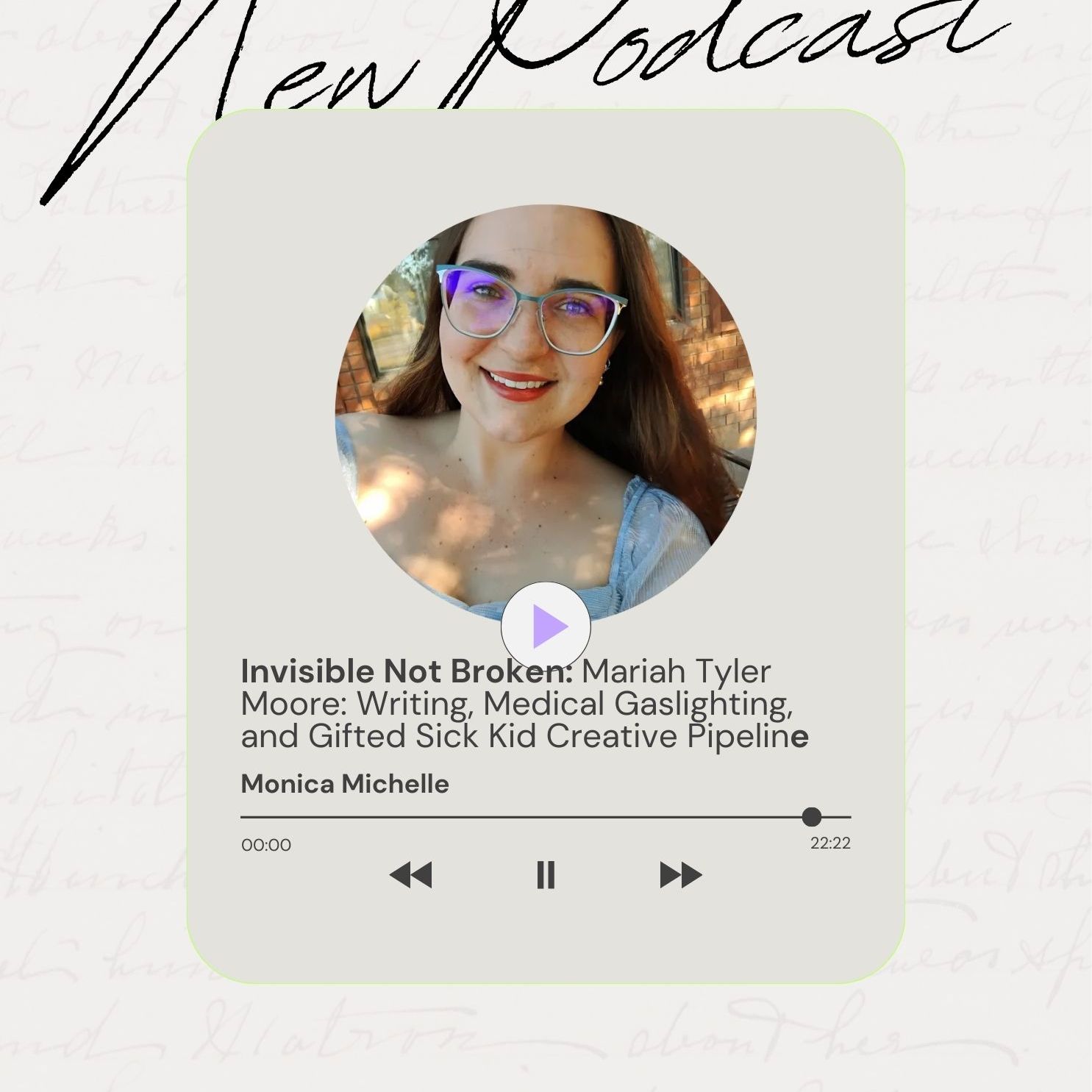 Mariah Tyler Moore: Writing, and Medical Gaslighting 22.04.2026 58minThe conversation delves into the challenges of navigating childhood illness, the impact of medical gaslighting during adolescence, and the importance of advocating for oneself in the medical system. It also explores the impact of disability on work and housing, the role of writing as a coping mechanism and productivity, and the value of disabled voices in healthcare. The conversation delves into the importance of authenticity and the challenges of empathy and compassion in society. It also explores the role of AI in creativity and ethics, as well as the concept of creativity as a practice.TakeawaysCreativity as a coping mechanismNavigating the challenges of being a sick childAdvocating for oneself in the medical system Authenticity ParadoxRadical ResilienceChapters00:00 Navigating Childhood Illness07:00 The Impact of Disability on Work and Housing15:36 Writing as a Coping Mechanism and Productivity29:27 The Value of Disabled Voices in Healthcare41:06 The Role of AI in Creativity and Ethics56:18 Creativity as a Practice
 -
 Miranda: Disability Representation From Superman to Kpop Demon Hunter 18.03.2026 59minThe conversation covers disability representation in media, the impact of disability on character development, personal stories and relationships, magic and disability representation, tropes and lazy use of magic, and the portrayal of disability in 'The Magicians' and 'Doctor Who'. The speakers discuss the need for more authentic and diverse representation of disability in media, as well as the challenges and opportunities in character development for individuals with disabilities. The conversation delves into the challenges of disability representation in media, highlighting the impact and complexity of portraying disabled characters. It also explores the importance of intentionality in representation and the need to humanize characters with disabilities. The conversation delves into the power of media representation and its role in normalizing disability, as well as the importance of creativity as a skill. It also explores the significance of disability representation in animation and the responsibility of creators in getting it right.TakeawaysDisability representation in mediaImpact of disability on character development Representation challengesImpact of disability representationComplexity of disability representation Media as a Tool for NormalizationCreativity as a SkillChapters00:00 The Magicians and Doctor Who32:27 Intentionality in Representation38:29 The Power of Media Representation49:27 The Importance of Creativity59:09 Animation and Disability Representation
 -
 Chronic Migraine Interview With Kevan From Made In California {Chronic Illness Podcast} 27.03.2018 1t 5minDon't Forget To Share & Subscribe Sign up with your email address to receive news and updates. Email Address Sign Up We respect your privacy. Thank you! An interview with Kevan, the owner of Made In California who suffers from chronic migraines.This week is near and dear to my heart, chronic migraines are not unknown in my house.We really went into the weeds on what it is like to being a student, female, and having an invisible and chronic illness. I really would love for more teachers and educators to listen there is a lot in here about things a child with chronic illness deal with. We also discussed isolation and chronic illness, technology and chronic illness, medical marijuana and migraines, pugs and other support and snorting animals, and the inspiration behind Kevan's business Made In California Made In CaliforniaWhen your chronic illness really and literally is ALL in your headMigraines from age 5what it’s like to have head pain all daySome of the things a migraine contains not including headachesWhat Can Trigger a Migraine: Trigger: sensory overload, weather, chemicals, foodsWhen chemicals and chemical scents trigger migraines and you can’t have scented products….start a business and MAKE IT BETTERI will be ordering sooo many of these how can you beat the name? Naked and Unlaid?Entrepreneurs and chronic illnessTechnology, chronic illness, and life opening benefitsLiving your life finding out what is still possible in your life and in the boundaries of your illness and finding a purposeChronic illness and isolation (think Yellow Wallpaper English majors)Social media and finding your chronic illness communitySchooling impact on chronically ill childrenthe life and mental saving benefits of pugsChoosing other paths than western medicine (We are NOT doctors don’t sue us, ask your medical professional for advice)Medical Medium (Link)Medical Marijuana, other herbs, and nutrition (which can mean salty fries and milkshake) for migrainesRiki Lake documentary Weed The People Hosted on Acast. See acast.com/privacy for more information.
 -
 Tisha Foster: Glamour, Motherhood, Faith, and Chronic Illness 09.01.2025 53minSummaryIn this conversation, Tisha shares her journey of living with chronic illness, emphasizing the importance of gratitude, community support, and the struggles of public perception. She discusses her experiences with autoimmune disorders, the challenges of diagnosis, and how she has reframed her relationship with her illness, focusing on empowerment rather than battle. In this conversation, the speaker shares their experiences of parenting with a disability, discussing the challenges of communicating their condition to their children and the emotional toll it takes on family dynamics. They explore the journey of finding purpose while being bedbound and the therapeutic process of writing a book about their experiences. The discussion emphasizes the importance of support systems, the need for understanding in educational settings, and the resilience required to navigate life with a disability.TakeawaysGratitude can be a powerful tool for coping with chronic illness.Public perception often overlooks the struggles of those with invisible illnesses.Community support plays a crucial role in mental health and resilience.The journey to diagnosis can be long and fraught with challenges.Reframing the narrative around illness can lead to empowerment.It's important to check in on loved ones, even those who seem happy.Sharing personal stories can help others feel less alone.Wearing heels can be a form of self-expression and empowerment.Language matters when discussing illness and identity.Writing can be a therapeutic way to share one's journey. Talking to children about disabilities requires different approaches based on their age.The emotional impact of a parent's illness can lead to complex family dynamics.Creating a game out of challenges can help children cope with difficult situations.Parents often feel guilt for not being able to participate in typical activities with their children.Support from family and friends is crucial when dealing with chronic illness.Living with a disability can lead to feelings of isolation and despair.Finding purpose and joy in life, even from bed, is possible.Writing about personal experiences can be a healing process.It's important to advocate for accessibility in schools and public spaces.Resilience and community support are key to thriving despite adversity.Keywordsgratitude, chronic illness, public perception, diagnosis journey, living with illness, mental health, autoimmune disorders, personal stories, resilience, community support, disability, parenting, mental health, communication, writing, resilience, family dynamics, bedbound life, emotional support, personal journey Hosted on Acast. See acast.com/privacy for more information.
 -
 Author of “From the Sidelines to the Finish Line”: Emily Falcon 20.11.2023 36minMonica Michelle is joined by author Emily Falcon.Emily lives with ALCAPA.In this episode, Monica and Emily discuss: Growing up sickPost-surgery supportHaving a public bodySelf-motivation and adventuringTIMESTAMPS00:28 - Being a sick kid & Emily’s book title07:28 - Mortality10:16 - Portrayal of disability in media12:21 - Post-surgery support19:23 - Having a public body23:43 - Self-motivation29:46 - Emily’s tips for adventuresThe full transcript and all links mentioned can be found on the episode page on invisiblenotbroken.com Hosted on Acast. See acast.com/privacy for more information.
 -
 (HumanCare podcast) How to Live Unapologetically with Chronic Illness: Lauren Freedman 23.03.2020 1t 9minYou are subject to change and that’s ok. You’re allowed to make a decision and then change your mind. Its about constant evolution. Be open to that within ourselves and in other people. In order to have good relationships you have to be able to grow with people. - Lauren Freedman➡️ visit https://uninvisiblepod.com/@uninvisiblepodWhat is @uninvisiblepod???An award-winning podcast about invisible conditions and chronic invisible illness, featuring interviews with survivors, their loved ones, advocates, and experts in varied healing modalities, from medical to holistic. Hosted by Lauren Freedman, a voice actor, writer, and activist, who lives with depression, anxiety, Hashimoto’s disease, and sleep disorders, Uninvisible uncovers real stories of survival and humanity – complete with laughter. In truth and with candor, we offer solutions – and challenge the world to change.----Talking Points· Her story, starting with anxiety and depression, panic attacks at a young age,· Diagnosed with OCD after 9/11· Used CBT to find a way through the dark· Career shifts· Finding a doctor who would listen…· Diagnosed with Hashimoto’s· Given permission to NOT see a “Top Doc”· Sleep medicine and apnea· Learning and growing from the community through podcasting· Podcasting has been key to her healing· Privilege and diversity in medicine· “Bravery” – double-edged sword· “Living your life unapologetically is brave – I don’t care who you are”· Trying to do something every day· Not getting lost in “symptom porn”· Reaching out, knowing you’re not alone· Connecting with people when you normally stay silent· Listening to other’s stories· Boundaries and worth· Perfectionism vs positivity· Change, adaptation and a mindset shift· Identity crisis – am I my illness or am I me?· Being different is BRAVE.· Find what makes you hopeful.· “it’s not your choice to be overwhelmed. It is your choice to stay overwhelmed”· “You’re not the only person in bed. In pain. Worried. We don’t have to stay lonely.”· How the “conversation” is changing· Permission to speak =) SHARE 😍RATE & REVIEW 👍 (Disclaimer: all content based on personal experience and research and should not be taken as medical advice) 👉PLEASE SUPPORT US ON PATREON <3 👉#Wellspo Weekly Newsletter! Sign up here or here 👉 Find your ideal integrative practitioners on Wellacopia.com 👉 Check out more episodes like this on Invisible Not Broken 👉 Read and watch more content (or submit your own) on the #Wellspo blog Hosted on Acast. See acast.com/privacy for more information.
 -
 The Lived Experience of Racism & Advocacy From an Incidental Activist: Tinu Abayomi-Paul 23.01.2023 50minMonica Michelle is joined by disability activist and founder of Everywhere Accessible, Tinu Abayomi-Paul, creator of the popular hashtag #EverywhereAccessible. She is a survivor of Cancer and Chronic Pain, and she is a black woman. *This episode was recorded back in 2020 but is still very topical today. In this episode, Monica and Tinu discuss:Affirmative Action: The Guidelines address what appears to be a conflict between the statutory prohibition against considering race, sex, and national origin in making employment decisions, and the need, often through affirmative action, to eliminate discrimination and to correct the effects of prior discrimination. First Nation Missing Girls & Laws / Father of GynecologyAdviceBe clear, ask with an idea in mindHow to use and share your privilege to leverage helpHow do we give people the rodCompany ActivismColor BlindnessHow to amplify inclusion ridersWhat we can do to push the Black Voice forward: Create a day on the 13th to support Black artists, makers, and storytellers. On the 13th, companies should take the time to listen to their workers about what is needed within their companies.Use Your Local LibraryGetting Medical & Mental Help while BlackHow Tech Workers can helpA Day for Black money to Black artistsDisability Access and Political ActivismThe full transcript and all links mentioned can be found on the episode page on invisiblenotbroken.com Thank you and enjoy! Hosted on Acast. See acast.com/privacy for more information.
 -
 (Explicitly Sick) The Magicians My Favorite SyFy Show Disability, Chronic Illness, and Addiction: With Lisa Sniderman: Spoilers 22.07.2020 55minHOW TO THRIVE SUMMITGet into touch with LisaSuicide Hotline1-800-273-8255Sexual Assault Hotline1-800-656-4673The Magicians(Explicitly Sick) How to Thrive With Chronic Illness and Limited Energy Summit: Lisa Sniderman*Please DO NOT listen if you have not watched through season 5 of The Magicians! We jump right into the biggest gag of the entire show in the first 5 minutes. GO WATCH the show 1-4 is on Netflix. I have watched the show all the way through 5 times.The Magicians is sort of if Harry Potter went to graduate school and discovered acid. It is one of my favorite shows for how disability (disabled characters are largely played by actors who have the disability), addiction, depression, and life after sexual assault.As a writer I revisit this show over and over to get character development and dialog correct. Shock of shocks I found Lisa LOVES the show as well.Next in the series of chronic illness and disability in popular culture we are going to talk about Westworld. If you want to watch along that should come out in August. Comment below if you have a series you would like us to cover. Good or bad.FULL TRANSCRIPT IN SHOW NOTES ON https://invisiblenotbroken.com/explicitly-sick Hosted on Acast. See acast.com/privacy for more information.
 -
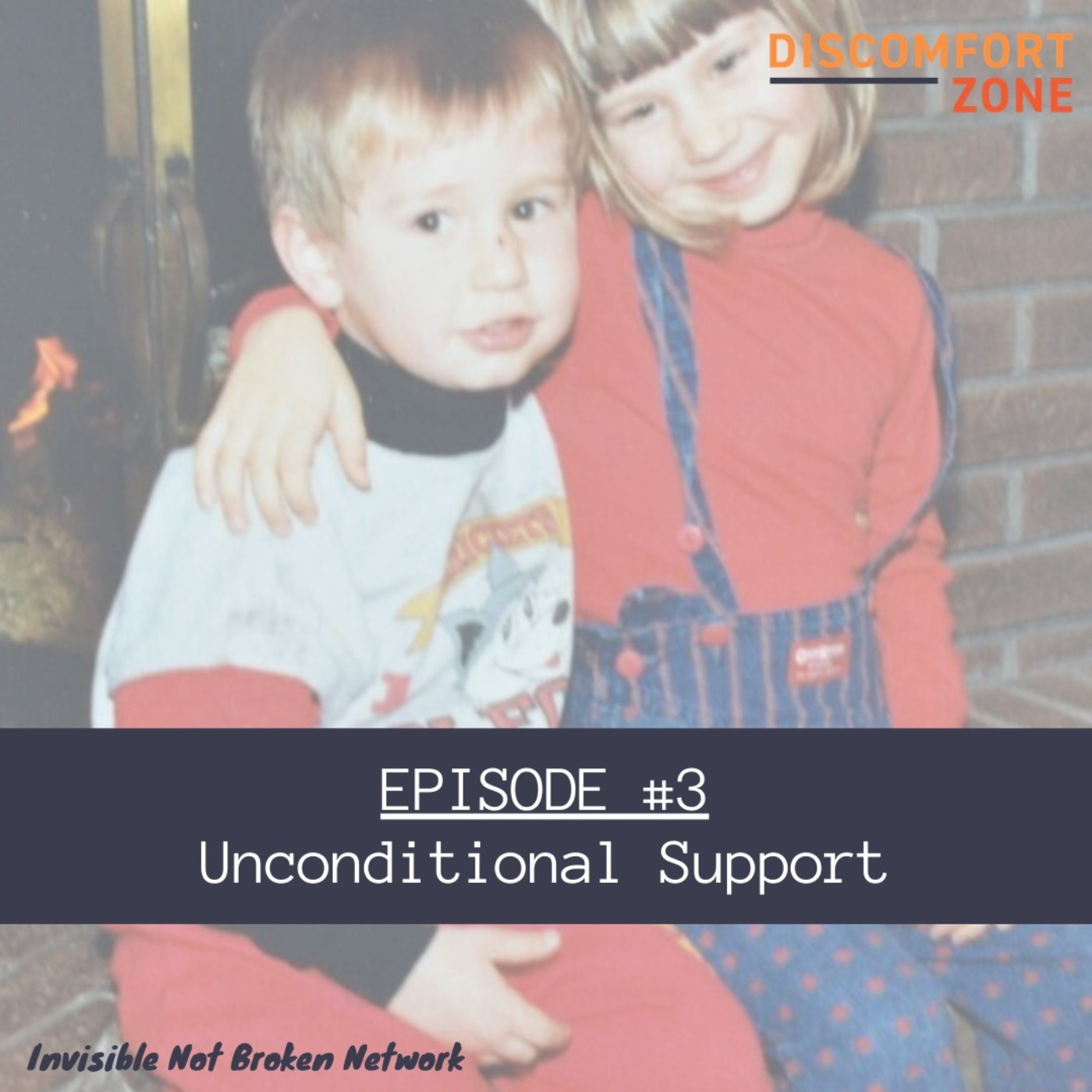 (Discomfort Zone podcast) Ep 3: Unconditional Love 10.07.2020 18minChronic pain tore my life apart...and brought my sister and me closer together.Follow me on Facebook, Instagram, and TwitterTRANSCRIPTLisa listened to episode 1 of the show right before sitting down with me for an interview.Jason: So what did you think of the episode?Lisa: I thought it was very well done. I thought it was very emotional and very raw, very real. I really enjoyed hearing it.Jason: I think that the voice acting in it was really good except for the paramedic. I feel like the person who just did that voice just kind of really sucked.clip from episode 1 Paramedic (Lisa): Sir are you OK? Do you need assistance?Lisa: I felt like she was very realistic and I would definitely hire her for a huge, big screen production as well. I am trying to find out who she is, but she did a really good job.clip from episode 1 Paramedic (Lisa): Wait what? What do you mean? Lisa mom and Jason laughingJason: I don't know but I disagree with you on that and I don't think that I'll ever be bringing her back on to the podcast.Discomfort Zone podcast episode 3: Lisa SEE LINK IN MY BIO * How chronic pain tore my life apart and brought my sister Lisa and I closer together 👦👧 * Lisa and I talk about the darker days of my illness, the impact my health has had on her, and our use of humour as a coping mechanism 🤒 💙 * #LivingWithPain #NPAW2019 #fibromyalgia #chronicillness #MECFS #CFSME #intractiblepain #spoonie #spoonielife #endthestigma #breakthestigma #itsokaynottobeokay #discomfortzone #depression #depressionlies #suicideprevention #mentalhealth #mentalhealthawareness #chronicpainwarrior #invisibleillness #chronicpainlife #chronicfatiguesyndrome #chronicfatigue #chronicillnessawareness #discomfortzone #anxiety #comfortzone #siblinglove #siblings #familyJason: Well we will have to agree to disagree. In general, how did my condition impact you when I was at my worst?Lisa: I actually felt guilty for going to work some days because I knew you were sick and I felt almost like I needed to be at home with you guys trying to help everyone. You and I were texting back and forth a lot and I would always try to check in with you, almost every day. I felt like part of my job as your sister was to touch base with you everyday and just remind you that we all love you and that we cared about youJason: I think you guys did an incredible job of that. Maybe it didn't seem like much for you guys at the time, but I would call you many evenings during the week right before bed. I'd be feeling my worst pain, the side effects of the medication would be kicking in and I would just feel like total crap. I would just call you and I'd be breaking down. Even if I left her phone call and I was still… What’s the right way to explain this…. Even if I wasn't fully calmed down, just having somebody to listen to me was incredibly helpful.Lisa: Yeah I think that's what you needed for a big part of it. I think all of us felt very helpless and I think mom and dad especially felt helpless in their only way of feeling like they could help you as through instrumental means, so providing you with proper care, providing you with means of comfort and food. That was how they were able to help. But I think from an emotional standpoint a lot of us had run out of options. There was no way of telling you that you just have to tough it out and to keep pushing, keep pushing forward and keep going on. It was hard to get you to do more than you were already doing on a daily basis. One example was when you were just walking upstairs, you wouldn't even come downstairs for a little while and the thought of trying to encourage you to go outside would not have even happened. So I think the main thing was just even to encourage you to maintain your current level of function and to prevent any future further deterioration. I think that was a big part of it.Lisa (right) at age 8 and Jason (left) at age 6 dressed in soccer uniforms for recreation league photo nightJason: Definitely. From an emotional standpoint, I think something that you really excelled at was just adding a little bit of humor to my life. So I'm not really sure if you were trying to be helpful or if you were just trying to be a jerk, but you'd come in, you'd pull off my socks and blow in my ears and just…just the image of you doing that to me when I don't have the energy to retaliate. Were you trying to help me out there or were you just trying to be mean?Lisa: So Jason and I always play this game called touched you last. I actually saw you being sick as an opportunity to win a small victory.Jason: Can you kind of explain what the game is?Lisa: It's pretty self-explanatory. But basically whenever you and I are saying goodbye to each other, whoever touches the other person last wins. So most families’ goodbyes revolve around hugging one another or shaking hands. Jason, you and I… it's almost like a game of tag and whoever touches the other person last is victorious. So I saw you being sick and as very kind of twisted opportunity for me to win a little something of my own every time I saw you. So that's why I blew in your ear or pulled off your sock because I knew you weren't going to be able to fight back and I knew I would win.Jason: But now how does it feel to lose at touched you last game every single time we play, now that I'm feeling a bit better?Lisa: So I have kept a tally of how many times I touched you.Jason: are you keeping score?Lisa: I'm gonna let you win a fair number. I'm still ahead. I'm trying to be nice and let you catch up a little bit here.Jason (left) and Lisa (right) wearing their triathlon uniforms after completing an Olympic distance triathlon in 2011. This was prior to the onset of my illnesses.Jason: now getting back to when I was really at my worst. I was just terrified that this downward spiral that I was in was just going to continue. It was out of control, my emotional state was not steady, I was in a constant state of fight or flight. During several of the conversations that I'd have with you, I would talk to you about my suicidal ideation. I'd say, ‘I don't know how much longer I can do this for. Just being running out of steam with everything. What was that like for you and were you afraid that you were going to lose me?Lisa: That was terrifying for me and for all of us. At some point we were seriously concerned about your safety, so we brought you to the emergency room. They sent us to a mental health hospital emergency room after we had waited for a little while. We brought you there because we were seriously concerned that you were going to attempt suicide. We even kept all your medication separate and away from you. Mom would dispense you your daily dosage of pills only one day at a time. At some point she decided that it was too risky to keep all those medications in your room. But yeah I was. It was terrifying, we all felt super helpless… There is no other worse feeling that I can imagine or that I've gone through than seeing a loved one who's like that mentally ill. You’re not able to do anything except tell them that you love them and that you're there for them, try to support them and give them things to think about. To realize that they do have value in your life and in other people's life.Jason: Having the support of family and friends for me really meant everything because, the way I felt at the time, was that I was draining the energy out of mom and dad. I could see the effect that that my condition had on them and I was boxed in. Just for my listeners, I was basically boxed away in my room for the majority of a year and a half straight. I just felt so disconnected from anything productive that it was really like what is the purpose for me to be here. But having a supportive family and friends just really meant everything. You know at that time I was questioning like yeah, what is my value in the world? But when I had all those family and friends that were constantly coming and spending time with me despite my state that was like Whoa I guess I am worth something.Lisa: and Jason, you have a ton of friends who continue to see you from both high school and from university all the way all the way through your illness. I think that played a huge role in keeping your spirits somewhat up and I think having that tight knit circle of friends prevented you from going down that pathway of actually following through on any suicidal ideation. I think had you not had those friends … I don't know, I don't even want to think about how things could have turned out. But I think one of your one of your qualities that I appreciate the most is your sense of humor. I remember you could be crying your eyes out one moment or biting onto a towel or face cloth just because you're in so much pain with tears streaming down your cheeks, and the next minute, you would think about a funny joke or a pun that you had read online. You would be telling me one liners and I found that seemed to even bring your own spirits up too and you felt accomplished when you were able to make other people laugh and I think that probably helped as well.Jason: Thank you for that. I think that that kind of added to it because nobody was expecting me to tell a joke. So when I would tell them it would catch people off guard. I remember I had a friend who was in the room, her name was Molly, she was just asking me about my day and I could only whisper at the time so I was just like, ‘oh it was really shitty, I saw a nurse. She really got under my skin.’ And Molly just looked at me like really concerned. And she's like, ‘Oh no. What did she do? I was just like, ‘Well how else was she supposed to get the blood of me?’ It would really catch people off guard.Lisa: But yeah I think everyone appreciate your one liners.Jason: Thank you. I mean some of them were pretty shitty.Lisa: they were good.Lisa (left) wearing a plaid scarf, black winter coat, and blue hat and Jason (right) wearing a green toque and blue winter coat. They’re out for a walk in West Deane Park and are both smiling.Jason: Do you have any advice for other families that are going through similar crises that we were in?Lisa: I would say just keep reminding your family member how much you love them every single day and don't let them forget that. Our family was not a super affectionate or loving family. Growing up, we all loved each other, but that wasn't something that we necessarily communicated all the time. And I think Jason, you being sick brought that out a lot more. I feel like we are closer as a family now and we're definitely more affectionate. But I think that's super important to make sure that the person who's sick knows that their family does love them and does care about them and that they just feel that unconditional love. I think that keeping a very open mind, finding the right health care team to support you and not necessarily jumping around from doctor to doctor to doctor to doctor. Find somebody who has experience dealing with that condition. Find whoever the top of the top of the field is. You found that at a rehab hospital in Toronto. I felt like your interaction with that doctor and physiotherapist was really the turning point in your health. I feel like the message that he conveyed to you was the first positive message that you received from the health care professional in probably five years. I think that made a huge difference. So the way in which you say something to a patient, family member, or friend, it's not just what you're saying but it's also how you say it. Coming from a doctor a position of authority, those people in particular have a lot of power to alter the outcomes of the patients who really need that help.Jason: Definitely. And just something that I would add onto the end of that: even if you are showing affection towards that person who is suffering. Even if they don't seem to be responding to it, don’t take that as a sign that you should stop.Lisa: Yeah. Makes sense.Jason: Anyways. Karl and Claire are here. So I think that this is the end of the interview. Perfect timing because we basically just finished. But yeah thank you for coming on.Lisa: Yeah. No problem.Jason: OK.Lisa: wait what?Jason: touched you last. Wait what?Lisa: wait what?Jason: wait what?CREDITSProduced by: Jason HerterichSound design by: Jason HerterichAudio engineering by: Justin MaradinExternal Consulting by: Dan SamoshLINKSLisa’s websiteDepression resourcesThe National Suicide Prevention Lifeline or call 1-800-273-8255 (1800-273-TALK)The Crisis Text Line 7 Cups of Tea An anonymous, 24-hour chat with trained professionals Hosted on Acast. See acast.com/privacy for more information.
 -
 Being A Teenager With Chronic Illness, NMO, Depression, ME, Homeschool , and Chronic Pain 08.08.2018 1t 4minJoin the Dark (Humor) Side Sign Up For Our VERY Infrequent Newsletter Sign up with your email address to receive news and updates. Email Address Sign Up We respect your privacy. Thank you! LinksMore Than A Spoonie BlogYoung People With Chronic IllnessAudibleAdam Ruins EverythingUniqlo Bras and Bra TopsVictoria JacksonFavorite Podcasts SickBoyStuff You Missed in History ClassLoreJoe RoganDeal With ItMyths and History What is your disorder? *Neuromyelitis optica, depression, adrenal insufficiency. Nmo is similar to MSAt what age did your disorder become a daily issue? *4Who were you before your illness became debilitating? *A funny sarcastic independent little girlWhat would you do if you were not dealing with your invisible illness? *I would’ve been finishing high schoolWhat would you like people to know about your daily life? *Everything is exhausting.What would make living and moving in the world easier for you? *Better options to help relieve symptomsDo you have any life hacks? *Yes! 1. water bottles 2. towels dressing gown 3. homeschoolingWhat kind of support do you get from family or friends? *I Need a full-time carer...to make me food and everything because I’m in bed all the time. My friends also help by treating me normally but also getting it.Have you ever had someone not believe you have an invisible illness because of your appearance and if so are there any examples that stand out? *I can’t remember an example. But people are always very impressed thanks blind because I manage wellHow has your invisible illness affected your relationships? *I don’t get to spend very much time with my family. But it makes the time we do more valuable, the dynamics of my relationship with my parents and brother are very interesting. They each go above and beyond for me. But don’t see me as broken. They see me as me.Is there anything you are afraid to tell people in your life? *That I often blame/doubt myself. Sometimes I worry I’m not trying hard enough. I compare myself.Does the fact that your disease is invisible change how healthcare professionals treat you? *No. I’m very lucky to have had the same team since I was 4, when they didn't doubt me. But I imagine if I were to be newly diagnosed now they would suspect it’s for attention and stuff.What is your best coping mechanism? *PODCASTS! I love them sooooo much n it’s an effortless distraction. I listen to so many that I can’t catch up 😂What are you the most concerned about and the hopeful for in the future? *I’m scared I’ll be this way forever. That there will not be improvements. I have so many new and adapted plans in my head. But everything is “when I’m better”. I have hope at the same time that I can improve. I’m currently looking into more holistic options.What is your favorite swear word?ShitIs there anything you want to make sure we talk about during the interview? Like an organization you want to promote or something specific that you deal with.How this affects my mental health, and of course my work as a patient advocate.What is the hardest and/or best lesson your condition has taught you?The hardest AND best lesson is that things change. Like things changed in a bad way when I got sicker. But they have also changed in good ways when I’ve overcome rough times. I like to tell my peers that this won’t last forever. Because this exact moment won’t. Your perspective changes all of the time. More experiences mean more wisdom more strength. They may get worse, so this crap time is actually a good one but they also could get better.What is the best purchase under $100 that helped your lifeMy heated blanket! It’s like a full body heating pad. Only about £25 amazon. Hosted on Acast. See acast.com/privacy for more information.
Samankaltaiset podcastit


Suosittu maassa
Tämä podcast esiintyy myös näiden maiden podcast-listoilla.
