
Cinema Callback
Cinema Callback
0
Cinema Callback is a film podcast conducted entirely through WhatsApp voice notes. Hosts Andy and Michael, two lifelong movie fans from Ireland, exchange weekly messages about cult classics, hidden gems, and new releases. They cover genres from horror to noir, indie films to blockbusters. The show offers an honest, playful take on cinema.
Jaksot
-
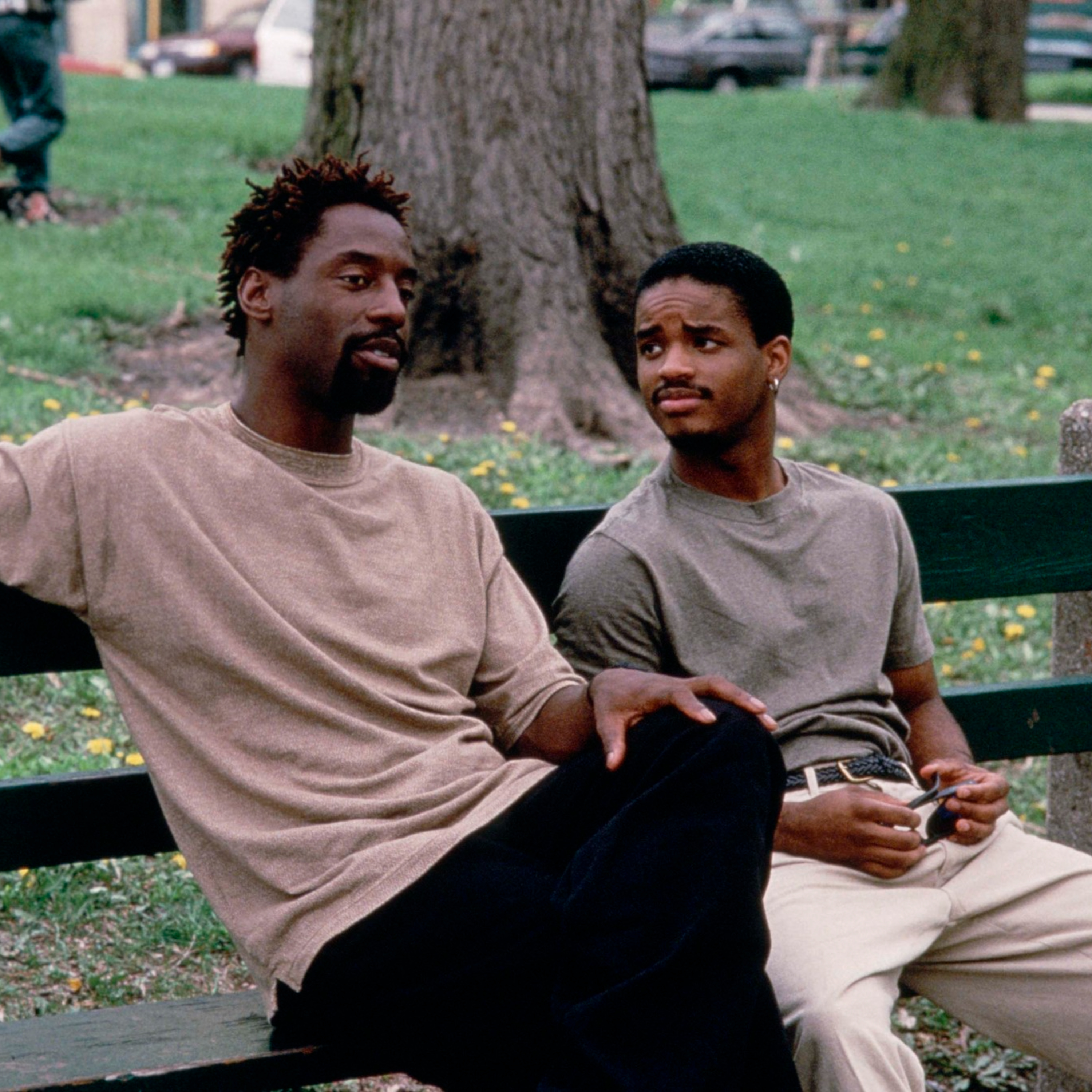 Love Jones (1997) - The Criterion Series 16.09.2026 1t 5minAs part of Cinema Callback’s Criterion Collection series, Andy and Michael take a deep dive into Theodore Witcher’s 1997 cult classic Love Jones, a soulful romantic drama powered by the sizzling energy and chemistry between Larenz Tate and Nia Long.Through the show’s signature voice note conversation format, the hosts explore the relationship between aspiring writer Darius and photographer Nina, two young artists whose attraction feels immediate but whose path towards something more meaningful is complicated by pride, uncertainty, jealousy, and bad timing. Rather than forcing its characters into familiar romantic archetypes, Love Jones allows them to feel messy, contradictory, and remarkably authentic.The conversation also explores the film’s distinctive portrayal of the Black experience within the poetry, jazz, art, and nightlife subcultures of 1990s Chicago. Andy and Michael discuss the almost sensory quality of Witcher’s filmmaking, creating a world that feels as though you can touch and smell it, and how the city, music, clubs, apartments, friendships, and creative spaces become essential to the romance itself.Looking at Love Jones alongside other Gen X landmarks such as Singles, Reality Bites, and Jerry Maguire, the hosts consider how perfectly the film captures a particular moment in the 1990s while somehow remaining endlessly fresh. There is nostalgia in returning to this world, but the emotional uncertainty of its characters and the chemistry between Tate and Long prevent it from ever feeling trapped in its decade.Andy and Michael also reflect on the remarkable fact that Love Jones was Theodore Witcher’s directorial debut and remains his only feature film. What could have been simply another romantic drama instead became a genuine hidden gem, gradually developing a devoted following and eventually earning recognition within the Criterion Collection.Join Andy and Michael for another Cinema Callback: Criterion Collection deep dive into the sizzling chemistry, character authenticity, ’90s atmosphere, and soulful filmmaking that make Love Jones one of the great overlooked romantic dramas of its generation.Enjoying the conversation?Support Cinema Callback on Patreon for bonus content, exclusive extras, and to help us continue making in depth film discussions through our unique voice note format.Patreon: Cinema Callback on Patreon
 -
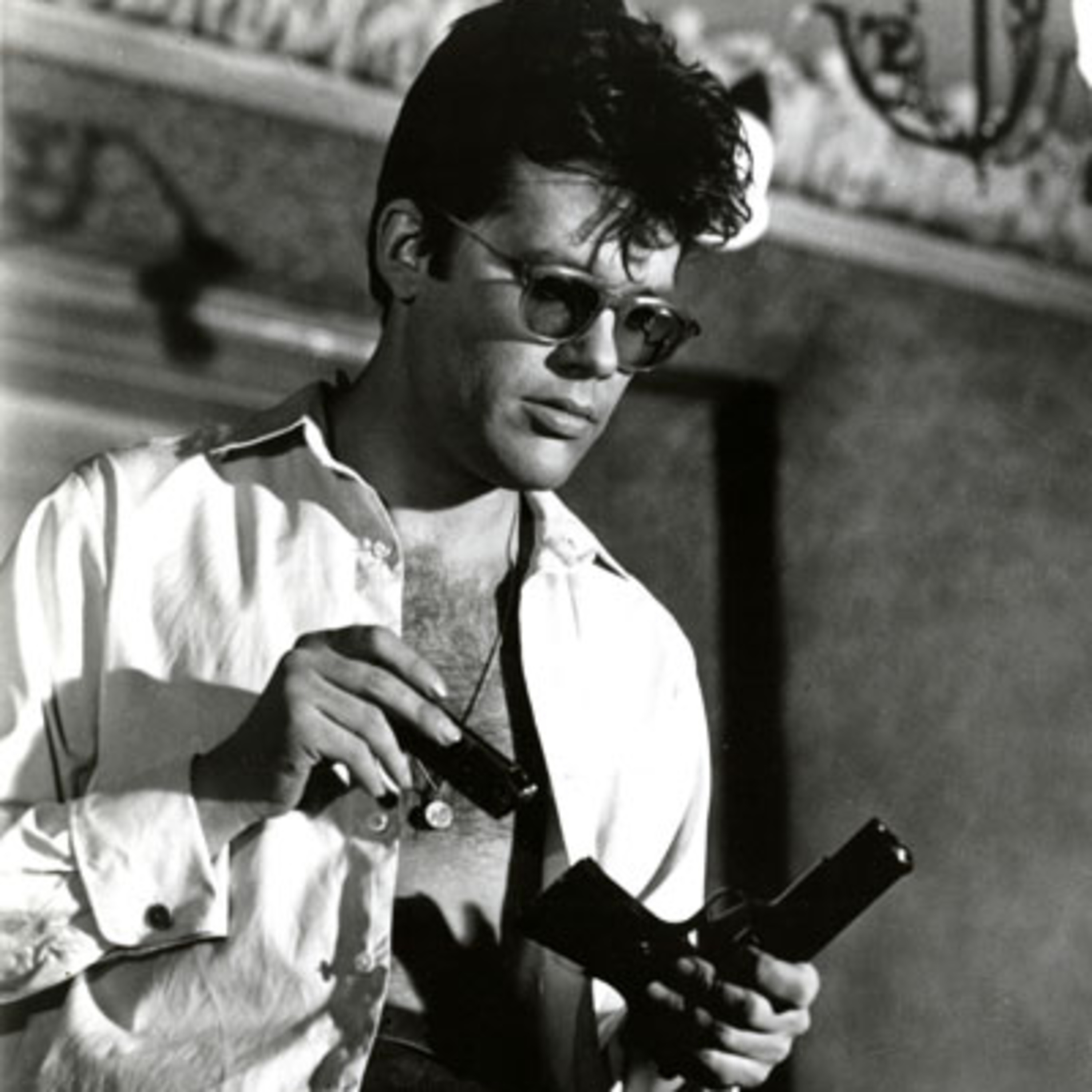 Ashes and Diamonds (1958) - The Criterion Series 09.09.2026 55minAs part of Cinema Callback’s Criterion Collection series, Andy and Michael take a deep dive into Andrzej Wajda’s Ashes and Diamonds (1958), one of the defining films of postwar Polish cinema. Through the show’s signature voice note conversation format, the hosts explore a film whose personal drama is inseparable from the complicated political history surrounding it.Originally watched as part of a week spent exploring films from the Criterion Collection, Ashes and Diamonds proves to be one of the most challenging discussions of the project. Set immediately after the end of the Second World War, the film follows a young resistance fighter tasked with assassinating a Communist official as Poland finds itself caught between nationalist resistance and an emerging Soviet backed government.Andy and Michael openly discuss the gaps in their own knowledge of Polish history and how that affected their experience of the film, from initially misreading certain characters to struggling with some of the ideological divisions driving the story. The conversation becomes an exploration of what happens when we encounter a film deeply rooted in a history and culture that we do not completely understand.At the centre of the film is Zbigniew Cybulski’s charismatic performance as Maciek, the conflicted young assassin whose look and screen presence famously drew comparisons with James Dean. Andy and Michael discuss how Cybulski provides an emotional route into the film, embodying a generation emerging from one war only to find itself caught immediately in another struggle over Poland’s future.Across their voice note exchanges, they also explore Wajda’s extraordinary filmmaking, from the striking deep focus photography and symbolic compositions to individual images that reveal why Ashes and Diamonds became such an influential work. They discuss its lasting impact on filmmakers including Martin Scorsese and how its visual storytelling can remain immediately powerful even when some of its political nuances prove harder to penetrate.Ultimately, the discussion raises a larger question about watching world cinema: how much historical context do we need to truly understand a film? Can performance, imagery, and filmmaking transcend those gaps, or are there some works whose deepest layers only become accessible when we understand the history that produced them?Join Andy and Michael for another Cinema Callback: Criterion Collection deep dive into a technically extraordinary, historically complex film and the challenges and rewards of encountering cinema outside your own cultural experience.Enjoying the conversation?Support Cinema Callback on Patreon for bonus content, exclusive extras, and to help us continue making in depth film discussions through our unique voice note format.Patreon: https://www.patreon.com/c/CinemaCallback
 -
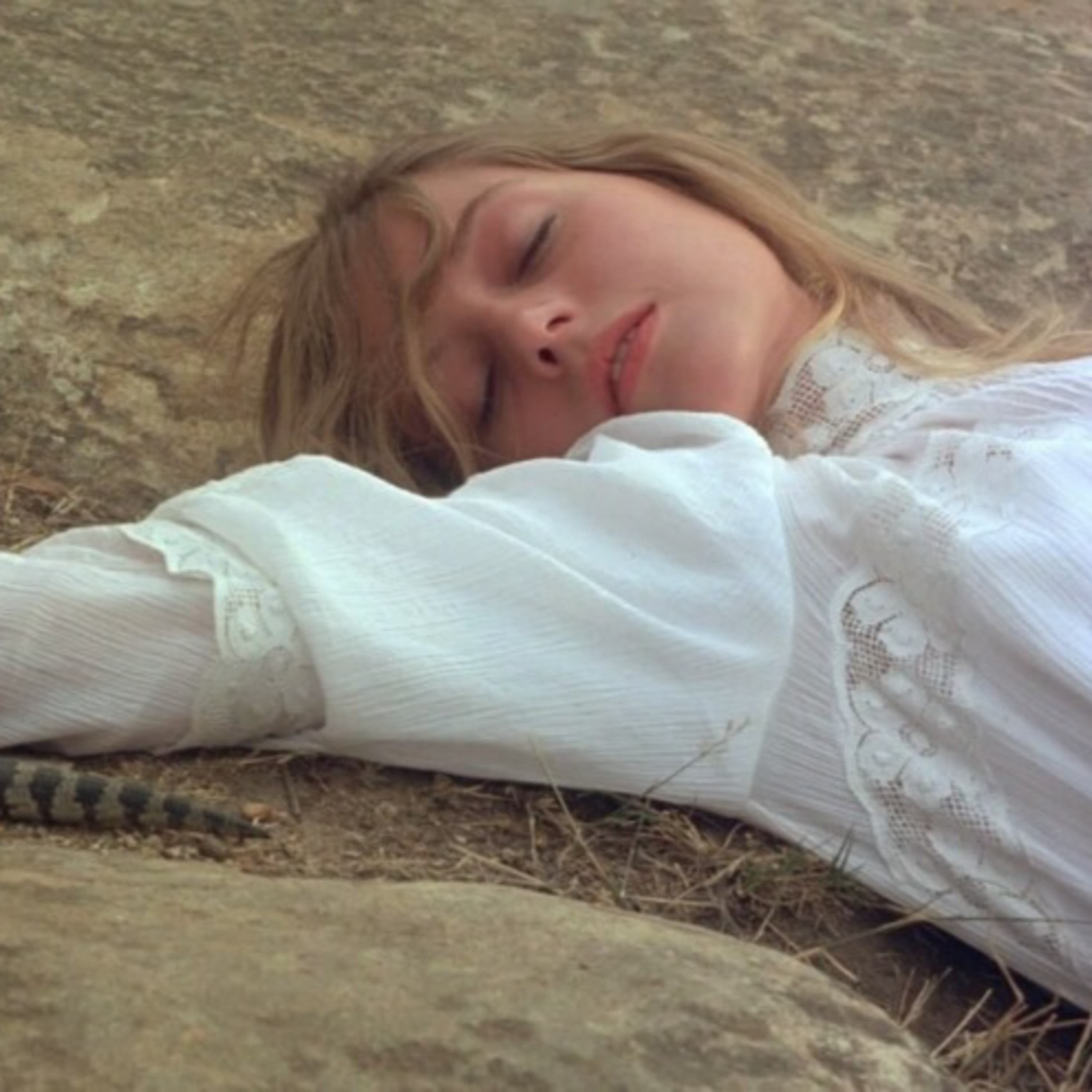 Picnic at Hanging Rock (1975) - The Criterion Series 02.09.2026 1t 6minSpoiler Warning: This episode contains full spoilers for Picnic at Hanging Rock.Criterion Week continues on Cinema Callback as Andy and Michael take a deep dive into Peter Weir’s 1975 cult classic Picnic at Hanging Rock, revisiting a film once dismissed as a boring teenage memory and discovering instead a remarkable piece of atmospheric horror.Through the show’s signature voice note conversation format, the hosts explore the central mystery of the schoolgirls who vanish during a trip into the Australian bush and the film’s striking refusal to offer closure. Rather than building its story around solving the disappearance, Picnic at Hanging Rock strips the mystery back, allowing atmosphere, sound, landscape, and unanswered questions to become more important than conventional plot.Across their voice note exchanges, Andy and Michael discuss the extraordinary sound design and cinematography that transform Hanging Rock into an almost otherworldly presence. There is a sense of cosmic horror to the landscape, as though the characters have encountered something ancient and fundamentally beyond their understanding. The conversation explores ideas of beauty and innocence, the sublime nature of the rock itself, and the cultural clash between the rigid traditions of colonial British society and an Australian landscape that existed long before them.They also examine the differences between the theatrical version and Peter Weir’s shorter Director’s Cut, asking whether removing material actually strengthens the film by making its mysteries even more elusive. Rather than providing answers, the film seems determined to leave gaps that the audience can never completely fill.The conversation considers the film’s remarkable legacy and draws connections with later works such as The Leftovers and Longlegs, stories similarly fascinated by unexplained events and the psychological consequences of living without answers. Is Picnic at Hanging Rock primarily a mystery, a horror film, a meditation on trauma, or something deliberately impossible to categorise?Whether viewed as an extraordinary early calling card for Peter Weir or as a profound exploration of the human need to make sense of the unknowable, Andy and Michael tease out why the mystery of Hanging Rock continues to haunt audiences more than fifty years later.Enjoying the conversation?Support Cinema Callback on Patreon for bonus content, exclusive extras, and to help us continue making in depth film discussions through our unique voice note format.Patreon: https://www.patreon.com/c/CinemaCallback
 -
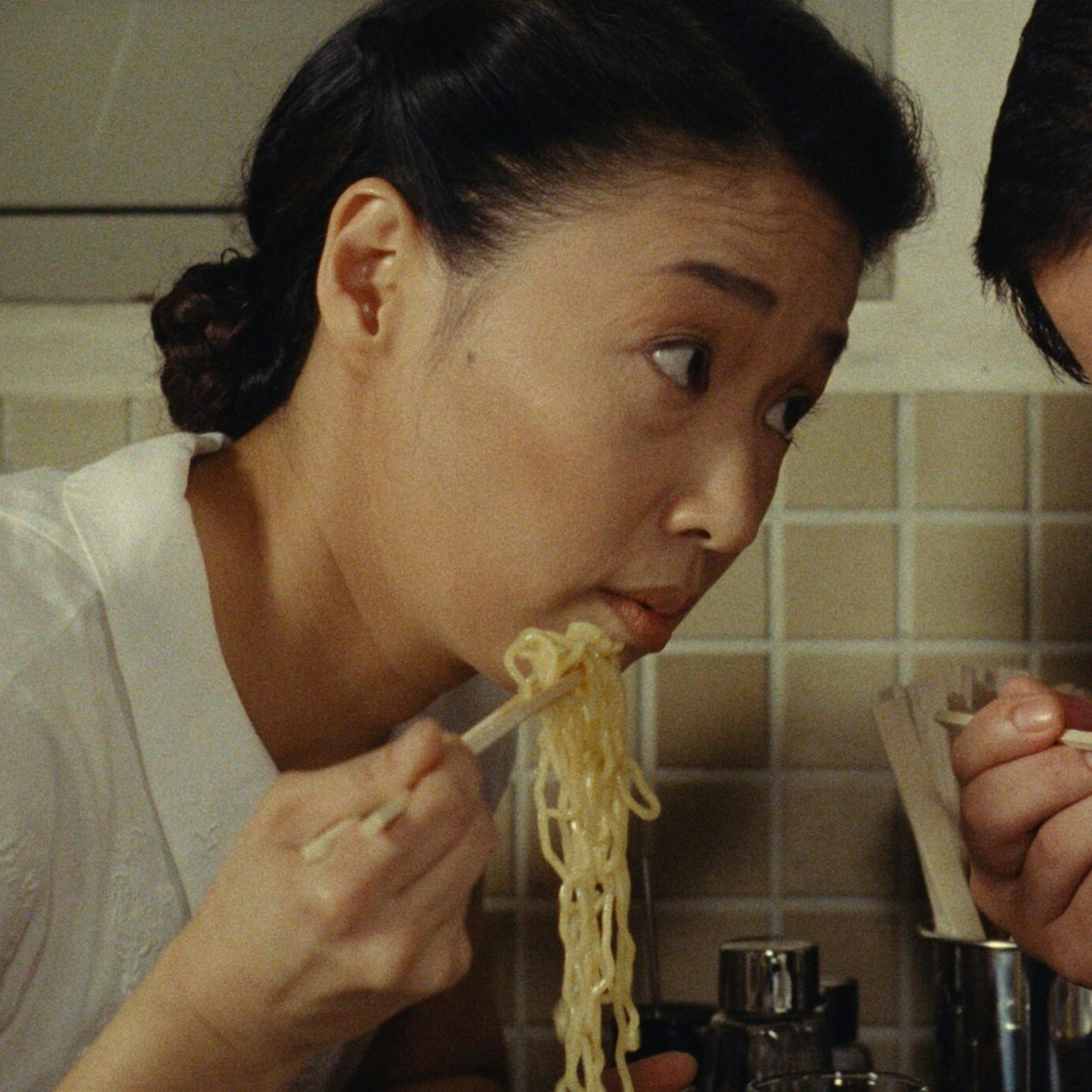 Tampopo (1985) - The Criterion Series 26.08.2026 1t 15minCinema Callback kicks off Criterion Week with Andy and Michael taking a deep dive into Juzo Itami’s Tampopo (1985), the joyous and wonderfully eccentric Japanese classic that transforms the conventions of the American Western into a story about the pursuit of the perfect bowl of ramen.Through the show’s signature voice note conversation format, the hosts explore the film’s central story of a truck driver helping a widowed restaurant owner perfect her ramen recipe and rescue her struggling business. Dubbed the definitive “Noodle Western,” Tampopo takes the familiar figure of the wandering gunslinger and replaces shootouts with cooking, mentorship, and an obsessive pursuit of mastering a craft.Across their voice note exchanges, Andy and Michael discuss the film’s extraordinary structure, with its central narrative repeatedly interrupted by surreal, funny, erotic, and sometimes deeply moving food obsessed vignettes. From sensual encounters built entirely around eating to the unforgettable sequence involving a dying mother preparing one final meal for her family, food becomes a gateway into virtually every aspect of human existence.The conversation explores the film’s celebration of master craftsmanship and its almost magical realist view of everyday life, drawing comparisons with films such as Amélie and The Fisher King. They discuss the performances of Tsutomu Yamazaki and a young Ken Watanabe, Itami’s relatively late arrival as a filmmaker, and the remarkable life and career that followed, including his confrontation with the Yakuza and the tragic circumstances surrounding his death.Above all, Andy and Michael explore why Tampopo feels so incredibly comforting and uplifting. Beneath all the eccentricity is a film about people helping one another become better at something they love, and about the sensory pleasures, rituals, and connections that make ordinary life worth celebrating.Whether you are discovering Tampopo for the first time or already consider it one of cinema’s great food films, join us for the opening of Criterion Week and a deep dive into a funny, strange, sensual, and profoundly life affirming celebration of cooking, craftsmanship, and the human condition.Enjoying the conversation?Support Cinema Callback on Patreon for bonus content, exclusive extras, and to help us continue making in depth film discussions through our unique voice note format.Patreon: https://www.patreon.com/c/CinemaCallback
 -
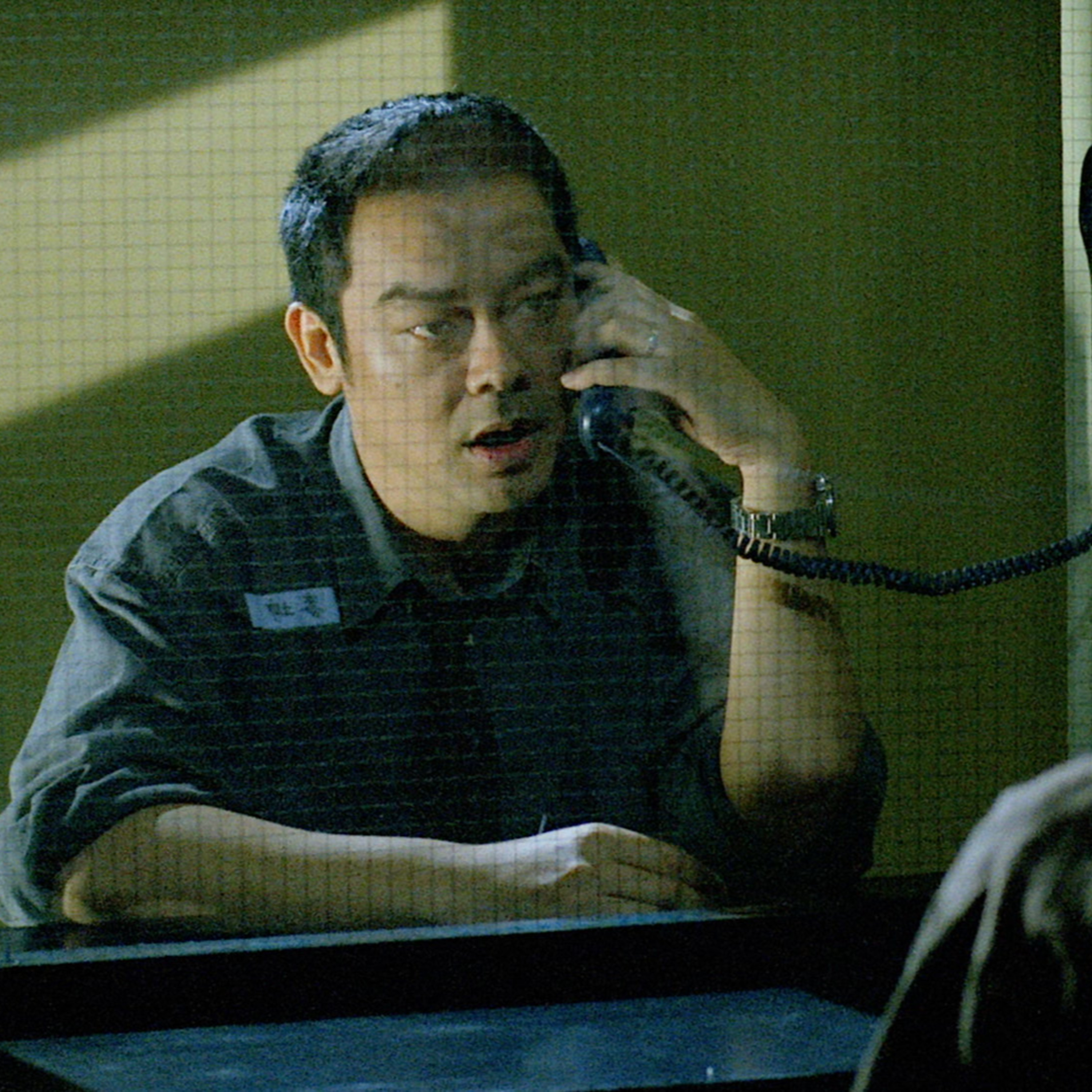 Full Alert (1997) 19.08.2026 47minIn this episode of Cinema Callback, Andy and Michael take a deep dive into Ringo Lam’s Full Alert (1997), a forgotten gem of Hong Kong crime cinema that offers a grounded, hardboiled alternative to the more heightened action films of its era. Through the show’s signature voice note conversation format, the hosts respond to each other’s ideas over time, exploring why a film often overshadowed by the work of filmmakers like John Woo deserves to be rediscovered.Across a series of voice note exchanges, they discuss the unusual weight Full Alert gives to violence and death. Rather than treating killing as disposable action spectacle, the film allows its consequences to linger, with both its detective and antagonist displaying something resembling psychological trauma as the story progresses. The result is a cops and criminals story populated by fallible people who may be good at their jobs but are completely unprepared for the exceptional circumstances they find themselves facing.The conversation also explores Ringo Lam’s commitment to grounded action filmmaking and the extraordinary practical spectacle that comes with it. From chaotic car chases through the streets of Hong Kong to breathtaking motorcycle sequences, the film’s lack of reliance on CGI gives its action a physical danger and unpredictability that remains astonishing decades later.Andy and Michael also dig into the film’s unexpectedly sinister atmosphere, including an intense score that at times feels closer to a 1990s horror movie like Scream than a conventional crime thriller. Comparisons are drawn with American films such as Heat and Seven, while the hosts consider how Full Alert develops its own distinctive combination of procedural realism, moral complexity, and almost horror-like tension.Finally, they examine the significance of the film arriving in 1997, just months before the handover of Hong Kong, and how its images of the city inadvertently capture a place on the verge of profound historical change.Whether you are already a fan of Hong Kong cinema or simply looking for an overlooked, gritty crime thriller, this episode explores why Full Alert is a masterclass in practical filmmaking, visual storytelling, and giving violence consequences that actually matter.Enjoying the conversation?Support Cinema Callback on Patreon for bonus content, exclusive extras, and to help us continue making in depth film discussions through our unique voice note format.Patreon: https://www.patreon.com/c/CinemaCallback
 -
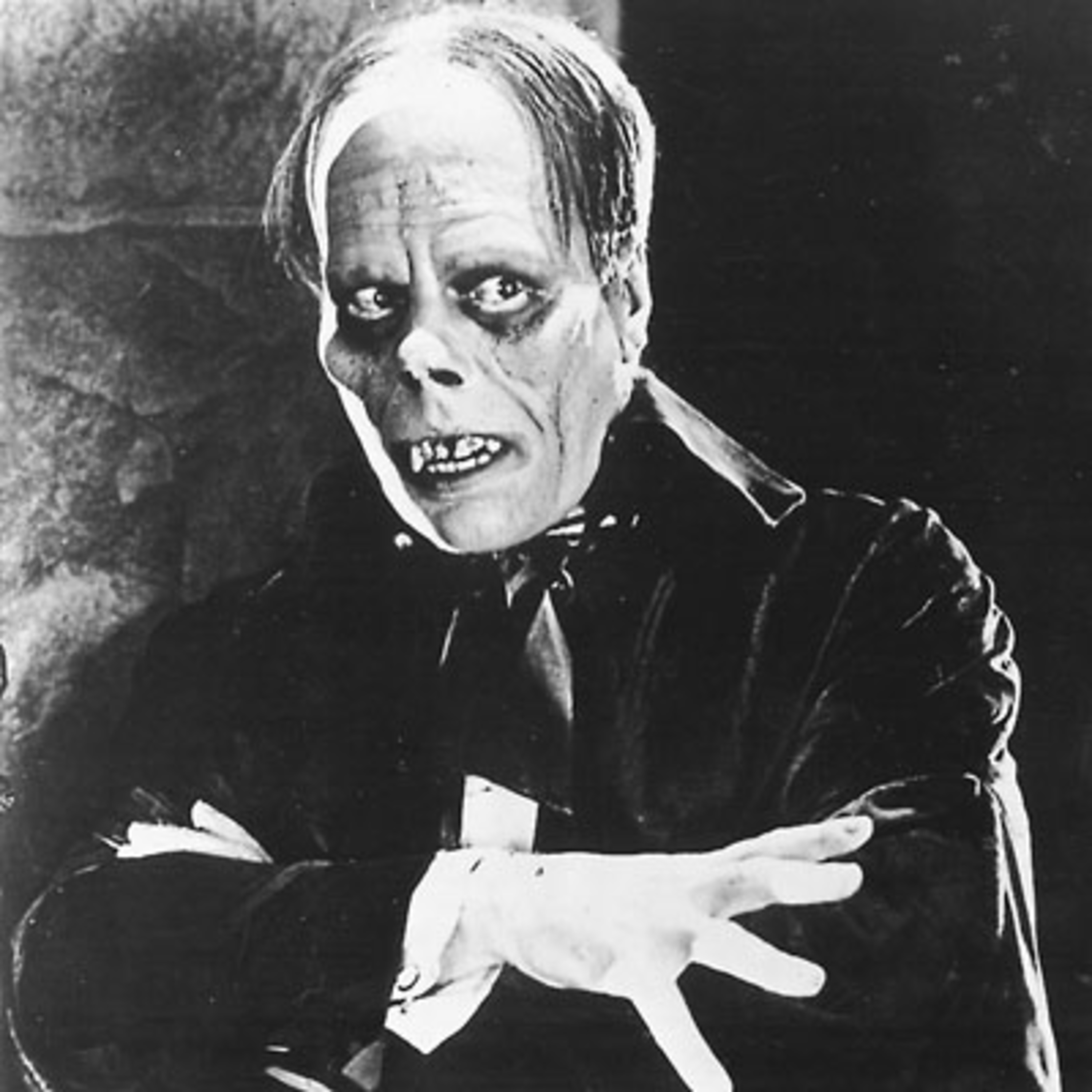 The Phantom of the Opera (1925) 12.08.2026 1t 16minIn this special Spooktober finale of Cinema Callback, Andy and Michael take a deep dive into The Phantom of the Opera (1925), the legendary silent horror film starring Lon Chaney in one of cinema's most iconic performances. Through the show's signature voice note conversation format, the hosts come at the film from very different perspectives, exploring what it means to experience a century old piece of cinema as both entertainment and cinematic history.Michael champions the film as a visceral spectacle, particularly the striking colour sequences preserved in later versions, comparing the sheer visual experience to something as immediate as Mad Max: Fury Road. Andy has a more challenging relationship with the film, describing the viewing as something closer to an "academic experience" and questioning how easily a modern audience can connect with the rhythms and conventions of silent cinema.Across their voice note exchanges, they explore Lon Chaney's legendary status as the "Man of a Thousand Faces", his extraordinary physical performance as the Phantom, and the film's inventive visual storytelling. They discuss everything from its use of onscreen letters and silent era techniques to the influence of German Expressionism and the surprisingly brutal, mob driven finale.The conversation also looks at the enormous shadow The Phantom of the Opera has cast over popular culture, finding unexpected connections between its imagery and everything from Batman to modern RPGs, while asking how much of the visual language we now associate with horror can be traced back to films like this.For the final stop of Spooktober, Andy and Michael explore whether The Phantom of the Opera remains a genuinely thrilling piece of horror cinema 100 years later, a fascinating historical artefact, or somehow both at once.Enjoying the conversation?Support Cinema Callback on Patreon for bonus content, exclusive extras, and to help us continue making in depth film discussions through our unique voice note format.Patreon: https://www.patreon.com/c/CinemaCallback
 -
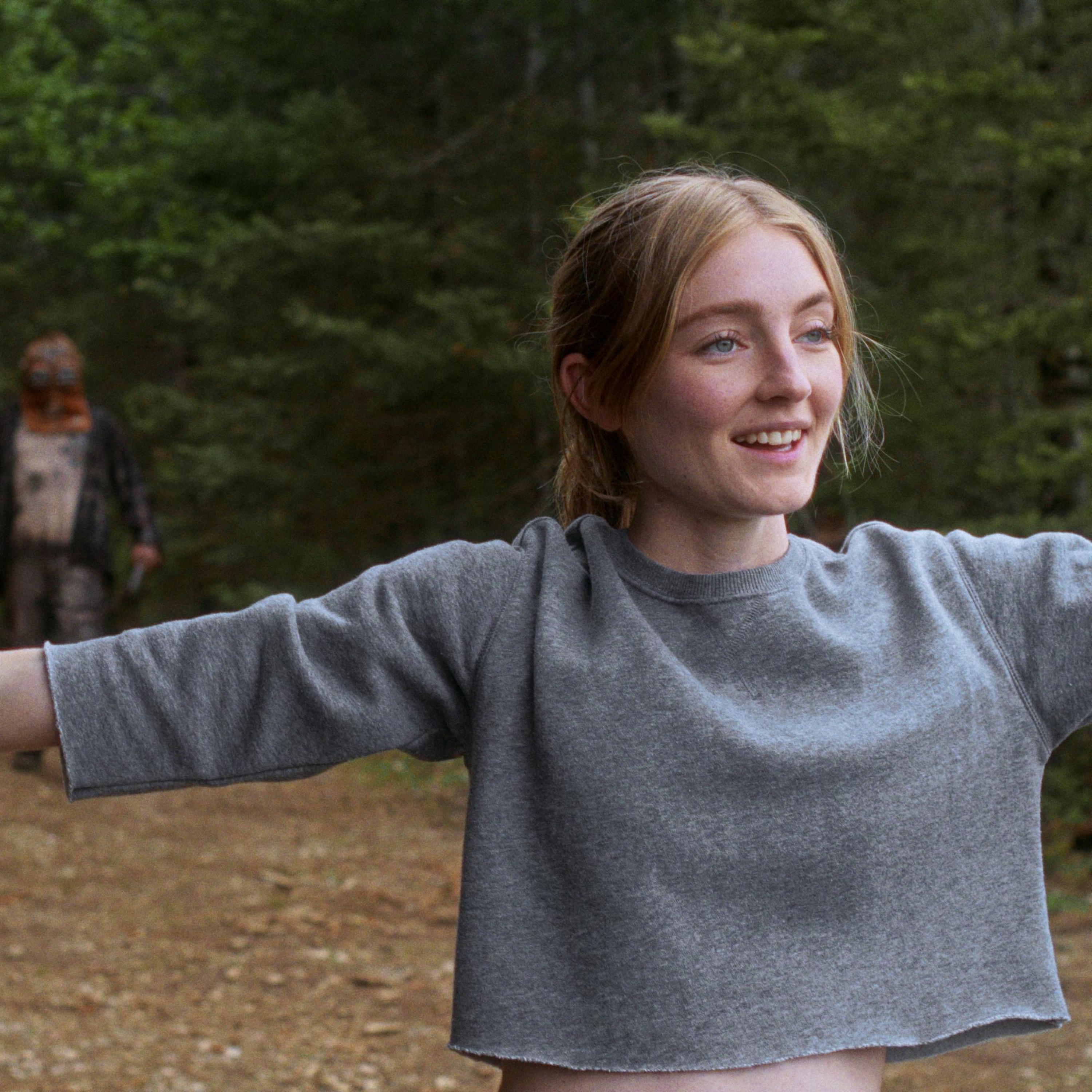 In a Violent Nature (2024) 05.08.2026 1t 32minIn this episode of Cinema Callback, Andy and Michael take a deep dive into In a Violent Nature (2024), Chris Nash's striking feature debut that reimagines the slasher film by placing the audience alongside the killer rather than his victims. Through the show's signature voice note conversation format, the hosts respond to each other's ideas over time, exploring how the film challenges decades of slasher convention through its patient, observational approach to horror.Across a series of voice note exchanges, they examine the film's distinctive "slow scare" philosophy, discussing how its long, meditative takes of the killer moving through the wilderness create an atmosphere of quiet inevitability rather than conventional suspense. They explore the influence of Gus Van Sant's minimalist filmmaking, the effectiveness of the film's 4:3 aspect ratio, and how its methodical pacing rejects the familiar "teleporting killer" logic of traditional slashers in favour of something far more grounded and predatory.The conversation also delves into the film's astonishing practical gore effects, its divisive critical and audience reception, and the bold decision to shift perspective during its controversial final act. They debate whether this unexpected change strengthens or undermines the film's central experiment, before looking ahead to the announced sequel and discussing how this humble yet ambitious horror film breathes new life into one of cinema's most familiar genres.Whether you see In a Violent Nature as an art house meditation disguised as a slasher or one of the most inventive horror films of recent years, this episode explores why Chris Nash's debut has become one of the genre's most fascinating and hotly debated modern entries.Enjoying the conversation?Support Cinema Callback on Patreon for bonus content, exclusive extras, and help us continue making in-depth film discussions through our unique voice note format.Patreon: https://www.patreon.com/c/CinemaCallback
 -
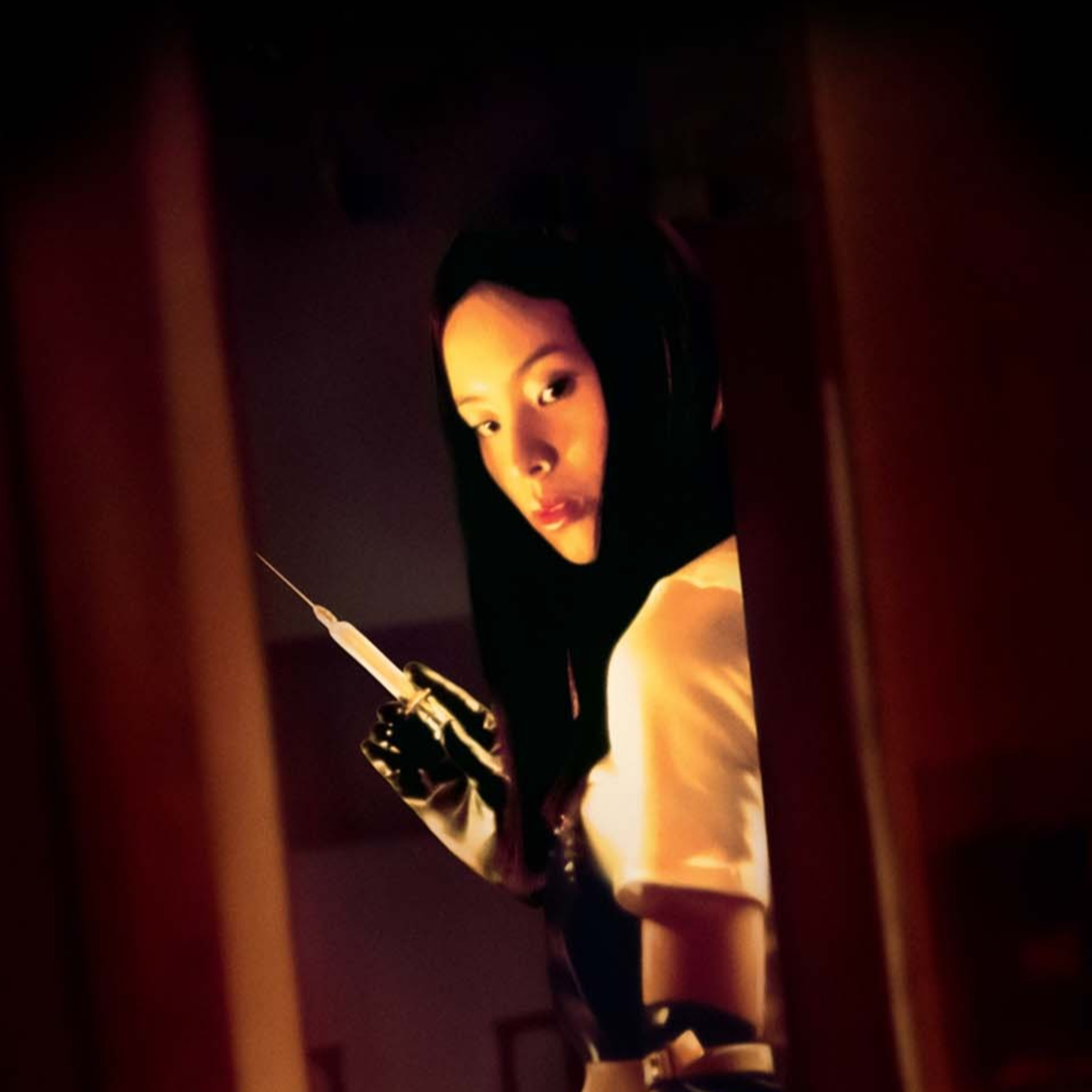 Audition (1999) 29.07.2026 1t 19minSupport Cinema Callback on Patreon for bonus content, exclusive extras, and help us continue making in-depth film discussions through our unique voice note format.Patreon: https://www.patreon.com/c/CinemaCallbackIn this episode of Cinema Callback, Andy and Michael revisit Audition (1999), Takashi Miike's landmark psychological horror that famously transforms from a quiet romantic melodrama into one of the most shocking and unsettling films ever made. Through the show's signature voice note conversation format, the hosts respond to each other's ideas over time, exploring how Audition continually reframes both its characters and its audience.Across a series of voice note exchanges, they examine the film's morally ambiguous premise, questioning the ethics of the fabricated audition used to find a new wife and how Miike uses it to interrogate the male gaze, male entitlement, and the unsettling possibility that the film's seemingly sympathetic protagonist is far more complicated than he first appears. They discuss how Audition quietly exposes the assumptions and fantasies that underpin its central relationship long before the horror emerges.The conversation also explores the film's famously ambiguous narrative structure, debating the purpose of its dreamlike and hallucinatory sequences, and whether they represent the protagonist's unresolved grief and anxieties or simply heighten the terror by momentarily blurring the boundaries between reality and nightmare. Finally, they dissect the infamous "kiri, kiri, kiri" finale, examining its extraordinary technical execution, its uncompromising brutality, and whether its graphic violence is essential to the film's emotional and thematic impact.Whether you see Audition as a devastating psychological horror, a critique of gender and power, or one of the defining works of Japanese cinema, this episode explores why Takashi Miike's masterpiece continues to provoke, disturb, and fascinate audiences more than two decades after its release.
 -
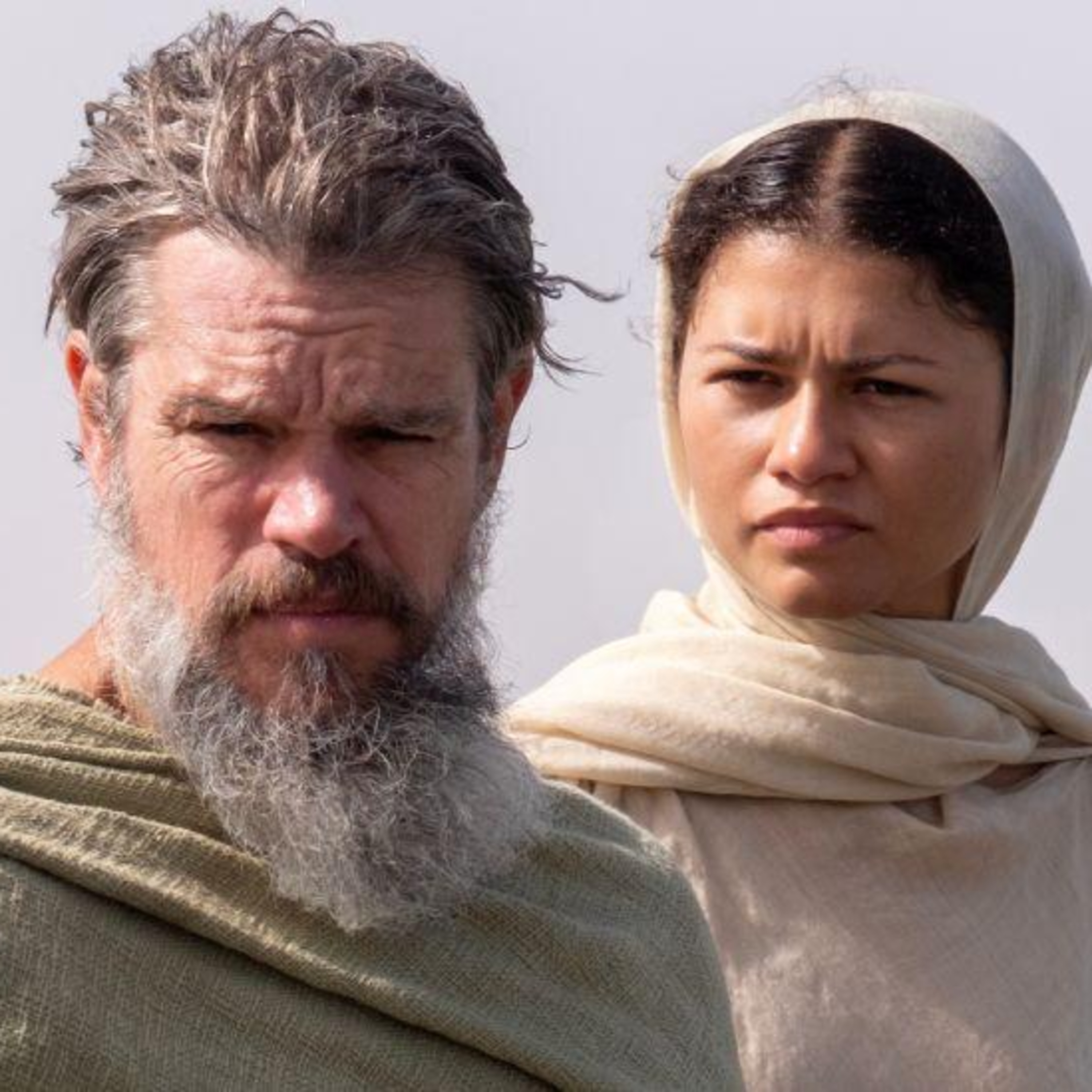 The Odyssey (2026) 22.07.2026 2t 19minWarning: This episode contains major spoilers for The Odyssey.In this episode of Cinema Callback, Andy and Michael discuss Christopher Nolan's The Odyssey, a sweeping reimagining of Homer's epic that blends mythological spectacle with psychological drama. Through the show's signature voice note conversation format, the hosts respond to each other's ideas over time, exploring whether Nolan has crafted his most emotionally direct film to date or simply reworked his familiar fascination with fractured narratives and subjective reality.Across a series of voice note exchanges, they unpack the film's remarkable ensemble cast, discussing Matt Damon's grounded portrayal of Odysseus, Tom Holland's coming of age journey as Telemachus, and Robert Pattinson's scene stealing performance as one of the increasingly menacing suitors. They also examine Nolan's bold creative choices, from Travis Scott's unexpected role as a modern bard to the film's deliberate use of contemporary language and accents within an ancient world.The conversation explores the film's most compelling ideas, including the possibility that Odysseus's encounters with the Cyclops, Sirens, and other mythical creatures are manifestations of post traumatic stress following the Trojan War rather than literal events. They also discuss Nolan's revisionist depiction of the Trojan Horse, the reimagining of the Sea People, the importance of xenia as the moral framework of the story, and how Ludwig Göransson's thunderous score and large format cinematography shape one of the director's most immersive cinematic experiences.Whether you see The Odyssey as Christopher Nolan's definitive masterpiece or another bold but divisive entry in his filmography, this episode explores its themes of memory, guilt, redemption, and storytelling, asking whether this epic has the lasting power to stand alongside the greatest films of the decade.
 -
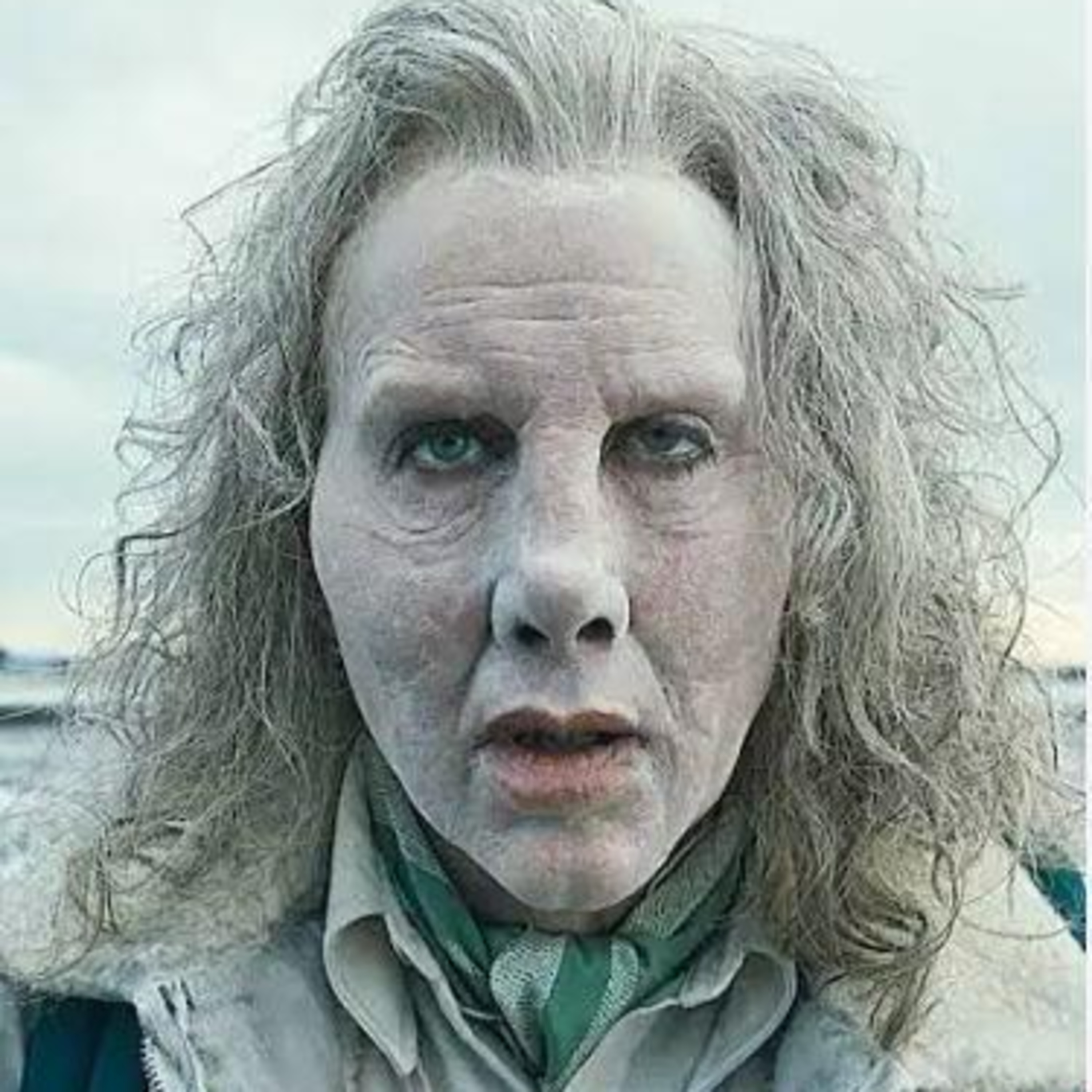 Longlegs (2024) 15.07.2026 53minIn this episode of Cinema Callback, Andy and Michael dive deep into the 2024 horror sensation Longlegs, discussing whether Osgood Perkins’ latest nightmare is a genuine modern classic or a case of “all style, no substance.” Through the show’s signature voice note format, the conversation unfolds as they debate one of the most divisive horror films of recent years — a movie surrounded by mystery, viral marketing, and massive expectations.Across their back-and-forth voice notes, Andy and Michael examine the film’s striking visuals, unsettling atmosphere, and the question of whether its “shroud of danger and dread” is enough to carry a story that some viewers have described as lacking substance. They explore the incredible cinematography, the influence of 70s rock aesthetics, and the strange connection between the film’s satanic imagery and the music of Mark Bolan and T. Rex.The discussion also turns to Nicolas Cage’s unforgettable performance as the bizarre and terrifying Longlegs. Is Cage delivering a genuinely disturbing transformation into a grotesque dollmaker, or does the character’s appearance and mannerisms distract from the horror by feeling closer to a surreal parody? Andy and Michael debate whether the performance becomes the film’s greatest strength or its biggest distraction.They also look at the genius of the film’s marketing campaign, which built anticipation through a mysterious, Blair Witch-style approach and helped create the idea that audiences were about to experience something truly “bananas.” But does Longlegs live up to the hype? Is it a worthy successor to films like The Silence of the Lambs, or is it more like a “non-alcoholic beer” — something that looks and feels right but lacks the final kick?Join Andy and Michael as they leave a message after the beep for a spoiler-filled deep dive into Longlegs, exploring dolls, psychics, the “downstairs man,” and whether this horror phenomenon truly delivers on its terrifying promise.Warning: This episode contains full spoilers for Longlegs. Listen at your own risk.
 -
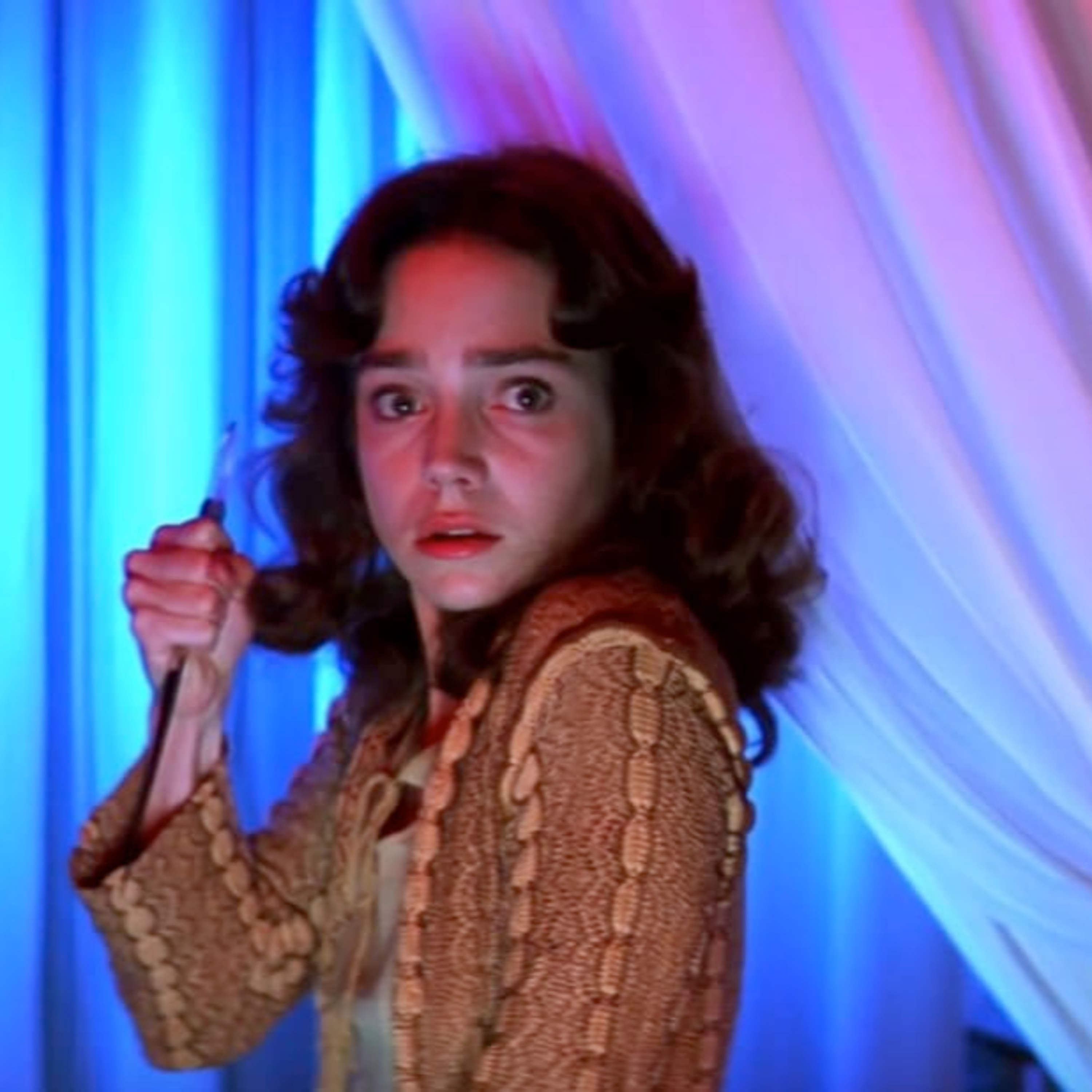 Suspiria (1977) 08.07.2026 1t 51minIn this episode of Cinema Callback, Andy and Michael discuss Suspiria (1977), Dario Argento's visually astonishing horror masterpiece that rejects conventional storytelling in favour of pure atmosphere, emotion, and sensory experience. Through the show's signature voice note conversation format, the hosts respond to each other's ideas over time, unpacking a film that feels less like a narrative and more like a waking nightmare.Across a series of voice note exchanges, they explore Argento's uniquely stylised cinematic world, where vivid colours, expressionistic architecture, and Goblin's unforgettable score combine to create one of the most immersive experiences in horror history. They discuss how the film's deceptively simple premise of a young American dancer arriving at a prestigious German ballet academy serves as a framework for a succession of unforgettable set pieces, from its shocking opening murder to the infamous maggot infestation and the terrifying pit of razor wire.The conversation also traces their own evolving relationship with the film, examining how Suspiria transforms with age and why its connections to dance, theatre, and physical performance make its storytelling so emotionally immediate despite its dreamlike logic. They explore whether the witches should be viewed as literal supernatural forces or as manifestations of fear, anxiety, and psychological disorientation.They also discuss Argento's extraordinary visual style, the film's enduring influence on horror cinema, and why Suspiria continues to stand as one of the genre's defining works, proving that horror can be experienced as much through colour, sound, movement, and sensation as through plot.
 -
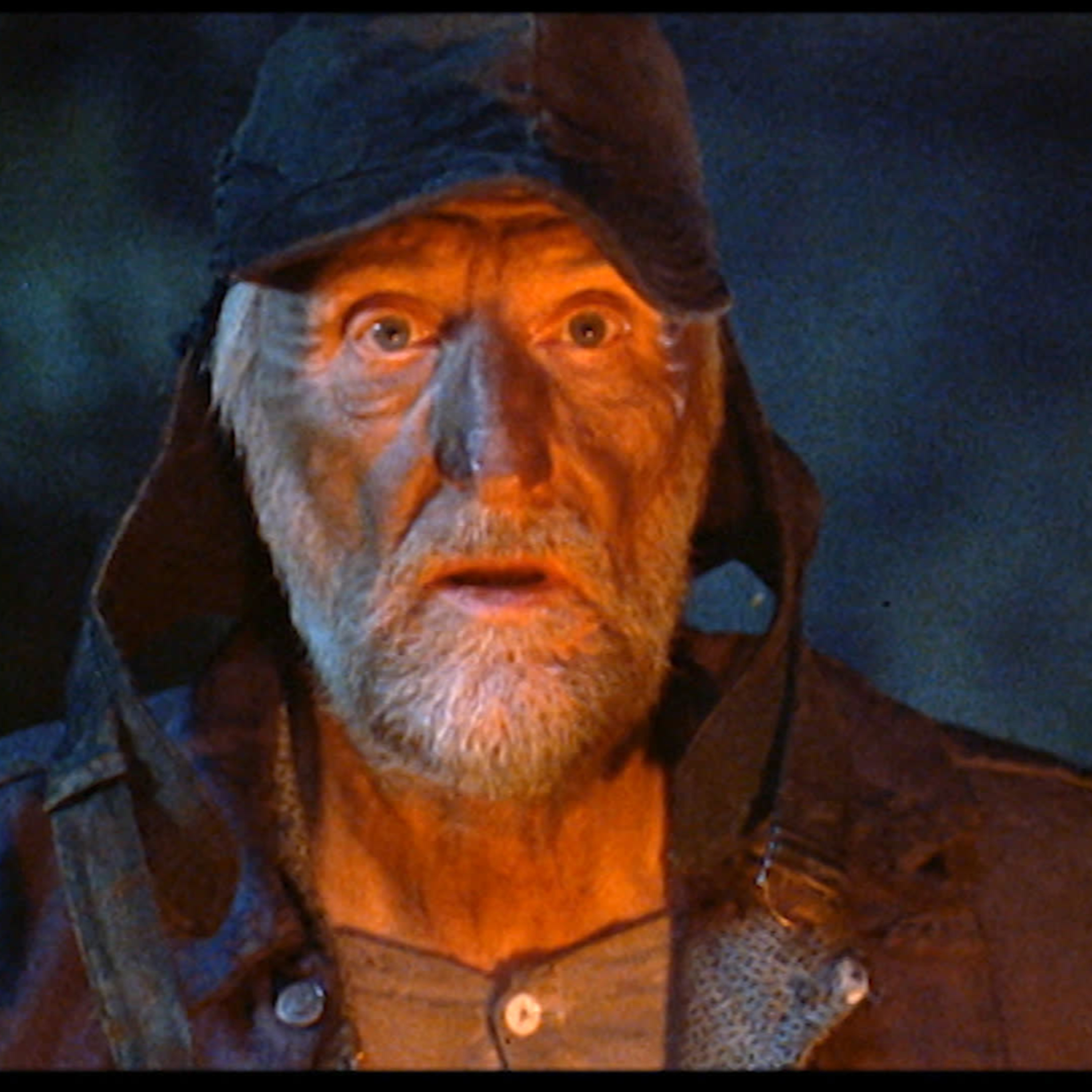 The Blob (1988) 01.07.2026 1t 40minIn this episode of Cinema Callback, Andy and Michael discuss The Blob (1988), Chuck Russell's gloriously gruesome remake that transformed a 1950s sci-fi B movie into one of the defining horror films of the practical effects era. Through the show's signature voice note conversation format, the hosts respond to each other's ideas over time, exploring not only the film itself but what it reveals about the different ways audiences experience horror.Across a series of voice note exchanges, they debate whether The Blob is a joyous celebration of practical effects, inventive body horror, and classic teen cinema, or whether its relentless focus on gore and spectacle leaves it feeling more like a disposable creature feature. The conversation becomes a wider discussion about horror as a genre, examining why some viewers chase the adrenaline and "genre endorphins" of films like this while others struggle to connect with their appeal.They also explore Frank Darabont's uncompromising screenplay, where no character feels safe, Chuck Russell's effects driven direction, and the film's remarkable practical effects that continue to impress decades later. Along the way, they discuss the difference between laughing at camp cinema and laughing with it, using films beyond the horror genre to examine why certain styles of filmmaking resonate so differently with different audiences.Whether you are a lifelong horror fan, a practical effects enthusiast, or someone still searching for an entry point into body horror, this episode is a deep dive into slime, gore, genre expectations, and why The Blob remains one of the rare remakes widely regarded as surpassing its original.
 -
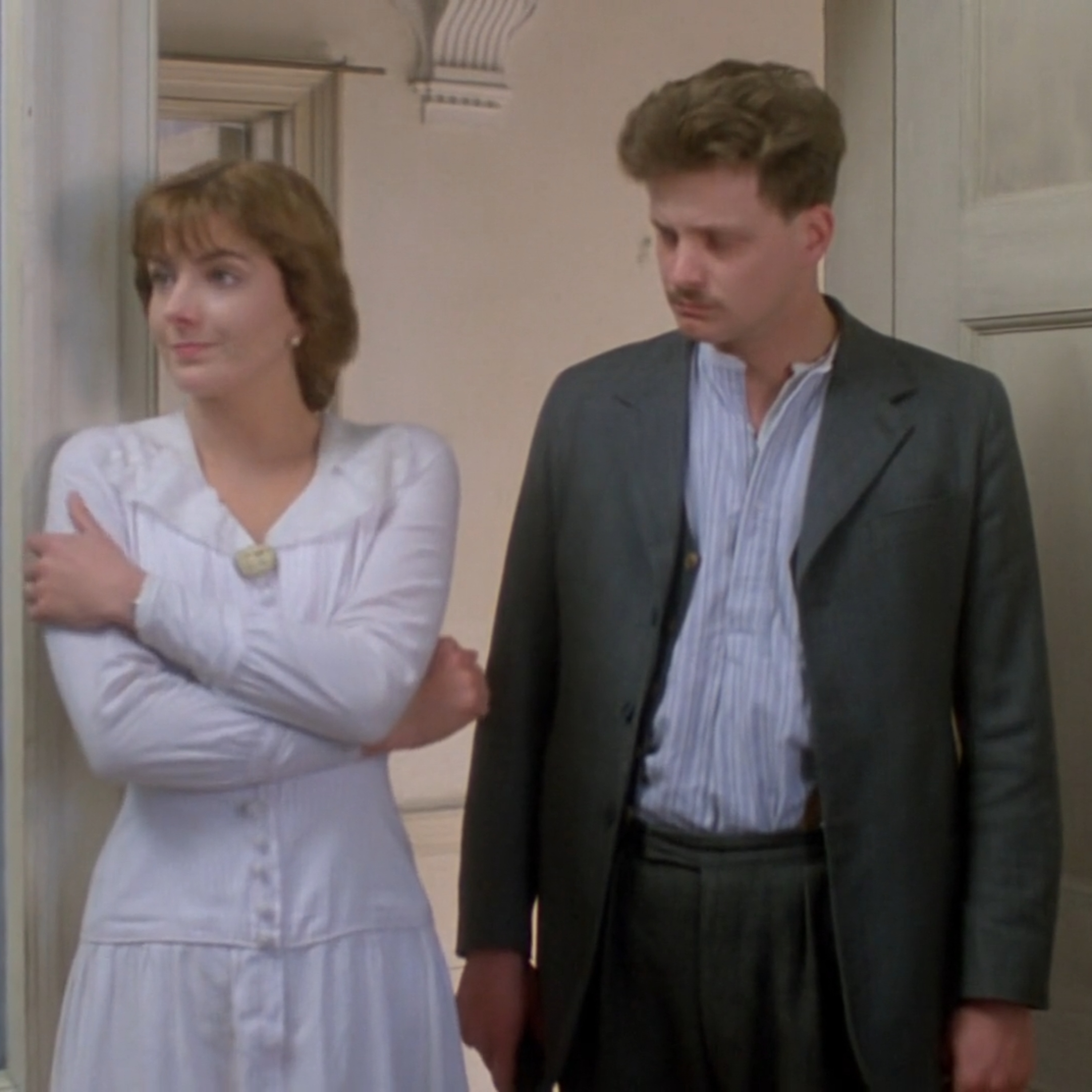 A Month in the Country (1987) — A Father’s Day Special 21.06.2026 1t 2minFor this special Father’s Day episode of Cinema Callback, Andy is joined by his dad, Jim , to discuss Jim’s favourite film, A Month in the Country (1987). Using the show’s signature voice note format, father and son reflect on a film that means a great deal to one of them and is being experienced for the first time by the other, creating a unique conversation about cinema, memory, and the ways stories shape our understanding of ourselves.Set in a quiet English village in the aftermath of the First World War, A Month in the Country follows two veterans, played by a young Colin Firth and Kenneth Branagh, as they attempt to rebuild their lives in a society that has little understanding of the psychological wounds they carry. Through a series of thoughtful voice note exchanges, Andy and Jim explore the film’s themes of trauma, healing, and the act of uncovering the past, both literally and emotionally.The discussion examines how the film’s central acts of discovery—a medieval church mural and an ancient archaeological site—mirror the characters’ attempts to confront, process, or bury their own experiences. They also explore the film’s portrayal of art, craft, and ordinary village life as a form of therapy long before such language existed, and discuss how meaning can be found in quiet routines, human connection, and shared purpose.Along the way, they delve into questions of memory, identity, symbolism, and spirituality, considering how our relationship with films changes as we age and why certain stories continue to resonate across generations. The episode also reflects on the film’s deeply moving treatment of time, loss, and the feeling of returning to a place—or a memory—with a completely different understanding of who we once were.Whether you are a fan of J. L. Carr’s novel, a lover of understated British cinema, or simply interested in how films connect families across generations, this Father’s Day special offers a heartfelt and deeply personal conversation about one of Britain’s most quietly powerful films.
 -
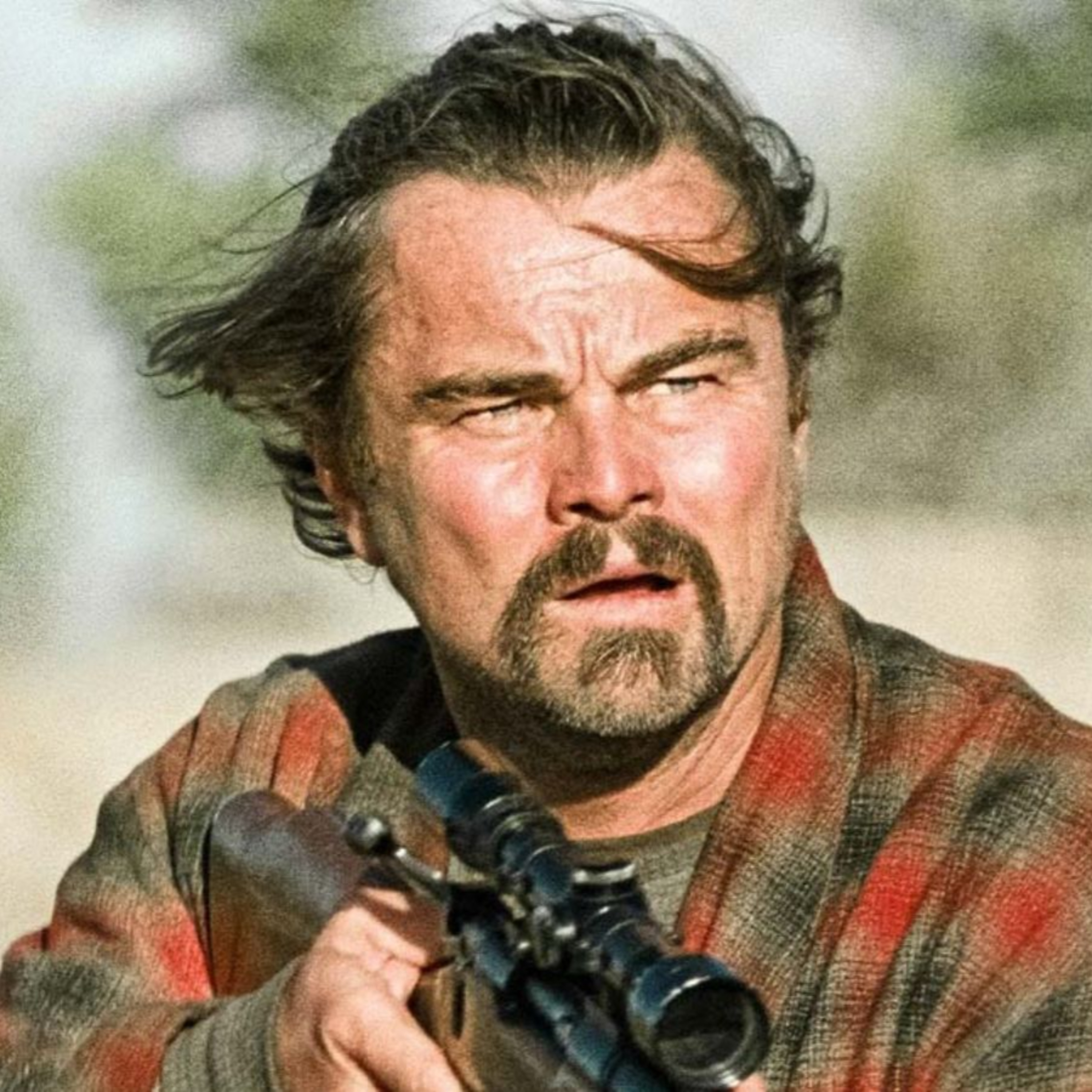 One Battle After Another (2025) 17.06.2026 1t 31minIn this episode of Cinema Callback, Andy and Michael dive headfirst into Paul Thomas Anderson’s latest cinematic whirlwind, One Battle After Another. Told through the show’s signature voice note format, the conversation unfolds organically over time, with the hosts responding to each other’s ideas, challenging interpretations, and gradually building a picture of the film rather than delivering a conventional review. The result is a discussion that feels closer to an ongoing conversation than a verdict.Across a series of back and forth voice notes, they unpack the film’s kinetic, high octane energy and debate whether it recaptures the spirit of PTA’s early masterpieces like Boogie Nights and Magnolia, or whether it plays more like a deliberately chaotic remix of the director’s greatest themes.Key Discussion PointsThe Last Movie Star:Leonardo DiCaprio’s performance as a seemingly washed up, deadbeat protagonist. Is he perfectly cast as the centrepiece needed to get a film this ambitious made, or does the role deliberately strip away too much of his natural charisma?The Teyana Taylor Factor:Why her magnetic, scene stealing performance creates a vacuum once her character exits the narrative, and how that absence reshapes the film.The Great Revolution Debate:One host sees a timely, pro revolutionary fable, while the other reads the film as a darkly comic satire about the way ideology, bureaucracy, and endless "admin" doom political movements from within.Cinematic Highlights:From the geography and staging of the breathtaking car chase to the unsettling propulsion of Jonny Greenwood’s score, the episode digs into the craft behind some of the film’s most memorable moments.Whether you are here for Benicio Del Toro’s effortlessly brilliant supporting turn, to untangle the film’s politics, or just to find out whether we ever located that elusive Modelo in the beer aisle, this is a deep dive into one of the year’s most energetic, ambitious, and hotly debated films.
 -
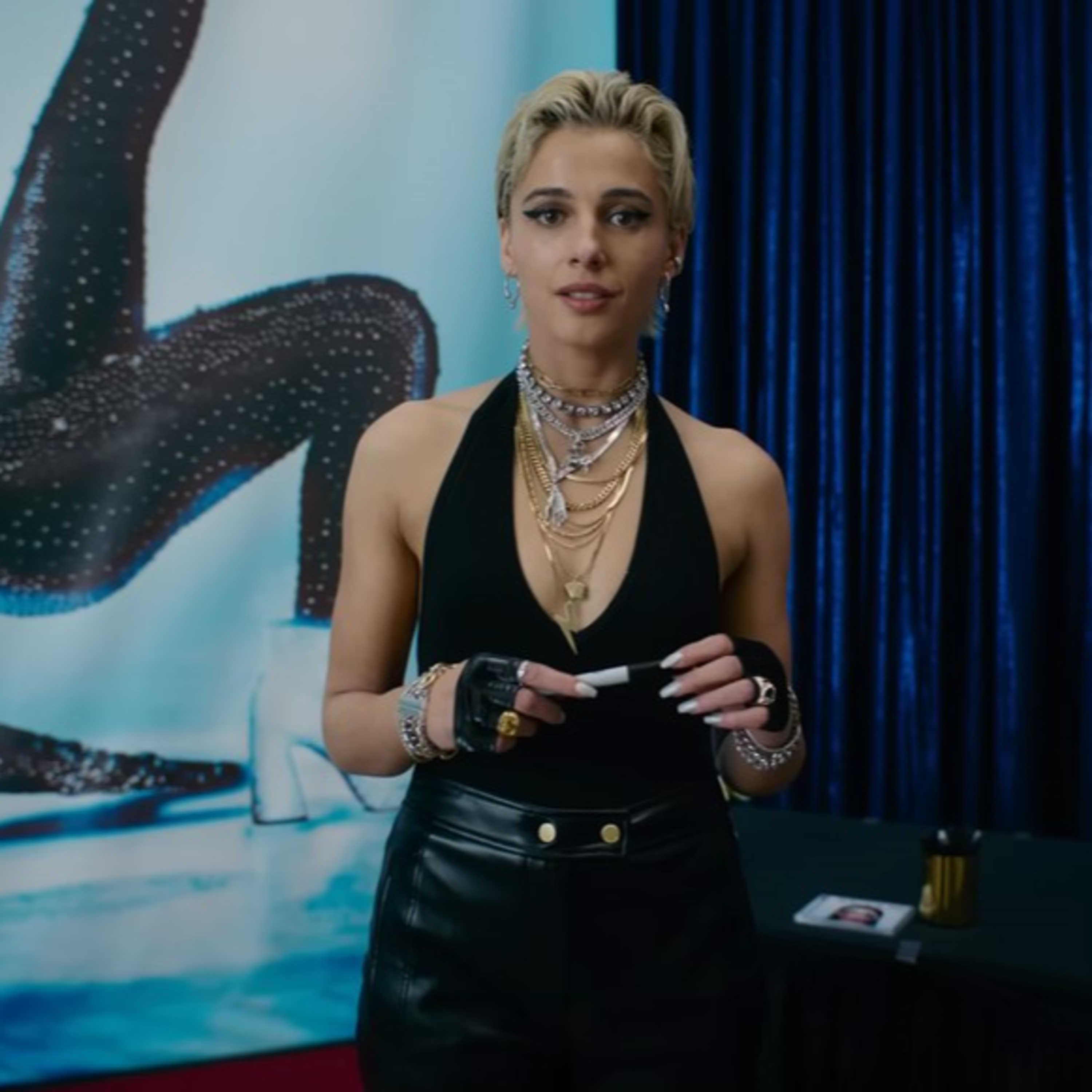 Smile 2 (2024) 10.06.2026 1t 13minIn this episode of Cinema Callback, Andy and Michael discuss Smile 2 (2024), Parker Finn’s ambitious follow up to the surprise horror hit, expanding the franchise’s central curse into the world of celebrity, performance, and public scrutiny.Through the show’s voice note conversation format, the hosts talk about the film’s heightened scale, its striking visual set pieces, and how it transforms psychological horror into a commentary on fame and self destruction. They explore the pressures facing its pop star protagonist, the blurred line between reality and perception, and how the film uses spectacle to reflect a mind in crisis.They also discuss the film’s relationship to the original, its blend of mainstream horror and surreal imagery, and whether Smile 2 succeeds in deepening the mythology while retaining the personal terror that made the first film so effective.
 -
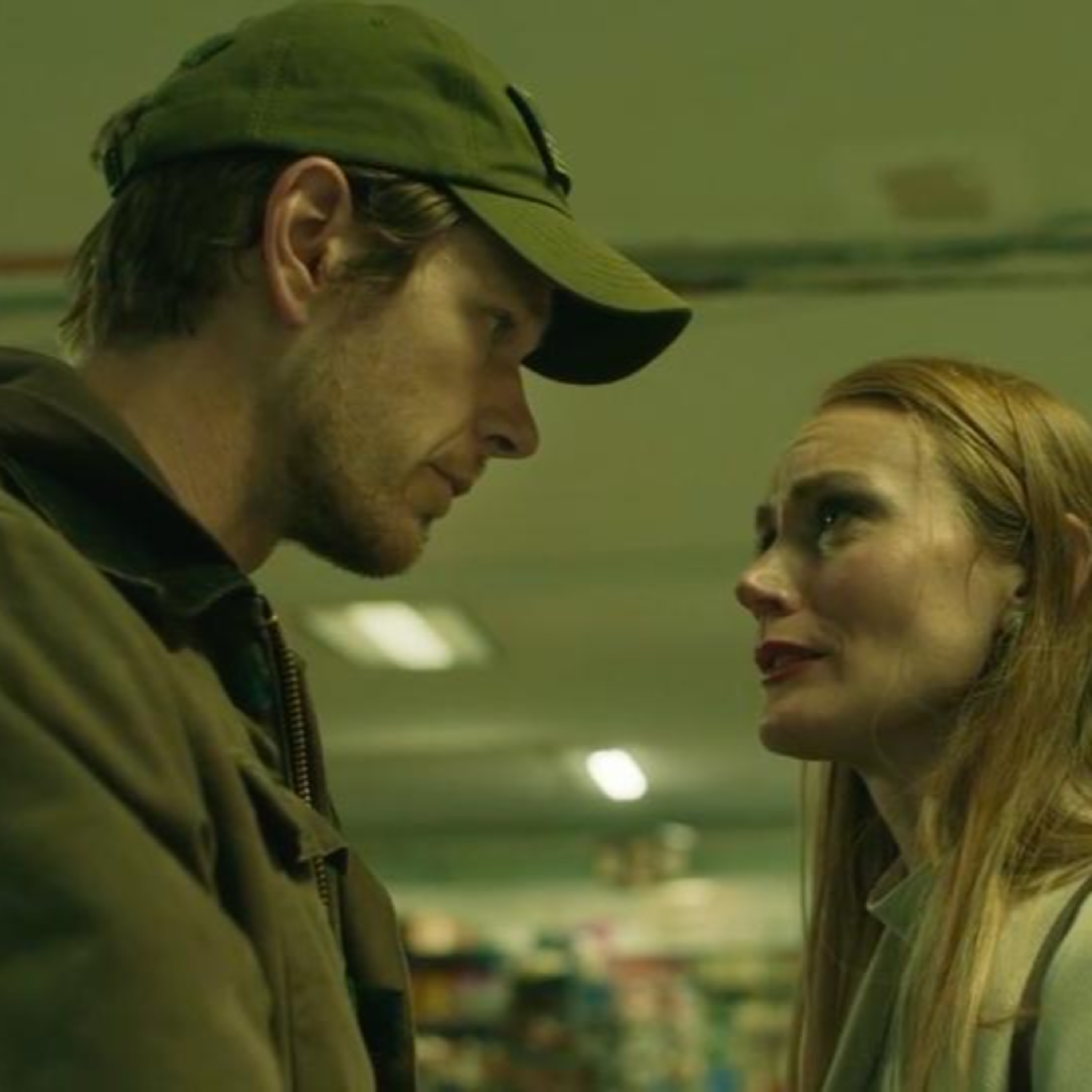 Soft & Quiet (2022) 03.06.2026 1t 15minIn this episode of Cinema Callback, Andy and Michael discuss Soft & Quiet (2022), Beth de Araújo’s tense and deeply unsettling thriller that follows a group of women over the course of a single afternoon as casual prejudice spirals into something far darker.Through the show’s voice note conversation format, the hosts talk about the film’s real time structure, its use of a continuous take aesthetic, and how it builds dread through conversation rather than conventional horror mechanics. They explore the banality of extremism, the dangers of group reinforcement, and how ordinary social interactions gradually reveal more disturbing beliefs and intentions.They also discuss the film’s refusal to provide easy distance from its characters, its portrayal of radicalisation and complicity, and why Soft & Quiet is so effective at turning everyday settings into a source of mounting discomfort and terror.
 -
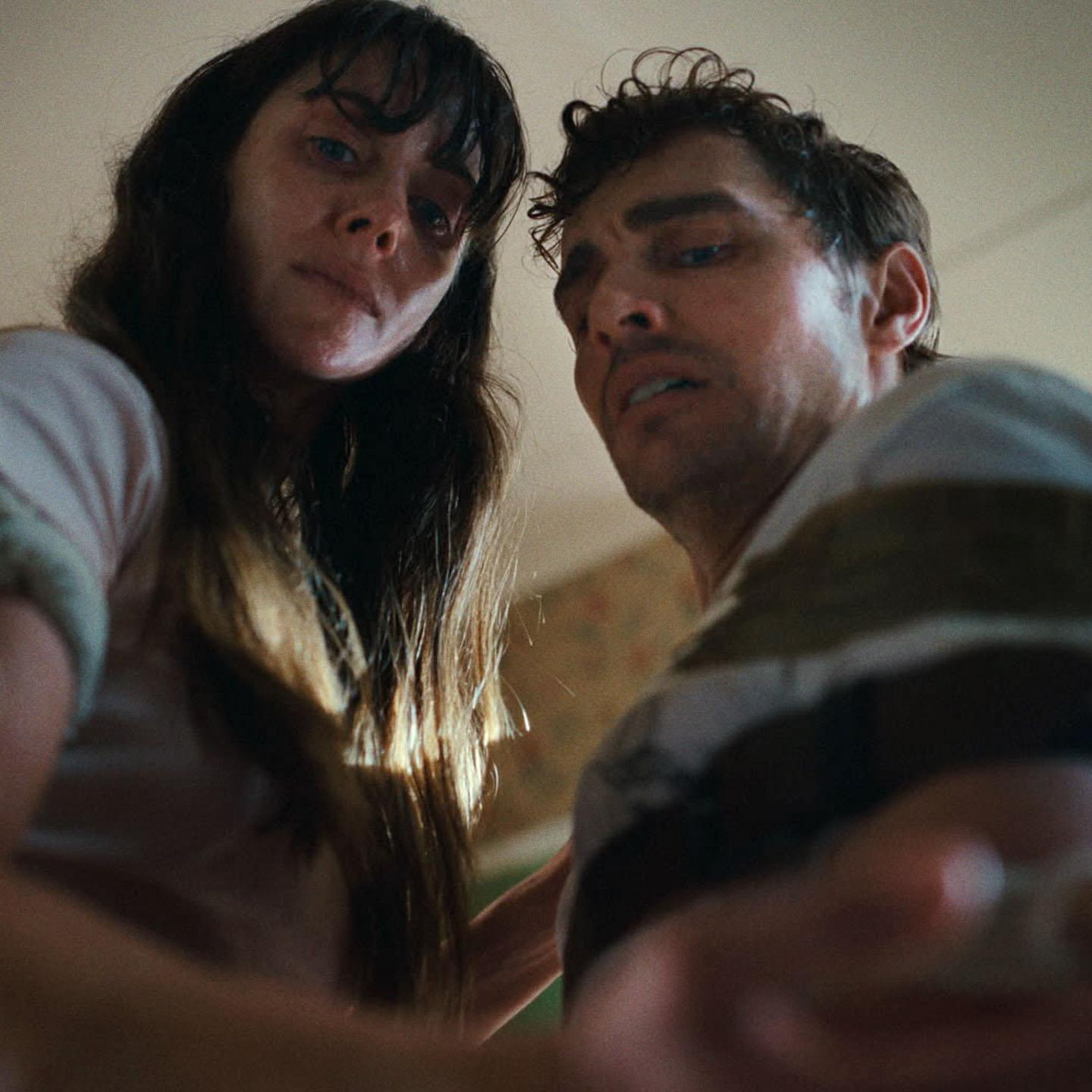 Together (2025) 27.05.2026 53minIn this episode of Cinema Callback, Andy and Michael discuss Together (2025), a relationship horror film that turns emotional closeness into something increasingly physical, disturbing, and inescapable.Through the show’s voice note conversation format, the hosts talk about the film’s blend of body horror and relationship drama, and how it uses genre to explore codependency, identity, and the fear of emotional dissolution. They examine the shifting power dynamics between the central couple, the film’s uncomfortable intimacy, and the way ordinary relationship anxieties are pushed into grotesque territory.They also discuss the film’s tonal balancing act between horror and dark humour, its use of transformation as metaphor, and why Together feels less interested in monsters than in the terrifying possibility of disappearing completely into another person.
 -
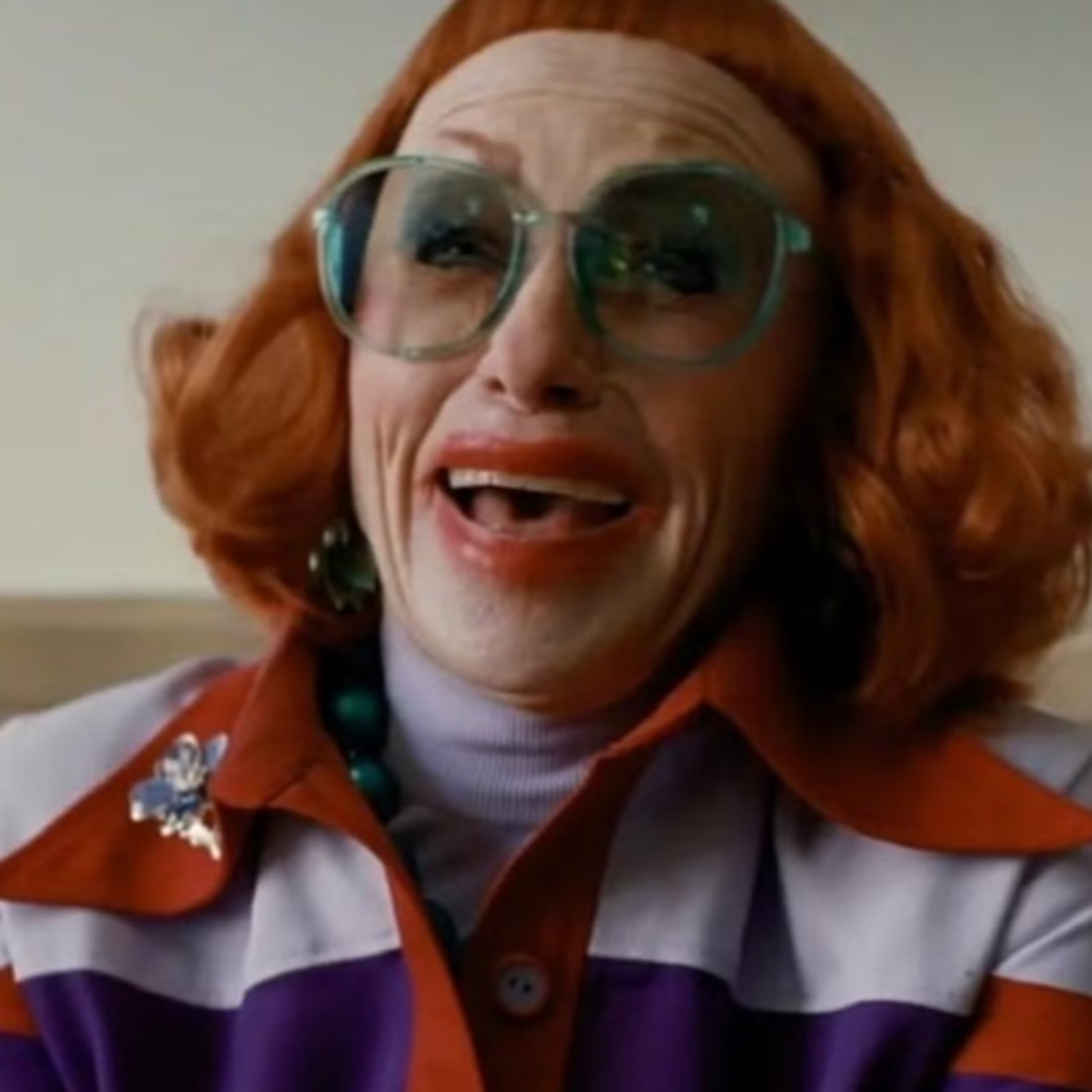 Weapons (2025) 20.05.2026 1t 29minIn this episode of Cinema Callback, Andy and Michael discuss Weapons (2025), the mysterious and deeply unsettling horror film that transforms a single unexplained event into a wider portrait of paranoia, grief, and social collapse.Through the show’s voice note conversation format, the hosts talk about the film’s fragmented storytelling, its atmosphere of creeping dread, and how it uses absence rather than spectacle to generate fear. They explore the way the film shifts between perspectives and communities, gradually revealing how trauma spreads outward through rumour, suspicion, and desperation.They also discuss the film’s relationship to modern horror, its balance between ambiguity and emotional realism, and whether Weapons is ultimately less interested in solving its mystery than in examining what people become when confronted with something they cannot understand.
 -
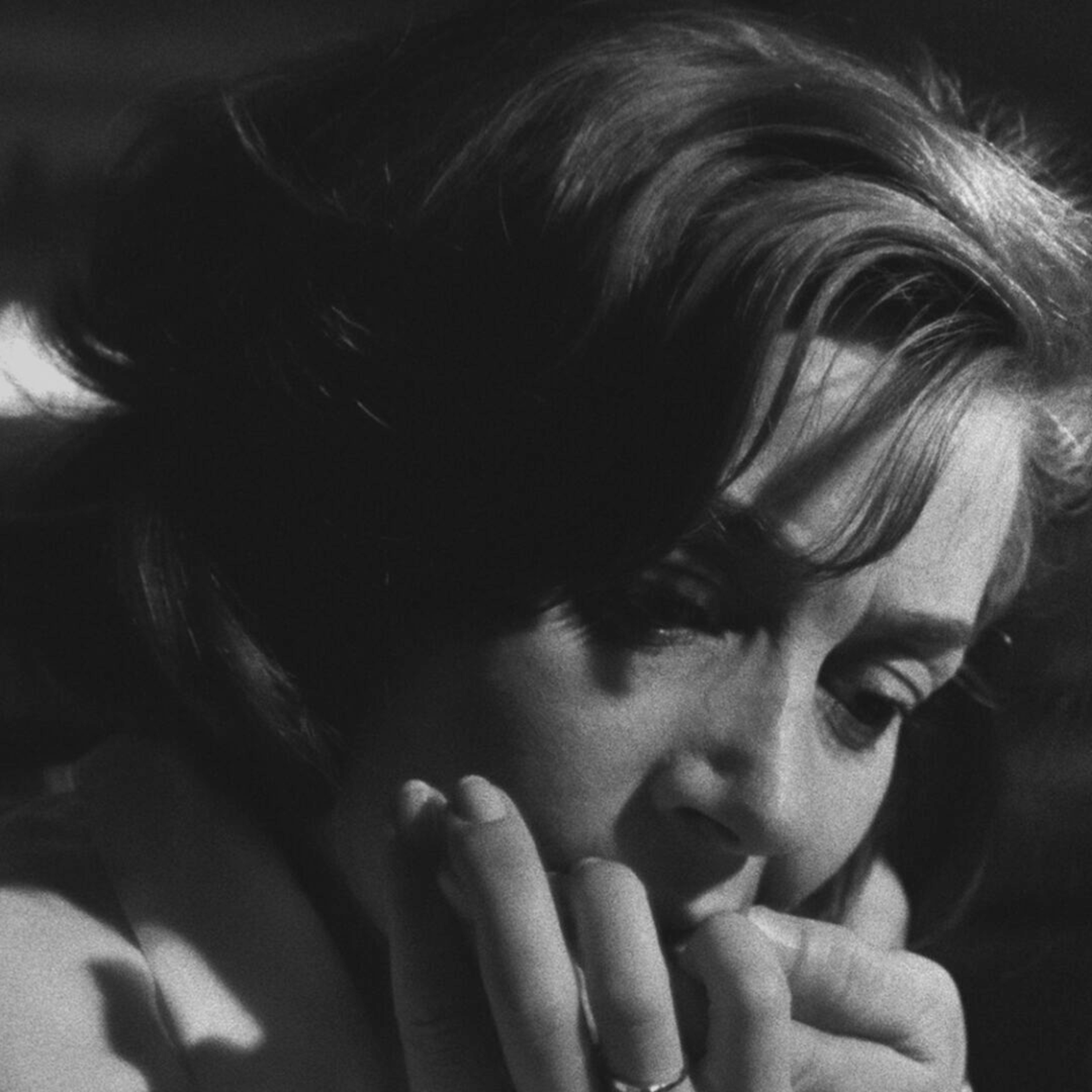 Hiroshima, Mon Amour (1959) 13.05.2026 1t 11minIn this episode of Cinema Callback, Andy and Michael discuss Hiroshima, Mon Amour (1959), Alain Resnais’s landmark exploration of memory, grief, and intimacy in the shadow of historical catastrophe.Through the show’s voice note conversation format, the hosts talk about the film’s fragmented structure, its blending of past and present, and how personal memory becomes inseparable from collective trauma. They explore the relationship at the centre of the film, not as a conventional romance, but as a space where confession, repression, and historical guilt collide.They also discuss Marguerite Duras’s screenplay, the film’s influence on modern art cinema, and why Hiroshima mon amour remains so emotionally and intellectually powerful in its attempt to express experiences that resist language, representation, and closure.
 -
 The Novelist's Film (2022) 06.05.2026 1t 2minIn this episode of Cinema Callback, Andy and Michael discuss The Novelist’s Film (2022), Hong Sang-soo’s quietly reflective drama about artistic frustration, creative renewal, and the fragile connections between people who make art.Through the show’s voice note conversation format, the hosts talk about Hong’s minimalist style, his use of repetition and conversation, and how the film blurs the line between casual interaction and philosophical reflection. They explore the figure of the novelist herself, the film’s thoughts on artistic sincerity, and the tension between creating meaningful work and escaping self consciousness.They also discuss the film’s deceptively simple structure, its moments of humour and awkwardness, and why The Novelist’s Film feels less concerned with narrative resolution than with the small, uncertain moments that lead someone back toward creativity.
Samankaltaiset podcastit


Suosittu maassa
Tämä podcast esiintyy myös näiden maiden podcast-listoilla.
