
WorldSnap - Economy & Financial
World Snap
0
WorldSnap - Economy & Financial is a weekly podcast that offers a concise snapshot of the global economy and financial markets. It provides analysis of macroeconomic trends, central bank decisions, geopolitical risks, stock markets, cryptocurrencies, commodities, and emerging opportunities. The show is aimed at investors, entrepreneurs, students, and anyone who wants to understand how the global economy affects their life and future. Episodes are designed to be clear and jargon-free, typically under 30 minutes, with new releases every week.
Jaksot
-
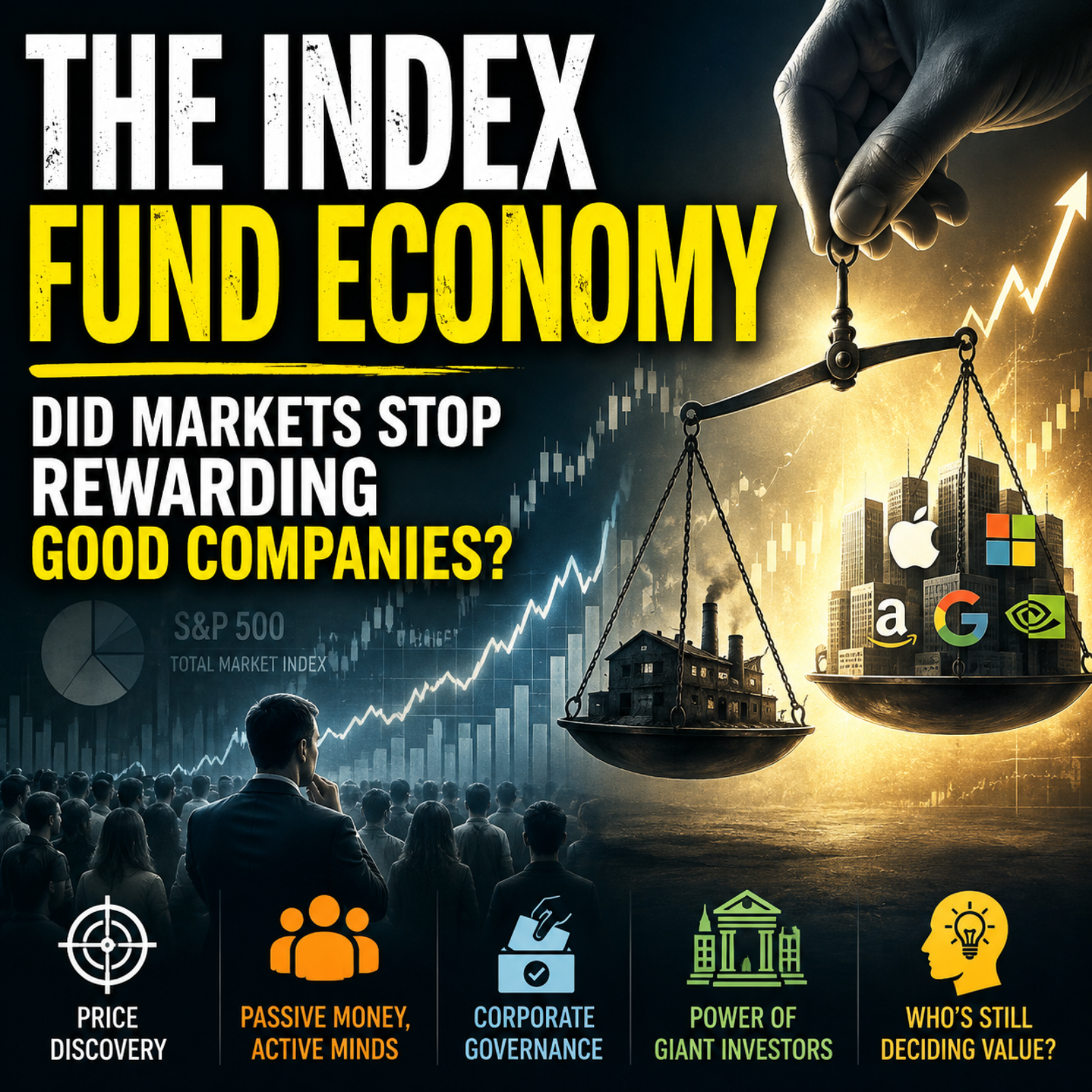 The Index Fund Economy — Did Markets Stop Rewarding Good Companies? 13.09.2026 19minIndex funds transformed investing by making it cheaper, simpler, and more diversified. But as trillions of dollars flow automatically into market indexes, a deeper question emerges: if fewer investors are choosing individual companies, who is still deciding what those companies are worth?In this episode, we explore how passive investing affects price discovery, capital allocation, corporate governance, market concentration, index providers, and the growing power of giant asset managers. We also examine the paradox at the heart of modern finance: passive investing works because active investors are still doing the research, challenging valuations, and correcting market mistakes.Did index funds weaken the market’s ability to reward good companies and punish bad ones, or did they simply create a more efficient division of labor between ordinary investors and professional price setters?
 -
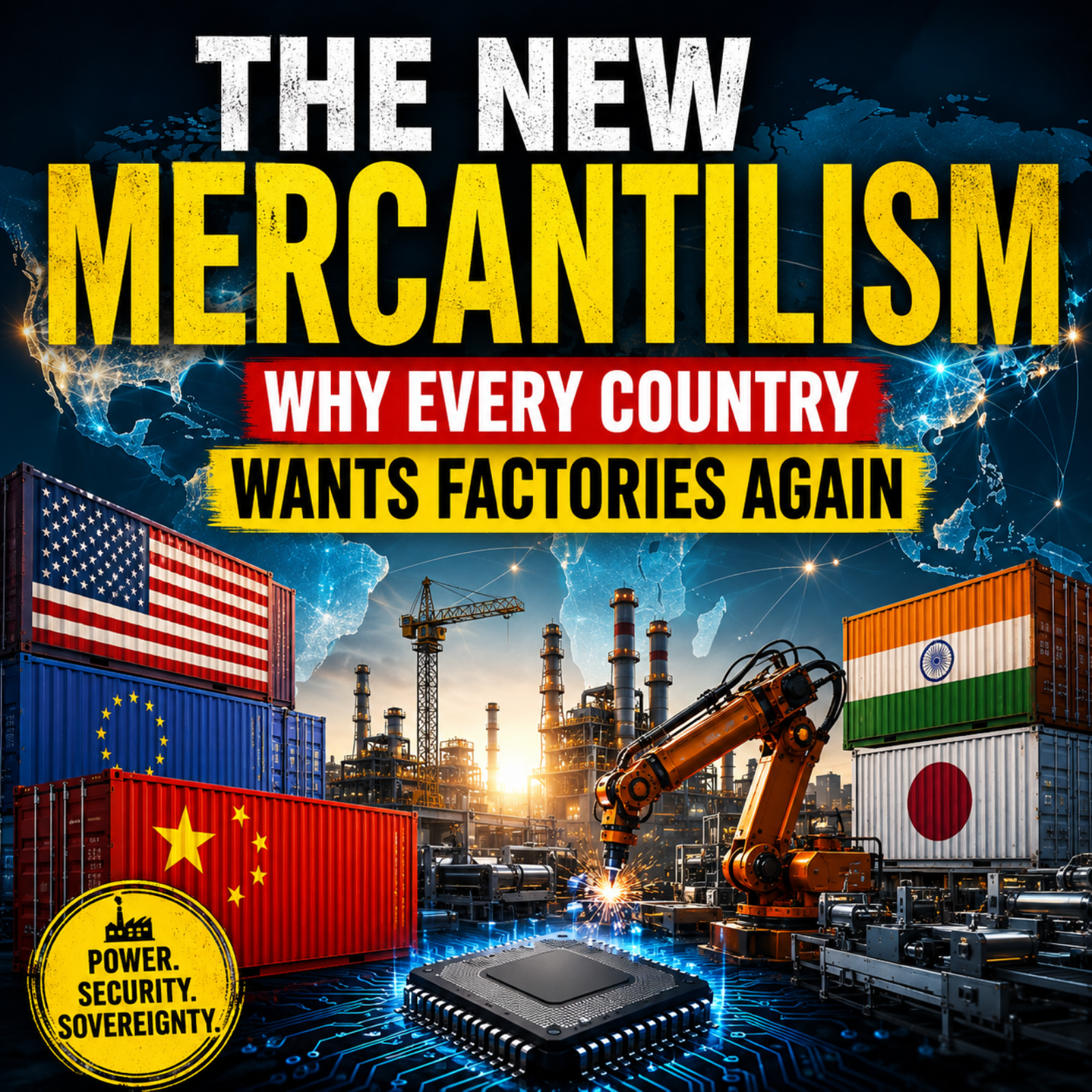 The New Mercantilism: Why Every Country Wants Factories Again 07.09.2026 19minAfter decades of globalization, outsourcing, and just-in-time supply chains, governments around the world are racing to rebuild domestic manufacturing.In this episode, we explore why factories have become symbols of economic security, political stability, technological power, and national independence. From semiconductors and batteries to pharmaceuticals, steel, and critical minerals, countries are spending billions to attract strategic industries and reduce their dependence on foreign suppliers.But can industrial policy truly rebuild lost manufacturing ecosystems, or will the new factory race become an expensive global subsidy war?This episode explains the return of mercantilist thinking, the political consequences of deindustrialization, the hidden value of manufacturing, and why the future of globalization may be shaped less by efficiency and more by resilience, alliances, and national power.
 -
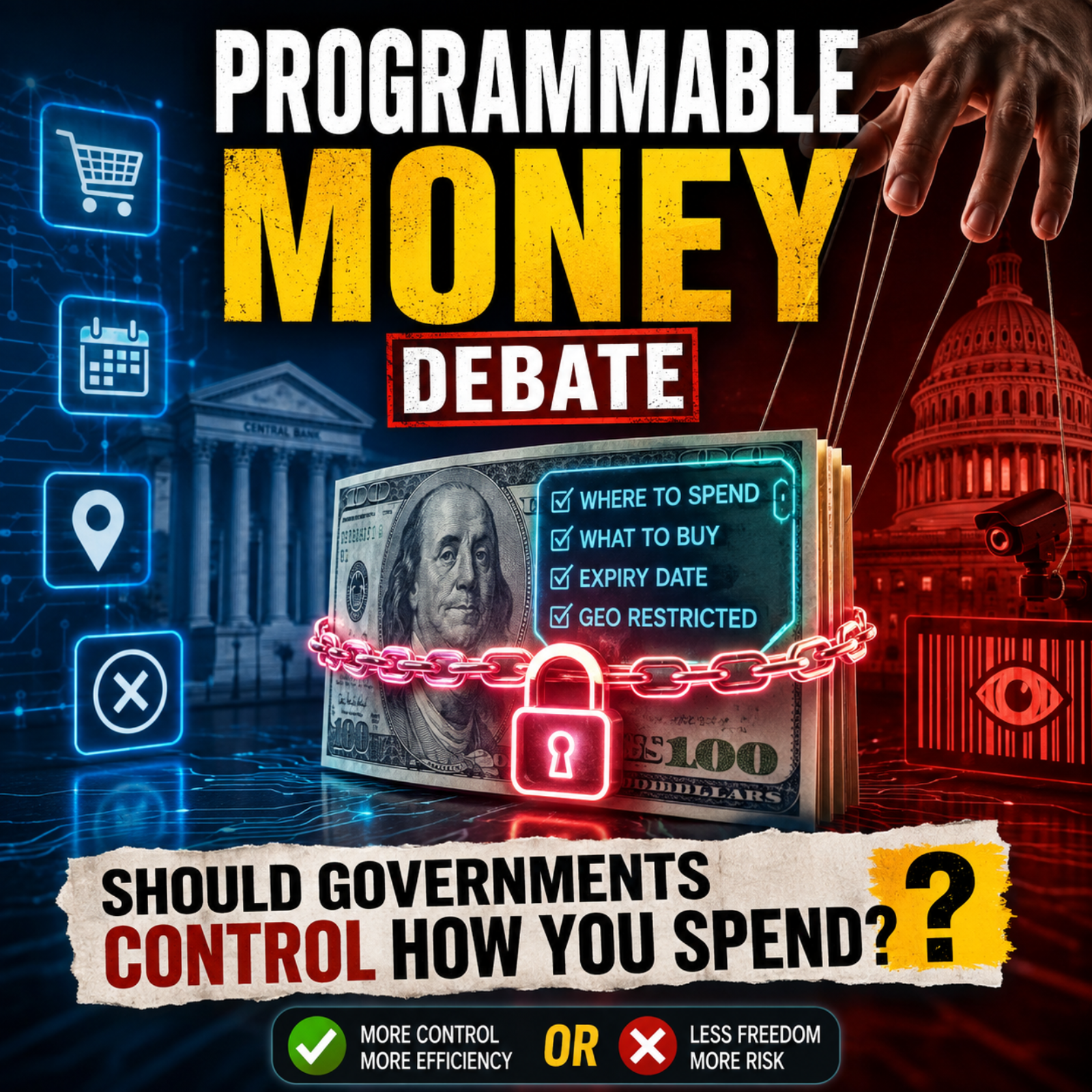 The Programmable Money Debate — Should Governments Control How Currency Can Be Spent? 04.09.2026 17minWhat if money could decide where, when, and how you were allowed to spend it?Programmable money could make payments faster, automate welfare programs, improve disaster relief, and give governments powerful new economic tools. But the same technology could also allow restrictions on purchases, expiration dates, geographic limits, and unprecedented levels of financial oversight.In this episode, we explore the difference between digital money and programmable money, the rise of central bank digital currencies, the benefits of programmable payments, the risks to privacy and financial freedom, and the deeper question at the center of the debate: who should have the power to write rules into money itself?
 -
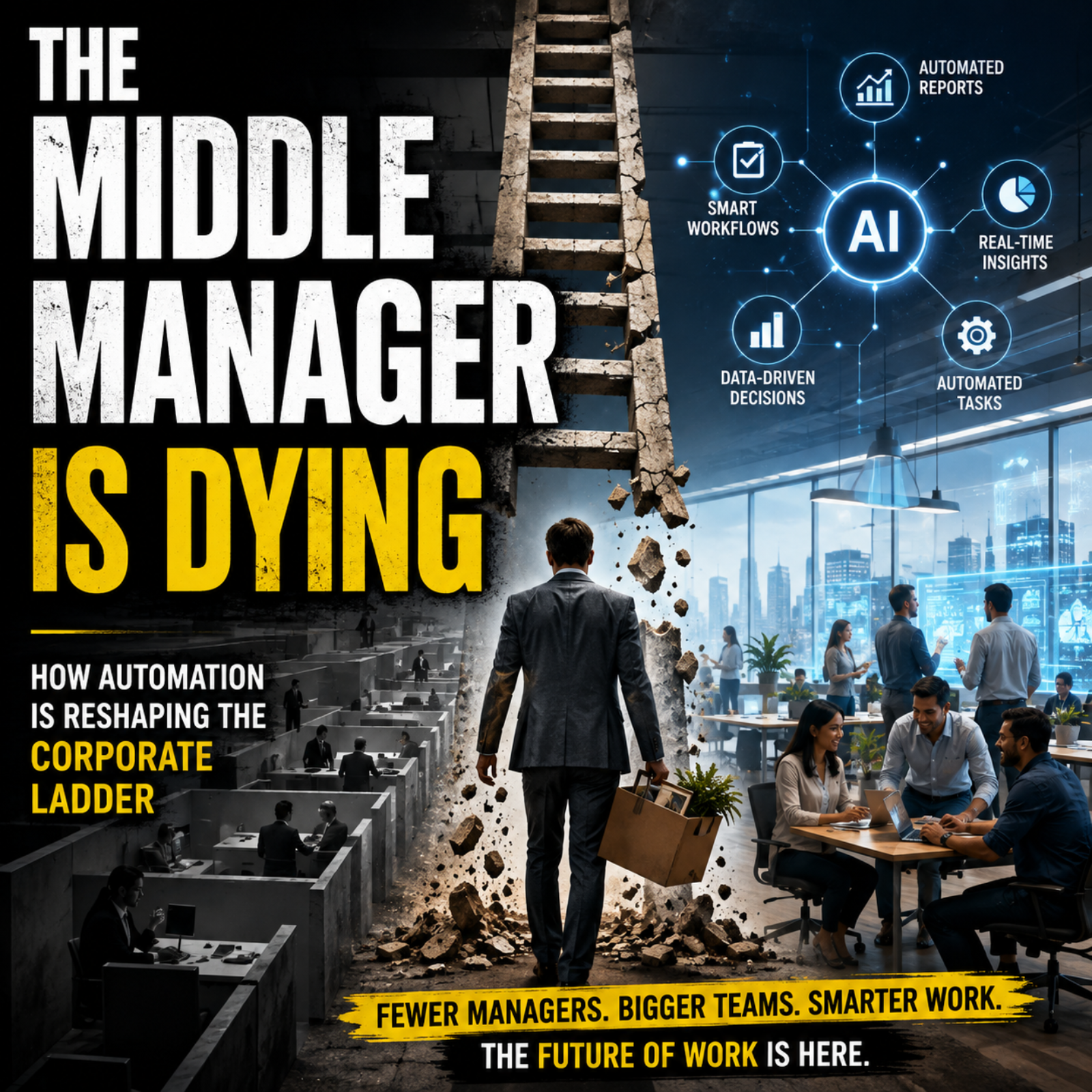 The Death of the Middle Manager — How Automation Is Reshaping the Corporate Ladder 27.08.2026 15minFor decades, middle managers formed the backbone of the modern corporation, passing information upward, coordinating teams, monitoring performance, and turning executive strategy into everyday work.But automation, digital platforms, and artificial intelligence are changing that structure. Companies can now track projects, generate reports, coordinate workflows, and communicate across entire organizations with fewer layers of management.In this episode, we explore why middle management became so important, why corporations are becoming flatter, how AI is reshaping managerial work, and what fewer management positions could mean for promotions, career growth, workplace power, and the future of the corporate ladder.
 -
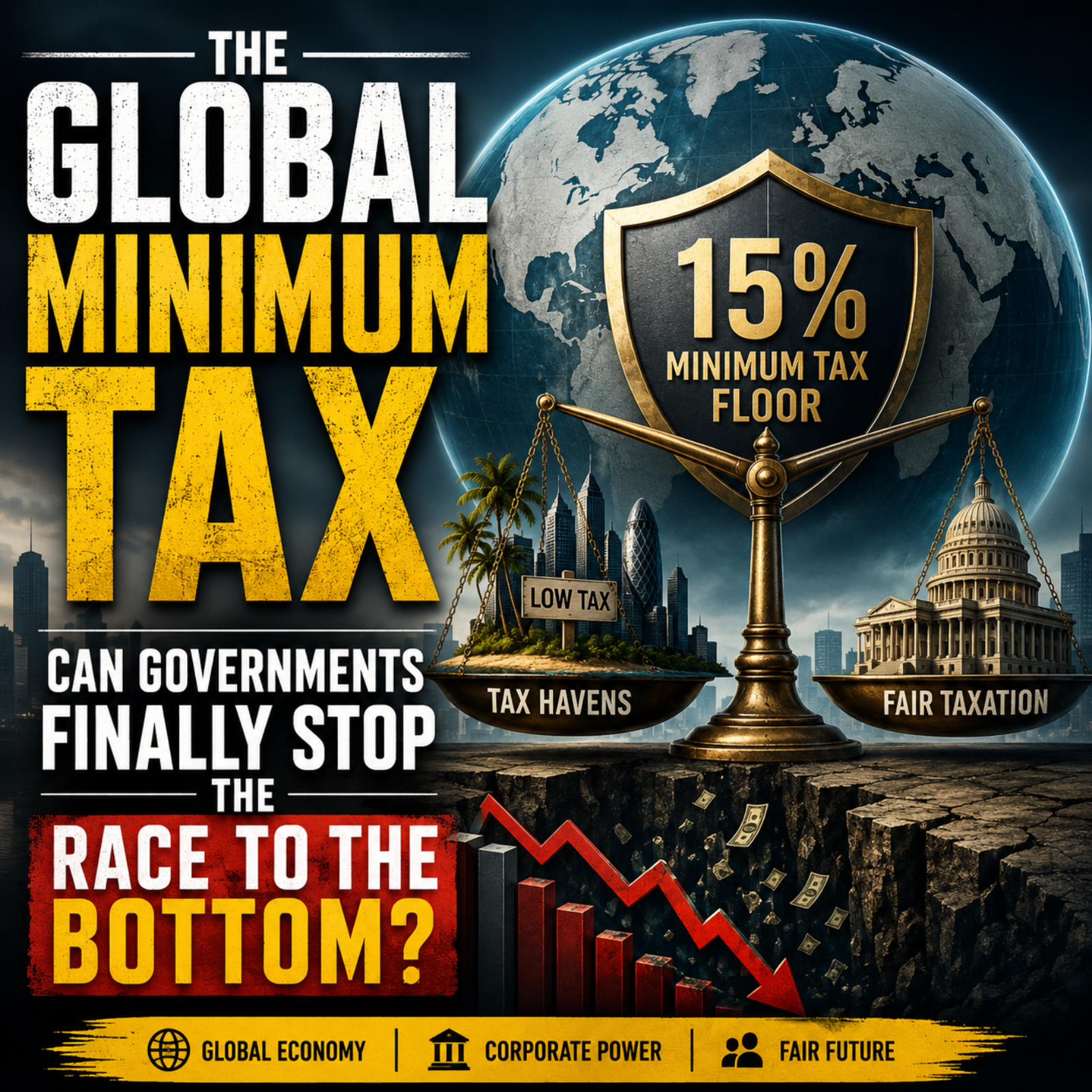 The Global Minimum Tax — Can Governments Finally Stop the Race to the Bottom? 24.08.2026 18minFor decades, countries have competed to attract multinational corporations by lowering corporate tax rates, offering special exemptions, and creating increasingly generous incentives. But as companies became global and profits became easier to shift across borders, governments began asking whether tax competition had gone too far.In this episode, we explore the rise of the global minimum tax, why multinational profit shifting became such a major issue, how tax havens fit into the global economy, and why governments are trying to establish a minimum floor beneath corporate taxation. We also examine the deeper consequences: whether tax competition will truly decline, whether subsidies will replace tax cuts, how developing countries could be affected, and what this experiment tells us about sovereignty in a globalized economy.Can governments finally stop the race to the bottom, or will international competition simply take a new form?
 -
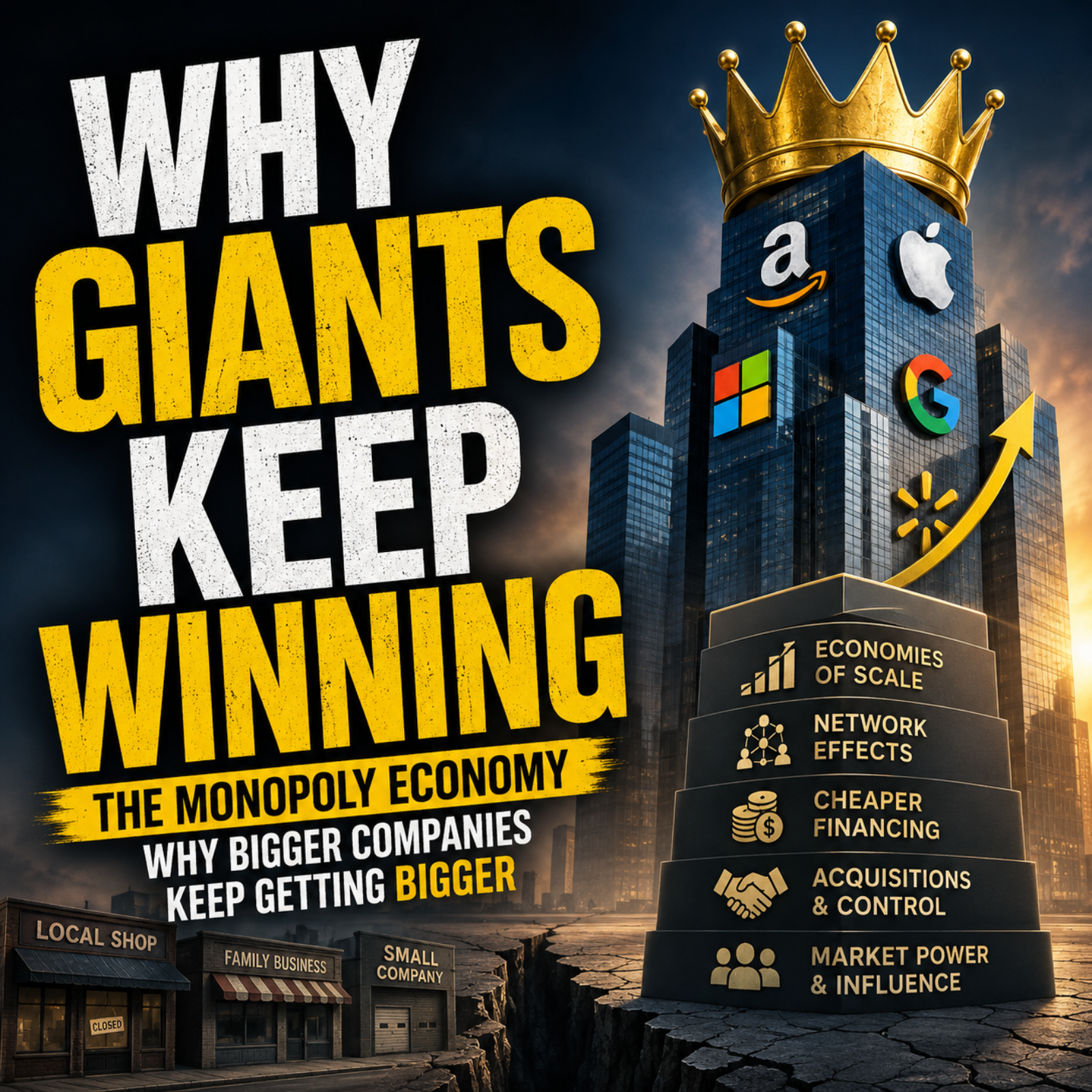 The Monopoly Economy — Why Bigger Companies Keep Getting Bigger 20.08.2026 19minWhy do the biggest companies seem to keep getting bigger?In this episode, we explore the economic forces behind corporate concentration and the rise of dominant firms. From economies of scale and network effects to cheaper financing, data advantages, acquisitions, distribution power, and brand loyalty, we examine why size itself can become a powerful competitive advantage.We also look at the difficult question facing modern economies: when does corporate scale create efficiency, and when does it begin to weaken competition?This episode explains why some industries naturally drift toward a handful of giants, how dominant companies can become increasingly difficult to challenge, and why keeping markets competitive is much more complicated than simply breaking large companies apart.
 -
 The Everything Bubble: Did Zero Interest Rates Break Capitalism? 13.08.2026 20minA thoughtful deep dive into how zero interest rates fueled the rise of the Everything Bubble, inflated asset prices, widened inequality, and reshaped modern capitalism. This episode explores the hidden cost of cheap money, from housing and stocks to startups, debt, and central bank power — and asks what happens when the era of easy money finally ends.
 -
 George Soros vs the Bank of England: The Trade That Broke a Currency 09.08.2026 18minIn 1992, George Soros made one of the most famous trades in financial history: a massive bet against the British pound. This episode explains how Britain’s attempt to defend its currency inside Europe’s Exchange Rate Mechanism turned into Black Wednesday, why the Bank of England was forced to surrender, and what this crisis reveals about central banks, market power, and the limits of government control over money.
 -
 The Dot-Com Bubble: How the Internet Dream Became a Market Crash. 08.08.2026 21minIn this episode, we explore how the internet dream of the late 1990s became one of the most famous market crashes in modern history. The internet was real, powerful, and revolutionary — but investors turned that promise into a wave of speculation.Companies with little revenue, no profits, and weak business models suddenly became stock market favorites. IPOs exploded, media hype grew louder, and fear of missing out pushed valuations higher and higher. But when investors finally started asking simple questions — how does this company make money, and can it survive? — the bubble began to collapse.The dot-com crash reminds us of a timeless lesson: innovation can be real, but hype can still destroy wealth.
 -
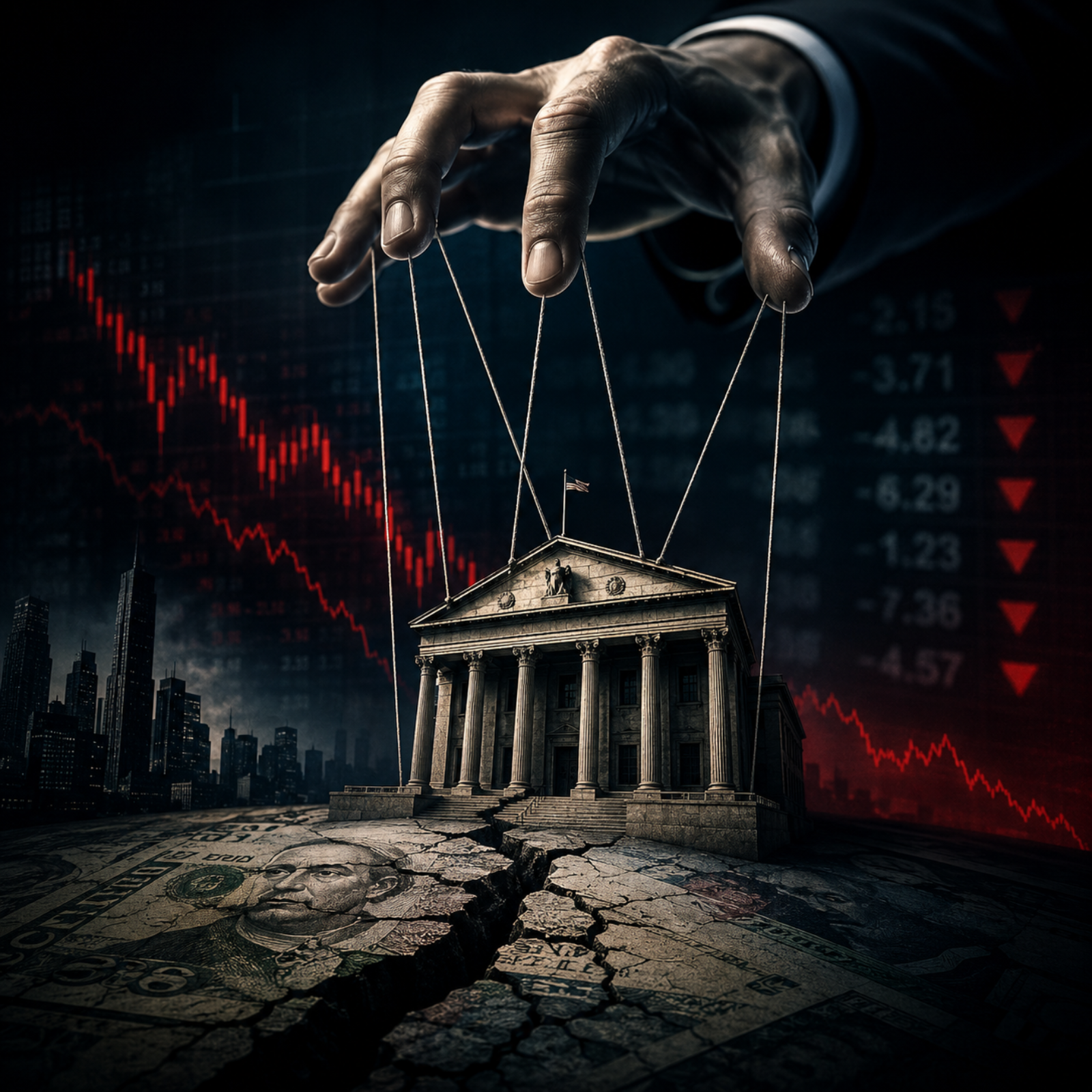 Hedge Funds and Sovereign Power: How Traders Can Break Currencies 06.08.2026 19minIn this episode, we explore how hedge funds and currency traders can challenge the power of governments without firing a shot. When a nation promises to defend its currency, global markets often test whether that promise is real. From fixed exchange rates and foreign reserves to speculative attacks and financial panic, this episode explains how traders can expose weak policies, pressure central banks, and sometimes force countries to abandon their currency defenses.It is a story about money, trust, and sovereignty — where the battlefield is the foreign exchange market, and the weapon is doubt.
 -
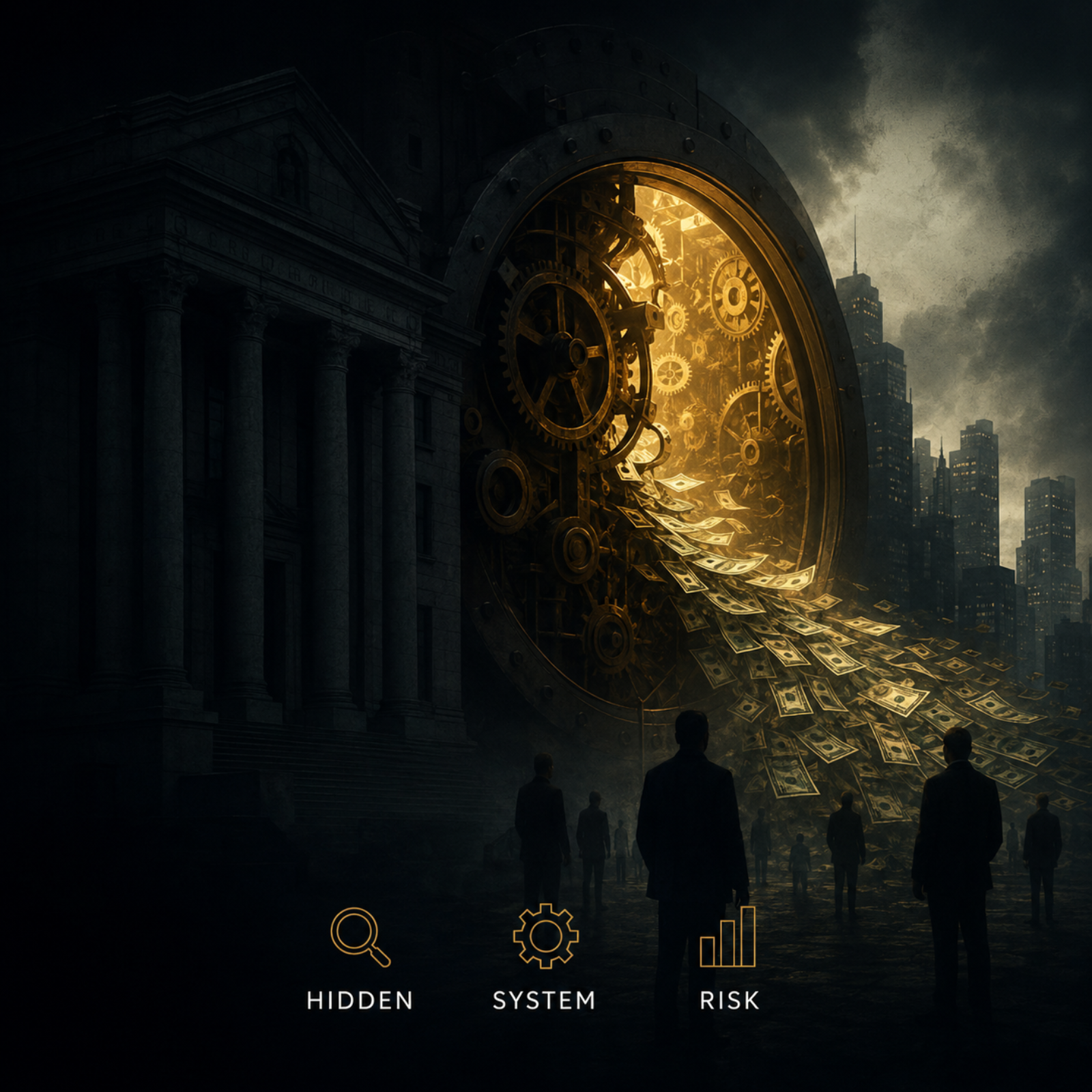 The Shadow Banking System: The Hidden Money Machine Outside Regulation 03.08.2026 18minBehind the traditional banking system lies a powerful financial machine most people never see: shadow banking. In this episode, we explore how money market funds, repo markets, securitization, hedge funds, and private credit help move money outside normal bank regulation. These hidden channels can support growth, expand lending, and keep markets liquid — but when confidence breaks, they can also trigger panic, forced selling, frozen credit, and government intervention. A clear, engaging look at the financial system’s hidden risk engine.
 -
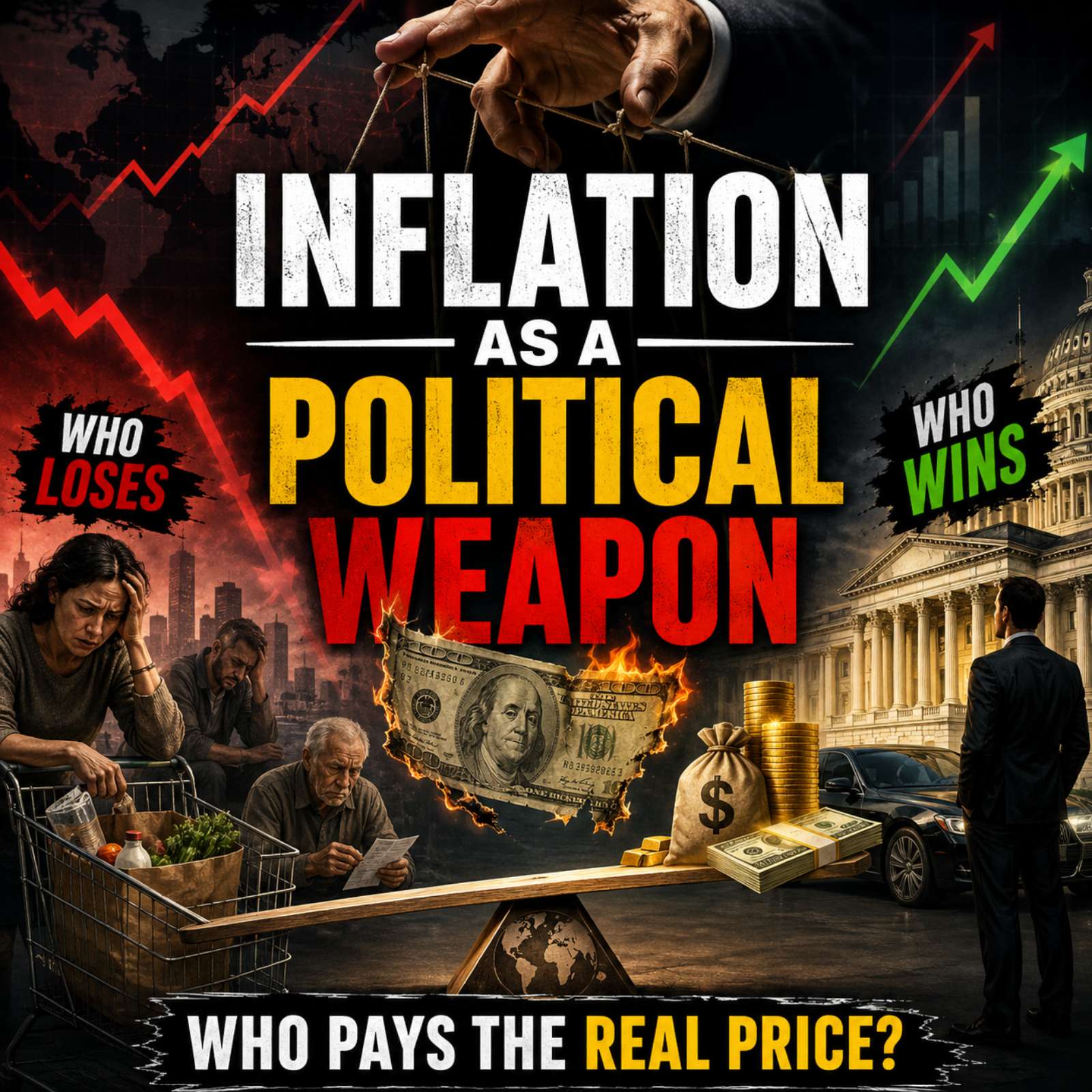 Inflation as a Political Weapon: Who Wins and Who Loses When Money Loses Value 31.07.2026 18minInflation is often described as a technical economic problem, but its effects are deeply political. When money loses value, the costs are not shared equally.In this episode, we explore how inflation redistributes wealth and power between debtors and creditors, workers and employers, renters and homeowners, governments and savers, and younger and older generations.Why can inflation reduce the real burden of debt? Why do wages often rise more slowly than prices? How do asset owners protect themselves while people dependent on cash savings or fixed incomes fall behind? And why does fighting inflation with higher interest rates create a completely new group of winners and losers?This episode reveals inflation as more than rising prices. It is a struggle over who can protect their purchasing power, who can pass costs to others, and who is ultimately forced to pay.
 -
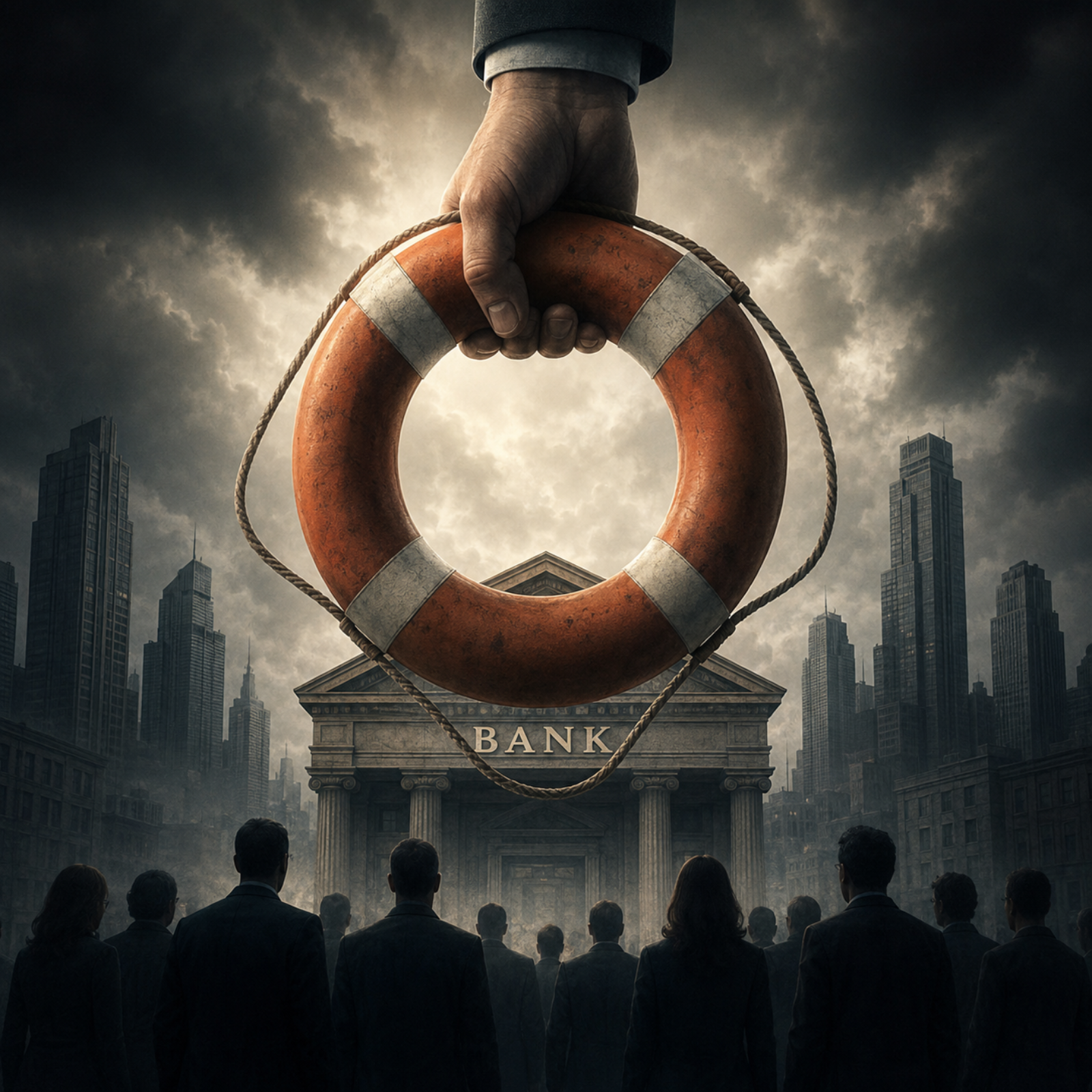 Too Big to Fail: How Governments Learned to Rescue Markets 29.07.2026 20minWhy do governments rescue banks and markets when they fail? This episode explores the controversial idea of “too big to fail” and how modern crisis policy evolved around banking panic, financial contagion, moral hazard, and systemic risk. From bank runs to emergency bailouts, we explain why governments sometimes step in to protect the wider economy — and why those rescues often create public anger, political backlash, and difficult questions about fairness.
 -
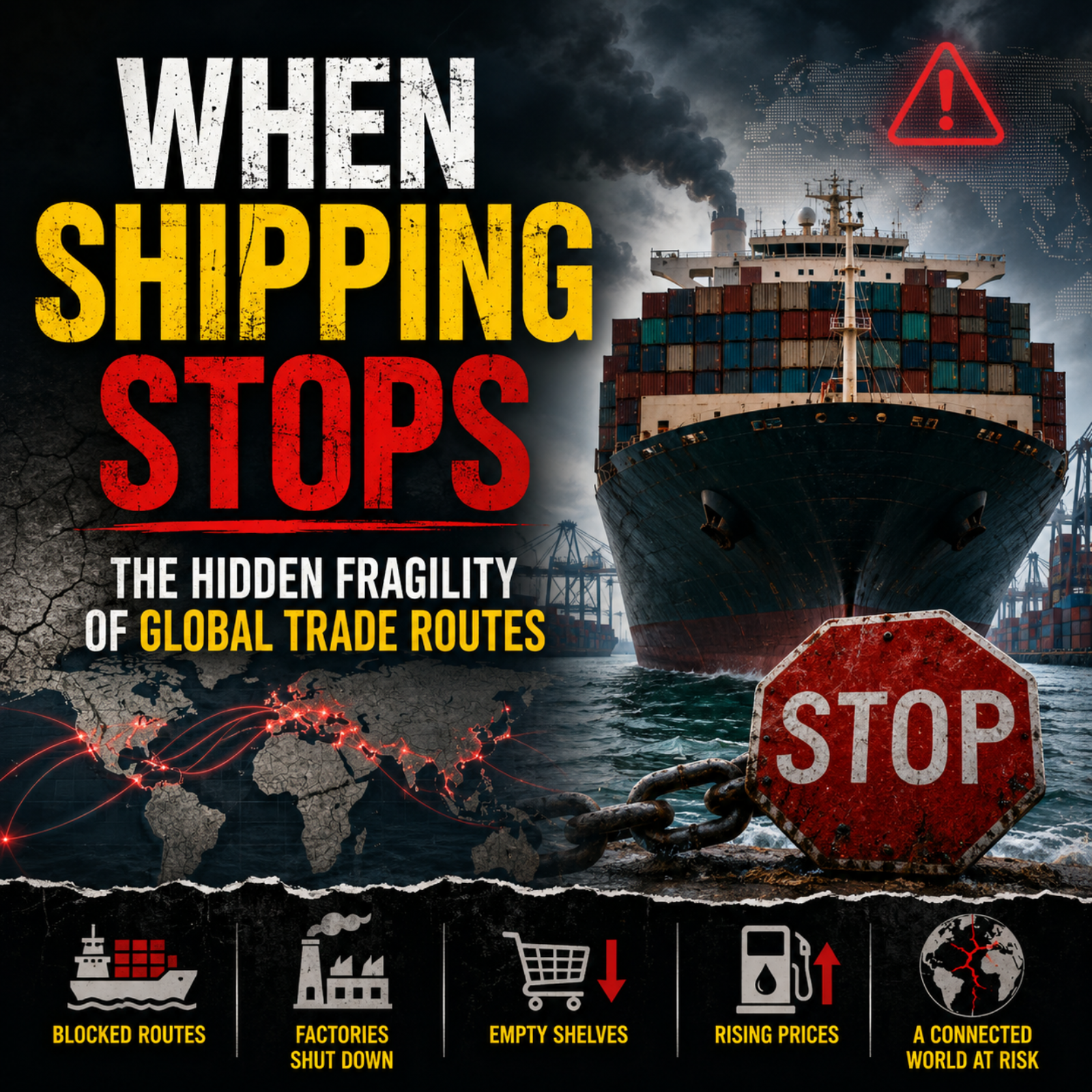 When Shipping Stops: The Hidden Fragility of Global Trade Routes 27.07.2026 20minGlobal trade appears vast, efficient, and unstoppable. But behind the shelves of supermarkets, factories, fuel stations, and technology stores lies a surprisingly fragile system dependent on ships, ports, canals, containers, and a handful of strategic waterways.In this episode, we explore what happens when a major shipping route is blocked or disrupted. From the Suez Canal and the Strait of Hormuz to congested ports and vulnerable supply chains, we examine how one local crisis can spread across factories, energy markets, food systems, and household budgets.Discover why just-in-time production leaves companies exposed, how shipping delays turn into shortages and inflation, why trade routes have become geopolitical weapons, and how climate change and cyberattacks are creating new risks for maritime commerce.When shipping stops, the effects do not remain at sea. They reach nearly every part of modern life.
 -
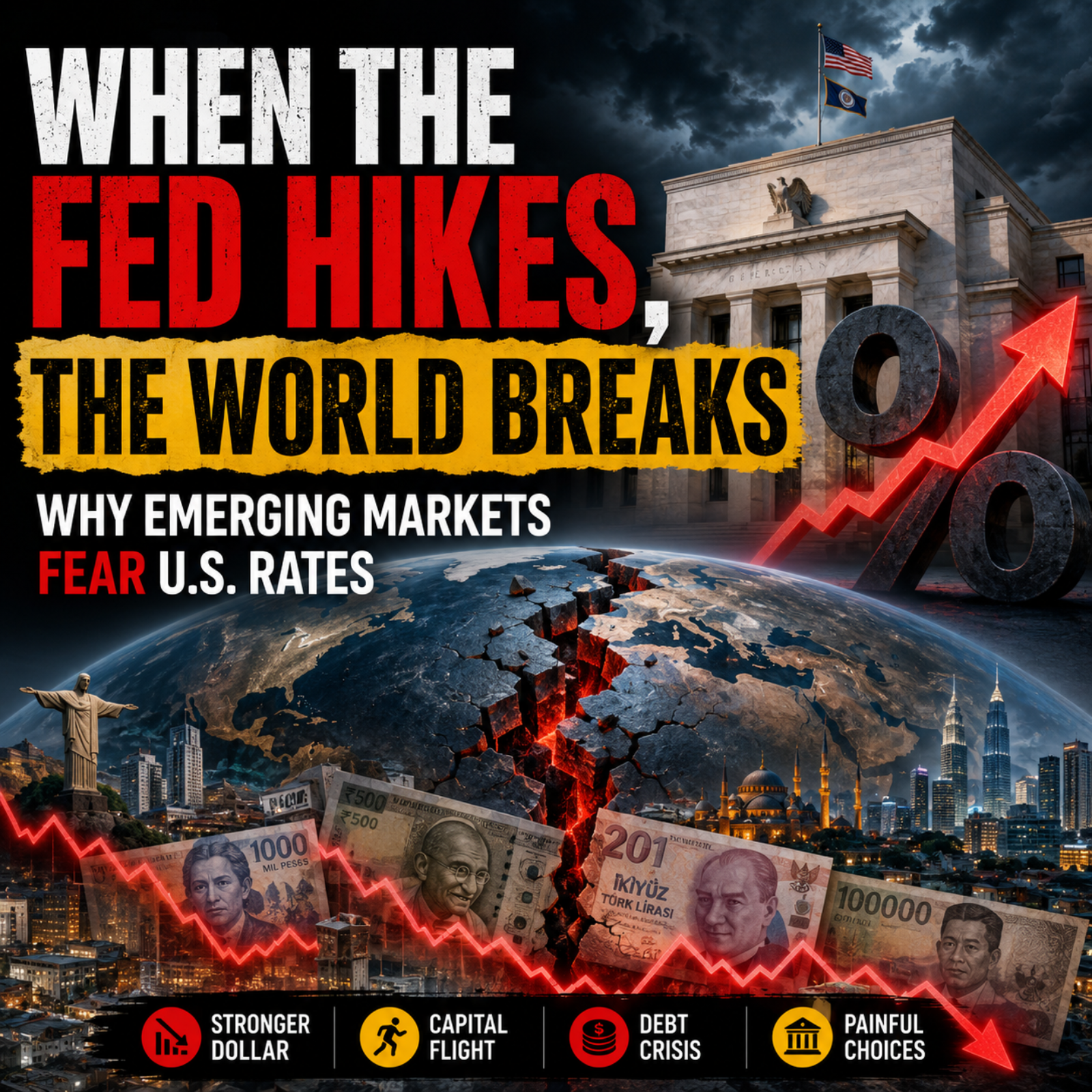 When the Fed Hikes, the World Breaks: Why Emerging Markets Fear U.S. Rates 24.07.2026 11minWhy can one interest-rate decision in Washington trigger currency crashes, inflation, debt stress, and political turmoil thousands of miles away?In this episode, we explore how Federal Reserve rate hikes strengthen the dollar, pull capital out of emerging markets, increase the burden of dollar-denominated debt, and force vulnerable countries to make painful economic choices. From Latin America’s debt crisis to the taper tantrum, this is the story of how the U.S. Federal Reserve became one of the most powerful forces in the global economy.
 -
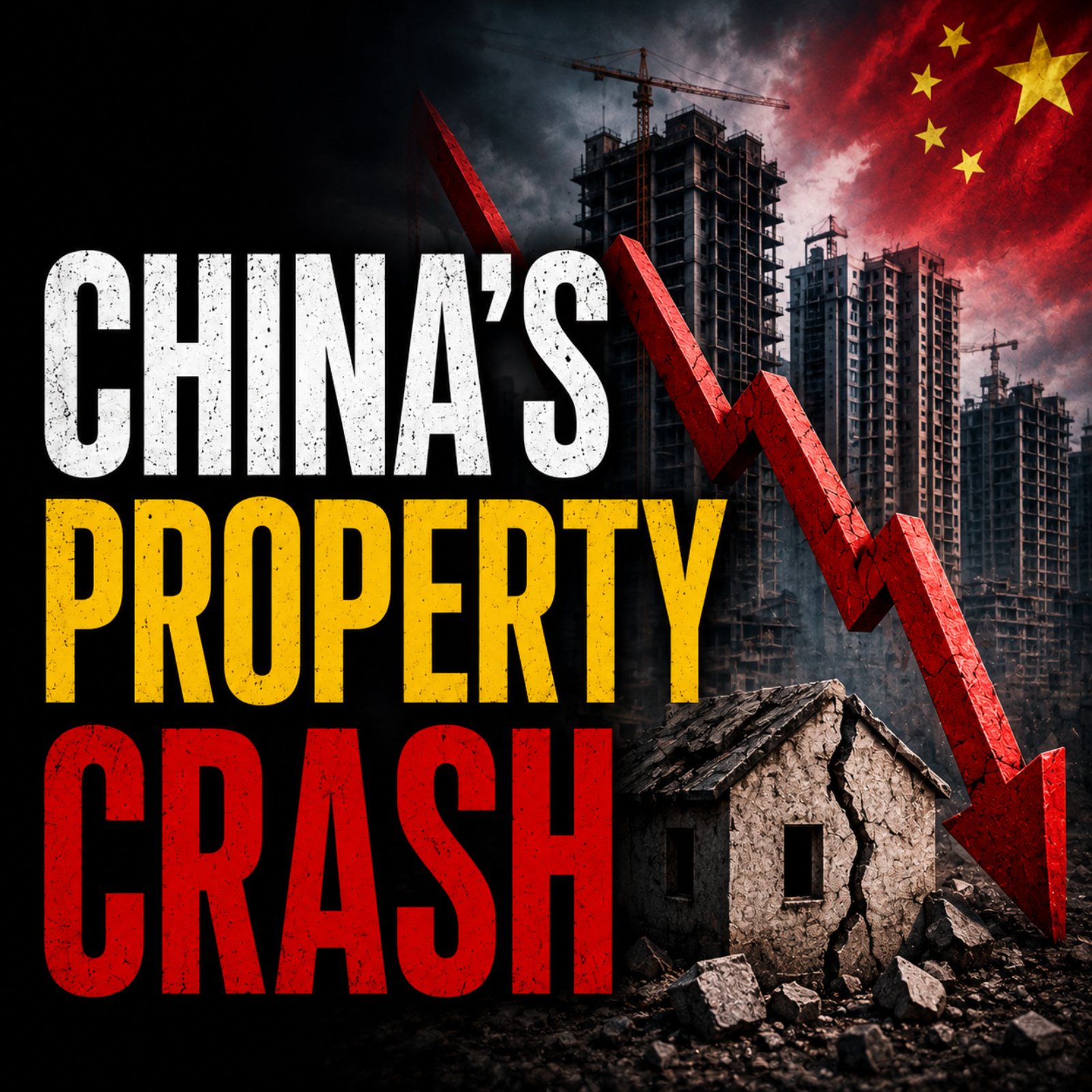 China’s Property Crash: The Balance Sheet Crisis Behind the Boom 24.07.2026 17minChina’s property crash is more than a story about falling home prices and troubled developers. For decades, real estate became the foundation of household wealth, local government revenue, bank lending, and national growth.In this episode, we explain how China’s housing boom turned into a balance sheet problem — connecting families, developers, cities, banks, and the wider global economy. From unfinished apartments and debt-heavy developers to local government land sales and weak consumer confidence, this is the story of how concrete became one of China’s biggest economic risks.
 -
 SWIFT: The Financial Network That Can Cut Nations Off From the World 23.07.2026 20minWhat happens when a country’s banks are cut off from the world’s financial messaging system? This episode explains SWIFT, the invisible network behind global payments, and how it became a powerful tool in sanctions, geopolitics, and economic pressure. From Iran to Russia, we explore how financial infrastructure can shape trade, isolate nations, and reveal who really controls the pipes of globalization.
 -
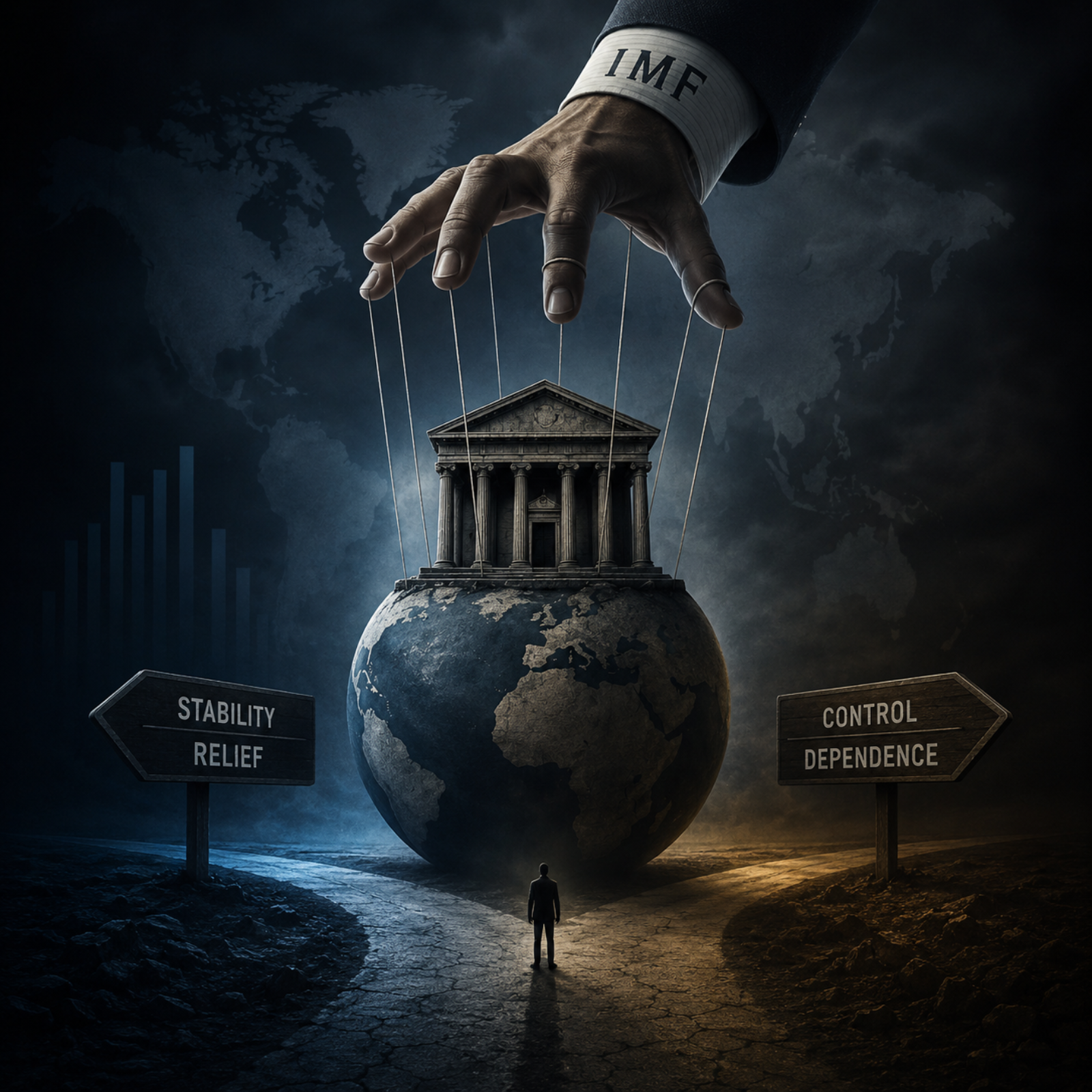 The IMF Playbook: Rescue Package or Financial Control System? 21.07.2026 18minIs the IMF a lifeline for countries in crisis, or a system of financial control? This episode explores how IMF rescue packages work, why countries turn to them when currencies collapse and reserves run dry, and why the conditions attached to those loans can reshape national policy. From austerity and subsidy cuts to currency reform and creditor power, we unpack the difficult balance between rescue, sovereignty, and economic survival.
 -
 Currency Wars: How Nations Fight Without Firing a Shot 17.07.2026 16minIn this episode, we explore the hidden battlefield of modern economic power: currency wars. Nations do not always need armies, missiles, or open conflict to pressure each other. Sometimes, they use exchange rates, interest rates, sanctions, debt, central banks, and access to the global financial system.We break down how countries weaken or defend their currencies, why a cheaper currency can help exports but hurt ordinary people, and how the U.S. dollar became one of the most powerful tools in global politics. From emerging market debt crises to sanctions, dollar dependence, gold reserves, and China’s push for a stronger yuan, this episode explains how money itself can become a weapon.Currency wars are quiet, but their effects are very real. They can raise food and fuel prices, destabilize governments, damage trade, and reshape global power without a single shot being fired.
 -
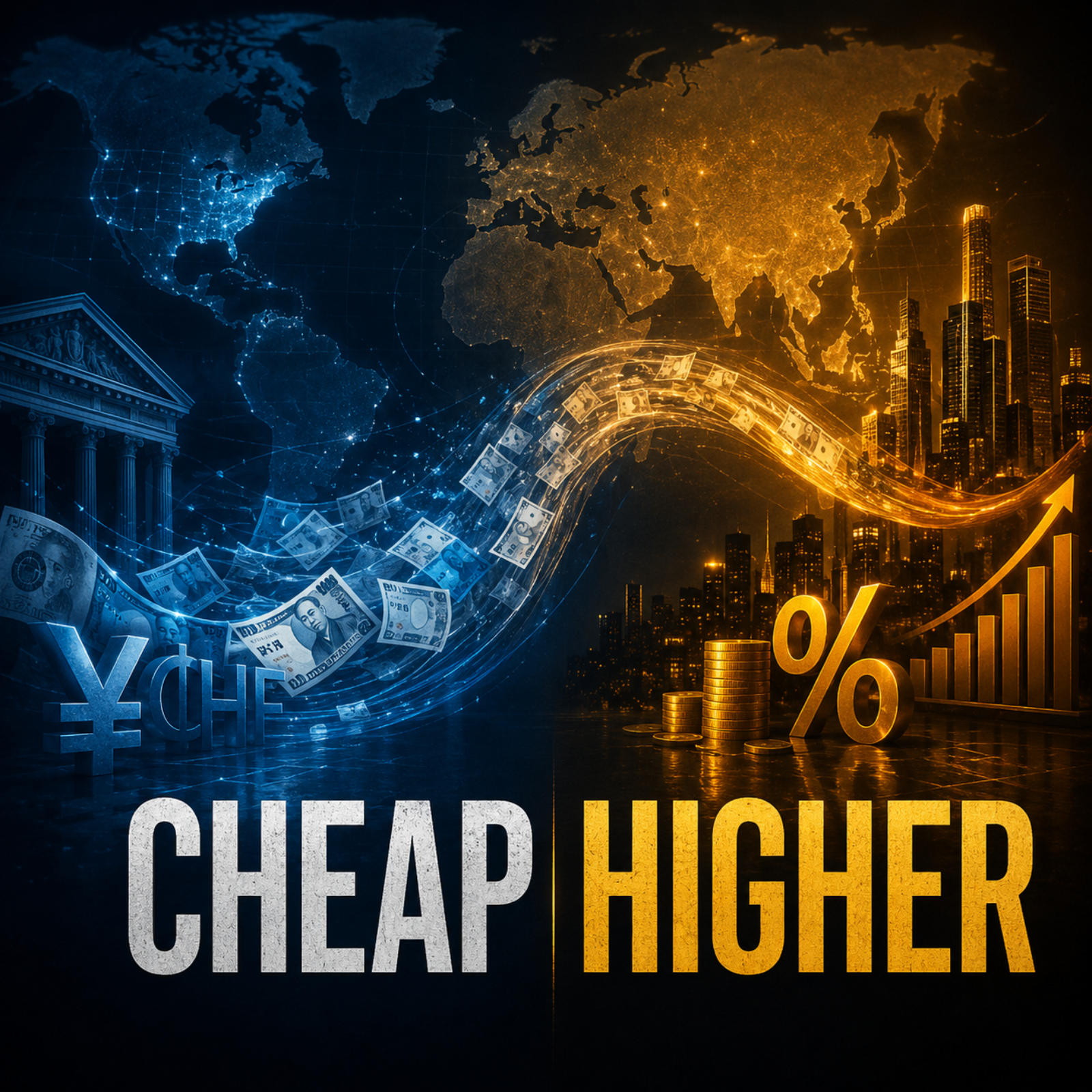 The Global Carry Trade: How Cheap Money Moves Across Borders. 15.07.2026 19minIn this episode, we explore the global carry trade — the hidden financial strategy where investors borrow in low-interest currencies and move money across borders in search of higher returns. From the Japanese yen to emerging-market bonds, this episode explains how cheap money can fuel booms, strengthen currencies, inflate asset prices, and then suddenly reverse when fear returns. A clear, story-driven look at how interest rates, currencies, and global investment flows quietly shape the world economy.
Samankaltaiset podcastit


Suosittu maassa
Tämä podcast esiintyy myös näiden maiden podcast-listoilla.
