
Stories from the World of Science
Sašo Dolenc
0
Stories from the World of Science is a podcast by science writer and philosopher of science Sašo Dolenc. It aims to explain science in a simple, attractive, and fun way that is open to everyone. The episodes collect stories from the world of science, also available in book form. Dolenc explores scientific ideas and discoveries with an engaging, approachable style.
Jaksot
-
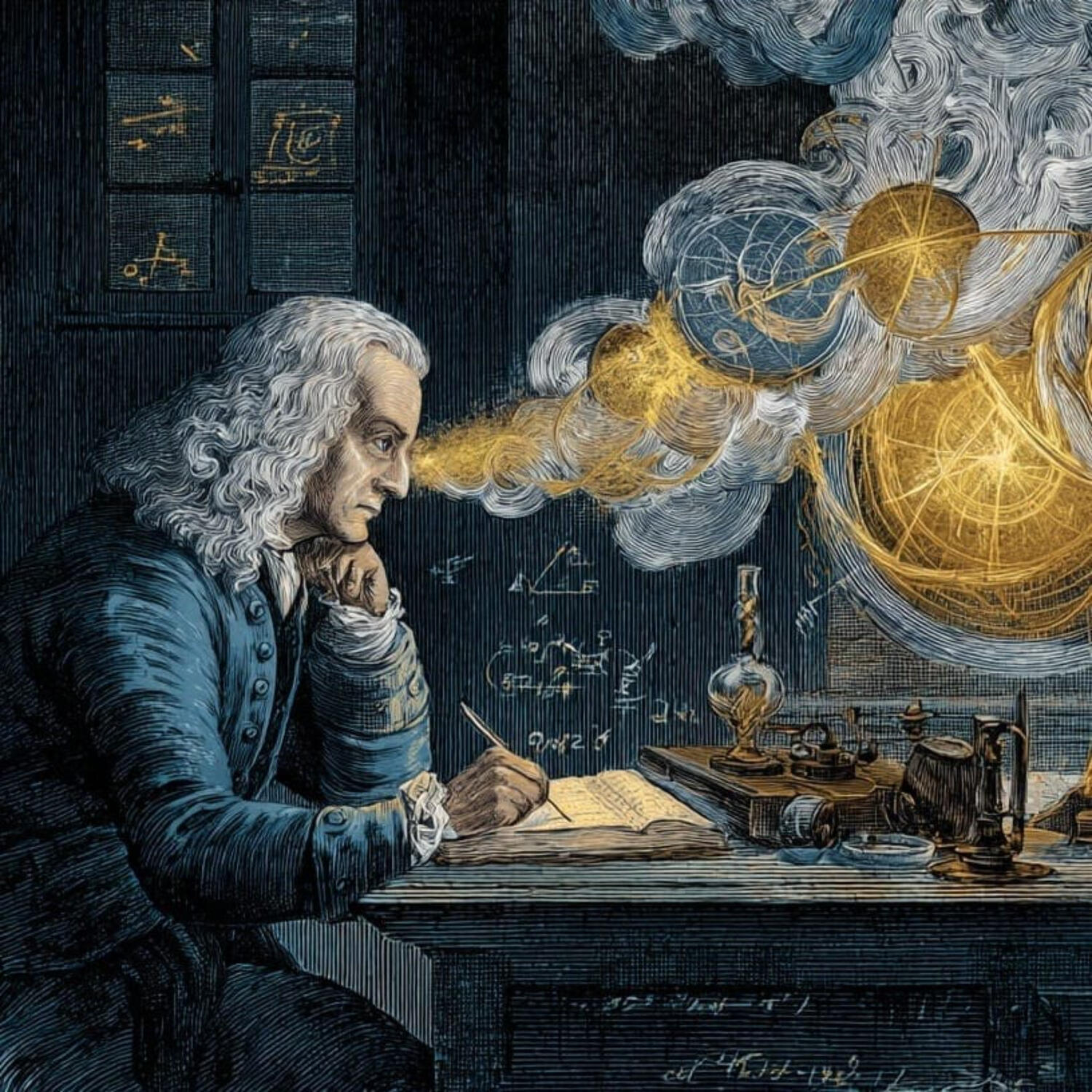 Isaac Newton: The Last Magician of Modern Science 19.03.2026 52minThis episode explores the complex duality of Isaac Newton, portraying him not just as a rational scientist but as the "last of the magicians." While modern history celebrates his mathematical laws and the discovery of universal gravitation, the debate reveals that his breakthroughs were deeply rooted in alchemy, theology, and mysticism. Newton viewed the universe as a divine cryptogram, using his experiments with toxic chemicals and biblical prophecy to find the active forces of God within nature. Ironically, the very mathematical frameworks he created to prove a divine presence eventually allowed later scholars to describe a self-sustaining universe that functioned without a creator. Ultimately, the narrative highlights how Newton’s obsessive search for hidden spiritual truths inadvertently paved the way for the secular age of modern science. The dialogue was created using NotebookLM, based on the article by Sašo Dolenc.
 -
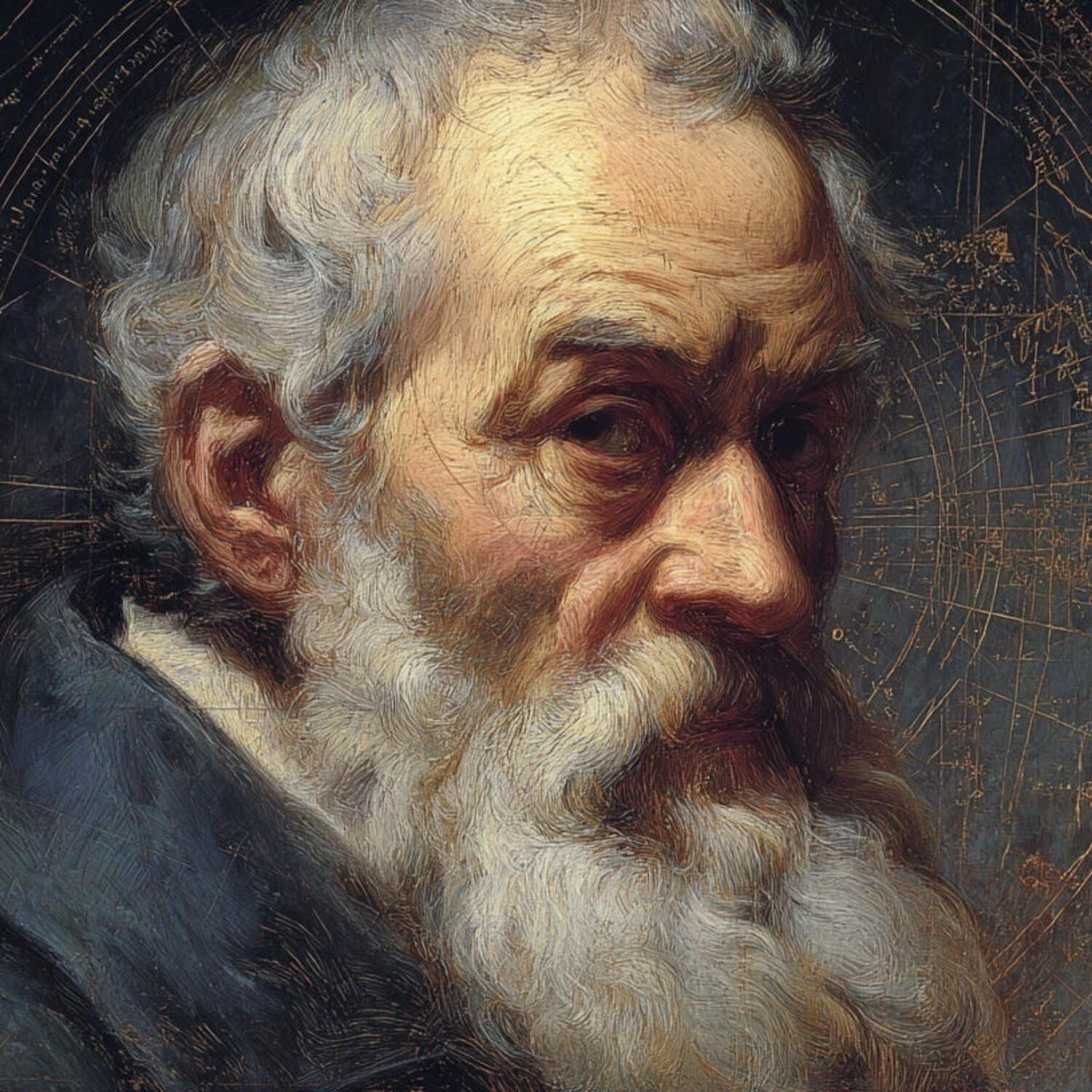 Galileo Galilei: Mathematics as the Invisible Skeleton of Reality 17.03.2026 55minThis episode explores how Galileo Galilei transformed the study of nature by establishing mathematics as the fundamental language of reality. By refining the telescope and applying artistic principles like perspective, he dismantled the ancient belief that the heavens were a perfect, divine realm separate from the flawed Earth. The debate highlights how Galileo utilized strategic rhetoric to gain political support while simultaneously sparking an ontological scandal by insisting that physical laws are governed by geometric certainty. His revolutionary method involved stripping away subjective sensory experiences—the "packaging"—to reveal the mathematical skeleton of the universe. Ultimately, the episode frames his conflict with the Inquisition as a battle over who holds the authority to define absolute truth, a legacy that continues to underpin modern physics and technology. The dialogue was created using NotebookLM, based on the article by Sašo Dolenc.
 -
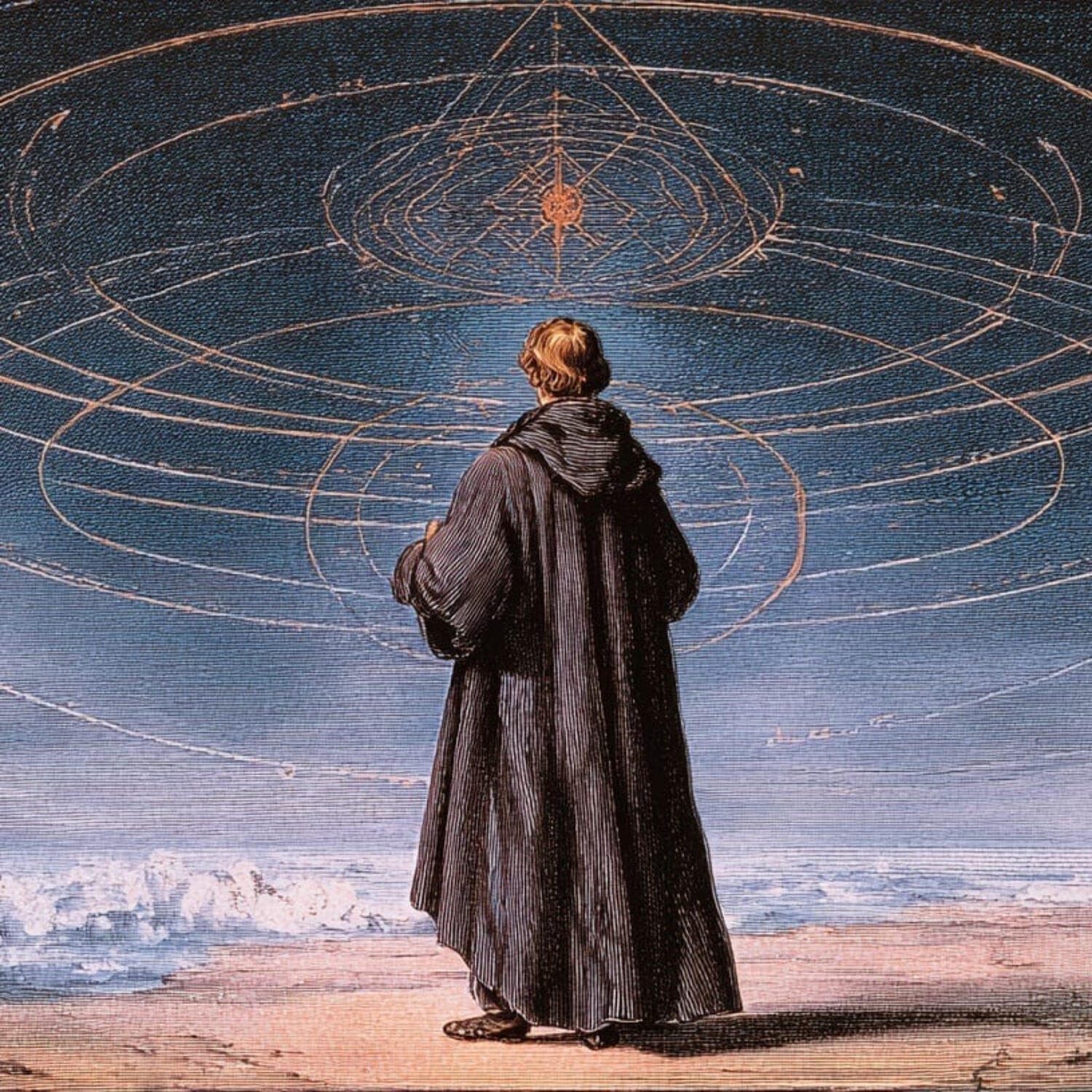 Nicolaus Copernicus: The Conservative That Accidentally Moved the Earth 14.03.2026 59minThis episode explores the life and intellectual motivations of Nicolaus Copernicus, reframing his heliocentric revolution as a conservative effort to restore divine harmony to the heavens. Driven by aesthetic dissatisfaction with the messy geocentric models of his time, Copernicus sought to replace mathematical "monstrosities" with a system where the Sun occupied a central, dignified position. The narrative highlights how he used geometric logic to challenge physical intuition, ultimately transforming the Earth into just another moving planet. Despite his cautious nature and fear of ridicule, his work dismantled the ancient boundary between the celestial and terrestrial realms. The episode concludes by tracing how his successors, like Kepler, eventually sacrificed the ideal of perfect circles to embrace a more accurate, albeit less "beautiful," universe. This shift marked the true birth of modern science, where mathematical necessity overrides human sensory experience. The dialogue was created using NotebookLM, based on the article by Sašo Dolenc.
 -
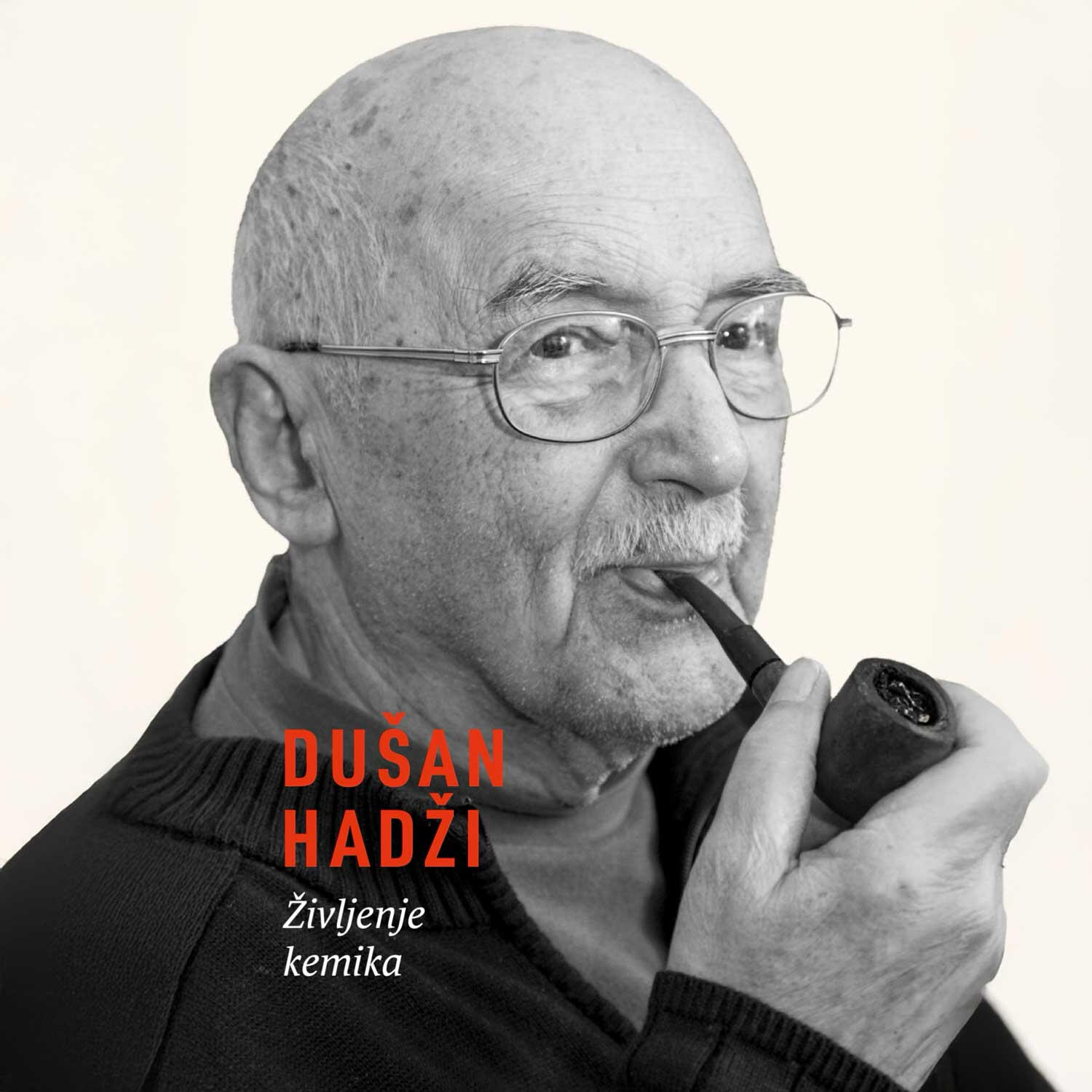 Beyond the Hydrogen Bond: The Legacy of Dušan Hadži 06.12.2024 21minDušan Hadži was a prominent Slovenian chemist who dedicated his career to understanding the intricacies of chemical structures and interactions, particularly focusing on hydrogen bonding. (The dialogue was created using the NotebookLM tool and is based on the book DUŠAN Hadži: The Life of a Chemist, published in 2024.)
 -
 From War-Torn Streets to Nobel Laureate: The Extraordinary Journey of Mario Capecchi 16.10.2024 9minThis podcast tells the incredible life story of Mario Capecchi, a world-renowned geneticist and Nobel Prize winner. His journey began amidst the turmoil of World War II, where he experienced unimaginable hardship as a child. Abandoned and left to fend for himself on the streets of war-torn Italy, Capecchi endured hunger, illness, and witnessed traumatic events that left deep scars. Despite these challenges, his spirit of resilience and survival shone through. After the war, he was reunited with his mother and immigrated to the United States, finding a supportive environment with his uncle, a prominent physicist. This newfound stability, combined with his innate curiosity and determination, fostered his passion for science. Capecchi's scientific pursuits led him to Harvard University, where he worked in the laboratory of James Watson, co-discoverer of DNA. Inspired by Watson's mentorship, Capecchi was drawn to tackling fundamental questions in genetics. Eventually, he established his own laboratory at the University of Utah, seeking a less competitive environment to focus on his research. There, Capecchi embarked on a risky and ambitious project: developing a technique for targeted gene modification in mice. Despite initial skepticism from funding agencies, he persevered, driven by a vision of the potential impact. His groundbreaking work led to the creation of "knockout mice," a revolutionary tool for understanding gene function and developing new disease therapies. In recognition of his transformative contributions to science, Capecchi was awarded the Nobel Prize in Physiology or Medicine in 2007. His research has had profound implications for medicine, leading to new treatments for a wide range of diseases, deepening our understanding of gene function, and paving the way for personalized medicine. However, the story doesn't end there. Capecchi's Nobel Prize win unexpectedly led to the reunion with a long-lost half-sister, Marlene Bonelli, bringing a poignant closure to a chapter marked by wartime separation and loss. (The dialogue was created using the NotebookLM tool.)
 -
 The Two-Step Process of Effective Science Communication 13.10.2024 9minDebate on the article The essence of science communication - Rethinking contemporary science communication and its role in society. The article discusses the critical importance of effective science communication, especially in the context of crises like the COVID-19 pandemic, where misinformation can lead to public confusion and mistrust. It highlights that science communication is not merely about transferring knowledge, but involves a two-step process: first, accurately assessing scientific consensus and uncertainties, and second, conveying that information in an accessible manner. The article emphasizes the need for clear definitions to distinguish between science communication, journalism, and public relations, underlining the role of science communicators in ensuring that scientific knowledge is responsibly shared, helping to build trust and counter misinformation. (The dialogue was created using the NotebookLM tool.)
 -
 MicroRNAs: Revolutionizing Gene Regulation – Unveiling the 2024 Nobel-Winning Discovery 08.10.2024 11minThis podcast discusses the groundbreaking discovery of microRNAs, the small but powerful molecules that revolutionized our understanding of gene regulation, earning Victor Ambros and Gary Ruvkun the 2024 Nobel Prize in Physiology or Medicine. Unlike simple on-off gene switches, microRNAs act like genetic "sticky notes," fine-tuning gene expression by attaching to messenger RNA. These tiny regulators are found across a wide range of species, including humans, underscoring their crucial role in biological processes. Disruptions in microRNA function have been linked to disorders such as Dicer-1 syndrome and a heightened risk of tumors, emphasizing their importance in maintaining healthy gene activity. Scientists are now investigating the potential of microRNAs for targeted therapies, aiming to correct genetic abnormalities, though practical applications remain in development. This episode explores how these tiny molecules are reshaping our approach to genetics and medicine. (The dialogue was created using the NotebookLM tool.)
 -
 William Sealy Gosset: The Brewer Who Revolutionized Statistics 04.10.2024 12minThis podcast tells the story of William Sealy Gosset, a mathematician and chemist who worked at the Guinness brewery and developed the Student's t-test. Gosset's work was driven by the need to ensure consistency in Guinness beer, which was being produced and exported in increasingly large quantities. To maintain the beer's quality and taste, the brewery began hiring scientists to standardize production. One challenge Gosset faced was analyzing shipments of barley and hops, which had varying levels of key ingredients. He needed a way to determine if variations in small samples were random or representative of the whole shipment. This led him to develop a statistical test to determine the reliability of extrapolating findings from small samples to larger populations. This test, now known as the Student's t-test, helps researchers determine if experimental results reflect a general truth or are just random noise. Although Guinness prohibited employees from publishing work-related findings, Gosset's discovery was too important to keep secret. He published his findings under the pseudonym "Student" to protect his identity. The Student's t-test remains a vital tool in scientific research and various industries for analyzing data and making informed decisions from small sample sizes. (The dialogue was created using the NotebookLM tool.)
 -
 Chasing the Coldest Cold: A History of Absolute Zero and the Bose-Einstein Condensate 04.10.2024 9minThis podcast tells the story of the scientific pursuit of absolute zero, the lowest theoretically possible temperature, and the groundbreaking discovery of the Bose-Einstein condensate. Reaching absolute zero, where atoms and molecules have the lowest possible kinetic energy, is impossible in a laboratory setting, but scientists have managed to cool atoms down to a tiny fraction of a degree above it. The podcast discusses some of the historical milestones in this pursuit, starting in the 19th century with Scottish physicist and chemist James Dewar. Dewar developed new techniques and tools for working with very cold fluids and gases, including the vacuum flask that is still widely used today. Dewar was also driven to liquefy hydrogen. This procedure, however, was complicated and risky. Scientists at the time had to liquefy gases one after another to create colder and colder environments. This involved high pressure and extremely low temperatures, which led to several accidents in Dewar's lab. Though Dewar successfully liquefied hydrogen in 1898, he was unable to liquefy helium, which has an even lower temperature threshold. It was Dutch scientist Heike Kamerlingh Onnes who was the first to liquefy helium in 1908. These breakthroughs in reaching ultra-low temperatures paved the way for the discovery of new states of matter. In the early 20th century, scientists started to study the unique properties of super-cooled matter. They discovered superconductivity, a state in which certain substances lose their electrical resistance, and superfluidity, a state in which liquid helium loses its viscosity. Building upon these discoveries, in 1925, scientist Satyendra Nat Bose developed a new mathematical model that was later used by Albert Einstein to predict the existence of the Bose-Einstein condensate (BEC), a new state of matter where atoms lose their individual identities and become indistinguishable from one another. Reaching the temperatures needed to create a BEC, however, required new technologies. Scientists achieved this using laser cooling and magnetic trap methods, which allowed them to cool atoms down to a few millionths of a degree above absolute zero. Finally, in 1995, researchers successfully created a BEC in the lab for the first time, marking a groundbreaking achievement in the field of physics and our understanding of matter. (The dialogue was created using the NotebookLM tool.)
 -
 Milan Vidmar: The Chess Master Who Checkmated a King 04.10.2024 11minMilan Vidmar (1885-1962) was a prominent figure in Slovenian intellectual and academic life during the first half of the 20th century. He excelled in seemingly disparate fields, achieving international recognition for his work in electrical engineering and chess, while also playing a crucial role in the development of the University of Ljubljana. Born in Ljubljana, Vidmar displayed intellectual prowess from a young age. Despite a physical handicap, he graduated early from secondary school with exceptional performance. He then pursued mechanical engineering at the University of Vienna, earning his PhD at 25. After completing his studies, Vidmar worked in Austrian electrical factories, quickly becoming known for his innovative thinking and comprehensive knowledge. His expertise in transformers culminated in his acclaimed book, Transformers, published in 1921. Parallel to his engineering career, Vidmar nurtured a deep passion for chess. Starting as a schoolboy, he rose through the ranks to become a grandmaster, competing against the world's elite. He was notable for being one of the few amateur players to reach such heights. In 1919, Vidmar was unexpectedly appointed a full professor at the newly established University of Ljubljana. He later served as rector in 1928, during which time he skillfully protected the university from political interference. Vidmar recognized the importance of the university in fostering a distinct Slovenian identity. He believed that education and intellectual discourse were crucial for overcoming the feelings of inferiority he saw in his fellow Slovenians, which he attributed to years of foreign rule. Vidmar's life and achievements demonstrate a rare combination of intellectual depth, strategic thinking, and dedication to his nation. He left an enduring legacy on Slovenia, not only through his contributions to engineering and education, but also through his tireless efforts to elevate the intellectual standing of his people. (The dialogue was created using the NotebookLM tool.)
 -
 Josip Plemelj: A Slovenian Mathematician Who Shaped a Nation's Intellectual Landscape 04.10.2024 13minJosip Plemelj (1873-1967) was a renowned Slovenian mathematician who made significant contributions to the field of mathematics, particularly in the area of linear differential equations. He also played a pivotal role in establishing the University of Ljubljana and fostering the growth of mathematics in Slovenia. Born in Grad, Bled, to a humble family, Plemelj's mathematical talent was evident from a young age. He pursued his studies with remarkable determination, overcoming financial hardship and disciplinary issues. His academic journey took him from Ljubljana to Vienna, where he earned his doctorate in 1898 under the guidance of Professor Gustav von Escherich. He furthered his studies in Berlin and Göttingen, working alongside leading mathematicians of the time, including Ferdinand Frobenius, Lazarus Fuchs, Felix Klein, and David Hilbert. In 1907, Plemelj was appointed professor of mathematics at the University of Chernivtsi, then part of Austria-Hungary. After the World War I, Plemelj returned to Slovenia and played a key role in the establishment of the University of Ljubljana, becoming its first rector in 1919. He passed away in 1967 at the age of 93, leaving behind a legacy that continues to inspire mathematicians and scholars in Slovenia and beyond. (The dialogue was created using the NotebookLM tool.)
 -
 Zora Janžekovič: The Surgeon Who Revolutionized Burn Treatment 03.10.2024 9minZora Janžekovič (1918-2015) was a Slovenian surgeon who revolutionized the treatment of severe burns. Despite facing significant challenges throughout her career, her groundbreaking work gained international recognition, and she is now considered one of the most influential doctors of the 20th century. Janžekovič pioneered the tangential excision technique, a method of surgically removing dead tissue from burns early to minimize infection and promote healing. Surgeons from around the world traveled to Maribor to learn from her, solidifying her method as the standard for treating severe burns. Her unwavering dedication, perseverance, and commitment to improving the lives of burn patients led to a paradigm shift in burn care, saving countless lives and leaving an indelible mark on the history of medicine. (The dialogue was created using the NotebookLM tool.)
 -
 Josef Stefan: The Life and Legacy of a Slovenian Physicist 03.10.2024 21minJosef Stefan (1835-1893) was a renowned Slovenian physicist who rose from humble beginnings to become a leading figure in the Austrian scientific community. Born to illiterate parents in a small village near Klagenfurt, Austria, Stefan's early life was marked by poverty and hard work. Despite facing initial barriers to higher education due to his family's circumstances, he excelled in his studies and developed a strong passion for science. Stefan's journey from a small village to the University of Vienna is a testament to his intelligence, resilience, and dedication. He is best known for the Stefan-Boltzmann law, which describes the power radiated from a black body in terms of its temperature. Beyond his work on thermal radiation, Stefan made important contributions to the study of thermal conductivity in gases and the field of electrotechnics. He was a highly respected educator and administrator, serving as the director of the Physics Institute at the University of Vienna and holding prominent positions in various scientific societies. Stefan's dedication to teaching and mentorship is evident in his relationship with his student, Ludwig Boltzmann, who went on to achieve great fame for his work in statistical mechanics. He passed away in 1893, leaving behind a lasting legacy as a brilliant scientist, dedicated educator, and influential figure in the advancement of physics in the 19th century. (The dialogue was created using the NotebookLM tool.)
 -
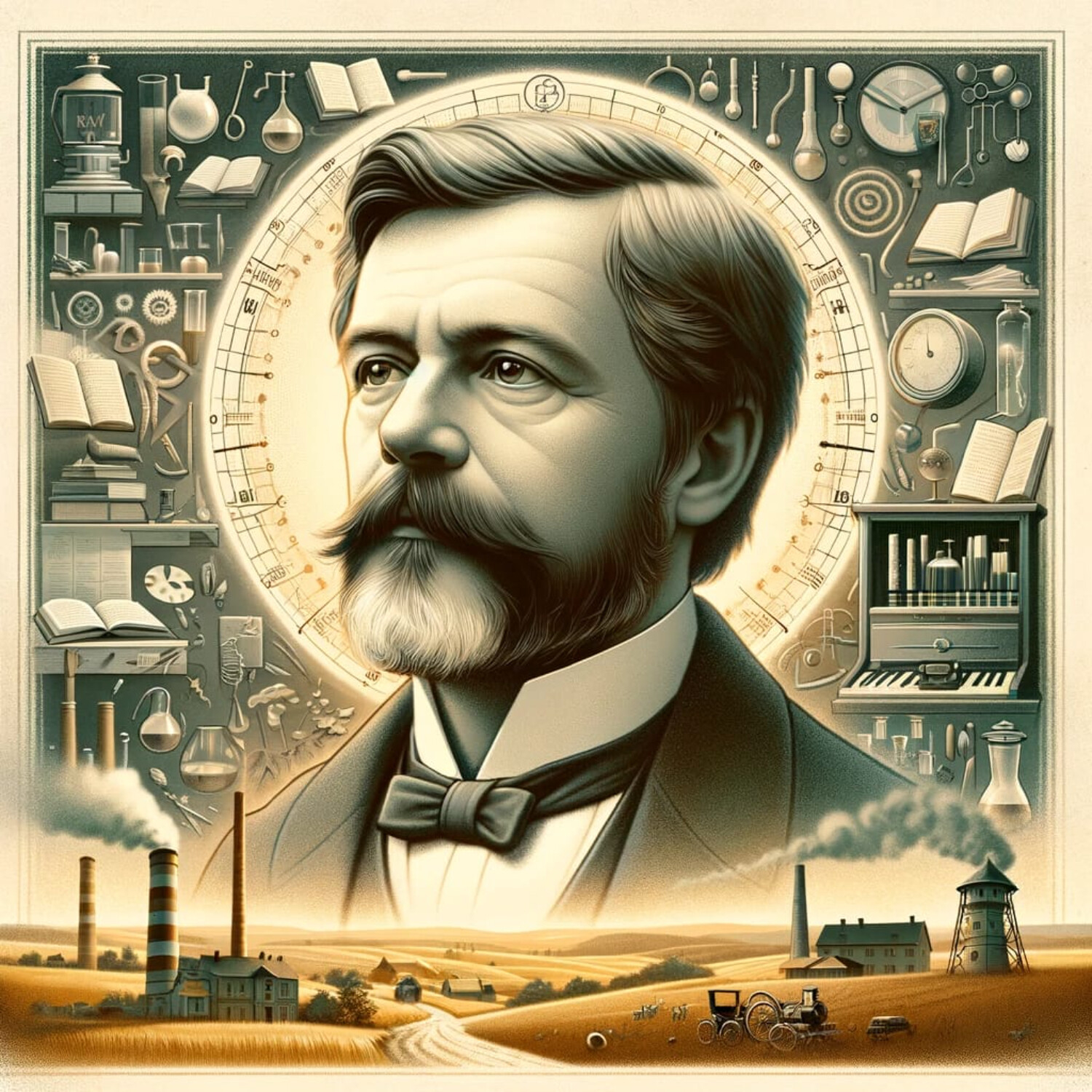 Josef Stefan : from humble beginnings to scientific acclaim 15.12.2023 26minThe child of illiterate parents, who became the leading scientist of the Austrian Empire.
 -
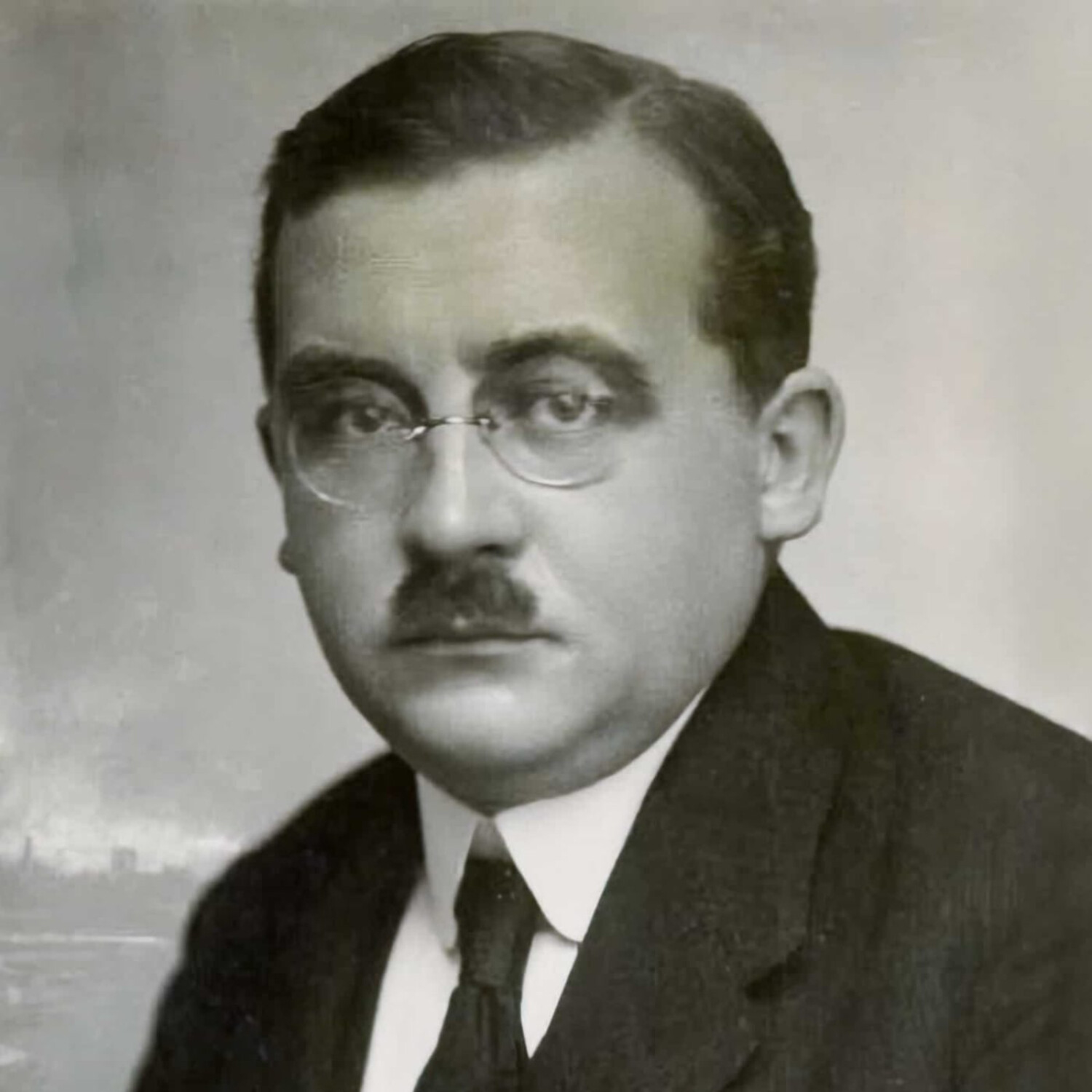 Milan Vidmar : world-class engineer and chess player 10.12.2023 11minA renowned expert in electrical engineering and one of the best chess players in the world.
 -
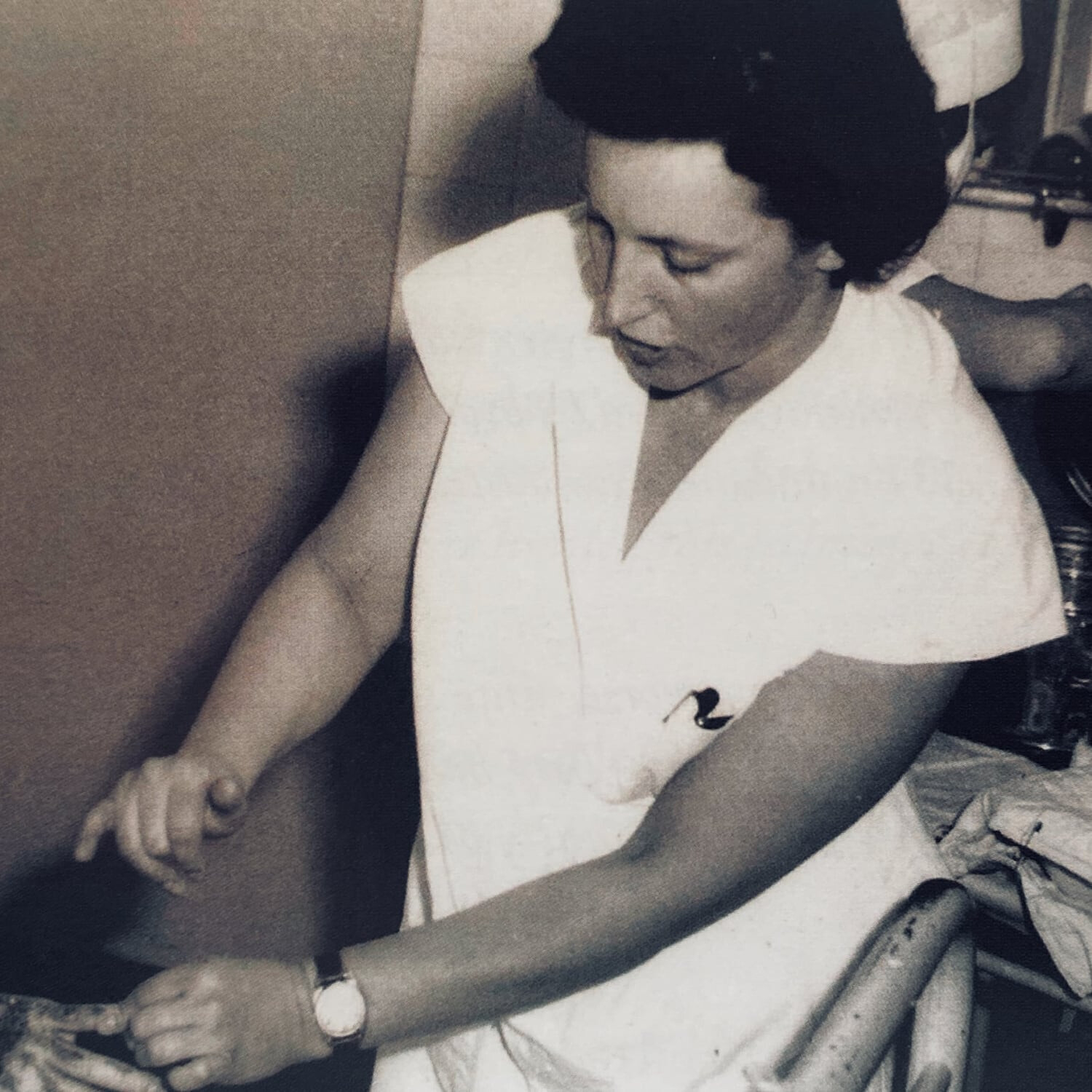 Zora Janžekovič : a medical pioneer who revolutionised burn care 09.12.2023 14minThe story of a medical pioneer who revolutionised burn care. Her innovative method of treating severe burns has saved many lives by dramatically reducing infections and hospitalization times.
 -
 Watching the birth of a new language 03.07.2022 8minFor several centuries, the question about the origin of language, was one of the central subjects for debate between philosophers and other scholars. The interest in the mystery of the nature of language reached its peak in the Age of Enlightenment, when the great questions about nature and the origin of man came to the forefront of scientific thought. Is language innate or acquired? Why are there so many different languages in the world, if language is a gift of nature? What kind of language would children develop, if they were left alone on a desert island after being born?
 -
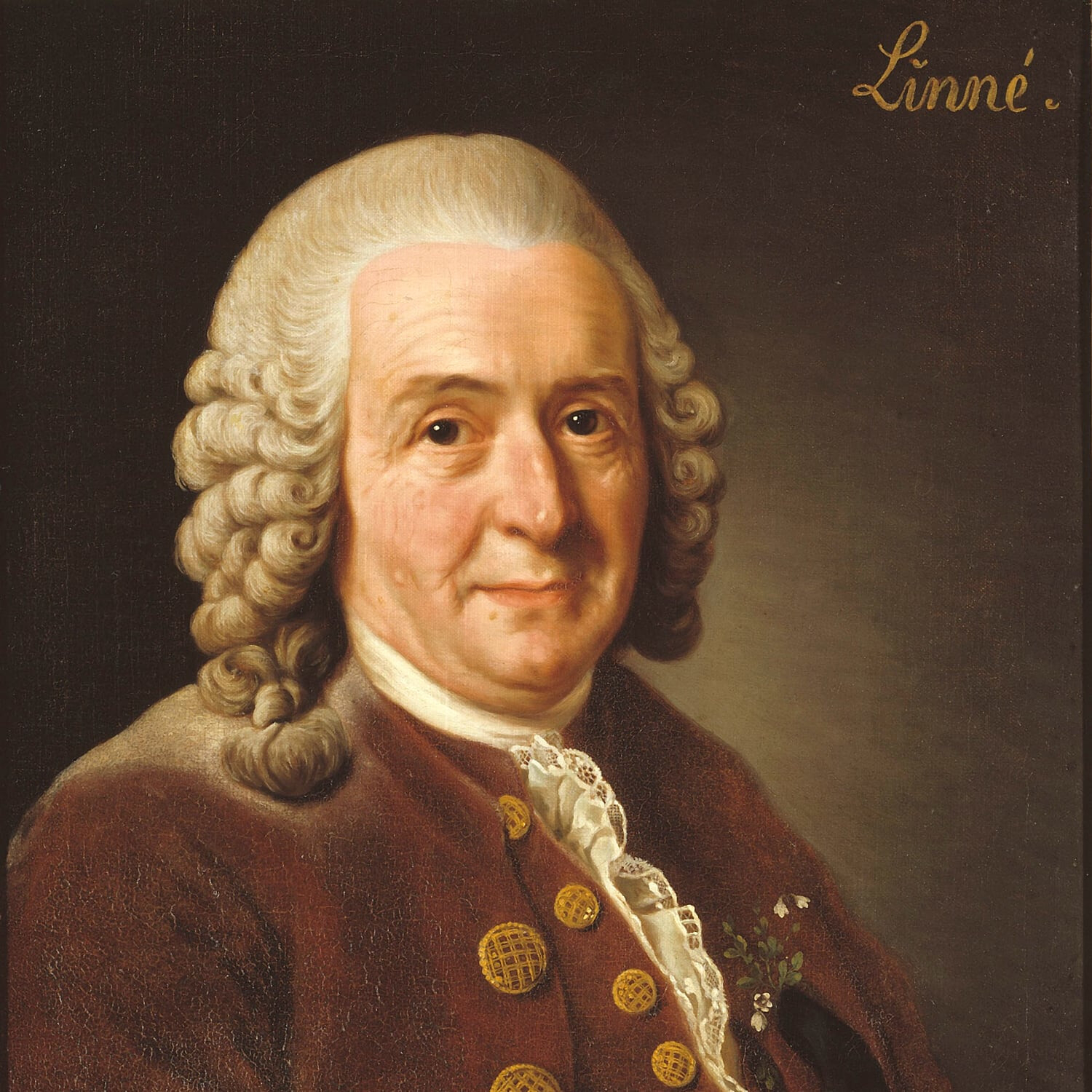 Creating a second paradise 06.06.2020 7minBorn three hundred years ago, the Swedish naturalist Carl von Linné became one of the most notorious figures on the European scientific scene. He saw himself as a second Adam. In paradise the biblical Adam knew the names of all the animals put there by God. Linné wished to recreate this natural paradise in the botanical gardens of Sweden’s Uppsala. saso-dolenc.com/man-who-counted-infinity
 -
 SARS global outbreak of 2003 30.05.2020 9minOn February 28, 2003, the local office of the World Health Organization in Hanoi, Vietnam, received a call from a small private hospital with a capacity of no more than 60 beds. Two days before, its staff admitted a patient showing symptoms of atypical flu. To rule out a potential case of “bird flu” they requested the help of WHO’s experts to try and determine what the disease really was. sci-highs.com/sars/
 -
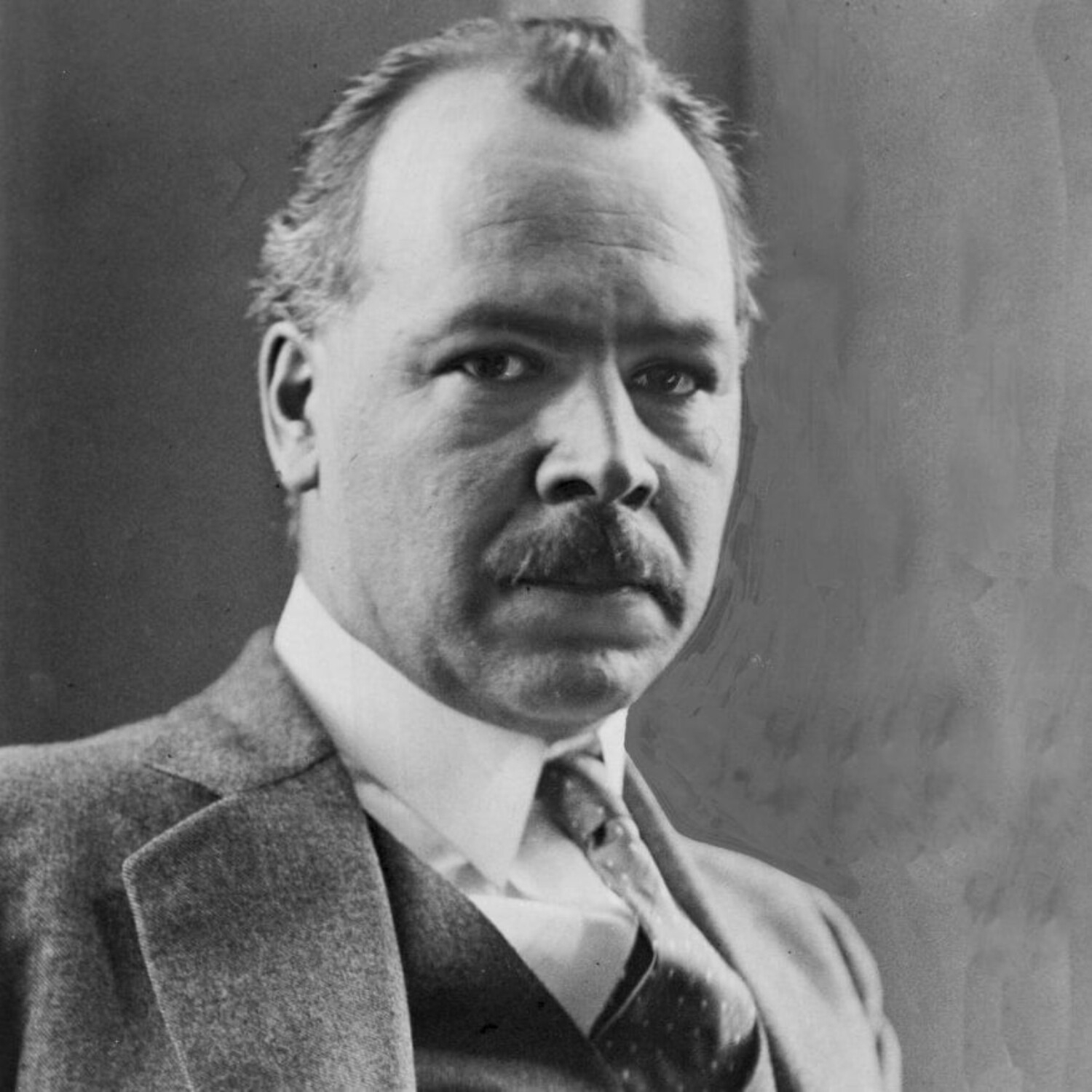 A Russian Indiana Jones 21.05.2020 9minWhen Russia was immersed in revolutionary turmoil during both World Wars, Russian genetics and agricultural science were among the most advanced in the world. The greater part of the success of Russian life sciences in the first half of the 20th century may be attributed to a young, talented, and hardworking agronomist and outstanding organizer, Nikolai Ivanovich Vavilov. saso-dolenc.com/man-who-counted-infinity
Samankaltaiset podcastit


Suosittu maassa
Tämä podcast esiintyy myös näiden maiden podcast-listoilla.
