
The Resetter Podcast with Dr. Mindy
Dr. Mindy Pelz
0
Dr. Mindy Pelz, a renowned advocate for women's health, hosts The Resetter Podcast. She empowers women to embrace their body's natural healing processes, focusing on hormonal fluctuations and aging. Each Monday, she shares conversations with health and wellness experts, providing tools and science to achieve health goals.
Jaksot
-
 The Biggest Fasting Mistakes That’s Blocking Your Fat Loss 16.09.2026 42minFasting gets a lot of attention for what happens while you’re not eating, but what happens when you start eating again deserves just as much attention.In this solo episode, Dr. Mindy breaks down one of the most overlooked parts of fasting: the refeed.She explains why longer isn’t always better when it comes to fasting, how the eating and fasting windows work together, and why protein, carbohydrates, fiber, fermented foods, and plant diversity can all have a place in your fasting rhythm.She also takes on some of the biggest conversations happening around fasting right now, including thyroid health, muscle loss, the gut microbiome, fasting after 45, GLP-1, autophagy, meal timing, and whether women really need to eat protein first thing in the morning.In This EpisodeWhy fasting longer isn’t necessarily fasting betterWhy your first meal after a fast deserves more attentionWhat happens to thyroid hormones during extended fasting and refeedingWhy carbohydrates and protein matter after longer fastsWhat fasting may change within your gut microbiomeWhy plant diversity and fermented foods matter during your eating windowThe debate around fasting for women over 45Why Mindy cycles fasting rather than using the same fasting window every dayWhether you really need protein immediately after wakingHow to experiment with an eating window that works for your body and lifestyleThe difference between your sugar-burning and fat-burning statesHow nutrients can stimulate your body’s natural GLP-1 responseFor more resources related to today’s episode, visit the podcast episode page: drmindypelz.com/370 Connect with Dr. Mindy:Join Reset AcademyWatch the episodes on YouTubeFollow Dr. Mindy on InstagramSubscribe to Dr. Mindy’s newsletterDisclaimer: This podcast is intended for educational and informational purposes only and is not a substitute for professional medical advice. Always consult a qualified healthcare professional before making changes to your diet, fasting routine, or lifestyle.
 -
 Why You Can’t Stop Using Food for Comfort with Kelly McDaniel 14.09.2026 1t 14minWhy can changing the way you eat feel so emotional, even when you know exactly what you want to change?In this conversation, I sit down with therapist and Mother Hunger author Kelly McDaniel to explore the deeper emotional and relational layers that can become intertwined with food.Through Kelly’s Mother Hunger framework, we look at how early experiences with nurturing, safety, attachment, and caregiving may influence the way some of us relate to food later in life—and why food can sometimes become connected with comfort, connection, routine, and relief.We also talk about emotional eating, body image, nervous system regulation, fasting, food noise, GLP-1 medications, and the messages about our bodies that can be passed from one generation to the next.This conversation gave me an entirely new way to think about some of the struggles I’ve seen women experience when changing how they eat, because sometimes there may be more happening beneath the surface than what’s on the plate.In this episode:Kelly’s Mother Hunger frameworkWhy food can become emotionally significantWhat Kelly means by “surrogate comfort”Why changing eating patterns can bring up difficult emotionsFood and nervous system regulationWhat mothers can unintentionally teach daughters about their bodiesKelly’s perspective on food noise and GLP-1 medicationsHow support and connection can help us create new patternsMORE ON KELLY MCDANIELInstagram: @kellymcdanieltherapyMother Hunger, Revised EditionFor more resources related to today’s episode, visit the podcast episode page: drmindypelz.com/ep369Connect with Dr. Mindy:Join Reset AcademyWatch the episodes on YouTubeFollow Dr. Mindy on InstagramSubscribe to Dr. Mindy’s newsletterDisclaimer: This podcast is intended for educational and informational purposes only and is not a substitute for professional medical advice. Always consult a qualified healthcare professional before making changes to your diet, fasting routine, or lifestyle.
 -
 Trying Everything to Lose Weight? These 5 Things Matter More Than You Think 09.09.2026 22minYou’re exercising more, fasting more, changing what you eat, and trying everything you know to support your weight, and yet the scale still doesn’t seem to move.In this solo episode, Dr. Mindy breaks down five foundational habits she wants you to look at before assuming your body simply isn’t responding. She explores how fibre-rich foods can support satiety and your gut microbiome, why walking after meals can benefit blood sugar, how meal timing interacts with your circadian rhythm, and why sleep and consistency deserve a much bigger place in the weight-loss conversation.She also explores GLP-1, food noise, nervous system state, and what research tells us about maintaining weight loss after stopping GLP-1 medications.The takeaway is refreshingly practical: instead of chasing another complicated strategy, start by looking at the everyday rhythms you can actually repeat.Resources MentionedFREE Nervous System QuestionnaireTime & Light: Missing Pieces of a Healthy Lifestyle with Dr. Satchin PandaThe Cancer Conversation Women Aren't Having Yet with Dr. Leigh Erin ConnealyReset AcademyEat Like a GirlAge Like a GirlFor more resources related to today’s episode, visit the podcast episode page: drmindypelz.com/ep368Connect with Dr. Mindy:Join Reset AcademyWatch the episodes on YouTubeFollow Dr. Mindy on InstagramSubscribe to Dr. Mindy’s newsletterDisclaimer: This podcast is intended for educational and informational purposes only and is not a substitute for professional medical advice. Always consult a qualified healthcare professional before making changes to your diet, fasting routine, or lifestyle.
 -
 Why So Many Women Feel Disconnected From Their Bodies with Emma-Louise Boynton 07.09.2026 1t 18minWomen spend so much time trying to change their bodies, but how often are we taught how to actually experience and enjoy them?In this conversation, I sit down with Emma-Louise Boynton to explore what happens when we begin reconnecting with our bodies through pleasure, presence, and curiosity rather than constant criticism. We talk about body image, intimacy, sex therapy, self-pleasure, mindfulness, and the small everyday practices that can help you feel more at home in your body.Because your relationship with your body affects far more than how you see yourself, it shapes how you experience your life._MORE ON EMMA-LOUISE BOYNTONPleasure: The Reclamation of my Body by Emma-Louise BoyntonInstagram: @emmalouiseboyntonLinkedIn: Emma-Louise BoyntonSubstack: @emmalouiseboyntonPleasure: The Reclamation of my Body Audiobook: SpotifyWebsite: emma-louseboynton.comFor more resources related to today’s episode, visit the podcast episode page: drmindypelz.com/ep367Connect with Dr. Mindy:Join Reset AcademyWatch the episodes on YouTubeFollow Dr. Mindy on InstagramSubscribe to Dr. Mindy’s newsletterDisclaimer: This podcast is intended for educational and informational purposes only and is not a substitute for professional medical advice. Always consult a qualified healthcare professional before making changes to your diet, fasting routine, or lifestyle.
 -
 10 Foods That Naturally Boost GLP-1 & Quiet Food Noise 02.09.2026 29minIf you’re constantly thinking about food, battling afternoon cravings, or struggling to feel satisfied after eating, your fullness hormones may be an important part of the conversation.In this solo episode, Dr. Mindy breaks down the foods that can support your body’s natural GLP-1 production and explains how fiber, protein, resistant starch, fermented foods, and omega-3-rich foods influence satiety. You’ll learn practical ways to build meals that help you feel fuller longer, support your gut microbiome, and work with your body’s natural appetite signals.Resources MentionedQualia Magnesium+, use code MINDY for 15% offReset AcademyWise Goat Organics Fermented Foods, use code MINDY for 20% offEat Like a GirlFor more resources related to today’s episode, visit the podcast episode page: drmindypelz.com/ep366Connect with Dr. Mindy:Join Reset AcademyWatch the episodes on YouTubeFollow Dr. Mindy on InstagramSubscribe to Dr. Mindy’s newsletterDisclaimer: This podcast is intended for educational and informational purposes only and is not a substitute for professional medical advice. Always consult a qualified healthcare professional before making changes to your diet, fasting routine, or lifestyle.
 -
 How to Make Healthy Food Actually Taste Good with Chef Nyesha Arrington 31.08.2026 1t 10minWhat if a healthier relationship with food started with enjoying it more?In this episode of Live Like a Girl, Dr. Mindy sits down with acclaimed chef and Next Level Chef mentor Nyesha Arrington for a conversation about food that goes far beyond calories, macros, or following the “perfect” diet.Nyesha shares how cooking with her grandmother shaped her relationship with food from childhood, why recipes can carry memories and identity across generations, and how years in professional kitchens taught her to see food as art, connection, and eventually, fuel.They also get practical: cooking oils, salt, spices, kitchen tools, meal prep, fasting, strength training, hydration, and the small upgrades Nyesha has made that helped her feel dramatically better in her body.Plus, Nyesha opens up about leadership in high-pressure kitchens, working alongside Gordon Ramsay, earning the title of “Chef,” and why she refuses to fit into anyone else’s definition of what a woman should look like.In This Episode, You’ll Learn How childhood experiences can shape your relationship with food Why food is closely tied to memory and identity How Nyesha shifted from cooking purely for taste to thinking about food as fuel Which cooking oils she keeps in her own kitchen Why salt and spices can completely change a meal The kitchen tools every home cook actually needs How meal prep helps Nyesha make better choices when life gets busy Why she uses fasting during periods when she needs deep focus How strength training and sleep became part of her wellness routine What working in elite restaurant kitchens taught her about leadership Why she refuses to make herself more “digestible” for anyone elseResources MentionedOlive OilBone Broth, use code MINDY10More on Chef Nyesha ArringtonNyesha Arrington is an acclaimed chef, television personality, and co-star of FOX’s Next Level Chef. Trained in Michelin-starred kitchens, she has become known for her creative approach to food, mentorship, and commitment to thoughtfully sourced ingredients. She also hosts and produces Eater’s Plateworthy and is passionate about wellness, functional fitness, and using food to bring people together.Instagram: @nyeshajoyceNative by NyeshaFor more resources related to today’s episode, visit the podcast episode page: drmindypelz.com/ep365 Connect with Dr. Mindy:Join Reset AcademyWatch the episodes on YouTubeFollow Dr. Mindy on InstagramSubscribe to Dr. Mindy’s newsletterDisclaimer: This podcast is intended for educational and informational purposes only and is not a substitute for professional medical advice. Always consult a qualified healthcare professional before making changes to your diet, fasting routine, or lifestyle.
 -
 Why Everything Feels Harder After 40: Nervous System, Burnout & Letting Go 26.08.2026 1t 21minWhat if the changes you’re experiencing after 40 are asking you to look at more than your hormones?In this solo episode of Live Like a Girl, Dr. Mindy walks through how she believes women can use the menopausal transition to better understand their nervous systems, reconnect with parts of themselves they may have lost, and begin building the next chapter of life more intentionally.She explores why so many women arrive in midlife already overwhelmed, why learning to regulate your nervous system may need to come before another health protocol, and how years of putting everyone else first can shape the way women experience this transition.Later in the episode, LeAnn Rimes joins Dr. Mindy for a candid conversation about overwhelm, perfectionism, boundaries, HRT, nutrition, self-care, and what it looks like to listen to your body while living a very full life.And for a limited time, you can get Age Like a Girl for $7 with free shipping in the U.S. and Canada only, while supplies last.In This Episode, You’ll LearnWhy nervous system regulation matters so much after 40How years of over-functioning can catch up with women in midlifeWhy play, curiosity, creativity, and speaking your truth matterHow to build your own lifestyle toolbox for menopauseWhy women need community as they ageWhy saying no can become an important form of self-careWhat it means to create the next chapter of your life on your termsResources MentionedFREE Nervous System QuestionnaireAge Like a Girl (Get your copy for $7 & FREE shipping, limited-time offer)Reset AcademyQualia Senolytic, use code MINDY for 15% offFor more resources related to today’s episode, visit the podcast episode page: drmindypelz.com/ep364Connect with Dr. Mindy:Join Reset AcademyWatch the episodes on YouTubeFollow Dr. Mindy on InstagramSubscribe to Dr. Mindy’s newsletterDisclaimer: This podcast is intended for educational and informational purposes only and is not a substitute for professional medical advice. Always consult a qualified healthcare professional before making changes to your diet, fasting routine, or lifestyle.
 -
 Dr. David Perlmutter on Menopause, Metabolism & Protecting Your Brain 24.08.2026 1t 5minWomen are far more likely than men to develop Alzheimer’s disease, and Dr. David Perlmutter believes one of the most important pieces of that story is metabolic health.In this episode of Live Like a Girl, Dr. Perlmutter joins Dr. Mindy to explain what happens when the brain’s immune cells shift from protective to destructive, why menopause may increase vulnerability, and how blood sugar, insulin resistance, visceral fat, inflammation, mitochondrial health, and lifestyle all influence brain aging.They also discuss HRT, GLP-1 medications, ketones, fasting, fiber, exercise, BNDF, sleep, and what women can begin doing in their 30s, 40s, and 50s to support long-term cognitive health.In This Episode, You’ll LearnWhy women face a higher risk of Alzheimer’sHow menopause may affect brain metabolismWhy belly fat and insulin resistance matter for brain healthThe blood markers Dr. Perlmutter watches most closelyWhat emerging research says about GLP-1 drugs and the brainThe lifestyle habits Dr. Perlmutter prioritizes for preventionResources MentionedBrain DefendersTanzi StudyCochrane ReviewMore on Dr. David Perlmutterhttps://drperlmutter.com/http://braindefenders.com/https://www.instagram.com/davidperlmutter/https://www.youtube.com/user/DavidPerlmutterMDhttps://x.com/davidperlmutterlinkedin.com/in/david-perlmutter-mdFor more resources related to today’s episode, visit the podcast episode page: https://www.drmindypelz.com/ep363/Connect with Dr. Mindy:Join Reset AcademyWatch the episodes on YouTubeFollow Dr. Mindy on InstagramSubscribe to Dr. Mindy’s newsletterDisclaimer: This podcast is intended for educational and informational purposes only and is not a substitute for professional medical advice. Always consult a qualified healthcare professional before making changes to your diet, fasting routine, or lifestyle.
 -
 How to Train Your Body to Burn Fat After 40 19.08.2026 39minIf you’re eating less, exercising more, and fasting harder but still struggling to lose weight after 40, Dr. Mindy wants you to approach fat loss differently. This solo episode of Live Like a Girl is a special compilation of two of Dr. Mindy’s teachings on fat burning and metabolic health after 40.In the first half, she breaks down why fat loss can become more challenging as estrogen changes and shares five strategies for training your body to become more metabolically flexible, from strength training and walking to fasting, protein pacing, and sleep.Then she turns to dietary fat and explains why the type of fat you eat matters. She walks through visceral fat, omega fatty acids, and five foods she uses to support a healthier metabolic environment. The common thread throughout both conversations: fat loss after 40 requires a strategy that works with your changing metabolism.In This Episode, You’ll LearnWhy fat loss can become harder after 40How estrogen influences metabolism and body-fat distributionWhat protein pacing means and how Mindy uses itWhy walking is an underrated metabolic toolThe difference between visceral and subcutaneous fatWhy Mindy pays attention to the types of dietary fats she eatsFive foods she recommends adding to a fat-loss strategyResources Mentioned:Fresh Pressed Olive OilMCT OilFor more resources related to today’s episode, visit the podcast episode page: drmindypelz.com/ep362Connect with Dr. Mindy:Join Reset AcademyWatch the episodes on YouTubeFollow Dr. Mindy on InstagramSubscribe to Dr. Mindy’s newsletterDisclaimer: This podcast is intended for educational and informational purposes only and is not a substitute for professional medical advice. Always consult a qualified healthcare professional before making changes to your diet, fasting routine, or lifestyle.
 -
 Laila Ali: Why I Stopped Trying to Outwork My Hormones 17.08.2026 1t 13minLaila Ali spent years training to win. As an undefeated professional boxer, her body was her career. She knew exactly how to train harder, eat less, and make weight when she needed to. Then perimenopause changed the rules.In this episode of Live Like a Girl, Laila joins Dr. Mindy for an honest conversation about what happened when her old strategies stopped working, why she eventually stopped trying to outwork her hormones, and how fasting helped her build a completely different relationship with her body.They talk about long fasts, exercising while fasting, food noise, refeeding, sugar cravings, body image, the scale, stress, and what it means to train for health instead of performance.Laila also shares how she talks to her teenage daughter about fasting, why she refuses to make healthy eating feel like punishment, and the lesson she learned from becoming a boxer against Muhammad Ali’s wishes: sometimes the most important thing you can do is listen to the spark inside you.In this episode, you'll learn:Why Laila stopped trying to outwork her hormonesHow fasting changed her relationship with food and controlWhat she learned from doing longer fastsHow she exercises during a fastWhy refeeding matters after an extended fastHow she thinks about weight, muscle, and body image nowWhy stress can derail even strong health routinesHow she talks to her daughter about fastingWhy she no longer counts macrosWhat Muhammad Ali taught her about following your own path__Resources & Supplements MentionedA Spark of Greatness by Laila AliLaila's Organic Spice BlendsZero Fasting AppFast Like a GirlQualia Creatine+ (use code MINDY for 15% off)Infrared SaunaRed Light TherapyElectrolytes Bone Broth (use code MINDY10 for 10% off)__More on Laila AliA Spark of Greatness by Laila AliLaila's Organic Spice BlendsFood for Life by Laila AliWebsite: lailaali.comInstagram: @thereallailaaliFacebook: @LailaAliFor more resources related to today’s episode, visit the podcast episode page: drmindypelz.com/ep361__Connect with Dr. Mindy:Join Reset AcademyWatch the episodes on YouTubeFollow Dr. Mindy on InstagramSubscribe to Dr. Mindy’s newsletter for tools and research on fasting, hormones, and metabolic healthDisclaimer: This podcast is intended for educational and informational purposes only and is not a substitute for professional medical advice. Always consult a qualified healthcare professional before making changes to your diet, fasting routine, or lifestyle.
 -
 5 Signs Your Nervous System Is Healing, Even If You Feel Worse First 12.08.2026 25minHealing your nervous system does not always feel peaceful at first.In this solo episode of Live Like a Girl, Dr. Mindy explains why fatigue, crying, irritability, digestive changes, and even discomfort with stillness can sometimes show up as your nervous system begins moving out of a chronically activated state.She breaks down the relationship between heart rate variability, vagal tone, the sympathetic and parasympathetic nervous systems, and why learning to move more easily between stress and recovery may be one of the most important skills you can build for your health.Resources MentionedFREE Nervous System QuestionnaireQualia MagnesiumReset AcademyFind a Fast Like a Girl CoachIn this episode you'll learn:Why increased fatigue may appear when your body finally begins restingWhy crying and irritability can surface during nervous system healingHow your digestion reflects your nervous system stateWhy stillness can feel unsafe when your body is accustomed to constant activationHow 4-7-8 breathing can support the parasympathetic nervous systemWhy nature can be one of the simplest nervous system toolsHow magnesium and sleep routines may helpWhy humming, gargling, and chanting can support vagal toneWhen getting support from a practitioner or community may be helpfulFor more resources related to today’s episode, visit the podcast episode page: drmindypelz.com/ep360Connect with Dr. Mindy:Join Reset AcademyWatch the episodes on YouTubeFollow Dr. Mindy on InstagramSubscribe to Dr. Mindy’s newsletterDisclaimer: This podcast is intended for educational and informational purposes only and is not a substitute for professional medical advice. Always consult a qualified healthcare professional before making changes to your diet, fasting routine, or lifestyle.
 -
 How My Opinion of Fasting Changed After Talking to Dr. Jason Fung 10.08.2026 1t 17minI’ve been teaching fasting for years, but this conversation with Dr. Jason Fung made me rethink a few things.Dr. Fung joins me to share how his thinking has evolved since publishing The Obesity Code, including what newer research suggests about longer fasts and why modified fasting may be more useful than many people realize.We talk about whether a strict water-only fast is always necessary, how fasting aids such as bone broth, avocado, or olives may help someone continue longer, and why using a little support during a fast is not automatically “cheating.”Dr. Fung also breaks down the three types of hunger and explains why food noise is not always a sign that your body needs fuel. Sometimes hunger is physical. Sometimes it is emotional. And sometimes it is simply a pattern your brain has learned from your environment.This conversation reminded me that fasting does not have to be rigid to be effective. The goal is not to win at fasting. The goal is to use it in a way that supports your metabolic health and still works in your real life.In this episode you'll learn:How Dr. Fung’s thinking has evolved since writing The Obesity CodeWhy the calorie-focused model of weight loss leaves out hormonesWhat the body decides to do with the calories you eatThe difference between water-only fasting and modified fastingWhy modified fasting may be easier to sustainWhether eating during a fasting window automatically eliminates the benefitsDr. Fung’s perspective on GLP-1 medicationsHow to approach the first meal after a fastDr. Fung’s three foundational rules for metabolic health_Resources Mentioned:Bone Broth - Use code MINDY10 for 10% offOrganic Olive Oil_More on Dr. Jason FungDr. Jason Fung is a physician, researcher, and bestselling author known for his work on fasting, insulin resistance, obesity, type 2 diabetes, and metabolic health. He is the author of The Obesity Code, The Complete Guide to Fasting, The Diabetes Code, The Cancer Code, and The Hunger Code. He is also a co-founder of The Fasting Method, an online community that provides education, coaching, and support on fasting and metabolic health.The Hunger CodeWebsite: doctorjasonfung.comYouTube: @drjasonfungInstagram: @drjasonfungFor more resources related to today’s episode, visit the podcast episode page: drmindypelz.com/ep359_Connect with Dr. Mindy:Join Reset AcademyWatch the episodes on YouTubeFollow Dr. Mindy on InstagramSubscribe to Dr. Mindy’s newsletterDisclaimer: This podcast is intended for educational and informational purposes only and is not a substitute for professional medical advice. Always consult a qualified healthcare professional before making changes to your diet, fasting routine, or lifestyle.
 -
 The 5 Weight-Loss Lies Keeping Women Stuck 05.08.2026 24minFor decades, women have been taught to lose weight by eating less, doing more cardio, and watching the number on the scale.But losing weight is not always the same as becoming healthier.In this solo episode, Dr. Mindy breaks down a recent meta-analysis showing that adults between 60 and 75 years old were able to lose body fat, gain lean muscle, improve blood pressure, and build functional strength through resistance training.She also challenges five of the most persistent weight-loss myths women have been taught, including the idea that cardio is the best way to burn fat, hunger is a willpower problem, and the scale is the most important measure of progress.You’ll learn how protein, resistance training, sleep, blood-sugar tracking, and progressive challenge can help you improve body composition without sacrificing your muscle or metabolic health.Weight loss is not a character test. It is a strategy, and most women were simply given the wrong one.Resources MentionedContinuous Glucose MonitorKetone MonitorFast Like a GirlFor more resources related to today’s episode, visit the podcast episode page: drmindypelz.com/ep358Connect with Dr. Mindy:Join Reset AcademyWatch the episodes on YouTubeFollow Dr. Mindy on InstagramSubscribe to Dr. Mindy’s newsletterDisclaimer: This podcast is intended for educational and informational purposes only and is not a substitute for professional medical advice. Always consult a qualified healthcare professional before making changes to your diet, fasting routine, or lifestyle.
 -
 Why Creativity Belongs in Your Health Routine with Dr. Daisy Fancourt 03.08.2026 1t 5minMost women know they should move their bodies, eat well, and protect their sleep. But creativity rarely makes the list.In this conversation, Dr. Mindy sits down with Dr. Daisy Fancourt to explore the growing body of research showing that art is far more than entertainment or decoration. Music, reading, dancing, crafting, storytelling, and even spending time with a painting can affect stress, mood, cognition, connection, and the nervous system.Daisy explains why creative activities can help the brain enter a state of flow, how music can slow the heart rate, and why reading fiction may strengthen empathy by allowing us to experience the world through another person’s perspective. She also shares why knitting, singing, dancing, and other so-called “grandmother hobbies” are finding their way back into modern life.In this episode you'll learn:Why creativity became separated from everyday lifeHow to choose music that meets your nervous system where it is How regular creative activity may support healthier cortisol patterns Why book clubs provide more than a reason to read What the research suggests about art, brain fog, and cognitive reserve Whether online creative classes offer the same benefits as meeting in person Simple ways to bring more creativity into everyday lifeResources MentionedArt Cure by Daisy FancourtInstagram: @daisy.fancourtMore on Daisy FancourtDr. Daisy Fancourt is a researcher and author whose work examines the effects of arts and cultural engagement on health and well-being.Her research explores how activities such as music, reading, crafting, dancing, and visiting cultural spaces may influence mental health, stress, cognition, social connection, and physical health. She has published extensively in the field and works on projects examining the biological, psychological, and social effects of creative participation.For more resources related to today’s episode, visit the podcast episode page: drmindypelz.com/ep357Connect with Dr. Mindy:Join Reset AcademyWatch the episodes on YouTubeFollow Dr. Mindy on InstagramSubscribe to Dr. Mindy’s newsletterDisclaimer: This podcast is intended for educational and informational purposes only and is not a substitute for professional medical advice. Always consult a qualified healthcare professional before making changes to your diet, fasting routine, or lifestyle.
 -
 40% of Us are Constantly Hungry & Exhausted – What Your Body is Trying to Tell You 29.07.2026 28minIf you are hungry all the time, exhausted after meals, craving sugar, or suddenly gaining weight around your middle, your body may be signaling something deeper than a need to eat less.In this solo episode, Dr. Mindy explains why nearly four in ten American adults now meet the criteria for metabolic syndrome—a collection of warning signs that can include elevated blood sugar, high blood pressure, abnormal cholesterol, increased waist circumference, and changes in liver health.She breaks down four common drivers that can quietly push the body toward metabolic dysfunction: unstable blood sugar, chronic stress, poor sleep, and inflammation associated with excess body fat.You will also learn why crash dieting, excessive cardio, and relying on appetite-suppressing supplements rarely address the real problem. Instead, Dr. Mindy shares five practical ways to support your metabolism through food order, walking after meals, resistance training, better sleep, and a more flexible approach to fasting.Your body is not working against you. It may simply need a different strategy.In This Episode What metabolic syndrome is and why it is better understood as a group of warning signs The role insulin plays in deciding whether glucose is used for energy or stored Why crash dieting and aggressive calorie restriction may make matters worse Why cardio alone is not the best strategy for improving metabolic health How to build a blood-sugar-stabilizing plate Why resistance training is especially important for women How muscle acts as a storage site for glucose Practical ways to build strength without spending hours in the gym What “flex fasting” means Resources MentionedFREE Nervous System Questionnaire Fast Like a GirlMin-Chex by Standard ProcessQualia Magnesium+ Berberine BreakthroughFor more resources related to today’s episode, visit the podcast episode page: drmindypelz.com/ep356Connect with Dr. Mindy:Join Reset AcademyWatch the episodes on YouTubeFollow Dr. Mindy on InstagramSubscribe to Dr. Mindy’s newsletterDisclaimer: This podcast is intended for educational and informational purposes only and is not a substitute for professional medical advice. Always consult a qualified healthcare professional before making changes to your diet, fasting routine, or lifestyle.
 -
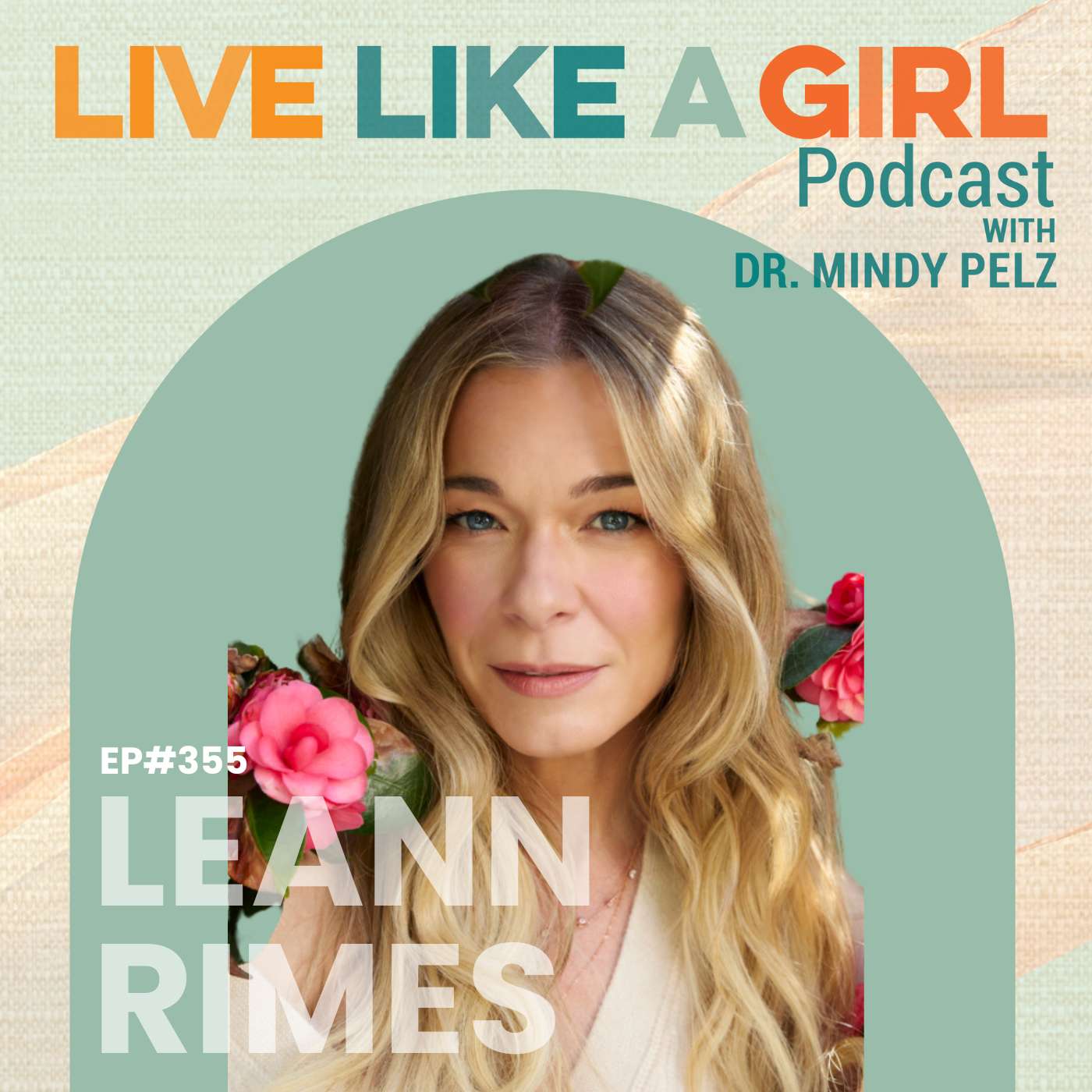 LeAnn Rimes on Perimenopause, Rage, Grief, and Starting Over 27.07.2026 1t 17minLeAnn Rimes joins Dr. Mindy for a deeply honest conversation about what perimenopause has brought to the surface in her life.She opens up about the unpredictability of her hormones, the exhaustion of trying to maintain the same pace she has carried for decades, and the difference between anxious thoughts and anxiety that lives in the body. Together, LeAnn and Dr. Mindy explore why perimenopause can make old wounds feel louder, why hormone therapy can help without solving everything, and what it looks like to slow down when your identity has always been tied to performing, producing, and pushing through.This is a conversation about hormones, but it is also about identity, capacity, anger, rest, and the question so many women begin asking in midlife: who do I want to be now?In this episode you'll learn:The difference between mental anxiety and physical “body anxiety” Why LeAnn has had to change her relationship with rest What happens when your life still demands more than your body can give The grief women may experience around motherhood, identity, and missed choices Why hormone replacement therapy is not always a simple fix How perimenopause can force women to reconsider who they have always beenMore on LeAnn RimesLeAnn Rimes is a 2x Grammy Award-winning singer, songwriter, performer, and actress whose career has spanned more than 30 years. She rose to fame as a teenager and has since built a career across music, television, writing, and live performance. In recent years, LeAnn has also spoken openly about mental health, trauma, psoriasis, anxiety, and the realities of growing up in the public eye. She currently stars in 9-1-1: Nashville and is touring in celebration of the 30th anniversary of her album Blue.Website: leannrimes.comLeAnn's Tour DatesLeAnn's Substack: @leannrimescibrianInstagram: @leannrimesSoul of EverLe CandlesFor more resources related to today’s episode, visit the podcast episode page: drmindypelz.com/ep355 Connect with Dr. Mindy:Join Reset AcademyWatch the episodes on YouTubeFollow Dr. Mindy on InstagramSubscribe to Dr. Mindy’s newsletterDisclaimer: This podcast is intended for educational and informational purposes only and is not a substitute for professional medical advice. Always consult a qualified healthcare professional before making changes to your diet, fasting routine, or lifestyle.
 -
 Why Your Nervous System Is Blocking Weight Loss with Dr. Mindy Pelz 22.07.2026 26minWhy are so many women doing everything "right" and still struggling to lose weight?In this solo episode, Dr. Mindy explains why the missing piece may not be your diet or workout routine, it may be your nervous system. When your body is stuck in chronic fight-or-flight, it prioritizes survival over fat burning, making weight loss feel impossible despite your best efforts.You'll learn how chronic stress impacts cortisol, cravings, digestion, sleep, and metabolism, the five signs your nervous system may be keeping you stuck, and practical ways to help your body shift back into a state where healing and sustainable weight loss become possible. From fasting and food to movement, sleep, and simple daily habits, Dr. Mindy shares actionable strategies to help your body feel safe enough to finally let go of stubborn weight.Resources MentionedFree Nervous System GuideFast Like a GirlBurn Fat Like a Girl ResetFor more resources related to today’s episode, visit the podcast episode page: drmindypelz.com/ep354Connect with Dr. Mindy:Join Reset AcademyWatch the episodes on YouTubeFollow Dr. Mindy on InstagramSubscribe to Dr. Mindy’s newsletterDisclaimer: This podcast is intended for educational and informational purposes only and is not a substitute for professional medical advice. Always consult a qualified healthcare professional before making changes to your diet, fasting routine, or lifestyle.
 -
 Why PCOS Was Just Renamed (And What It Means for Women’s Health Globally) 20.07.2026 1t 5minMillions of women have been told they have PCOS. Millions more have been told nothing is wrong at all.Now, one of the most common hormonal conditions affecting women has a new name: PMOS, Polyendocrine Metabolic Ovarian Syndrome. The change reflects what experts have long understood, this condition is about far more than the ovaries. It's deeply connected to metabolism, insulin resistance, inflammation, and hormone balance.In this episode, Dr. Mindy is joined by Dr. Thaïs Aliabadi, renowned OB-GYN and co-host of the She MD podcast, along with entrepreneur and women's health advocate Mary Alice Haney. Together, they unpack why so many women go undiagnosed, why insulin resistance isn't always visible on the outside, and how lifestyle, nutrition, and early intervention can dramatically change a woman's health trajectory.They also discuss the growing impact of environmental toxins, breast cancer risk, fertility, metabolic dysfunction, and what every woman should know before walking into her next doctor's appointment.In this episode you'll learn: Why PCOS was renamed to PMOS and what the change means The three criteria used to diagnose PMOS Why up to 80% of women with PMOS remain undiagnosed How insulin resistance affects both lean and overweight women Why birth control alone doesn't address the root cause of PMOS Practical nutrition, lifestyle, and medical approaches to improving insulin sensitivity How to become a stronger advocate for your own healthcare More on Dr. Thaïs Aliabadi & Mary Alice Haney:IG: @shemdpodcastIG: @drthaisaliabadiIG: @haneyofficialIG: @oviihealthshemdpodcast.comdraliabadi.comovii.comFor more resources related to today’s episode, visit the podcast episode page: drmindypelz.com/ep353Connect with Dr. Mindy:Join Reset AcademyWatch the episodes on YouTubeFollow Dr. Mindy on InstagramSubscribe to Dr. Mindy’s newsletterDisclaimer: This podcast is intended for educational and informational purposes only and is not a substitute for professional medical advice. Always consult a qualified healthcare professional before making changes to your diet, fasting routine, or lifestyle.
 -
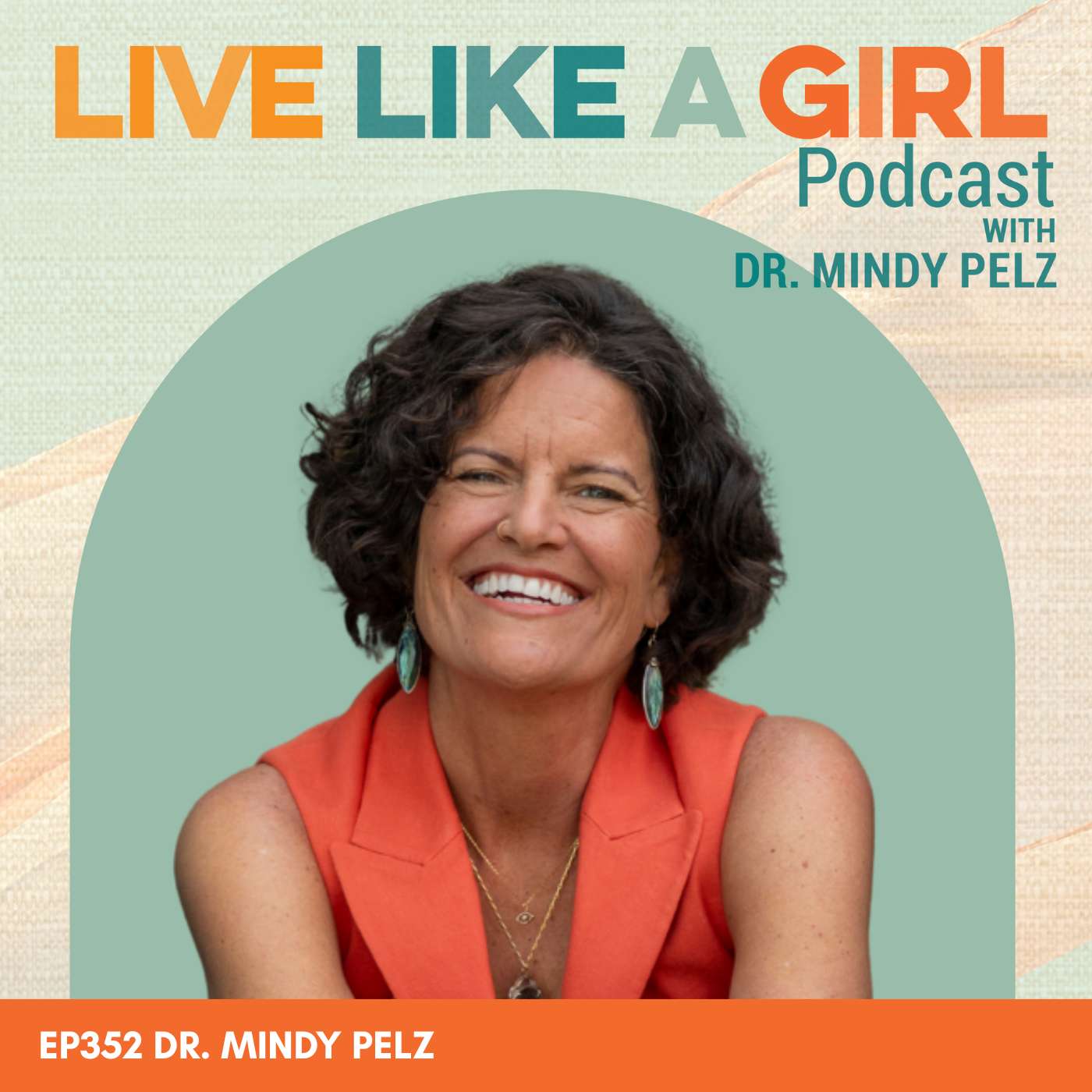 The Truth About Keeping Weight Off (No One Talks About This) 15.07.2026 20minLosing weight is one challenge. Keeping it off is another.Research shows that most people regain the weight they've lost within a few years, not because they lack willpower, but because they were never taught what comes after weight loss.In this episode, Dr. Mindy breaks down the science behind weight regain and shares the eight most common reasons people struggle to maintain their results. From metabolic flexibility and hormone balance to muscle, stress, and sleep, she explains why lasting success requires a different approach than simply losing weight.You'll also learn five practical steps to help your body adapt to its new weight, support a healthy metabolism, and build habits that last long after the scale changes.If you've ever lost weight only to gain it back, this episode will help you understand why and show you a different path forward.Key Takeaways Why losing weight and maintaining weight loss require different strategies What "catch-up fat" is and how it influences weight regain How your fat cells develop a "memory" after weight loss How flexible fasting supports maintenance better than chronic fasting The role hormones play in preventing weight regain Five daily habits that support healthy weight maintenance Resources MentionedFree Nervous System QuestionnaireDr. Mindy's BooksReset AcademyBurn Fat Like a Girl ResetFor more resources related to today’s episode, visit the podcast episode page: drmindypelz.com/ep352Connect with Dr. Mindy:Join Reset AcademyWatch the episodes on YouTubeFollow Dr. Mindy on InstagramSubscribe to Dr. Mindy’s newsletterDisclaimer: This podcast is intended for educational and informational purposes only and is not a substitute for professional medical advice. Always consult a qualified healthcare professional before making changes to your diet, fasting routine, or lifestyle.
 -
 Perfectionism is Sabotaging Your Weight Loss (Why You Can't Keep It Off) with Dr. Nicole LePera 13.07.2026 1t 23minWhat if the biggest thing standing between you and better health isn't your diet, your workout routine, or your hormones?What if it's the relationship you've built with yourself?In this conversation, I sit down with psychologist and bestselling author Dr. Nicole LePera to explore how our earliest experiences shape the way we move through adulthood. From emotional eating and food noise to perfectionism, people pleasing, burnout, and the struggle to trust ourselves, so many of the habits we think are personality traits are actually learned survival strategies.We also explore why healing isn't about becoming someone new. It's about reconnecting with the parts of yourself that have always been there.If you've ever wondered why you know what to do for your health but still struggle to follow through, this conversation offers a completely different way to understand yourself.In this episode, you'll learn:Why the first five years of life shape the way your nervous system responds to stressWhy food noise and emotional eating often point to deeper unmet needsHow small daily promises help rewire your brain and build confidenceThe difference between guilt and shame, and how each affects your decisionsWhy learning to rest can feel uncomfortable for so many womenPractical ways to reconnect with your body and begin healing old patterns_More on Dr. Nicole LePeraDr. Nicole LePera is a holistic psychologist, trained at Cornell University, The New School for Social Research and The Philadelphia School of Psychoanalysis. She is the founder of the global community healing membership SelfHealers Circle and the author of #1 NY Times Bestseller "How to Do the Work" "How To Meet Your Self" and "How To Be The Love You Seek"Website: theholisticpsychologist.com Instagram: @the.holistic.psychologistTikTok: @theholisticpsychologistReparenting Your Inner Child SelfHealers CircleFor more resources related to today's episode, visit the podcast episode page: drmindypelz.com/ep351_Connect with Dr. Mindy:Join Reset AcademyWatch the episodes on YouTubeFollow Dr. Mindy on InstagramSubscribe to Dr. Mindy’s newsletterDisclaimer: This podcast is intended for educational and informational purposes only and is not a substitute for professional medical advice. Always consult a qualified healthcare professional before making changes to your diet, fasting routine, or lifestyle.
Samankaltaiset podcastit


Suosittu maassa
Tämä podcast esiintyy myös näiden maiden podcast-listoilla.


