
The Brink
The Brink
0
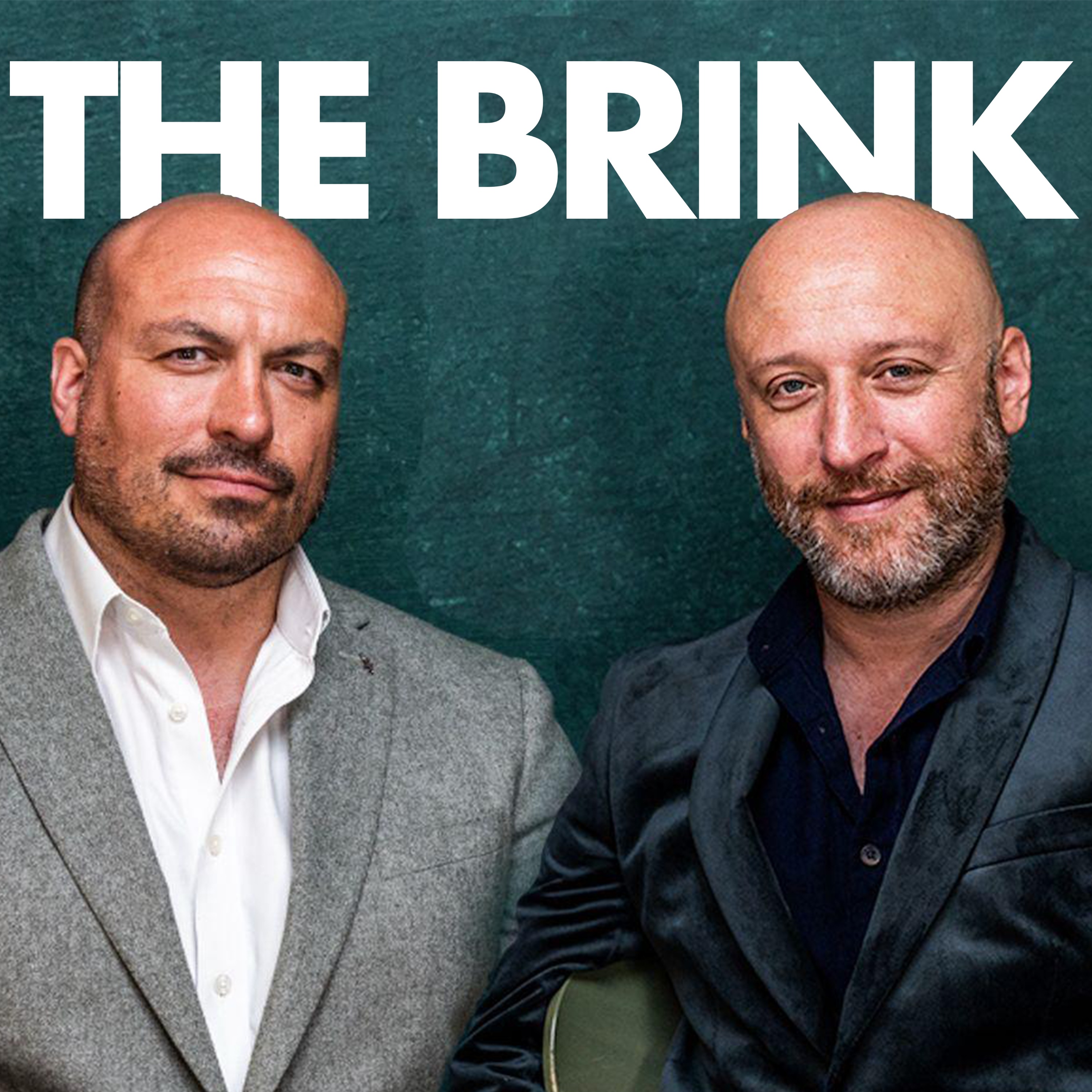
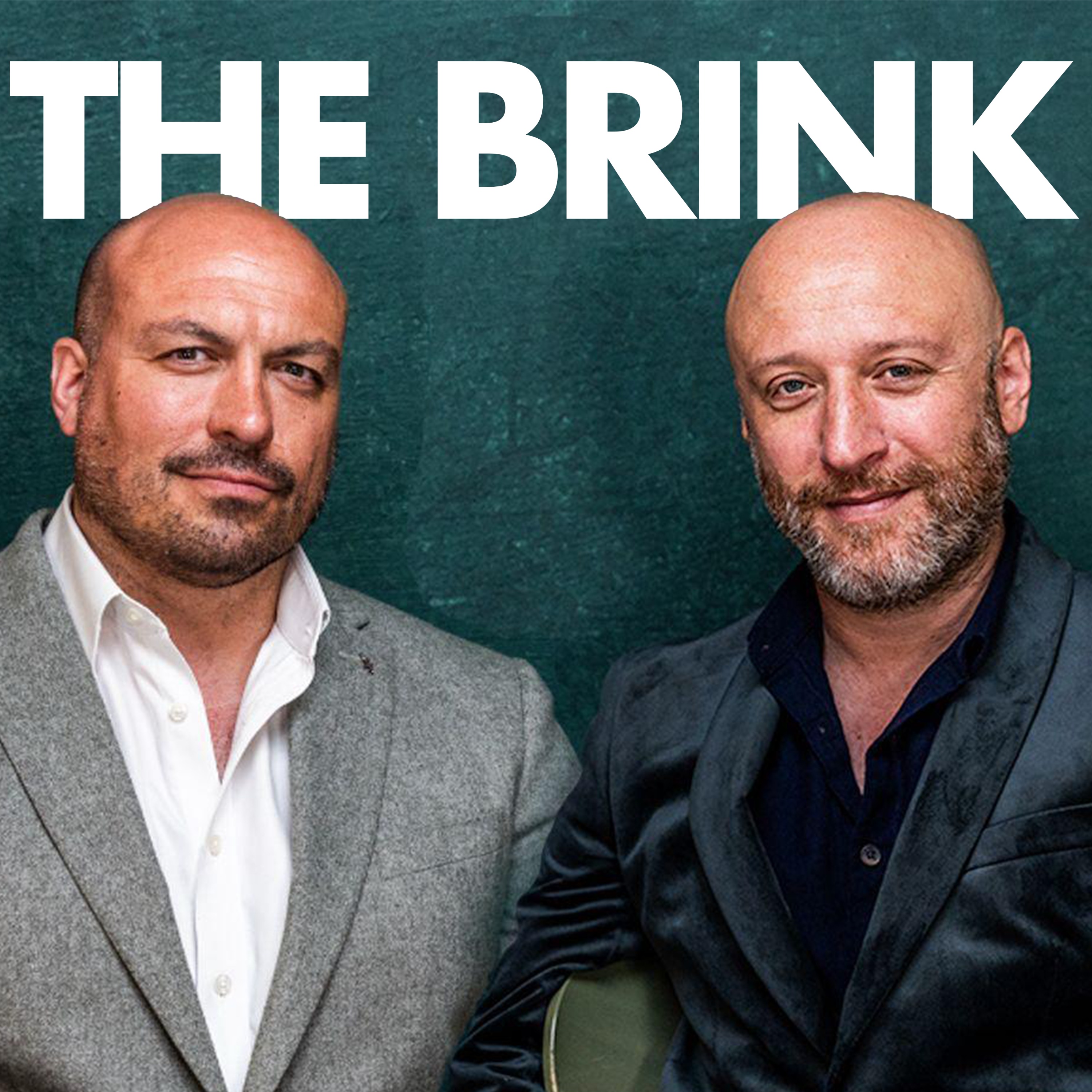
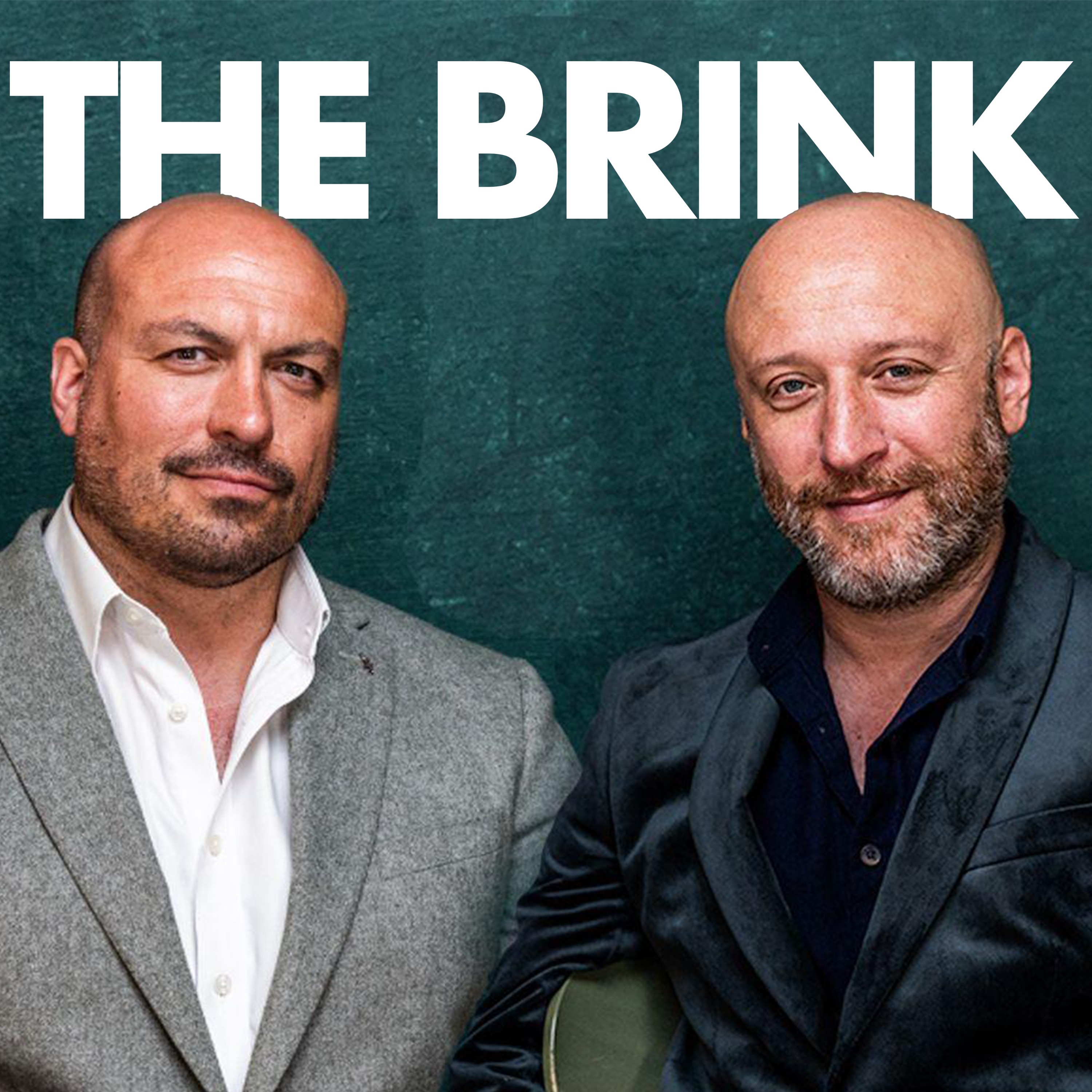
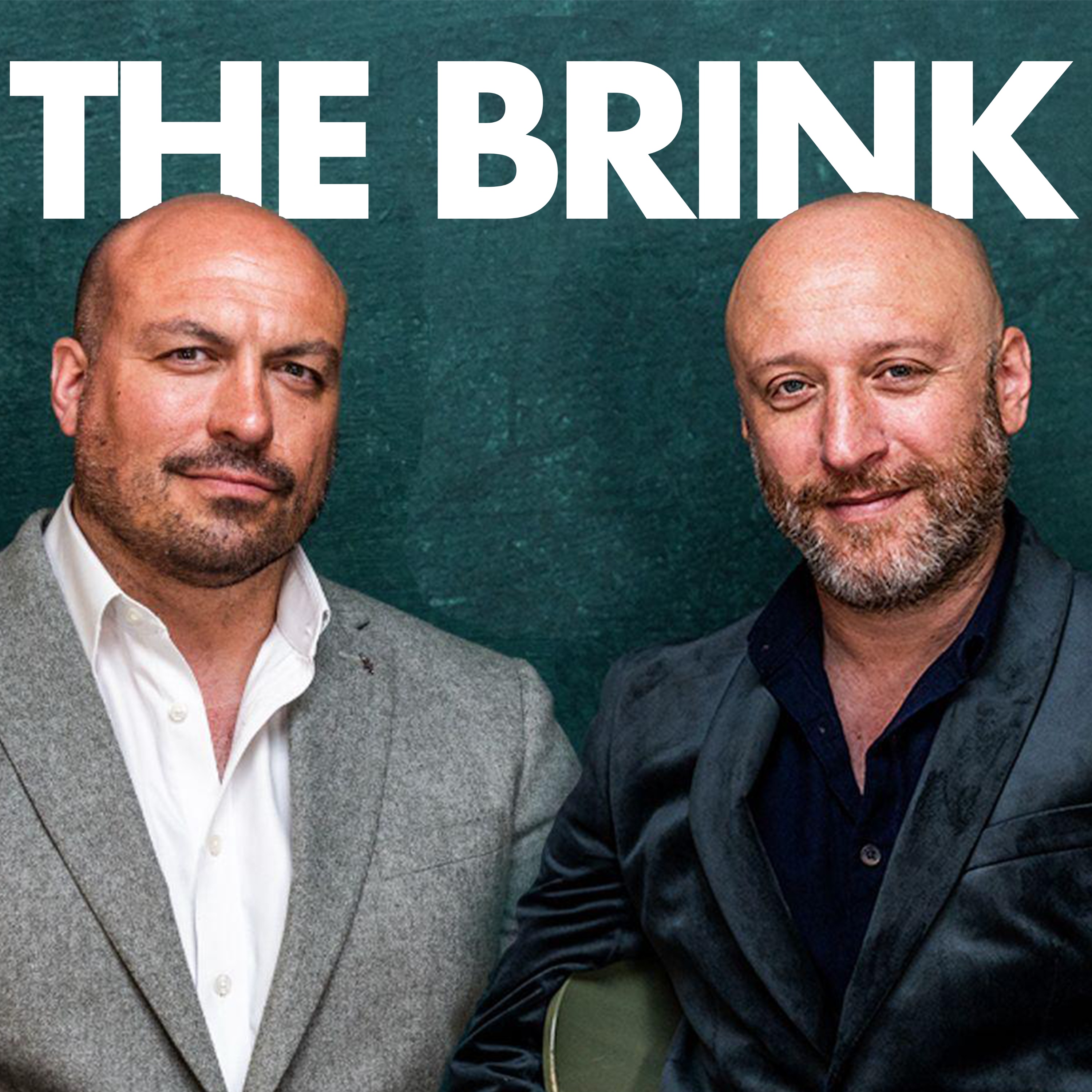
The Brink is a podcast hosted by Daily Telegraph columnist Jake Wallis Simons and former parachute regiment officer Andrew Fox. They discuss pressing topics such as Israel, immigration, Ukraine, Islamism, and the rise of Reform UK, aiming to offer a common-sense perspective on how to bring the West back from the brink. The show features a variety of guests and is produced from the edge of current events.
Epizode
-
 From The KGB To Gaza: How Soviet Propaganda Survived 15.09.2026 44minWatch the full uncut interview HERE: https://thebrinkpodcast.substack.comIn this episode of The Brink, Andrew and Jake are joined by Izabella Tabarovsky to explore how some of today’s most powerful accusations against Israel have their roots in Soviet propaganda.Izabella traces claims of genocide, apartheid, and “Zionism is racism” back to Soviet campaigns designed to portray Israel as racist, colonialist, and even Nazi. She explains how these ideas spread through academia, the UN, and the global left, surviving long after the Soviet Union itself collapsed.The conversation also examines the growing overlap between the far left and far right, and why the same conspiracy theories about Israel and Jewish power are increasingly appearing across both political extremes.A fascinating discussion about Soviet propaganda, antisemitism, and why the ideas of the Cold War are still shaping the debate around Israel today.Chapters 00:00 How Soviet Propaganda Targeted Israel02:02 Where the “Genocide” Accusation Began07:01 Why Stalin Turned Against Israel12:12 How the Soviets Reinvented Anti-Semitism16:51 The Far Right Roots of Soviet Anti-Zionism22:39 Mahmoud Abbas & Soviet Propaganda28:00 Where “Zionism Is Racism” Came From33:41 How Soviet Propaganda Survived the USSR36:48 Durban, 9/11 & the New Anti-Zionism40:55 How the Far Right Adopted the Same PlaybookDon't forget to check out our merch store: https://www.thebrinkmerch.com/ Hosted on Acast. See acast.com/privacy for more information.
 -
 The lies we believed about jihadism after 9/11 11.09.2026 14minIn this episode of View from the Brink, Jake Wallis Simons reflects on the 25th anniversary of 9/11 and asks how the West has become increasingly confused about the difference between its friends and its enemies.Jake traces the consequences of September 11th through Afghanistan, Iraq, and the rise of jihadism, arguing that while the West fought Islamist extremism abroad, its propagandists became increasingly effective at exploiting Western institutions, social media, and the progressive left.Turning to October 7th and Israel, Jake argues that the response to the Hamas attacks exposed the scale of this information war, with misinformation spreading rapidly while sympathy for Israel collapsed.Twenty-five years after 9/11, Jake argues that the West must recover the confidence to recognise its enemies, defend its allies, and resist the propaganda designed to turn it against itself. Hosted on Acast. See acast.com/privacy for more information.
 -
 Dan Hodges: Is this the slow end of Nigel Farage? 09.09.2026 44minIn this episode of The Brink, Andrew is joined by political commentator Dan Hodges for a wide-ranging conversation about Labour’s sanctions against Israel, the growing crisis inside Reform UK and why he believes Nigel Farage’s grip on the party may be approaching its end.Hodges begins by examining the political calculation behind Andy Burnham’s approach to Israel. He argues that Labour is attempting to shore up its left flank against the Greens and pro-Palestinian challengers, and explains how pressure from activists, backbenchers and senior cabinet figures previously pushed Keir Starmer towards recognising a Palestinian state.The conversation then turns to Reform and the fallout from the protests in Dover and Portsmouth. Hodges argues that the emergence of Rupert Lowe and Restore has dragged Reform away from its strategy of professionalisation and towards an increasingly populist battle for its own base, while figures including Zia Yusuf and Robert Jenrick position themselves for what could eventually become a leadership contest.Hodges also discusses the mounting scrutiny of Reform’s finances and Nigel Farage’s response to it. He argues that attempts to portray journalists and parliamentary investigations as part of an establishment conspiracy resemble the playbooks of both Donald Trump and Jeremy Corbyn, and warns that Reform’s once formidable political “force field” is beginning to break down.Finally, Hodges makes a striking prediction: Reform may have a future, but Nigel Farage may not have one at its head. With Farage increasingly divisive among the wider electorate, he assesses the potential successors and explains why a future leadership contest could ultimately come down to Zia Yusuf and Robert Jenrick.Chapters 00:00 Introductions 02:19 The Politics Behind Miliband’s Israel Sanctions07:26 Andy Burnham’s Political Strategy13:42 Why Israel Is Losing The Propaganda War19:56 The Dover Protests & Reform’s Response22:23 Has Rupert Lowe Got Inside Farage’s Head?25:08 Farage, Reform & The Populist Playbook31:02 Why Dan Hodges Is Targeting Reform38:34 What’s Really Going On With Reform’s Finances?42:45 Can Farage Copy Trump’s Playbook? Hosted on Acast. See acast.com/privacy for more information.
 -
 Dover Protests, Tucker Carlson, Nick Fuentes and Britain's Right – Daniel Finkelstein 08.09.2026 48minWatch the full uncut interview HERE: https://thebrinkpodcast.substack.comIn this episode of The Brink, Andrew and Jake are joined by Lord Daniel Finkelstein for a wide-ranging conversation about the rise of populism, the far right, and the growing threat of political extremism across Britain, Europe, and the United States.Drawing on his own family's experience of Nazism and Stalinism, Finkelstein reflects on his confrontation with Nick Fuentes and the extraordinary antisemitic abuse that followed. He examines Tucker Carlson's role in bringing once-fringe ideas towards the mainstream, and why attacks on the historical understanding of the Second World War and the Holocaust have become increasingly important to parts of the American right.Turning to Europe, the conversation explores the dramatic rise of Germany's AfD and the role immigration has played in fuelling populist politics. Finkelstein argues that mass migration was a serious political mistake and that governments must regain control, while warning that demonising people who are already British citizens risks making integration harder and pushing politics towards ethno-nationalism.The discussion also turns to Reform UK, Restore, and the battle over the future of the British right. Finkelstein explains why he believes Nigel Farage has historically drawn an important line against the far right, criticises Matt Goodwin's rhetoric on migrants, and delivers a damning assessment of Robert Jenrick's defence of Reform activists after violence at the party's conference.Finally, they examine the growing tolerance of political violence on both the left and right, the appeal of Vladimir Putin to populist movements, and whether Britain's frustration with immigration, bureaucracy, and political institutions could drive the country further towards the extremes.Don't forget to check out our merch store: https://www.thebrinkmerch.com/Chapters 00:00 Introduction02:46 Confronting Nick Fuentes07:44 Tucker Carlson & The New Right15:51 The Rise Of Europe’s Populist Right21:15 The Failure Of Mass Immigration24:39 Matt Goodwin’s “Goat Herders” Comments27:00 Immigration, Protest & Vigilantism33:03 AfD, Reform & The Far Right36:22 Farage, Reform & Ethno-Nationalism39:29 Robert Jenrick & Political Violence Hosted on Acast. See acast.com/privacy for more information.
 -
 Rock ‘n' Roll's disturbing hatred of Israel - David Draiman 05.09.2026 41minWatch the full uncut interview HERE: https://thebrinkpodcast.substack.comIn this episode of The Brink, Andrew is joined by David Draiman, frontman of Disturbed, for a deeply personal conversation about October 7th, antisemitism, Israel and why he has refused to remain silent despite the potential cost to his career.Drawing on his own experiences of antisemitism and his family's history, from grandparents who survived Auschwitz and Dachau to relatives who served in the IDF, Draiman explains why defending the Jewish people has always been central to his identity. He reflects on how October 7th transformed that fight and why the reaction that followed left him deeply concerned about the future of Jews in the West.Draiman also addresses one of the most controversial moments of his activism: writing “F*ck Hamas" on an Israeli artillery shell. He explains why he has no regrets, while also speaking candidly about Palestinian suffering, his hopes for coexistence, and his belief that Israelis and Palestinians ultimately deserve a future beyond perpetual war.Finally, Draiman reflects on the power of music after Disturbed's Hold On to Memories was played at the funeral of Shiri, Ariel, and Kfir Bibas, and on his friendship with Yarden Bibas. He explains why, whatever the professional consequences of speaking out, being able to act according to his conscience matters more than becoming "the next Metallica."Don't forget to check out our merch store: https://www.thebrinkmerch.com/Chapter 00:00 David Draiman On Speaking Up02:58 Why October 7th Changed Everything05:56 Growing Up With Anti-Semitism09:27 How Jewish Identity Shaped Disturbed16:16 Jews, Division & Survival19:43 Hollywood, Music & Israel25:49 Israel, Gaza & Legitimate Criticism33:15 Fighting Back Against Anti-Israel Narratives34:57 Why Celebrities Won’t Debate Him40:57 “I Wrote F*** Hamas” Hosted on Acast. See acast.com/privacy for more information.
 -
 The Dysfunctional Department of War: Pentagon in Disarray Over Explosive Leaks 01.09.2026 20minWatch the full uncut interview HERE: https://thebrinkpodcast.substack.comIn this episode of View from The Brink, Andrew Fox examines a growing crisis inside the Pentagon, asking whether Defence Secretary Pete Hegseth’s drive for loyalty and ideological control is beginning to undermine the military effectiveness of the United States.Andrew examines Hegseth’s transformation of the Pentagon itself, from the removal of senior military leaders and interventions in promotion decisions to restrictions on the traditional press and the undisclosed government roles given to sympathetic online influencers. Andrew asks whether a culture intended to restore discipline and merit is instead making military officers increasingly reluctant to deliver unwelcome advice.Finally, Andrew makes the case that the readiness leak should be understood as a warning about the health of civilian-military relations. If senior officers believe professional objections are being ignored or punished, he argues, the greatest danger is not disobedience but a Pentagon in which uncomfortable truths can no longer travel safely upwards…Don't forget to check out our merch store: https://www.thebrinkmerch.com/ Hosted on Acast. See acast.com/privacy for more information.
 -
 The Arab Case for Israel with Hussain Abdul-Hussain 27.08.2026 1h 2minWatch the full uncut interview HERE: https://thebrinkpodcast.substack.comIn this episode of The Brink, Jake is joined by Hussain Abdul-Hussain, author of The Arab Case for Israel, for a fascinating conversation about Israel, the Arab world, and why he believes peace requires a fundamental change in the way the Middle East thinks about politics, identity, and prosperity.Growing up between Saddam Hussein’s Iraq and Hezbollah-dominated Baalbek, Hussain absorbed the politics of Arab nationalism, sectarianism, and hostility towards Israel. He explains how moving to Beirut, encountering different religious communities, and eventually teaching himself Hebrew by listening to Israeli radio transformed his understanding of the Jewish state.Hussain argues that much of the Arab world has prioritised land, honour, and historical grievance over economic prosperity and individual liberty. Drawing on the UAE and the Abraham Accords, he makes the case for a different model: abandoning permanent conflict with Israel, raising living standards, and allowing political reform to emerge gradually rather than through revolution.The conversation also explores the decline of Christian and Jewish minorities across the Middle East, Hezbollah’s grip on Lebanon, the prospects for Arab-Israeli normalisation, and why Hussain believes many ordinary Arabs may be considerably more open to peace than their governments and political movements suggest.Don't forget to check out our merch store: https://www.thebrinkmerch.com/Chapters 00:00 From Hezbollah Sympathiser To Supporting Israel02:43 The Arab Case For Israel04:17 Why Hussein Changed His Mind09:13 Prosperity, Palestine & National Pride21:46 Minorities In The Muslim World28:33 Growing Up Around Hezbollah35:53 How Beirut Changed Everything38:01 Discovering The Real Israel42:52 Why Hussein Broke With The Left47:15 Can The Arab World Really Change? Hosted on Acast. See acast.com/privacy for more information.
 -
 The Middle East, Zionism and The West’s New “Religion” 25.08.2026 1h 1minWatch the full uncut interview HERE: https://thebrinkpodcast.substack.comIn this episode of The Brink, Andrew and Jake are joined by bestselling historian and author Simon Sebag Montefiore for a sweeping conversation about the history of the Middle East and his new book, The Cauldron: The Making of the Modern Middle East.Sebag challenges many of the assumptions shaping today's debates about Israel, Islam, and the wider region. He explains why Islam cannot be treated as a single political or religious force, why Israel is in many ways more typical of Middle Eastern history than Western audiences realise, and how Zionism fits into a much longer history of Jewish attachment to the Holy Land.The conversation also examines what Sebag describes as the West's almost religious commitment to the two-state solution, despite the realities on the ground. From the collapse of the Ottoman Empire and the creation of modern nation-states to Turkey, Iran, and the decline of Christianity across the region, he explores how history continues to shape today's conflicts.Finally, we look at America's changing role in the Middle East and the emergence of a new geopolitical order in which conflicts from Ukraine and the Caucasus to the Horn of Africa are increasingly interconnected.Chapters 00:00 The Two-State Solution Has Become A Religion02:28 Simon Sebag Montefiore On The Brink07:25 The Truth About Islam13:37 Israel’s Crisis From Within18:50 Will Israel Survive Its Divisions?24:15 The Real History Of Zionism30:44 Why The Two-State Solution Keeps Failing32:12 The West’s Contradiction On Nationalism35:36 Does The Middle East Need America?45:37 Why Israel Isn’t Historically Exceptional Hosted on Acast. See acast.com/privacy for more information.
 -
 “I Was Brainwashed Into Hating Jews” | Ayaan Hirsi Ali 20.08.2026 47minWatch the full uncut interview HERE: https://thebrinkpodcast.substack.comIn this episode of The Brink, Jake is joined by author and activist Ayaan Hirsi Ali for a wide-ranging conversation about Islam, antisemitism, Israel, and what she sees as a crisis of confidence across Western civilisation.Drawing on her own journey from growing up as a Muslim to leaving Islam and more recently converting to Christianity, Ayaan reflects on her changing relationship with Jews and Israel. She argues that the West has misunderstood the ideological challenge posed by Islamism and discusses whether meaningful reform within Islam is possible.The conversation explores the influence of the Muslim Brotherhood, the growth of Islamist movements in Europe and America, and why Ayaan believes Western freedoms have been exploited by organisations seeking to undermine liberal societies. She also sets out the five forces she believes are driving modern antisemitism, from immigration and the internet to the wider political realignment taking place across the West.Finally, Jake and Ayaan discuss Christianity, the decline of religious confidence in Europe, and why she believes the West must rediscover its Judeo-Christian foundations. Drawing on her recent return to Israel, Ayaan argues that the country's sense of identity and purpose offers lessons for Western societies struggling with their own cultural uncertainty.A conversation about Islam, Israel, Christianity, antisemitism, and whether the West can rediscover the confidence to defend its own civilisation.Don't forget to check out our merch store: https://www.thebrinkmerch.com/Chapters00:00 Introduction 03:52 Growing Up With Hatred of Jews06:13 Is “Radical Islam” Really Radical?08:57 Muslims, Islam & the Problem of Doctrine16:53 Can Islam Be Reformed?17:00 The Origins of Modern Islamism20:24 Where Modern Antisemitism Comes From25:00 Moderate Islam & the Muslim World28:42 The Muslim Brotherhood in the West33:52 The Five Causes of Modern Antisemitism38:41 Islamophobia & Silencing Criticism of Islamism44:58 How the West Lost Confidence in Itself Hosted on Acast. See acast.com/privacy for more information.
 -
 Migrant R*pes Old Man Outside a Church…Where’s The Outrage? 18.08.2026 13minWatch the full uncut interview HERE: https://thebrinkpodcast.substack.comIn this episode of View from The Brink, Jake tackles one of the most difficult issues facing Britain today: illegal migration, border control, and the growing public anger over the way the system is being managed.Jake examines the scale and cost of small boat crossings, as well as a series of serious criminal and terrorist cases that have intensified concerns about Britain's asylum and immigration system. He argues that legitimate worries about security, integration, and rapid demographic change can no longer simply be dismissed or ignored.But the episode also turns to the response emerging on parts of the political right. Jake warns that ethno-nationalism and the idea that Britishness should be determined by race or ancestry offer a dangerous alternative to the failures of the political establishment.Instead, he makes the case for a tougher but fundamentally British approach: secure borders, effective enforcement, the removal of those with no right to remain, and a system rooted in the rule of law rather than race or religion.Don't forget to check out our merch store: https://www.thebrinkmerch.com/ Hosted on Acast. See acast.com/privacy for more information.
 -
 Allister Heath: Why I’m at war with Restore Britain 13.08.2026 45minWatch the full uncut interview HERE: https://thebrinkpodcast.substack.com/In this episode of The Brink, Andrew and Jake are joined by journalist and commentator Allister Heath for a conversation about the battle for the future of the British right, the rise of Restore, and why he believes conservatism risks being consumed by a new form of ethno-nationalism.Following his explosive intervention against Rupert Lowe and Restore, Heath explains why he felt compelled to draw a line against racial politics and antisemitism. They discuss Reform, Restore, immigration and integration, and why legitimate anger over Britain's failures must not become a politics based on ancestry or racial purity.The conversation also looks at the influence of America on British politics, from Donald Trump and Elon Musk to Tucker Carlson and the online right, as well as the collapse of the traditional centre-right and the failure to offer a convincing economic alternative.Finally, they discuss Israel, the rise of anti Zionism, Britain's wider crisis of confidence and what it actually means to be British in a multiracial and multifaith country.A timely conversation about the crisis of the right, the dangers of political extremism and whether conservatism can find a way forward without losing the values it is supposed to defend.Don't forget to check out our merch store: https://www.thebrinkmerch.com/Chapters00:00 Introduction 02:51 The Battle Between Restore, Reform & the Conservatives08:02 The Far Right, Far Left & Antisemitism12:12 How Online Politics Is Changing the British Right16:54 The Fallout From Alistair’s Restore Column18:51 Why the Conservative Party Failed24:26 Why Britain’s Political Establishment Is Failing27:21 Which Part of the Far Right Is Most Dangerous?33:00 Can Extremism Be Removed From the Right?36:47 Trump, Elon Musk & the Changing Right38:27 What Comes After Trump?41:24 Why Alistair Is Pessimistic About the West42:04 America’s Institutional & Military Crisis Hosted on Acast. See acast.com/privacy for more information.
 -
 Are White People More British? 11.08.2026 37minWatch the full uncut interview HERE: https://thebrinkpodcast.substack.comIn this episode of The Brink, Andrew and Jake sit down for a conversation about British identity, immigration, and the growing battle over the future of the political right. The discussion examines the rise of ethno-nationalism and the rhetoric surrounding Rupert Lowe and Restore, asking where legitimate concerns about mass immigration and integration end and racial politics begin. Andrew and Jake explore what it actually means to be British and why identity cannot simply be reduced to ancestry, race, or religion.They also turn to Islam in Britain, arguing that serious concerns around extremism, integration, and political Islam need to be confronted without treating millions of Muslims as a single hostile group. From British Muslims who have served in the armed forces to communities struggling with integration, they consider how Britain can defend its culture while avoiding the politics of collective blame. Finally, the conversation looks at the influence of social media, populism, and foreign actors in pushing politics towards the extremes, and why simplistic solutions to Britain's problems risk destroying the very values they claim to protect. Don't forget to check out our merch store: https://www.thebrinkmerch.com/ Chapters 00:00 What Does It Mean To Be British? 03:35 The Battle Over British Identity 07:20 Who Really Counts As British? 09:35 Mass Immigration & National Identity 12:43 The Rise Of Ethno-Nationalism 15:45 What Makes Someone British? 20:22 The Problem With Populism 23:12 Britain’s Failure To Integrate 25:20 Race, Faith & Britishness 35:15 Is Islam Compatible With Britain? Hosted on Acast. See acast.com/privacy for more information.
 -
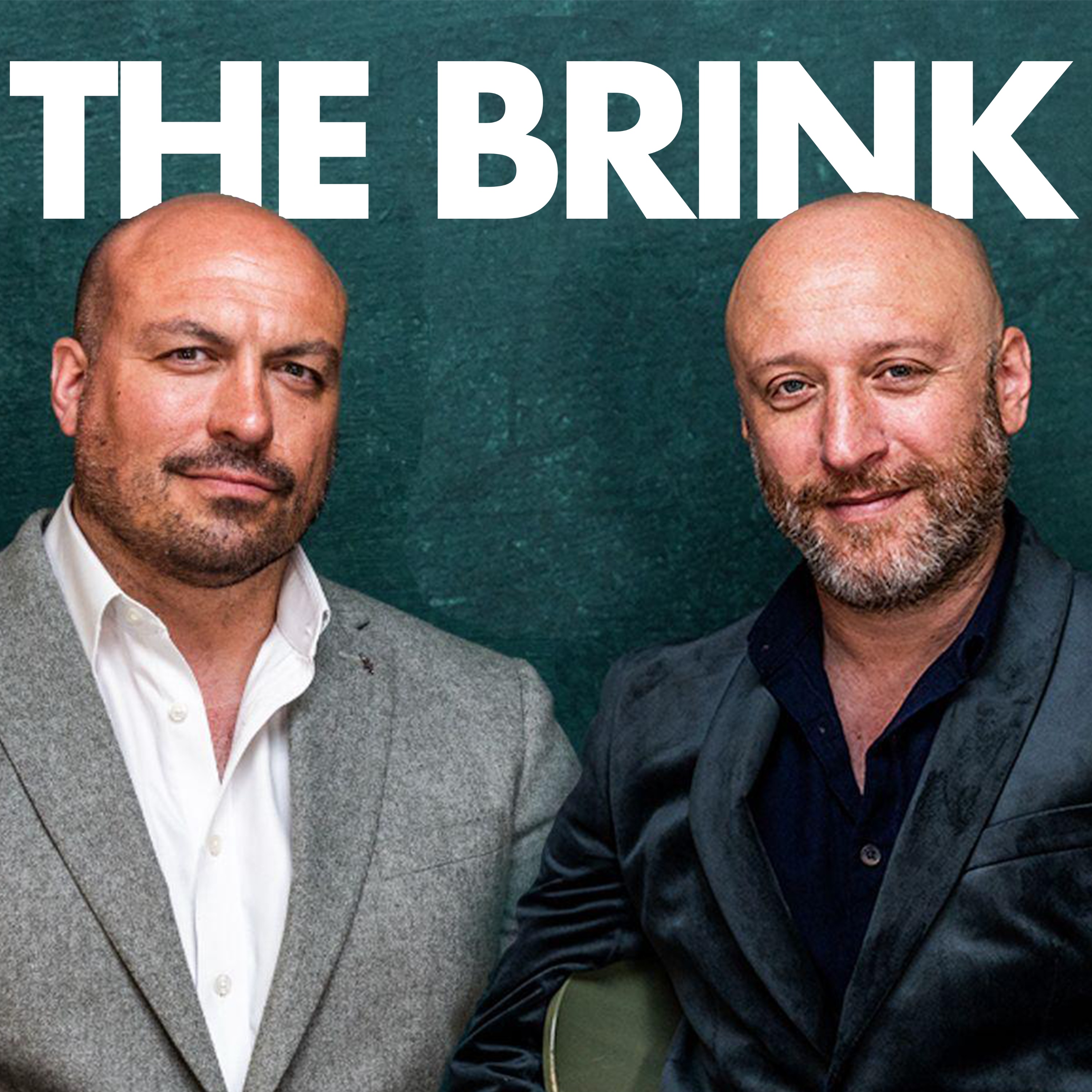 Oxford Professor Exposes The Crisis Inside Britain's Universities 06.08.2026 46minWatch the full uncut interview HERE: https://thebrinkpodcast.substack.com/In this episode of The Brink, Andrew is joined by historian Lawrence Goldman, former Oxford professor and Executive Editor of History Reclaimed, for a wide-ranging conversation on the crisis facing universities, the rewriting of British history, and the growing influence of ideology in academia.Drawing on more than four decades at Oxford, Goldman explains how the study of history has shifted away from archival research and evidence towards theory, ideology, and present-day moral judgments. He argues that today's students are increasingly taught to interpret the past through modern political frameworks, rather than understanding historical events on their own terms.The conversation also explores the rise of anti-Semitism on university campuses, the relationship between anti-Zionism and academic culture, and why Goldman believes many institutions have failed to defend free inquiry and intellectual diversity. We discuss the expansion of higher education, the internationalisation of universities, and the growing disconnect between academia and wider society.Finally, Andrew and Lawrence examine what it would take to restore trust in higher education. From academic freedom and leadership to educational standards and the purpose of universities themselves, they ask whether Britain's institutions can return to the pursuit of truth over ideology.Chapters 00:00 Introduction 05:19 The Rise Of Ideology In Universities11:25 When Did It Start?14:57 Why Academia Changed17:45 Is Diversity Of Thought Disappearing?19:24 The Cost Of Speaking Out23:00 Why History Reclaimed Was Created26:03 Does Oxford Have An Antisemitism Problem?35:46 Why Antisemitism Is Getting Worse39:19 Foreign Influence In British Universities42:56 Has Academia Lost Its Purpose?45:39 Are Universities Producing Better Students?Don't forget to check out our merch store: https://www.thebrinkmerch.com/ Hosted on Acast. See acast.com/privacy for more information.
 -
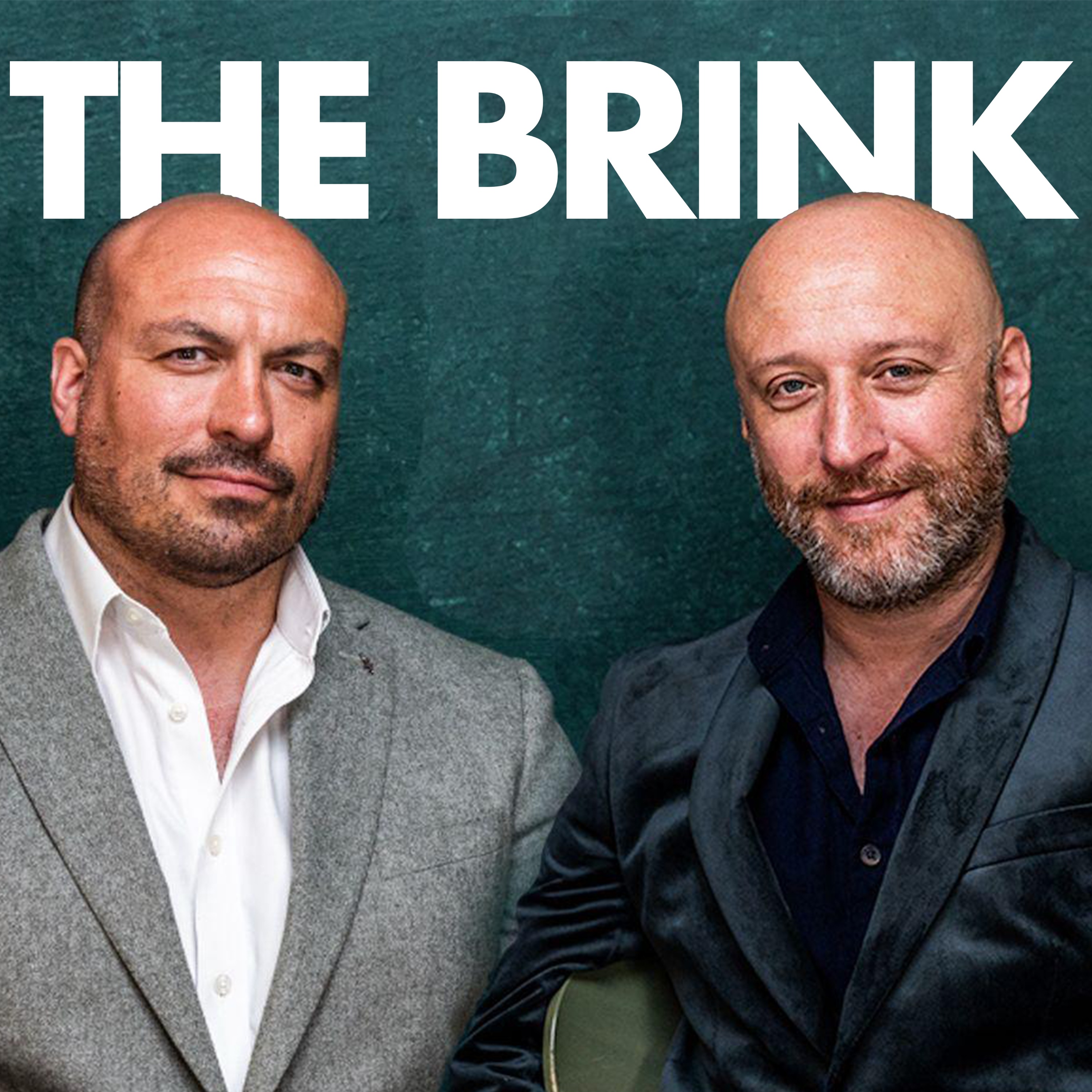 The truth behind the Ceuta migrant invasion... 31.07.2026 12minWatch the full uncut monologue HERE: https://thebrinkpodcast.substack.com/In this solo episode of The Brink, Andrew Fox examines the extraordinary events unfolding in Ceuta, where tens of thousands of migrants crossed into Spanish territory in just 24 hours. But was this really an invasion of Europe, or something far more calculated?Andrew breaks down the competing explanations behind the crisis, from social media-driven mobilisation and organised criminal smuggling networks to the possibility of state-backed coercion. He explores Morocco's long history of using migration as political leverage, the strategic importance of Western Sahara, and why the timing of the crisis has raised serious questions about Rabat's intentions.The episode also examines Russia's growing influence across North Africa and the Sahel, including its links to Libya, the Wagner Group, human trafficking networks, and the weaponisation of migration as a geopolitical tool. Andrew explains what the evidence does and does not show, separating established facts from speculation while asking whether Moscow stands to benefit from Europe's latest border crisis.Finally, Andrew explores what happens next. How does Spain process tens of thousands of arrivals? Can they freely move across Europe? And why might the political impact of the images prove even more significant than the number of people who crossed the border? Hosted on Acast. See acast.com/privacy for more information.
 -
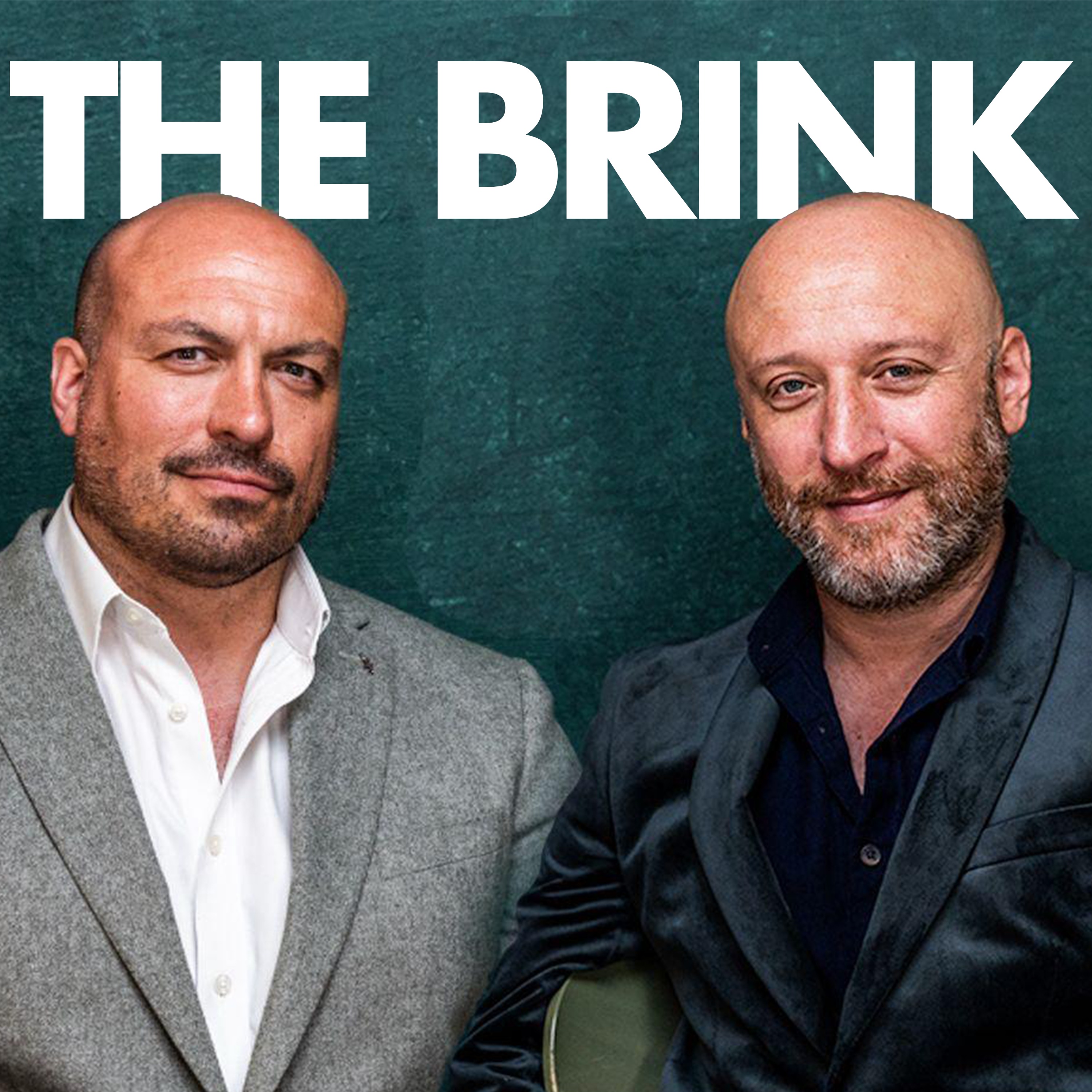 Former Green Beret: Trump Is Repeating America's Biggest Mistake 30.07.2026 51minWatch the full uncut interview HERE: https://thebrinkpodcast.substack.com/p/former-green-beret-trump-is-repeating?r=63dafpIn this episode of The Brink, Andrew and Jake are joined by former United States Army Special Forces officer Mike Nelson for an in-depth assessment of the war with Iran, the strategic dilemmas facing the Trump administration, and whether the United States entered the conflict without a clear plan for success.Drawing on his military experience and time working on strategy at US Central Command, Mike explains how Washington approached the conflict, why he believes the military presented viable options to political leaders, and where he thinks critical decisions were driven by unrealistic assumptions rather than coherent long-term strategy. The discussion examines the Strait of Hormuz, Kharg Island, Pickaxe Mountain, and the enormous military and political risks associated with any attempt at regime change or ground operations inside Iran.The conversation also explores the growing politicisation of the US military, the changing relationship between civilian leaders and senior commanders, and what these developments could mean for America's armed forces in future conflicts. Mike reflects on how loyalty, military professionalism, and strategic planning are being reshaped under the current administration.Finally, we examine the future of the transatlantic alliance, America's relationship with Europe and Israel, the rise of isolationism within the Republican Party, and why Mike believes the West faces a critical test of both leadership and strategic resolve in the years ahead.Don't forget to check out our merch store: https://www.thebrinkmerch.com/Chapters 00:00 Introduction03:23 Trump's Strategy On Iran11:10 Is The US Military Becoming Politicised?17:21 Did America Have A Plan?25:30 The Military Options Against Iran35:37 Why The West Keeps Winning Battles But Losing Wars39:57 Why Iran Is So Difficult To Defeat43:50 Has America Abandoned Its Allies?49:36 Can America Recover After Trump? Hosted on Acast. See acast.com/privacy for more information.
 -
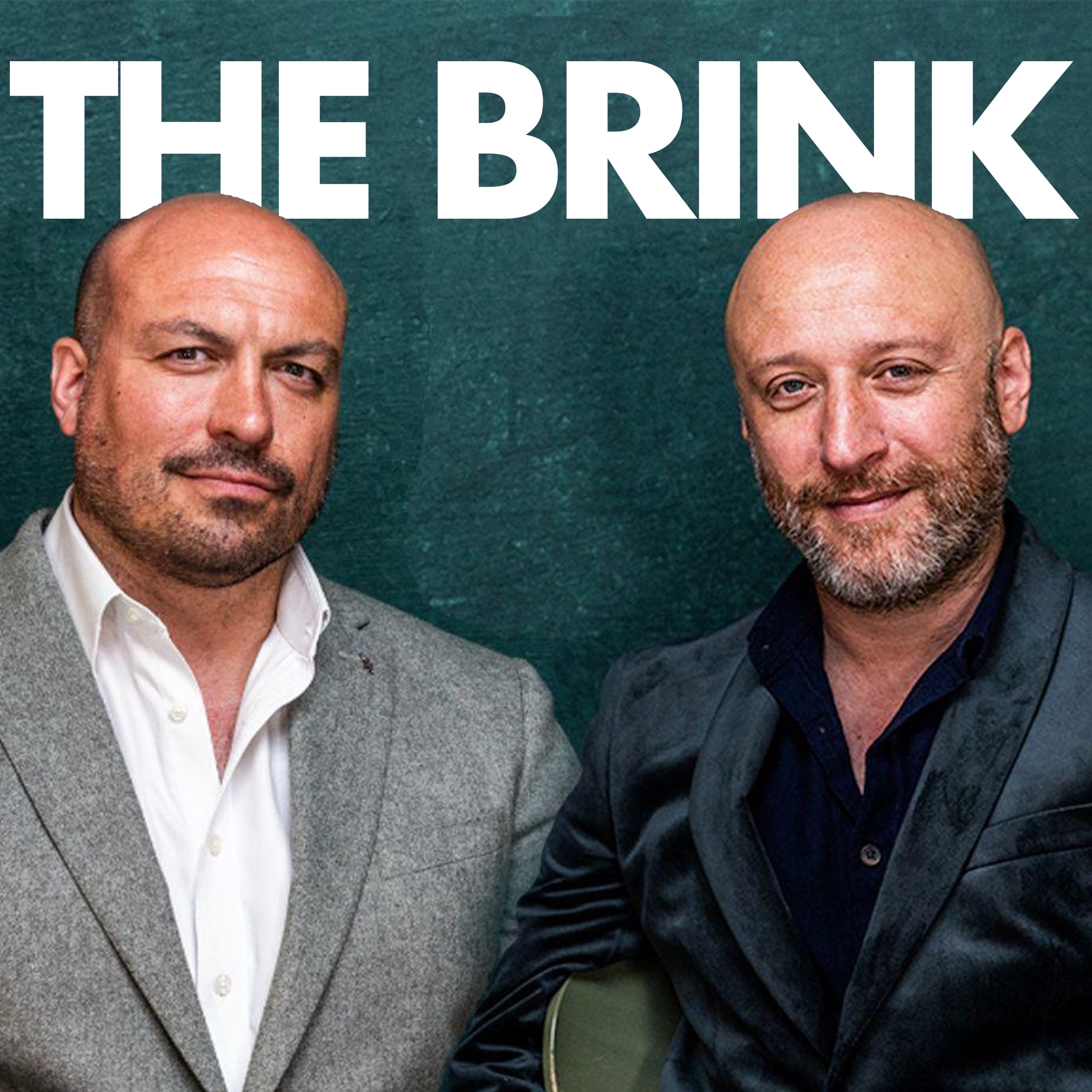 Burnham v Thatcher 21.07.2026 34minWatch the full uncut interview HERE: thebrinkpodcast.substack.comIn this solo episode of The Brink, Jake reflects on the political earthquake following Andy Burnham's rise to the premiership, asking what it means for Britain, the West, and the future of conservatism.Jake argues that Burnham's vision represents a return to the failed ideas of the 1970s, contrasting Britain's economic decline before Margaret Thatcher with the challenges facing the country today. He explores the growing pressures on the economy, the erosion of national confidence, declining defence capabilities, and why he believes Britain has lost the sense of purpose that once defined it.The conversation also examines what Jake describes as "centrist fundamentalism" and how it has reshaped politics, education, the media, and public debate over the past three decades. He argues that this has created the conditions for the rise of both progressive activism and populist movements, while leaving many ordinary voters feeling politically homeless.Jake also discusses anti-Semitism, the cultural impact of October 7th, the changing relationship between Britain and Israel, and why he believes the way a society treats its Jewish community is a measure of its broader health.Chapters 00:00 Introduction 04:45 Thatcher, The 1970s & Britain's Decline 10:23 Britain, Israel & National Resolve 15:48 Britain's Defence & Economic Crisis 19:02 What Is Centrist Fundamentalism? 26:34 How Britain Lost Confidence In Itself 32:03 The Rise Of The New RadicalismDon't forget to check out our merch store: https://www.thebrinkmerch.com/ Hosted on Acast. See acast.com/privacy for more information.
 -
 The Myths of Gaza and The End of Bibi 16.07.2026 49minWatch the full uncut interview HERE: https://thebrinkpodcast.substack.com/In this episode of The Brink, Andrew and Jake are joined by Israeli author and former Knesset member Einat Wilf for a wide-ranging conversation on the future of Israel, the ideology driving the Israeli-Palestinian conflict, and the country's political future after Benjamin Netanyahu.Wilf argues that the conflict has never fundamentally been about settlements, borders, or occupation, but about the refusal to accept the existence of a sovereign Jewish state. She explains why the events of October 7th reinforced this belief, examines the role of UNRWA and the so-called "right of return", and discusses whether genuine peace is possible without a fundamental shift in Palestinian political culture.The conversation also explores Israel's rapidly changing political landscape ahead of the next election. We discuss Benjamin Netanyahu's legacy, the candidates hoping to replace him, the growing debate over military service and the ultra-Orthodox community, and why Wilf believes Israel must stop delaying difficult decisions and begin addressing its deepest structural challenges.Finally, we examine the changing relationship between Israel and the United States, the battle over global public opinion, and why Wilf believes the war for international legitimacy has become just as important as the military conflict itself.A fascinating discussion about Zionism, Israeli politics, and the future of one of the world's most consequential democracies.Chapters00:00 Introduction 04:15 The Ideology Behind Hamas 08:08 Are There Palestinian Moderates? 16:18 Is Peace Still Possible? 20:50 Israeli Extremism & The Current Government 26:19 Why Anat Wilf Changed Her Mind 32:00 Inside Israel’s Next Election 37:10 Will Netanyahu Survive? 42:56 Trump, America & Israel’s Future 48:19 Is The Netanyahu Era Coming To An End?Don't forget to check out our merch store: https://www.thebrinkmerch.com/ Hosted on Acast. See acast.com/privacy for more information.
 -
 Are the wheels coming off Reform? Nadim Zahawi 08.07.2026 52minWatch the full uncut interview HERE: https://open.substack.com/pub/thebrinkpodcast/p/are-the-wheels-coming-off-reform?r=63dafp&utm_campaign=post&utm_medium=web&showWelcomeOnShare=trueIn this episode of The Brink, Jake is joined by businessman and former Cabinet minister Nadhim Zahawi for a conversation on immigration, political Islam, the future of the British right, and why he made the dramatic decision to leave the Conservative Party for Reform UK.Drawing on his own experience of arriving in Britain as a Kurdish refugee from Iraq, Zahawi reflects on how immigration and integration have changed over the past four decades. He argues that successive governments failed to promote assimilation, allowed communities to become increasingly segregated, and underestimated the growing influence of political Islam in Britain.The conversation explores the threat posed by the Muslim Brotherhood, the small boats crisis, legal migration, and why Zahawi believes Britain has reached a point where urgent action is needed. He explains why he supports banning the Muslim Brotherhood, proscribing the Islamic Revolutionary Guard Corps, and reforming Britain's institutions to confront extremism more effectively.We also discuss his decision to defect from the Conservatives to Reform UK, his conversations with Nigel Farage, and why he believes only Reform has the determination to tackle Britain's biggest challenges. The episode examines the future of the Conservative Party, the prospect of a Reform government, and what meaningful political change would actually require.Don't forget to check out our merch store: https://www.thebrinkmerch.com/ Hosted on Acast. See acast.com/privacy for more information.
 -
 Muslim Expert Warns: Get Extremists Out Of Britain 02.07.2026 47minWatch the full uncut interview HERE: https://open.substack.com/pub/thebrinkpodcast/p/muslim-expert-warns-get-extremists?r=63dafp&utm_campaign=post&utm_medium=web&showWelcomeOnShare=trueIn this episode of The Brink, Jake is joined by Emirati journalist, author, and political strategist Amjad Taha for a wide-ranging conversation on the rise of political Islam in the West, the influence of the Muslim Brotherhood, and the growing security challenges facing Britain and Europe.Amjad argues that Western democracies have underestimated the threat posed by Islamist movements, explaining how organisations linked to the Muslim Brotherhood have embedded themselves within universities, charities, community groups, and political activism. He discusses anti-Semitism, radicalisation, the role of British institutions, and why he believes many Western governments have failed to confront the problem.The conversation also explores the UAE's approach to combating extremism, the Abraham Accords, the future of the Middle East, and the wider struggle between Islamist ideology and states seeking stability and coexistence. We examine Britain's relationship with the Gulf, the war in Sudan, and why Amjad believes the West has misunderstood its allies in the region.Finally, we turn to Iran and the aftermath of the recent conflict with Israel and the United States. Amjad explains why he believes the current ceasefire is only temporary, argues that the Iranian regime remains the greatest threat to regional stability, and warns that the next confrontation may be even more dangerous.Don't forget to check out our merch store: https://www.thebrinkmerch.com/Chapters 00:00 Introduction 03:12 How The Muslim Brotherhood Gains Influence07:55 Iran, Hamas & The Silence Of British Politicians12:27 How Islamists Use Democracy Against The West15:32 Universities, Mosques & Radicalisation22:26 What Is The Muslim Brotherhood?28:32 How The Brotherhood Changes Society32:01 Should Britain Ban The Muslim Brotherhood?35:15 Public Prayer Or Political Power?39:35 How Much Influence Does The Muslim Brotherhood Have In Britain?46:28 Is The Problem Islam Or Islamism? Hosted on Acast. See acast.com/privacy for more information.
 -
 The Secret Power Struggle Tearing Iran Apart 24.06.2026 51minWatch the full uncut interview HERE: https://thebrinkpodcast.substack.com/In this episode of The Brink, Andrew and Jake are joined by Iran expert Kasra Aarabi to examine the state of the Iranian regime after the recent conflict with Israel and the United States, and to ask whether the Islamic Republic is weaker than it appears.Drawing on sources inside Iran and years of research into the Islamic Revolutionary Guard Corps, Kasra explains the internal power struggles unfolding within the regime, the growing influence of younger and more radical elements of the IRGC, and why the battle for succession after Ayatollah Khamenei could reshape the future of the Islamic Republic.The conversation explores the regime’s ideology, its nuclear ambitions, and the role of the IRGC in projecting Iranian power across the Middle East. We discuss the recent negotiations with the Trump administration, the future of Hezbollah, and why Tehran believes time is on its side despite suffering significant military setbacks.Kasra also examines the relationship between Iran and regional actors such as Qatar, Pakistan, and Turkey, the wider geopolitical implications of the conflict, and the growing tensions between Washington, Jerusalem, and European capitals.Finally, we turn to the Iranian people. Kasra explains why many Iranians continue to oppose the regime despite years of repression, why protest movements remain a serious threat to the Islamic Republic, and whether the current moment could mark the beginning of the end for one of the world's most entrenched authoritarian systems.Don't forget to check out our merch store: https://www.thebrinkmerch.com/Chapters00:00 Introduction03:42 Who Really Controls Iran Now? 08:30 The Islamic Republic Is A Mafia State 12:10 Purges Are Coming To Iran's Regime 14:43 Has The Regime Become More Extreme? 15:30 The Radicalisation Of The IRGC 20:35 The Rise Of Iran's Hardline Next Generation 21:54 Mahdism, Apocalypse & The IRGC Worldview 25:47 What Does Iran Actually Want From A Deal? 30:39 How Tehran Plans To Split Trump And Netanyahu 33:04 Iran's Nuclear Strategy: Delay, Delay, Delay 36:32 Why The Regime Fears Donald Trump 42:11 Does Iran Have Any Real Allies Left? 46:45 What Do Ordinary Iranians Think? 49:50 Why Many Iranians Still Trust Trump? Hosted on Acast. See acast.com/privacy for more information.
Slični podcasti


Popularan u
Ovaj podcast pojavljuje se i na podcast ljestvicama ovih zemalja.


