
The Business
The Times
0
Hannah Prevett and Dominic O’Connell bring you one big business story you need to know every week. Uncovering the personalities, power plays, boardroom dramas and sheer ambition that drive the world of business, Hannah and Dominic get the inside story from the people who are in the room when the deal goes down - from start-ups to tech titans, market movers to City CEOs.
Epizode
-
 Why are the super rich leaving Britain? 16.09.2026 33minAre wealth creators fleeing Britain, and what does a super-rich exodus mean for Treasury tax revenues and the wider UK economy?In this episode of The Business, Hannah Prevett investigates why high earners are leaving the country and whether changes to non-dom status are accelerating the trend. She is joined by Dan Neidle, tax lawyer and founder of Tax Policy Associates, and Robert Watts, Times contributor and compiler of the Sunday Times Rich List.Together, they explore high-profile departures, including hedge fund founder Chris Rokos, who paid £330m in UK tax in a single year. They examine how abolishing non-dom rules, rising inheritance tax, and proposed exit taxes impact capital investment across British business. And as ministers prepare their upcoming budget, Hannah asks how government fiscal policy can retain top talent in the country, protect tax receipts, and drive long-term economic growth.Presenter:Hannah Prevett, associate business editor at The Sunday TimesGuests:Dan Neidle, founder of Tax Policy AssociatesRobert Watts, Times contributorProducer: Hope FedericoExecutive Producer: Emily Leahy and Miriam Hall Video Producer: Bronwen LathamImage: Getty Hosted on Acast. See acast.com/privacy for more information.
 -
 The Business of Formula 1®: Inside Biggin Hill's global broadcasting mission control 13.09.2026 30minThis series is sponsored by PwC.What does it take to broadcast the excitement and drama of Formula 1® to millions of fans across the world, with high pressure stakes and no room for error?In the first episode of a special series, host Andy Jaye speaks to Dean Locke, Formula 1®’s Executive Director of broadcast, Media and Race Operations and PwC’s UK Consulting Chief Markets Officer David Allen. Together they examine how innovation, AI and tech have transformed Formula 1®’s high-stakes broadcasting operation to deliver greater efficiency, sustainability and quality, and what industry leaders can learn about corporate strategy and harnessing tech.Guests:Dean Locke, Formula 1® Executive Director of broadcast, Media and Race Operations David Allen, PwC UK Consulting Chief Markets Officer Host: Andy Jaye, BroadcasterProducers: Harry Bligh and Shabnam Grewal Executive Producer: Emily Leahy Video Producer: Super LlamaGet in touch: [email protected] on Acast. See acast.com/privacy for more information. Hosted on Acast. See acast.com/privacy for more information.
 -
 Coming soon…The Business of Formula 1® 11.09.2026Coming soon…The Business of Formula 1®A series sponsored by PwC.Listen on The Business wherever you get your podcasts, or watch on Times Business channel on YouTube. Hosted on Acast. See acast.com/privacy for more information.
 -
 Pret A Manger CEO: Shoplifting, subscriptions & UK high street survival 10.09.2026 19minHow is Pret A Manger turning a London high-street staple into a powerhouse brand? In this episode of The Business, chief executive Pano Christou breaks down the Pret A Manger global strategy, detailing how the company adapts its corporate strategy for international markets while staying true to its British business roots.Recorded live at The Times Future of London summit, Hannah Prevett sits down with one of retail's most prominent industry leaders. Pano reflects on his 26-year journey from the shop floor to the executive suite, sharing lessons in entrepreneurship, building a resilient model, and navigating changing retail trends and consumer habits.If you enjoyed this episode, make sure to press follow at the top of your podcast app.Presenter: Hannah Prevett, associate business editor of The Sunday TimesGuest: Pano Christou, Chief Executive of Pret A MangerProducer: Hope FedericoExecutive Producers: Miriam Hall and Emily LeahyVideo Producer: Bronwen LathamImage: GettyGet in touch: [email protected] Hosted on Acast. See acast.com/privacy for more information.
 -
 Jaguar Land Rover job cuts - a warning for UK car makers? 08.09.2026 31minWhy is Jaguar Land Rover cutting 4,000 jobs? Dominic O’Connell examines what the news of this major reduction means for the future of British car manufacturing.In this episode of The Business, we break down the decision by Jaguar Land Rover to cut nearly 10% of its UK workforce as the car maker pushes to save £1.7 billion. With automotive output falling to levels not seen since the 1950s in the UK, we ask whether soaring energy costs, Donald Trump's tariffs, and fierce Chinese competition threaten the wider UK economy and long-term economic growth.Dominic is joined by Oliver Gill, deputy business editor at The Sunday Times, who broke the story, and David Bailey, professor of business economics at Birmingham Business School. Together, they explore whether Jaguar Land Rover can successfully pivot to luxury electric vehicles, how changing government fiscal policy impacts British business, and whether Prime Minister Andy Burnham's pledge to re-industrialise Britain is realistic.Guests:Oliver Gill, deputy business editor at The Sunday TimesDavid Bailey, professor of business economics at Birmingham Business SchoolPresenter:Dominic O’Connell, Times columnist and Times Radio business correspondentProducer: Hope Federico Executive Producers: Emily Leahy and Miriam HallVideo Producer: Bronwen LathamGet in touch: [email protected] Hosted on Acast. See acast.com/privacy for more information.
 -
 Youth unemployment: Alan Milburn on NEETs and first jobs 06.09.2026 32minThis episode is sponsored by PwC.Why are so many young people out of work? Government adviser Alan Milburn joins The Business to discuss youth unemployment, the rising number of NEETs (not in employment, education or training) and first jobs.In this episode, Alan Milburn — who has been examining the surge in young people classified as NEETs — is joined by PwC’s Chief People Officer Philippa O’Connor. Together with hosts Hannah Prevett and Dominic O’Connor, they analyse why tackling youth unemployment is critical for the UK economy and future economic growth.Drawing on research from the Social Market Foundation and PwC, they explore why British business must invest in entry-level talent, how industry leaders can help young people build a career, and what’s needed to keep young people out of long-term unemployment.Guests:Alan Milburn, author of the government-commissioned review into young people and workPhillippa O’Connor, chief people officer, PwC UKPresenter:Hannah Prevett, associate business editor, The Sunday TimesDominic O’Connell, business correspondent, Times RadioProducer: Hope FedericoExecutive Producer: Emily Leahy Get in touch: [email protected] on Acast. See acast.com/privacy for more information. Hosted on Acast. See acast.com/privacy for more information.
 -
 Chapel Down CEO: How we’re taking on French champagne 04.09.2026 22minIs English sparkling wine outperforming Champagne to become a fast-growing sector in British business? Dominic O'Connell speaks to Chapel Down CEO James Pennefather.What was once viewed as a niche agricultural experiment is now a major success story across the UK economy. In this episode of The Business, James Pennefather, chief executive of Britain’s largest wine producer Chapel Down, joins Dominic O’Connell to discuss how domestic vineyards are expanding and reshaping luxury retail trends.James reveals the corporate strategy behind scaling English sparkling wine to capture a significant part of the global champagne market by 2035. He discusses Kent's chalk soils, navigating export growth in the US, and why younger consumers are embracing local fizz. Plus, he shares how Chapel Down uses its AIM listing as an innovative marketing tool to turn shareholders into loyal customers, and why English sparkling wine represents a major opportunity for UK entrepreneurship."English sparkling wine has the same quality credentials as champagne, but a slightly more approachable positioning," Pennefather says.Guest:James Pennefather, Chief Executive of Chapel DownPresenter:Dominic O’Connell, Times columnist and Times Radio business correspondentVideo producer: Bronwen Latham Producer: Hope Federico Executive Producers: Emily Leahy and Miriam HallPhoto: Getty Get in touch: [email protected] Hosted on Acast. See acast.com/privacy for more information.
 -
 Scott Bessent, bond markets and the threat to UK borrowing 02.09.2026 31minHow will US Treasury Secretary Scott Bessent and global bond markets impact UK borrowing, John Healey’s UK Budget, and the wider UK economy? Rising inflation rates, soaring government debt, and higher borrowing costs are putting severe pressure on global markets. But can politicians intervene without making things worse?The US Treasury intends to double its buyback operations of government bonds to control yields. But how far can Scott Bessent go before investors lose faith?In this episode of The Business, Dominic O’Connell brings you essential market analysis with The Times economics editor, Mehreen Khan, and Chris Jeffery, Head of Macro Strategy at Legal & General Investment Management. They unpack how spiralling UK borrowing costs affect everything from mortgage rates to pension values, delivering the definitive financial news breakdown.If you enjoyed this episode, make sure to press follow at the top of your podcast app.Guests:Chris Jeffery, head of macro strategy, Legal & General Investment ManagementMehreen Khan, economics editor, The TimesPresenter:Dominic O'Connell. business correspondent, Times RadioProducer: Hope FedericoExecutive Producers: Miriam Hall and Emily LeahyVideo Producer: Bronwen LathamImage: Getty Get in touch: [email protected] Hosted on Acast. See acast.com/privacy for more information.
 -
 BONUS: Trinny Woodall on building a brand with a soul 27.08.2026 10minHow did Trinny Woodall build a global cosmetics empire by targeting an overlooked market? Hannah Prevett speaks to the Trinny London founder about entrepreneurship, corporate strategy, and leading a modern British business.In this bonus episode, Trinny Woodall shares how she turned personal brand authority into an innovative enterprise, which she launched at age 53. As one of the UK’s most prominent industry leaders, Trinny Woodall explains why raising capital was challenging, how she navigated changing retail trends - and what it takes to scale a brand."The more we go into AI, the more important it is when you scroll through social, you're being sent an ad or you're seeing something on a billboard ... That company has a soul and it has a code of beliefs which are not to do with the product it's selling you," she says. "That code of beliefs is actually what you relate to and connect with, and therefore, at that top-line level, you agree with what the feeling is, of that brand."If you enjoyed this episode, make sure to press follow at the top of your podcast app and look for the full episode with Trinny Woodall wherever you get your podcasts.Guest:Trinny Woodall, founder and CEO of Trinny LondonPresenter:Hannah Prevett, associate business editor at The Sunday TimesProducer: Hope FedericoExecutive Producer: Miriam Hall and Emily Leahy Video Producer: Bronwen Latham Get in touch: [email protected] Hosted on Acast. See acast.com/privacy for more information.
 -
 Trinny Woodall: How I built a beauty empire in my 50s 25.08.2026 31minHow did Trinny Woodall build cosmetics brand Trinny London into a multimillion-pound British business? Hannah Prevett speaks to the founder about reinvention.Few people understand business reinvention quite like Trinny Woodall. Best known for her hit television career, Trinny Woodall launched her cosmetics enterprise Trinny London from her own home in 2017 at age 53. In this episode of The Business, we explore how she navigated fundraising hurdles, targeted the over-40s skincare market, and established a major force in UK retail trends.Trinny Woodall reveals the corporate strategy behind building her beauty brand from scratch, her non-negotiables in hiring, and why establishing a support network of female founders was crucial to her success in entrepreneurship."You need to really build a network of other female founders so that you feel you have women at the same place as you with the same struggles," Woodall says. "Because it's important to sense-check your thought process against somebody who is in a very similar position to you."Guest:Trinny Woodall, founder and CEO of Trinny LondonPresenter:Hannah Prevett, associate business editor, The Sunday TimesProducer: Hope FedericoExecutive Producer: Miriam Hall and Emily Leahy Video Producer: Bronwen Latham Get in touch: [email protected] Hosted on Acast. See acast.com/privacy for more information.
 -
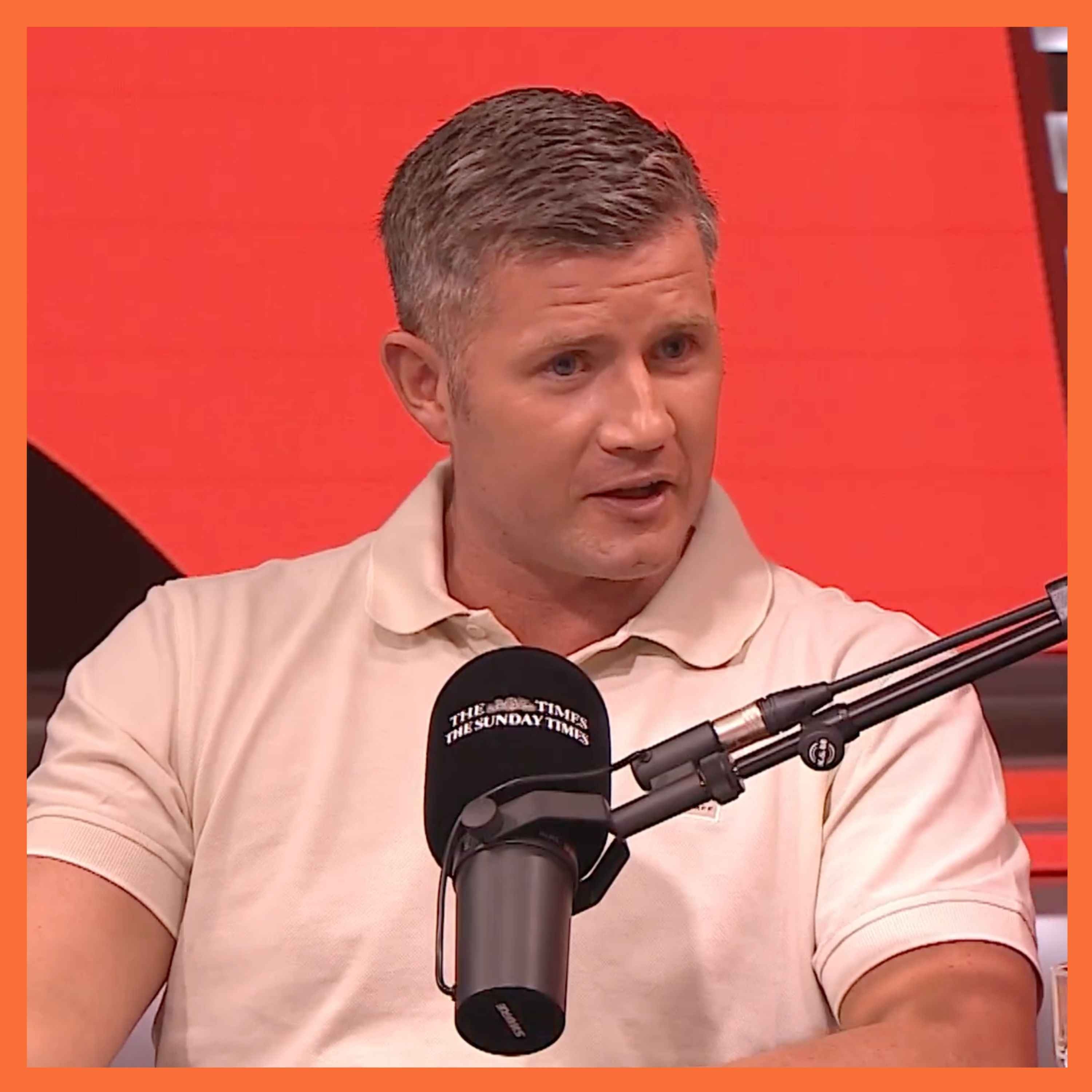 BONUS: Castore co-founder Tom Beahon on keeping wealth creators in the UK 20.08.2026 12minIs tax policy driving away British business leaders? Hannah Prevett speaks to Castore co-founder Tom Beahon about the future of UK business. In this bonus episode of The Business, Castore Co-founder Tom Beahon shares his concerns that successful entrepreneurs have little incentive to remain in the UK under current fiscal policy - and what changes he hopes Prime Minister Andy Burnham will deliver. Founded in 2015 by Tom and his brother Phil, the sportswear company designs bespoke kits for premier football clubs and has become a major player in retail trends. It was last valued at almost £1 billion.While Beahon has no desire to leave Britain himself, he warns that talented business leaders are choosing international tax havens over building businesses within the UK. He is increasingly concerned that “our best and brightest, our most capable people” are choosing to leave Britain. “Let's not pretend otherwise,” he says on the show. “That is not good - that doesn't make me happy, I don't think it makes anyone in the entrepreneurial community happy.” Beahon argues that the government should be asking why successful British businesspeople are moving abroad, rather than criticising them for doing so. He says the UK needs to become a place where people want to, not only to start businesses, but to build and scale them. Beahon believes Burnham should make some difficult decisions on public spending, warning that there is a limit to how much can be taken from those at the top. If you like this bonus episode, be sure to watch the full interview with Tom Beahon on Times Business, or listen wherever you get your podcasts.Guest:Tom Beahon, co-founder of CastorePresenter:Hannah Prevett, associate business editor at The Sunday TimesProducer: Hope Federico Video Producer: Bronwen LathamExecutive Producers: Emily Leahy and Miriam Hall Photo Credit: GettyGet in touch: [email protected] Hosted on Acast. See acast.com/privacy for more information.
 -
 Castore co-founder Tom Beahon: building a £1bn British sportswear giant 18.08.2026 34minHow did Castore disrupt global kit deals to build a British sportswear brand valued at almost £1bn? Hannah Prevett speaks to co-founder Tom Beahon about taking on Nike and Adidas.In this episode of The Business, we look at how Castore transformed from an ambitious startup into a major player in sportswear, securing high-profile kit sponsorships across Premier League Football clubs and international athletics. Alongside his brother Phil, Tom founded the brand from his parents' kitchen table in 2015 - channelling his early setbacks as a football player into focus and resilience. On the show, he explains what it was like to recover from the Aston Villa kit debacle, lifts the lid on Sir Jim Ratcliffe’s investment and walks through landing Sir Andy Murray as an investor.We examine the corporate strategy, supply chain management and entrepreneurship required to challenge legacy sportswear giants. "It didn't make sense to us why there wasn't a British competitor to Nike, Adidas, Puma," Beahon says. "Why can't there be a premium British alternative to these guys? And if not us, then who?"From navigating shifting consumer demand to expanding into global markets, we analyse what the growth has meant for the company so far, and what might be next.Guest:Tom Beahon, co-founder of CastorePresenter:Hannah Prevett, associate business editor at The Sunday TimesProducer: Hope Federico Video Producer: Bronwen LathamExecutive Producers: Emily Leahy and Miriam Hall Photo Credit: GettyGet in touch: [email protected] Hosted on Acast. See acast.com/privacy for more information.
 -
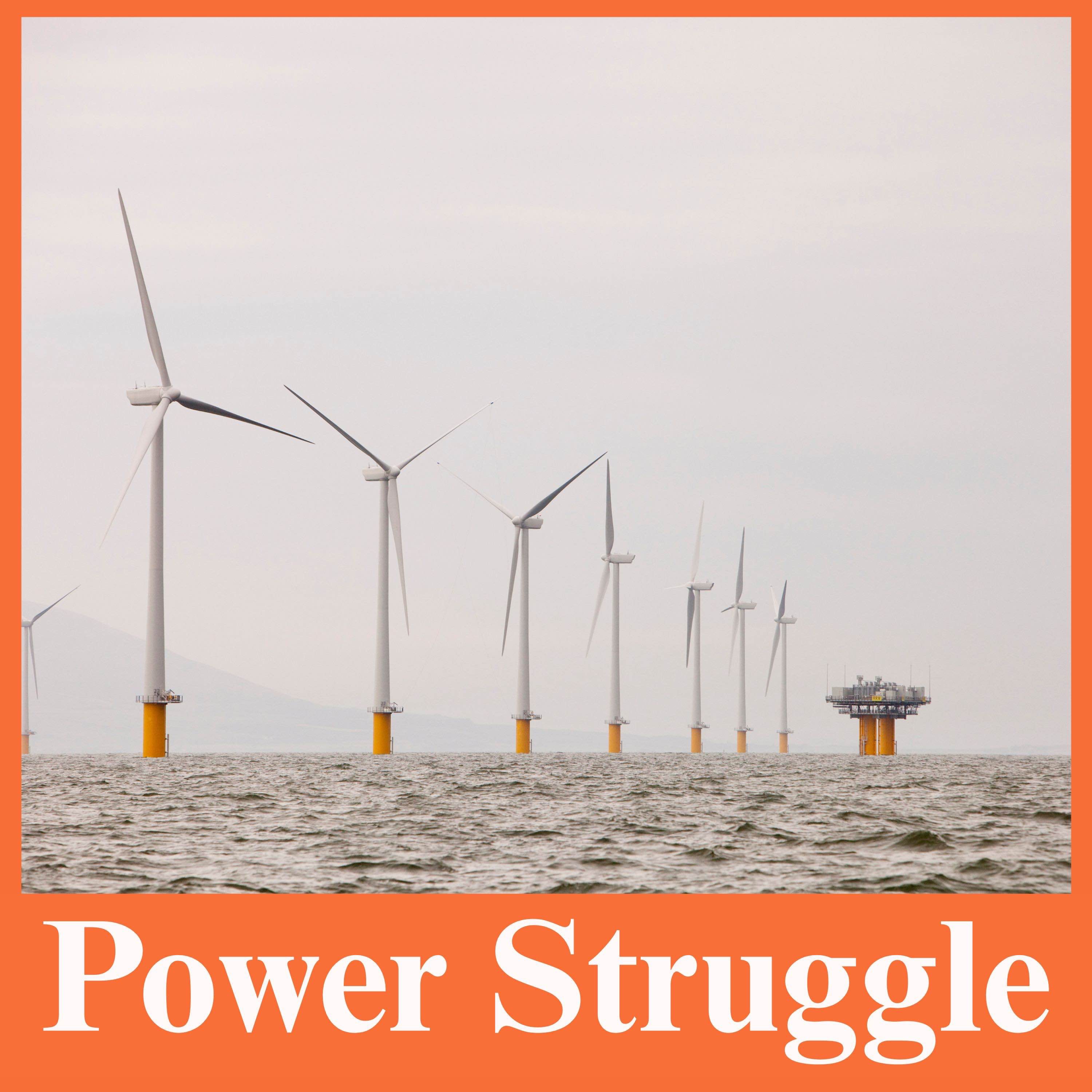 Are high energy bills threatening Net Zero? | Power Struggle: part 3 13.08.2026 31minAre soaring energy bills threatening the UK’s net zero targets? Dominic O’Connell examines whether Prime Minister Andy Burnham should adjust climate policy to ease the cost of living.Is the public consensus on the UK’s climate commitments being shattered by high energy bills? In this episode of Power Struggle, our energy mini-series on The Business, we discuss whether the cost of transitioning away from fossil fuels is pushing up household energy bills and slowing economic growth across British business, or if renewables are the solution for bringing prices down. Energy secretary Miatta Fahnbulleh has signaled the government will not stick strictly to its green pledges if it risks pushing energy bills higher. With ministers reportedly considering watering down rules on electric car sales, Dominic O’Connell is joined by RenewableUK CEO Tara Singh and Times columnist Juliet Samuel to debate what is really driving up energy bills - gas price volatility or grid upgrade costs - and whether it’s time to drop or double down on net zero.If you enjoyed this episode, make sure to press follow at the top of your podcast app.Guests:Tara Singh, CEO of RenewableUKJuliet Samuel, Columnist at The TimesPresenter: Dominic O’Connell, Times columnist and Times Radio business correspondentProducer: Hope Federico Video Producer: Bronwen LathamExecutive Producers: Emily Leahy and Miriam HallPhoto Credit: GettyGet in touch: [email protected] image using GettyUpdate the Getty permissions doc Hosted on Acast. See acast.com/privacy for more information.
 -
 North Sea oil - Should Andy Burnham U-turn? | Power Struggle: part 2 06.08.2026 30minIs expanding North Sea oil production climate vandalism or the key to lowering energy bills? Dominic O’Connell explores whether Andy Burnham could u-turn on Labour's manifesto pledge to not issue new oil and gas licences to explore new fields in the region.Ask any climate campaigner their views on North Sea oil, and the answer is straightforward: stop drilling. While Labour came to power pledging to prioritise green energy, new Prime Minister Andy Burnham has indicated a more pragmatic stance towards tapping domestic reserves as energy security concerns grow.In Part 2 of Power Struggle, our energy mini-series on The Business, we explore whether expanding North Sea oil field licences is essential for driving economic growth and insulating the wider UK economy. We examine how government fiscal policy, regulatory shifts, and corporate taxation impact long-term commercial investment in the sector, and other affected industries.Dominic is joined by Greig Cameron, Scottish business editor at The Times, to discuss the fate of key offshore fields like Rosebank and Jackdaw. Plus, Amjad Bseisu, chief executive of independent operator EnQuest, explains why he thinks uncompetitive tax regimes are pushing energy investment abroad and what ending North Sea oil production means for Britain’s net zero transition.Guests:Amjad Bseisu, Chief executive, EnQuestGreig Cameron, Scottish business editor, The TimesPresenter:Dominic O’Connell, Times columnist and Times Radio business correspondentProducer: Hope FedericoExecutive Producers: Emily Leahy and Miriam HallPhoto Credit: GettyGet in touch: [email protected] Hosted on Acast. See acast.com/privacy for more information.
 -
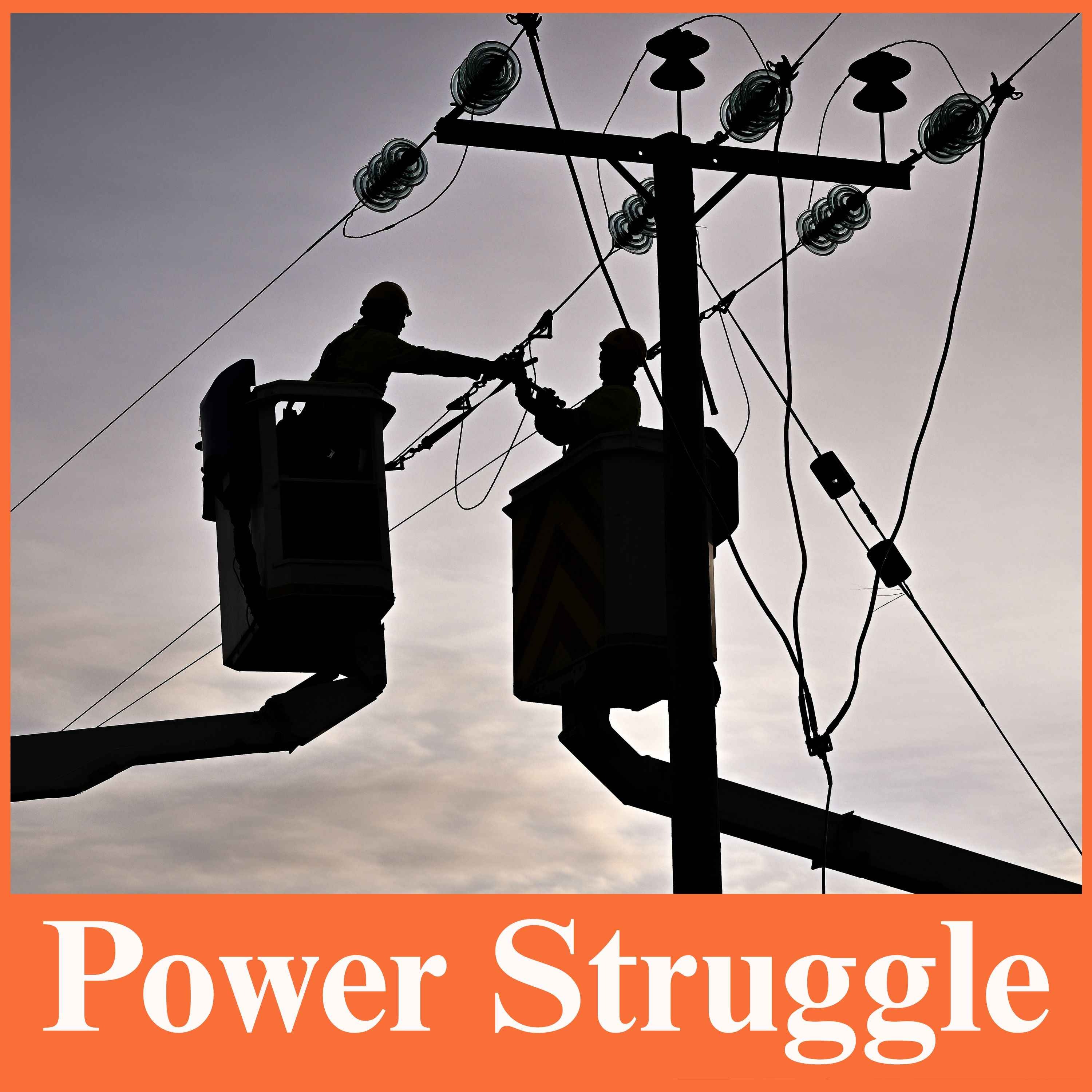 Could the UK electricity grid fail? | Power Struggle: part 1 30.07.2026 25minEarlier this summer, the UK's power network came close to being plunged into a blackout. In part one of our new series on energy, Dominic O’Connell looks at the alarming events of 23 June and what they mean for the future of Britain’s electricity supply.From surging constraint costs and unmetered solar generation, we reveal the host of challenges facing the country. Modernising the UK's electricity transmission system is now vital for business and long-term economic growth.We’re joined by Adam Bell, former head of energy strategy for the government and partner at StoneHaven, who explores how shifting to renewables creates unprecedented stability challenges. Energy developer and data analyst Ben Watts also shares his startling analysis of what went wrong on the UK electricity grid on 23 June, and why calls are growing for greater regulation of NESO, the National Energy System Operator. Can our politicians protect British business and consumers from soaring power bills while overhauling our energy system in the race to net zero?Host:Dominic O’Connell, Times’s columnist and Times Radio business correspondentGuests: Adam Bell, StonehavenBen Watts, energy developer and data analystProducer: Hope FedericoExecutive Producers: Miriam Hall and Emily LeahyPhoto Credit: GettyGet in touch: [email protected] you enjoyed this episode, make sure to follow. Hosted on Acast. See acast.com/privacy for more information.
 -
 Does Andy Burnham’s government have the guts to deliver growth? 23.07.2026 35minAndy Burnham is officially in No. 10, and his cabinet is in place. Replacing Rachel Reeves’ as Chancellor is John Healey - not, in fact, Shabana Mahmood or Ed Miliband, both names that were thrown around in the lead up. Can the so-called “King of the North” deliver the growth and stability the business community says has been so badly lacking? Amidst a flurry of policy announcements - bus fare caps and a 20 percent cut in business rates for hospitality - is real change a possibility?“The UK is very unique in the fact that we pay two forms of income tax … national income is a tax on employers and work” Mehreen Khan, economics editor at the Times, tells The Business. “Let's see how brave they want to be…I think this is a long overdue reform.”With Times business editor Richard Fletcher, Khan discusses the upcoming budget, how the relationship between the Chancellor and Prime Minister may play out - and just how much change the business community is expecting to see from this new leader. “ I do suspect we'll get a little bounce in consumer confidence, and hence growth, just from a new face in No. 10. How long that lasts - who knows?” Richard Fletcher said. “I think that it is going to take some quite serious reforms to do that and I'm not sure the backbenchers particularly have got the guts to do that.” Hosts:Hannah Prevett, associate business editor, The Sunday TimesDominic O’Connell, business correspondent, Times RadioGuests: Richard Fletcher, Business editor, The TimesMehreen Khan, Economics editor, The Times Producer: Hope FedericoExecutive Producers: Miriam Hall and Emily LeahyPhoto Credit: GettyGet in touch: [email protected] you enjoyed this episode, make sure to press follow at the top of your podcast app. Hosted on Acast. See acast.com/privacy for more information.
 -
 Peppa Pig World: What UK hospitality sector hopes for from Andy Burnham 17.07.2026 28minIn the words of former Prime Minister Boris Johnson, Peppa Pig World “is very much my kind of place.” But how does Paultons Park, one of the UK's most popular theme parks, navigate the shifting UK economy? Located in Hampshire, Paultons Park has been in the Mancey family since first opening its doors in 1983. The amusement park now welcomes a million visitors annually. In 2011, the park opened Peppa Pig World, a £6 million investment that became one of the park's most popular attractions.In this episode of The Business, Hannah Prevett, Associate Business Editor at The Sunday Times speaks with James Mancey, Deputy Managing Director, and Lawrence Mancey, the Marketing Director behind the park. The brothers behind the family-owned British business join Hannah to discuss working in rollercoasters, investing back into their brand, and what the UK hospitality sector is hoping for from a Burnham premiership.For years, Paultons Park has been the first job for thousands of young people. James and Lawrence discuss how inflation rates, increases to National Insurance contributions, and the national minimum wage have impacted their bottom line.If you enjoyed this episode, make sure to press follow at the top of your podcast app.This podcast was brought to you thanks to the support of readers of The Times and The Sunday Times. Subscribe today to get full digital access.Presenter: Hannah Prevett, associate business editor at The Sunday Times Guests: James Mancey, deputy managing director at Paultons Park Lawrence Mancey, marketing director at Paultons Park Producer: Hope Federico Executive Producers: Emily Leahy and Miriam HallPhoto Credit: Paultons Park Get in touch: [email protected] Hosted on Acast. See acast.com/privacy for more information.
 -
 EasyJet Takeover: Inside the £5.7bn US private equity bidding war 15.07.2026 29minWhat does the high-stakes easyJet takeover bid mean for the future of budget travel? We unpack the intense bidding war between US giants Apollo and Castlelake.Last Friday, in the latest twist in the saga for takeover of easyJet, Apollo secured an agreement to buy the airline in a £5.7B deal, gazumping an offer from US private credit group Castlelake. Just days earlier, easyJet had agreed to the Castlelake proposal - kicking off a proper takeover battle for one of the UK’s best known consumer brands. In this episode, we consider why easyJet has become a target, and what it could mean for the future of the company. Guest:Tim Jeans, former head of marketing for Ryanair, a former MD of Monarch AirlinesPresenters:Dominic O’Connell, Times columnist and Times Radio business correspondentHannah Prevett, associate business editor at The Sunday TimesProducer: Hope Federico Executive Producers: Emily Leahy and Miriam Hall Photo Credit: Getty Get in touch: [email protected] Hosted on Acast. See acast.com/privacy for more information.
 -
 Grindr CEO on Madonna, AI and UK age verification 08.07.2026 29minHow have UK age restriction laws affected Grindr’s users? What changes will AI bring to the dating app? And where does Madonna fit into all this?In this episode of The Business, Grindr CEO George Arison joins Dominic O'Connell, Times columnist and Times Radio business correspondent, to discuss Grindr’s cultural prominence, the future of the app, and their recent collaboration with the Queen of Pop herself, Madonna. Launched in 2009, Grindr is the world's number one dating app for gay and bisexual men, with over 15 million active users in 190 countries and territories. Grindr CEO George Arison first interacted with the platform as a user, switching from a blackberry to an iPhone in 2009 in order to use the app. In 2022 he joined the company as CEO, believing in its mission to connect gay and bisexual men around the world, and build an online gaybourhood.Arison discusses his upbringing in the USSR, taking Grindr public a month after joining the company and how he believes leaning into AI, and ensuring an exceptional free service are the best ways of ensuring growth. “ Within six to 12 months, Grindr's gonna be an AI first product where AI is gonna be fully integrated into anything that a user does and the experience of that is gonna be exponentially better.”Arison also describes the effect UK Age restriction laws have had on the country’s Grindr user-base. According to Arison, the restrictions discourage closeted users who are uncomfortable sharing data with the app, removing an important space where these individuals can connect.Guest:George Arison, Chief Executive Officer of GrindrPresenter:Dominic O’Connell, Times columnist and Times Radio business correspondentProducer: Hope Federico Executive Producers: Emily Leahy and Miriam Hall Photo Credit: Getty Get in touch: [email protected] Hosted on Acast. See acast.com/privacy for more information.
 -
 BONUS: The AI bubble, deepfakes and the future of UK tech 08.07.2026 10minIs the AI bubble bound to pop? How can UK companies prevent the malicious use of AI? And is there a role for increased regulation in the AI industry?In this bonus episode of The Business, Synthesia CEO and co-founder Victor Riparbelli joins Hannah Prevett, associate business editor at The Sunday Times, to discuss the company's success in a world of rapidly growing AI companies, the role he thinks regulation should play in AI-generated content, and what the next chancellor should prioritise to strengthen the UK tech industry and boost the UK economy.Synthesia - the AI video generation platform that allows users to create realistic avatars from plain text - is one of the UK's biggest AI success stories, with a current valuation of $4 billion. Headquartered in London, the company is used by 90% of Fortune 100 companies and 70% of the FTSE100, making it one of the most influential businesses shaping the future of enterprise AI.Riparbelli explains why he believes AI is more than just another technology bubble, despite sky-high valuations across the sector, and why he expects the industry to experience a period of consolidation rather than collapse. He also discusses the rise of deepfakes, the challenges AI poses for businesses and consumers, and why regulation should focus on preventing harmful outcomes without stifling innovation.The conversation also explores what policymakers can do to attract talent, encourage entrepreneurship and support the next generation of British technology companies. Riparbelli shares his views on AI adoption across Europe, why the UK must move faster to embrace new technology, and how stronger AI adoption could improve productivity and help drive long-term growth across the UK economy.To hear more about the young entrepreneur Victor Riparbelli and the story behind Synthesia, listen to last week's episode here: https://pod.fo/e/440334Guest:Victor Riparbelli, CEO and co-founder of SynthesiaPresenter:Hannah Prevett, associate business editor at The Sunday TimesProducer: Hope FedericoExecutive Producer: Miriam HallPhoto credit: GettyGet in touch: [email protected] on Acast. See acast.com/privacy for more information. Hosted on Acast. See acast.com/privacy for more information.
Slični podcasti


Popularan u
Ovaj podcast pojavljuje se i na podcast ljestvicama ovih zemalja.


