
JIMD Podcasts
Journal of Inherited Metabolic Disease
0
JIMD Podcasts hosts audio content from the Journal of Inherited Metabolic Disease, including the main JIMD podcast, the JIMD Shortcast, and additional series like Metabolic Mysteries and Footprints in IMD. The podcasts cover topics related to inherited metabolic diseases, featuring discussions with researchers, clinicians, and patients. It serves as an educational and informative resource for those interested in this medical specialty.
Epizode
-
 Shortcast: Characterization of Adult Patients With Neurometabolic Disorders 01.10.2026 3minDr Boel Ernerdahl presents her groups observations around the make up of adult patients with neurometabolic disorders at a single centre in Sweden. Characterization of Adult Patients With Neurometabolic Disorders: A Cross-Sectional Study at a Tertiary Neurology Center in Sweden Boel Ernerdahl, Ashraf Yahia, Andreas Puschmann https://doi.org/10.1002/jmd2.70115
 -
 Shortcast: Neonatal Acute Liver Failure due to Citrin Deficiency (NALFCD) 28.09.2026 3minOne newborn screen. Two very different diagnoses. And treatments that pull in opposite directions. In this JIMD Reports Shortcast, Dr Anne Kwok from Hong Kong Children’s Hospital presents a newborn with markedly elevated citrulline, where distinguishing citrin deficiency from citrullinaemia type I became critical as initial treatment was followed by rapidly worsening liver failure. Neonatal Acute Liver Failure due to Citrin Deficiency (NALFCD) Hoi-Yin Chan, et al https://doi.org/10.1002/jmd2.70110
 -
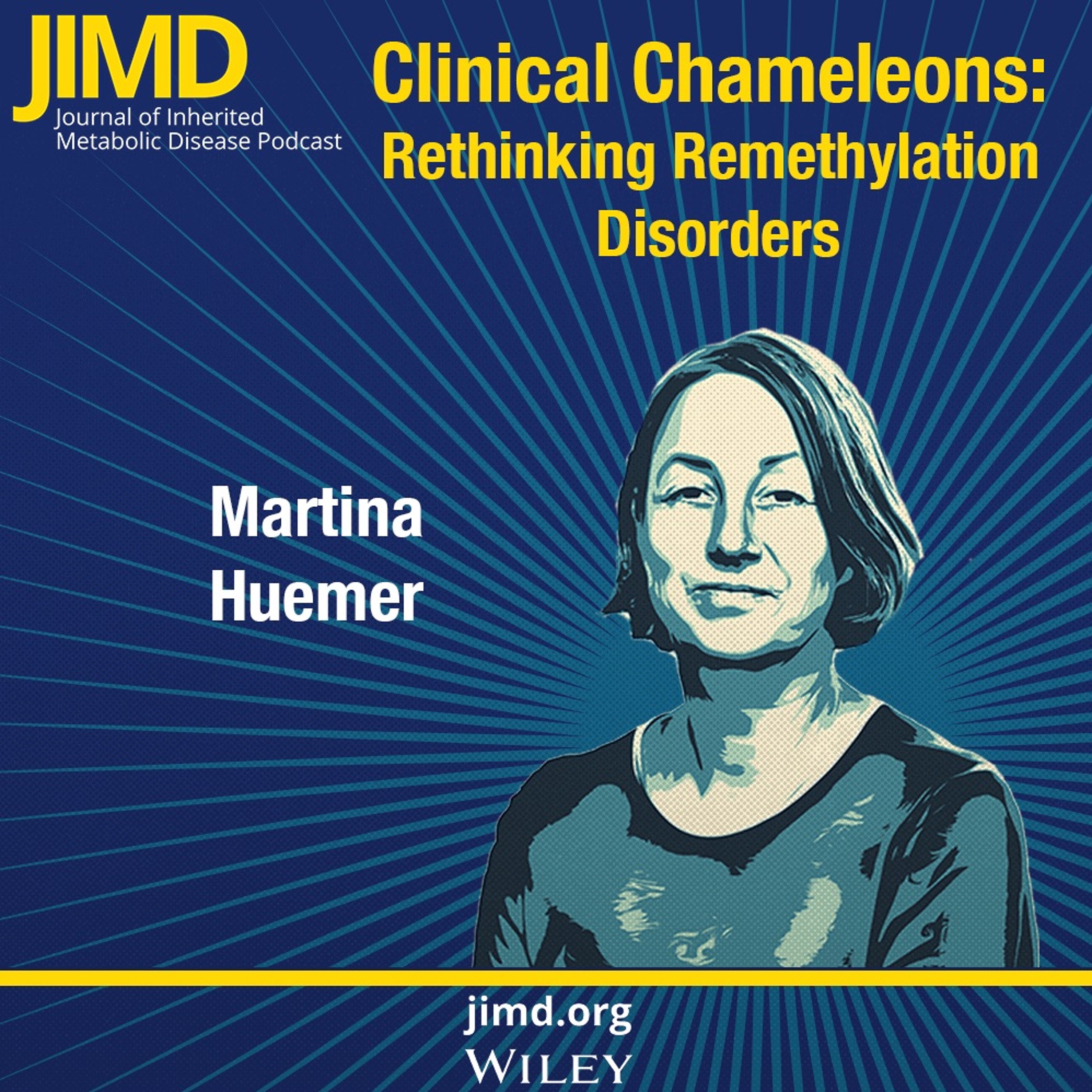 The Clinical Chameleons: Rethinking Remethylation Disorders 22.09.2026 32minRemethylation disorders are clinical chameleons, presenting with neurological, psychiatric, ophthalmological, renal or multisystem disease. Professor Martina Huemer joins the JIMD Podcast to discuss the revised international guidelines, including when to measure total homocysteine, newborn screening and the move towards high-dose hydroxocobalamin. She also explains why shared treatment protocols are needed to strengthen the evidence behind future recommendations. First Revision of the Guidelines for the Diagnosis and Management of Remethylation Disorders Giorgia Olivieri et al. https://doi.org/10.1002/jimd.70177
 -
 Metabolic Mysteries: Progressive neurological decline, equivocal biomarkers, negative genetics! 17.09.2026 5minA young girl develops progressive neurological symptoms and a biomarker profile pointing strongly towards a particular metabolic disorder. There’s just one problem: the genetic testing is negative. In this Metabolic Mystery, Dr Ayca Burcu Kahraman follows the clues beyond conventional DNA testing to finally crack the case. Can you solve it before she does? Read the paper: https://doi.org/10.1055/a-2903-9323
 -
Metabolic Mysteries: Ataxia, tremor and a normal vitamin B12 14.09.2026 6minA 7-year-old boy presents following a suspected seizure, with a history of progressive ataxia and tremor. An MRI offers an important clue but a seemingly reassuring blood result complicates the picture. In this Metabolic Mystery, Dr Steven Lang follows the clues to uncover a treatable metabolic diagnosis. Can you solve the case before he does? Read the paper: https://doi.org/10.1542/pir.2025-007029
-
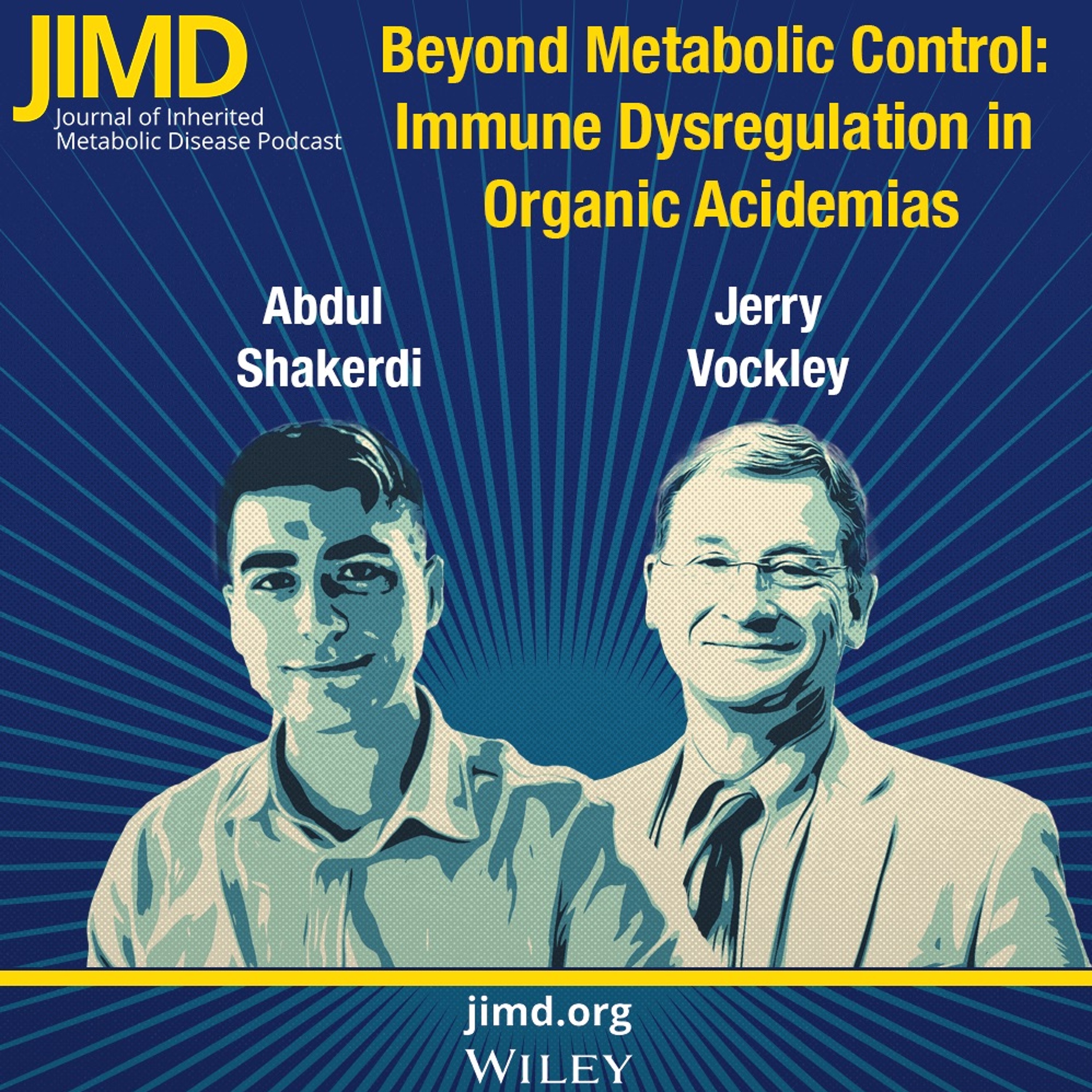 Beyond Metabolic Control: Immune Dysregulation in Organic Acidemias 08.09.2026 22minCytopenias and infections are familiar complications of branched-chain organic acidemias, but are they simply consequences of metabolic decompensation? Abdul Shakerdi and Jerry Vockley join the JIMD Podcast to explore evidence that persistent immune dysfunction and inflammation may be fundamental parts of the disease phenotype, with implications for clinical care, research and emerging therapies. Immune Dysregulation in Branched Chain Organic Acidemias Abdul L. Shakerdi, et al https://doi.org/10.1002/jimd.70203
 -
Shortcast: Pregnancy in LPI Complicated by Immune Dysregulation and Severe Thrombocytopenia 03.09.2026 4minIn this JIMD Reports Shortcast, Dr Eamon McCarron presents a challenging pregnancy in a woman with lysinuric protein intolerance complicated by immune dysregulation and severe thrombocytopenia. Hear how multidisciplinary management supported a favourable outcome for both mother and baby. Pregnancy in Lysinuric Protein Intolerance Complicated by Immune Dysregulation and Severe Thrombocytopenia Eamon P. McCarron, et al https://doi.org/10.1002/jmd2.70109
-
Shortcast: JAK Inhibition in PNPT1-Related Mitochondrial Interferonopathy 31.08.2026 4minCould some mitochondrial disorders also be treatable interferonopathies? In a new JIMD Reports Shortcast, Dan Brooks and Fernando Scaglia look at a fascinating case of PNPT1-related mitochondrial disease in which mitochondrial dysfunction was accompanied by activation of the type I interferon pathway. Treatment with the JAK inhibitor tofacitinib normalised the interferon signature and was associated with improvements in biochemical and clinical measures. As a single case it is necessarily preliminary, but it provides an intriguing example of how understanding the crosstalk between mitochondria and the immune system might open up new therapeutic approaches. JAK Inhibition in PNPT1-Related Mitochondrial Interferonopathy: A Case Report and Review of Mitochondrial–Immune Crosstalk Dan Ross Brooks, et al https://doi.org/10.1002/jmd2.70096
-
 Helsinki: Day 4 - New friends, fond farewells, and Dublin calling 28.08.2026 22minIn the fifth, and thankfully final, update from Helsinki, James and Silvia return to provide their inimitable take on the sessions from Thursday with a look ahead to Friday’s sessions. They find themselves looking well beyond the last day, as James speaks with Dr Ina Knerr about preparations for the SSIEM 2027 meeting in Dublin. James gets yet another geography lesson and we hear from a bumper helping of conference attendees finally keen to discuss their posters. So long Helsinki, it’s been wonderful.
 -
Helsinki: Day 3 - Don't know much about history (or geography and physics) 27.08.2026 24minJames and Silvia return for the 4th episode of their increasingly confusing daily podcast from the SSIEM 2026 annual meeting in Helsinki. The flood gates have finally opened and we hear from multiple guest about their posters and presentations, and Dr Nazi Tabatadze caught up with James to give him a quick geography lesson and discuss IMD care in Georgia. You've just one more day to be part of the podcast so say hello or forever wonder about the life of fame and fortune that you let slip away.
-
Helsinki: Day 2 - Long posters, short sessions, and restroom rendezvous 26.08.2026 13minSilvia and James reflect on the first full day of the SSIEM 2026 meeting and look ahead to day 2. They check in with Rodrigo to find out why he can't be Helsinki and welcome a number of contributors who encourage you to come and see their posters. Remember, there are now just two days left to be a part of the podcast no-one asked for... find them, before they find you.
-
Helsinki: Day 1 - Geeks, mentors and Azerbaijan 25.08.2026 18minHosts Silvia Radenkovic and James Nurse return to introduce the first 'proper' day of the SSIEM 2026 meeting. In addition to highlighting some of the unsung highlights of Day 1 (lab proficiency testing anyone), Silvia makes her case as a mentor and James speaks with Dr Narmin Aslanzade and Dr Leman Alirzayeva about IMD services in Azerbaijan and the posters they're bringing to SSIEM 2026. As always, Silvia and James would love to hear from you so if you're at the meeting and want to shout about your poster, please get in touch.
-
Helsinki: Day 0 - Saunas, sequencing and special sessions 24.08.2026 22minThe "podcast no one asked for" is back as hosts Silvia Radenkovic and James Nurse preview the 2026 SSIEM Annual Meeting, and they are joined by meeting chair Risto Lapatto to discuss what goes in to arranging an international IMD conference, the sessions he doesn't want to miss and why you have to try a sauna. We want to hear from you across the week so if you've got a poster in Helsinki please get in touch and we will find you!!
-
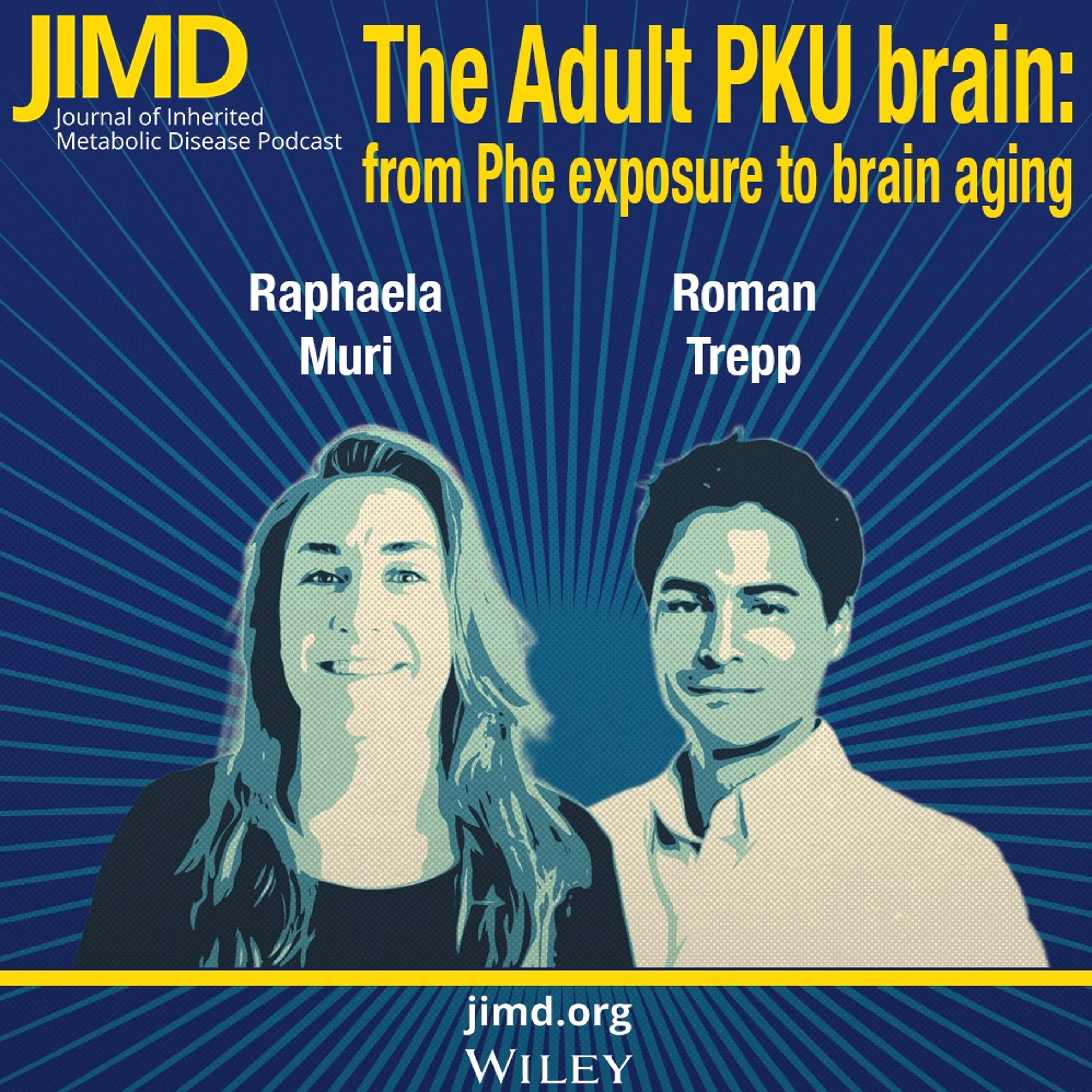 The Adult PKU brain: from phenylalanine exposure to brain aging 18.08.2026 40minRaphaela Muri and Roman Trepp join the JIMD Podcast to explore what happens to the adult brain in phenylketonuria. We discuss the effects of phenylalanine exposure on brain structure, what MRI studies reveal about potentially reversible changes, how these findings relate to cognition, and whether the latest evidence really suggests altered brain ageing in early-treated PKU. Papers discussed and related work Brain Age in Adult Patients With Early-Treated Phenylketonuria Winiger et al. https://doi.org/10.1002/jimd.70158 Neural Correlates of Working Memory and Its Association With Metabolic Parameters in Early-Treated Adults With Phenylketonuria Abgottspon et al. https://doi.org/10.1016/j.nicl.2022.102974 Cortical Thickness and Its Relationship to Cognitive Performance and Metabolic Control in Adults With Phenylketonuria Muri et al. https://doi.org/10.1002/jimd.12561 Do Early-Treated Adults With Phenylketonuria Sense High Phenylalanine Levels? Hauri et al. https://doi.org/10.1002/jmd2.12446 Cerebral Blood Flow and White Matter Alterations in Adults With Phenylketonuria Steiner et al. https://doi.org/10.1016/j.nicl.2023.103550 Reversible White Matter Changes Following a 4-Week High Phenylalanine Exposure in Adults With Phenylketonuria Muri et al. https://doi.org/10.1002/jimd.12823 Transient Brain Structure Changes After High Phenylalanine Exposure in Adults With Phenylketonuria Muri et al. https://doi.org/10.1093/brain/awae139 Cognition After a 4-Week High Phenylalanine Intake in Adults With Phenylketonuria – A Randomized Controlled Trial Trepp et al. https://doi.org/10.1016/j.ajcnut.2023.11.007 Are Functional Brain Networks Sensitive to High Phenylalanine in Adults With Phenylketonuria? Vallesi et al. https://doi.org/10.1002/jmd2.70108
 -
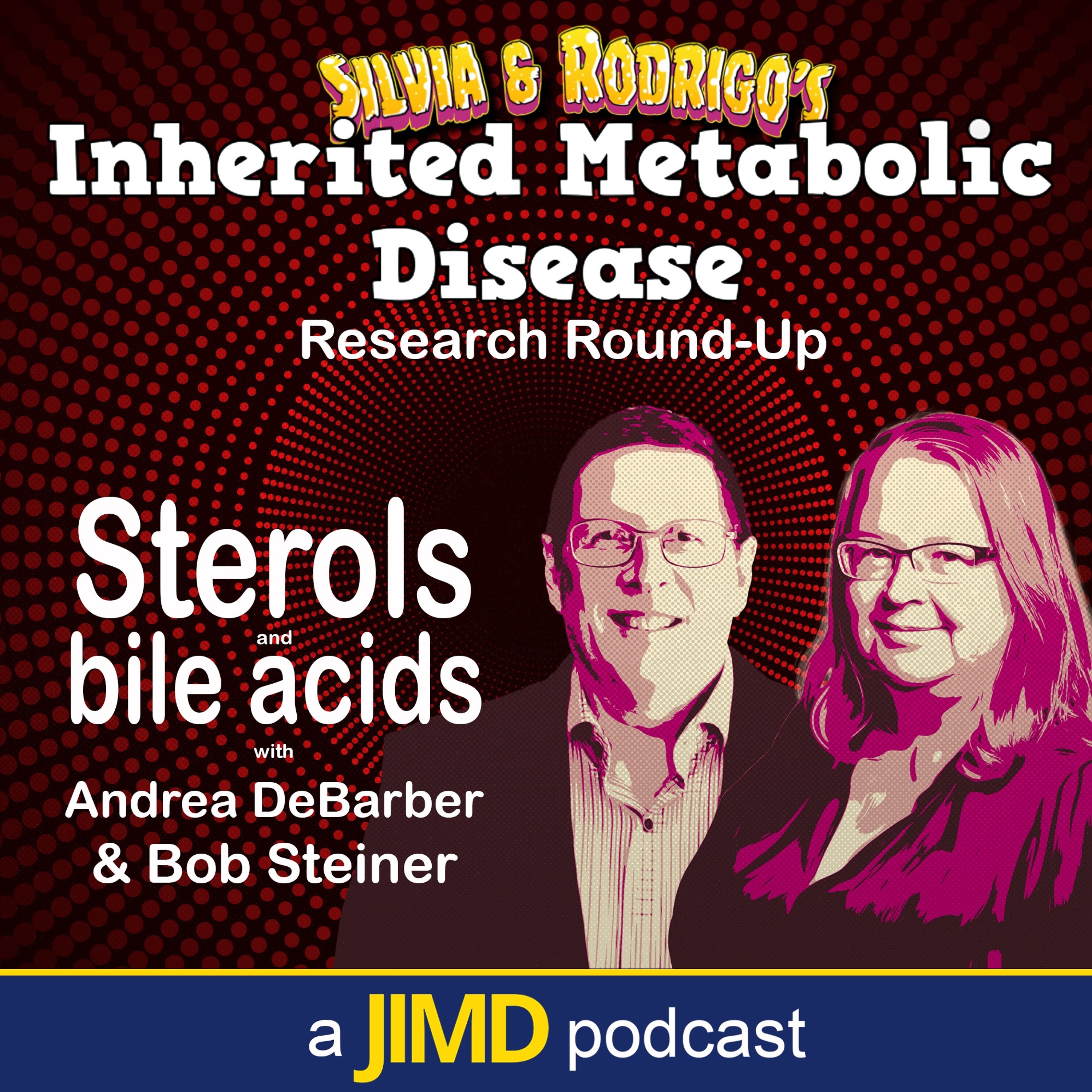 IMD Research Round-Up: Sterols and Bile Acids 11.08.2026 49minIMD Research Round-Up: Sterols and Bile Acids by Journal of Inherited Metabolic Disease
 -
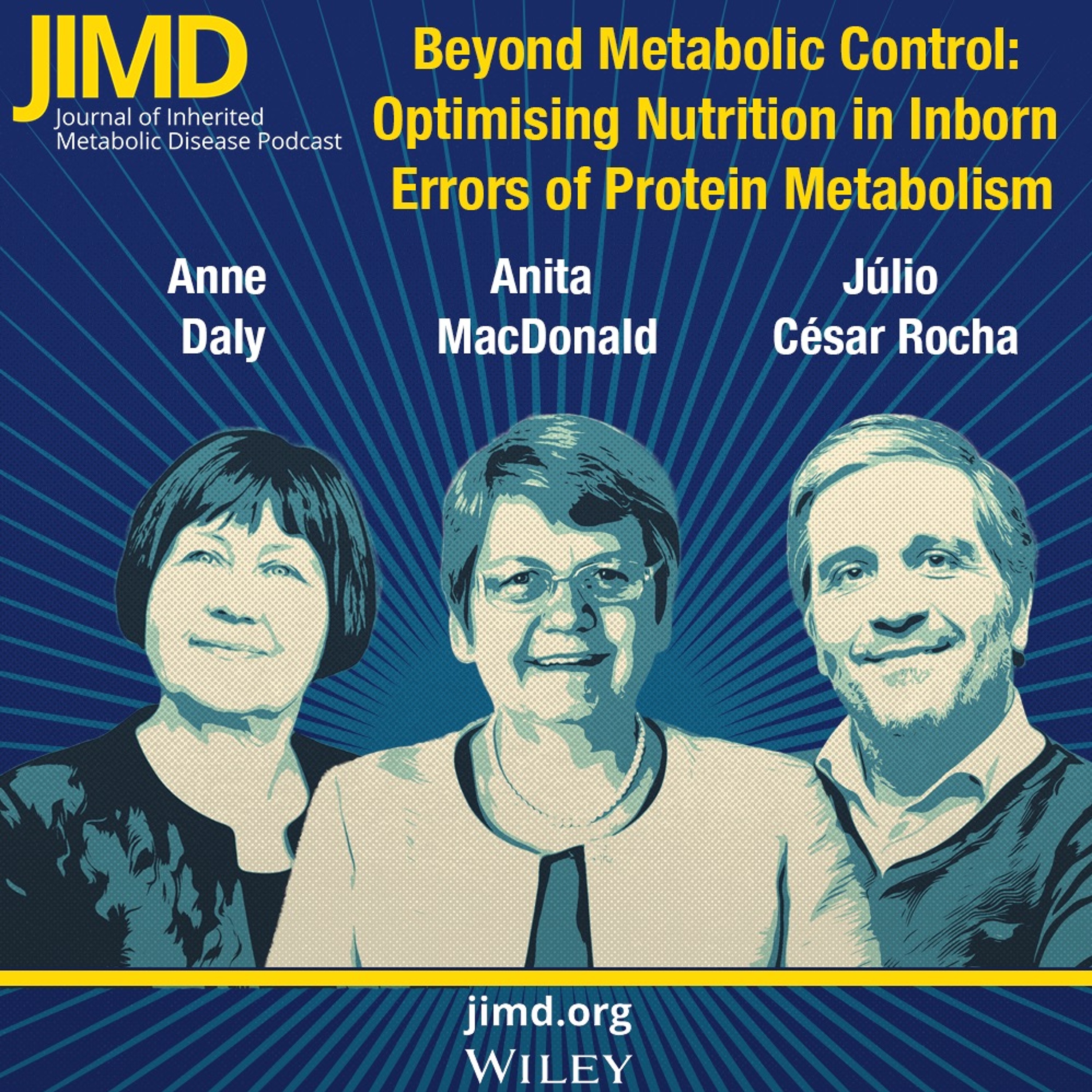 Beyond Metabolic Control: Optimising Nutrition in Inborn Errors of Protein Metabolism 04.08.2026 45minJúlio César Rocha, Anne Daly and Anita MacDonald discuss how nutritional management can move beyond metabolic control towards better lifelong health. From protein substitutes and point-of-care monitoring to new therapies and AI, what might the future look like? From Control to Optimisation: Evolving Strategies in the Nutritional Management of Inborn Errors of Protein Metabolism Júlio César Rocha, Anne Daly, Anita MacDonald https://doi.org/10.1002/jimd.70123
 -
Shortcast: Adult Refsum: Reducing Circulating Phytanic Acid Levels With Dietary Interventions 28.07.2026 2minSarah Firman explores how dietary management can rapidly reduce phytanic acid levels in adult Refsum disease. This case series shows why adequate energy and carbohydrate intake, and avoiding weight loss and catabolism, matter alongside phytanic acid restriction. Adult Refsum Disease: Case Series of Reducing Circulating Phytanic Acid Levels With Dietary Interventions Sarah J. Firman, et al https://doi.org/10.1002/jmd2.70048
-
 Hidden Disease or Uncertain Risk? Rethinking IMD Diagnosis and Newborn Screening 21.07.2026 38minAre inherited metabolic disorders more common, and less predictable, than we previously thought? Large-scale genomic studies are identifying adults with disease-associated variants who have escaped diagnosis, sometimes despite lifelong symptoms. At the same time, expanding genomic newborn screening risks identifying children who may remain well for decades or never develop clinically significant disease at all. In this episode Dr Nina Gold, Dr Jessica Gold, and Professor Mirjam Langeveld, explore the tension between missed diagnosis and overdiagnosis and ask, when does knowing more genuinely help? Are Inherited Metabolic Disorders More Common and Less Predictable Than We Thought? N Gold et al https://doi.org/10.1002/jimd.70094 Screening for Life: Perspectives From Adult Metabolic Specialists on Newborn Screening for Inherited Metabolic Diseases. M Langeveld, et al. https://doi.org/10.1002/jimd.70057 Exclusion-based exome sequencing in critically ill adults 18–40 years old has a 24% diagnostic rate and finds racial disparities in access to genetic testing. American Journal of Human Genetics J Gold et al https://www.cell.com/ajhg/fulltext/S0002-9297(25)00238-1 Long-term Penetrance of Disease Variants in Genes Prioritized for Genomic Newborn Screening. Gold NB, et al. https://www.medrxiv.org/content/10.64898/2026.06.10.26355380v1 - pre-print not peer reviewed
 -
 IMD Research Round-Up: Phenylketonuria 14.07.2026 1h 5minPhenylketonuria (PKU) was one of the first inherited metabolic disorders to be recognised, but there is still plenty to discover. Silvia Radenkovic and Rodrigo Starosta are joined by Dr Cary Harding and Dr Wendy Smith to discuss evolving treatments, updated management guidelines and where PKU research is heading next. The views and opinions expressed in this podcast are those of the speakers and do not necessarily reflect those of their institutions or organisations.
 -
 Rapamycin and Pharmacogenomics in Niemann-Pick C 07.07.2026 20minA study of rapamycin in Niemann-Pick C raises an important question: what if the success of a treatment depends on a patient's wider genetic background? Dr Andrés Klein discusses pharmacogenomics, modifier genes and why precision medicine may need to go far beyond making the diagnosis. A Rapamycin Pharmacogenomic Approach for the Childhood Dementia Niemann-Pick C Benjamín Szenfeld, et al https://doi.org/10.1002/jimd.70214
Slični podcasti


Popularan u
Ovaj podcast pojavljuje se i na podcast ljestvicama ovih zemalja.

