
Global Investment Institute
Australia’s leading provider of conferences for capital allocators.
0
Global Investment Institute is Australia’s leading provider of conferences for capital allocators. The podcast connects institutional investors, family offices, and private wealth investment leaders with peers and global investment experts. It shares knowledge and thought leadership in a private, collegiate, and discussion-focused setting, conducted under the Chatham House Rule. Listeners can watch exclusive interviews with leading investment experts and subscribe for updates.
Epizode
-
 Park Square Capital’s Osvaldo Pereira on European private credit 30.07.2026 7minOsvaldo Pereira, Partner, Global Head of Direct Lending, Park Square Capital | Osvaldo discusses the evolution of European private credit and shares the lessons learned investing across multiple cycles. He shares his perspectives on what investors should be considering when choosing a European credit manager, what dictates culture at their organisation and what has enabled them to consistently maintain best in class loss rates.Listen to the full interview where we ask Osvaldo:- Park Square Capital has been investing in private credit for more than 21 years, what are the key lessons learned that you can share with us? - How have European private credit markets evolved over the time you have been involved? - What are the key factors you would advise investors to consider when choosing a European manager?- What dictates culture at a manager?- Your loss rates are best in class, what do you attribute that to?DisclaimerThe views and opinions expressed in this recording are those of the individual contributors and their respective organisations at the time of recording. They do not necessarily reflect those of Global Investment Institute (GII). These views are not intended to be, and should not be construed as, investment advice or research. They are subject to change without notice, and no representation is made as to their ongoing accuracy or reliability. Forecasts, forward looking statements, or opinions are inherently uncertain and based on assumptions, risks, and external factors which may change over time. The individuals interviewed have no obligation to update any statements made.International investments carry additional risks, including potential loss of capital, currency fluctuations, differences in accounting standards, and economic or political instability.All information contained in this recording is general in nature and does not take into account the financial objectives, situation, or needs of any individual or organisation. It should not be used as the sole basis for making investment decisions. GII strongly recommends seeking independent, fee-for-service financial advice before acting on any information contained herein.Contributors, guest speakers or interviewees may hold personal or professional financial interests in the investments discussed. The editorial team has assessed that these interests have not influenced the content of this recording.All content featured in this recording is protected by copyright. No part may be reproduced, distributed, or transmitted in any form without prior written permission from the Global Investment Institute.
 -
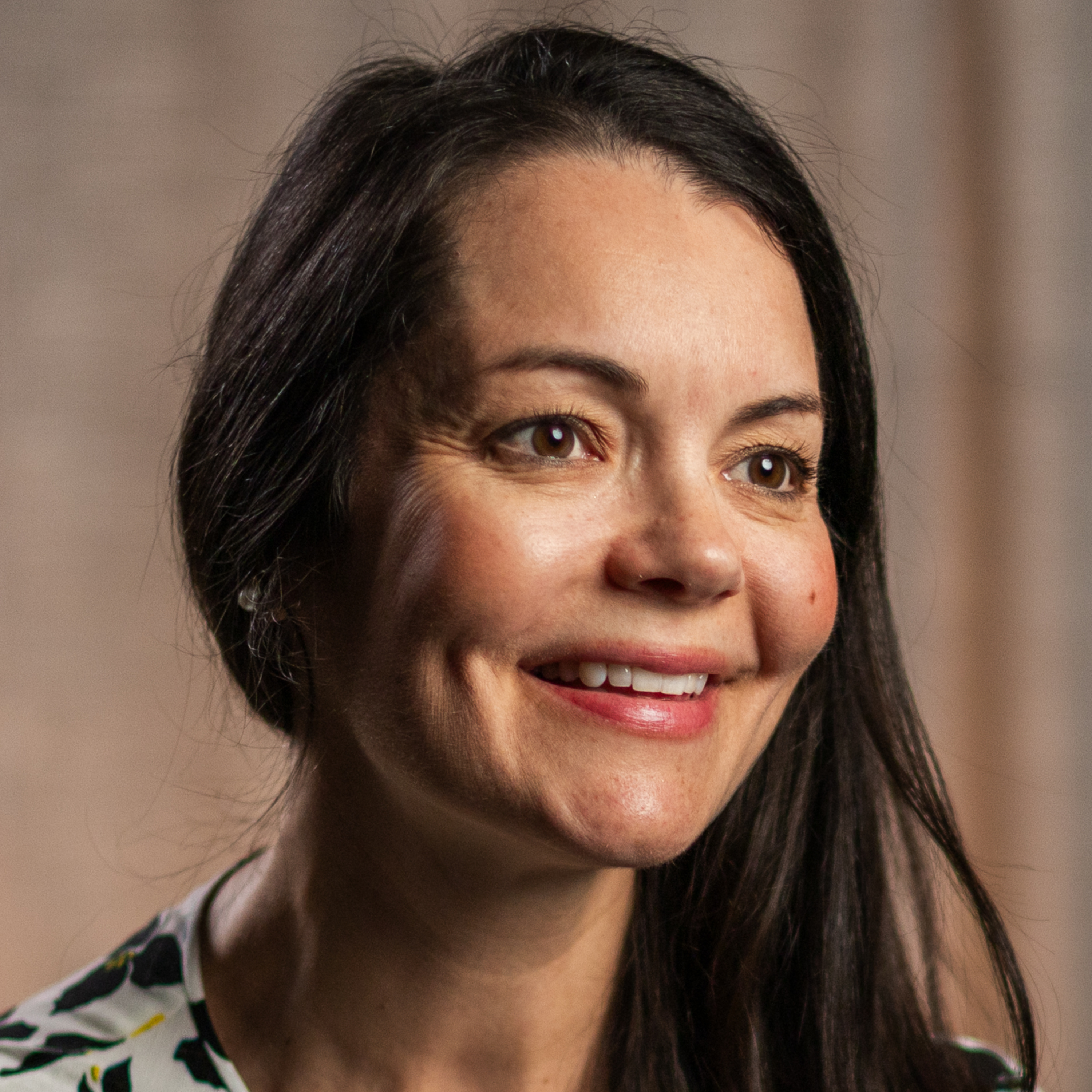 Värde Partners’ Missy Dolski on asset-based finance and opportunities in the ABF middle market 28.07.2026 7minMissy Dolski, Partner & Global Head, Asset-Based Finance, Värde Partners | Missy discusses how the opportunity set in asset-based finance (ABF) has evolved over the years, the segments of the market offering the greatest opportunities, the attractiveness of the ABF middle market and shares her views on what best-practice in ABF underwriting discipline looks like.Listen to the full interview where we ask Missy:- Värde has been active in ABF for many years. How have you seen the opportunity set change as the market has evolved?- ABF covers a wide range of collateral types. Which segments of the market do you have the most conviction in and are there any segments you are currently avoiding?- What does the ABF middle market landscape look like today, and what makes it attractive for investors?- How would you describe what best practice in underwriting discipline looks like in ABF?- “Data science” is a term widely used across the industry, but what does that look like in practice and how much variance is there in access to and quality of data between lendersDisclaimerThe views and opinions expressed in this recording are those of the individual contributors and their respective organisations at the time of recording. They do not necessarily reflect those of Global Investment Institute (GII). These views are not intended to be, and should not be construed as, investment advice or research. They are subject to change without notice, and no representation is made as to their ongoing accuracy or reliability. Forecasts, forward looking statements, or opinions are inherently uncertain and based on assumptions, risks, and external factors which may change over time. The individuals interviewed have no obligation to update any statements made.International investments carry additional risks, including potential loss of capital, currency fluctuations, differences in accounting standards, and economic or political instability.All information contained in this recording is general in nature and does not take into account the financial objectives, situation, or needs of any individual or organisation. It should not be used as the sole basis for making investment decisions. GII strongly recommends seeking independent, fee-for-service financial advice before acting on any information contained herein.Contributors, guest speakers or interviewees may hold personal or professional financial interests in the investments discussed. The editorial team has assessed that these interests have not influenced the content of this recording.All content featured in this recording is protected by copyright. No part may be reproduced, distributed, or transmitted in any form without prior written permission from the Global Investment Institute.
 -
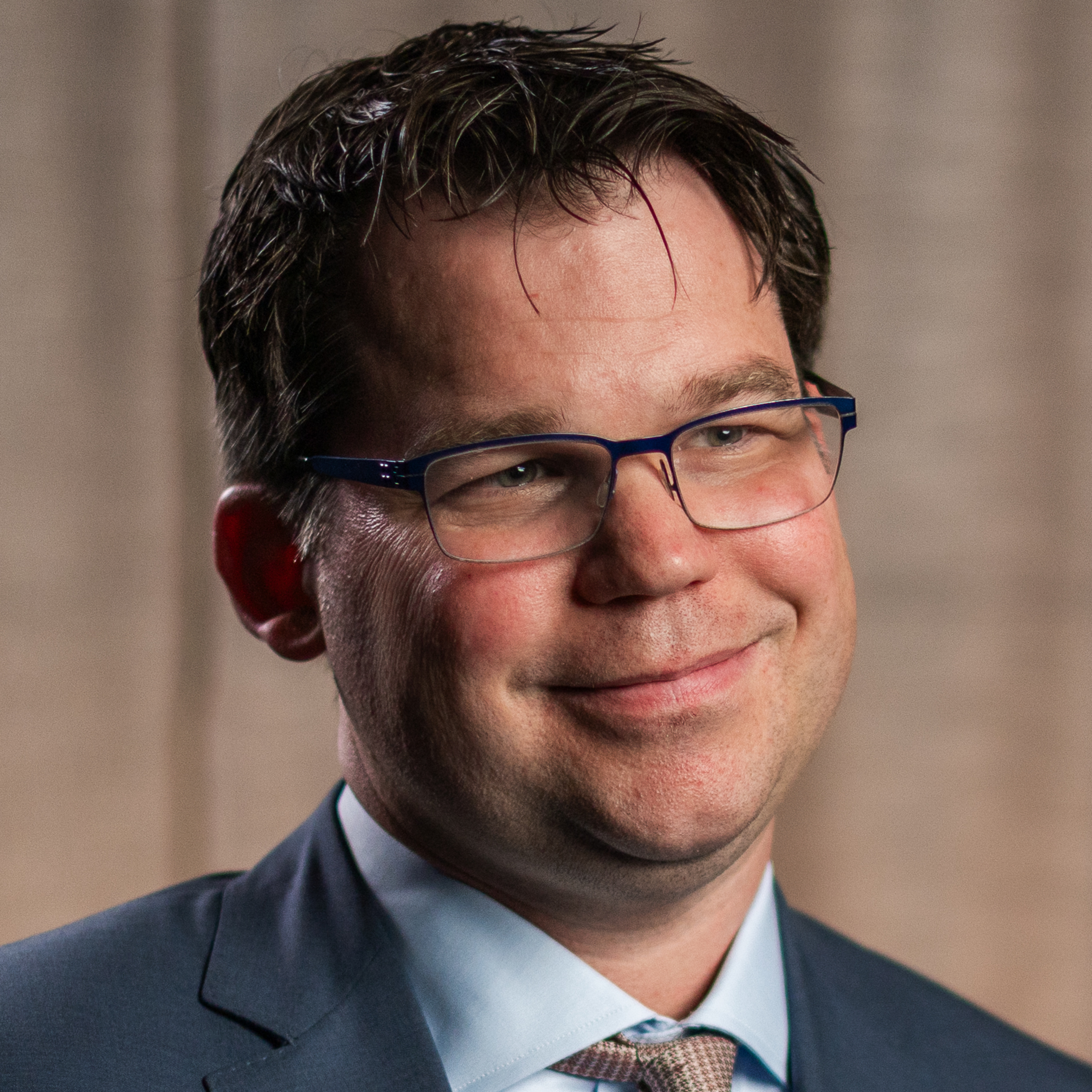 Macquarie Group’s Bill Eckmann on the evolution of U.S. and European direct lending markets 24.07.2026 11minBill Eckmann, Head of US Direct Lending, Macquarie Group | Bill discusses how direct lending markets have evolved over the past decade and the key differences between the U.S. and European markets. He explains the structural factors institutional investors should consider when allocating across regions, how to assess risk through a full credit cycle, and whether the fundamentals that have underpinned the growth of the asset class remain intact. Bill also shares his perspectives on the key questions investors should ask when evaluating direct lending managers with cross-regional capabilities.Listen to the full interview where we ask Bill:- How has the direct lending market evolved over the past decade, and how do the US and European markets differ today? - How should institutional investors think about risk in direct lending through a full credit cycle, rather than through reported default rates alone? - Direct lending has grown rapidly over the past decade. Do the fundamentals that drove that growth still hold?- Where are the pressure points for direct lending across the industry?- What questions should institutional investors be asking when evaluating a direct lending manager, particularly one with cross-regional capability? DisclaimerThe views and opinions expressed in this recording are those of the individual contributors and their respective organisations at the time of recording. They do not necessarily reflect those of Global Investment Institute (GII). These views are not intended to be, and should not be construed as, investment advice or research. They are subject to change without notice, and no representation is made as to their ongoing accuracy or reliability. Forecasts, forward looking statements, or opinions are inherently uncertain and based on assumptions, risks, and external factors which may change over time. The individuals interviewed have no obligation to update any statements made.International investments carry additional risks, including potential loss of capital, currency fluctuations, differences in accounting standards, and economic or political instability.All information contained in this recording is general in nature and does not take into account the financial objectives, situation, or needs of any individual or organisation. It should not be used as the sole basis for making investment decisions. GII strongly recommends seeking independent, fee-for-service financial advice before acting on any information contained herein.Contributors, guest speakers or interviewees may hold personal or professional financial interests in the investments discussed. The editorial team has assessed that these interests have not influenced the content of this recording.All content featured in this recording is protected by copyright. No part may be reproduced, distributed, or transmitted in any form without prior written permission from the Global Investment Institute.
 -
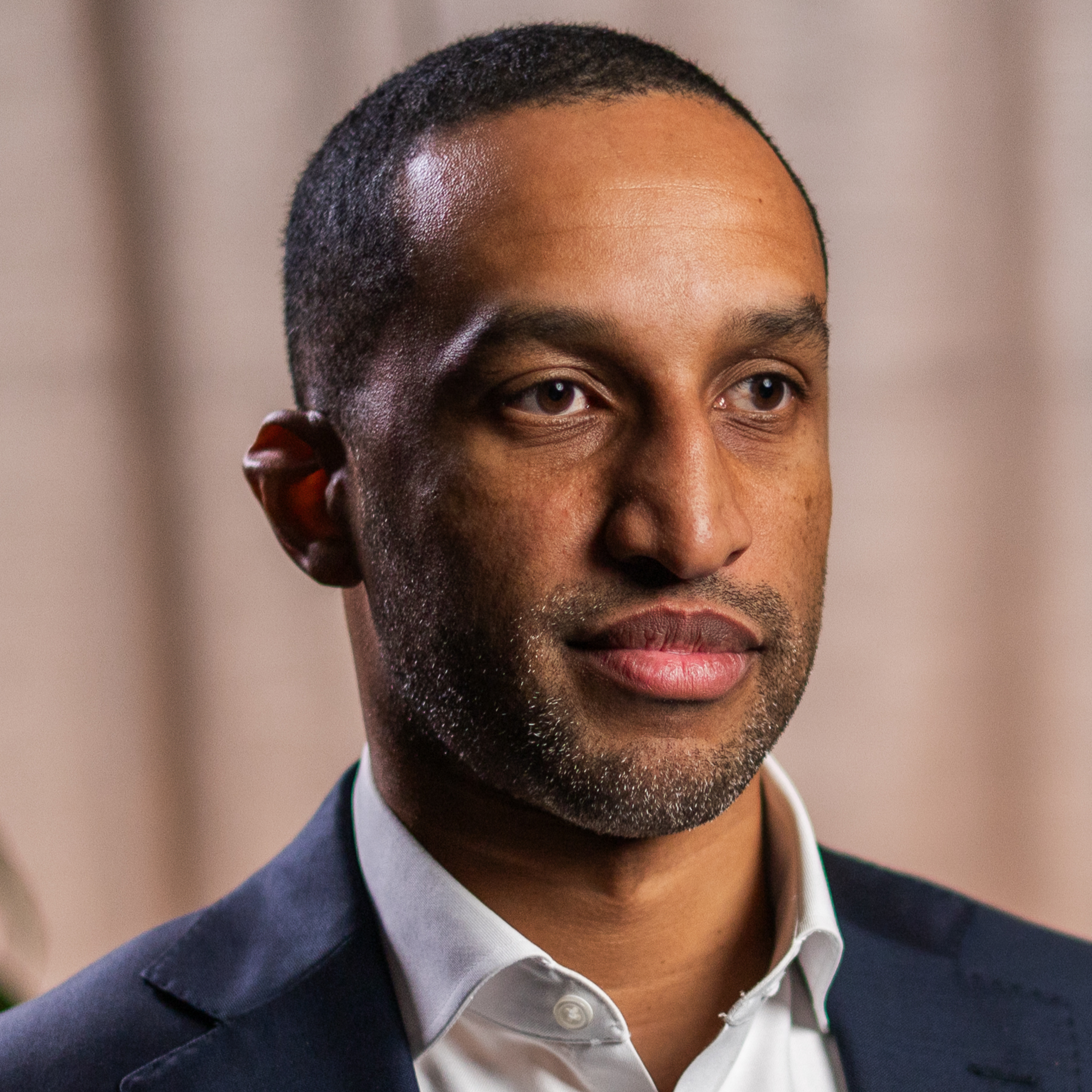 Igneo’s Rene Ogunbona on trends in infrastructure investing and developments in renewables 23.07.2026 10minRene Ogunbona, Director, Igneo Infrastructure Partners | Rene discusses the key global trends driving increased infrastructure spending and the opportunities for investors. He explains why mid-market infrastructure is an attractively differentiated sector to the large-cap space for investors to consider for their portfolios. Rene shares his perspectives on changes in the Australian renewables market and contrasts the opportunity set in wind, battery and solar.Listen to the full interview where we ask Rene: - What are the key global trends driving increased infrastructure spending and what opportunities does this provide investors?- Why is mid-market infrastructure an attractively differentiated sector to the large-cap space?- What has changed in the Australian renewables market that makes it an attractive space to deploy capital?- Grid congestion and connection delays are often cited as the biggest constraints on renewables, how material is this in practice for investors?- How do you view the investment opportunity set between wind, battery and solar?DisclaimerThe views and opinions expressed in this recording are those of the individual contributors and their respective organisations at the time of recording. They do not necessarily reflect those of Global Investment Institute (GII). These views are not intended to be, and should not be construed as, investment advice or research. They are subject to change without notice, and no representation is made as to their ongoing accuracy or reliability. Forecasts, forward looking statements, or opinions are inherently uncertain and based on assumptions, risks, and external factors which may change over time. The individuals interviewed have no obligation to update any statements made.International investments carry additional risks, including potential loss of capital, currency fluctuations, differences in accounting standards, and economic or political instability.All information contained in this recording is general in nature and does not take into account the financial objectives, situation, or needs of any individual or organisation. It should not be used as the sole basis for making investment decisions. GII strongly recommends seeking independent, fee-for-service financial advice before acting on any information contained herein.Contributors, guest speakers or interviewees may hold personal or professional financial interests in the investments discussed. The editorial team has assessed that these interests have not influenced the content of this recording.All content featured in this recording is protected by copyright. No part may be reproduced, distributed, or transmitted in any form without prior written permission from the Global Investment Institute.
 -
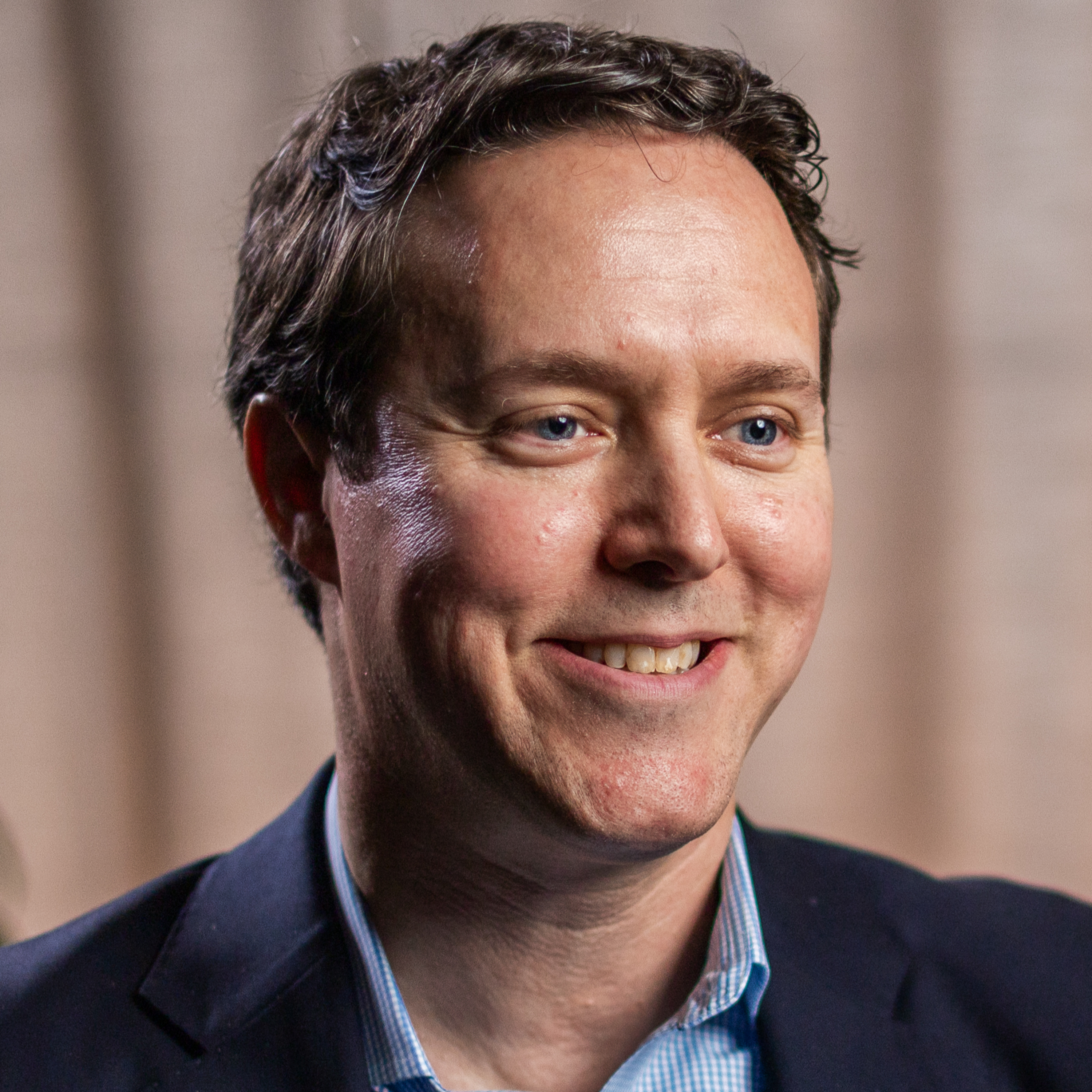 CIM Group’s Jason Schreiber on net lease real estate investing 15.07.2026 5minJason Schreiber, Principal, Co-Head of Real Estate Equity, CIM Group | Jason discusses the recent changes he has seen unfold in the net lease market and the types of sectors and tenants that are attracting the most investor interest today. He explains why net lease real estate has become more attractive to global investors, the impact of a higher rates environment on how net lease deals are underwritten and where he sees the biggest opportunities in net lease investing.Listen to the full interview where we ask Jason: - How is today’s net lease market different from where it was just a few years ago?- What types of tenants and sectors are attracting the most investor interest right now?- Why has net lease real estate become increasingly attractive to international investors?- How are higher interest rates changing how net lease deals are underwritten?- Looking ahead, where do you see the biggest opportunities in net lease investing?DisclaimerThe views and opinions expressed in this recording are those of the individual contributors and their respective organisations at the time of recording. They do not necessarily reflect those of Global Investment Institute (GII). These views are not intended to be, and should not be construed as, investment advice or research. They are subject to change without notice, and no representation is made as to their ongoing accuracy or reliability. Forecasts, forward looking statements, or opinions are inherently uncertain and based on assumptions, risks, and external factors which may change over time. The individuals interviewed have no obligation to update any statements made.International investments carry additional risks, including potential loss of capital, currency fluctuations, differences in accounting standards, and economic or political instability.All information contained in this recording is general in nature and does not take into account the financial objectives, situation, or needs of any individual or organisation. It should not be used as the sole basis for making investment decisions. GII strongly recommends seeking independent, fee-for-service financial advice before acting on any information contained herein.Contributors, guest speakers or interviewees may hold personal or professional financial interests in the investments discussed. The editorial team has assessed that these interests have not influenced the content of this recording.All content featured in this recording is protected by copyright. No part may be reproduced, distributed, or transmitted in any form without prior written permission from the Global Investment Institute.
 -
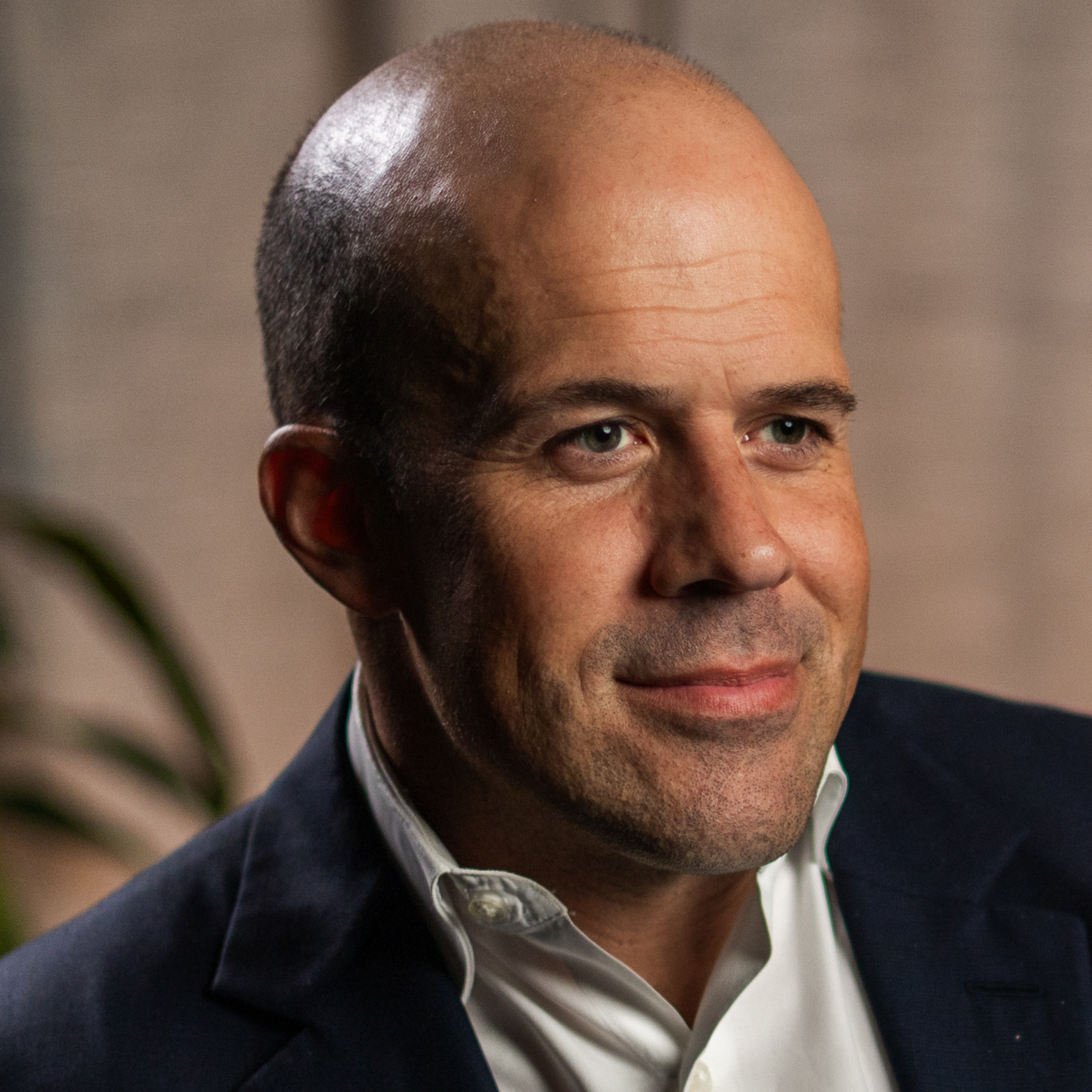 TCW’s Dylan Ross on private asset-backed finance (ABF) 08.07.2026 7minDylan Ross, Managing Director, Portfolio Manager & Head of Asset-Backed Finance, TCW | Dylan discusses how TCW manages its ABF investments, from portfolio construction through to risk management, with a focus on ensuring client capital is protected. He outlines the key areas of investment focus for their ABF platform, explains the rationale behind those areas of focus, and explores how the platform benefits from being integrated alongside TCW's public securitised credit business.Listen to the full interview where we ask Dylan:- How do you structure and monitor ABF investments to detect fraud risk early and ensure capital is protected even in stressed scenarios?- How does the broader experience of having TCW’s ABF platform sitting alongside a public securitised credit business support the way you underwrite and manage ABF investments?- Why does TCW’s ABF platform focus on core, repeatable asset classes over highly idiosyncratic, single‑asset financings and why is that distinction important from a risk and portfolio construction standpoint?- How do you think about first‑loss protection and where it sits in the capital stack across different ABF strategiesDisclaimerThe views and opinions expressed in this recording are those of the individual contributors and their respective organisations at the time of recording. They do not necessarily reflect those of Global Investment Institute (GII). These views are not intended to be, and should not be construed as, investment advice or research. They are subject to change without notice, and no representation is made as to their ongoing accuracy or reliability. Forecasts, forward looking statements, or opinions are inherently uncertain and based on assumptions, risks, and external factors which may change over time. The individuals interviewed have no obligation to update any statements made.International investments carry additional risks, including potential loss of capital, currency fluctuations, differences in accounting standards, and economic or political instability.All information contained in this recording is general in nature and does not take into account the financial objectives, situation, or needs of any individual or organisation. It should not be used as the sole basis for making investment decisions. GII strongly recommends seeking independent, fee-for-service financial advice before acting on any information contained herein.Contributors, guest speakers or interviewees may hold personal or professional financial interests in the investments discussed. The editorial team has assessed that these interests have not influenced the content of this recording.All content featured in this recording is protected by copyright. No part may be reproduced, distributed, or transmitted in any form without prior written permission from the Global Investment Institute.
 -
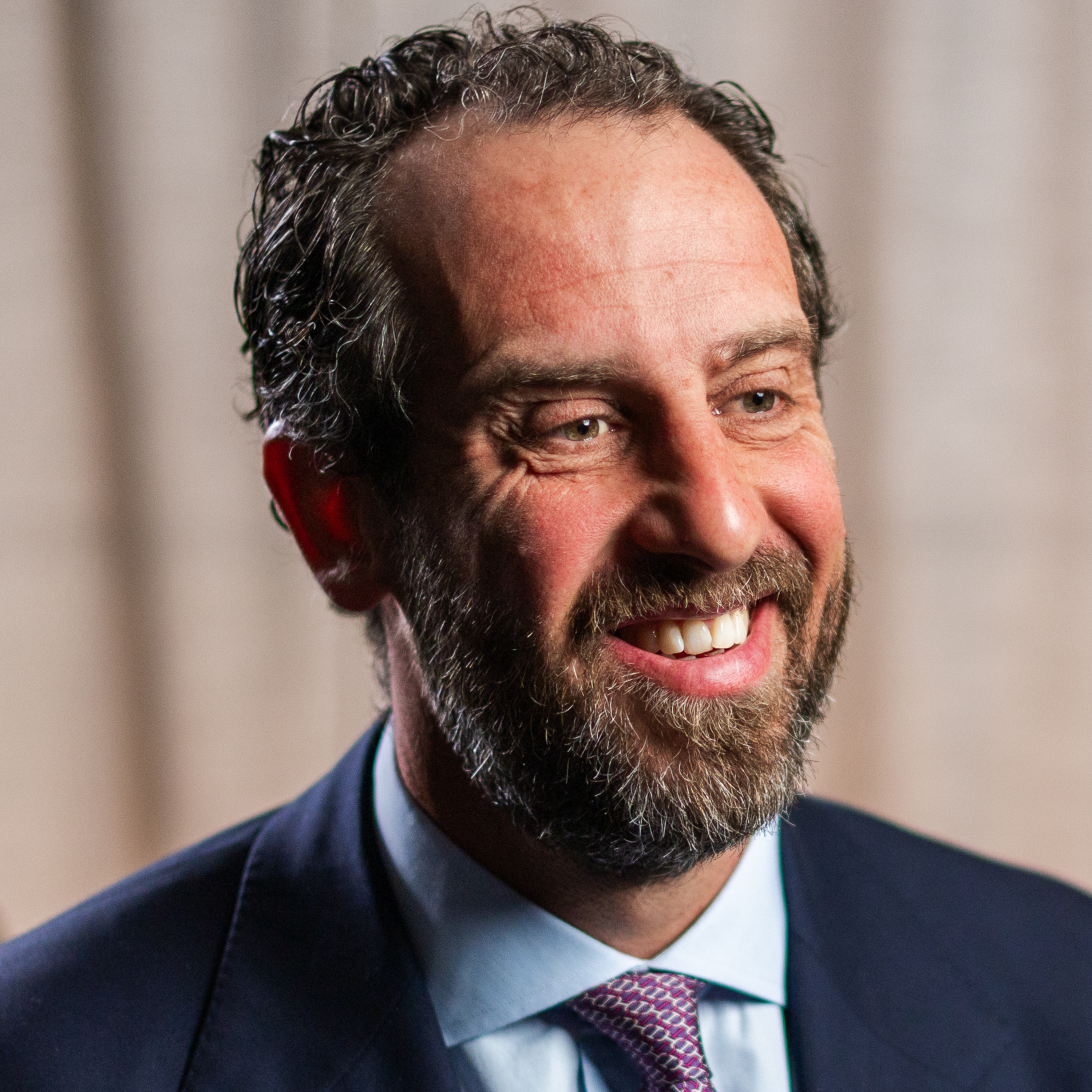 Barwon Investment Partners’ Tom Patrick on healthcare real estate investing in Australia 01.07.2026 7minTom Patrick, Partner, Head of Healthcare Property, Barwon Investment Partners | Tom discusses the key indicators suggesting why the current environment is an inflection point in the property cycle, how investors should think about the role of core real estate today, given the competition faced from fixed income and why alternative real estate sectors like healthcare property are gaining traction. Tom also shares where he would be allocating capital in today’s environment across the alternative real estate sector from healthcare and beyond, what he would be avoiding and risks to be managed.Listen to the full interview where we ask Tom:- You have described the current environment as an inflection point in the property cycle, what are the key indicators suggesting the market has turned?- How should investors think about the role of core real estate today, given the competition from fixed income after the rate reset?- Alternative sectors like healthcare property have gained traction, what differentiates them from traditional real estate exposures in a portfolio context?- To what extent is the current opportunity in healthcare property cyclical versus structural?- If you were allocating fresh capital today, where would you be most focused, and what risks would you be most conscious of in real estate investing?DisclaimerThe views and opinions expressed in this recording are those of the individual contributors and their respective organisations at the time of recording. They do not necessarily reflect those of Global Investment Institute (GII). These views are not intended to be, and should not be construed as, investment advice or research. They are subject to change without notice, and no representation is made as to their ongoing accuracy or reliability. Forecasts, forward looking statements, or opinions are inherently uncertain and based on assumptions, risks, and external factors which may change over time. The individuals interviewed have no obligation to update any statements made.International investments carry additional risks, including potential loss of capital, currency fluctuations, differences in accounting standards, and economic or political instability.All information contained in this recording is general in nature and does not take into account the financial objectives, situation, or needs of any individual or organisation. It should not be used as the sole basis for making investment decisions. GII strongly recommends seeking independent, fee-for-service financial advice before acting on any information contained herein.Contributors, guest speakers or interviewees may hold personal or professional financial interests in the investments discussed. The editorial team has assessed that these interests have not influenced the content of this recording.All content featured in this recording is protected by copyright. No part may be reproduced, distributed, or transmitted in any form without prior written permission from the Global Investment Institute.
 -
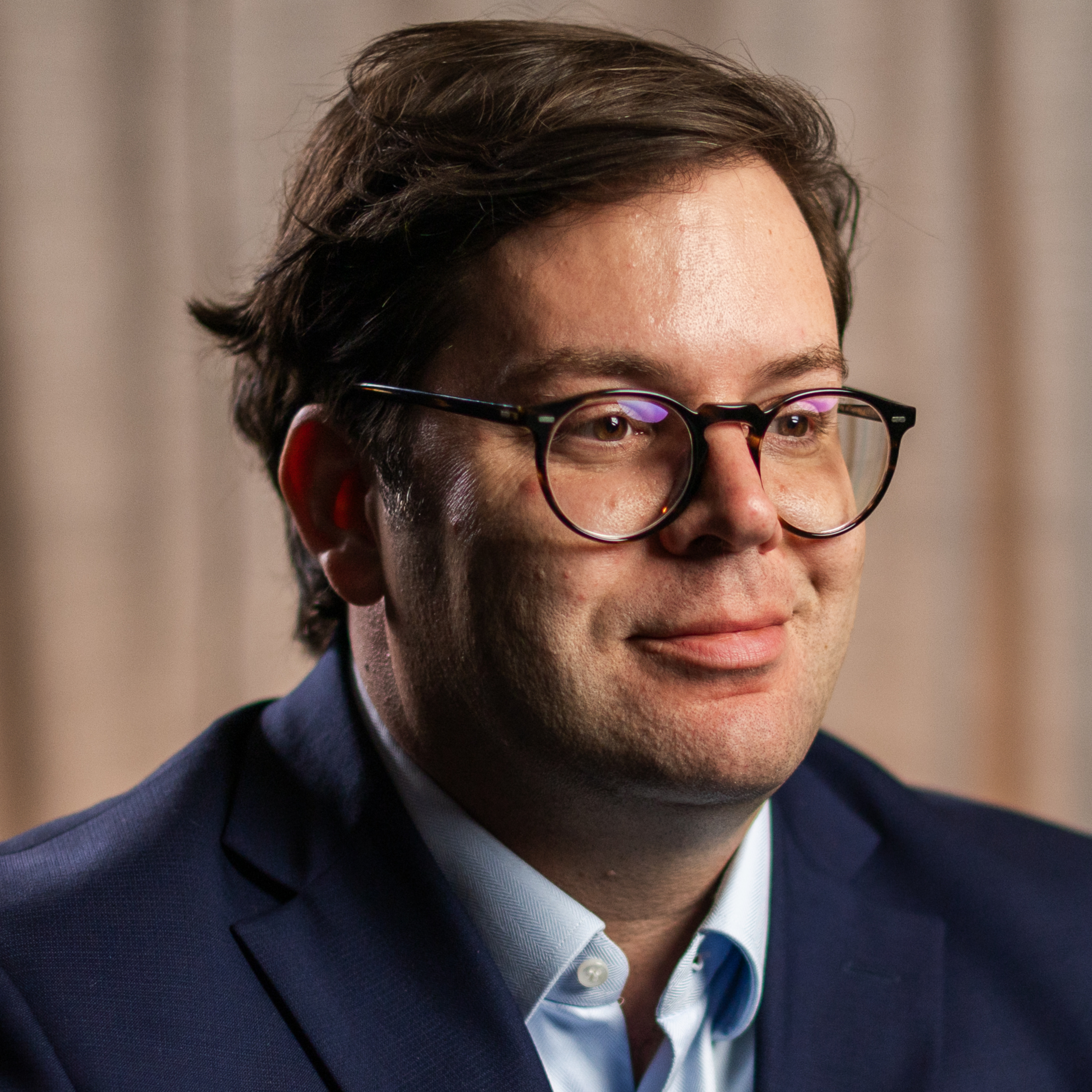 EQT Group’s William Vettorato on private market evergreens and semi-liquids 29.06.2026 12minWilliam Vettorato, Managing Director, Head of Evergreen Fund Strategy, EQT Group | William discusses how investors around the world are using evergreens as a solution for overcoming accessibility issues and the complexity involved with private markets investing. He explains that Australian investors have been at the forefront of adopting evergreens and shares his views on what investors should consider when considering allocating, as the adoption and proliferation of evergreen products continues. Listen to the full interview where we ask William:- What are the most consistent and practical ways investors are using evergreens to build out their private market exposures? - What can Australian investors learn from global peers in allocating to evergreens? - Do you expect the proliferation of evergreen products to continue and what should investors consider when allocating? - What areas of private equity is EQT excited about deploying capital into at the moment? - What are EQT’s views on liquidity, gating and valuations in semi-liquid funds? DisclaimerThe views and opinions expressed in this recording are those of the individual contributors and their respective organisations at the time of recording. They do not necessarily reflect those of Global Investment Institute (GII). These views are not intended to be, and should not be construed as, investment advice or research. They are subject to change without notice, and no representation is made as to their ongoing accuracy or reliability. Forecasts, forward looking statements, or opinions are inherently uncertain and based on assumptions, risks, and external factors which may change over time. The individuals interviewed have no obligation to update any statements made.International investments carry additional risks, including potential loss of capital, currency fluctuations, differences in accounting standards, and economic or political instability.All information contained in this recording is general in nature and does not take into account the financial objectives, situation, or needs of any individual or organisation. It should not be used as the sole basis for making investment decisions. GII strongly recommends seeking independent, fee-for-service financial advice before acting on any information contained herein.Contributors, guest speakers or interviewees may hold personal or professional financial interests in the investments discussed. The editorial team has assessed that these interests have not influenced the content of this recording.All content featured in this recording is protected by copyright. No part may be reproduced, distributed, or transmitted in any form without prior written permission from the Global Investment Institute.
 -
 Graeme Bibby introduces Anseres Capital and shares its investment approach 24.06.2026 6minGraeme Bibby, Chief Investment Officer, Anseres Capital | Graeme provides an introduction to Anseres Capital and how it enables access to institutional-grade investment management for private wealth clients. He also shares Anseres’ investment philosophy, how it holds up through volatility in markets and where he sees the most compelling investment opportunities in the near term. Listen to the full interview where we ask Graeme:- Introducing Anseres Capital- The Anseres Capital difference- How is Anseres Capital changing access to institutional grade investment management?- How does Anseres Capital's investment philosophy hold up through volatility?- How are private wealth clients evolving?- How does independence shape the way Anseres Capital constructs portfolios and serves clients?- Where are the most compelling investment opportunities for private wealth clients over the next 12 to 24 monthsDisclaimerThe views and opinions expressed in this recording are those of the individual contributors and their respective organisations at the time of recording. They do not necessarily reflect those of Global Investment Institute (GII). These views are not intended to be, and should not be construed as, investment advice or research. They are subject to change without notice, and no representation is made as to their ongoing accuracy or reliability. Forecasts, forward looking statements, or opinions are inherently uncertain and based on assumptions, risks, and external factors which may change over time. The individuals interviewed have no obligation to update any statements made.International investments carry additional risks, including potential loss of capital, currency fluctuations, differences in accounting standards, and economic or political instability.All information contained in this recording is general in nature and does not take into account the financial objectives, situation, or needs of any individual or organisation. It should not be used as the sole basis for making investment decisions. GII strongly recommends seeking independent, fee-for-service financial advice before acting on any information contained herein.Contributors, guest speakers or interviewees may hold personal or professional financial interests in the investments discussed. The editorial team has assessed that these interests have not influenced the content of this recording.All content featured in this recording is protected by copyright. No part may be reproduced, distributed, or transmitted in any form without prior written permission from the Global Investment Institute.
 -
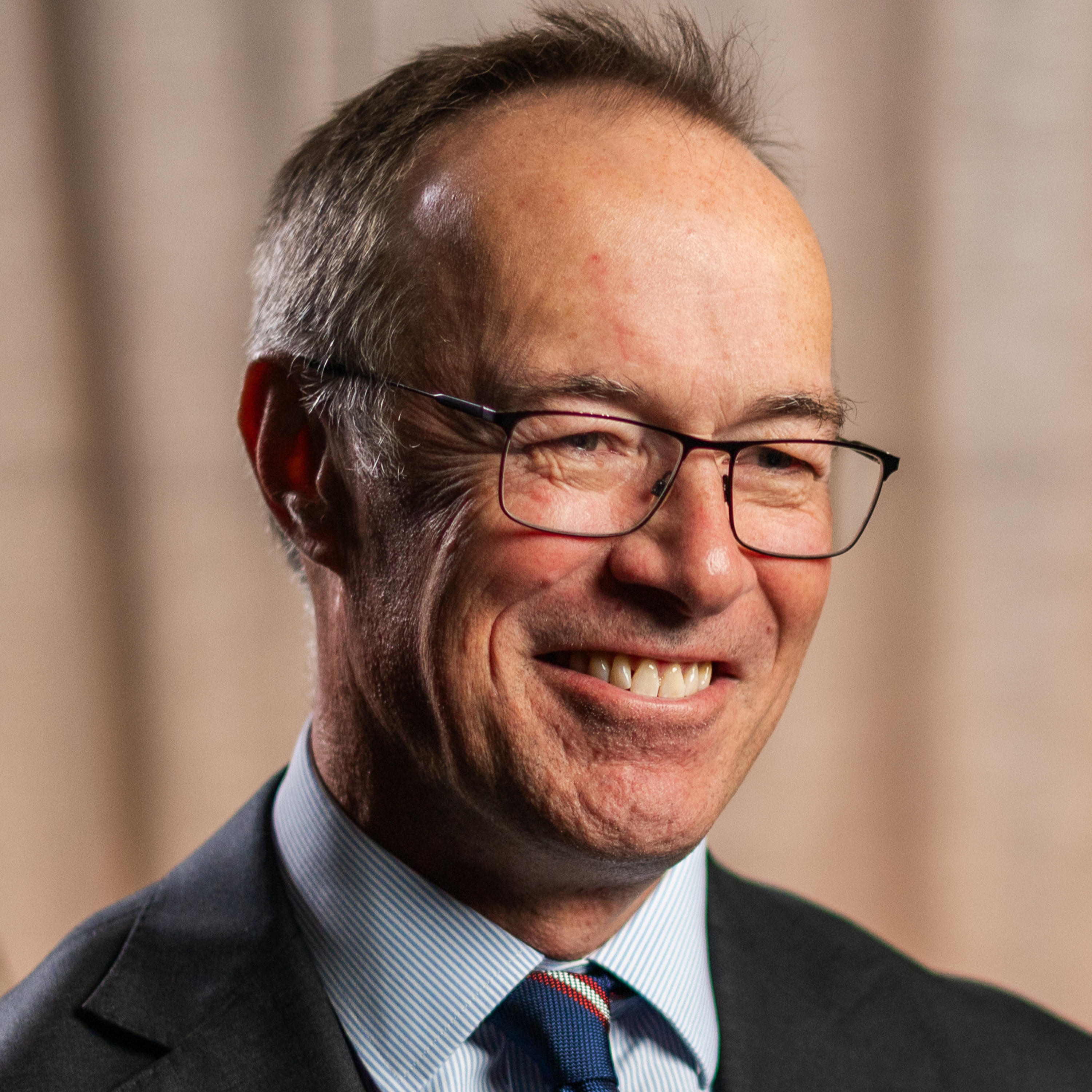 Argyle Capital Partners’ Kim Morison on Australian water rights investing 22.06.2026 11minKim Morison, Chairman, Chief Investment Officer, Argyle Capital Partners | Kim discusses how investing in water rights works in Australia, including how it enables farmers to unlock capital from their balance sheets, he explains how water rights are valued and the key drivers of long-term returns in the asset class.Listen to the full interview where we ask Kim: - How does investing in water rights actually work? How do you derive returns for investors?- What is the risk that governments change the rules about water rights, especially if Australia has a run of really bad drought years?- What are the key drivers of long-term returns from investing in water rights?- What is the likelihood of water prices getting so high that irrigation farmers can no longer afford water for their crops and what would be the implications of such a scenario? - Do you get accused of being a “Water Baron”? How do farmers feel about your role in investing in water rights?- How do you value water rights? Is there a transparent market price?DisclaimerThe views and opinions expressed in this recording are those of the individual contributors and their respective organisations at the time of recording. They do not necessarily reflect those of Global Investment Institute (GII). These views are not intended to be, and should not be construed as, investment advice or research. They are subject to change without notice, and no representation is made as to their ongoing accuracy or reliability. Forecasts, forward looking statements, or opinions are inherently uncertain and based on assumptions, risks, and external factors which may change over time. The individuals interviewed have no obligation to update any statements made.International investments carry additional risks, including potential loss of capital, currency fluctuations, differences in accounting standards, and economic or political instability.All information contained in this recording is general in nature and does not take into account the financial objectives, situation, or needs of any individual or organisation. It should not be used as the sole basis for making investment decisions. GII strongly recommends seeking independent, fee-for-service financial advice before acting on any information contained herein.Contributors, guest speakers or interviewees may hold personal or professional financial interests in the investments discussed. The editorial team has assessed that these interests have not influenced the content of this recording.All content featured in this recording is protected by copyright. No part may be reproduced, distributed, or transmitted in any form without prior written permission from the Global Investment Institute.
 -
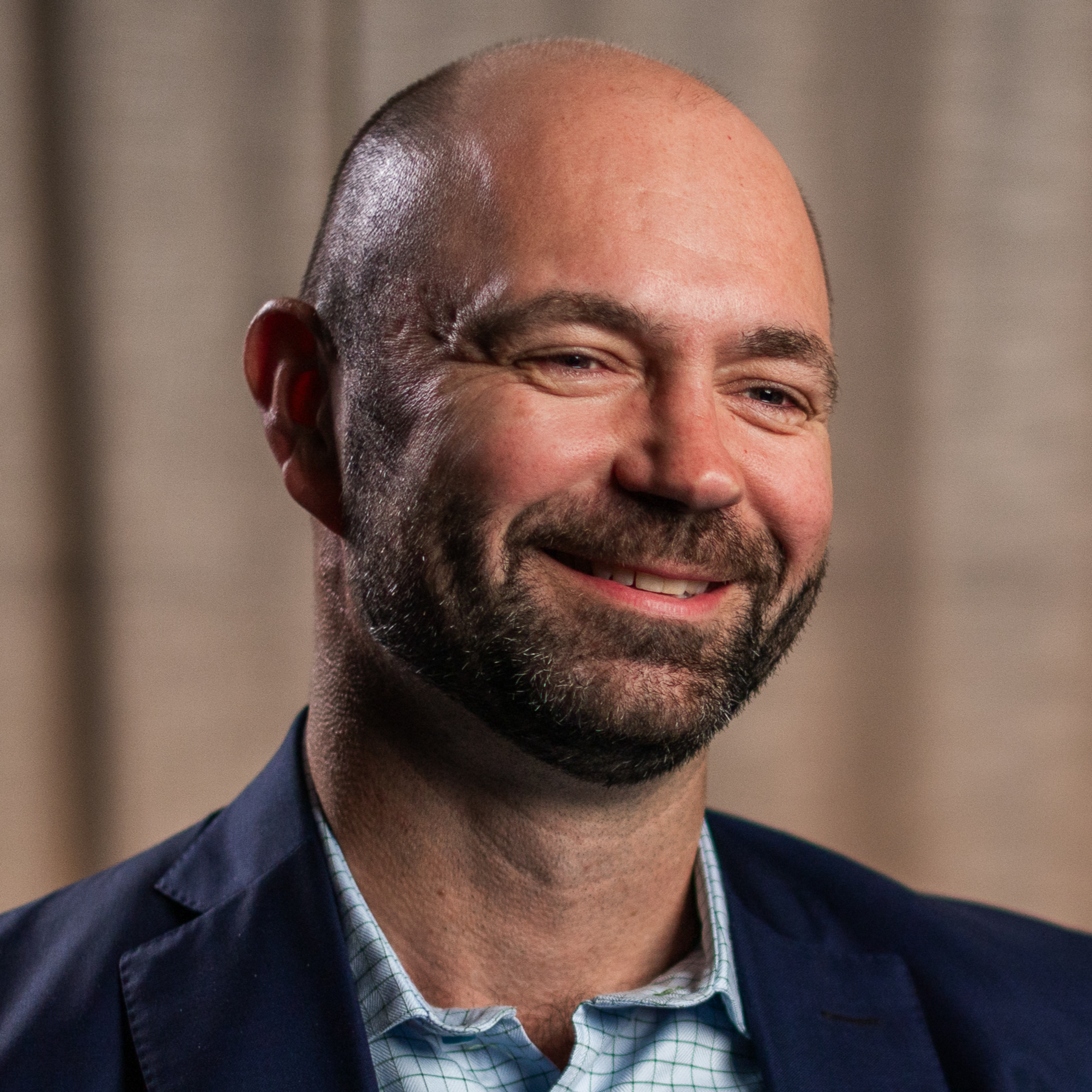 Pretium’s Brendan Bosman on the role of non-bank lenders in U.S. home building 17.06.2026 10minBrendan Bosman, Managing Director, Pretium | Brendan discusses the drivers behind the demand for non-bank lenders in financing U.S. home building. He explains the size of the opportunity set for investors to fund construction and development and the parts of the market and the types of builders they focus on, and why. Brendan also shares how Pretium is uniquely positioned in originating, underwriting, executing, asset managing and servicing their loan book, and how that sets them apart in the market.Listen to the full interview where we ask Brendan: - What is prompting the need for private credit in homebuilding now and why are traditional banks backing away? - There are many types of builders and dispersion across geographies. What factors do you believe non-bank lenders should be across? How large is this opportunity? - Can you walk us through how you underwrite and manage these loans? - Is homebuilder lending part of the 21st Century ROAD to Housing Act currently pending review? If passed as it stands, would that help or hinder homebuilder lending?- Do you believe that real estate debt, considered asset backed, should be part of a multi sector ABF approach? Disclaimer - Pretium The material provided is intended for informational purposes only and does not constitute and should not be construed as an offering of advisory services or an offer to sell or solicitation to buy any securities or related financial products. Pretium makes no representation, and it should not be assumed that past investment performance is indicative of future results. Any references to specific investments are solely for informational purposes. The opinions and views expressed herein are as of the date of publication, subject to change without notice, and may not necessarily reflect the institutional views of Pretium or its affiliates. Pretium does not make any representations or warranties, express or implied, as to the accuracy or completeness of the statements or information contained herein and disclaim any liability whatsoever for reliance on such information for any purpose.Disclaimer - Global Investment InstituteThe views and opinions expressed in this recording are those of the individual contributors and their respective organisations at the time of recording. They do not necessarily reflect those of Global Investment Institute (GII). These views are not intended to be, and should not be construed as, investment advice or research. They are subject to change without notice, and no representation is made as to their ongoing accuracy or reliability. Forecasts, forward looking statements, or opinions are inherently uncertain and based on assumptions, risks, and external factors which may change over time. The individuals interviewed have no obligation to update any statements made.International investments carry additional risks, including potential loss of capital, currency fluctuations, differences in accounting standards, and economic or political instability.All information contained in this recording is general in nature and does not take into account the financial objectives, situation, or needs of any individual or organisation. It should not be used as the sole basis for making investment decisions. GII strongly recommends seeking independent, fee-for-service financial advice before acting on any information contained herein.Contributors, guest speakers or interviewees may hold personal or professional financial interests in the investments discussed. The editorial team has assessed that these interests have not influenced the content of this recording.All content featured in this recording is protected by copyright. No part may be reproduced, distributed, or transmitted in any form without prior written permission from the Global Investment Institute.
 -
 Tor Investment Management’s Patrik Edsparr on private credit markets of Asia Pacific 15.06.2026 8minPatrik Edsparr, Chief Investment Officer & Co-Founder, Tor Investment Management | Patrik discusses the dynamics playing out across private credit markets of Asia Pacific, the challenges with navigating the opportunity set across the region’s many jurisdictions and what the key ingredients are to achieving success. Patrik also shares his perspectives on credit risk and areas of vulnerability in U.S. private credit and the role an allocation to Asia Pacific can play at this phase of the cycle as an effective diversifier.Listen to the full interview where we ask Patrik: - What are the key differences between the private credit markets in Asia-Pacific and the U.S.?- Why do borrowers in Asia-Pacific want private credit solutions? - What are the key opportunities and risks in Asia-Pacific private credit?- How do you think about credit risk in the U.S. and where do you see the greatest areas of vulnerability?- How does de-globalisation influence where you see opportunities emerging across Asia-Pacific?DisclaimerThe views and opinions expressed in this recording are those of the individual contributors and their respective organisations at the time of recording. They do not necessarily reflect those of Global Investment Institute (GII). These views are not intended to be, and should not be construed as, investment advice or research. They are subject to change without notice, and no representation is made as to their ongoing accuracy or reliability. Forecasts, forward looking statements, or opinions are inherently uncertain and based on assumptions, risks, and external factors which may change over time. The individuals interviewed have no obligation to update any statements made.International investments carry additional risks, including potential loss of capital, currency fluctuations, differences in accounting standards, and economic or political instability.All information contained in this recording is general in nature and does not take into account the financial objectives, situation, or needs of any individual or organisation. It should not be used as the sole basis for making investment decisions. GII strongly recommends seeking independent, fee-for-service financial advice before acting on any information contained herein.Contributors, guest speakers or interviewees may hold personal or professional financial interests in the investments discussed. The editorial team has assessed that these interests have not influenced the content of this recording.All content featured in this recording is protected by copyright. No part may be reproduced, distributed, or transmitted in any form without prior written permission from the Global Investment Institute.
 -
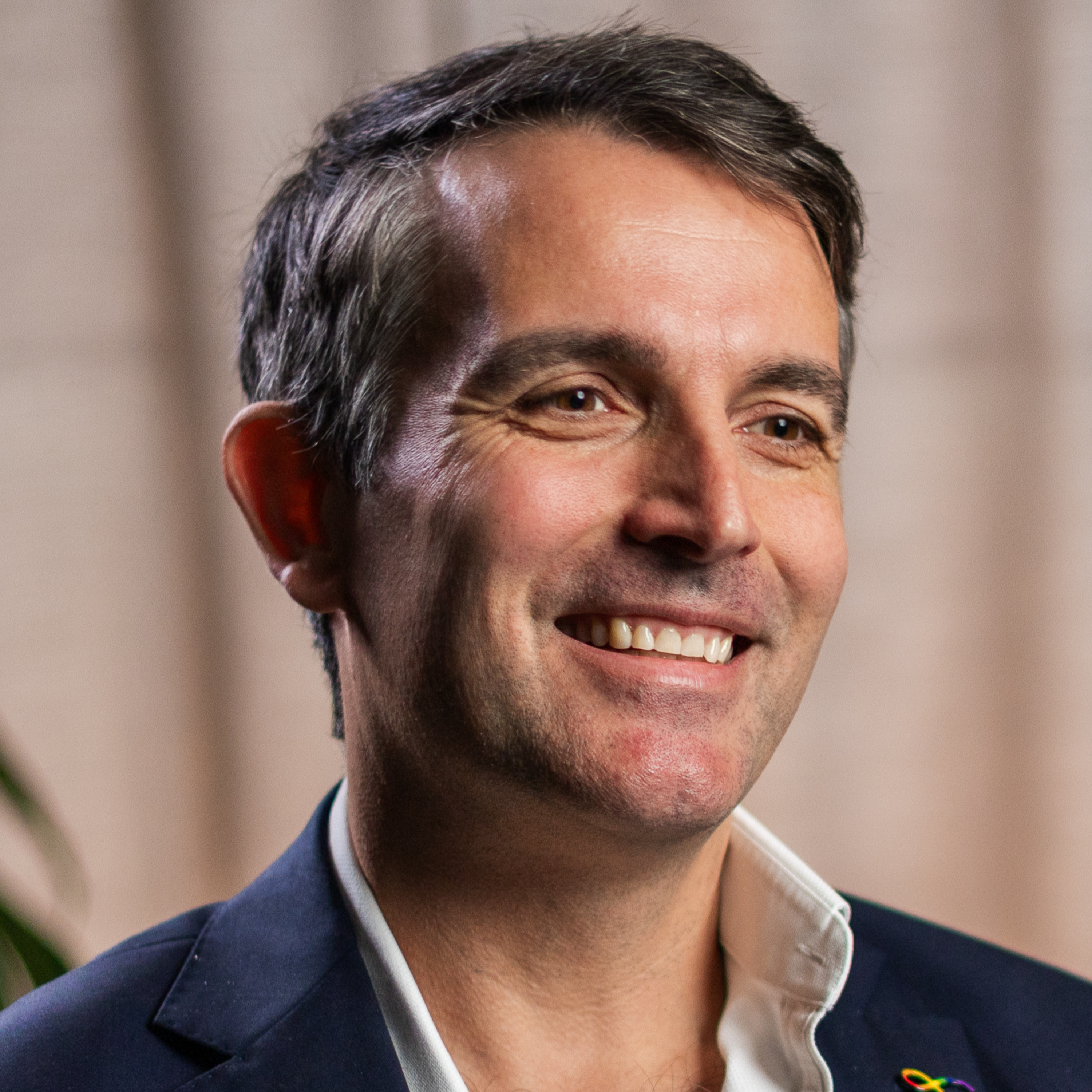 Andrew Garrett on Perpetual Wealth Management’s protect and grow investment philosophy 11.06.2026 11minAndrew Garrett, Investment Director, Perpetual Wealth Management | Andrew discusses his team’s investment philosophy and how it feeds into their approach to portfolio construction, including risk management and generating investment ideas. Andrew also shares how their investment strategy is adapting to changing market conditions in alignment with their protect and grow approach to managing client capital. Listen to the full interview where we ask Andrew: - What is Perpetual Wealth Management’s investment philosophy?- Can you describe your approach to portfolio construction?- How do you generate and validate investment ideas?- What role does macro thinking play in your portfolio decision making?- How do you think about risk in the context of portfolio constructing?- How do you adapt your investment strategy in changing market conditions?DisclaimerThe views and opinions expressed in this recording are those of the individual contributors and their respective organisations at the time of recording. They do not necessarily reflect those of Global Investment Institute (GII). These views are not intended to be, and should not be construed as, investment advice or research. They are subject to change without notice, and no representation is made as to their ongoing accuracy or reliability. Forecasts, forward looking statements, or opinions are inherently uncertain and based on assumptions, risks, and external factors which may change over time. The individuals interviewed have no obligation to update any statements made.International investments carry additional risks, including potential loss of capital, currency fluctuations, differences in accounting standards, and economic or political instability.All information contained in this recording is general in nature and does not take into account the financial objectives, situation, or needs of any individual or organisation. It should not be used as the sole basis for making investment decisions. GII strongly recommends seeking independent, fee-for-service financial advice before acting on any information contained herein.Contributors, guest speakers or interviewees may hold personal or professional financial interests in the investments discussed. The editorial team has assessed that these interests have not influenced the content of this recording.All content featured in this recording is protected by copyright. No part may be reproduced, distributed, or transmitted in any form without prior written permission from the Global Investment Institute.
 -
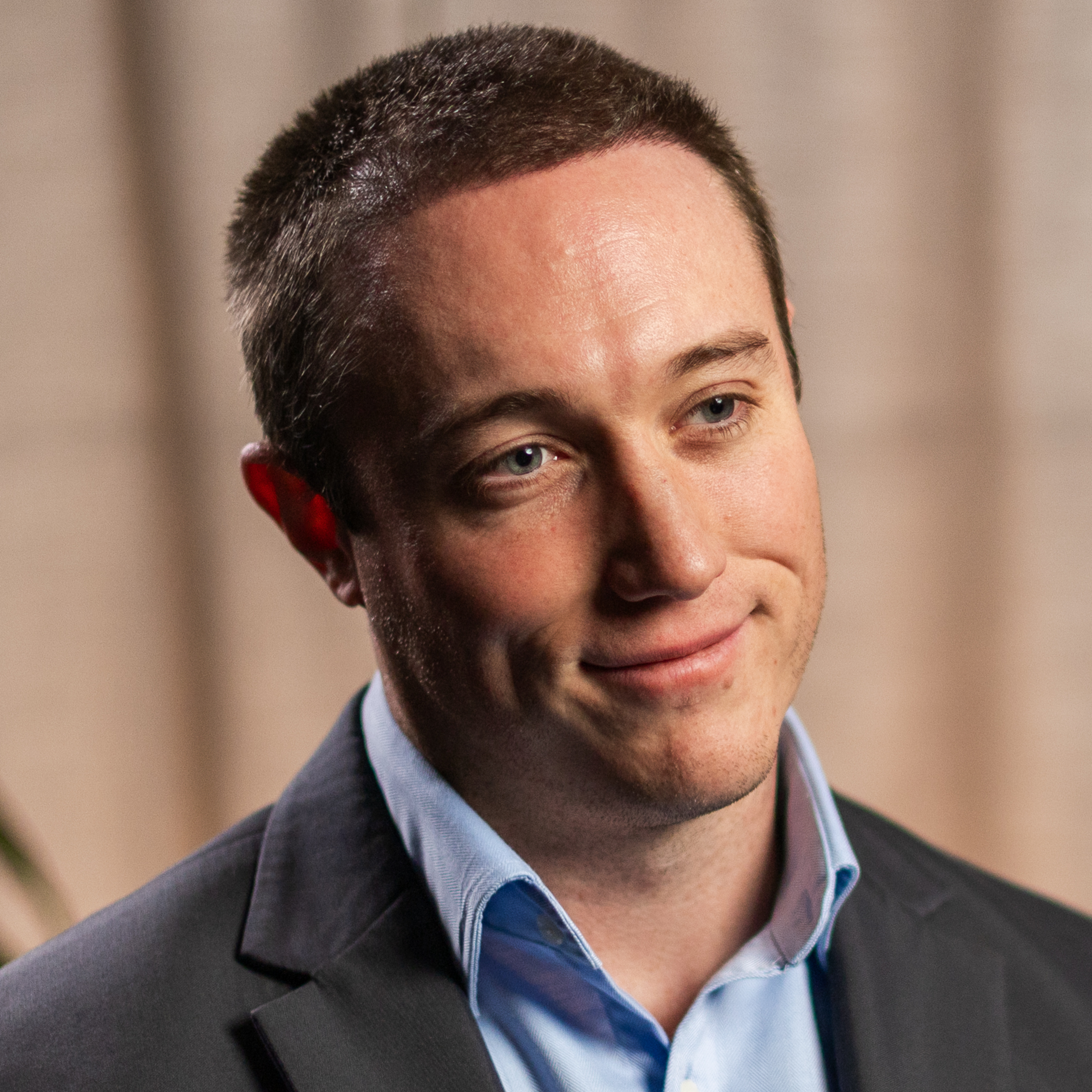 Viola Private Wealth’s Daniel Kelly on the evolution toward endowment-style investing 04.06.2026 8minDaniel Kelly, Chief Investment Officer, Viola Private Wealth | Daniel discusses the changing landscape across Australia’s wealth management industry and the move toward an endowment-style investment approach. He shares how the composition of the traditional 60-40 portfolio is changing to comprise a different mix of investments today, and the drivers behind this evolution toward investing in alternatives and private markets.Listen to the full interview where we ask Daniel: - How have recent trends of onshoring, deglobalisation and a more multi-polar world affected your investment philosophy and asset allocation?- How are you at Viola Private Wealth using alternatives in your portfolio construction and what does an optimal portfolio look like in the current environment?- Which is the biggest misconception the market has about evergreen private market funds?- What notable changes have you observed in the Australian wealth management market in recent years and how do you expect the market to evolve into the future? DisclaimerThe views and opinions expressed in this recording are those of the individual contributors and their respective organisations at the time of recording. They do not necessarily reflect those of Global Investment Institute (GII). These views are not intended to be, and should not be construed as, investment advice or research. They are subject to change without notice, and no representation is made as to their ongoing accuracy or reliability. Forecasts, forward looking statements, or opinions are inherently uncertain and based on assumptions, risks, and external factors which may change over time. The individuals interviewed have no obligation to update any statements made.International investments carry additional risks, including potential loss of capital, currency fluctuations, differences in accounting standards, and economic or political instability.All information contained in this recording is general in nature and does not take into account the financial objectives, situation, or needs of any individual or organisation. It should not be used as the sole basis for making investment decisions. GII strongly recommends seeking independent, fee-for-service financial advice before acting on any information contained herein.Contributors, guest speakers or interviewees may hold personal or professional financial interests in the investments discussed. The editorial team has assessed that these interests have not influenced the content of this recording.All content featured in this recording is protected by copyright. No part may be reproduced, distributed, or transmitted in any form without prior written permission from the Global Investment Institute.
 -
 Man Group’s Kevin Marchetti on what investors should be focusing on now in private credit 02.06.2026 5minKevin Marchetti, Chief Investment Officer & Head of US Direct Lending, Man Group | Kevin discusses the private credit landscape and what investors should focus on as the lending environment becomes more complex. He highlights opportunities in the U.S. core middle market, including diversification benefits, attractive relative value, and reduced competition. Kevin also outlines the key questions investors should be asking managers today, with a focus on transparency, risk management, and capital preservation.Listen to the full interview where we ask Kevin: - With private credit having attracted enormous inflows over recent years, should investors be concerned that the opportunity is getting crowded out?- Having gone from near-zero rates and near-zero defaults, how would you characterise the environment U.S. corporate borrowers face today? - Software and technology lending has been one of the hottest areas in private credit. Is that a space you are leaning into?- With deal activity slowing and M&A volumes down, are these headwinds for direct lenders like Man US Direct Lending?- For an institutional investor looking to allocate to private credit, what should they be asking their managers that they might not be asking?DisclaimerThe views and opinions expressed in this recording are those of the individual contributors and their respective organisations at the time of recording. They do not necessarily reflect those of Global Investment Institute (GII). These views are not intended to be, and should not be construed as, investment advice or research. They are subject to change without notice, and no representation is made as to their ongoing accuracy or reliability. Forecasts, forward looking statements, or opinions are inherently uncertain and based on assumptions, risks, and external factors which may change over time. The individuals interviewed have no obligation to update any statements made.International investments carry additional risks, including potential loss of capital, currency fluctuations, differences in accounting standards, and economic or political instability.All information contained in this recording is general in nature and does not take into account the financial objectives, situation, or needs of any individual or organisation. It should not be used as the sole basis for making investment decisions. GII strongly recommends seeking independent, fee-for-service financial advice before acting on any information contained herein.Contributors, guest speakers or interviewees may hold personal or professional financial interests in the investments discussed. The editorial team has assessed that these interests have not influenced the content of this recording.All content featured in this recording is protected by copyright. No part may be reproduced, distributed, or transmitted in any form without prior written permission from the Global Investment Institute.
 -
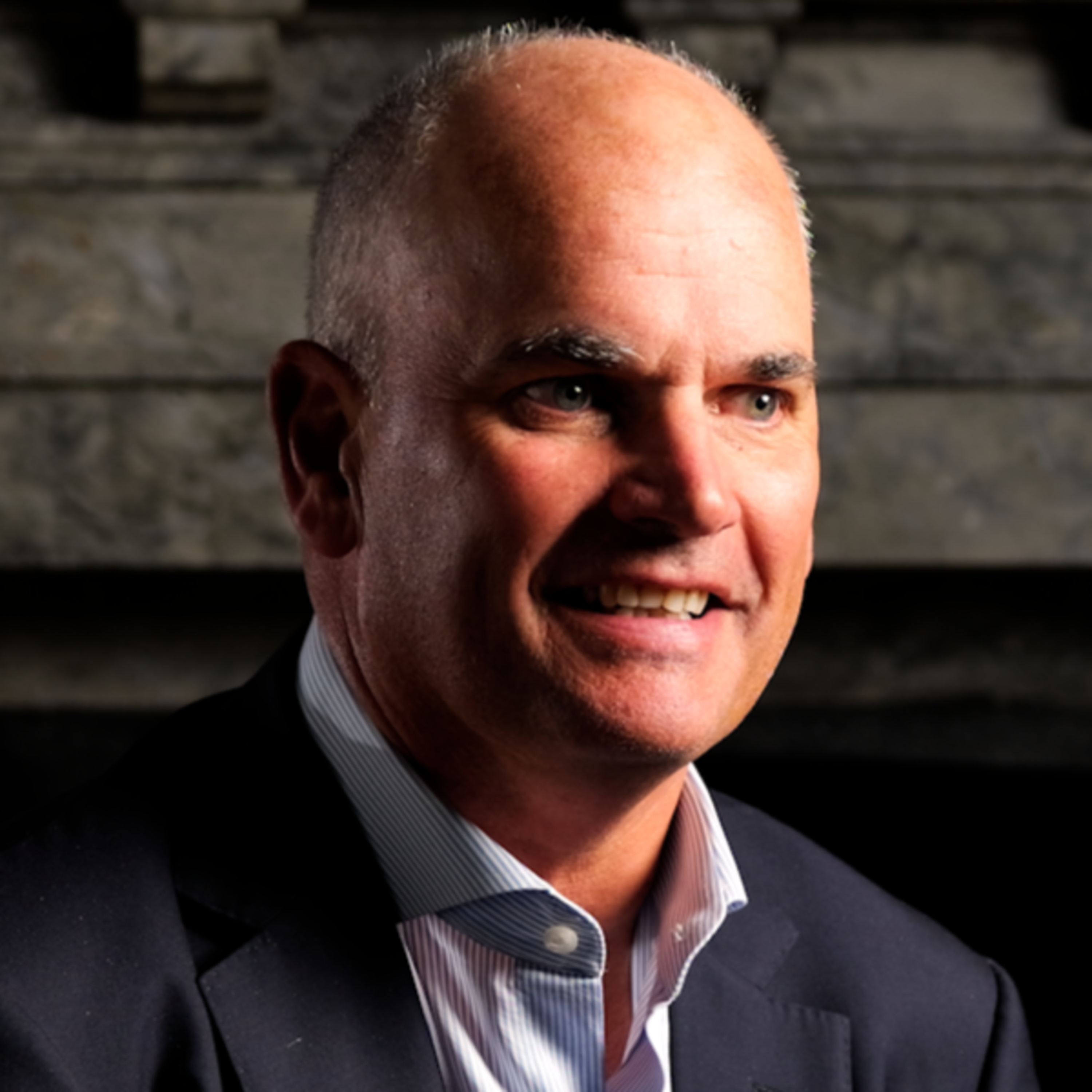 Munro Partners' Nick Griffin on picking the few winners and avoiding the many losers in global equities 31.05.2026 8minNick Griffin, Founding Partner & Chief Investment Officer, Munro Partners | Nick discusses why the stock market is not the economy and that there are many losers and only a few winners. He explains why his team focuses on investing in structurally growing companies and the main characteristics to look for in identifying those that will be the long-term winners. Nick also shares his views on structural themes that are providing the tailwinds from which winners will emerge.Listen to the full interview which covers:- What has driven Munro Partners’ philosophy to focus on identifying and investing in structurally growing companies rather than cyclically growing companies?- Equity markets are inherently made up of very few winners, and lots of losers. How do you go about finding these few winners?- What are the main characteristics of a great growth company you look for, that you’ve found to be a determinant of who the long-term winners will be?- Not all companies are going to be winners. How do you manage those positions and can you talk us through your sell discipline?- If you had to choose one area of interest today or a theme that sets up investors for long term investment success, what would it be and why? Disclaimer – Munro PartnersMunro Partners is a corporate authorised representative (CAR 1244894) of Munro Asset Management Limited (ACN 163 552 254) an Australian Financial Services Licence holder (AFSL 480509). This content is for general information purposes only and it is not investment advice of any nature. The information contained in this content reflects, as of the date of publication, the views of Munro Partners and sources believed by Munro Partners to be reliable. There can be no guarantee that any projection, forecast or opinion in these materials will be realised. The views expressed in this content may change at any time after the date of issue. This information has been prepared without taking account of the objectives, financial situation or needs of individuals. Before making an investment decision in relation to the Funds, investors should obtain independent advice from a licensed professional adviser. Information about the Munro Funds issued in Australia, including the product disclosure statements (PDS), and target market determination (TMD) for the Munro Funds is available at www.gsfm.com.au, www.munropartners.com or by calling 1300 133 451. Past performance information in this content is given for illustrative purposes only and should not be relied upon as an indication of future performance. None of GSFM Responsible Entity Services, Munro Partners, its related bodies or associates nor any other person guarantees the repayment of capital or the performance of the Funds or any particular returns from the Funds. No representation or warranty is made concerning the accuracy of any data contained in this content. You should consider the PDS and Additional Information to the PDS in its entirety before making a decision to acquire or continue to hold an interest in the Funds. This content was recorded on 12 March 2026. Disclaimer – Global Investment InstituteThe views and opinions expressed in this recording are those of the individual contributors and their respective organisations at the time of recording. They do not necessarily reflect those of Global Investment Institute (GII).Contributors, guest speakers or interviewees may hold personal or professional financial interests in the investments discussed. The editorial team has assessed that these interests have not influenced the content of this recording. All content featured in this recording is protected by copyright. No part may be reproduced, distributed, or transmitted in any form without prior written permission from the Global Investment Institute.
 -
 Aware Super’s Mike Cowell on opportunities, risks and manager selection in private credit 28.05.2026 9minMike Cowell, Portfolio Manager, Credit Income, Aware Super | Mike discusses the role of private credit in modern portfolio construction, and how he is positioning his private credit portfolio for emerging opportunities and risks. He explains the key considerations he takes into account when allocating to an external manager and shares what makes a successful long term LP-GP partnership.Listen to the full interview which covers:- What is the role of private credit in modern portfolio construction and why has it become a mainstay rather than an opportunistic allocation?- How have you seen the private credit asset class evolve over the last few years and where do you see it heading?- When considering allocating to an external manager what are the key considerations and what makes a successful long term LP-GP relationship?- How are you positioning your private credit portfolio in the current environment and where are you seeing greatest opportunities and risks?- Private credit is often in the headlines. How do you, as a long term investor, maintain focus on your objectives amid the noise?DisclaimerThe views and opinions expressed in this recording are those of the individual contributors and their respective organisations at the time of recording. They do not necessarily reflect those of Global Investment Institute (GII). These views are not intended to be, and should not be construed as, investment advice or research. They are subject to change without notice, and no representation is made as to their ongoing accuracy or reliability. Forecasts, forward looking statements, or opinions are inherently uncertain and based on assumptions, risks, and external factors which may change over time. The individuals interviewed have no obligation to update any statements made.International investments carry additional risks, including potential loss of capital, currency fluctuations, differences in accounting standards, and economic or political instability.All information contained in this recording is general in nature and does not take into account the financial objectives, situation, or needs of any individual or organisation. It should not be used as the sole basis for making investment decisions. GII strongly recommends seeking independent, fee-for-service financial advice before acting on any information contained herein.Contributors, guest speakers or interviewees may hold personal or professional financial interests in the investments discussed. The editorial team has assessed that these interests have not influenced the content of this recording.All content featured in this recording is protected by copyright. No part may be reproduced, distributed, or transmitted in any form without prior written permission from the Global Investment Institute.
 -
 D. E. Shaw Investment Management’s Laurent De Greef on U.S. equities in global benchmarks 26.05.2026 12minLaurent De Greef, Senior Vice President, Head of Portfolio Strategy, D. E. Shaw Investment Management | Laurent discusses the drivers behind the relative size of the U.S. in global equity markets and shares a framework investors can apply for understanding risks in a global equity portfolio. Laurent explains the implications of the U.S. market being heavily concentrated in a few large names and what investors should think about when considering going underweight the U.S. equity markets, following a strong run over recent years.Listen to the full interview which covers: - What are the main areas of focus and the big questions you are working to answer in your current role as the Head of Portfolio Strategy?- Can you summarise the key takeaways from your analysis of relative U.S. size in global equity benchmarks? - What is your framework for thinking about the relative size of the U.S. equity market?- How might your framework be applied to understand risks in a global equity portfolio, particularly when considering going underweight the U.S.?- What are some implications of the U.S. market being heavily concentrated in a few large names?- I understand that the D. E. Shaw group regularly engages with important market questions. What are some other things you’re thinking about now?DisclaimerThe full video and important disclaimers are available here. The views and opinions expressed in this recording are those of the individual contributors and their respective organisations at the time of recording. They do not necessarily reflect those of Global Investment Institute (GII). These views are not intended to be, and should not be construed as, investment advice or research. They are subject to change without notice, and no representation is made as to their ongoing accuracy or reliability. Forecasts, forward looking statements, or opinions are inherently uncertain and based on assumptions, risks, and external factors which may change over time. The individuals interviewed have no obligation to update any statements made.International investments carry additional risks, including potential loss of capital, currency fluctuations, differences in accounting standards, and economic or political instability.All information contained in this recording is general in nature and does not take into account the financial objectives, situation, or needs of any individual or organisation. It should not be used as the sole basis for making investment decisions. GII strongly recommends seeking independent, fee-for-service financial advice before acting on any information contained herein.Contributors, guest speakers or interviewees may hold personal or professional financial interests in the investments discussed. The editorial team has assessed that these interests have not influenced the content of this recording.All content featured in this recording is protected by copyright. No part may be reproduced, distributed, or transmitted in any form without prior written permission from the Global Investment Institute.
 -
 Nuveen’s Willis Tsai on global equities and active management 24.05.2026 6minWillis Tsai, Head of Global Equities, Nuveen | Willis shares how he thinks about portfolio construction across the diverse global equities opportunity set. He explains why now is a particularly compelling moment for active management and highlights what separates managers who succeed over the long term from those who don’t. Willis also discusses the most interesting ideas he is exploring today in pursuit of opportunities and how he is managing risk along the way.Listen to the full interview which covers: - Global equities represent the world's largest opportunity set. What makes this moment particularly compelling for active management?- U.S. tech has driven markets for years, but you highlight opportunities beyond the Magnificent Seven. Where are you finding the most interesting ideas today? - Global equities span developed and emerging markets, growth and value, large and small cap. How do you think about portfolio construction across such a diverse opportunity set?- Active management is notoriously difficult. What separates managers who succeed over the long term from those who don't?- Nuveen has invested in equities on behalf of teachers and nonprofit workers for over seventy years. How does that mission shape how you think about risk and responsibilityDisclaimerThe views and opinions expressed in this recording are those of the individual contributors and their respective organisations at the time of recording. They do not necessarily reflect those of Global Investment Institute (GII). These views are not intended to be, and should not be construed as, investment advice or research. They are subject to change without notice, and no representation is made as to their ongoing accuracy or reliability. Forecasts, forward looking statements, or opinions are inherently uncertain and based on assumptions, risks, and external factors which may change over time. The individuals interviewed have no obligation to update any statements made.International investments carry additional risks, including potential loss of capital, currency fluctuations, differences in accounting standards, and economic or political instability.All information contained in this recording is general in nature and does not take into account the financial objectives, situation, or needs of any individual or organisation. It should not be used as the sole basis for making investment decisions. GII strongly recommends seeking independent, fee-for-service financial advice before acting on any information contained herein.Contributors, guest speakers or interviewees may hold personal or professional financial interests in the investments discussed. The editorial team has assessed that these interests have not influenced the content of this recording.All content featured in this recording is protected by copyright. No part may be reproduced, distributed, or transmitted in any form without prior written permission from the Global Investment Institute.
 -
 Hamilton Lane’s Bryan Jenkins on private equity secondaries 19.05.2026 6minBryan Jenkins, Head of Portfolio Strategy & Research, Hamilton Lane | Bryan discusses the private equity secondaries market, the drivers of its explosive growth experienced in recent years and the main motivations why investors have been allocating to the asset class. He explains what investors should be looking for to identify best-in-class PE managers and highlights the most important risks and execution challenges in PE secondaries that investors need to be aware of.Listen to the full interview which covers: - How would you describe the private equity secondaries market today and what do you see as the main forces that have driven its explosive growth in recent years?- What are the main reasons motivating your investor base to allocate to PE secondaries?- PE continuation vehicles were seen with some trepidation as they emerged in volume over recent years. How has this sub segment of the market shifted since?- What characteristics should investors be looking for in PE managers that separate the best from the rest?- Looking ahead, what are the most important risks and execution challenges in PE secondaries?DisclaimerThe views and opinions expressed in this recording are those of the individual contributors and their respective organisations at the time of recording. They do not necessarily reflect those of Global Investment Institute (GII). These views are not intended to be, and should not be construed as, investment advice or research. They are subject to change without notice, and no representation is made as to their ongoing accuracy or reliability. Forecasts, forward looking statements, or opinions are inherently uncertain and based on assumptions, risks, and external factors which may change over time. The individuals interviewed have no obligation to update any statements made.International investments carry additional risks, including potential loss of capital, currency fluctuations, differences in accounting standards, and economic or political instability.All information contained in this recording is general in nature and does not take into account the financial objectives, situation, or needs of any individual or organisation. It should not be used as the sole basis for making investment decisions. GII strongly recommends seeking independent, fee-for-service financial advice before acting on any information contained herein.Contributors, guest speakers or interviewees may hold personal or professional financial interests in the investments discussed. The editorial team has assessed that these interests have not influenced the content of this recording.All content featured in this recording is protected by copyright. No part may be reproduced, distributed, or transmitted in any form without prior written permission from the Global Investment Institute.
Slični podcasti


Popularan u
Ovaj podcast pojavljuje se i na podcast ljestvicama ovih zemalja.
