
Christine Carter, PhD, reads her articles
Christine Carter, PhD
0
Christine Carter, PhD, reads her articles on flourishing during midlife. Each episode presents evidence-based essays that explore how to thrive in this stage of life. The podcast offers practical insights and research-backed strategies for well-being, drawing from Carter's expertise. It is a resource for those seeking to navigate middle age with greater clarity and purpose.
Epizode
-
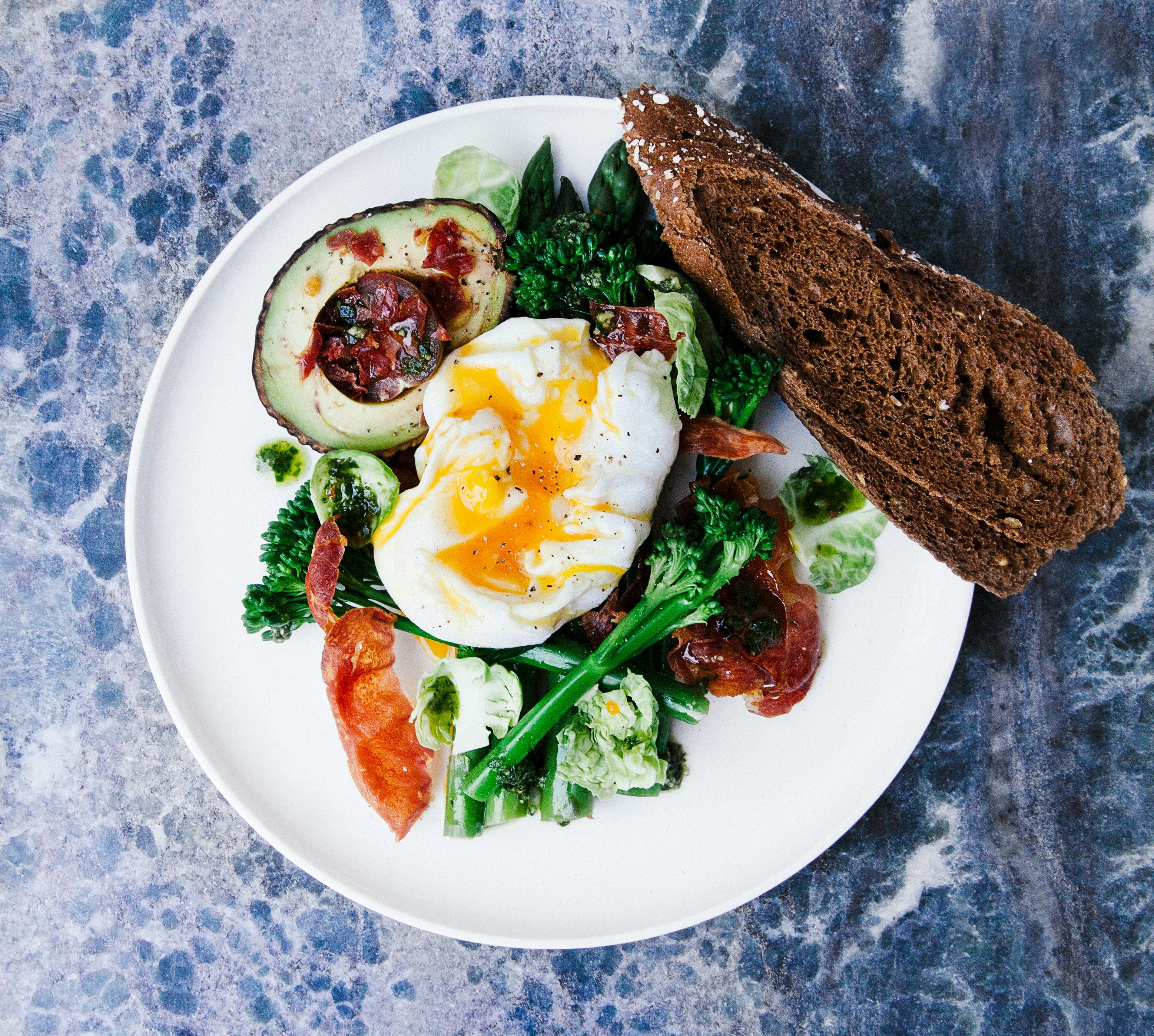 Audio: What if the Most Powerful Drug We Have Isn't a Drug? 10.09.2026 6minBilly is one of my favorite people on the planet. My husband’s oldest and dearest friend; he and his daughters are family.Seven years ago, Billy had a heart attack. He was running his own business and had full custody of his two teenage girls; he was carrying an enormous amount of stress with nobody to tap out to.When my husband and I arrived at the hospital, Billy was awake and talking and was going to be fine, thank God. Given that hospital food is what it is, we offered to get him dinner.He brightened right up. Could we bring him a burger and fries?He was joking, of course, but ironically, the hospital food service delivered Billy a burger for dinner that night. This happens in hospital rooms every day, all over the country. An artery closes, a cardiologist opens it, everyone is relieved. No one is thinking that food might be part of the treatment starting right then.Three decades earlierIn 1990, a San Francisco cardiologist named Dean Ornish ran a small, strange, genuinely radical experiment. He took people with coronary artery disease and, instead of another procedure, gave them a program: a low-fat, whole-food, plant-based diet, moderate exercise, stress management, and a support group that met twice a week.When he remeasured their blockages a year later, they’d gotten smaller. Five years out, their arteries were still opening while the comparison group’s kept closing, and they’d had fewer than half as many cardiac events. None of them were on cholesterol-lowering drugs.The prescription we didn’t getWhen I was diagnosed with breast cancer, I got excellent treatment. I cannot say enough good things about my surgeon, my radiation team, my nurse navigator, and everyone who cared for me.But, like Billy, nobody handed me a prescription for how to live once my active treatment ended, or told me what might raise or lower my risk of recurrence. Nobody told me what the research says about physical activity after a cancer diagnosis, which is a lot, or what dose of it I’d need.Nobody treated my sleep, which was a disaster, as a clinical variable. Nobody asked about my stress, though I’d just lost my mother, was working full-time, and was living with my grieving father while we fixed up a new house the sellers called a “contractor’s special.” Nobody asked whether I had people to support me, or what I was eating on the days I could barely stand up. Nobody mentioned alcohol, which raises breast cancer risk even in moderation.Everything my doctors could do, they’d done. Like Billy, I walked out of a medical system into a life where the thing most likely to determine how long and how well I lived was my own behavior. I had no prescription, support or structure for that.Structure is surprisingly powerful medicineLifestyle medicine isn’t wellness, supplements, or an alternative to your doctor. It’s a board-certified medical specialty that uses behavior as treatment: nutrition, movement, sleep, stress management, social connection, and avoiding substances that hurt us. It treats both the cause and the symptom and can actually reverse disease.There are three categories of disease likely to determine how your last decades go. And in all three, lifestyle is both preventative and curative:Heart and metabolic disease. Heart disease kills more Americans than anything else, including 1 in 5 women, and Dean Ornish’s study has now been replicated many times over. We know definitively that lifestyle change can open clogged arteries. Medicare even reimburses an intensive cardiac program whose official name contains the phrase “Reversing Heart Disease.”Cancer. Across more than a hundred studies, people who move more after a cancer diagnosis live longer.Cognitive decline. In 2025, a trial put two thousand older Americans at risk for cognitive decline into a lifestyle program of exercise, diet, and cognitive challenge. Half got a structured version with frequent team meetings; half got the same information with far less support. Both groups improved, but the group with more structure, accountability, and a room full of other people doing the same thing improved more. Behavior change isn’t a knowledge problem. It’s a follow-through problem.Dose is keyTo be effective in preventing and treating disease, behaviors need doses, just as drugs do. We get a small dose of behavior change every January, and then are discouraged when it doesn’t fix us. If you started a new drug and only took it for the first week in January, would you expect it to work? When Dean Ornish used behavior changes to treat coronary artery disease, it was intensive work.If intensive lifestyle change can shrink the plaque inside our arteries, it’s worth asking what it can do for our midlife aches and pains, our exhaustion, our brain fog. Our nervous system that never powers down.That is why my coaching program, Annosa Health, prescribes behavior at a real dose, with the structure, accountability, and other people that research shows are active ingredients.Post ScriptWhen I brought my concerns about the lack of survivorship support in my breast cancer treatment to Dr. Rita Kwan-Feinberg, the Medical Director of Sutter Health’s Carol Ann Read Breast Health Center, she took them seriously.We’re now designing a clinical study together to test the Annosa Health program for breast cancer survivors, for women going through menopause, and for burned-out physicians. I’ll write about what we find here.Photo by Chris Ralston on Unsplash This is a public episode. If you would like to discuss this with other subscribers or get access to bonus episodes, visit newsletter.christinecarter.com
 -
 Audio: September is the New January 03.09.2026 9min5 power moves for forming a habit that sticks, none of which involve trying harder. The problem is never your discipline. I swear. The text version has a zillion links to all the research. Links to the further practices referenced are here:* If guilt is keeping you from giving yourself permission to take care of yourself, this practice can help.* If you’re worried about failing others, know that we’re reliably wrong about disappointing people, overestimating both how upset they’ll be and how long their disappointment will last. See also this post about how to disappoint others with grace.* Here’s a practice for dealing with discomfort and difficulty.* This post is about why a daily reflection builds the self-awareness we need to make changes or adopt a new habit. This is a public episode. If you would like to discuss this with other subscribers or get access to bonus episodes, visit newsletter.christinecarter.com
Slični podcasti


Popularan u
Ovaj podcast pojavljuje se i na podcast ljestvicama ovih zemalja.
