
Analyse Podcast
Bernard Leong
0
A weekly podcast exploring the pulse of business, technology, and media worldwide. Hosted by Bernard Leong, the show features in-depth conversations with leading journalists, executives, entrepreneurs, and thought leaders on the ideas and forces shaping global markets — from Asia to the rest of the world.
Episode
-
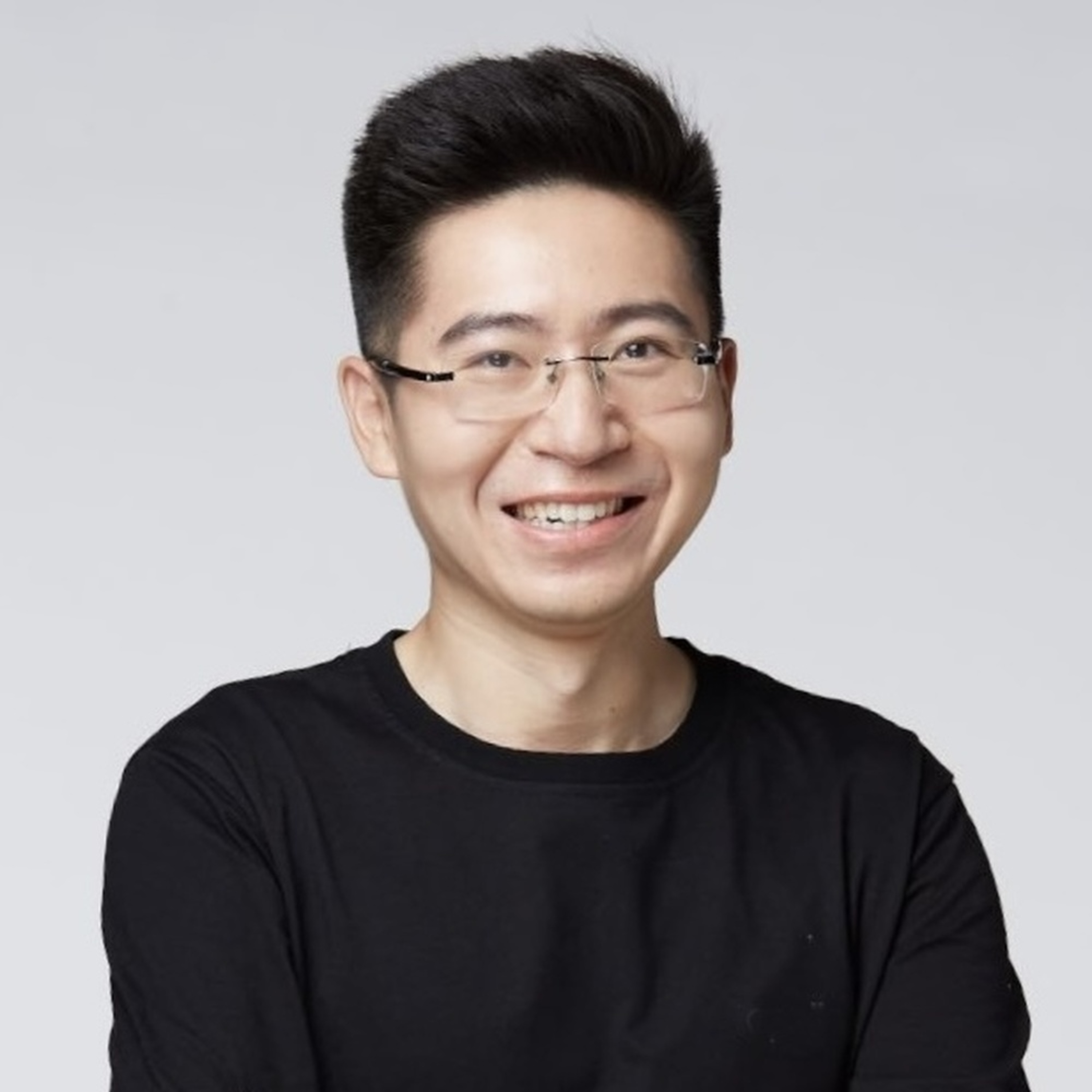 Simular AI and Computer Use is the Final Frontier in AI with Ang Li 20.08.2026 53mntFresh out of the studio, Ang Li, CEO and co-founder of Simular and previously a research scientist at Google DeepMind, joins us to explore why computer use is the last mile to AGI. Ang traces his path from studying catastrophic forgetting and continual learning at DeepMind to founding a company on a single conviction: models break in production because the data distribution never stops moving, and the only place to close that loop is the real world. He explains why the chatbot metaphor misleads enterprise buyers, why the right unit of measurement is tokens per task rather than price per token, and how the power law of practice should make an agent cheaper every time it repeats the same work. He separates capability from reliability through pass@k and pass^k, argues that deterministic work belongs in code rather than in a model, and makes the case that frontier labs exist to sell tokens while Simular exists to remove them. Last but not least, Ang shares his test for AGI — one you feel rather than see — and what it will take to bring autonomous work down to the cost of water."So when I go to the gym, [doing] the same workout everyday, as I do this more and more, more reps, more sets, I don't even need to think. It's called muscle memory. I just do the same in a standard way, my consumption or my tokens in my brain dramatically drops. And there's a term describing this behavior in human cognition called 'the Power Law of Practice'. So that's the whole idea. Do we see power law practice in AI agents? We don't have that yet."Profile: Ang Li, CEO and co-founder of Simular AI X: https://x.com/angli_aiLinkedIn: https://www.linkedin.com/in/angli-ai/Simular AI: https://simular.aiEpisode Highlights: [00:00] Quote of the Day by Ang Li from Simular[01:09] Why AGI arrives through the mouse and keyboard[02:27] Legacy systems with no APIs block automation[03:45] Computer use is the last mile[04:05] One device, a hundred agents in the cloud[05:51] The gap between research and production[07:45] The day Covid became a dominant search keyword[08:13] Continual learning over evolving distributions[09:21] Catastrophic forgetting remains unsolved[10:11] Why the learning loop requires a product[11:04] Why AGI must be built commercially, not academically[12:23] Chat versus work: two different problems[13:40] Every company needs a repeatable playbook[15:10] Tokens per task beats price per token[16:13] Same task 100 times, 100 times the tokens[16:34] The gym analogy and the power law of practice[18:18] Where the scaling frame breaks for computer use[20:46] Why AGI will not be a single model[21:43] The 72.6% peak versus repeated-run reliability[22:32] Hiring analogy: the interview versus daily work[25:22] Replaying trajectories to drive token cost down[26:17] The idea almost nobody in the industry discusses[29:01] Democratising autonomous computers to the cost of water[30:26] SMBs, not enterprises, are the real market[32:59] Why healthcare and insurance came inbound[34:06] Launching Sai on Windows virtual machines[34:38] Simulang and the unity of opposites[35:52] Frontier labs sell tokens; Simular removes them[38:01] The hidden cost of self-hosting open models[39:23] Why CPU and memory matter more than GPU[41:10] You only have two hands: the physical constraint[42:48] The AGI test you feel rather than see[44:19] Why humanoids take longer than software[45:23] The motivation: doing your work from the forest[47:03] What Great Look Likes for Simular AI[48:34] ClosingPodcast Information: Bernard Leong hosts and produces the show. The proper credits for the intro and end music are "Energetic Sports Drive." G. Thomas Craig mixed and edited the episode in both video and audio format.
 -
 Attention Is the Scarce Resource, Not Creativity in the Age of AI with Steve Clayton 06.08.2026 23mntFresh out of the studio, recorded in Singapore, Steve Clayton, Senior Vice President and Chief Communications Officer at Cisco, joins us to discuss what it takes for AI to scale inside enterprises globally. Steve argues that narrative belongs at the top of the AI pyramid, not the bottom — in an era when models generate more material than any organisation can absorb, the story a company can credibly tell becomes the scarce asset, not the technology itself. He explains why the truth lies in the field rather than at global headquarters, how regional dynamics reshape where a story lands, and walks through Cisco's advances in silicon and quantum computing networking. Showing a real customer deployment, he argues, is what earns permission to talk about security and trust at all. Last but not least, he shares what great look like for Cisco to build their story in the age of AI. "Take your phone and switch it into airplane mode and see how much you can do on your phone. Very little. You can use the calculator, but you can't use an AI model. You can't surf the web, you can't send messages. And people get excited about GPUs and data centers and models and applications and devices. But sitting at the center of all of that is the network. And that's what Cisco is all about. So that's our job, is to help people understand the value of the network and to realize that AI, as exciting as it is, it simply doesn't happen without the network." - Steve Clayton, SVP & Chief Communications Officer, CiscoProfile: Steve Clayton, SVP & Chief Communications Officer, Cisco LinkedIn: https://www.linkedin.com/in/stevecla/Friday Note Newsletter: https://www.linkedin.com/newsletters/the-friday-thing-7412856034161229824/Episode Highlights:[00:00] Quote of the Day by Steve Clayton from Cisco[00:30] Introduction: Steve Clayton from Cisco[02:13] Why storytelling began around the campfire[02:55] Telling stories about impact, not technology[03:43] Why the AI debate over-indexes on models[04:51] The airplane mode test for AI dependence[06:17] Steve inverts the pyramid, narrative on top[07:04] Communicating without leading with the technology[07:49] Breaking through by doing the opposite[08:37] Why "content" has become a bad word[09:59] Audience-first: meeting policymakers where they are[11:10] The trap of filling the pipeline[11:34] Attention, not creativity, is the scarce resource[12:15] Curation and judgment against AI slop[12:51] We are not entitled to people's attention[13:26] Silicon One, the Cisco business nobody expects[14:26] Cisco's universal quantum switch at room temperature[14:57] Balancing ambition against credibility[16:08] Show the possible, do not just describe it[16:35] Earning permission to talk security and trust[17:18] The truth lies in the field[18:16] McLaren F1 and Networking Academy stories[19:12] The question Steve wishes people would ask[20:56] The Friday Thing: human first draft, AI editor[21:26] Humans create the novel ideas, AI supports[22:07] What Cisco should mean to business and to family[23:21] ClosingPodcast Information: Bernard Leong hosts and produces the show. The proper credits for the intro and end music are "Energetic Sports Drive." G. Thomas Craig mixed and edited the episode in both video and audio format.
 -
 AI Is Not an Efficiency Tool for Humanitarian Causes with Nur Hafiza Mutalif 30.07.2026 19mntFresh out of the studio at the Dataiku Summit Singapore 2026, Nur Hafiza Mutalif, Assistant Head of International Affairs at the Singapore Red Cross, joins us to explore why the humanitarian sector distrusts AI, and what her team built once they worked through that scepticism. Coming to this from international law rather than data science, Nur Hafiza explains why the sector's caution is a feature rather than a lag: humanitarian work rests on doing no harm and on neutrality, and any solution must clear that bar before it clears a business case. Dataiku cleared that bar. Its pro bono experts taught the team how the models worked and let them set the boundaries — which is what earned their confidence. Hafiza walks through the disaster surveillance pipeline that freed four people from daily collation, and the Thailand leptospirosis model forecasting outbreaks from case and climate data. She argues AI should never be justified on efficiency, that data efficiency itself carries risk, and that acting on a forecast demands low-regret choices. Closing the conversation, she shares why capability outlasts any model."We cannot see efficiency, too, I think what I should see, as a humanitarian organization, is datasets and the different cases around the world be compressed into something that simplifies value and help us better serve communities." - Nur Hafiza MutalifProfile, Nur Hafiza Mutalif, Assistant Head of International Affairs, Singapore Red CrossLinkedIn: https://www.linkedin.com/in/nurhafizaab/Episode Highlights: [00:00] Quote of the Day by Nur Hafiza Mutalif from Singapore Red Cross[00:55] Three angles: distrust, what they built, where the line sits[01:45] From international law to leading an AI project[02:53] What made a cautious team comfortable with AI[03:24] Pro bono experts who did not impose solutions[04:04] Attention is a luxury for humanitarian organisations[05:13] "We curate, we don't create" — countering compassion fatigue[05:59] Do no harm, neutrality, and innovating with care[07:06] Why AI must not be treated as an efficiency tool[07:55] Disaster surveillance: four people, days reclaimed quarterly[09:09] Does AI only automate the boring work?[10:24] The Thailand leptospirosis outbreak prediction model[11:21] Getting humanitarians comfortable acting on a prediction[12:47] Where AI changes the disaster cycle most[13:44] What outsiders get wrong about data efficiency[14:38] The line AI must not cross at the Red Cross[15:40] Why internal capability beats the models themselves[16:33] Where an organisation with no data team starts[17:19] The question people ask, and the one they should[18:04] AI as a cross-cutting theme over five years[19:01] ClosingPodcast Information: Bernard Leong hosts and produces the show. The proper credits for the intro and end music are "Energetic Sports Drive." G. Thomas Craig mixed and edited the episode in both video and audio format.
 -
 The Three Ingredients That Turn AI Into Value with Sophie Dionnet 29.07.2026 30mntFresh out of the studio, Sophie Dionnet, Senior Vice President of Product and Business Solutions at Dataiku, joins us at the Dataiku Summit in Singapore to discuss what turns enterprise AI investment into measurable value. She lays out the three ingredients Dataiku builds around — the right people, orchestration across technologies, and supporting controls — and makes the case that governance is a scaling mechanism rather than a brake. She points to Roche, where a patent lawyer encoded his own professional expertise into a working system of agents, discusses Dataiku's answer to agent sprawl with agent management launching in October, and closes on strong momentum across banking and the public sector in Asia Pacific."A lot of the changes that organizations need to do today actually don't require the latest model. That's not really the problem. It's about doing the hard thing, the change, the things that we talked about. It's easier to be excited by the new toy than by trying to use it. And so yes, I think this is why there is a bit of a gold rush of trying to figure out where is it going to end. We don't know." - Sophie DionnetProfile: Sophie Dionnet, Senior Vice President of Product and Business Solutions at DataikuLinkedIn: https://www.linkedin.com/in/sophie-dionnet-a176894/Episode Highlights [00:00] Quote of the Day by Sophie Dionnet from Dataiku[01:00] Three angles: domain knowledge, orchestration, governance[01:59] What has not changed: data still decides everything[02:31] Data consciousness accelerated over the past twelve months[03:05] The LLM explosion and the raw-power question[03:51] Why Sophie pushed governance before the market asked[05:30] What Dataiku is, and where the name comes from[06:15] Three ingredients: people, orchestration, controls[07:22] Roche: a patent lawyer builds his own agents[08:51] Change management, not technology, is the gap[09:41] Decision takes an hour, implementation takes two years[09:58] Why domain knowledge beats model performance[11:30] Most changes do not require the latest models[11:58] The scaling belief the industry gets wrong[12:50] Centralisation risk and the rise of shadow AI[14:02] Where leaders still quietly choose to do nothing[15:22] Vibe coding, conflicting outputs, and lost consensus[16:43] The GDPR lesson on ex-post compliance cost[18:42] Why the agent question starts at the board[19:38] Agents are simply a new kind of API[20:28] Is agent sprawl technology or organisational design[21:28] What separates AI scalers from pilot purgatory[22:58] The bear case: foundation labs absorb the middle[23:45] Why every leading technology becomes self-centred[24:57] Vibe coding your own Salesforce, and why not[25:23] The pet store analogy for build versus buy[26:22] Systems of record and the real switching cost[28:30] Dataiku in Asia Pacific over the next three years[29:59] ClosingPodcast Information: Bernard Leong hosts and produces the show. The proper credits for the intro and end music are "Energetic Sports Drive." G. Thomas Craig mixed and edited the episode in both video and audio format.
 -
 Inside the War on Southeast Asia's Industrial Scam Economy with Rafael Frankel 22.07.2026 35mntFresh out of the studio, Dr. Rafael Frankel, Head of Public Policy for Asia Pacific at Meta, joins us to unpack how Meta is stepping up on the fight against scam syndicates in Southeast Asia along with a coalition of partners. He explains why today's syndicates operate with state-like capabilities and forced labor at scale and how AI has become both the scammers' sword and Meta's shield, powering the removal of hundred million scam accounts in 2025. Frankel walks through the disruption-sprint model that took down the million accounts in a single week alongside the FBI, Microsoft and Starlink, and argues that beating scams demands a coalition matched to the criminal supply chain. Closing out, he reminds us that crime is never zero — but through sustained, collective pressure, it can be cut by orders of magnitude."I think that people underestimate the criminals that are the drivers of the scams. Mostly what we're talking about at this point is extremely well-financed, highly sophisticated transnational criminal networks that have turnover in the billions, tens of billions, and have the finances, the technological know-how, the sophistication to really be trying to scam people 24/7, 365 days a year. That's a tough adversary to be up against." - Dr Rafael FrankelProfile: Profile: Dr Rafael Frankel, Head of Asia-Pacific Public Policy at Meta LinkedIn: https://www.linkedin.com/in/rafael-frankel/Episode Highlights:[00:00] Quote of the Day by Rafael Frankel from Meta[02:38] From foreign correspondent to tech policy[03:39] Career lessons: gut instinct and taking risks[04:33] Why the Meta APAC policy role, and why now[07:26] The one thing people misunderstand about scams[09:13] What changed: industrial scale scam centers[11:35] AI as Meta's shield, deployed at scale[13:07] Genesis: the Bangkok 2024 convening[14:14] First disruption: 59,000 accounts, six warrants[15:45] June haul: 1.5M accounts, Microsoft, Starlink, 63 arrests[16:52] Matching the coalition to the criminal supply chain[18:52] Building trust: results create the feedback loop[20:05] The Global Signal Exchange and the FIRE program[22:50] Counter-intuitive lesson: Meta doesn't see everything[24:13] Asia Pacific as front line of the solution[26:20] Pulling on the same rope across governments[27:30] POGO centers and pinpointed police action[29:02] Is sanctioning a kingpin just theatre?[30:52] Crime is never zero, but reducible by orders of magnitude[31:02] The question Rafael wishes people asked: how can I help?[32:52] What success looks like three years out[35:08] ClosingPodcast Information: Bernard Leong hosts and produces the show. The proper credits for the intro and end music are "Energetic Sports Drive." G. Thomas Craig mixed and edited the episode in both video and audio format.
 -
 How to Actually Read the China's AI Ecosystem with Jing Yang 15.07.2026 57mntFresh out of the studio, Jing Yang, Asia Bureau Chief at The Information, joins us to explore how China is building frontier AI under chip constraints, state capital, and open source ambition. Jing breaks down her scoop on DeepSeek's $7.4 billion round at a $50 billion valuation, unpacking a deal structure in which the founder wrote two-fifths of the check and outside investors got no voting rights. She explains why Chinese AI valuations trail US labs, why seven to eight language model players refuse to consolidate, and why DeepSeek chose Huawei chips before Huawei knew about it. Last but not least, Jing shares the indicators she is watching from now to 2027."This is one of the things that really surprised me when I was working on this story: DeepSeek had spent a lot of time last year retrofitting their models and software with Huawei chips. I think a lot of people assumed it's because the government ordered DeepSeek to work with Huawei to embrace the domestic ecosystem, but it's actually the opposite. It was DeepSeek that voluntarily started using Huawei, experimenting with the Huawei chips, and Huawei actually only found out after. Then they started sending people to DeepSeek to help..." - Jing Yang, Asia Bureau Chief, The InformationEpisode Highlights:[00:00] Quote of the Day by Jing Yang from The Information[01:30] What changed since September: the ByteDance mystery resolved[03:00] Why China's AI must be read on its own terms[04:10] Breaking the story of DeepSeek on their 7.4B fundraise[05:40] How the valuation went from $10 to $50 billion[08:30] The lab that became famous for rejecting scaling laws[10:15] Unpacking the DeepSeek deal structure: four types of investors[12:40] Five-year lock-up and no secondary market trading[14:20] Reverse due diligence: DeepSeek vetting its own investors[16:40] Balancing open source, AGI research and IPO pressure[17:45] The irony: inclusive vision, exclusive deal structure[20:35] How Anthropic's Mythos preview changed Liang's mind[21:30] Why Chinese AI valuations look tiny next to US labs[23:00] Why Chinese founders go consumer when they go global[26:45] "The worst of customers" — price sensitivity and zero loyalty[27:45] The compute constraint that caps every Chinese lab[28:40] New labs in China: weaker infrastructure, harder exit[30:30] Can China leapfrog on hardware the way it did on models?[32:50] Stricter compliance, not political muscle[34:30] Founder power when your company becomes strategic[36:40] Junyang Lin's new lab and the scarcity premium[38:00] Open source influence versus sustainable commercial models[39:30] Zhipu versus MiniMax: how sentiment diverged after IPO[42:30] What is the right mental map for China's AI ecosystem?[43:20] The consolidation that still hasn't happened[45:00] Seven to eight serious players and nobody giving up[46:40] The one thing Jing wishes people would ask[47:20] Nobody ordered DeepSeek to use Huawei chips[50:00] Indicators to watch from now to 2027[55:30] ClosingProfile: Jing Yang, Asia Bureau Chief from The InformationThe Information Profile: https://www.theinformation.com/u/JingYangLinkedIn: https://www.linkedin.com/in/jing-yang-33548123/X: https://x.com/jingyanghkPodcast Information: Bernard Leong hosts and produces the show. The proper credits for the intro and end music are "Energetic Sports Drive." G. Thomas Craig mixed and edited the episode in both video and audio format.
 -
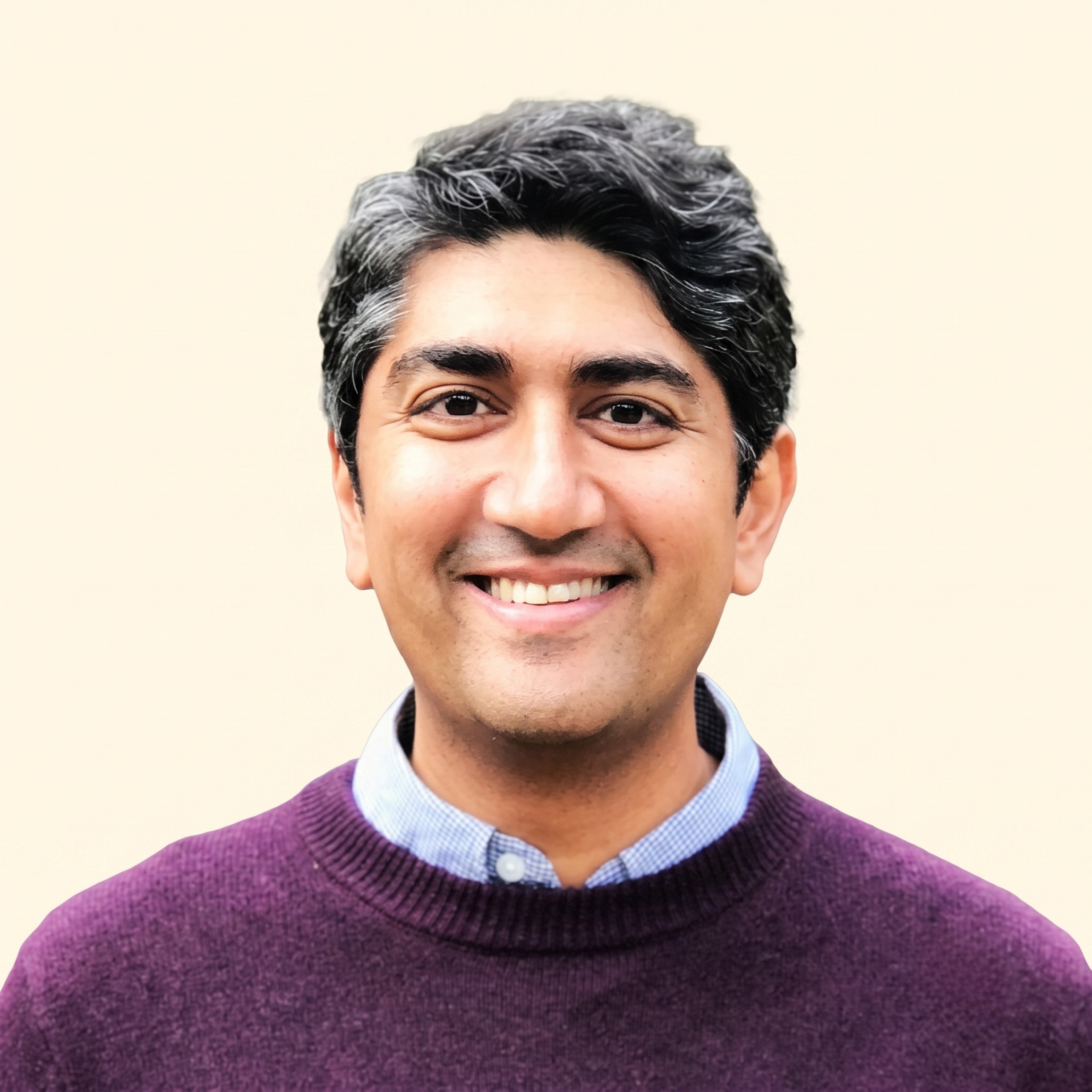 We Never Left the Industrial Age: AI and the Future of Work with Aneesh Raman 01.07.2026 41mntFresh out of the studio, Aneesh Raman, Chief Economic Opportunity Officer at LinkedIn and co-author of Open to Work: How to Get Ahead in the Age of AI, joins us to dismantle the flattened narrative that AI is simply taking jobs. His counter-thesis: work is changing, not ending — and we never truly left the industrial age, only traded the factory floor for the office floor. Aneesh walks through his three-bucket framework for auditing your week, the move from the career ladder to the career wall, and why the org chart is giving way to the work chart. He closes by reframing the current AI moment as a battle of belief, urging leaders and workers to move from anxiety to agency and bet on themselves. "We are in a battle of belief right now more than anything else. So stories matter a lot to humans. It's not just the tools we create, it's the stories we tell that have allowed us to become everything we've become. But whether it leads to better or worse... depends on the story we tell now. If we tell ourselves a story that it's going to lead to worse, it's more likely going to lead to worse. Because we have to unwind a lot of what the industrial age has told us to think about ourselves. A lot of industrial age work was about deficit management. I don't have the degree yet, I need to get it. I don't have the job title yet, I need to get it. We all started from a place of what we don't have, that we needed to get, in order to feel of value and succeed. This world..." - Aneesh RamanEpisode Highlights:[00:00] Quote of the Day by Aneesh Raman[01:55] Aneesh's origin story[04:00] The labour market: least efficient, transparent, dynamic market ever built[05:45] Career advice: worry about what you can control[07:19] Open to Work and the misaligned labour market[09:00] We never left the industrial age[10:36] Jobs are tasks, not titles — the software engineer example[11:50] The three buckets: automated, augmented, uniquely human[13:34] Gen Z: highest AI confidence, entrepreneurial by survival[15:49] The real gap: mid- and late-career professionals[16:13] Using the tool while rejecting the fatalism[18:06] Auditing your week: list twelve tasks, sort three buckets[20:22] Is there a cognitive ceiling? Bucket two for everyone[21:00] Human capability is a fraction; it's human with AI[23:34] Why the org chart emerged from the industrial age[25:30] Work-chart principles: capabilities, not categories[26:30] Managers as coaches and the rise of the super IC[27:37] Asia Pacific: a responsible AI-era workforce strategy[31:00] Anxiety to agency: we are in a battle of belief[32:10] Bet on yourself: from deficit management to asset inventory[34:07] How long is the window? Five years of experimentation[36:04] The question no one asks: what's possible?[36:23] The innovation explosion and the Lost Einsteins[38:02] Fifty years to outdo the last five hundred[38:17] What this all means for LinkedIn[40:30] RecommendationsProfile: Aneesh Raman, Chief Economic Opportunity Officer, LinkedIn and Co-Author of "Open to Work" LinkedIn: https://www.linkedin.com/in/aneeshraman/Open To Work: https://www.linkedin.com/opentowork/Podcast Information: Bernard Leong hosts and produces the show. The proper credits for the intro and end music are "Energetic Sports Drive." G. Thomas Craig mixed and edited the episode in both video and audio format. Here are the links to watch or listen to our podcast.Analyse Podcast Main Site: https://analysepodcast.com
 -
 If AI Models Have No Moat, What Are Investors Buying? with Benedict Evans 24.06.2026 57mntFresh out of the studio, Benedict Evans, independent technology analyst and author of AI Eats the World, returns to explore whether the AI model layer is becoming commodity infrastructure. Benedict argues there is no winner-takes-all effect in models yet, drawing parallels to telecoms, cloud, chips and the fiber bubble to ask where durable value actually accrues when everyone runs similar infrastructure on similar tokens. He unpacks why the chatbot remains a poor interface, introduces the "blank screen" and "jagged frontier" problems that keep software companies alive, and explains why large language models inherently give you "the average." Closing the conversation, Benedict reflects on the indicators that would show AI has truly eaten the world — and why the answer is better products, not better models."When you automate away work, you can always see the jobs that are going away because they're right there. And you don't know what the new jobs are going to be. Human needs are infinite. How many people are earning a living from making podcasts now? Imagine predicting that 10 years ago. There's a stage in the evolution of the market where like if you're still arguing about that, you're an idiot. But there's a stage at the beginning where you might have opinions about some of these questions, you're probably not even asking the right questions. That, I think, is where we are with this stuff today." — Benedict EvansEpisode Highlights: [00:00] Quote of the Day by Benedict Evans from AI Eats the World[01:16] The public market test: what are investors buying?[04:21] How far up the stack can models go?[05:30] Models can't build all the apps themselves[06:00] The thesis: models as commodity infrastructure[07:52] "All the value went up the stack"[08:24] Chips and Rock's Law: down to three players[11:23] The 1999 reseller story: one-time sales[13:28] The S-curve framing of technology[16:38] You're probably not asking the right questions on AI[18:02] "If this works, we're competing with a Mac"[20:25] Incumbents make it a feature[22:14] Big tech "killing startups" is overstated[24:39] Cowork as the new spreadsheet[26:01] The blank-screen and jagged-frontier problems[29:00] The hard part isn't writing the code[31:25] "What a good answer would probably look like"[33:38] The job displacement debate[37:38] Jevons paradox and the lump-of-labour fallacy[40:30] LLMs inherently give you the average[42:36] Why you really hire McKinsey[45:33] Punk versus prog rock: outside the training data[49:00] Automating ever-higher human functions[49:55] Why this is unanswerable: no theory of scaling[51:30] Indicators that AI has eaten the world[54:53] The solution isn't a better model[56:39] Where to find Benedict EvansProfile: Benedict Evans, Independent Technology AnalystLinkedIn: https://www.linkedin.com/in/benedictevans/Website: https://www.ben-evans.com/newsletterPodcast Information: Bernard Leong hosts and produces the show. The proper credits for the intro and end music are "Energetic Sports Drive." G. Thomas Craig mixed and edited the episode in both video and audio format.Here are the links to watch or listen to our podcast.Analyse Podcast Main Site: https://analysepodcast.comAnalyse Podcast Spotify: https://open.spotify.com/show/1kkRwzRZa4JCICr2vm0vGl Analyse Podcast Apple Podcasts: https://podcasts.apple.com/us/podcast/analyse-asia-with-bernard-leong/id914868245 Analyse Podcast LinkedIn: https://www.linkedin.com/company/analyse-podcast/Sign Up for Our This Week in Asia Newsletter: https://www.analysepodcast.com/#/portal/signup Subscribe Newsletter on LinkedIn https://www.linkedin.com/build-relation/newsletter-follow?entityUrn=7149559878934540288
 -
 Inside "Defending Taiwan": How to prevent a war between China and the US with Eyck Freymann 16.06.2026 1j 2mntFresh out of the studio, Eyck Freymann, Hoover fellow at Stanford and author of Defending Taiwan: A Strategy to Prevent War with China, joins us to explore why the Taiwan question will be decided by economics and coercion, not by invasion. Eyck unpacks the Thucydides Trap as a warning, not a prophecy, traces how Xi Jinping's Belt and Road statecraft shapes his approach to Taiwan, and contrasts a kinetic invasion with the "quarantine" scenario he fears most. He reframes 2027 as a capability milestone, recasts TSMC as a "silicon magnet" binding America to Taiwan, and flags Taiwan's 2028 election as the real flashpoint. Last but not least, Eyck argues the real task is to deter the crisis, not the war."For Beijing, I hope they will say: the United States actually does have a strategy to use every element of its national power to preserve peace and stability without provoking us, and we should not assume the United States is incapable of an effective response. In Taiwan, I think the lesson is: the United States trusts the people of Taiwan to choose the best future for themselves, and ultimately Taiwan's fate is up to the people of Taiwan to choose. That is the heart of what the American One China policy is about and must be about. The people of Taiwan must choose, and the United States will respect their choices. That is a profound insight that doesn't get said often enough." - Eyck FreymannEpisode Highlights:[00:00] Quote of the Day by Eyck Freymann from the Hoover Institution at Stanford[01:18] Eyck's origin story[04:02] When Taiwan deterrence pulled the threads together[06:33] Why the CCP embraces the Thucydides Trap[07:36] Belt and Road as decentralized statecraft[10:18] How Belt and Road consolidated Xi's power[11:39] Xi's legacy project: why Taiwan comes next[12:17] What gets lost without untranslated Chinese sources[14:12] China's unexplained nuclear breakout[16:23] Applied history: lessons from three mentors[19:50] Reframing the timeline: 2027 vs 2049[22:49] Declassifying the Davidson window[24:27] Is 2049 bound by Xi's resolution?[27:34] Cross-strait history and the counterintuitive lesson[29:28] Two scenarios: kinetic invasion vs customs quarantine[34:00] The TSMC financial-shock trigger[36:48] Strategic ambiguity vs structured ambiguity[42:39] The one thing few understand: it's all economic[44:39] The right and wrong asks of Southeast Asian neutrals[47:17] The silicon shield paradox and chip onshoring[50:19] Why the CHIPS Act won't replace Hsinchu[53:49] The January 2028 Taiwan election as a flashpoint[55:24] Meta-question: the neglected domestic politics of Taiwan[58:07] What success looks like for the book[60:14] ClosingProfile: Eyck Freymann, author of "Defending Taiwan" and Hoover FellowLinkedIn: https://www.linkedin.com/in/eyck-freymann/Personal Site: https://www.eyckfreymann.com/Podcast Information: Bernard Leong hosts and produces the show. The proper credits for the intro and end music are "Energetic Sports Drive." G. Thomas Craig mixed and edited the episode in both video and audio format. /Here are the links to watch or listen to our podcast.Analyse Podcast Main Site: https://analysepodcast.comAnalyse Podcast Spotify: https://open.spotify.com/show/1kkRwzRZa4JCICr2vm0vGl Analyse Podcast Apple Podcasts: https://podcasts.apple.com/us/podcast/analyse-asia-with-bernard-leong/id914868245 Analyse Podcast LinkedIn: https://www.linkedin.com/company/analyse-podcast/Sign Up for Our This Week in Asia Newsletter: https://www.analysepodcast.com/#/portal/signup Subscribe Newsletter on LinkedIn https://www.linkedin.com/build-relation/newsletter-follow?entityUrn=7149559878934540288
 -
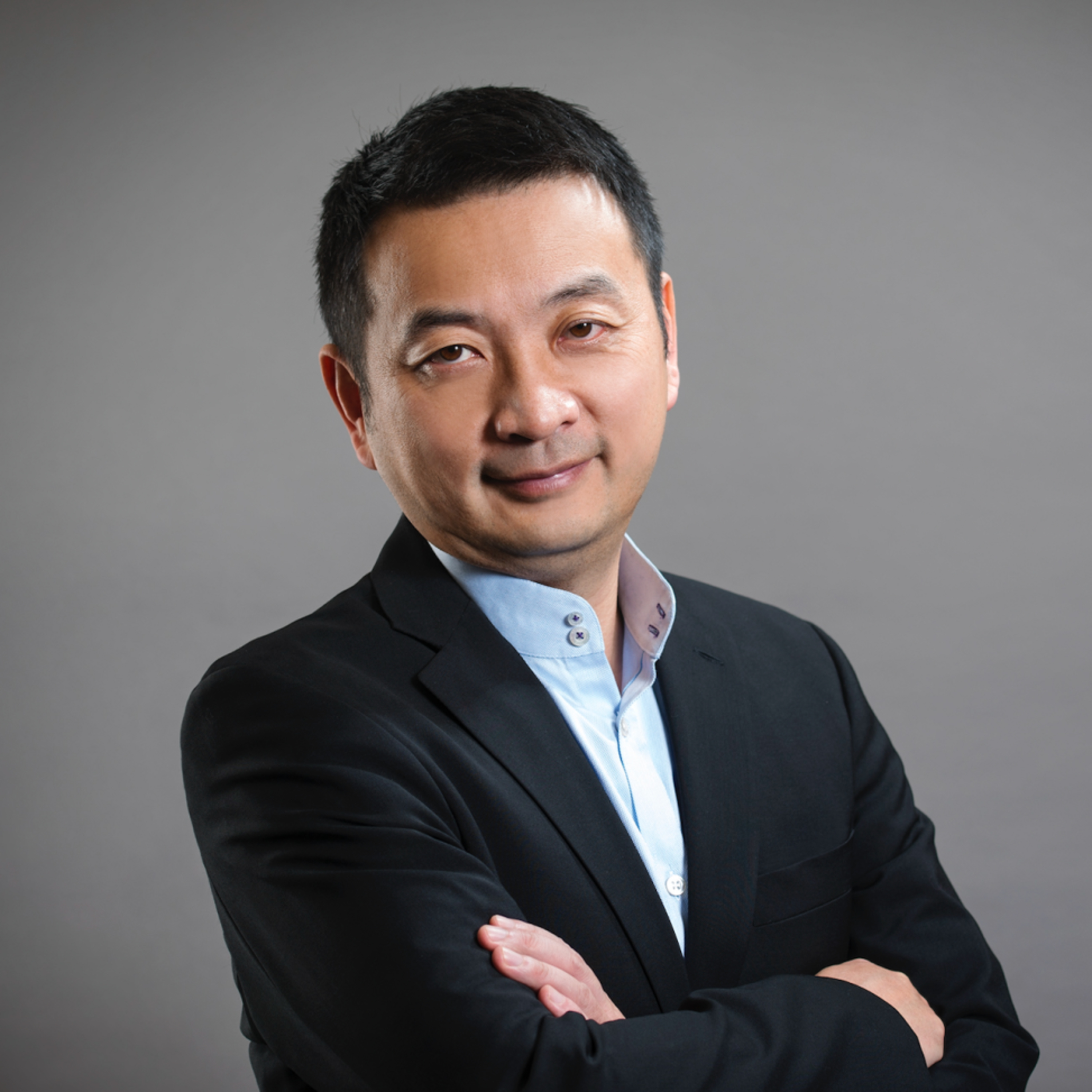 Innovationism: A New Philosophy for the Age of AI with James Liang 10.06.2026 1j 1mntFresh out of the studio, James Liang — Co-founder and Executive Chairman of Trip.com Group, economist, and author of Innovationism: A New Philosophy for the Age of AI — joins us to explore what becomes of human meaning when AI does the work. James argues that innovation and heritage are "the same coin": innovation measured by how much heritage it leaves behind. He unpacks why the individual, not the nation or firm, is the binding constraint on innovation, why aging societies stop producing startups, and how his Nature 2024 hybrid-work study reframes family-friendly policy as economically rational. Closing the conversation, James explains why he is bullish on China mid-term but bearish long-term — and why population, not chips, is the real race."To innovate and to innovate successfully is measured by how much heritage you generate. But you know what's a good innovation? What's innovation can have a lasting impact? In my definition, the good news is it's going to last." - James LiangEpisode Highlights:[00:00] Quote of the Day by James Liang, Chairman of Trip.com Group[01:06] Introduction: James Liang[03:18] Stepping down twice — the mobile wave he didn't see[05:57] Founder mode and returning to lead Trip.com[07:31] Three life lessons: a rich life, experience, family[09:44] Innovationism — why the book opens with his daughter[11:24] Core tenets: innovation and heritage as one coin[14:38] Innovation as writing a company's cultural values[16:00] What heritage really means[17:32] Distil to simplicity; learn more in the age of AI[19:00] The Nature 2024 hybrid-work experiment[19:44] Triple-win policies: employee, company, society[22:52] Innovation capacity — neurons, scale, connection[25:37] Three levels: nation, firm, individual[29:00] Why innovation cannot be planned top-down[30:21] Japan's missing startups; Korea and China compared[32:14] Hierarchy, vested interests, and blocked young talent[33:17] AI and moats — operators and the physical world[35:36] Education reform — stop filtering children too early[37:31] College as universal general education[40:00] Understanding still matters in the age of AI[41:46] What readers won't pick up from the page[42:14] The AI end game — master, child, or pet[43:27] Population as the safeguard against losing control[45:14] Technology ethics at the frontier[46:01] Longevity, fresh blood, and stagnation[49:19] Interstellar trips as Trip.com's next frontier[49:41] The biggest misconceptions about China's innovation[50:36] The big-country advantage in digital technology[52:23] Electric cars, life science, three times the talent[54:16] The China–US race — researchers as the real bottleneck[56:38] Why blocking China hurts the US more[57:42] The question James wishes people would ask[59:25] Success for innovationism — relax, travel, have children[61:22] ClosingProfile: James Liang, Co-founder, Executive Chairman of the Board, Trip.com Group and Author of "Innovationism: A New Philosophy for the Age of AI" LinkedIn: https://www.linkedin.com/in/james-liang-tripgroup/Trip.com Group: https://investors.trip.com/board-member/james-jianzhang-liangPodcast Information: Bernard Leong hosts and produces the show. The proper credits for the intro and end music are "Energetic Sports Drive." G. Thomas Craig mixed and edited the episode in both video and audio format.
 -
 Incorruptible: The Chapter The Lean Startup Missed with Eric Ries 03.06.2026 46mntFresh out of the studio, Eric Ries — author of the new book Incorruptible, founder of the Long-Term Stock Exchange, co-founder of Answer.AI, and author of The Lean Startup — joins Bernard Leong to discuss his blueprint for building mission-controlled companies that resist financial gravity. Eric explains why trustworthiness is the most underrated asset in business and why success, far from being a shield, makes companies a target worth capturing. He walks through the governance fortresses that have kept Costco, Novo Nordisk, and Patagonia true to mission for decades, and argues that today's so-called best practices have destroyed billions in shareholder value. The conversation turns to AI: which parts of the Lean Startup it accelerates, which parts it cannot, and why validated learning still lives only between the ears. Eric closes with a radical redefinition of profit as the maximization of human flourishing, and a challenge to Asia-Pacific leaders to leapfrog the governance failures the West is about to live through."We're helping people create this asset and we're teaching them the wrong idea. We're teaching them that success will protect them. But that's backwards. Success makes you a target worth capturing. And so that explained to me all these companies I saw that failed—not because they went out of business, not because they failed to create value, they failed because of their success." - Eric RiesProfile: Eric Ries, Founder of the Long-Term Stock Exchange, co-founder of Answer.AI, and author of The Lean Startup. LinkedIn: https://www.linkedin.com/in/eries/ Personal Site: https://www.incorruptible.co/ Episode Highlights: [00:00] Quote of the Day by Eric Ries from *Incorruptible*[00:45] Introduction: Eric Ries, author of "Incorriptible" & "The Lean Startup"[01:11] Pulling the thread from programming to accountability[03:12] Lean Startup built companies; didn't teach protection[05:15] The billionaire dancing alone at the party[06:09] Trustworthiness: business's most underrated asset[07:18] Why success makes you a target[08:19] Today's best practices destroy value[09:19] Costco's governance fortress defends customer experience[09:54] Novo Nordisk's 100-year foundation structure[11:12] AI and the Lean Startup on steroids[14:09] MVP advantage dies when everyone has AI[15:39] The professor with the dangerous biotech breakthrough[17:13] Investors revealed as amoral actors[18:13] The builder's intuition: create then capture value[20:52] Protecting research from capital's gravitational pull[23:30] Organizations are literally alive[25:26] More humans, worse collective problem-solving[25:46] Moral character as an emergent property[27:25] Current profit definition has fatal blind spots[30:13] Hitman marketplace: humans as input factor[32:29] Surrogation: the measurement becomes the target[33:51] The pre-IPO team laughing after CEO leaves[36:36] Vatican conference on AI governance[38:00] Emperor-for-life founders carry impossible burden[41:31] Best practices young; ancient wisdom forgotten[44:40] ClosingPodcast Information: Bernard Leong hosts and produces the show. The proper credits for the intro and end music are "Energetic Sports Drive." G. Thomas Craig mixed and edited the episode in both video and audio format. Here are the links to watch or listen to our podcast.Analyse Podcast Main Site: https://analysepodcast.comSign Up for Our This Week in Asia Newsletter: https://www.analysepodcast.com/#/portal/signup Subscribe Newsletter on LinkedIn https://www.linkedin.com/build-relation/newsletter-follow?entityUrn=7149559878934540288
 -
 Steve Jobs in Exile with Geoffrey Cain 27.05.2026 1j 2mntFresh out of the studio, Geoffrey Cain, author of Steve Jobs in Exile and Samsung Rising, returns to the Analyse Podcast to argue that the twelve years between Jobs's 1985 ouster and his 1997 return to Apple were not a footnote but the forge. Drawing on private archives at Carnegie Mellon and Stanford, unbroadcast footage from inside NeXT, and interviews with the people who lived it, Cain reframes the wilderness decade as the cause, not the gap, in Jobs's transformation. We trace the NeXT collapse and the failed IBM licensing deal, the parallel crucible of Pixar where Catmull and Lasseter barred Jobs from creative meetings, and the deep Japanese and Zen influences — Akio Morita, Sony, the beginner's mind — that Isaacson and Schlender underplayed. We close on Apple at fifty, John Ternus's ascent, and what Jobs would have done with AI. "The successes that we see in the world for every iPhone there is, for every SpaceX rocket there are perhaps dozens or maybe even hundreds of failures behind that we don't see. And so the wilderness, as they call it, this is the greatest moment in the lives of many founders. It's the wilderness that we all have to go through before we can achieve greatness, and if we don't go through that, then we don't learn those lessons." - Geoffrey Cain Profile: Geoffrey Cain, author of "Steve Jobs in Exile"LinkedIn: https://www.linkedin.com/in/gcain/Personal Site: https://geoffreycain.net/Episode Highlights: [00:00] Quote of the Day by Geoffrey Cain, author of Steve Jobs in Exile [00:30] What Geoffrey has been up after his first book: Samsung Rising [04:05] Working in the US House on technology policy & rebuilding America's industrial base [04:50] De-industrialisation, and rebuilding America's industrial base [05:24] The central thesis on Steve Job's exile [07:13] The Steve Jobs we don't know — before the turtleneck and the iPhone[09:07] The wilderness — where every great founder is forged[12:30] The failed coup against John Sculley[14:10] Was Jobs early or wrong about what universities needed?[16:31] Object-oriented programming — the real innovation Jobs couldn't see[18:36] Jobs of 1997 was not the Jobs of 1985[20:00] Technology does not change the world — it makes things easier[22:38] The butterfly effect — if NeXT had gone differently, no iPhone[25:13] A failure of ego — Jobs versus the company he hated[28:49] NeXTstep — twenty years into the future in 1990[32:24] Pixar as the parallel crucible — bought for $5 million[35:25] Toy Story and the IPO that made Jobs a billionaire[38:57] What the NeXT and Pixar years really reveal[40:38] Three biographies, three frames — Isaacson, Schlender, Cain[45:26] Why NeXT became the ugly duckling of Apple lore[48:12] The Japanese influence Isaacson never pulled on[51:30] Apple at fifty — Ternus and the era of execution over reinvention[54:11] How Jobs would integrate AI — quiet, in the background[55:10] The Apple-Google Gemini partnership and swallowed pride[56:38] Jobs as second mover — Macintosh, iPhone, the bicycle for the mind[57:30] Why ChatGPT and Claude would look ugly to Jobs[1:00:30] What NeXT veterans say about the Ternus appointment[01:02:33] What success means for the book[01:03:13] Closing Podcast Information: Bernard Leong hosts and produces the show. The proper credits for the intro and end music are "Energetic Sports Drive." G. Thomas Craig mixed and edited the episode in both video and audio format. Here are the links to watch or listen to our podcast.Analyse Podcast Main Site: https://analysepodcast.com
 -
 Inside Singapore's AI Bet for 2030 with Kiren Kumar 18.05.2026 48mntFresh out of the studio, Bernard Leong sits down with Kiren Kumar, Deputy Chief Executive of the Infocomm Media Development Authority (IMDA) Singapore, for a conversation on how Singapore is building trusted AI at national scale. Kiren traces IMDA's arc from the 2018 Model AI Governance Framework to the Agentic AI framework launched at Davos this year, the four AI missions — advanced manufacturing, finance, connectivity, and healthcare — anchoring the next strategic bound, and the programs moving enterprises from pilots to production. He argues the real blocker is leadership rather than policy, that trust is Singapore's enduring competitive moat, and that the country must shift from 10% productivity gains to 10X transformation. The conversation closes with a preview of ATx Summit 2026 and what great looks like for Singapore's AI economy by the early 2030s."What would be amazing to see in Singapore is, number one, we have our large companies truly transforming themselves and becoming way bigger than they are today in the global competitive landscape—in manufacturing, in finance, in healthcare, and in connectivity. That's one. The second one is we are known globally as an economy where everybody in our workforce is AI-ready. Yeah, is AI fluent. The third thing I'm hoping to see is we have amazing AI native startups being born in our ecosystem, which are global in the niche areas that they can play in. We may not have the next OpenAI, but I'm hoping that we have a lot of new AI native technology companies that are developing products and services and solutions enabled by AI, powered by AI, transforming industries and creating a lot of growth." - Kiren Kumar Episode Highlights: [00:00] Quote of the Day by Kiren Kumar from IMDA Singapore[02:24] Origin story — Singapore, Stanford, dotcom crash[05:00] Digital economy now 19% of Singapore's GDP[08:08] Career advice — start at a startup first[09:04] IMDA's four core mandates explained[11:47] Trust as Singapore's enduring brand advantage[12:48] Co-create with industry rather than regulate[14:09] Why agentic AI changes the governance equation[15:18] Pilots versus production — the hard transition[17:18] Forward deployed engineers as scarce commodity[18:55] Why agentic AI needed a separate framework[20:23] SME AI adoption tripled in a single year[21:36] From 10% productivity to 10X transformation[24:20] SME Go Digital — 100,000 SMEs in ten years[25:40] Leadership, not policy, is the real blocker[30:46] National AI Impact Program upskills 100,000[34:50] Four missions — manufacturing, finance, connectivity, healthcare[35:49] Owning the global AI standards layer[38:01] ATx Summit 2026 themes and headliners[41:07] What Singapore must get right by 2030[42:05] AI is a contact sport — just start[44:36] What great looks like — companies, workforce, startups[46:52] ClosingProfile: Kiren Kumar, Deputy Chief Executive Officer, Infocomm Media Development Authority (or IMDA), Singapore (LinkedIn) Podcast Information: Bernard Leong hosts and produces the Analyse Podcast show. The proper credits for the intro and end music are "Energetic Sports Drive." G. Thomas Craig mixed and edited the episode in both video and audio format.
 -
 Inside Pulse ID's Playbook for AI-Driven Banking with Alex Topaloski 14.05.2026 42mntFresh out of the studio, Alex Topaloski, CEO and Co-founder of Pulse ID joined us in a conversation on his company's customer engagement infrastructure powering Visa's cardholder offers across Asia Pacific. Drawing on Pulse ID's recent white paper, The Age of Knowing, Alex unpacks the three forces reshaping bank loyalty: interchange, partnerships, and intelligence. He explains why banks have solved the data problem but still struggle with engagement, walks through agentic AI architectures and the minimum effective nudge principle, and lays out why Asia-Pacific diversity demands distinct playbooks for Australia, Japan, and Southeast Asia. Closing out, Alex argues the next 12 months belong to banks that prioritize the last mile — where ROI on a decade of data investment finally lands and lays out what great would look life for Pulse ID moving forward."So we are making that transition from being a system-of-record platform for engagement, loyalty, and rewards to being a system-of-action platform that drives measurable behavioral change. And I think that is quite a big step forward. The efficiencies that clients are able to get—the outcomes, the revenue, ROIs that it can get on interactions—it's something that people are now going to start experiencing." - Alex TopaloskiEpisode Highlights:[00:00] Quote of the Day by Alex Topaloski, CEO of Pulse ID[01:13] Introduction: Alex's career journey[03:41] Pulse ID: Infrastructure platforms as invisible organs[06:26] Lifelong learning as the hardest conviction to hold[08:11] What Pulse ID does as a B2B fintech infrastructure company[09:26] Defining the era of intelligence[10:56] Two stages: data architecture, then engagement[12:56] Why super apps deliver smoother journeys than banks[16:11] Why loyalty platforms struggle to absorb new signals[17:26] Why customer engagement is the wrong primary KPI[19:41] MCP as a way to act without seeing the full data[20:26] The Visa, GCash, JCB partnership playbook[22:41] Why move-fast-break-things fails in B2B finance[24:11] Smart pricing as the hardest model to scale[25:26] Operating across Singapore, Japan, ANZ, UAE, Oman[27:56] Multiple AI brains across the stack[29:26] The guardrail principle: AI selects tools, not data[31:11] System of record to system of action[34:11] Where the moat sits when foundation models commoditize[35:56] The Asia-Pacific market diversity playbook[38:41] The boardroom decision in the next 12 months[40:56] What great looks like for Pulse ID[41:41] Book recommendation: The FountainheadProfile: Alex Topaloski, CEO of Pulse IDMain Site: https://www.pulseid.com/LinkedIn: https://www.linkedin.com/in/topaloski/Podcast Information: Bernard Leong hosts and produces the show. The proper credits for the intro and end music are "Energetic Sports Drive." G. Thomas Craig mixed and edited the episode in both video and audio format.
 -
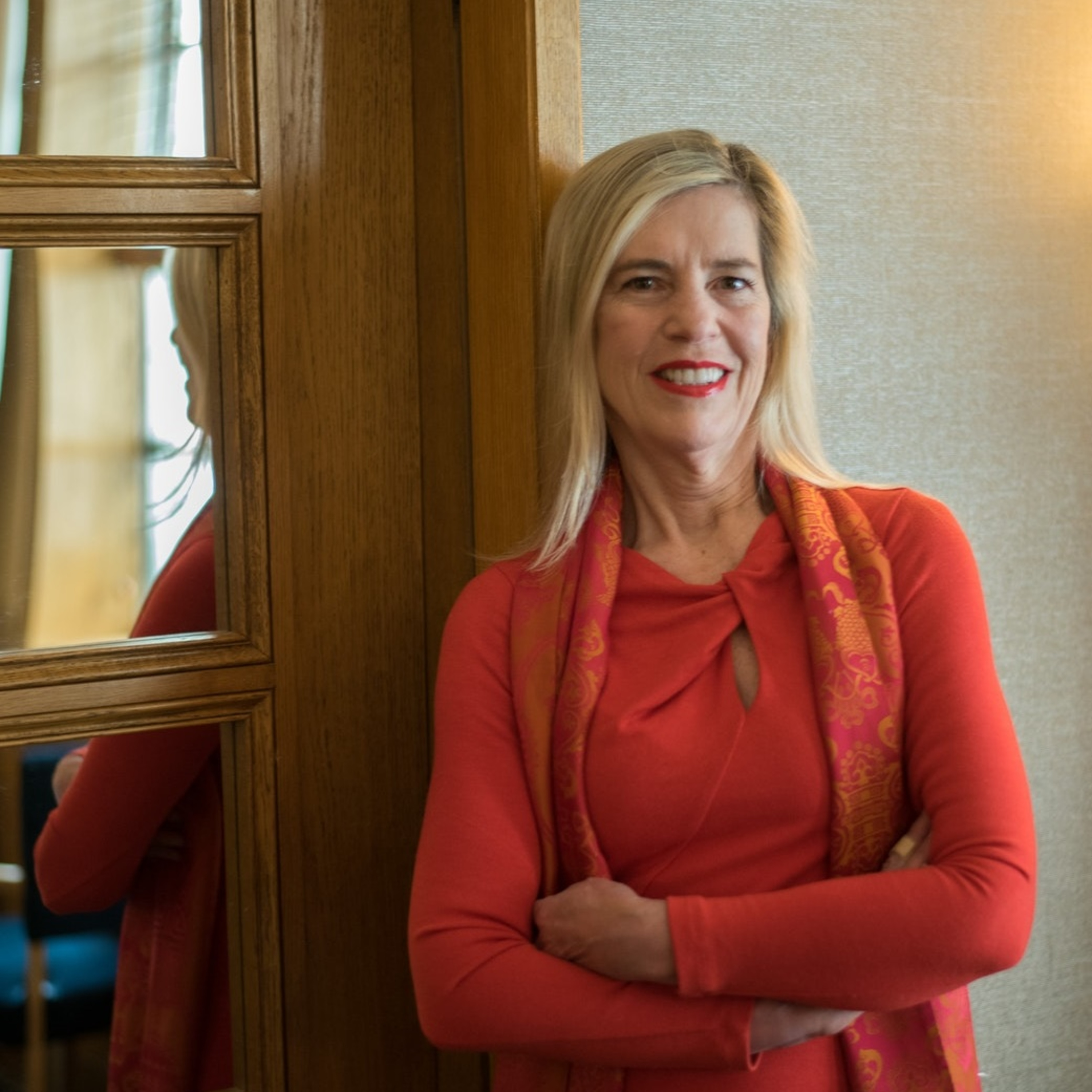 From Copier to Innovator: The Tech Titans of China with Rebecca Fannin 04.05.2026 37mnt"Many of these AI advancements, where the U.S. is more on the innovative theoretical side of creating new models... China's really ahead on commercializing them, and that's their advantage. I think saying that China and the U.S. are equivalent in AI is probably an overstatement. I think the AI center of innovation continues to be in Silicon Valley. This could change—the gap is closing. I do think the U.S. is still ahead, but I think China is catching up."Fresh out of the studio, Bernard Leong reconnects with Rebecca Fannin, founder of Silicon Dragon Ventures and author of Tech Titans of China, six years on from their first conversation about the original landmark book. Rebecca traces China's transformation from copier to innovator, the decoupling of US-China venture capital and the reroute of capital flows toward the Middle East and Southeast Asia, and an AI race where China commercialises while the US theorises. The conversation moves through Chinese EV dominance, humanoid robotics, and semiconductor self-sufficiency, before opening out to a multipolar tech order with India and Saudi Arabia rising. She closes with a hopeful note on reopening US-China collaboration.Episode Highlights:[00:00] Quote of the Day by Rebecca Fannin from Silicon Dragon Ventures[01:00] Introduction: Rebecca Fannin[03:00] From copier to innovator: the global perception shift[04:00] BAT plus ByteDance: still the tech titans[05:30] Beyond BAT: TMD, ByteDance, DiDi go global[07:00] Temu and the de minimis tariff hit[09:00] Cross-border VC decouples: Sequoia, GGV split[10:00] Capital reroutes to the Middle East and Singapore[11:30] No more golden era for cross-Pacific VC[12:00] AI, quantum, semiconductor funding dries up[13:00] The 2020-2023 crackdown and Beijing's reset[15:00] Apple's supply chain dependency hard to unwind[16:00] The AI race: Chinese open-source models surge[17:30] China commercialises, the US theorises[18:30] Silicon Valley adopts 996 and Chinese-style attacks[20:30] Chinese EVs surpass Tesla and European makers[22:00] Why Xiaomi built a car where Apple couldn't[22:30] DJI, Unitree, UBTech: China's robotics dominance[24:00] Humanoid robots and the policy maker dilemma[25:00] China's semiconductor self-sufficiency push[25:30] Nvidia export controls and the SMIC question[27:00] What few in the West truly understood five years ago[28:00] Quantum computing as the long-term frontier bet[29:00] Beyond binary: India, ASEAN, Saudi Arabia, Israel[31:30] Why China's rise became the biggest tech story[33:00] Hope for a reopening of US-China collaboration[33:30] ClosingProfile: Rebecca Fannin, Author of "The New Tech Titans of China" and Silicon Dragon VenturesLinkedIn: https://www.linkedin.com/in/rebecca-fannin-533128/Podcast Information: Bernard Leong hosts and produces the show. The proper credits for the intro and end music are "Energetic Sports Drive." G. Thomas Craig mixed and edited the episode in both video and audio format.
 -
 How AI Is Rewriting the Future of Trust and Safety with Yoel Roth 29.04.2026 54mnt"The word I always come back to when I think of the future of trust and safety is governance. We are no longer just making moderation decisions. We're no longer just banning people or deleting posts or removing accounts. We are ultimately responsible for overseeing the health of the platforms and communities that we've created. Especially in an age of AI, I think there's a huge role for the field of trust and safety in overseeing the decisions that AI makes. In a world where we automate more of our decisions, that doesn't mean that we don't have jobs anymore. It means that our jobs change. And our jobs change to being auditors and overseers of automated decisions. And then when we find problems, we're the people who are now responsible for engineering solutions to them." - Yoel RothFresh out of the studio, Yoel Roth, Senior Vice President and Head of Trust and Safety at Match Group, joins Bernard Leong to trace how trust and safety has evolved from a behind-the-scenes function into a board-level discipline. Drawing on his earlier work in Twitter (now known as X) and his current work across the different portfolio companies under Match Group: Tinder, Hinge, and OkCupid, Yoel reframes online fraud as an economics problem — why a new face costs scammers more than a new SIM card. He unpacks why anonymity does not cause online abuse, compares the American, European, and Chinese regulatory models, and argues trust and safety belongs alongside customer acquisition cost (CAC) as a growth lever. The future, he closes with what great would look like, is governance — AI shifting practitioners from moderators to auditors.Episode Highlights[00:00] Quote of the Day by Yoel Roth from Match Group[01:13] Introduction: Yoel Roth from Match Group[04:30] Content moderation as governance, not just policy[06:30] A front-row seat to platform governance debates[09:00] Protecting public-facing employees from threats[10:30] First shift in trust and safety: regulation goes global[11:30] Shift: from reactive to proactive[14:30] 98% of Match Group's revenue depends on safety[16:30] Tinder Face Check and the case for friction[18:00] Biggest mistakes in building trust and safety[23:30] Why scammers target dating platforms specifically[26:00] A new face costs more than a new SIM[30:30] AI as decision enablement, not replacement[34:00] Detection plus intervention against AI deepfakes[38:00] Three regulatory regimes shaping the internet[40:00] What regulators misunderstand about dating apps[44:30] Why the future of trust and safety is governance[47:30] Spencer Rascoff and the CAC reframe[49:00] Resilience and mission in trust and safety work[51:30] ClosingProfile: Yoel Roth, Senior Vice President, Trust & Safety, Match GroupLinkedIn: https://www.linkedin.com/in/yoelroth/Personal Website: https://yoyoel.com/Podcast Information: Bernard Leong hosts and produces the show. The proper credits for the intro and end music are "Energetic Sports Drive." G. Thomas Craig mixed and edited the episode in both video and audio format.
 -
 From Token2049 to SuperAI: Architecting Global Tech Convergence with Peter Noszek 20.04.2026 48mntFresh out of the studio, Peter Noszek, co-founder of SuperAI and TOKEN2049 join us on a conversation that maps the widening gap between Silicon Valley's creative intensity and Asia's underutilised compute infrastructure — including 900 megawatts of GPU capacity in Johor, Malaysia sitting at low utilisation because the routing layer between US demand and Asian supply simply doesn't exist yet. Peter introduces Pax Silica, his thesis that Singapore can serve as the neutral ground where fragmented AI communities from East and West converge through curated rooms, cultural bridging, and unreasonable hospitality. They explore why the Bay Area still doesn't understand Asia, the 12-to-18-month window before GPU backlogs clear, Singapore's unique "one to a hundred" positioning for enterprise distribution, and why AI agents — from Coinbase x402 transactions to Meta's agent-to-agent one-on-ones — are already reshaping how coordination happens at scale."I'm of like a hundred percent conviction that the majority of times when something is not aligned, it's a case of miscommunication. An inability of information to flow properly between people. And in this highly digitalized, highly fragmented and siloed world that we operate in, those things are usually not present. So bringing people into the same room and bringing them into an environment where they feel natural—as long as that room is curated in the right way—that's really going to open up these sort of icebreakers that then lead to creativity, to ideation, and to realizing that we're actually all trying to do the same thing and we're all just trying to make this entire pie grow bigger." - Peter NoszekEpisode Highlights: [00:00] Quote of the Day by Peter Noszek, co-founder of SuperAI and TOKEN2049[01:21] Peter Noszek's origin story[04:30] SuperAI as bridge across siloed frontier tech nodes[07:34] The Bay Area hive mind and its velocity on AI[08:27] Bay Area fragmentation versus Singapore's unified strategy[10:14] Chinese frontier models: fork on approach, convergence on distribution[14:41] The infrastructure shift from GPUs to energy[17:08] Data centres in space versus a 15-hour flight to Asia[19:15] Pax Silica: composing rooms that break the ice[22:10] The 12 to 18-month window for Asia's underutilised compute[24:13] Gulf energy, European bottlenecks, and the geography of compute[26:00] Is AI in Asian financial services still pilot theatre?[28:42] When does an AI agent stop being a tool?[31:25] Coinbase x402 and AI-agent transactions[32:47] OpenClaude adoption: Singapore ahead of Silicon Valley[33:42] SuperAI 2025 Pulse survey: the agent thesis, called correctly[34:59] SuperAI 2026's six tracks — from frontier models to society[38:26] Collaboration over competition in the paradigm shift[41:16] Five-year view: open models and agent-run logistics[44:32] ClosingProfile: Peter Noszek, Co-Founder, SuperAI and Token2049 ConferenceLinkedIn: https://www.linkedin.com/in/petergnoszekPodcast Information: Bernard Leong hosts and produces the show. The proper credits for the intro and end music are "Energetic Sports Drive." G. Thomas Craig mixed and edited the episode in both video and audio format. Our Official Site: https://www.analysepodcast.com
 -
 The Agentic SOC: How Splunk Security Transforms Enterprises in the Age of AI with John Morgan 13.04.2026 23mntFresh out of the studio with John Morgan, Senior Vice President and General Manager of Splunk Security at Cisco. The conversation unpacks the AI inflection point reshaping security operations — from the explosion of machine data (set to more than double in three years) to the rise of the agentic SOC, where AI agents handle detection, investigation, and response while humans focus on high-stakes decisions. John breaks down why attackers armed with AI now exploit zero-days in hours instead of weeks, why security must start with observability (including the challenge of "shadow AI"), and how CISOs are evolving from technical gatekeepers into board-level business enablers. His parting message: the entire world is learning AI together — get to it with his perspective on what great looks like for Splunk Security moving forward. "The volume is increasing quite a bit. We expect in the next three years it’s gonna double. Attackers do not have a governance of regulatory and compliance restrictions on them. They just go at it and see what works. And so the volume, sophistication, speed of attacks—the only way to defend against it is to automate your responses to it. One thing that folks outside of the industry don’t maybe get is just how large the attack surface is. And how hard it is to stop—attackers need to just find one way in, and you’re trying to defend all ways in." - John MorganEpisode Highlights:[00:00] Quote of the Day by John Morgan from Splunk Security[00:50] John's path from technologist to cybersecurity leader[01:35] Leading Splunk Security: the mandate and mission[02:20] Why Cisco and Splunk have a disproportionate AI advantage[03:18] It's not the technology — it's the human beings[04:26] Why more data demands better curation and context[05:00] AI as both signal generator and attack surface creator[06:12] Where the bottleneck sits: ingestion, analysis, or response[07:10] Splunk at the intersection of observability and security[08:29] The evolving CISO role: gatekeeper to board-level risk officer[10:22] Defining the agentic SOC and where it's heading[12:00] Alert fatigue and how agentic approaches change the dynamic[13:56] Singapore Airlines: real customer outcomes from AI security[14:47] The AI arms race: who has the structural advantage[16:11] What a mature AI-native security platform looks like[17:19] How AI is changing detection from rules-based to correlation[18:35] Advice to CISOs: observe, trust, automate[19:41] The one question John wishes more CISOs would ask[20:22] The next five years — and why five years is too slow[21:20] ClosingProfile: John Morgan, GM and SVP, Splunk Security, CiscoLinkedIn: https://www.linkedin.com/in/johnmorganinc/Podcast Information: Bernard Leong hosts and produces the show. The proper credits for the intro and end music are "Energetic Sports Drive." G. Thomas Craig mixed and edited the episode in both video and audio format. This episode is recorded in Poddster Singapore. Here are the links to watch or listen to our podcast.Analyse Asia Main Site: https://analyse.asiaAnalyse Asia Spotify: https://open.spotify.com/show/1kkRwzRZa4JCICr2vm0vGl Analyse Asia Apple Podcasts: https://podcasts.apple.com/us/podcast/analyse-asia-with-bernard-leong/id914868245 Analyse Asia LinkedIn: https://www.linkedin.com/company/analyse-asia/Analyse Asia X (formerly known as Twitter): https://twitter.com/analyseasiaSign Up for Our This Week in Asia Newsletter: https://www.analyse.asia/#/portal/signup Subscribe Newsletter on LinkedIn https://www.linkedin.com/build-relation/newsletter-follow?entityUrn=7149559878934540288
 -
 Building the World's Largest Podcast Studio Network: Poddster & Podyx with Borko Kovacevic 01.04.2026 1j 2mntFresh out of the studio, Borko Kovacevic, Co-founder of Poddster and Podyx, joins us to explore how he is building the world's largest podcast studio network and the operating system behind it. He shares his career journey from nearly 17 years at Microsoft across Central Europe and Asia Pacific, to making the entrepreneurial leap and launching Poddster's first flagship studio in Dubai, followed by Singapore. Borko explains how Poddster scaled by treating operations like software — standardizing over the operational framework to run studios from UAE and Singapore to now globally across the world while building a flywheel connecting corporate brands with authentic content creators. He unpacks how Podyx, the software spinoff, hit 24 markets with zero churn on day one. Closing the conversation, Borko shares why frequency and consistency in content creation — not polish — is the single most underestimated edge in the AI era, and what great looks like for Poddster and Podyx as a global studio network and platform."So what people underestimate is frequency and consistency in posting content beats everything else. Because the future internet is about you being available online and you providing enough content, enough material, that the algorithms learn about you. If they learn enough about you, you will be recommended in searches, you will do better on SEO, you will become more discoverable than anybody else. And that's the part which I think people underestimate." - Borko KovacevicEpisode Highlights: [00:00] Quote of the Day by Borko Kovacevic [01:00] Introduction: Borko Kovacevic [03:17] The danger of corporate complacency & achieving success too early[07:00] The leap: why he finally decided to leave Microsoft and build something[10:13] The origin story of Poddster — not planned, born from a co-founder complaint[13:00] Building a mini studio prototype inside Microsoft; discovering the market gap[16:33] Modelling Poddster like McDonald's: 90% of operations standardized and repeatable[18:23] Building the flywheel: connecting corporates with content creators at scale[23:00] The global studio partner network — a community of 150+ studio owners globally[26:12] The roadmap: New York by September, then Los Angeles and London[32:10] How Podyx was born — a prototype to solve Poddster' own booking chaos[33:47] Why existing booking tools (Calendly, Acuity) didn't fit the podcasting workflow[36:55] Podyx metrics: $6M+ in transactions, 160 paying studios across 24 markets, zero churn[37:15] Stripe named Podyx fastest-growing vertical SaaS startup from Singapore[38:34] Founder-led sales: Borko personally onboarded the first 50+ studios on calls[42:23] Making a services business operate like software — what can actually be productized[44:48] The test for every new process: can you repeat it 10 more times across locations?[49:48] The one thing most people don't know about podcasting: frequency beats polish[50:42] LLMs and agents will train on your content — why posting consistently is the real SEO[54:14] Creators vs. corporates: fundamentally different problems.[56:00] Corporates discovering long-form: the end of scripted media interviews[58:22] The AWS-Cisco example: executive dialogue that earns trust without selling[01:03:13] What great looks like for Poddster and Podyx in the next few yearsProfile: Borko Kovacevic, co-founder of Poddster and PodyxLinkedIn: https://www.linkedin.com/in/borko-kovacevic/Poddster Website: https://poddster.comPodyx Website: https://podyx.comPodcast Information: Bernard Leong hosts and produces the show. The proper credits for the intro and end music are "Energetic Sports Drive." G. Thomas Craig mixed and edited the episode in both video and audio format. This episode is recorded in Poddster Singapore and full disclosure: Bernard is an investor to Podyx.
 -
 Elastic: From Search Recipes to AI Infrastructure at Scale with Ken Exner 24.03.2026 38mntFresh out of the studio, Ken Exner, Chief Product Officer at Elastic, joins us to explore how Elastic evolved from the world's most popular open-source search engine into the context layer powering modern AI applications and agent systems. He shares his career journey from database programming to over 16 years at Amazon building AWS resilience practices, and now leading product strategy where search, observability, and security converge into a unified AI platform. Ken explains why context engineering is the defining discipline of the AI age, where developers become managers of agents, and how Elastic's 15-year enterprise head start positions it as the foundational retrieval layer between enterprise data and LLMs."I like to think of the future of software development is—developers will be managers of agents. They're no longer going to be ICs [Individual Contributors], they’re going to be managers. Every developer is going to be a manager of agents and they’re going to be doing context engineering. They’re going to be figuring out how to pass context and data to an LLM or an agent. And they’re going to be goal setting. They’re going to have their team of agents, and they’re going to give them goals, and they’re going to review the output." - Ken Exner Episode Highlights: [00:00] Quote of the Day by Ken Exner from Elastic[00:51] Ken's origin story: database programmer to Amazon[02:07] What attracted Ken to Elastic[02:51] Lessons from building resilient systems at AWS[04:34] How Elastic evolved from search to AI infrastructure[07:06] Elastic today: context engineering, observability, security[09:42] Why observability will be fundamentally transformed by AI[10:48] How early vector search prepared Elastic for GenAI[12:53] Context engineering: ingestion, retrieval, evaluation[15:39] The 10-year head start over purpose-built competitors[20:57] A developer's day is now all context engineering[24:16] Elastic as the bridge between enterprise data and LLMs[26:13] Agent Builder capabilities for customers[28:09] Data, tools, and context in the Elastic framework[29:39] Elastic on battleships and a Mars rover[31:00] The disorienting acceleration of AI coding models[32:07] Developers will be managers of agents[34:00] Authentication and identity for autonomous agents[35:30] Great in five years: the foundational AI layer[36:14] Disrupting observability and security from within[36:36] ClosingProfile: Ken Exner, Chief Product Officer, ElasticLinkedIn: https://www.linkedin.com/in/ken-exner-b914542/Podcast Information: Bernard Leong hosts and produces the show. The proper credits for the intro and end music are "Energetic Sports Drive." G. Thomas Craig mixed and edited the episode in both video and audio format.
Podcast serupa


Populer di
Podcast ini juga muncul di daftar podcast negara-negara ini.
