
The Dr. Robert Whitfield Show
Robert Whitfield MD
0
Dr. Robert Whitfield, a board-certified plastic surgeon, hosts this show focusing on cosmetic augmentation devices and their removal. He discusses symptoms, diagnosis, and treatment options for health complications linked to these prosthetics, including BIA-ALCL. Through conversations with patients and experts, the podcast provides critical information for those considering device removal or experiencing related symptoms.
Episode
-
 Episode 188: Fat Transfer to Breasts vs Implants - What to Know 01.10.2026 46mntThinking about natural breast augmentation without implants? Dr. Robert Whitfield explains who is a candidate for fat transfer to the breasts, what it can and can't restore, and why preparation matters more than anything. In this episode, learn the 4 most common situations for fat transfer — after breastfeeding, with explant, delayed after explant, and natural augmentation — plus how fat is harvested, processed, and placed, recovery tips, DEXA scan testing, and myths about mammograms and PRP. Have you been told you're too thin for fat transfer? Watch this first. In This Video:- Natural breast augmentation vs implants- Fat transfer with explant and delayed fat transfer- Breastfeeding volume loss: fat vs lift- How fat harvesting and placement works- Recovery, BMI, and keeping your results- Mammograms, age, diabetes and candidacyAbout: Dr. Robert Whitfield with Aloe Skin + Body specializes in holistic breast explant and natural reconstruction.#naturalbreastaugmentation #fattransfer #breastexplant
 -
 Episode 187: Breast Implants & Cancer Risk: What Every Woman Must Know About BIA-ALCL 24.09.2026 50mntBreast Implant Swelling Years Later? It Might Not Be a Rupture — A Surgeon Explains BIA-ALCL If you have breast implants and notice new swelling, asymmetry, pain, or a mass years after surgery, do not assume it is just a rupture. In this video, Dr. Robert Whitfield explains Breast Implant-Associated Anaplastic Large Cell Lymphoma (BIA-ALCL) — a rare T-cell lymphoma that develops in the capsule and scar tissue around the implant, not in the breast gland itself. You will learn:- What BIA-ALCL is and why it is not breast cancer- Why textured implants carry the highest risk signal, and why smooth implants have no confirmed cases- Warning signs to watch for: delayed fluid collection (seroma), breast enlargement, asymmetry, late pain, a mass, or worsening capsular contracture- How it is diagnosed: ultrasound, fluid aspiration testing for CD30, and biopsy for solid masses- Why complete removal of the implant and the entire capsule (total intact en bloc capsulectomy) is curative when caught early- Why you should not rush to remove your implants if you have no symptomsDr. Whitfield also explains why surgical technique matters, including a patient story where meticulous explant surgery uncovered a hidden cancer and saved a life. This video is for educational purposes only and is not medical advice. If you have new late swelling, a mass, or an unexplained change, see your provider promptly and ask about an ultrasound evaluation. About: Aloe Skin + Body by Dr. Whitfield — professional medical and aesthetic skincare, breast health, and body wellness insights.#breastimplant #biaalcl #plasticsurgery
 -
 Episode 186: 29% of Explant Samples Had Bacterial DNA — Here's What That Means 17.09.2026 39mntWhat if the bacteria we find on breast implants aren't the whole story? Tonight I walk through my own published research — 694 explant samples profiled with next-generation sequencing — and what those results do and do not tell us about biofilm, capsular contracture, and breast implant illness. I'm Dr. Robert Whitfield, a plastic surgeon in Austin, Texas, and first author of "Clinical Evaluation of Microbial Communities and Associated Biofilms with Breast Augmentation Failures" (Microorganisms, 2024). In this episode: • Why biofilm is one plausible contributor to capsular contracture — and not a universal explanation • Why detecting bacterial DNA is not the same as detecting an active infection • What the 694 samples actually showed: 203 positive (29%), 103 unique bacterial species detected, median three per positive sample, and 72% of positives with fewer than five • The organisms that showed up most — Cutibacterium, Staph epidermidis, Corynebacterium — many of which are ordinary skin bacteria • What the data does NOT prove: no diagnostic threshold, no severity score, no treatment guide • The study I'd actually like to see next: RNA transcriptome analysis paired with age-matched controls • Live Q&A — textured implants, ALCL risk, simultaneous fat transfer at explant, and how to find a surgeon near you CHAPTERS 0:00 Why biofilm doesn't explain every problem 7:05 Bacterial DNA vs. an active infection 14:15 The 694-sample study: what 29% really means 26:55 Textured implants and what worries me 39:05 Next week: BIA-ALCL and breast implant–associated cancers Educational only. This is not specific medical advice and does not diagnose anyone. Please take your symptoms, implant history, laboratory results, and treatment options to your own provider. If you have increasing redness, warmth, swelling, drainage, fever, or severe pain with a device in place, seek care right away. The paper is open access in PubMed and linked on my website, along with my full publication list and Google Scholar ID. Work with my team: drrobertwhitfield.com Private community (free): Dr. Rob's Circle — drrobertwhitfield.com Join me next Thursday for BIA-ALCL and breast implant–associated cancers. #CapsularContracture #BreastImplantIllness #Biofilm #BreastImplants #DrRobertWhitfield
 -
 Episode 185: Breast Implants Don't Get Rejected - But Capsules Act Like They Do 10.09.2026 34mntCapsular contracture after breast implants may look like rejection at the gene level — but it's not rejection. Dr. Robert Whitfield breaks down the fascinating 2025 Larson study from Denmark that analyzed the transcriptome of capsular contracture. This study found ~1,500 differentially expressed genes and an immune signature that MIMICS allograft rejection, with B cells, plasma cells, CD4 T cells and macrophages involved. Learn what RNA sequencing actually shows, what it doesn't prove, and what it means for you. 📚 Study Discussed: Larson et al. (2025) - "Transcriptome of Capsular Contracture Around Breast Implants Mimics Allograft Rejection, a Matched Case Control Study" - Plastic and Reconstructive Surgery Journal ⏱️ TIMESTAMPS: 0:00 - Intro: The 2025 RNA Study You Need to Know 0:45 - Normal Capsule vs. Capsular Contracture 3:30 - What is RNA Sequencing & the Transcriptome? 6:15 - Inside the Larson Study Design (51 Breasts, 44 Samples Analyzed) 10:30 - 1,500 Genes Changed: What That Actually Means 13:45 - "Mimics Allograft Rejection" - What It Is & Is NOT 18:00 - Immune Cells Found: B Cells, Plasma Cells, CD4 T Cells & Macrophages 22:40 - Bacterial Pathways vs. Living Bacteria - Critical Difference 27:00 - Limitations, Timing & Why More Surgery Isn't Always the Answer 31:30 - What This Means For Patients With Firmness, Pain or Shape Changes 🔗 Join the Q&A: drrobscircle.com - Free to join, live questions after every episode 👨⚕️ About Dr. Robert Whitfield: Board-certified plastic surgeon specializing in breast implant illness, explant surgery & capsular contracture. Author of The SHARP Method. Thousands of explant cases. ⚠️ DISCLAIMER: This video is for educational purposes only and is not medical advice. The study discussed is an observational case-control study and does not establish causation or individual treatment recommendations. If you have concerns about capsular contracture, firmness, tenderness, or implant position, please consult your qualified healthcare provider for history, exam, and imaging. #capsularcontracture #breastimplants #breastimplantillness #breastexplant #plasticsurgery
 -
 Episode 184: Biofilm on Breast Implants? What the New BII Research Really Shows 04.09.2026 44mntWhy do some women with breast implants develop fatigue, brain fog, joint pain, and dry eyes — even when labs look "normal"? In this talk, Dr. Robert Whitfield breaks down a 2024 Journal of Clinical Investigation study that found a testable biological pathway: bacterial biofilm → oxylipin 10-HOME (from oleic acid) → TH1 immune activation. This is not proof that biofilm causes every case of Breast Implant Illness (BII), but it is a coherent, testable model worth understanding.WHAT YOU'LL LEARN:• Why breast implants were once called "inert" and why that view is changing• What biofilm is (and why routine cultures miss it)• The 178-person study design: 86 BII vs 55 non-BII implant vs 37 no-implant• Why Staphylococcus epidermidis was found in 73.3% of BII samples in sequencing subsets• What oxylipin 10-HOME is and why it was higher in symptomatic tissue• How 10-HOME pushed naive human CD4 T-cells toward a TH1 phenotype in the lab• What happened when 10-HOME was given to mice (TH1 increase + fatigue-like behavior)• Why this does NOT mean antibiotics or "biofilm detoxes" treat BII today• What we're still missing — and what future research needs to answerTIMESTAMPS:00:00 - The problem medicine hasn't handled well02:45 - Implants by the numbers: 10M worldwide, 300K/yr in the US05:10 - From "inert" to inflammation: BIA-ALCL & capsular contracture context08:30 - What is biofilm? The plaque-on-teeth analogy14:20 - Inside the study: 178 participants & methods used18:10 - Key finding: More biofilm in symptomatic capsules21:00 - The molecule: Oleic acid → oxylipin 10-HOME26:40 - Human tissue gene activity: TH1 & inflammatory macrophages31:15 - Lab test: 10-HOME pushes human T-cells to TH136:20 - Animal model: 10-HOME in mice reproduces immune + fatigue findings40:10 - What this means for patients & what's NOT proven yet42:30 - Q&A: Can we test for biofilm or 10-HOME before explant?ABOUT DR. WHITFIELD:Dr. Robert Whitfield is a board-certified plastic surgeon and founder of Aloe Skin + Body in Austin, Texas. He specializes in breast implant illness, explant surgery, and the SHARP Method — addressing genomics, toxicity, gut health, food sensitivities, and hormones.LINKS:Book a Consultation: https://www.drrobertwhitfield.comJoin Dr. Rob's Circle (free live Q&A): https://drrobscircle.comLearn about SHARP & Human Regenerator: https://www.drrobertwhitfield.comDISCLAIMER: This video is for educational purposes only and is not medical advice. Please consult your own healthcare provider for personal medical decisions. Testing for oxylipin 10-HOME is research-only and not commercially available via Quest, Labcorp, or similar labs.#BreastImplantIllness #BII #Biofilm
 -
 The Truth About Bacteria in Breast Implants 27.08.2026 40mntBoard-certified plastic surgeon Dr. Robert Whitfield breaks down what molecular testing (PCR and next-gen sequencing) revealed in the scar tissue capsules that form around breast implants. In the largest study of its kind, 694 consecutive capsule samples were analyzed — and 29% tested positive for bacterial contamination that routine cultures often miss. In this episode: Why your implant cultures can come back negative even when bacteria are present Biofilm explained — and why slow-growing organisms hide from standard tests PCR + NGS vs. traditional cultures: what each one actually measures The most common bacteria found (Cutibacterium acnes, Staph epidermidis, Corynebacterium) What these findings mean for capsular contracture and breast implant illness This is part of Dr. Whitfield's ongoing series on breast explant, breast implant illness, and holistic surgical recovery. 🔗 Community: drrobsircle.com 📅 New talks every Thursday #breastimplantillness #breastexplant #capsularcontracture #plasticsurgery #drwhitfield
 -
 Told You're Too Thin for Fat Transfer? That's Usually Wrong 20.08.2026 38mntTold you're too thin for a breast fat transfer? Board-certified plastic surgeon Dr. Whitfield explains why that assessment is usually wrong — and how a natural, implant-free augmentation is possible even for lean patients. In this episode, Dr. Whitfield breaks down how breast fat transfer actually works — prepare, harvest, process, and place — and walks through three real patient scenarios, including a live conversation with patient Jenna, who had her procedure while managing Type 1 diabetes and an autoimmune condition. If you've been told to gain 15–20 pounds or "just accept being flat," this is for you. What you'll learn: Why body mass alone doesn't determine if you're a candidate Where fat is harvested when you're lean (inner/outer thighs, flanks, back) How explant + fat transfer can be done safely at the same time What a realistic result looks like — and why 70–80% retention is achievable ⚠️ This video is for education only — not medical advice or a consultation. ⏱️ Chapters:0:00 — The "too thin" myth, debunked 1:40 — Three patient scenarios 2:24 — How fat is harvested, processed & placed 6:15 — Why "too thin" is usually wrong 8:02 — Explant + fat transfer simultaneously 9:56 — Fat transfer after an explant 15:40 — Jenna's story: fat transfer with Type 1 diabetes 25:00 — The 20–30% retention reality 33:43 — Q&A: tummy tuck, second transfer, cup size 📲 Book a discovery call: [add your booking link] 📍 Austin, Texas #fatTransfer #breastFatTransfer #naturalbreastaugmentation #plasticsurgery #explant
 -
 En Bloc Capsulectomy Explained: Drains, Detox & Toxins 13.08.2026 24mntThree of the most common — and most misunderstood — questions I get in almost every explant consultation: What does "en bloc" actually mean? Why don't I use surgical drains anymore? And what's really going on with forever chemicals, mold toxins, and heavy metals before surgery?In this episode, I break down: EN BLOC CAPSULECTOMY — why my goal is always an intact, sealed removal of the capsule (borrowed straight from cancer surgery margin principles), and why that matters if there's biofilm, rupture, or a degrading implant. I even walk through a real case that turned out to be lymphoma. WHY I STOPPED USING DRAINS — I haven't routinely used a drain in an explant case in over 5 years. The real question isn't "drain or no drain" — it's why your body is making fluid in the first place. I explain the physiology (inflammation, leaky capillaries, cortisol/adrenaline response) and the pre- and post-op protocol I use instead: sleep hygiene, protein intake, nerve blocks, lymphatic massage, hyperbaric oxygen, and red light therapy. DETOX, FOREVER CHEMICALS & HEAVY METALS — what we actually test for before surgery (PFAS, organophosphates, BPA, phthalates, glyphosate, mycotoxins, heavy metals), how common genetic detox variants like MTHFR show up in our patients, and the honest science on what you can — and can't — do about ongoing exposure.If you're preparing for explant surgery or just want to understand the real evidence behind these decisions, this one's for you. Learn more about my approach to explant surgery and BII: https://www.drrobertwhitfield.com/explant Subscribe for more evidence-based breast implant illness content.#BreastImplantIllness #ExplantSurgery #EnBlocCapsulectomy #PlasticSurgery #DetoxThree of the most common — and most misunderstood — questions I get in almost every explant consultation: What does "en bloc" actually mean? Why don't I use surgical drains anymore? And what's really going on with forever chemicals, mold toxins, and heavy metals before surgery?In this episode, I break down: EN BLOC CAPSULECTOMY — why my goal is always an intact, sealed removal of the capsule (borrowed straight from cancer surgery margin principles), and why that matters if there's biofilm, rupture, or a degrading implant. I even walk through a real case that turned out to be lymphoma. WHY I STOPPED USING DRAINS — I haven't routinely used a drain in an explant case in over 5 years. The real question isn't "drain or no drain" — it's why your body is making fluid in the first place. I explain the physiology (inflammation, leaky capillaries, cortisol/adrenaline response) and the pre- and post-op protocol I use instead: sleep hygiene, protein intake, nerve blocks, lymphatic massage, hyperbaric oxygen, and red light therapy. DETOX, FOREVER CHEMICALS & HEAVY METALS — what we actually test for before surgery (PFAS, organophosphates, BPA, phthalates, glyphosate, mycotoxins, heavy metals), how common genetic detox variants like MTHFR show up in our patients, and the honest science on what you can — and can't — do about ongoing exposure.If you're preparing for explant surgery or just want to understand the real evidence behind these decisions, this one's for you. Learn more about my approach to explant surgery and BII: https://www.drrobertwhitfield.com/explant Subscribe for more evidence-based breast implant illness content.#BreastImplantIllness #ExplantSurgery #EnBlocCapsulectomy #PlasticSurgery #Detox
 -
 Episode 180: You Can't Heal a Body You Hate, with Dr. Robert Whitfield and Jane Hogan 06.08.2026 37mntDownload Chapter 1 of Breast Implants, Explant Surgery, and Breast Implant Illness — FREE → https://robert-whitfield-md-pllc.myklpages.com/l/ScrLbh —————————————————————————— Episode 180: Dr. Whitfield is joined by Jane Hogan, The Wellness Engineer, for a conversation on why mindset is inseparable from physical healing. They dig into the mind-body-nervous system connection, why self-criticism works against recovery, and a real patient story showing how unresolved emotional history can surface during surgical recovery. —————————————————————————— 🔴 Ready to take the next step? Book a Discovery Call → https://discovery.drrobertwhitfield.com Learn about the SHARP Method (Strategic Holistic Accelerated Recovery Program) → https://www.drrobertwhitfield.com/sharp Join Dr. Rob's Circle (private community, 390+ members) → https://drrobscircle.com —————————————————————————— Dr. Robert Whitfield, MD, FACS is a board-certified plastic surgeon in Austin, Texas, specializing in breast implant illness (BII), explant surgery, and holistic surgical recovery. He has performed 2,000+ explant procedures and patients travel from 40+ states and 15 countries to work with him. #BreastImplantIllness #Explant #SHARPMethod #ChronicInflammation #BreastImplantRemoval 📖 Grab Chapter 1 of my book completely free — it covers what breast implant illness actually is, the 3 steps I use with every patient, and a real patient story. No fluff. → https://robert-whitfield-md-pllc.myklpages.com/l/ScrLbh Comment SHARP below if you want more on surgical recovery.
 -
 Episode 179: Why Some Women Still Don't Feel Better After Explant With Dr. Robert Whitfield & Chelsie Ward 30.07.2026 49mntEpisode 179: Dr. Robert Whitfield — Why Some Women Still Don't Feel Better After Explant Description (same for all three platforms) Download Chapter 1 of Breast Implants, Explant Surgery, and Breast Implant Illness — FREE → https://robert-whitfield-md-pllc.myklpages.com/l/ScrLbh —————————————————————————— In Episode 179, Dr. Robert Whitfield explains why some women still don't feel like themselves months or years after explant — and walks through the genetic, inflammatory, hormonal, and nutritional factors that are rarely evaluated before or after surgery. He's joined by SHARP detox lead Chelsea for a live Q&A covering lab testing, drainage pathways, and what a structured recovery plan actually looks like, regardless of how long it's been since surgery. —————————————————————————— 🔴 Ready to take the next step? Book a Discovery Call → https://discovery.drrobertwhitfield.com (https://discovery.drrobertwhitfield.com/) Learn about the SHARP Method (Strategic Holistic Accelerated Recovery Program) → https://www.drrobertwhitfield.com/sharp Join Dr. Rob's Circle (private community, 390+ members) → https://drrobscircle.com (https://drrobscircle.com/) —————————————————————————— Dr. Robert Whitfield, MD, FACS is a board-certified plastic surgeon in Austin, Texas, specializing in breast implant illness (BII), explant surgery, and holistic surgical recovery. He has performed 2,000+ explant procedures and patients travel from 40+ states and 15 countries to work with him. #BreastImplantIllness #Explant #SHARPMethod #ChronicInflammation #BreastImplantRemoval 📖 Grab Chapter 1 of my book completely free — it covers what breast implant illness actually is, the 3 steps I use with every patient, and a real patient story. No fluff. → https://robert-whitfield-md-pllc.myklpages.com/l/ScrLbh Comment SHARP below if you want more on surgical recovery.
 -
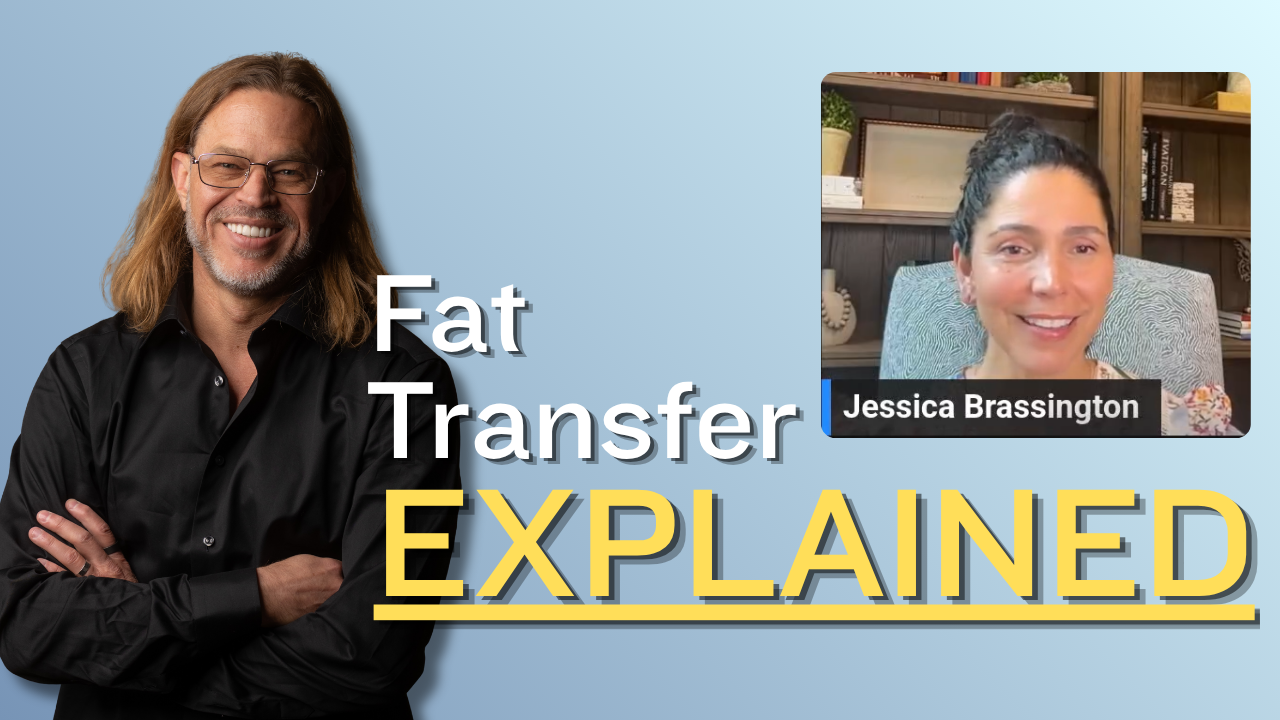 Episode 178: What Determines Fat Transfer Success After Explant With Dr. Robert Whitfield 23.07.2026 1j 4mntDownload Chapter 1 of Breast Implants, Explant Surgery, and Breast Implant Illness — FREE → https://robert-whitfield-md-pllc.myklpages.com/l/ScrLbh —————————————————————————— In Episode 178, Dr. Robert Whitfield explains why two patients with identical fat transfer procedures can have completely different results — and why the answer has less to do with the surgery itself and more to do with the body's condition going into it. He breaks down the role of inflammation, metabolic health, and genetics in graft survival, and is joined by patient Jessica Brassington, who shares her own explant and fat transfer recovery experience within the SHARP Method™ framework. —————————————————————————— 🔴 Ready to take the next step? Book a Discovery Call → https://discovery.drrobertwhitfield.com Learn about the SHARP Method (Strategic Holistic Accelerated Recovery Program) → https://www.drrobertwhitfield.com/sharp Join Dr. Rob's Circle (private community, 390+ members) → https://drrobscircle.com —————————————————————————— This episode is for educational purposes only and does not constitute medical advice. Individual results vary and should be discussed with a board-certified surgeon following a full evaluation. —————————————————————————— Dr. Robert Whitfield, MD, FACS is a board-certified plastic surgeon in Austin, Texas, specializing in breast implant illness (BII), explant surgery, and holistic surgical recovery. He has performed 2,000+ explant procedures and patients travel from 40+ states and 15 countries to work with him. #BreastImplantIllness #Explant #SHARPMethod #FatTransfer #ChronicInflammation 📖 Grab Chapter 1 of my book completely free — it covers what breast implant illness actually is, the 3 steps I use with every patient, and a real patient story. No fluff. → https://robert-whitfield-md-pllc.myklpages.com/l/ScrLbh Comment SHARP below if you want more on surgical recovery.
 -
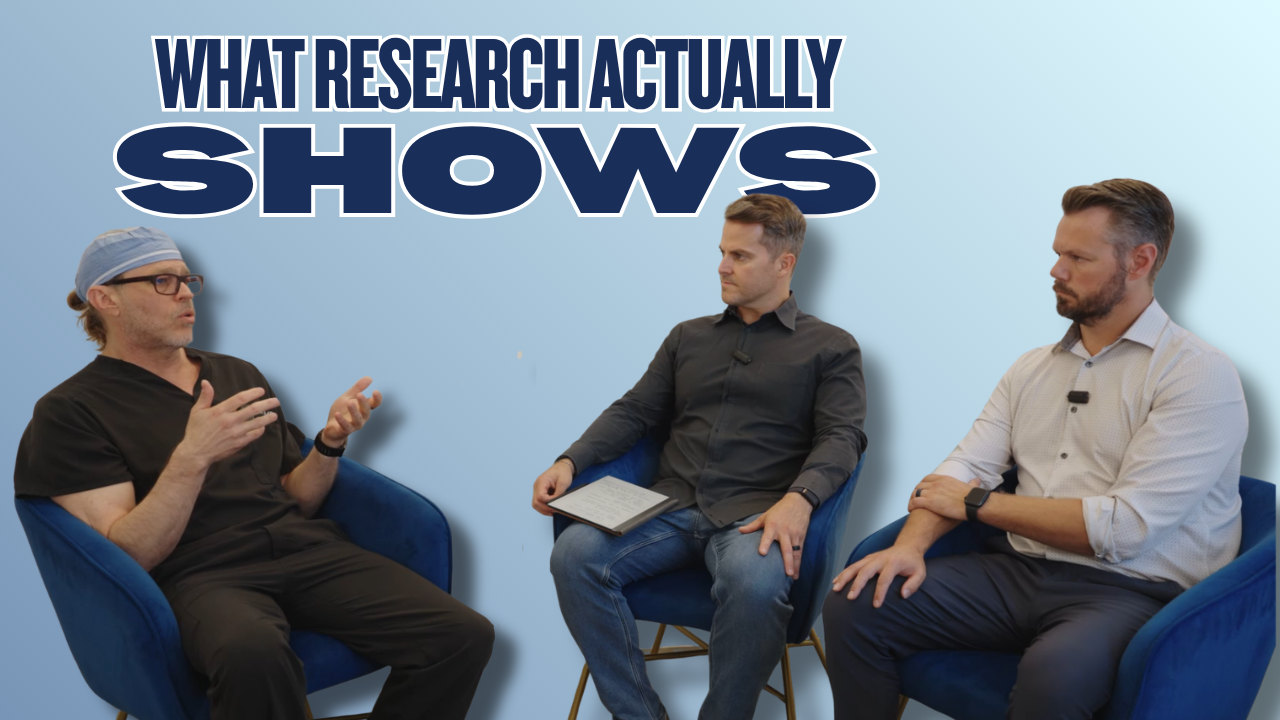 Episode 177: Dr. Robert Whitfield — Breast Implant Research, Genetic Detox Pathways, and the SHARP Method™ With Dr. Matt Rayner and Dr. Brandon Nutt 16.07.2026 1j 41mntDownload Chapter 1 of Breast Implants, Explant Surgery, and Breast Implant Illness — FREE → https://robert-whitfield-md-pllc.myklpages.com/l/ScrLbh In this episode, board-certified plastic surgeon Dr. Robert Whitfield joins the show to walk through his path from oncologic microsurgical reconstruction to a practice focused on implant removal (explant) surgery and holistic surgical recovery. Dr. Whitfield discusses his team's published research analyzing capsule tissue from hundreds of patients using PCR testing, and what that data shows about bacterial contamination rates compared to smaller prior studies. He explains how genetic variation in detox pathways — including methylation and glucuronidation — may influence how patients respond to surgical devices, and how his team uses this information as part of pre-surgical planning. 🔴 Ready to take the next step?Book a Discovery Call → https://discovery.drrobertwhitfield.com (https://discovery.drrobertwhitfield.com/)Learn about the SHARP Method (Strategic Holistic Accelerated Recovery Program) → https://www.drrobertwhitfield.com/sharpJoin Dr. Rob's Circle (private community, 390+ members) → https://drrobscircle.com (https://drrobscircle.com/) Dr. Robert Whitfield, MD, FACS is a board-certified plastic surgeon in Austin, Texas, specializing in breast implant illness (BII), explant surgery, and holistic surgical recovery. He has performed 2,000+ explant procedures and patients travel from 40+ states and 15 countries to work with him.#BreastImplantIllness #Explant #SHARPMethod #ChronicInflammation #BreastImplantRemoval 📖 Grab Chapter 1 of my book completely free — it covers what breast implant illness actually is, the 3 steps I use with every patient, and a real patient story. No fluff.→ https://robert-whitfield-md-pllc.myklpages.com/l/ScrLbh Comment SHARP below if you want more on surgical recovery.
 -
 Episode 176: Dr. Robert Whitfield — Why Fat Transfer Preparation Matters More Than the Surgery Itself 09.07.2026 35mnt
 -
 Episode 175: Mold, Biofilms & Cell Membrane Repair with Dr. Robert Whitfield and Dr. John Kim 02.07.2026 32mntDownload Chapter 1 of Breast Implants, Explant Surgery, and Breast Implant Illness — FREE → https://robert-whitfield-md-pllc.myklpages.com/l/ScrLbh——————————————————————————Episode 175 Dr. Robert Whitfield sits down with Dr. Kim to unpack one of the most overlooked drivers of chronic illness — mold toxicity and its impact on the cell membrane, mitochondria, and lymphatic system. Dr. Kim shares his own health crisis (a heart attack at age 33 caused by undiagnosed Bartonella and mold toxin exposure) and explains how mycotoxins like aflatoxin, ochratoxin, and gliotoxin damage cell membranes, disrupt bile flow, fuel biofilm formation, and contribute to neuroinflammation, mast cell activation, and parasitic susceptibility. The conversation dives deep into the science of cell danger response, phospholipid membrane repair, drainage pathway support, and why aggressive detox protocols can backfire without proper preparation. Dr. Whitfield connects these findings to his clinical work with breast implant illness patients, including PCR testing data showing biofilm formation on breast implants and its relationship to environmental toxin exposure. Topics covered include: How mold toxicity can mimic cardiac symptoms and trigger misdiagnosis The role of phospholipids, SPM-based fish oil, and essential fatty acids in repairing damaged cell membranes Why biofilms form and how they protect bacteria, mold, and heavy metals from the immune system The gut-liver-bile connection and enterohepatic recirculation of mycotoxins Nervous system regulation, mast cell activation, and why "safety" must come before aggressive detox Practical guidance on binders, glutathione precautions, sleep hygiene, and pre-surgical detox protocols—————————————————————————— Ready to take the next step?Book a Discovery Call → https://discovery.drrobertwhitfield.com (https://discovery.drrobertwhitfield.com/)Learn about the SHARP Method (Strategic Holistic Accelerated Recovery Program) → https://www.drrobertwhitfield.com/sharpJoin Dr. Rob's Circle (private community, 390+ members) → https://drrobscircle.com (https://drrobscircle.com/)——————————————————————————Dr. Robert Whitfield, MD, FACS is a board-certified plastic surgeon in Austin, Texas, specializing in breast implant illness (BII), explant surgery, and holistic surgical recovery. He has performed 2,000+ explant procedures and patients travel from 40+ states and 15 countries to work with him.#BreastImplantIllness #Explant #SHARPMethod #ChronicInflammation #BreastImplantRemovalPinned Comment Grab Chapter 1 of my book completely free — it covers what breast implant illness actually is, the 3 steps I use with every patient, and a real patient story. No fluff.→ https://robert-whitfield-md-pllc.myklpages.com/l/ScrLbhComment SHARP below if you want more on surgical recovery.
 -
 Episode 174: What Implant Removal Recovery Really Looks Like — Dr. Robert Whitfield & Nurse Practitioner Violet on the Full Year Journey 25.06.2026 42mntDownload Chapter 1 of Breast Implants, Explant Surgery, and Breast Implant Illness — FREE → https://robert-whitfield-md-pllc.myklpages.com/l/ScrLbh——————————————————————————Episode 174 What does recovery from implant removal actually look like — week by week, month by month, for a full year? In this episode, Dr. Robert Whitfield sits down with Violet, a nurse practitioner who joined his Austin practice after years working in facial plastics in New York City — and who ultimately became a patient herself. —————————————————————————— Ready to take the next step?Book a Discovery Call → https://discovery.drrobertwhitfield.com (https://discovery.drrobertwhitfield.com/)Learn about the SHARP Method (Strategic Holistic Accelerated Recovery Program) → https://www.drrobertwhitfield.com/sharpJoin Dr. Rob's Circle (private community, 390+ members) → https://drrobscircle.com (https://drrobscircle.com/)——————————————————————————Dr. Robert Whitfield, MD, FACS is a board-certified plastic surgeon in Austin, Texas, specializing in breast implant illness (BII), explant surgery, and holistic surgical recovery. He has performed 2,000+ explant procedures and patients travel from 40+ states and 15 countries to work with him.#BreastImplantIllness #Explant #SHARPMethod #ChronicInflammation #BreastImplantRemovalPinned Comment Grab Chapter 1 of my book completely free — it covers what breast implant illness actually is, the 3 steps I use with every patient, and a real patient story. No fluff.→ https://robert-whitfield-md-pllc.myklpages.com/l/ScrLbhComment SHARP below if you want more on surgical recovery.
 -
 Episode 173: She Couldn't Open a Water Bottle - How Reducing Inflammation Restored Her Grip Strength, Cleared Her Brain Fog, and Changed Everything With Lia Cormier and Dr. Robert Whitfield 18.06.2026 1j 1mntWhat if the pain you've learned to live with isn't something you have to accept forever? In this episode, Dr. Robert Whitfield shares a moment that stopped him in his tracks — a patient who had quietly lost the ability to open a water bottle, turn a jar lid, or walk through a door without pain. She hadn't even fully realized how much her body had taken over her daily life. Then, within one to two weeks after her procedure, something remarkable happened. She was watching a movie with her husband when she noticed she was opening and closing her hands — without pain. Her husband ran to the kitchen, grabbed a water bottle, and said, "Open this." She did. Then a jar. Then a door. The inflammation that had been silently accelerating her arthritis and deforming her hands had been driving her symptoms all along. Dr. Whitfield breaks down why stories like this matter — not just emotionally, but clinically. Grip strength, balance, and thigh strength are foundational to longevity and quality of life. Chronic inflammation doesn't always announce itself dramatically. Sometimes it quietly steals the small things — until they're gone. In this episode, you'll hear about: How chronic inflammation can silently accelerate joint degeneration and arthritis Why grip strength is a critical and often overlooked marker of long-term health The connection between brain fog, systemic inflammation, and implant-related illness Why patients often adapt to pain and limitation without realizing the full extent of their loss How the SHARP Method supports recovery that goes far beyond the surgical site If you or someone you love has been told their symptoms are "just aging" or "stress," this episode is essential listening. Connect with Dr. Robert Whitfield: 🌐 www.drrobertwhitfield.com
 -
 Episode 172: Breast Implant Removal, Fat Transfer & the Chronic Inflammation Link Nobody Discusses with Dr. Robert Whitfield and Dr. Fab Mancini 14.06.2026 1j 3mntIf you've been dismissed, misdiagnosed, or told your symptoms are "just stress," this episode is for you. Board-certified plastic surgeon and explant specialist Dr. Robert Whitfield joins the conversation for a wide-ranging, no-filter discussion on what's really happening inside the bodies of women with breast implants — and why so many providers are still getting it wrong. Dr. Whitfield breaks down: 🔬 The Science Most Surgeons Won't Discuss Why 1 in 3 explanted implants shows bacterial contamination on PCR testing — and what that means for women who've had implants for 10, 20, or even 40 years. Plus the groundbreaking Danish research on immune system activation at the capsule level that is changing how we understand implant-related inflammation. 🩺 What a Proper Capsulectomy Actually Requires Why leaving capsule tissue behind isn't just incomplete — it may mean leaving infected biomaterial in your body. Dr. Whitfield explains why technique and surgical experience matter more than most patients are ever told. 🥑 The SHARP Method in Practice Sleep hygiene. Filtered water. Air quality. Protein intake. Lowering your toxic burden before surgery. Dr. Whitfield explains why the preparation phase — weeks to months before a procedure — is what separates a smooth recovery from a difficult one. This is the Strategic Holistic Accelerated Recovery Program applied in real time. 💉 Fat Transfer: The Option Nobody Is Offering With over 100 fat transfer procedures per year across 15+ years of oncologic reconstruction experience, Dr. Whitfield makes the case that fat transfer is chronically underexplained, underoffered, and misrepresented — and what patients should actually know before ruling it out. 🚫 The Top Misconceptions Holding Patients Back From the "one and done" implant myth to the false belief that removing an implant without a capsulectomy is sufficient — Dr. Whitfield addresses the misinformation he encounters daily and why informed consent is the foundation of every good surgical outcome. ⚠️ Why Finding This Information Is Getting Harder Dr. Whitfield speaks candidly about the censorship and platform suppression he has experienced, the corporate ownership behind major implant brands, and where patients can still access his full library of education. Whether you're researching an explant, trying to understand why you still don't feel well after surgery, or simply want to understand what holistic surgical care actually looks like — this episode delivers the clinical clarity and honest perspective you deserve. 🔗 Free Discovery Call with Dr. Whitfield's team: available via the link in show notes 🔗 Private community: drcircle.com 📚 Books: Breast Implants, Explant Surgery, and Breast Implant Illness | The SHARP™ Method
 -
 Episode 171: Breast Implant Illness, Breast Implant Removal & Mast Cell Activation Syndrome: What Your Doctor Isn't Testing For | Dr. Robert Whitfield MD, Explant Surgeon and Founder of the SHARP Method & Dr. Tanya Dempsey MD 04.06.2026 36mntEpisode 171 — Why does one patient get a breast implant and feel fine, while another spirals into fatigue, brain fog, joint pain, and a diagnosis no one can explain? The answer may lie in mast cells. In this episode, Dr. Robert Whitfield sits down with Dr. Tania Dempsey — one of the country's leading experts in Mast Cell Activation Syndrome (MCAS) — to explore a connection that most physicians are not trained to recognize: the relationship between implantable devices, chronic immune activation, and conditions like MCAS, POTS, and hypermobility syndrome. What you'll learn in this episode: What Mast Cell Activation Syndrome (MCAS) actually is — and why up to 20% of the population may have it The top 10 symptoms MCAS patients present with, from fatigue and brain fog to fibromyalgia and food sensitivities Why the MCAS, POTS, and hypermobility triad appears so frequently together How breast implants interact with the immune system at the tissue level — including new research showing an upregulated plasma cell and B-cell response in certain patients The role of biofilm, bacterial contamination (Staph epidermidis & Cutibacterium acnes), and oxylipin 10-HOME in driving chronic inflammation Why GLP-1 medications are showing surprising results in MCAS patients How mold, glyphosate, organophosphates, and hormonal changes can trigger or worsen MCAS Practical, low-cost steps to begin lowering your baseline inflammation today How anesthesia teams can reduce MCAS-related risk during explant surgery This conversation bridges two specialties that rarely share the same stage — reconstructive plastic surgery and immunology — because the patient population increasingly demands it. Whether you are navigating unexplained symptoms, considering explant surgery, or simply want to understand why some bodies react so differently to the same devices and environments, this episode provides a clinically grounded, measured, and actionable framework. Connect with Dr. Tania Dempsey: Instagram: @drtaniadempsey | Podcast: Mast Cell Matters | Website: drtaniadempsey.com Connect with Dr. Robert Whitfield: 📍 Austin, Texas | 🌐 drrobertwhitfield.com 📲 Instagram: @drrobertwhitfield The content in this episode is intended for informational purposes only and does not constitute medical advice. Always consult a qualified healthcare provider regarding your individual health needs. 👇 CLICK HERE TO SUBSCRIBE NOW👇 https://www.youtube.com/@breastimplantillnessexpert?sub_confirmation=1 Listen on Apple Podcasts or Spotify for full episodes https://podcasts.apple.com/us/podcast/breast-implants-explant-surgery-and-breast-implant/id1678143554 https://open.spotify.com/show/1SPDripbluZKYsC0rwrBdb Let’s Connect... Podcast: https://podcasts.apple.com/gb/podcast/breast-implant-illness/id1678143554 Spotify: https://open.spotify.com/show/1SPDripbluZKYsC0rwrBdb?si=23ea2cd9f6734667 TikTok: https://www.tiktok.com/@drrobertwhitfield?_t=8oQyjO25X5i&_r=1 IG: https://www.instagram.com/breastimplantillnessexpert/ FB: https://www.facebook.com/DrRobertWhitfield Linkedin: https://www.linkedin.com/in/dr-robert-whitfield-md-50775b10/ X: https://x.com/rob_whitfieldmd Read this article - https://www.breastcancer.org/treatment/surgery/breast-reconstruction/types/implant-reconstruction/illness/breast-implant-illness Shop: https://drrobssolutions.com SHARP: https://www.harp.health NVISN Labs - https://nvisnlabs.com/ Get access to Dr. Rob's Favorite Products below: Danger Coffee - Use our link for mold free coffee - https://dangercoffee.com/pages/mold-free-coffee?ref=ztvhyjg JASPR Air Purifier - Try JASPR and use code DRROB for 10%: https://jaspr.co Echo Water - Try EchoH20 and use code DRROBVIP for 10% off: https://echowater.com BallancerPro - Try BallancerPro and use code DRROBVIP for $1500 off: http://www.ballancerpro.com/ Ultrahuman - Try Ultrahuman and use code WHITFIELD10 for 10% off: https://ultrahuman.com/drwhitfield/
 -
 Episode 170: Dr. Robert Whitfield & Hannah Erbele | From Couch-Bound to Thriving — A Real One-Year Post-Explant Recovery Update 28.05.2026 41mntWhat does real recovery actually look like one year out? In Episode 170, Dr. Robert Whitfield is joined by Hannah, a patient from Montana who is marking her one-year anniversary since implant removal surgery. Hannah spent nearly three and a half years seeking answers — cycling through specialists, ERs, and countless tests — before finding a clinical path that addressed what was actually happening in her body. Her story is detailed, honest, and covers what most recovery conversations leave out. What Hannah experienced before surgery: Brain fog so severe that if something wasn't written down, it was forgotten. Extreme fatigue that kept her on the couch most of the day. Significant hair loss — particularly difficult given her two decades in the hair industry. Food sensitivities so severe she could only tolerate bananas and avocados, and a two-year period where animal protein triggered anaphylactic reactions requiring an EpiPen. Heart palpitations, GI disruption, and convulsions that prompted ER visits — with every blood panel coming back within normal range. What the clinical picture actually showed: Hannah's toxicity profile revealed elevated tin (at seven times the normal level — a known neurotoxin), BPA, glyphosate, dimethyl phosphates, aflatoxins, and ochratoxins. Her PCR results indicated bacterial contamination on the implant. Dr. Whitfield explains how this combination — compromised detox genetics, high toxic burden, and a device-associated bacterial load — creates the environment that drives the systemic symptoms Hannah was experiencing. Where she is one year later: Energy restored. Animal protein reintroduced successfully. Brain fog resolved. Landscaping her yard. Making and keeping plans with friends. And acutely aware of her environment in a way she wasn't before — including recognizing a mold-contaminated Airbnb in San Diego that her cleared system immediately flagged. Dr. Whitfield and Hannah also discuss: Why the detox protocol after surgery matters as much as the procedure itself — and why stopping early is one of the most common mistakes The role of a supportive partner and community in recovery, and how to navigate the process without one Why some patients feel an initial lift after surgery before the deeper recovery work begins The real timeline of healing: week over week, month over month — not a straight line The censorship and algorithmic suppression of implant-related health education, and where to find uncensored conversations Hannah's advice to women who are hesitant: You can't put a price tag on your health. You're going to pay for it either way. 🔗 Join Dr. Rob's private community: drrobscircle.com — free to join, fully private 🌐 Research and consultation information: drrobertwhitfield.com 📘 Breast Implants, Explant Surgery, and Breast Implant Illness — available now 📗 The SHARP™ Method — available now This episode reflects one patient's personal experience. Individual outcomes vary. The information shared is educational in nature and does not constitute medical advice. Consult a qualified medical professional before making any health or surgical decisions.
 -
 Episode 169: Breast Cancer, Breast Implants for Reconstruction, Breast Implant Illness, Explant Surgery and the SHARP Method with Sarah Minick and Dr. Robert Whitfield MD 21.05.2026 1j 5mntToday’s episode is one of the most personal and emotional conversations we’ve shared. I recently interviewed a cancer survivor who traveled from Nebraska with her husband after making the difficult decision to undergo explant surgery following previous reconstruction. Together, we discuss her journey through cancer treatment, reconstruction, chronic health struggles, and ultimately her decision to remove her implants and pursue simultaneous fat transfer as part of her healing process. Because of the challenges created by prior reconstruction and tissue changes, she later returned for an additional fat transfer procedure to further improve the contour and appearance of her chest. In this interview, she speaks openly about the physical and emotional aspects of that journey, including preparation, surgery, recovery, and what it meant to finally feel heard and supported. This episode also highlights the principles behind the SHARP methodology — the preparation, recovery strategies, post-operative support, and comprehensive approach we use to help patients optimize healing and recovery. As many of you know, discussing implant-related illness and explant surgery online has increasingly resulted in censorship and suppression across social media platforms. Despite that, stories like this deserve to be shared because they may help other patients feel less isolated and more empowered in their own healthcare decisions. This patient reviewed the interview personally and gave us permission to share her experience in the hope that it may help others navigating similar challenges. If you or someone you love has undergone reconstruction, implant surgery, explant surgery, or cancer treatment, this is an important and very real conversation.
Podcast serupa


Populer di
Podcast ini juga muncul di daftar podcast negara-negara ini.
