
Grief is a Language ™ with John Onwuchekwa
John Onwuchekwa
0
Grief Is A Language™ is a podcast about grief and loss, hosted by John Onwuchekwa. Each episode features conversations with psychologists, neuroscientists, artists, and everyday people about different forms of grief. The show explores grief from death to divorce, identity, and unfulfilled dreams. It presents grief not as a journey to finish but as a language to learn.
Episode
-
 Why We Police Our Own Emotions While Grieving 16.09.2026 10mntGrief and joy are often treated like opposite emotions, but what if they can exist at the same time? John Onwuchekwa and Jessica Hurley unpack the “shoulds” we place on grief, why we police our own emotions, and what it means to let grief and joy intersect. RESOURCES: Jessica Hurley IG | @jessicahurley__ John Onwuchekwa Website | johno.co IG | @jawn_o Grief is a Language™ is produced by EPYC Media Network
 -
 8: Anticipatory Grief: Learning to Live While You’re Waiting for Loss with Jessica Hurley 14.09.2026 1j 16mntIn this deeply reflective episode of Grief Is A Language™, John Onwuchekwa is joined by EPYC Media Network’s founder and producer Jessica Hurley for a conversation about anticipatory grief, ambiguous loss, joy, purpose, patience, and the loneliness that often accompanies them all. Jessica shares what it was like watching her newborn fight for his life in the NICU, caring for her father through stage four cancer, navigating divorce, and wrestling with the guilt of experiencing joy while carrying grief. Together, she and John explore why grief and joy aren't opposites, why purpose can't be rushed, how patience changes the meaning of suffering, and why people don't need silver linings nearly as much as they need someone willing to stay with them. They also unpack why healing isn't a destination, why hope creates the patience we need to endure, and how learning the language of grief can transform the way we experience every form of loss. KEY POINTS 00:00 - Introduction 02:36 – Grief and joy can exist at the same time. 04:14 – Why grief makes us afraid to experience joy. 08:43 – Grief and joy aren't opposites; they intersect. 15:16 – Stop trying to assign purpose too soon. 17:18 – Patience is the missing ingredient in grief. 28:01 – Healing isn't something you finish. 38:52 – People don't need silver linings; they need presence. 50:51 – Stories create hope because our stories aren't over. 56:19 – Purpose grows like a plant, not a building. 01:15:08 – Leave space for the "almost" in your story. QUOTES "The only person that's shaming me is me." – Jessica Hurley "People don't need silver linings. People don't need the lights on. People need something to address the deeper problem, and it is the loneliness that they feel." – John Onwuchekwa "The wealth of my experience has been the hardest grieving moments." – Jessica Hurley "The healthiest people that I know tend to use “heal” in the present tense. I am healing and I am healthy. I am not healed." – John Onwuchekwa RESOURCES: Jessica Hurley IG | @jessicahurley__ John Onwuchekwa Website | johno.co IG | @jawn_o Grief is a Language™ is produced by EPYC Media Network
 -
 She Hid Her Pregnancy for 20 Years. Here’s What Shame Did to Her Identity | Dr. Zoe Shaw 10.09.2026 7mntPsychotherapist Dr. Zoe Shaw shares how becoming pregnant at 15, being sent away to a pregnancy home, and hiding the adoption of her first daughter shaped decades of complex shame. She explains why achievement became a way to outrun her past, why shame eventually caught up with her, and what it took to begin separating shame from her identity. GUEST RESOURCES: Dr. Zoe Shaw Website| drzoeshaw.com IG | @drzoeshaw RESOURCES: John Onwuchekwa Website | johno.co IG | @jawn_o Grief Is A Language is produced by EPYC Media Network
 -
 7: Complex Shame™: How Unprocessed Grief and Guilt Shape Your Identity with Dr. Zoe Shaw 07.09.2026 1jGrief is like a shadow that follows you, waiting to meet you when you think you've outrun it. In this pilot episode of Grief is a language, host John Onwuchekwa welcomes Dr. Zoe Shaw to unveil the complex landscape of grief, offering a transformative perspective on emotional healing. Dr. Zoe highlights complex shame as a deeply personal experience that goes beyond traditional understanding, revealing how trauma and unresolved guilt intertwine with identity. Grief is described as a non-linear journey that cannot be outrun—but must be embraced with vulnerability and self-compassion. Together, Dr. Zoe and John explore how individuals can recognize and process their deepest feelings. They delve into personal stories of hidden pain, demonstrating how speaking one's truth can be a powerful act of liberation. Let’s start navigating the hard truths and use these stories to enlighten us, instead of defining us. Tune in. KEY POINTS 00:00 – The difference between simple shame and complex shame 01:18 – How grief transforms our understanding of self 05:43 – The connection between complex shame, validation, codependency, and emotional connection 07:49 – The story behind Dr. Zoe’s work on shame and grief 10:00 – When grief becomes tied to identity 12:03 – Dr. Zoe’s personal story of shame and carrying a secret for decades 17:52 – Book discussion: You Are Your Best Thing and understanding complex shame 20:31 – How grief can create courage and the beginning of freedom 31:40 – Naming feelings and using language to separate yourself from your emotions 36:41 – Self-compassion, acknowledging feelings, and navigating emotional vulnerability 43:17 – Shame around anger, relief, joy, and societal expectations in grief 48:00 – Navigating grief through relationship dynamics and attachment styles 51:03 – How grief impacts intimate relationships and shared priorities 54:37 – Finding healing, freedom, and learning not to run from grief 56:46 – Moving from hiding to freedom through acknowledgment and expression QUOTES “Grief is not something that ends. I think we can have a healthy relationship with grief.” – Dr. Zoe Shaw “When we hide, it feels good in the moment, but it will come back to get us.” – Dr. Zoe Shaw “Don't run. It's okay to sit and grief feels like it's this thing, this deep, dark pit that you're going to fall into that will never end.” – Dr. Zoe Shaw “Forgiveness is giving up all hope of a better past.” – Dr. Zoe Shaw “We talk to ourselves more than we talk to anybody else, and we talk to ourselves more than anybody talks to us.” – Dr. Zoe Shaw GUEST RESOURCES: Dr. Zoe Shaw Website| drzoeshaw.com IG | @drzoeshaw RESOURCES: John Onwuchekwa Website | johno.co IG | @jawn_o Grief Is A Language is produced by EPYC Media Network
 -
 Why This Hospital Chaplain Stopped Trying to Fix People’s Grief 03.09.2026 7mntHospital chaplain Joon Park explains how to support someone who is grieving without trying to fix their pain. He and John explore why grief has no timeline, how well-intentioned advice can add another burden, and why quiet presence may be what a grieving person needs most. GUEST RESOURCES: J.S. Park Website | jsparkblog.com IG | @jspark3000 RESOURCES: John Onwuchekwa Website | johno.co IG | @jawn_o Grief Is A Language is produced by EPYC Media Network
 -
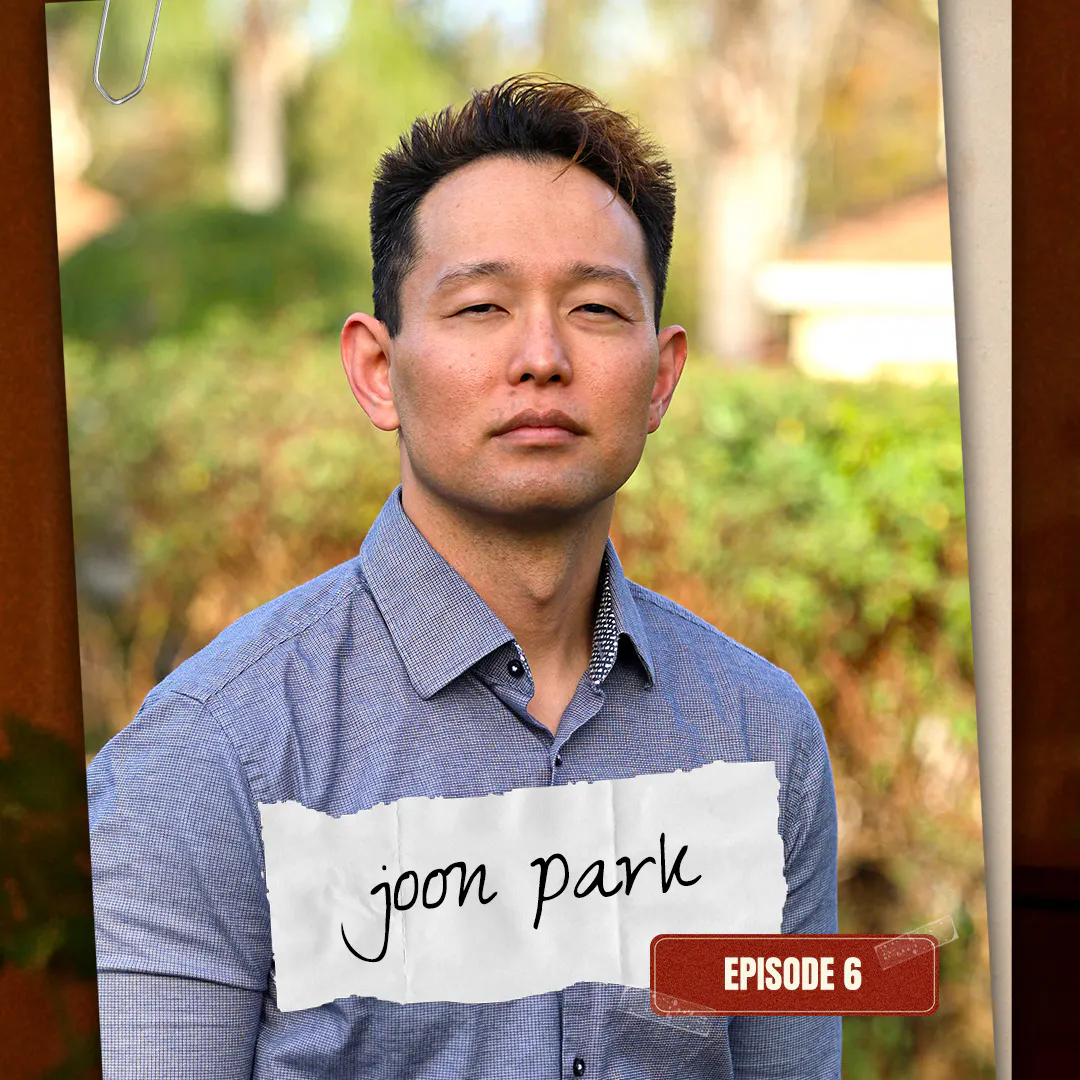 6: What Witnessing 1,000 Deaths Taught Hospital Chaplain Joon Park About Grief, Faith and Loneliness 31.08.2026 1j 16mntSome people catch dreams, but others catch grief — holding space for pain, honoring loss, and ensuring no one suffers alone. Today, host John welcomes Joon Park, a hospital chaplain who has witnessed over 1,000 deaths, for an insightful conversation about being a “grief catcher.” As the author of the book "Take As Long As You Need: Permission to Grieve", Joon shares his unique approach of providing presence and space for those experiencing profound loss, emphasizing that grief is not something to be fixed but to be witnessed. He explores the complex emotional landscape of supporting individuals through their most challenging moments, revealing how chaplains create safe spaces for authentic grieving. Their conversation also delves into the importance of storytelling, the power of human connection, and how simply being present can be more healing than offering solutions. Joon challenges traditional notions of grief support — giving emphasis on the need to make room for all emotional responses, whether that means singing, crying, or expressing anger. Don't miss this powerful episode about compassion, vulnerability, and the sacred work of accompanying people through their darkest times. Discover how Grief Is A Language through the profound art of being a grief catcher and how we can all learn to support each other more meaningfully during loss. KEY POINTS 00:00 – Joon Park’s work as a hospital chaplain and “grief catcher.” 05:29 – How Joon still finds laughter after witnessing over 1,000 deaths. 08:53 – Why grief needs presence instead of fixing. 13:06 – Walking beside someone through the darkness. 14:52 – How grief clichés can add another burden. 21:07 – Creating space for every expression of grief. 23:34 – Helping someone without trying to solve their pain. 31:29 – Why chaplains must release the need for answers. 37:29 – Making room for anger, rage and unexpected grief responses. 53:18 – Carrying the grief home and becoming a safe person. QUOTES “Grief catching is also when the expressions of grief, the pain, the sorrow, the gravity of the loss, are so much that I'm vicariously absorbing all the pain that they're experiencing.” – Joon Park “When we sit with somebody who's grieving, when we see someone's loss, it always reflects back to ourselves mortality and loss, that the abyss is really coming for us all.” – Joon Park “The unbearable can be made slightly more bearable if you have someone to bear with you.” – Joon Park "Every diagnosis has a name... except for loneliness." – Joon Park “Through the gears of this machine that doesn't stop, we can find each other. We can reach through those gears, and we can stretch out our hands for one another.” – Joon Park GUEST RESOURCES: J.S. Park Website | jsparkblog.com IG | @jspark3000 RESOURCES: John Onwuchekwa Website | johno.co IG | @jawn_o Grief Is A Language is produced by EPYC Media Network
 -
 Why Grieving People Want You to Ask About the Person They Lost 27.08.2026 12mntWhat happens when the smallest detail suddenly reminds you that someone is gone? In this segment of Grief Is A Language™, Natalie and John explore the sharpness of absence, the loneliness of remembering alone, and why grieving people often want us to ask about the people they’ve lost. From tall grass to old toothpick cases, they reveal how ordinary objects can preserve connection, memory, and love. RESOURCES: Natalie Lauren Sims IG | @natalielaurensims John Onwuchekwa Website | johno.co IG | @jawn_o Grief is a Language™ is produced by EPYC Media Network
 -
 5: Compounded Grief: Coping With Multiple Losses and the Numbness of Grief with Natalie Lauren Sims 24.08.2026 1j 12mntOn today’s episode, John Onwuchekwa sits down with Natalie Lauren Sims to explore what grief actually feels like when loss comes in waves. From losing multiple family members in a short span of time to navigating numbness, rage, memory loss, faith, and radical acceptance, this conversation offers a powerful framework for understanding grief beyond clichés and stages. John shares his four-part model of grief as body language, oral language, written language, and sign language, while Nat opens up about surviving compounded loss, caring for a dying father, losing a beloved godmother to violence, and discovering that curiosity became his path forward. Listen in as this episode is for anyone who has ever felt stuck, numb, angry, confused, or alone in their grief. More than anything, it is a reminder that grief is something you learn to speak. KEY POINTS - The goal of grief isn’t closure; it’s connection. - Your body often recognizes grief before your mind does. - Stories help us process loss because grief is ultimately about love, not just absence. - Writing slows memory down long enough for us to make meaning from pain. - Compounded loss can leave you feeling disconnected from your own life for years. - Curiosity can be more powerful than answers when you're stuck in grief. - Some grief settles into peace, while other grief remains too hot to touch. - Radical acceptance is releasing the need to explain suffering. QUOTES "Grief ain't a journey. Journey is a bad metaphor. Grief is a language. Goal of a language, not to finish, to become fluent." – John Onwuchekwa "Curiosity has been the superpower." – Natalie Lauren Sims "Her absence isn't the thing that causes the most suffering. It's the meaning making that I'm after." – Natalie Lauren Sims "I would wake up and I would realize that waking up was the nightmare." – Natalie Lauren Sims "Every celebration now has an asterisk next to it." – John Onwuchekwa RESOURCES: Natalie Lauren Sims IG | @natalielaurensims John Onwuchekwa Website | johno.co IG | @jawn_o Grief Is A Language is produced by EPYC Media Network
 -
 Trip Lee on Chronic Illness, Ambiguous Grief and Feeling Alone 20.08.2026 11mntJohn Onwuchekwa and Trip Lee explore how the brain learns to live after loss and why chronic illness creates a uniquely lonely kind of grief. Trip opens up about grieving his health, energy, and independence without a funeral, anniversary, or community that always recognizes what he has lost. GUEST RESOURCES Trip Lee IG | @triplee RESOURCES John Onwuchekwa Website | johno.co IG | @jawn_o Grief Is A Language is produced by EPYC Media Network
 -
 4: Intangible & Tangible Grief: Trip Lee on His Chronic Fatigue Diagnosis, Losing His Father, and the Life He Thought He'd Live 17.08.2026 1j 1mntGrief, chronic illness, and unshakable resilience—this powerful episode dives into Trip’s raw 18-year journey with chronic fatigue syndrome. Today, John Onwuchekwa sits down with Trip Lee, Christian rapper, singer, and preacher, for an insightful conversation. John and Trip unpack the silent weight of living with an invisible illness, especially how it steals not just energy, but dreams, identity, and certainty. Their conversation also explores the haunting reality of ambiguous grief and what it means to mourn a life you’re still living. Yet despite it all, Trip’s story is one of faith, creativity, and redefining strength in the face of weakness. This isn’t just a conversation about suffering—it’s a profound reflection on purpose, surrender, and the quiet courage it takes to keep going. Don’t miss this unforgettable dialogue that will stretch your empathy and reframe your view of resilience. Tune in now to another entry of Grief Is A Language. KEY POINTS - Initial experiences: From extreme fatigue, oversleeping, to flu-like symptoms - How chronic fatigue impacted his college and early professional years - Grief and health: The emotional toll of his father's death and stress on wedding plan - The difficulty of getting a proper diagnosis - Challenges in maintaining relationships, work, and personal goals - Ambition and reality: The inability to pursue dreams at full capacity - The pressure of public perception to appear healthy & successful - On finding hope and resilience, with vulnerability and authenticity - The importance of being surrounded by the right people - Spiritual perspective: God’s way to keep him humble and spiritually focused QUOTES “My body doesn't recharge, unlike other people's bodies. I don't know how many good hours I have in any given day.” – Trip Lee “Everything that God has called me to do, everything I desire to do, every relationship, all depends. I have to do it in this body.” – Trip Lee “I want to be comfortable showing up as myself.” – Trip Lee “My health has inoculated me from that illusion. Just because I'm good at something and I want to do something good does not mean it's going to happen.” – Trip Lee Trip Lee IG | @triplee John Onwuchekwa Website | johno.co IG | @jawn_o Grief Is A Language is produced by EPYC Media Network
 -
 Why Your Brain Still Expects the Person You Lost with Dr. Mary-Frances O'Connor 13.08.2026 10mntWhy does your brain still expect someone after they die? Grief neuroscientist Dr. Mary-Frances O’Connor explains how the grieving brain processes loss, why loved ones become encoded as “everlasting,” and why you may still reach for the phone or expect them to walk through the door. Discover how the brain gradually relearns a world changed by loss—and why grieving is not forgetting, but learning a new relationship with someone who is gone. GUEST RESOURCES: Dr. Mary-Frances O'Connor Website | maryfrancesoconnor.org RESOURCES: John Onwuchekwa Website | johno.co IG | @jawn_o Grief Is A Language is produced by EPYC Media Network
 -
 3: This is Your Brain on Grief: How Loss Changes Your Brain, Body & Identity with Dr. Mary-Frances O’Connor 10.08.2026 1j 17mntGrief doesn’t only live in the mind. It changes the brain, affects the body, and can reshape our understanding of who we are. In this episode of Grief Is A Language™, John Onwuchekwa sits down with renowned grief neuroscientist Dr. Mary-Frances O’Connor to explore the science of love, loss, and the grieving brain. Dr. O’Connor explains why our brains continue to expect someone after they have died, why absence can feel physically present, and how the body must learn to regulate itself without the person who once made it feel safe. Together, they discuss the physical effects of grief, identity loss, ambiguous loss, and why grief can return differently years later. They also explore how divorce, career changes, children leaving home, and other major transitions can cause us to grieve parts of ourselves—even when no one has died. This conversation offers a powerful reframe: grieving is a form of learning. The relationship does not simply disappear; it changes. And while loss may alter the way we carry love, it cannot erase what that love taught us. If you have ever wondered why you still reach for someone who is gone, why grief lives in your body, or who you are when “we” becomes “me,” this episode will help you better understand what your brain, body, and heart are learning to hold. KEY POINTS - Grief is a dynamic process of adapting to loss - Everlasting code as a complex internal experience of absence and presence - Impacts of grief in physical health: increased heart attack risk and stress - The mental loop of "would have, could have, should have" - The evolution of grief, in personal growth and different life stages - Repercussions of avoiding grief - How joy and grief can coexist - Happiness does not dishonor the memory of a lost loved one - Grief is a universal human experience QUOTES “Grief is a form of learning. Grief is not the same as grieving.” – Dr. Mary-Frances O'Connor “Mental health isn't about not having grief. Mental health isn't about not having bad moments. It's about having those and having all the good moments, too.” – Dr. Mary-Frances O'Connor “Grieving is learning how to build a life again, given that this loss is true.” – Dr. Mary-Frances O'Connor “If we neglect the body, it also has to cope with the loss of our person, and to the degree we don't understand how to bring the body into this learning process, it makes it harder to grieve.” – Dr. Mary-Frances O'Connor “Keep listening for the joy. Keep accepting that life does have both the good times and the really bad times.” – Dr. Mary-Frances O'Connor GUEST RESOURCES: Dr. Mary-Frances O'Connor Website | maryfrancesoconnor.org RESOURCES: John Onwuchekwa Website | johno.co IG | @jawn_o Grief Is A Language is produced by EPYC Media Network
 -
 The Five Stages of Grief Were Never Meant for You | KevOnStage 06.08.2026 10mntWhat if the five stages of grief were never meant for the people left behind? Dr. John Onwuchekwa and KevOnStage challenge one of our most familiar beliefs about loss and explore why grief doesn’t move in a straight line. Through personal stories of losing their brothers, they offer a more honest framework: grief is not a journey to finish, but a language we learn so we don’t have to carry loss alone. RESOURCES: KevOnStage Website | kevonstage.com IG | @KevOnStage John Onwuchekwa Website | johno.co IG | @jawn_o Grief Is A Language is produced by EPYC Media Network
 -
 Can You Find Love Again After Losing Your Spouse? 31.07.2026 10mntIn this segment, Jessica and Jordan Rice open up about the complicated reality of dating after losing a spouse young. Jessica shares what it felt like to enter the dating world as a widow in her twenties, carrying both love for Jerron and uncertainty about who she was becoming. Jordan reflects on the awkwardness of starting over after Danielle’s death, the gift of her blessing to build a life again, and the fear that he might never feel deeply for someone new. Together, their stories give language to the tension of loving again after loss: wanting a future, honoring the past, and wondering if anyone will truly understand the grief you still carry. RESOURCES: John Onwuchekwa Website | johno.co IG | @jawn_o Grief Is A Language is produced by EPYC Media Network
 -
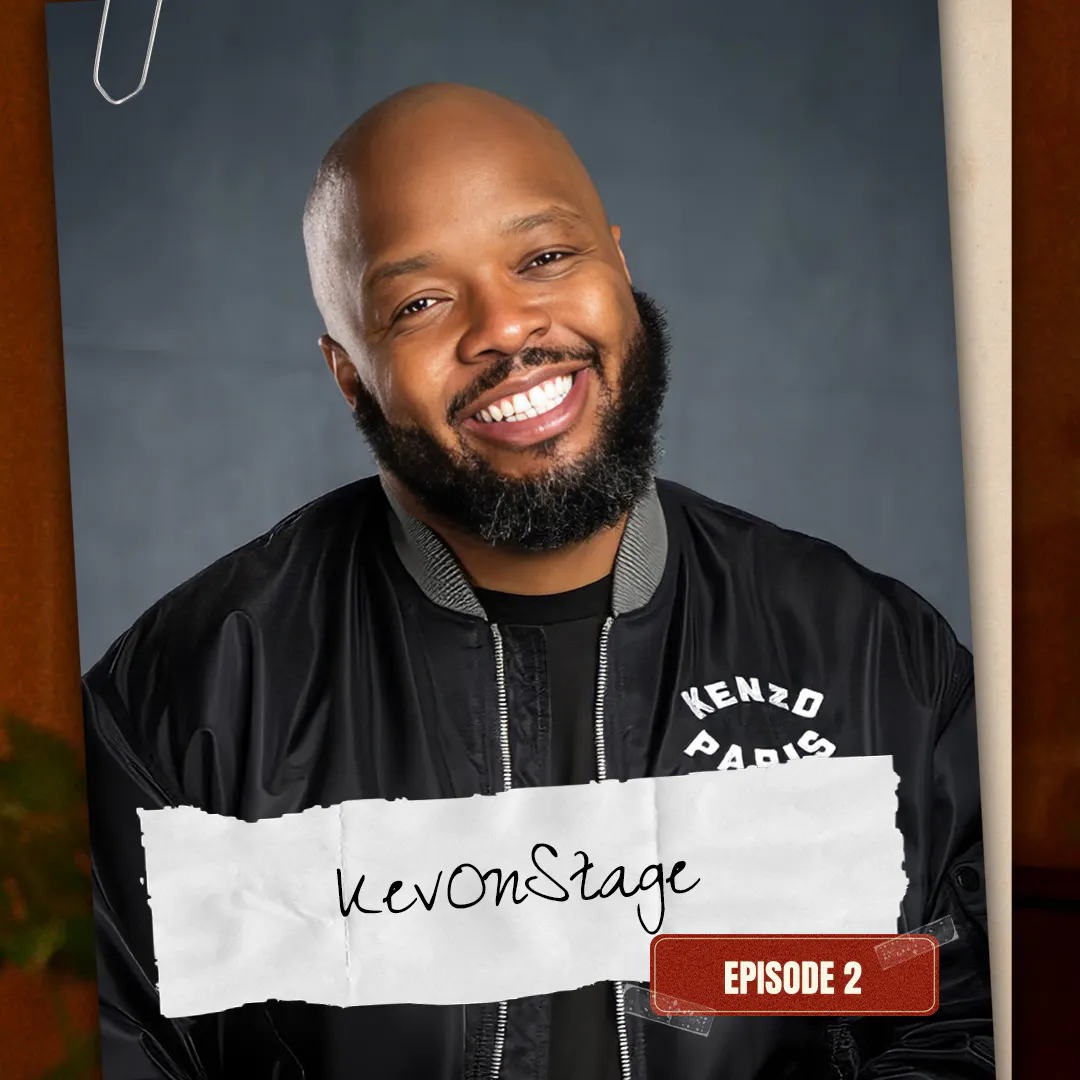 2: KevOnStage on Losing His Brother and Learning the Language of Grief 27.07.2026 1j 8mntWhat happens when the person who knew you best is suddenly gone? In this powerful and unexpectedly funny conversation, comedian, creator, and entrepreneur KevOnStage talks about the loss of his older brother, Jason. Together, they explore why grief doesn't feel like a journey, why the popular "five stages" framework often falls short, and how loss reshapes the way we move through the world. Kev opens up about the strange realities of sibling loss: becoming older than your older brother, reaching for your phone to text someone who's no longer here, and realizing that the world keeps moving while yours has stopped. Through humor, honesty, and profound reflection, he shares how grief altered his relationships, his trust, his career, and his understanding of love itself. This Grief Is A Language episode unpacks what it means to learn that language through the body, memory, storytelling, laughter, tears, and community. KEY POINTS 00:00 – John and Kev share the impact of losing their older brothers 08:26 – The unique grief of losing a sibling and how it reshapes identity 12:14 – Why the 5 stages of grief are a myth 15:14 – Grief isn't linear—it comes in waves 16:40 – Grief is a language, not a journey 19:19 – The loneliness of watching the world move on after loss 30:28 – Why your brain keeps expecting your loved one to be there 36:12 – How grief changes your relationships and sense of safety 50:16 – Why joy and grief can exist at the same time 1:07:25 – The best way to support someone who is grieving QUOTES "It felt like I was taken from America, dropped in the middle of Vietnam. I don't know this language at all." – KevOnStage "The loss is inevitable, and it is painful, but then with that loss, it's like I'm trying to find somebody that can at least be with me in this loss." – John Onwuchekwa "I wanted the world to stop and acknowledge my personal pain." – KevOnStage RESOURCES: KevOnStage Website | kevonstage.com IG | @KevOnStage John Onwuchekwa Website | johno.co IG | @jawn_o Grief Is A Language is produced by EPYC Media Network
 -
 1: Dating After Widowhood: Can You Have More Than One Love Of Your Life? 27.07.2026 1j 15mntJordan and Jessica Rice never expected to have this much in common. Both lost their spouses unexpectedly in their twenties. Both found themselves navigating a kind of grief that few people around them could understand. And both eventually faced the same impossible questions: Can you fall in love again after losing the love of your life? How do you build a future without leaving your past behind? Can your heart make room for both? In this deeply moving conversation, Jordan and Jessica share the stories of losing Jerron and Danielle, the loneliness of becoming widowed at a young age, the awkward realities of dating after loss, and the surprising connection that changed both of their lives. Together, they explore what it means to honor the people who shaped you while embracing the life in front of you. They discuss why grief doesn't disappear when love returns, why moving forward isn't the same as moving on, and how finding someone who spoke the same language of loss helped them feel less alone. This episode challenges common ideas about soulmates, closure, and the "love of your life," offering a more honest picture of how love and grief can coexist. Because sometimes healing isn't about letting go. Sometimes healing is about finding someone who understands what you'll always carry. KEY POINTS 00:00 – Jordan and Jessica share how they both became widowed in their twenties 04:50 – They explain why finding each other didn't bring an end to their grief 07:01 – They challenge the idea that you can only have one love of your life 10:19 – John reframes grief by encouraging people to ask about someone's love instead of only acknowledging their loss 12:38 – Jessica recounts losing Jerron just three months after they were married 26:07 – Jordan shares Danielle's cancer journey, remission, relapse, and death 36:47 – They reflect on the challenges of dating and loving again after widowhood 53:39 – They describe how meeting someone fluent in grief changed their lives 01:04:20 – They share how they honor Jerron and Danielle while raising their family together 01:06:18 – They offer advice on supporting widowed people with patience, honesty, and curiosity QUOTES “Burying somebody's body doesn't mean burying their existence.” – Jordan Rice “Grief hadn't done something to me, [it] had enlarged my life and had created a whole new Jordan that created space for new levels of intimacy and connection.” – Jordan Rice “I think there's something about the loss of a spouse that is particularly painful and nuanced in a way where the grief is almost the only thing that remains, not that person.” – Jessica Rice “I never thought that I could feel the depth of what I was feeling for anybody new.” – Jordan Rice “We're madly in love with each other. Our hearts have expanded to allow for that. It's not like we came in and replaced the other person.” – Jessica Rice RESOURCES: John Onwuchekwa Website | johno.co IG | @jawn_o Grief Is A Language is produced by EPYC Media Network
 -
Our Most Shared Experience Is Also The Most Isolating | Grief is a Language Official Trailer 23.07.2026 3mntAt some point, grief finds all of us. Sometimes, it arrives through the death of someone we love. It may also come through divorce, illness, disappointment, loneliness, a lost future, or the painful realization that life did not unfold the way we hoped it would. Yet for something so universal, many of us struggle to find words for what we're carrying. We feel isolated in experiences that millions of people have lived before us. Hosted by Dr. John Onwuchekwa, Grief Is A Language podcast invites listeners into a different conversation about grief. Through honest conversations with authors, therapists, neuroscientists, artists, pastors, caregivers, widows, comedians, and everyday people, every episode explores what it means to live with loss and how learning its language can help us feel less alone. Are you grieving someone you've lost, navigating a major life transition, supporting someone you love, or simply trying to understand your own story a little better? This podcast reminds us that grief may be universal, but it was never meant to be carried alone. RESOURCES: John Onwuchekwa Website | johno.co IG | @jawn_o Grief Is A Language is produced by EPYC Media Network
-
What If Grief Is A Language We Never Learned? | John Onwuchekwa 22.07.2026 2mntAt some point, grief finds all of us. Sometimes, it arrives through the death of someone we love. It may also come through divorce, illness, disappointment, loneliness, a lost future, or the painful realization that life did not unfold the way we hoped it would. Yet for something so universal, many of us struggle to find words for what we're carrying. We feel isolated in experiences that millions of people have lived before us. Hosted by Dr. John Onwuchekwa, Grief Is A Language podcast invites listeners into a different conversation about grief. Through honest conversations with authors, therapists, neuroscientists, artists, pastors, caregivers, widows, comedians, and everyday people, every episode explores what it means to live with loss and how learning its language can help us feel less alone. Are you grieving someone you've lost, navigating a major life transition, supporting someone you love, or simply trying to understand your own story a little better? This podcast reminds us that grief may be universal, but it was never meant to be carried alone. RESOURCES: John Onwuchekwa Website | johno.co IG | @jawn_o Grief Is A Language is produced by EPYC Media Network
Podcast serupa


Populer di
Podcast ini juga muncul di daftar podcast negara-negara ini.
