
Crisis in Perception
Crisis in Perception
0
Crisis in Perception is a long-form educational podcast that examines how we misunderstand the world around us. Each episode uses books as entry points to explore history, psychology, economics, science, and power structures. It reveals how systems actually work and why our perceptions often fail. The content is clear, evidence-based, and non-tribal.
Episode
-
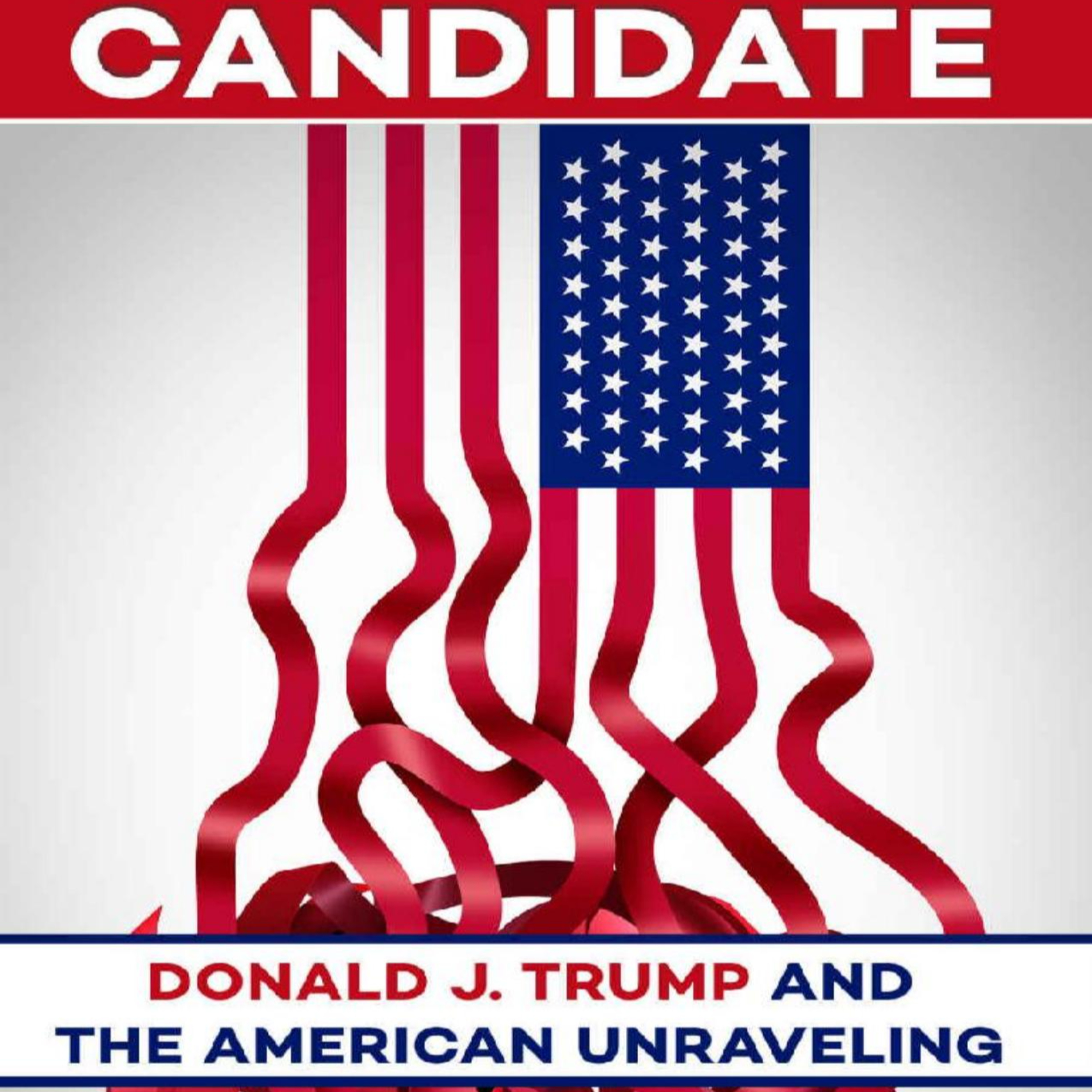 God's Chaos Candidate: Donald J. Trump and the American Unraveling — Cultural Power and Perception 10.10.2026 38mntWhat happens when political disagreement becomes evidence of a much larger struggle over who gets to shape culture?Welcome to Crisis in Perception, where we examine the systems shaping our world.Using God's Chaos Candidate: Donald J. Trump and the American Unraveling by Lance Wallnau as our lens, this episode examines the larger institutional and religious framework through which Wallnau interpreted the 2016 election.Wallnau argues that America was entering a “Fourth Crucible” and portrays progressive political networks as having accumulated influence across seven major cultural spheres. Within this framework, Donald Trump becomes an unconventional “wrecking ball” and possible Cyrus-like figure capable of disrupting an institutional trajectory Wallnau believes threatens conservative Christianity and the country itself.The investigation moves beyond the campaign argument to examine political mobilization through perceived institutional capture. It traces the interaction of cultural threat, media distrust, religious identity, elite power, outsider politics, and prophetic interpretation while distinguishing the author’s documented examples from his broader ideological and theological conclusions.Central systems include institutional power, cultural influence, political mobilization, belief formation, media framing, identity, and reinforcing feedback loops.📺 Watch on YouTube:https://youtu.be/-m2W0eb8XGA❤️ Support / Episode Post on Patreon:https://www.patreon.com/CrisisinPerception/posts/gods-chaos-j-and-171952478?utm_medium=clipboard_copy&utm_source=copyLink&utm_campaign=postshare_creator&utm_content=join_linkIf these ideas resonate, consider reading the work yourself or borrowing it from your local library. Supporting authors and libraries helps keep critical inquiry accessible.If you value systems-level analysis like this, please follow, rate, and share the project.This content was created using AI-assisted tools for research synthesis, structuring, and narration support. All analysis, framing, and editorial decisions are guided by human judgment as part of the Crisis in Perception project.
 -
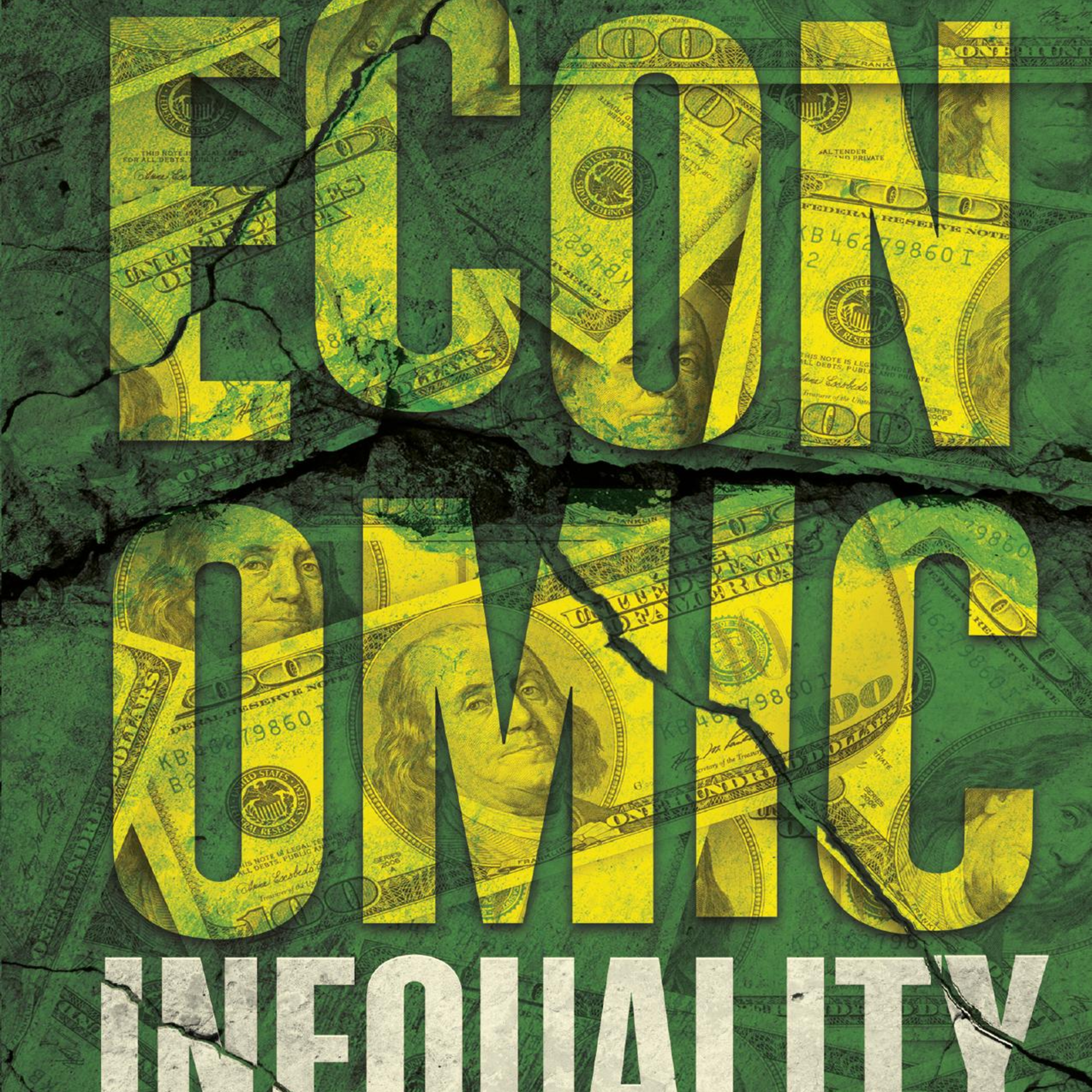 Economic Inequality: The American Dream Under Siege — Who Gets the Gains? 10.10.2026 50mntEconomic growth can create extraordinary prosperity without distributing its rewards evenly. What determines who actually receives the gains?Welcome to Crisis in Perception, where we examine the systems shaping our world.Using Economic Inequality: The American Dream Under Siege by Coral Celeste Frazer as our lens, this Deep Dive traces the historical forces that have repeatedly widened and narrowed inequality in the United States.From industrialization and the Gilded Age to the Great Depression, wartime mobilization, postwar prosperity, deindustrialization, outsourcing, automation, and declining union strength, Frazer shows that inequality changes alongside institutions and bargaining power.The investigation follows the deeper feedback loop connecting wealth, wages, political influence, education, opportunity, and intergenerational advantage. The central question is not only how much wealth an economy creates, but what determines where that wealth—and the power associated with it—ultimately goes.Central systems include labor bargaining power, wealth accumulation, political influence, social mobility, taxation, and institutional feedback loops.📺 Watch on YouTube:https://youtu.be/5iBqxMBXX4s❤️ Support / Episode Post on Patreon:https://www.patreon.com/CrisisinPerception/posts/economic-dream-171951357?utm_medium=clipboard_copy&utm_source=copyLink&utm_campaign=postshare_creator&utm_content=join_linkIf these ideas resonate, consider reading the work yourself or borrowing it from your local library. Supporting authors and libraries helps keep critical inquiry accessible.If you value systems-level analysis like this, please follow, rate, and share the project.This content was created using AI-assisted tools for research synthesis, structuring, and narration support. All analysis, framing, and editorial decisions are guided by human judgment as part of the Crisis in Perception project.
 -
 Against the Terror of Neoliberalism: Politics Beyond the Age of Greed — When Markets Shape Democracy 09.10.2026 37mntWhat happens when the market stops being an economic tool and becomes a model for citizenship itself?Welcome to Crisis in Perception, where we examine the systems shaping our world.Using Against the Terror of Neoliberalism: Politics Beyond the Age of Greed by Henry A. Giroux as our lens, this Deep Dive investigates Giroux’s argument that neoliberalism is more than an economic program. It also operates as public pedagogy, shaping how people understand freedom, responsibility, citizenship, public institutions, and the common good.Situated in the Bush-Cheney and post-9/11 era, Giroux connects neoliberalism to concentrated corporate power, the weakening of public institutions, militarization, surveillance, media consolidation, and what he describes as an emerging authoritarian political culture. The episode treats these claims as Giroux’s analytical framework while examining the mechanisms he believes connect them.The deeper system involves normalization. As market assumptions become embedded across government, media, education, and culture, political choices can begin to appear inevitable or simply natural. Public problems are increasingly translated into private responsibilities, citizens become consumers, and democratic spaces for collective deliberation can shrink.Giroux ultimately counters this process with the idea of educated hope: the cultivation of critical education, democratic public spheres, civic participation, and collective agency capable of making dominant assumptions visible and contestable.Central themes include neoliberalism as public pedagogy, market liberty versus democratic freedom, media power, militarization, the politics of disposability, and the relationship between critical education and democratic citizenship.📺 Watch on YouTube:https://youtu.be/YJyQPmhV7jc❤️ Support / Episode Post on Patreon:https://www.patreon.com/CrisisinPerception/posts/against-terror-171922718?utm_medium=clipboard_copy&utm_source=copyLink&utm_campaign=postshare_creator&utm_content=join_linkIf these ideas resonate, consider reading the work yourself or borrowing it from your local library. Supporting authors and libraries helps keep critical inquiry accessible.If you value systems-level analysis like this, please follow, rate, and share the project.This content was created using AI-assisted tools for research synthesis, structuring, and narration support. All analysis, framing, and editorial decisions are guided by human judgment as part of the Crisis in Perception project.
 -
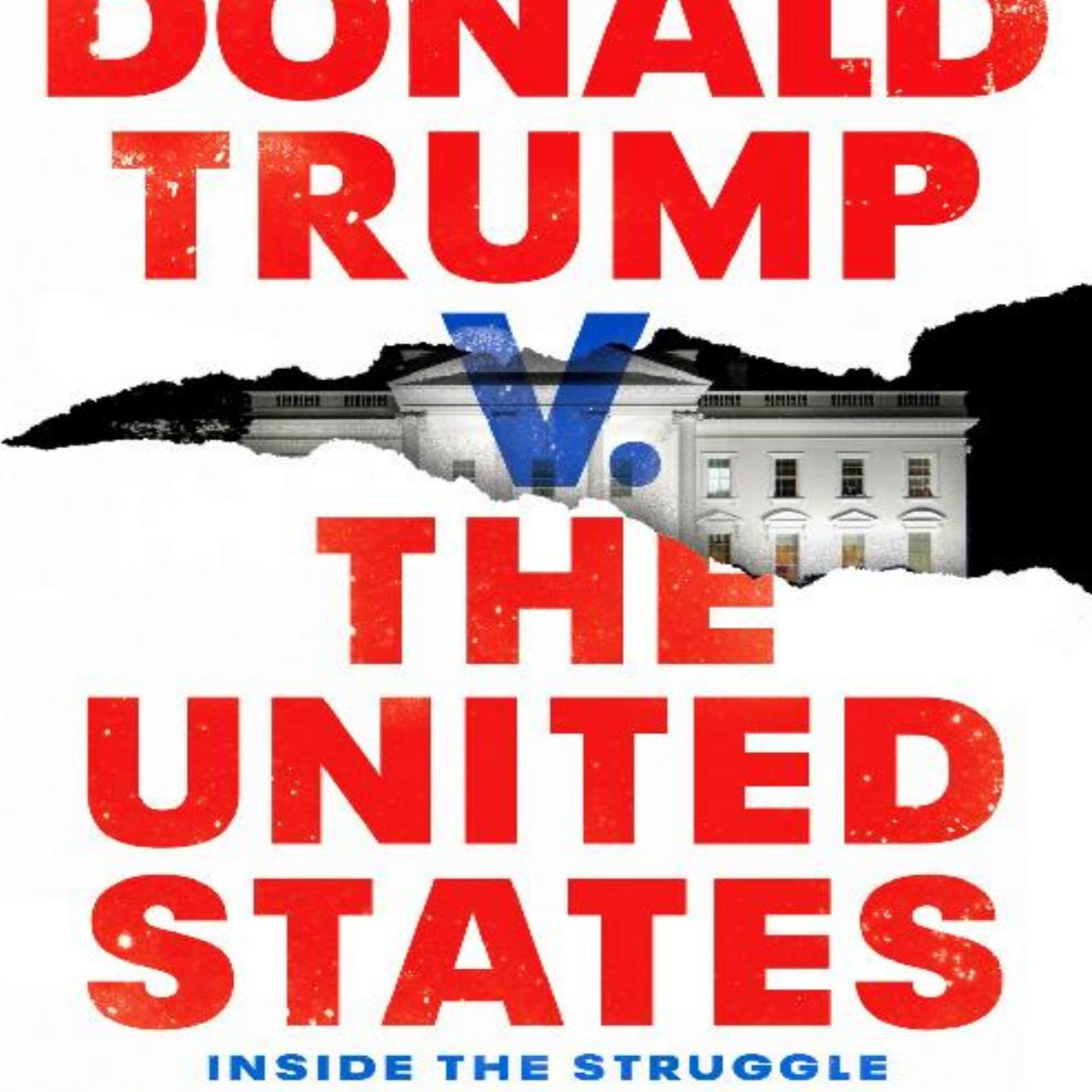 Donald Trump v. The United States: Inside the Struggle to Stop a President — Loyalty vs. Rule of Law 09.10.2026 44mntWhat happens when the safeguards around presidential power depend on whether individual officials are willing to enforce them?Welcome to Crisis in Perception, where we examine the systems shaping our world.Using Donald Trump v. The United States: Inside the Struggle to Stop a President by Michael S. Schmidt as our lens, this Deep Dive examines the tension between presidential authority, personal loyalty, and institutional independence.Schmidt follows figures including James Comey and Donald McGahn as they confront extraordinary pressure inside the executive branch. Their experiences reveal a deeper institutional problem: checks and balances are not simply constitutional mechanisms operating automatically in the background. They depend on people interpreting their responsibilities, defending professional boundaries, documenting decisions, and sometimes resisting the person with authority over their careers.The investigation moves from the Clinton email inquiry and Trump’s requests for loyalty through Comey’s firing, the Mueller investigation, McGahn’s resistance to efforts to remove Mueller, and the struggle over institutional credibility. The larger question is not simply what particular officials did, but what makes institutional guardrails strong enough to survive when power pushes against them.Central themes include presidential power, institutional independence, professional duty, informal norms, incentives, accountability, and the fragile human infrastructure behind formal checks and balances.📺 Watch on YouTube:https://youtu.be/fcyLm_1VbhY❤️ Support / Episode Post on Patreon:https://www.patreon.com/CrisisinPerception/posts/donald-trump-v-171915117?utm_medium=clipboard_copy&utm_source=copyLink&utm_campaign=postshare_creator&utm_content=join_linkIf these ideas resonate, consider reading the work yourself or borrowing it from your local library. Supporting authors and libraries helps keep critical inquiry accessible.If you value systems-level analysis like this, please follow, rate, and share the project.This content was created using AI-assisted tools for research synthesis, structuring, and narration support. All analysis, framing, and editorial decisions are guided by human judgment as part of the Crisis in Perception project.
 -
 The View from Flyover Country: Dispatches from the Forgotten America — Who Gets to Climb? 09.10.2026 26mntWhat if the American ladder of opportunity still appears functional because its missing rungs are most visible to the people trying to climb from below?Welcome to Crisis in Perception, where we examine the systems shaping our world.In The View from Flyover Country: Dispatches from the Forgotten America, Sarah Kendzior examines economic decline and shrinking opportunity from the perspective of workers, students, artists, families, and communities frequently overlooked in national narratives about prosperity and recovery.Kendzior argues that many problems commonly treated as failures of personal responsibility are rooted in structural change. Stable employment becomes contingent work. Entry-level positions become unpaid internships. Higher education becomes more expensive while offering less security. Creative and professional opportunities concentrate in cities whose cost of living increasingly excludes anyone without financial backing.This Deep Dive investigates the resulting architecture of opportunity: how insecurity, credentialism, geographic inequality, gentrification, inherited advantage, and professional gatekeeping can reinforce one another. When wealth helps determine who can afford to gain experience, take risks, relocate, or work without pay, privilege can be converted into credentials and then mistaken for merit.At the center of the investigation is a difficult tension: individuals still make choices, but those choices take place inside systems that distribute risks and options very differently.📺 Watch on YouTube:https://youtu.be/pUBHu3NVIFE❤️ Support / Episode Post on Patreon:https://www.patreon.com/CrisisinPerception/posts/view-from-from-171903094?utm_medium=clipboard_copy&utm_source=copyLink&utm_campaign=postshare_creator&utm_content=join_linkIf these ideas resonate, consider reading the work yourself or borrowing it from your local library. Supporting authors and libraries helps keep critical inquiry accessible.If you value systems-level analysis like this, please follow, rate, and share the project.This content was created using AI-assisted tools for research synthesis, structuring, and narration support. All analysis, framing, and editorial decisions are guided by human judgment as part of the Crisis in Perception project.
 -
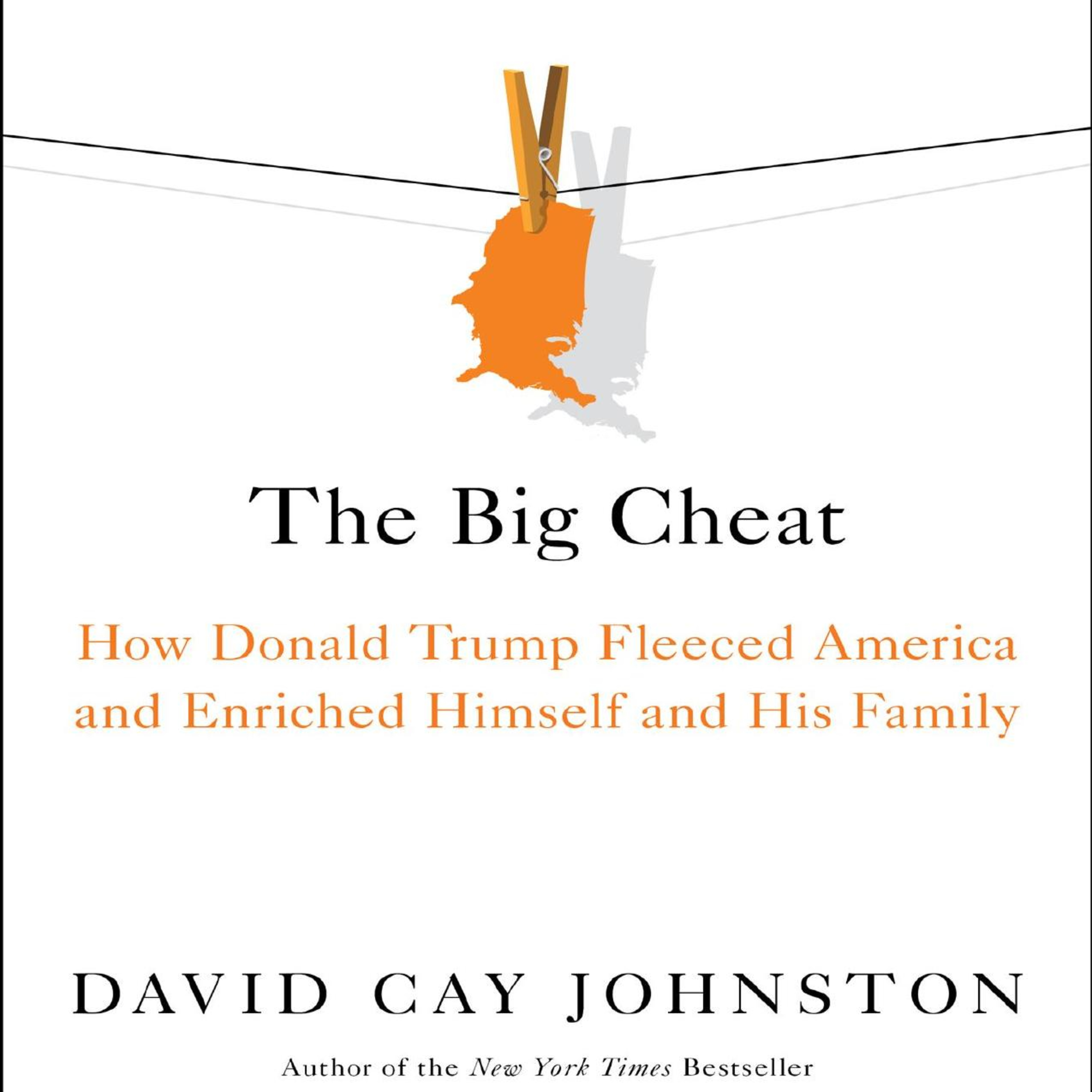 The Big Cheat: How Donald Trump Fleeced America and Enriched Himself and His Family — Power & Profit 08.10.2026 57mntWhat happens when a reputation for extraordinary business success becomes political capital—and political power becomes entangled with private financial interests?Welcome to Crisis in Perception, where we examine the systems shaping our world.Using The Big Cheat: How Donald Trump Fleeced America and Enriched Himself and His Family by David Cay Johnston as our lens, this investigation examines the relationship between Donald Trump’s public image, political authority, private business interests, and institutional accountability.Johnston argues that Trump’s political identity rested partly on a carefully cultivated image of wealth, independence, and business competence. The book follows that image from real estate and television into presidential politics, then examines how public office interacted with Trump-family businesses, tax policy, the Washington hotel, financial disclosure battles, and investigations of the Trump Organization.The deeper system involves a feedback loop among reputation, political power, private economic advantage, legal resources, institutional caution, and delayed accountability. The central tension is between public trust and private interest: how effectively can democratic institutions oversee an officeholder whose personal financial interests remain connected to the authority of the office itself?Central systems and mechanisms include media amplification, branding, economic anxiety, conflicts of interest, incentive structures, institutional oversight, litigation delay, and financial opacity.📺 Watch on YouTube:https://youtu.be/TZ4-YNwk2oY❤️ Support / Episode Post on Patreon:https://www.patreon.com/CrisisinPerception/posts/big-cheat-how-171827216?utm_medium=clipboard_copy&utm_source=copyLink&utm_campaign=postshare_creator&utm_content=join_linkIf these ideas resonate, consider reading the work yourself or borrowing it from your local library. Supporting authors and libraries helps keep critical inquiry accessible.If you value systems-level analysis like this, please follow, rate, and share the project.This content was created using AI-assisted tools for research synthesis, structuring, and narration support. All analysis, framing, and editorial decisions are guided by human judgment as part of the Crisis in Perception project.
 -
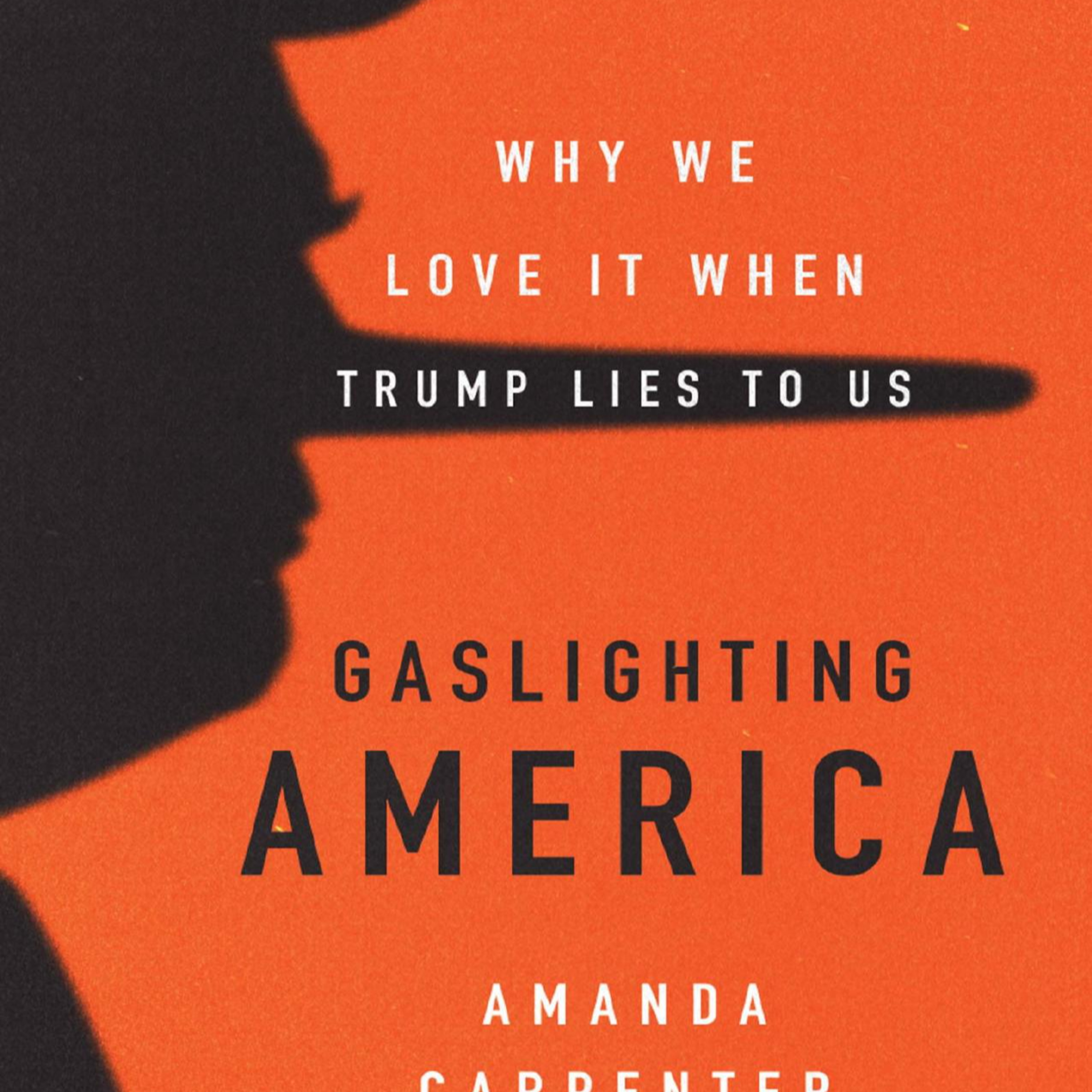 Gaslighting America: Why We Love It When Trump Lies to Us — How Attention Rewards Falsehoods 08.10.2026 39mntWhat happens when correcting a political falsehood can also help keep it alive?Welcome to Crisis in Perception, where we examine the systems shaping our world.Using Gaslighting America: Why We Love It When Trump Lies to Us by Amanda Carpenter as our lens, this episode investigates Carpenter’s argument that Donald Trump’s 2016 political strategy repeatedly converted provocative claims into attention, conflict, loyalty, and political leverage.Carpenter identifies a five-step pattern: stake a claim, advance and deny, create suspense, discredit the opponent, and declare victory. Her account of birtherism provides a central example, but the larger system includes journalists, political parties, rivals, surrogates, voters, social media, and audiences whose different incentives can unintentionally reinforce the same narrative.The investigation focuses on the tension between correction and amplification. When controversy attracts attention, attention rewards coverage, and coverage increases political value, factual weakness does not necessarily make a narrative disappear. Carpenter’s later discussion of source evaluation and falsifiability offers a broader thinking tool for recognizing claims that become resistant to correction.Central systems include media attention, political incentives, partisan identity, information feedback loops, conspiracy thinking, and the relationship between evidence and engagement.📺 Watch on YouTube:https://youtu.be/qIvVJsyq9Ko❤️ Support / Episode Post on Patreon:https://www.patreon.com/CrisisinPerception/posts/gaslighting-why-171826329?utm_medium=clipboard_copy&utm_source=copyLink&utm_campaign=postshare_creator&utm_content=join_linkIf these ideas resonate, consider reading the work yourself or borrowing it from your local library. Supporting authors and libraries helps keep critical inquiry accessible.If you value systems-level analysis like this, please follow, rate, and share the project.This content was created using AI-assisted tools for research synthesis, structuring, and narration support. All analysis, framing, and editorial decisions are guided by human judgment as part of the Crisis in Perception project.
 -
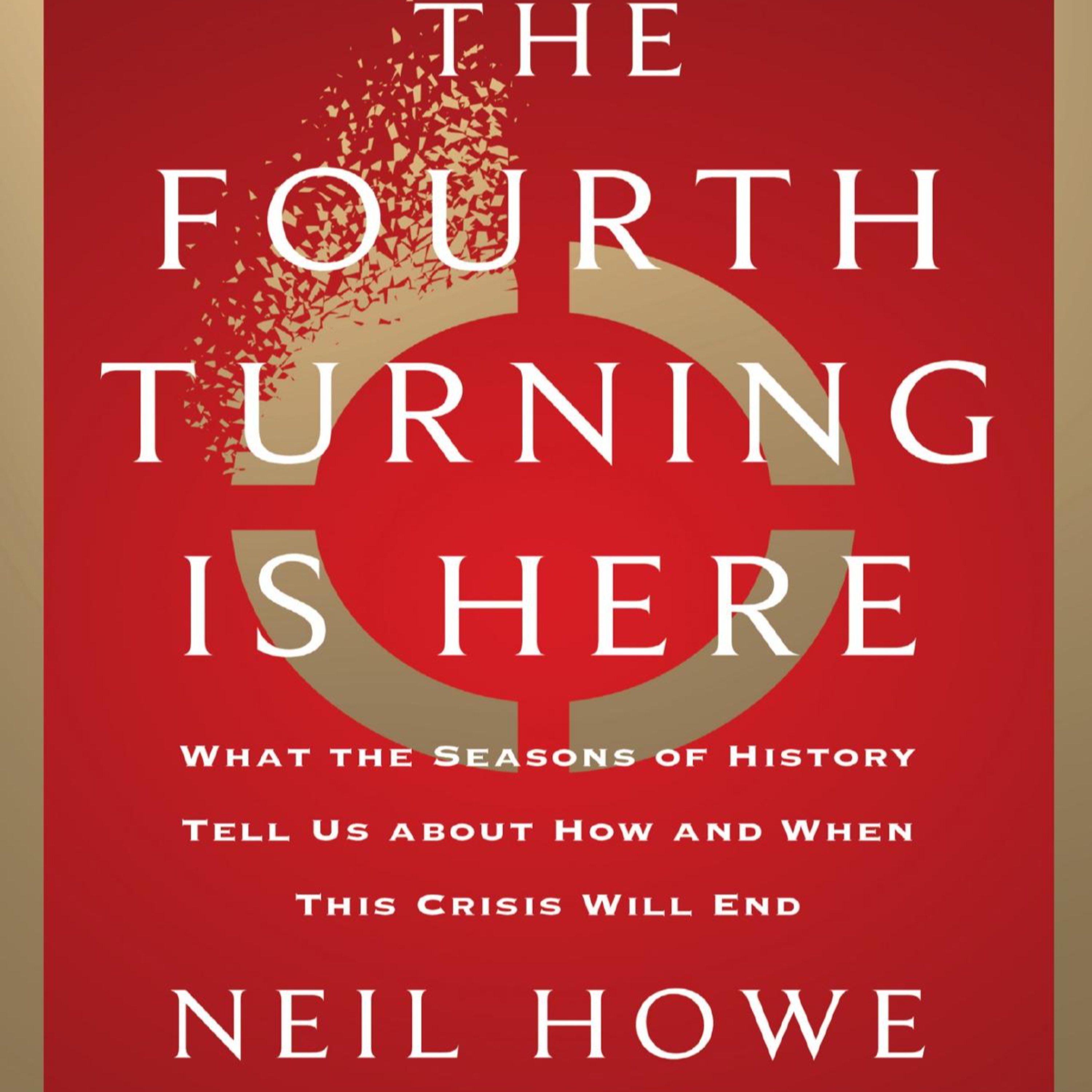 The Fourth Turning Is Here — Do Generations Drive History’s Crisis Cycles? 07.10.2026 24mntWhat if the crises that appear unique while we are living through them are partly shaped by social forces operating across generations?Welcome to Crisis in Perception, where we examine the systems shaping our world.Using The Fourth Turning Is Here: What the Seasons of History Tell Us About How and When This Crisis Will End by Neil Howe as our lens, this Deep Dive investigates Howe’s theory that modern Anglo-American history moves through a recurring saeculum of institutional growth, cultural upheaval, fragmentation, and crisis.At the center of the theory is generational replacement. Historical conditions shape people during their formative years; those generations later move into leadership and institutional roles; their responses reshape society; and those new conditions form the generations that follow.The episode examines Howe’s identification of 2008 as the beginning of the current Fourth Turning and compares the present period with earlier crisis eras surrounding the American Revolution, Civil War, and Great Depression–World War II.But recognizing recurrence is not the same as proving destiny. The investigation also considers anomalies, uncertainty, contingent outcomes, and the harder methodological question of what evidence could distinguish a genuine generational mechanism from an attractive pattern imposed on history.Central themes include generational turnover, institutional trust, civic order, historical recurrence, feedback between generations and institutions, and the tension between cyclical models and historical contingency.📺 Watch on YouTube:https://youtu.be/AWFF3LkXcIU❤️ Support / Episode Post on Patreon:https://www.patreon.com/CrisisinPerception/posts/fourth-turning-171726954?utm_medium=clipboard_copy&utm_source=copyLink&utm_campaign=postshare_creator&utm_content=join_linkIf these ideas resonate, consider reading the work yourself or borrowing it from your local library. Supporting authors and libraries helps keep critical inquiry accessible.If you value systems-level analysis like this, please follow, rate, and share the project.This content was created using AI-assisted tools for research synthesis, structuring, and narration support. All analysis, framing, and editorial decisions are guided by human judgment as part of the Crisis in Perception project.
 -
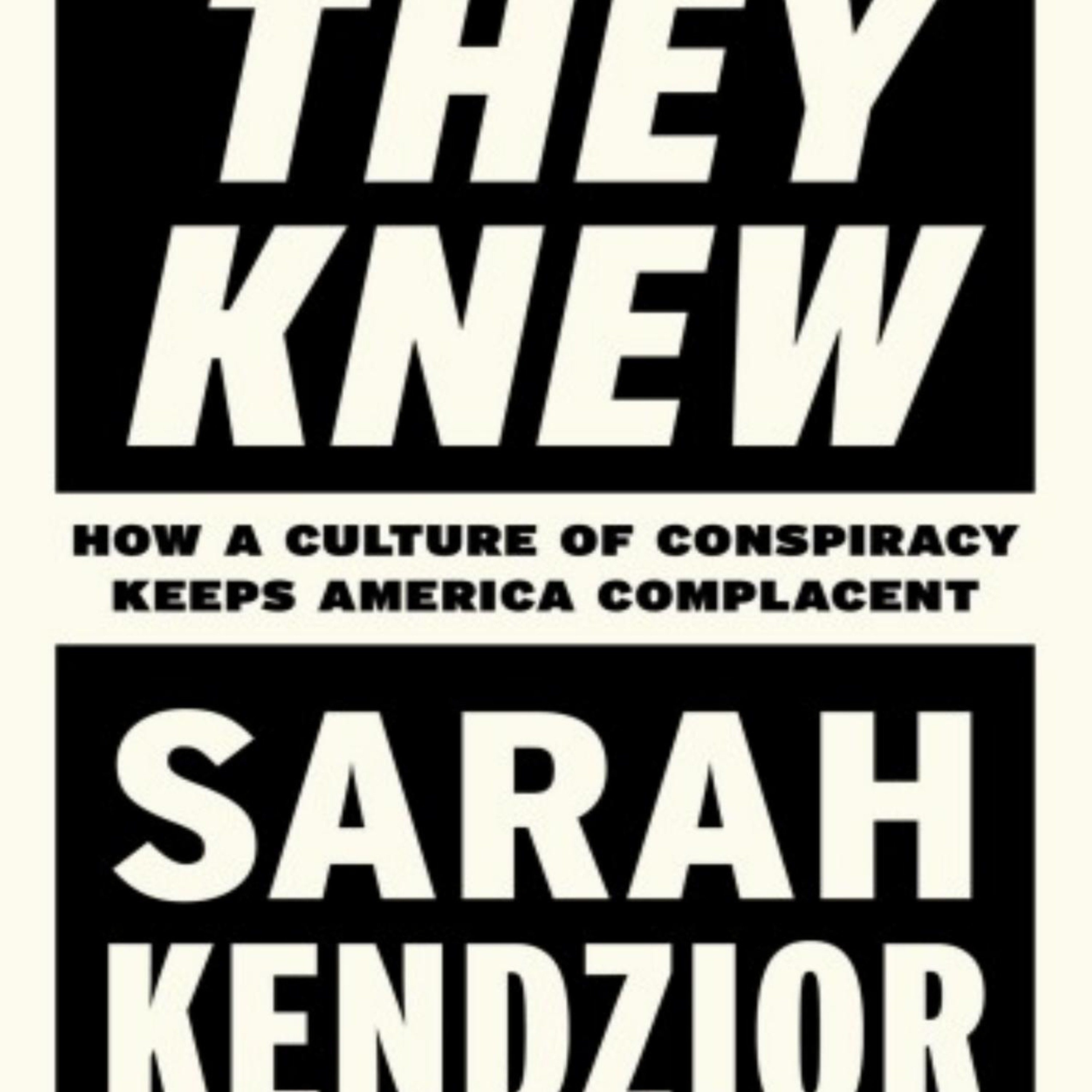 They Knew: How a Culture of Conspiracy Keeps America Complacent — The Trust Trap 07.10.2026 32mntWhat happens when justified distrust becomes the raw material for manipulation?Welcome to Crisis in Perception, where we examine the systems shaping our world.Using They Knew: How a Culture of Conspiracy Keeps America Complacent by Sarah Kendzior as our lens, this episode investigates how institutional betrayal, elite impunity, information disorder, and conspiracy culture can reinforce one another.Kendzior argues that conspiracy theories cannot be understood simply as irrational beliefs appearing from nowhere. Historical deception, corruption, institutional abandonment, and failures of accountability can give people legitimate reasons to distrust authority. But once trust collapses, the resulting information vacuum creates opportunities for propagandists, political actors, confidence figures, and online communities to redirect suspicion toward stories that promise certainty without producing accountability.The investigation traces a feedback loop from betrayal to distrust, from distrust to informational fragmentation, and from fragmentation to manipulation and complacency. It also examines the tension between healthy skepticism and weaponized suspicion: how can people question institutions without becoming vulnerable to narratives designed to exploit precisely that skepticism?Central systems include institutional trust, information asymmetry, media incentives, normalcy bias, elite impunity, collective memory, and democratic accountability.📺 Watch on YouTube:https://youtu.be/mgwlwM7sswk❤️ Support / Episode Post on Patreon:https://www.patreon.com/CrisisinPerception/posts/they-knew-how-of-171716273?utm_medium=clipboard_copy&utm_source=copyLink&utm_campaign=postshare_creator&utm_content=join_linkIf these ideas resonate, consider reading the work yourself or borrowing it from your local library. Supporting authors and libraries helps keep critical inquiry accessible.If you value systems-level analysis like this, please follow, rate, and share the project.This content was created using AI-assisted tools for research synthesis, structuring, and narration support. All analysis, framing, and editorial decisions are guided by human judgment as part of the Crisis in Perception project.
 -
 Rules for Resistance: Advice from Around the Globe for the Age of Trump — Who Defends Democracy? 07.10.2026 33mntDemocracy is often imagined as a system whose laws and institutions automatically constrain political power. Rules for Resistance asks what happens when those safeguards depend on people and institutions actively maintaining them.Welcome to Crisis in Perception, where we examine the systems shaping our world.Rules for Resistance: Advice from Around the Globe for the Age of Trump, edited by Melanie Wachtell Stinnett and David Cole, is a 2017 collection drawing lessons from political experiences across Europe, the Middle East, Asia, Latin America, journalism, and American grassroots organizing.This Deep Dive investigates the anthology’s recurring concern with countervailing civic power. Its contributors examine how independent journalism, courts, universities, political organizations, nongovernmental groups, public officials, and engaged citizens can constrain abuses of authority—and how those defenses can weaken through normalization, intimidation, institutional capture, fragmented information systems, and political disengagement.The investigation also explores an important strategic tension within the collection. Public protest can generate visibility and solidarity, but several contributors emphasize the importance of converting attention into specific institutional leverage through elections, policy-focused campaigns, local organizing, journalism, litigation, and constituent pressure.At the center of the episode are civil society, institutional norms, political incentives, media fragmentation, information trust, organized participation, and the difference between symbolic resistance and durable political capacity.📺 Watch on YouTube:https://youtu.be/lcUekhAh5hY❤️ Support / Episode Post on Patreon:https://www.patreon.com/CrisisinPerception/posts/rules-for-advice-171712982?utm_medium=clipboard_copy&utm_source=copyLink&utm_campaign=postshare_creator&utm_content=join_linkIf these ideas resonate, consider reading the work yourself or borrowing it from your local library. Supporting authors and libraries helps keep critical inquiry accessible.If you value systems-level analysis like this, please follow, rate, and share the project.This content was created using AI-assisted tools for research synthesis, structuring, and narration support. All analysis, framing, and editorial decisions are guided by human judgment as part of the Crisis in Perception project.
 -
 Hiding in Plain Sight: The Invention of Donald Trump and the Erosion of America — Elite Impunity 07.10.2026 59mntWhat happens when misconduct remains visible, yet meaningful consequences repeatedly fail to arrive?Welcome to Crisis in Perception, where we examine the systems shaping our world.Using Hiding in Plain Sight: The Invention of Donald Trump and the Erosion of America by Sarah Kendzior as our lens, this Deep Dive investigates her argument that Trump’s rise was the culmination of decades of institutional erosion, political corruption, economic inequality, media spectacle, and transnational relationships rather than an isolated break from American history.At the center of the investigation is elite impunity: the process by which repeated failures of accountability can reshape incentives and expectations. Kendzior connects this pattern to Roy Cohn’s influence, dark money, weakening institutions, media incentives, normalcy bias, and what she sees as the increasing entanglement of political power with transnational networks.The episode asks a broader question that extends beyond any single political figure: what happens to a democratic system when violations remain visible, but the expectation of consequences steadily disappears?Central systems and tensions include elite impunity, institutional accountability, political incentives, media spectacle, normalcy bias, public exhaustion, and the tension between recognizing warning signs and becoming accustomed to them.📺 Watch on YouTube:https://youtu.be/JYyFSo6KoJk❤️ Support / Episode Post on Patreon:https://www.patreon.com/CrisisinPerception/posts/hiding-in-plain-171664080?utm_medium=clipboard_copy&utm_source=copyLink&utm_campaign=postshare_creator&utm_content=join_linkIf these ideas resonate, consider reading the work yourself or borrowing it from your local library. Supporting authors and libraries helps keep critical inquiry accessible.If you value systems-level analysis like this, please follow, rate, and share the project.This content was created using AI-assisted tools for research synthesis, structuring, and narration support. All analysis, framing, and editorial decisions are guided by human judgment as part of the Crisis in Perception project.
 -
 The Mouse That Roared: Disney and the End of Innocence — When Entertainment Teaches 06.10.2026 48mntWhat changes when entertainment becomes one of the most powerful classrooms in everyday life?Welcome to Crisis in Perception, where we examine the systems shaping our world.In The Mouse That Roared: Disney and the End of Innocence, Henry A. Giroux examines Disney as more than an entertainment company. He asks what happens when a corporation with extraordinary cultural reach also functions as an educational force, shaping ideas about childhood, history, identity, consumerism, and citizenship.Giroux does not reduce Disney audiences to passive consumers, nor does he deny the genuine pleasure and imagination found in Disney culture. His concern is structural. Films, television, merchandising, theme parks, corporate workplaces, and projects such as Celebration, Florida form an interconnected cultural system capable of teaching values while appearing to offer only entertainment.This Deep Dive traces the tension between innocence and power, nostalgia and historical memory, consumer choice and democratic citizenship, and entertainment and public pedagogy. At the center is a larger question: when corporations become major educators outside the classroom, how should their cultural power be understood and evaluated?Central themes include public pedagogy, media concentration, corporate cultural power, consumer identity, childhood commercialization, historical memory, and democratic citizenship.📺 Watch on YouTube:https://youtu.be/x4MIt1OnjAo❤️ Support / Episode Post on Patreon:https://www.patreon.com/CrisisinPerception/posts/mouse-that-and-171626114?utm_medium=clipboard_copy&utm_source=copyLink&utm_campaign=postshare_creator&utm_content=join_linkIf these ideas resonate, consider reading the work yourself or borrowing it from your local library. Supporting authors and libraries helps keep critical inquiry accessible.If you value systems-level analysis like this, please follow, rate, and share the project.This content was created using AI-assisted tools for research synthesis, structuring, and narration support. All analysis, framing, and editorial decisions are guided by human judgment as part of the Crisis in Perception project.
 -
 The Trouble with White Women: A Counterhistory of Feminism — Access or Transformation? 06.10.2026 24mntWhat happens when representation changes, but the underlying structure of power does not?Welcome to Crisis in Perception, where we examine the systems shaping our world.In The Trouble with White Women: A Counterhistory of Feminism, Kyla Schuller reconstructs nearly two centuries of conflict over the meaning of feminist progress. She contrasts what she calls white feminism—a political framework focused on advancing women within existing hierarchies—with an intersectional feminist tradition that treats gender injustice as inseparable from racial, economic, colonial, sexual, and other structures of power.This Deep Dive examines the recurring tension between access and transformation. Through historical pairings including Elizabeth Cady Stanton and Frances E. W. Harper, Margaret Sanger and Dorothy Ferebee, Janice Raymond and Sandy Stone, and Sheryl Sandberg and Alexandria Ocasio-Cortez, Schuller argues that the outward language of feminism can change while deeper patterns of hierarchy, extraction, and exclusion persist.The central question is larger than feminism itself: when institutions become more diverse, how can we determine whether power has actually been redistributed—or whether the same structure is simply operating through a broader range of people?Central themes include representation, intersectionality, institutional power, reproductive justice, trans inclusion, coalition, individual advancement, and collective liberation.📺 Watch on YouTube:https://youtu.be/RzaYsioEsos❤️ Support / Episode Post on Patreon:https://www.patreon.com/CrisisinPerception/posts/trouble-with-of-171620909?utm_medium=clipboard_copy&utm_source=copyLink&utm_campaign=postshare_creator&utm_content=join_linkIf these ideas resonate, consider reading the work yourself or borrowing it from your local library. Supporting authors and libraries helps keep critical inquiry accessible.If you value systems-level analysis like this, please follow, rate, and share the project.This content was created using AI-assisted tools for research synthesis, structuring, and narration support. All analysis, framing, and editorial decisions are guided by human judgment as part of the Crisis in Perception project.
 -
 Take Back Higher Education: Race, Youth, and the Crisis of Democracy in the Post–Civil Rights Era 06.10.2026 27mntWhat happens when higher education is reorganized around market value rather than its wider civic purpose?Welcome to Crisis in Perception, where we examine the systems shaping our world.Using Take Back Higher Education: Race, Youth, and the Crisis of Democracy in the Post–Civil Rights Era by Henry A. Giroux and Susan Searls Giroux as our lens, this episode investigates the university as both an educational institution and a potential democratic public sphere.Writing in the post-9/11 United States, Giroux and Giroux argue that higher education should do more than prepare students for employment. It can also cultivate critical judgment, public engagement, intellectual independence, and the ability to participate meaningfully in democratic life.The investigation centers on neoliberal corporatization: the process through which market incentives increasingly influence university priorities, labor, funding, curriculum, and institutional identity. As public investment weakens and commercial pressures grow, students may be treated increasingly as consumers and education as a private economic purchase.This creates a deeper structural tension between education as a public good and education as a commodity. The episode examines how declining public support, corporate influence, unequal access, changing faculty labor, and post-9/11 pressures surrounding dissent can interact to reshape what universities are expected to accomplish.Central systems include market incentives, institutional dependence, public funding, democratic participation, inequality, and the feedback loop between privatization and declining expectations of public responsibility.📺 Watch on YouTube:https://youtu.be/GsOYlSgBn9g❤️ Support / Episode Post on Patreon:https://www.patreon.com/CrisisinPerception/posts/take-back-higher-171619947?utm_medium=clipboard_copy&utm_source=copyLink&utm_campaign=postshare_creator&utm_content=join_linkIf these ideas resonate, consider reading the work yourself or borrowing it from your local library. Supporting authors and libraries helps keep critical inquiry accessible.If you value systems-level analysis like this, please follow, rate, and share the project.This content was created using AI-assisted tools for research synthesis, structuring, and narration support. All analysis, framing, and editorial decisions are guided by human judgment as part of the Crisis in Perception project.
 -
 Troll Nation — When Outrage Becomes Political Identity 06.10.2026 36mntWhat happens when political conflict begins rewarding people not for solving problems, but for making an opposing group angry?Welcome to Crisis in Perception, where we examine the systems shaping our world.Using Troll Nation: How The Right Became Trump-Worshipping Monsters Set On Rat F*cking Liberals, America, and Truth Itself by Amanda Marcotte as our lens, this episode investigates her argument that Trump-era conservatism intensified a political culture organized around provocation, resentment, and hostility toward perceived progressive enemies.Marcotte connects Gamergate, Milo Yiannopoulos, birtherism, “political correctness,” conspiracy theories, and attacks on the media to a broader transformation in political identity. The systems question is larger than any single personality: what happens when outrage itself creates social and political rewards?The investigation traces a reinforcing loop in which provocation generates backlash, backlash can be reframed as censorship or persecution, perceived victimhood strengthens group identity, and media attention rewards further provocation. It also examines the tension between policy outcomes and symbolic victories, asking why people may support actions with material costs when those actions also signal loyalty and defeat an opposing tribe.Central systems include negative partisan identity, outrage incentives, media reinforcement, perceived victimhood, and political polarization.📺 Watch on YouTube:https://youtu.be/wl935dqiTVM❤️ Support / Episode Post on Patreon:https://www.patreon.com/CrisisinPerception/posts/troll-nation-171566763?utm_medium=clipboard_copy&utm_source=copyLink&utm_campaign=postshare_creator&utm_content=join_linkIf these ideas resonate, consider reading the work yourself or borrowing it from your local library. Supporting authors and libraries helps keep critical inquiry accessible.If you value systems-level analysis like this, please follow, rate, and share the project.This content was created using AI-assisted tools for research synthesis, structuring, and narration support. All analysis, framing, and editorial decisions are guided by human judgment as part of the Crisis in Perception project.
 -
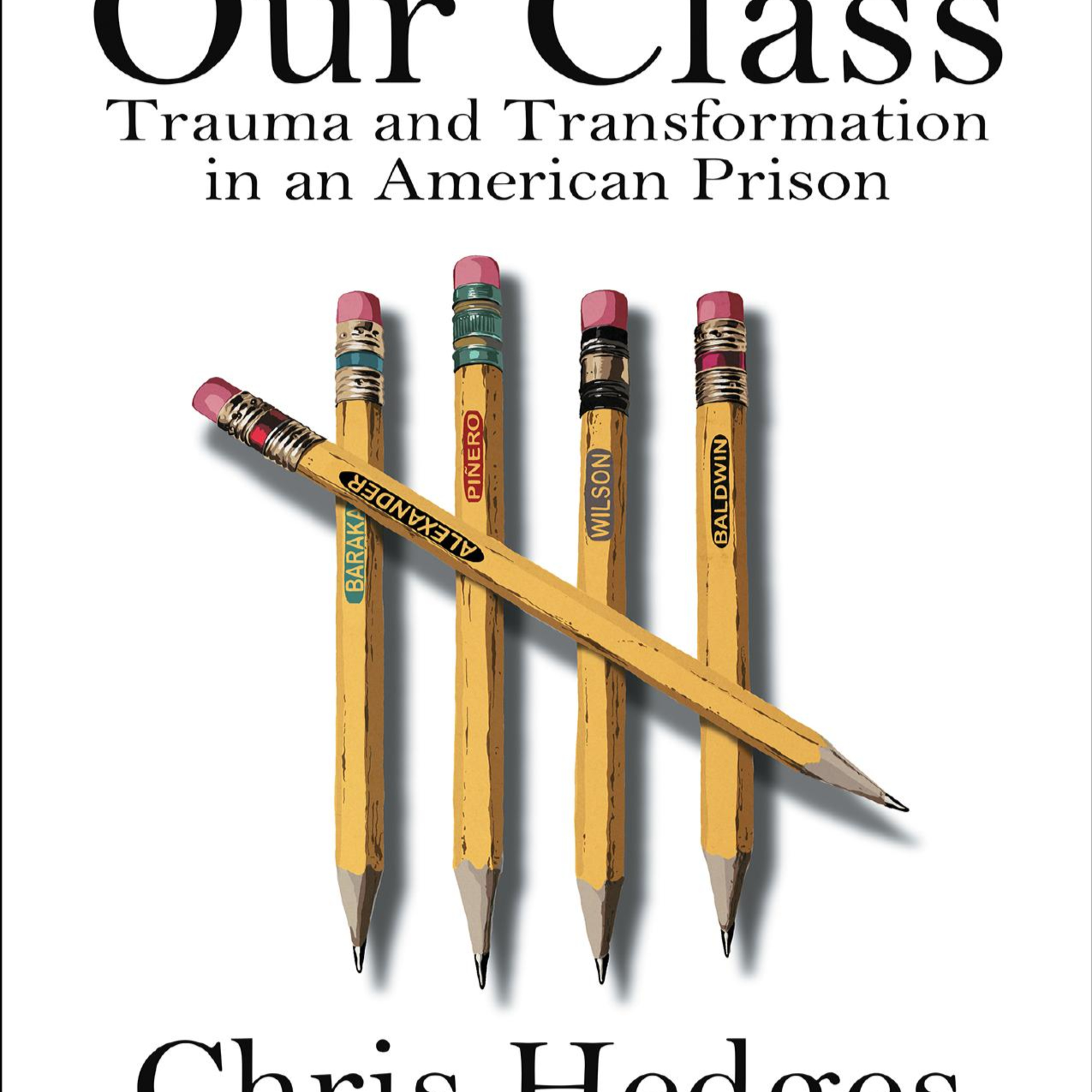 Our Class: Trauma and Transformation in an American Prison — When Prison Becomes Identity 06.10.2026 44mntWhat happens when punishment does more than restrict freedom—when it also teaches society, and eventually the prisoner, to see a human being as a permanent criminal identity?Welcome to Crisis in Perception, where we examine the systems shaping our world.In Our Class: Trauma and Transformation in an American Prison, Chris Hedges recounts his years teaching inside New Jersey prisons and the class that eventually created the play Caged.This Deep Dive examines mass incarceration as a system that can shape identity as well as impose punishment. Poverty, racialized policing, plea bargaining, long sentences, family separation, institutional control, stigma, and trauma interact in ways that can reduce people to the label “criminal” while reinforcing public assumptions about who deserves dignity, trust, and belonging.The investigation also traces the counter-system that emerged in Hedges’s classroom. Through literature, history, theater, collective writing, and human relationships, the men increasingly understood themselves not only as prisoners but as students, thinkers, writers, and creators.Central systems and tensions include institutional dehumanization, criminal labeling, social control, trauma, identity formation, education, artistic expression, and the tension between punishment and personhood.📺 Watch on YouTube:https://youtu.be/2UXplGrFiro❤️ Support / Episode Post on Patreon:https://www.patreon.com/CrisisinPerception/posts/our-class-trauma-171565892?utm_medium=clipboard_copy&utm_source=copyLink&utm_campaign=postshare_creator&utm_content=join_linkIf these ideas resonate, consider reading the work yourself or borrowing it from your local library. Supporting authors and libraries helps keep critical inquiry accessible.If you value systems-level analysis like this, please follow, rate, and share the project.This content was created using AI-assisted tools for research synthesis, structuring, and narration support. All analysis, framing, and editorial decisions are guided by human judgment as part of the Crisis in Perception project.
 -
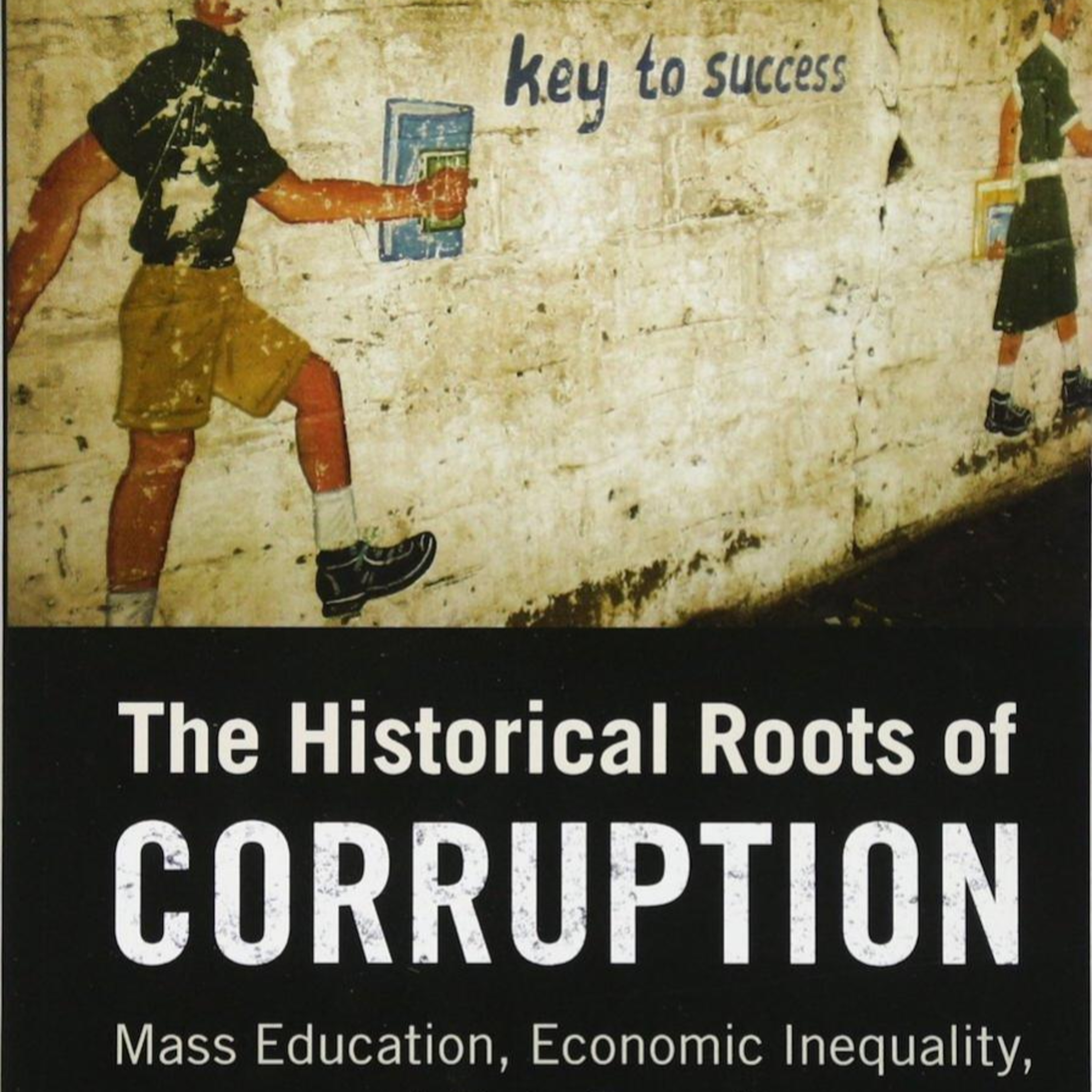 The Historical Roots of Corruption — Why Corruption Survives for Generations 06.10.2026 49mntWhy can corruption remain entrenched for generations even after leaders, laws, and political institutions change?Welcome to Crisis in Perception, where we examine the systems shaping our world.Using The Historical Roots of Corruption: Mass Education, Economic Inequality, and State Capacity by Eric M. Uslaner as our lens, this investigation examines the historical conditions that allow corruption to persist.Uslaner argues that widespread education is deeply connected to economic equality, political independence, trust, and the capacity of citizens to challenge dishonest leadership. Without those foundations, societies can become caught in an inequality trap in which dependence, mistrust, corruption, and unequal power reinforce one another.The episode examines why historical levels of education remain strongly associated with contemporary corruption and contrasts this explanation with alternatives based on geography, historical technology, democracy, and formal institutions.At the center of the investigation are path dependence, clientelism, economic inequality, state capacity, trust, and the possibility that long-term structural change may matter more than short-term anti-corruption campaigns alone.📺 Watch on YouTube:https://youtu.be/su0-I7CnB9I❤️ Support / Episode Post on Patreon:https://www.patreon.com/CrisisinPerception/posts/historical-roots-171565342?utm_medium=clipboard_copy&utm_source=copyLink&utm_campaign=postshare_creator&utm_content=join_linkIf these ideas resonate, consider reading the work yourself or borrowing it from your local library. Supporting authors and libraries helps keep critical inquiry accessible.If you value systems-level analysis like this, please follow, rate, and share the project.This content was created using AI-assisted tools for research synthesis, structuring, and narration support. All analysis, framing, and editorial decisions are guided by human judgment as part of the Crisis in Perception project.
 -
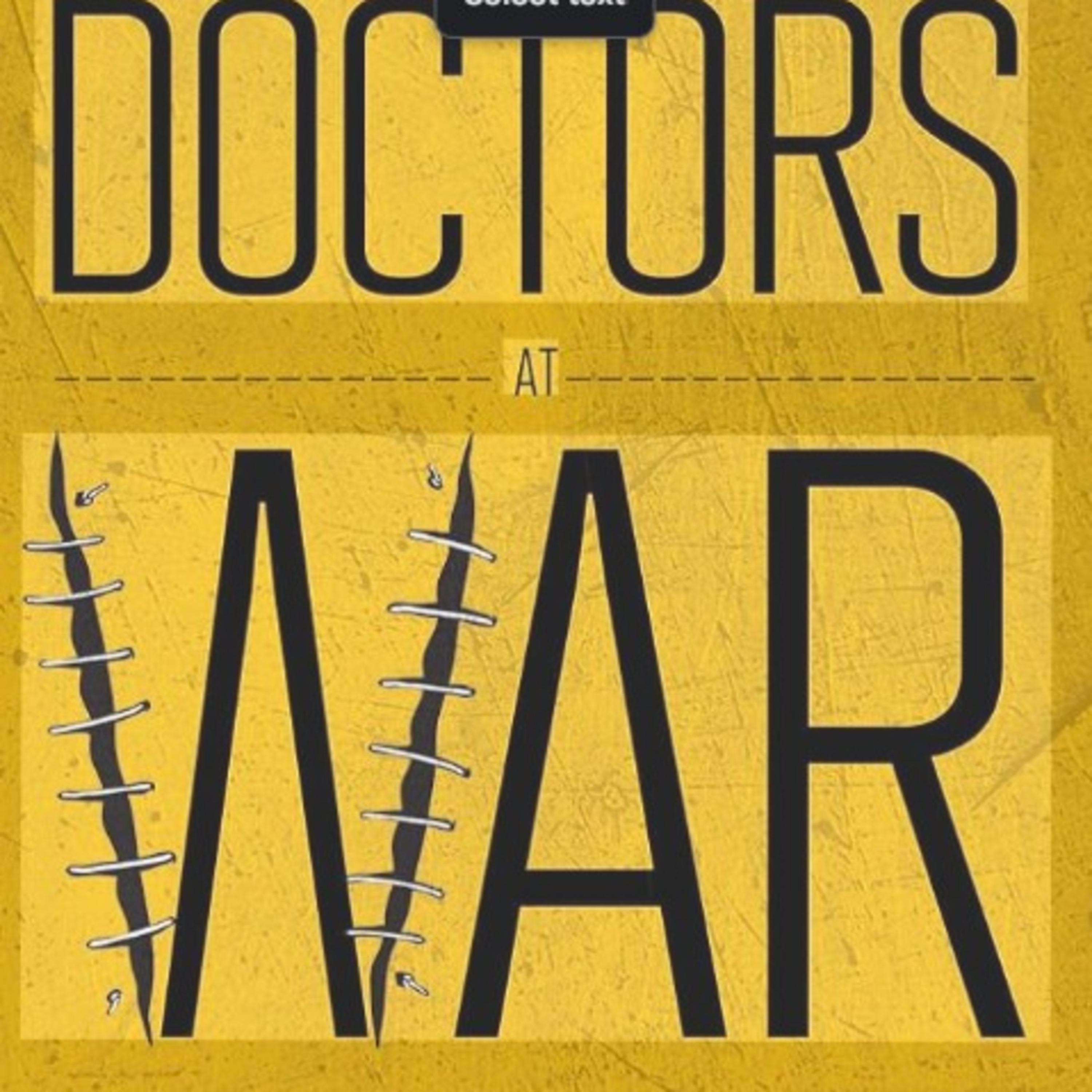 Doctors at War: Life and Death in a Field Hospital — When Success Feels Dysfunctional 05.10.2026 47mntWhat happens when an institution becomes extraordinarily good at repairing the damage produced by a system its own workers may struggle to make sense of?Welcome to Crisis in Perception, where we examine the systems shaping our world.Doctors at War: Life and Death in a Field Hospital by Mark de Rond takes us inside Camp Bastion’s trauma hospital in Afghanistan, where military doctors and nurses treated devastating battlefield injuries with remarkable effectiveness.This Deep Dive examines the organizational paradox at the heart of the book: exceptional outcomes emerging from an environment filled with boredom, rivalry, exhaustion, dark humor, emotional detachment, camaraderie, and profound moral uncertainty.We trace how technical mastery, professional identity, routines, teamwork, and coping mechanisms allowed people to continue functioning under extraordinary pressure—and why judging an institution only by its measurable outcomes can conceal the human costs that make those outcomes possible.Central themes include organizational resilience, professional identity, trauma, coping, institutional culture, unequal systems of care, and the tension between effectiveness and human cost.📺 Watch on YouTube:https://youtu.be/7EBvqtTgAGc❤️ Support / Episode Post on Patreon:https://www.patreon.com/CrisisinPerception/posts/doctors-at-war-171518286?utm_medium=clipboard_copy&utm_source=copyLink&utm_campaign=postshare_creator&utm_content=join_linkIf these ideas resonate, consider reading the work yourself or borrowing it from your local library. Supporting authors and libraries helps keep critical inquiry accessible.If you value systems-level analysis like this, please follow, rate, and share the project.This content was created using AI-assisted tools for research synthesis, structuring, and narration support. All analysis, framing, and editorial decisions are guided by human judgment as part of the Crisis in Perception project.
 -
 The Will to Resist: Soldiers Who Refuse to Fight in Iraq and Afghanistan — When Obedience Breaks 05.10.2026 49mntWhat happens when the people expected to carry out a policy begin to believe that obedience itself is causing harm?Welcome to Crisis in Perception, where we examine the systems shaping our world.Using The Will to Resist: Soldiers Who Refuse to Fight in Iraq and Afghanistan by Dahr Jamail as our lens, this investigation examines dissent within the U.S. military during the wars in Iraq and Afghanistan.Jamail documents a spectrum of resistance among soldiers and veterans: quiet mission avoidance, public criticism, conscientious objection, AWOL, organized antiwar activism, and refusal of particular missions. His reporting reveals how repeated deployments, combat trauma, perceived mission failure, institutional neglect, economic pressures, unit loyalty, and moral conflict can interact inside a system built around hierarchy and obedience.At the center is a structural tension with implications far beyond the military. Institutions require coordination and discipline, but they also need ways to detect mistakes. When questioning authority carries severe personal costs, important information from people closest to a system’s consequences can remain hidden until problems become much harder to correct.Central systems include military hierarchy, institutional incentives, economic dependence, unit cohesion, suppression of dissent, peer networks, and internal error correction.📺 Watch on YouTube:https://youtu.be/WN_jTJ0NMkY❤️ Support / Episode Post on Patreon:https://www.patreon.com/CrisisinPerception/posts/will-to-resist-171517433?utm_medium=clipboard_copy&utm_source=copyLink&utm_campaign=postshare_creator&utm_content=join_linkIf these ideas resonate, consider reading the work yourself or borrowing it from your local library. Supporting authors and libraries helps keep critical inquiry accessible.If you value systems-level analysis like this, please follow, rate, and share the project.This content was created using AI-assisted tools for research synthesis, structuring, and narration support. All analysis, framing, and editorial decisions are guided by human judgment as part of the Crisis in Perception project.
 -
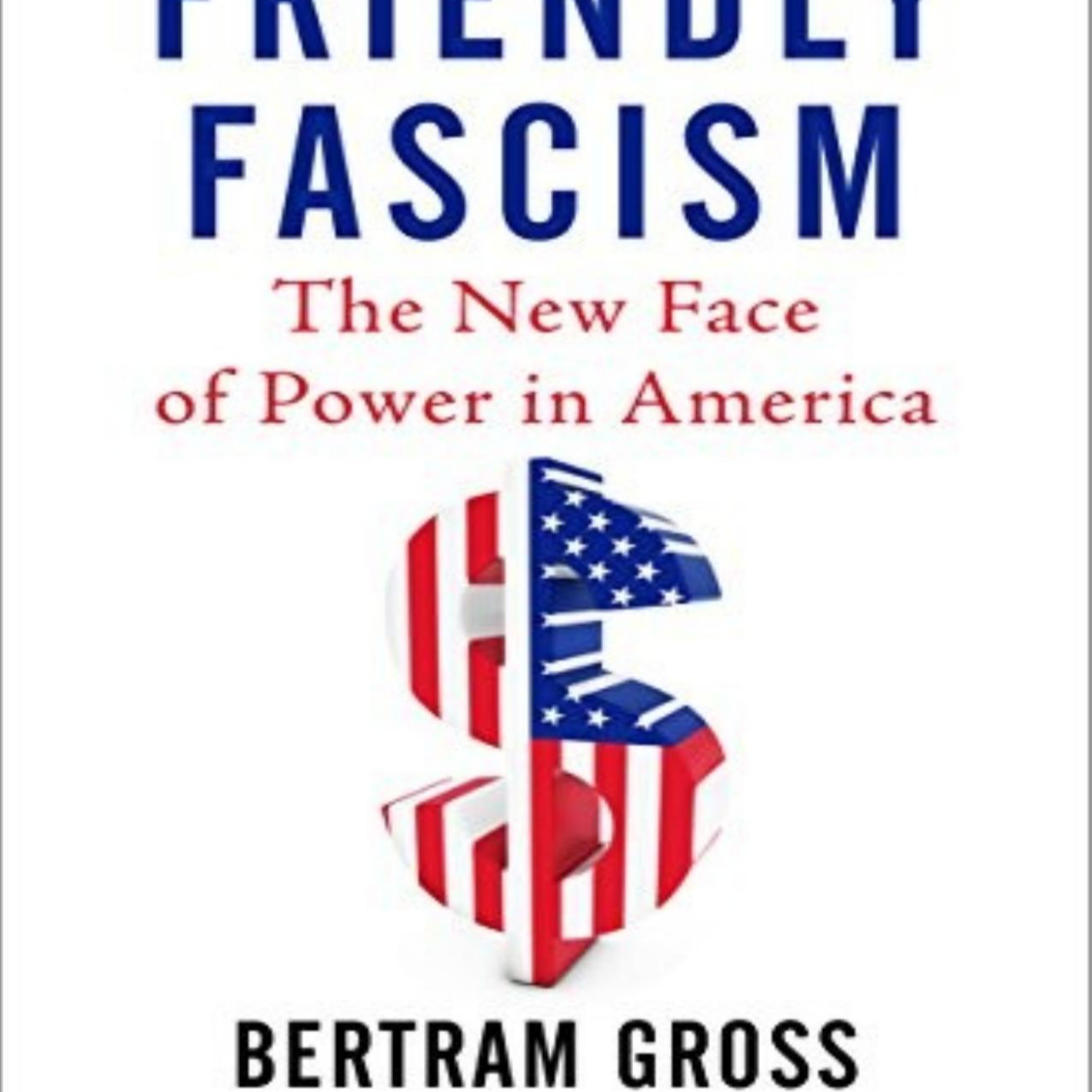 Friendly Fascism: The New Face of Power in America — How Power Hides in Plain Sight 05.10.2026 46mntWhat if democracy can retain its familiar institutions while meaningful political power becomes increasingly concentrated?Welcome to Crisis in Perception, where we examine the systems shaping our world.Using Friendly Fascism: The New Face of Power in America by Bertram Gross as our lens, this investigation examines his warning about a possible form of modern corporatist authoritarianism that would look very different from the dictatorships of the twentieth century.Gross describes a potential Big Business–Big Government partnership in which power becomes concentrated without requiring elections, legislatures, political parties, or constitutional rhetoric to disappear. Rather than presenting this as an inevitable future or a coordinated conspiracy, he traces systemic pressures that can encourage institutional consolidation during periods of crisis.The episode examines information management, technological monitoring, political co-optation, professional incentives, consumer rewards, weakened countervailing institutions, and the gradual substitution of symbolic participation for meaningful influence.At the center of Gross’s argument is a distinction between formal democracy and substantive democracy. The presence of elections tells us something about a political system—but not necessarily who possesses the greatest capacity to shape consequential decisions.Central systems and tensions include concentrated institutional power, information management, incentives for system acceptance, weakened countervailing power, and the struggle between political participation and oligarchic control.📺 Watch on YouTube:https://youtu.be/Afq8J3prKF8❤️ Support / Episode Post on Patreon:https://www.patreon.com/CrisisinPerception/posts/friendly-fascism-171514835?utm_medium=clipboard_copy&utm_source=copyLink&utm_campaign=postshare_creator&utm_content=join_linkIf these ideas resonate, consider reading the work yourself or borrowing it from your local library. Supporting authors and libraries helps keep critical inquiry accessible.If you value systems-level analysis like this, please follow, rate, and share the project.This content was created using AI-assisted tools for research synthesis, structuring, and narration support. All analysis, framing, and editorial decisions are guided by human judgment as part of the Crisis in Perception project.
Podcast serupa


Populer di
Podcast ini juga muncul di daftar podcast negara-negara ini.
