
Trail Runner Nation
Trail Runner Nation
0
Trail Runner Nation is a podcast dedicated to the trail running community, offering insights and advice for runners of all levels. Episodes cover topics such as race nutrition, pacing strategies, and mental focus, featuring interviews with respected members of the trail running world.
エピソード
-
 You're Probably Carrying Water the Wrong Way | EP 798 11.09.2026 1時間 11分Hydration is far more than simply drinking when you're thirsty. Kramer Ammons explains how to build a personalized hydration strategy by understanding sweat rate, carrying methods, pre-hydration, and learning to recognize your body's early warning signs before small problems become race-ending mistakes.
 -
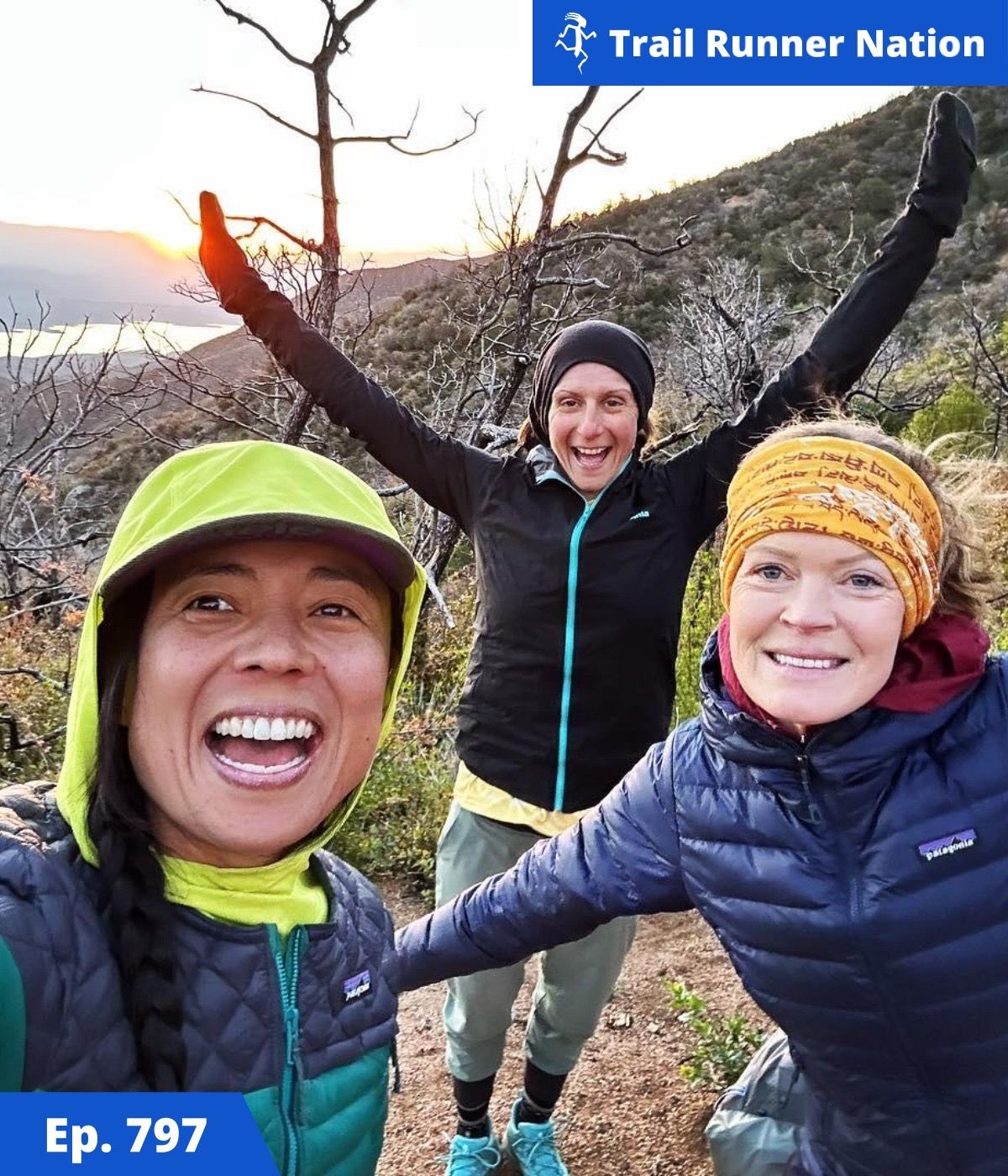 Aging As An Athlete - The Best Miles Aren’t Always the Fastest | EP 797 04.09.2026 1時間 14分Krissy Moehl, Kathleen Egan, and Jenny Jurek set out to cover 1,000 trail miles together, but somewhere along the way the miles became almost secondary. They talk about friendship, aging as athletes, learning to slow down, adapting ambitious goals, and intentionally making room for adventure at a stage of life when it's easy to let other responsibilities fill the calendar.
 -
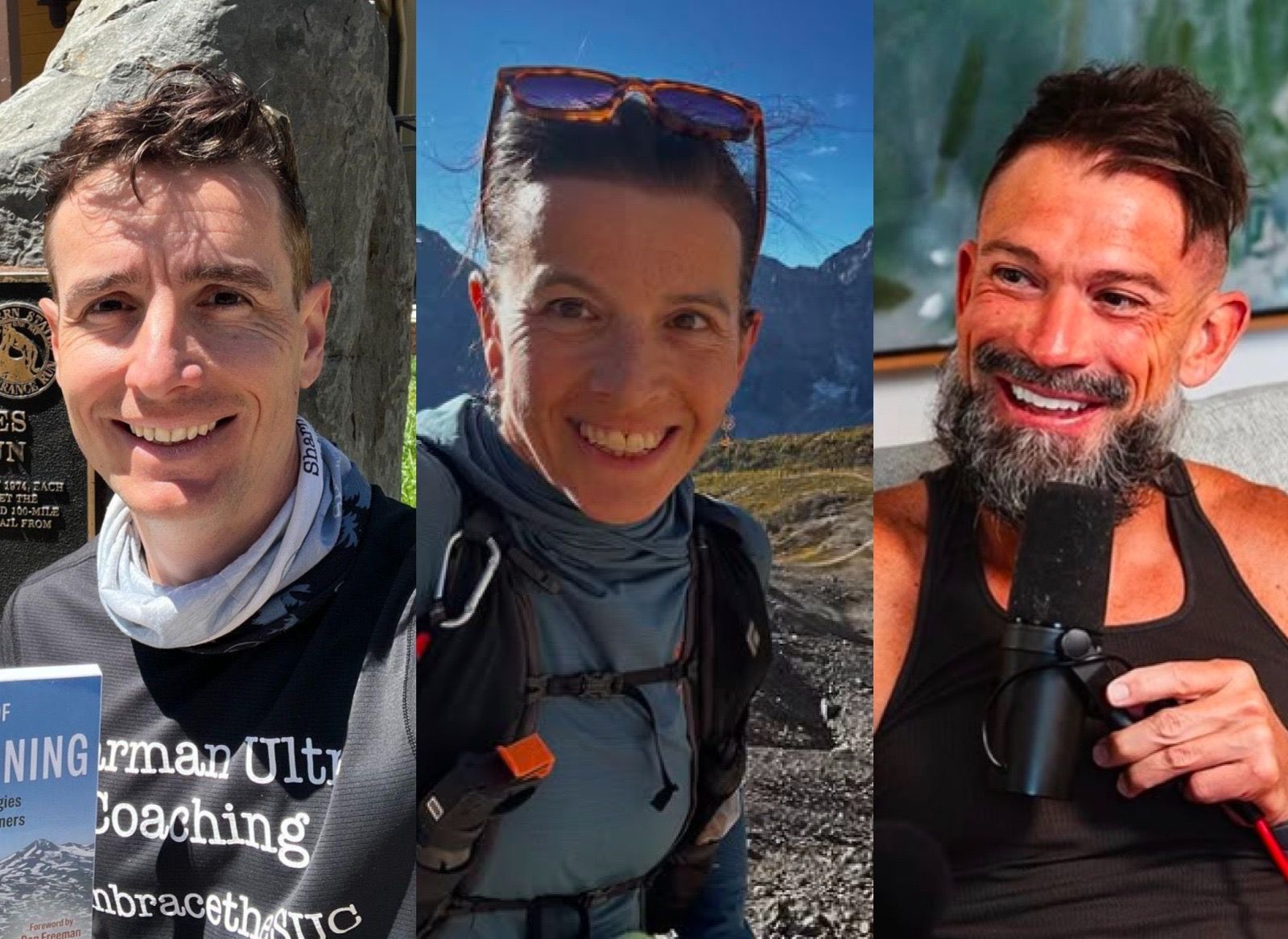 Three Elite Coaches. Six Impossible Decisions | EP 796 28.08.2026 1時間 11分Three legendary ultrarunning coaches face rapid-fire “Would You Rather?” scenarios, forcing them to choose between competing coaching philosophies and defend their answers. The result is a fun, insightful conversation packed with practical lessons on training, racing, recovery, and the art of coaching.
 -
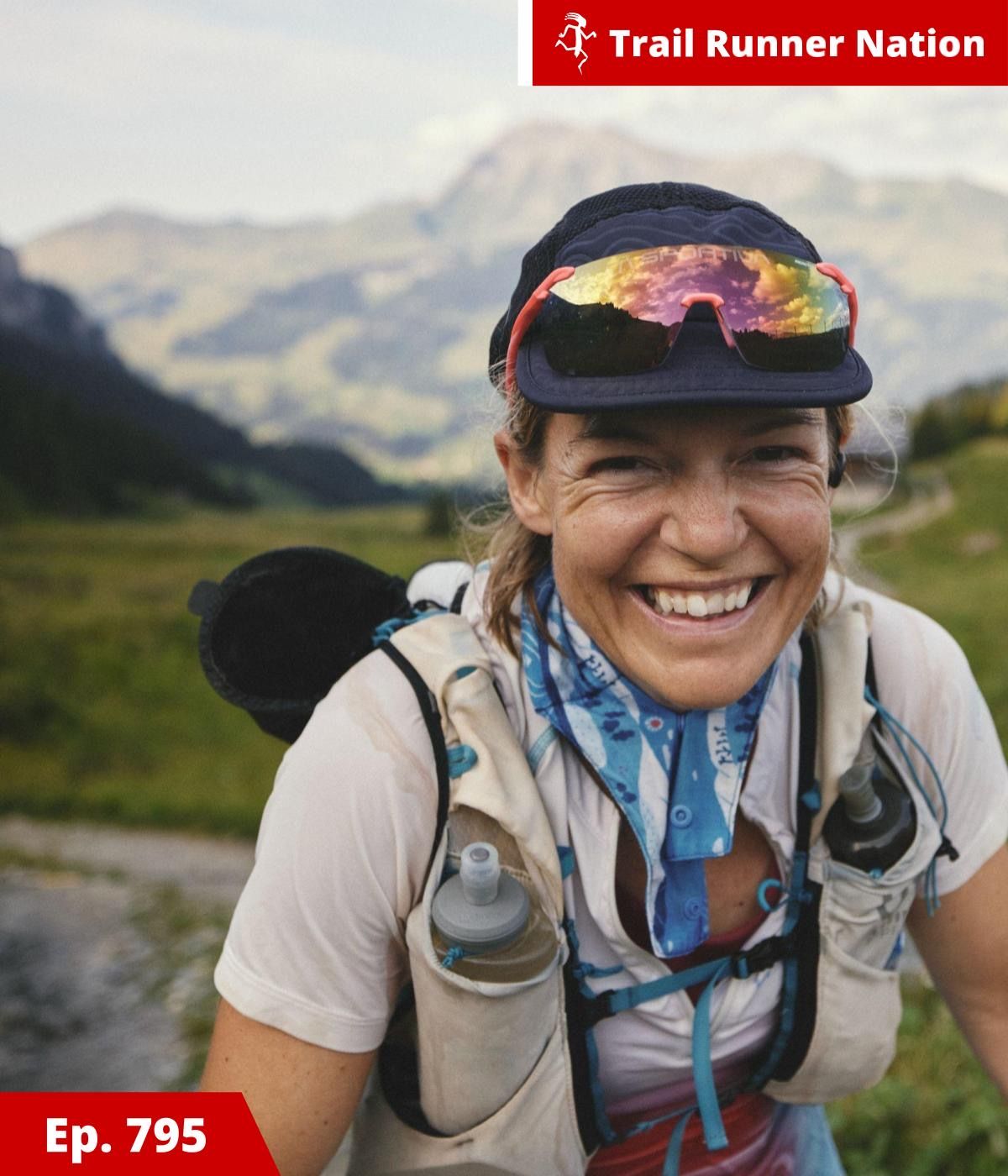 Sophie Grant: The Adventure That Changed Everything | EP 795 21.08.2026 1時間After a painful chapter in her life and a growing sense that racing had become routine, Sophie Grant chose a challenge big enough to scare her again: running the entire 2,000-kilometer Via Alpina across eight countries in under 29 days. Along with photographer and crew member Zoe Salt, Sophie shares what the journey taught her about endurance, fueling, adaptability, support, and rediscovering what she loves about running.
 -
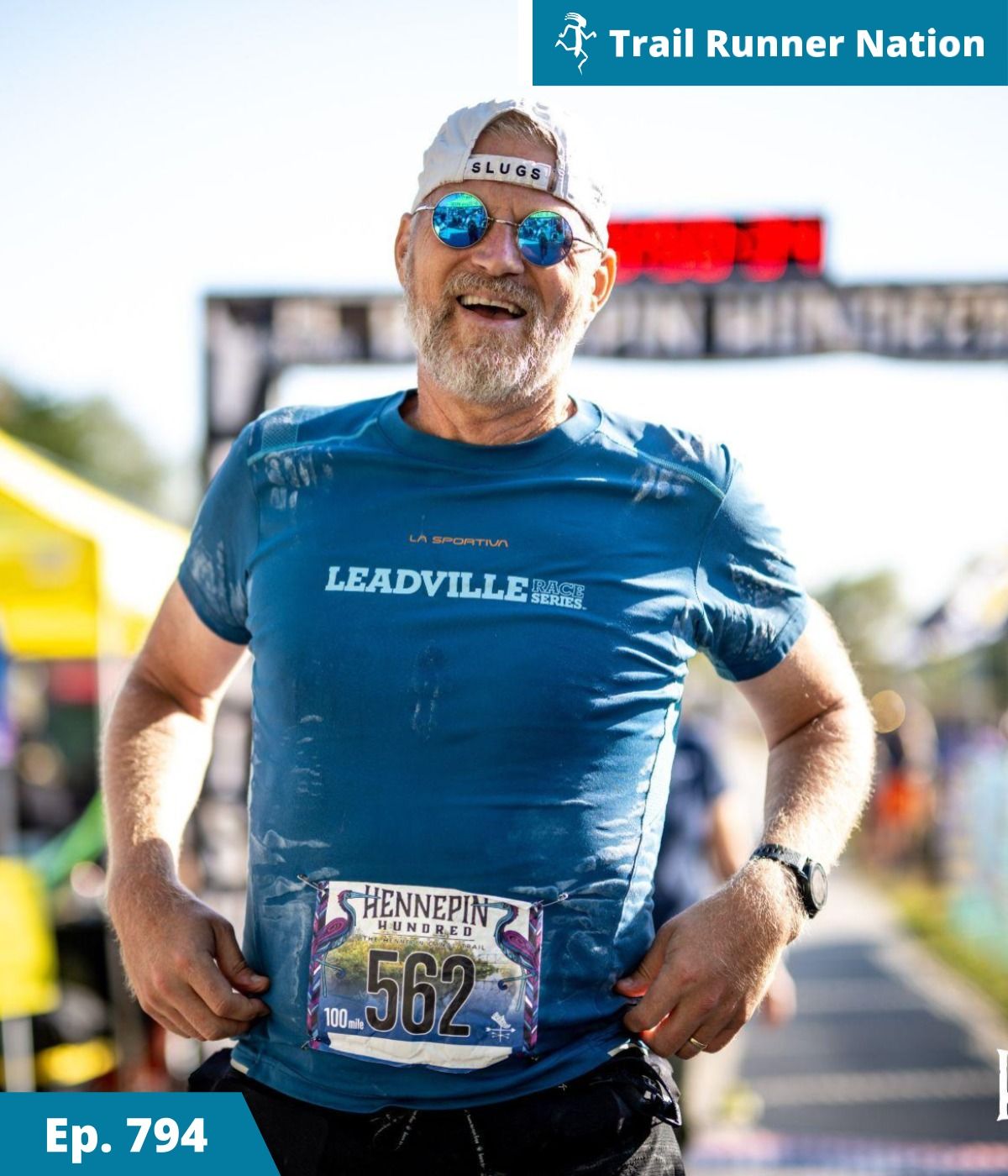 Sometimes You Have to Borrow Belief | EP 794 14.08.2026 1時間 6分Western States finisher Eric Strand shares how his crew and pacers carried him through the final 22 miles when he was ready to give up, revealing why even the most experienced ultrarunners sometimes need to borrow belief from someone else.
 -
 The Hidden Performance Killer Nobody Trains For | EP 793 07.08.2026 1時間 1分Heat is one of the biggest performance limiters in trail running, yet most runners don’t understand how to train for it. Aline Barre from CORE explains the science of thermoregulation, practical heat adaptation strategies, and how monitoring core temperature can help runners race faster and avoid overheating.
 -
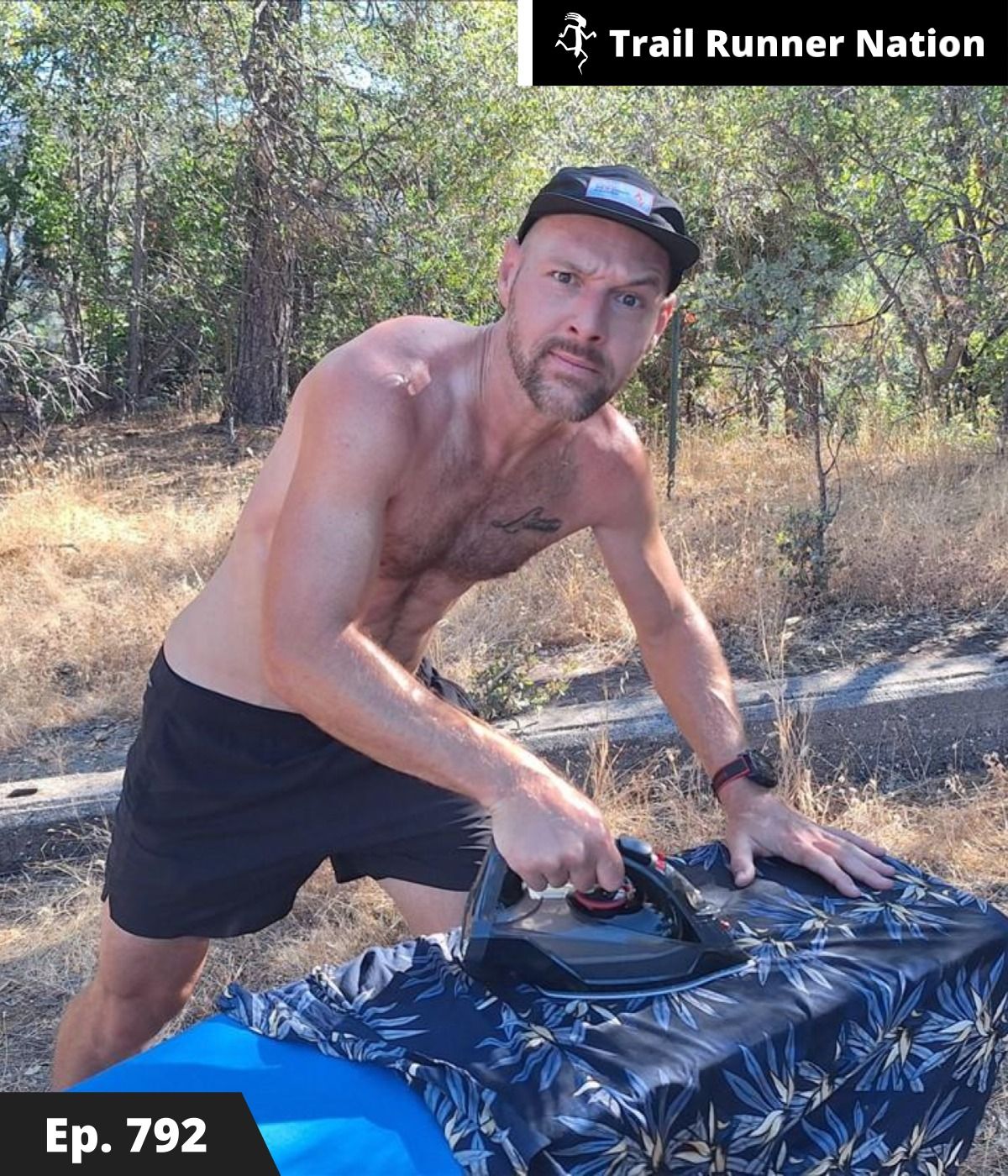 13 Miles. 7 Stops. One Ironing Board | EP 792 31.07.2026 51分When a routine trail run leads Don and Scott to discover runners carrying ironing boards into the woods, they uncover the surprisingly real world of Extreme Ironing and the inaugural Iron X trail race. In this lighthearted episode, they talk with the race’s creators about how the event began, why fun and community still matter in trail running, and why sometimes the best adventures are the ones that don’t take themselves too seriously.
 -
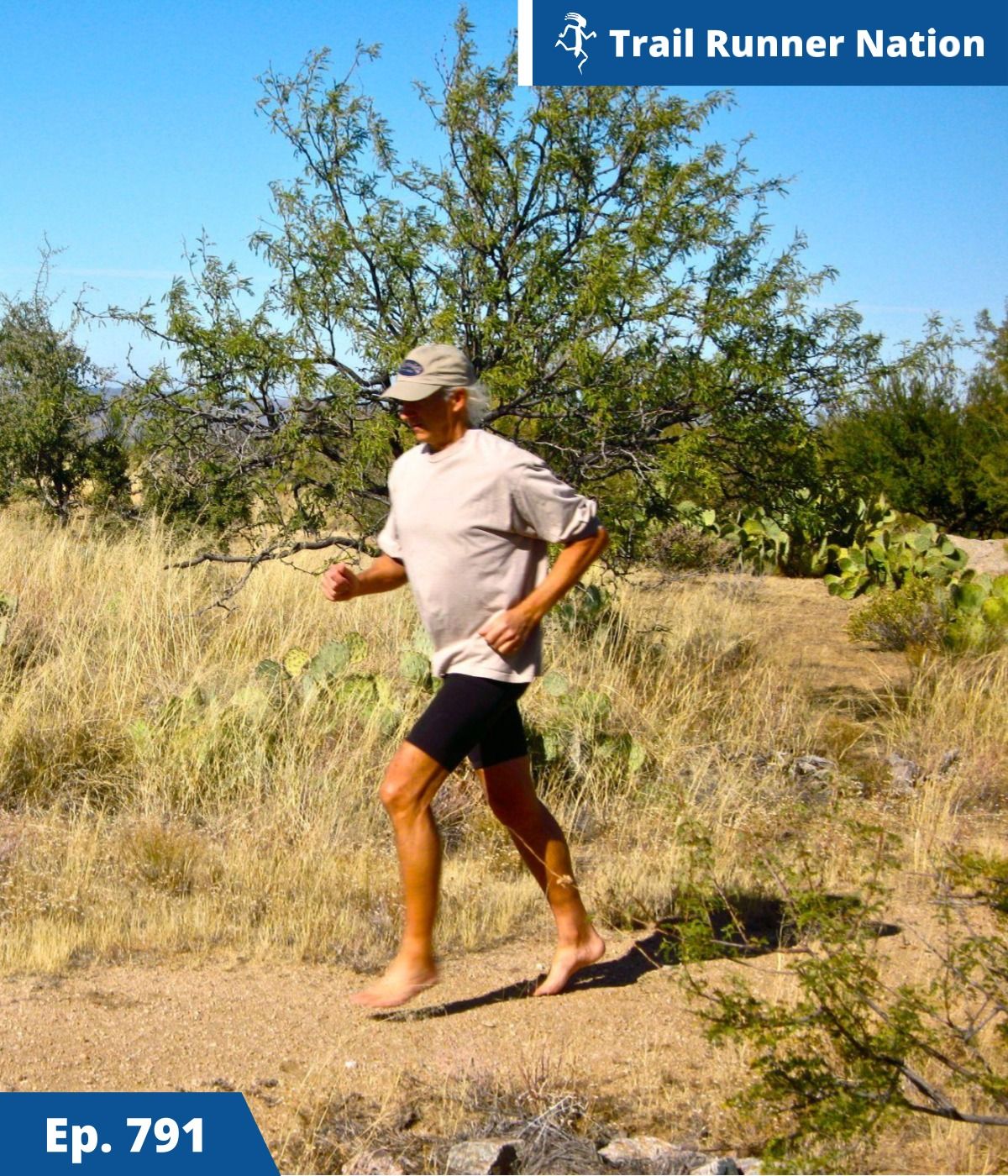 More Data. Better Gear. Slower Runners? | EP 791 23.07.2026 1時間 8分This episode challenges the idea that more data, technology, and fueling automatically make us better runners. Dr. Phil Maffetone explains why aerobic development, metabolic health, and smarter use of data may be the keys to running faster, staying healthier, and becoming a more complete athlete.
 -
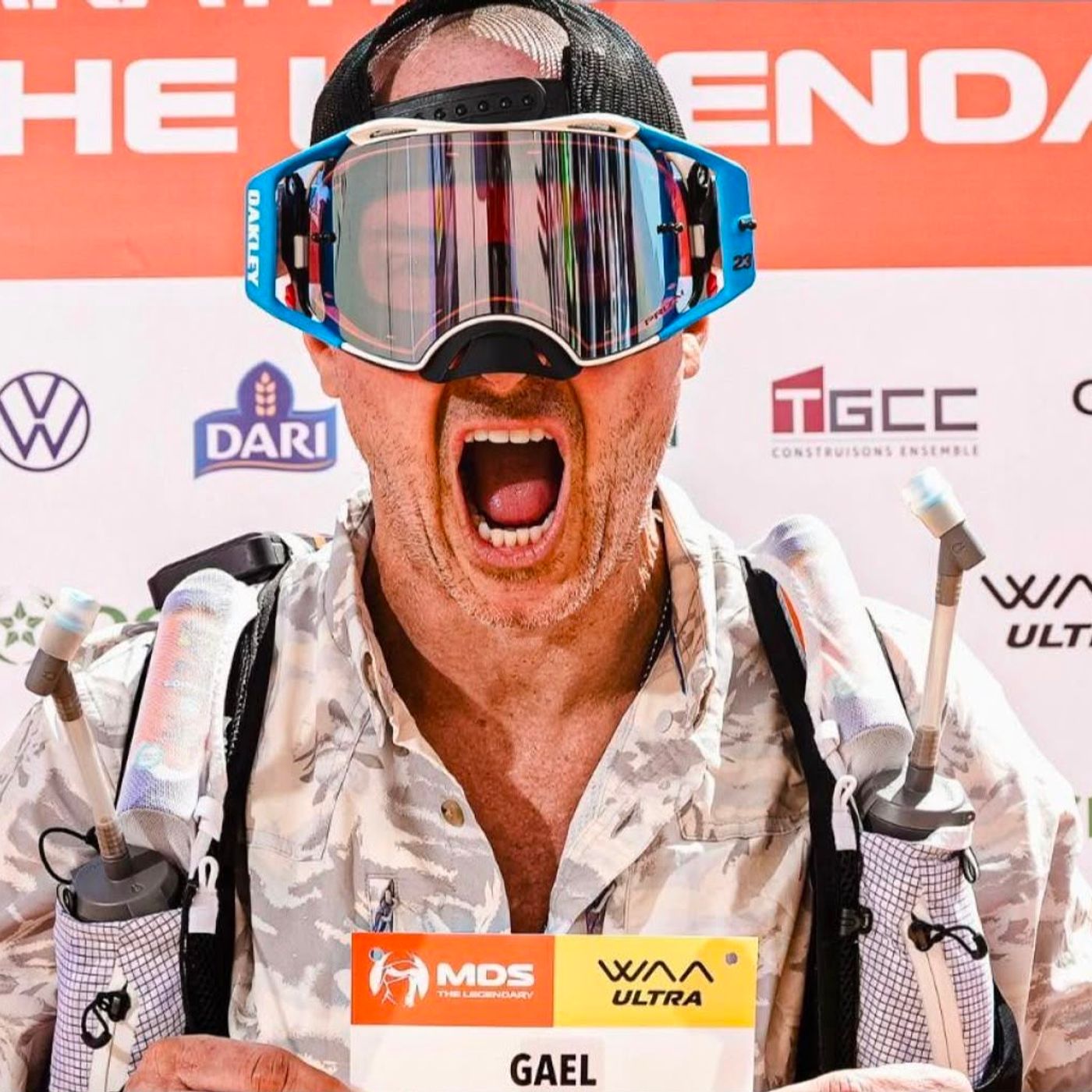 Has Trail Running Lost Its Soul? | EP 790 15.07.2026 1時間 12分Trail running has grown from a small community of passionate runners into a global sport, bringing bigger races, better gear, international competition, and more opportunities than ever before. Gaël Dutigny shares a firsthand account of witnessing UTMB from its very first edition in 2003 and reflects on how its evolution mirrors the growth of trail running itself. The conversation explores both sides of that growth, from crowded lotteries and commercialization to innovations in equipment, race organization, and worldwide access to incredible events. Along the way, Gaël, Don, and Scott discuss what makes iconic races so special, why local races still matter, and how runners can stay connected to the welcoming culture that first drew so many to the trails. It's a thoughtful discussion about preserving the soul of trail running while embracing the sport's exciting future. Links: Gaël Dutigny's Substack UltraRunning Magazine EPISODE SPONSORS Tifosi Optics - CLARITY ON THE TRAIL: Post your Golden Nugget of wisdom that helps you recover after a huge effort on Instagram, tag @TifosiOptics, @TrailRunnerNation, and use the hashtag #ClarityOnTheTrail. OR try texting us (within the USA) with your tip: 916-235-3928. If we use yours on a weekly episode, you get a pair of the new Sanctum SL glasses! Stone Creek Coffee: Start every adventure with One More Mile, our limited edition coffee created by Stone Creek Coffee and Trail Runner Nation for runners who believe the journey is as meaningful as the finish line. Fuel your next early morning, long run, or post-run conversation, and save 20% with code ONEMOREMILE20. Every cup is an invitation to be part of a community that goes farther together. RunMotion Coach: Whether you're training for your first trail race or chasing a new ultra PR, RunMotion Coach creates a personalized training plan that adapts to your schedule, fitness, and progress. Built by experienced coaches and powered by intelligent coaching technology, it helps you train smarter, stay consistent, and arrive at the starting line ready for your next adventure. Timestamps 00:00 | How UTMB Began Gaël shares what it was like covering the very first UTMB in 2003 and why the race immediately felt different from anything else in endurance sports. 11:00 | From Local Race to Global Icon How UTMB grew from an adventurous mountain race into one of the biggest brands in trail running. 26:00 | Has Success Made Trail Running Harder to Access? The discussion turns to lotteries, qualifiers, and whether iconic races have become too difficult for everyday runners to experience. 37:00 | The Benefits of Growth Why commercialization has also brought lighter gear, better shoes, safer races, and more opportunities for runners around the world. 46:00 | You Don't Need UTMB to Belong A reminder that unforgettable trail running experiences can still be found at local races and on your favorite hometown trails. 1:00:00 | Protecting the Spirit of Trail Running Gaël, Don, and Scott discuss how runners can embrace the sport's growth without losing the welcoming community that makes trail running unique.
 -
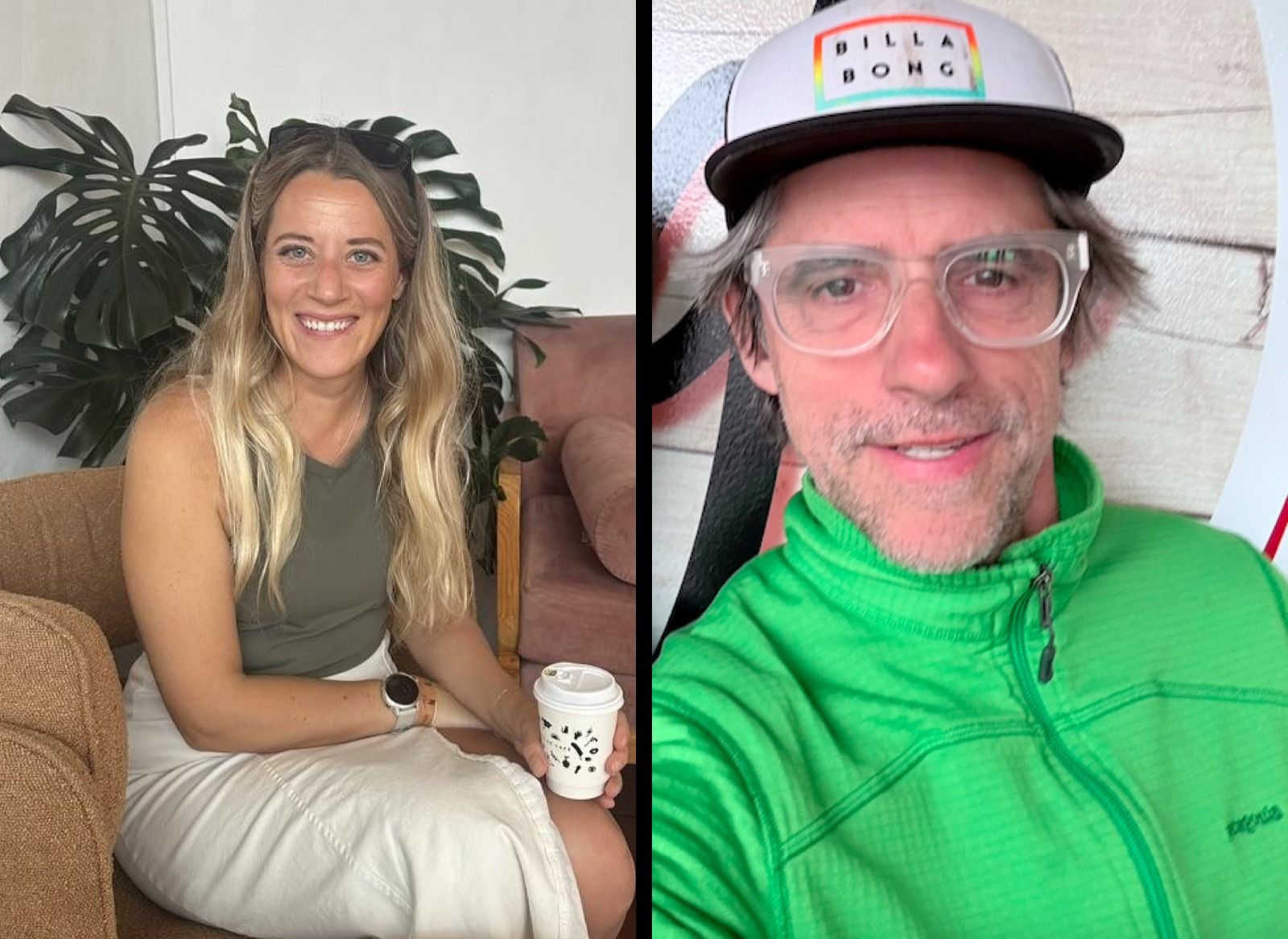 You're Probably Using Caffeine Wrong | EP 789 09.07.2026 1時間 3分Caffeine is one of the most researched performance enhancers in endurance sports, yet most runners know surprisingly little about how to use it effectively. In this conversation, Stone Creek Coffee founders Eric Resch and Amy Balestrieri separate the science from the myths, discussing when caffeine actually helps performance, why timing matters more than quantity, and how too much can hurt your sleep and recovery. They also explore why that morning cup of coffee is about far more than caffeine, touching on the rituals, psychology, and community that make coffee such an important part of endurance culture. Along the way, you'll learn about caffeine tolerance, race-day strategies, common misconceptions like dehydration, and even what goes into producing a truly great cup of coffee. You'll come away with a better understanding of how to make caffeine work for you and a new appreciation for the cup of coffee that starts so many great adventures. EPISODE SPONSORS Tifosi Optics - CLARITY ON THE TRAIL: Post your Golden Nugget of wisdom that helps you recover after a huge effort on Instagram, tag @TifosiOptics, @TrailRunnerNation, and use the hashtag #ClarityOnTheTrail. OR try texting us (within the USA) with your tip: 916-235-3928. If we use yours on a weekly episode, you get a pair of the new Sanctum SL glasses! ALTRA: With the classic Altra Fit, you set the pace. Altra running shoes are designed with room for your toes so they can actually spread out - for a natural fit. This gives you comfort, balance, and strength on and off the trail. Better balance and stability for our toes means more comfort – on mile 5, 50, or 100. Learn more about Altra Fit. Feel the Altra Difference and use code TRN10 for 10% off your first order at checkout at altrarunning.com/TRN. Stay Out There with Altra. Stone Creek Coffee: Start every adventure with One More Mile, our limited edition coffee created by Stone Creek Coffee and Trail Runner Nation for runners who believe the journey is as meaningful as the finish line. Fuel your next early morning, long run, or post-run conversation, and save 20% with code ONEMOREMILE20. Every cup is an invitation to be part of a community that goes farther together. RunMotion Coach: Whether you're training for your first trail race or chasing a new ultra PR, RunMotion Coach creates a personalized training plan that adapts to your schedule, fitness, and progress. Built by experienced coaches and powered by intelligent coaching technology, it helps you train smarter, stay consistent, and arrive at the starting line ready for your next adventure. Timestamps 00:00 | Why Caffeine Matters to Endurance Athletes The discussion begins with why caffeine has become such a staple of trail running and what science actually says about its performance benefits. 07:00 | Coffee Is More Than Just Caffeine Eric and Amy explain why your morning coffee ritual is as much psychological as it is physiological. 14:00 | How to Use Caffeine for Training and Racing Practical advice on timing, dosage, long runs, and race-day strategies to get the most from caffeine. 20:30 | Busting Common Coffee Myths The group tackles questions about dehydration, dark vs. light roast, caffeine levels, and energy drinks. 29:00 | From Coffee Farm to Your Mug A behind-the-scenes look at how specialty coffee is grown, sourced, roasted, and why quality matters. 38:30 | Finding the Right Coffee Routine The conversation shifts back to runners, covering caffeine tolerance, sleep, recovery, and building a routine that works for your body. 55:00 | Introducing The Long Run Blend Eric and Amy share the story behind Stone Creek Coffee's custom Trail Runner Nation blend and why it was designed specifically for endurance athletes.
 -
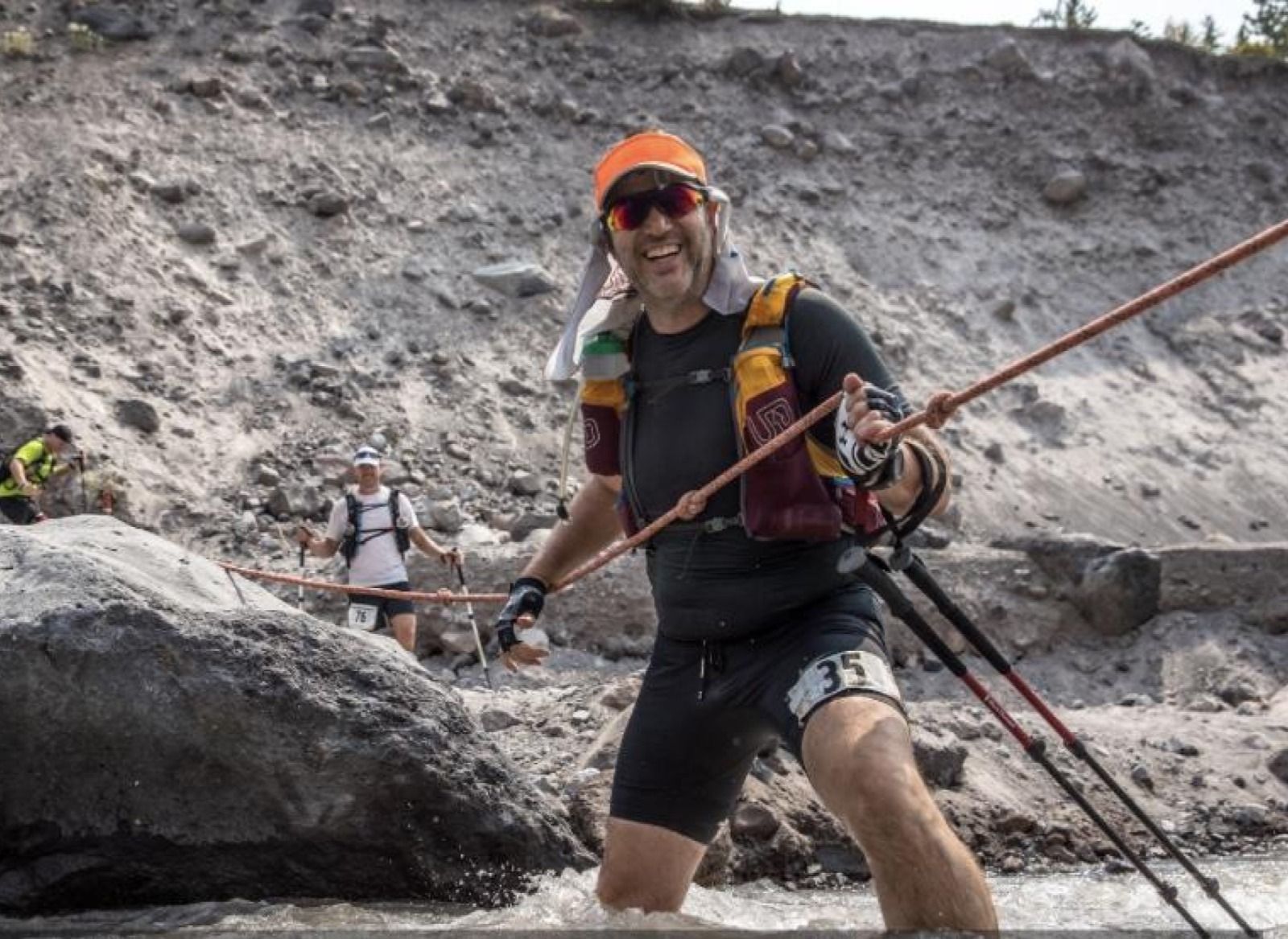 EP 788: The Hardest Part Wasn't the Race 03.07.2026 1時間 6分Marc Hopkins, author of Hard Things, set out to write a book about running the Bigfoot 200, but what emerged was something much deeper. In this conversation, he shares how endurance running became the lens through which he uncovered old stories about self-worth, fear, identity, and the belief that one more finish line would finally make him enough. Together, we explore why runners chase hard things, the difference between simply enduring life and living with purpose, and how the trail can expose what's really driving us. Marc also opens up about surviving a 99% heart blockage, learning when grit is a strength and when it's time to stop, and why vulnerability may be the toughest skill endurance athletes ever develop. If you've ever wondered why you run, or found yourself learning more about your life than your splits during a long run, this conversation will stay with you long after the episode ends. EPISODE SPONSORS Tifosi Optics - CLARITY ON THE TRAIL: Post your Golden Nugget of wisdom that helps you recover after a huge effort on Instagram, tag @TifosiOptics, @TrailRunnerNation, and use the hashtag #ClarityOnTheTrail. OR try texting us (within the USA) with your tip: 916-235-3928. If we use yours on a weekly episode, you get a pair of the new Sanctum SL glasses! ALTRA: With the classic Altra Fit, you set the pace. Altra running shoes are designed with room for your toes so they can actually spread out - for a natural fit. This gives you comfort, balance, and strength on and off the trail. Better balance and stability for our toes means more comfort – on mile 5, 50, or 100. Learn more about Altra Fit. Feel the Altra Difference and use code TRN10 for 10% off your first order at checkout at altrarunning.com/TRN. Stay Out There™ with Altra. Stone Creek Coffee: Start every adventure with One More Mile, our limited edition coffee created by Stone Creek Coffee and Trail Runner Nation for runners who believe the journey is as meaningful as the finish line. Fuel your next early morning, long run, or post-run conversation, and save 20% with code ONEMOREMILE20. Every cup is an invitation to be part of a community that goes farther together. RunMotion Coach: Whether you're training for your first trail race or chasing a new ultra PR, RunMotion Coach creates a personalized training plan that adapts to your schedule, fitness, and progress. Built by experienced coaches and powered by intelligent coaching technology, it helps you train smarter, stay consistent, and arrive at the starting line ready for your next adventure. Timestamps 00:00 | Why We Chase Hard Things Marc explains how a book about the Bigfoot 200 became an honest look at identity, purpose, and the reasons we pursue difficult goals. 08:00 | Enduring vs. Endurance The conversation explores the difference between simply surviving life and intentionally moving toward something meaningful. 18:30 | The Finish Line Won't Make You Whole Marc shares how he believed one more race would finally prove his worth, and why that mindset eventually fell apart. 30:30 | Lessons From a 99% Heart Blockage A life-threatening diagnosis forced Marc to rethink strength, vulnerability, and what it really means to listen to your body. 43:30 | The Pebble in Your Shoe A simple refrigerator magnet from Marc's childhood became one of the biggest life lessons in the entire book. 49:00 | Why the Next Finish Line Isn't the Answer The hosts discuss identity, self-worth, and why chasing bigger races can never solve what's happening inside. 53:30 | When Can You Finally Call Yourself a Runner? Marc explains why comparison steals joy and why every runner, regardless of pace or body type, belongs on the trail.
 -
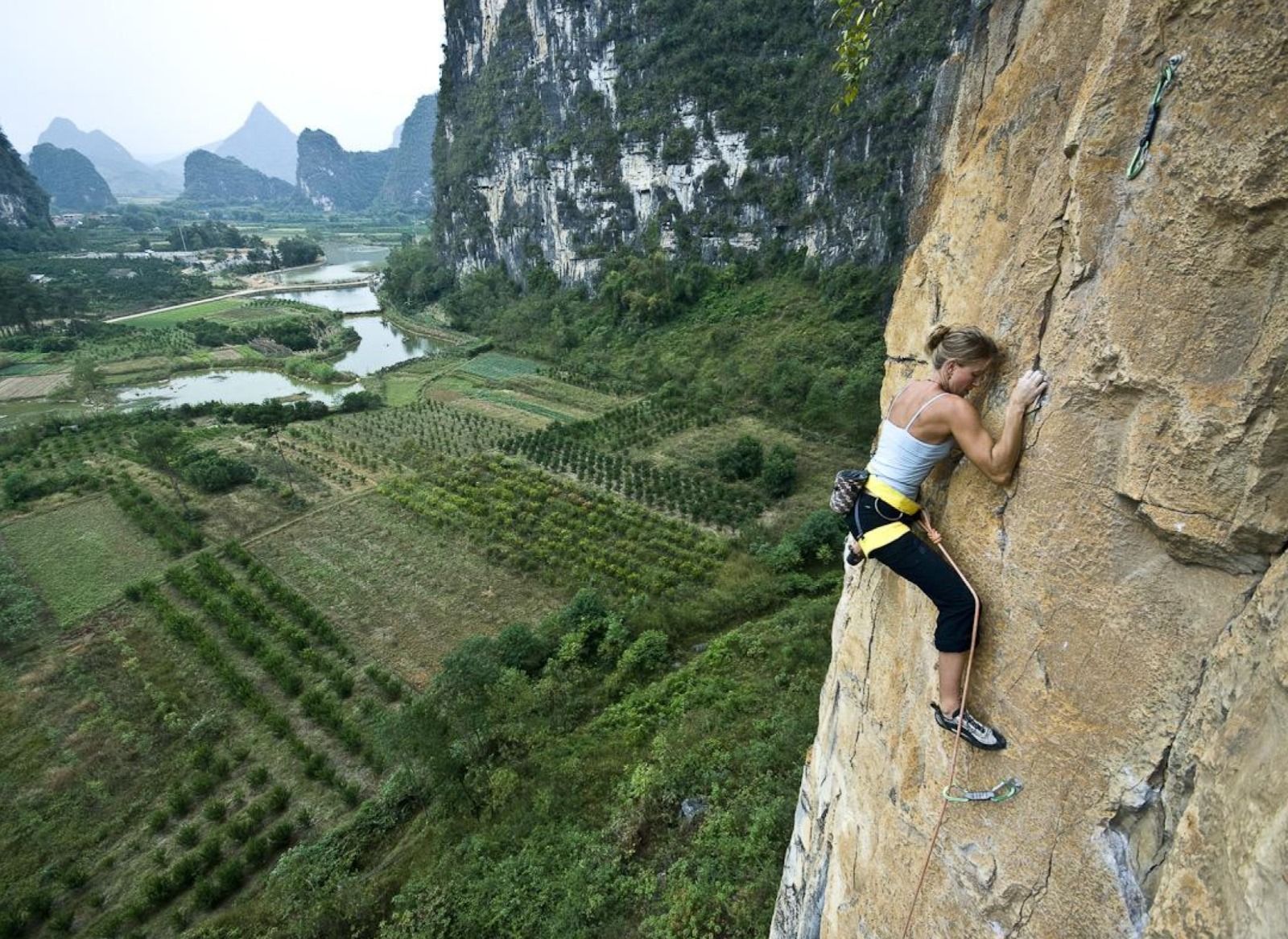 EP 787: Aging as an Athlete- What Climbers Know About Longevity That Runners Need 24.06.2026 1時間 11分What if getting older doesn't mean doing less, but doing it better? In this installment of the Aging as an Athlete series, legendary ultrarunner Krissy Moehl welcomes longtime climber and Patagonia ambassador Kate Rutherford for a conversation about longevity, purpose, and evolving with age. Kate shares how decades of climbing taught her that technical skill, efficiency, and joy can eventually outweigh youthful strength and endurance. The discussion explores everything from body awareness and recovery to nutrition, community, and why learning to focus on what truly matters becomes one of the greatest athletic advantages. Whether you're a runner, climber, or simply hoping to stay active for life, this episode offers a refreshing perspective on growing older without giving up adventure. Kate is a long time professional climber, artist, advocate for wilderness, eater of leafy organic greens, president of Farm To Crag, and product line manager at Patagonia. Her passion for climbing has taken her all over the world including first ascents on Fitz Roy in Patagonia, Kenya, Iran, and Venezuela, a free ascent of El Capitan's Free Rider. She has had the opportunity to work with some amazing organizations, including Patagonia, La Sportiva, Edelrid, Black Diamond, Clif Bar, the Access Fund, and the American Alpine club. The combination of climbing, a biology degree from the Colorado College, rural homesteading in Alaska, subsistence hunting and fishing, carrots from Mom's garden, and watching organic regenerative agriculture's ability to combat climate change, has led me to co-found Farm to Crag. It is the perfect blend of climbing, stories, farms, maps, organic greens, environmental activism, and dinner parties. Check out Farm to Crag Episode Sponsor: Tifosi Optics - CLARITY ON THE TRAIL: Post your Golden Nugget of wisdom that helps you recover after a huge effort on Instagram, tag @TifosiOptics, @TrailRunnerNation, and use the hashtag #ClarityOnTheTrail. OR try texting us (within the USA) with your tip: 916-235-3928. If we use yours on a weekly episode, you get a pair of the new Sanctum SL glasses! ALTRA: With the classic Altra Fit, you set the pace. Altra running shoes are designed with room for your toes so they can actually spread out - for a natural fit. This gives you comfort, balance, and strength on and off the trail. Better balance and stability for our toes means more comfort – on mile 5, 50, or 100. Learn more about Altra Fit. Feel the Altra Difference and use code TRN10 for 10% off your first order at checkout at altrarunning.com/TRN Stay Out There™ with Altra. Stone Creek Coffee: Start every adventure with The Long Run, our limited edition coffee created by Stone Creek Coffee and Trail Runner Nation for runners who believe the journey is as meaningful as the finish line. Fuel your next early morning, long run, or post-run conversation, and save 20% with code LONGRUN20. Every cup is an invitation to be part of a community that goes farther together. TimeStamps 00:00 | Growing Older Without Growing Smaller Krissy introduces climber Kate Rutherford and explores how aging can expand our relationship with movement instead of limiting it. 09:00 | Community, Trust, and Doing Hard Things Kate explains the unique culture of climbing and why shared challenges create lifelong bonds. 17:00 | Trading Strength for Skill The conversation explores how technical ability, efficiency, and body awareness become greater assets than raw physical power. 28:00 | The Power of Staying Present From climbing walls to mountain trails, focusing on the next move instead of the finish line changes everything. 39:00 | Why Power Training Matters More With Age Kate shares how short, intentional strength work has helped her continue pursuing big mountain objectives. 48:00 | Fueling for a Lifetime Outdoors Nutrition, recovery, and whole foods become central themes as the discussion shifts toward long-term health and performance. 56:00 | Building a Legacy Beyond Sport The episode closes with Farm to Crag, environmental stewardship, and the idea that the greatest adventures are those that strengthen both people and places.
 -
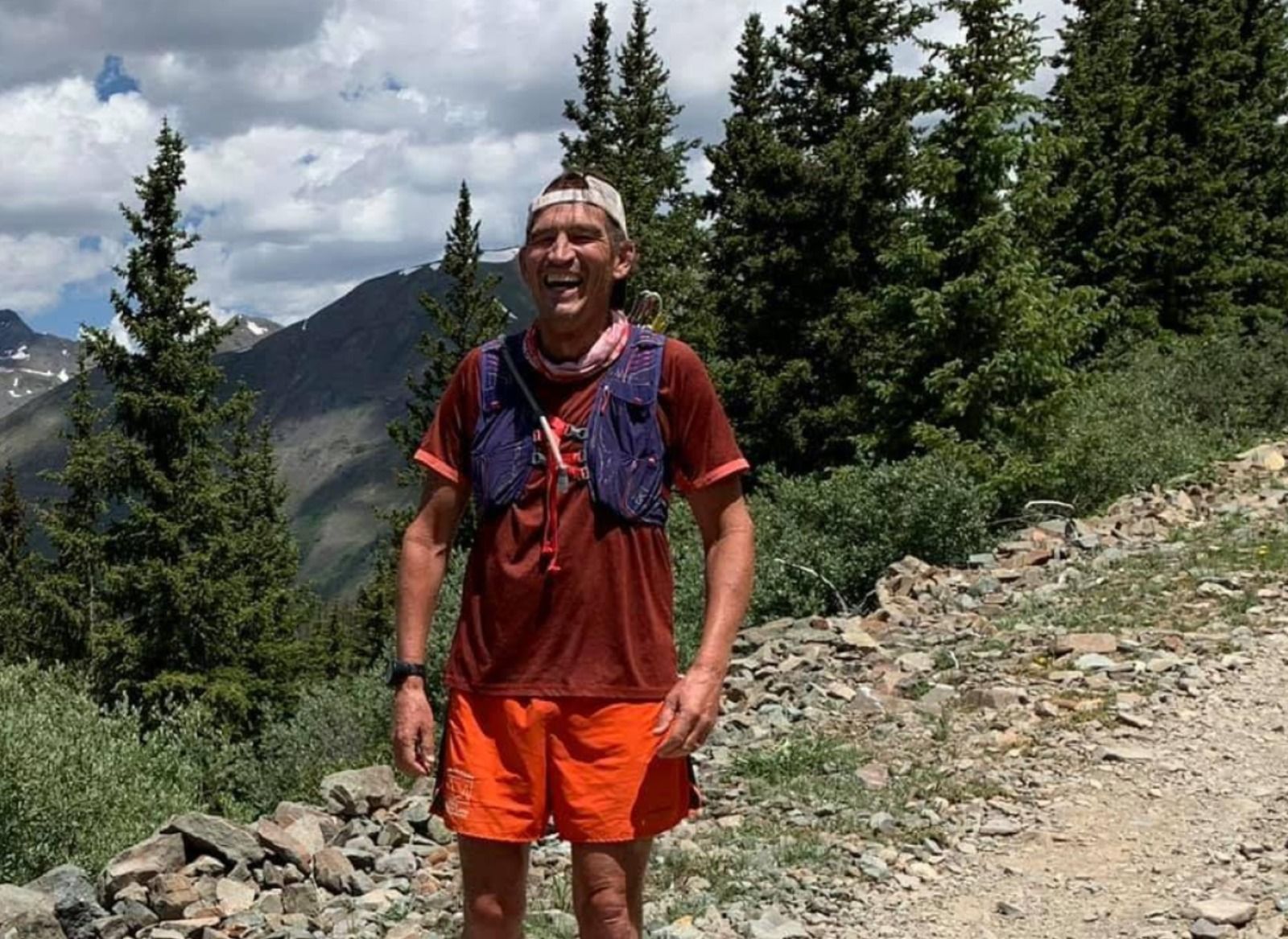 EP 786: Everything You Need to Know Before Western States 19.06.2026 1時間 11分Western States is more than a 100-mile race. For many ultrarunners, it's the unofficial holiday that defines the season. In this annual Trail Runner Nation tradition, Andy Jones-Wilkins returns to break down the 2026 Western States field, explain the stories behind the biggest contenders, and help everyday runners understand who to watch when race day arrives. Along the way, the conversation explores the race's unique culture, its history, the lottery system, the legendary Golden Hour finish, and why Western States continues to hold a special place in trail running despite the sport's rapid evolution. If you're following the race from home or standing somewhere along the course, this episode provides the context that transforms names on a start list into stories worth following. By the end, you'll be just as excited for Statesmas as AJW is. Episode Sponsor: Tifosi Optics - CLARITY ON THE TRAIL: Post your Golden Nugget of wisdom that helps you recover after a huge effort on Instagram, tag @TifosiOptics, @TrailRunnerNation, and use the hashtag #ClarityOnTheTrail. OR try texting us (within the USA) with your tip: 916-235-3928. If we use yours on a weekly episode, you get a pair of the new Sanctum SL glasses! ALTRA: With the classic Altra Fit, you set the pace. Altra running shoes are designed with room for your toes so they can actually spread out - for a natural fit. This gives you comfort, balance, and strength on and off the trail. Better balance and stability for our toes means more comfort – on mile 5, 50, or 100. Learn more about Altra Fit Feel the Altra Difference and use code TRN10 for 10% off your first order at checkout at altrarunning.com/TRN Stay Out There™ with Altra. TimeStamps: 00:00 | Welcome to Statesmas AJW explains why Western States has become trail running's biggest annual celebration and why the excitement starts weeks before race day. 05:00 | What Makes Western States So Special? The discussion explores the history, atmosphere, traditions, and unique energy that make this race unlike any other. 13:00 | Course Conditions and What to Expect in 2026 With virtually no snowpack and a dry trail, the hosts discuss how this year's conditions could shape the race. 19:00 | Breaking Down the Women's Race AJW highlights the favorites, dangerous newcomers, and rising stars who could battle for the podium. 42:00 | The Men's Race Preview From Jim Walmsley and Kilian Jornet to emerging contenders and dark horses, the elite field gets a thorough analysis. 56:00 | How Western States Earned Its Legendary Status The conversation dives into the lottery, qualifying system, volunteers, race traditions, and why earning a bib means so much. 1:00:00 | Final Podium Predictions AJW reveals his official picks, shares bold predictions, and offers a few runners that fans shouldn't overlook.
 -
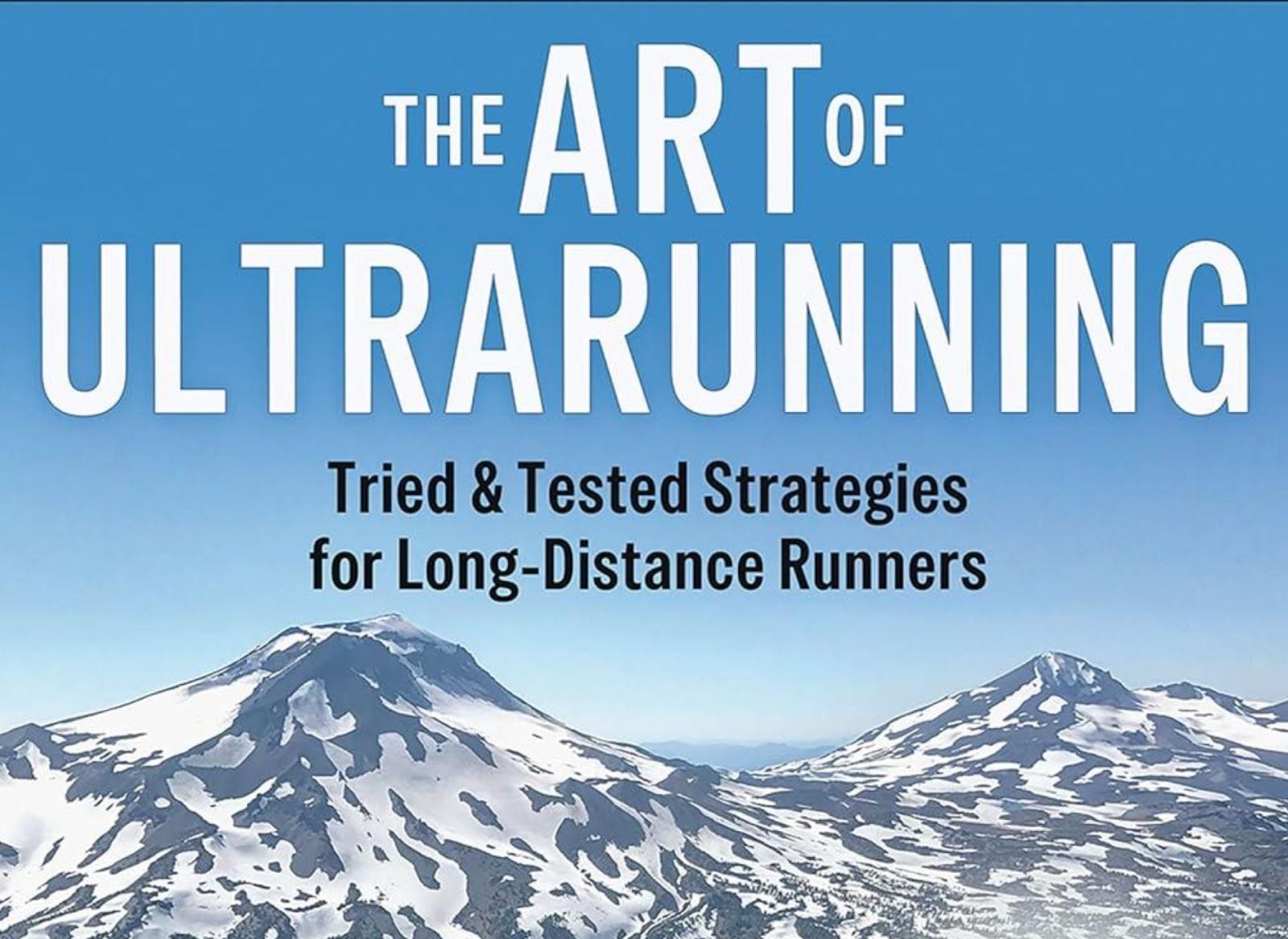 EP 785: Why Fitness isn't Enough 11.06.2026 1時間 12分What separates great ultrarunners from everyone else isn't just fitness. It's how they think. In this conversation, legendary coach and runner Ian Sharman shares the philosophy behind his new book The Art of Ultrarunning, explaining why execution, adaptability, and purpose matter just as much as training miles. Through stories from his Grand Slam of Ultrarunning record, hard-earned racing mistakes, and years of coaching athletes of every level, Ian reveals how to stay motivated, pace smarter, and perform your best when everything starts falling apart. The discussion goes well beyond racing, exploring consistency, ego, resilience, and why success often comes from making better decisions instead of simply pushing harder. Despite your experience or goals, this episode offers practical lessons that can improve both your running and the way you approach challenges off the trail. Learn more about Ian at Sharman Ultra. Episode Sponsors: Tifosi Optics - CLARITY ON THE TRAIL: Post your Golden Nugget of wisdom that helps you recover after a huge effort on Instagram, tag @TifosiOptics, @TrailRunnerNation, and use the hashtag #ClarityOnTheTrail. OR try texting us (within the USA) with your tip: 916-235-3928. If we use yours on a weekly episode, you get a pair of the new Sanctum SL glasses! Timestamps: 00:00 | Why "The Art" of Ultrarunning? Ian explains why successful racing is about combining science with execution and why ultrarunning is as much an art as it is physiology. 09:00 | Finding Your Purpose The conversation explores why every run should have intention and how a meaningful "why" helps runners push through difficult moments. 20:00 | Adapting When Goals Slip Away Ian discusses how successful runners adjust expectations during a race instead of giving up when their original goal becomes unrealistic. 39:00 | Consistency Beats Hero Workouts Why small, repeatable actions build stronger athletes than occasional epic training sessions, and how consistency shaped Ian's career. 47:00 | Training Is Practice for Decision Making Running isn't just building fitness. Every workout teaches pacing, body awareness, problem solving, and race execution. 56:00 | The Grand Slam Battle with Nick Clark Ian shares the remarkable story of chasing the Grand Slam record through four 100-mile races while battling one of his closest competitors every step of the way. 1:01:00 | Racing Yourself Instead of Your Competition One of the episode's biggest lessons: take care of your own race first, then compete when the time is right. Execution nearly always beats emotion.
 -
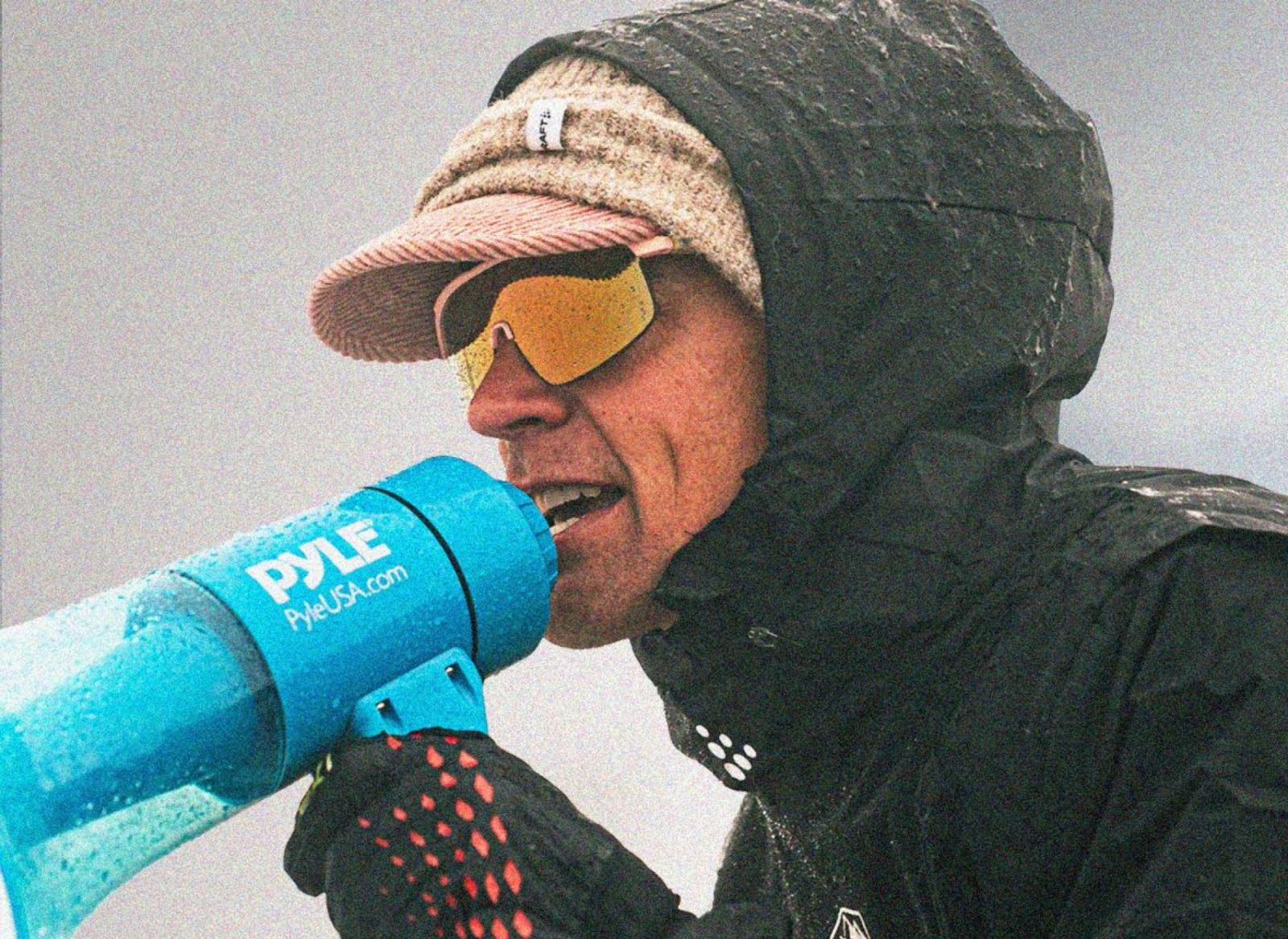 EP 784: The Future of Trail Running Is Being Decided Right Now 05.06.2026 1時間 9分Tim Tollefson returns to Trail Runner Nation for a wide-ranging conversation about what makes trail running special and what happens as the sport continues to grow. Using a "Wheel of Trail Running" format, the discussion lands on two big topics: cultivating the next generation of trail stewards and the ongoing professionalization of trail running. Tim shares how his work with Runners for Public Lands and Mammoth Trail Fest has changed the way he views trails, volunteerism, and the responsibility runners have to give back to the places they love. The conversation explores everything from carrying a small saw on training runs to the challenges and opportunities created by big sponsors, larger race organizations, and growing prize purses. Throughout the episode, Tim makes a compelling case that trail running's future depends on balancing growth with the community values that built the sport. It's an honest look at how runners can help preserve trail culture while welcoming more people into it. Episode Sponsors: Tifosi Optics - CLARITY ON THE TRAIL: Post your Golden Nugget of wisdom that helps you recover after a huge effort on Instagram, tag @TifosiOptics, @TrailRunnerNation, and use the hashtag #ClarityOnTheTrail. OR try texting us (within the USA) with your tip: 916-235-3928. If we use yours on a weekly episode, you get a pair of the new Sanctum SL glasses! Timestamps 00:00 | Welcome Back, Tim Tollefson. Tim shares updates from Mammoth Lakes and explains why the Eastern Sierra continues to inspire his running and community work. 05:45 | California Carpet and Gravel Running. A conversation about trail surfaces, the rise of gravel running, and how the sport continues to evolve. 11:45 | Why Trail Stewardship Matters. Tim discusses his work with Runners for Public Lands and why every runner should consider giving back to the trails they use. 22:00 | How Runners Can Get Involved. Practical ways to participate in trail work, volunteer projects, and local stewardship efforts. 30:00 | The Professionalization of Trail Running. The group explores sponsorships, prize money, corporate investment, and how the sport has changed over the past decade. 43:00 | Building Mammoth Trail Fest. Tim shares the vision behind Mammoth Trail Fest and how community, storytelling, and stewardship shape the event. 53:00 | What Trail Running Could Look Like in 2036. A look ahead at the future of the sport and the values Tim hopes will remain at its core.
 -
 EP 783: The Supplement Runners Should Consider 29.05.2026 44分Creatine has long been boxed into the weight-room world, but this episode opens the door to a much bigger conversation for trail runners and endurance athletes. Creatine is something surprisingly simple, "right within the reach of a glass," that may help athletes become stronger, faster, healthier, and more resilient. We discuss with Dr. Dan Pardi, Chief Health Officer at Qualia Life Sciences, whether this familiar supplement can support not just performance, but long-term health and better daily function. For runners who usually think about carbs, hydration, shoes, and mileage first, creatine offers a different kind of performance question: what if strength, recovery, and durability start with something small and easy? It's a practical topic for athletes who want to keep moving well, aging well, and showing up stronger on the trail. Links Qualia Life Instagram Try Creatine out with a 15% discount HERE Episode Sponsors: Tifosi Optics - CLARITY ON THE TRAIL: Post your Golden Nugget of wisdom that helps you recover after a huge effort on Instagram, tag @TifosiOptics, @TrailRunnerNation, and use the hashtag #ClarityOnTheTrail. OR try texting us (within the USA) with your tip: 916-235-3928. If we use yours on a weekly episode, you get a pair of the new Sanctum SL glasses! Peluva - Footwear that let your feet be feet. Get 10% off on our DEALS page TimeStamps 00:02 – Welcome to Trail Runner Nation Scott opens the episode by inviting listeners into the conversation and setting the tone around becoming faster, healthier, and stronger athletes. 00:21 – Why Creatine Matters for Runners Don introduces creatine as the central topic and frames it as a surprisingly accessible tool that could support performance and health. 00:36 – Setting the Energy for the Conversation The hosts land the opening with a light, upbeat exchange before the main discussion begins.
 -
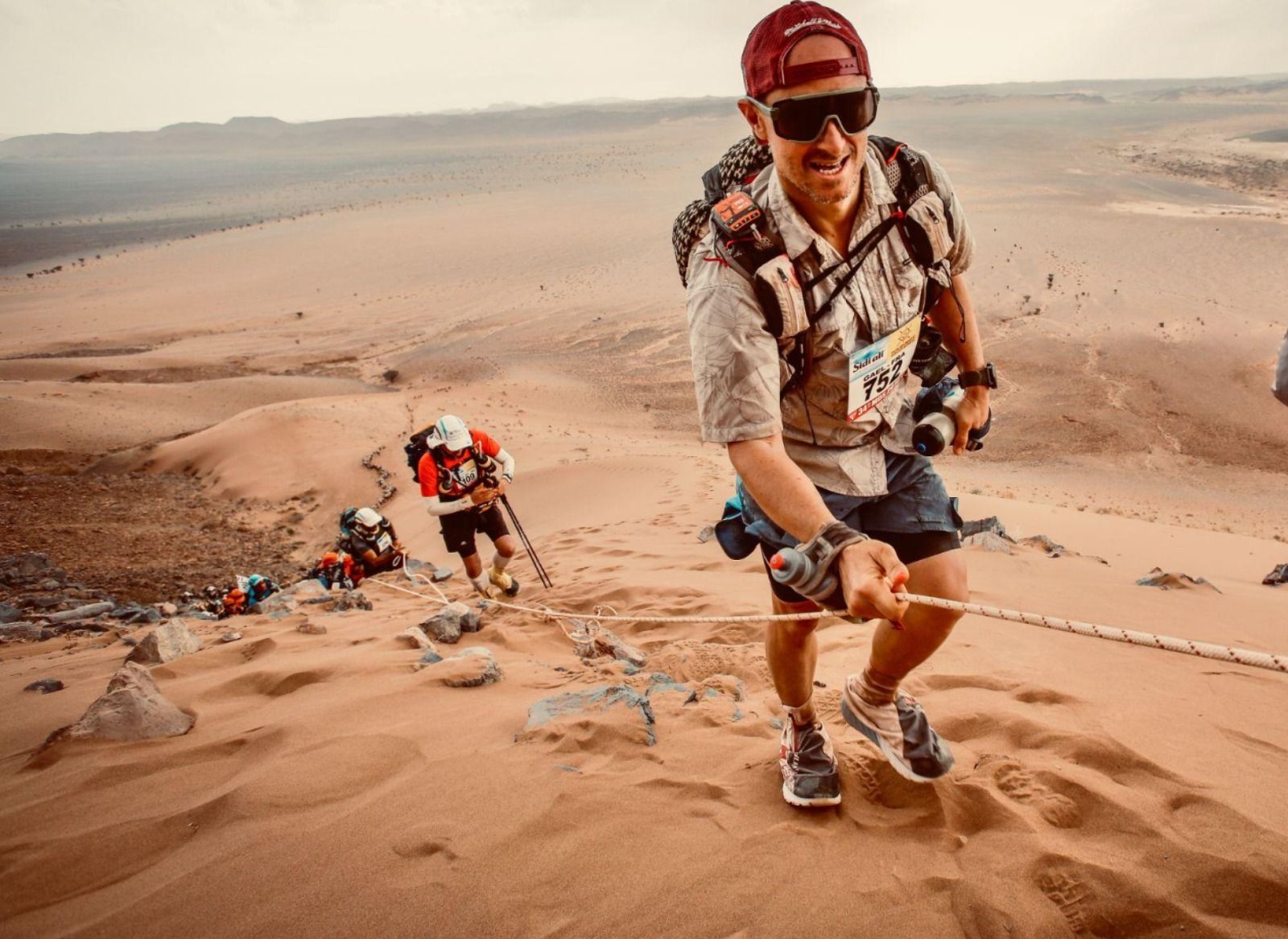 EP 782: Fear Isn't the Enemy 21.05.2026 1時間 3分Writer and ultrarunner Gaël Dutigny joins us to talk about his Ultra Running Magazine article, "Fear Isn't a Weakness," and why fear may be one of the most misunderstood tools in endurance sports. Gaël shares how, even after finishing UTMB four times and racing in deserts, jungles, mountains, and even Iraq during wartime, fear still shows up before and during big efforts. The conversation reframes fear not as something to suppress, but as information that can sharpen decision-making, expose your true "why," and help you respect the environment you're moving through. We also talk about the thin line between fear that freezes you and fear that helps you function, especially in long mountain races where fatigue, darkness, cutoffs, hallucinations, and self-doubt all start stirring the pot. One of the most useful takeaways for trail runners is that mental preparation deserves the same attention as physical training, because knowing yourself may be just as important as knowing your pace, gear, or nutrition plan. Links: Gaël Dutigny's Substack UltraRunning Magazine "Race to the Summit" Dean Potter's documentary on Netflix Episode Sponsors: Tifosi Optics - CLARITY ON THE TRAIL: Post your Golden Nugget of wisdom that helps you recover after a huge effort on Instagram, tag @TifosiOptics, @TrailRunnerNation, and use the hashtag #ClarityOnTheTrail. OR try texting us (within the USA) with your tip: 916-235-3928. If we use yours on a weekly episode, you get a pair of the new Sanctum SL glasses! True Nutrition: Customized quality protein: Use Code TRNSummer and get 25% off between May 22-25 for their Memorial Day Sale! Peluva - Footwear that let your feet be feet. Get 10% off on our DEALS page Timestamps 00:00 | Is Fear Holding You Back or Helping You? Scott opens the conversation by asking whether fear on the trail is something to overcome or something that may actually guide us. 02:40 | Why Gaël Wrote About Fear Gaël explains how decades of running in mountains, deserts, jungles, and difficult environments shaped his view that fear is a deep part of the sport. 05:15 | Why Experience Doesn't Eliminate Fear Even after multiple UTMB finishes and other major races, Gaël shares why fear still shows up and why that may be healthy. 11:30 | Training Fear Before Race Day The discussion turns to how runners can practice facing fear in training, whether that means darkness, distance, terrain, isolation, or uncertainty. 21:20 | Fear as a Decision-Making Tool: How fear can sharpen awareness and help runners make better choices instead of simply pushing blindly forward. 27:15 | Mental Health as Performance Training Gaël makes the case that talking to a sports psychologist or therapist is not weakness, but another form of training for hard things. 44:20 | Fear, DNFs, and Knowing Your Why The group talks about how fear of failure, social pressure, and shallow motivation can unravel a race when things get hard.
 -
 EP 781: The Finish Line That Changed Everything 14.05.2026 1時間 8分ode we are joined by Brian Morrison, author of Given to Fly: A Story of Tragedy, Triumph, and Realization at Western States 100, about one of the most unforgettable finishes in ultrarunning history. Brian takes listeners back to the 2006 Western States 100, where he was leading the race before collapsing on the Placer High School track just steps from victory, later being disqualified because he received assistance crossing the finish line. The conversation explores how Scott Jurek's belief in him helped Brian transform from a talented but relatively unproven runner into someone who truly believed he could win Western States. But the heart of the episode is not just the collapse, it is the decade that followed, as Brian wrestled with regret, obsession, identity, family, and the need to return in 2016 to finally finish the race on his own terms. For trail runners and endurance athletes, this episode is a powerful reminder that failure is not always the opposite of success, sometimes it becomes the thing that reshapes us, redirects us, and teaches us what the finish line could never have taught alone. Links YouTube video, "A Decade On" by GingerRunner Link to buy the Book Episode Sponsors: Tifosi Optics - CLARITY ON THE TRAIL: Post your Golden Nugget of wisdom that helps you recover after a huge effort on Instagram, tag @TifosiOptics, @TrailRunnerNation, and use the hashtag #ClarityOnTheTrail. OR try texting us (within the USA) with your tip: 916-235-3928. If we use yours on a weekly episode, you get a pair of the new Sanctum SL glasses! Peluva - Footwear that let your feet be feet. Get 10% off on our DEALS page Timestamps 00:00 – The Moment That Almost Defined Him Scott introduces Brian Morrison and sets up the unforgettable 2006 Western States finish that became the centerpiece of Brian's story. 01:48 – Scott Jurek's Belief Changes Everything Brian explains how Scott Jurek told him he could carry the torch for Seattle and win Western States, planting a belief Brian had never fully considered before. 06:34 – Training Like a Western States Contender Brian describes the intense training block with Jurek, including Mount Si repeats, hard downhill work, and the psychological shift from hoping to win to believing he could. 15:30 – Race Day: Heat, Strategy, and the Chase Brian walks through the 2006 race, from the early miles to picking up Scott Jurek at Foresthill and hunting down the leaders before the river crossing. 24:00 – The Final Miles Begin to Unravel After No Hands Bridge, Brian starts running scared, convinced Graham Cooper is closing fast, and the effort begins to push him past the edge. 28:37 – Collapse on the Track Brian reaches the Placer High School track first but blacks out, collapses repeatedly, and later learns he has been disqualified despite crossing the finish line. 38:17 – Ten Years of Haunting and the Return Brian shares how the race followed him for a decade, why he returned in 2016, and how finishing with his family finally allowed him to see the experience differently. 56:22 – Writing the Book and Finding the Realization Brian explains why he wrote Given to Fly, how the process helped him understand his deeper motivations, and why he now sees the whole experience not as redemption, but as a gift.
 -
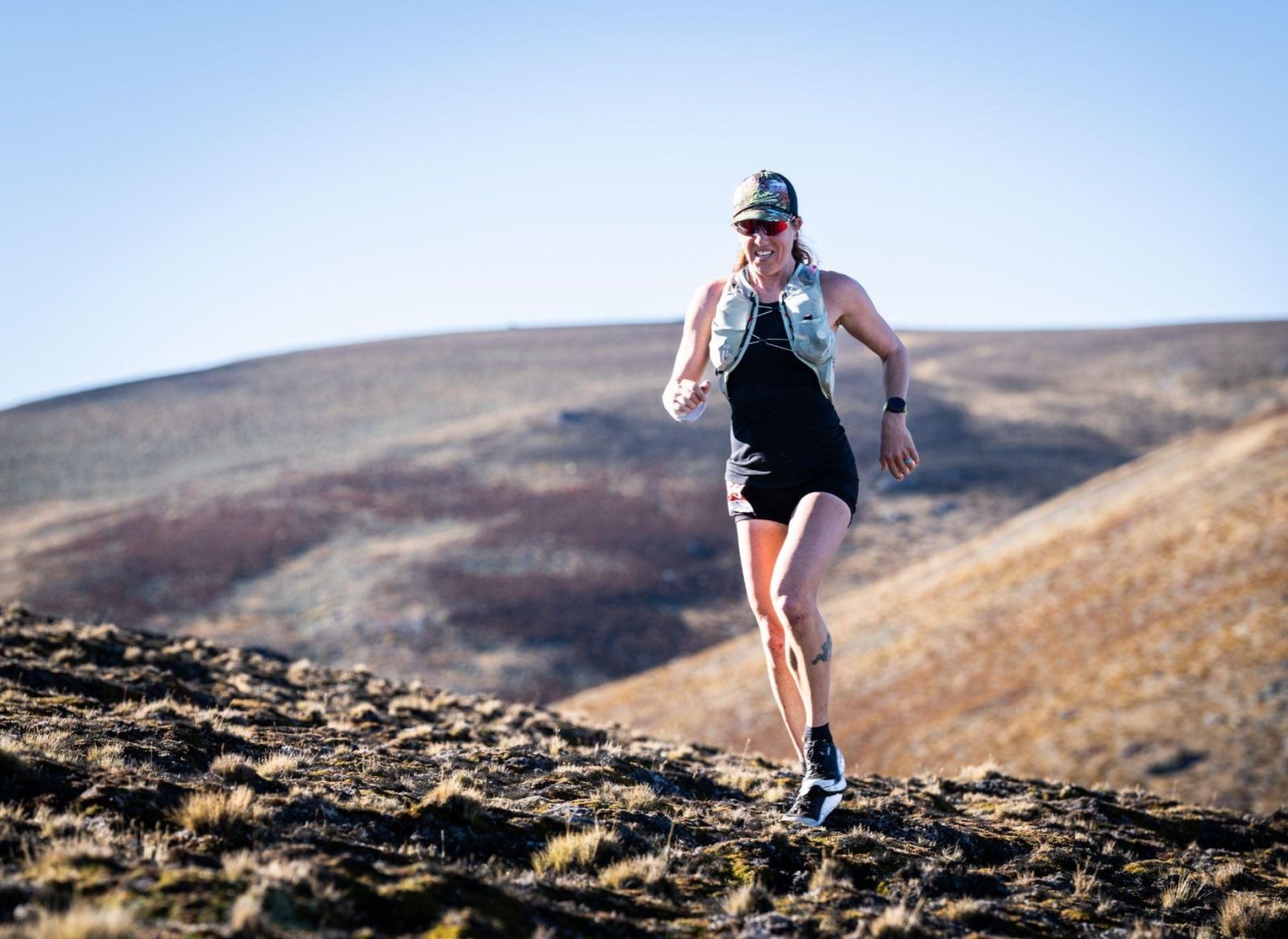 EP 780: The Woman Who Ran 600 Miles 06.05.2026 57分Megan Eckert returns to Trail Runner Nation after an extraordinary stretch in endurance racing, including a third place at Cocadona 250, setting a women's world record at Big's Backyard Ultra and becoming the first woman to run more than 600 miles in six days. She explains why backyard ultras are less about speed and more about solving the strange little puzzle of time, sleep, food, heat, pacing, and decision-making, one hour at a time. The conversation gets into what happens when the body starts swelling after days of effort, how recovery has to be tested carefully, and why a runner's "toolbox" matters more than a perfect race plan. Megan also shares how mantras, gratitude, crew support, short sleep strategies, and breaking huge goals into smaller chunks helped her keep moving when the mental fog rolled in. The big takeaway is that toughness is not always loud or dramatic. Sometimes it looks like patience, curiosity, a good crew, and the willingness to step back into the corral one more time. Links: SharmanUltra Coaching - Megan Previous Episode with Megan: EP 685: Running in Circles - Backyard Ultras Episode Sponsors: Tifosi Optics - CLARITY ON THE TRAIL: Post your Golden Nugget of wisdom that helps you recover after a huge effort on Instagram, tag @TifosiOptics, @TrailRunnerNation, and use the hashtag #ClarityOnTheTrail. OR try texting us (within the USA) with your tip: 916-235-3928. If we use yours on a weekly episode, you get a pair of the new Sanctum SL glasses! Peluva - Footwear that let your feet be feet. Get 10% off on our DEALS page Timestamps 00:00 | Megan Eckert's 600-Mile Breakthrough Scott introduces Megan's recent accomplishments, including her Big's Backyard Ultra world record and becoming the first woman to run more than 600 miles in six days. 02:10 | What Happens to the Body After 600 Miles Megan describes the swelling, inflammation, and strange physical effects that showed up late in the six-day race. 03:10 | Recovery Is Not a Formula She explains how recovery depends on the race, the body's feedback, heart rate, feet, legs, and the willingness to test movement and back off when needed. 04:14 | How Backyard Ultras Actually Work Megan breaks down the format: 4.17 miles every hour, starting again and again until only one runner remains. 06:16 | The Race She's Most Proud Of Megan shares why Run Rabbit Run stands out, not because it was perfect, but because she had to work through an off day almost from the beginning. 14:16 | The Tools That Keep You Moving The conversation shifts to mantras, knowing your "why," gratitude, and the mental tools runners build through hard training and bad races. 19:34 | Solving the Puzzle of Time Megan explains why backyard racing fascinates her: it is not about being fastest, but about balancing pace, rest, calories, sleep, and strategy. 25:46 | Training Yourself to Sleep Fast She talks about using an eye mask, lowering heart rate before lying down, and noise-canceling headphones to help the body shut down quickly during long races. 27:55 | Why Women Are Thriving in Long Events Megan reflects on the growing participation of women in backyard and multi-day racing and why the format creates a welcoming space for many types of runners. 31:15 | Why Crew Becomes Critical Megan explains how sleep deprivation affects decision-making and why crew support becomes essential in the later stages of multi-day races. 35:16 | The Dark Places in a Six-Day Race She describes the strange feeling of being between two shores, unable to see where you started or where you are going, and how her crew helped her regain perspective. 43:30 | Coaching for Backyard Ultras vs. 50Ks Megan explains how training shifts for backyard races, with more emphasis on time on feet, double days, and learning to run when you do not feel like running. 47:00 | Sleep Deprivation and Trial-and-Error The group discusses whether sleep deprivation can really be trained, and Megan explains why her best sleep strategy is built around longer 45- to 90-minute cycles. 52:00 | What's Next for Megan Megan talks about taking on Cocodona 250 and applying what she has learned from looped and timed events to a very different kind of trail challenge. 55:13 | Who Should Try a Backyard Ultra? Megan closes with a simple message: the best attribute is curiosity, because you never know what you are capable of until you show up.
 -
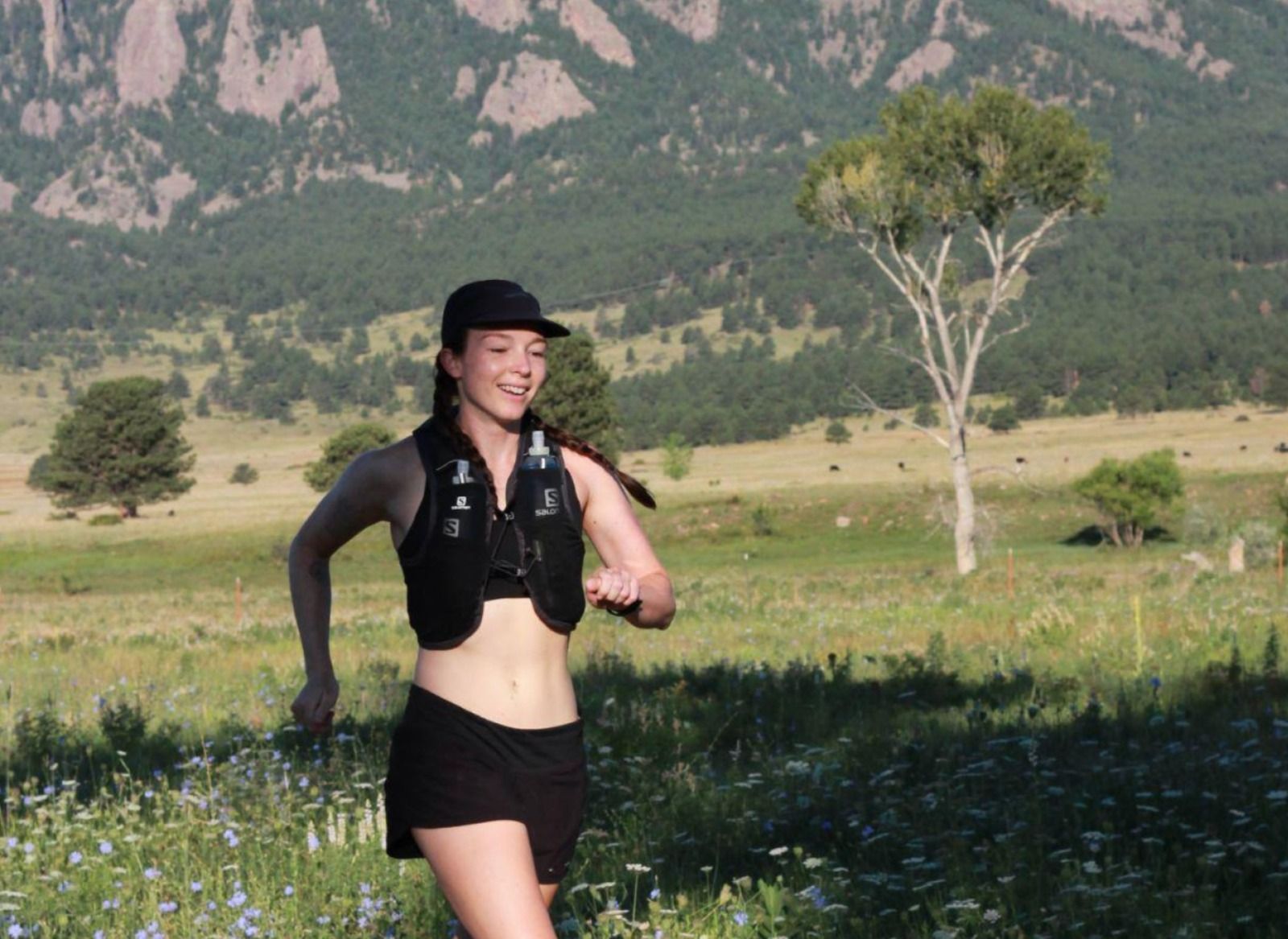 EP 779: The Hidden Performance Cost of Sun Damage 01.05.2026 54分Returning guest, coach Colleen Miracle, joins us to talk about something many trail runners know they should care about but often ignore: sun protection. The conversation is based on Colleen's UltraSignup article "Why Ultrarunners Face a Higher Risk of Skin Cancer and Decreased Running Performance." Colleen shares her own experience with stage-one skin cancer on her lip, which began as what looked like a small freckle but turned out to be a wound that would not heal. The episode gets practical fast, covering SPF 30, UPF clothing, sun hoodies, lip sunscreen, reapplication during races, altitude exposure, cloudy-day risk, and why a "base tan" is not real protection. For endurance athletes, the biggest takeaway is that sun damage is not just a long-term health issue; during long efforts, your body may divert energy toward cooling and repairing damaged skin instead of helping you keep moving. It is a useful, slightly uncomfortable reminder that protecting your skin may be as important to longevity in the sport as shoes, fueling, or strength work. Resources & Links: Check out Boundless Coaching Sunbeam Sunscreen Super Goop Episode Sponsors: Tifosi Optics - CLARITY ON THE TRAIL: Post your Golden Nugget of wisdom that helps you recover after a huge effort on Instagram, tag @TifosiOptics, @TrailRunnerNation, and use the hashtag #ClarityOnTheTrail. OR try texting us (within the USA) with your tip: 916-235-3928. If we use yours on a weekly episode, you get a pair of the new Sanctum SL glasses! Peluva - Footwear that let your feet be feet. Get 10% off on our DEALS page Timestamps 00:00 – The Sun as a Performance Threat Scott introduces the idea that UV exposure may affect not only skin cancer risk and aging, but also long-term running performance. 02:45 – Colleen's Skin Cancer Wake-Up Call Colleen shares how her own stage-one skin cancer diagnosis on her lip led her to interview her dermatologist and write about sun risk for ultrarunners. 05:30 – How Sun Damage Can Drain Your Body The group discusses how damaged skin may force the body to spend energy on cooling and repair when runners need that energy for movement, fueling, and staying strong. 07:15 – SPF, UPF, and What Actually Works Colleen explains the practical options runners can use, including SPF 30 or higher sunscreen, UPF clothing, sun hoodies, arm sleeves, and SPF lip protection. 14:25 – Why Sun Hoodies Are Showing Up More in Ultras The conversation turns to lightweight sun hoodies, why runners in hot and exposed environments use them, and why you should practice with them before race day. 17:50 – The Base Tan Myth and Other Bad Ideas Colleen pushes back on the idea that a base tan protects runners and explains why tanning still means skin damage. 31:45 – Timing, Altitude, Clouds, and Race-Day Habits They cover how early morning runs reduce exposure, why altitude increases risk, why cloudy days still matter, and how runners can build sunscreen reapplication into race routines.
類似ポッドキャスト


人気の国
このポッドキャストはこれらの国のポッドキャストチャートにも登場します。


