
Tech, Innovation & Society - The Creative Process: Technology, AI, Software, Future, Economy, Science, Engineering & Robotics
This podcast explores technology, innovation, society, AI, science, engineering, and the economy, focusing on issues facing people and the planet. It features conversations with leading thinkers, organizations, and environmentalists discussing technology, creativity, and pathways for a more sustainable future. The show also includes interviews with creative people across the Arts and STEM, including winners of Oscars, Emmys, Tonys, and Pulitzers. Notable guests and participating organizations include the Academy of Motion Picture Arts and Sciences, Neil Patrick Harris, Smithsonian, Roxane Gay, Musée Picasso, EARTHDAY.ORG, Neil Gaiman, UNESCO, and many others. The interviews are hosted by founder and creative educator Mia Funk.
エピソード
-
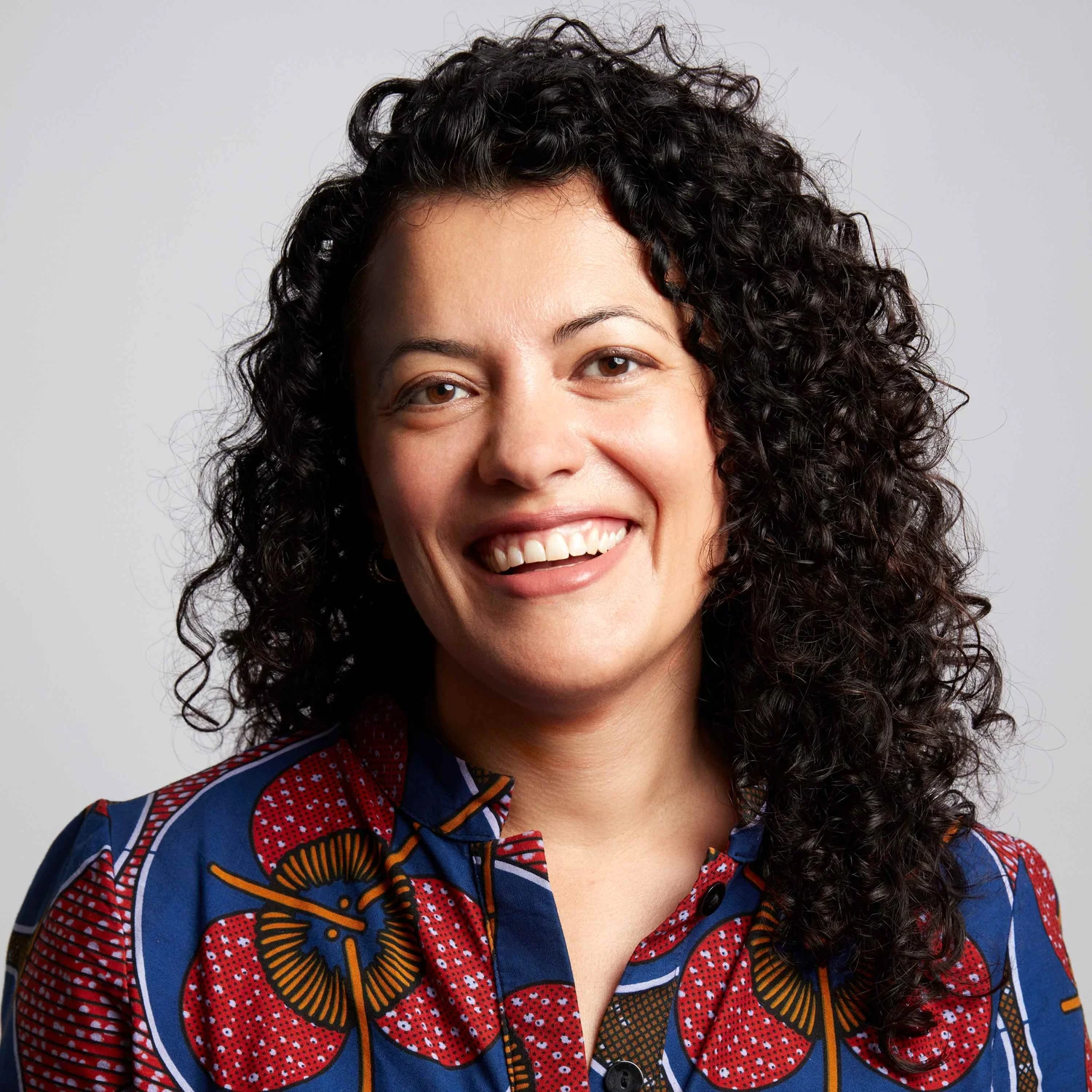 AI, Robotics, VR, Bio-plastics: LINCOLN CENTER’S Shanta Thake on the Power of Performing Arts in the Age of AI - Highlights 19.08.2026 18分As the Chief Artistic Officer at Lincoln Center for the Performing Arts, Shanta Thake is breaking down barriers—both literal and figurative—to create a more inclusive cultural landscape. From transforming New York’s grandest plazas into welcoming dance floors to grappling with the complex history of San Juan Hill, she views the arts as an essential civic infrastructure. In this episode, we explore her journey from a theater intern to leading one of the world's most prestigious arts institutions, the intersection of technology and human creation, and why gathering together remains our most vital technology for the future.
 -
 Fake Corridors: Surviving the Labyrinth of Social Media & Disinformation - Highlights 07.08.2026 26分In this profoundly moving episode of The Creative Process, we sit down with celebrated Bulgarian author Georgi Gospodinov and acclaimed translator Angela Rodel to discuss their International Booker Prize-winning novel, Time Shelter. We delve into the prescient themes of their work, examining what happens when a civilization facing a deficit of meaning attempts to retreat into carefully reconstructed decades of the past. They explore the crucial difference between personal nostalgia and collective propaganda, highlighting how the stories we tell ourselves shape our humanity. Beyond the novel, the conversation touches upon the musicality of language, the profound art of translation, and the intimate lessons learned during the final moments of a loved one's life. Georgi Gospodinov shares how literature slows down time and serves as a vital antidote to a polarized world, while Angela Rodel reflects on translating the subtle emotional atmospheres of Eastern Europe.
 -
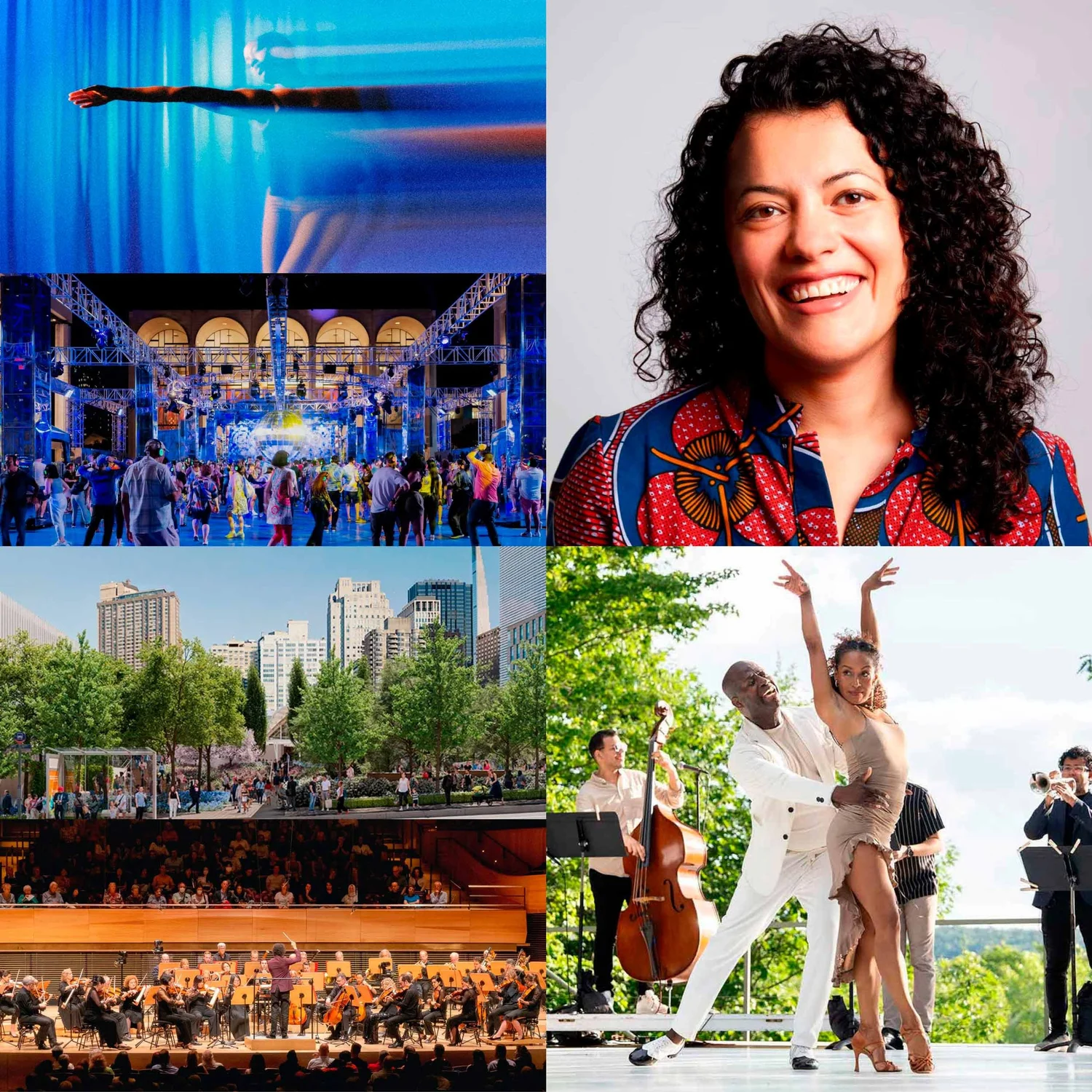 Reclaiming the Human Circuit: Bio-Tech, Interactive Art, and Society w/ LINCOLN CENTER’S SHANTA THAKE 03.08.2026 57分As the Chief Artistic Officer at Lincoln Center for the Performing Arts, Shanta Thake is breaking down barriers—both literal and figurative—to create a more inclusive cultural landscape. From transforming New York’s grandest plazas into welcoming dance floors to grappling with the complex history of San Juan Hill, she views the arts as an essential civic infrastructure. In this episode, we explore her journey from a theater intern to leading one of the world's most prestigious arts institutions, the intersection of technology and human creation, and why gathering together remains our most vital technology for the future.
 -
 The $7.5 Trillion Gamble on AI Domination & The Future of Humanity w/ NACHO DE GREGORIO 10.07.2026 1時間 43分For over a decade, technology has promised to simplify our lives, but the rapid rise of AI has brought a wave of anxiety about the future of work, governance, and human connection. We sit down with AI analyst Ignacio de Gregorio, author of The White Box, to separate the unsubstantiated hype from the geopolitical and economic realities of artificial intelligence. From the hidden debt financing fueling data center expansion to Europe’s critical compute gap, this conversation explores the real risks—and true potential—of the AI boom.
 -
 Surviving the AI Hype Cycle Without Losing Your Mind (or Your Job) w/ NACHO DE GREGORIO - Highlights 09.07.2026 17分For over a decade, technology has promised to simplify our lives, but the rapid rise of AI has brought a wave of anxiety about the future of work, governance, and human connection. We sit down with AI analyst Ignacio de Gregorio, author of The White Box, to separate the unsubstantiated hype from the geopolitical and economic realities of artificial intelligence. From the hidden debt financing fueling data center expansion to Europe’s critical compute gap, this conversation explores the real risks—and true potential—of the AI boom.
 -
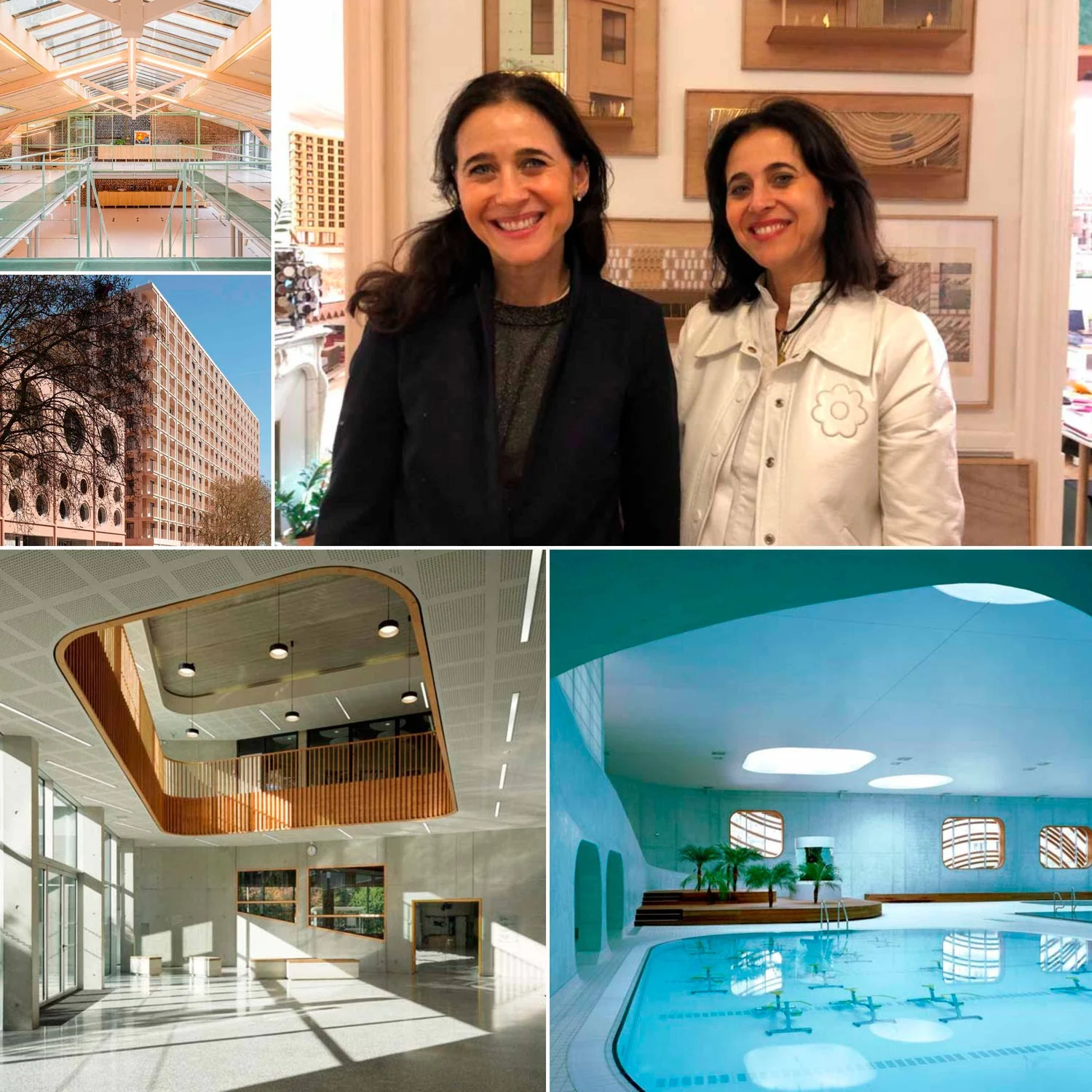 Building Bridges Between Technology, Nature & Architecture with SALWA & SELMA MIKOU 10.06.2026 1時間 18分Founders of Mikou Architecture, Salwa & Selma Mikou bring a deeply human-centric approach to modern design. Drawing from their childhood in the vibrant, labyrinthine medinas of Fez, Morocco, they view architecture as a powerful social infrastructure that shapes relationships and evokes memory. In this episode of The Creative Process, they discuss how they transform sites into living ecosystems, weaving local narratives and historical traces into their projects. The sisters reflect on their formative years working alongside architectural legends Jean Nouvel and Renzo Piano, and how their complementary visions fuel their collaborative practice. From designing serene mosques in England and holistic "water temples" in France to crafting intricate spaces for Hermès and Yves Saint Laurent, they reveal how buildings can truly sing. Join us to explore how art, intuition, and structural necessity converge to create spaces of profound wellbeing.
 -
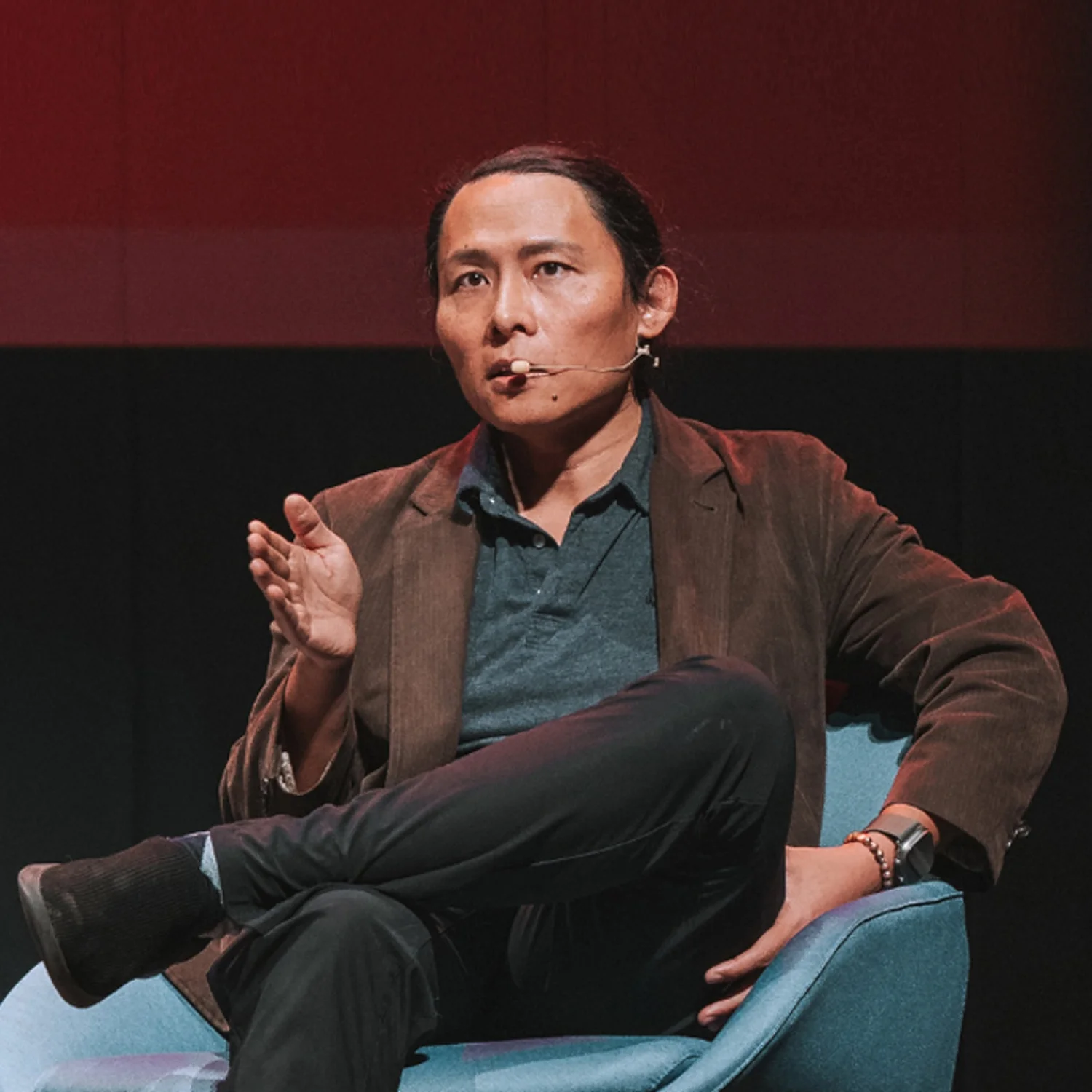
 Why Do We Listen to the Talkers More Than the Builders Saving the Planet? - TOM CHI - Highlights 18.04.2026 22分How do we move past climate anxiety and into actionable solutions? Tom Chi, physicist, inventor, and founding partner at At One Ventures, argues that our current economic systems are not fixed laws of nature, but flawed designs that can be rewritten. Drawing from his extensive experience in rapid prototyping at Google X and his new book, Climate Capital, Chi unpacks the "powerlessness algorithm" and reveals how local action, innovative deep tech, and a "builder's mindset" can heal the planet. From scaling robotic agriculture to protecting honeybees with the first-ever insect vaccine, this episode offers a practical, grounded roadmap for designing a world where humanity is a net positive to nature. By shifting our energy away from polarizing "talkers" and toward those who actually build solutions, Chi provides the frameworks necessary for restoring both community resilience and global ecosystems.
 -
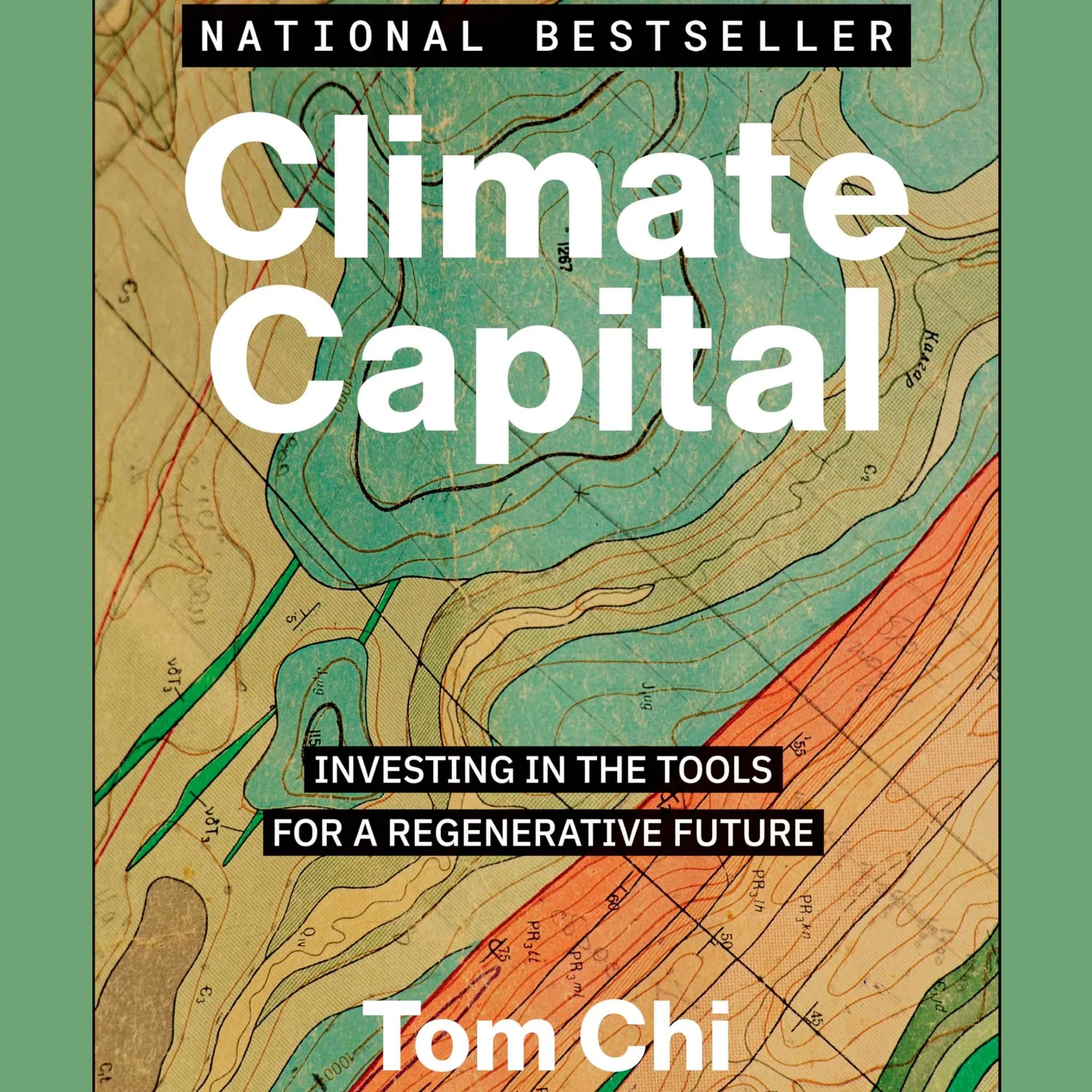
 Climate Capital with TOM CHI - Google X Co-founder, Founding Partner At One Ventures 18.04.2026 1時間 27分How do we move past climate anxiety and into actionable solutions? Tom Chi, physicist, inventor, and founding partner at At One Ventures, argues that our current economic systems are not fixed laws of nature, but flawed designs that can be rewritten. Drawing from his extensive experience in rapid prototyping at Google X and his new book, Climate Capital, Chi unpacks the "powerlessness algorithm" and reveals how local action, innovative deep tech, and a "builder's mindset" can heal the planet. From scaling robotic agriculture to protecting honeybees with the first-ever insect vaccine, this episode offers a practical, grounded roadmap for designing a world where humanity is a net positive to nature. By shifting our energy away from polarizing "talkers" and toward those who actually build solutions, Chi provides the frameworks necessary for restoring both community resilience and global ecosystems.
 -
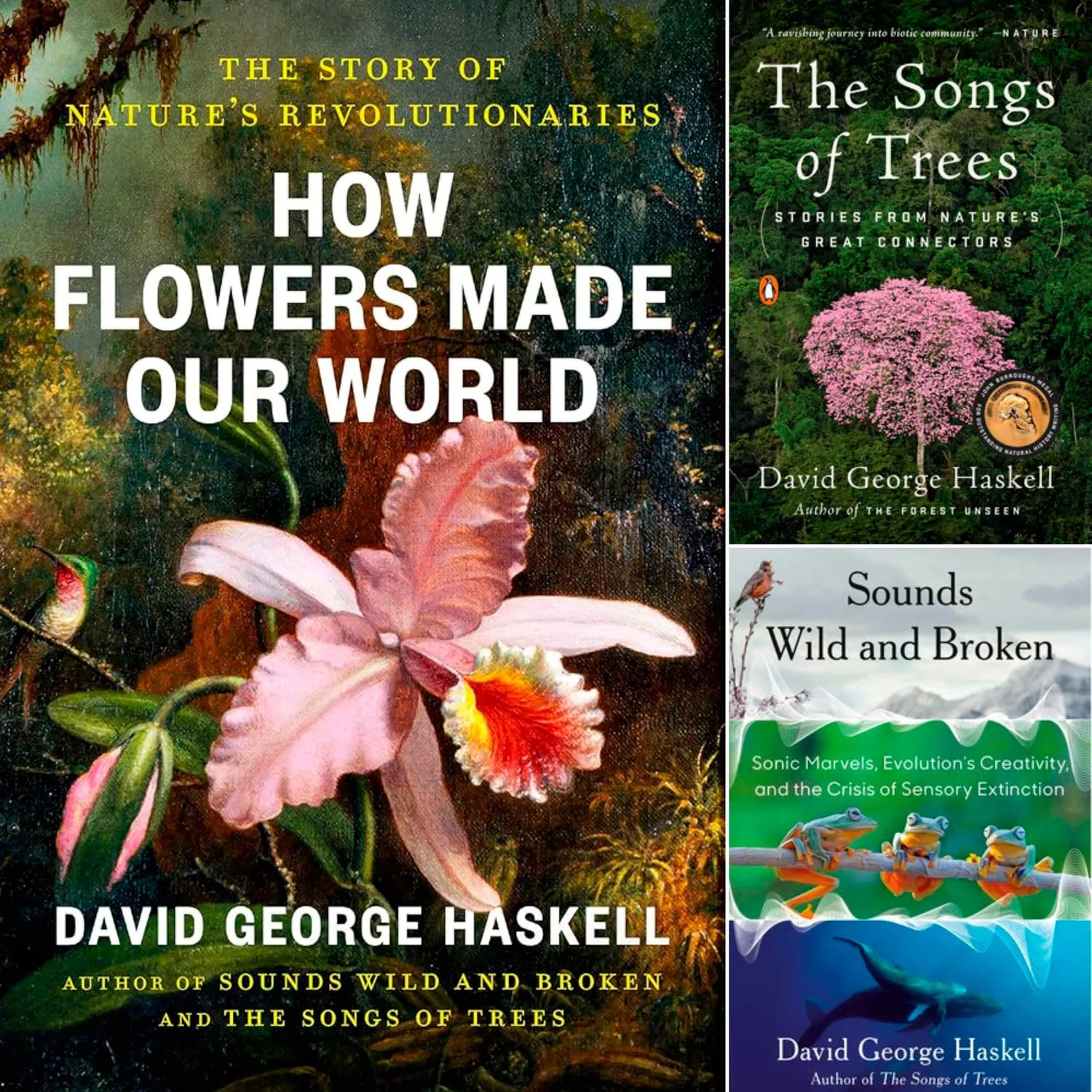 AI, Escaping the Screen & Listening to the Living World: DAVID HASKELL on the Songs of Nature - Highlights 03.04.2026 17分Biologist and author David George Haskell challenges everything we think we know about our place in nature. We aren't separate individuals; we are walking, breathing ecosystems deeply intertwined with the botanical world. From our evolutionary origins as "grass apes" to the staggering intelligence of forest root networks , Haskell unpacks the hidden revolutions led by flowers and trees. In this profound conversation on The Creative Process and One Planet Podcast, he also warns against the ecological costs of AI data centers and invites us to practice the radical, grounding art of simply listening to the earth.
 -
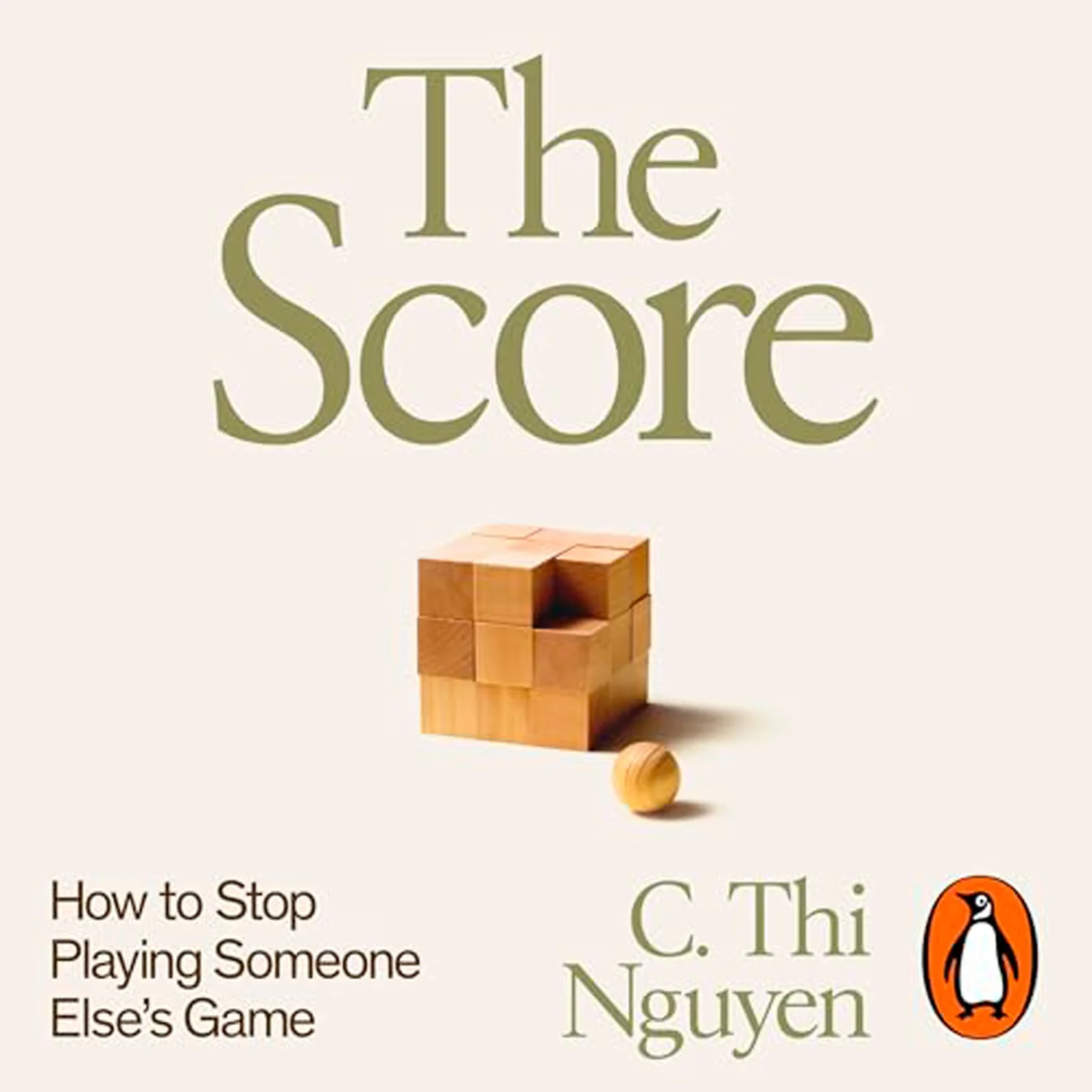 Game Over: Metrics, Big Data & Why We Need to Stop Keeping Score w/ C. THI NGUYEN - Highlights 13.03.2026On this episode of The Creative Process, philosopher C. Thi Nguyen joins us to discuss his new book, The Score: How to Stop Playing Somebody Else's Game. He unpacks the profound concept of "value capture"—the moment we stop caring about the rich, subtle experiences of life and start obsessing over simplified, external metrics like grades, likes, and screen time . Beyond the trap of quantification, C. Thi Nguyen explores the liberating power of games and art. We discuss how true play requires us to step lightly between different rule sets, the difference between art and craft, and how reclaiming our creative process might just be the ultimate meaning of life .
 -
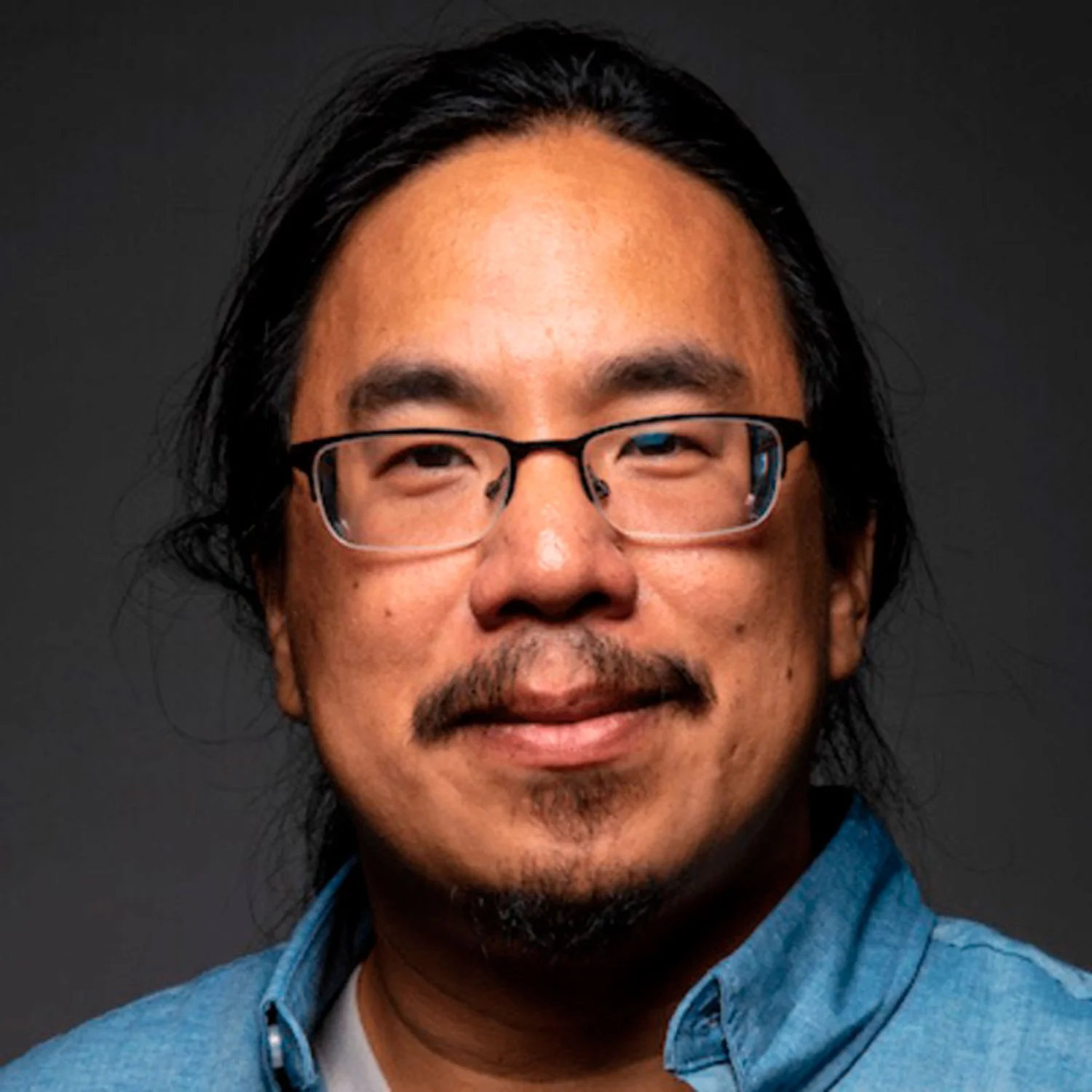 The Score: How to Stop Playing Somebody Else's Game with C. THI NGUYEN 13.03.2026 1時間 12分On this episode of The Creative Process, philosopher C. Thi Nguyen joins us to discuss his new book, The Score: How to Stop Playing Somebody Else's Game. He unpacks the profound concept of "value capture"—the moment we stop caring about the rich, subtle experiences of life and start obsessing over simplified, external metrics like grades, likes, and screen time . Beyond the trap of quantification, C. Thi Nguyen explores the liberating power of games and art. We discuss how true play requires us to step lightly between different rule sets, the difference between art and craft, and how reclaiming our creative process might just be the ultimate meaning of life .
 -
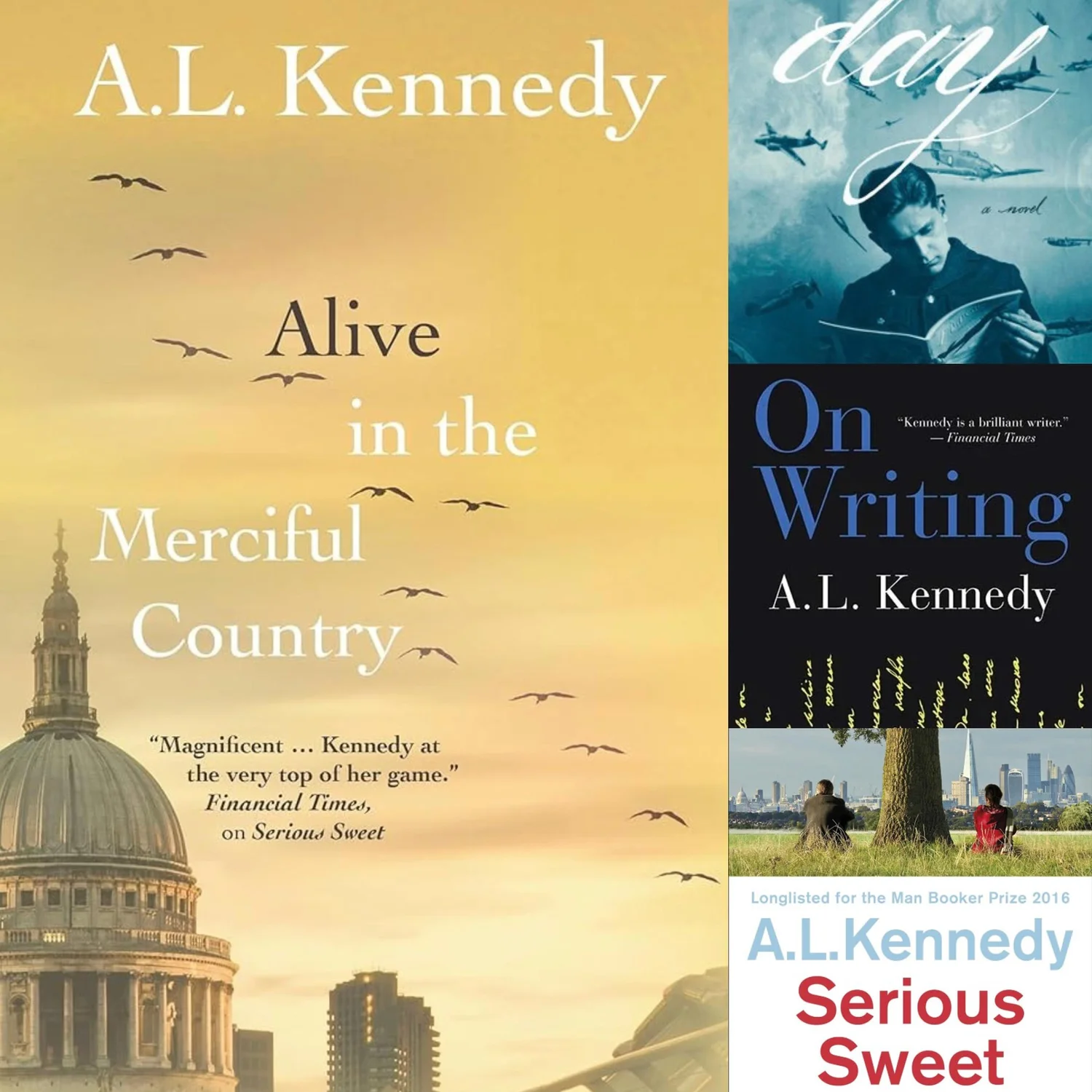 Beyond the Plagiarism Machine: Reclaiming Imagination from AI Slurry w/ AL KENNEDY 03.03.2026 34分In this insightful episode of The Creative Process, host Mia Funk sits down with Costa Book Award-winning author, activist, and comedian Al Kennedy to explore the intersection of education, democracy, and storytelling. Kennedy unpacks the chilling reality behind the Spy Cop scandal and how undercover state surveillance informed her latest novel, Alive in the Merciful Country. Through a blend of candid humor and sharp political critique, Kennedy reflects on the dangerous rise of AI-generated content, the deliberate dismantling of education systems, and the radical power of "whimsy" in protests. Whether discussing her experiences in environmental activism or detailing the Alfred Wolfson voice method, Kennedy reminds us that fiction remains one of the most essential ways to uncover forbidden truths and reconnect with our shared humanity.
 -
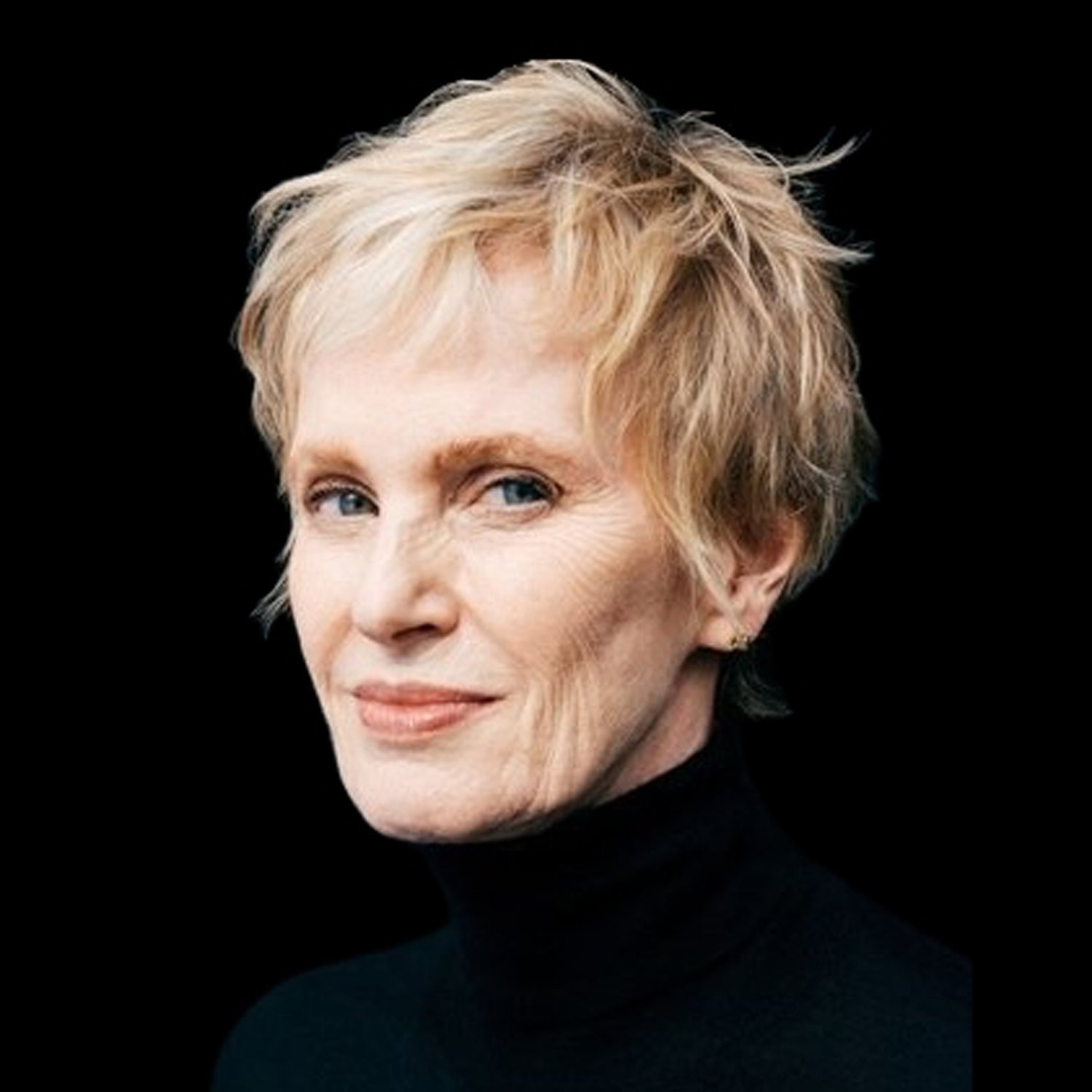 SIRI HUSTVEDT on Love, Grief, AI, Creativity & the Future of Humanity 23.02.2026 1時間 37分In this poignant and intellectually sweeping episode of The Creative Process , celebrated writer Siri Hustvedt opens up about the loss of her husband of 43 years, the legendary novelist Paul Auster. Delving into her new memoir, Ghost Stories, she explores the disorientation of grief, framing it as a particular kind of unrequited love. Hustvedt maps the emotional and physiological toll of loss, drawing parallels to the phantom limb phenomenon discussed by the French philosopher Merleau-Ponty.
 -
 Muse Cells & The Future of Health: Why Stars like Chris Hemsworth & Tony Robbins Turn to Regenerative Medicine 25.01.2026 21分Why do stars like Chris Hemsworth turn to regenerative medicine? In these highlights, Dr. Adeel Khan—CEO of Eterna Health and a pioneer in MUSE cell therapy—demystifies the science of these "smart" repair cells. Unlike standard stem cells, Dr. Khan explains how Muse cells can naturally detect inflammation, target tumors, and potentially reverse biological aging.
 -
 Reimagining Longevity: DR. ADEEL KHAN on Muse Cells & the Future of Regenerative Medicine 23.01.2026 48分Dr. Adeel Khan is a global thought leader in regenerative medicine and the CEO of Eterna Health. His work with MUSE cell therapy—developed in collaboration with its discoverer, Professor Mari Dezawa—has made him the go-to expert for world leaders, athletes, and celebrities like Chris Hemsworth, Kim Kardashian, and Tony Robbins. In this episode, we move beyond the hype of "anti-aging" to explore the hard science of Muse cells (Multilineage-differentiating Stress-Enduring cells). Dr. Khan breaks down how these unique cells differ from the "medicinal signaling cells" (MSCs) found in most clinics and how they act as a bridge to a future where tissue regeneration is standard care.
 -
 The AI Wager: Betting on Technology’s Future w/ Philosopher & Author SVEN NYHOLM - Highlights 02.12.2025 16分“ I think we're betting on AI as something that can help to solve a lot of problems for us. It's the future, we think, whether it's producing text or art, or doing medical research or planning our lives for us, etc., the bet is that AI is going to be great, that it's going to get us everything we want and make everything better. But at the same time, we're gambling, at the extreme end, with the future of humanity , hoping for the best and hoping that this, what I'm calling the AI wager, is going to work out to our advantage, but we'll see.”As we move towards 2026, we are in a massive “upgrade moment” that most of us can feel. New pressures, new identities, new expectations on our work, our relationships, and our inner lives. Throughout the year, I've been speaking with professional creatives, climate and tech experts, teachers, neuroscientists, psychologists, and futureists about how AI can be used intelligently and ethically as a partnership to ensure we do not raise a generation that relies on machines to think for them. It’s not that we are being replaced by machines. It’s that we’re being invited to become a new kind of human. Where AI isn’t the headline; human transformation is. And that includes the arts, culture, and the whole of society. Generative AI – the technologies that write our emails, draft our reports, and even create art – have become a fixture of daily life, and the philosophical and moral questions they raise are no longer abstract. They are immediate, personal, and potentially disruptive to the core of what we consider human work.Our guest today, Sven Nyholm, is one of the leading voices helping us navigate this new reality. As the Principal Investigator of AI Ethics at the Munich Center for Machine Learning, and co-editor of the journal Science and Engineering Ethics. He has spent his career dissecting the intimate relationship between humanity and the machine. His body of work systematically breaks down concepts that worry us all: the responsibility gap in autonomous systems, the ethical dimensions of human-robot interaction, and the question of whether ceding intellectual tasks to a machine fundamentally atrophies our own skills. His previous books, like Humans and Robots: Ethics, Agency, and Anthropomorphism, have laid the foundational groundwork for understanding these strange new companions in our lives.His forthcoming book is The Ethics of Artificial Intelligence: A Philosophical Introduction. The book is a rigorous exploration of everything from algorithmic bias and opacity to the long-term existential risks of powerful AI. We’ll talk about what it means when an algorithm can produce perfect language without genuine meaning, why we feel entitled to take credit for an AI’s creation, and what this technological leap might be costing us, personally, as thinking, moral beings.Episode Websitewww.creativeprocess.info/podInstagram:@creativeprocesspodcast
 -
 The Ethics of AI w/ SVEN NYHOLM, Author & Lead Researcher, Munich Centre for Machine Learning 27.11.2025 1時間 2分As we move towards 2026, we are in a massive “upgrade moment” that most of us can feel. New pressures, new identities, new expectations on our work, our relationships, and our inner lives. Throughout the year, I've been speaking with professional creatives, climate and tech experts, teachers, neuroscientists, psychologists, and futureists about how AI can be used intelligently and ethically as a partnership to ensure we do not raise a generation that relies on machines to think for them. It’s not that we are being replaced by machines. It’s that we’re being invited to become a new kind of human. Where AI isn’t the headline; human transformation is. And that includes the arts, culture, and the whole of society. Generative AI – the technologies that write our emails, draft our reports, and even create art – have become a fixture of daily life, and the philosophical and moral questions they raise are no longer abstract. They are immediate, personal, and potentially disruptive to the core of what we consider human work.Our guest today, Sven Nyholm, is one of the leading voices helping us navigate this new reality. As the Principal Investigator of AI Ethics at the Munich Center for Machine Learning, and co-editor of the journal Science and Engineering Ethics. He has spent his career dissecting the intimate relationship between humanity and the machine. His body of work systematically breaks down concepts that worry us all: the responsibility gap in autonomous systems, the ethical dimensions of human-robot interaction, and the question of whether ceding intellectual tasks to a machine fundamentally atrophies our own skills. His previous books, like Humans and Robots: Ethics, Agency, and Anthropomorphism, have laid the foundational groundwork for understanding these strange new companions in our lives.His forthcoming book is The Ethics of Artificial Intelligence: A Philosophical Introduction. The book is a rigorous exploration of everything from algorithmic bias and opacity to the long-term existential risks of powerful AI. We’ll talk about what it means when an algorithm can produce perfect language without genuine meaning, why we feel entitled to take credit for an AI’s creation, and what this technological leap might be costing us, personally, as thinking, moral beings.Episode Websitewww.creativeprocess.info/podInstagram:@creativeprocesspodcast
 -
 HOWARD GORDON & DANIEL PEARLE on THE BEAST IN ME, AI & The Future of Storytelling 09.11.2025 17分“How do you render something interior filmically? How do you communicate the details of the lost child, of the amount of time of the stuck creative process, and even the exterior, or the externalization of the house as a kind of hellish thing that's barely staying together—literally flooding with waste—and that you can't afford? So those are the details that we had to carefully figure out how to weave. But, you know, when you look at the first 10 minutes, it could be a horror movie. From that moment, a lot can happen. But what's important about it is that it sets the table for what does happen.” -Howard GordonToday, we explore the dark psychology of obsession, guilt, and the thin line between predator and victim. Our guests are two of television's most accomplished architects of high-stakes drama and moral ambiguity: Howard Gordon, the showrunner and executive producer whose work defined a generation of thrillers with 24 and the multi-award-winning Homeland; and Daniel Pearle, an executive producer and writer who brings a distinct, penetrating depth from his background as a celebrated playwright and his work on series like Accused and American Crime Story.Episode Websitewww.creativeprocess.info/podInstagram:@creativeprocesspodcast
 -
 In the Presence of the DALAI LAMA - Doc. Director of WISDOM OF HAPPINESS - Highlights 06.11.2025 14分“I can change my mind. I can reduce anger, hatred. Nothing to do with religion. All religions carry the message of love, loving kindness, and tolerance. With different views, there is a possibility to synthesize new ideas. If majority of the world leaders become female, world become safer. I feel that. Compassion is the key factor. Non-violence, compassion and self-confidence, these are key factors for happy individual, happy community, peaceful world. This century should be century of compassion, century of peace. No more bloodshed. We should develop a big “we,” rather than “we” or “they.” With these wings, you can fly.” -DALAI LAMA For decades, the Dalai Lama has been a global symbol of peace, compassion, and resilience, a spiritual leader living in exile from his home in Tibet. But how do you capture the essence of his wisdom—the kind that can truly change a life—in a way that feels intimate and personal? My guest today, documentary filmmaker Barbara Miller, has managed to do just that in her new film, Wisdom of Happiness. It’s a beautiful film that feels less like a documentary and more like a private, heart-to-heart conversation, where he invites us into his thoughts and shares practical steps for finding inner peace in a chaotic world. She's dealt with anti-globalization, domestic violence, and the fight for female pleasure in her previous works. We’ll talk about how she shifted from exposing systemic pain to focusing on radical hope and her collaboration with Executive Producer Richard Gere and Manuel Bauer, the Dalai Lama’s personal photographer for the last thirty-five years, who made his cinematography debut with this film. She shares what the Dalai Lama taught her about living in harmony with our body, nature, and the world.
 -
 WISDOM OF HAPPINESS - Heart-to-Heart w/ DALAI LAMA - Conversation w/ Director Barbara Miller 06.11.2025 43分“ Everybody wants happiness, joyfulness, peaceful world. Our 21st century will not be easy century. Fear, anger, hatred. In our mind we created distinctions. Different nationality, different color, different religion. Strong concept of “we” and “they”. Brothers and sisters of this small planet, we are same human beings. Meanwhile, global warming is a serious problem. Destruction of this planet is actually destruction of yourself. Our common responsibility should be work together, to save our world. We all have this marvelous human brain. The problem is, when negative emotions develop, our whole mind is taken over. So, we must deal with emotions. I can change my mind. I can reduce anger, hatred. Nothing to do with religion. All religions carry the message of love, loving kindness, and tolerance. With different views, there is a possibility to synthesize new ideas. If majority of the world leaders become female, world become safer. I feel that. Compassion is the key factor. Non-violence, compassion and self-confidence, these are key factors for happy individual, happy community, peaceful world. This century should be century of compassion, century of peace. No more bloodshed. We should develop a big “we,” rather than “we” or “they.” With these wings, you can fly.” -DALAI LAMA
類似ポッドキャスト


人気の国
このポッドキャストはこれらの国のポッドキャストチャートにも登場します。

