
The Kingless Generation
Fergal Schmudlach
0
A podcast exploring the deep history of class struggle, paleo-parapolitics, and the demonology of capital. It delves into the hidden narratives of power and resistance throughout human history.
エピソード
-
 China as #1 in Japanese Literature: Battles of Coxinga, pᵗ 2 [PREVIEW] 29.09.2026 57分Hosted on Acast. See acast.com/privacy for more information.
 -
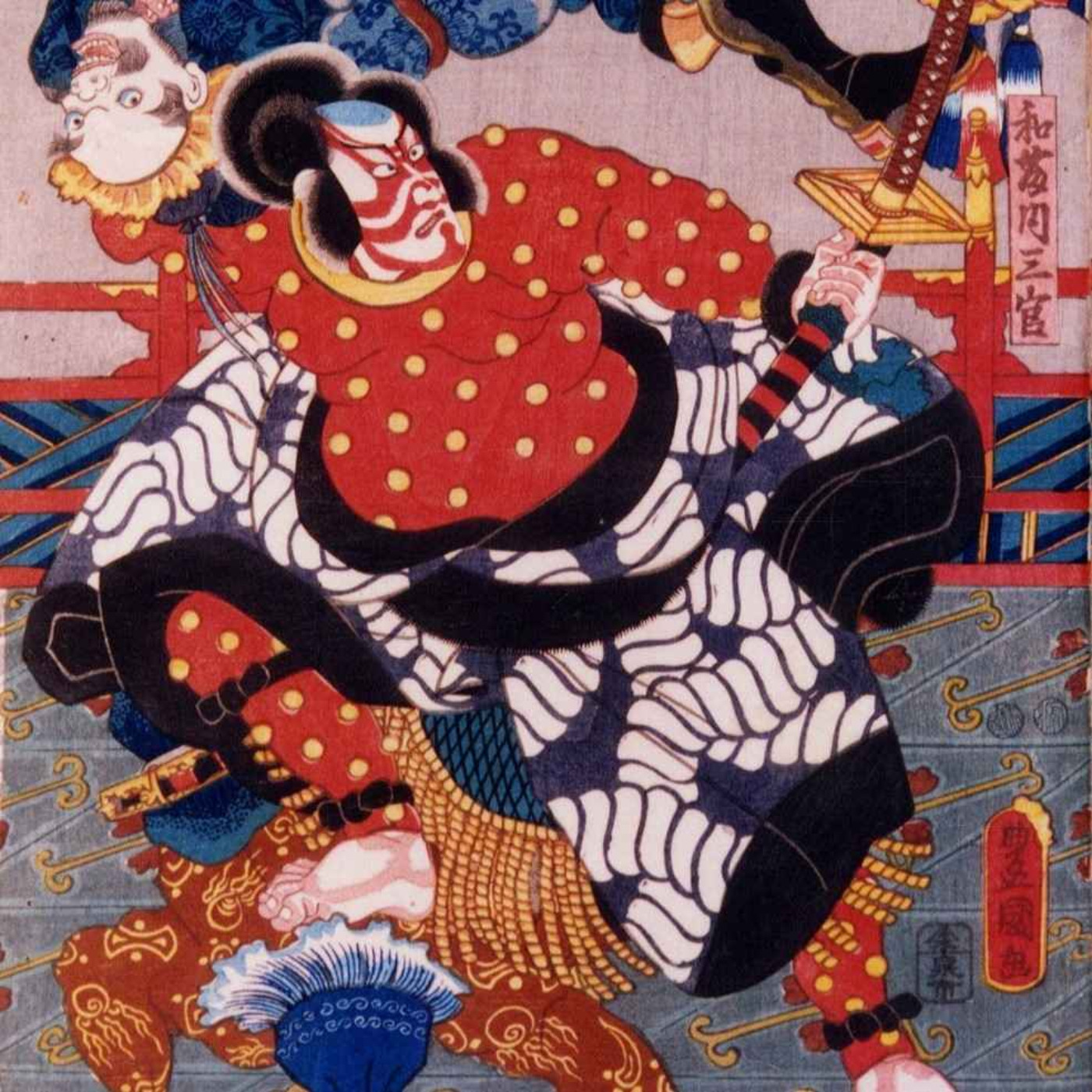
 China as #1 in Japanese Literature: Battles of Coxinga, pᵗ 1 (Chikamatsu Monzaemon, 1715) 15.09.2026 1時間 26分In part one of this second installment of our series on China as a silk road great power in pre-modern Japanese literature, we read Japanese playwright Chikamatsu Monzaemon’s puppet play “The Battles of Coxinga,” about the half-Japanese, half-Chinese hero Coxinga (Zheng Chenggong) who fought the Manchu Qing dynasty in an attempt to restore the Ming dynasty. Chikamatsu’s most successful play in his lifetime, it is striking today for its geopolitical perspective: although ambitions of Japanese conquest and aggrandizement are present, China is looked up to as the indisputably superior center of civilization where we plucky Japanese are happy to be of service, and even if we lack intelligence and refinement, we have a grit and gristle and spirit (and the protection of the Japanese gods) that makes us uniquely able to save the day against the savage and treacherous Manchus of the Qing dynasty, who are depicted in a proto-racist way that we do sometimes see in Early Modern Eurasia, even in the East. Notice how this is the precise opposite worldview of imperial Japan, where the old nothern “barbarian” Altaic peoples were seen as Japan’s natural allies according to modern genetic theories, and everything Han Chinese became primitive or degenerate, and Anglo-American whiteness became the new object of an increasingly violent inferiority complex. Hosted on Acast. See acast.com/privacy for more information.
 -
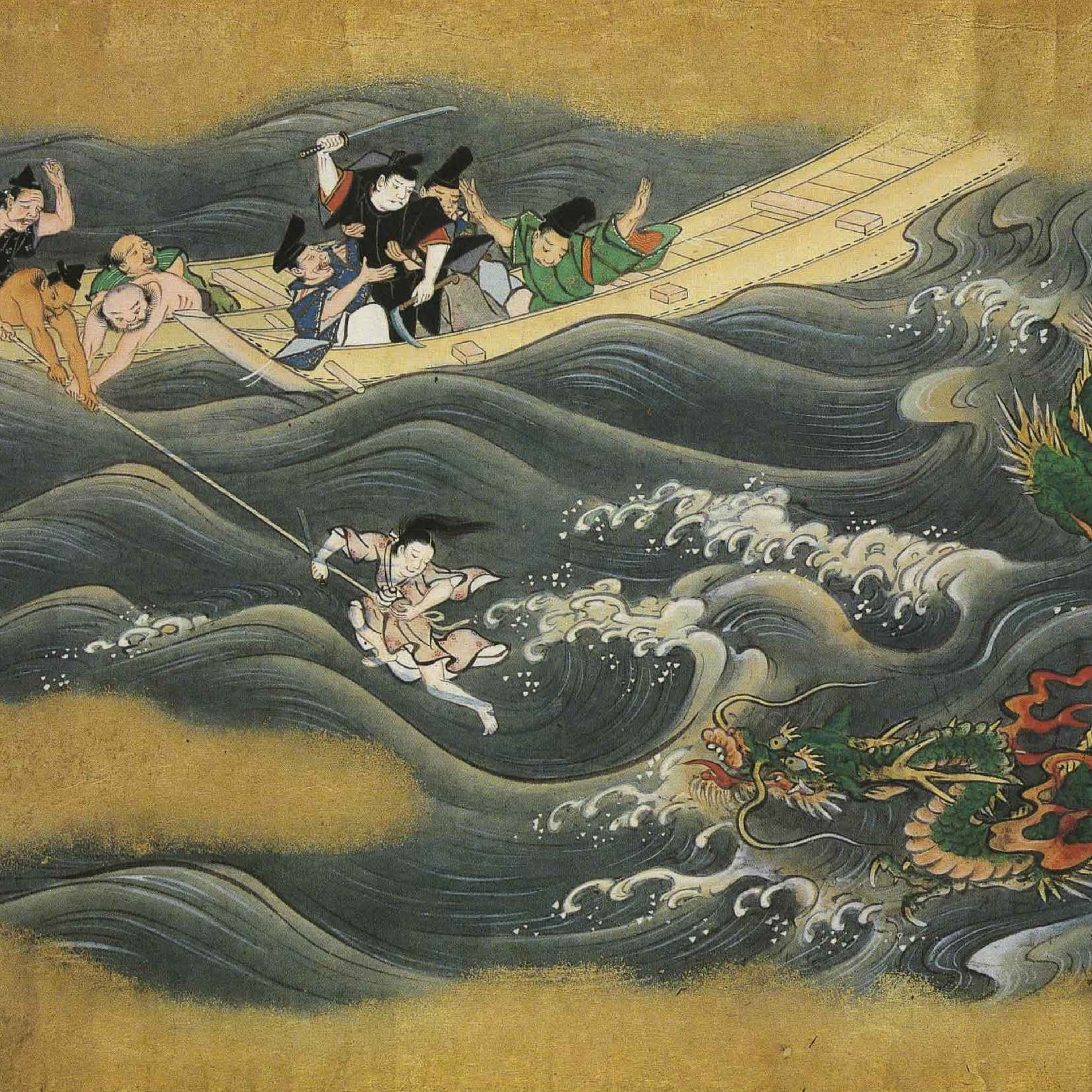 China as #1 in Japanese Literature: “Taishokan” [PREVIEW] (Kōwaka ballad, by 1553) 04.09.2026 41分Next in our ongoing series ReOrient-ing early modern literature across Eurasia, we discuss the most widely visually represented of the sixteenth-century Japanese short-form ballads known as kōwaka, which arguably surpassed the noh theatre for patronage among the warrior elite of Japan’s age of civil war. First appearing in performance records at the height of the Tally Trade (勘合貿易) with China—whereby the military ruler of Japan (like the shogun Ashikaga Yoshimitsu or the warlord Toyotomi Hideyoshi) accepted investiture as King of Japan from the Emperor of China in return for various samurai-bourgeois clans like the Hosokawa and the Ōuchi receiving trading rights in their designated port of Ningbo—this story legendarily depicts the founder of the Fujiwara courtier family (representative here simply of the Japanese elite) proudly marrying his daughter to the Emperor of China at the latter’s request. He is “overwhelmed at the honor of having the Emperor of the Great Country of the world for a son-in-law, despite being a mere subject of the Emperor of a small country.” This reflects the standard medieval Japanese worldview in which there are three main countries in the world: Japan which is a “small country on the margins” (辺土の小国), the Great Country of China, and India, which as the source of Buddhism may or may not be even greater than China. An adventure ensues involving a precious relic stolen by demonic forces, among whom are supposedly degenerate, northern nomad races according to a new, early-modern, quasi-racist logic, but one that is precisely opposite to that of the Japanese empire, in which everything Chinese was discredited and the Mongoloid, nomadic, and Altaic was elevated as the ideal. Here, by contrast, Chinese heroes are the most noble and orderly (even though they make mistakes), and they possess advanced technology that Japanese can only dream of. Many striking things to see in this glimpse of a different worldview from another time. Hosted on Acast. See acast.com/privacy for more information.
 -
 Dethrone the Dictaphone 18.08.2026 1時間 42分A chatty hangout episode on recent events, the class politics of fashion in our post-cultural moment, and an American (...?) Broadway musical from the End of History as performed in Japanese in air-conditioned chambers surrounded by hordes of shrink-wrapped Teslas on reclaimed land developed Tel Aviv–style in the middle of Tokyo Bay. Hosted on Acast. See acast.com/privacy for more information.
 -
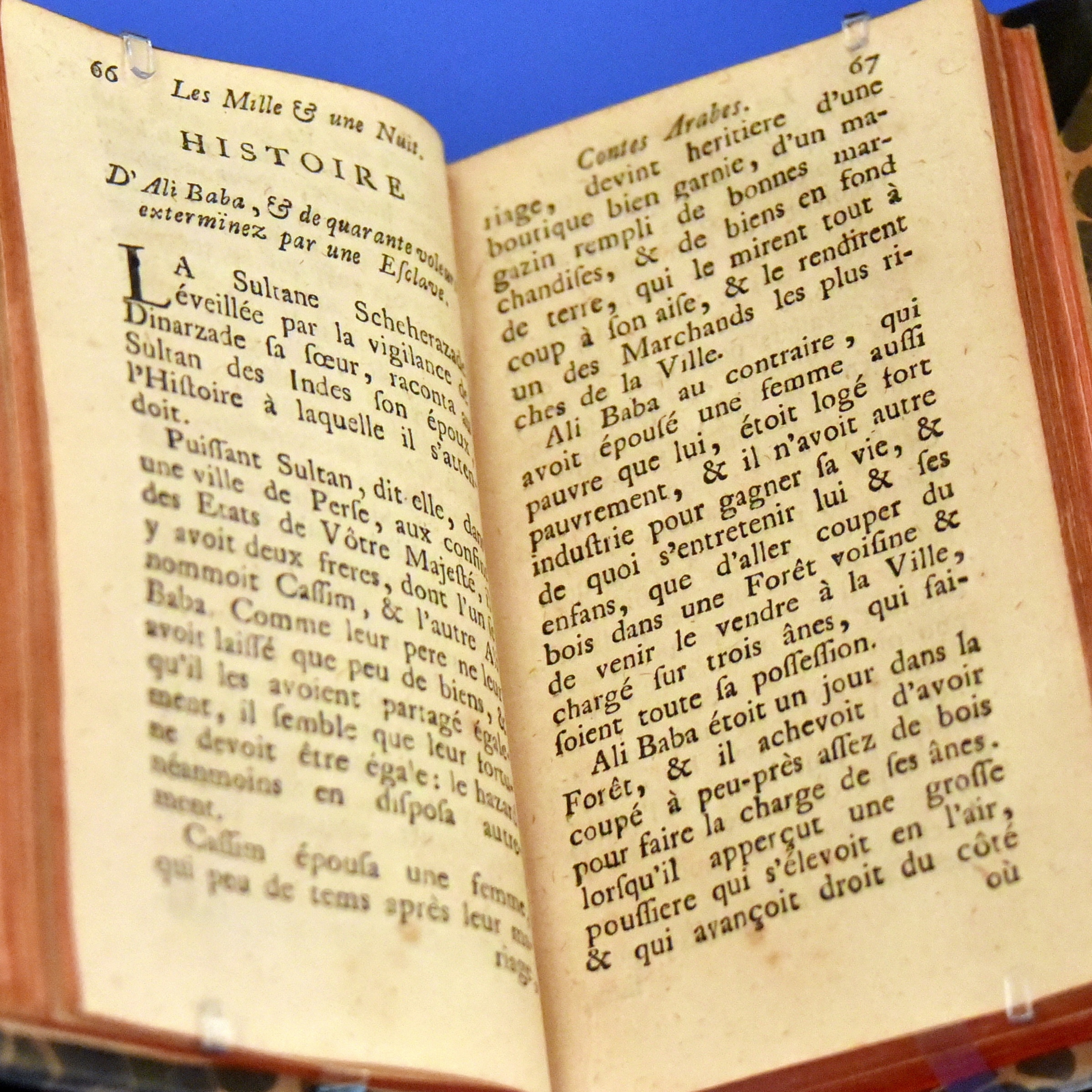 An Infant ‘West’ meets a Middle-Aged ‘East’ [PREVIEW]: Galland’s retelling of Shams-al-Nahār & Ibn Bakkār (1704–1717) 11.08.2026 33分In this final episode of our first series on the 1,001 Nights, we take up Frenchman Antoine Galland’s adaptation, where we see a Europe that has only begun to see its nearest Afro-Asiatic merchant-capitalist great power as a different , “eastern” civilization whose cultural products must be held at arm’s length and ethnographically explained—rather than adopted wholesale without comment, as stories from the very same 1,001 Nights had been in medieval European literature like the Canterbury Tales (1387–1400) or Orlando Furioso (1516–1532). Galland introduces critical details and disparaging attitudes, writes new scenes not found in the Arabic, and sometimes misreads the Arabic quite dramatically. The things he needs to explain to his readers—that druggists can be respectable members of society, that poetry can express emotions vicariously—reinforce for us the low level of development of “Europe” as it begins to step onto the stage of history for the first time (it was not meaningfully continuous with Greco-Roman antiquity but rather borrowed most from the Arab-Islamicate Mediterranean world from whose side it sprang) and as an awkward newcomer rather than an overwhelmingly powerful main character (it would not even begin to dominate the Eurasian economy until after 1800). Finally, here too Galland’s central interest is evident in the bureaucrat-connected merchant rogues and organized criminals who are able to slip through the cracks of this highly developed and regimented society and accumulate capital—the Sons of the Silk Road who were already the main model for the Crusader bourgeoisie. Hosted on Acast. See acast.com/privacy for more information.
 -
 Oriental Despotism comes w/ Occidental Colonization: Ibn Bakkār & Shams-al-Nahār in the Calcutta Ⅱ Nights (1839–42) 04.08.2026 1時間 29分In addition to filling in more background knowledge from a scholarly article that I did find on this tale by Jamel Eddine Bencheikh, as well as some musings on the formation of the discipline of Anglophone Japan studies under the influence of Francophone Arabology, we explore this same tale in the nineteenth-century colonial-era British-Indian edition of the now much expanded and more textually baroque version known as Calcutta II. There, we find the first-person narrative interludes removed, or at least refocused away from the process of establishing a secure communication channel between the worker go-betweens, on behalf of the elite patrons. That process also becomes top-down rather than bottom-up, as the negotiation of the connection much more clearly follows an elite commission rather than arising on the initiative of the workers themselves. Meanwhile, textual change has obscured some storytelling choices we saw in the post-1450 version, sometimes strengthening the story but also often leaving loose ends dangling and vestigial inconsistencies that only make sense if we know what the passage used to say. In the way, the text of Calcutta II embodies the growth of oriental despotism or decadence precisely in the time of occidental colonization, both in its form and in its content. Hosted on Acast. See acast.com/privacy for more information.
 -
 Truth and Testimony, Drugs and Attachment in Bourgeois-Revolutionary Baghdad [PREVIEW]: Re-Orienting Ibn Bakkār and Shams-al-Nahār in the Arabic manuscript of the 1,001 Nights 28.07.2026 46分I dust off my Arabic for some weird scenes in Silk Road–era Baghdad: a story of drugs and ego death, deadly secrets and the workers who keep them. The only tragic love story in the Nights, the story of the Persian prince Ibn Bakkār and the courtesan Shams-al-Nahār also features, only in this earliest available Arabic manuscript tradition, a meta-narrative device whereby first-person interviews with certain characters—such as would be collected by a prosecutor as evidence for a trial—are interspersed throughout this story of elite parties, exotic drugs, and forbidden obsessions. Hosted on Acast. See acast.com/privacy for more information.
 -
 1,001 Nights: A murdered ancestor to European Romance 21.07.2026 1時間 5分One symptom of the neglect in Anglo-Zionist historiography of Arabic literature and culture—despite its role as the main heir to axial-age Mediterranean and Persian cultures and, as the western representative of the Afro-Asiatic merchant capitalist world system, key progenitor of “the West”—would be the neglect which the 1,001 Nights has suffered in literary scholarship. Everything I can find in English or Japanese is only interested in the impressions it left in the industrial-era European mind as a long-gone Other, but the fact is that we (finally) have a modern edition (by Muhsin Mahdi) and English translation (by Husain Haddawy) of the surviving (15th-c.) Arabic manuscript lineage which attests to the Nights as they were circulating before the rise of Europe—which modern economic history has shown to have occurred only after 1800. Nevertheless, I with my admittedly limited skills as a West-Asianist can find nary a comparative study of this text of the Nights in their prime with later developments and their European adaptations and distortions: only “post-colonial” (really covertly neo-colonial) navel-gazing exercises that reinscribe and eternalize the European gaze rather than casting it aside for the strange, two-hundred-year dream that it was, to look squarely at the genius of Arabic narrative and subjectivity in story that we see in the real roots and first rumblings of bourgeois revolution in West Eurasia. Hosted on Acast. See acast.com/privacy for more information.
 -
 Eranos 4 [PREVIEW]: It was us (all along)... 24.06.2026 47分In anticipation of future outings on some of the more interesting figures we've met thus far, we bring our introductory series on the Eranos milieu to a close with a discussion of the final years, as one august old racket came to an end but was simultaneously demolitioned, flipped, spun off, and otherwise psycho-entrepreneurially aufgehoben into various other cultic milieux just as our current moment of cultic conquest of civil society began. Hosted on Acast. See acast.com/privacy for more information.
 -
 Eranos 3: Mircea Eliade, Mellon Fellow of Death, w/ Scott Ryan of the Dustlight Archives 10.06.2026 1時間 20分Hosted on Acast. See acast.com/privacy for more information.
 -
 Eranos pᵗ 2 w/ Scott [PREVIEW]: Furio Jesi vs the Satanic-Orientalists 29.05.2026 35分More ideological and world-historical groundwork, as we introduce, for me, the real hero of this story, the Jewish Italian Communist mythologist Furio Jesi (1941–1980), a rival to many in the Eranos crowd who critiqued their Aryo-heroic, Christian-Kabbalist, and I would say satanic-orientalist project from the outside. He got a professorship at the University of Palermo on sheer merit despite being a high school dropout, but then after moving his family to a country house for their safety after his organizing work got him in some heat during the Years of Lead, he died at age 39 when his water heater suddenly malfunctioned and gave him carbon monoxide poisoning in the night. Join me and Scott Ryan of the Dustlight Archives Podcast as we discover an important Kingless Generation ancestor. Hosted on Acast. See acast.com/privacy for more information.
 -
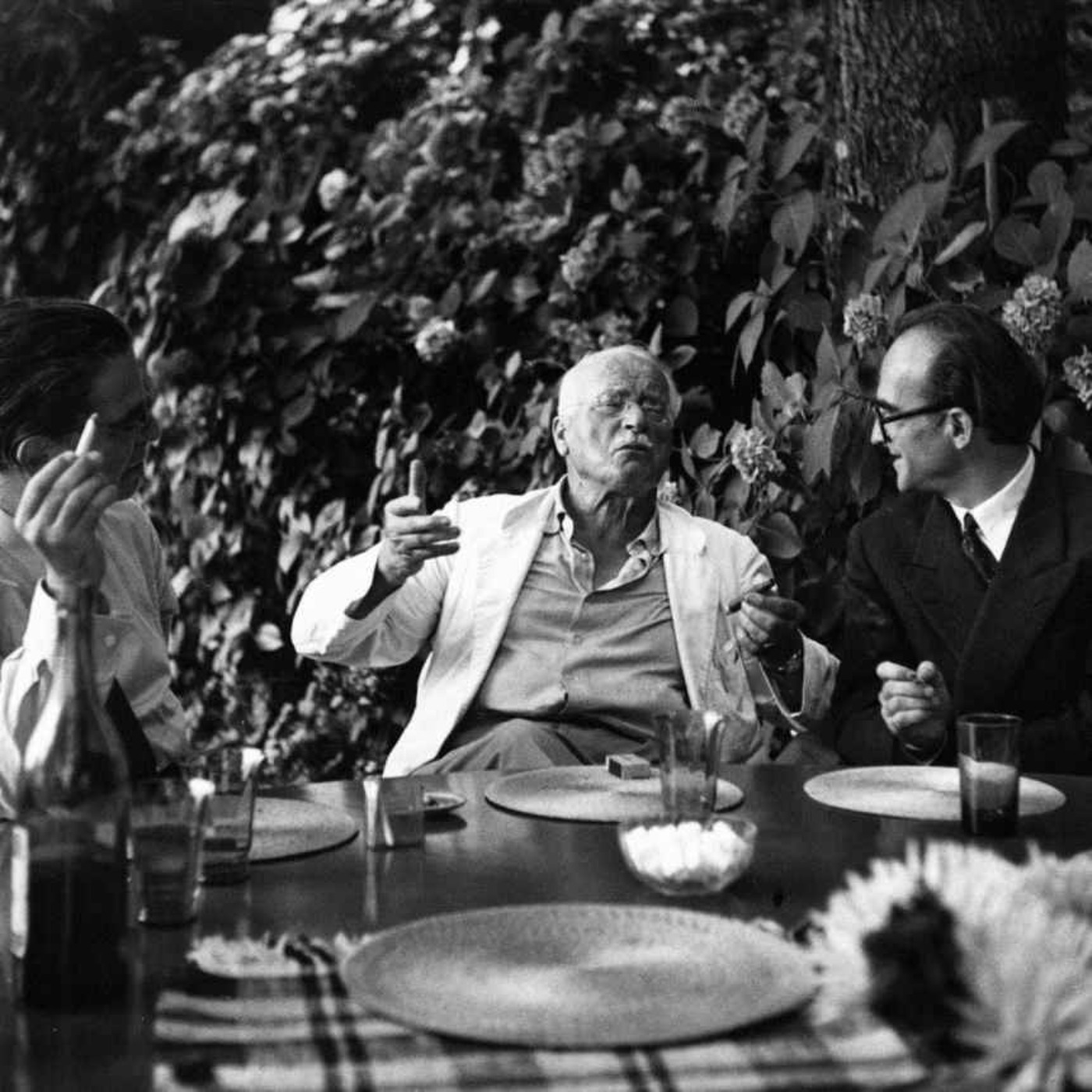 Aether Whores: Eranos and the 20th-c liberal-bourgeois vanguard, w/ Scott of the Dustlight Archives 20.05.2026 1時間 12分From 1933 to 1988, the liberal spiritualist wing of the trans-Atlantic bourgeoisie had something of a think tank for spiritual and cult technology and grand strategy in the yearly gatherings of philosophers, psychologists, and anthropologists like Carl Jung, Mircea Eliade, and Gershom Scholem, known as Eranos and organized by the wealthy socialite and occultist Olga Fröbe-Kapteyn at a lakeside resort in Switzerland. Jung disciple Gustav Heyer memorably called their activities there Aetherhurerei “aether whoredom”. I am joined by Scott Ryan of The Dustlight Archives Podcast for the opening episode of a series on this little-known but very important gathering which has deep links both with earlier modern “gnostic” and bourgeois-occult, satanic-orientalist secret society movements, contemporaneous developments like the Nazis as well as the proto-hippie youth movements of which Nazism was the shadow, and also NXIVM and other present-day developments of the same social and spiritual technologies of the ruling-class vanguard, which Scott is covering so brilliantly on his show. Hosted on Acast. See acast.com/privacy for more information.
 -
 (15)90s kids: Thomas Nashe [PREVIEW], A Son of the Silk Road in Merry Old England 07.05.2026 44分We continue our study of Elizabethan England, which is often mistakenly treated as an origin point of bourgeois revolutionary culture but which I hope to show is actually an endpoint for the subjectivity of the “Sons of the Silk Road” of Arabic literature, whose literary, religious, cryptographic, and financial antics in the bazaars and marketplaces of West Eurasia, Africa, and the European Ummah, inspired imitators among the crusaders and (re)conquistadors of Spain and Italy and, through them, a strange little island nation called England. This time we savor the acerbic wit of Thomas Nashe, poet of the continental wanderers known as intelligencers and used to great effect by Elizabeth’s spymaster Francis Walsingham. In his iconic depiction of the intelligencer in his picaresque novel The Unfortunate Traveller, we recognise extensive overlap with the fellowship of the Sons of the Silk Road as depicted by the 10th-c travelling Arab poet Abū Dulaf al-Khazrajī in his Qaṣīda sāsāniyya. Hosted on Acast. See acast.com/privacy for more information.
 -
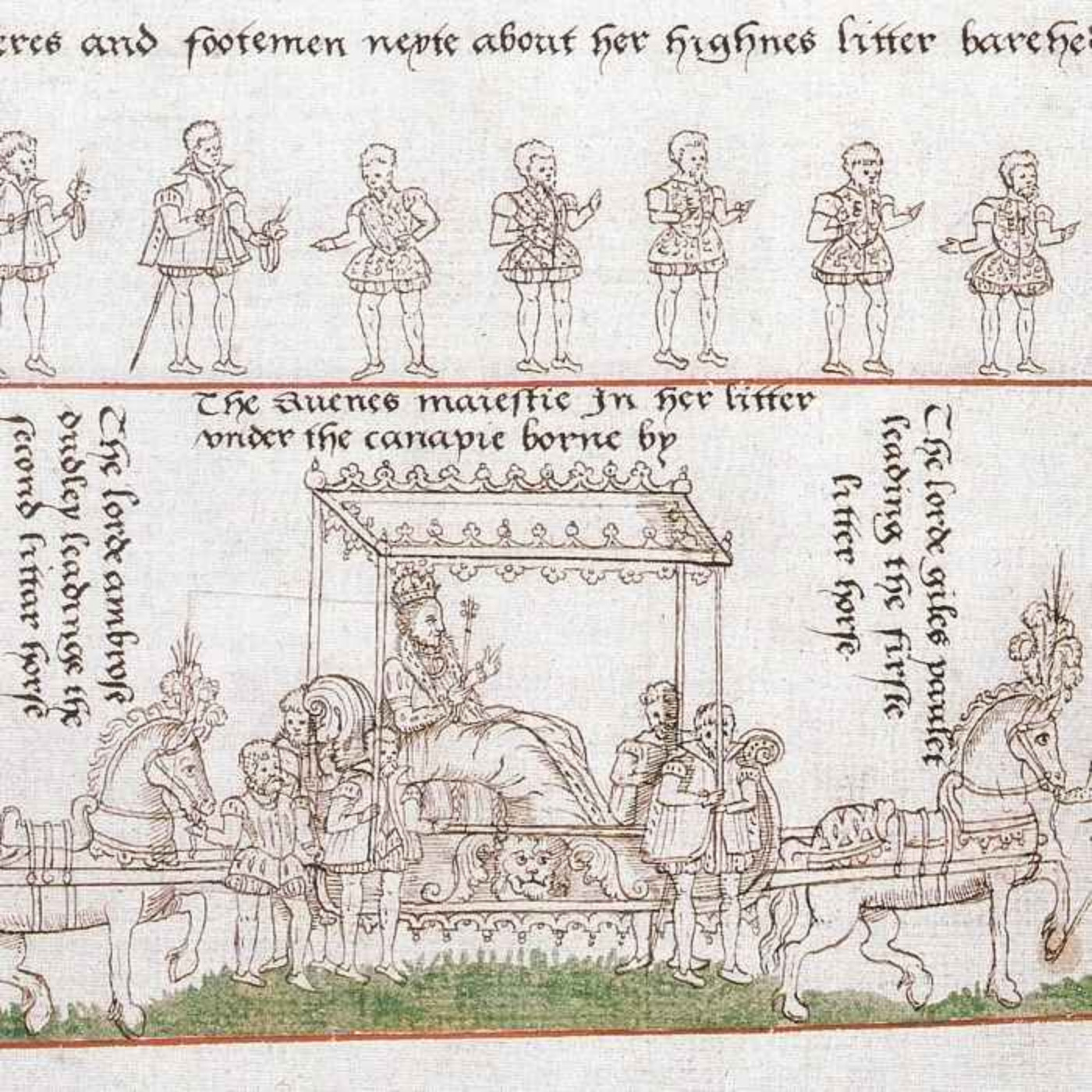 (15)90s Kids Know: Lizzie’s bois, overture 10.04.2026 1時間 5分Building on our discussion of the Water Margin (the most important surviving versions dating to the 1590s), we go “back”—notice the scare quotes!—to what is usually at least passively assumed to be the source of the culture of capitalist modernity, merry aul England. What we will find, of course, is that we need to re-orient our view of the birth of modern capitalism along the lines long established by world historians like Janet Abu-Lughod, Andre Gunder Frank, Samir Amin, Emmanuel Wallerstein, Giovanni Arrighi, et al, because Europe was in fact a late-comer to industrial modernity, borrowing all the basic innovations necessary for capitalism from the Afro-Asiatic silk road powers: the Muslim world, India, and China. The same is true for the cultural superstructure of capitalism, as all the core elements of modern, novelistic, secular modernity can also be found first in Afro-Asiatic forms like the Arabic Maqama, the Arabian Nights, the vernacular epics of early modern India, and the Ming Dynasty novel. It was from here that “modern consciousness” spread to the North Mediterranean, and from there to the imaginary homeland of chivalry in the mind of a nascent “Europe”, Britannia. This time we outline the basic activities and characteristics of several lesser-known English writers of the 1590s, all of whom played important roles in the rise of state pageantry, venture capitalism, and intelligence agencies in that storied isle: this time we mainly discuss Christopher Marlowe, Thomas Nashe, and Anthony Munday. Hosted on Acast. See acast.com/privacy for more information.
 -
 Casual chat, core content [PREVIEW] 10.04.2026 40分I swore I wasn’t going to do a chatty one but rather a hard core cultural-historical content for the next premium episode, but I just gave myself podcaster’s block again as I have several irons in the fire none of which feels quite ready. But so much has been happening in the world that I just had to sit down and catch up, so here’s a good old podcast hug, and in fact I feel like it turned out to be a pretty great statement of core Kingless Generation themes packed with updated information and analysis, so I’m just going to get this out there: please enjoy. Hosted on Acast. See acast.com/privacy for more information.
 -
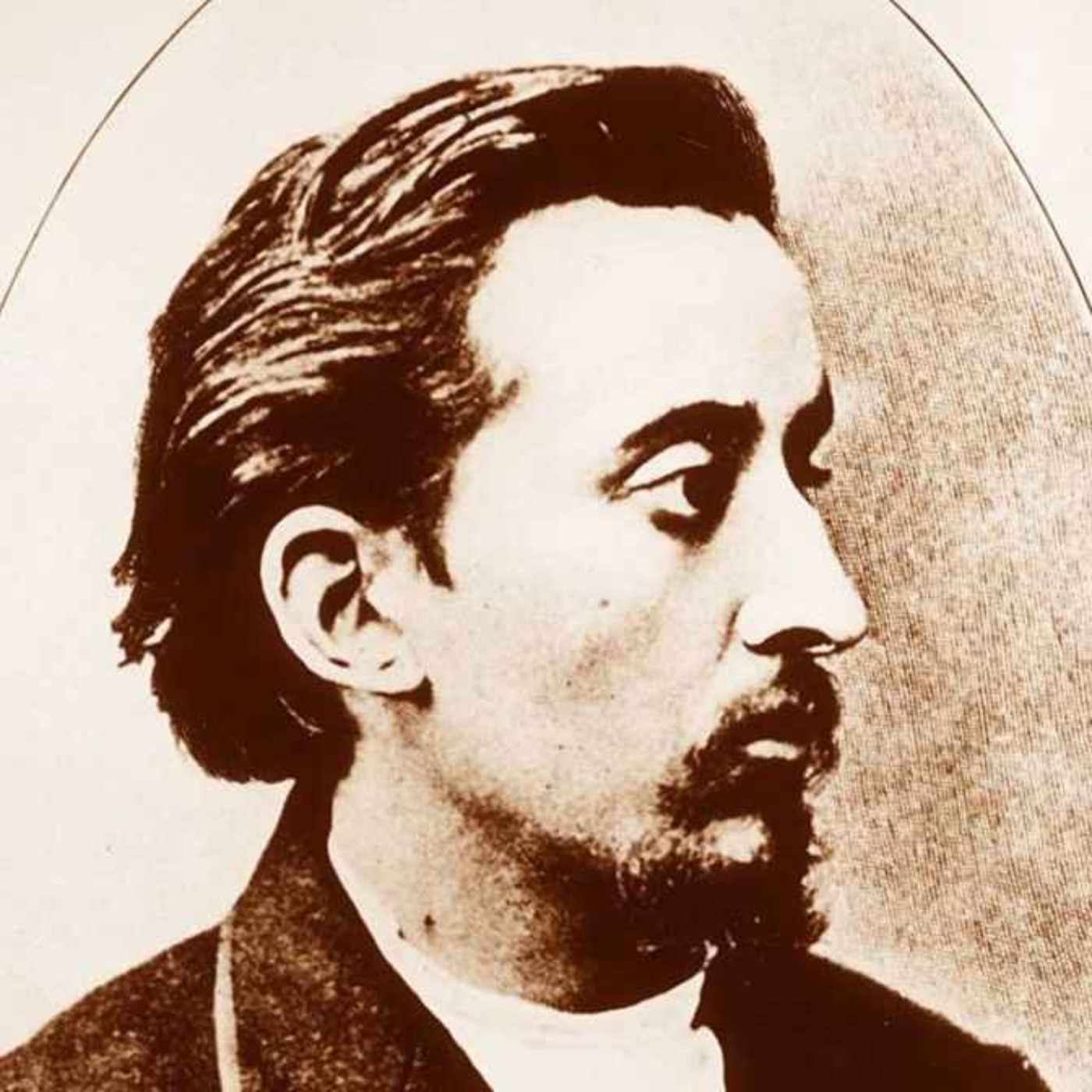 Weebs of the Ages: Lafcadio Hearn, the “Brownie” who taught Japan to want whiteness 09.02.2026 1時間 12分Living in Japan, the dominant image of Lafcadio Hearn is something like: he’s that white man who came to Japan and told us he believed in us—he knew we had it in us to become the honorary-white vassal of Anglo-America that we are today! A new TV drama on the national broadcaster NHK lavishes screen time on a klutzy Lafcadio adorably befuddled by Japanese culture, baffled by the Japanese language, and played by a blue-eyed English actor—which is especially interesting because the real Lafcadio was a brown man born of the last Crusade, or maybe the first color revolution: the Greek war of independence from Ottoman Turkey, which was sponsored by a rising British Empire. His mother, a true daughter of the Afro-Asiatic merchant capitalist world with relatives on every shore of the Mediterranean, got in trouble with his father’s English family for piercing little Lafcadio’s ears and putting hoops in them. I run through a collection of his writings in Cinncinnatti and New Orleans, where he lived on the Colored side of town (not entirely by choice) and dedicated himself to recording the lives and speculating on the hopes and possibilities of declassed, liquidated, and colonized peoples that Amerikkka has always burned for fuel. In the end, he was converted to a social-Darwinist libertarianism that left no room for sincere solidarity, and this casts his later embrace of a rising Japan in a different light. Hosted on Acast. See acast.com/privacy for more information.
 -
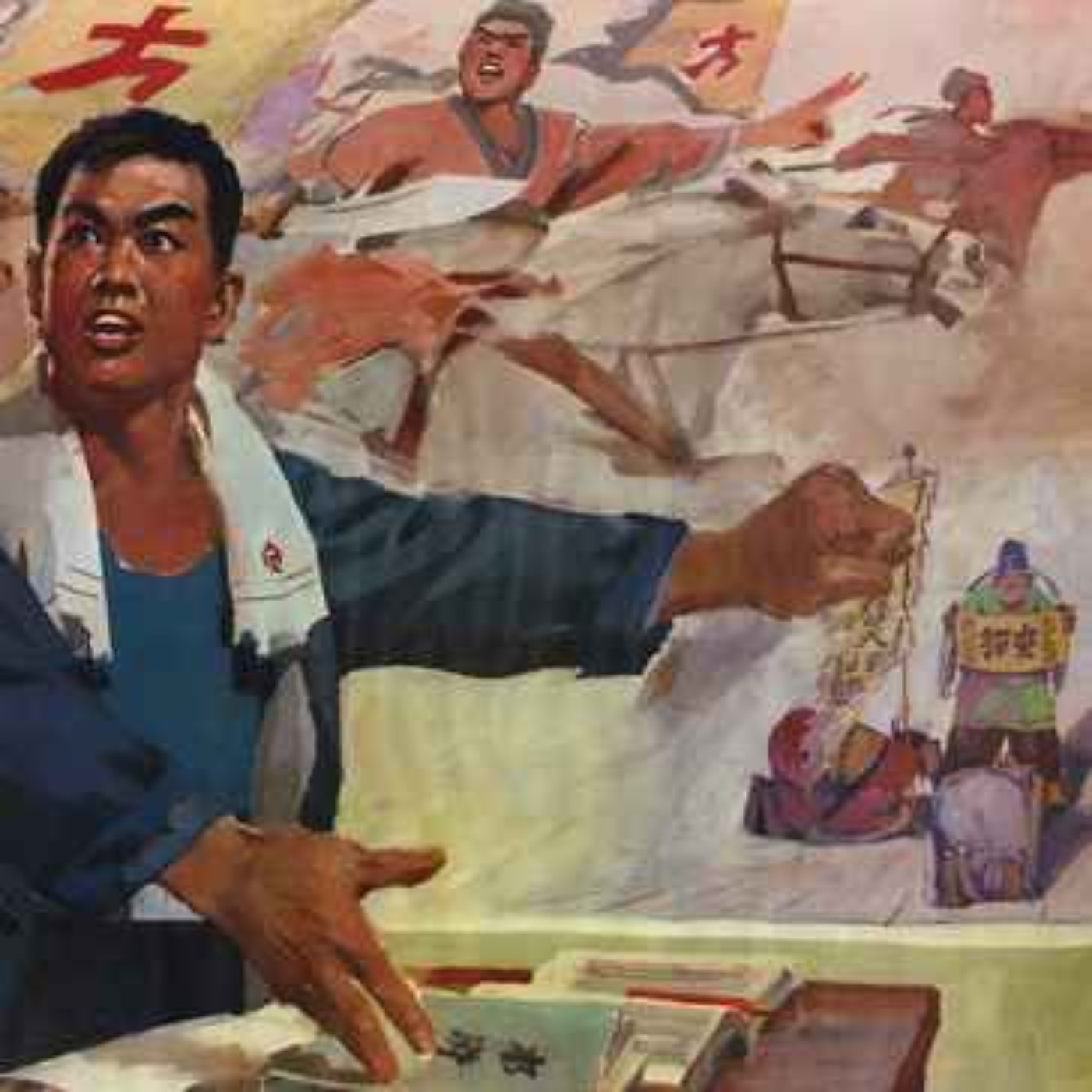 Organizing Bourgeois Revolution in East Eurasia [PREVIEW]: The Water Margin (水浒传) w/ River 28.01.2026 33分First externally attested in 1524, the Ming-dynasty Chinese novel Water Margin collects legends about a band of merry men of genius who love righteousness, and who fight to stop a corrupt imperial bureaucracy from exploiting the people. However, the leader of these social bandits, Song Jiang, comes to see his mission in terms of a monarchist restorationism which is a common conservative reaction to capitalist upheaval in early modernity, known internationally by the Russian name “Good Tsar, Bad Boyars”—the breakdown of feudal order under market relations is blamed on the ministers around the monarch, while the monarch himself is seen as a pure, ideal figure who must only be rescued from corruption and he will save the world. Midway through the longer versions of the novel—there are countless versions with different political slants and (on the original prints) commentary on every page by various ideologues of the time—Song Jiang finally receives his longed-for imperial pardon, but now the heroes must join the imperial army as an elite unit fighting to put down rebellions much like their own across the country, as promises of elevation to the bureaucracy are deferred again and again. When (after the smartest of the heroes go back to the thug life) they finally receive their emoluments and sinecures and retire to their country villas, one by one they are poisoned by the bureaucrats with (as the narrator quasi-grudgingly admits) the full knowledge of the emperor. A final poignant scene caps the long debate throughout the novel between Song Jiang and his loyal and simple stalwart Iron Ox, who has argued throughout against Song Jiang’s monarchist fantasies and in favor of something like socialism and democracy. Giving the lie to Eurocentric ideas that revolution is alien to East Eurasia where “oriental despotism” prevails—in fact, the roots of modernity including the modern revolutionary tradition lie in the East—this novel had a tremendous influence on China’s thwarted bourgeois revolution, Japan’s successful bourgeois revolution (it, far more than the Kojiki or anything else, is the bible of the Japanese right wing and the foundation of Japanese monarchism), and a complicated legacy in China’s socialist revolution. In Red Star Over China, Mao is seen praising the Water Margin as an inspiration, but during the Great People’s Cultural Revolution he held it up as a “negative example” (反面教材), calling Song Jiang’s desire for a pardon “capitulationism” and equating it to the attitude of the capitalist roaders. So who was correct: Song Jiang or Iron Ox? Hosted on Acast. See acast.com/privacy for more information.
 -
 Organizational Proprioception w/ River 27.01.2026 1時間 21分Seasoned organizer and noided leftist River from River to Reality joins us to share their theoretical concept of organizational proprioception: just as our nervous systems need to communicate well with all parts of our bodies in order to experience all the parts of our bodies as our own and have control and feedback signals flow back and forth unimpeded through our nervous systems—incidentally, scientists are finding that body parts other than our brains can even store memories (maybe even participate in thought!), and the total state of the whole nervous system may be the minimum unit that we can call a conscious entity—in the same way, political organizations on the left, where transparency and trust are of the essence, must conduct audits of local organs with member-decided questions. The lack of organizational proprioception can and does lead to organizations being encapsulated and misdirected, as they are in the many proxy wars of national liquidation that form the basis of the emerging necro-capitalist world system today: gangs and counter-gangs like ISIS and YPG shredded Syria and broke the back of regional resistance to Zionist aggression, and one would hate to see, for example, a CIA-encapsulated leftist militia emerge to fight ICE but end up only running cover for further controlled demolition of society for the workers and colonized peoples of Turtle Island—speaking purely hypothetically. Hosted on Acast. See acast.com/privacy for more information.
 -
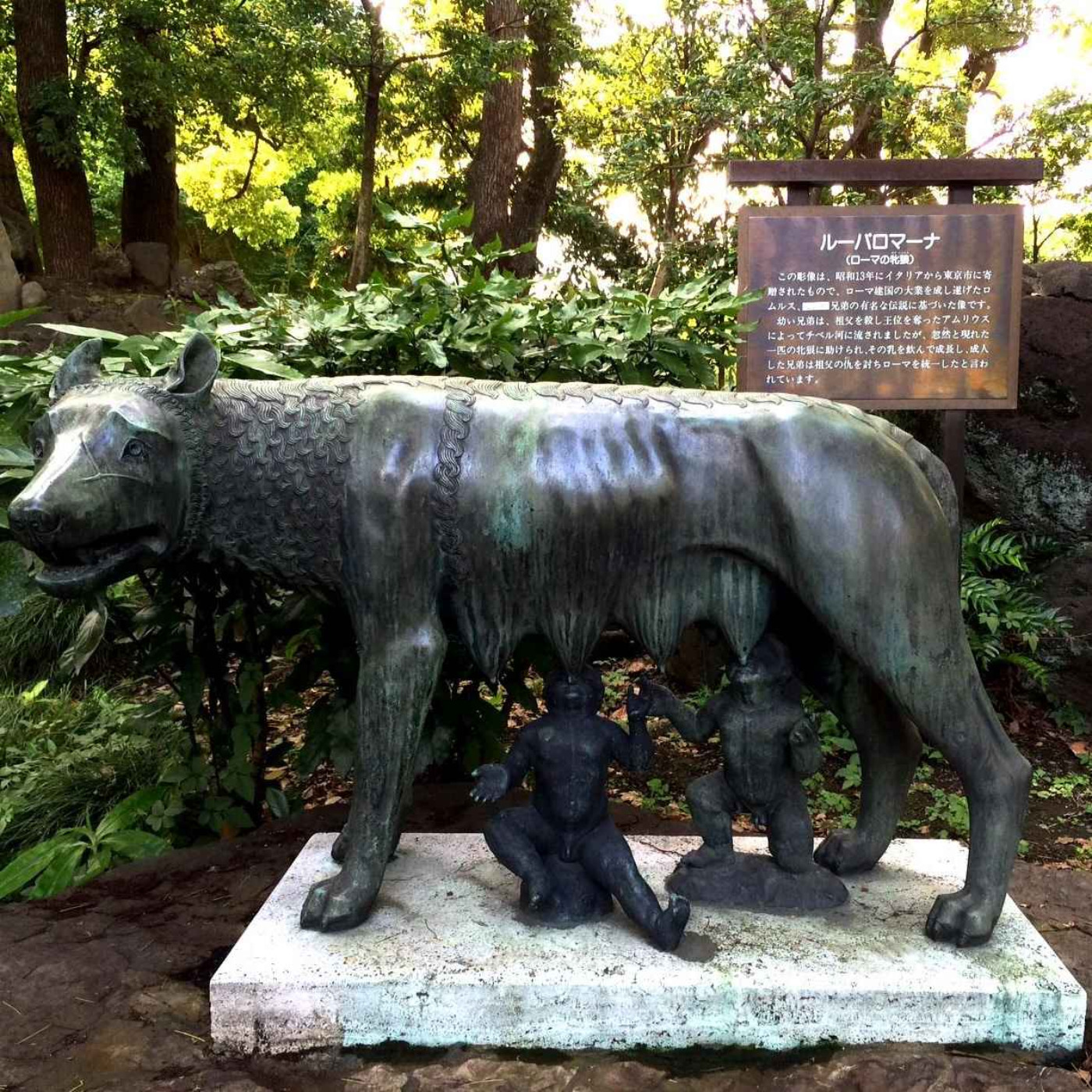 A Holiday Ramble in Hibiya Park [PREVIEW] 10.01.2026 8分A quick, chatty, catch-up episode recorded in a park in central Tokyo. Hosted on Acast. See acast.com/privacy for more information.
 -
 Left=Noided, Noided=Left: w/ River (featuring Fire in the Minds of Men) 10.01.2026 2時間 16分On this podcast I have often argued against the “anti-conspiracy left”, but now that everyone and your mom can’t help but be noided, the relevant question is no longer, “If you’re on the left, can you be noided?” but rather, “Since you’re noided, should you be on the left or the right?” To argue this question, I do a quick hate-read of the Bible of 20th-c anti-revolutionary ideology on the cusp of the End of History, Fire in the Minds of Men, by Ronald Reagan’s Librarian of Congress—followed by a wide-ranging conversation with the roaring River, of the must-listen podcast River to Reality. The final song my incompetent rendition of “Happy Paddle”, a song about going by canoe to a festival, composed by Casey James of the Musqueam nation. Hosted on Acast. See acast.com/privacy for more information.
類似ポッドキャスト


人気の国
このポッドキャストはこれらの国のポッドキャストチャートにも登場します。
