
'60s '70s '80s - Warm, Candid, Classic, Rock Interviews with Music Legends - A BREATH OF FRESH AIR
Sandy Kaye
0
Sandy Kaye hosts this multi award-winning podcast featuring in-depth interviews with iconic music legends from the '60s, '70s, and '80s. Through compelling conversations, listeners gain a rare behind-the-scenes look at the personal stories and inspirations that fueled the music of entire generations. The podcast explores the lives, struggles, and creative journeys of these artists, reliving timeless hits that defined the soundtrack of our youth.
エピソード
-
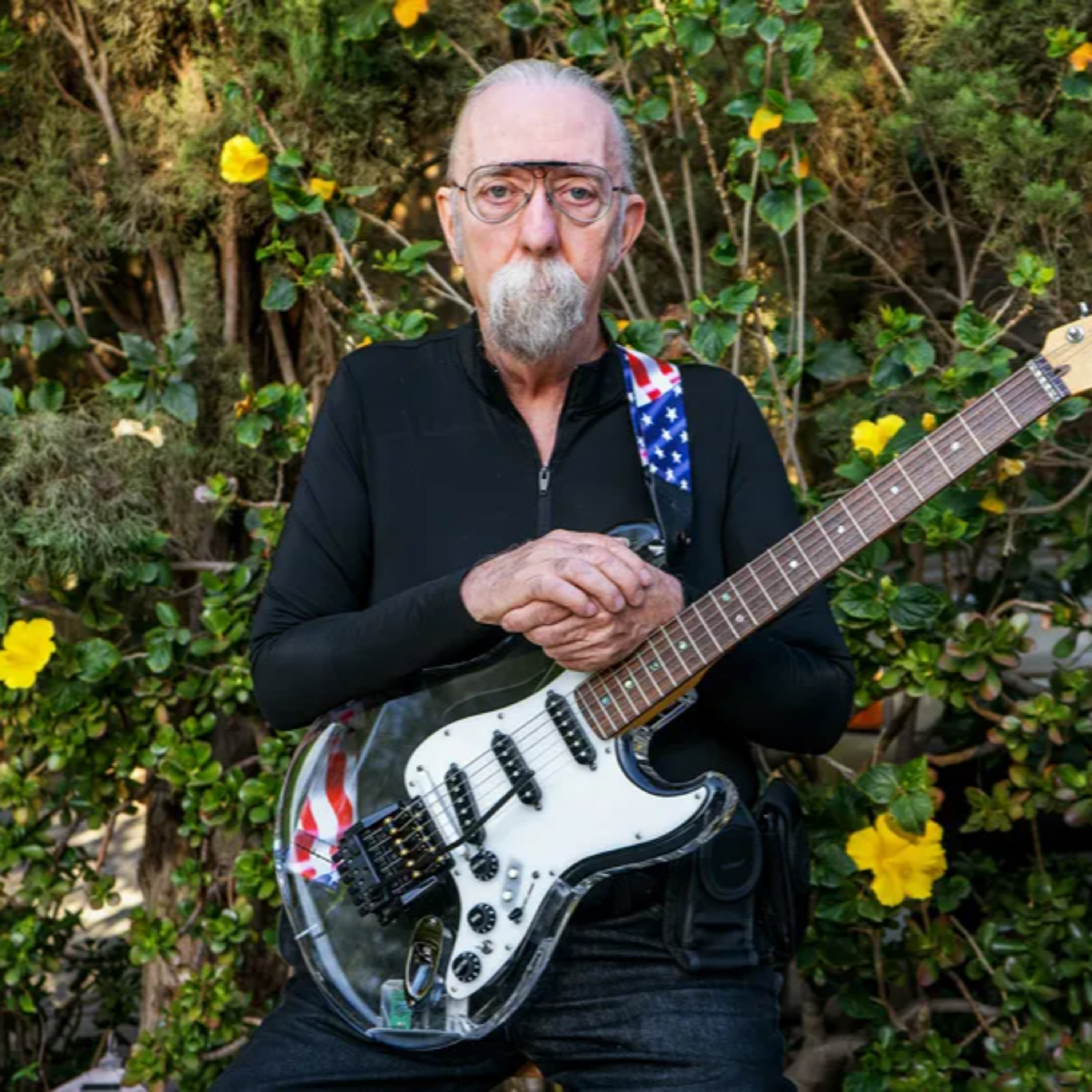 Jeff “Skunk” Baxter: From Steely Dan Guitar Hero to Missile Defence Expert 30.09.2026 52分From founding member of Steely Dan and former guitarist with The Doobie Brothers, Jeff "Skunk" Baxter, comes the astonishing true story of one of the most fascinating lives in American music, tracing his extraordinary journey from legendary rock and roll guitarist to cleared access missile-defense consultant and counterterrorism expert. Jeff "Skunk" Baxter lives two lives. In one, he is a rock and roll legend, founding member of the Steely Dan and former core member of The Doobie Brothers, with fourteen Gold Records, eight Platinum albums, two Grammy Awards (plus six nominations), induction into the Rock and Roll Hall of Fame, and a Lifetime Achievement Award. In the other, he is an advisor to the U.S. Department of War's Missile Defense Agency and, over the course of the past 30-plus years, a consultant to the Department of Homeland Security, NASA, prestigious research laboratories, and top defense contractors, including Boeing, Lockheed Martin, and Northrop-Grumman. Told in his own words for the first time, "the most interesting man in music" (NPR) chronicles the improbable twists and turns that carried Baxter from rock star to national security subject-matter expert. Blessed with natural talent, insatiable curiosity, and serendipity, Baxter recalls how a music-obsessed-kid growing up between Mexico City and New York City quickly became a first-call session musician, and then a founding member of the band that would become a cornerstone of his legacy: Steely Dan. He vividly captures the grit and magic of the rock music scene in Boston, New York, and Los Angeles in the '60s and '70s, and describes the soaring highs and rock-bottom lows of superstardom: his transition from Steely Dan to the Doobie Brothers, world tours, and recording with legends like Dolly Parton, Carly Simon, Elton John, Ringo Starr, and Joni Mitchell. Then, comes his surprising pivot to the defense industry, trading the recording booth for the cockpit of a recon plane. After all, if you can grasp the basic physics of converting a weak vibration from a guitar string into a distorted wail as loud as a jet engine, you can understand how a radar system works. All the while-whether playing arenas or playing war games at the Pentagon—Baxter reflects on the mystical intersections of music and technology, and the mentors, friends, and collaborators who helped him. His book - 'From Rock to Rockets' is to be released in January 2027. It features 16-pages of never-before seen photographs and fascinating insights into Baxter's favorite guitars and gear and is a testament to the power of curiosity and the extraordinary opportunities that come from embracing the unexpected.
 -
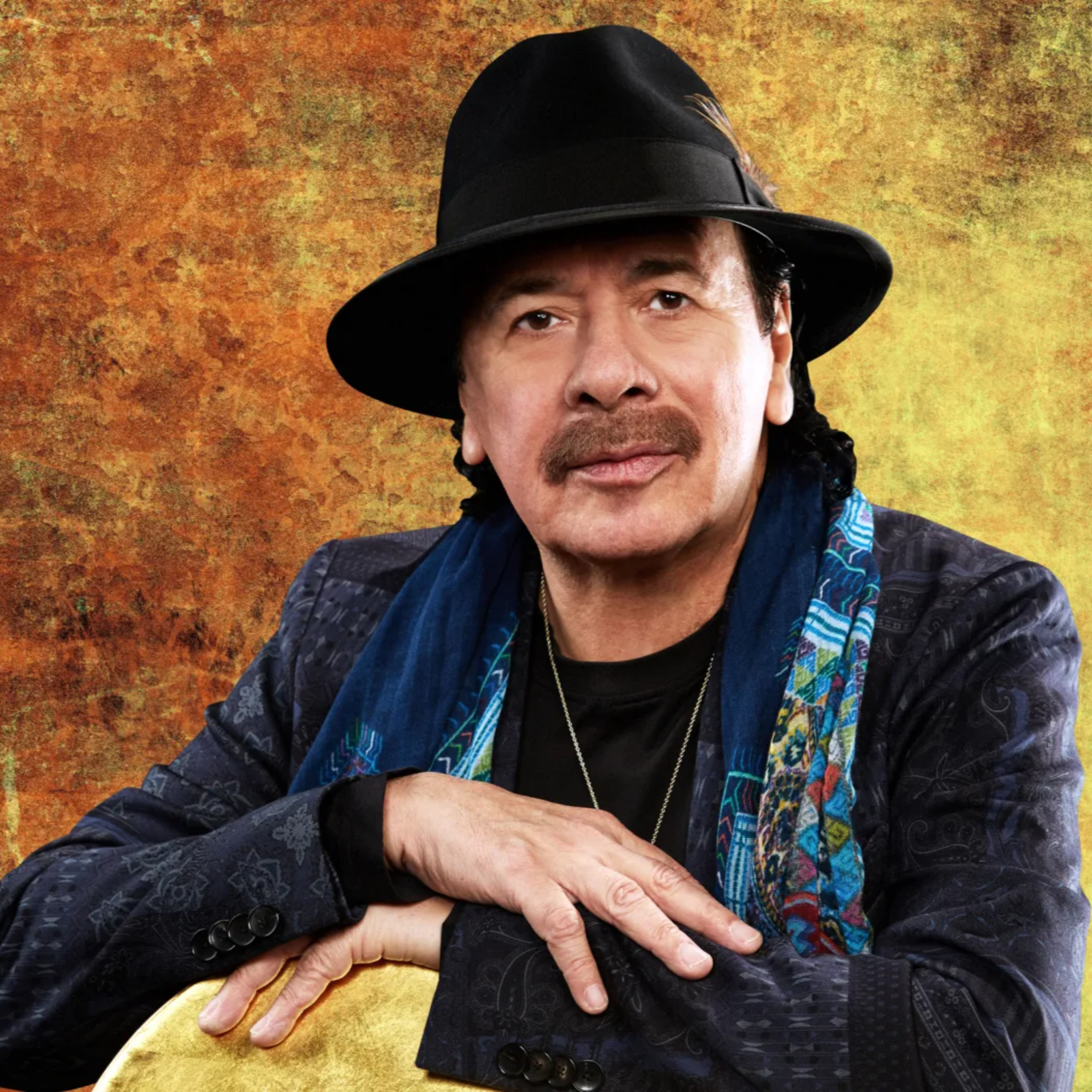 Carlos Santana: “I Am Not What Happened to Me” 23.09.2026 52分Carlos Santana is celebrated worldwide as the guitar visionary whose fusion of Latin rhythms, rock, blues and jazz created one of the most distinctive sounds in popular music. From Santana’s unforgettable appearance at Woodstock in 1969 to classics such as “Black Magic Woman,” “Oye Como Va” and “Evil Ways,” and the spectacular revival sparked by Supernatural, “Smooth” and “Maria Maria,” his music has crossed generations, genres and cultures.In this deeply personal episode of A Breath of Fresh Air, Carlos joins Sandy Kaye for a conversation that goes far beyond his extraordinary musical career. He speaks candidly about the sexual abuse he endured as a child and the anger, fear and mistrust that followed. Carlos explains how forgiving the person who abused him became an essential part of his recovery, allowing him to understand that he was not defined by what had happened to him.Carlos traces his spiritual awakening to 1972, when Autobiography of a Yogi, John McLaughlin and the teachings of Sri Chinmoy opened the door to a new way of thinking. He also acknowledges the influence of Aretha Franklin, John Coltrane, George Harrison and Carole King, whose music helped him find what he calls his “heart centre.”That spiritual transformation also changed Santana’s musical direction. Carlos recalls being warned that he was committing career suicide by refusing to recreate Abraxas. Instead, he chose growth, trusting that songs such as “Maria Maria” and “Smooth” were still waiting to be discovered.He shares the story behind his collaboration with Rob Thomas, explains why “Smooth” was the final song recorded for Supernatural and reveals why commercial success is never his primary goal. Rather than trying to manufacture a hit, Carlos wants each piece of music to feel like a heartfelt embrace.The conversation explores meditation, vulnerability, marriage, happiness and the importance of silencing the negative voices of the mind. Carlos offers practical advice for anyone curious about meditation and explains why patience, self-acceptance and recognising one’s own worth are central to his daily life.Carlos also discusses Sentient, his hopes for a future “church of self-worth” and his plans for life when touring is no longer his priority. Honest, humorous, provocative and inspiring, this is Carlos Santana as few people have heard him: not only a legendary guitarist, but a survivor and spiritual seeker determined to use music as a source of healing, hope and light.This is a must listen episode with Santana as you've never heard him before.
 -
 Lobo Never Wanted Fame… But He Wrote Some of the Biggest Hits of the '70s 16.09.2026 52分There are artists whose music instantly takes us back to another place and time, and Lobo is undoubtedly one of them. His gentle voice and heartfelt songwriting produced some of the defining songs of the 1970s, including Me and You and a Dog Named Boo, I'd Love You to Want Me, Don't Expect Me to Be Your Friend and How Can I Tell Her. While millions fell in love with those timeless recordings, very few people ever got to know the man behind them.In this revealing conversation, Kent LaVoie—better known to the world as Lobo—shares the extraordinary story behind a career that has spanned more than five decades. Surprisingly, fame was never his ambition. He explains why he chose to hide behind the name "Lobo," how he deliberately avoided the celebrity lifestyle, and why he was happiest returning home to an ordinary life after stepping off stage.Lobo recalls the chance moment that inspired Me and You and a Dog Named Boo, revealing how a glance into his backyard at his beloved German Shepherd unexpectedly created one of the biggest hits of the decade. He also opens up about the deeply personal inspiration behind I'd Love You to Want Me, a song that became an international phenomenon and spent thirteen weeks at number one in Germany while touching listeners across the globe.The conversation explores his early years playing bars around Florida, the producer who convinced him he should concentrate on songwriting rather than performing, and the remarkable success that followed when he trusted his instincts. He reflects on touring with Three Dog Night, the highs and lows of life on the road, and why one disastrous concert taught him he was never completely comfortable with the demands of stardom.Lobo also shares fascinating stories from his incredible popularity throughout Asia, where audiences embraced his music in ways he never imagined. From emotional performances in Vietnam to discovering that many fans had learned English by singing his songs around campfires, his memories reveal just how deeply his music connected with generations of listeners around the world.Perhaps most revealing is Lobo's philosophy on success. Because he wrote his own songs, he was able to step away from the pressures of the music business and build a quiet, fulfilling life centred on family rather than fame. His honesty about money, songwriting royalties, marriage and happiness offers a refreshing perspective that is rarely heard from artists of his generation.Today, Lobo continues to celebrate his remarkable catalogue while introducing his classic recordings to new audiences through digital platforms, proving that great songs never really grow old.If you've ever found yourself humming Me and You and a Dog Named Boo, I'd Love You to Want Me or Don't Expect Me to Be Your Friend, this is the story behind the music—and the remarkably humble man who created it.This episode of A Breath of Fresh Air is a warm, funny and deeply honest conversation with one of the finest singer-songwriters of the 1970s, revealing that sometimes the greatest success comes not from chasing fame, but from quietly living life on your own terms.
 -
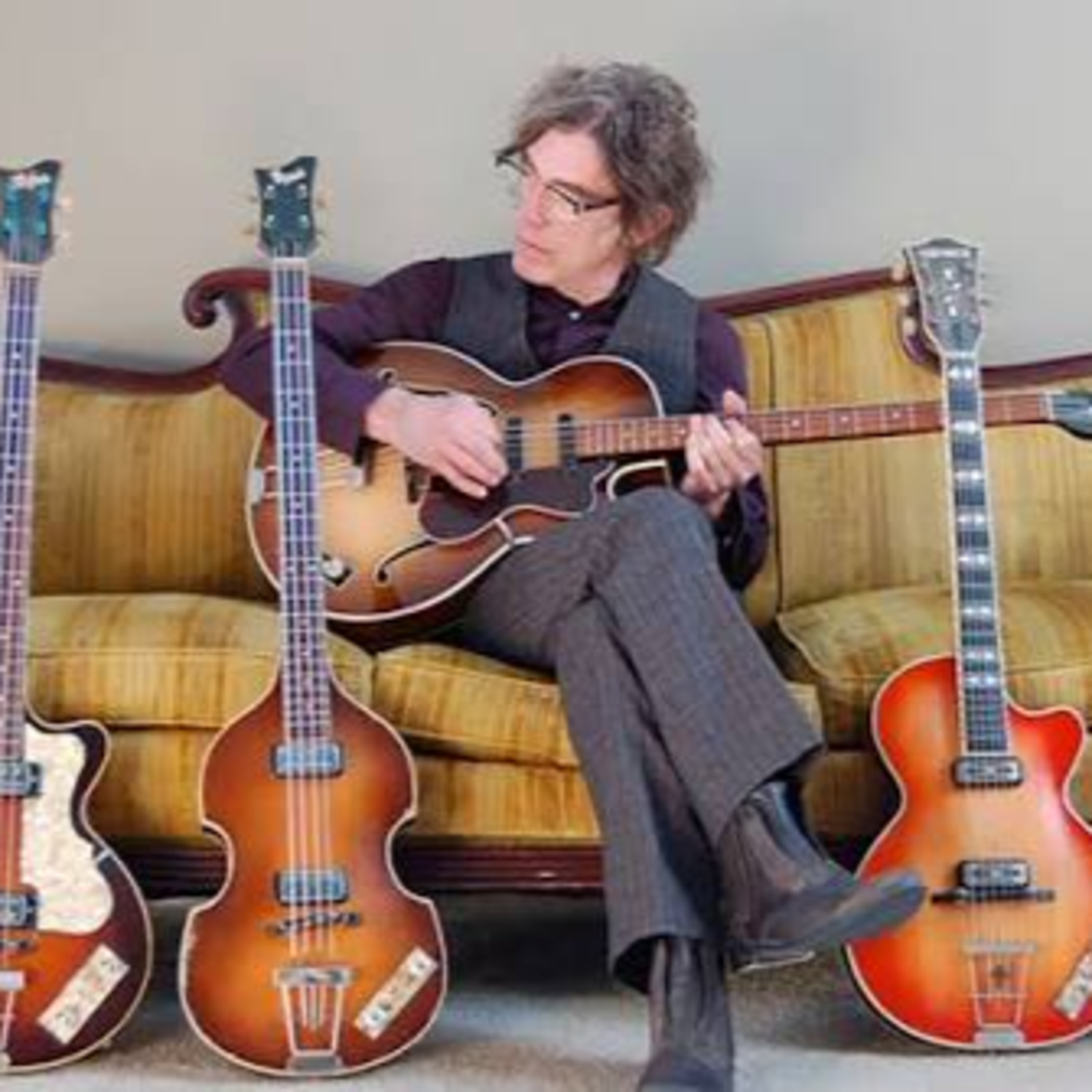 How Cheap Trick Became Rock Legends Completely By Accident 09.09.2026 52分Cheap Trick have been one of rock's most distinctive and enduring bands for more than five decades, creating timeless classics including I Want You To Want Me, Surrender, Dream Police and Ain't That a Shame. But behind the arena anthems lies a story filled with determination, disappointment, innovation and more than a few extraordinary twists of fate.In this fascinating episode, founding bassist Tom Petersson takes Sandy back to where it all began in Rockford, Illinois, explaining how the arrival of The Beatles and the British Invasion inspired a generation of teenagers to pick up instruments and dream of something bigger. What started as a hobby quickly evolved into a lifelong career, although success proved far more elusive than anyone expected.Tom reveals how Cheap Trick emerged from a succession of earlier bands including Fuse and Sick Man of Europe, sharing the excitement of landing an early record deal before watching it disappear almost as quickly. Rather than giving up, the band returned to the clubs, determined to create music on their own terms instead of chasing radio trends or record company expectations.One of the highlights of this conversation is the remarkable story behind Tom's invention of the revolutionary 12-string bass guitar. Frustrated by the limitations of a traditional bass, he worked with Hamer Guitars to create an entirely new instrument capable of producing the huge orchestral sound that would become a defining feature of Cheap Trick's recordings. Nearly fifty years later, it remains one of rock music's most recognisable and influential innovations.Tom also shares the surprising origins of the band's name, explains why they deliberately refused to become another Top 40 cover band, and recalls opening for legendary acts including Kiss and Queen while slowly building a fiercely loyal following. Along the way, he recounts memorable encounters with Frank Zappa, David Bowie and George Martin, offering a rare glimpse behind the scenes during one of rock's most creative eras.Perhaps the most astonishing revelation is how Cheap Trick's biggest breakthrough almost never happened. After three studio albums failed to find commercial success in America, a live recording made for Japanese television unexpectedly exploded in popularity. The resulting At Budokan album became an international phenomenon, while I Want You To Want Me—a song the band had actually stopped performing live —became the hit that finally launched them into rock superstardom.Tom speaks openly about the relentless touring schedule that saw Cheap Trick perform almost 300 shows a year while recording two albums annually, the burnout that led to his temporary departure from the band, and the chance reunion that brought him back just in time for another hugely successful chapter in the group's history.The conversation also explores Tom's passion for unusual guitars, the truth behind one of rock's enduring myths, the band's commitment to changing its set list every night, and the touching story behind Rocky's Speech, the musical project he created to help his autistic son develop language skills.Warm, funny and refreshingly honest, Tom Petersson reflects on a remarkable career built not by following trends, but by trusting instinct, embracing originality and never compromising the music Cheap Trick wanted to make. It's an inspiring conversation with one of rock's genuine innovators and a rare opportunity to hear the stories behind one of the world's most beloved bands—from someone who lived every moment.If you enjoy hearing the real stories behind the soundtrack of our lives, don't forget to follow A Breath of Fresh Air so you never miss another conversation with the legendary artists who created the music that continues to inspire generations.
 -
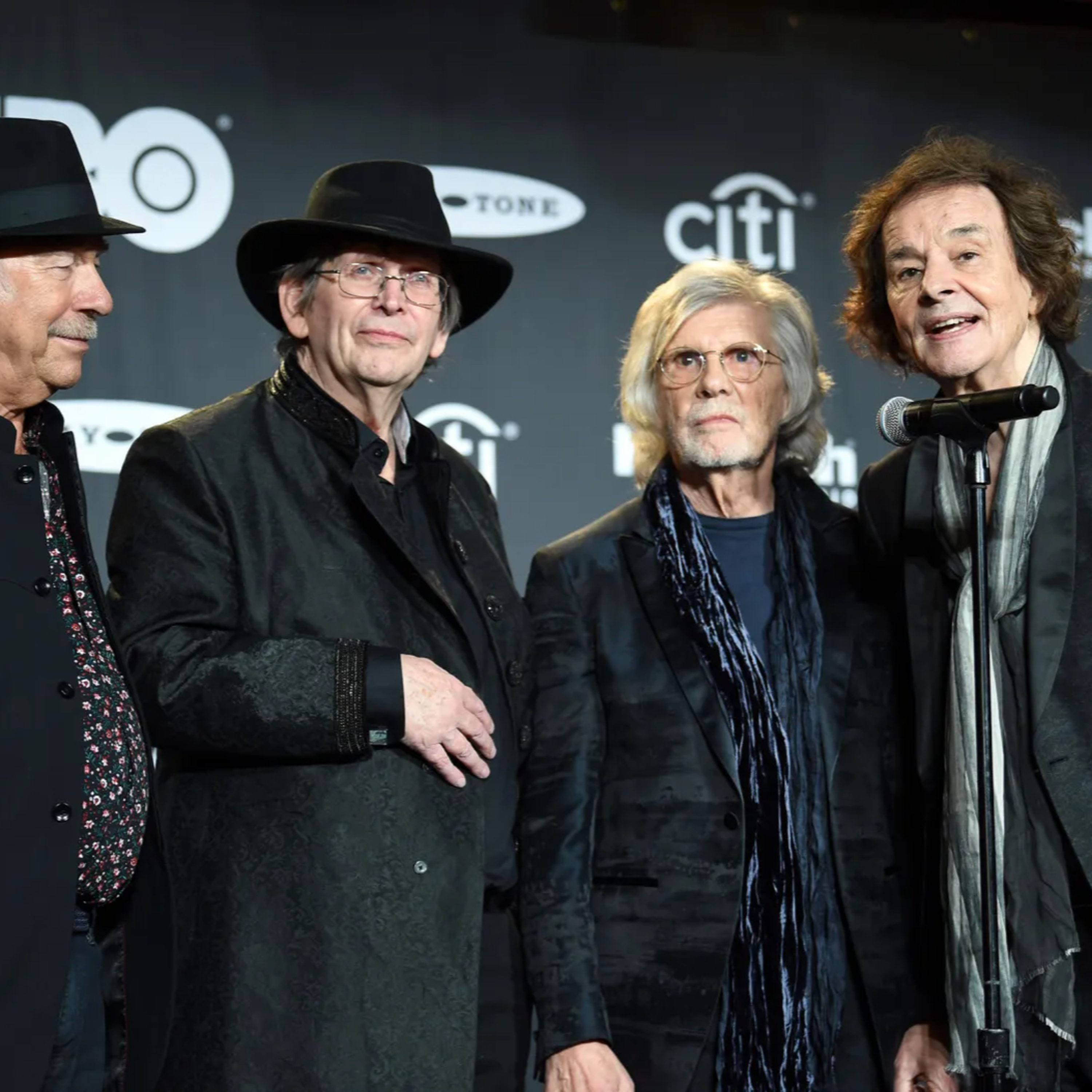 The Zombies Were World Famous... So Why Was Colin Blunstone Broke? 02.09.2026 52分Few voices are as instantly recognisable as Colin Blunstone's. As the lead singer of The Zombies, he helped define the sound of the British Invasion with timeless classics including She's Not There, Tell Her No, Time of the Season and the landmark album Odessey and Oracle. More than six decades later, Colin continues to tour the world, record new music and perform with the same unmistakable voice that first captivated audiences in the 1960s.In this episode of A Breath of Fresh Air, Colin shares the extraordinary story behind one of rock's most influential bands. He explains how The Zombies came together through little more than chance, why Rod Argent almost remained the band's lead singer, and how She's Not There became a worldwide hit despite a chaotic recording session. Colin reflects on the realities of life during the British Invasion, revealing why hit records didn't necessarily mean financial success and how the original band ultimately dissolved while still enjoying international acclaim.The conversation also explores Colin's remarkable solo career, including his brief period recording as Neil MacArthur, the success of Say You Don't Mind, his years with Elton John's Rocket Records, working alongside Alan Parsons and Dave Stewart, and the unexpected legal battle that temporarily stalled his career. Colin opens up about returning to live performance after more than twenty years away, the reunion with Rod Argent that led to the rebirth of The Zombies, and the band's emotional induction into the Rock & Roll Hall of Fame.Along the way, Colin discusses maintaining his voice into his eighties, the discipline required to continue performing at the highest level, overcoming self-doubt despite decades of success, and why he still believes nobody in the music industry truly knows what tomorrow will bring.If you love classic rock, the British Invasion, timeless songwriting and honest conversations with legendary artists, this episode offers a rare opportunity to hear the remarkable story behind one of music's most distinctive voices.And ... if you're in any of these cities make sure you go see The Zombies live!Sep 2 Somerville TheatreSomerville (Boston), MA The Fixx, Colin Blunstone, and Peter AsherSep 4 Count Basie Center for the ArtsRed Bank, NJSep 5The ParamountHuntington (Long Island), NYSep 6 United TheatreWesterly, RISep 8 Tupelo Music Hall Derry, NHTSep 10 Adler Hall New York Society for Ethical Culture New YorkSep 11 Keswick Theatre Glenside (Philadelphia), PASep 12 Warner TheatreWashington, DCSep 13 he Kent StageKent, OHSep 15 Uptown TheaterMinneapolis, MNSep 17 Genesee Theatre Waukegan (Chicago), ILSep 18 The Ludlow GarageCincinnati, OHSep 19 Barrymore Theatre Madison, WISep 21 DeVos Performance HallGrand Rapids, MISep 23 Brown County Music Center NashvilleSep 26 College Street Music Hall New Haven, CTSep 27 Santander Performing Arts Center Reading, PASep 29 RIT Performing Arts CenterRochester, NYTSep 30 Troy Savings Bank Music HallTroy, NY
 -
 Aussie Rock Icon Angry Anderson Fighting for Life 01.09.2026 52分Australian Rock legend Angry Anderson has been hospitalised after suffering a cardiac arrest in Brussels.Rose Tattoo released a statement some three weeks after their frontman, legally Gary Anderson, 79, was hospitalised, forcing the band to cancel the European leg of what was to be their final tour.Anderson is currently receiving treatment and care in ICU, though his condition is unknown.Rose Tattoo were scheduled to return to Australia this month to perform several farewell gigs across Melbourne, Sydney, Perth, Adelaide and Brisbane.Angry Anderson rose to fame as a rock star in the late 1970s and 1980s, moving from the Australian-pub scene to mainstream success.Rose Tattoo’s debut album and hit single Bad Boy for Love received widespread national recognition. Their next album, Assault and Battery, topped the UK heavy metal charts, catapulting them to international stardom.Outside his music career, Anderson received a Member of the Order of Australia in 1993 for his work in youth advocacy.As we all pray that Angry recovers, I thought you may like to revisit our chat here.
 -
 Steppenwolf's John Kay: From War Refugee to Rock Legend 26.08.2026 52分Before stadium tours, platinum albums and Rock and Roll Hall of Fame recognition, John Kay was simply a young refugee searching for a better life. Music became his escape, his identity and ultimately the vehicle that carried him from the hardships of post-war Europe to the front of one of the most influential rock bands of all time.In this episode of A Breath of Fresh Air, host Sandy Kaye welcomes the legendary singer, songwriter and founding member of Steppenwolf for a deeply personal conversation about the remarkable life behind one of rock's most recognisable voices.Born in East Prussia during the closing months of World War II, John spent his earliest years amid conflict and uncertainty. His family fled advancing Soviet forces before eventually escaping communist East Germany and building a new life in Canada. Those formative experiences shaped his resilience, independence and determination long before music entered the picture.John recalls discovering rock and roll as a teenager and finding inspiration in the blues, folk and early rock artists who would influence his own distinctive style. He shares how those early musical ambitions led to the formation of Steppenwolf in Los Angeles, where the band quickly became one of the defining acts of the late 1960s with its raw sound, powerful songwriting and unforgettable performances.The conversation explores the creation of timeless classics including "Born to Be Wild," "Magic Carpet Ride," "Rock Me," "The Pusher" and "Monster," songs that helped shape the soundtrack of a generation. John reflects on how "Born to Be Wild" became forever linked with the landmark film Easy Rider, transforming it into a global anthem of freedom, adventure and rebellion. He also explains how the famous lyric "heavy metal thunder" unexpectedly became part of rock music history, helping to popularise a phrase that would define an entire genre.Beyond the music, John offers thoughtful insights into songwriting, creativity and the realities of life in one of the world's biggest rock bands. He discusses the pressures of fame, the changing music industry and why staying true to his artistic principles has always been more important than chasing commercial success.John also speaks passionately about his lifelong commitment to wildlife conservation and environmental causes, revealing another side of the man behind the music. His dedication to protecting the natural world has remained just as important as his musical legacy, demonstrating that his influence extends well beyond the recording studio and concert stage.This conversation is more than a look back at Steppenwolf's extraordinary career. It's the story of perseverance, reinvention and the enduring power of music to transcend borders, generations and cultures. Whether you've been a fan since the 1960s or you're discovering Steppenwolf for the first time, John's remarkable journey is every bit as compelling as the songs that made him famous.If you enjoy hearing the stories behind the artists who created the soundtrack of our lives, subscribe to A Breath of Fresh Air for more in-depth conversations with the legendary musicians who continue to inspire audiences around the world.
 -
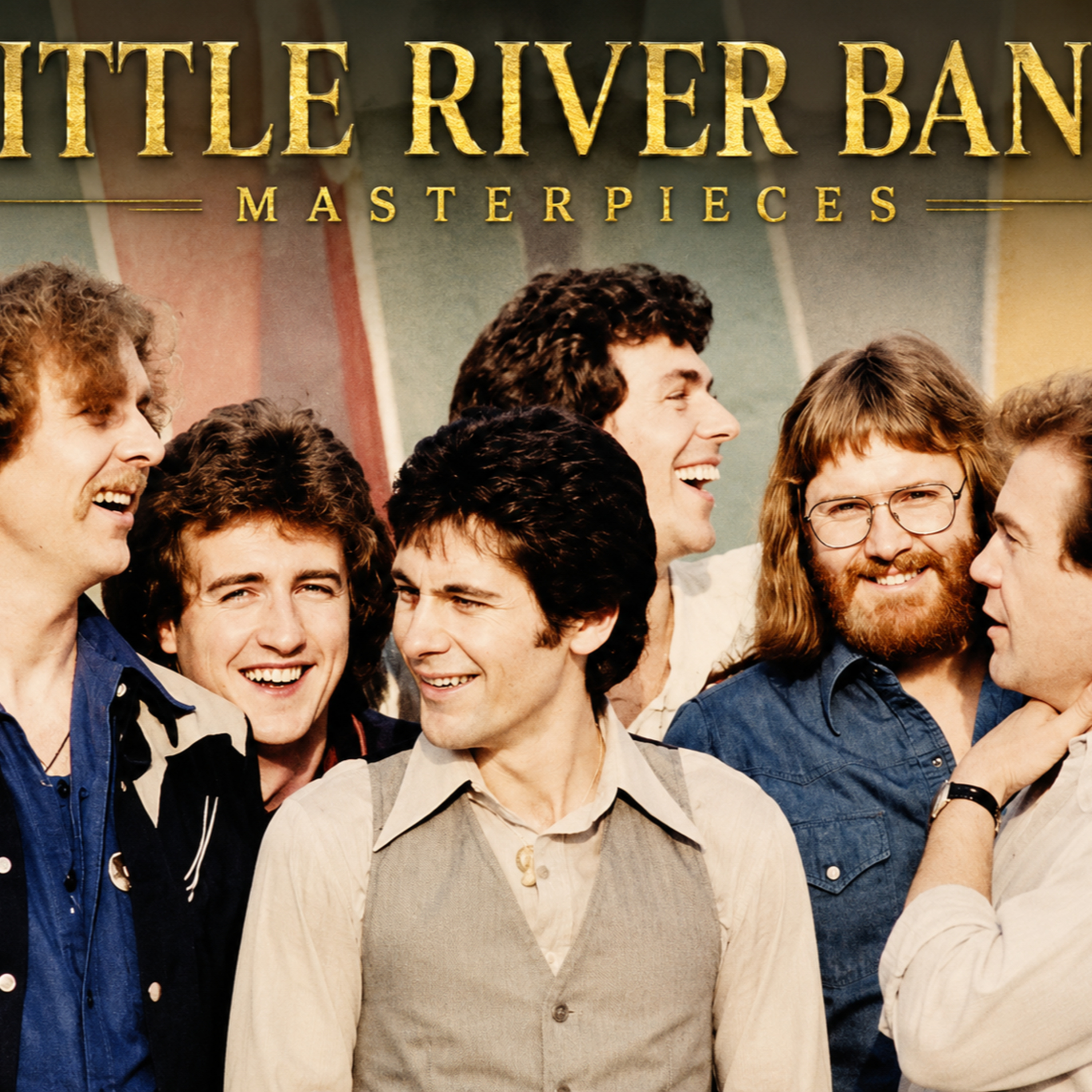 Little River Band's Derek Pellicci with the Story Behind the Hits 19.08.2026 52分Few Australian bands have enjoyed the extraordinary international success of Little River Band, and few people are better placed to tell that story than original drummer Derek Pellicci.In this warm, candid and deeply insightful conversation, Derek looks back on an incredible career that began with a young boy standing in a crowd watching The Beatles during their unforgettable '64 visit to Melbourne. That single moment changed the course of his life forever, inspiring him to become a drummer and setting him on a path that would eventually take him to stages all over the world.Derek shares his fascinating journey through Melbourne's thriving music scene of the late 60s and early 70s, performing with bands likeThe Music Express, The Plum and The Ash before receiving the phone call that would change everything. When Beeb Birtles invited him to audition for Mississippi, Derek found himself joining a group whose remarkable vocal harmonies would soon evolve into one of Australia's greatest recording acts.He recalls the transformation of Mississippi into Little River Band, the arrival of Glenn Shorrock, the vision of legendary manager Glenn Wheatley and the chance roadside moment that inspired the band's iconic name.The conversation explores LRB's groundbreaking assault on America, where they became the first Australian band to achieve sustained commercial success across the US. Derek explains how the band built its audience one city at a time long before MTV existed, touring relentlessly and opening for some of the biggest names in rock including Fleetwood Mac, Santana, Heart, Linda Ronstadt, Steve Miller Band and The Doobie Brothers. Those years of constant travel, endless overnight bus rides and unforgettable performances eventually led to thirteen US Top 40 hits and established Little River Band as Australia's biggest musical export of the era.Derek also offers remarkable behind-the-scenes stories about the making of some of the band's best-loved songs, including Reminiscing, Cool Change, Lonesome Loser and It's A Long Way There. One of the highlights of this episode is Derek's vivid recollection of working with legendary Beatles producer Sir George Martin. For a musician whose career began because of The Beatles, collaborating with Martin was a full-circle moment. Derek explains the invaluable lessons Martin taught the band about simplicity, arrangement, discipline and always serving the song before serving the musician.The conversation then turns to Derek's life after Little River Band. Moving to Los Angeles opened the door to songwriting, and he reflects honestly on why he wishes he had begun writing much earlier in his career. His lifelong love of literature eventually found its way into his lyrics, leading to a new creative chapter that has become every bit as fulfilling as performing on stage.Today Derek is once again breaking new ground with his album Welcome to the Human Race. He speaks openly about using artificial intelligence as part of his songwriting and production process, why he believes creativity still belongs to the artist rather than the technology, and why audiences should judge music by what they hear rather than how it was created. His thoughtful perspective on AI provides one of the most fascinating discussions you'll hear about where music may be heading in the years ahead.Derek also reflects on friendship, success, the realities of life on the road, the tensions that inevitably arise inside successful bands, and why he has no desire to chase the past through endless reunion tours.Whether you've loved Little River Band since the '70s or you're discovering their music for the very first time, this episode offers a rare opportunity to hear one of Australia's most respected musicians tell his story with warmth, humour and remarkable honesty. It's an inspiring conversation about following your passion embracing change and proving that creativity never has an expiry date.
 -
 Savoy Brown: The Band That Changed Blues Rock Forever 12.08.2026 52分Long before blues rock became a global phenomenon, Savoy Brown was helping define the genre. Founded in London in 1965 by legendary guitarist Kim Simmonds, the band became one of the most respected names to emerge from the British blues explosion, earning a devoted following through relentless touring, exceptional musicianship and an unwavering commitment to authentic blues music.In this episode, Pat DeSalvo and drummer Garnet Grimm share the remarkable story behind Savoy Brown's rise from the vibrant London club scene to becoming one of America's favourite live blues rock bands. The two reflect on the early influences that shaped his playing, the explosion of British blues alongside bands including Fleetwood Mac, Cream and John Mayall's Bluesbreakers, and the determination that kept Savoy Brown recording and touring for almost six decades.Pat explains why the blues has remained timeless, discusses the band's ever-changing lineup, and reveals how Savoy Brown became a proving ground for musicians who would later enjoy success with other iconic bands, including Foghat. He also talks about songwriting, life on the road, recording classic albums such as Blue Matter, Looking In, Street Corner Talking and Hellbound Train, and why authenticity has always mattered more than commercial success.More than a history lesson, this is an intimate conversation with two of the true pioneers of British blues. Pat and Garnett reflect on the highs and challenges of an extraordinary career, the friendships forged through music, and the enduring appeal of the blues in an ever-changing musical landscape.Whether you've followed Savoy Brown since the '60s or are discovering the band for the very first time, this episode offers a fascinating insight into one of the most influential yet often underappreciated groups in blues rock history.If you enjoy interviews with classic rock legends, blues musicians and the artists behind the soundtrack of our lives, be sure to subscribe to A Breath of Fresh Air with Sandy Kaye for more exclusive conversations with the musicians who changed popular music forever.Topics covered in this episode include:The formation of Savoy Brown in London in 1965Kim Simmonds' early musical influencesThe British blues boom and its lasting impactTouring America and building an international audienceClassic Savoy Brown albums and defining songsThe musicians who passed through Savoy Brown, including future members of FoghatWhy the blues continues to inspire audiences worldwideSongwriting, recording and life on the roadKim Simmonds' lasting legacy in blues and classic rockFollow A Breath of Fresh Air for more interviews with music legends from the worlds of classic rock, blues, folk, pop and beyond.
 -
 The Damned's Rat Scabies: Inside the Birth of British Punk and 50 Years of Chaos 06.08.2026 52分Before punk rock exploded into the mainstream, there was The Damned. They were the first UK punk band to release a single, the first to release an album, and among the first to take the raw energy of the London punk scene to audiences around the world. At the heart of that revolution was founding drummer Rat Scabies, one of the most colourful, talented and unconventional personalities in rock music.In this fascinating episode of A Breath of Fresh Air, Sandy Kaye sits down with Rat Scabies for a candid and often hilarious conversation that goes far beyond the music. From the very beginning, Sandy can't resist asking the question that millions of people have wondered for decades: where on earth did the name "Rat Scabies" come from? His answer is every bit as entertaining as you might expect and sets the tone for an interview filled with humour, honesty and unforgettable stories.Rat takes us back to London's mid-'70s, when punk wasn't yet a movement but a handful of young musicians determined to tear up the rule book. He recalls how The Damned came together, the excitement surrounding the band's earliest rehearsals, and the extraordinary feeling of being part of something completely new. He shares his memories of recording "New Rose," now recognised as the first British punk single, and explains how the band quickly established itself as one of the most exciting live acts of the era.The conversation explores what life was really like inside the early punk scene, separating myth from reality while revealing the friendships, rivalries and creative energy that fuelled one of the most important musical revolutions of the twentieth century. Rat reflects on performing alongside many of the biggest names in punk, the unpredictable nature of those early tours and the unique chemistry that helped make The Damned one of the genre's most enduring bands.Throughout the interview, Rat discusses his distinctive drumming style, his approach to performance and why humour has always played such an important role in both his personality and his career. He also reflects on the many changes The Damned have experienced over nearly five decades, including line-up changes, reunions and the band's remarkable ability to remain relevant while continuing to attract new generations of fans.The conversation also ventures beyond music as Rat talks about his lifelong curiosity, his fascination with history and the paranormal, and the many unusual adventures that have occupied him away from the stage. It's a revealing look at a musician whose interests extend far beyond rock and roll and whose inquisitive mind has led him down some remarkable paths.Whether you've followed The Damned since the very beginning or you're discovering them for the first time, this episode offers an intimate portrait of one of punk's true pioneers. Rat Scabies proves to be thoughtful, witty, refreshingly self-aware and full of stories that capture both the chaos and creativity of an era that transformed popular music forever.If you enjoy hearing the real stories behind legendary artists, be sure to follow A Breath of Fresh Air so you never miss an episode. You'll find in-depth conversations with many of the musicians who created the soundtrack of our lives, sharing the memories, challenges and triumphs that shaped music history.
 -
 Louie Shelton: The Guitarist Behind Hundreds of Hit Songs You've Loved for 60 Years 29.07.2026 52分Few musicians have influenced popular music as profoundly as Louie Shelton, yet millions of people know his guitar long before they know his name. In this episode of A Breath of Fresh Air, Louie opens the studio door on one of the greatest periods in recording history.Growing up in Arkansas, Louie discovered the guitar as a young boy, met Elvis Presley while still at junior high school and later became friends with fellow Arkansan Glen Campbell before heading west to Los Angeles with one ambition—to become a top session guitarist. He explains why becoming a studio musician was the ultimate dream and how years of relentless work finally earned him a place among the legendary Wrecking Crew. Louie reveals how one inspired guitar hook changed everything. Asked to come up with something memorable for a new television project called The Monkees, he created the famous opening riff to Last Train to Clarksville, launching a career that would see producers across Los Angeles competing for his talents. He shares extraordinary stories from sessions with The Jackson 5, Motown, Boz Scaggs, Neil Diamond, The Carpenters, Lionel Richie, Marvin Gaye, Diana Ross, Smokey Robinson and dozens more, explaining how many classic recordings were built before the artists even stepped into the studio. You'll hear what made the Motown rhythm section so unique, why Michael Jackson immediately stood out as an 11-year-old vocalist and how session musicians created some of the most recognisable guitar parts in music history. Louie also reflects on working with Elvis Presley, Karen Carpenter, Tiny Tim and countless stars whose careers he watched unfold, while offering thoughtful observations on fame, celebrity and why so many legendary artists struggled with the pressures that accompanied enormous success. The conversation also explores Louie's transition from session guitarist to acclaimed producer, producing Seals & Crofts' Summer Breeze and Diamond Girl, launching England Dan & John Ford Coley, and producing Art Garfunkel's platinum-selling Fate For Breakfast. Finally, Louie reflects on why he believes the music of the '60s and 70s continues to resonate with audiences around the world and explains why, despite an extraordinary career spanning more than six decades, he still picks up the guitar every day. This is a rare opportunity to hear from one of the true architects of popular music—a man whose guitar playing became part of the soundtrack of generations.
 -
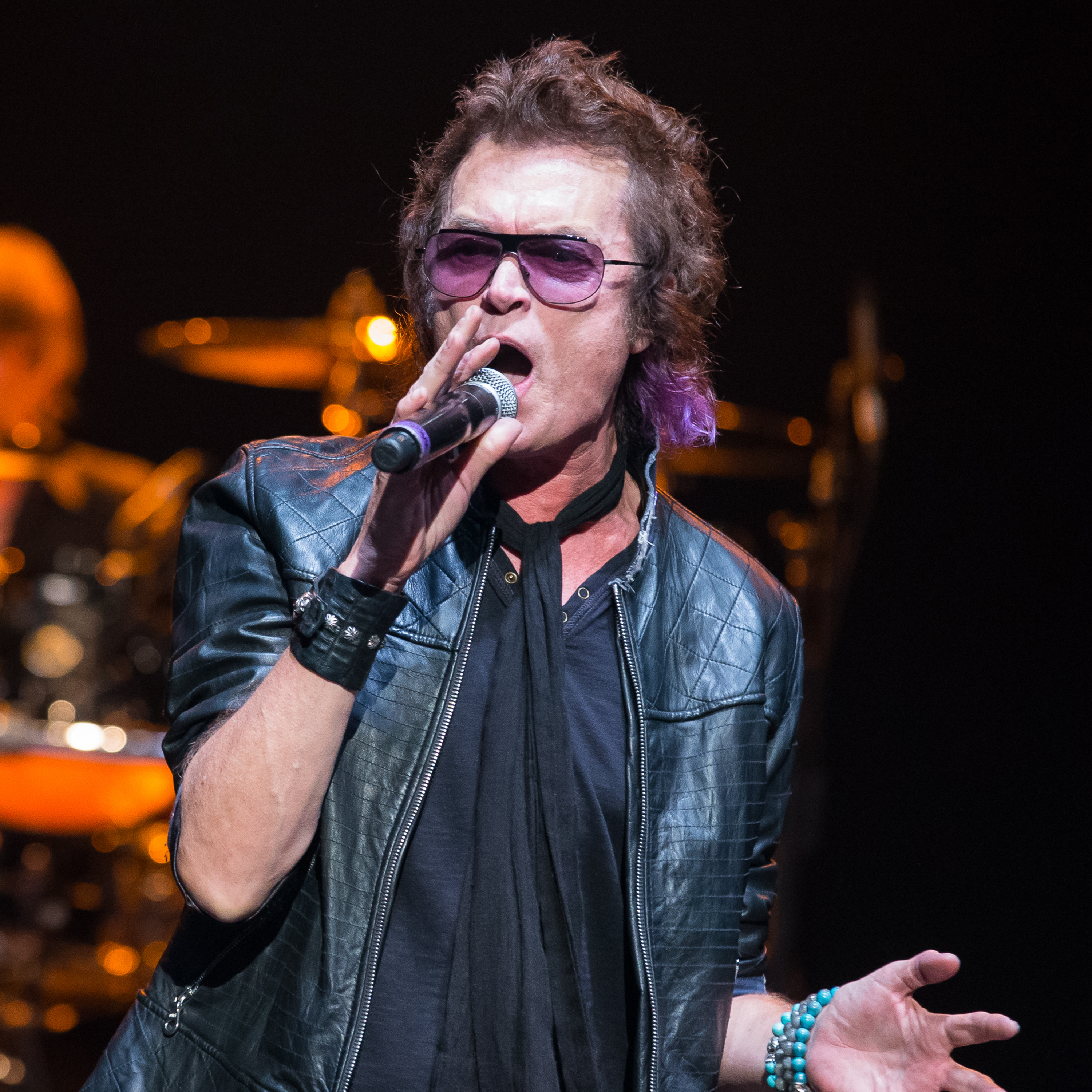 Glenn Hughes: The Untold Story of Deep Purple's Voice of Rock 22.07.2026 52分Glenn Hughes is one of rock music's most enduring and distinctive talents. Known worldwide as the "Voice of Rock," he first rose to prominence with British rock band Trapeze before joining the legendary Deep Purple in 1973. As bassist and co-lead vocalist, Hughes helped shape a new era for the band, bringing his powerful soul-infused vocals to classic albums including Burn, Stormbringer and Come Taste the Band.Following Deep Purple, Glenn embarked on a remarkable career that has spanned more than five decades. He has performed with Black Sabbath, collaborated with countless rock icons, fronted supergroups including Black Country Communion and The Dead Daisies, and maintained a successful solo career that continues to earn critical acclaim.Along the way, Hughes faced and overcame significant personal challenges, emerging stronger and more creative than ever. His story is one of resilience, reinvention and an unwavering commitment to music. Today, his voice remains as powerful and distinctive as it was during rock's golden era.In this episode of A Breath of Fresh Air, Glenn takes us on a journey from his earliest musical influences through the highs and lows of an extraordinary career, sharing candid stories from Deep Purple, his personal battles, creative rebirth, and his ongoing passion for performing. As he prepares to return to Australia with Kings of Chaos aboard the Rock The Boat cruise, Glenn reflects on a lifetime in music and the legacy he continues to build.
 -
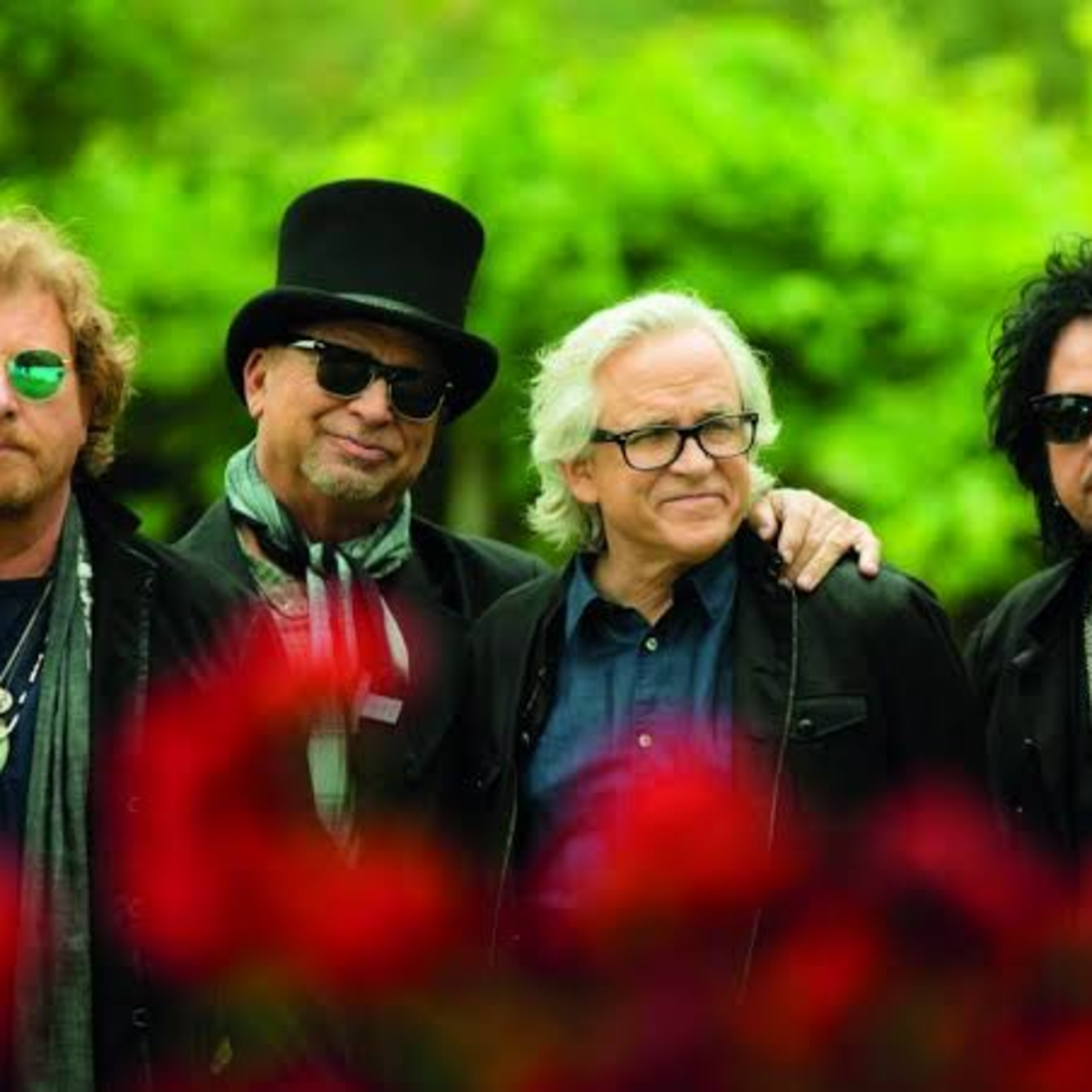 Steve Porcaro: Inside Toto, Thriller & Human Nature 15.07.2026 52分Few musicians have influenced popular music quite like Steve Porcaro.As a founding member of Toto, Steve helped create one of the most successful and respected bands of the late twentieth century while simultaneously becoming one of the most sought-after keyboard players, synthesizer programmers and songwriters in the recording industry. In this revealing conversation, he opens the door on a career that stretches from the birth of Toto through to Michael Jackson's Thriller and beyond.Steve shares stories of growing up in an extraordinary musical household under the guidance of his father Joe Porcaro, one of America's most respected jazz drummers, alongside brothers Jeff and Mike, whose own careers would become legendary. He explains why he struggled with traditional piano lessons, how his fascination with synthesizers gave him a unique place in the industry, and why embracing new technology helped launch his career.The conversation follows Steve's early years touring with Gary Wright, his work alongside David Foster and Boz Scaggs, and the remarkable chain of events that led to the formation of Toto. He tells the real story behind the band's unusual name, explains why success arrived almost immediately, and reveals the collaborative spirit that made Toto one of the most accomplished bands of its era.Steve also takes listeners behind two of the biggest songs of the 1980s. He explains the inspiration behind Rosanna, discusses why Africa was almost left off Toto IV, and recalls watching those songs become worldwide hits despite the band's own doubts about their commercial appeal.Perhaps the most remarkable story concerns the song, Human Nature. Steve explains how Quincy Jones accidentally discovered his unfinished demo while searching for songs for Michael Jackson's Thriller. What followed became one of the most celebrated songs in pop music history.Along the way, Steve reflects on working with Quincy Jones, David Foster, Earth, Wind & Fire, Hall & Oates, Chicago and countless other artists, before discussing his transition into film and television composing, his departure from Toto, and his later return to honour brother Mike during his battle with ALS.The episode concludes with Steve's thoughts on today's music industry, the decline of school bands, the future of musicianship, and why songwriting continues to inspire him more than ever.Fans should also know about Steve's latest chapter. His long-awaited second solo album, The Very Day, brings together songs developed over many years, including collaborations with Michael McDonald and Jason Scheff, proving that one of rock's most gifted musical architects is still creating compelling new music.I hope you love this chat as I did.
 -
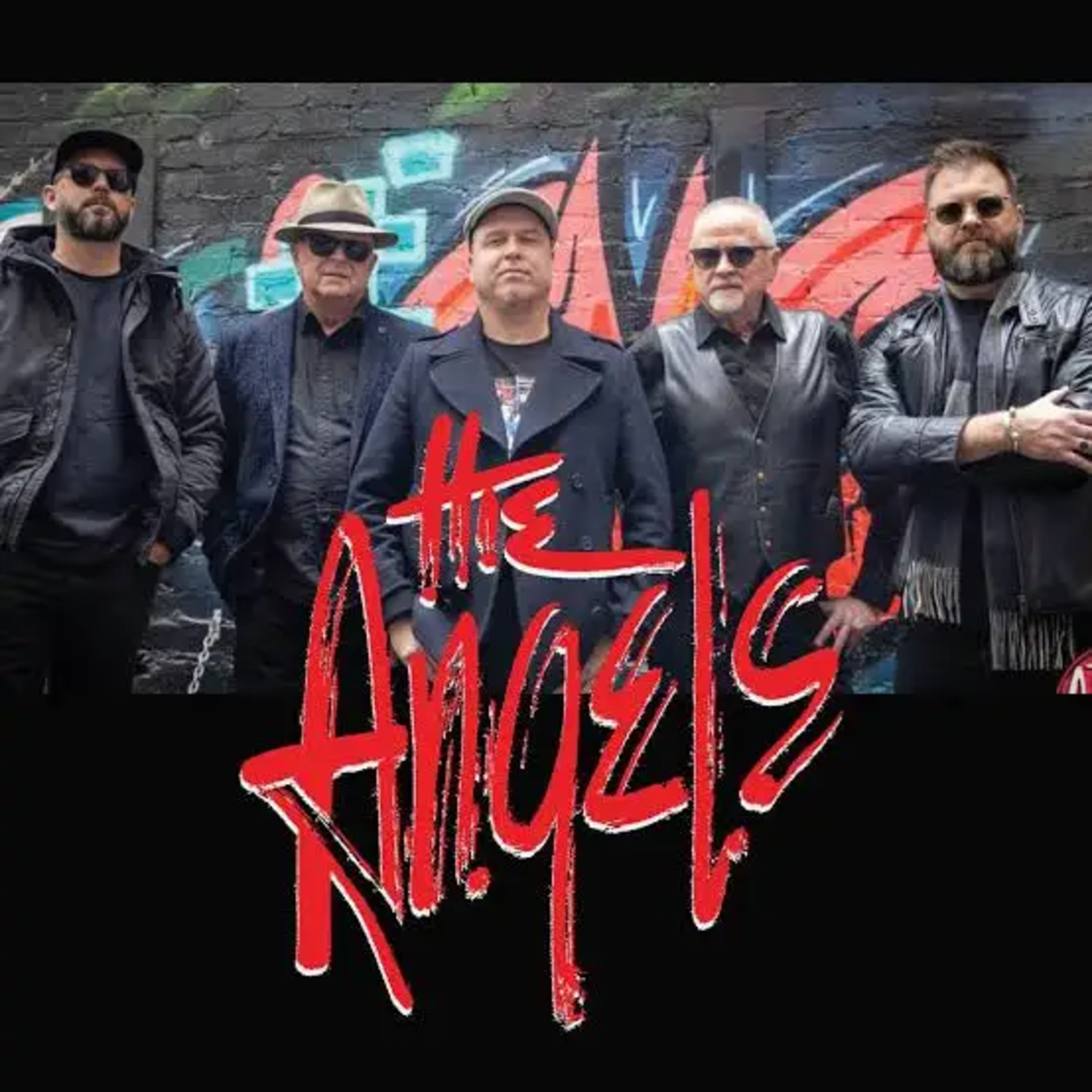 The Angels' John Brewster - Aussie Rock Classics And How The Crowd Changed the Song Forever 08.07.2026 52分For more than five decades, The Angels have been one of Australia's most influential and enduring rock bands, delivering powerful live performances and timeless songs that have become woven into the fabric of Australian music. Their catalogue has stood the test of time, but perhaps no song is more iconic than Am I Ever Gonna See Your Face Again, which this year celebrates its 50th anniversary.In this episode, Sandy Kaye welcomes founding guitarist John Brewster for an engaging conversation that looks back on an extraordinary career while celebrating one of the most recognisable songs in Australian rock history. John shares the story of how The Angels came together, the musical influences that shaped the band, and the determination that helped them build a career spanning half a century.The discussion explores the origins of Am I Ever Gonna See Your Face Again and how the song evolved into a global live music phenomenon, thanks to the famous audience chant that has become as legendary as the song itself. John reflects on watching generations of fans embrace the tradition, creating one of the most unique and enduring moments in rock and roll.John also opens up about life on the road, the band's remarkable longevity, and how The Angels have managed to remain relevant while many of their contemporaries have faded away. He explains why the band's songs continue to resonate with audiences of all ages and why performing live remains just as exciting today as it was in the 1970s.The conversation turns to the future of The Angels, with John sharing the pride he feels in welcoming his sons into the band. Together they discuss the passing of the torch to a new generation, preserving the band's unmistakable sound while bringing fresh energy to one of Australia's most respected rock acts.Filled with great stories, behind-the-scenes insights and reflections on a career that has shaped Australian rock music, this episode is a celebration of resilience, family, unforgettable songs and the enduring connection between artists and their audiences.Whether you're a lifelong Angels fan or simply love hearing the stories behind classic music, this is an episode you won't want to miss.Subscribe to A Breath of Fresh Air for more intimate conversations with the legendary artists who created the soundtrack of our lives. New episodes feature candid interviews with the musicians behind the songs, revealing the stories you've never heard and the memories that continue to inspire generations of music lovers.
 -
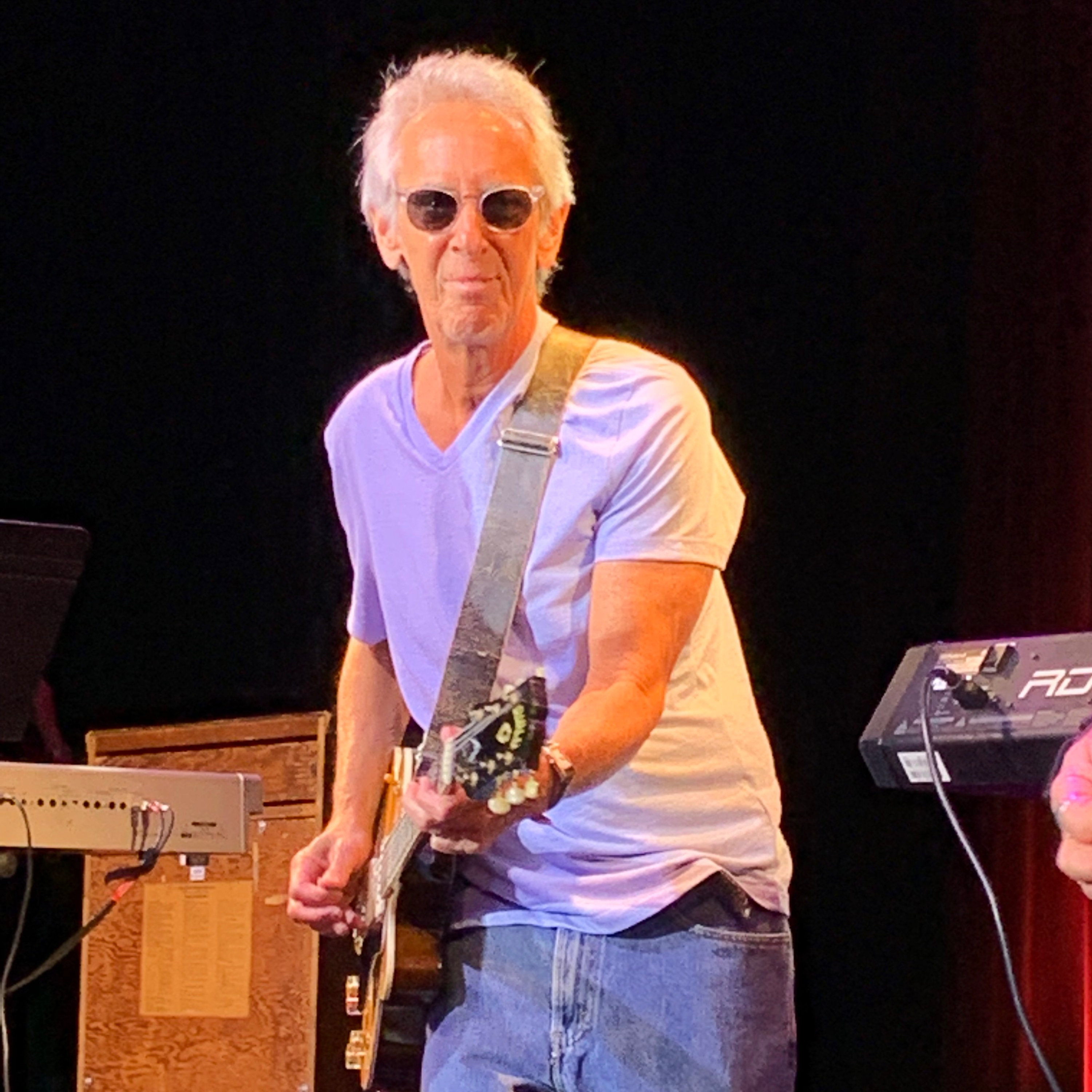 Elliot Lurie of Looking Glass: How Brandy Became One of the '70s Greatest Songs 01.07.2026 52分More than fifty years after it first sailed onto the charts, Brandy (You're a Fine Girl) remains one of the most beloved songs of the 1970s. In this episode of A Breath of Fresh Air, Sandy Kaye welcomes Elliot Lurie, the lead singer, guitarist and songwriter behind Looking Glass, for a fascinating conversation about the song that changed his life forever.Elliot shares the remarkable story of how Brandy was written in a farmhouse in rural New Jersey, revealing that the song originally began with the name "Sandy" before evolving into the fictional barmaid the world would come to know. He explains how the song developed slowly, almost like writing a short story, and how the band painstakingly recorded multiple versions before finally creating the version that would become a number one hit.The conversation explores the early days of Looking Glass, from playing long nights in bars and fraternity houses to chasing a record deal and living together in a rented farmhouse where the band wrote and rehearsed. Elliot recalls the moment when Brandy unexpectedly caught fire at a Washington DC radio station and how that single moment changed the band's fortunes forever.Although many people regard Looking Glass as a one-hit wonder, Elliot discusses the band's later successes, including Jimmy Loves Mary-Anne, and reflects honestly on the challenges of trying to follow a massive hit. He speaks candidly about the disappointment of his solo career and the uncertainty he faced during the late 1970s.Listeners will also discover Elliot's remarkable second career in Hollywood as a music supervisor, where he worked on major films and television productions including Alien 3, A Night at the Roxbury and Riding in Cars with Boys. He explains the vital role music supervisors play in matching songs to film and television and how the business changed dramatically over the years.Now performing selectively, Elliot still enjoys the thrill of hearing audiences sing every word of Brandy more than five decades after its release. His reflections on creativity, success, reinvention and ageing offer warmth, humour and genuine wisdom.This is a wonderful conversation about one of the great songs of the '70s, the pressures of success, the importance of perseverance and the extraordinary staying power of music that connects across generations.
 -
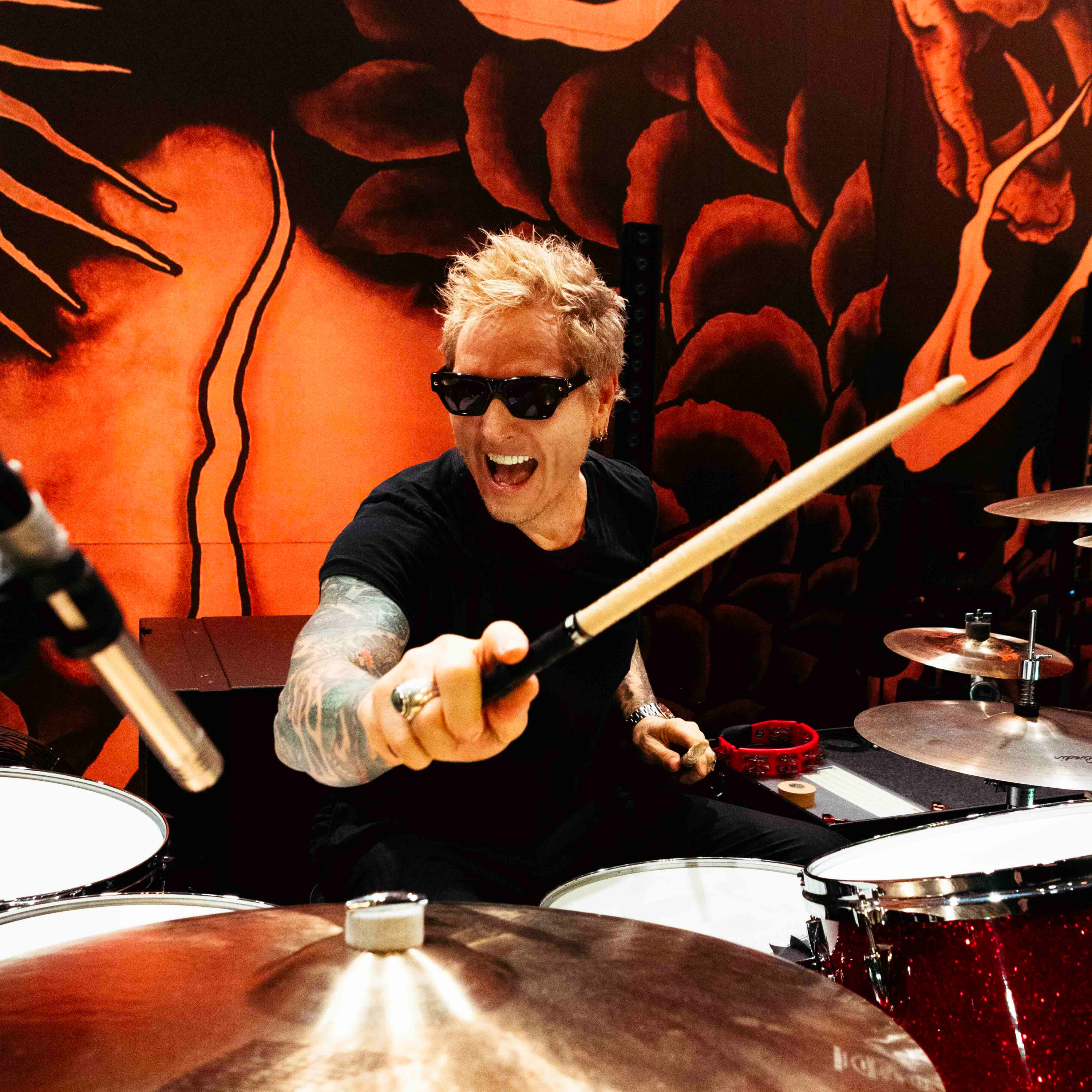 Matt Sorum: Guns N’ Roses, Kings of Chaos and Rock's Wild Ride 24.06.2026 52分Rock and Roll Hall of Fame drummer Matt Sorum joins Sandy Kaye for an honest, funny and deeply insightful conversation about life inside some of the biggest rock bands in history.Best known for his years with Guns N' Roses during the explosive Use Your Illusion era, Matt opens up about the journey that took him from the clubs of Hollywood’s Sunset Strip to stadiums packed with hundreds of thousands of fans around the world. He reflects on joining Guns N’ Roses at the height of their fame, the challenges of navigating massive personalities inside legendary bands, and the lessons he’s learned after decades in the music business.Matt also talks about his time with The Cult, why British drummers like John Bonham, Keith Moon and Ian Paice shaped his playing style, and how he eventually reunited with Slash and Duff McKagan to form the hugely successful supergroup Velvet Revolver.Now, Matt is bringing his powerhouse supergroup Kings of Chaos to Australia as one of the headline acts aboard the Rock The Boat cruise. Featuring an ever-changing lineup of legendary musicians from bands including ZZ Top, Deep Purple and Cheap Trick, Kings of Chaos has become Matt’s ultimate passion project — a celebration of classic rock played by the artists who helped create it.Along the way, Matt speaks candidly about addiction, sobriety, family life, surviving the excesses of fame and why collaboration — not ego — is the true key to success in music and life.This is a warm, revealing and entertaining conversation with one of rock’s great survivors — a drummer whose career has helped soundtrack generations of rock fans around the world.
 -
 Blood Sweat & Tears - an Inside Look with Founder Steve Katz 17.06.2026 52分Steve Katz is known as a founding member of Blood, Sweat & Tears as well as a guitarist, singer, songwriter, producer and author.Steve shares incredible stories from a career that spans more than six decades, taking listeners inside the birth of folk-rock, the Greenwich Village music scene, the formation of Blood, Sweat & Tears, Woodstock, Monterey Pop and beyond. Steve recalls his early days studying under folk and blues legends Dave Van Ronk and Reverend Gary Davis, spending time with Mississippi John Hurt, and joining Danny Kalb's influential band The Blues Project. He describes the excitement of discovering electric music in the mid-1960s and how that experience eventually led him to help create one of the most innovative bands of the era. The conversation explores the formation of Blood, Sweat & Tears with Al Kooper, the decision to incorporate a horn section, and the band's meteoric rise following the arrival of vocalist David Clayton-Thomas. Steve discusses the enormous success of hits including "Spinning Wheel," "You've Made Me So Very Happy," and "And When I Die," as well as the Grammy-winning album that made the band international stars. Listeners will also hear fascinating stories about performing at Monterey Pop Festival, the realities of Woodstock, sharing food backstage with Jimi Hendrix, meeting Otis Redding, and navigating the political pressures that resulted in Blood, Sweat & Tears undertaking a controversial State Department tour of Eastern Europe during the Nixon era. Steve also opens up about leaving Blood, Sweat & Tears, producing Lou Reed, working with Beatles producer George Martin, his years in the record business, discovering new artists, passing on U2, and why he remains grateful for every twist and turn in his extraordinary career. The episode also highlights Steve's memoir, Blood, Sweat and My Rock 'n' Roll Years, and his continuing work as a musician and creative artist.A fascinating listen for music fans of all generations.
 -
 Tony Burrows: The Voice Behind so many '70s Hits 10.06.2026 52分Did you know that one singer secretly voiced some of the biggest pop hits of the 1970s — all at the same time? Most people have no idea who he was.In this fascinating episode of A Breath of Fresh Air, Sandy Kaye chats with legendary British session singer Tony Burrows, the man behind an astonishing string of international hits including Love Grows (Where My Rosemary Goes), My Baby Loves Lovin', Gimme Dat Ding, United We Stand and many more.Tony reveals the incredible story behind his unique career as one of Britain’s most in-demand studio vocalists during the golden age of pop music. While audiences believed these were all separate bands, Tony was often the lead voice behind them all — a situation so unusual that at one point he famously appeared multiple times on Top of the Pops performing with different “groups” on the same show.In this warm and revealing conversation, Tony shares how he deliberately chose life as a studio singer over the pressures of touring and fame, allowing him to become one of the music industry’s best-kept secrets. He explains why he never wanted to tour with Edison Lighthouse, how he negotiated royalties that still pay today, and why he believes TikTok has helped introduce Love Grows (Where My Rosemary Goes) to a whole new generation of listeners.Tony also opens up about:Recording the smash hit Gimme Dat Ding in just two takesWhy United We Stand still resonates so strongly todayTouring with The Beatles during the height of BeatlemaniaSinging backing vocals for Elton John, Rod Stewart and Cliff RichardHis contribution to Elton’s iconic Tiny DancerThe bizarre moment the BBC reportedly banned him from appearing on televisionThe real story behind Edison Lighthouse and the many studio “bands” of the eraWhy he became more famous in America than in his native UKThere are wonderful behind-the-scenes stories throughout this interview, including Tony’s memories of working nonstop in London recording studios, travelling anonymously on the Tube while his songs dominated radio stations worldwide, and the surreal experience of hearing modern audiences rediscover his music decades later through social media.Despite being connected to an extraordinary catalogue of timeless hits, Tony remains remarkably humble and funny throughout the conversation, reflecting on a career that helped shape the sound of classic pop music.If you love '60s and '70s music, studio session stories, classic pop craftsmanship and discovering the hidden figures behind famous songs, this episode is an absolute treat.Listen now to hear the remarkable untold story of the voice behind some of the biggest hits of a generation.
 -
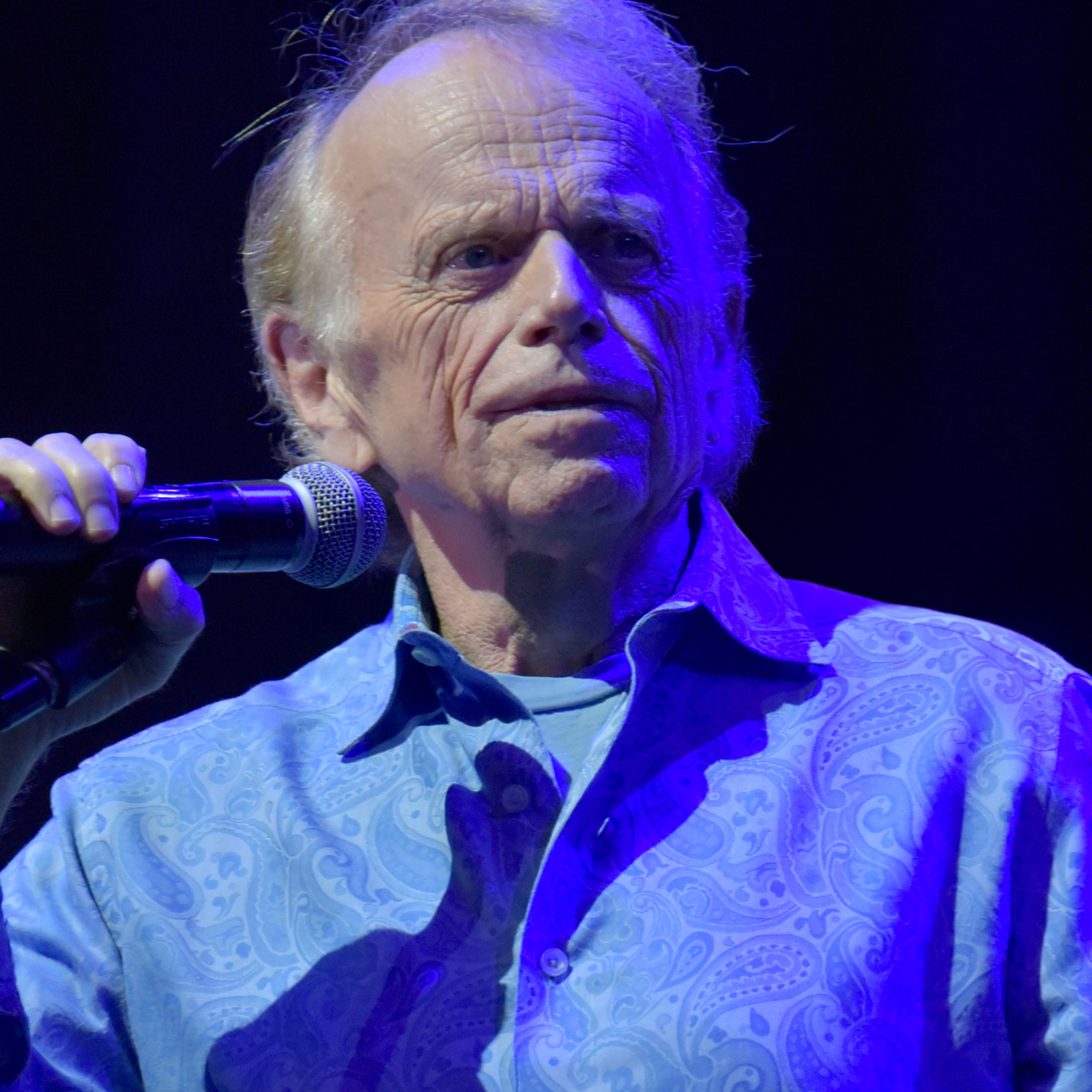 The Beach Boys' Al Jardine Al Jardine Reflects on The Band, Brian Wilson and the Music That Changed the World 03.06.2026 52分Al Jardine is perhaps one of few artists who can say they helped create an entirely new sound that changed popular music forever.In this warm and revealing conversation, the founding member of The Beach Boys looks back on the extraordinary journey that took a group of California teenagers from local surf culture to global music immortality. As Al prepares to tour Australia celebrating the 60th anniversary of the landmark album Pet Sounds, he shares deeply personal memories of growing up alongside Brian Wilson, Carl Wilson and Dennis Wilson. Long before worldwide fame, Al and Brian were football teammates and college friends with a shared love of music, particularly folk, doo-wop and intricate vocal harmonies. Al reveals that the original musical vision for the band wasn’t surf music at all. But Dennis Wilson’s passion for surfing changed everything. What followed was one of the most remarkable runs in music history. From “Surfin’ USA” and “California Girls” to “Good Vibrations,” and “Help Me Rhonda,” The Beach Boys became synonymous with youth, freedom and the California dream. It was Brian Wilson’s musical genius that sat at the centre of it all. According to Al, Brian could hear complete arrangements in his head, using the band members as instruments to bring his musical ideas to life. The conversation also explores the personal sacrifices and difficult decisions that shaped Al’s life. Al speaks fondly about songs that remain central to every live show, including “God Only Knows,” “Sloop John B” and “Good Vibrations.” He also shares how his son Matt Jardine now performs alongside him, helping recreate the famously difficult Beach Boys harmonies for modern audiences. There are emotional moments too, particularly when discussing Brian Wilson’s legacy and passing. Al describes Brian simply as “pure genius,” reflecting on the creative obsession that drove him to constantly compose, arrange and innovate. He credits Brian with pushing the boundaries of pop music while still creating songs filled with emotion and soul. Despite decades of touring, Al remains energised by performing live. He says younger generations are increasingly discovering The Beach Boys’ music, proving these songs continue to resonate far beyond the era in which they were created. He also continues writing new material himself, drawing inspiration from his lifelong love of folk music and unfinished songs still waiting to be completed. This interview is not only a celebration of The Beach Boys’ extraordinary catalogue, but also a tribute to friendship, creativity and the enduring power of timeless music. More than sixty years after those first harmonies were sung, Al Jardine remains deeply connected to the songs — and the spirit — that helped define generations. Join Sandy Kaye for a fascinating and deeply personal conversation with Al Jardine — founding member of The Beach Boys and one of the voices behind some of the most beloved songs in music history. In this episode, Al discusses:How The Beach Boys originally planned to become a folk music groupDennis Wilson’s role in introducing surfing culture into the band’s musicThe creation of classics Brian Wilson’s extraordinary musical genius and perfectionismThe emotional legacy of Pet Sounds and Brian Wilson’s later workTouring Australia with the Pet Sounds BandNew songs and unreleased material Al is still working on today This episode is packed with warmth, humour, nostalgia and incredible behind-the-scenes stories from one of the architects of the California sound.This is a warm, funny and emotional interview with one of rock music’s true legends — packed with incredible stories and insights from the soundtrack of our lives.
 -
 Grand Funk Railroad's Mark Farmer on The Loco-Motion and Rock History 27.05.2026 52分This week, one of classic rock’s most recognisable voices — singer, guitarist and songwriter Mark Farner, founding member of Grand Funk Railroad.With more than 30 million records sold worldwide, 16 gold and platinum albums and a string of massive hits including “I’m Your Captain,” “Some Kind of Wonderful,” “The Loco-Motion” and “We’re An American Band,” Grand Funk Railroad became one of the biggest rock acts of the '70s. But in this deeply personal conversation, Mark reveals there’s far more to his story than stadiums and success.Mark opens up about his childhood in Michigan and the devastating loss of his father when he was just nine years old. He shares how his family’s Sunday gospel gatherings, filled with bluegrass music, harmonies and love, became the foundation for both his spirituality and his future career in music. He also talks about his Cherokee ancestry on his mother’s side and the powerful influence spirituality had within the family from an early age.You'll hear the extraordinary story of how a young Mark experienced what he describes as a life-changing spiritual moment while watching evangelist Billy Graham on television — a moment that would shape the message and direction of his music for decades to come.Surprisingly, music wasn’t Mark’s first dream. He had originally planned on a future in football until injuries forced him off the field. That setback led his mother to rent him a guitar and arrange lessons, unknowingly setting him on the path that would eventually change rock history.Mark takes us through the early Michigan band scene, including his time with Terry Knight and the Pack alongside future Grand Funk drummer Don Brewer. He explains how the frustrations of struggling bands, freezing road trips and failed tours eventually led to the formation of Grand Funk Railroad with bassist Mel Schacher.One of the highlights is Mark’s vivid recollection of the band’s breakthrough appearance at the Atlanta Pop Festival, where three unknown musicians from Flint, Michigan stunned a crowd of 185,000 people and instantly realised their lives had changed forever.Mark also reflects on the unique musical identity of Grand Funk Railroad, explaining how the band’s roots were grounded more in soulful R&B than traditional blues or heavy metal. He discusses wanting audiences to dance, feel joy and experience connection through the music.The conversation dives deeply into the creation of the band’s most iconic songs. Mark reveals the remarkable spiritual experience that inspired “I’m Your Captain,” describing how the song arrived almost fully formed during a semi-conscious moment in the middle of the night after praying for music that could truly reach people’s hearts.He also shares incredible behind-the-scenes stories about recording “The Loco-Motion,” including how producer Todd Rundgren spontaneously decided the band should record the song after hearing them casually singing it outside the studio.Throughout the interview, Mark speaks passionately about the emotional connection between musicians, instruments and songwriting. He explains how specific guitars and keyboards inspired entire songs and albums, including E Pluribus Funk and “Mean Mistreater.”Mark also discusses:The pressures and excitement of massive success in the '70sGrand Funk Railroad being labelled “the loudest band in the world”The unexpected breakup of the band in 1976His Christian music careerCharity work Family life, marriage and staying grounded despite fameWhy spreading love and positivity remains his greatest missionWarm, funny, spiritual and refreshingly honest, Mark Farner proves himself to be far more than simply a rock star. This is an uplifting conversation about resilience, creativity, faith and the enduring power of music to bring people together.If you love classic rock history, candid artist interviews and the stories behind timeless songs, this is an episode you won’t want to miss.
類似ポッドキャスト


人気の国
このポッドキャストはこれらの国のポッドキャストチャートにも登場します。


