
Devpolicy Talks
Development Policy Centre, ANU
0
Devpolicy Talks features interviews, event recordings, and documentary episodes on topics researched by the Development Policy Centre at the Australian National University. The podcast covers Australian aid, development in Papua New Guinea and the Pacific, and global development issues. It is associated with the Devpolicy Blog and public events like the PNG Update and Pacific Update.
エピソード
-
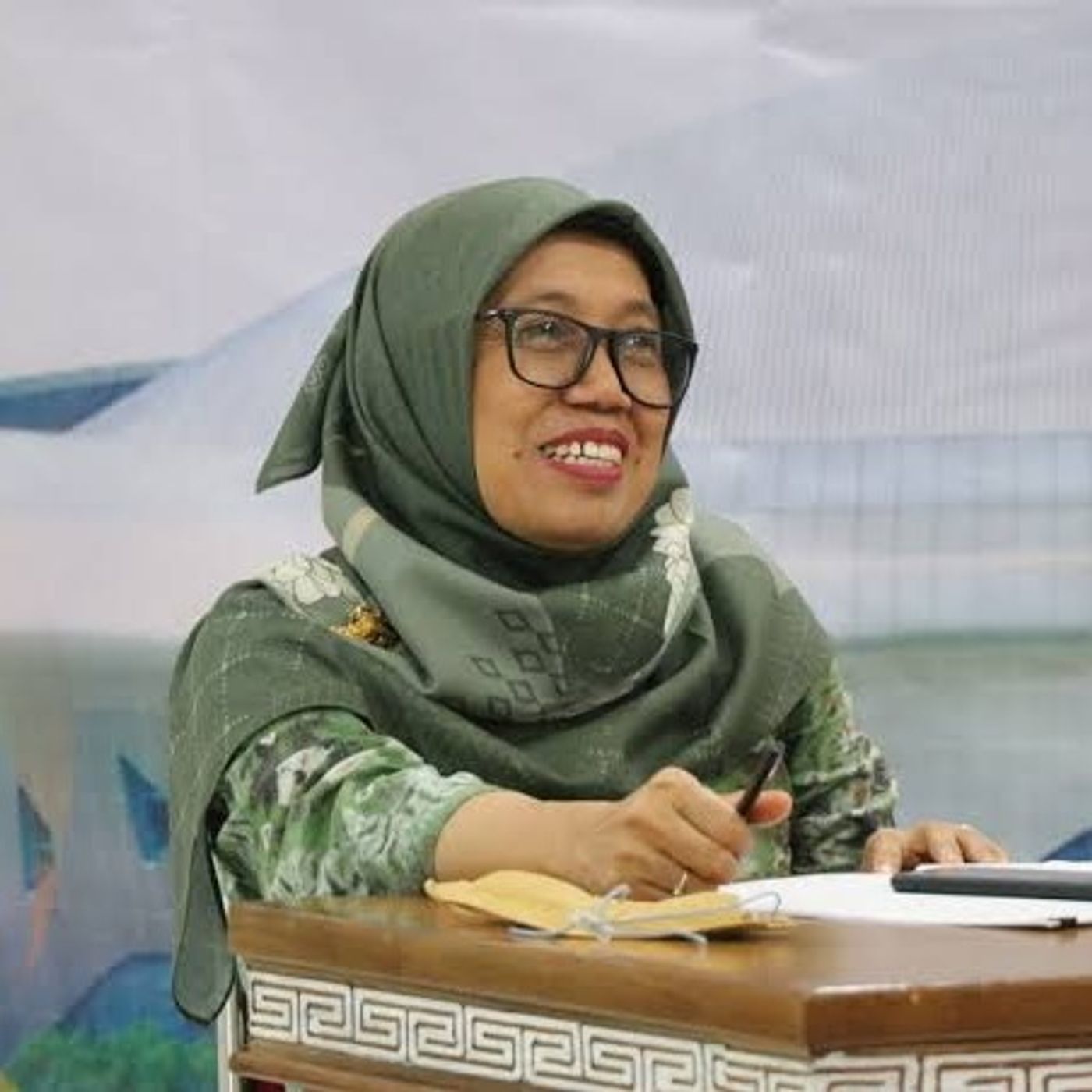 Women's empowerment at scale in Indonesia: an interview with Tri Hastuti Nur Rochimah 28.09.2026 57分Robin Davies speaks with Dr Tri Hastuti Nur Rochimah, Secretary General of the Central Board of 'Aisyiyah and a lecturer at Universitas Muhammadiyah Yogyakarta, about one of the world's largest women's organisations. Founded in 1917 as the women's wing of Muhammadiyah, 'Aisyiyah today has around 25 million members and sympathisers across Indonesia's 38 provinces, running more than 20,000 kindergartens, ten universities, 21 hospitals, 55 clinics, some 500 credit unions and 109 pro bono law firms. Tri Hastuti explains the organisation's faith-based identity, grounded in the Al-Ma'un theology of care for the poor, and how it operates as a "special autonomous" body within Muhammadiyah while contributing a gender perspective to its fatwas. She reflects on partnerships with government, Fatayat NU and donors including through Australia's MAMPU and INKLUSI programs, and outlines 'Aisyiyah's work on child marriage, female genital mutilation, domestic violence, climate change, the MBG school-feeding program and youth engagement through social media.
 -
 Murder in the Pacific: Matt Francis on aid and agency in Vanuatu 03.08.2026 58分In this episode of Devpolicy Talks, Gordon Peake speaks with the pseudonymous author Matt Francis about the Murder in the Pacific series, four crime novels set across the provinces of Vanuatu and featuring Sergeant George Long, a Ni-Vanuatu police officer of mixed Chinese and Ni-Vanuatu heritage, and his partner Constable Jaylene Olly. Francis describes the books as love letters to a country he adores, conceived during a rainstorm outside the Australian High Commission in Port Vila, with one volume planned for each of the country's six provinces. He and Peake discuss the gentle lampooning of donor programming that runs through the series — the banners, certificates of participation and endless training courses — alongside the politics of per diems, the geopolitics of Australia–China donor competition, and the sophisticated agency of Ni-Vanuatu and Papua New Guinean interlocutors. Francis also explains why he adopted a pen name, fearing consequences for his research access and grant applications.
 -
 The Memorandum of Understanding podcast archive is now in this feed, filed under 2021 01.08.2026 1分
 -
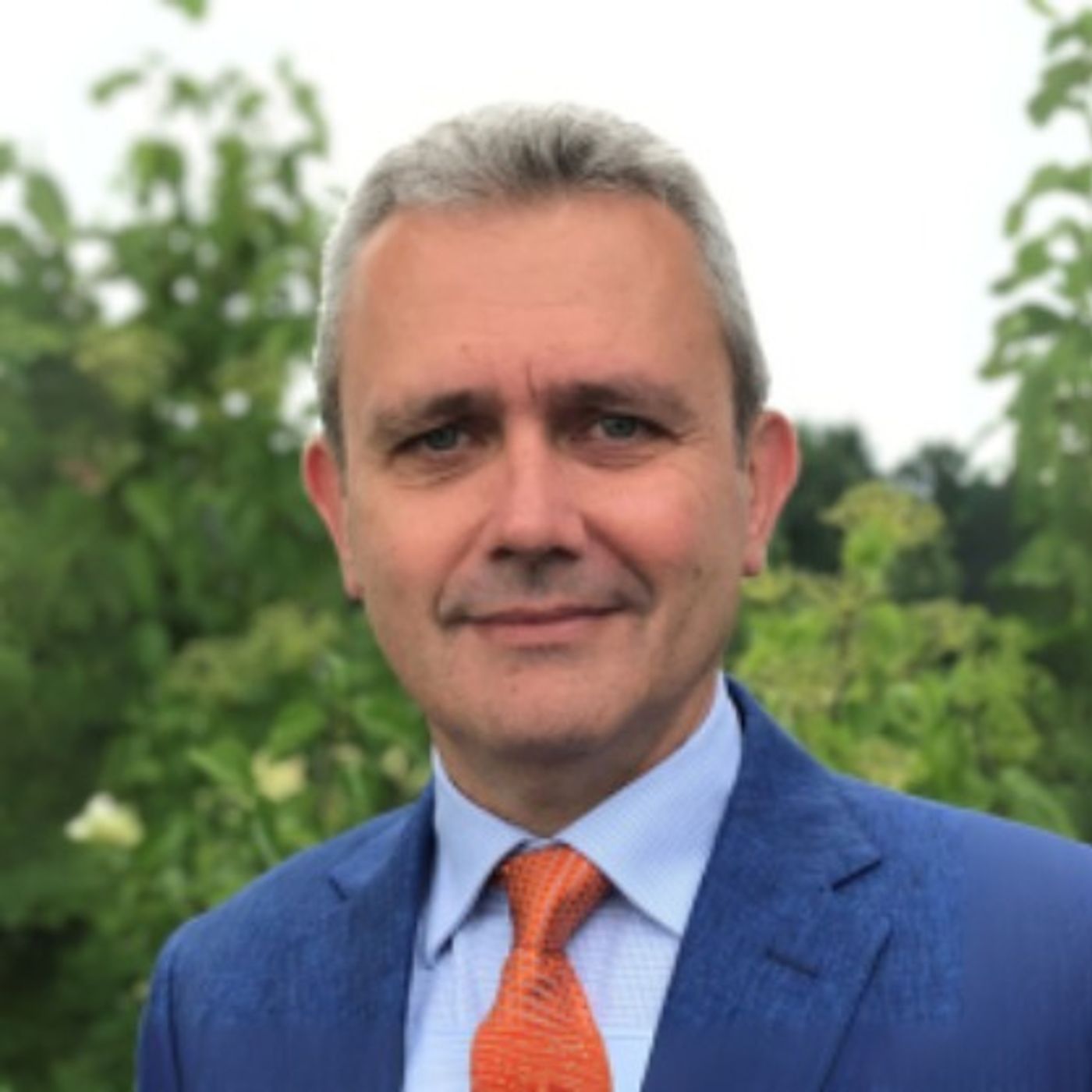 Humanitarianism and public health: an interview with Rick Brennan 04.07.2026 50分Rick Brennan, an Australian emergency and humanitarian health official, joins Robin Davies to reflect on a career spanning some of the world's most challenging crises — from the Democratic Republic of the Congo and Liberia to the West African Ebola outbreak, Afghanistan under the Taliban and the ongoing conflict in Gaza.
 -
 2026 aid budget breakfast 15.05.2026 58分Recorded the morning after the 2026–27 federal budget, this episode brings you the Development Policy Centre's fourteenth annual aid budget breakfast, hosted by Devpolicy Blog co-editor Amita Monterola with analysis from Cameron Hill and Robin Davies. Cameron unpacks how the government's 2.5% indexation measure is being applied alongside higher-than-expected inflation, producing a cumulative real fall in ODA of around 7% across the forward estimates, a declining ODA/GNI ratio, a widening defence-to-aid spending gap, and further concentration of the program on the Pacific. He also examines cuts to core multilateral funding, including the cessation of contributions to UNAIDS and the Pandemic Fund. Robin then situates these figures globally, noting a 23% fall in ODA from 2024 to 2025 — the steepest annual decline on record — and projects aid could sit roughly 40% below its 2023 peak by 2028. A wide-ranging Q&A covers multilateral effectiveness, ODA graduation, humanitarian adequacy and climate finance.
 -
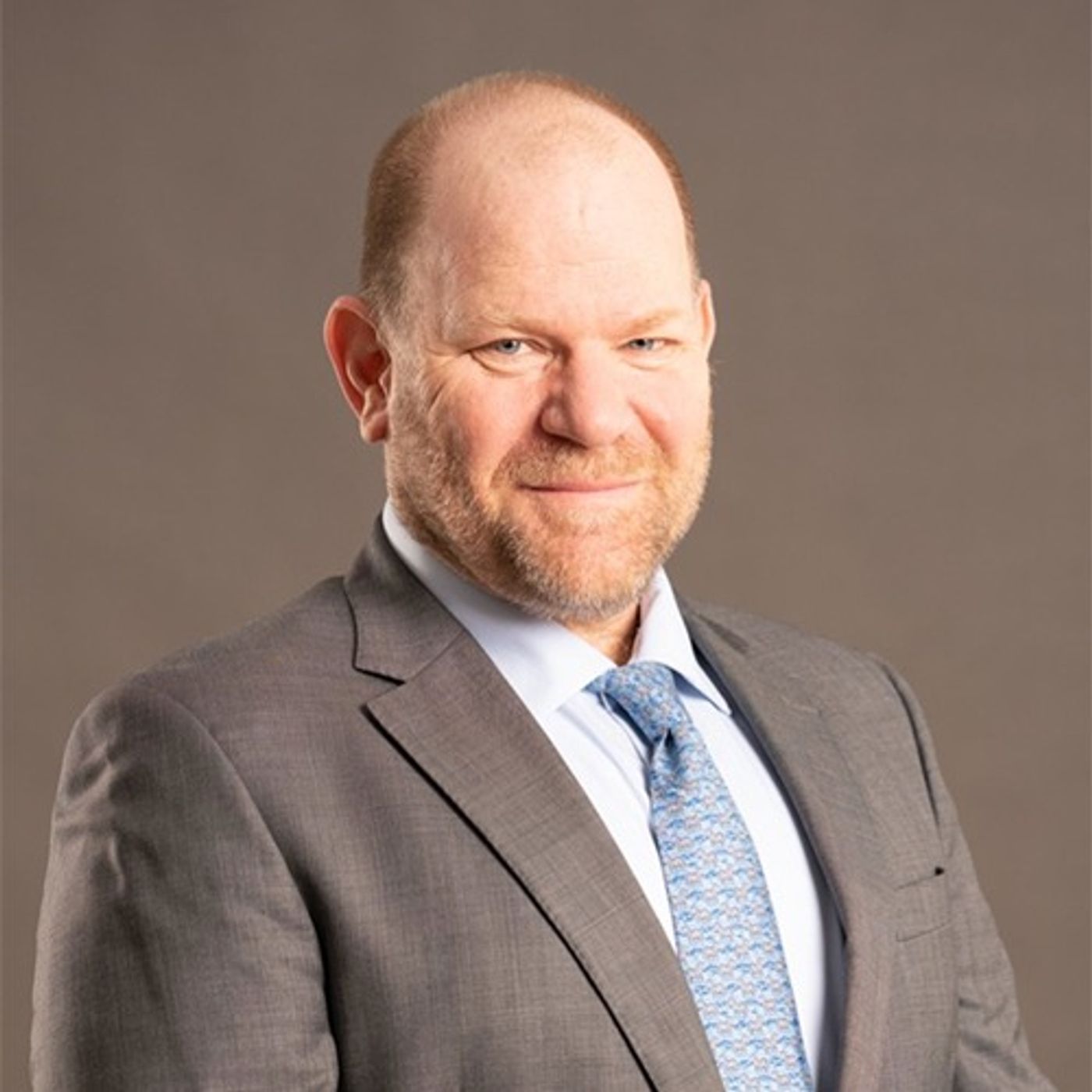 Navigating China and the Global South: a conversation with Eric Olander 15.12.2025 1時間 34分Eric Olander, Editor-in-Chief of the China Global South Project, offers a nuanced perspective on China’s engagement with developing countries across Africa, Southeast Asia, Latin America and the Pacific. Drawing on 40 years of experience as a journalist covering China, including stints at the BBC, Associated Press and CNN, Olander challenges dominant Western narratives about Chinese development finance, including the much-discussed “debt trap” thesis.
 -
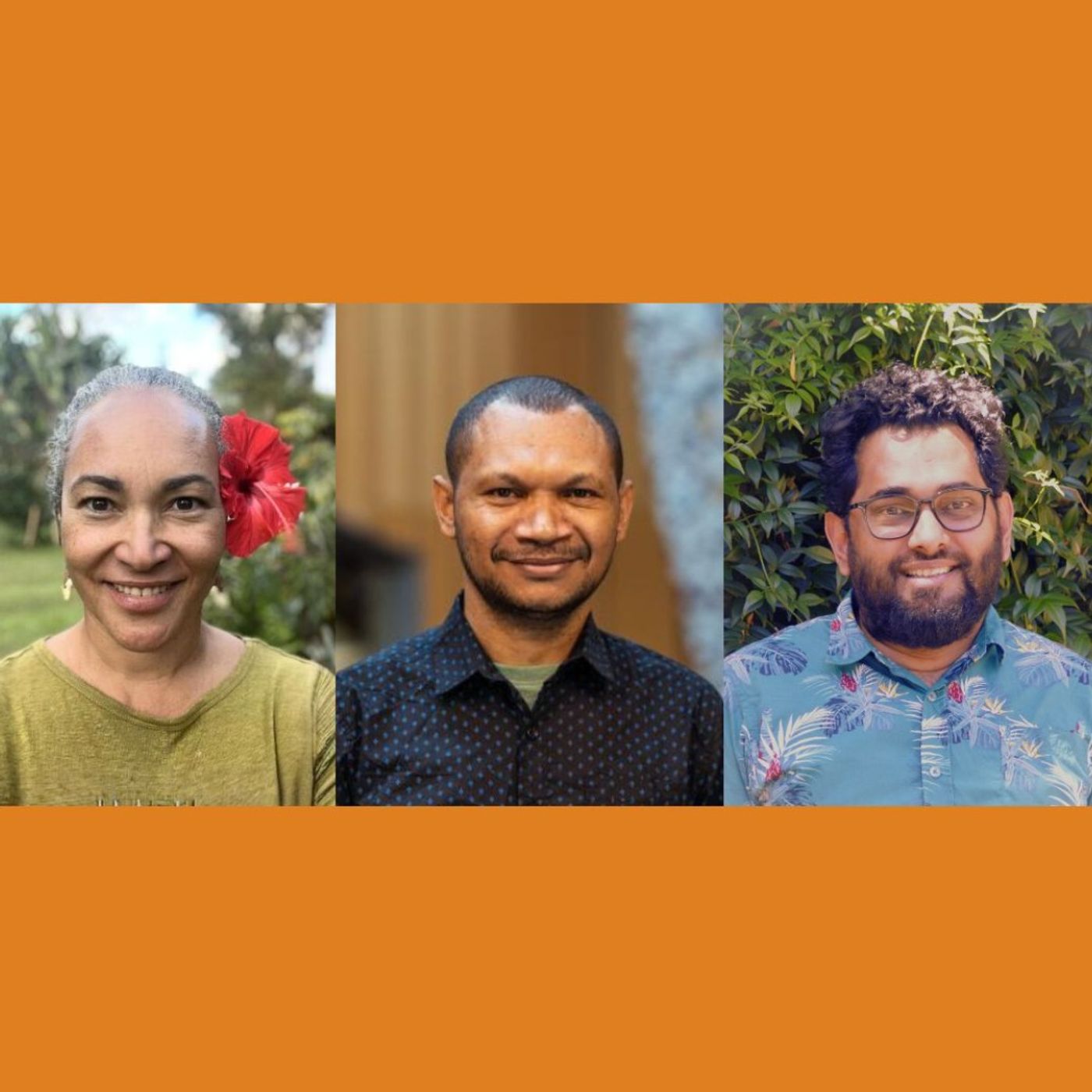 Pacific democracy: global indices and lived realities 06.12.2025 1時間 18分This episode explores the state of democracy in the Pacific, focusing on a joint report by International IDEA and the Australia National University's Department of Pacific Affairs. The report, released in mid-2025, assesses data from Fiji, Papua New Guinea, Solomon Islands and Vanuatu. It extends the discussion to all Pacific nations on the six themes of grassroots democracy, scale, localised politics, cohabitation, political marginalisation and democratic innovation.
 -
 Global public goods and the architecture of cooperation: a conversation with Inge Kaul 14.11.2025 2時間 12分Inge Kaul, pioneering development economist and architect of the global public goods framework, discusses her groundbreaking work on international cooperation and development financing in this 2015 interview recorded at her flat in Berlin. Economists define public goods — like street lighting — as things everyone benefits from that nobody can be excluded from using. The problem is that individuals won't voluntarily pay for them, so governments provide them through taxation. Kaul's insight was recognising that globalisation has created global public goods — climate stability, disease control, financial stability — that benefit everyone across borders but that no world government exists to provide. Her central argument: financing cooperation on global public goods requires "new and additional" resources beyond traditional development assistance, because they serve fundamentally different purposes — one driven by moral concern for the poor, the other by shared self-interest. The conversation explores the fierce political resistance her ideas encountered, the chronic diversion of aid money towards global public goods purposes in violation of international agreements, her critical assessment of the SDGs, and the structural reforms needed in multilateral institutions. Kaul passed away in 2023, making this interview a valuable record of her intellectual legacy.
 -
 Water, climate and adaptation: a conversation with Dr Aditi Mukherji 01.11.2025 35分Dr Aditi Mukherji, Principal Scientist at the International Livestock Research Institute and coordinating lead author of the Intergovernmental Panel on Climate Change's water chapter, discusses her career spanning groundwater management, climate adaptation and the urgent challenge of the 1.5-degree threshold. From her groundbreaking work challenging conventional wisdom about groundwater in eastern India — which led to policy changes benefiting 200,000 farmers — to rehabilitating dying springs in the Himalayas, Mukherji reveals how climate change is transforming every component of the water cycle. She explains why adaptation measures are losing effectiveness as temperatures rise, what the IPCC's water assessment tells us about climate impacts on agriculture, and how pastoral communities in the Global South require different approaches to livestock and climate policy.
 -
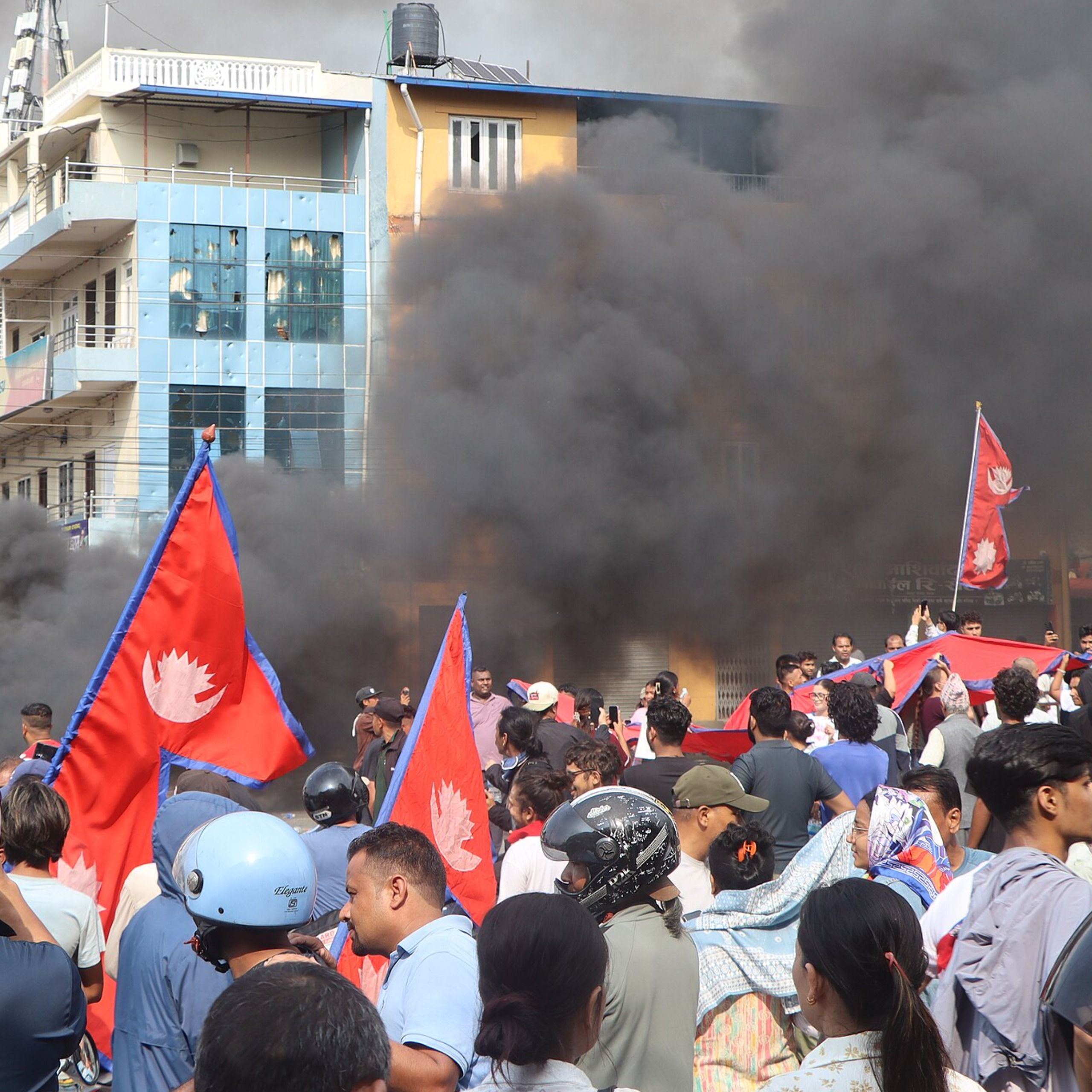 Youth uprisings: understanding the protests in Indonesia and Nepal 17.10.2025 46分In August and September 2024, thousands of young people took to the streets across Southeast and South Asia in unprecedented displays of protest. This episode examines the youth-led demonstrations that erupted in Indonesia on 25 August and Nepal on 8 September, exploring the deeper frustrations driving Generation Z activism beyond the headlines of violence and regime change. Host Amita Monterola speaks with Garry Rosario da Gama, a PhD student researching corruption networks in Indonesia at the Australian National University's Crawford School of Public Policy, and Puspa Paudel, program manager at the Center for Investigative Journalism in Nepal. Together they discuss how embedded corruption, elite privilege and economic inequality triggered mass protests that resulted in ten deaths in Indonesia and regime change in Nepal, where 72 people died and the country appointed its first female prime minister as a caretaker leader.
 -
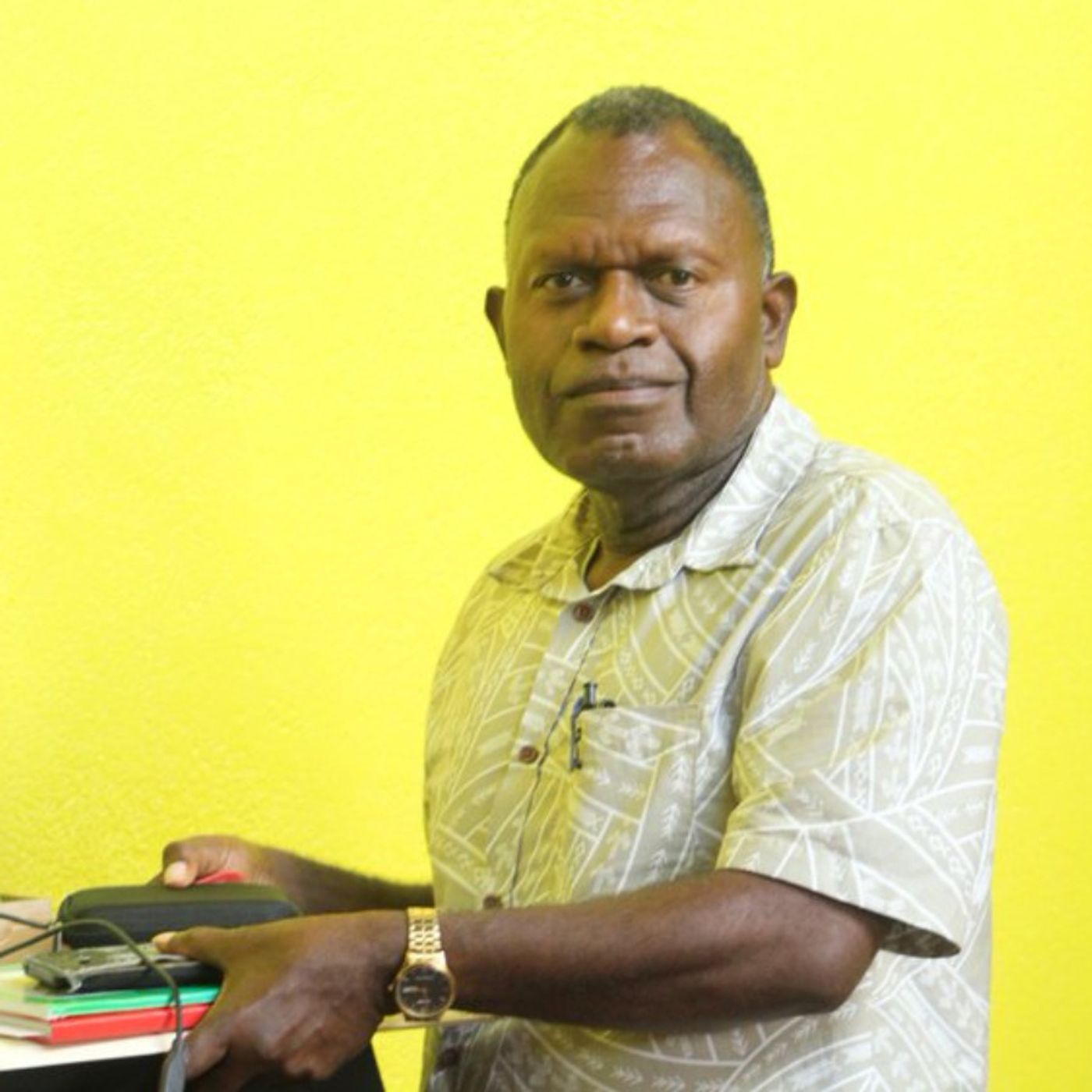 From Vanuatu's challenges to Melanesian cooperation: a conversation with Gregoire Nimbtik 10.10.2025 35分Gregoire Nimbtik, former head of Vanuatu's Prime Minister's Department and former Deputy Director General of the Melanesian Spearhead Group Secretariat, reflects on the formidable development challenges facing Vanuatu and the broader Melanesian region. Speaking in the margins of the 2025 Pacific Update conference in Suva, Nimbtik discusses how Vanuatu is grappling with the compounding crises of Air Vanuatu's bankruptcy in May 2024, the devastating December 2024 earthquake that struck Port Vila, and long-standing issues of political instability and corruption. He explores the tension between custom governance and Westminster systems of governance, the controversial citizenship-by-investment scheme that recently made headlines with the Andrew Tate case, and the impacts of labour mobility programs on Vanuatu's development trajectory. Nimbtik also reflects on his experience leading the MSG delegation to the International Court of Justice on climate change obligations and discusses the MSG complements the broader Pacific architecture. His insights offer a rare perspective on the intersection of traditional governance, modern development challenges and geopolitical pressures in the Pacific.
 -
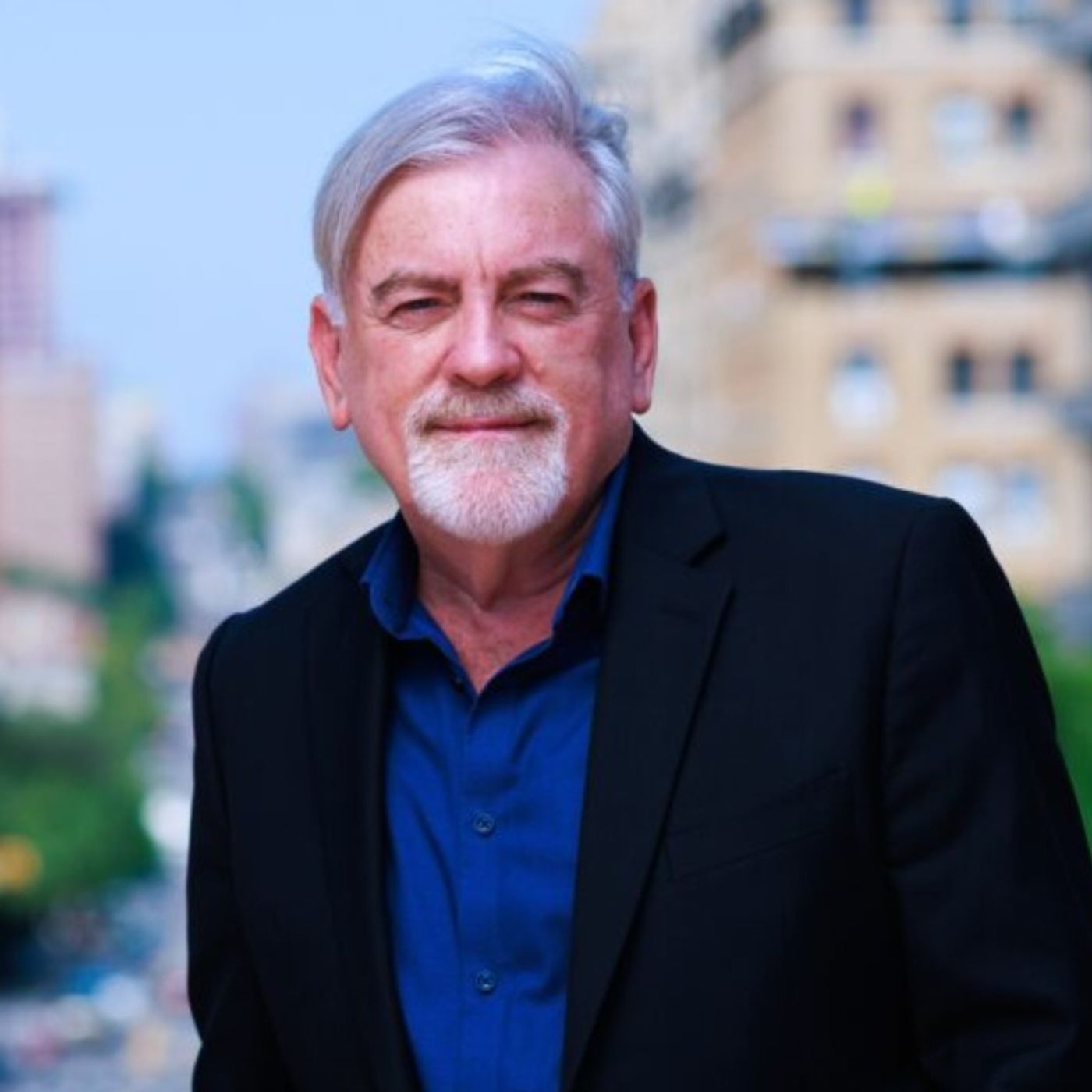 From serendipity to global impact: a conversation with Glenn Denning 02.09.2025 1時間 6分Glenn Denning, Professor of Practice at Columbia University's School of International and Public Affairs and founding Director of the Master of Public Administration in Development Practice program, reflects on his remarkable 40-year career in international agricultural development. From his serendipitous start as a suburban Brisbane student who overheard a conversation about a cancelled research trip to Indonesia, Denning has become one of the world’s leading experts in food security and sustainable development. He has advised governments and international organisations on agriculture and food policy in more than 50 countries, served on the UN Millennium Project Hunger Task Force, and played key roles in transforming agricultural systems from post-Khmer Rouge Cambodia to the Millennium Villages across Africa. In 2023, he won the Global Australian of the Year Award, and in 2024 was honoured as Alumnus of the Year by the University of Queensland. His recent book, "Universal Food Security: How to End Hunger While Protecting the Planet", synthesises decades of experience into a comprehensive framework for ending global hunger.
 -
 The Pacific Engagement Visa: what you need to know about the 2025 ballot 13.08.2025 29分The Pacific Engagement Visa offers a life-changing opportunity for up to 3,000 Pacific Islanders and Timorese citizens annually to gain permanent residency in Australia. In this episode, Development Policy Centre Research Officer Natasha Turia discusses the newly opened 2025-2026 ballot, sharing insights from her research tracking the program's rollout and surveying PEV winners from Papua New Guinea. The conversation includes first-hand testimony from a successful PEV visa holder who has relocated to Australia, an update from DFAT's Jan Hutton on program improvements, and practical guidance on navigating the application process — from entering the ballot to securing a job offer and meeting visa requirements.
 -
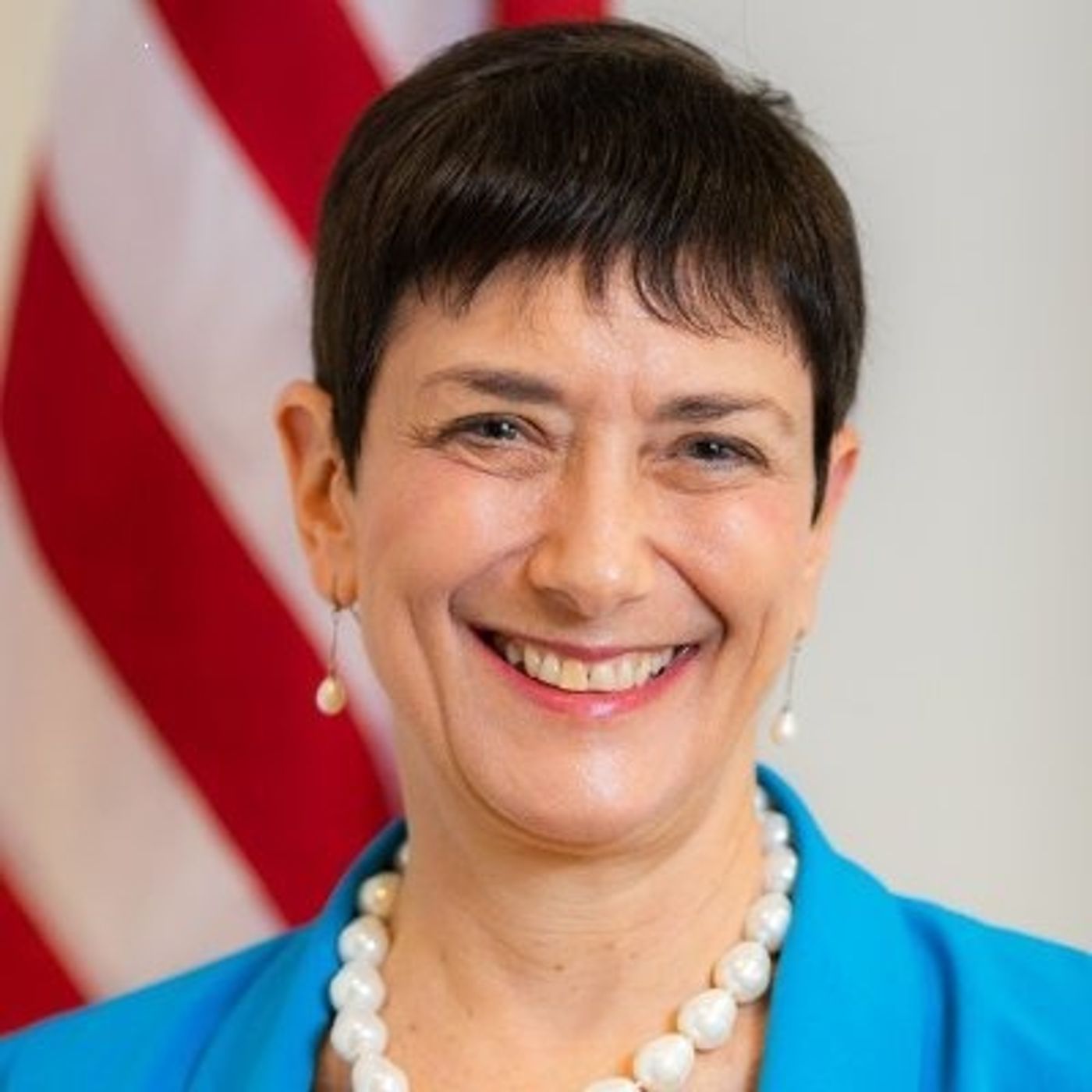 US-Pacific relations under Trump: a conversation with Judith Cefkin 26.07.2025 1時間Former US Ambassador Judith Cefkin provides a sobering assessment of how the Trump administration's foreign policy shifts are reshaping American engagement with Pacific Island nations. Drawing on her 35-year diplomatic career and experience as US Ambassador to Fiji, Kiribati, Nauru, Tonga and Tuvalu from 2015-2018, Cefkin warns that the administration's withdrawal from the Paris Agreement, dismantling of USAID, and proposed 85% cuts to international affairs funding threaten to undermine decades of carefully built relationships. She contrasts America's retreat from soft power engagement with China's consistent approach to the region, while noting that some programs like the Millennium Challenge Corporation's work in Kiribati may survive. Overall, the US’s trajectory represents a dramatic scaling back at precisely the moment when strategic competition in the Pacific is intensifying.
 -
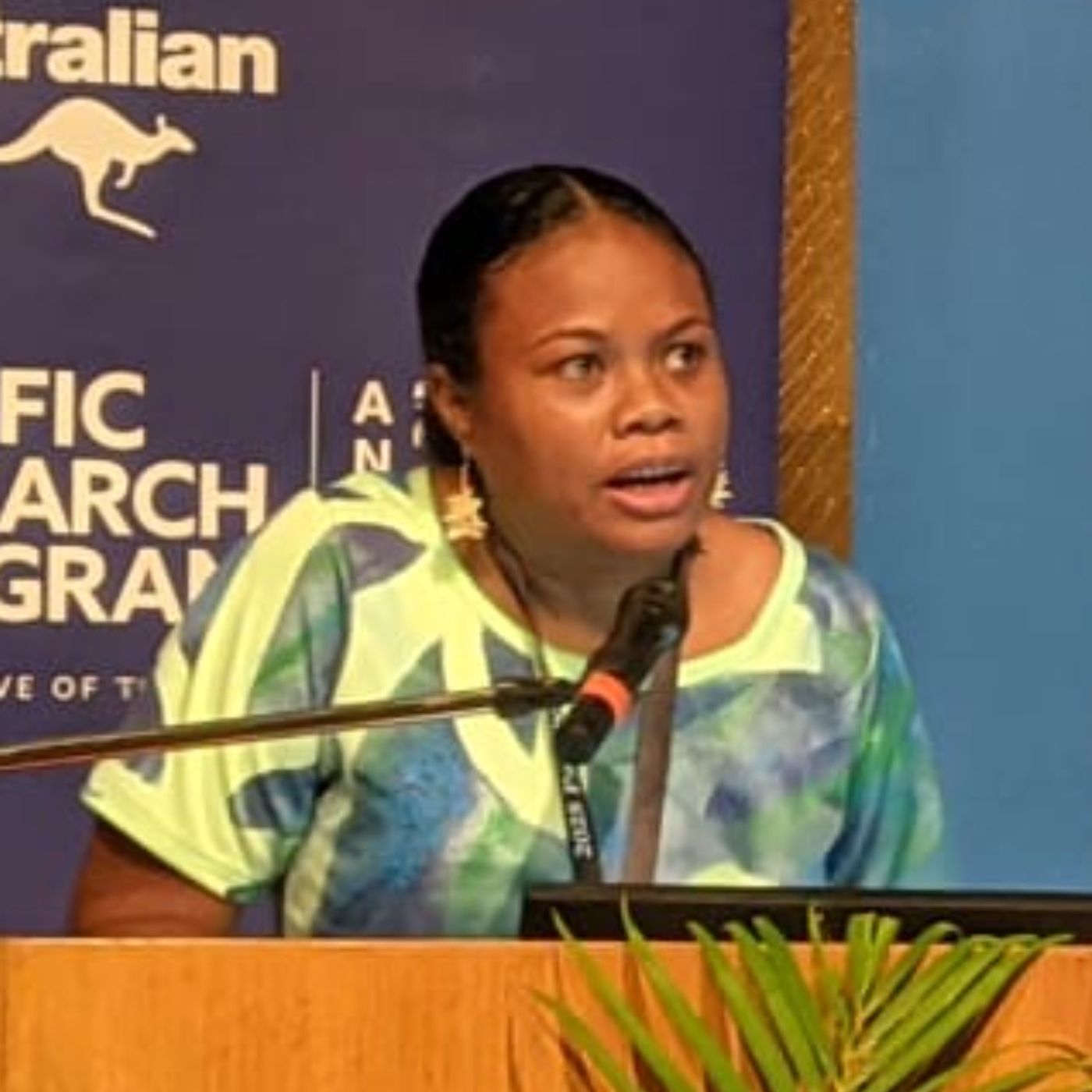 Managing labour mobility for Solomon Islands: a conversation with Christina Marau 11.07.2025 57分Christina Marau, Director for Labour Mobility at the Solomon Islands Ministry of Foreign Affairs and External Trade, provides an insider's perspective on how Pacific labour mobility schemes operate in practice. Drawing on her experience managing a system that handles thousands of applications and maintains a database of 6,500 work-ready candidates, Marau explains how Solomon Islands has become one of the most successful participants in Australia's Pacific Australia Labour Mobility scheme and New Zealand's Recognised Seasonal Employer program. She discusses the economic imperative driving participation — with remittances reaching $475 million SBD in 2024 — while addressing practical challenges from managing worker expectations to preventing absconding. Marau then shares her vision for expanding labour mobility opportunities throughout the Pacific region.
 -
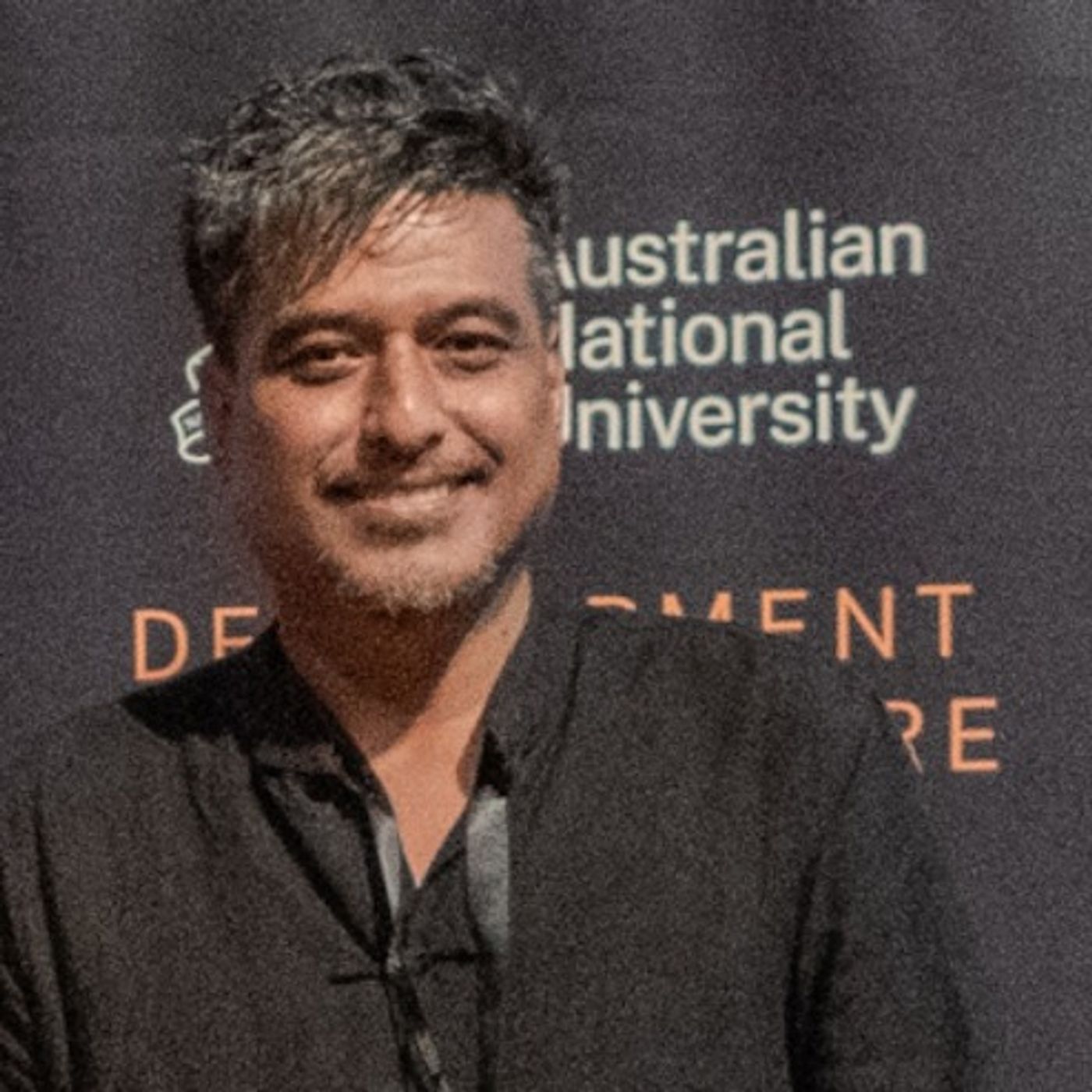 Uncovering Kiribati: Rimon Rimon on press freedom in the Pacific 28.06.2025 34分Rimon Rimon, one of Kiribati’s most influential journalists and communicators, joins Devpolicy Talks to reflect on his journey from government adviser to independent media leader. Drawing on his decade as Lead Communications and Public Relations Adviser to President Anote Tong — where he helped shape Kiribati’s global climate narrative — Rimon discusses the challenges and importance of independent journalism in the Pacific, his fight against misinformation and the lessons he has learned about governance, accountability and the power of storytelling.
 -
 Fiji's economic future: a conversation with Deputy Prime Minister Biman Prasad 13.06.2025 37分Biman Prasad, Fiji's Deputy Prime Minister and Minister of Finance, discusses the country's economic recovery, the challenges of coalition government and his vision for deeper Pacific regional integration. Drawing on his unique perspective as both an academic economist and experienced politician, Prasad explains how Fiji is navigating post-COVID recovery while managing significant debt, why he believes visa-free travel throughout the Pacific (including Australia and New Zealand) is essential for true regional integration, and how the unprecedented coalition government is working to restore democratic institutions after years of restrictions.
 -
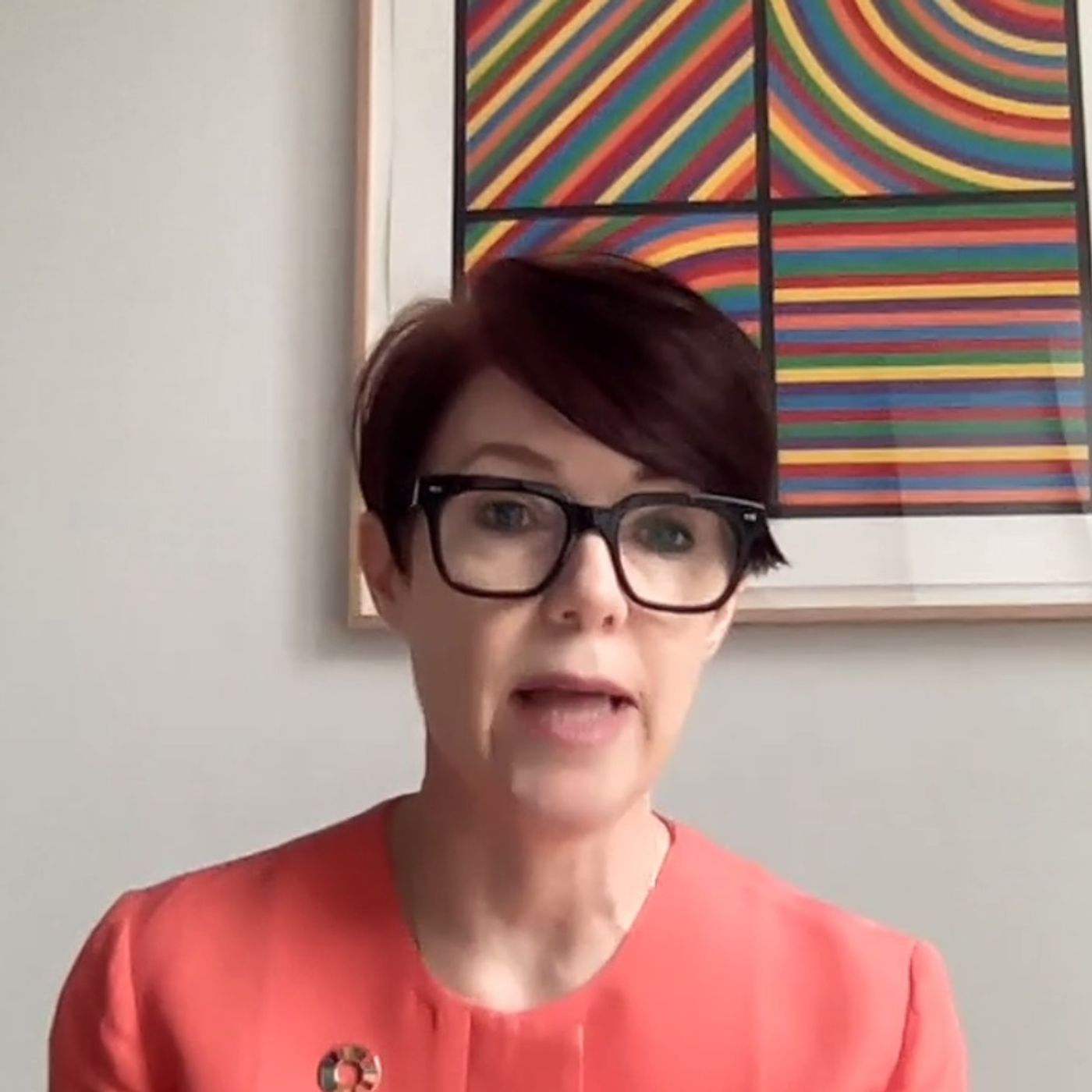 Fighting for Every Breath: a conversation with Leith Greenslade 31.05.2025 48分Leith Greenslade, founder of JustActions and coordinator of the Every Breath Counts Coalition, discusses why childhood pneumonia remains the world's leading infectious killer of children despite being preventable and treatable. Drawing on her experience across major global health institutions and her groundbreaking advocacy during COVID-19, Greenslade reveals the systemic failures that have kept pneumonia in the shadows and charts a path forward as the world moves toward the 2030 deadline for achievement of the Sustainable Development Goals.
 -
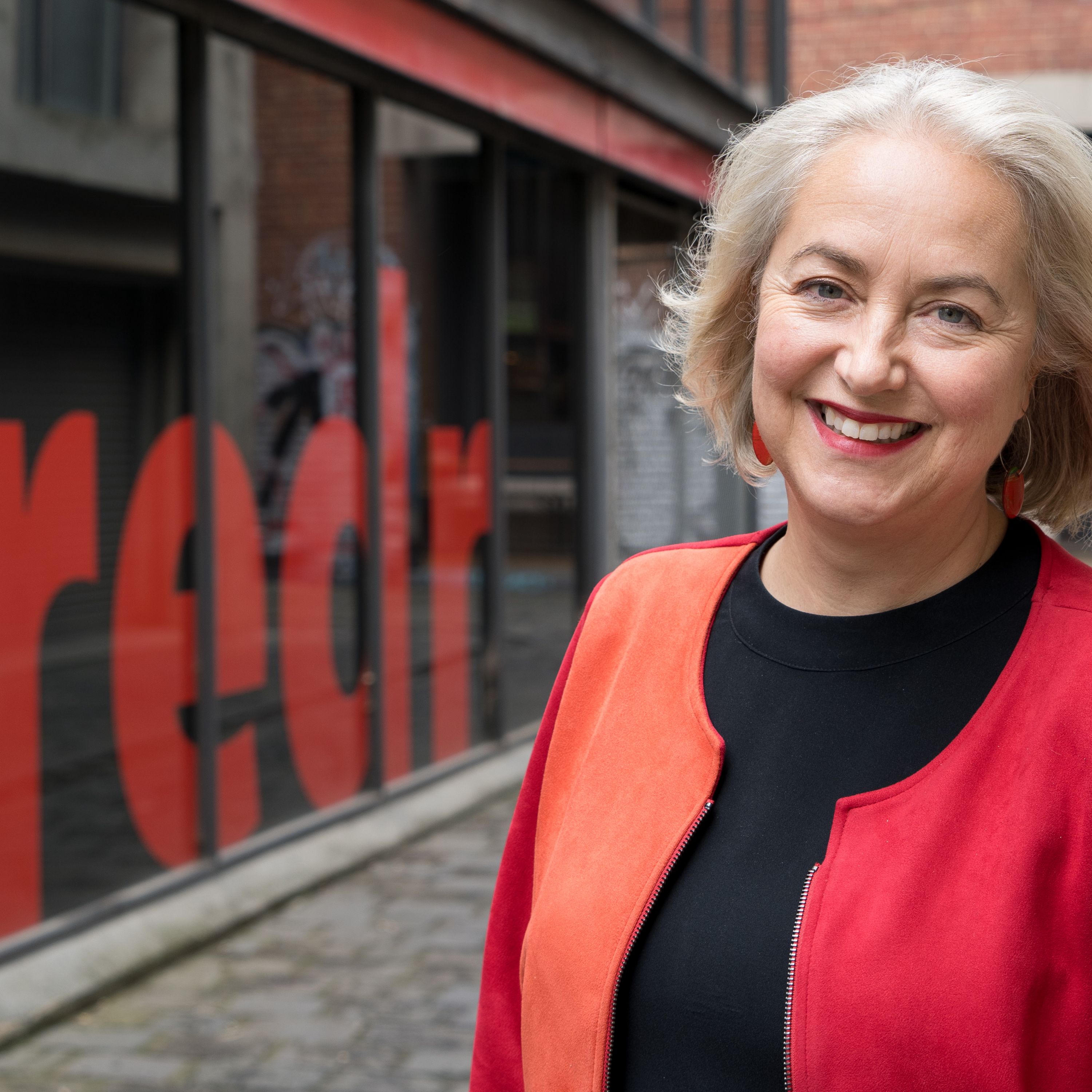 Solving wicked humanitarian problems: a conversation with Dr Helen Durham AO 20.05.2025 48分Dr Helen Durham AO, CEO of RedR Australia and a leading figure in international humanitarian law, joins Robin Davies for a wide-ranging conversation about her career, the challenges of protecting civilians in conflict, and the future of humanitarian action. Durham, who was appointed an Officer of the Order of Australia in 2017 for her distinguished service to humanitarian and criminal law, reflects on her journey from grassroots legal work to senior leadership at the International Committee of the Red Cross (ICRC) and her current efforts to strengthen Australia’s crisis response capabilities. The discussion explores her pivotal role in global legal reforms, the complexities of working with diverse actors-from military commanders to non-state armed groups-and her commitment to practical, culturally sensitive solutions in humanitarian settings.
 -
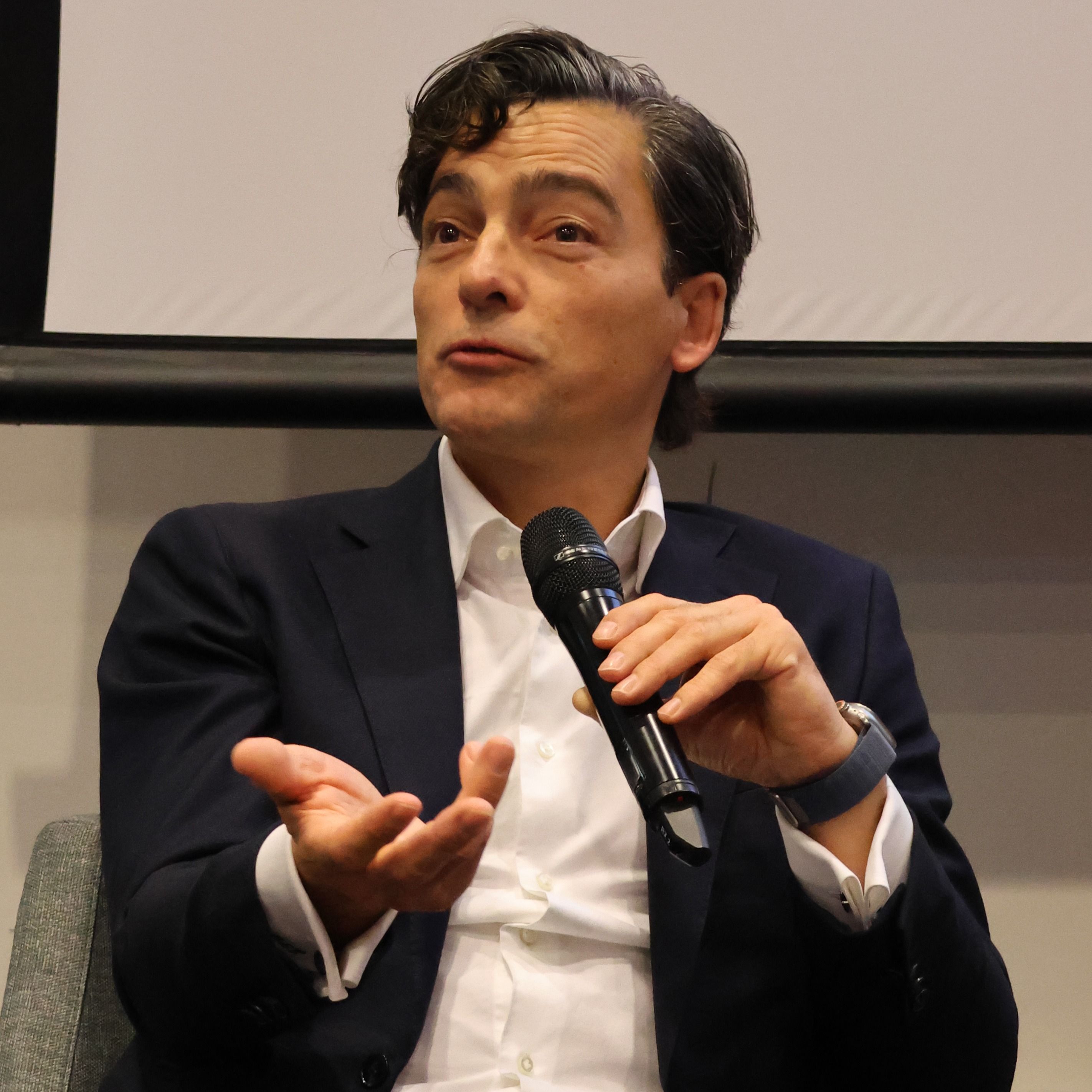 Intelligence for good: Jelle Postma on unveiling anti-rights actors 02.05.2025 43分In this episode of Devpolicy Talks, Robin Davies speaks with Jelle Postma, founder and CEO of the Dutch NGO Justice for Prosperity, about the rising influence of anti-rights actors across the Asia-Pacific. Drawing on his extensive background in intelligence, security, and international diplomacy, Postma details how his Amsterdam-based NGO investigates and exposes extremist, ultra-conservative and populist groups working to undermine democracy and human rights. The conversation explores the findings of Justice for Prosperity’s landmark report, developed in collaboration with the International Planned Parenthood Federation, Unveiling subversive power: shedding light on anti-rights actors in the Asia-Pacific region, and examines what can be done to counteract these subversive threats.
類似ポッドキャスト


人気の国
このポッドキャストはこれらの国のポッドキャストチャートにも登場します。

