
Yogaland Podcast
Andrea Ferretti
0
This down-to-earth podcast by Andrea Ferretti, former executive editor of Yoga Journal, keeps listeners informed and inspired to practice yoga. Topics range from nitty gritty technique, often with her yoga teacher husband Jason Crandell, to conversations about applying yoga's lessons for a happy, balanced life.
Epizodai
-
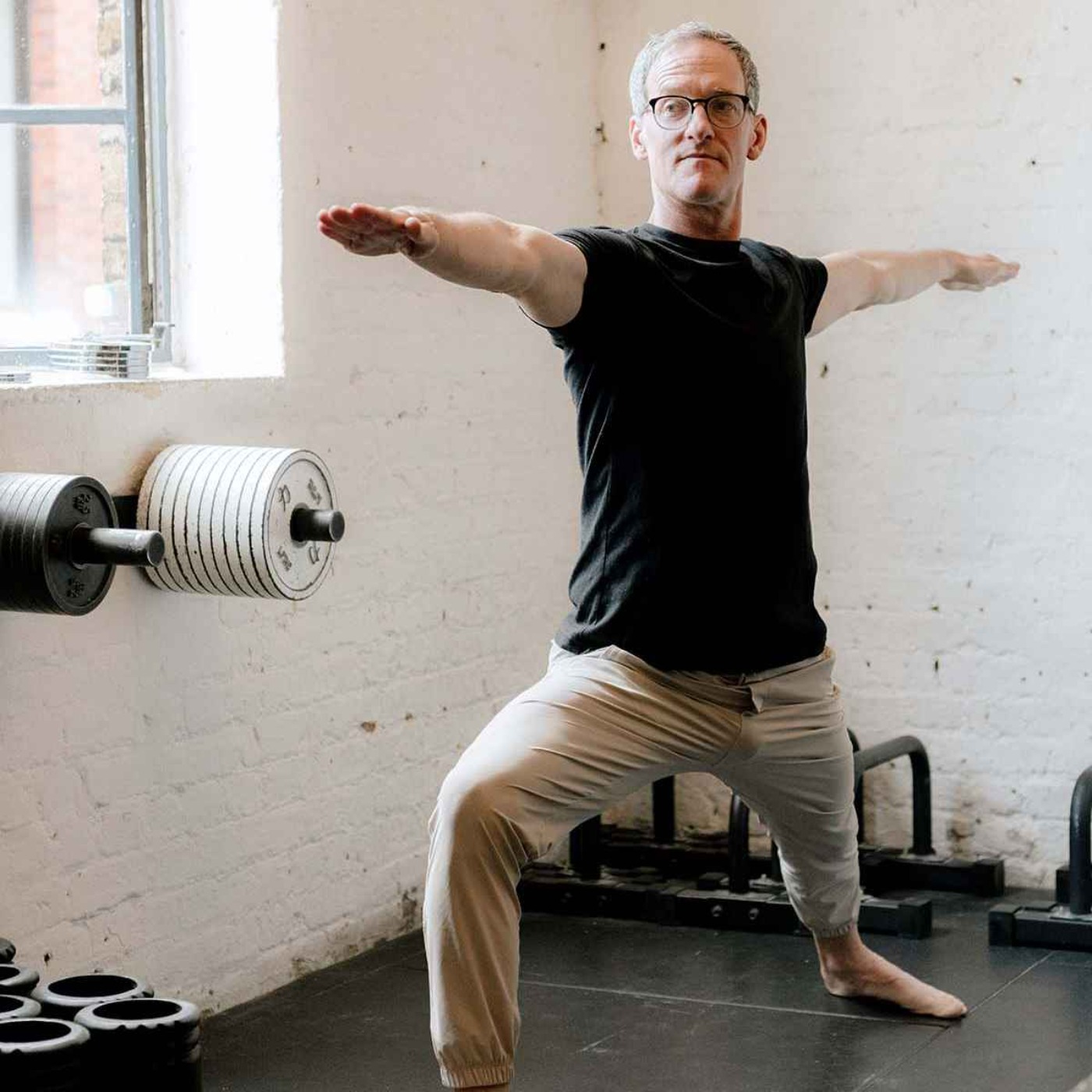 The Six-Phase Structure to Build a Strong Yoga Class 23.09.2026 42minIf you've been wondering how to incorporate resistance training into your yoga classes without losing what makes yoga yoga — this episode is for you.In this conversation breaks down his exact six-phase structure bringing resistance training into a yoga context. The central insight: resistance doesn't make yoga harder. Done intelligently, it makes yoga easier, more embodied, and more effective than ever before.We talk through:-Why Jason developed this approach — the personal and professional reasons behind this evolution-Why yoga props have always facilitated length and support-How resistance training and yoga are complementary modalities that address each other's gaps directly-Andrea's personal experience of how targeted strengthening resolved years of chronic SI joint pain -Why pranayama and meditation are non-negotiable in this structure-The interdisciplinary philosophy behind Jason's approach — why looking at embodiment through multiple lenses produces greater truth than any single ideology-Why Jason is not replacing his existing yoga teaching — this is an addition, not a substitution!NOTE! Jason's Strong Yoga: The Fundamentals of Resistance Training for Yoga Teachers will be open for enrollment soon! Click here to join the waitlist and we'll send you the details: jasonyoga.com/strengthSupport this show http://supporter.acast.com/yogaland. Hosted on Acast. See acast.com/privacy for more information.
 -
 Yoga(ish): Life Updates, Big Changes, and What This Summer Taught Us 17.09.2026 47minThe summer went quickly; we thought we'd reconvene and catch you up on our latest in life and yoga. As a reminder! Yoga-ish conversations are where we share life stuff, and although it may cross over into yoga territory, it is decidedly non-technical. This week, we cover a lot of ground and talk about:Books we loved this summerWhat we're watching (spoiler: We're divided over Widow's Bay)Surprising joy in our journey with memory careJason's professional evolution and the vulnerability that comes with itWhat's coming next — a new resistance training course for yogis called Strong Yoga. Join the waitlist to learn all about it: jasonyoga.com/strength Support this show http://supporter.acast.com/yogaland. Hosted on Acast. See acast.com/privacy for more information.
 -
 Yoga Philosophy Explained — The 6 Core Teachings That Unite Every Tradition 29.07.2026 33minWhat is yoga — really?Most practitioners and teachers can answer that question with a pose, a breath, or a feeling. Far fewer can answer it with the philosophical depth the tradition actually deserves. This week's episode does just that.Drawing on academic scholarship, Sanskrit etymology, and nearly 30 years of teaching and study, Jason identifies the six core teachings that appear consistently across the diverse spectrum of yoga traditions — from Hatha to Jnana, from Karma to Bhakti, from Patanjali to modern practice. Not a single reductive definition, but a genuine philosophical framework that holds up across lineages, eras, and approaches.Support this show http://supporter.acast.com/yogaland. Hosted on Acast. See acast.com/privacy for more information.
 -
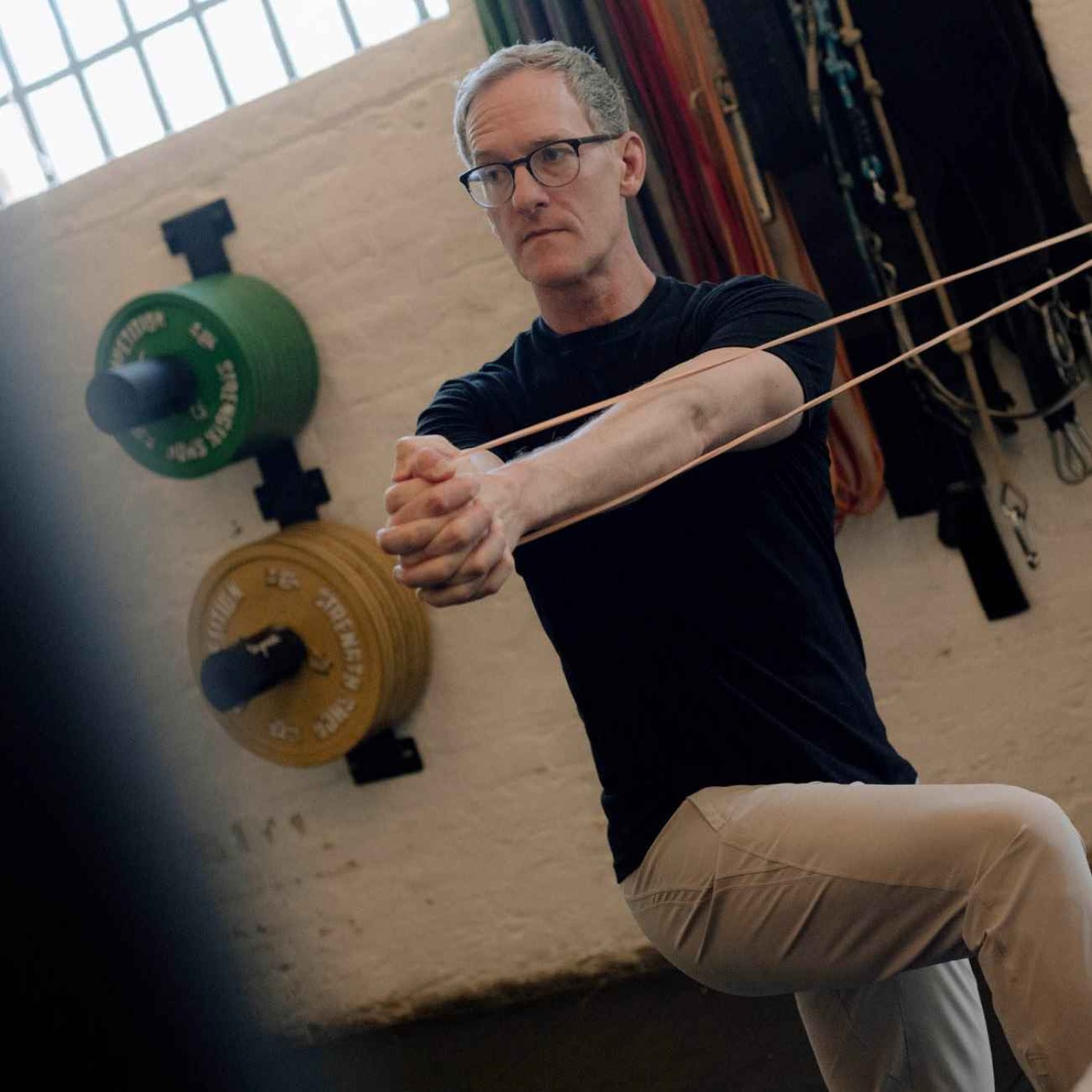 Your Twists Are Missing This 23.07.2026 21minMost yoga twists are done to the spine — not with it. In nearly every conventional yoga twist, the arms and legs do the work: The hand presses against the knee. The elbow hooks outside the thigh. The leverage of the limbs produces the rotation, while the spinal muscles — the obliques, the multifidus, the deep rotators — remain largely passive. The spine is being twisted. It is not doing the twisting. I turn this on its head in this week’s solocast. In 15 minutes, you’ll transform the quality and depth of three yoga-informed spinal rotation exercises by adding resistance bands. This is not just about better twists. It's about building functional rotational strength that yoga's conventional twisting patterns cannot provide.Support this show http://supporter.acast.com/yogaland. Hosted on Acast. See acast.com/privacy for more information.
 -
 Does Yoga Build Strength? The Science Behind What Yoga Actually Does 11.07.2026 44minThis week Jason and I have a conversation the yoga world has been dancing around for years: Does yoga build strength? Jason offers an honest framework for understanding the ways that yoga builds strength — and where it genuinely falls short. What You'll Learn: Why strength matters — particularly for longevity The two primary components of strength development and how yoga addresses each oneHow yoga builds neuromuscular strength, efficiency, and coordination — and why that's more valuable than most practitioners realizeWhy yoga will never produce hypertrophy — and what that means for long-term health, muscle mass, and metabolic functionWhat progressive overload is and why bodyweight training alone cannot provide itWhy yoga primarily recruits Type 1 fibers and almost never accesses Type 2 fibers and why it mattersWhy resistance training and yoga are not competing modalities — they are extraordinary partnersThe Iyengar yoga innovation argument: why adding resistance training tools to yoga is no different from what the greatest yoga innovators have always doneSupport this show http://supporter.acast.com/yogaland. Hosted on Acast. See acast.com/privacy for more information.
 -
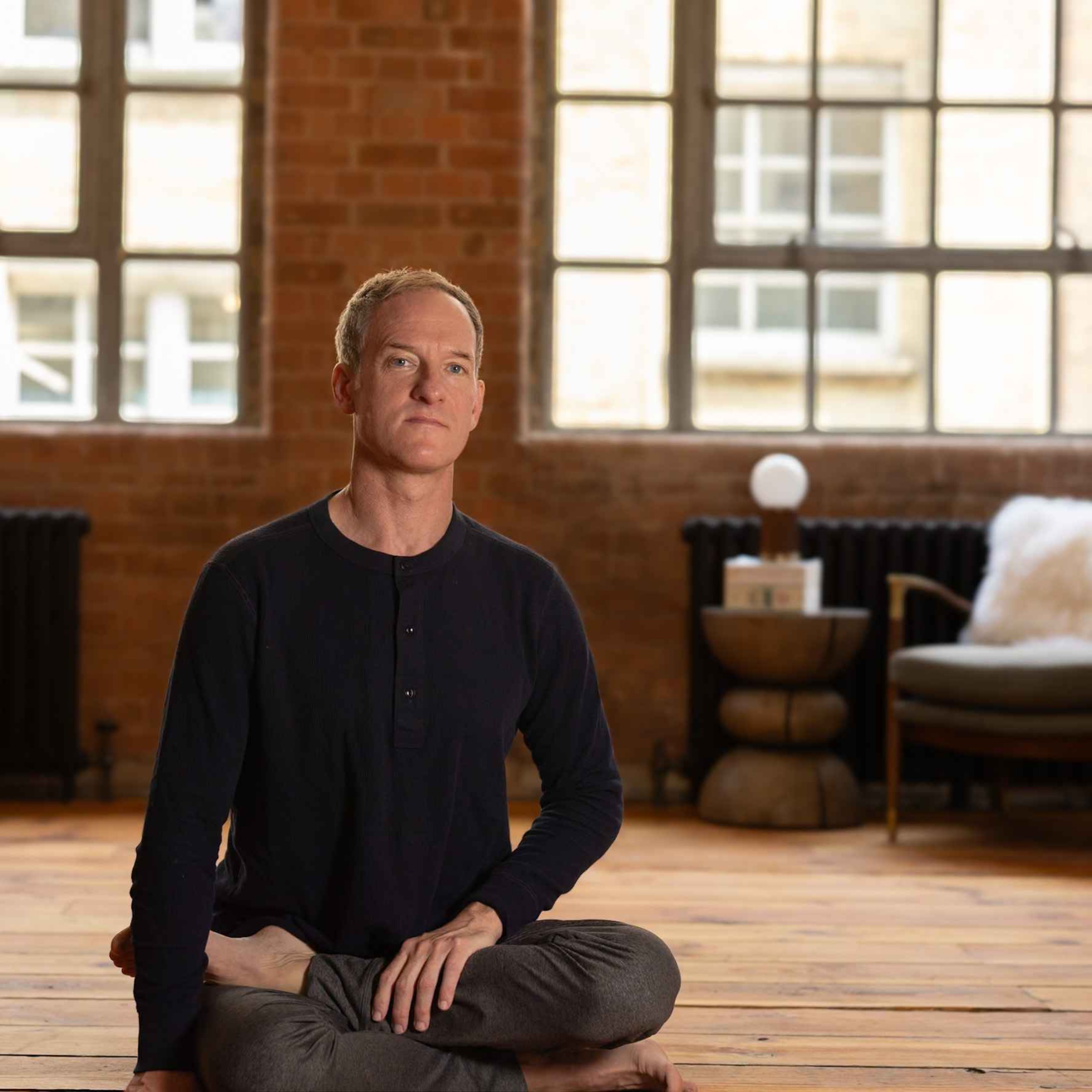 3 Breathwork and Pranayama Techniques for Yoga Teachers Who Keep Putting It Off 01.07.2026 21minIf you've been meaning to teach pranayama in your classes but keep finding reasons to wait — this week's podcast is for you.Most yoga teachers want to include breathwork. The problem isn't interest — it's knowing where to start, how long to spend, and whether students will actually value it. This episodes solves all three problems in under 20 minutes, with three simple, immediately usable techniques you can bring to your next class.No restructuring required. No special training needed. Just three practical breathwork tools, three locations in your class to use them, and the confidence to begin.The Three Techniques Covered:Coherence Breathing / Sama Vritti Pranayama — 5.5 x 5.5 seconds, ideal for class openingsBreath-linked movement — half sun salutations, Utkatasana flow, eagle arms transitionsExtended exhale breathing — 6:2:8:2 ratio, ideal pre-Savasana for nervous system downregulationChapters:00:00 Introduction — why yoga teachers keep putting pranayama off01:20 Concern 1: Will my students get bored?02:06 Concern 2: Which technique should I use?02:27 Concern 3: Where does pranayama go in class?03:49 Location 1: Class opening — coherence breathing07:07 Location 2: Within dynamic movement — breath-linked movement patterns10:31 Location 3: Pre-Savasana — extended exhale breathing13:51 The final challenge — pick one technique and try it this weekSupport this show http://supporter.acast.com/yogaland. Hosted on Acast. See acast.com/privacy for more information.
 -
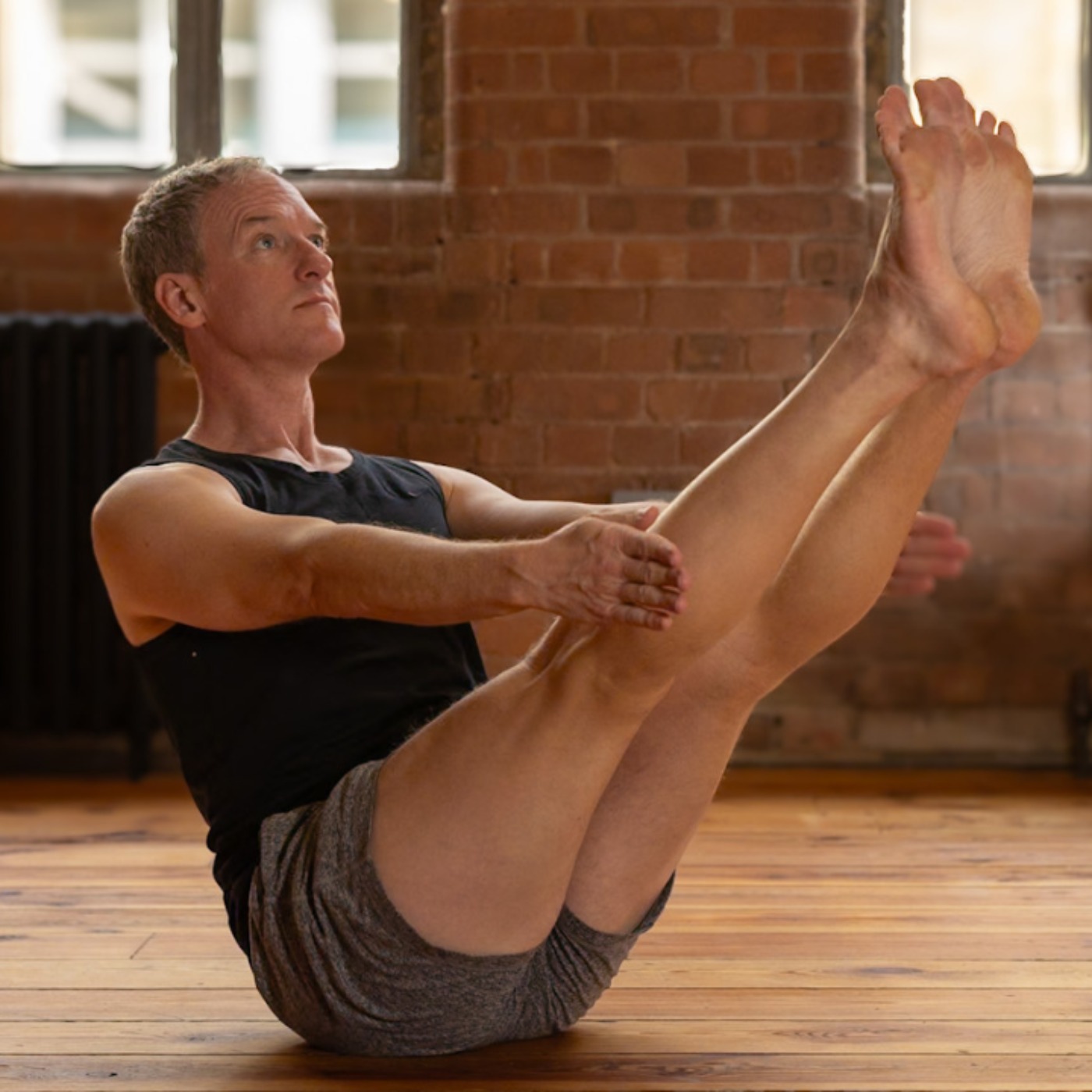 Boat Pose Is Not an Ab Exercise 09.06.2026 14minMost yoga teachers cue Full Boat Pose as an abdominal exercise. It isn't — and once you understand why, you'll also discover Low Boat Pose: the most underused core exercise in yoga.Full Boat Pose (Paripurna Navasana) is primarily a hip flexor exercise. Low Boat Pose (Ardha Navasana) is primarily an abdominal exercise. Understanding why — and how to use both intelligently — is one of the most practical yoga anatomy insights you can bring to your teaching and your practice.Support this show http://supporter.acast.com/yogaland. Hosted on Acast. See acast.com/privacy for more information.
 -
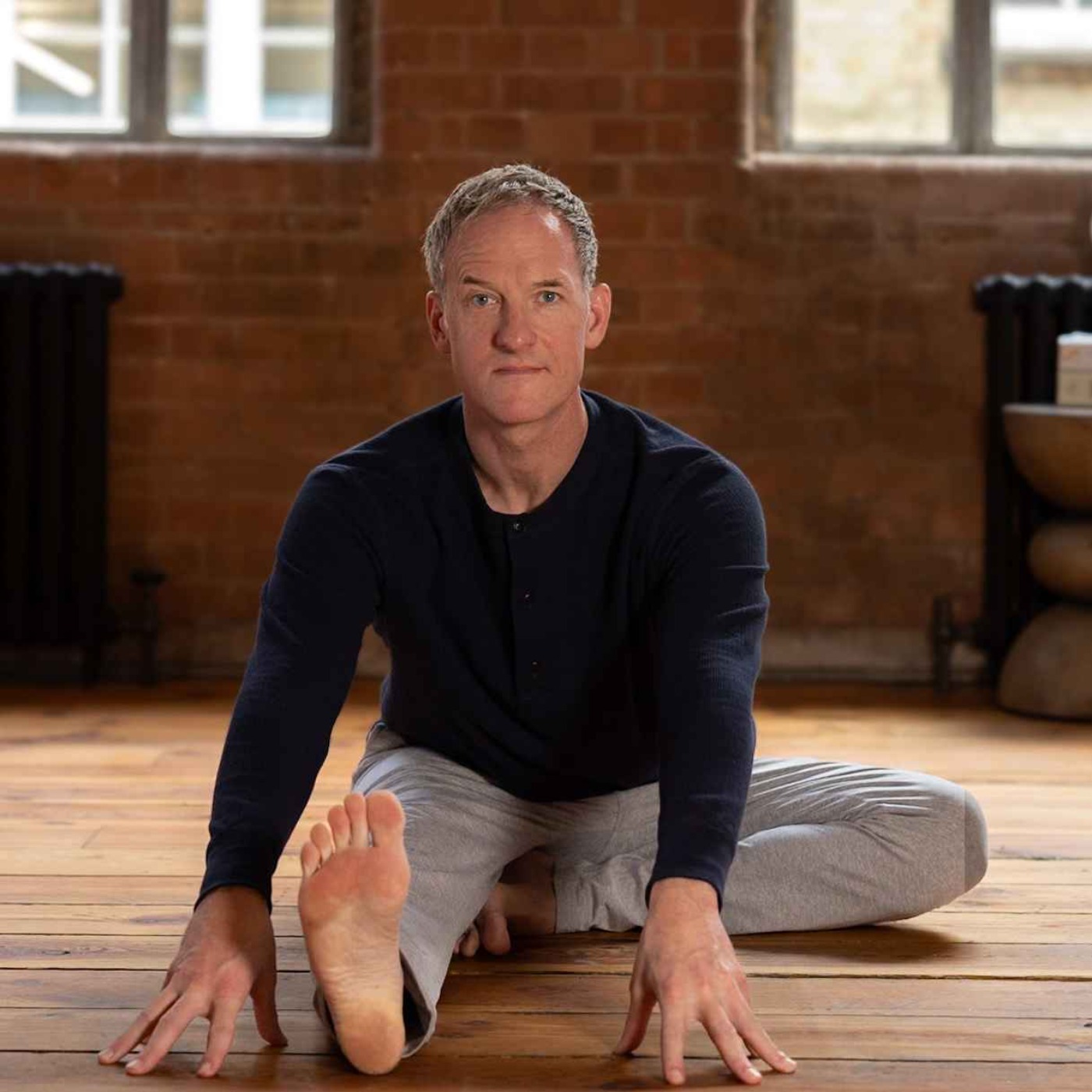 The Real Reason Your Hamstrings Are Still Tight — A Mobility Breakdown for Teachers & Students 02.06.2026 17minMost people assume tight hamstrings are a stretching problem. They're not. Hamstring tightness is almost always multifactorial, which means the solution requires a broader range of strategies — not more of the same stretching that hasn't worked.On this podcast, Jason breaks down 6 evidence-informed strategies for improving hamstring flexibility that go well beyond passive stretching. Whether you're a yoga teacher, yoga student, or anyone focused on mobility and movement quality, these strategies will change how you think about — and train — your hamstrings.What you'll learn:-Why foam rolling works neurologically — not just mechanically — and how to use it as a primer before you stretch-Why strengthening your glutes may do more for your hamstring flexibility than more stretching ever will-How weak hip flexors limit anterior pelvic tilt — and why that directly limits hamstring length-Why your adductors (especially adductor magnus) may be quietly working against your hamstring flexibility-How dynamic stretching and engaged stretching give your nervous system more feedback — and unlock more range than passive stretching alone-Why hamstring tightness is almost always multifactorial — and why there is no single magic techniqueSupport this show http://supporter.acast.com/yogaland. Hosted on Acast. See acast.com/privacy for more information.
 -
 Yoga Teachings That Have Endured — 10 Years and 8 Million Downloads Later 20.05.2026 1val 2minWow wow wow -- it's been 10 years since the launch of Yogaland! It feels like it's been a heartbeat and also a lifetime. There's been so much learning, growth, and love while making these episodes for the past decade. I spent time compiling precious insights--gems if you will--that stood out to me from the past 10 years.We revisit moments with:Amy Ippoliti — free diving, environmental activism, and asking young people about purpose instead of popularityJames Woods (Dat Yoga Dude) — bringing yoga and social-emotional learning into schools and communitiesMaty Ezraty — why even the most accomplished yoga teachers still get nervous before every classSusanna Harwood Rubin — navigating metastatic cancer with devotion, sacred spaces, and graceJudith Lasater — the concept of inner gold and what distinguishes a truly good teacher from an abusive oneJill Miller — the five Ps of inducing the relaxation response and harnessing vagal toneAndrea Jain — an unbiased take on academic history of yoga's globalizationJulia Lowrie Henderson — the psychology behind why Bikram's cruelty registered as trustworthinessSally Kempton — the mantra that changed her relationship to failureTias Little — perfectionism as a cul-de-sacTara Stiles — doing it your own way, softness, and building a yoga practice around easeDaya Grant — what neuroscience tells us about the yoga practitioner's brain and interoceptive awarenessLisa Walford — four pillars of health developed after an HIV diagnosis in 1985, decades ahead of her timeSupport this show http://supporter.acast.com/yogaland. Hosted on Acast. See acast.com/privacy for more information.
 -
 Instability and Love: A Conversation About Family, Addiction, and Recovery 09.05.2026 1val 45minThis week's podcast is such a special one because it focuses on our family. Jason sits down with his brother, Todd, to talk about growing up together, the chaos of addiction within family, anxiety, self-compassion, and healing as an ongoing process. I love both of these men so much, and I'm so proud of them for sharing so openly. This isn't a yoga-specific episode — it's a conversation between two brothers about family trauma and the instability that addiction creates for everyone, not just the person with the addiction. I hope you will listen, and if you or someone you know is struggling with addiction or is in recovery, I hope you will share it. Support this show http://supporter.acast.com/yogaland. Hosted on Acast. See acast.com/privacy for more information.
 -
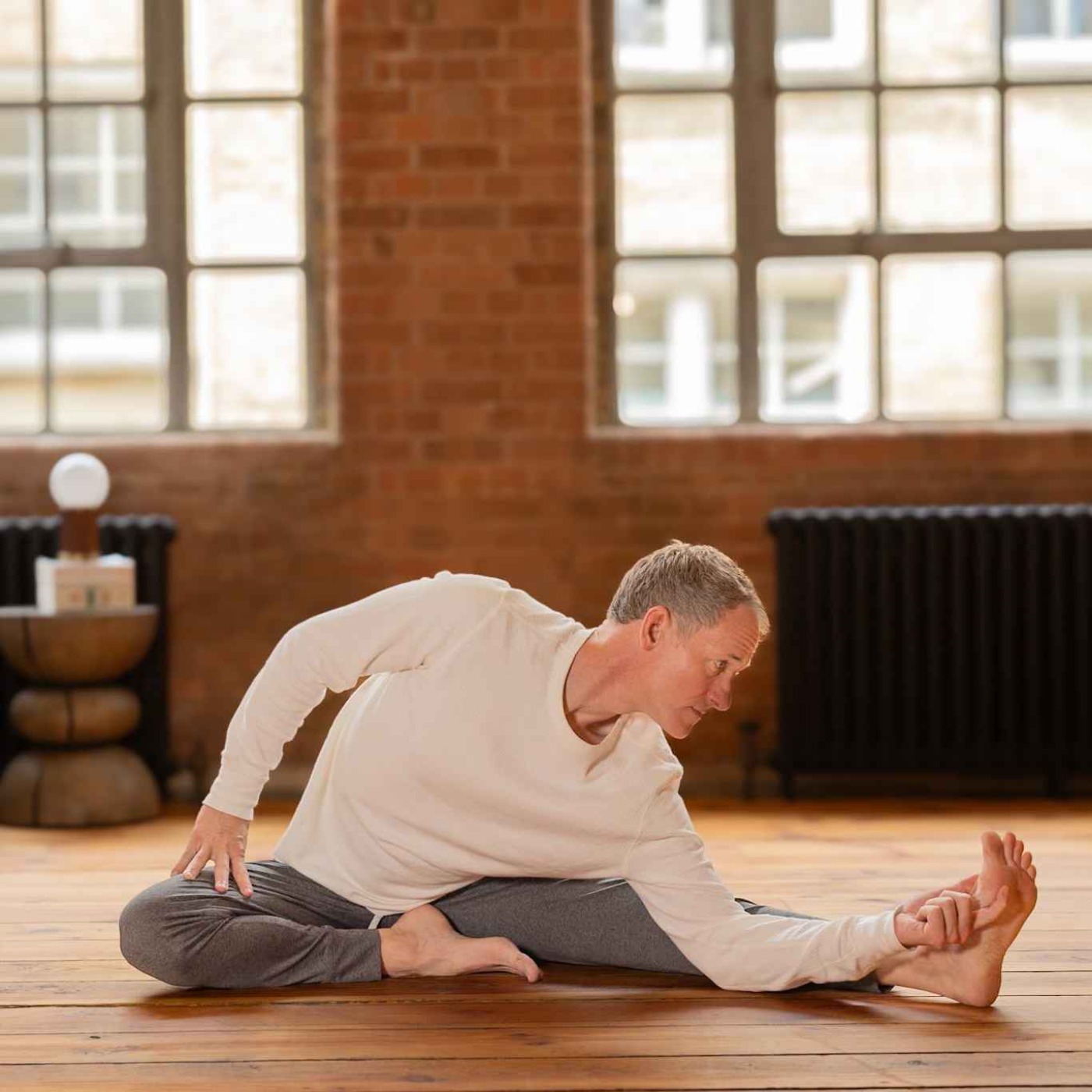 What Science Actually Says About Getting More Flexible — No Cherry Picking 21.04.2026 27minAs yogis, we’re certainly aware of the many benefits of stretching — but are you aware of what the research actually says about how to stretch effectively? Or how to evaluate that research honestly? On this week’s Yogaland, I’m sharing meta-analyses and systematic reviews to give you a clear, accurate, and intellectually honest picture of what actually increases flexibility. In this episode, you’ll learn: Why dynamic and passive stretching work through completely different mechanisms — and why you need both. What the research consistently shows about stretch intensity — and why moderate intensity outperforms both light and maximal stretching for tissue adaptation. The sweet spot for hold duration — and why total weekly volume matters more than any single session variable. The most important and most under-appreciated variable in flexibility training.I'd love to know what you think of episodes like these, so please leave a comment. It also helps others find our work.Support this show http://supporter.acast.com/yogaland. Hosted on Acast. See acast.com/privacy for more information.
 -
 Yoga(ish): Moon Joy, the Overview Effect, and Why Astronauts Sound Like Meditators 15.04.2026 44minWhat happens when two yoga teachers fall down a NASA rabbit hole and can't stop thinking about non-duality, The Overview Effect, and Grandmother Moon? This episode of Yoga-ish — our more personal, less technique-focused podcast — is exactly that kind of conversation.Yoga-ish is where Jason and Andrea talk about their actual lives: what they're reading, watching, thinking about, and how all of it connects (loosely) to yoga, mindfulness, and the work of being a human.We covered so much this week, including:- Artemis II & The Overview Effect — and why astronauts returning from space sound a lot like meditators coming out of deep practice- Christina Koch's transmission from the far side of the moon and what "moon joy" actually means- Our review of Project Hail Mary + what we're reading- Neurodivergent kids, intrinsic motivation, and letting go of the sticker chart- 10 years of Yogaland — and what's coming nextFor more of Andrea's essays and access to free guided meditations, subscribe to her Substack: yogaland.substack.comSupport this show http://supporter.acast.com/yogaland. Hosted on Acast. See acast.com/privacy for more information.
 -
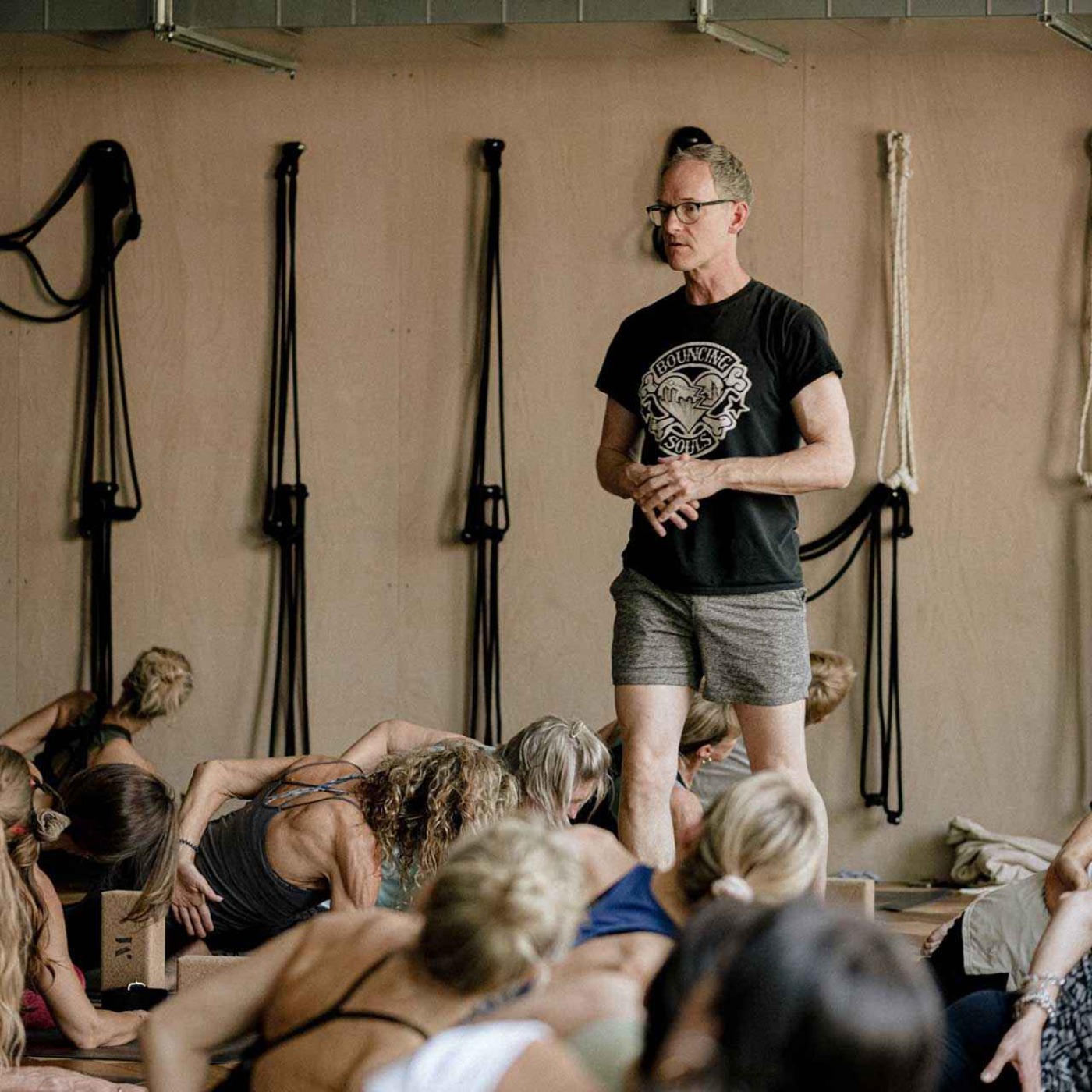 Why Community Matters for Yoga Teachers 13.04.2026 16minIf you've ever felt lonely as a yoga teacher — you're not alone. And that's exactly what this week's podcast is about. Teaching yoga is one of the most isolating jobs most people never see coming. You're surrounded by students, immersed in a tradition built on connection, and somehow you still end up feeling like you're doing it alone. In this video I'm naming that honestly — and talking about what we can actually do about it. Jason talks about:Why teaching yoga is more isolating than it looks from the outsideThe structural reasons yoga teachers feel like ships in the nightThe real cost of isolation — burnout, imposter syndrome, and self-doubtWhy community with fellow teachers is irreplaceableHow connecting to your lineage and tradition sustains youWhat I built to solve this problem — and how you can do the sameBecome part of Jason's community of yoga teachers:✅ Get your 300hr & 500hr Teacher Training Certificate with Jason: https://learn.jasonyoga.com/300Support this show http://supporter.acast.com/yogaland. Hosted on Acast. See acast.com/privacy for more information.
 -
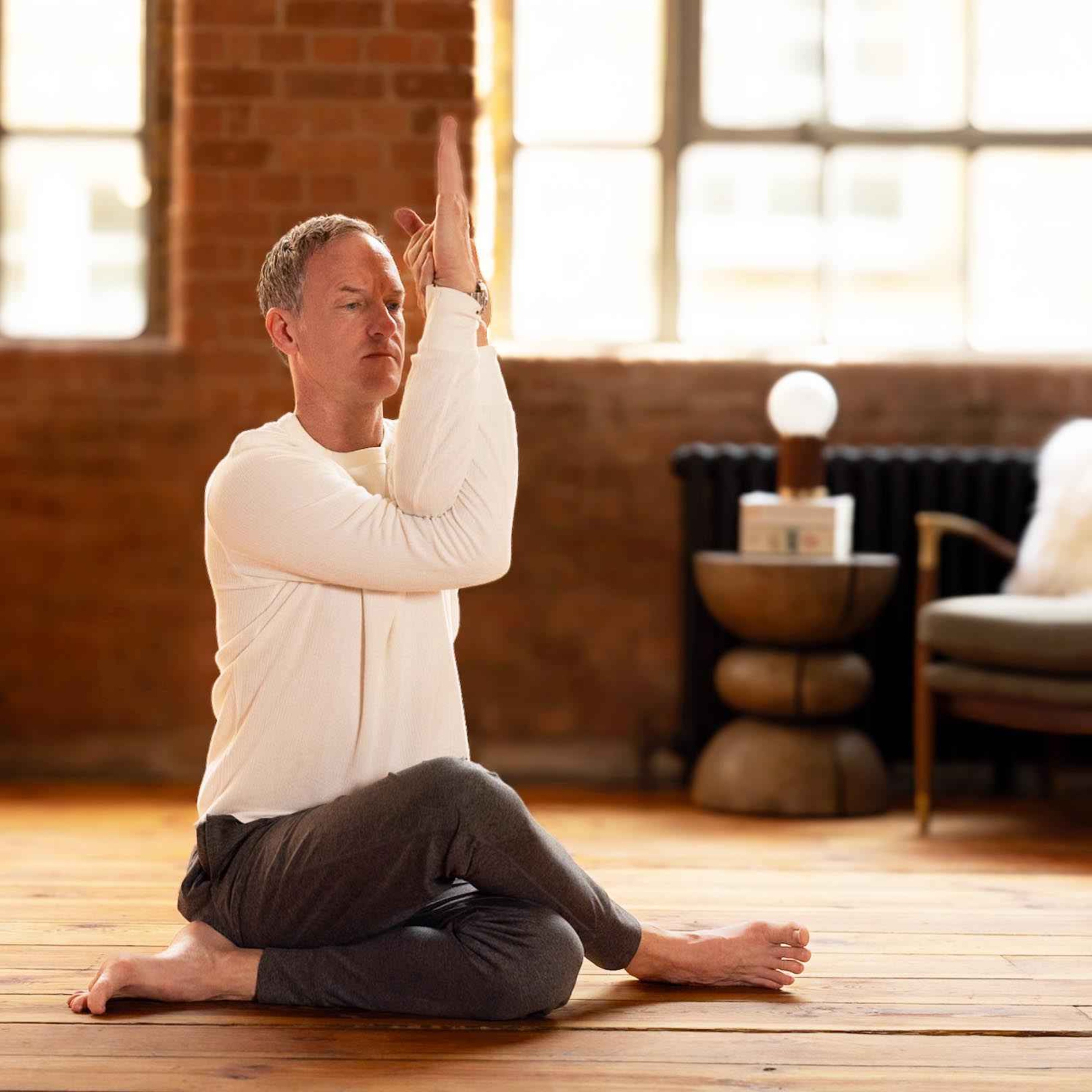 The Four Factors That Actually Control Your Flexiblity 13.04.2026 34minYou've been told to stretch more. You've tried the releases, the routines, the one weird trick. And you're still not as flexible as you want to be. Here's why: flexibility isn't one thing — it's four. And until you understand all of them, you're only ever solving part of the problem.Chapters00:00 — Why flexibility is misunderstood00:33 — The 4 Factors that contribute to flexibility01:47 — Factor 1: Structural factors — your fixed container06:01— Factor 2: Tissue quality — muscle, fascia, tendons and ligaments14:07 — Factor 3: Neural factors — how your nervous system governs range21:24— Factor 4: Lifestyle, age, and training context27:06 — The flexibility matrix — putting it all together28:13 — What this means for your practice and your teachingWHAT YOU'LL LEARN-Why two people can do the same practice for years and have completelydifferent ranges of motion-The difference between flexibility and mobility — and why it matters forhow you train-How your joint architecture sets a ceiling that no amount of stretching can change-Why muscle and fascia respond to training differently — and what each one actually needs-The role your nervous system plays in governing range of motion in real time-Why stress, anxiety, and feeling unsafe in a class literally make you less flexible-How strength training improves flexibility — and why the yoga community gets this wrong-What happens outside the studio that is working for or against your flexibility every single dayWHO THIS IS FOR-Yoga teachers who want a deeper, more honest understanding of how flexibility works-Serious practitioners who have plateaued and want to know why-Anyone who has ever been told they're "just not a flexible person"-Movement educators who want science-backed frameworks they can actually teachABOUT THIS SERIESThis video is part of a deeper curriculum I teach inside my yoga teacher training. If you want the full version of this content — including sequencing protocols, progressive loading strategies, and how to design classes that actually produce lasting change — get more information here: jasonyoga.com/300Support this show http://supporter.acast.com/yogaland. Hosted on Acast. See acast.com/privacy for more information.
 -
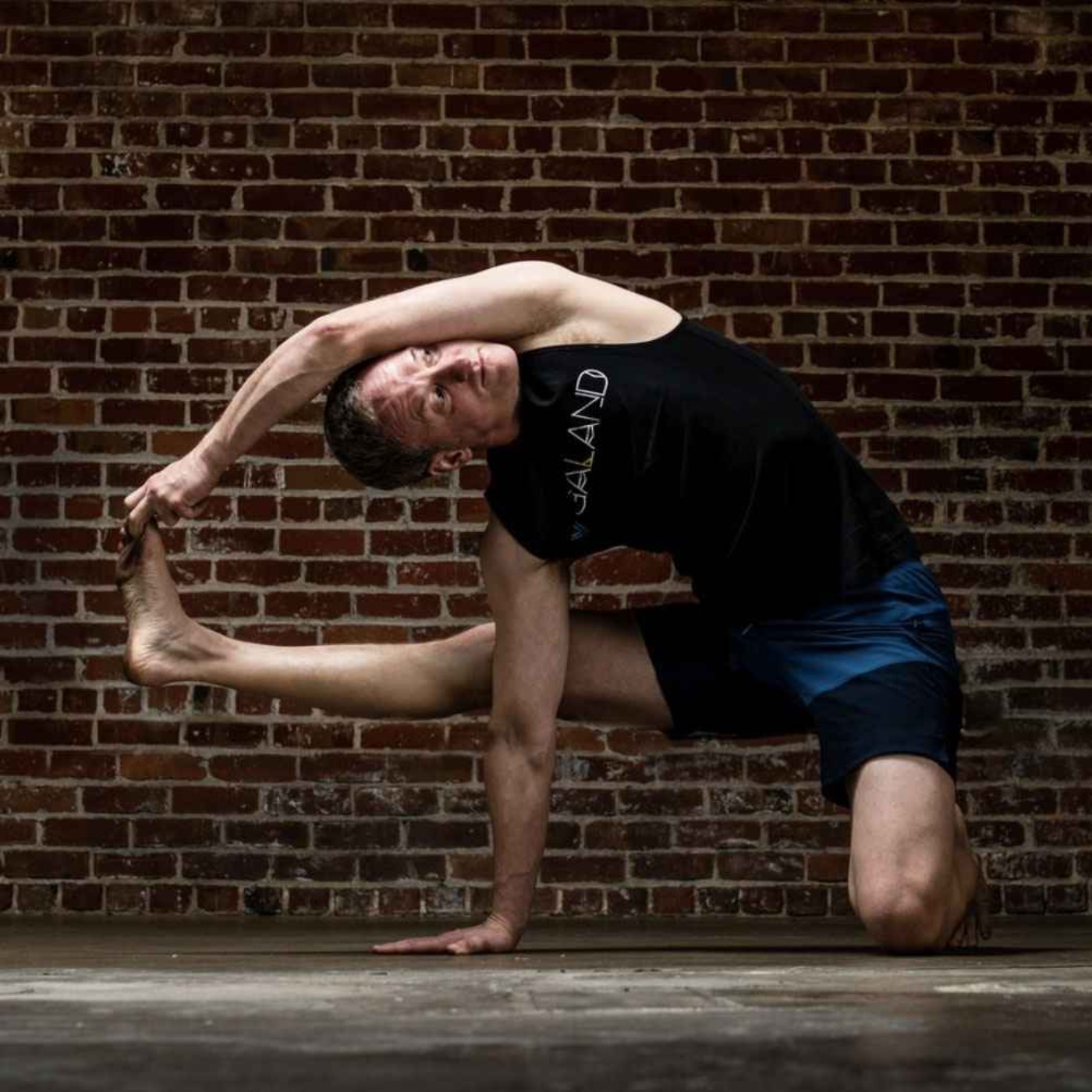 Why Flexibility & Mobility Matter 25.03.2026 18minThe yoga world has done important work questioning its obsession with extreme range of motion — and rightly so. But the pendulum has swung too far. Flexibility and mobility aren't relics of an outdated paradigm. They're essential physical qualities with real implications for how well you move, how long you stay independent, and how good you feel in your body.In this podcast, Jason makes the case for why flexibility and mobility still matter — not as performance goals, not as aesthetic pursuits, but as foundational components of a healthy, functional body.We cover:-Why flexibility and mobility are longevity qualities, not just fitness qualities- How restricted range of motion leads to fibrosis, compensation patterns, and decreased independence over time.-Why flexibility actually contributes to strength — and why the idea that they're opposites is a false premise.-The length-tension relationship and what it means for how muscles generate force.-Why a body with usable, controlled range of motion is more resilient and less injury-prone.-Why feeling good in your body — moving freely, moving fully — is a legitimate and important goalThis isn't a rejection of everything the yoga community has learned about the importance of strength and stability. It's a reclamation of the full picture: a healthy body is strong, stable, mobile, and free. These qualities complement each other. Intelligent practice develops all of them.Support this show http://supporter.acast.com/yogaland. Hosted on Acast. See acast.com/privacy for more information.
 -
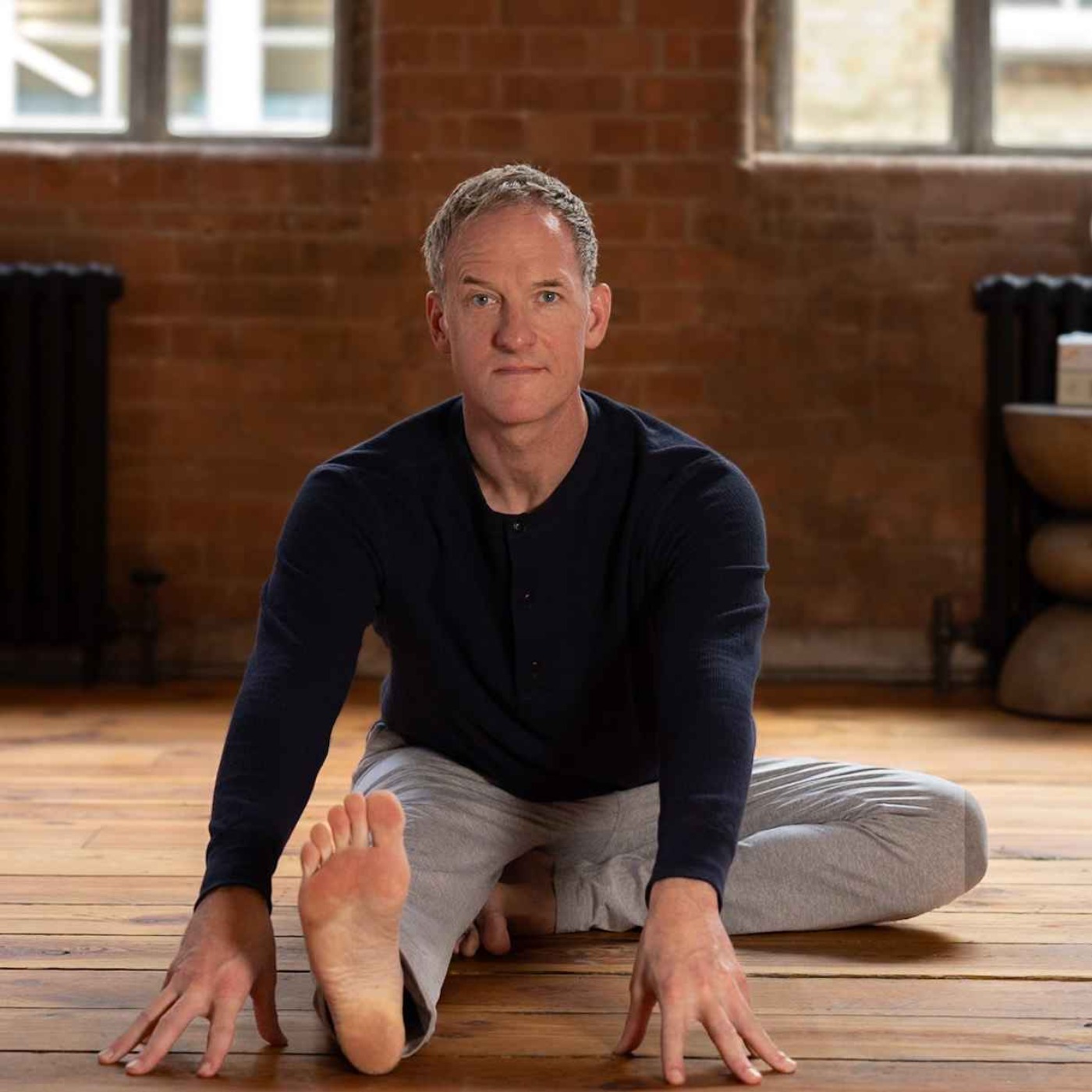 Why Yoga Philosophy Matters 17.03.2026 19minYoga philosophy gives context to the physical practices many of us experience first — postures, breathwork, and meditation. It connects modern yoga to its historical roots and helps us understand the deeper purpose of the tradition.In this conversation, I explore several reasons yoga philosophy still matters today. It provides a framework for values, offers existential perspective, and strengthens the mind in the same way that asana strengthens the body. Philosophy also helps protect yoga from becoming overly performative or purely consumer-driven, reminding us that yoga is ultimately about self-understanding and transformation.Whether you’re a yoga teacher, longtime practitioner, or simply curious about yoga beyond the poses, philosophy can add depth, clarity, and meaning to your practice.Support this show http://supporter.acast.com/yogaland. Hosted on Acast. See acast.com/privacy for more information.
 -
 5 Sequencing Myths That Keep Yoga Teachers Stuck 10.03.2026 37minMost yoga teachers are taught that sequencing should be creative, complex, and always different. But these common beliefs often making teaching harder -- and keep both teachers and students stuck.Support this show http://supporter.acast.com/yogaland. Hosted on Acast. See acast.com/privacy for more information.
 -
 Why Strength Matters 03.03.2026 11minThis is our second in a series of solocasts (you might remember that Andrea did one recently, Why Mindfulness is Still Important). In this week's episode, I explain why strength matters for yoga practitioners and teachers — not as a performance goal, but as a foundational quality that supports stability, protects joints, improves proprioception, and ultimately helps us practice for a lifetime. 💡 In this episode, you’ll learn: • Why strength protects joints and connective tissue • How strength improves stability and supports mobility • Why flexibility without strength can become a liability • How resistance training enhances proprioception and body awareness • Why yoga practitioners especially benefit from developing strength • How strength supports longevity in yoga practiceAs yoga practitioners, we’re already very good at creating flexibility and range of motion. But strength gives us the ability to control that range. It creates tone, stability, and resilience.If you’re a yoga teacher, this perspective may completely change how you think about programming, sequencing, and long-term student development.Support this show http://supporter.acast.com/yogaland. Hosted on Acast. See acast.com/privacy for more information.
 -
 Why The Old Model of Yoga Sequencing Doesn’t Work Anymore 25.02.2026 42minOn this week's podcast, Jason outlines why the old models of yoga sequencing are no longer effective in today's landscape. To name a few: More people cross-train. Fewer students are walking into studios. ClassPass has changed loyalty. Online platforms have shifted expectations. If you want better student retention, stronger engagement, and a more sustainable yoga teaching career, this conversation is essential.⸻⏱ Highlights2:23 Sequencing 2.0 — What’s New6:00 The Two Traditional Sequencing Models6:57 The Problem with Fixed Sequences8:07 The Problem with Random Classes13:29 Why Student Retention Is Harder Now20:39 Online Teaching & Retention29:50 ClassPass & (the lack of) Loyalty35:19 The Solution: Monthly Progressions35:33 How to Build Skill Over Time⸻Jason shares why consistency and novelty must coexist, how to use month-long progressions, how to think like an educator, and how we can help students build skills, helping to build student retention. to maintain retention. If you’re serious about becoming a more effective and modern yoga teacher, it's a must-listen!Support this show http://supporter.acast.com/yogaland. Hosted on Acast. See acast.com/privacy for more information.
 -
 The Most Important Skill Missing from Yoga Teacher Trainings 19.02.2026 34minMost yoga teacher trainings prepare you to teach one class at a time.They don’t teach you how to build real student progress.Chapters:0:00 Introduction4:04 The hidden gap in yoga teacher training5:50 Why “random” classes stall student progress8:40 The burnout cycle for yoga teachers13:24 The curriculum mindset explained14:40 Monthly arcs, series & workshops27:58 Expanding your teaching careerIn this episode, Jason breaks down the most overlooked skill in modern yoga teacher training: learning how to think like an educator instead of teaching one-off classes.Most 200-hour yoga teacher trainings focus on sequencing individual classes. But students don’t learn in 60-minute increments. They need repetition, structure, continuity, and progressive overload to make real progress.You’ll learn:• Why random yoga sequencing leads to student plateaus• How lack of curriculum causes teacher burnout• The difference between novelty and skill development• How to design month-long class arcs• How to create yoga workshops and special series• Why this shift improves student retention and career sustainabilityIf you’re a yoga teacher who wants better student results, stronger retention, and a more sustainable teaching career, this conversation will change how you think about sequencing.Learn more about Yoga Sequencing 2.0 hereSupport this show http://supporter.acast.com/yogaland. Hosted on Acast. See acast.com/privacy for more information.
Panašios tinklalaidės


Populiari šalyje
Ši tinklalaidė taip pat patenka į šių šalių tinklalaidžių topus.


