
The Lean Solutions Podcast
Patrick Adams
0
This podcast offers business solutions to help listeners develop and implement action plans for lean process improvement and implement continuous improvement projects, cost reductions, product quality enhancements, and process effectiveness improvement. Listeners come from many industries in both manufacturing and office applications.
Epizodai
-
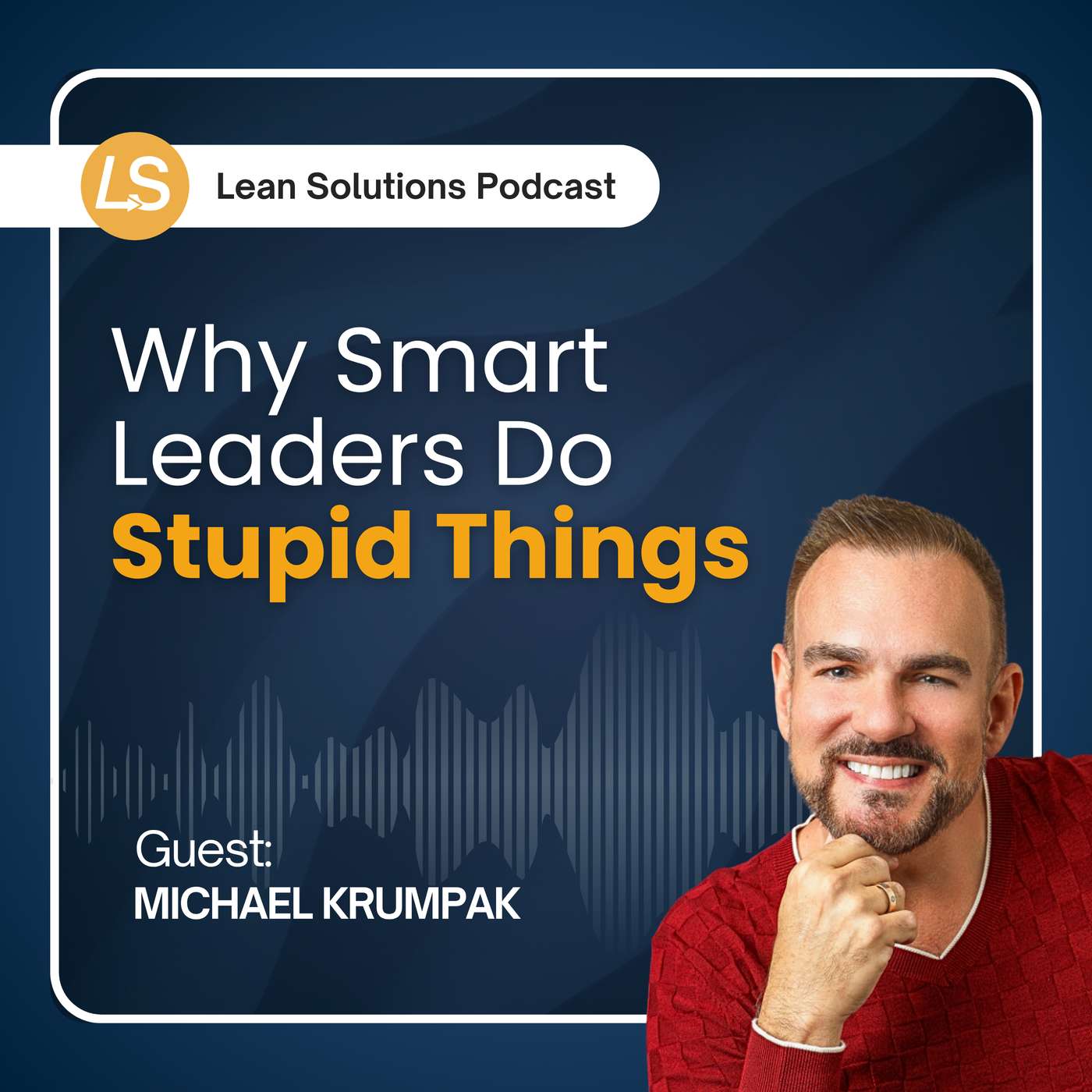 Why Smart Leaders Do Stupid Things 22.09.2026 29minWhat You'll Learn in This Episode:In this episode, Shayne Daughenbaugh is joined by Michael Krumpak, executive coach, leadership advisor, and author of Why Smart Leaders Do Stupid Things, to explore why even experienced, well-intentioned leaders sometimes make poor decisions. They discuss how pressure, stress, and blind spots can disconnect a leader's intentions from their actions—and why recognizing those moments is an important part of becoming a stronger leader.Michael shares examples of how good intentions can create unintended results when leaders fail to understand the perspectives and needs of their people. The conversation explores the importance of curiosity, communication, and feedback in uncovering blind spots, along with why leaders need to continually adapt as they move from individual contributor to increasingly senior leadership roles.Finally, Shayne and Michael discuss practical ways leaders can become more self-aware by actively asking for feedback. Whether through assessments, 360-degree feedback, one-on-one conversations, or team discussions, the goal is to create an environment where people feel comfortable sharing what leaders may not be able to see themselves.Key Takeaways:Good intentions don't always lead to good leadership outcomesFeedback and curiosity help leaders uncover the blind spots they can't see themselvesStrong leadership requires adapting your behaviors as your role and responsibilities changeSelf-awareness grows when leaders create an environment where people feel safe giving honest feedbackLinks: https://www.linkedin.com/in/coachkrumpak/https://l4learningsolutions.comhttps://www.findleansolutions.com/
 -
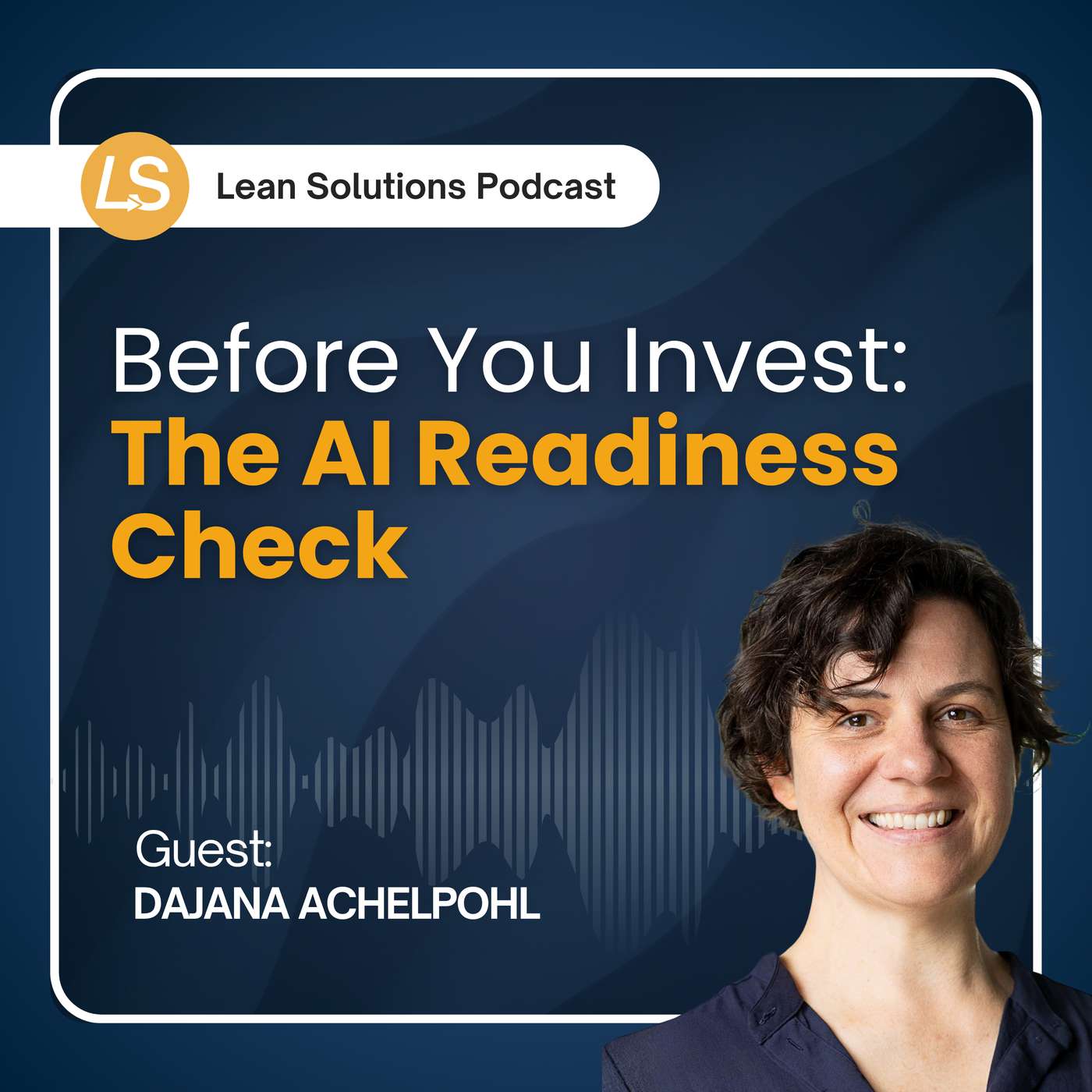 Before You Invest: The AI Readiness Check 15.09.2026 26minWhat You'll Learn in This Episode:In this episode, Catherine McDonald is joined by Dajana Achelpohl to explore the AI readiness gap. The difference between simply giving people access to AI and actually creating meaningful business value from it. They discuss why organizations can invest in AI tools, licenses, and pilot programs yet still struggle to see measurable results or sustained adoption.Dajana introduces a practical five-question framework organizations can use to assess their AI readiness: Why? How? Who? What if? Then what? The conversation begins with understanding why AI is being introduced and connecting it to real business priorities rather than adopting it simply because everyone else is.They also explore why organizations need to understand how work actually gets done before deciding where AI belongs. That means involving the people closest to the work, identifying bottlenecks and repetitive tasks, and integrating AI directly into workflows instead of treating it as another tool sitting alongside the work.The conversation then turns to the people side of AI adoption, including AI literacy, leadership modeling, ongoing coaching, and giving employees the time and skills they need to become comfortable with new tools. Dajana also explains the importance of preparing for AI mistakes through human oversight, strong data practices, clear governance, and practical AI-use policies.Finally, they discuss why AI adoption is not a one-and-done initiative. Organizations need to continuously learn, gather feedback, reinforce AI use through leadership, and determine what happens after pilot programs if they want AI adoption to stick.Key Takeaways:Having access to AI doesn't automatically create business valueStart with the business problem or opportunity—not the AI toolAI must be integrated into how work actually gets doneSuccessful AI adoption requires bringing people along, building AI literacy, and modeling its use through leadershipLinks:https://stephanieangelo.com/http://www.linkedin.com/in/stephanieangelosphrhttps://www.findleansolutions.com/summit-2026/https://www.findleansolutions.com/
 -
 Culture Is the Hidden Process 08.09.2026 31minWhat You'll Learn in This Episode:In this episode, Catherine McDonald is joined by Stephanie Angelo to explore why culture is the hidden process behind organizational performance. They discuss how organizations can improve processes all day long, but without a culture that supports trust, accountability, and engagement, those improvements are unlikely to stick.Stephanie explains why company culture should be viewed as a business strategy and offers a simple way to understand it: the personality of an organization. The conversation explores how leaders can intentionally shape that personality through values, behaviors, policies, and everyday interactions—and why creating a strong culture requires active involvement from senior leadership, not just middle managers or HR.The discussion also looks at psychological safety, differences in culture across teams, and the importance of creating alignment between departments. Stephanie shares practical insights into hiring for culture through behavior-based interviewing and explains how understanding a candidate's past behavior can provide a better picture of how they may contribute to an organization's culture.Finally, Catherine and Stephanie explore the growing role of AI in the workplace and why it should be used as a tool to prompt, assist, and support human thinking rather than replace it. They discuss the potential for AI to support team communication and collaboration while emphasizing the need to maintain human judgment and intentionality.Key Takeaways:1. Culture is the hidden process that determines whether improvements truly stick2. A strong company culture should be treated as an intentional business strategy3. Culture is a shared responsibility, but senior leaders must actively model and support it4. Hiring for culture requires understanding behaviors—not just skills and experienceLinks:https://stephanieangelo.com/http://www.linkedin.com/in/stephanieangelosphrhttps://www.findleansolutions.com/summit-2026/https://www.findleansolutions.com/
 -
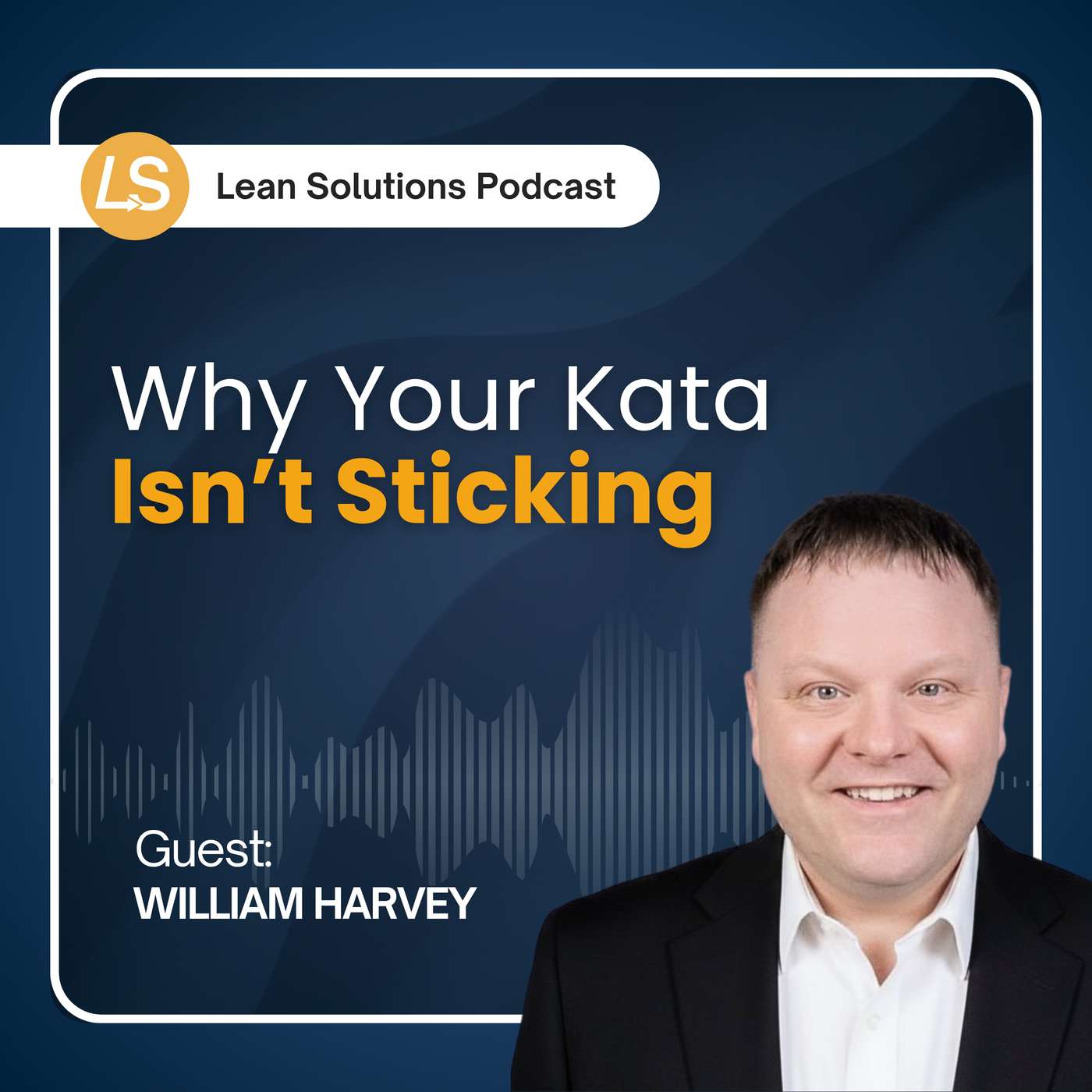 Why Your Kata Isn’t Sticking 01.09.2026 35minWhat You'll Learn in This Episode:In this episode, Patrick Adams and Andy Olrich are joined by Dr. William Harvey to explore one of the biggest challenges in continuous improvement: sustainment. Together, they discuss why organizations can be great at launching improvement initiatives but struggle to maintain momentum and achieve lasting results.William identifies three fundamental conditions that influence whether improvement efforts stick: the work must feel meaningful, people must feel safe doing it, and they must have the time to do it. The conversation explores the critical role psychological safety plays in building ownership and engagement, along with how leaders can create trust by consistently listening to employees, removing obstacles, and following through on commitments.The discussion also dives into Toyota Kata and deliberate practice as practical approaches for developing problem-solving capability throughout an organization. William explains how small experiments, daily coaching, and shared responsibility between coaches and improvers can turn continuous improvement from a temporary initiative into an everyday habit.Whether you're leading a team, coaching problem solvers, building an improvement culture, or trying to prevent your latest initiative from becoming another "flash in the pan," this episode provides practical insights for creating an environment where continuous improvement can truly sustain.Key Takeaways:Sustainment requires meaningful work, psychological safety, and protected timeLeaders build trust by listening, removing barriers, and consistently following throughContinuous improvement must become part of the work—not something added on top of itToyota Kata builds problem-solving capability through deliberate practice and experimentationLinks:https://www.linkedin.com/in/drwilliamharveyhttps://www.findleansolutions.com/summit-2026/https://www.findleansolutions.com/
 -
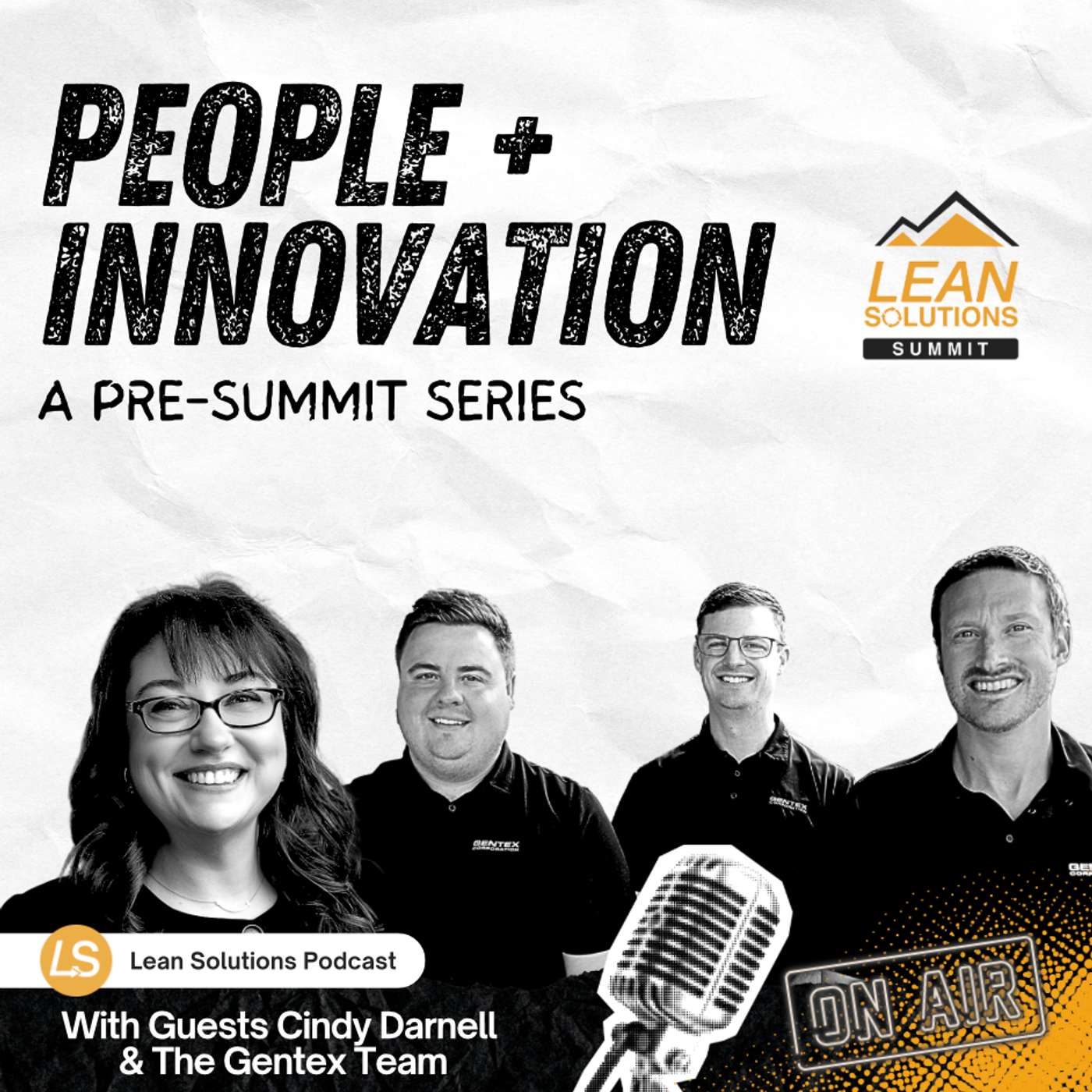 Behavior Profiles and Kata in the Workplace 25.08.2026 24minWhat You'll Learn in This Episode:In this episode of the Lean Solutions Podcast, Natalie Howden is joined by Cindy Darnell, Steve Burgett, and Jordan Kimball for a preview of their sessions at the Lean Solutions Global Summit. Together, they explore how organizations can design better processes, reduce ambiguity, strengthen communication, and develop people through continuous improvement.Steve and Jordan share how their work at Gentex focuses on designing systems that make problems visible, reduce noise and chaos, and create the stability needed for people to become proactive problem solvers rather than constant firefighters. They also discuss how these principles can be applied beyond manufacturing to support and administrative environments.Cindy dives into DISC and how understanding different communication and behavioral styles can help leaders navigate change, strengthen teams, and support lean culture transformation. The conversation also explores the connection between people and innovation, the importance of understanding ourselves and others, and how Kata can become a powerful people development process.Whether you're leading change, improving processes, developing people, or building a stronger continuous improvement culture, this episode offers practical insights for creating systems that work better and teams that work better together.Key Takeaways:1. Design processes to make problems visible and reduce ambiguity2. Standardization and stability give people more room to problem-solve and innovate3. Understanding different communication styles can make change more effective4. People and innovation are better together when communication and systems support bothLinks: https://www.findleansolutions.com/summit-2026/https://www.findleansolutions.com/
 -
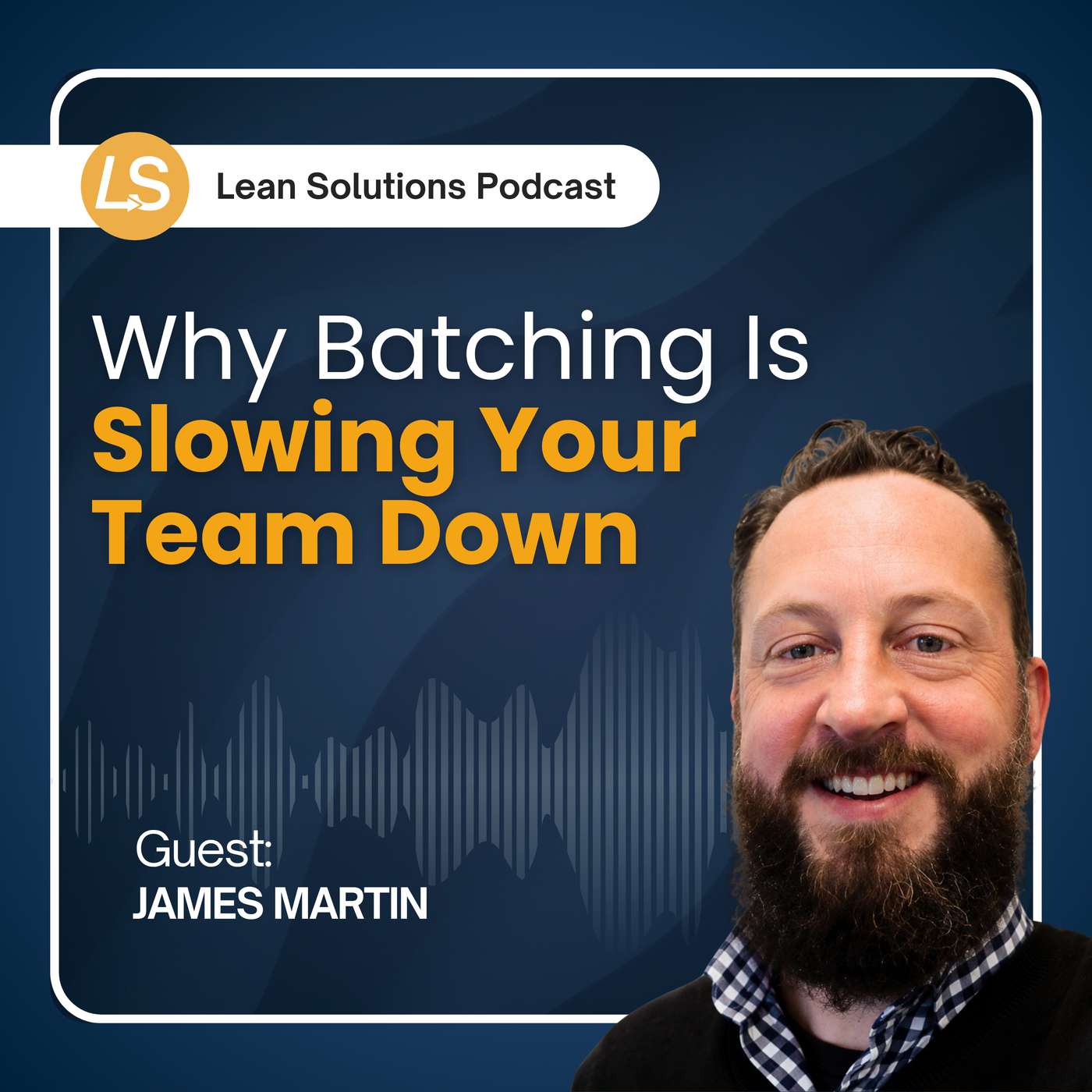 Why Batching is Slowing Your Team Down 18.08.2026 31minWhat You'll Learn in This Episode:In this episode of the Lean Solutions Podcast, Shayne Daughenbaugh and Andy Olrich welcome James Martin to explore why batching often feels more efficient, but can actually hurt the flow of an entire organization. James shares real-world examples of reducing batch sizes and moving toward flow, including a transformation that reduced processing time from 14 hours to as little as 1.5 hours while significantly increasing output.The conversation explores how batching creates waiting, excess inventory, bottlenecks, and localized efficiency, and why teams need to focus on the flow of the entire system rather than individual productivity. James also explains how smaller batch sizes, experimentation, visual management, and employee empowerment can help organizations identify problems more quickly and foster a culture of continuous improvement.Whether you're trying to reduce waste, improve manufacturing flow, or build a stronger continuous improvement culture, this episode offers practical examples of how reducing batching can help work move faster and more effectively through an organization.Key Takeaways:Focus on flow—not localized efficiencySmaller batches can expose and eliminate wasteMake bottlenecks and problems visibleEmpower teams to experiment and improveLinks:https://www.linkedin.com/in/james-martin-4a4629254/https://srasolutions.com.au/https://www.findleansolutions.com/lean-summit/https://www.findleansolutions.com/
 -
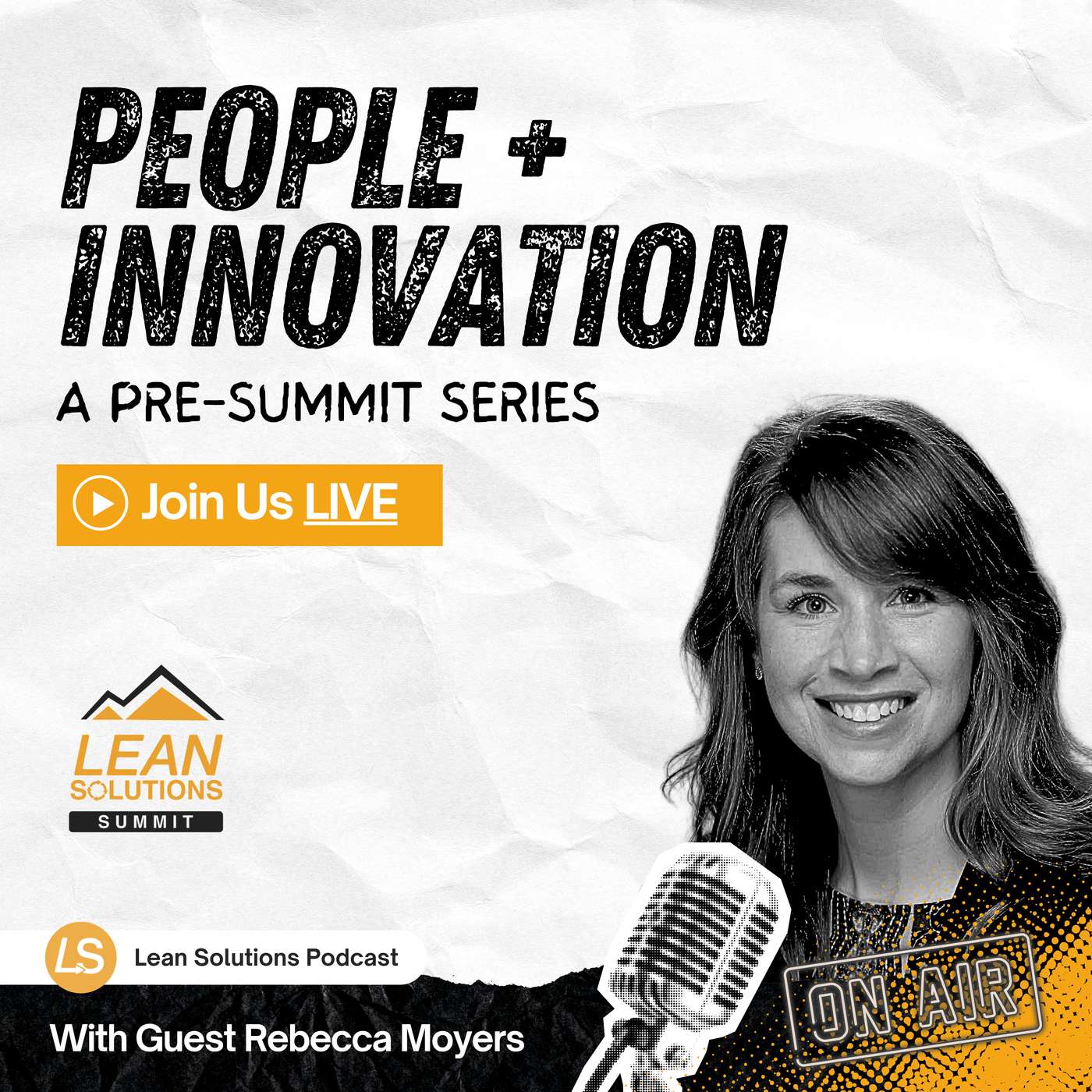 People + Innovation: A Pre-Summit Series 11.08.2026 25minWhat You'll Learn in This Episode:In this episode, Patrick Adams is joined by Rebecca Moyers, Director of Operational Excellence for the State of Missouri, for a preview of her session at the Lean Solutions Summit, The Feedback Advantage. Rebecca shares how the State of Missouri is using employee and customer feedback to guide process improvement, strengthen experiences, and focus limited resources on the improvements that matter most.The conversation explores how Missouri built an operational excellence community across 17 executive agencies, uses feedback to support both employee and customer experience, and applies omni-channel listening to better understand the entire customer journey. Rebecca also explains why organizations need to look beyond internal silos and consider whether every part of an experience connects seamlessly from the customer's perspective.Rebecca shares practical examples of collecting feedback through website interactions, surveys, call centers, and operational data, and emphasizes that organizations shouldn't ask for feedback unless they're prepared to act on it. Most importantly, she explains that these principles aren't limited to government or large organizations; teams in virtually any industry can use intentional feedback to improve processes, culture, and the experiences they create.Key Takeaways:Feedback helps organizations focus improvement efforts on what matters mostGreat customer experiences require looking at the entire journey—not individual silosEmployee and customer feedback become more powerful when paired with operational dataDon't ask for feedback unless you're prepared to act on itLinks:https://www.findleansolutions.com/lean-summit/https://www.findleansolutions.com/
 -
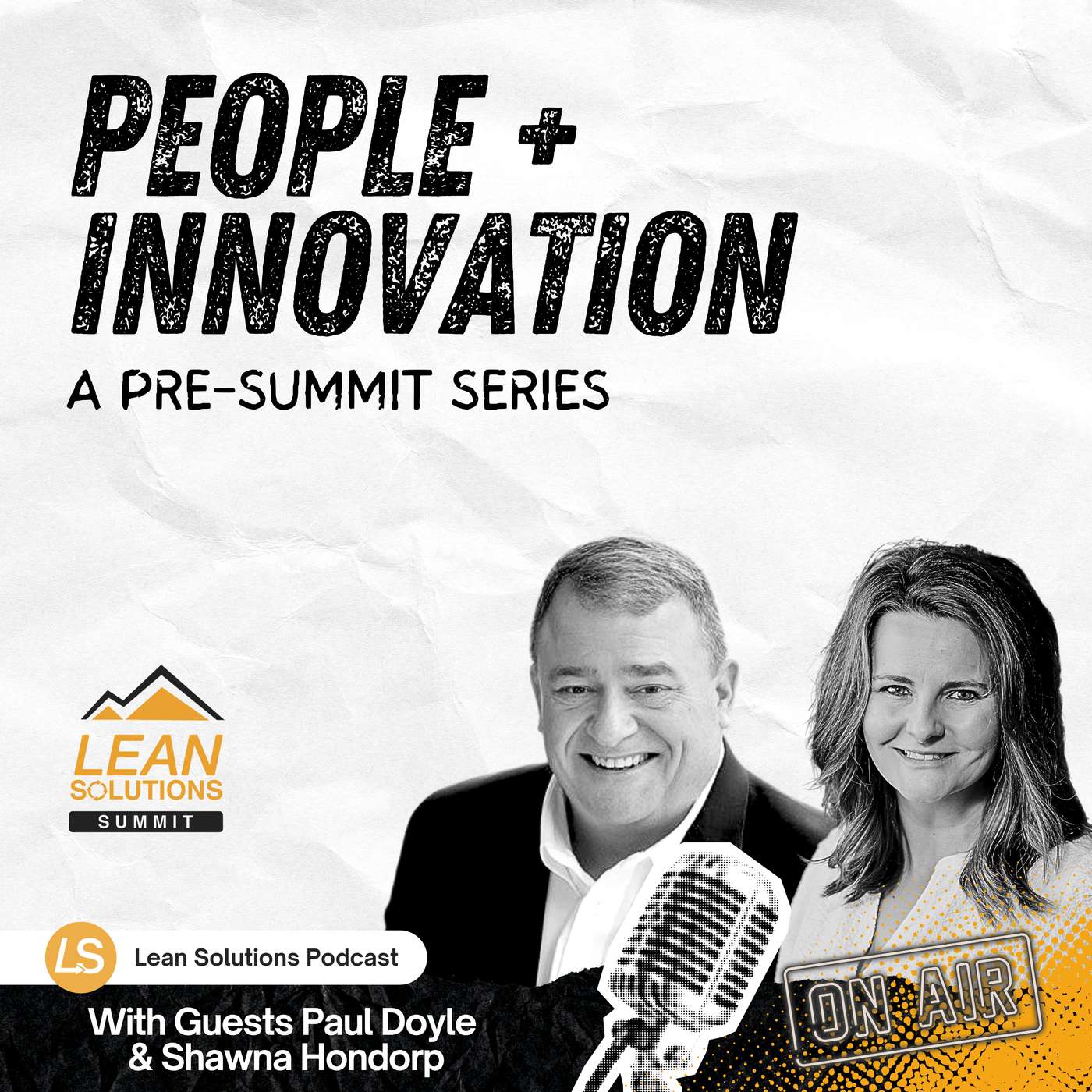 People + Innovation: A Pre-Summit Series 04.08.2026 35minWhat You'll Learn in This Episode:In this episode, Patrick Adams is joined by Paul Doyle and Shawna Hondorp for a preview of their sessions at the Lean Solutions Summit. Together, they explore two critical topics shaping today's organizations: developing leaders through intentional systems and using AI to strengthen talent acquisition without losing the human connection.The conversation dives into why leadership development should be treated as a business process rather than a training program, how specific leadership behaviors can be standardized and developed across every level of an organization, and why AI works best when paired with a thoughtful strategy. Shawna also shares practical insights into using AI responsibly in recruiting, emphasizing transparency, compliance, and the importance of maintaining authentic human relationships throughout the hiring process.Whether you're leading a team, developing future leaders, building an AI strategy, or improving your hiring process, this episode provides practical insights for creating stronger leaders, smarter systems, and more intentional organizations.Key Takeaways:Leadership development is a business process—not just a training programStrong leadership is built through intentional behaviors and systemsAI should enhance human connection, not replace itA successful AI strategy requires intentionality, transparency, and trustLinks: https://www.findleansolutions.com/https://www.findleansolutions.com/lean-summit/
 -
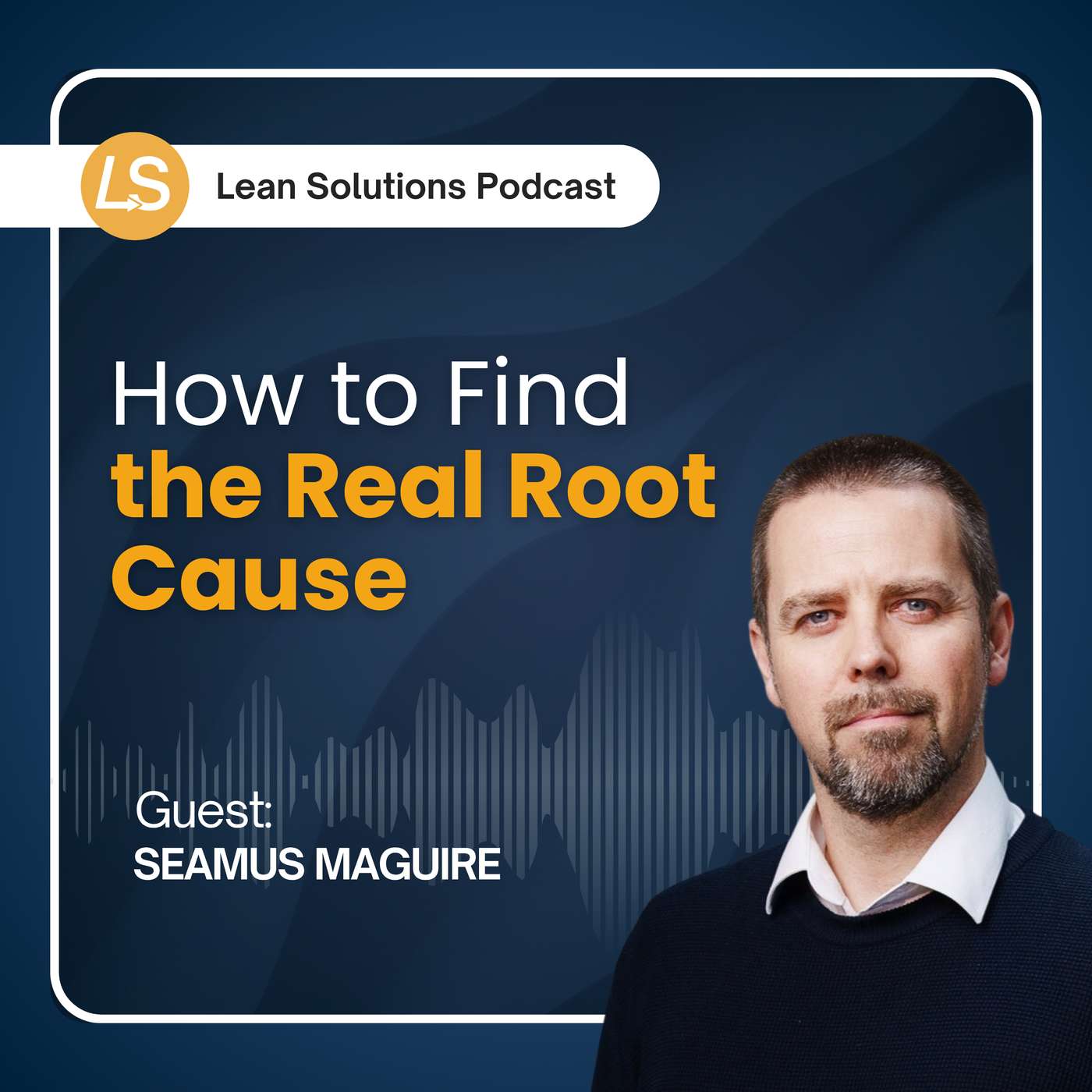 How to Find the Real Root Cause 28.07.2026 33minWhat You'll Learn in This Episode:In this episode, Shayne Daughenbaugh sits down with Seamus Maguire to explore one of the biggest reasons problem-solving fails, even in organizations with experienced people and proven Lean tools. Drawing from his new book, Finding Fact Before Fixing, Seamus explains how cognitive biases, assumptions, and the pressure to find quick answers often lead teams to solve the wrong problem.The conversation explores why hypothesis testing and experimentation should be at the center of every problem-solving effort, how leaders can ask better questions to uncover true root causes, and why collecting the right data is more important than simply collecting more data. Seamus also shares practical ways to challenge assumptions, use the scientific method in everyday problem-solving, and create a culture where teams focus on finding facts before implementing fixes. Key Takeaways:Challenge assumptions before finding solutionsUse hypothesis testing instead of educated guessesAsk better questions to uncover root causesCollect the right data—not just more dataLinks:linkedin.com/in/seamusmaguire?utm_source=share_via&utm_content=profile&utm_medium=member_ioshttps://www.routledge.com/Finding-Fact-Before-Fixing-How-Business-Professionals-Can-Avoid-False-Assumptions-When-Solving-Problems/Maguire/p/book/9781041130307https://www.findleansolutions.com/https://www.findleansolutions.com/lean-summit/
 -
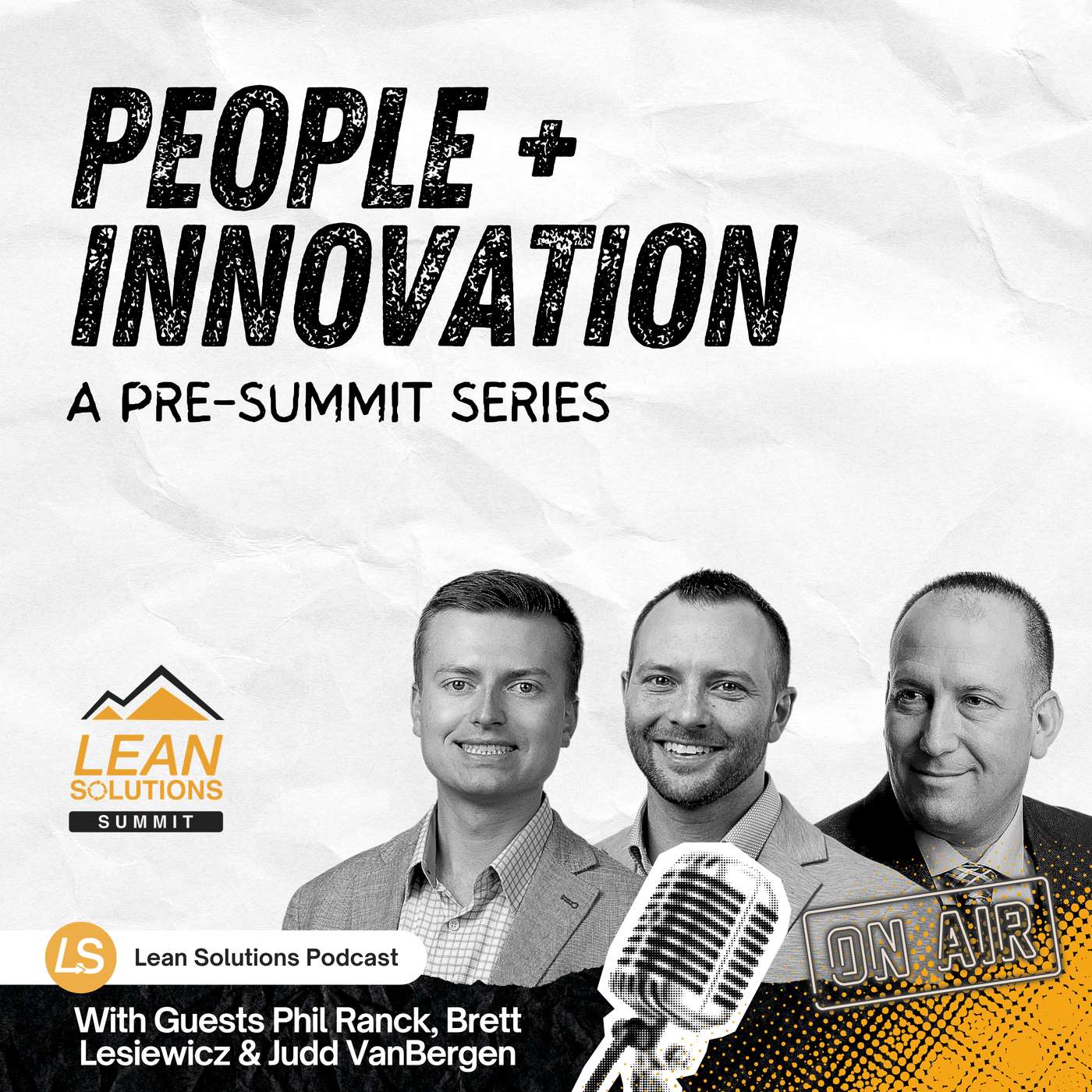 People + Innovation: A Pre-Summit Series 21.07.2026 38minWhat You'll Learn in This Episode:In this episode, Patrick Adams is joined by Brett Lesiewicz, Judd VanBergen, and Phil Ranck for a preview of their sessions at the 2026 Lean Solutions Summit. Together, they explore how stronger relationships, proactive planning, and better communication help organizations succeed in uncertain environments.The conversation highlights how Lean tools like the Last Planner System, takt planning, and visual management are transforming the construction industry by creating alignment, improving collaboration, and reducing uncertainty before work even begins. Phil also introduces the Seven Thinking Gears, a structured communication framework designed to make meetings more productive, uncover innovative ideas, and empower every team member to contribute to continuous improvement.Whether you're in construction, manufacturing, healthcare, or another industry, this episode offers practical insights into building stronger teams, improving communication, and creating more predictable results through Lean thinking.Key Takeaways:1. Strong relationships create certainty in uncertain environments2. Proactive planning prevents costly rework3. Better communication unlocks innovation4. Lean principles apply far beyond manufacturingLinks: https://www.findleansolutions.com/https://www.findleansolutions.com/lean-summit/
 -
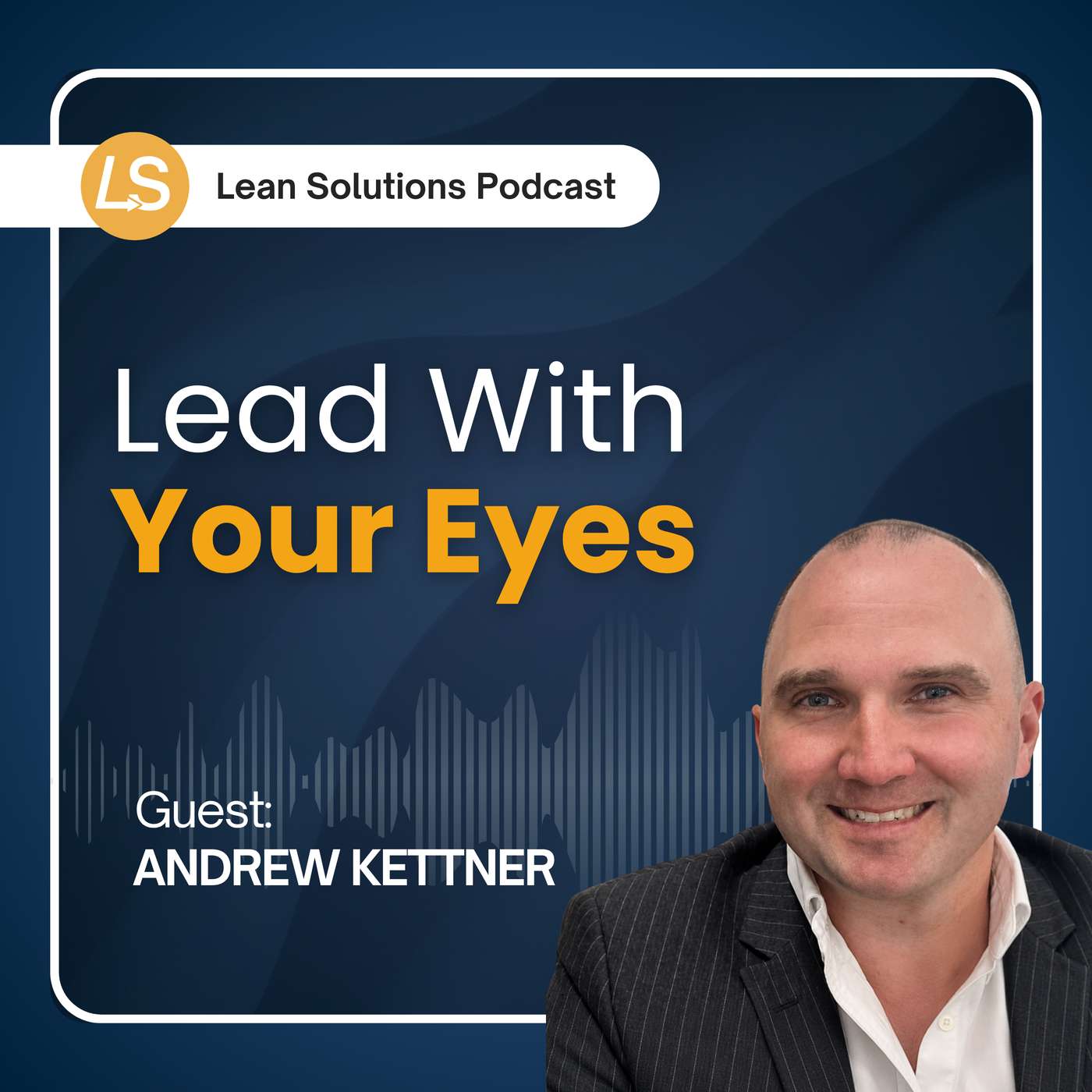 Lead With Your Eyes 14.07.2026 32minWhat You'll Learn in This Episode:In this episode, Andy Olrich and Catherine McDonald sit down with Andrew Kettner to discuss why one of the most overlooked leadership skills, eye contact, can have a profound impact on trust, communication, and continuous improvement.Andrew explains how effective leaders must look beyond reports, dashboards, and data by practicing Lean's "go and see" mindset. Through genuine face-to-face interactions, leaders gain valuable insights into emotions, engagement, and the real challenges their teams face. The conversation also explores the connection between eye contact, empathy, emotional intelligence, and building stronger workplace relationships. Andrew shares personal stories from his military leadership experience and cancer journey that demonstrate how meaningful human connections can influence both leadership and life.Whether you're leading a Lean transformation or simply looking to become a more effective leader, this episode offers practical ways to strengthen your leadership presence by learning to truly see the people you lead.Key Takeaways:Great leaders practice "go and see" by engaging directly with people—not just data.Eye contact builds trust, empathy, and stronger workplace relationships.Emotional intelligence helps leaders better understand both people and processes.Small, intentional interactions create stronger Lean cultures and better leadership.Links:https://www.linkedin.com/in/andrewkettnerhttps://www.findleansolutions.com/https://www.findleansolutions.com/lean-summit/
 -
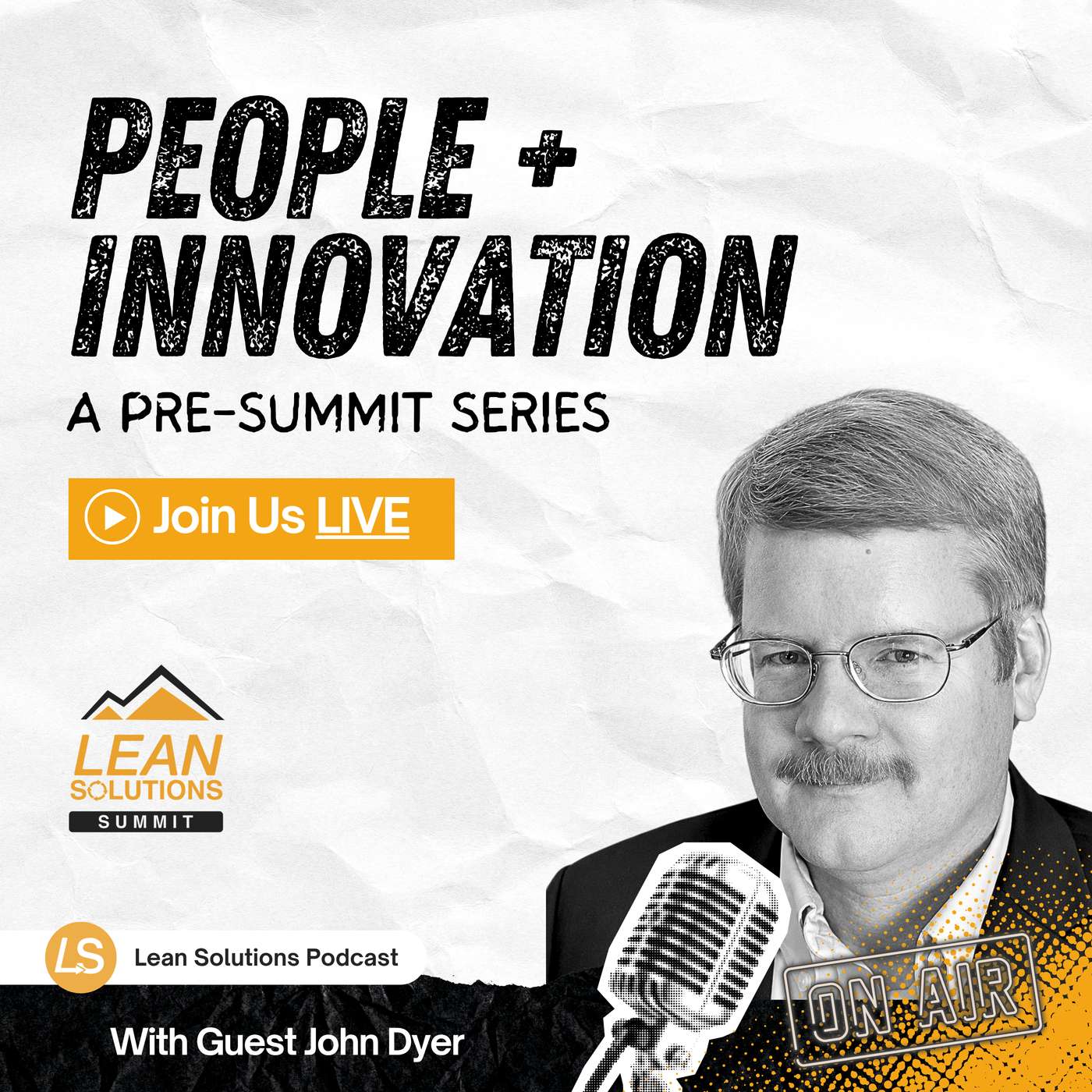 People + Innovation: A Pre-Summit Series 07.07.2026 32minWhat You'll Learn in This Episode:In this episode, Patrick Adams sits down with John Dyer to explore the thinking behind the Lean Excellence World Championship and why it has become one of the most engaging learning experiences at the Lean Solutions Summit.The conversation dives into how the competition gives participants and observers the opportunity to see Lean in action. From process mapping and visual management to problem-solving, teamwork, and customer focus. John explains why process mapping is the foundation of every successful improvement effort, how it helps teams visualize workflows, uncover hidden waste, identify bottlenecks before implementation, and create stronger future-state processes. He also shares why every organization, regardless of industry, can benefit from making process mapping a core part of its continuous improvement strategy.Whether you're new to Lean or looking to strengthen your continuous improvement efforts, this episode provides practical insights into learning Lean through hands-on experience and applying process mapping to improve any process.Key Takeaways:1. Process mapping is the foundation of improvement2. Lean is learned best through hands-on experience3. Customer focus drives better decisions4. Great Lean cultures embrace problemsLinks:https://www.findleansolutions.com/https://www.findleansolutions.com/lean-summit/
 -
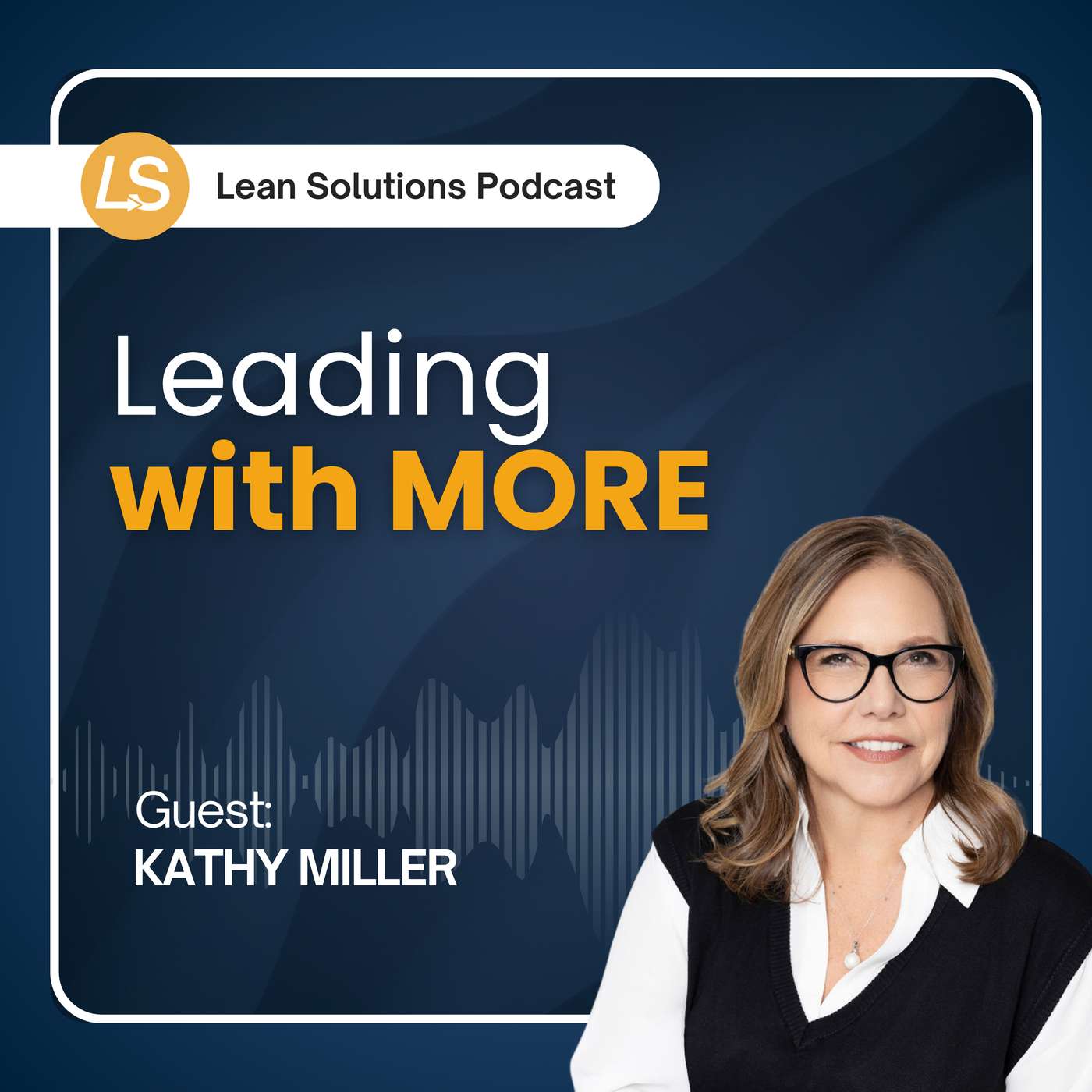 Leading with MORE 30.06.2026 30minWhat You'll Learn in This Episode:In this episode of the Lean Solutions Podcast, Catherine McDonald sits down with Kathy Miller to explore why successful transformations are driven by people, not just processes.You'll learn how trust, meaningful work, optimism, and strong relationships create lasting cultural change, why consistency is essential for leaders, and how simple daily leadership habits can increase engagement and continuous improvement across any organization.Whether you're leading a Lean transformation, managing a manufacturing team, or looking to build a stronger workplace culture, this episode offers practical insights for creating lasting change through people-first leadership.Key Takeaways:1. Great transformations begin with trust2. People need purpose—not just processes3. Culture changes through consistent leadership4. Positive psychology strengthens LeanLinks:https://more4leaders.com/linkedin.com/in/kathy-miller-mapp-mba-acchttps://www.findleansolutions.com/https://www.findleansolutions.com/lean-summit/
 -
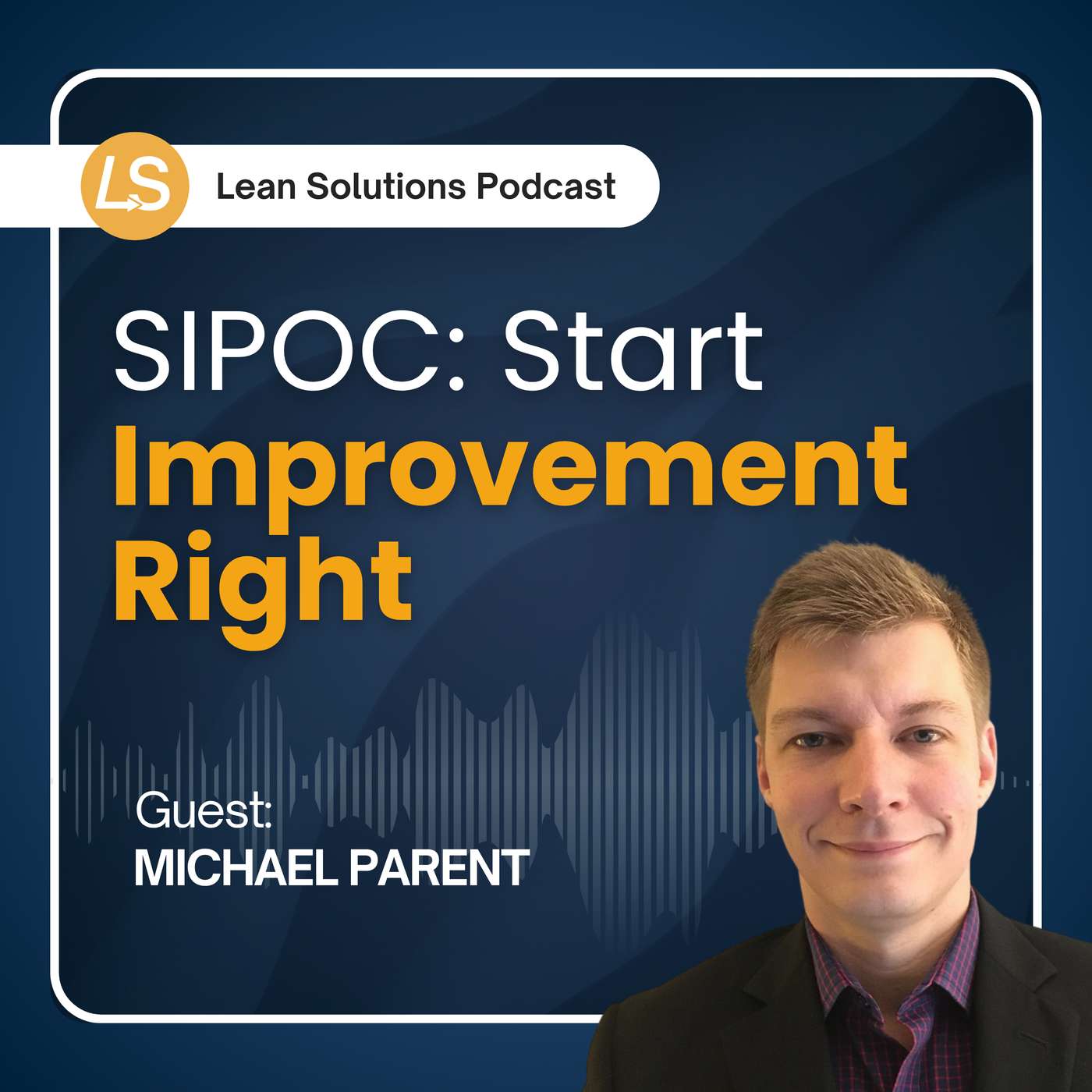 SIPOC: start improvement right 23.06.2026 32minWhat You'll Learn in This Episode:In this episode, Catherine McDonald and Shayne Daughenbaugh welcome Michael Parent to discuss SIPOC, one of the most effective tools for understanding and improving business processes. Michael explains how SIPOC (Suppliers, Inputs, Process, Outputs, Customers) helps teams define process boundaries, identify stakeholders, and maintain focus on delivering customer value.The conversation explores different approaches to building a SIPOC, including why Michael prefers starting with the customer before mapping the process itself. They also discuss how SIPOC fits into Lean and Six Sigma problem-solving, how it helps prevent scope creep, and why it serves as a strong foundation for process mapping, stakeholder engagement, and continuous improvement efforts.Whether you're leading a process improvement project or trying to better understand how work flows through your organization, this episode provides practical guidance on using SIPOC to create clarity and alignment from the start.Key Takeaways:1. SIPOC provides a high-level view of a process and helps clearly define project scope and boundaries.2. Keeping the customer at the center of the discussion ensures improvement efforts remain focused on delivering value.3. SIPOC serves as a powerful starting point for process mapping, stakeholder analysis, and continuous improvement initiatives.4. The most effective SIPOCs involve the right mix of stakeholders and subject matter experts while avoiding unnecessary complexity and scope creep.Links:[email protected]://www.linkedin.com/in/parent-michael/https://www.findleansolutions.com/summit-2026/https://www.findleansolutions.com/
 -
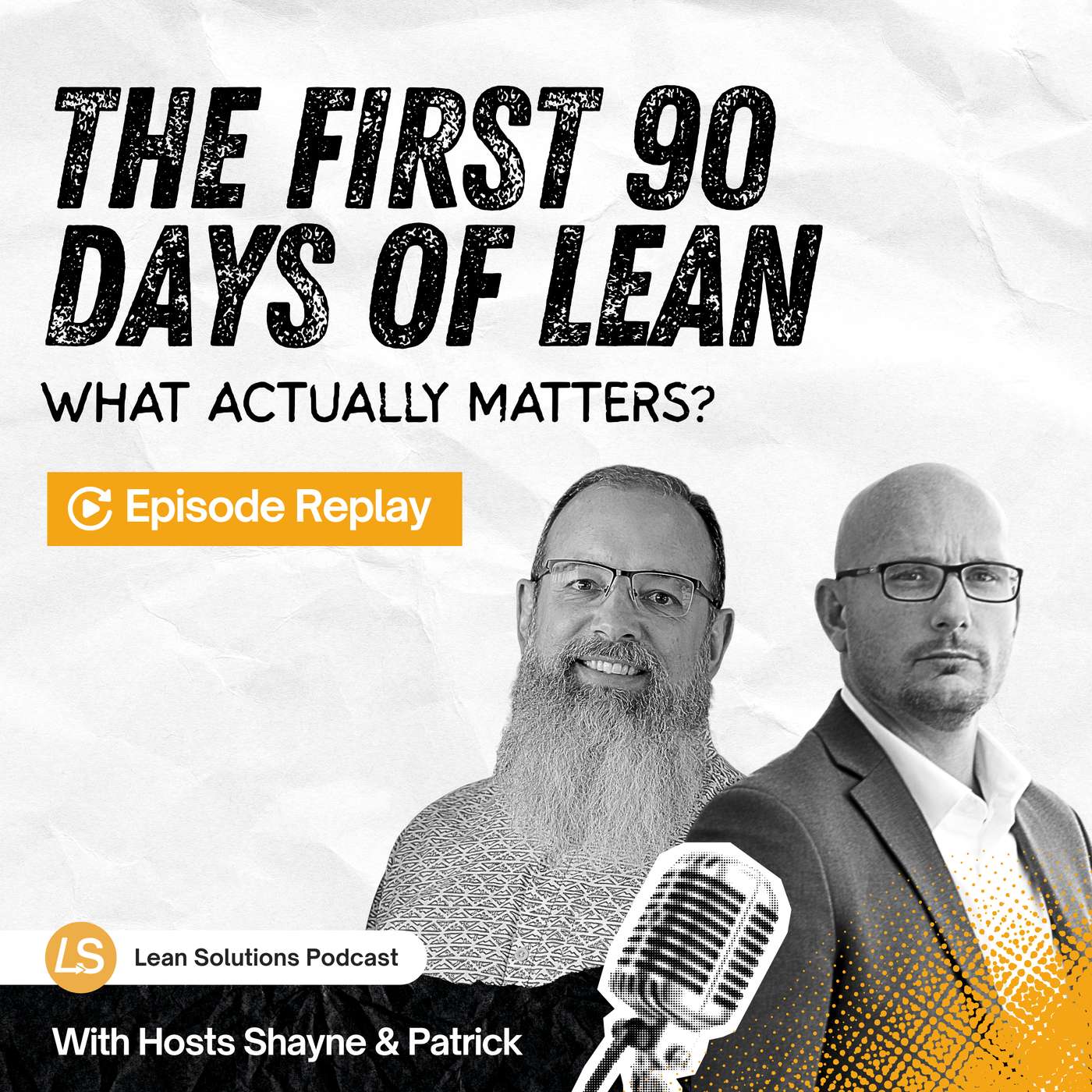 The First 90 Days of Lean: What Actually Matters (Part 1) 16.06.2026 15minWhat You’ll Learn in This Episode:Spotlight Episode!!As we continue revisiting some of the conversations that sparked meaningful discussions, we’re bringing back this episode of the Lean Solutions Podcast with Patrick Adams and Shayne Daughenbaugh.In this conversation, Patrick and Shayne explore what new leaders should focus on when stepping into a Lean journey. Instead of jumping straight into tools and solutions, they discuss the importance of understanding the current state, building relationships, developing people, and creating the right environment for improvement.From creating a model area for experimentation to learning through failure, this episode highlights why successful Lean transformation starts with leadership, trust, and capability building.Key TakeawaysYour Role Determines Your StrategyStart with Listening, Not ImplementingCulture Before ToolsPerspective Changes EverythingLinks:Lean Solutions 2026 SummitLean Solutions WebsiteClick Here For Shayne Daughenbaugh’s LinkedInClick Here For Patrick Adams’ LinkedIn
 -
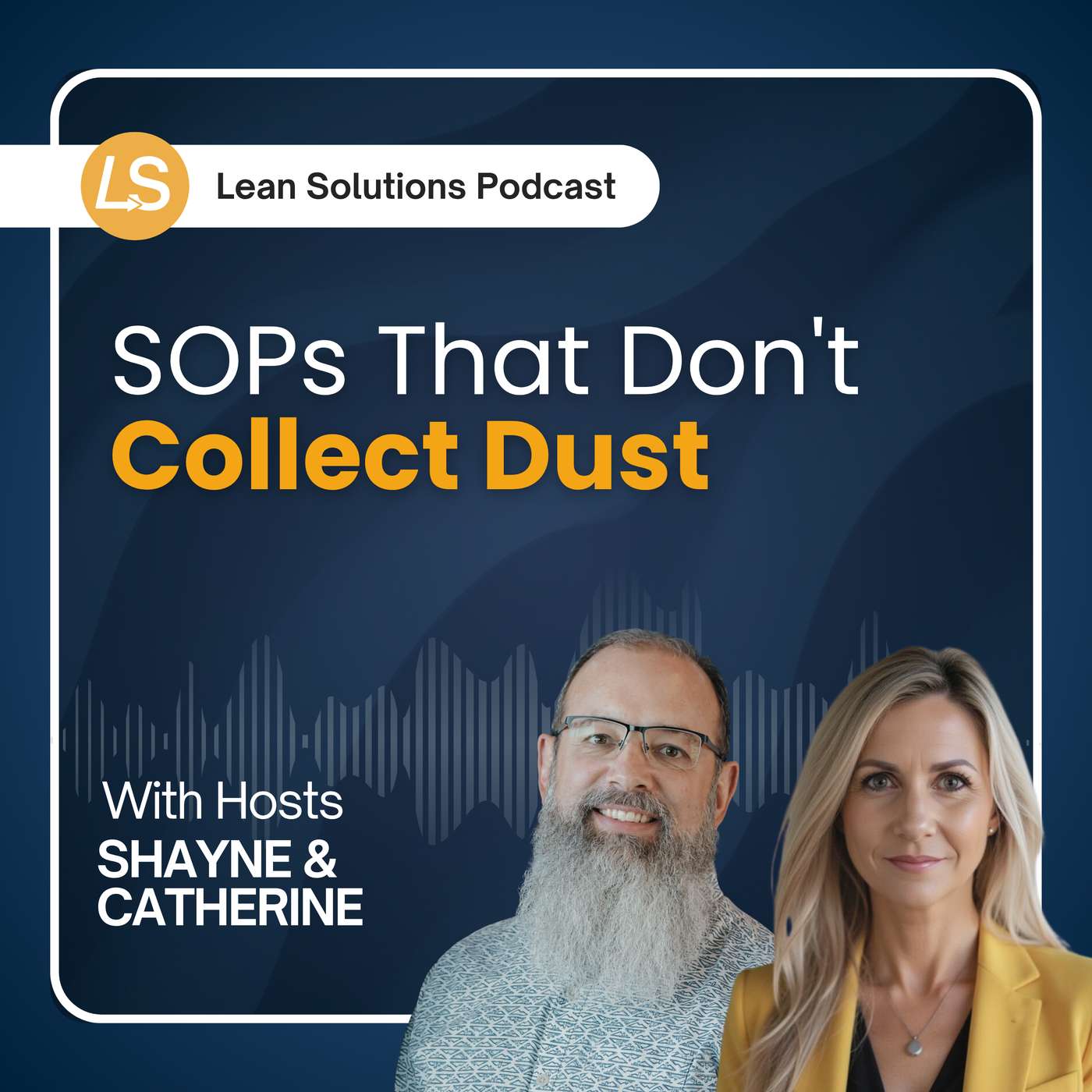 SOPs That Don't Collect Dust 09.06.2026 30minWhat You'll Learn in This Episode:In this episode, Catherine McDonald and Shayne Daughenbaugh discuss the practical realities of capturing, creating, and deploying Standard Operating Procedures (SOPs) in fast-growing organizations. Drawing from Shayne’s experience leading SOP standardization across multiple locations, they explore how businesses can create consistency while maintaining a human-centered approach.The conversation highlights why SOPs are more than compliance documents. They serve as the foundation for customer experience, employee training, and continuous improvement. Shayne shares a step-by-step framework for identifying priority processes, working with subject matter experts, and leveraging video recordings and AI tools to simplify documentation and accelerate SOP creation.If your organization struggles with inconsistent processes, scattered documentation, or SOPs that nobody uses, this episode offers practical strategies for building documentation that is both useful and sustainable.Key Takeaways:1. SOPs should create consistency across locations to deliver a reliable customer experience.2. Video-based process capture preserves valuable expertise, context, and real-world best practices better than traditional written documentation.3. AI and transcription tools can significantly speed up SOP creation while reducing administrative effort.4. SOPs are most effective when treated as living documents that support continuous improvement, not just compliance or record-keeping.Links: Lean Solutions Summit Lean Solutions Website
 -
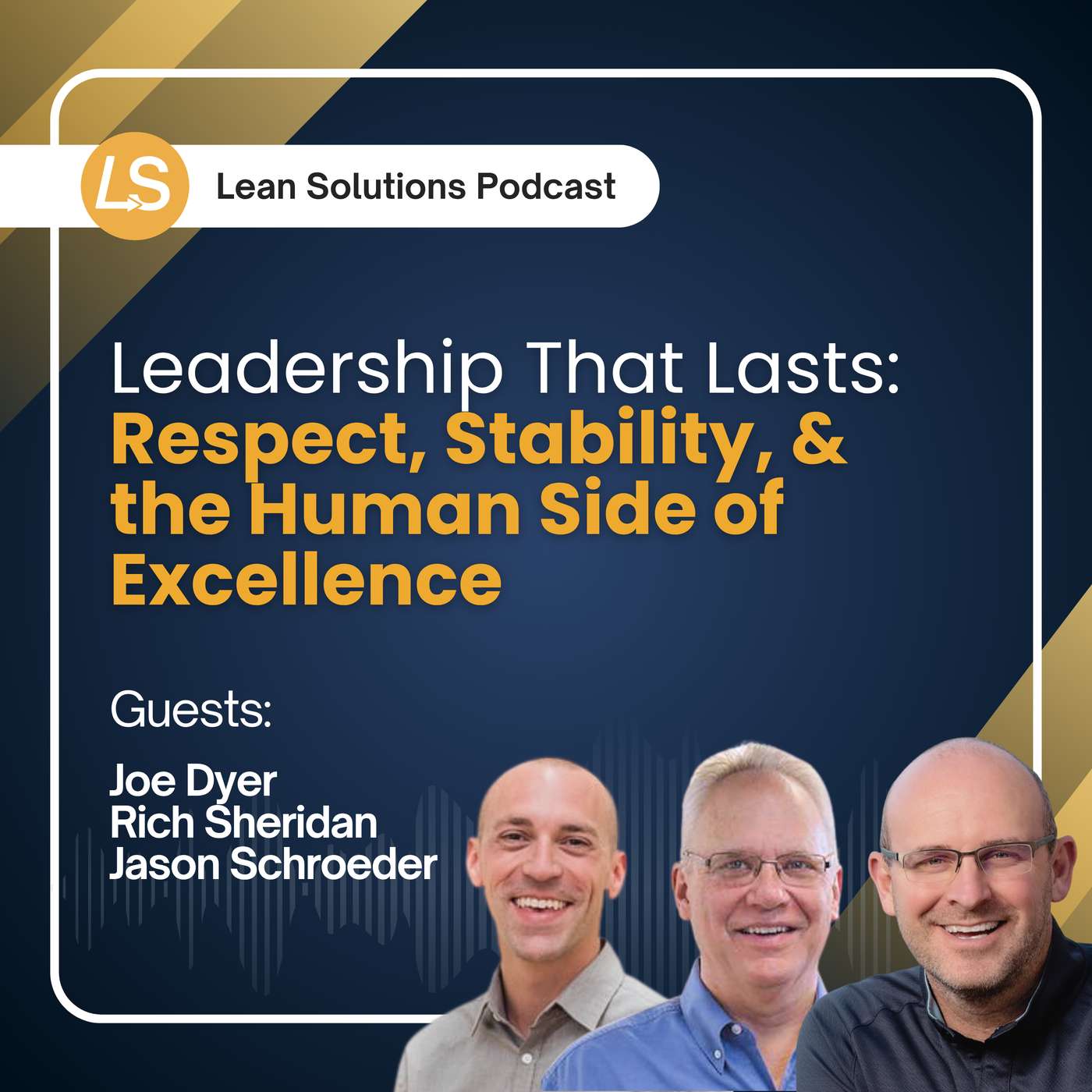 Leadership That Lasts: Respect, Stability, and the Human Side of Excellence 02.06.2026 41minWhat You’ll Learn in This Episode:In this special Lean Solutions Summit episode, Patrick Adams sits down with keynote speakers Richard Sheridan, Joe Dyer, and Jason Schroeder to discuss the summit theme: Better Together: People Plus Innovation.The conversation explores the growing role of AI, automation, and technology in today's organizations while emphasizing that sustainable success still depends on people, leadership, and culture. Each guest shares their perspective on innovation, explaining why human-centered leadership, respect for people, and continuous learning remain critical regardless of technological advancements.You'll hear insights on creating joyful workplace cultures, developing a stewardship mindset, and building organizations rooted in respect and stability. The speakers also discuss the importance of reducing fear during times of change, preparing future leaders, and creating environments where people can thrive alongside innovation.If you're curious about the future of leadership, Lean thinking, and how organizations can embrace innovation without losing their focus on people, this episode offers a powerful preview of the ideas and conversations that will take center stage at the Lean Solutions Summit.Key Takeaways:1. Innovation should enhance people—not replace them2. Great leadership requires stewardship, humility, and a commitment to developing others3. Respect, stability, and psychological safety are essential foundations for continuous improvement4. The future belongs to organizations that successfully combine technology, innovation, and human-centered leadershipLinks: Lean Solutions Summit Lean Solutions Website
 -
 From Action Plans to Experiments 26.05.2026 34minWhat You’ll Learn in This Episode:In this episode, Patrick Adams welcomes back Beth Carrington to explore the difference between simply executing action plans and developing true scientific thinking through Improvement Kata and Coaching Kata.Beth shares her journey from the automotive industry into Lean transformation work and explains how discovering Toyota Kata fundamentally changed her approach to leadership and continuous improvement. The conversation breaks down why organizations often over-rely on rigid action plans and how experimentation creates better long-term learning and adaptability.You’ll learn how leaders can use simple coaching routines, PDCA cycles, and reflection questions to help teams think more scientifically, solve problems more effectively, and stay focused on outcomes rather than just completing tasks. Beth also explains why AI and emerging technologies make experimentation and scientific thinking even more important in today’s business environment.If you’ve ever struggled with teams becoming too task-focused or wondered how to build a stronger culture of learning and experimentation, this episode provides practical tools and frameworks to help you get started.Key Takeaways:Action plans alone can limit learning and adaptabilityScientific thinking is built through experimentation, reflection, and coachingPsychological safety is essential for teams to admit uncertainty and learnAI and emerging technologies increase the need for experimental thinking and continuous learningLinks:Kata Matters WebsiteBeth Carrington LinkedInLean Solutions Summit Lean Solutions Website
 -
 The Wheel of Sustainability Explained 19.05.2026 30minWhat You’ll Learn in This Episode:In this episode, Andy Olrich sits down with returning guest Adam Lawrence to explore why so many improvement efforts fail to stick and what leaders can do to create lasting, sustainable change.Adam shares the origin story behind his “Wheel of Sustainability” framework and explains why sustainability is ultimately a leadership process, not just a technical one. The conversation dives into the importance of preparation before a Kaizen event, including leadership alignment, clear expectations, strong sponsorship, and creating accountability systems before improvement work even begins.You’ll also learn practical ways to strengthen sustainability after an event through audits, visuals, standard work, Gemba walks, and leadership engagement. Adam and Andy discuss why culture, trust, and respect for people are just as important as financial results—and how the true test of success is when employees start asking, “When can you come help my area next?”If you’ve ever struggled with improvements fading over time or leaders failing to stay engaged after an event, this episode provides a practical roadmap for building improvements that last.Key Takeaways:Sustainable improvement starts with leadership commitment and preparationKaizen events fail when leaders don’t stay visibly engaged before, during, and after the workAudits, visuals, standard work, and accountability systems help improvements stickThe strongest sign of success is when teams ask for more improvement work in their own areasLinks:Adam Lawrence LinkedInPI PartnersThe Wheel of SustainabilityLean Solutions Summit Lean Solutions Website
 -
 Unlocking Potential on the Frontline 12.05.2026 34minWhat You’ll Learn in This Episode:In this episode, Shayne Daughenbaugh and Catherine McDonald sit down with leadership strategist and Army veteran Jonathan Pride to explore the SOAR mindset. A leadership framework built around storytelling, ownership, abundance, and resilience.Jonathan shares how leaders can move beyond compliance-driven management and develop teams through coaching, curiosity, and intentional conversations. The discussion highlights why storytelling is one of the most overlooked leadership tools and how leaders can use their lived experiences to build trust, connection, and influence.You’ll also learn how practical habits like asking better questions, using the “three whys,” and starting each day with intentional praise can create stronger teams and more empowered problem solvers. The conversation emphasizes that leadership development starts internally through self-awareness, mindset, and personal growth, before it ever impacts others.If you’ve ever wondered how to become a more authentic, resilient, and people-centered leader, this episode offers a practical framework to help you start. Key Takeaways:Great leadership starts with owning your story and lived experiencesCoaching and curiosity develop better problem solvers than control and complianceSmall mindset shifts and micro habits can create meaningful leadership growthIntentional praise helps leaders build resilience, perspective, and an abundance mindsetLinks:Click Here for Jonathan Pride's LinkedInThe SOAR Mindset Website Lean Solutions Summit Lean Solutions Website
Panašios tinklalaidės


Populiari šalyje
Ši tinklalaidė taip pat patenka į šių šalių tinklalaidžių topus.


