
The New Biology
Niko McCarty
0
The New Biology features long-form discussions with historians, technologists, and scientists who are working on some of the biggest ideas in biotechnology, from magnet-controlled medicines to virtual cells. Supported by Astera Institute.
Epizodes
-
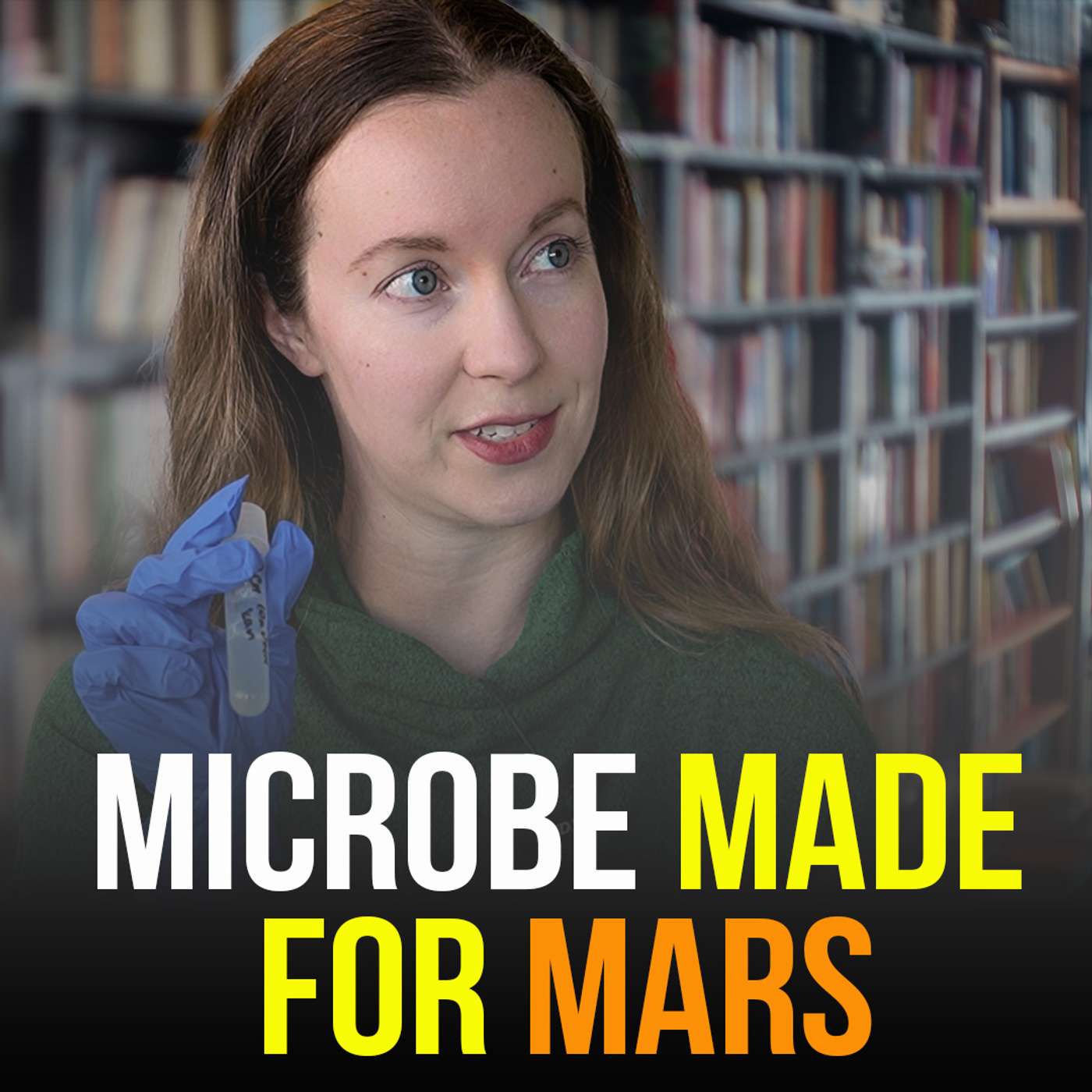 How to Terraform Mars – Erika DeBenedictis 22.09.2026 50minPioneer Labs, a nonprofit research group, has engineered a microbe that eats Martian dirt and excretes bioplastic. It is the first step of their "five organism" plan to terraform Mars and make the planet habitable. This interview is with Erika DeBenedictis, the co-founder and CEO of Pioneer Labs.Subscribe to Asimov Press: https://press.asimov.com0:00 A first microbe engineered for Mars5:03 Simulating Martian chemistry8:27 The five "pioneer species"17:20 Water, warming, and nitrogen26:39 Radiation, growth rates, and poor measurements35:49 Starship41:05 Why create a second biosphere?
 -
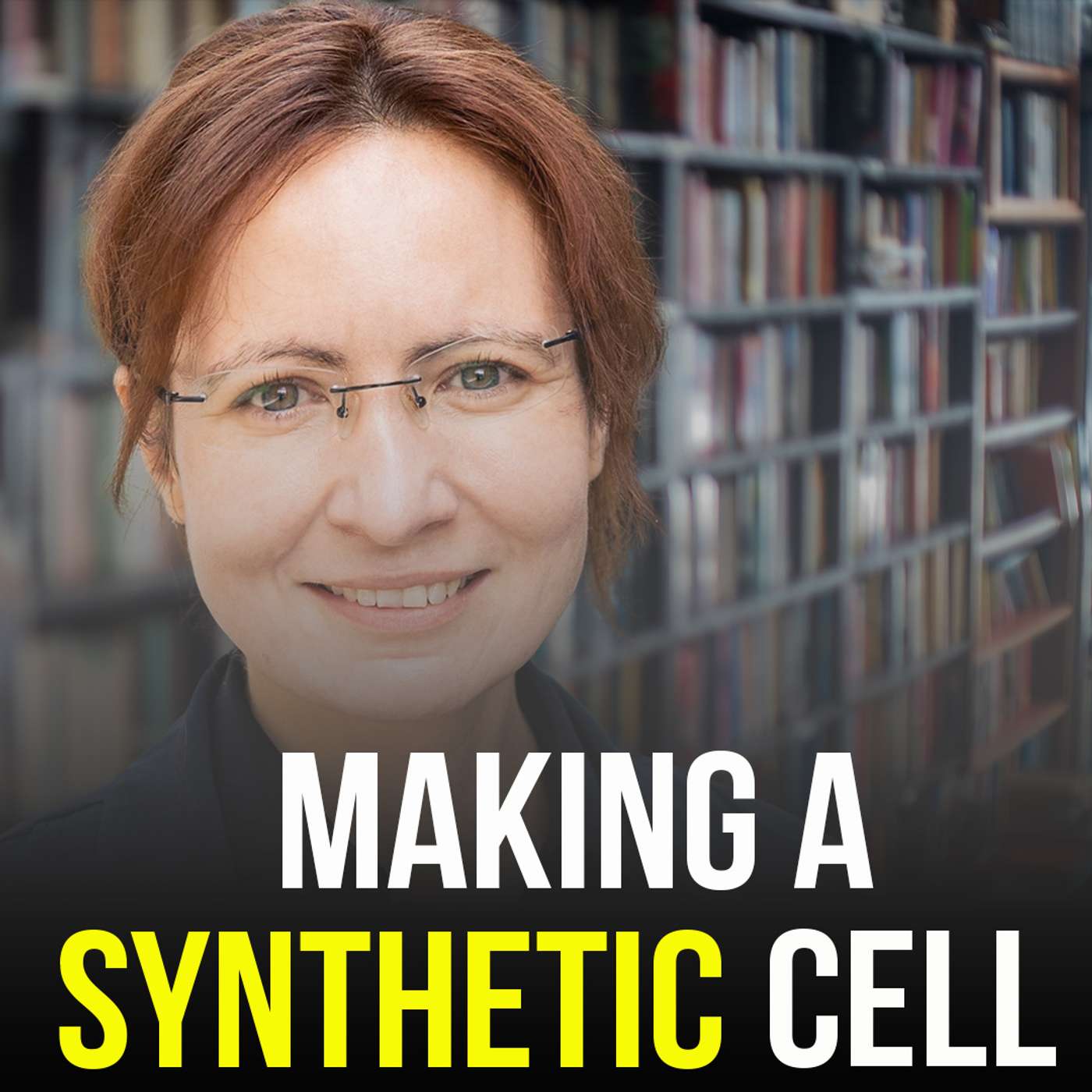 SpudCell will replicate continuously by 2030 | Kate Adamala 17.09.2026 1h 25minChemists at the University of Minnesota, led by Kate Adamala, recently built a synthetic cell that eats, grows, and divides; purely by putting together molecules in the laboratory. Their creation, called SpudCell, can only divide for five generations. What will it take to make it grow for longer? And why bother making a synthetic cell in the first place?Subscribe to Asimov Press: https://press.asimov.comChapters: 00:00 SpudCell is not alive05:16 How SpudCell was made13:14 How to make a continuously replicating cell29:48 Finding new mechanisms for cell division40:38 What is the point of SpudCell?54:51 Mirror life, and whether SpudCell uniquely enables it1:14:38 Biotic, China, and 2050
 -
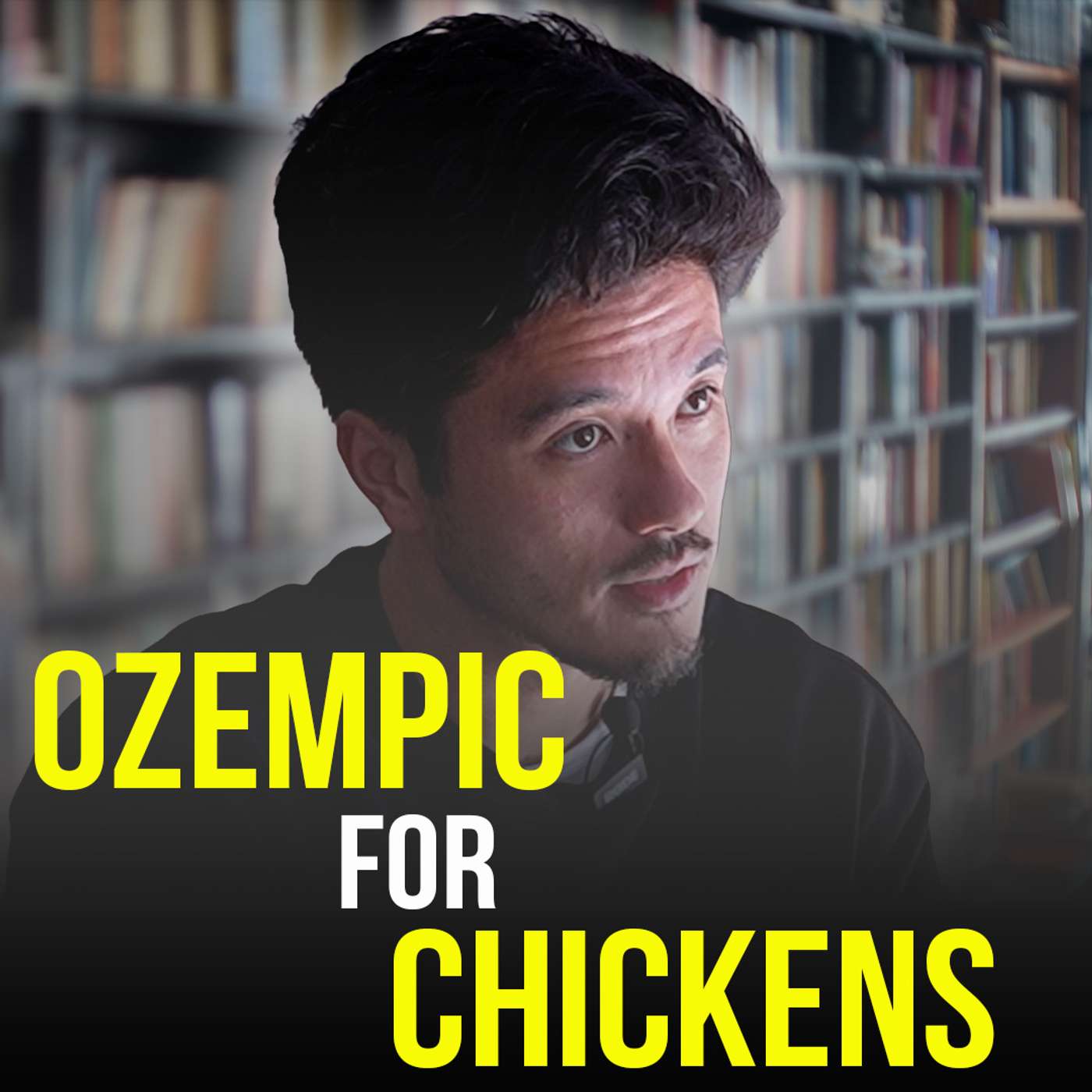 Biotech for Chickens — Robert Yaman 04.08.2026 1h 24minA dairy cow is worth $1,000 to $2,000 to a farmer, whereas a broiler chicken, raised for meat, generates just $4 of profit. Quantifying animals this way may feel uncomfortable, but those $4 are all a farmer can spend to keep a chicken healthy. And this places some really interesting constraints on how biotechnology must be scaled (in terms of vaccines and other interventions) in the animal welfare space. In this episode, Robert Yaman, CEO of Innovate Animal Ag, argues that the way to improve animal welfare is to make farming more efficient rather than less. We discuss in-ovo sexing (which uses PCR or hyperspectral imaging to identify an egg's sex before it hatches, and which could help end the culling of 300 million male chicks a year); why hyperspectral cameras work on brown eggs but not white ones; and electron-beam vaccines, which shred a bacterium's DNA while leaving its surface proteins intact, thus producing a farm-specific vaccine for less than one penny per dose.Robert also reveals publicly, for the first time, that Innovate Animal Ag is building an "accelerator farm": a commercial broiler facility that doubles as a testbed where startups can trial new technology in an industry that hasn't changed all that much in the last fifty years.Chapters0:00 Why animal welfare needs scalable technologies6:40 How chickens were bred for meat and eggs12:43 Does farm efficiency improve animal welfare overall?23:41 How the poultry supply chain works, from hatchery to farm32:01 In ovo sexing to prevent chick culling47:12 Electron beams and vaccines1:01:04 Ozempic for chickens1:15:30 Precision farming and the Accelerator Farm
 -
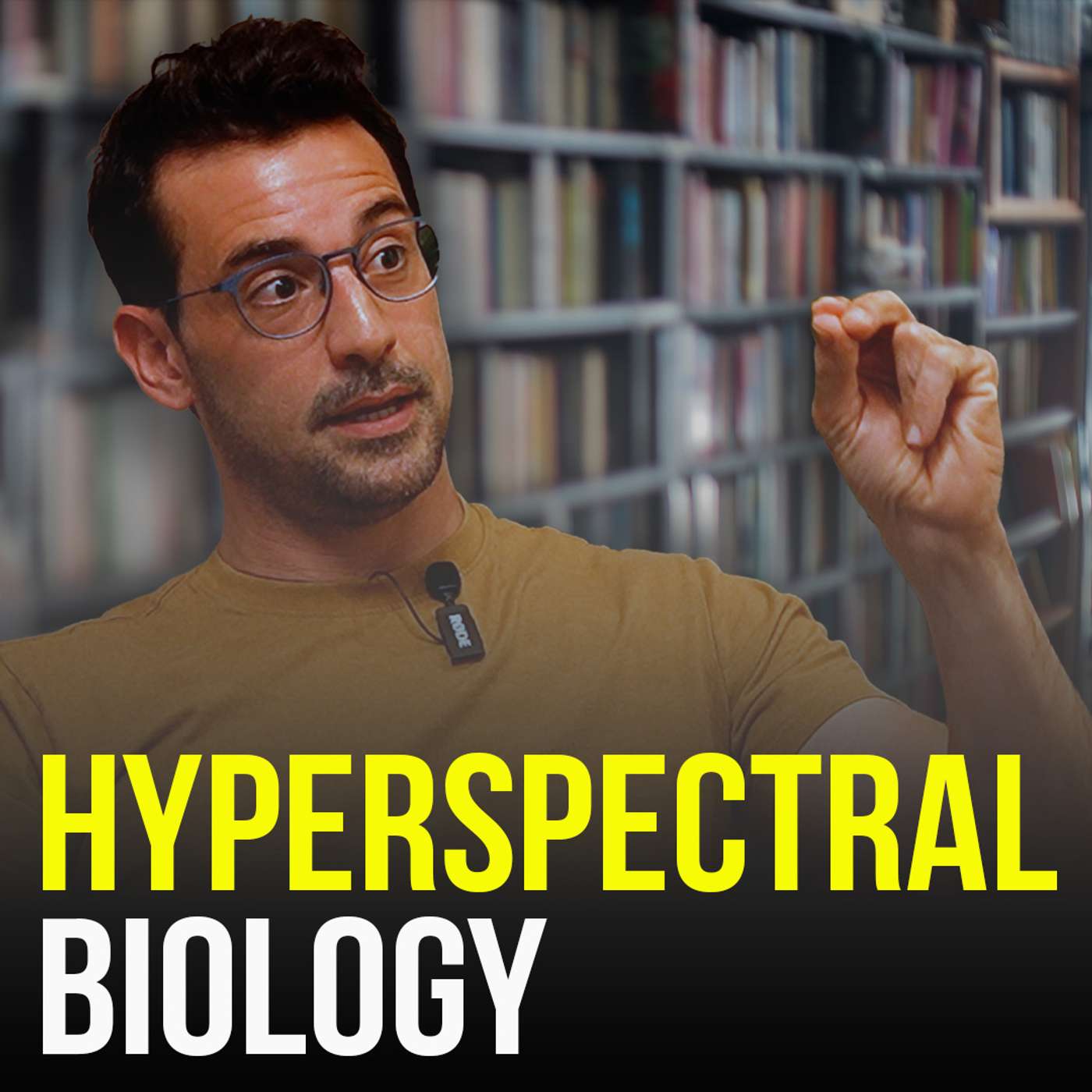 Engineered Microbes Seen from the Sky — Yonatan Chemla on Hyperspectral Biology 20.07.2026 1h 23minScientists have studied bacteria under microscopes for 400 years. But Yonatan Chemla, a postdoctoral fellow at MIT, has developed a technology that lets us see microbes from a drone 100 meters in the air.In this episode, we discuss the emerging field of "hyperspectral biology," which uses hyperspectral cameras (first built by NASA in the 1980s) to detect molecules with unique light-absorption signatures. With this technology, you could engineer a microbe to sense a landmine, for example, and release a pigment in response. A drone could then spot that pigment from hundreds of meters away. By spraying other types of engineered microbes over a field, they could map heavy metals, report on soil health, or find gold deposits.But almost none of this can happen in the United States. The EPA regulates engineered microbes as chemicals under the Toxic Substances Control Act, a 1976 law that never mentions biology, and the agency seems to have approved just one product through it. As a result, many of biotechnology's most useful ideas — microbes that break down plastic, sense landmines, or remove pollution from water — never leave the laboratory.Chapters:[00:00:00] Introduction[00:04:08] Applications for hyperspectral biology[00:07:33] How to build a biosensor[00:13:00] Molecular absorption data[00:22:12] How hyperspectral cameras work[00:38:15] Spatial resolution and satellite monitoring[00:51:04] Regulations around environmental release[01:08:44] Risk vs progressFurther Reading:Summary of the Toxic Substances Control Act, EPA: https://www.epa.gov/laws-regulations/summary-toxic-substances-control-actDesign and regulation of engineered bacteria for environmental release, Nature Microbiology: https://www.nature.com/articles/s41564-024-01918-0Hyperspectral reporters for long-distance and wide-area detection of gene expression in living bacteria, Nature Biotechnology: https://www.nature.com/articles/s41587-025-02622-ySeeing microbes from the sky, Asimov Press: https://press.asimov.com/articles/hyperspectral
 -
 The Bitter Lesson for Biology — Adam Green on Virtual Cells and Scaling Laws 12.06.2026 1h 29minMarkov Biosciences, a startup in San Francisco, is betting that biology is about to have its GPT moment. In this episode, founder Adam Green explains the "bitter lesson" for biology, the idea borrowed from Richard Sutton that large unbiased datasets and the right training objective tend to outcompete models with hard-coded rules and human priors. Adam thinks, in particular, that the virtual cell field took a wrong turn by spending hundreds of millions of dollars collecting expensive perturbation data. Green’s counterargument is that the data needed to train useful virtual cells is not limiting, but rather compute (and the loss function) are. By treating single-cell RNA-seq as a ranking problem rather than raw counts (a century-old idea traceable to a 1927 psychophysics paper), they found that virtual cells pre-trained on plain observational data show clean scaling laws, getting monotonically better at predicting unseen perturbations as the models grow, and beating a state-of-the-art model built specifically for that task.00:00 - Cold open and introduction 01:58 - The first clinical prediction from a virtual cell05:38 - What is a "virtual cell," really? 08:01 - Single-cell RNA-seq biases and the urns analogy23:29 - The bitter lesson for biology30:55 - Geometric Plackett-Luce: the right loss function59:26 Trop2 deep dive1:11:16 - Top-down vs. bottom-up biology, mechinterp, and control as the goal Readings and mentions: Markus Covert — A Whole-Cell Computational Model Predicts Phenotype from GenotypeMarkov's ADC-predictions thread (Adam Green)Scannell et al. (2012), "Diagnosing the decline in pharmaceutical R&D efficiency" (Eroom's Law)Adam Green on the Bitter LessonAdam Green on RNA-seq issuesArc Institute — STATE model (Adduri et al., 2025)GPT-1: Radford et al. (2018), "Improving Language Understanding by Generative Pre-Training"Rich Sutton, "The Bitter Lesson" (2019)Yann LeCun's "cake" analogy (explainer)Markov paper — Generative ranking / Geometric Plackett–Luce (the GPL paper)Thurstone (1927), "A Law of Comparative Judgment"scBaseCount (Youngblut et al., 2025)CZ CELLxGENE Discover (data portal)X-Cell (Xaira Therapeutics), Wang et al. (2026)Adam Green / Markov, "A Future History of Biomedical Progress" (biocompute)Decoding TROP2 in breast cancer: significance, clinical implications, and therapeutic advancementsBunne et al. (2024), "How to build the virtual cell with artificial intelligence: Priorities and opportunities," CellNintil (2023), “Notes on end-to-end biology.”
 -
 Magnet-Controlled Medicines — Andrew York & Maria Ingaramo 29.05.2026 2h 7minNonfiction Laboratories is building a technology called “magnetogenetics” that promises to control proteins inside the body — such as antibodies or enzymes — using small magnets. In this episode, co-founder Maria Ingaramo and scientific advisor Andrew York explain how they engineered a protein, MagLOV, that responds strongly to magnetic fields, why most prior attempts have failed to replicate, and how the mechanism of magnetically-controlled proteins actually works. They also get into the “dream” use cases, like cancer drugs that activate only at the tumor, which might have a lower toxicity inside the body. This podcast is made possible by Astera Institute.Notes from our discussion: https://nikomc.com/essays/protein-magnets.html00:00 - Opening00:54 — Introduction01:35 — The dream05:38 — Why magnets vs. light or ultrasound10:05 — The physics17:48 — On the name "magnetogenetics"21:25 — Birds and cryptochromes27:09 — Why is the field filled with so much junk?29:51 — Adam Cohen's molecule33:24 — Markus Meister’s debunking38:06 — The experiment46:22 — Finding the LOV domain54:11 — Singlets, triplets, and cysteine56:54 — What the magnet is actually doing1:05:13 — The conformational-change red herring1:12:46 — The Quantum Biology Institute1:19:31 — Founding Nonfiction Labs1:24:38 — How to convince skeptical investors1:29:39 — What a magnetogenetic medicine might look like1:38:50 — First clinical indications1:45:12 — The regulatory path1:48:01 — What the field needs1:54:30 — Appendix: Whiteboard lecture
 -
 Mark Budde - How to speed up wet-lab biology 08.05.2026 57minPlasmidsaurus took plasmid sequencing from $600 to $15 and turned a "boring" service company idea into a hugely successful company serving 70,000+ scientists. In this episode, CEO Mark Budde and Niko McCarty get into the bigger question: what does it take for companies to automate and scale wet-lab biology methods in the same way that Plasmidsaurus did for sequencing? They cover the early Oxford Nanopore bet, the obsession with speed, and why Mark won’t sell customer data to AI labs. This podcast is made possible by Astera Institute.
Līdzīgi podkasti


Populārs valstī
Šis podkasts parādās arī šo valstu podkastu topos.


